APIs para pesquisa e impurezas
Os Ingredientes Farmacêuticos Ativos (APIs) são as substâncias nos medicamentos responsáveis por seus efeitos terapêuticos. Nesta seção, você encontrará uma ampla variedade de APIs destinados a uso em pesquisa. Esses compostos são essenciais para o desenvolvimento, teste e validação de novas formulações farmacêuticas. Na CymitQuimica, oferecemos APIs de alta qualidade para apoiar a pesquisa em descoberta e desenvolvimento de medicamentos.
Subcategorias de "APIs para pesquisa e impurezas"
- Aminoácidos e Derivados(12.278 produtos)
- Antraquinonas e Derivados(405 produtos)
- Derivados de Benzimidazol e Imidazol(10.376 produtos)
- Derivados das Benzodiazepinas(333 produtos)
- Carboidratos e Glicoconjugados(5.013 produtos)
- Ésteres e Derivados(42.045 produtos)
- Ácidos Graxos e Derivados Lipídicos(32.246 produtos)
- Flavonoides e Polifenóis(17.012 produtos)
- Radicais Livres e Agentes Oxidantes/Redutores(213 produtos)
- Cetonas e Derivados(2.394 produtos)
- Antibióticos Naturais e Semissintéticos(6.363 produtos)
- Nitrilas e Derivados Ciano(3.045 produtos)
- Nitrosaminas e Derivados(55 produtos)
- Nucleosídeos e Nucleotídeos(3.427 produtos)
- Fosfatos e Fosfonatos Orgânicos(1.201 produtos)
- Sulfonatos e Sulfatos Orgânicos(10.406 produtos)
- Compostos Organometálicos(4.401 produtos)
- Outros(6.279 produtos)
- Peptídeos e Proteínas(3.128 produtos)
- Polímeros e Derivados(99 produtos)
- Derivados de Purinas e Pirimidinas(8.901 produtos)
- Derivados de Quinazolina e Quinolina(65.630 produtos)
- Quinonas e Derivados(24.237 produtos)
- Sais e Derivados de API(79.464 produtos)
- Esteroides e Derivados(4.964 produtos)
- Sulfonamidas e Derivados(2.592 produtos)
- Terpenoides e Derivados(3.839 produtos)
- Tiazolidinedionas e Tiopiranos(2.733 produtos)
- Compostos β-Adrenérgicos(230 produtos)
Exibir 21 mais subcategorias
Foram encontrados 56790 produtos de "APIs para pesquisa e impurezas"
Ordenar por
Pureza (%)
0
100
|
0
|
50
|
90
|
95
|
100
(-)-Bornyl ferulate
CAS:Produto Controlado<p>(-)-Bornyl ferulate is a natural compound, specifically a type of ferulic acid ester, which is a secondary metabolite found in certain plants. Its source is primarily the essential oils and resins of various coniferous species, where it contributes to the plant's defense mechanisms. The mode of action of (-)-Bornyl ferulate involves its ability to scavenge free radicals, thus exhibiting antioxidant activity. It also modulates inflammatory pathways, suggesting possible anti-inflammatory effects.</p>Fórmula:C20H26O4Pureza:Min. 95%Peso molecular:330.42 g/molN2-Methyl alfuzosin-D7 hydrochloride
CAS:<p>N2-Methyl alfuzosin-D7 is a drug product that belongs to the group of alfuzosin, which is a selective inhibitor of the enzyme phosphodiesterase type 5 (PDE5) and is used for the treatment of benign prostatic hyperplasia. It has been designed to reduce the risk of adverse effects associated with other PDE5 inhibitors, such as erectile dysfunction and urinary retention. N2-Methyl alfuzosin-D7 has been shown to be effective in animal studies and in vitro experiments. However, its metabolism remains unknown.</p>Fórmula:C19H21D7ClN5O4Pureza:Min. 95%Peso molecular:432.95 g/mol9,10-Dihydro-9,10-ethanoanthracene-9-carboxylic acid
CAS:<p>9,10-Dihydro-9,10-ethanoanthracene-9-carboxylic acid (DECA) is a halogenated aliphatic carboxylic acid that can be used as an oxidizing agent. It is a diluent in the synthesis of other compounds and can also act as a catalyst for reactions involving carboxylic acids. DECA has been shown to selectively oxidize carboxylic acids with one or more carbon atoms in the aliphatic chain. This is often done with propionic acid, which is oxidized to acrylic acid. The selectivity of DECA for this reaction is attributed to its ability to react with the carbonyl group in the carbon chain due to its electron withdrawing properties.</p>Fórmula:C17H14O2Pureza:Min. 95%Peso molecular:250.29 g/molEthyl 3-(3-amino-4-(2-((4-cyanophenyl)amino)-N-methylacetamido)-N-(pyridin-2-yl)benzamido)propanoate
CAS:<p>Ethyl 3-(3-amino-4-(2-((4-cyanophenyl)amino)-N-methylacetamido)-N-(pyridin-2-yl)benzamido)propanoate is an analytical standard and a drug development impurity in the preparation of HPLC standards. It is a metabolite that can be used as an impurity standard for the determination of purity by HPLC, and it is also available as a custom synthesis product. This compound has been assigned CAS No. 1648817-93-9.</p>Pureza:Min. 95%N-Demethylcyamemazine maleate
CAS:<p>Please enquire for more information about N-Demethylcyamemazine maleate including the price, delivery time and more detailed product information at the technical inquiry form on this page</p>Fórmula:C18H19N3SPureza:Min. 95%Peso molecular:309.4 g/molN-(2,3-Dimethylphenyl) mefenamic acid carboxamide
CAS:<p>2,3-Dimethylphenyl mefenamic acid is a synthetic drug product. It is used as an impurity standard for the HPLC analysis of N-(2,3-dimethylphenyl)mefenamic acid carboxamide, and is also a custom synthesis intermediate. 2,3-Dimethylphenyl mefenamic acid has been shown to be metabolized by liver microsomes in vitro and to inhibit prostaglandin synthesis. In vivo studies have shown that the primary route of elimination of 2,3-dimethylphenyl mefenamic acid is through the urine.<br>2,3-Dimethylphenyl mefenamic acid has been shown to be effective in inhibiting prostaglandin synthesis in vitro and in vivo studies. It has also been shown to be active against gram positive bacteria such as Bacillus subtilis and Staphylococcus aureus (ATCC 25923).</p>Fórmula:C23H24N2OPureza:Min. 95%Peso molecular:344.4 g/molRaloxifene dimesylate hydrochloride
CAS:<p>Raloxifene dimesylate hydrochloride is a drug product that is a synthetic estrogen. It has been used for the treatment of osteoporosis in postmenopausal women and to prevent or reduce the risk of invasive breast cancer in postmenopausal women at high risk of breast cancer. Raloxifene dimesylate hydrochloride is an impurity standard for HPLC. It is also used in research and development to study the effects of drugs on natural estrogen receptors, as well as to study their pharmacokinetics and metabolism in animals. Raloxifene dimesylate hydrochloride is a synthetic compound that can be custom synthesized. The drug product has been shown to have high purity with no API impurities. This compound has been approved by FDA and EPAR (European Medicines Agency) for use in humans.</p>Fórmula:C30H32ClNO8S3Pureza:Min. 95%Peso molecular:666.20 g/molEdaravone impurity P3
CAS:<p>Edaravone impurity P3 is an impurity standard that is used in research and development of drug products. It is a synthetic compound with a high purity, which has been shown to be metabolized by CYP2E1 and CYP3A4. Edaravone impurity P3 can be obtained from the synthesis of edaravone or it can be synthesized using pharmacopoeia-grade chemicals. This compound has a CAS number of 1323485-71-7. The analytical retention time for Edaravone impurity P3 is 8.6 minutes and its HPLC purity grade is 99%.</p>Fórmula:C13H16N2O4SPureza:Min. 95%Peso molecular:296.34 g/molDehydronitrosonisoldipine
CAS:<p>Dehydronitrosonisoldipine is a pyridine-containing compound that has been synthesized from dehydronitrosodiphenylamine. It is an ionic liquid with a melting point of 114°C and a boiling point of 272°C. Dehydronitrosonisoldipine has been shown to be active against some bacterial strains, but not others. It is effective for the treatment of infectious diseases such as H. influenzae, M. tuberculosis, and Listeria monocytogenes in animal studies. This compound also shows efficacy against some bacteria that are resistant to antibiotics such as penicillin and erythromycin in vitro. The molecular weight of dehydronitrosonisoldipine is 262.2 g/mol and its molecular formula is C12H14N2O4S2D6N2O6.</p>Fórmula:C20H21N2O5Pureza:Min. 95%Peso molecular:369.4 g/molDemethylchloro citalopram hydrochloride
CAS:<p>Please enquire for more information about Demethylchloro citalopram hydrochloride including the price, delivery time and more detailed product information at the technical inquiry form on this page</p>Fórmula:C19H20Cl2N2OPureza:Min. 95%Peso molecular:363.3 g/mol2-[2-(4-Dibenzo[b,f][1,4]thiazepin-11-yl-1-piperazinyl)ethoxy]ethanol N-oxide
CAS:<p>2-[2-(4-Dibenzo[b,f][1,4]thiazepin-11-yl-1-piperazinyl)ethoxy]ethanol N-oxide is a peroxide that is used in pharmaceutical preparations as an antioxidant. It is a white solid that is insoluble in water and has a molecular weight of 168.13. 2-[2-(4-Dibenzo[b,f][1,4]thiazepin-11-yl-1-piperazinyl)ethoxy]ethanol N-oxide has been shown to be effective against the development of cholesterol gallstones and can be used as a prophylactic agent against cardiovascular disease. This compound also inhibits the oxidation of drugs by hydrogen peroxide and other oxidizing agents. 2-[2-(4-Dibenzo[b,f][1,4]thiazepin-11-yl-1-piperazinyl)eth</p>Fórmula:C21H25N3O3SPureza:Min. 95%Cor e Forma:Tan to pale orange solid.Peso molecular:399.51 g/mol(2E)-2-[(2-Methoxyphenyl)methylene]hydrazinecarbothioamide
CAS:<p>Please enquire for more information about (2E)-2-[(2-Methoxyphenyl)methylene]hydrazinecarbothioamide including the price, delivery time and more detailed product information at the technical inquiry form on this page</p>Fórmula:C9H11N3OSPureza:Min. 95%Peso molecular:209.27 g/molTalaromycesone A
CAS:<p>Talaromycesone A is a natural product derived from the fungus Talaromyces erythraeus. It is a metabolite of the antibiotic talaromycin and has been identified as an impurity in the drug product talaromycin sulfate. Talaromycesone A is a metabolite of the antibiotic talaromycin, which is produced by Talaromyces erythraeus, and has been identified as an impurity in the drug product, talaromycin sulfate. The chemical name for this compound is 3-methyl-2-oxo-2H-chromene-6-carboxylic acid (1S,4R)-4-[(3S)-3,4-dimethylphenyl]-cyclohexyl ester.<br>Talaromycesone A was originally isolated from the fungus Talaromyces erythraeus and purified to be used as a reference standard for HPLC analysis</p>Fórmula:C29H24O11Pureza:Min. 95%Peso molecular:548.50 g/molCiprofibrate-o-β-glucuronide
CAS:<p>Ciprofibrate-o-β-glucuronide is the major metabolite of ciprofibrate in humans. It can be detected in urine by a variety of analytical methods, including magnetic resonance spectroscopy, voltammetry, and microscopy. Ciprofibrate-o-β-glucuronide is an enantiomer of ciprofibrate and has been shown to have an enzymatic hydrolysis rate of 0.07% per hour. This hydrolysis process is catalyzed by cytochrome P450 enzymes. Ciprofibrate-o-β-glucuronide is also found in pharmaceutical formulations and excreted from the body with a half life of 4 hours.</p>Fórmula:C19H22Cl2O9Pureza:Min. 95%Peso molecular:465.3 g/molProbimane
CAS:<p>Probimane is an anticancer drug that belongs to the class of kinase inhibitors. It is a synthetic analog of the Chinese herb, curcumol, and has been shown to inhibit the growth of tumor cells in vitro and in vivo. Probimane targets cyclin-dependent kinases (CDKs) and other protein kinases involved in cell cycle regulation, leading to apoptosis or programmed cell death. This drug has demonstrated potent activity against a range of human cancer cell lines, including breast, lung, and colon cancer. Probimane has also been found to be excreted in urine, making it a potential candidate for non-invasive monitoring of treatment efficacy.</p>Fórmula:C21H34N6O6Pureza:Min. 95%Peso molecular:466.5 g/mol13-Ethyl-3-methoxygona-2,5(10)-dien-17β-ol
CAS:Produto Controlado<p>13-Ethyl-3-methoxygona-2,5(10)-dien-17β-ol is an analog of a naturally occurring hormone that has been shown to have anticancer properties. It induces apoptosis in human cancer cells and inhibits tumor growth. This compound also has the ability to inhibit hyaluronan synthesis, which is important for cancer cell proliferation and migration. Additionally, 13-Ethyl-3-methoxygona-2,5(10)-dien-17β-ol has been studied as a potential inhibitor of somatostatin kinases, which play a role in regulating cell division and growth. In Chinese hamster ovary cells, this compound was found to be a potent kinase inhibitor that could potentially be used as an anticancer agent. 13-Ethyl-3-methoxygona-2,5(10)-dien-17β-ol is excreted in urine and may have potential therapeutic</p>Fórmula:C20H30O2Pureza:Min. 95%Peso molecular:302.5 g/mol2,3,3',4,4',5,5'-Heptachlorobiphenyl
CAS:Produto Controlado<p>2,3,3',4,4',5,5'-Heptachlorobiphenyl is an analog of polychlorinated biphenyls (PCBs) that has been shown to have tumor-inhibiting properties. It acts as a kinase inhibitor and disrupts the cell cycle in cancer cells. Studies have also shown that it inhibits elastase activity and reduces the level of certain proteins in urine, indicating its potential use as an anticancer agent. Additionally, 2,3,3',4,4',5,5'-Heptachlorobiphenyl induces apoptosis in Chinese hamster ovary cells and human leukemia cells. Its unique characteristics make it a promising candidate for further research into cancer treatment options.</p>Fórmula:C12H3Cl7Pureza:Min. 95%Peso molecular:395.3 g/molBupropion (R)-Isomer
CAS:Produto Controlado<p>Bupropion is a racemic mixture of two enantiomers. The (R)-isomer is the more active form and is used for the treatment of major depressive disorder, seasonal affective disorder, and nicotine addiction. Bupropion has been shown to inhibit monoamine oxidase type A in humans and other mammals. This inhibition may be responsible for its antidepressant effects. The drug also has an effect on the liver, which can lead to serious side effects such as seizures or death if not monitored carefully. Bupropion has a high affinity for α1-acid glycoprotein, which plays a role in drug interactions with other drugs that are metabolized by this protein.</p>Fórmula:C13H18ClNOPureza:Min. 95%Peso molecular:239.74 g/mol5-Amino-6-hydroxy-2-(propylthio)-4(3H)-pyrimidinone
CAS:<p>Please enquire for more information about 5-Amino-6-hydroxy-2-(propylthio)-4(3H)-pyrimidinone including the price, delivery time and more detailed product information at the technical inquiry form on this page</p>Fórmula:C7H11N3O2SPureza:Min. 95%Peso molecular:201.25 g/molMKK7-COV-9
CAS:<p>MKK7-COV-9 is a potent inhibitor of kinases that plays a critical role in apoptosis, also known as programmed cell death. It has been extensively studied in Chinese and human tumor cells and has been shown to be an effective anticancer agent. MKK7-COV-9 is an analog of the cyclin-dependent kinase (CDK) inhibitors and has been found to inhibit the growth of cancer cells by blocking the activity of CDKs. This protein kinase inhibitor has also been found in urine samples from cancer patients, suggesting its potential as a biomarker for cancer diagnosis and treatment. The inhibitory effect of MKK7-COV-9 on tumor cell proliferation makes it a promising candidate for developing novel anticancer drugs.</p>Fórmula:C18H16N4O2Pureza:Min. 95%Peso molecular:320.3 g/mol2-[3-[4-(3-Chloro-4-ethylphenyl)-1-piperazinyl]propyl]-1,2,4-triazolo[4,3-a]pyridin-3(2H)-one
CAS:<p>2-[3-[4-(3-Chloro-4-ethylphenyl)-1-piperazinyl]propyl]-1,2,4-triazolo[4,3-a]pyridin-3(2H)-one is a research and development impurity standard. Impurities are the substances that are not intentionally added to the drug product but can be generated from the synthesis process or from the raw materials. This substance has been used as a synthetic intermediate in the production of other drugs and as an analytical reference for HPLC analysis. It is used to help develop new drugs by providing data about metabolites and possible toxic effects on humans.</p>Pureza:Min. 95%SMS2-IN-1
CAS:<p>SMS2-IN-1 is a nuclear ginseng propionate monoester inhibitor that has shown promising antiviral properties. It has been found to inhibit the activity of galacturonic acid, which is crucial for viral replication. Additionally, SMS2-IN-1 has been studied in molecular docking experiments and has shown potential as an inhibitor of tenofovir disoproxil fumarate, a widely used antiviral drug. This compound also exhibits cytotoxic effects on certain cells and has been explored for its potential in recombination studies. It is important to note that SMS2-IN-1 may contain impurities, including the compound ivermectin.</p>Fórmula:C34H37F6N3O5Pureza:Min. 95%Peso molecular:681.7 g/molZuclopenthixol decanoate
CAS:Produto Controlado<p>Zuclopenthixol decanoate is an antipsychotic drug that is used to treat chronic schizophrenia. It has a well-tolerated side effect profile, and is effective in treating psychotic disorders. Studies on zuclopenthixol decanoate have shown that it has few drug interactions and low incidence of motor side effects. It is not associated with extrapyramidal symptoms or tardive dyskinesia. Zuclopenthixol decanoate has been shown to be effective in the treatment of psychotic disorders when used as monotherapy or in combination with other drugs, such as paliperidone. The most common side effects reported are nausea, constipation, headache, sleepiness and dizziness.</p>Fórmula:C32H43ClN2O2SPureza:Min. 95%Peso molecular:555.2 g/molSalmeterol Dimer Impurity (Mixture of Diastereomers)
CAS:<p>Salmeterol dimer impurity is a drug product. It is a custom synthesis with high purity. The metabolite of this compound is salmeterol, which is an active ingredient in the asthma medication Serevent (salmeterol xinafoate). Salmeterol dimer impurity has been shown to be a natural metabolite of salmeterol. Salmeterol dimer impurity has also been shown to have anti-inflammatory properties. This compound can be found as an analytical standard for HPLC and used for research and development purposes.</p>Fórmula:C50H72N2O7Pureza:Min. 95%Peso molecular:812.53395Alverine EP Impurity C
CAS:<p>Alverine EP Impurity C is a by-product of the synthesis of alverine, which is an ammonium salt. The process involves the use of high yield, high purity triflic acid, and organic solvents. The reaction system is typically carried out in a solvent such as toluene or dichloromethane. The organic solvent is then removed by filtration and the desired product can be obtained by crystallization or recrystallization. Alverine EP Impurity C has been shown to have insecticidal properties when applied externally, due to its interaction with insect stereoisomers. It also has anticancer activity and may be used in cancer therapy treatments that involve decompressing tumours and increasing blood supply to the area. Alverine EP Impurity C also has a citric acid binding property that makes it insoluble in water.</p>Fórmula:C11H17NPureza:Min. 95%Peso molecular:163.26 g/molLoratadine epoxide
CAS:<p>Loratadine is an antihistamine drug and its metabolite, loratadine epoxide, can be detected in the blood and urine of patients. Loratadine epoxide can be isolated from high-performance liquid chromatography (HPLC) with a spectrometer. The experimental method for the isolation of loratadine epoxide is to add diazomethane to a solution of loratadine in benzene. This experiment yielded a n-oxide that reacts with oxygen to form an aliphatic compound with a shift on the mass spectrum. This n-oxide has been found as an analyte in urine samples.</p>Fórmula:C22H23ClN2O3Pureza:Min. 95%Peso molecular:398.9 g/mol3-O-Desethyl-5-O-desmethyl amlodipine
CAS:<p>3-O-Desethyl-5-O-desmethyl amlodipine is a drug product that can be used as an analytical reference standard. It is metabolized in vivo to form 5-O-desmethyl amlodipine, which is the active form of this drug. 3-O-Desethyl-5-O-desmethyl amlodipine is also an impurity in the drug product Amlodipine besylate and its CAS number is 1821498-25-2. The synthetic route for this compound starts with the reaction of 2,3,4,6 trichlorobenzeneethanol with sodium hydroxide followed by hydrogenation of the intermediate to yield 3-(2,6 dichlorophenyl) propanoic acid. This acid was then reacted with methylamine to yield 3-(2,6 dichlorophenyl)-N-[(methylamino) methyl]propionamide.</p>Fórmula:C17H19ClN2O5Pureza:Min. 95%Peso molecular:366.8 g/molMontelukast Bis-sulfide(mixture of diastereomers)
CAS:<p>Montelukast Bis-sulfide is a drug product that is custom synthesized with high purity. It has been studied for its metabolism, analytical properties, and natural sources. The metabolite of montelukast bis-sulfide has been extensively researched for pharmacopoeia as well as for drug development. Montelukast bis-sulfide is a synthetic compound that is not found in nature, but it has niche applications in research and development. CAS No.: 1242260-05-4</p>Fórmula:C41H46ClNO5S2Pureza:Min. 95%Peso molecular:732.39 g/molLabetalol EP Impurity C
CAS:<p>Labetalol EP Impurity C is a synthetic impurity standard that is used to calibrate HPLC columns and for the quantification of labetalol in drug products. Labetalol EP Impurity C is a metabolite of labetalol and has been shown to have similar pharmacological properties. Labetalol EP Impurity C is synthesized by ester hydrolysis. The purity of this compound exceeds 99%.</p>Fórmula:C16H18N2O3Pureza:Min. 95%Peso molecular:286.33 g/molCefotaxime sodium impurity C
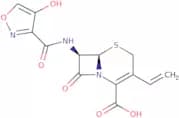
CAS:<p>Cefotaxime sodium impurity C is a by-product of the synthesis of cefotaxime. It is an impurity standard for drug product, custom synthesis and research and development. The CAS number for this substance is 66403-32-5. This compound has been shown to be a metabolite in metabolism studies. Impurity standard compounds are used in analytical methods such as HPLC.</p>Fórmula:C17H17N5O8S2Pureza:Min. 95%Peso molecular:483.48 g/mol[4-(4-Amino-6,7-dimethoxy-2-quinazolinyl)-1-piperazinyl][(5S)-tetrahydro-5-methyl-2-furanyl]-methanone
CAS:<p>Furegrelate is an analytical reference standard for the hydroxylation of 4-(4-amino-6,7-dimethoxy-2-quinazolinyl)-1-piperazinyl[(5S)-tetrahydro-5-methyl-2-furanyl]-methanone. Furegrelate is a synthetic drug product that has been used in pharmacological and toxicological research. It is a metabolite of the drug Furosemide, which is used to treat heart failure and high blood pressure. Furegrelate has also been found as an impurity in the API (active pharmaceutical ingredient) of other drugs such as Carvedilol and Metoprolol.</p>Fórmula:C20H27N5O4Pureza:Min. 95%Peso molecular:401.46 g/molCy7-azide
CAS:<p>Cy7-azide is an analog that has been shown to be effective against cancer cells. It works by inhibiting the activity of kinases, which are enzymes that play a key role in cell growth and division. This inhibition leads to apoptosis, or programmed cell death, in cancer cells. Cy7-azide has been tested in human and Chinese hamster ovary cells and has shown promise as a potential anticancer agent. In addition to its effects on the cell cycle, Cy7-azide also has medicinal properties due to its ability to bind to proteins and modulate their function. Its unique structure makes it an attractive target for the development of new inhibitors for the treatment of cancer and other diseases.</p>Fórmula:C40H51N6OPureza:Min. 95%Peso molecular:631.9 g/mola-[3-[[2-(3,4-Dimethoxyphenyl)ethyl]methylamino]propyl]-3,4-dimethoxy-a-propyl-benzeneacetonitrile
CAS:<p>a-[3-[[2-(3,4-Dimethoxyphenyl)ethyl]methylamino]propyl]-3,4-dimethoxy-a-propyl-benzeneacetonitrile is a drug product that is custom synthesized and has been shown to have high purity. It is also used in analytical studies, metabolism studies, and natural drug development. This compound can also be found as an impurity standard for HPLC or as an API impurity.</p>Fórmula:C27H38N2O4Pureza:Min. 95%Peso molecular:454.6 g/mol2,2',3,4,4',5,6,6'-Octabromodiphenyl ether
CAS:Produto Controlado<p>Please enquire for more information about 2,2',3,4,4',5,6,6'-Octabromodiphenyl ether including the price, delivery time and more detailed product information at the technical inquiry form on this page</p>Fórmula:C12H2Br8OPureza:Min. 95%Peso molecular:801.4 g/mol2,3',5,5'-Tetrachlorobiphenyl
CAS:Produto Controlado<p>2,3',5,5'-Tetrachlorobiphenyl is an analog that has shown potential in the development of anticancer agents. Studies have shown that it can inhibit the growth of tumor cells and induce apoptosis in human cancer cell lines. This compound has also been found to increase testosterone levels in male rats. Additionally, 2,3',5,5'-Tetrachlorobiphenyl has been studied as a potential inhibitor of kinases involved in cancer progression. Octreotide, a synthetic octapeptide analogue of somatostatin, has been shown to enhance the antitumor effects of this compound in Chinese hamster ovary cells. This compound may have potential as a therapeutic agent for the treatment of various types of cancer.</p>Fórmula:C12H6Cl4Pureza:Min. 95%Peso molecular:292 g/molEthopropazine hydrochloride
CAS:<p>Ethopropazine hydrochloride is a drug that inhibits the enzyme activity of acetylcholinesterase, which is involved in the breakdown of acetylcholine. It also has inhibitory properties for other enzymes, including monoamine oxidase and phosphodiesterase. Ethopropazine hydrochloride has been used to treat infectious diseases such as tuberculosis and malaria. Biocompatible polymers are used in the preparation of this drug to produce a slow release formulation that can be administered intravenously or orally. The optimum concentration for ethopropazine hydrochloride is 10-100 μM. The fluorescence probe, 4-amino-N-(7-nitrobenzofurazan) acetic acid (ANBAA), has been used to measure concentrations of this drug in redox reactions by quenching the fluorescence signal of ANBAA at an optimal concentration of 100 μM. Group P2 axonal growth was increased with ethop</p>Fórmula:C19H25ClN2SPureza:Min. 95%Peso molecular:348.9 g/molRocuronium
CAS:<p>Rocuronium is a potent muscle relaxant that is used during surgical procedures to facilitate intubation and mechanical ventilation. Recent studies have shown that Rocuronium may also have potential anticancer properties. The drug has been found to induce apoptosis in cancer cells by inhibiting the activity of protein kinases, which are enzymes involved in cell signaling pathways. Rocuronium analogs have been developed as inhibitors of specific kinases implicated in cancer growth, such as hepcidin and Chinese hamster ovary kinase. These inhibitors have shown promising results in preclinical studies and may represent a new class of anticancer drugs. Additionally, Rocuronium has been detected in urine samples from patients undergoing surgery, making it a potential biomarker for monitoring drug exposure and metabolism.</p>Fórmula:C32H53N2O4Pureza:Min. 95%Peso molecular:529.8 g/molDimethrimol
CAS:<p>Dimethrimol is a medicinal compound that has shown potential as an anticancer agent. It is an analog of inhibitors found in Chinese urine that have been used for their apoptotic effects on cancer cells. Dimethrimol has been shown to inhibit kinases, which are enzymes involved in cell signaling and proliferation. This inhibition leads to apoptosis, or programmed cell death, in human cancer cells. Dimethrimol is a promising inhibitor of tumor kinase activity and may be useful in the development of new anticancer therapies. Its protein kinase inhibitory activity makes it a valuable tool for studying the molecular mechanisms underlying cancer cell growth and survival.</p>Fórmula:C11H19N3OPureza:Min. 95%Peso molecular:209.29 g/molSalbutamol EP impurity C
CAS:<p>Salbutamol EP Impurity C is an impurity of Salbutamol EP, which is an active pharmaceutical ingredient. It is a hydrophilic interaction chromatography and reverse-phase high-performance liquid chromatography method that can be used to screen for the presence of impurities in this product. The detection method is based on the use of a diode array detector with a synchronous detection mode. The column used in this screening process is a liquid chromatography column with a particle size of 5 microns and a length of 250 mm, which has been packed with 5% phenyl-95% dimethyl polysiloxane stationary phase. This process requires acetonitrile as the mobile phase, and the detection wavelength ranges from 220 nm to 240 nm.</p>Fórmula:C13H21NO2Pureza:Min. 95%Cor e Forma:PowderPeso molecular:223.31 g/mol4-[(2,3,4-Trimethoxyphenyl)methyl]-1-piperazinecarboxylic acid ethyl ester
CAS:<p>4-[(2,3,4-Trimethoxyphenyl)methyl]-1-piperazinecarboxylic acid ethyl ester is an impurity standard for HPLC. It is a white or off-white solid that is soluble in organic solvents. The compound has been shown to be a metabolite of the drug product, and can also be found as an impurity in the API. 4-[(2,3,4-Trimethoxyphenyl)methyl]-1-piperazinecarboxylic acid ethyl ester can be synthesized from 2,3,4-trimethoxybenzoic acid and 1-(2-chloroethyl)piperazine.</p>Fórmula:C17H26N2O5Pureza:Min. 95%Peso molecular:338.4 g/mol(2S,2R,Cis)-saxagliptin
CAS:<p>(2S,2R,Cis)-saxagliptin is a drug product that has been developed for the treatment of type II diabetes. It is an orally active DPP-4 inhibitor that inhibits the degradation of GLP-1 and GIP and lowers blood glucose levels in patients with type II diabetes mellitus. It binds to the serine/threonine protein phosphatase catalytic site of DPP-4. (2S,2R,Cis)-saxagliptin can be used as a standard for HPLC analysis and as a research and development compound in the study of its metabolism. This drug product is not on the World Health Organization's list of essential medicines. (2S,2R,Cis)-saxagliptin is also not on the United States Pharmacopeia’s list of approved drugs.</p>Fórmula:C18H25N3O2Pureza:Min. 95%Peso molecular:315.40 g/mol3,4-Dihydro-1H-cyclopenta[cd]indol-2(2aH)-one
CAS:<p>Please enquire for more information about 3,4-Dihydro-1H-cyclopenta[cd]indol-2(2aH)-one including the price, delivery time and more detailed product information at the technical inquiry form on this page</p>Fórmula:C10H9NOPureza:Min. 95%Peso molecular:159.18 g/molN-Desmethylpromazine hydrochloride
CAS:<p>Please enquire for more information about N-Desmethylpromazine hydrochloride including the price, delivery time and more detailed product information at the technical inquiry form on this page</p>Fórmula:C16H19ClN2SPureza:Min. 95%Peso molecular:306.9 g/mol2-(((4-Methyl-7-oxyooctyl)oxy)carbonyl)cyclohexanecarboxylic acid
CAS:<p>2-(((4-Methyl-7-oxyooctyl)oxy)carbonyl)cyclohexanecarboxylic acid (2MEOCA) is a metabolite of progesterone which has been detected in human urine. 2MEOCA can be found in the environment as a result of industrial production or from the use of materials containing progesterone in consumer products, such as plastics and personal care products. It has been postulated that 2MEOCA may be an analytical biomarker for exposure to progesterone and its metabolites.<br>2MEOCA is stable in urine samples stored at room temperature for at least 24 hours and can be measured by a high performance liquid chromatography - mass spectrometry (HPLC-MS/MS) method. The median concentration of 2MEOCA was found to be 0.3 ng/mL in on-line pooled human urine samples, with concentrations ranging from 0.1 ng/mL</p>Fórmula:C17H28O5Pureza:Min. 95%Peso molecular:312.4 g/mol25-Hydroxyvitamin d2 3-hemisuccinate
CAS:<p>25-Hydroxyvitamin D2 3-hemisuccinate is a drug product that belongs to the group of natural products. It is a metabolite of vitamin D2 and has been shown to have anti-inflammatory properties. 25-Hydroxyvitamin D2 3-hemisuccinate is used as an analytical standard for HPLC, but it is also used in research and development for drug development. This product can be used as an impurity standard for API's because it is easily purified and stable in storage. Research has shown that this compound may be effective in protecting against osteoporosis, cardiovascular disease, and cancer.</p>Fórmula:C32H48O5Pureza:Min. 95%Peso molecular:512.72 g/molGuaifenesin EP Impurity B
CAS:<p>Guaifenesin (GP) is a phenylpropanoid that is used as an expectorant and cough suppressant. Guaifenesin EP Impurity B is a by-product of the synthesis of guaifenesin, which can be removed by preparative chromatography. It has been shown to catalyze reactions with acidic substrates and has the ability to form magnesium complexes. The reaction mechanism for guaifenesin EP Impurity B is not well understood, but it has been shown that hydrotalcite and magnesium oxide can remove GP from solution. This impurity also reacts with zirconium to form zirconium oxide, which can be removed by techniques such as mesoporous silica gel chromatography.</p>Fórmula:C10H14O4Pureza:Min. 95%Peso molecular:198.22 g/mol5-[(Hydroxyacetyl)amino]-N,N'-bis [2-hydroxy-1-(hydroxymethyl)ethyl]-2,4,6-triiodo-1,3-benzenedicarboxamide
CAS:<p>5-[(Hydroxyacetyl)amino]-N,N'-bis [2-hydroxy-1-(hydroxymethyl)ethyl]-2,4,6-triiodo-1,3-benzenedicarboxamide is a drug product that was synthesized for research purposes. It is an analytical standard for HPLC and has not been approved for clinical use. 5-[(Hydroxylacetyl)amino]-N,N'-bis [2-hydroxy-1-(hydroxymethyl)ethyl]-2,4,6-triiodo-1,3-benzenedicarboxamide is a compound with natural origin and has been classified as an API impurity. This synthetic drug product is custom synthesized to meet the requirements of pharmacopoeia standards.</p>Fórmula:C16H20I3N3O8Pureza:Min. 95%Peso molecular:763.06 g/molDescyclopropyl lenvatinib
CAS:<p>Descyclopropyl lenvatinib is a synthetic drug candidate that is being developed for the treatment of cancer. It is a metabolite of lenvatinib and has shown to have similar pharmacological activity, including inhibition of protein synthesis. Descyclopropyl lenvatinib also has been shown to inhibit the metabolism of other drugs, such as irinotecan, which may be due to its ability to inhibit cytochrome P450 enzymes.</p>Fórmula:C18H15ClN4O4Pureza:Min. 95%Peso molecular:386.80 g/molPregabalin impurity PD 0312236 and Pregabalin impurity PD 0312237 (mixture of tautomeric isomers)
CAS:<p>Lactose conjugate degradation product of pregabalin</p>Fórmula:C20H35NO11Pureza:Min. 95%Peso molecular:465.49 g/mol4-(Acetylamino)-3-bromobenzenesulfonyl chloride
CAS:<p>4-(Acetylamino)-3-bromobenzenesulfonyl chloride is a white crystalline powder that is soluble in water, ethanol and chloroform. It has an analytical standard purity of 99% or greater. This compound can be used for research and development purposes as well as for the synthesis of pharmaceuticals. The impurity profile of 4-(acetylamino)-3-bromobenzenesulfonyl chloride includes 3-acetylbenzenesulfonic acid, sodium acetate, ammonium chloride, sodium sulfite, potassium bromide, potassium iodide, potassium carbonate, and potassium citrate.</p>Fórmula:C8H7BrClNO3SPureza:Min. 95%Peso molecular:312.57 g/mol2,5-Dioxabicyclo[2.2.1]heptane α-D-galactopyranoside
CAS:<p>Please enquire for more information about 2,5-Dioxabicyclo[2.2.1]heptane α-D-galactopyranoside including the price, delivery time and more detailed product information at the technical inquiry form on this page</p>Fórmula:C12H18Cl2O8Pureza:Min. 95%Peso molecular:361.17 g/mol(aR)-a-Methyl-N-[3-[4-(trifluoromethyl)phenyl]propyl]-1-naphthalenemethanamine
CAS:<p>(aR)-a-Methyl-N-[3-[4-(trifluoromethyl)phenyl]propyl]-1-naphthalenemethanamine is a synthetic drug product that is used in research and development. It has been shown to have an analytical purity of 99.8%.</p>Fórmula:C22H22F3NPureza:Min. 95%Peso molecular:357.41 g/molUCB-9260
CAS:<p>UCB-9260 is a potent inhibitor of kinases that has been shown to have anticancer properties. It is a medicinal compound that was originally isolated from Chinese urine and has since been synthesized as an analog for research purposes. UCB-9260 inhibits the activity of protein kinases, which play a key role in cell signaling pathways and are often dysregulated in cancer cells. This inhibition leads to apoptosis, or programmed cell death, in tumor cells. UCB-9260 has been tested on human cancer cell lines and has shown promising results as an anticancer agent. Its specificity for certain kinases makes it a valuable tool for studying the role of these enzymes in cancer development and progression.</p>Fórmula:C26H25N5OPureza:Min. 95%Peso molecular:423.5 g/mol(1R,2S,5R)-5-Methyl-2-(1-methylethyl)cyclohexyl N-[(7R)-6,7-dihydro-5-[(4-methoxyphenyl)methyl]-6-oxo-5H-dibenz[b,d]azepin-7-yl]carb amate
CAS:<p>(1R,2S,5R)-5-Methyl-2-(1-methylethyl)cyclohexyl N-[(7R)-6,7-dihydro-5-[(4-methoxyphenyl)methyl]-6-oxo-5H-dibenz[b,d]azepin-7-yl]carb amate is a synthetic compound. It is an impurity in the drug product Brivaracetam (CAS No. 1083065-09-1). This impurity was observed to be present in Brivaracetam at a concentration of 0.0008%. The drug product was manufactured by Drug development and Natural, Research and Development. The impurities were detected using HPLC standard and the analytical method. Impurity standards are available for the synthesis of this compound.</p>Fórmula:C33H38N2O4Pureza:Min. 95%Peso molecular:526.70 g/mol[4-L-Glutamic Acid]-desmopressin
<p>4-L-Glutamic Acid]-desmopressin is an analytical standard that is used to calibrate HPLC systems. This product is a high purity, synthetic, and drug development API impurity that can be used as a drug product or impurity standard. It is also available as an HPLC standard, niche, and custom synthesis. 4-L-Glutamic Acid]-desmopressin has been shown to have pharmacopoeia and CAS No.</p>Pureza:Min. 95%42-o-tert-Butyldimethylsilyloxyethyl rapamycin
CAS:<p>Rapamycin is a natural product from Streptomyces hygroscopicus. It has been shown to inhibit T- and B-lymphocyte proliferation, induce apoptosis of lymphocytes, and suppress both humoral and cell-mediated immune responses. Rapamycin is also an immunosuppressant that decreases the incidence of rejection in organ transplant patients.<br>Rapamycin is used as a drug product in the form of a sterile solution for injection. The purity of rapamycin should be at least 99%, with less than 1% impurities, such as 42-O-tert-butyldimethylsilyloxyethyl rapamycin (TBDMS). Rapamycin is not currently available on the market as an API, but it may be custom synthesized for research purposes or for clinical trials.</p>Fórmula:C59H97NO14SiPureza:Min. 95%Peso molecular:1,072.49 g/molPamapimod-d4
CAS:<p>Please enquire for more information about Pamapimod-d4 including the price, delivery time and more detailed product information at the technical inquiry form on this page</p>Fórmula:C19H20F2N4O4Pureza:Min. 95%Peso molecular:410.4 g/mol6-Chloro-2-(chloromethyl)-4-phenyl-quinazoline
CAS:<p>6-Chloro-2-(chloromethyl)-4-phenyl-quinazoline is a phenyl ring with an oxide group at the 6 position and a chlorodiazepoxide group at the 2 position. It is used in dermatitis, as it inhibits the release of histamines. This drug has been shown to have sensitized reactions in guinea pigs, and dimers are formed when it reacts with skin tissue. 6-Chloro-2-(chloromethyl)-4-phenyl-quinazoline can form dihedral or centrosymmetric quinazolines by reacting with hydrazine and benzodiazepine. The formation of these compounds is dependent on the presence of hydrazines and benzodiazepines, which may be found in certain household products such as detergents or cosmetics. This compound also forms supramolecular assemblies that stack on top of one another like a deck of cards, which may be due to</p>Fórmula:C15H10Cl2N2OPureza:Min. 95%Peso molecular:305.2 g/molDiethyl methylphenylmalonate
CAS:<p>Diethyl methylphenylmalonate is a halogenated organic compound that can be prepared by the reaction of magnesium with diethyl malonate and methylbromide. Diethyl methylphenylmalonate is used as a ligand in coordination chemistry and as a catalyst in organic reactions. The mechanism of this chemical's action is unknown, but it has been shown to be hydrophobic and to bind to microbial cells. It also has been demonstrated to have an oxidation catalyst activity. Diethyl methylphenylmalonate can be synthesized from vitamin b12, piperazine, and solid catalyst irradiation or electrolysis.</p>Fórmula:C14H18O4Pureza:Min. 95%Peso molecular:250.29 g/mol2-Hydroxy-5-[2-[4-[[(6-methyl-2-pyridinyl)amino]sulfonyl]phenyl]diazenyl]benzoic acid
CAS:<p>2-Hydroxy-5-[2-[4-[[(6-methyl-2-pyridinyl)amino]sulfonyl]phenyl]diazenyl]benzoic acid is a synthetic drug product that has not been approved for clinical use. 2-Hydroxy-5-[2-[4-[[(6-methyl-2-pyridinyl)amino]sulfonyl]phenyl]- diazenyl]benzoic acid is a metabolite of the drug product, 3-(2,4,6,-trimethoxybenzoyl)-1-(pyridinium methyl) piperidine. This metabolite was isolated and characterized using high performance liquid chromatography (HPLC), gas chromatography (GC), and nuclear magnetic resonance spectroscopy.</p>Fórmula:C19H16N4O5SPureza:Min. 95%Peso molecular:412.42 g/molFexofenadine Impurity G
CAS:<p>Fexofenadine Impurity G is an impurity that is found in the drug Fexofenadine. This impurity can be identified and quantified using HPLC with a UV detector at 254 nm. Fexofenadine Impurity G has been classified as a natural metabolite of Fexofenadine. It is also considered to be a synthetic impurity because it can be synthesized in the laboratory.</p>Fórmula:C32H37NO3Pureza:Min. 95%Peso molecular:483.6 g/molDexamethasone Impurity A
<p>Impurity A is an impurity of the drug product, dexamethasone. The impurity is a natural metabolite of dexamethasone that is found in the urine of patients taking this medication. Impurity A is chemically identified using HPLC and its purity verified using GC-MS and LC-MS. This impurity can be used as a reference standard for analytical purposes and as an impurity standard for pharmacopoeia testing.</p>Fórmula:C22H29FO5Pureza:Min. 95 Area-%Cor e Forma:White Off-White PowderPeso molecular:392.46 g/molNad 299 hydrochloride
CAS:<p>Nad 299 hydrochloride is a prodrug that is hydrolyzed in vivo to the active drug nadolol. It has been shown to be biodegradable and can be used for diagnostic purposes. Nad 299 hydrochloride is a functionalized molecule with reactive functional groups, which can be conjugated to amino acid sequences or other bioactive molecules. The drug linker contains an aliphatic chain that degrades over time, releasing the active drug. Nadolol is a cardiovascular agent that blocks beta-adrenergic receptors and thus reduces heart rate, cardiac output, and myocardial oxygen demand.</p>Fórmula:C18H24ClFN2O2Pureza:Min. 95%Peso molecular:354.8 g/molVandetanib N-oxide
CAS:<p>Vandetanib N-oxide is a drug product that is custom synthesized for research and development purposes. It has been shown to have high purity, analytical, and natural properties. Vandetanib N-oxide can be used as a metabolite or impurity standard in pharmacopoeias, such as the USP. The compound also has niche use in drug development and metabolism studies.</p>Fórmula:C22H24BrFN4O3Pureza:Min. 95%Peso molecular:491.40 g/mol5'-Epi lamivudine
CAS:<p>Lamivudine epimer</p>Fórmula:C8H11N3O3SPureza:Min. 95%Peso molecular:229.26 g/molMidostaurin Impurity 2
CAS:<p>Midostaurin Impurity 2 is a drug product that has been custom synthesized by our scientists. It is of high purity, and is used in analytical studies to understand its metabolism. This impurity also plays a role in drug development and pharmacopoeia. It can be found under CAS No. 155848-20-7, and has the molecular formula C10H16N4O2S. This compound has an analytical standard at HPLC, which can be used to make sure that it's purity meets FDA standards for research and development purposes.</p>Pureza:Min. 95%1-(3,5-Dihydroxyphenyl)-2-[(1,1-dimethylethyl)amino]-ethanone hydrochloride
CAS:<p>1-(3,5-Dihydroxyphenyl)-2-[(1,1-dimethylethyl)amino]-ethanone hydrochloride (HDPAE) is a drug product for the treatment of metabolic disorders. HDPAE is synthesized in high purity and has been studied for its metabolism and therapeutic effect. The CAS number for this compound is 1246815-70-2. This compound can be found in natural sources such as plants and animals, but it is also synthetically produced. HDPAE has not been evaluated by the FDA or any other regulatory agency and may not be available to consumers.</p>Fórmula:C12H18ClNO3Pureza:Min. 95%Peso molecular:259.73 g/mol(3R)-3-Amino-2,3-dihydro-1H-inden-1-one hydrochloride
CAS:<p>Please enquire for more information about (3R)-3-Amino-2,3-dihydro-1H-inden-1-one hydrochloride including the price, delivery time and more detailed product information at the technical inquiry form on this page</p>Fórmula:C9H10ClNOPureza:Min. 95%Peso molecular:183.63 g/molAZD8848
CAS:<p>AZD8848 is a potent inhibitor of the protein kinase that has been shown to have anticancer properties. This analog of capsaicin has been tested in Chinese hamster ovary (CHO) and human cancer cell lines, where it was found to induce apoptosis and inhibit tumor growth. AZD8848 targets specific kinases involved in cancer cell proliferation and survival, making it a promising candidate for cancer treatment. In addition to its anticancer effects, AZD8848 has also been shown to have potential as a urine protein inhibitor, which could be useful in the diagnosis and monitoring of certain types of cancer. Overall, AZD8848 represents an exciting new avenue for the development of novel anticancer therapies.</p>Fórmula:C29H43N7O5Pureza:Min. 95%Peso molecular:569.7 g/mol2-Ethylpentanoic acid ethyl ester
CAS:<p>Please enquire for more information about 2-Ethylpentanoic acid ethyl ester including the price, delivery time and more detailed product information at the technical inquiry form on this page</p>Fórmula:C9H18O2Pureza:Min. 95%Peso molecular:158.24 g/molITE analog
CAS:<p>ITE analog is an anticancer agent that works by inhibiting the activity of certain kinases in cancer cells. This inhibitor has been shown to induce apoptosis and inhibit tumor growth in both human and Chinese hamster ovary cell lines. ITE analog is a protein toxin that can be found in urine, but the synthetic analog is more potent and selective than the natural compound. This analog has been tested against a variety of kinases, including those involved in cancer cell proliferation, and has shown promising results as a potential treatment for cancer. Its unique mechanism of action makes it a valuable addition to the arsenal of anticancer drugs available today.</p>Fórmula:C15H12N2O2SPureza:Min. 95%Peso molecular:284.3 g/molN-Benzyl-7-chloroquinolin-4-amine
CAS:<p>N-Benzyl-7-chloroquinolin-4-amine is a potent inhibitor that has been shown to exhibit anticancer properties. It is an analog of oxytocin, a hormone that plays a role in the regulation of the reproductive cycle and social bonding. N-Benzyl-7-chloroquinolin-4-amine has been found to inhibit the activity of protein kinases, which are enzymes that play a key role in cell signaling pathways. This inhibition leads to decreased cell growth and increased apoptosis in cancer cells. Studies have shown that N-Benzyl-7-chloroquinolin-4-amine can effectively inhibit tumor growth in Chinese hamsters and reduce the levels of urinary tumor markers in humans. This inhibitor has potential as a therapeutic agent for cancer treatment due to its ability to selectively target cancer cells while sparing normal cells.</p>Fórmula:C16H13ClN2Pureza:Min. 95%Peso molecular:268.74 g/mol(Nitrosoimino)bisacetic acid diethyl ester
CAS:<p>Please enquire for more information about (Nitrosoimino)bisacetic acid diethyl ester including the price, delivery time and more detailed product information at the technical inquiry form on this page</p>Fórmula:C8H14N2O5Pureza:Min. 95%Peso molecular:218.21 g/mol5-Ethyl-10-methoxy-5H-dibenz[b,f]azepine
CAS:<p>5-Ethyl-10-methoxy-5H-dibenz[b,f]azepine is a synthetic compound that is used as an impurity standard in the synthesis of drugs. It also has been used in drug development and analysis. 5-Ethyl-10-methoxy-5H-dibenz[b,f]azepine is metabolized by CYP2D6 to form 5-(1′,3′,4′,5′) -trihydroxy dibenzo[b,f][1,4]diazepin. This metabolite can be quantified using HPLC to determine the metabolic pathway of the drug product.</p>Fórmula:C17H17NOPureza:Min. 95%Cor e Forma:PowderPeso molecular:251.32 g/mol5-Hydroxydeferasirox
CAS:<p>Please enquire for more information about 5-Hydroxydeferasirox including the price, delivery time and more detailed product information at the technical inquiry form on this page</p>Fórmula:C21H15N3O5Pureza:Min. 95%Peso molecular:389.4 g/mol2,3,4-Trihydroxybenzaldehyde 2-benzylhydrazone
CAS:<p>Please enquire for more information about 2,3,4-Trihydroxybenzaldehyde 2-benzylhydrazone including the price, delivery time and more detailed product information at the technical inquiry form on this page</p>Fórmula:C14H14N2O3Pureza:Min. 95%Peso molecular:258.27 g/mol(E/Z)-Trelnarizine dihydrochloride
CAS:<p>Please enquire for more information about (E/Z)-Trelnarizine dihydrochloride including the price, delivery time and more detailed product information at the technical inquiry form on this page</p>Fórmula:C28H32Cl2F2N2O2Pureza:Min. 95%Peso molecular:537.5 g/molN,S-Carboxymethyl cysteine hydrochloride
CAS:<p>N,S-Carboxymethyl cysteine hydrochloride (NCC) is a drug product that is synthesized from cysteine. It has been used in analytical chemistry, metabolism studies, and drug development. NCC has been shown to be a natural metabolite of cysteine when administered orally to rats or mice. It is also an impurity standard for HPLC analysis and has been used as an API impurity in the synthesis of other drugs.<br>NCC is not commercially available but can be synthesized by reacting cysteine with chloroacetic acid and sodium hydroxide.</p>Fórmula:C7H11NO6S·HClPureza:Min. 95%Peso molecular:273.69 g/mol4-Epi-dolutegravir
CAS:<p>4-Epi-dolutegravir is the active metabolite of dolutegravir. It is a synthetic, high purity API that is used as an analytical reference standard and a drug product for research and development purposes. The CAS number for 4-epi-dolutegravir is 1357289-37-2. 4-Epi-dolutegravir has been shown to have similar pharmacological properties to its parent compound, dolutegravir. Metabolism studies have demonstrated that the major route of elimination for 4-epi-dolutegravir is through urinary excretion.</p>Fórmula:C20H19F2N3O5Pureza:Min. 95%Peso molecular:419.40 g/molBensulide
CAS:<p>Bensulide is a potent inhibitor of kinases, which are enzymes that regulate various cellular processes. It has been shown to have anticancer properties by inducing apoptosis in cancer cells. Bensulide is a Chinese medicinal herb that has been used for centuries as a traditional medicine. It is an analog of protein kinase inhibitors and can be used as an inhibitor of tumor growth. Bensulide has also been found in human urine and may have potential as a diagnostic marker for cancer. Its mechanism of action involves the inhibition of protein kinases, which are involved in cell signaling pathways that regulate cell growth and division. Overall, Bensulide shows great promise as an anticancer agent with potent inhibitory effects on cancer cells.</p>Fórmula:C14H24NO4PS3Pureza:Min. 95%Peso molecular:397.5 g/mol2-Azahypoxanthine sodium salt
CAS:<p>2-Azahypoxanthine sodium salt is a compound with a unique set of characteristics. It has been extensively studied and its properties have been thoroughly analyzed. The mass spectrum of 2-Azahypoxanthine sodium salt reveals its molecular structure and provides valuable information about its composition.</p>Fórmula:C4H2N5NaOPureza:Min. 95%Peso molecular:159.08 g/molGanciclovir mono-o-propionate
CAS:<p>Ganciclovir mono-o-propionate is an analytical reference standard for HPLC analysis. It is also a drug development intermediate, an API impurity, and a metabolite of ganciclovir. Ganciclovir mono-o-propionate is a crystalline solid with a melting point of 119°C and a molecular weight of 312.5. This compound can be found in the USP/NF (2009) as an impurity in the ganciclovir product. Ganciclovir mono-o-propionate has been used by companies to synthesize ganciclovir or other analogues for research purposes. The natural form of this compound can be found in plants such as apple leaves and grape leaves, but it can also be synthesized from chloroacetic acid and propionic acid.</p>Fórmula:C12H17N5O5Pureza:Min. 95%Peso molecular:311.29 g/molEurycomanol
CAS:<p>Eurycomanol is a potent anticancer compound that has been extensively studied for its medicinal properties. It is an analog of the Chinese herb Tongkat Ali, which has traditionally been used to treat a variety of ailments. Eurycomanol works by inhibiting specific kinases and proteins that are involved in cancer cell growth and proliferation. This inhibition leads to apoptosis, or programmed cell death, in tumor cells. Eurycomanol has been shown to be effective against a range of human cancers and cancer cell lines, making it a promising candidate for future cancer treatments. Additionally, eurycomanol can be detected in urine samples, making it a potential biomarker for cancer diagnosis and monitoring.</p>Fórmula:C20H26O9Pureza:Min. 95%Peso molecular:410.4 g/molFluorindine
CAS:<p>Fluorindine is a medicinal compound that has shown promise in inhibiting the growth of cancer cells. It works by targeting specific kinases involved in cell cycle regulation and inducing apoptosis, or programmed cell death, in tumor cells. Fluorindine has been tested on human and Chinese hamster cells and has shown potent anticancer activity. It also acts as an inhibitor of nintedanib, a protein kinase inhibitor that is used to treat certain types of cancer. In addition, Fluorindine has been found to have potential for use as an anticancer drug due to its ability to inhibit the activity of apomorphine, a protein involved in cancer cell growth. Overall, Fluorindine has promising potential as a novel therapeutic agent for the treatment of cancer.</p>Fórmula:C5H4FInPureza:Min. 95%Peso molecular:197.9 g/molUSP7-IN-3
CAS:<p>Please enquire for more information about USP7-IN-3 including the price, delivery time and more detailed product information at the technical inquiry form on this page</p>Fórmula:C29H31F3N6O3Pureza:Min. 95%Peso molecular:568.6 g/mol(S)-Cy-BINAP
CAS:<p>Please enquire for more information about (S)-Cy-BINAP including the price, delivery time and more detailed product information at the technical inquiry form on this page</p>Fórmula:C44H56P2Pureza:Min. 95%Peso molecular:646.9 g/mol(R)-Cy-BINAP
CAS:<p>Please enquire for more information about (R)-Cy-BINAP including the price, delivery time and more detailed product information at the technical inquiry form on this page</p>Fórmula:C44H56P2Pureza:Min. 95%Peso molecular:646.9 g/molCDC25B-IN-1
CAS:<p>Please enquire for more information about CDC25B-IN-1 including the price, delivery time and more detailed product information at the technical inquiry form on this page</p>Fórmula:C20H19NO3Pureza:Min. 95%Peso molecular:321.4 g/molGW300657X
CAS:<p>GW300657X is an indirubin analog that has been shown to act as a potent inhibitor of tumor growth in Chinese hamster ovary cells. It has also demonstrated anticancer activity in human cancer cell lines by inducing apoptosis, or programmed cell death. GW300657X targets kinases and proteins involved in the regulation of cell division and proliferation, making it a promising candidate for cancer treatment. This compound can be detected in urine after administration, indicating its potential for clinical use. As a kinase inhibitor, GW300657X shows great potential in the development of new cancer therapies.</p>Fórmula:C21H18N6O4SPureza:Min. 95%Peso molecular:450.5 g/mol1-(2-Deoxy-β-D-xylofuranosyl)-5-methyluracil
CAS:<p>1-(2-Deoxy-beta-D-xylofuranosyl)-5-methyluracil (1DXP) is a nucleoside that inhibits the enzyme UDP glucose pyrophosphorylase. This enzyme is involved in the synthesis of uridine nucleotides, which are required for RNA and DNA synthesis. 1DXP has been shown to be effective against hepatitis B virus and lymphocytic leukemia cells in vitro. The mechanism of action of 1DXP is not well understood, but it may be related to the inhibition of protein synthesis or cellular metabolism. It may also inhibit the enzyme amino transferase, which is important for the synthesis of aromatic amino acids such as phenylalanine and tyrosine.</p>Fórmula:C10H14N2O5Pureza:Min. 95%Peso molecular:242.23 g/molEthyl 2-methoxy-5-sulfamoylbenzoate
CAS:<p>Ethyl 2-methoxy-5-sulfamoylbenzoate is a research and development impurity standard. It is a white to off-white crystalline solid that is soluble in water. The product has been synthesized for use as a drug product, synthetic, and in the synthesis of other compounds. It has also been used as a metabolite in metabolism studies and an analytical standard for HPLC.</p>Fórmula:C10H13NO5SPureza:Min. 95%Peso molecular:259.28 g/molLevofloxacin diamine impurity
CAS:<p>Levofloxacin is a synthetic fluoroquinolone antibiotic. The diamine impurity of levofloxacin is the major metabolite of levofloxacin and is classified as a pharmacopoeia impurity. Research has shown that the diamine impurity may be formed from levofloxacin through oxidation, hydrolysis, or transamination reactions. Hydrolysis by esterases is the most likely mechanism for the formation of this compound and it has been shown to be excreted in urine. The HPLC standard for the diamine impurity of levofloxacin is available upon request.</p>Pureza:Min. 95%N-Demethyl pazopanib
CAS:<p>N-Demethyl pazopanib is a synthetic drug that has been researched and developed for the treatment of cancer. It is an impurity standard, custom synthesis, and drug product. Synthetic N-demethyl pazopanib is used in clinical trials as a research and development tool to explore the metabolism of this drug and its metabolites. High purity N-demethyl pazopanib is used as a pharmacopoeia reference material for HPLC analysis in pharmacological studies. The metabolite of N-demethyl pazopanib has been found to be carcinogenic in animal studies. Metabolism studies have shown that N-demethyl pazopanib undergoes extensive hydroxylation and glucuronidation, which are detoxification pathways for xenobiotics in mammals.</p>Fórmula:C20H21N7O2SPureza:Min. 95%Peso molecular:423.5 g/molParitaprevir
CAS:<p>Paritaprevir is a medicinal compound that acts as an inhibitor of protein kinases. It has been shown to be effective against various types of cancer cells, including those found in the urine and tumors. Paritaprevir is an analog of a Chinese anticancer compound and has been shown to induce apoptosis in human cancer cells. This potent kinase inhibitor selectively targets specific kinases involved in cancer cell proliferation, making it a promising candidate for the treatment of cancer. Its ability to inhibit kinases also makes it an attractive therapeutic option for other diseases that involve aberrant kinase activity.</p>Fórmula:C40H43N7O7SPureza:Min. 95%Peso molecular:765.9 g/molrac Methotrimeprazine maleate salt
CAS:Produto Controlado<p>Rac Methotrimeprazine maleate salt is a potent cancer drug that targets kinases, enzymes involved in regulating cell growth and division. It has been shown to be effective against various types of cancer cells, including those that are resistant to other forms of chemotherapy. Rac Methotrimeprazine maleate salt works by inhibiting the activity of these kinases, which prevents cancer cells from replicating and undergoing apoptosis. This drug is an analog of astaxanthin, a natural compound found in Chinese herbal medicine, and it has been shown to have similar effects on cancer cells. Rac Methotrimeprazine maleate salt is excreted primarily through urine and has minimal side effects compared to other cancer drugs such as methotrexate. This inhibitor is a promising new treatment option for patients with various types of tumors.</p>Fórmula:C23H28N2O5SPureza:Min. 95%Peso molecular:444.5 g/molLoperamide N-oxide
CAS:<p>Loperamide N-oxide is an analog of loperamide, which is commonly used as an anti-diarrheal medication. It has been shown to have potential anti-cancer properties by inducing apoptosis in cancer cells. Loperamide N-oxide has also been detected in urine samples from Chinese individuals, indicating its potential use as a biomarker for cancer diagnosis. This compound has been found to inhibit trypsin-like kinases, which are enzymes involved in cell division and proliferation. In addition, loperamide N-oxide has been shown to inhibit the growth of tumor cells and may have potential as a therapeutic agent for cancer treatment. However, it should be noted that rifampicin and other inhibitors can reduce the effectiveness of loperamide N-oxide against cancer cells. Further research is needed to fully understand the potential benefits and limitations of this compound.</p>Fórmula:C29H33ClN2O3Pureza:Min. 95%Peso molecular:493 g/molIsoquinine
CAS:<p>Isoquinine is a potent compound with promising anticancer activity. It has been shown to have inhibitory activity against protein kinases, which are enzymes involved in the regulation of cell cycle and proliferation. Isoquinine can act as an inhibitor of kinase inhibitors, leading to a decrease in tumor growth and inducing apoptosis in tumor cells. In addition to its potential as an anticancer agent, Isoquinine has also shown antitumor activity against Alzheimer's disease. This compound is a carboxylic acid that can bind to specific targets within cells and inhibit their function, making it a promising candidate for future drug development. Its unique mechanism of action makes it an attractive target for further study and exploration.</p>Fórmula:C20H24N2O2Pureza:Min. 95%Peso molecular:324.4 g/molN-4-Aminoisoindoline-1,3-dione pomalidomide
CAS:<p>N-4-Aminoisoindoline-1,3-dione pomalidomide is a powerful compound that belongs to the class of pomalidomide drugs. It has been extensively studied and found to have various applications in the medical field. This compound has shown promising results in inhibiting the growth of cancer cells by interfering with their DNA replication process. Additionally, N-4-Aminoisoindoline-1,3-dione pomalidomide has been found to have anti-inflammatory properties and can modulate the immune system.</p>Fórmula:C21H14N4O6Pureza:Min. 95%Peso molecular:418.4 g/molOxodesmosine
CAS:<p>Oxodesmosine is an analog of a protein found in Chinese urine that has shown promise as an anticancer agent. It works by inhibiting kinases, which are enzymes that play a key role in cancer cell growth and survival. Oxodesmosine has been shown to induce apoptosis, or programmed cell death, in tumor cells both in vitro and in vivo. This compound may be useful as a therapeutic agent for the treatment of various types of cancer in humans. Additionally, Oxodesmosine has been studied for its potential synergistic effects with other kinase inhibitors such as mirtazapine. Overall, Oxodesmosine represents a promising new avenue for the development of novel anticancer therapies.</p>Fórmula:C23H37N5O7Pureza:Min. 95%Peso molecular:495.6 g/mol6β-Methylprednisolone hemisuccinate
CAS:<p>Please enquire for more information about 6β-Methylprednisolone hemisuccinate including the price, delivery time and more detailed product information at the technical inquiry form on this page</p>Fórmula:C26H34O8Pureza:Min. 95%Peso molecular:474.5 g/molLactiflorin
CAS:<p>Lactiflorin is a natural compound that has been found to have potent inhibitory effects on cancer cells. This medicinal plant extract is commonly used in Chinese traditional medicine as an anticancer agent. Lactiflorin has been shown to induce cell cycle arrest and promote apoptosis in human cancer cells by inhibiting the activity of protein kinases, which are essential for tumor growth and survival. Additionally, lactiflorin analogs have been developed with even greater potency against cancer cells. In preclinical studies, lactiflorin and its derivatives have demonstrated promising results as potential therapeutic inhibitors for various types of cancers. Furthermore, lactiflorin has also shown potential as a non-invasive biomarker for early detection of certain cancers through analysis of urine samples.</p>Fórmula:C23H26O10Pureza:Min. 95%Peso molecular:462.4 g/molPBDE 170
CAS:<p>Please enquire for more information about PBDE 170 including the price, delivery time and more detailed product information at the technical inquiry form on this page</p>Fórmula:C12H3Br7OPureza:Min. 95%Peso molecular:722.5 g/molRotigotine sulfate
CAS:<p>Rotigotine is a drug that belongs to the group of pharmaceutical formulations. It is an unlabeled drug that has been shown to be effective in the treatment of depression. Rotigotine may be administered through a transdermal patch or by iontophoresis, which is a technique used to administer drugs through the skin. The mechanism of action is not known, but it may involve the inhibition of monoamine reuptake and/or alteration of intracellular levels of catecholamines. Rotigotine sulfate has a high affinity for dopamine receptors and increases plasma concentrations of dopamine by inhibiting its reuptake into presynaptic neurons. This leads to increased concentrations of dopamine in synaptic clefts and an increase in postsynaptic receptor binding.</p>Fórmula:C19H25NO4S2Pureza:Min. 95%Peso molecular:395.5 g/molCandesartan tert-butyl ester
CAS:<p>Candesartan tert-butyl ester is an analog of the human angiotensin II receptor antagonist, candesartan. This compound has been shown to have potent anticancer activity in various cancer cell lines by inducing apoptosis and inhibiting tumor growth. Candesartan tert-butyl ester also acts as a kinase inhibitor, specifically inhibiting Chinese hamster ovary (CHO) and medicinal plant protein kinases. This compound has been studied extensively for its potential as an anticancer drug due to its ability to selectively target cancer cells while sparing healthy cells. Candesartan tert-butyl ester is excreted primarily in the urine and may have potential as a novel inhibitor for the treatment of cancer.</p>Fórmula:C28H28N6O3Pureza:Min. 95%Peso molecular:496.6 g/mol4-Descyano-4-bromo-letrozole
CAS:<p>4-Descyano-4-bromo-letrozole is a white crystalline powder with a purity of 99.5% or greater. This product is used as an analytical reference standard in the detection of impurities in pharmaceutical products and as a research and development intermediate in the synthesis of other organic compounds. 4-Descyano-4-bromo-letrozole is a metabolite that can be produced by cytochrome P450 enzymes, such as CYP1A2, CYP3A4, and CYP3A5. The chemical name for this drug product is 4-[(2,6-dichlorophenyl)amino]-4-[(2,6-dichlorophenyl)amino]benzoic acid bromide. CAS No. 143030-54-0</p>Fórmula:C16H11BrN4Pureza:Min. 95%Peso molecular:339.19 g/molα-[4-(2-dimethylaminoethoxy)phenyl]stilbene
CAS:<p>Alpha-[4-(2-dimethylaminoethoxy)phenyl]stilbene (DS) is a synthetic, analytical standard that is used as an impurity in the manufacture of pharmaceutical products. DS is also sold as a reference material for HPLC and GC/MS analysis.</p>Fórmula:C24H25NOPureza:Min. 95%Peso molecular:343.50 g/mol2-(Tritylamino)-4-thiazolylacetic acid
CAS:<p>Please enquire for more information about 2-(Tritylamino)-4-thiazolylacetic acid including the price, delivery time and more detailed product information at the technical inquiry form on this page</p>Fórmula:C24H20N2O2SPureza:Min. 95%Peso molecular:400.5 g/mol2-Bromo-N-[4-bromo-2-(2-fluorobenzoyl)phenyl]acetamide
CAS:<p>Please enquire for more information about 2-Bromo-N-[4-bromo-2-(2-fluorobenzoyl)phenyl]acetamide including the price, delivery time and more detailed product information at the technical inquiry form on this page</p>Fórmula:C15H10Br2FNO2Pureza:Min. 95%Peso molecular:415.05 g/molAjoene
CAS:<p>Ajoene is a natural compound that has been shown to have antimicrobial properties, as well as an ability to inhibit the growth of tumor cells. Ajoene is also a potent inhibitor of dextran sulfate proteoglycan synthesis in vitro and has been shown to produce a hypoglycemic effect in vivo. Ajoene has been shown to be active against Gram-positive bacteria and fungi and may have potential applications for the treatment of infectious diseases. Further research is needed to determine whether ajoene may be used as an antioxidant or neuroprotective agent.</p>Fórmula:C9H14OS3Pureza:Min. 95%Peso molecular:234.4 g/molcis 5-Fluoro-1-[2-(hydroxymethyl)-1,3-oxathiolan-5-yl]-2,4(1H,3H)- pyrimidinedione
CAS:<p>cis 5-Fluoro-1-[2-(hydroxymethyl)-1,3-oxathiolan-5-yl]-2,4(1H,3H)-pyrimidinedione is a drug product that has been custom synthesized for use as an analytical reference material and an impurity standard. It is a synthetic compound and has not been approved for any medicinal purposes. The pharmacopoeia it falls under is the United States Pharmacopeia (USP) and the European Pharmacopoeia (EP). cis 5-Fluoro-1-[2-(hydroxymethyl)-1,3-oxathiolan-5-yl]-2,4(1H,3H)-pyrimidinedione is used to determine the purity of active pharmaceutical ingredients in finished drug products. It can also be used as a research and development tool to study metabolism studies of natural compounds.</p>Fórmula:C8H9FN2O4SPureza:Min. 95%Peso molecular:248.23 g/molImpurity G
<p>Impurity G is an impurity found in the drug Iohexol. It is a synthetic, amide, propylamine, diacetate and methyl anthranilate. Impurity G has been shown to be a catalyst for the production of iodinated contrast media with high yield. This can be used to make the drug Moxifloxacin hydrochloride, which is used to treat bacterial infections such as pneumonia and bronchitis caused by Legionella pneumophila or Mycoplasma pneumoniae. The chemical compound moxifloxacin has anti-inflammatory properties that are due to its ability to inhibit prostaglandin synthesis.</p>Pureza:Min. 95%Chlorhexidine diacetate impurity A
CAS:<p>Chlorhexidine diacetate impurity A is a high purity, analytical standard for the detection of chlorhexidine diacetate impurities in drug products. Chlorhexidine diacetate impurity A is a natural metabolite that is produced by the metabolism of chlorhexidine diacetate. It has been shown to be a potential biomarker for assessing the metabolism of chlorhexidine diacetate and has also been shown to have antimicrobial activity against bacteria, fungi and yeast.</p>Fórmula:C16H24ClN9Pureza:Min. 95%Cor e Forma:White to off-white solid.Peso molecular:377.88 g/molElbanizine
CAS:<p>Elbanizine is an anticancer agent that works by inhibiting kinase activity in cancer cells. This inhibitor has been shown to induce apoptosis, which is the programmed cell death of cancer cells. Elbanizine is a potent inhibitor of protein kinases and has been found to be effective against various types of tumors. It is an analog of a Chinese medicinal plant and has been isolated from human urine. Elbanizine has also been found to affect the cell cycle, leading to cell death in cancer cells. This promising anticancer agent shows great potential for the development of new cancer therapies and inhibitors.</p>Fórmula:C26H31N5O2Pureza:Min. 95%Peso molecular:445.6 g/molN,N,α-Trimethyl-10H-phenothiazine-10-acetamide
CAS:<p>Phenothiazines are antipsychotic drugs that belong to the thioxanthene class. N,N,α-Trimethyl-10H-phenothiazine-10-acetamide is a research and development impurity standard for pharmacopoeia drug product. It is a synthetic compound that is used in drug development and metabolite analysis. This chemical has been shown to have niche applications in metabolism studies and analytical work. It also has a high purity and is used as an HPLC standard. CAS No. 86382-43-6</p>Fórmula:C17H18N2OSPureza:Min. 95%Peso molecular:298.4 g/molMch-1 antagonist 1
CAS:<p>Mch-1 antagonist 1 is a drug product that is custom synthesized and is available in high purity. This compound is analytical, and it has been shown to be metabolized in vivo. Metabolism studies have been performed using this compound for the purposes of drug development. CAS No. 1039825-68-7 is the unique identification number for this compound, and it appears on the U.S. Drug Enforcement Administration's list of controlled substances as a natural product. It can be found in the pharmacopoeia as both a synthetic and natural product, with its synthetic form being an impurity standard for HPLC analysis. Mch-1 antagonist 1 has also been studied for its potential use in niche areas such as research and development of drugs or as an analytical standard for HPLC analysis.</p>Fórmula:C25H26N4O2Pureza:Min. 95%Peso molecular:414.5 g/mol9-Hydroxymethyl-10-hydroxy camptothecin
CAS:<p>9-Hydroxymethyl-10-hydroxy camptothecin (9OHC) is a metabolite of camptothecin. It is an impurity with a purity of 99.5% that can be used as a standard for the fluorescence polarization assay of camptothecin in pharmaceutical products, or as a research and development compound for drug development. 9OHC has been shown to have anti-cancer properties, which may be due to its ability to inhibit protein synthesis and DNA replication.</p>Fórmula:C21H18N2O6Pureza:Min. 95%Peso molecular:394.38 g/mol5-(4-Fluorobenzyl)-2,4-thiazolidinedione
CAS:<p>Pioglitazone is a thiazolidinedione drug that is used to treat type 2 diabetes. It is an anti-diabetic drug that works by increasing the sensitivity of cells to insulin, thereby lowering blood sugar levels. Pioglitazone has been found to have impurities in bulk batches that are detectable by HPLC. This impurity is a pyridine derivative and can be removed by recrystallization or chromatography.</p>Fórmula:C10H8FNO2SPureza:Min. 95%Peso molecular:225.24 g/molCerivastatin lactone
CAS:<p>Cerivastatin lactone is a statin that inhibits the enzyme HMG-CoA reductase, which is involved in the synthesis of cholesterol. It also has anti-inflammatory properties. Cerivastatin lactone is used for the treatment of cardiovascular diseases and hypercholesterolemia. The drug can be administered orally and has been shown to have good bioavailability, with serum concentrations being detectable within 30 minutes after oral administration. Cerivastatin lactone has been shown to reduce serum concentration of total cholesterol, low-density lipoprotein cholesterol (LDL-C), and triglycerides, while increasing high-density lipoprotein cholesterol (HDL-C).</p>Fórmula:C27H34FNO3Pureza:Min. 95%Peso molecular:439.6 g/molAlbendazole sulfone
CAS:<p>Albendazole sulfone is a metabolite of the drug albendazole. It is used as an analytical standard to measure the concentration of albendazole in human plasma and urine samples. The concentration-time curve for albendazole sulfone can be determined using a nonlinear regression analysis, with the rate constant being calculated from the slope and intercept. This method has been shown to be accurate for predicting pharmacokinetic parameters in humans. Albendazole sulfone is also used as a probe in wastewater treatment studies, where it binds to colloidal gold particles that are used to visualize the removal of small particles by microorganisms.</p>Fórmula:C12H15N3O4SPureza:Min. 95 Area-%Cor e Forma:PowderPeso molecular:297.33 g/molSulfo EGS
CAS:<p>Sulfo EGS is a potent analog that has shown promising anticancer activity in various human cancer cell lines. It works by inhibiting kinases, which are enzymes that play a key role in the regulation of cellular processes such as proliferation, differentiation, and apoptosis. Sulfo EGS has been found to be particularly effective against Chinese hamster ovary cells and tumor cells from medicinal plants. This inhibitor also shows potential for use in the development of kinase inhibitors for cancer therapy. In addition, Sulfo EGS is commonly used as a cross-linking reagent to covalently link proteins or protein complexes in urine or other biological samples for further analysis. Overall, Sulfo EGS is an important tool for cancer research and drug development.</p>Fórmula:C18H18N2Na2O18S2Pureza:Min. 95%Peso molecular:660.5 g/molDeschloro aripiprazole
CAS:<p>Deschloro aripiprazole is a drug product that has been analyzed for impurities. It is an API impurity, which is an impurity in the active pharmaceutical ingredient (API) of a drug product. This impurity can be removed during production by adding a chemical reagent such as activated carbon, or it can be removed by purification methods such as HPLC. Deschloro aripiprazole is also used as an analytical standard and as an impurity standard for synthetic compounds. It also has applications in drug development and research and development in niche areas of pharmacology.</p>Fórmula:C23H28ClN3O2Pureza:Min. 95%Peso molecular:413.94 g/molSodium sulfoxone
CAS:<p>Sodium sulfoxone is a sulfa drug that is used in the treatment of a number of conditions, including cancer and inflammatory skin diseases. It works by blocking the synthesis of DNA and RNA in bacterial cells, thereby inhibiting cell growth. Sodium sulfoxone has been shown to be effective against a wide variety of microorganisms, including Escherichia coli, Pseudomonas aeruginosa, Staphylococcus aureus, Streptococcus pyogenes and Enterococcus faecalis. Sodium sulfoxone can also be used as an eye drop to treat eye disorders such as choroidal neovascularization.</p>Fórmula:C14H14N2Na2O6S3Pureza:Min. 95%Peso molecular:448.5 g/molFluticasone propionate dithioacid
<p>Fluticasone propionate dithioacid is a synthetic corticosteroid that has anti-inflammatory and anti-allergic effects. It binds to the glucocorticoid receptor, which prevents the release of inflammatory mediators. Fluticasone propionate dithioacid is used in research and development, as well as for custom synthesis and drug product development. This compound has been shown to have high purity and is often used as a pharmacopoeia or drug development standard. Metabolism studies have also been conducted on this compound.</p>Fórmula:C24H30F2O4S2Pureza:Min. 95%Peso molecular:484.62 g/mol5-[4’-Carboxy-(1,1’-biphenyl)-2-yl]-2-triphenylmethyltetrazole
CAS:<p>5-[4’-Carboxy-(1,1’-biphenyl)-2-yl]-2-triphenylmethyltetrazole is a versatile compound with various applications. It has been found to exhibit steroid-like properties and interacts with dopamine receptors. Additionally, it has shown antiviral activity against certain viruses such as tenofovir and blonanserin.</p>Fórmula:C33H24N4O2Pureza:Min. 95%Peso molecular:508.6 g/mol(5E)-2,2-Dimethyl-7-[methyl(1-naphthalenylmethyl)amino]-5-hepten-3-ynoic acid
CAS:<p>(5E)-2,2-Dimethyl-7-[methyl(1-naphthalenylmethyl)amino]-5-hepten-3-ynoic acid is a drug product that has been custom synthesized. It is available in high purity (>98%) and with analytical data. This chemical is metabolized through a number of metabolic transformations, including hydrolysis by esterases or glucuronidases, oxidation by cytochrome P450 enzymes, reduction by glutathione reductase, or conjugation with glucuronic acid. (5E)-2,2-Dimethyl-7-[methyl(1-naphthalenylmethyl)amino]-5-hepten-3-ynoic acid has been shown to have pharmacological activity on the central nervous system and may be used as an antidepressant drug candidate.</p>Fórmula:C21H23NO2Pureza:Min. 95%Peso molecular:321.41 g/molVu 0469650 hydrochloride
CAS:<p>Vu 0469650 hydrochloride is a white to off-white, crystalline powder. It is a synthetic compound that is used as an impurity standard and custom synthesis. Vu 0469650 hydrochloride has been shown to be stable in biological fluids and tissues, such as plasma, urine, bile, and brain tissue. The purity of this drug product can be determined through HPLC analysis.</p>Fórmula:C22H29ClN4OPureza:Min. 95%Peso molecular:400.9 g/molCarbidopa 4-phosphate trihydrate
CAS:<p>Please enquire for more information about Carbidopa 4-phosphate trihydrate including the price, delivery time and more detailed product information at the technical inquiry form on this page</p>Fórmula:C10H21N2O10PPureza:Min. 95%Peso molecular:360.25 g/molAnastrozole dimer impurity
CAS:<p>Anastrozole is an aromatase inhibitor that has been used in the treatment of breast cancer. It binds competitively to the heme moiety of aromatase, blocking its access to substrate and thereby inhibiting estrogen production. Anastrozole dimer impurity is an analytical impurity found in drug products that is not a natural component of the API (active pharmaceutical ingredient). CAS No. 1216898-82-6 refers to this impurity standard as well as other synthetic analogues. This impurity is a custom synthesis with no pharmacopoeia standards for purity. The HPLC standard for this product is high purity (99%).</p>Fórmula:C30H31N9Pureza:Min. 95%Peso molecular:517.63 g/molOlsalazine sodium impurity A
<p>Olsalazine sodium impurity A is a synthetic drug that is used as an active pharmaceutical ingredient (API) in the development of drug products. It is a metabolite of olsalazine sodium, which is a natural product. Olsalazine sodium impurity A has been shown to be an analytical impurity for HPLC standards and is also used in metabolism studies. This impurity has niche applications as an analytical standard or as a pharmacopoeia reference material.END></p>Fórmula:C15H12N2O6Pureza:Min. 95%Peso molecular:316.27 g/molEverolimus related compound 3
CAS:<p>Everolimus related compound 3 is a chemical compound that contains xylose, chamomile extract, cellulose, sulfadiazine, and other ingredients. It is commonly used in industrial applications and has various properties and uses. This compound has been found to have interactions with glutamate, basic proteins, tocopherol, biomass, ticagrelor, chemokines, P. aeruginosa, and other substances. It may also contain impurities such as growth factors and fatty acids. Its specific applications and benefits will depend on the intended use in different industries.</p>Fórmula:C32H49NO9Pureza:Min. 95%Peso molecular:591.7 g/molPencyclovir Impurity 1
CAS:<p>Pencyclovir Impurity 1 is a drug product that is used as an analytical reference for metabolism studies. It is not a natural product, but it can be custom synthesized and has been shown to inhibit the growth of certain types of viruses. Pencyclovir Impurity 1 binds with DNA and inhibits the synthesis of RNA and protein, which are necessary for cell division. The purity level of this drug product should be at least 98%. This impurity can be found in the CAS number 100199-40-4.</p>Fórmula:C10H14CIN5O2Pureza:Min. 95%Peso molecular:375.17 g/molEmtricitabine impurity 9
CAS:<p>Emtricitabine impurity 9 is an analytical standard that is used to calibrate HPLC instruments. It is a natural product, which is synthesized and purified. Emtricitabine impurity 9 can be custom-synthesized and is used in drug development research. This chemical compound has a purity of >98% and a CAS number of 20752-33-4. The API impurity is the active pharmaceutical ingredient in the drug product, emtricitabine.</p>Fórmula:C10H20OPureza:Min. 95%Peso molecular:156.26 g/mol11β-Hydroxytestosterone 17-sulphate
CAS:<p>Please enquire for more information about 11β-Hydroxytestosterone 17-sulphate including the price, delivery time and more detailed product information at the technical inquiry form on this page</p>Fórmula:C19H27O6SPureza:Min. 95%Peso molecular:383.5 g/mol6,7-Dimethoxy-2-[4-[(tetrahydro-2-furanyl)carbonyl]-1-piperazinyl]-4(3H)-quinazolinone
CAS:<p>6,7-Dimethoxy-2-[4-[(tetrahydro-2-furanyl)carbonyl]-1-piperazinyl]-4(3H)-quinazolinone is a drug product. It is an analytical standard for the impurity of CAS No. 1177261-73-2. This compound has been synthesized by custom synthesis and its purity is high. The compound has been used in research and development of drugs, pharmacopoeia, HPLC standards, and other related fields.</p>Fórmula:C19H24N4O5Pureza:Min. 95%Peso molecular:388.42 g/mol2-(2-(4-(Dibenzo[b,f][1,4]thiazepin-11-yl)piperazin-1-yl)ethoxy)ethyl acetatequetiapine acetate
CAS:<p>2-(2-(4-(Dibenzo[b,f][1,4]thiazepin-11-yl)piperazin-1-yl)ethoxy)ethyl acetatequetiapine acetate is a drug product that is synthesized and purified by HPLC. It is a metabolite of quetiapine, an antipsychotic drug used for the treatment of schizophrenia and bipolar disorder. 2-(2-(4-(Dibenzo[b,f][1,4]thiazepin-11-yl)piperazin-1-yl)ethoxy)ethyl acetatequetiapine acetate has been shown to be more potent than quetiapine in inhibiting dopamine release in rat brain synaptosomes and dopamine transporter activity in human cells. This compound also inhibits the binding of ligands to the serotonin transporter at higher concentrations than those required for inhibition of dopamine uptake.</p>Fórmula:C23H27N3O3SPureza:Min. 95%Peso molecular:425.50 g/mol3,4-Diphenylmethylidene luteolin
CAS:<p>3,4-Diphenylmethylidene luteolin is a synthetic compound with pharmacological activity. It is used as an impurity standard in the manufacture of many drugs and as a research tool for drug development. 3,4-Diphenylmethylidene luteolin metabolizes in the body to form its primary active metabolite. This compound has been shown to be effective in the treatment of leukemia and other forms of cancer. 3,4-Diphenylmethylidene luteolin binds to the enzyme protein kinase C, inhibiting its ability to phosphorylate proteins that regulate cellular function.</p>Fórmula:C28H18O6Pureza:Min. 95%Peso molecular:450.4 g/molSofosbuvir impurity 2
CAS:<p>Sofosbuvir impurity 2 is a synthetic compound that is used as an impurity standard for the HPLC assay of sofosbuvir. It is a white to off-white crystalline solid at room temperature.</p>Fórmula:C22H29ClN3O9PPureza:Min. 95%Peso molecular:545.91 g/mol2-[3,5-Dichloro-4-[(4-chlorophenyl)methyl]phenyl]-1,2,4-triazine-3,5(2H,4H)-dione
CAS:<p>2-[3,5-Dichloro-4-[(4-chlorophenyl)methyl]phenyl]-1,2,4-triazine-3,5(2H,4H)-dione is a research and development impurity standard. It is custom synthesized for drug product synthesis and analysis. This chemical is high purity with a purity of > 98% and has been tested in the pharmacopoeia for quality assurance. 2-[3,5-Dichloro-4-[(4-chlorophenyl)methyl]phenyl]-1,2,4-triazine-3,5(2H,4H)-dione can be used as a metabolite marker in metabolism studies due to its structural similarity to the parent compound.</p>Fórmula:C16H10Cl3N3O2Pureza:Min. 95%Peso molecular:382.6 g/mol9-Bromo-6,11-dihydro-8-hydroxy-6,6-dimethyl-11-oxo-5H-benzo[b]carbazole-3-carbonitrile
CAS:<p>9-Bromo-6,11-dihydro-8-hydroxy-6,6-dimethyl-11-oxo-5H-benzo[b]carbazole-3-carbonitrile is an analytical standard for HPLC. It is a metabolite of the drug product BROMAZEPAM, CAS No. 1256579-06-2. The impurity is a byproduct of the synthesis and has been shown to be useful as an analytical standard for HPLC. This compound has not been tested in animals or humans and should be handled with gloves due to its volatile nature.</p>Fórmula:C19H13BrN2O2Pureza:Min. 95%Peso molecular:381.2 g/molAnhydro galanthamine
CAS:Produto Controlado<p>Anhydro galanthamine is a drug product that is custom synthesized to meet the needs of researchers. The purity of this compound can range from 99% to 99.99%. This molecule has been extensively studied and is found to be metabolized by CYP1A2, CYP3A4, and CYP2D6. Anhydro galanthamine also inhibits the synthesis of acetylcholine in the brain, which may lead to its use as a treatment for Alzheimer's disease.</p>Fórmula:C17H19NO2Pureza:Min. 95%Peso molecular:269.34 g/molDapagliflozin hydroxy impurity
CAS:<p>Dapagliflozin hydroxy impurity is an amorphous, solid oral pharmaceutical composition that is orally administered for the treatment of diabetes mellitus. Dapagliflozin hydroxy impurity is a stable formulation of dapagliflozin, which is a member of the class of drugs known as sodium-glucose cotransporter 2 inhibitors. Dapagliflozin hydroxy impurity has been shown to be effective in the treatment of type 2 diabetes mellitus, with a reduction in blood glucose levels.</p>Fórmula:C21H25ClO7Pureza:Min. 95%Peso molecular:424.9 g/molDesdifluoromethoxy hydroxy pantoprazole
CAS:<p>Desdifluoromethoxy hydroxy pantoprazole is a synthetic compound that is used as an impurity standard for the drug product Pantoprazole. It has a purity of ≥98% and is stable under ambient conditions. Desdifluoromethoxy hydroxy pantoprazole is not active on its own, but it is a metabolite of pantoprazole. It can be used to study the metabolism of pantoprazole.</p>Fórmula:C15H15N3O4SPureza:Min. 95%Peso molecular:333.36 g/molImidaprilat benzyl ester, (carbonylimidazolidine)tert-butyl ester
CAS:<p>Imidaprilat benzyl ester, (carbonylimidazolidine)tert-butyl ester is a drug product that is used to study the metabolism of drugs. Imidaprilat benzyl ester, (carbonylimidazolidine)tert-butyl ester is an impurity standard in the pharmacopoeia. It is also used as an analytical reference material and for research and development. This compound has a CAS number of 89460-20-8 and a molecular weight of 310.2 g/mol.</p>Fórmula:C29H37N3O6Pureza:Min. 95%Peso molecular:523.60 g/molHydrocotarnine hydrochloride
CAS:<p>Hydrocotarnine hydrochloride is a medicinal compound that has been found to have anticancer properties. It is an inhibitor of protein kinases, which are enzymes that play a key role in regulating cell cycle progression and apoptosis. Hydrocotarnine hydrochloride has been shown to induce apoptosis in cancer cells, making it a promising candidate for the development of novel cancer therapies. This compound has also been identified as a potential inhibitor of tumor growth in Chinese medicine. In vitro studies have demonstrated that hydrocotarnine hydrochloride inhibits the proliferation of various cancer cell lines, suggesting its potential as a therapeutic agent for the treatment of cancer.</p>Fórmula:C12H16ClNO3Pureza:Min. 95%Peso molecular:257.71 g/molLincomycin EP impurity B
CAS:<p>Lincomycin impurity B is a chemical substance which is the result of the metabolism of lincomycin. It is found in the urine and feces of patients who have taken lincomycin orally. Lincomycin impurity B has been detected in various commercial formulations of lincomycin, but its concentration varies with different batches. The HPLC standard purity for lincomycin impurity B is up to 99%. Lincomycin impurity B can be used as an analytical standard for HPLC analysis and as an API impurity in drug development. It also may be used as a research metabolite or pharmacopoeia reference material.</p>Fórmula:C18H32N2O6SPureza:Min. 95%Peso molecular:404.52 g/molAnastrozole dimer impurity - 65%
CAS:<p>Anastrozole is an aromatase inhibitor used in the treatment of breast cancer. It is a synthetic drug and impurity standard for HPLC analysis, pharmacopoeia monograph, and synthetic drug development. This product is a mixture of two stereoisomers - the active form, 4-hydroxyanastrozole (4HA), and the inactive form, 4-oxo-anastrozole (4OA). The purity of this product is >99% with a melting point of 130°C.</p>Fórmula:C30H31N9Pureza:Min. 95%Peso molecular:517.63 g/mol(S)-5-Chloronaproxen
CAS:<p>(S)-5-Chloronaproxen is a synthetic drug product with a purity of 99.9%. It has been synthesized from natural, custom synthesis and analytical grade raw materials. Metabolism studies have been conducted to determine the metabolic pathways of (S)-5-chloronaproxen. The metabolite profile was analyzed by HPLC, and the impurity standard was developed for use in pharmacopoeia, niche research and development, and quality control laboratories.</p>Fórmula:C14H13ClO3Pureza:Min. 95%Peso molecular:264.7 g/molPhenylacetyl coa
CAS:<p>Phenylacetyl CoA is a precursor in the synthesis of phenylalanine. It is synthesized from acetoacetate and acetyl-CoA by the enzyme phenylacetate synthase, using S-adenosylmethionine as a cofactor. Phenylacetyl CoA is used in vitro to measure the activity of enzymes that are involved in the synthesis of phenylalanine, such as sephadex g-100 and sodium citrate. Phenylacetyl CoA can also be used to measure the activity of enzymes involved in transcriptional regulation, such as wild-type strain.</p>Fórmula:C29H42N7O17P3SPureza:Min. 95%Cor e Forma:PowderPeso molecular:885.7 g/mol2-(4-Ethylphenyl)-propanoic acid - Racemic
CAS:<p>2-(4-Ethylphenyl)-propanoic acid is a supplement that is used to relieve pain and inflammation. It belongs to the group of non-steroidal anti-inflammatory drugs (NSAIDs). This drug has been shown to be efficacious in the treatment of osteoarthritis, rheumatoid arthritis, and bronchitis. 2-(4-Ethylphenyl)-propanoic acid inhibits both prostaglandin synthesis and leukotriene synthesis by inhibiting cyclooxygenase 1, which converts arachidonic acid into prostaglandins, and 5-lipoxygenase, which converts arachidonic acid into leukotrienes. This drug has also been shown to inhibit COX-2 production in human monocytes. The active form of this drug is metabolized through a number of metabolic transformations including hydrolysis by esterases or glucuronidases, oxidation by cytochrome P450 enzymes,</p>Fórmula:C11H14O2Pureza:Min. 95%Peso molecular:178.23 g/molN-Desbispropyl-N-pentyl-2-methyl ropinirole
CAS:<p>N-Desbispropyl-N-pentyl-2-methyl ropinirole is an analytical reference standard. This product is a high purity, drug development, and API impurity. It is a CAS No. 249622-60-4 and has a niche, drug product, and impurity standard. This item is for Research and Development, High purity, Drug development, API impurity, HPLC standard, CAS No. 249622-60-4, niche, drug product, Impurity standard, Metabolite, pharmacopoeia Custom synthesis of natural or synthetic origin.</p>Fórmula:C16H24N2OPureza:Min. 95%Peso molecular:260.37 g/mol6-Bromo-1-hydroxypyrene
CAS:<p>6-Bromo-1-hydroxypyrene is a natural metabolite of the aromatic hydrocarbon benzo[a]pyrene. It has been used as an analytical standard for HPLC and GC analyses, and as a research and development (R&D) drug product in pharmacopoeia. 6-Bromo-1-hydroxypyrene has been shown to have anti-inflammatory activities in mouse skin. It also inhibits liver microsomal cytochrome P450 enzymes, suggesting that it may be useful in the treatment of disorders such as Alzheimer's disease.</p>Fórmula:C16H9BrOPureza:Min. 95%Peso molecular:297.14 g/molIndacaterol impurity 3
CAS:<p>Indacaterol is a drug product that belongs to the class of drugs known as beta-adrenergic agonists. It is used for the treatment of asthma and COPD. Indacaterol impurity 3 (ID3) is an impurity found in indacaterol, which has been identified as a metabolite of indacaterol. ID3 is not active against bacteria. ID3 has been shown to be synthesized by human liver microsomes and erythrocytes in vitro. ID3 can be purified from indacaterol by HPLC with a purity greater than 99%.</p>Fórmula:C26H32N2O3Pureza:Min. 95%Peso molecular:420.5 g/mol7-Hydroxy-3-oxo-cholest-4-en-26-oic acid
CAS:Produto Controlado<p>7-Hydroxy-3-oxo-cholest-4-en-26-oic acid is a potent inhibitor of protein kinase activity and has been shown to induce apoptosis in cancer cells. This analog is derived from Chinese medicinal plants and has been found in human urine. It has demonstrated anticancer activity by inhibiting cell cycle progression and inducing apoptosis in tumor cells. Additionally, 7-Hydroxy-3-oxo-cholest-4-en-26-oic acid has been identified as a potential therapeutic target for cancer treatment due to its ability to inhibit the growth of cancer cells. Its unique characteristics make it an effective inhibitor for proteins involved in cancer development and progression.</p>Fórmula:C27H42O4Pureza:Min. 95%Peso molecular:430.6 g/molDigitoxigenin mono-β-D-digitoxoside
CAS:<p>Digitoxigenin mono-β-D-digitoxoside is a potent inhibitor of tumor growth and cancer cell proliferation. It is an analog of the cardiac glycoside digitoxin, which is known for its anticancer properties. Digitoxigenin mono-β-D-digitoxoside has been shown to induce apoptosis in human cancer cells by inhibiting protein kinases such as AKT and ERK1/2. This drug also has potential therapeutic applications in the treatment of ghrelin-related diseases, as it has been shown to inhibit the activity of ghrelin, a hormone that stimulates appetite and promotes weight gain. Additionally, digitoxigenin mono-β-D-digitoxoside exhibits high water solubility due to its cellulose-based structure, making it ideal for use in urine-based diagnostic tests for cancer detection.</p>Fórmula:C29H44O7Pureza:Min. 95%Peso molecular:504.7 g/mol1-[1-(4-Methoxyphenyl)-2-[[2-(4-methoxyphenyl)ethyl]amino]ethyl]cyclohexanol
CAS:<p>1-[1-(4-Methoxyphenyl)-2-[[2-(4-methoxyphenyl)ethyl]amino]ethyl]cyclohexanol is a drug product that is used as a standard for HPLC. It is also used in the development of drugs, natural research and development, and analytical studies. The impurity standard is an analytical impurity that has CAS No. 1329795-88-1 and is synthetically made. Metabolism studies have been done to determine how this drug product will be metabolized by the body. This drug product is found naturally in the plant Nicotiana tabacum, but it can also be manufactured synthetically using commercial processes. 1-[1-(4-Methoxyphenyl)-2-[[2-(4-methoxyphenyl)ethyl]amino]ethyl]cyclohexanol has niche uses as it can be used as a pharmacopoeia imp</p>Fórmula:C24H33NO3Pureza:Min. 95%Peso molecular:383.52 g/mol2-Acetoxy-1,4-naphthoquinone
CAS:<p>2-Acetoxy-1,4-naphthoquinone is a potent inhibitor of kinases and has shown to have anticancer properties. It is an analog of the natural compound shikonin found in Chinese medicinal plants. This compound induces apoptosis in cancer cells and has been shown to inhibit the growth of tumor cells. 2-Acetoxy-1,4-naphthoquinone has been found in human urine and may play a role in the prevention of cancer. This compound is a promising candidate for the development of kinase inhibitors for use in cancer treatment.</p>Fórmula:C12H8O4Pureza:Min. 95%Peso molecular:216.19 g/mol(S)-(+)-Hydroxy chloroquine diphosphate
CAS:<p>(S)-(+)-Hydroxy chloroquine diphosphate is a drug that can be used to treat chronic kidney disease. It is a prodrug of hydroxychloroquine, which is also an anti-inflammatory agent. (S)-(+)-Hydroxychloroquine diphosphate has been shown to inhibit the growth of cancer cells in vitro and in vivo by inducing autophagy. This drug inhibits the tyrosine kinase receptor on cancer cells and blocks the downstream signaling pathways that lead to tumor cell proliferation. (S)-(+)-Hydroxychloroquine diphosphate has been shown to have a higher activity than hydroxychloroquine when tested against skin tumors in animals. The liposomal formulation of this drug allows for high concentrations to be achieved at the site of inflammation, making it more effective for treatment of cutaneous lesions.</p>Fórmula:C18H26ClN3OPureza:Min. 95%Peso molecular:335.9 g/molMontelukast dicarboxylic acid
CAS:Produto Controlado<p>Montelukast is a drug product that belongs to the class of drugs called leukotriene receptor antagonists. Montelukast binds to cysteinyl leukotrienes (LTC4, LTD4, LTE4) and prevents their interaction with receptors on the cell surface. It can be used for the treatment of asthma, chronic obstructive pulmonary disease, and other allergic conditions. Montelukast is available in tablet form and is taken orally. Montelukast is not expected to be toxic because it has been shown to have a low incidence of side effects in clinical trials.</p>Fórmula:C35H34ClNO5SPureza:Min. 95%Peso molecular:616.20 g/molN-(1-Phenylethyl) ibuprofen amide
CAS:<p>N-(1-Phenylethyl) ibuprofen amide is a metabolite of ibuprofen. It is an impurity in the drug product ibuprofen amide, which is used to synthesize the pharmaceutical drug ibuprofen. N-(1-Phenylethyl) ibuprofen amide has been shown to be a substrate for CYP2C9 and CYP3A4 enzymes. The compound also inhibits prostaglandin synthesis.</p>Fórmula:C21H27NOPureza:Min. 95%Cor e Forma:PowderPeso molecular:309.4 g/molCaptopril EP Impurity N
CAS:<p>Captopril EP Impurity N is a synthetic impurity found in Captopril EP, which is used as a drug product for the treatment of hypertension. The impurity standard for Captopril EP Impurity N is available on request.</p>Fórmula:C8H14O4S2Pureza:Min. 95%Peso molecular:238.33 g/molDefluoro pitavastatin
CAS:<p>Please enquire for more information about Defluoro pitavastatin including the price, delivery time and more detailed product information at the technical inquiry form on this page</p>Fórmula:C25H25NO4Pureza:Min. 95%Peso molecular:403.47 g/molAmpicillin desoxyazetidin-2-one
CAS:<p>Please enquire for more information about Ampicillin desoxyazetidin-2-one including the price, delivery time and more detailed product information at the technical inquiry form on this page</p>Fórmula:C15H21N3O3SPureza:Min. 95%Peso molecular:323.4 g/mol4-Methyl-N-(5-methyl-2-pyridinyl)benzamide
CAS:<p>4-Methyl-N-(5-methyl-2-pyridinyl)benzamide is a birefringent, crystalline compound that is soluble in organic solvents. This compound exhibits liquid crystal composition and can be synthesized by the reaction of 2,4-dimethylbenzoyl chloride with 5-methylpyrimidine. It has been used in the production of photolytic materials such as fluorine. 4-Methylbenzamide has been shown to have a skeleton that is composed of two fused pyridine rings and an amide group. The impurities found in this product are mainly methyl benzoate and methyl pyridine.</p>Fórmula:C14H14N2OPureza:Min. 95%Peso molecular:226.27 g/molClopidogrel Impurity A
CAS:<p>Clopidogrel Impurity A is a medicine that is used for the prevention of heart attacks, strokes, and blood clots in people with an increased risk of these events. It is not intended to be used for immediate relief from sudden symptoms. Clopidogrel Impurity A is a substance that may be found in some preparations of clopidogrel. The presence of this substance can be detected by liquid chromatography-mass spectrometry (LC-MS/MS) methods. The structural analysis of this substance was determined using enantiomeric resolution and chromatographic methods. This impurity has been shown to have no effect on the bioavailability of the parent drug, clopidogrel, when given orally to Sprague-Dawley rats.</p>Fórmula:C15H15Cl2NO2SPureza:Min. 95%Peso molecular:344.26 g/molSulfamethoxypyridazine-d3
CAS:Produto Controlado<p>Sulfamethoxypyridazine-d3 is a compound that has been shown to have anti-trophic and transport properties. It has been shown to be capable of binding with organic pollutants, including benzothiazoles, and has the potential to be used in screening for these compounds. Sulfamethoxypyridazine-d3 has also been shown to inhibit the growth of organisms, such as bacteria and fungi. This compound is not absorbed by humans or animals when administered orally, but can be transferred through skin contact. In vitro studies show that it is not toxic at concentrations of up to 100 μg/mL and does not cause irritation in skin or eye irritation tests.</p>Fórmula:C11H9D3N4O3SPureza:Min. 95%Peso molecular:283.32 g/molElagolix lactam impurity
CAS:<p>Elagolix lactam impurity is a reactive compound that may be found as an impurity in various pharmaceutical products. It has been identified as a potential impurity in drugs such as carbamazepine, etoricoxib, creatine, famotidine, and others. Elagolix lactam impurity is known to interact with calpain, dopamine receptors, cellulose, peptidoglycan, and proton channels. This compound may have implications for drug stability and efficacy. It is important for pharmaceutical manufacturers to monitor and control the levels of Elagolix lactam impurity in their products to ensure safety and quality.</p>Fórmula:C32H28F5N3O4Pureza:Min. 95%Peso molecular:613.6 g/mol2,4-Dihydroxy-6-propylbenzaldehyde
CAS:<p>Please enquire for more information about 2,4-Dihydroxy-6-propylbenzaldehyde including the price, delivery time and more detailed product information at the technical inquiry form on this page</p>Fórmula:C10H12O3Pureza:Min. 95%Peso molecular:180.2 g/molAlverine EP Impurity E
CAS:<p>Alverine EP Impurity E is a nitrogen containing compound with the molecular formula C9H10N. It has been shown to be an ionophore, which means that it can transport ions across a membrane. Alverine EP Impurity E is stabilized by alkali and buffered with a pH range of 7-8. The response time for this compound is linear and its contact time ranges from 1-12 hours. This impurity has a phenyl group and a ph range of 6-7. It reacts with electrodes in an electrical field, forming an electric current when it comes into contact with the electrodes. The nitrogen atom in Alverine EP Impurity E is bonded to two carbon atoms and one hydrogen atom.</p>Fórmula:C27H33NPureza:Min. 95%Peso molecular:371.56 g/molrac-3-Deacetyl-3-butanoyl acebutolol hydrochloride
CAS:<p>3-Deacetyl-3-butanoyl acebutolol hydrochloride is a racemic mixture of two enantiomers, (+)-(S)-3-Deacetyl-3-butanoyl acebutolol and (-)-(R)-3-Deacetyl-3-butanoyl acebutolol. It is used as an impurity standard for the manufacture of acebutolol hydrochloride. The substance has a purity of at least 99% by HPLC. 3DBAH is also metabolized to the active form, which is (-)-(R)-3-Deacetylacebutanol.</p>Fórmula:C20H33ClN2O4Pureza:Min. 95%Peso molecular:400.94 g/molS 14506 Hydrochloride
CAS:<p>S 14506 Hydrochloride is a selective 5-HT1A receptor agonist that has been shown to have proapoptotic activity in prostate cancer cells. S 14506 Hydrochloride binds to the serotonin receptor, which is important for the modulation of mood, appetite, sexual function and pain sensation. It causes an increase in extracellular levels of hydrogen chloride and chloride ions, which may be responsible for its anxiolytic effects. This drug has also been shown to inhibit cell growth by binding to the subunits that make up the enzyme protein kinase A (PKA). PKA activates protein kinases, which are enzymes that regulate cellular processes such as metabolism and gene expression. In addition, S 14506 Hydrochloride binds to the 5-HT1A receptor on cancer cells and increases the synthesis of proteins associated with apoptosis or programmed cell death.</p>Fórmula:C24H27ClFN3O2Pureza:Min. 95%Peso molecular:443.9 g/molLevothyroxine EP impurity B
CAS:<p>Please enquire for more information about Levothyroxine EP impurity B including the price, delivery time and more detailed product information at the technical inquiry form on this page</p>Fórmula:C15H11ClI3NO4Pureza:Min. 95%Peso molecular:685.42 g/molTris(trifluoroacetoxy)iodine
CAS:<p>Tris(trifluoroacetoxy)iodine is an analog of iodine that has shown promise as an anticancer agent. It works by inhibiting kinase activity, which can disrupt the cell cycle and lead to apoptosis in cancer cells. Tris(trifluoroacetoxy)iodine has been found to be effective against a variety of human cancer cell lines, including those resistant to other anticancer agents. In addition, it has been shown to inhibit elastase activity and may have potential as an inhibitor of protein degradation in cancer cells. Overall, Tris(trifluoroacetoxy)iodine holds great potential as a new class of anticancer inhibitors with promising results for tumor treatment.</p>Fórmula:C6F9IO6Pureza:Min. 95%Peso molecular:465.95 g/molcis-Tadalafil
CAS:<p>Cis-Tadalafil is a potent inhibitor of phosphodiesterase 5, which is used to treat erectile dysfunction (ED) and primary pulmonary hypertension (PPH). It works by increasing blood flow to the penis, allowing men with ED to achieve and maintain an erection. Cis-Tadalafil is also used to treat symptoms of prostatic hyperplasia (enlarged prostate) in men. This drug has been shown to be effective in treating PPH by reducing pulmonary arterial pressure and improving exercise capacity. Cis-Tadalafil belongs to the carboline class of drugs and is a phosphodiesterase 5 inhibitor that selectively inhibits cGMP-specific phosphodiesterase type 5 (PDE5). This drug has been shown to be highly effective in treating both ED and PPH with minimal side effects.</p>Fórmula:C22H19N3O4Pureza:Min. 95%Cor e Forma:White/Off-White SolidPeso molecular:389.4 g/mol(S)-4-(2-Methylpropyl)-2-pyrrolidinone
CAS:Produto Controlado<p>(S)-4-(2-Methylpropyl)-2-pyrrolidinone is a lactam that has been synthesized in the laboratory. It is an organic solvent that is used in the synthesis of other compounds. The compound has a potential for producing impurities, such as isopropyl and phosphite, during synthesis. (S)-4-(2-Methylpropyl)-2-pyrrolidinone can be synthesized by reacting 2-methylpropionic acid with one equivalent of methylamine. This reaction takes place in an organic solvent and requires kinetic control to avoid side reactions.</p>Fórmula:C8H15NOPureza:Min. 95%Cor e Forma:PowderPeso molecular:141.21 g/molDerquantel
CAS:<p>nicotinic acetylcholine receptor antagonist</p>Fórmula:C28H37N3O4Pureza:98%Cor e Forma:SolidPeso molecular:479.614-Deschloro-2-Chloro Chlorhexidine Hydrochloride
Produto ControladoFórmula:C22H30Cl2N10·x(HCl)Cor e Forma:NeatPeso molecular:505.45 + x(36.46)epi-Glycochenodeoxycholic Acid Sodium Salt-d7
CAS:Produto Controlado<p>Applications epi-Glycochenodeoxycholic Acid Sodium Salt-d7 is a labelled epimer analogue of Glycochenodeoxycholic Acid Sodium Salt (G641255), which is a bile salt formed in the liver from chenodeoxycholate and glycine. It acts as a detergent to solubilize fats for absorption and is itself absorbed. It is a cholagogue and choleretic.<br>References Ollila, F., et al.: Langmuir, 17, 7107 (2001); Uekama, K., et al.: Chem. Pharm. Bull., 52, 900 (2004); Tongiani, S., et al.: J. Pharm. Sci., 94, 2380 (2005);<br></p>Fórmula:C26D7H35NNaO5Cor e Forma:NeatPeso molecular:478.6483,5-Diiodo-4’-O-methyl Thyroacetic Acid Ethyl Ester
CAS:<p>Applications 3,5-Diiodo-4’-O-methyl Thyroacetic Acid Ethyl Ester is a derivative of 3,5-Diiodo Thyroacetic Acid (D455140), the acetic acid analog of Thyroxine (T425601). It is a reactant in the preparation of bifunctional thyrointegrin inhibitors, thyroxine (T425601) and triiodothyronine (T795380).<br>References Bridoux, A. et al.: J. Enz. Inh. Med. Chem., 26, 871 (2011); Wilkinson, J.: Biochem. J., 63, 601 (1956); Wilkinson, J.: Chem. Ind., 1352 (1955)<br></p>Fórmula:C17H16I2O4Cor e Forma:White SolidPeso molecular:538.12Rotogotine EP impurity G
CAS:<p>Rotogotine EP impurity G is an impurity of rotogotine EP. The compound is a synthetic material and has no known natural sources. Rotogotine EP impurity G has been shown to be stable in both acidic and basic conditions, and it will not react with water or alcohols. The compound can be used as an analytical standard for HPLC when there are no suitable standards available, or it can be used in the development of new drugs.</p>Fórmula:C22H25NOS2Pureza:Min. 95%Cor e Forma:PowderPeso molecular:383.6 g/molMethyl 2-deoxy-D-ribopyranoside
CAS:<p>Methyl 2-deoxy-D-ribopyranoside (2DDR) is a natural compound that can be found as an impurity in some pharmaceuticals. The chemical structure of 2DDR is similar to 6-fluoro-3-indoxyl beta-D-galactopyranoside, which is used to treat tuberculosis. The metabolism of 2DDR has been studied, and it has been found that this metabolite is excreted in the urine unchanged or conjugated with glucuronic acid. This product can be used for drug development and research and development. It can also be used as an impurity standard for HPLC analysis or as a custom synthesis for niche applications.</p>Fórmula:C6H12O4Pureza:Min. 95%Cor e Forma:PowderPeso molecular:148.16 g/mol(3S,4R)-Tofacitinib
CAS:<p>(3S,4R)-Tofacitinib is a rhombic and paramagnetic compound with a Curie point of approximately 10.6°C. It is soluble in nonpolar solvents such as benzene and toluene. (3S,4R)-Tofacitinib has been shown to have magnetic properties that are dependent on the temperature and the frequency of the applied magnetic field. The paramagnetic resonance spectra were observed at 18°C and 32°C, while the paramagnetic resonance spectrum was observed at -2°C. The octahedral interactions are likely due to the presence of six different types of iron ions in the crystal structure.</p>Fórmula:C16H20N6OPureza:Min. 95%Peso molecular:312.37 g/mol(4-Chlorophenyl)diphenylmethanol
CAS:<p>Please enquire for more information about (4-Chlorophenyl)diphenylmethanol including the price, delivery time and more detailed product information at the technical inquiry form on this page</p>Fórmula:C19H15ClOPureza:Min. 95%Peso molecular:294.8 g/molVildagliptin nitrosamine impurity 1
CAS:<p>Please enquire for more information about Vildagliptin nitrosamine impurity 1 including the price, delivery time and more detailed product information at the technical inquiry form on this page</p>Fórmula:C17H24N4O3Peso molecular:332.4 g/molVildagliptin related compound F
CAS:<p>Vildagliptin related compound F (VRCF) is a drug product that has been custom synthesized. VRCF is a high purity, analytical standard. It is metabolized in the body and can be used as a research and development standard to study the metabolism of vildagliptin. VRCF is a natural metabolite that has been identified as an impurity in the drug product Vildagliptin. VRCF has not been recognized by the USP or EP for use as an impurity standard. CAS no: 1789703-36-1</p>Fórmula:C17H24N2O3Pureza:Min. 95%Cor e Forma:PowderPeso molecular:304.4 g/mol5''''-Methyl-apixaban
CAS:<p>5''''-Methyl-apixaban is a drug product that is synthesized in the laboratory. It has been shown to be metabolized by cytochrome P450 enzymes, which are found in the liver, and eliminated by glucuronidation. This compound has been shown to have antiplatelet activity and is used for the prevention of stroke in patients with atrial fibrillation who cannot tolerate warfarin or those who need a higher dose of warfarin than can be achieved with standard doses. 5''''-Methyl-apixaban also inhibits platelet aggregation, leading to decreased blood clot formation. 5''''-Methyl-apixaban has been shown to have a number of metabolites including apixaban, which is formed through oxidation; apixanone, which is formed through hydrolysis; and apixanol, which is formed through conjugation with glucuronic acid. Apixanone has been shown to have more potent antiplatelet activity</p>Fórmula:C26H27N5O4Pureza:Min. 95%Peso molecular:473.5 g/molAztreonam Impurity F
CAS:<p>Aztreonam Impurity F is an impurity of the drug aztreonam. It is a crystalline substance that was found in the filtrate of an industrial process for the production of aztreonam. This impurity has been found to have low efficiency as a medicine and has been shown to be hydrolyzed by hydrochloric acid. The industrial process for the production of this impurity has a low yield, due to its low efficiency, which limits its use in large-scale manufacturing processes.</p>Fórmula:C15H21N5O8S2Pureza:Min. 95%Peso molecular:463.5 g/mol3β-Hydroxy pravastatin lactone
CAS:<p>3Beta-Hydroxy pravastatin lactone is a synthetic compound that is the primary metabolite of pravastatin. It has been shown to decrease cholesterol levels in the blood and to be an analytical standard for HPLC. 3Beta-Hydroxy pravastatin lactone has also been shown to have anti-inflammatory properties, which may be due to its inhibition of prostaglandin synthesis.</p>Fórmula:C23H34O6Pureza:Min. 95%Peso molecular:406.50 g/molNaltrexone impurity H
CAS:Produto Controlado<p>Naltrexone impurity H is an analytical standard for the detection of naltrexone in drug products. This compound is a metabolite of naltrexone and has been found to have a purity level of >98.5% by HPLC. Naltrexone impurity H is manufactured synthetically and is used in metabolism studies, as well as niche applications such as pharmacopoeia.</p>Fórmula:C20H25NO4Pureza:Min. 95%Cor e Forma:PowderPeso molecular:343.42 g/molAmoxicillin EP Impurity C
CAS:<p>Amoxicillin EP Impurity C is a metabolite of amoxicillin that is formed by oxidation. It can be used as an impurity standard for the detection of amoxicillin in HPLC and LC-MS analyses. Amoxicillin EP Impurity C has been found to be a natural metabolite of amoxicillin in human urine. This impurity also exhibits anti-inflammatory activity, which may be due to its ability to inhibit prostaglandin synthesis.</p>Fórmula:C16H19N3O5SPureza:Min. 95%Peso molecular:365.4 g/mol(3S,5S,6S)-Bupropion impurity
CAS:<p>This is a drug product that has been developed for use in HPLC as a standard. It is a natural substance and is custom synthesized to meet the specific needs of research and development. It is an impurity standard that can be used for analytical purposes or pharmacopoeia, as well as metabolism studies. This compound is also available in high purity and at niche quantities to meet the needs of researchers who require it.</p>Fórmula:C12H14ClNO3SPureza:Min. 95%Peso molecular:287.76 g/molDicyclopropylamine hydrochloride
CAS:<p>Dicyclopropylamine hydrochloride is a tyrosine kinase inhibitor that blocks the activity of jak2. It is an innovative molecule with the potential to be used in cancer treatment. Dicyclopropylamine hydrochloride has been shown to inhibit activation of tyrosine kinases, which are involved in cell signaling and proliferation. Dicyclopropylamine hydrochloride also has anti-inflammatory properties, which may be due to its ability to inhibit prostaglandin synthesis. This drug is not expected to have any toxicity or side effects because it can be easily metabolized by the liver.br>br> Dicyclopropylamine hydrochloride is a white solid with a melting point of 175°C. It has no detectable odor, and it is soluble in water and ethanol. The impurities found in this compound include myristic acid and amines, which can cause inflammatory diseases.br>br> D</p>Fórmula:C6H11N•HClPureza:Min. 95%Cor e Forma:PowderPeso molecular:133.62 g/molSdz 205-557 hydrochloride
CAS:Produto Controlado<p>Sdz 205-557 hydrochloride is a research and development compound that is used in the preparation of drug products and as an analytical reference standard. It has been synthesized by custom synthesis. Sdz 205-557 hydrochloride has been shown to have pharmacopoeia standards for purity, and it is a synthetic compound that does not occur naturally. Metabolism studies on this compound have been completed, and it was found to be metabolized through oxidation, hydroxylation, or deamination.</p>Fórmula:C14H21ClN2O3•HClPureza:Min. 95%Cor e Forma:PowderPeso molecular:337.24 g/mol2'-Deoxy-2',2'-difluorouridine
CAS:<p>Gemcitabine metabolite</p>Fórmula:C9H10F2N2O5Pureza:Min. 95%Cor e Forma:White PowderPeso molecular:264.19 g/molRosuvastatin impurity E calcium
CAS:<p>Please enquire for more information about Rosuvastatin impurity E calcium including the price, delivery time and more detailed product information at the technical inquiry form on this page</p>Fórmula:C38H46F2N6O9S2•Ca2Pureza:Min. 95%Peso molecular:912.94 g/molEmtricitabine impurity 17
CAS:<p>Please enquire for more information about Emtricitabine impurity 17 including the price, delivery time and more detailed product information at the technical inquiry form on this page</p>Fórmula:C8H10FN3O4SPureza:Min. 95%Peso molecular:263.24 g/molN-[4-Cyano-3-(trifluoromethyl)phenyl]-2-methylacrylamide
CAS:<p>N-[4-Cyano-3-(trifluoromethyl)phenyl]-2-methylacrylamide is a cavity inhibitor that has inhibitory activity against polymerization. It also reacts with chloride and alkene, which can be used to synthesize an amide. N-[4-Cyano-3-(trifluoromethyl)phenyl]-2-methylacrylamide is reactive and has a hydroxyl group, which can react with methyl sulfone in the environment. This agent has been shown to have anticancer activity in cell lines and tumor models.</p>Fórmula:C12H9F3N2OPureza:Min. 95%Peso molecular:254.21 g/molCefdinir impurity F
CAS:<p>Cefdinir impurity F is an impurity of cefdinir that has been identified in some batches. It is a triethylamine derivative and has been found to be ultralow. Cefdinir impurity F has been studied for its use in laboratories.</p>Fórmula:C13H11N3O6SPureza:Min. 95%Peso molecular:337.31 g/mol(R)-Sitagliptin rac-fumarate adduct
CAS:<p>(R)-Sitagliptin rac-fumarate adduct is an analytical reference material and impurity standard. It is a natural product that is synthesized using a custom synthesis with analytical data available. The impurities of the synthetic process are well defined, with the exception of (1) an unknown peak at retention time 9.7 min and (2) a peak at retention time 12.5 min that may be due to the presence of fumaric acid or its derivatives. This product can be used for drug development research and development, as well as for establishing HPLC standards for pharmacopoeia testing.</p>Fórmula:C20H19F6N5O5Pureza:Min. 95%Peso molecular:523.40 g/molAmlodipine EP Impurity E maleate
CAS:<p>Amlodipine EP Impurity E maleate is a high purity and analytical grade chemical. It is a metabolite of Amlodipine, which is used in the treatment of hypertension. This chemical has been shown to be a natural product that is produced by the human body. It also has been shown to have pharmacological properties, such as anti-inflammatory and vasodilatory effects. The impurity standard for this compound is available from Sigma-Aldrich.br>br></p>Fórmula:C21H27ClN2O5•C4H4O4Pureza:Min. 95%Peso molecular:538.98 g/mol2'-Hydroxy-3-phenylpropiophenone
CAS:<p>2'-Hydroxy-3-phenylpropiophenone is a nucleophile that is hydrogenated to form 2'-hydroxy-3-phenylpropionic acid. It is used as a precursor for the synthesis of chalcones, which are biotransformed by microorganisms to form enantiomers and dihydrochalcones. This substance also has pharmacological activity and multidrug resistance. It is used as a sweetener in foods and beverages.</p>Fórmula:C15H14O2Pureza:Min. 95%Cor e Forma:Colourless To Pale Yellow LiquidPeso molecular:226.27 g/mol

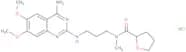
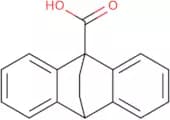
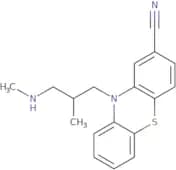
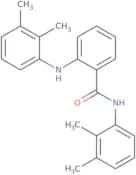
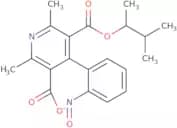
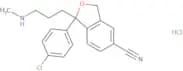
![2-[2-(4-Dibenzo[b,f][1,4]thiazepin-11-yl-1-piperazinyl)ethoxy]ethanol N-oxide](/_next/image/?url=https%3A%2Fstatic.cymitquimica.com%2Fproducts%2F3D%2Fthumb-webp%2FID27365.webp&w=3840&q=75)
![(2E)-2-[(2-Methoxyphenyl)methylene]hydrazinecarbothioamide](/_next/image/?url=https%3A%2Fstatic.cymitquimica.com%2Fproducts%2F3D%2Fthumb-webp%2FXUA16186.webp&w=3840&q=75)
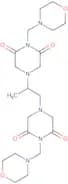

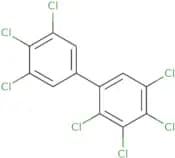
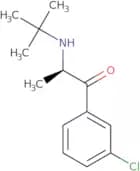
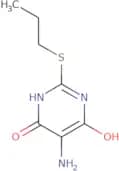
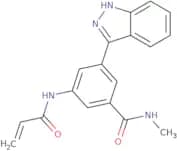
![2-[3-[4-(3-Chloro-4-ethylphenyl)-1-piperazinyl]propyl]-1,2,4-triazolo[4,3-a]pyridin-3(2H)-one](/_next/image/?url=https%3A%2Fstatic.cymitquimica.com%2Fproducts%2F3D%2Fthumb-webp%2FIC171026.webp&w=3840&q=75)
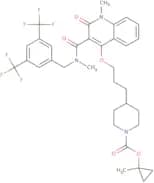
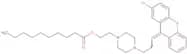

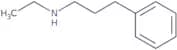
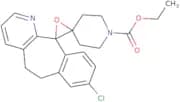
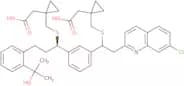

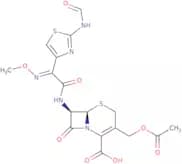
![[4-(4-Amino-6,7-dimethoxy-2-quinazolinyl)-1-piperazinyl][(5S)-tetrahydro-5-methyl-2-furanyl]-metha…](/_next/image/?url=https%3A%2Fstatic.cymitquimica.com%2Fproducts%2F3D%2Fthumb-webp%2FIA63848.webp&w=3840&q=75)
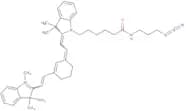
![a-[3-[[2-(3,4-Dimethoxyphenyl)ethyl]methylamino]propyl]-3,4-dimethoxy-a-propyl-benzeneacetonitrile](/_next/image/?url=https%3A%2Fstatic.cymitquimica.com%2Fproducts%2F3D%2Fthumb-webp%2FID145564.webp&w=3840&q=75)
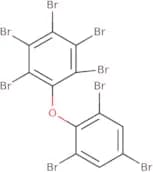
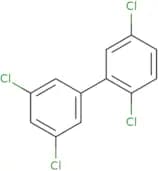

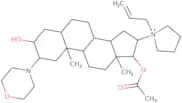
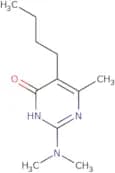
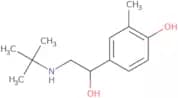
![4-[(2,3,4-Trimethoxyphenyl)methyl]-1-piperazinecarboxylic acid ethyl ester](/_next/image/?url=https%3A%2Fstatic.cymitquimica.com%2Fproducts%2F3D%2Fthumb-webp%2FIT145543.webp&w=3840&q=75)
![3,4-Dihydro-1H-cyclopenta[cd]indol-2(2aH)-one](/_next/image/?url=https%3A%2Fstatic.cymitquimica.com%2Fproducts%2F3D%2Fthumb-webp%2FTEC74505.webp&w=3840&q=75)
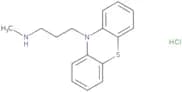
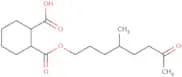
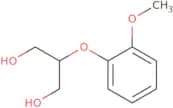
![5-[(Hydroxyacetyl)amino]-N,N'-bis [2-hydroxy-1-(hydroxymethyl)ethyl]-2,4,6-triiodo-1,3-benzenedica…](/_next/image/?url=https%3A%2Fstatic.cymitquimica.com%2Fproducts%2F3D%2Fthumb-webp%2FIH138513.webp&w=3840&q=75)
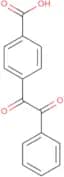
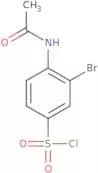
![2,5-Dioxabicyclo[2.2.1]heptane α-D-galactopyranoside](/_next/image/?url=https%3A%2Fstatic.cymitquimica.com%2Fproducts%2F3D%2Fthumb-webp%2FFEA06620.webp&w=3840&q=75)
![(aR)-a-Methyl-N-[3-[4-(trifluoromethyl)phenyl]propyl]-1-naphthalenemethanamine](/_next/image/?url=https%3A%2Fstatic.cymitquimica.com%2Fproducts%2F3D%2Fthumb-webp%2FIM101358.webp&w=3840&q=75)
![(1R,2S,5R)-5-Methyl-2-(1-methylethyl)cyclohexyl N-[(7R)-6,7-dihydro-5-[(4-methoxyphenyl)methyl]-6-…](/_next/image/?url=https%3A%2Fstatic.cymitquimica.com%2Fproducts%2F3D%2Fthumb-webp%2FITB06509.webp&w=3840&q=75)
![[4-L-Glutamic Acid]-desmopressin](/_next/image/?url=https%3A%2Fstatic.cymitquimica.com%2Fproducts%2F3D%2Fthumb-webp%2FIG173261.webp&w=3840&q=75)
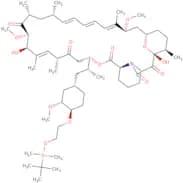
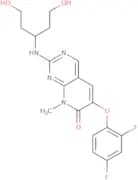
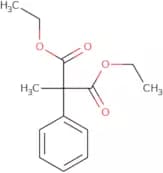
![2-Hydroxy-5-[2-[4-[[(6-methyl-2-pyridinyl)amino]sulfonyl]phenyl]diazenyl]benzoic acid](/_next/image/?url=https%3A%2Fstatic.cymitquimica.com%2Fproducts%2F3D%2Fthumb-webp%2FIH145662.webp&w=3840&q=75)
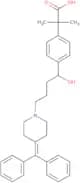

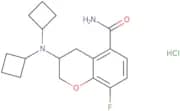

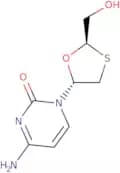
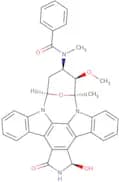
![1-(3,5-Dihydroxyphenyl)-2-[(1,1-dimethylethyl)amino]-ethanone hydrochloride](/_next/image/?url=https%3A%2Fstatic.cymitquimica.com%2Fproducts%2F3D%2Fthumb-webp%2FWZB81570.webp&w=3840&q=75)
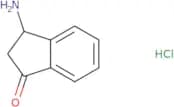
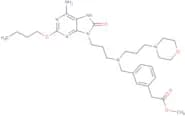
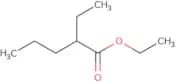
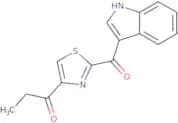
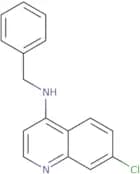
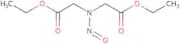
![5-Ethyl-10-methoxy-5H-dibenz[b,f]azepine](/_next/image/?url=https%3A%2Fstatic.cymitquimica.com%2Fproducts%2F3D%2Fthumb-webp%2FQAA88279.webp&w=3840&q=75)
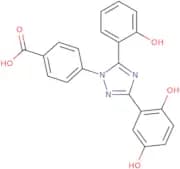
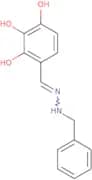
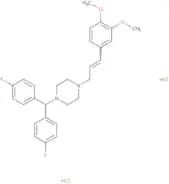

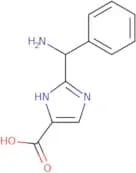
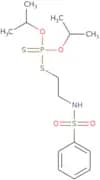
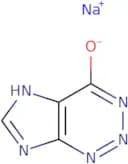
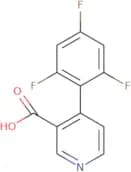
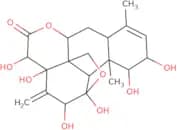
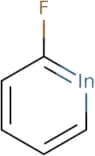

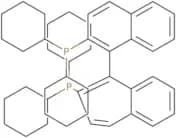
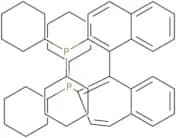
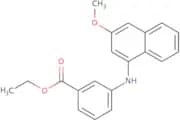
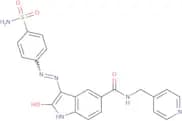
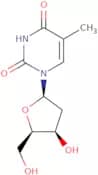
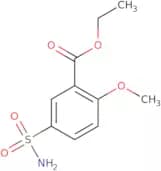
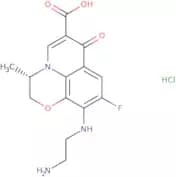

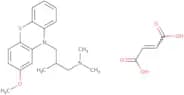
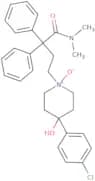
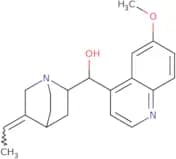
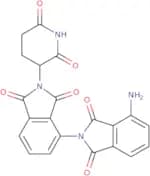
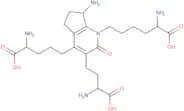
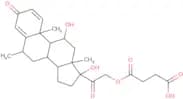
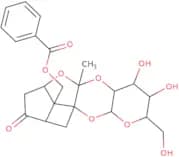
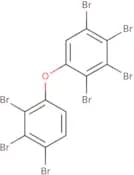
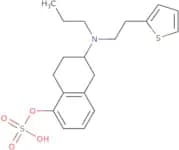
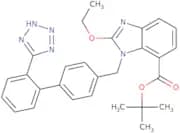
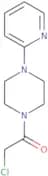
![α-[4-(2-dimethylaminoethoxy)phenyl]stilbene](/_next/image/?url=https%3A%2Fstatic.cymitquimica.com%2Fproducts%2F3D%2Fthumb-webp%2FUAA95751.webp&w=3840&q=75)
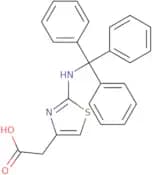
![2-Bromo-N-[4-bromo-2-(2-fluorobenzoyl)phenyl]acetamide](/_next/image/?url=https%3A%2Fstatic.cymitquimica.com%2Fproducts%2F3D%2Fthumb-webp%2FBAA64774.webp&w=3840&q=75)

![cis 5-Fluoro-1-[2-(hydroxymethyl)-1,3-oxathiolan-5-yl]-2,4(1H,3H)- pyrimidinedione](/_next/image/?url=https%3A%2Fstatic.cymitquimica.com%2Fproducts%2F3D%2Fthumb-webp%2FFF23363.webp&w=3840&q=75)

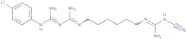
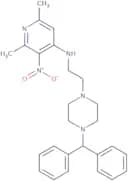

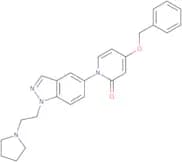
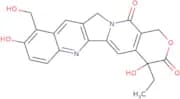
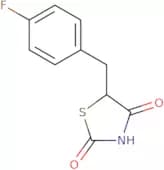
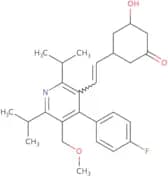


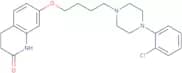
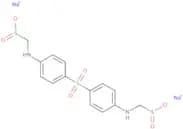
![5-[4’-Carboxy-(1,1’-biphenyl)-2-yl]-2-triphenylmethyltetrazole](/_next/image/?url=https%3A%2Fstatic.cymitquimica.com%2Fproducts%2F3D%2Fthumb-webp%2FXWC13481.webp&w=3840&q=75)
![(5E)-2,2-Dimethyl-7-[methyl(1-naphthalenylmethyl)amino]-5-hepten-3-ynoic acid](/_next/image/?url=https%3A%2Fstatic.cymitquimica.com%2Fproducts%2F3D%2Fthumb-webp%2FID19739.webp&w=3840&q=75)
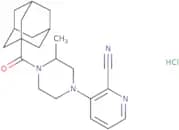
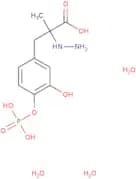
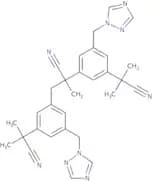
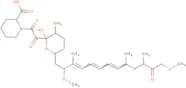
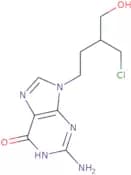
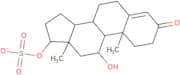
![6,7-Dimethoxy-2-[4-[(tetrahydro-2-furanyl)carbonyl]-1-piperazinyl]-4(3H)-quinazolinone](/_next/image/?url=https%3A%2Fstatic.cymitquimica.com%2Fproducts%2F3D%2Fthumb-webp%2FID63842.webp&w=3840&q=75)
![2-(2-(4-(Dibenzo[b,f][1,4]thiazepin-11-yl)piperazin-1-yl)ethoxy)ethyl acetatequetiapine acetate](/_next/image/?url=https%3A%2Fstatic.cymitquimica.com%2Fproducts%2F3D%2Fthumb-webp%2FUIB63907.webp&w=3840&q=75)
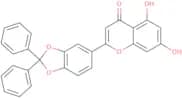
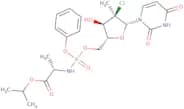
![2-[3,5-Dichloro-4-[(4-chlorophenyl)methyl]phenyl]-1,2,4-triazine-3,5(2H,4H)-dione](/_next/image/?url=https%3A%2Fstatic.cymitquimica.com%2Fproducts%2F3D%2Fthumb-webp%2FIFA64880.webp&w=3840&q=75)
![9-Bromo-6,11-dihydro-8-hydroxy-6,6-dimethyl-11-oxo-5H-benzo[b]carbazole-3-carbonitrile](/_next/image/?url=https%3A%2Fstatic.cymitquimica.com%2Fproducts%2F3D%2Fthumb-webp%2FGAC57906.webp&w=3840&q=75)
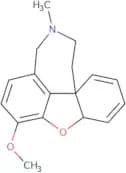
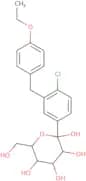

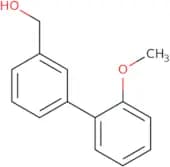
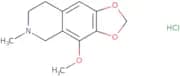
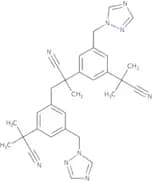
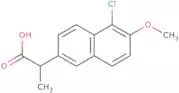
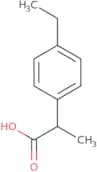
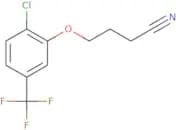
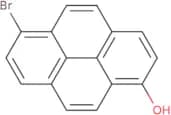
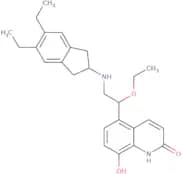
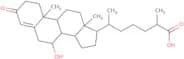

![1-[1-(4-Methoxyphenyl)-2-[[2-(4-methoxyphenyl)ethyl]amino]ethyl]cyclohexanol](/_next/image/?url=https%3A%2Fstatic.cymitquimica.com%2Fproducts%2F3D%2Fthumb-webp%2FIM63868.webp&w=3840&q=75)

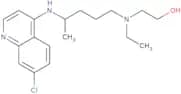
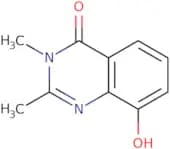
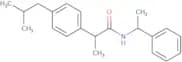

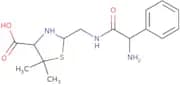
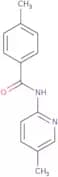

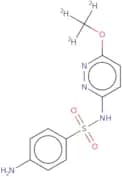
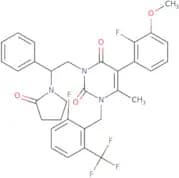
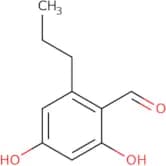
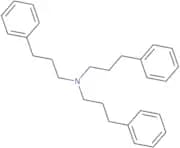
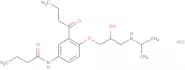
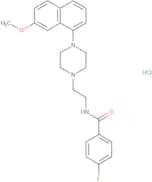
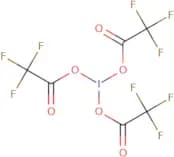
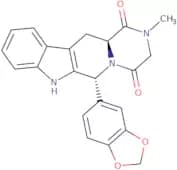
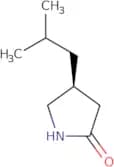


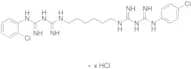

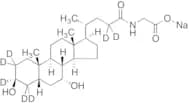
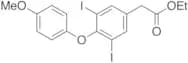
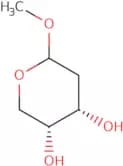
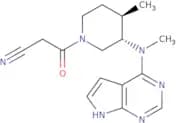
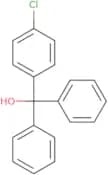

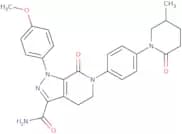

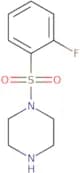
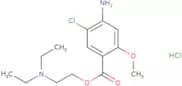
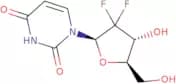

![N-[4-Cyano-3-(trifluoromethyl)phenyl]-2-methylacrylamide](/_next/image/?url=https%3A%2Fstatic.cymitquimica.com%2Fproducts%2F3D%2Fthumb-webp%2FIC58273.webp&w=3840&q=75)