Peptídeos
Subcategorias de "Peptídeos"
Foram encontrados 29801 produtos de "Peptídeos"
m-dPEG®24-DSPE
m-dPEG®24-DSPE is a PEG compound with two different functional groups (also known as heterobifunctional). Unlike homobifunctional PEG compounds (same functional group on both ends), this type of compounds are more versatile as have two different anchor points. m-dPEG®24-DSPE is used as a linker and spacer to add a PEG moiety, via pegylation (a bioconjugation technique) to proteins, peptides, oligonucleotides, small molecules and nanoparticles.Fórmula:C91H180NO33PPureza:Min. 95%Peso molecular:1,847.36 g/molApelin-36, human
CAS:Custom research peptide; min purity 95%.Fórmula:C184H297N69O43SPureza:Min. 95%Peso molecular:4,195.92 g/molm-dPEG®12-Amido-dPEG®12-Acid
m-dPEG®12-Amido-dPEG®12-Acid is a PEG compound with two different functional groups (also known as heterobifunctional). Unlike homobifunctional PEG compounds (same functional group on both ends), this type of compounds are more versatile as have two different anchor points. m-dPEG®12-Amido-dPEG®12-Acid is used as a linker and spacer to add a PEG moiety, via pegylation (a bioconjugation technique) to proteins, peptides, oligonucleotides, small molecules and nanoparticles.Fórmula:C53H105NO27Pureza:Min. 95%Peso molecular:1,188.39 g/molFRETS-25Phe (1 umol) (1umol)
FRETS-25Phe (1umol) (1umol) is a synthetic amino acid that is used as a research tool. It activates the Ligand and Receptor, which are proteins that bind to other proteins. FRETS-25Phe (1 umol) (1umol) binds to the Ion channels, which are protein structures that regulate the flow of ions across cell membranes. The activity of FRETS-25Phe (1 umol) (1umol) on Ion channels has been shown using an antibody, which is a type of protein used in immunology to identify, detect and measure antigens. FRETS-25Phe (1 umol) (1umol) also interacts with Cell Biology and Peptides, which are types of proteins involved in cell growth or division.Pureza:Min. 95%Vasoconstriction-Inhibiting Factor, human
Vasoconstriction-Inhibiting Factor, human (VIF) is a peptide that inhibits the activity of ATP-sensitive potassium channels. It has been shown to be an inhibitor of both P2X and P2Y purinergic receptors. VIF is a cell biology research tool that can be used as a high purity reagent for antibody production. The use of this factor in ion channels may lead to the discovery of new drugs for treating cardiovascular diseases.Fórmula:C163H256N42O67SPureza:Min. 95%Peso molecular:3,908.1 g/molExendin 3
Originally identified in Heloderma horridum horridum (Mexican beaded lizard), exendin-3 is in the glucagon family. Exendin 3 stimulates vasoactive intestinal peptide (VIP) receptors in high concentrations. This leads to increased cAMP levels and amylase secretion in the pancreas. However, low exendin-3 exposure only increases cAMP levels. In applications, exendin-3 was found to induce hypotension by relaxation of cardiac, smooth muscle. Using a tag, exendin-3 is being investigated as a stable agonist for GLP1R to detect insulinomas, a pancreatic B cell-derived cancer with high GLP1R expression. Exendin 3 has also been used on mouse models to assess its effect on glucose-stimulated insulin secretion in glucagon receptor knockout (Gcgr-/-) backgrounds. Understanding the interplay between exendin 3 and metabolism could provide new insights into the obesity crisis.
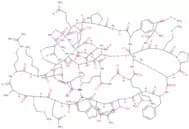
Peso molecular:4,202.63 g/mol[Sar1,Ala8]-Angiotensin II
Angiotensin II is a peptide hormone that is part of the renin-angiotensin system. It is used as an antagonist to study the effects of angiotensin in the cardiovascular system. Angiotensin II has been shown to decrease blood pressure by acting on specific receptors that are found on cells in the walls of blood vessels. These receptors cause constriction of these vessels and the release of aldosterone, which increases sodium retention and decreases potassium excretion. This leads to increased blood volume, which results in decreased blood pressure.Fórmula:C43H67N13O10•CH3COOH•4H2OPureza:Min. 95%Peso molecular:1,058.18 g/molChlorotoxin from Leiurus quinquestriatus (north Africa)
CAS:Chlorotoxin is a neurotoxic peptide that belongs to the class of macrocyclic lactones. It was originally isolated from the venom of the deathstalker scorpion, Leiurus quinquestriatus, which is found in North Africa. Chlorotoxin has potent immunosuppressive and cytotoxic effects that are mediated by its ability to bind to ion channels in cell membranes through disulfide bonds. This peptide induces apoptosis and inhibits tumor growth in mice by targeting cancer cells and inducing cell death. The chlorotoxin molecule is conjugated with a variety of molecules to increase its stability and bioavailability for delivery into cells.Fórmula:C158H256N52O48S11Pureza:Min. 95%Peso molecular:4,004.76 g/molEpidermal Growth Factor Receptor, Mouse Anti Human
Epidermal Growth Factor Receptor, Mouse Anti Human is a mouse monoclonal antibody that blocks the receptor for epidermal growth factor (EGF). It is used as an inhibitor of EGF to study the cell biology of EGF-dependent processes and for diagnosis of diseases such as cancer. Epidermal Growth Factor Receptor, Mouse Anti Human has shown specificity for human EGFR. This antibody can be used in immunohistochemistry and Western blotting procedures. The antibody recognizes the extracellular domain of EGFR, which is present on all cells that express this receptor.
Pureza:Min. 95%Human Serum Albumin
Human Serum Albumin is a stable protein that binds to fatty acids and helps transport them in the circulatory system. It can also bind to other molecules, such as drugs, and help with the transport of these molecules in the bloodstream. The protein is composed of amino acids, which are linked together by peptide bonds. The human serum albumin molecule has four subunits that are connected by disulfide bonds. These subunits are called alpha (α), beta (β), gamma (γ), and delta (δ). Human serum albumin contains many hydrophobic amino acids, which make it soluble in lipids and water. This protein is an important part of energy metabolism because it accepts electrons from fatty acid oxidation and transfers them to electron acceptors such as oxygen or NADPH.Pureza:Min. 95%[D-Pro2,D-Trp7,9]-Substance P (1ea)
This product is a Substance P antagonist and is available in the Hydrochloride salt form. Substance P is a member of the tachykinin neuropeptide family which is produced in the central nervous system (CNS) and acts through its specific receptor neurokinin 1 receptor (NK-1R). NK-1R is present in neurons and on glial cell types. Substance P is involved in: pain perceptions as a neurotransmitter; gut motility; increased inflammation in the lungs, gastrointestinal tract and the skin and neuroinflammation. Interestingly the levels of Substance P are raised in inflammatory bowel diseases and through its involvement in cytokine release, it contributes to asthma pathology. These diverse selection of functions makes substance P a target for therapeutic research.Fórmula:C74H106N20O13S•3HCI•6H2OPureza:Min. 95%Peso molecular:1,733.3 g/molAmino-dPEG®12-t-Butyl Ester
CAS:Amino-dPEG®12-t-Butyl Ester is a PEG compound with two different functional groups (also known as heterobifunctional). Unlike homobifunctional PEG compounds (same functional group on both ends), this type of compounds are more versatile as have two different anchor points. Amino-dPEG®12-t-Butyl Ester is used as a linker and spacer to add a PEG moiety, via pegylation (a bioconjugation technique) to proteins, peptides, oligonucleotides, small molecules and nanoparticles.Fórmula:C31H63NO14Pureza:Min. 95%Peso molecular:673.83 g/molCyclo(L-Pro-L-Pro)
CAS:Cyclo(L-Pro-L-Pro) is a cyclic peptide that was first synthesized in 1968 by the chemists, K. Brown and H. M. Schuster. Cyclo(L-Pro-L-Pro) has been shown to produce p-hydroxybenzoic acid, an intermediate in the metabolism of dopamine, when incubated with human serum or human erythrocytes. In addition, it has been shown to increase locomotor activity and enzyme activities in rats, as well as cytosolic calcium levels in cells. This compound may be a useful experimental model for studying Parkinson's disease because of its ability to inhibit dopamine uptake and increase the production of dopamine from its precursor L-DOPA. It also binds to neurokinin 1 receptor (NK1R), which is involved in inflammatory responses and pain sensation.Fórmula:C10H14N2O2Pureza:Min. 95%Peso molecular:194.23 g/molAnti Motilin (Dog) Serum
Anti Motilin (Dog) Serum is a fractionated serum that is a potent inhibitor of motilin. It inhibits motilin-induced contractions in the small intestine and colon. The Anti Motilin (Dog) Serum is supplied as a lyophilized powder containing purified fractions of dog serum, which are produced by fractionation on an ion-exchange column. The product contains high purity antibody and peptides with no detectable endotoxin or other microbial contaminants. The Anti Motilin (Dog) Serum is supplied in a volume of 5 mL and has a CAS number of 46887-37-2.Pureza:Min. 95%Anti PTH (1-34)-NH₂ (Rat) Serum
Anti PTH (1-34) NH₂ is a peptide that inhibits the activity of parathyroid hormone. It is used to study the effects of parathyroid hormone on calcium homeostasis, and as an inhibitor in receptor binding assays. Anti PTH (1-34) NH₂ is purified from rat serum by affinity chromatography with a column containing immobilized antibodies raised against the peptide, followed by ion-exchange chromatography. The peptide has a molecular weight of 2,633.5 Da and the purity is greater than 98%.
Pureza:Min. 95%Phe-Met-MCA
Phe-Met-MCA is a peptide that specifically activates the ATP-sensitive potassium (KATP) channels. These channels are important for regulating cellular energy metabolism and membrane potential. Phe-Met-MCA is an inhibitor of protein kinase C (PKC), which regulates the activity of KATP channels by phosphorylation. The peptide is also an inhibitor of other protein kinases, including PKCζ, PKCε, and PKCθ.Pureza:Min. 95%TentaGel® R PHB Resin (90 um)
TentaGel® R PHB Resin (90 um) can be used for the preparation of peptide acids; particle size 90 µm; capacity: 018-023 meq/g and is specially designed for difficult and long sequences.
TentaGel, is a gelatinous resin, an important support for solid phase synthesis. TentaGel resins are constructed with a backbone of low crosslinked polystyrene grafted with polyoxyethylene (polyethylene glycol) as shown below. The typical chain length of POE (n) is approximately 68 ethylene oxide units or an average MW of 3000. This long chain creates a spacer that effectively separates the reactive site (X) from the crosslinked backbone matrix.Pureza:Min. 95%Azido-PEG3-DYKDDDDK
Azido-PEG3-DYKDDDDK is a peptide containing polyethylene glycol (PEG) as spacer to alter their pharmacokinetic properties and pharmodynamics.
Pureza:Min. 95%Amyloid beta-Protein (Human, 1-40) (Scrambled)
Amyloid beta-Protein (Human, 1-40) (Scrambled) is a peptide that consists of 40 amino acids. It is a fragment of the amyloid precursor protein. Amyloid beta-protein has been found to have many different effects in the body, including receptor binding, ion channel activation and inhibition, and protein interactions. The peptide is also an activator for the high-affinity nicotinic acetylcholine receptor in the brain. This product can be used as a research tool or as an antibody to study amyloid beta protein in cellular biology.Pureza:Min. 95%RLN1
The RLN1 gene encodes a protein that is involved in the regulation of cell growth, differentiation, and apoptosis. It interacts with a number of proteins involved in cancer, tumour progression and metastasis. The function of RLN1 is to interact with other proteins, such as p53 and BRCA2, and regulate their activity. The frequency of this gene has been analysed in healthy controls versus patients with cancer. A number of different tissues have been analysed for this gene including testicular tissue from healthy controls versus patients with testicular cancer. There are also data on the expression levels in normal tissue and cancerous tissue from the same individual. This gene has also been shown to be homologous to other genes that are involved in DNA repair and apoptosis.Pureza:Min. 95%m-dPEG®2-Tosylate
m-dPEG®2-Tosylate is a PEG compound with two different functional groups (also known as heterobifunctional). Unlike homobifunctional PEG compounds (same functional group on both ends), this type of compounds are more versatile as have two different anchor points. m-dPEG®2-Tosylate is used as a linker and spacer to add a PEG moiety, via pegylation (a bioconjugation technique) to proteins, peptides, oligonucleotides, small molecules and nanoparticles.
Pureza:Min. 95%Amino-dPEG®12-t-Butyl Ester
Amino-dPEG®12-t-Butyl Ester is a PEG compound with two different functional groups (also known as heterobifunctional). Unlike homobifunctional PEG compounds (same functional group on both ends), this type of compounds are more versatile as have two different anchor points. Amino-dPEG®12-t-Butyl Ester is used as a linker and spacer to add a PEG moiety, via pegylation (a bioconjugation technique) to proteins, peptides, oligonucleotides, small molecules and nanoparticles.Fórmula:C56H100F4O26Pureza:Min. 95%Peso molecular:1,265.38 g/molLH-RH Protein
Luteinizing hormone-releasing hormone (LHRH) is a protein that is responsible for triggering the release of luteinizing hormone (LH). LH stimulates the production and release of testosterone, which in turn stimulates sperm production. The LHRH gene encodes a protein precursor that is cleaved by proteases to produce mature LHRH. This precursor, called pro-LHRH, can be added to a protein solution to induce follicular growth in rats. Pro-LHRH has been shown to have an effect on the frequency of spermatogenesis. Proteins containing pro-LHRH can be used for hormonal research and as additives for protein solutions.Pureza:Min. 95%Amino-dPEG®4-(m-dPEG®24)3
Amino-dPEG®4-(m-dPEG®24)3 is a PEG compound with two different functional groups (also known as heterobifunctional). Unlike homobifunctional PEG compounds (same functional group on both ends), this type of compounds are more versatile as have two different anchor points. Amino-dPEG®4-(m-dPEG®24)3 is used as a linker and spacer to add a PEG moiety, via pegylation (a bioconjugation technique) to proteins, peptides, oligonucleotides, small molecules and nanoparticles.
Fórmula:C136H270N6O66Pureza:Min. 95%Peso molecular:3,045.6 g/molBiotin-dPEG®4-TFP Ester
Biotin-dPEG®4-TFP Ester is a PEG compound with two different functional groups (also known as heterobifunctional). Unlike homobifunctional PEG compounds (same functional group on both ends), this type of compounds are more versatile as have two different anchor points. Biotin-dPEG®4-TFP Ester is used as a linker and spacer to add a PEG moiety, via pegylation (a bioconjugation technique) to proteins, peptides, oligonucleotides, small molecules and nanoparticles.Fórmula:C27H37F4N3O8SPureza:Min. 95%Peso molecular:639.66 g/molSERPINA1, AAT, PI MS Calibrator-3 (25nmol)
SERPINA1, AAT, PI MS Calibrator-3 (25nmol) is a peptide mixture. It contains short peptides from alpha-1-antitrypsin, tryptic peptides derived from alpha-1 protease inhibitor and serpin A1. This product is a Proteomics Tools for protein identification and quantification.Pureza:Min. 95%[Sar1,Thr8]-Angiotensin II
Angiotensin II is a peptide hormone that is part of the renin-angiotensin system. It is an antagonist to the angiotensin I receptor, which leads to vasoconstriction, increased blood pressure, and increased water and salt retention by the kidneys. Angiotensin II also stimulates the release of aldosterone from the adrenal cortex, which increases sodium retention by the kidneys and decreases potassium excretion. The peptide is biologically active at nanomolar concentrations.Fórmula:C44H69N13O11•2CH3COOH•4H2OPureza:Min. 95%Peso molecular:1,148.27 g/molFibronectin Human
Fibronectin is a soluble protein that belongs to the group of linker proteins. It is found in blood plasma and extracellular fluids, where it helps to maintain the integrity of the blood vessel walls. Fibronectin also provides a scaffold for cell migration, which is especially important during wound healing. Fibronectin has been found to interact with thrombotic factors and help organize clot formation. Fibronectin also binds to collagen, which forms an insoluble network within the extracellular matrix. This insoluble network serves as a framework for cells to grow and migrate within tissues.Pureza:Min. 95%Favipiravir-5-hydroxy
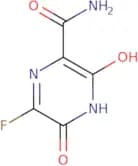
CAS:Please enquire for more information about Favipiravir-5-hydroxy including the price, delivery time and more detailed product information at the technical inquiry form on this page
Fórmula:C5H4FN3O3Pureza:Min. 95%Cor e Forma:PowderPeso molecular:173.1 g/molAnti IL-1beta (Rat) Serum
Anti IL-1beta (Rat) Serum is a kind of research tool. It can be used for the study of ion channels, receptors and ligands. This product can also be used to study protein interactions and peptides. Anti IL-1beta (Rat) Serum is a high purity antibody that is suitable for research or use in cell biology, pharmacology or other fields.Pureza:Min. 95%Guangxitoxin-1E
Guangxitoxin-1E is a research tool that belongs to the class of ion channel activators. It can activate ligand-gated ion channels and voltage-gated ion channels, which are important for the transmission of nerve signals. Guangxitoxin-1E can be used as an antibody for immunohistochemistry or Western blotting to detect protein interactions and to study cell biology. It is also useful as a pharmacological tool for studying peptides, proteins, and life science.Pureza:Min. 95%2,3,4,6-Tetra-O-Acetyl-α-D-Galactopyranosyl Fluoride
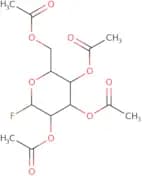
CAS:2,3,4,6-Tetra-O-acetyl-α-D-galactopyranosyl fluoride (TATA) is a fluorinated sugar that is used as a building block for the synthesis of peptides and other biochemicals. TATA has been shown to be an inhibitor of bacterial growth in medium containing glycosyl residues. This product has also been shown to have anti-inflammatory properties in animal models.
Fórmula:C14H19O9FPureza:Min. 95%Peso molecular:350.29 g/molGlucagon (Human, Rat, Mouse)-EIA Kit (1ea)
The Glucagon (Human, Rat, Mouse)-EIA Kit is a competitive enzyme immunoassay for the quantitative measurement of human glucagon in urine. The kit provides a competitive binding assay format that is designed to measure the concentration of glucagon in urine samples and provides a quantitative result.Pureza:Min. 95%MPS-Acid
CAS:Please enquire for more information about MPS-Acid including the price, delivery time and more detailed product information at the technical inquiry form on this page
Fórmula:C16H33NO8Pureza:Min. 95%Peso molecular:367.44 g/molDBCO-dPEG®24-Amido-dPEG®24-DSPE
DBCO-dPEG®24-Amido-dPEG®24-DSPE is a building block that can be used in peptide synthesis. It contains a spacer arm with an amine group and a reactive end group, which can be used for attaching to other building blocks or to the amino acid side chain during peptide synthesis. The DBCO-dPEG®24-Amido-dPEG®24-DSPE is also available as part of the Quanta BioDesign Building Blocks kit, which includes seven different building blocks for use in peptide synthesis.Pureza:Min. 95%Peso molecular:3,306.09 g/molBiotinoyl-2-Aminobutyric Acid
CAS:Please enquire for more information about Biotinoyl-2-Aminobutyric Acid including the price, delivery time and more detailed product information at the technical inquiry form on this pageFórmula:C14H23N3O4SPureza:Min. 95%Peso molecular:329.42 g/molPhth-dPEG®12-Tris (-TFP Ester)3
Phth-dPEG®12-Tris (-TFP Ester)3 is a PEG compound with two different functional groups (also known as heterobifunctional). Unlike homobifunctional PEG compounds (same functional group on both ends), this type of compounds are more versatile as have two different anchor points. Phth-dPEG®12-Tris (-TFP Ester)3 is used as a linker and spacer to add a PEG moiety, via pegylation (a bioconjugation technique) to proteins, peptides, oligonucleotides, small molecules and nanoparticles.Fórmula:C66H78F12N2O24Pureza:Min. 95%Peso molecular:1,511.31 g/molImmunoglobulins IgM Heavy Tryptic Peptide Standard (4nmol)
Immunoglobulins IgM Heavy Tryptic Peptide Standard for protein identification and quantitation studies. IgM is an antibody isotype that is the first type to be produced when the body is invaded by a pathogen and therefore a key indication of infection.Pureza:Min. 95%NHS-m-dPEG®, MW 245
CAS:NHS-m-dPEG®, MW 245 is a PEG compound with two different functional groups (also known as heterobifunctional). Unlike homobifunctional PEG compounds (same functional group on both ends), this type of compounds are more versatile as have two different anchor points. NHS-m-dPEG®, MW 245 is used as a linker and spacer to add a PEG moiety, via pegylation (a bioconjugation technique) to proteins, peptides, oligonucleotides, small molecules and nanoparticles.Pureza:Min. 95%Peso molecular:245.23 g/molMouse GIP (Total) ELISA (1ea)
The mouse GIP (Total) ELISA kit is a sandwich enzyme-linked immunosorbent assay for the quantitative measurement of mouse GIP in serum, plasma, and culture media. The kit is designed for the detection of mouse GIP and its cleavage product, GIP(1-42). This assay has been validated with purified mouse GIP and recombinant human GIP.Pureza:Min. 95%IL 1 α Human, His
IL-1α is a cytokine that belongs to the group of proinflammatory cytokines. It plays a role in the immune response and inflammatory reactions by inducing the synthesis of other cytokines, such as IL-6, IL-8, and TNF-α. IL-1α binds to its receptor on a cell surface and activates an intracellular signalling cascade. The binding of IL-1α to its receptor induces conformational changes in the receptor, which leads to activation of phospholipase C (PLC) and production of IP3. This process results in increased levels of calcium ions inside the cell and activation of protein kinases such as PKC, MAPKs and JNKs. This results in increased activity of enzymes such as cyclooxygenase and lipoxygenase, which are responsible for inflammatory responses.Pureza:Min. 95%Anti Chromogranin A (343-360) (Rat) Serum
Anti Chromogranin A (343-360) (Rat) Serum is a high purity antibody that can be used as a research tool in cell biology and pharmacology. It has been shown to inhibit the activation of ion channels, such as sodium channels, which are involved in the transmission of nerve impulses. The antibody also binds to the ligand-binding site of receptors such as acetylcholine and serotonin receptors. Anti-Chromogranin A (343-360) (Rat) Serum is a purified protein that can be used for the detection of specific proteins by Western blotting or immunoprecipitation.Pureza:Min. 95%Lysenin Antiserum
Lysenin Antiserum is a peptide that was originally isolated from the venom of the Brazilian Wandering Spider, Phoneutria nigriventer. It has been shown to activate ion channels and inhibit protein interactions. It has also been shown to be a potent inhibitor of voltage-gated potassium channels in rat dorsal root ganglion neurons. This peptide is used as a research tool for studying ion channel function at the molecular level and as an antibody for identifying specific proteins in cells.Pureza:Min. 95%Fmoc-Dbz
Fmoc-Dbz is a hydrophobic chemical that can be used as a linker in peptide synthesis. It is used to connect two amino acids via a carbon-carbon bond, and has been shown to be more reactive than its analogs. Fmoc-Dbz is also an antibacterial agent, which may be due to its ability to inhibit protein synthesis. The chemical structure of Fmoc-Dbz is similar to the cyclic peptides found in plants such as cyclotides, which are composed of 21 amino acids. Cyclic peptides are composed of three disulfide bridges and have potent antiviral and antibiotic activities. These peptides may be useful for treating influenza and other viruses because they bind to the viral membrane and disrupt the virus’s ability to function.Fórmula:C22H18N2O4Pureza:Min. 95%Peso molecular:374.39 g/molDBCO-dPEG®24-MAL
DBCO-dPEG®24-MAL is a PEG compound with two different functional groups (also known as heterobifunctional). Unlike homobifunctional PEG compounds (same functional group on both ends), this type of compounds are more versatile as have two different anchor points. DBCO-dPEG®24-MAL is used as a linker and spacer to add a PEG moiety, via pegylation (a bioconjugation technique) to proteins, peptides, oligonucleotides, small molecules and nanoparticles.Pureza:Min. 95%Peso molecular:1,555.8 g/molAmino-dPEG®24-Tris(-dPEG®24- Tris (m-dPEG®24)3)3
Amino-dPEG®24-Tris(-dPEG®24- Tris (m-dPEG®24)3)3 is a PEG compound with two different functional groups (also known as heterobifunctional). Unlike homobifunctional PEG compounds (same functional group on both ends), this type of compounds are more versatile as have two different anchor points. Amino-dPEG®24-Tris(-dPEG®24- Tris (m-dPEG®24)3)3 is used as a linker and spacer to add a PEG moiety, via pegylation (a bioconjugation technique) to proteins, peptides, oligonucleotides, small molecules and nanoparticles.
Fórmula:C697H1381N17O340Pureza:Min. 95%Peso molecular:15,441.49 g/molβ-Defensin-1 (Mouse)
Beta-Defensin-1 (BD-1) is an antimicrobial peptide that is produced by various cells and tissues in mice, including epithelial cells in the skin, lungs, and intestines. BD-1 is a member of the beta-defensin family, which are small cationic peptides that play a role in innate immunity by protecting against microbial pathogens, including bacteria, fungi, and viruses. In mice, BD-1 is constitutively expressed, meaning that it is produced at a relatively constant level in healthy animals. Its expression can be induced by various stimuli, including bacterial and viral infections, cytokines, and inflammatory mediators. BD-1 is known to have broad-spectrum antimicrobial activity against a variety of pathogens, including Staphylococcus aureus, Pseudomonas aeruginosa, and Candida albicans. It achieves its antimicrobial activity by disrupting the cell membranes of the pathogens, leading to cell lysis and death. In addition to its antimicrobial activity, BD-1 has been found to have other functions in mice, including promoting wound healing, regulating inflammation, and modulating the immune response.Fórmula:C168H266N52O54S6Pureza:Min. 95%Peso molecular:4,070.6 g/molAnti Acidic-FGF (1-15) (Bovine) Serum
Anti Acidic-FGF (1-15) (Bovine) Serum is a research tool used to study the activation of FGF receptors and their ligands. It contains peptides that are derived from the extracellular domain of human acidic FGF (1-15). This serum stimulates the activation of FGF receptors, which are important in cell growth, proliferation, and survival. Anti Acidic-FGF (1-15) Serum is purified by ion exchange chromatography and contains no detectable amounts of other proteins. It is supplied as a lyophilized powder at a concentration of 10 mg/mL.Pureza:Min. 95%monoFITC RLN3
MonoFITC RLN3 is a labelled form of relaxin that can be used to measure the clearance of relaxin in tissue culture. It can also be used for quantification and localization of peptide receptors in tissues.Pureza:Min. 95%Azido-dPEG®35-Amine
CAS:Azido-dPEG®35-Amine is a PEG compound with two different functional groups (also known as heterobifunctional). Unlike homobifunctional PEG compounds (same functional group on both ends), this type of compounds are more versatile as have two different anchor points. Azido-dPEG®35-Amine is used as a linker and spacer to add a PEG moiety, via pegylation (a bioconjugation technique) to proteins, peptides, oligonucleotides, small molecules and nanoparticles.Pureza:Min. 95%Peso molecular:1,627.94 g/molHuman CMV pp65 (495-503)
Custom research peptide; min purity 95%.
Fórmula:C42H74N10O12SPureza:Min. 95%Peso molecular:943.18 g/molPeptide T
Custom research peptide; min purity 95%.Fórmula:C35H55N9O16Pureza:Min. 95%Peso molecular:857.8 g/molSAMs Peptide
CAS:Custom research peptide; min purity 95%.Fórmula:C74H131N29O18S2Pureza:Min. 95%Peso molecular:1,779.18 g/molInfluenza HA (204-212)
Custom research peptide; min purity 95%.Fórmula:C49H73N11O15Pureza:Min. 95%Peso molecular:1,056.19 g/molAngiotensin (1-9)
Custom research peptide; min purity 95%.Fórmula:C56H78N16O13Pureza:Min. 95%Peso molecular:1,183.35 g/molβ- Amyloid (1-38)
Custom research peptide; min purity 95%.
Fórmula:C184H277N51O56SPureza:Min. 95%Peso molecular:4,131.63 g/molHemokinin 1 (mouse, rat)
Custom research peptide; min purity 95%.Fórmula:C61H100N22O15SPureza:Min. 95%Peso molecular:1,413.68 g/molm-dPEG®4-Thiol
CAS:m-dPEG®4-Thiol is a PEG compound with two different functional groups (also known as heterobifunctional). Unlike homobifunctional PEG compounds (same functional group on both ends), this type of compounds are more versatile as have two different anchor points. m-dPEG®4-Thiol is used as a linker and spacer to add a PEG moiety, via pegylation (a bioconjugation technique) to proteins, peptides, oligonucleotides, small molecules and nanoparticles.Fórmula:C57H113NO25S2Pureza:Min. 95%Peso molecular:1,276.63 g/mol[Des-Asp187,Met186]- Melanocyte Protein PMEL 17 (185-193) (human, bovine, mouse)
Custom research peptide; min purity 95%.Fórmula:C43H69N9O11SPureza:Min. 95%Peso molecular:920.15 g/molProadrenomedullin (1-20) (human)
CAS:Custom research peptide; min purity 95%.Fórmula:C112H178N36O27Pureza:Min. 95%Peso molecular:2,460.87 g/molMART-1 (26-35) (human)
Custom research peptide; min purity 95%.Fórmula:C42H74N10O14Pureza:Min. 95%Peso molecular:943.12 g/molCREB327 (113-126)
Custom research peptide; min purity 95%.Fórmula:C76H131N25O21Pureza:Min. 95%Peso molecular:1,731.05 g/molProdynorphin (228-240), porcine
Custom research peptide; min purity 95%.Fórmula:C74H115N21O17Peso molecular:1,570.87 g/molDynorphin A (1-13), porcine
Custom research peptide; min purity 95%.Fórmula:C75H126N24O15Pureza:Min. 95%Peso molecular:1,603.99 g/molHBV env (183-191)
Custom research peptide; min purity 95%.Fórmula:C53H92N12O12Pureza:Min. 95%Peso molecular:1,089.4 g/molProtein Kinase A Substrate
Custom research peptide; min purity 95%.Fórmula:C34H64N14O11Pureza:Min. 95%Peso molecular:844.97 g/molβ-Amyloid (17-42)
Custom research peptide; min purity 95%.
Fórmula:C119H194N28O33SPureza:Min. 95%Peso molecular:2,577.1 g/molAkt Specific Substrate Peptide, Akt/PKB
Custom research peptide; min purity 95%.Fórmula:C36H59N13O9Pureza:Min. 95%Peso molecular:817.95 g/mol[Met5,Arg6] Enkephalin-Arg
Custom research peptide; min purity 95%.Fórmula:C39H59N13O9SPureza:Min. 95%Peso molecular:886.05 g/molAmylin (8-37),rat
Custom research peptide; min purity 95%.Fórmula:C140H227N43O43Pureza:Min. 95%Peso molecular:3,200.63 g/molDefensin-1 (human) HNP-1
Custom research peptide; min purity 95%.Fórmula:C150H222N44O38S6Pureza:Min. 95%Peso molecular:3,442.1 g/molα-ANF(1-28), human
CAS:Custom research peptide; min purity 95%.Fórmula:C127H203N45O39S3Pureza:Min. 95%Peso molecular:3,080.46 g/molInfluenza HA (110-120)
Custom research peptide; min purity 95%.Fórmula:C68H97N15O19Pureza:Min. 95%Peso molecular:1,428.62 g/molTRAP-5 amide
Custom research peptide; min purity 95%.Fórmula:C30H51N9O6Pureza:Min. 95%Peso molecular:633.8 g/molSL9, HIV-1 p17 (77-85)
Custom research peptide; min purity 95%.Fórmula:C44H72N10O15Pureza:Min. 95%Peso molecular:981.11 g/molβ-Lipotropin (61-69)
Custom research peptide; min purity 95%.Fórmula:C45H66N10O15SPureza:Min. 95%Peso molecular:1,019.15 g/molMelanocyte Associated Antigen gp100
Custom research peptide; min purity 95%.Fórmula:C43H68N12O13Pureza:Min. 95%Peso molecular:961.09 g/molHIV-gp120-Fragment (318-327)
Custom research peptide; min purity 95%.Fórmula:C48H80N16O12Pureza:Min. 95%Peso molecular:1,073.27 g/molTyrosinase (206-214) (human)
Custom research peptide; min purity 95%.Fórmula:C61H83N15O10Pureza:Min. 95%Peso molecular:1,186.44 g/molBig Endothelin-2 (Human, 22-37) Antiserum
Big ET-2 (human, 22-37) Antiserum is an antibody that reacts with the Big ET-2 (human, 22-37) peptide. It can be used as a research tool to study the function of Ion channels, Life Science, Receptor, Ligand and Protein interactions. The high purity of this antibody makes it a valuable resource for drug development.Pureza:Min. 95%MBP (87-99), human; Myelin Basic Protein (87-99), guinea pig, human
Custom research peptide; min purity 95%.Fórmula:C74H114N20O17Pureza:Min. 95%Peso molecular:1,555.86 g/mol[Asn370] tyrosinase (368-376)
Custom research peptide; min purity 95%.
Fórmula:C42H67N11O15S2Pureza:Min. 95%Peso molecular:1,030.19 g/molIndolicidin
Custom research peptide; min purity 95%.Fórmula:C100H132N26O13Pureza:Min. 95%Peso molecular:1,906.33 g/molCREBtide
Custom research peptide; min purity 95%.
Fórmula:C73H127N29O18Pureza:Min. 95%Peso molecular:1,699.01 g/molAngiotensin I/II (1-6)
Custom research peptide; min purity 95%.Fórmula:C36H55N11O10Pureza:Min. 95%Peso molecular:801.91 g/molBombinin-like Peptide (BLP-1)
Custom research peptide; min purity 95%.Fórmula:C115H194N34O33Pureza:Min. 95%Peso molecular:2,581.04 g/molExendin 4
CAS:Custom research peptide; min purity 95%.Fórmula:C184H282N50O60S1Pureza:Min. 95%Peso molecular:4,186.03 g/molFluM1 A2 (58-66)
Custom research peptide; min purity 95%.Fórmula:C49H75N9O11Pureza:Min. 95%Peso molecular:966.2 g/molGluten Exorphin B5
Custom research peptide; min purity 95%.Fórmula:C30H38N6O7Pureza:Min. 95%Peso molecular:594.67 g/molLEAP-2 (38-77) (Human)
Custom research peptide; min purity 95%.Fórmula:C191H320N64O57S5Pureza:Min. 95%Peso molecular:4,585.36 g/molMagainin 1
Magainin-1 is a 23-amino acids peptide which belongs to the magainin peptide family. Magainins are antibiotic peptides with antibacterial, antiviral and antifungal activities. These peptides cause perturbation of membrane functions responsible for osmotic balance. Magainin-1 carries out its antibacterial activity by folding to an amphiphilic helix to interact specifically with lipidic bilayer, resulting in a permeability change. Magainin-1 has broad-spectrum, non-specific activity against a wide range of micro-organisms including viruses as HSV-1 and HSV-2, gram-positive and gram-negative bacteria, protozoa, yeasts and fungi. Magainin-1 may also be hemolytic and cytotoxic to cancer cells. Besides its antimicrobial activity, Magainin-1 presents an antifungal activity against some pathogens such as Candida Albicans with a antifungal activity of 4.15 uM. Recently, it has also been shown that magainin-1 can induce apoptosis of some leukemia cells at a concentration of 10 to 50 nM.Fórmula:C112H177N29O28SPureza:Min. 95%Peso molecular:2,409.9 g/molVIP, Antagonist
Custom research peptide; min purity 95%.Fórmula:C154H257N49O40SPureza:Min. 95%Peso molecular:3,467.13 g/molProtein Kinase C (19-36); Protein Kinase C Selective Inhibitor Protein
CAS:Custom research peptide; min purity 95%.Fórmula:C93H159N35O24Pureza:Min. 95%Peso molecular:2,151.51 g/molGPC3 (144-152)
Custom research peptide; min purity 95%, TFA salt. For different specs please use the Peptide Quote Tool
Fórmula:C52H69N9O15Pureza:Min. 95%Peso molecular:1,060.18 g/molEndothelin 2 (human, canine)
CAS:Custom research peptide; min purity 95%.
Fórmula:C115H160N26O32S4Pureza:Min. 95%Peso molecular:2,546.97 g/molAngiotensin, Canine, Rat
Custom research peptide; min purity 95%.
Fórmula:C41H62N12O11Pureza:Min. 95%Peso molecular:899.03 g/molSRC Kinase Substrate
Custom research peptide; min purity 95%.Fórmula:C64H107N22O24PPureza:Min. 95%Peso molecular:1,599.69 g/mol26Rfa, Hypothalamic Peptide, human
Custom research peptide; min purity 95%.Fórmula:C127H195N37O37Pureza:Min. 95%Peso molecular:2,832.2 g/molHsp Heat shock protein (3-13)
Custom research peptide; min purity 95%.Fórmula:C57H94N18O20Pureza:Min. 95%Peso molecular:1,351.49 g/molC-Peptide (57-87), human
Custom research peptide; min purity 95%.Fórmula:C129H211N35O48Pureza:Min. 95%Peso molecular:3,020.33 g/mol






![[Sar1,Ala8]-Angiotensin II](/_next/image/?url=https%3A%2Fstatic.cymitquimica.com%2Fproducts%2F3D%2Fthumb-webp%2FPAN-4035.webp&w=3840&q=75)


![[D-Pro2,D-Trp7,9]-Substance P (1ea)](/_next/image/?url=https%3A%2Fstatic.cymitquimica.com%2Fproducts%2F3D%2Fthumb-webp%2FPSP-4113.webp&w=3840&q=75)







![[Sar1,Thr8]-Angiotensin II](/_next/image/?url=https%3A%2Fstatic.cymitquimica.com%2Fproducts%2F3D%2Fthumb-webp%2FPAN-4102.webp&w=3840&q=75)













![[Des-Asp187,Met186]- Melanocyte Protein PMEL 17 (185-193) (human, bovine, mouse)](/_next/image/?url=https%3A%2Fstatic.cymitquimica.com%2Fproducts%2F3D%2Fthumb-webp%2FPD16870.webp&w=3840&q=75)









![[Met5,Arg6] Enkephalin-Arg](/_next/image/?url=https%3A%2Fstatic.cymitquimica.com%2Fproducts%2F3D%2Fthumb-webp%2FPM16879.webp&w=3840&q=75)












![[Asn370] tyrosinase (368-376)](/_next/image/?url=https%3A%2Fstatic.cymitquimica.com%2Fproducts%2F3D%2Fthumb-webp%2FPA16867.webp&w=3840&q=75)