Peptídeos
Subcategorias de "Peptídeos"
Foram encontrados 29609 produtos de "Peptídeos"
Bradykinin-Potentiator C
CAS:Bradykinin-Potentiator C is a peptide that can act as an activator or inhibitor of ion channels. It has been used in research for pharmacology, protein interactions, cell biology, and antibody production. Bradykinin-Potentiator C is purified from rabbit lung and has a CAS number of 30953-20-9.Fórmula:C51H77N11O13Pureza:Min. 95%Peso molecular:1,052.2 g/molVirus Replication Inhibiting Peptide
CAS:The virus replication-inhibiting peptide is a fatty acid that inhibits the replication of viruses. It has been shown to inhibit the growth of the bacteria Stenotrophomonas maltophilia and other bacteria, which causes infectious diseases. The peptide also has a diagnostic use for detecting viral infections in cells. The peptide was found to up-regulate genes in response to infection by pandemic influenza, which may be due to its ability to bind receptors on cells and also interfere with inflammatory responses. The virus replication-inhibiting peptide has been shown to be effective against influenza virus and other viruses, as well as against chronic inflammatory diseases such as lung damage caused by β-amino acids.
Fórmula:C28H29N3O6Pureza:Min. 95%Peso molecular:503.55 g/molMucin-1 precursor (12-20)
MUC1 (Mucin 1) protein is a type 1 transmembrane glycoprotein characterized by a large extracellular domain containing a variable number (up to 120) of 20-amino acid repeat sequences (PDTRPAPGSTAPPAHGVTSA) and a high glycosylation level on serine and threonine residues within each tandem repeat. MUC1 protein is expressed at the apical part of secretory epithelial cells and is involved in the protection of epithelial surfaces as well as intracellular signalling. However, the aberrant MUC1 overexpression along with the modification of its glycosylation pattern has been associated with several carcinomas including more than 90% of breast and pancreas cancers as wells as hematologic malignancies such as multiple myelomas and lymphomas. These hallmarks make MUC1 highly immunogenic when its expressed in tumor cells and, thus, an attractive and broadly applicable target for cancer inmunotherapy. MUC1 has indeed prompted research to develop T-cell vaccine strategies capable of inducing MUC1-specific cytotoxic T lymphocyte responses in cancer patients upon immunization with a MUC1 antigenic epitope. MUC1 epitopes presented by the HLA-A*0201 molecules are most studied and the capacity of MHC-restricted cytotoxic T lymphocytes (CTLs) to recognize MUC1-expressing tumor cells is assessed to validate the epitope. The HLA-A2-restricted MUC1 (12-20) peptide (LLLLTVLTV) derives from the leader sequence of MUC1 protein and has demonstrated the ability to induce MUC1-specific CTL responses. Nevertheless, the immunodominant region of the tandem repeat domain (amino acids 950– 958, STAPPVHNV) has been also recognized by MUC1-specific CTLs in an antigen-specific and HLA-A2-restricted fashion. The half maximal inhibitory concentrations (IC50) for the MUC1 (950– 958) peptide and the MUC1 (12-20) peptide have been determined using a competitive peptide inhibition assay and were 10.13 µg/ml and 10.89 µg/ml, respectively. Hence, these two peptides fall within the IC50 range for “medium binders”. Recently, It hase been reported that optimization of MUC1 (950– 958) peptides through specific amino acid substitution and/or aberrant glycosylation showed higher binding affinities, with IC50 ranging from 0.34 to 1.68 µg/ml. Thus, modified peptides can be considered as « high-affinity binders » which may serve for developing more efficient MUC1-specfic cancer vaccinesFórmula:C48H89N9O12Peso molecular:984.28 g/molHigh-Mobility Group Box 1, human, recombinant
HMGB1 is a protein that belongs to the family of high-mobility group box proteins. It is involved in regulating the release of inflammatory mediators and cytokines, such as IL-1β, IL-6, TNF-α and MCP-1. HMGB1 also plays a role in activation of neutrophils and macrophages. The recombinant form of HMGB1 has been shown to be an excellent research tool for studying protein interactions and receptor ligand interactions. High purity HMGB1 can be used as a pharmacological inhibitor or activator.
Pureza:Min. 95%Biotin BRC4 (1517-1551)
Human BRCA2 is a key contributor to DNA damage repair and thus genomic integrity. Along with RAD51, BRCA2 ensures accurate and timely progression of homologous recombination (HR) at sites of double strand breaks to facilitate repair. BRCA2 also has an important additional function at the replication fork. BRCA2 therefore has anti-tumour properties and mutations in human BRCA2 protein cause a predisposition to breast and ovarian cancers and increase susceptibility to other tumorigenic conditions.BRCA2 interacts with RAD51 through a series of eight motifs called BRC repeats and a separate binding site located in the C-terminal region. Among eight BRC repeats involved in RAD51 binding, BRC4 displays the highest affinity for RAD51. The BRC4-RAD51 interaction may inhibit RAD51 oligomerization. Low concentrations of BRC4 enhance RAD51 binding to single stranded DNA and stimulate RAD51-mediated strand exchange, high concentrations of BRC4 disrupt RAD51 filament formation. Contains an N-terminal biotin tag for easy detection and purification.Peso molecular:4,293.4 g/molDBCO-TFP Ester
Please enquire for more information about DBCO-TFP Ester including the price, delivery time and more detailed product information at the technical inquiry form on this pagePureza:Min. 90%Peso molecular:467.41 g/molBoc-Gln-Pro
CAS:Boc-Gln-Pro is a peptide that can be used as a substrate for peptidoglutaminase.
Fórmula:C15H25N3O6Pureza:Min. 95%Peso molecular:343.38 g/molAF647 RGD peptide
The RGD peptide is an adhesive peptide present in extracellular matrix proteins allowing them to attach to a range of biological materials. It is labelled with Alexa Fluor 647.Peso molecular:1,432.2 g/molAlyteserin-1d
Alyerserin-1b is a C-terminally α-amidated 23 residue Cationic anti-microbial peptide (AMP). Anti-microbial peptides (AMPs) are produced by the innate immune system and are expressed when the host is challenged by a pathogen. The Alyerserin family of peptides was first identified in norepinephrine-stimulated skin secretions of the midwife toad-Alytes obstetricans-(Alytidae). Alyteserin-1 peptides have limited structural similarity to the ascaphins from the skins of frogs of the Leiopelmatidae family. Alyteserin-1 peptides are selective at inhibiting growth activity of Gram-negative bacteria-such as Escherichia coli and show weak haemolytic activity against human erythrocytes.Alyteserin contain at least 50% hydrophobic amino acids. Hydrophobic residues contribute to the insertion of the peptide into the hydrophobic membrane core which results in membrane disruption and death of the pathogen. Due to their mechanism of action it is thought to be less likely for resistance to develop towards these peptides compared to conventional antibiotics.
Cor e Forma:PowderPeso molecular:2,334.4 g/molH-YLQLVFGIEV-OH
MAGE-A2 protein: MAGE-A2 (157-166) is an epitope of Melanoma Antigen Gene A2 and is one of the most Cancer-Testis Antigens (CTA) overexpressed in tumors of different histological types, such as prostate cancer. Type of MAGE-A expressed in tumors cells varies according to the type of tumor. The expression of MAGE-A2 causes the proliferation of prostate cancer cells and decreases the chemosensitivity. Applications of MAGE-A2 (157-166): MAGE-A2 (157-166) is used to stimulate specific immune response, cytotoxic T cell response and to analyze the cytokine production in PBMCs by ELISPOT assay. In transgenic mouse, it has been demonstrated that MAGE-A2 (157-166) was capable of eliciting a CTL response presented by HLA-A*02:01 molecules. MAGE-A2 (157-166) has been reported to elicit CTL that could lyse tumor cell expressing both HLA-A*02:01 and MAGE-A2 by stimulation of peripheral blood mononuclear cells (PBMCs) with MAGE-A2 (157-166).SARS-CoV-2 Spike (996-1004)
The SARS-CoV-2 spike protein is present on the outside of the virus particles and can bind to angiotensin-converting enzyme II (ACE2) present on the host cells. The C-terminal receptor binding domain (RBD) of the spike protein binds to the N-terminal peptidase M2 domain of ACE2. This receptor binding results in the internalisation of the virus-receptor complex and is, therefore the mechanism of entry of SARS-CoV-2 into host cells.The spike protein residues LITGRLQSL (996-1004) from C have been identified as a T-cell epitope with a predicted HLA restriction. Immune targeting of confirmed epitopes may potentially offer protection against SARS-CoV-2 and help the development of vaccines for long-lasting immunity.Peso molecular:999.6 g/molRFamide-Related Peptide-1, human
RFamide-Related Peptide-1, human is a protein that belongs to the family of G-protein coupled receptors. It is activated by RFamide-related peptides and has been shown to be involved in the regulation of ion channels, such as potassium channels. The activation of these channels leads to the inhibition of neuronal excitation and can affect many other biological functions, such as cell proliferation or differentiation. RFamide-Related Peptide-1, human has been used as a pharmacological research tool for studying its ligand binding properties and protein interactions.Fórmula:C195H304N52O51S2Pureza:Min. 95%Peso molecular:4,256.9 g/molArg-MCA
CAS:Arg-MCA is a synthetic peptide that activates the receptor for bradykinin. It is used as a research tool in cell biology and pharmacology to study the interactions of peptides with various receptors and ion channels. Arg-MCA has been shown to inhibit the activity of ligand-gated ion channels, such as nicotinic acetylcholine receptors and glutamate receptors.Fórmula:C16H21N5O3Pureza:Min. 95%Peso molecular:331.37 g/molAnti GIP (18-42) (Rat) Serum
Anti GIP (18-42) (Rat) Serum is a research tool used to activate the Ligand, Receptor, Cell Biology, Antibody, Ion channels, High purity, Protein interactions, Pharmacology, Peptides, Life Science. It can be used in the inhibition of GIP receptor and is an excellent choice for pharmacological studies.Pureza:Min. 95%Der P1 Protein (recombinant)
Der P1 Protein is a recombinant protein that inhibits the activity of the protease dermaseptin-1. This protein is mainly found in the skin and is an important regulator of epidermal permeability barrier function. Der P1 Protein binds to the protease and prevents it from degrading other proteins, which are essential for maintaining skin integrity. Der P1 Protein can also be used as a research tool to study protein interactions, activators, ligands, receptors, ion channels, and antibodies.Pureza:Min. 95%Anti Rattin-24 Serum
Anti-Rattin-24 is a monoclonal antibody that binds to the major allergen of rat R. rattus, Rattin-24. It has been shown to inhibit the binding of this protein to its receptor, which prevents activation of the receptor and the subsequent release of inflammatory mediators. Anti-Rattin-24 can be used as a research tool for studying protein interactions, receptor signaling pathways, peptide ligands, and ion channels. This antibody can also be used in cell biology and immunology studies as an inhibitor that blocks or inhibits certain biological processes.Fórmula:C38H62N14O8Pureza:Min. 95%Peso molecular:842.99 g/molDecorin, human, recombinant
it is a non-glycosylated polypeptide chain containing 350 amino acids (31-359 a.a) with a molecular mass of 38.6kDa. It is fused to a 21 amino acid His-tag at N-terminus.Pureza:Min. 95%Anti TGF-Alpha, Human Serum
Anti TGF-Alpha, humanSerum is a recombinant antibody that specifically binds to the ligand of the Transforming Growth Factor-alpha receptor. It is used as a research tool for protein interactions, pharmacology and cell biology.Fórmula:C33H52N8O7Pureza:Min. 95%Peso molecular:672.82 g/molMALEIMIDE-ACTIVATED BSA (Bovine Serum Albumin)
Maleimide-activated BSA (BSA-M) is a maleimide-activated form of Bovine Serum Albumin (BSA). It is a peptide that can be used for immunization, as well as in biochemistry experiments. BSA-M has been shown to stimulate antibody production and can be used in the development of new vaccines.
Pureza:Min. 95%H-Trp-2-ClTrt-Resin (200-400 mesh) 1% DVB
H-Trp-2-ClTrt-Resin is a resin that has been used for the synthesis of peptides. It can be used as a building block for peptides, or as a building block in the synthesis of other compounds. H-Trp-2-ClTrt-Resin is available in two mesh sizes: 200 mesh and 400 mesh. The resin is soluble in ethyl acetate and alcohols, but insoluble in water.Pureza:Min. 95%Big Gastrin, human
CAS:Big Gastrin, is a hormone which exerts its effects through activating the G-protein coupled receptor CCK2R and plays a role in gastric acid secretion. Big Gastrin can be used in research applications such as pharmacology and cell biology. This product is also a potential growth factor in some cancer tumors, including prostate cancer. It is available as an ammonium salt and as a 0.1mg vial.Fórmula:C176H251N43O53SPureza:Min. 95%Peso molecular:3,849.2 g/molSPDP-dPEG®4-Acid
CAS:SPDP-dPEG®4-Acid is a PEG compound with two different functional groups (also known as heterobifunctional). Unlike homobifunctional PEG compounds (same functional group on both ends), this type of compounds are more versatile as have two different anchor points. SPDP-dPEG®4-Acid is used as a linker and spacer to add a PEG moiety, via pegylation (a bioconjugation technique) to proteins, peptides, oligonucleotides, small molecules and nanoparticles.Fórmula:C59H110N2O27S2Pureza:Min. 95%Peso molecular:1,343.63 g/molStreptavidin-NC Recombinant
Streptavidin-NC is a recombinant protein that is used in immunoassays. It binds to biotin and can be used as an alternative to the antigen-antibody reaction. Streptavidin-NC binds to the biotinylated antigen at the same time as it binds to the specific antibody, forming a sandwich complex. Streptavidin-NC has been shown to be more sensitive than antibodies in cardiac muscle and skeletal muscle immunoassays, with better specificity for cardiac troponin I and T than monoclonal antibodies. The molecular mass of this protein is about 50000 Da, which corresponds to a chain with about 500 amino acids.Pureza:>93% By Sds-Page.Bromoacetamido-dPEG®23-Azide
Bromoacetamido-dPEG®23-Azide is a PEG compound with two different functional groups (also known as heterobifunctional). Unlike homobifunctional PEG compounds (same functional group on both ends), this type of compounds are more versatile as have two different anchor points. Bromoacetamido-dPEG®23-Azide is used as a linker and spacer to add a PEG moiety, via pegylation (a bioconjugation technique) to proteins, peptides, oligonucleotides, small molecules and nanoparticles.
Pureza:Min. 95%Peso molecular:1,220.24 g/molGly-Gly-Tyr-Arg acetate dihydrate
Gly-Gly-Tyr-Arg acetate dihydrate is a tetrapeptide and a ligand for the enzyme papain. It binds to the active site of papain and inhibits its proteolytic activity. Gly-Gly-Tyr-Arg acetate dihydrate has been shown to be an inhibitor of trypsin and chymotrypsin, but not other proteases. It has also been shown to inhibit the polymerase chain reaction and RNA synthesis in vitro.Fórmula:C19H29N7O6•CH3COOH•2H2OPureza:Min. 95%Peso molecular:547.56 g/molβ-Ala-Lys(AMCA)
CAS:β-Ala-Lys(AMCA) is a peptide that can inhibit the interactions of proteins. β-Ala-Lys(AMCA) is an inhibitor of protein interactions and can be used as a research tool to study the interactions between proteins. β-Ala-Lys(AMCA) has been shown to activate certain receptors, such as the receptor for angiotensin II, and can be used to increase or decrease the activity of ligands. This drug also has a high purity level, which makes it suitable for use in life science research.Fórmula:C21H28N4O6Pureza:Min. 95%Peso molecular:432.47 g/molCarboxyfluorescein-dPEG®24-Amido-dPEG®24-DSPE
Carboxyfluorescein-dPEG®24-Amido-dPEG®24-DSPE is a PEG compound containing a fluorescein dye used for tagging biomolecules, and serving as fluorescent probe for bioimaging applications.
Pureza:Min. 95%Peso molecular:3,363.04 g/molANP (Human, 5-28)
CAS:ANP (human, 5-28) is a peptide that is used as a research tool for studying the function of ion channels. It is also an antibody that can be used to measure protein interactions. ANP (human, 5-28) has been shown to inhibit protein interactions with the receptor and ligand. This peptide has been shown to act as an activator at high concentrations and an inhibitor at low concentrations.Fórmula:C106H163N35O34S3Pureza:Min. 95%Peso molecular:2,567.8 g/molUbiquitin, human, recombinant
Ubiquitin is a small (8.5 kDa) protein that was first discovered in the 1960s and has been extensively studied ever since. Ubiquitin is involved in many cellular processes, including cell cycle regulation, DNA repair, and apoptosis. Ubiquitin's role in cell cycle regulation is to bind to other proteins to mark them for degradation by proteasomes. This process of marking for degradation is called ubiquitylation. There are six different types of ubiquitin chains: K48-linked polyubiquityl chain, K63-linked polyubiquityl chain, linear polyubiquityl chain, N-end rule modified linear polyubiquityl chain, mixed linkage linear polyubiquityl chain and C-end rule modified linear polyubiquityl chain. Ubiquitin is also involved in DNA repair as it binds to damaged DNA and removes the damage before it can lead to mutations. UbiquitPureza:Min. 95%monobiotin INSL4
Monobiotin INSL4 is a biologically active peptide that belongs to the group of relaxins. It is an analogue of human relaxin and has been labelled with biotin for use in in vitro experiments.
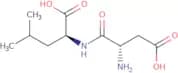
Pureza:Min. 95%H-Asp-Leu-OH
CAS:Please enquire for more information about H-Asp-Leu-OH including the price, delivery time and more detailed product information at the technical inquiry form on this page
Fórmula:C10H18N2O5Pureza:Min. 95 Area-%Cor e Forma:PowderPeso molecular:246.26 g/molp-SCN-Bn-CHX-A''-DTPA
CAS:p-SCN-Bn-CHX-A''-DTPA is a bifunctional chelator that is widely used in Life Sciences research. This chelator has been used in studies involving luciferase, fructan, levan, cholesterol, and other biomolecules. Its unique structure and properties make p-SCN-Bn-CHX-A''-DTPA an essential tool for researchers in the field of Life Sciences.Fórmula:C26H34N4O10SPureza:Min. 95%Peso molecular:594.60 g/molH-SDEGGYTCFFRDHSYQEE-OH
MOG(91-108) corresponds to amino acids 97 to 108 of the rat myelin oligodendrocyte glycoprotein (MOG).
MTMR12 Blocking Peptide
A synthetic peptide for use as a blocking control in assays to test for specificity of MTMR12 antibody, catalog no. 70R-2660Pureza:Min. 95%PIGK Blocking Peptide
A synthetic peptide for use as a blocking control in assays to test for specificity of PIGK antibody, catalog no. 70R-7113Pureza:Min. 95%MAPT Blocking Peptide
A synthetic peptide for use as a blocking control in assays to test for specificity of MAPT antibody, catalog no. 70R-6021
Pureza:Min. 95%CBX6 Blocking Peptide
A synthetic peptide for use as a blocking control in assays to test for specificity of CBX6 antibody, catalog no. 20R-1213Pureza:Min. 95%VARS Blocking Peptide
A synthetic peptide for use as a blocking control in assays to test for specificity of VARS antibody, catalog no. 70R-3182Pureza:Min. 95%FTCD Blocking Peptide
A synthetic peptide for use as a blocking control in assays to test for specificity of FTCD antibody, catalog no. 70R-1140Pureza:Min. 95%PRPF19 Blocking Peptide
A synthetic peptide for use as a blocking control in assays to test for specificity of PRPF19 antibody, catalog no. 70R-1049Pureza:Min. 95%LRRC59 Blocking Peptide
A synthetic peptide for use as a blocking control in assays to test for specificity of LRRC59 antibody, catalog no. 70R-6890Pureza:Min. 95%SLC27A5 Blocking Peptide
A synthetic peptide for use as a blocking control in assays to test for specificity of SLC27A5 antibody, catalog no. 70R-7500Pureza:Min. 95%SERPINE1 Blocking Peptide
A synthetic peptide for use as a blocking control in assays to test for specificity of SERPINE1 antibody, catalog no. 70R-5427Pureza:Min. 95%BPGM Blocking Peptide
A synthetic peptide for use as a blocking control in assays to test for specificity of BPGM antibody, catalog no. 70R-2888Pureza:Min. 95%HAS3 Blocking Peptide
A synthetic peptide for use as a blocking control in assays to test for specificity of HAS3 antibody, catalog no. 70R-7390Pureza:Min. 95%RHOX11 Blocking Peptide
A synthetic peptide for use as a blocking control in assays to test for specificity of RHOX11 antibody, catalog no. 70R-8214Pureza:Min. 95%GDAP2 Blocking Peptide
A synthetic peptide for use as a blocking control in assays to test for specificity of GDAP2 antibody, catalog no. 70R-4452Pureza:Min. 95%Chymotrypsinogen B1 Blocking Peptide
A synthetic peptide for use as a blocking control in assays to test for specificity of CTRB1 antibody, catalog no. 70R-7531
Pureza:Min. 95%B3GALT6 Blocking Peptide
A synthetic peptide for use as a blocking control in assays to test for specificity of B3GALT6 antibody, catalog no. 70R-7242Pureza:Min. 95%PLA2G4E Blocking Peptide
A synthetic peptide for use as a blocking control in assays to test for specificity of PLA2G4E antibody, catalog no. 70R-4051Pureza:Min. 95%CREG2 Blocking Peptide
A synthetic peptide for use as a blocking control in assays to test for specificity of CREG2 antibody, catalog no. 70R-5475Pureza:Min. 95%SLC22A7 Blocking Peptide
A synthetic peptide for use as a blocking control in assays to test for specificity of SLC22A7 antibody, catalog no. 70R-7526Pureza:Min. 95%C4ORF20 Blocking Peptide
A synthetic peptide for use as a blocking control in assays to test for specificity of C4orf20 antibody, catalog no. 70R-4373
Pureza:Min. 95%PER2 Blocking Peptide
A synthetic peptide for use as a blocking control in assays to test for specificity of PER2 antibody, catalog no. 70R-8370
Pureza:Min. 95%CDC27 Blocking Peptide
A synthetic peptide for use as a blocking control in assays to test for specificity of CDC27 antibody, catalog no. 70R-4087Pureza:Min. 95%NEDD9 Blocking Peptide
A synthetic peptide for use as a blocking control in assays to test for specificity of NEDD9 antibody, catalog no. 70R-1701Pureza:Min. 95%KCNK15 Blocking Peptide
A synthetic peptide for use as a blocking control in assays to test for specificity of KCNK15 antibody, catalog no. 70R-5222Pureza:Min. 95%B4GALNT1 Blocking Peptide
A synthetic peptide for use as a blocking control in assays to test for specificity of B4GALNT1 antibody, catalog no. 70R-7378Pureza:Min. 95%GRM7 Blocking Peptide
A synthetic peptide for use as a blocking control in assays to test for specificity of GRM7 antibody, catalog no. 70R-9827
Pureza:Min. 95%Snx10 Blocking Peptide
A synthetic peptide for use as a blocking control in assays to test for specificity of Snx10 antibody, catalog no. 70R-9294Pureza:Min. 95%C14orf177 Blocking Peptide
A synthetic peptide for use as a blocking control in assays to test for specificity of C14orf177 antibody, catalog no. 70R-9355Pureza:Min. 95%TCTA Blocking Peptide
A synthetic peptide for use as a blocking control in assays to test for specificity of TCTA antibody, catalog no. 70R-6740Pureza:Min. 95%Transportin 2 Blocking Peptide
A synthetic peptide for use as a blocking control in assays to test for specificity of TNPO2 antibody, catalog no. 70R-2301Pureza:Min. 95%AGTPBP1 Blocking Peptide
A synthetic peptide for use as a blocking control in assays to test for specificity of AGTPBP1 antibody, catalog no. 70R-9313Pureza:Min. 95%DHX35 Blocking Peptide
A synthetic peptide for use as a blocking control in assays to test for specificity of DHX35 antibody, catalog no. 70R-4797Pureza:Min. 95%Transglutaminase 7 Blocking Peptide
A synthetic peptide for use as a blocking control in assays to test for specificity of TGM7 antibody, catalog no. 70R-2336Pureza:Min. 95%B3GALT6 Blocking Peptide
A synthetic peptide for use as a blocking control in assays to test for specificity of B3GALT6 antibody, catalog no. 70R-7452Pureza:Min. 95%FAS Blocking Peptide
The FAS Blocking Peptide is a cytotoxic peptide that has been extensively studied in the field of Life Sciences. It is commonly used as a research tool to block the activity of FAS, a cell surface receptor that plays a crucial role in regulating cell growth and apoptosis. This peptide has been shown to inhibit the binding of trastuzumab, a monoclonal antibody used in cancer therapy, to FAS, thereby preventing the activation of downstream signaling pathways.Pureza:Min. 95%Guanylate Kinase 1, human, recombinant
Guanylate kinase 1 is a member of the guanylate kinase family. It is a protein that in humans encoded by the GMNK1 gene. Guanylate kinases catalyze the reversible transfer of phosphate groups from ATP to guanosine diphosphate (GDP). They are involved in regulating the balance between GTP and GDP in cells, which has been shown to be important for many cellular processes, including cell signaling, cytoskeletal remodeling and apoptosis. Guanylate kinase 1 is an inhibitor of receptor tyrosine kinases, with an IC50 value of 2 μM. It also has been shown to be able to activate L-type calcium channels at concentrations greater than 100 μM. The recombinant human guanylate kinase 1 used in this study was expressed in E. coli and purified using affinity chromatography.Pureza:Min. 95%Total GLP-1-HS ELISA (1ea)
The Total GLP-1-HS ELISA (1ea) is a sandwich enzyme-linked immunosorbent assay that measures the concentration of active GLP-1 in human serum. The assay employs a monoclonal antibody specific to human GLP-1 and an enzyme conjugate, which is a radiolabeled anti-human GLP-1 antibody. The Total GLP-1-HS ELISA (1ea) has been validated for use with samples from both healthy subjects and subjects with type 2 diabetes mellitus.Pureza:Min. 95%AURKC Blocking Peptide
A synthetic peptide for use as a blocking control in assays to test for specificity of AURKC antibody, catalog no. 70R-2679Pureza:Min. 95%MBP-B MHC II DRB1*15:01 (84-102)
Myelin Basic Protein (MBP)
MBP-B (84-102) DRB1*15:01 is a short part of the myelin basic peptide. Myelin basic protein is one of the major protein found in myelin.
MBP-B (84-102) DRB1*15:01
MBP-B (84-102) DRB1*15:01 is used to stimulate immune response and T cell activity. MBP-B (84-102) DRB1*15:01 is also considered as a reference positive control in binding affinity with DRB1*15:01 molecules.MYL6 Blocking Peptide
A synthetic peptide for use as a blocking control in assays to test for specificity of MYL6 antibody, catalog no. 70R-2678
Pureza:Min. 95%Mouse Beta-Defensin 3 peptide
mouse Beta-Defensin 3 peptide (mBD3), a homolog of human beta-defensin 2 (hBD2), is a cysteine-rich cationic antimicrobial peptide of 41 amino acids which belongs to the defensins family.
Defensin peptides are cationic peptides originally produced in various organs. They are involved in the protection against different kinds of pathogens like bacteria, fungi, and several viruses and play an important role in inflammation and wound repair.
mBD3 peptide showed antimicrobial activity against Gram-negative bacteria S.Aureus and S.pyogenes and against Gram-positive bacteria like certain strains of P.Aeruginosa (MIC of 8 µg/mL) and E.coli (MIC of 16 µg/mL). Antimicrobial activity has also been demonstrated against C.Albicans.
The in vivo and in vitro efficiency of mBD3 against viruses like influenza was also shown. mBD3 can be interesting for therapeutic use.KCNK10 Blocking Peptide
A synthetic peptide for use as a blocking control in assays to test for specificity of KCNK10 antibody, catalog no. 70R-1534Pureza:Min. 95%Nucleocapsid biotinylated protein library
The Nucleocapsid Protein (N-protein), also called coronavirus nucleocapsid (N), is the most abundant protein in coronavirus. It is a structural protein that forms complexes with genomic RNA, interacts with the viral membrane protein during virion assembly and plays a critical role in enhancing the efficiency of virus transcription and assembly.
ADAR Blocking Peptide
A synthetic peptide for use as a blocking control in assays to test for specificity of ADAR antibody, catalog no. 70R-5881Pureza:Min. 95%SLC30A1 Blocking Peptide
A synthetic peptide for use as a blocking control in assays to test for specificity of SLC30A1 antibody, catalog no. 70R-7370Pureza:Min. 95%LDLRAD1 Blocking Peptide
A synthetic peptide for use as a blocking control in assays to test for specificity of LDLRAD1 antibody, catalog no. 70R-6670Pureza:Min. 95%SSSTAYMHLK* - SIL Dinutuximab signature peptide quantifier
Primary SIL peptide for Dinutuximab detection and quantification
Neuropeptide RFRP-2 (101-112)
Neuropeptide: Neuropeptides are small signaling molecules produced and released by neurons engaged in many physiological functions. Indeed, neuropeptides act on neural substrates such as G protein-coupled receptors (GPCRs), tyrosine-kinase receptor, insuline-like peptides and also ion channels. Actions of Neuropeptides result in slow-onset, long-lasting modulation of synaptic transmission. Pro-FMRFamide-related neuropeptide VF: Pro-FMRFamide-related neuropeptide VF also called neuropeptide VF precursor are expressed in neurons in mediobasal hypothalamus. Neuropeptide VF precursor is a propeptide which is cleaved in three others peptide: Neuropeptide RFRP-1, RFRP-2 and RFRP-3. Neuropeptide RFRP-2 (101-112): Neuropeptide RFRP-2 (101-112) is very interesting because RFRP-2 shows no inhibitory activity and RFRP-2 sequence is absent in mouse and rat.NERP-1 - Neuroendocrine regulatory peptide 1
NERP-1 (Human) modulates body fluid homeostasis and suppresses vasopressin release
ACE2 peptide library
Angiotensin-converting enzyme 2 (ACE2) is an enzyme involved in the cardiovascular system by decreasing arterial pressure by catalyzing the conversion of angiotensin II to angiotensin (1-7). Angiotensin II is a vasoconstrictor and angiotensin (1-7) is a vasodilatator. This effect makes ACE2 a therapeutic target for cardiovascular disease.
RDH11 Blocking Peptide
A synthetic peptide for use as a blocking control in assays to test for specificity of RDH11 antibody, catalog no. 70R-5410
Pureza:Min. 95%GALR2 Blocking Peptide
A synthetic peptide for use as a blocking control in assays to test for specificity of GALR2 antibody, catalog no. 70R-10309
Pureza:Min. 95%SARS-CoV-2 Spike RBM 480-496 peptide
SARS-CoV-2 Spike RBM 480-496 peptide is an epitope of interest of the SARS-CoV-2 Spike S glycoprotein Receptor-Binding Motif (RBM). SARS-CoV-2 Spike RBM 480-496 peptide is useful for vaccine development and for structure-activity relationship studies SARS-CoV-2 Spike (S) glycoprotein Spike (S) glycoprotein corresponds to one of the leading targets for COVID-19 disease. Present on the surface of Sars-CoV-2 virus, Spike S protein is a class I fusion protein that allows the virus to enter host cells. With a 1 273 aa length, Spike protein has 2 subunits : S1 contains the receptor-binding domain RBD and S2 induces the fusion of the viral envelop with the cellular membrane. SARS-CoV-2 Spike RBM: The receptor-binding domain in SARS-CoV-2 Spike protein contains a receptor-binding motif RBM. SARS-CoV-2 Spike RBM is the main functional motif in RBD and allows contacts between the S protein and the Angiotensin-Converting Enzyme receptor 2 (ACE2 receptor) which mediates the viral entry. SB-PEPTIDE also offers SARS-CoV-2 Spike RBM 480-496 (Biotin-LC) peptideSLEWIGAIDPYYGGTSYNQK* - SIL Dinutuximab signature peptide qualifier
Secondary SIL peptide for Dinutuximab detection and quantificationFYN Blocking Peptide
A synthetic peptide for use as a blocking control in assays to test for specificity of FYN antibody, catalog no. 70R-5867Pureza:Min. 95%Ovotransferrin (328-332)
Ovotransferrin 328-332, also called Conalbumin 328-332, is a part of the egg white albumen.
SARS-CoV-2 Spike RBD 336-347 peptide
SARS-CoV-2 Spike RBD 336-347 peptide is an epitope of interest of the SARS-CoV-2 Spike S glycoprotein Receptor-Binding Domain (RBD). SARS-CoV-2 Spike RBD 336-347 peptide is useful for vaccine development and for structure-activity relationship studies SARS-CoV-2 Spike (S) glycoprotein Spike (S) glycoprotein corresponds to one of the leading targets for COVID-19 disease. Present on the surface of Sars-CoV-2 virus, Spike S protein is a class I fusion protein that allows the virus to enter host cells. With a 1 273 aa length, Spike protein has 2 subunits : S1 contains the receptor-binding domain RBD and S2 induces the fusion of the viral envelop with the cellular membrane. SARS-CoV-2 Spike RBD: The receptor-binding domain in SARS-CoV-2 Spike protein allows binding to the Angiotensin-Converting Enzyme receptor 2 (ACE2 receptor) which mediates the viral entry. SB-PEPTIDE also offers SARS-CoV-2 Spike RBD 336-347 (Biotin-LC) peptideCCDC110 Blocking Peptide
A synthetic peptide for use as a blocking control in assays to test for specificity of CCDC110 antibody, catalog no. 70R-9333Pureza:Min. 95%