Peptídeos
Subcategorias de "Peptídeos"
Foram encontrados 29595 produtos de "Peptídeos"
Spike S protein library
Spike (S) glycoprotein corresponds to one of the leading targets for COVID-19 disease. Present on the surface of Sars-CoV-2 virus, Spike S protein is a class I fusion protein that allows the virus to enter host cells.Biotin-SARS-CoV-2 Spike RBD 352-365 peptide
Biotin-SARS-CoV-2 Spike RBD 352-365 peptide is the biotinylated version of SARS-CoV-2 Spike RBD 352-365 peptide. SARS-CoV-2 Spike RBD 352-365 peptide is an epitope of interest of the SARS-CoV-2 Spike S glycoprotein Receptor-Binding Domain (RBD). Biotin-SARS-CoV-2 Spike RBD 352-365 peptide is useful for vaccine development and for structure-activity relationship studies SARS-CoV-2 Spike (S) glycoprotein Spike (S) glycoprotein corresponds to one of the leading targets for COVID-19 disease. Present on the surface of Sars-CoV-2 virus, Spike S protein is a class I fusion protein that allows the virus to enter host cells. With a 1 273 aa length, Spike protein has 2 subunits : S1 contains the receptor-binding domain RBD and S2 induces the fusion of the viral envelop with the cellular membrane. SARS-CoV-2 Spike RBD: The receptor-binding domain in SARS-CoV-2 Spike protein allows binding to the Angiotensin-Converting Enzyme receptor 2 (ACE2 receptor) which mediates the viral entry.NY-ESO-1 (123-137) DRB1*04:01
NY-ESO-1 protein:
NY-ESO-1 (123-137) DRB1*04:01 is an epitope analogue of the New York esophageal squamous cell carcinoma-1, also named cancer testis. NY-ESO-1 is expressed in 82% of neuroblastomas and 46% of melanomas but also in many others solid tumors and hematological malignancies. That’s why, NY-ESO-1 peptides are attractive targets for specific immunotherapies and for the stimulation of human NY-ESO-1 specific CD8+ T cells.
Applications of NY-ESO-1 (123-137) DRB1*04:01:
Results of studies suggest after stimulation of NY-ESO-1 (123-137) DRB1*04:01 specific T cells and IFN- ELISPOT and chronium release assays that NY-ESO-1 (123-137) DRB1*04:01 can be an immunogenic epitope encoded by NY-ESO-1. NY-ESO-1 (123-137) DRB1*04:01 contains epitope capable of binding HLA-DR molecules.LSITIRPR* - SIL Dupilumab signature peptide quantifier
Primary SIL peptide for Dupilimab detection and quantification
SARS-CoV-2 Spike RBD 371-394 peptide
SARS-CoV-2 Spike RBD 371-394 peptide is an epitope of interest of the SARS-CoV-2 Spike S glycoprotein Receptor-Binding Domain (RBD). SARS-CoV-2 Spike RBD 371-394 peptide is useful for vaccine development and for structure-activity relationship studies
SARS-CoV-2 Spike (S) glycoprotein
Spike (S) glycoprotein corresponds to one of the leading targets for COVID-19 disease. Present on the surface of Sars-CoV-2 virus, Spike S protein is a class I fusion protein that allows the virus to enter host cells.
With a 1 273 aa length, Spike protein has 2 subunits : S1 contains the receptor-binding domain RBD and S2 induces the fusion of the viral envelop with the cellular membrane.
SARS-CoV-2 Spike RBD:
The receptor-binding domain in SARS-CoV-2 Spike protein allows binding to the Angiotensin-Converting Enzyme receptor 2 (ACE2 receptor) which mediates the viral entry.
SB-PEPTIDE also offers SARS-CoV-2 Spike RBD 371-394 (Biotin-LC) peptideOVA 257-264 scrambled
SB-peptide offers the scrambled version of OVA 257-264. FILKSINE can be used as a negative control of OVA 257-264 studies.
SB-peptide offers also OVA 257-264 (see section OVA 257-264).
Ovalbumin protein:
OVA 257-264 (H-2Kb) is an epitope of interest of the egg white albumen, ovalbumin. Ovalbumin is a glycoprotein that is sufficiently large and complex to be mildly immunogenic. Indeed, it has been demonstrated that Ovalbumin contains B-cell epitopes which are recognized by specific IgE antibodies and CD4 T cell epitopes restricted by the MHC I-Ad molecule in mice and by HLA-D molecule in human.
Applications of OVA 257-264:
OVA 257-264 is used to stimulate T cells in PBMCs and to quantify peptide epitope specificity and IFN-γ releasing effector cells by ELISPOT assay. OVA 257-264 is also used to test new adjuvant in immunotherapeutic vaccine development. OVA 257-264 can form a stable hydrogel and stimulate a immune response. This reaction seems to be linked with OVA 257-264 property to self-assemble into a hydrogel.
Sequence:C45H74N10013Biotin-SARS-CoV-2 Spike RBD 523-541 peptide
Biotin-SARS-CoV-2 Spike RBD 523-541 peptide is the biotinylated version of SARS-CoV-2 Spike RBD 523-541 peptide. SARS-CoV-2 Spike RBD 523-541 peptide is an epitope of interest of the SARS-CoV-2 Spike S glycoprotein Receptor-Binding Domain (RBD). Biotin-SARS-CoV-2 Spike RBD 523-541 peptide is useful for vaccine development and for structure-activity relationship studies
SARS-CoV-2 Spike (S) glycoprotein
Spike (S) glycoprotein corresponds to one of the leading targets for COVID-19 disease. Present on the surface of Sars-CoV-2 virus, Spike S protein is a class I fusion protein that allows the virus to enter host cells.
With a 1 273 aa length, Spike protein has 2 subunits : S1 contains the receptor-binding domain RBD and S2 induces the fusion of the viral envelop with the cellular membrane.
SARS-CoV-2 Spike RBD:
The receptor-binding domain in SARS-CoV-2 Spike protein allows binding to the Angiotensin-Converting Enzyme receptor 2 (ACE2 receptor) which mediates the viral entry.LEWIGEIDPSESNTNYNQK* - SIL Vedolozumab signature peptide quantifier
SIL peptide for Vedolozumab detection and quantificationBiotin-SARS-CoV-2 Spike RBD 513-520 peptide
Biotin-SARS-CoV-2 Spike RBD 513-520 peptide is the biotinylated version of SARS-CoV-2 Spike RBD 513-520 peptide. SARS-CoV-2 Spike RBD 513-520 peptide is an epitope of interest of the SARS-CoV-2 Spike S glycoprotein Receptor-Binding Domain (RBD). Biotin-SARS-CoV-2 Spike RBD 513-520 peptide is useful for vaccine development and for structure-activity relationship studies
SARS-CoV-2 Spike (S) glycoprotein
Spike (S) glycoprotein corresponds to one of the leading targets for COVID-19 disease. Present on the surface of Sars-CoV-2 virus, Spike S protein is a class I fusion protein that allows the virus to enter host cells.
With a 1 273 aa length, Spike protein has 2 subunits : S1 contains the receptor-binding domain RBD and S2 induces the fusion of the viral envelop with the cellular membrane.
SARS-CoV-2 Spike RBD:
The receptor-binding domain in SARS-CoV-2 Spike protein allows binding to the Angiotensin-Converting Enzyme receptor 2 (ACE2 receptor) which mediates the viral entry.Biotin-SARS-CoV-2 Spike RBM 438-458 peptide
Biotin-SARS-CoV-2 Spike RBM 438-458 peptide is the biotinylated version of SARS-CoV-2 Spike RBM 438-458 peptide. SARS-CoV-2 Spike RBM 438-458 peptide is an epitope of interest of the SARS-CoV-2 Spike S glycoprotein Receptor-Binding Motif (RBM). Biotin-SARS-CoV-2 Spike RBM 438-458 peptide is useful for vaccine development and for structure-activity relationship studies
SARS-CoV-2 Spike (S) glycoprotein
Spike (S) glycoprotein corresponds to one of the leading targets for COVID-19 disease. Present on the surface of Sars-CoV-2 virus, Spike S protein is a class I fusion protein that allows the virus to enter host cells.
With a 1 273 aa length, Spike protein has 2 subunits : S1 contains the receptor-binding domain RBD and S2 induces the fusion of the viral envelop with the cellular membrane.
SARS-CoV-2 Spike RBM:
The receptor-binding domain in SARS-CoV-2 Spike protein contains a receptor-binding motif RBM. SARS-CoV-2 Spike RBM is the main functional motif in RBD and allows contacts between the S protein and the Angiotensin-Converting Enzyme receptor 2 (ACE2 receptor) which mediates the viral entry.YASESISGIPSR* - SIL Cetuximab signature peptide quantifier
Primary SIL peptide for Cetuximab detection and quantification
Biotin-SARS-CoV-2 Spike RBD 395-430 peptide
Biotin-SARS-CoV-2 Spike RBD 395-430 peptide is the biotinylated version of SARS-CoV-2 Spike RBD 395-430 peptide. SARS-CoV-2 Spike RBD 395-430 peptide is an epitope of interest of the SARS-CoV-2 Spike S glycoprotein Receptor-Binding Domain (RBD). Biotin-SARS-CoV-2 Spike RBD 395-430 peptide is useful for vaccine development and for structure-activity relationship studies
SARS-CoV-2 Spike (S) glycoprotein
Spike (S) glycoprotein corresponds to one of the leading targets for COVID-19 disease. Present on the surface of Sars-CoV-2 virus, Spike S protein is a class I fusion protein that allows the virus to enter host cells.
With a 1 273 aa length, Spike protein has 2 subunits : S1 contains the receptor-binding domain RBD and S2 induces the fusion of the viral envelop with the cellular membrane.
SARS-CoV-2 Spike RBD:
The receptor-binding domain in SARS-CoV-2 Spike protein allows binding to the Angiotensin-Converting Enzyme receptor 2 (ACE2 receptor) which mediates the viral entry.GRP, Human Antiserum
GRP is a protein that belongs to the G-protein-coupled receptor family. It is activated by the ligand ghrelin and has been shown to be involved in the regulation of food intake, energy expenditure, gastric acid secretion and other physiological processes. GRP is also expressed in various types of cells including neurons, pancreatic beta cells, and cardiac myocytes. The antibody against GRP recognizes human GRP with high purity. This antibody can be used as a research tool for studying the functions of GRP or for immunohistochemistry to study the distribution of GRP in tissues.Pureza:Min. 95%Fmoc-N-Amido-dPEG®5-Acid
Fmoc-N-Amido-dPEG®5-Acid is a PEG compound with two different functional groups (also known as heterobifunctional). Unlike homobifunctional PEG compounds (same functional group on both ends), this type of compounds are more versatile as have two different anchor points. Fmoc-N-Amido-dPEG®5-Acid is used as a linker and spacer to add a PEG moiety, via pegylation (a bioconjugation technique) to proteins, peptides, oligonucleotides, small molecules and nanoparticles.Pureza:Min. 95%MOCAc-Arg-Pro-Lys-Pro-Val-Glu-Nva-Trp-Arg-Lys(Dnp)-NH₂
CAS:MOCA-Arg-Pro-Lys-Pro-Val-Glu-Nva-Trp-Arg-Lys(Dnp)-NH2 is a synthetic peptide that interacts with the nicotinic acetylcholine receptor and is a potent agonist. MOCA was found to be a potent activator of the nicotinic acetylcholine receptor, as well as an inhibitor of ligand binding. The affinity for binding to the receptor was found to be high, with an inhibition constant (Ki) of 0.06 μM. It has been shown to inhibit ion channels and ligand binding in cell biology experiments. MOCA can also be used as a research tool for studying protein interactions and receptors.
Fórmula:C78H110N22O20Pureza:Min. 95%Peso molecular:1,675.8 g/molSPDP-dPEG®12-NHS Ester
CAS:SPDP-dPEG®12-NHS Ester is a PEG compound with two different functional groups (also known as heterobifunctional). Unlike homobifunctional PEG compounds (same functional group on both ends), this type of compounds are more versatile as have two different anchor points. SPDP-dPEG®12-NHS Ester is used as a linker and spacer to add a PEG moiety, via pegylation (a bioconjugation technique) to proteins, peptides, oligonucleotides, small molecules and nanoparticles.
Fórmula:C33H57N3O18Pureza:Min. 95%Peso molecular:783.82 g/molAzido-dPEG®4-acid
CAS:Azido-dPEG®4-acid is a PEG compound with two different functional groups (also known as heterobifunctional). Unlike homobifunctional PEG compounds (same functional group on both ends), this type of compounds are more versatile as have two different anchor points. Azido-dPEG®4-acid is used as a linker and spacer to add a PEG moiety, via pegylation (a bioconjugation technique) to proteins, peptides, oligonucleotides, small molecules and nanoparticles.Fórmula:C51H101N3O26Pureza:Min. 95%Peso molecular:1,172.35 g/molBoc-Gln-Arg-Arg-AMC
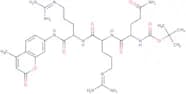
CAS:Boc-Gln-Arg-Arg-AMC is a Research Tool that is used to study the interactions of protein ligands with receptor and ion channels. It has been shown to inhibit the activity of ion channels, such as calcium and potassium channels.Fórmula:C32H49N11O8Pureza:Min. 95%Peso molecular:715.8 g/molBradykinin-Potentiator C
CAS:Bradykinin-Potentiator C is a peptide that can act as an activator or inhibitor of ion channels. It has been used in research for pharmacology, protein interactions, cell biology, and antibody production. Bradykinin-Potentiator C is purified from rabbit lung and has a CAS number of 30953-20-9.Fórmula:C51H77N11O13Pureza:Min. 95%Peso molecular:1,052.2 g/molVirus Replication Inhibiting Peptide
CAS:The virus replication-inhibiting peptide is a fatty acid that inhibits the replication of viruses. It has been shown to inhibit the growth of the bacteria Stenotrophomonas maltophilia and other bacteria, which causes infectious diseases. The peptide also has a diagnostic use for detecting viral infections in cells. The peptide was found to up-regulate genes in response to infection by pandemic influenza, which may be due to its ability to bind receptors on cells and also interfere with inflammatory responses. The virus replication-inhibiting peptide has been shown to be effective against influenza virus and other viruses, as well as against chronic inflammatory diseases such as lung damage caused by β-amino acids.
Fórmula:C28H29N3O6Pureza:Min. 95%Peso molecular:503.55 g/molBis-MAL-dPEG®11
CAS:Bis-MAL-dPEG®11 is a PEG polymer categorised as homobifunctional PEG (X-PEG X). Used as a linker, bis-MAL-dPEG®11 is used to attached PEG to proteins, peptides, oligonucleotides, nanoparticles and small molecules via pegylation, a bioconjugation technique.
Fórmula:C65H105F4N9O21S2Pureza:Min. 95%Peso molecular:1,488.7 g/molBoc-Gln-Pro
CAS:Boc-Gln-Pro is a peptide that can be used as a substrate for peptidoglutaminase.
Fórmula:C15H25N3O6Pureza:Min. 95%Peso molecular:343.38 g/molGRF (Human)
CAS:Growth hormone-releasing factor (GRF) or GHRH (growth hormone-releasing hormone).Binds to the growth hormone-releasing hormone receptor (GHRH-R), causing growth hormone secretion.porcine: H-YADAIFTNSYRKVLGQLSARKLLQDIMSRQQGERNQEQGARVRL-NH2bovine: H-YADAIFTNSYRKVLGQLSARKLLQDIMNRQQGERNQEQGAKVRL-NH2ovine: H-YADAIFTNSYRKILGQLSARKLLQDIMNRQQGERNQEQGAKVRL-NH2human: H-YADAIFTNSYRKVLGQLSARKLLQDIMSRQQGESNQERGARARL-NH2Fórmula:C215H358N72O66SPureza:Min. 95%Peso molecular:5,039.7 g/molFmoc-Ser[Ac4Galß(1- >3)Ac2GalNAcα(1- >O)]-OH
CAS:Fmoc-Ser[Ac4Galß(1- >3)Ac2GalNAcα(1- >O)]-OH is a peptide that belongs to the group of carbohydrate derivatives. It has been shown to inhibit the growth of bacteria and fungi by inhibiting protein synthesis. The amino acid sequence is Ser-Gly-Gly-Gly-Ala-Ser, which has a high affinity for bacterial cell walls. Fmoc-Ser[Ac4Galß(1- >3)Ac2GalNAcα(1- >O)]-OH binds to bacterial cell walls by competitive inhibition of the enzyme D, L aminopimelate aminotransferase (EC 2.6.1.19). This binding prevents the formation of an antibiotic inhibitor complex with the enzyme that is required for cell wall biosynthesis, inhibiting protein synthesis and cell division.Fórmula:C44H52N2O21Pureza:Min. 95%Peso molecular:944.88 g/molCGRP (Human)
CAS:CGRP (calcitonin gene-related peptide) is a 37-amino acid neuropeptide that is found in humans and is widely distributed in the nervous system, particularly in sensory neurons, and is involved in the regulation of vascular tone, blood flow, pain perception, and inflammation. It is a potent vasodilator and has been implicated in the pathophysiology of several vascular disorders, including migraine headaches, cluster headaches, and hypertension.
In addition to its vascular effects, human CGRP also has neuroprotective properties and has been investigated as a potential therapeutic agent for various neurological disorders, such as Alzheimer's disease and Parkinson's disease.
Human CGRP has been extensively studied as a research tool to investigate its physiological and pathological roles in various tissues and diseases. It has also been targeted by pharmacological agents, such as CGRP antagonists and antibodies, for the treatment of migraine headaches and other conditions associated with CGRP dysfunction.
This product is available as a 0.5mg vial.Fórmula:C163H267N51O49S2Pureza:Min. 95%Peso molecular:3,789.3 g/molMAL-dPEG®4-(m-dPEG®12)3
CAS:MAL-dPEG®4-(m-dPEG®12)3 is a PEG compound with two different functional groups (also known as heterobifunctional). Unlike homobifunctional PEG compounds (same functional group on both ends), this type of compounds are more versatile as have two different anchor points. MAL-dPEG®4-(m-dPEG®12)3 is used as a linker and spacer to add a PEG moiety, via pegylation (a bioconjugation technique) to proteins, peptides, oligonucleotides, small molecules and nanoparticles.Fórmula:C84H158N6O40Pureza:Min. 95%Peso molecular:1,892.17 g/molTuftsin
CAS:Produto ControladoTuftsin is a cyclic peptide that has been shown to have various biological properties, including anti-inflammatory and immunosuppressive activity. Tuftsin has been shown to inhibit the production of proinflammatory cytokines such as IL-10 by T cells in vitro. Tuftsin also inhibits the activation of toll-like receptors (TLR) and may have a role in inhibiting mycobacterial infection. This drug was found to be well tolerated in humans with congestive heart failure, and is currently being evaluated for its potential use as an adjunct therapy for inflammatory bowel disease. It has also been shown to be effective against opportunistic fungal infections, such as Candida albicans, Cryptococcus neoformans, and Aspergillus fumigatus. Tuftsin can be measured using analytical methods such as titration calorimetry or polymerase chain reaction (PCR).Fórmula:C21H40N8O6•2CH3COOH•4H2OPureza:Min. 95%Peso molecular:692.75 g/molFmoc-N-Amido-dPEG®6-Acid
CAS:Fmoc-N-Amido-dPEG®6-Acid is a PEG compound with two different functional groups (also known as heterobifunctional). Unlike homobifunctional PEG compounds (same functional group on both ends), this type of compounds are more versatile as have two different anchor points. Fmoc-N-Amido-dPEG®6-Acid is used as a linker and spacer to add a PEG moiety, via pegylation (a bioconjugation technique) to proteins, peptides, oligonucleotides, small molecules and nanoparticles.Pureza:Min. 95%Peso molecular:575.65 g/mol[Tyr34]-Parathyroid Hormone (Bovine, 7-34 amide)
CAS:[Tyr34]-Parathyroid Hormone (Bovine, 7-34 amide) is a product sourced from bovine, is available as a 0.5mg vial and is related to the peptide hormone Parathyroid Hormone (PTH). During abnormal serum calcium levels PTH is secreted from the parathyroid gland, thus regulating calcium and phosphate levels in the body. PTH binds to its PTH receptor which is a G-protein coupled receptor that activated adenylate cyclase or phospholipase C to activate pathways involved in the mediation of bone resorption and bone formation.
Fórmula:C156H244N48O40S2Pureza:Min. 95%Peso molecular:3,496 g/molLeu-Gly-Gly
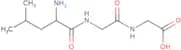
CAS:Leu-Gly-Gly is a cyclic peptide that binds to fibrinogen and forms stable complexes with the enzyme form of human serum albumin. It is used as a model system for studying the structure of proteins, and has been shown to bind calcium ions. Leu-Gly-Gly is also an amide and can form stable complexes with basic proteins such as fibrinogen. This peptide also has significant cytotoxicity against polymorphonuclear leucocytes, which may be due to its ability to inhibit polymerase chain activity.
Fórmula:C10H19N3O4Pureza:Min. 95%Peso molecular:245.28 g/molAzido-dPEG®12-Acid
CAS:Azido-dPEG®12-Acid is a PEG compound with two different functional groups (also known as heterobifunctional). Unlike homobifunctional PEG compounds (same functional group on both ends), this type of compounds are more versatile as have two different anchor points. Azido-dPEG®12-Acid is used as a linker and spacer to add a PEG moiety, via pegylation (a bioconjugation technique) to proteins, peptides, oligonucleotides, small molecules and nanoparticles.
Pureza:Min. 95%Peso molecular:643.72 g/molUrocortin (Rat)
CAS:Urocortin is a peptide that is also known as corticotropin-releasing factor (CRF). It is an inhibitor of the protein phosphatase 1 and protein phosphatase 2A, which are enzymes that regulate the activity of other proteins. Urocortin also has the ability to bind to receptors for glucocorticoid hormones, such as GRP and MR, in a manner that activates them. This peptide is used in research studies to study ion channels, neuronal excitability, and other aspects of cell biology. Urocortin has been shown to be a high purity reagent with no detectable impurities.Fórmula:C206H338N62O64Pureza:Min. 95%Peso molecular:4,707.3 g/molACTH (Human 1-24)
CAS:ACTH (1-24) is a peptide hormone and neurotransmitter that belongs to the corticotropin-releasing factor family. It is also known as corticotropin-releasing hormone, adrenocorticotropic hormone, or CRH. ACTH binds to the ACTH receptor, which activates protein kinase A and cyclic AMP response element binding protein (CREB). Activation of these proteins leads to an increase in the production of cortisol. ACTH can be used as a research tool for studying ion channels and ligands. It can also be used as an antibody in cell biology research.
Fórmula:C136H210N40O31SPureza:Min. 95%Peso molecular:2,933.4 g/molm-dPEG®4-Thiol
CAS:m-dPEG®4-Thiol is a PEG compound with two different functional groups (also known as heterobifunctional). Unlike homobifunctional PEG compounds (same functional group on both ends), this type of compounds are more versatile as have two different anchor points. m-dPEG®4-Thiol is used as a linker and spacer to add a PEG moiety, via pegylation (a bioconjugation technique) to proteins, peptides, oligonucleotides, small molecules and nanoparticles.Fórmula:C57H113NO25S2Pureza:Min. 95%Peso molecular:1,276.63 g/molLipoamido-dPEG®12-Acid
CAS:Lipoamido-dPEG®12-Acid is a PEG molecule conjugated with a lipid moiety. Lipoamido-dPEG®12-Acid, conjugated to this lipid constituent, is very important especially in drug delivery and vaccine development as it helps improve the stability and circulation time of lipid nanoparticles (LNPs) and liposomes.
Fórmula:C25H41N3O7S2Pureza:Min. 95%Peso molecular:559.74 g/molAzido-dPEG®35-Amine
CAS:Azido-dPEG®35-Amine is a PEG compound with two different functional groups (also known as heterobifunctional). Unlike homobifunctional PEG compounds (same functional group on both ends), this type of compounds are more versatile as have two different anchor points. Azido-dPEG®35-Amine is used as a linker and spacer to add a PEG moiety, via pegylation (a bioconjugation technique) to proteins, peptides, oligonucleotides, small molecules and nanoparticles.Pureza:Min. 95%Peso molecular:1,627.94 g/mol2,3,4,6-Tetra-O-Acetyl-α-D-Galactopyranosyl Fluoride
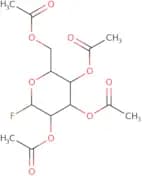
CAS:2,3,4,6-Tetra-O-acetyl-α-D-galactopyranosyl fluoride (TATA) is a fluorinated sugar that is used as a building block for the synthesis of peptides and other biochemicals. TATA has been shown to be an inhibitor of bacterial growth in medium containing glycosyl residues. This product has also been shown to have anti-inflammatory properties in animal models.
Fórmula:C14H19O9FPureza:Min. 95%Peso molecular:350.29 g/molLipoamido-dPEG®24-Acid
CAS:Lipoamido-dPEG®24-Acid is a PEG molecule conjugated with a lipid moiety. Lipoamido-dPEG®24-Acid, conjugated to this lipid constituent, is very important especially in drug delivery and vaccine development as it helps improve the stability and circulation time of lipid nanoparticles (LNPs) and liposomes.
Fórmula:C39H69N3O15S2Pureza:Min. 95%Peso molecular:884.11 g/molAmino-dPEG®12-t-Butyl Ester
CAS:Amino-dPEG®12-t-Butyl Ester is a PEG compound with two different functional groups (also known as heterobifunctional). Unlike homobifunctional PEG compounds (same functional group on both ends), this type of compounds are more versatile as have two different anchor points. Amino-dPEG®12-t-Butyl Ester is used as a linker and spacer to add a PEG moiety, via pegylation (a bioconjugation technique) to proteins, peptides, oligonucleotides, small molecules and nanoparticles.Fórmula:C31H63NO14Pureza:Min. 95%Peso molecular:673.83 g/molPropargyl-dPEG®1-NHS Ester
CAS:Propargyl-dPEG®1-NHS Ester is a PEG compound with two different functional groups (also known as heterobifunctional). Unlike homobifunctional PEG compounds (same functional group on both ends), this type of compounds are more versatile as have two different anchor points. Propargyl-dPEG®1-NHS Ester is used as a linker and spacer to add a PEG moiety, via pegylation (a bioconjugation technique) to proteins, peptides, oligonucleotides, small molecules and nanoparticles.Fórmula:C48H98N4O23Pureza:Min. 95%Peso molecular:1,099.3 g/molParathyroid Hormone (Human, 1-34)
CAS:This product which is available as a 0.1mg vial is amino acids 1-34 of the 84 amino acid parathyroid hormone (PTH) and can be used as an adenylate cyclase and bone growth stimulating peptide. It is also an effective anabolic agent used in the treatment of some forms of Osteoporosis. PTH is a peptide hormone that is secreted from the parathyroid gland in the event of abnormal serum calcium levels and it ultimately regulates calcium and phosphate levels in the body. The PTH exerts its activity through binding to the G-protein coupled receptor type 1 PTH receptor, which activates adenylate cyclase or phospholipase C thus activating pathways involved in the mediation of bone resorption and bone formation. This product is suitable for life science applications.Fórmula:C181H291N55O51S2Pureza:Min. 95%Peso molecular:4,117.7 g/moldPEG®24-Biotin Acid
CAS:dPEG®24-Biotin Acid is a PEG compound with two different functional groups (also known as heterobifunctional). Unlike homobifunctional PEG compounds (same functional group on both ends), this type of compounds are more versatile as have two different anchor points. dPEG®24-Biotin Acid is used as a linker and spacer to add a PEG moiety, via pegylation (a bioconjugation technique) to proteins, peptides, oligonucleotides, small molecules and nanoparticles.Fórmula:C61H117N3O28SPureza:Min. 95%Peso molecular:1,325.6 g/mol2,3,4,6-Tetra-O-Acetyl-α-D-Glucopyranosyl Fluoride
CAS:2,3,4,6-Tetra-O-acetyl-α-D-glucopyranosyl fluoride is a glycosyl fluoride that inhibits the enzyme glucosidase. This compound has been shown to inhibit peptide degradation and is used in studies of proteolytic enzymes. 2,3,4,6-Tetra-O-acetyl-α-D-glucopyranosyl fluoride has also been used as an inhibitor of carbohydrate metabolism and in the synthesis of glycoproteins.Fórmula:C14H19O9FPureza:Min. 95%Peso molecular:350.29 g/molSialylglycopeptide
CAS:Sialylglycopeptide is an oligosaccharide that is present in the cell membrane of human erythrocytes. It has been shown to be a ligand for toll-like receptor 2, which is a pattern recognition receptor (PRR) that recognizes pathogen-associated molecular patterns. This molecule is also involved in the inflammatory response and in some infectious diseases. Sialylglycopeptide reacts with nitrite ions to form nitrosogalactopyranoside, which can lead to oxidative injury of cells such as those from the heart or lung. The sialylglycopeptides are also important for lactation, and their levels increase when pregnant women are exposed to glucocorticoids.
Fórmula:C112H189N15O7Pureza:Min. 95%Peso molecular:2,865.8 g/molPoly-L-Glutamic Acid Sodium Salt
CAS:Poly-L-glutamic acid sodium salt (PGA) is a biodegradable polymer that can be used as a tissue sealant or to deliver drugs to specific sites in the body. It is also used in wound healing and in the treatment of inflammatory skin conditions such as psoriasis. PGA has been shown to stimulate antibody production, which may be due to its ability to act as an adjuvant for the formation of antibodies. This polymer has been shown to have a positive effect on diastolic and systolic blood pressure levels. PGA has also been shown to have a role in improving disease activity, with some evidence suggesting it may play a role in atrial fibrillation and cardiac function.Fórmula:(C5H9NO4)x·XNaPureza:Min. 95%Bis-dPEG®2-Acid
CAS:Bis-dPEG®2-Acid is a PEG polymer categorised as homobifunctional PEG (X-PEG X). Used as a linker, bis-dPEG®2-Acid is used to attached PEG to proteins, peptides, oligonucleotides, nanoparticles and small molecules via pegylation, a bioconjugation technique.
Fórmula:C24H42N2O11Pureza:Min. 95%Peso molecular:534.6 g/molTyrosyl-CNP-22 (Human)
CAS:Tyrosyl-CNP-22 is a peptide that binds to the C-terminal domain of the human N-methyl-D-aspartate receptor (NMDAR) and inhibits its function. It can be used as a pharmacological tool for research. Tyrosyl-CNP-22 is also an activator of the NMDAR, which may have therapeutic applications in conditions such as epilepsy. The peptide has been shown to bind specifically to the NMDAR and inhibit the function of this receptor. This inhibition can be reversed by adding excess glutamate or glycine, which are neurotransmitters that are released from neurons during synaptic transmission. Tyrosyl-CNP-22 has been shown to activate the NMDAR and promote neuronal survival in acute brain injury models, which may have therapeutic implications for conditions such as epilepsy.Fórmula:C102H166N28O30S3Pureza:Min. 95%Peso molecular:2,360.8 g/molCalcitonin (Human)
CAS:Calcitonin is a hormone produced by the C cells (also known as parafollicular cells) in the thyroid gland. Its main function is to regulate the levels of calcium and phosphate in the blood. Calcitonin works by inhibiting the activity of osteoclasts, which are cells that break down bone tissue and release calcium and phosphate into the bloodstream. This leads to a decrease in the amount of calcium and phosphate in the blood. Calcitonin is released in response to high levels of calcium in the blood, and it acts to reduce these levels by increasing the excretion of calcium by the kidneys and inhibiting the absorption of calcium by the intestines. It also promotes the storage of calcium in the bones, which helps to maintain their strength and density. Calcitonin may be used therapeutically to treat conditions such as osteoporosis and hypercalcemia (high levels of calcium in the blood) or even diagnostically as a marker for tumors in medullary thyroid cancer. This product has a disulfide bond between Cys1-Cys7 and is available as a 0.1mg vial.Fórmula:C151H226N40O45S3Pureza:Min. 95%Peso molecular:3,417.8 g/molAc-Trp-OEt
CAS:Ac-Trp-OEt is a tryptophan derivative that contains an acetyl group, a trityl group, and oleic acid. It is used as a substrate for enzyme assays to investigate the activation energies of enzymes such as chymotrypsin and chymotrypsin-like proteases. Ac-Trp-OEt is fluorescent in the presence of ultraviolet light, which can be detected using spectrophotometry. Ac-Trp-OEt has been used to study the activity of serine proteases such as neurokinin-1 receptor and collagenase. Ac-Trp-OEt also binds to chloride ions with high affinity, which can be used to study ion binding by ion exchange chromatography.Fórmula:C15H18N2O3Pureza:Min. 95%Peso molecular:274.32 g/molBoc-Leu-Arg-Arg-AMC
CAS:Boc-Leu-Arg-Arg-AMC is a synthetic, nonpeptide antagonist of the CGRP receptor. It has been shown to inhibit the binding of peptides to the CGRP receptor and is used as a research tool for studying the pharmacology and protein interactions of this receptor. Boc-Leu-Arg-Arg-AMC has been shown to stimulate ion channel activity in vitro. This compound also has an affinity for antibodies that are specific for CGRP receptors, which can be used as a ligand in immunoassays.Fórmula:C33H52N10O7Pureza:Min. 95%Peso molecular:700.83 g/mol[Pmp1, Tyr(Me)2]-Arg8-Vasopressin
CAS:[Pmp1, Tyr(Me)2]-Arg8-vasopressin is a peptide that has been shown to activate the V2 receptor and inhibit vasopressin-induced water retention. It has also been shown to inhibit the binding of vasopressin to its receptor. The peptide is an excellent research tool for studying the interaction between the V2 receptor and vasopressin. The peptide is supplied at high purity in lyophilized form and can be reconstituted with water or buffer before use.Fórmula:C52H75N14O12S2Pureza:Min. 95%Peso molecular:1,152.4 g/molAmyloid Beta-Protein (Human, 1-40) (HCl Form)
CAS:Amyloid beta-protein (Aβ) is a peptide that is derived from amyloid precursor protein (APP). Aβ is the main component of amyloid plaques which are found in the brains of people with Alzheimer's disease. It has been shown to be a ligand for LRP1 and LRP2, two receptors involved in the clearance of APP. Amyloid beta-protein (Aβ) is an activator of ion channels in cell membranes and can affect the activity of several types of ion channels, including high-voltage activated potassium channels and low-voltage activated calcium channels.
Fórmula:C194H295N53O58SPureza:Min. 95%Peso molecular:4,329.89 g/molChemotactic Peptide
CAS:Chemotactic peptides are peptides that possess chemotactic properties, which means they attract cells. One well-known chemotactic peptide is For-Met-Leu-Phe (FMLP) and is a chemoattractant for phagocytic leukocytes and neutrophils. During the acute inflammatory response chemotactic factors activate neutrophils which have seven transmembrane G-protein coupled receptors. FMLP bind to these G-protein coupled receptors on the surface of neutrophils and activate NF- κB, MAPK and PI3K pathways. In particular FMLP is known to induce Interleukin-8 (IL-8) which is responsible for both tissue damage and the pathogenesis of inflammatory processes resulting from neutrophils. Chemotactic peptide have been used to study the function of polymorphonuclear leukocytes and other white blood cells in inflammation. Chemotactic peptides are often used as fluorescent probes to measure intracellular metabolic responses to chemoattractant stimulation.Fórmula:C21H31N3O5SPureza:Min. 95%Peso molecular:437.55 g/molEndothelin-1 (Human)
CAS:Endothelin-1 is a peptide that acts as a vasoconstrictor and plays an important role in the regulation of blood pressure. Endothelin-1 is also an endogenous ligand for two G protein-coupled receptors, ETA and ETB. Interesting Endothelin-1 is the most abundant isoform and is expressed in endothelial cells of every blood vessel. It exerts its vasoconstrictor effects through binding to ETA receptors located on the smooth muscle. This product has disulfide bonds between Cys1-Cys15 and Cys3-Cys11, sourced from Porcine, Canine, Rat, Mouse and Bovine and is available as a 0.5mg vial.Fórmula:C109H159N25O32S5Pureza:Min. 95%Peso molecular:2,491.9 g/molAc-Trp-Glu-His-Asp-AMC
CAS:Ac-Trp-Glu-His-Asp-AMC is a peptide that can be used as a research tool in cell biology and pharmacology. Ac-Trp-Glu-His-Asp-AMC has been shown to inhibit ion channels, which are proteins that control the flow of ions across the cell membrane. It binds to specific receptor sites on the outside of cells, which causes conformational changes in the ion channel that prevent it from opening. Ac-Trp-Glu-His-Asp AMC has been shown to increase the intracellular concentration of calcium ions, which is necessary for muscle contraction and other cellular processes.
Fórmula:C38H40N8O11Pureza:Min. 95%Peso molecular:784.77 g/molm-dPEG®24-Azide (Azido-m-dPEG®24)
CAS:m-dPEG®24-Azide (Azido-m-dPEG®24) is a PEG compound with two different functional groups (also known as heterobifunctional). Unlike homobifunctional PEG compounds (same functional group on both ends), this type of compounds are more versatile as have two different anchor points. m-dPEG®24-Azide (Azido-m-dPEG®24) is used as a linker and spacer to add a PEG moiety, via pegylation (a bioconjugation technique) to proteins, peptides, oligonucleotides, small molecules and nanoparticles.
Pureza:Min. 95%Peso molecular:1,142.32 g/molBz-Gly-His-Leu • H2O [Hippuryl-Histidyl-Leucine]
CAS:Bz-Gly-His-Leu is a peptide that has the amino acid sequence of Hippuryl-Histidyl-Leucine. The peptide binds to Angiotensin I Converting Enzyme I Substrates and prevents the enzyme from converting Angiotensin I to Angiotensin II, thereby lowering blood pressure. Bz-Gly-His-Leu has been shown to be effective in reducing blood pressure in patients with congestive heart failure as well as those with normal cardiac function.Fórmula:C21H27N5O5•H2OPureza:Min. 95%Peso molecular:447.49 g/molThyrotropin Releasing Hormone (TRH) (Human, Ovine, Porcine, Rat)
CAS:Thyrotropin releasing hormone (TRH) is a peptide that is produced in the hypothalamus. It has various functions, including being an activator of thyroid stimulating hormone (TSH) and releasing growth hormone from the anterior pituitary gland. TRH also has anti-inflammatory effects and is used as a research tool in cell biology. TRH binds to receptors on cells and can activate ion channels, which causes an influx of calcium ions into cells. This leads to the activation of protein kinases, which are important in cell signaling pathways. TRH also interacts with other proteins, such as receptor tyrosine kinases and G-protein coupled receptors.Fórmula:C16H22N6O4Pureza:Min. 95%Peso molecular:362.38 g/molPeptide YY (Rat, Mouse)-EIA Kit (1ea)
The Peptide YY (Rat, Mouse) EIA Kit is a research tool that can be used to detect peptides in rat and mouse samples. It is an immunoassay kit that detects the presence of peptide YY in rat and mouse samples. The assay has a high sensitivity and specificity for the detection of peptide YY. The kit contains all the necessary components for performing the test, including antibodies, buffers, standards and controls. The kit also contains a detailed protocol for performing the assay.Pureza:Min. 95%Mannose Binding Lectin Light Tryptic Peptide Standard (4 nmol)
Mannose binding lectin is a host defense protein which has the ability to recognize a variety of infectious agents. This Mannose Binding Lectin Light Tryptic Peptide Standard can be used in protein identification and quantitation studies.Pureza:Min. 95%Maltose Binding Protein E.coli Recombinant
Maltose Binding Protein E.coli Recombinant is a maltose binding protein derived from E. coli that can be used as a research tool in pharmacology and cell biology. Maltose Binding Protein E.coli Recombinant is an antibody that binds to the maltose receptor on the surface of cells, which are found on the outer membrane of most bacteria. Maltose Binding Protein E.coli Recombinant is a high-purity recombinant protein with a molecular weight of about 31 kDa, and has been shown to be an activator and inhibitor of ion channels, depending on its concentration. This protein also interacts with various proteins in the cytoplasm and binds to peptides that have been identified as ligands for this receptor.
Pureza:Min. 95%MAL-dPEG®4-Glu(TFP e=Ester)-NH-m-dPEG®24
MAL-dPEG®4-Glu(TFP Ester)-NH-m-dPEG®24 is a peptide containing polyethylene glycol (PEG) as spacer to alter their pharmacokinetic properties and pharmodynamics.Fórmula:C78H134F4N4O35Pureza:Min. 95%Peso molecular:1,763.9 g/molDnp-Pro-Leu-Gly-Ile-Ala-Gly-Arg-NH₂
CAS:DNP-Pro-Leu-Gly-Ile-Ala-Gly-Arg-NH₂ is a peptide that belongs to the class of activator. It facilitates the interaction between antibodies and their corresponding antigens, which is important for the immune system. DNP-Pro-Leu-Gly-Ile-Ala-Gly-Arg possesses high purity and can be used as a research tool in Cell Biology, Immunology, and Pharmacology. This peptide has been shown to inhibit the activity of ion channels by binding to them and preventing ions from passing through.
Fórmula:C36H57N13O11Pureza:Min. 95%Peso molecular:847.92 g/molIL 5 Human
IL-5 is a cytokine that belongs to the group of hematopoietic cytokines. It is an activator of B cells and eosinophils, which are involved in the immune response to infection. IL-5 also stimulates the production of immunoglobulin E (IgE), a type of antibody that plays an important role in allergic reactions. IL-5 has been shown to inhibit ion channels and protein interactions. This molecule is a receptor for a ligand called stem cell factor, which plays an important role in the development and function of white blood cells. The CAS number for IL-5 is 57748-87-6.
Pureza:Min. 95%TentaGel® B NH2 / Boc Resin (130 um)
TentaGel B resins represent a line of bifunctional resins that are useful for orthogonal synthesis. TentaGel is a gelatinous resin, an important support for solid phase synthesis. TentaGel resins are constructed with a backbone of low crosslinked polystyrene grafted with polyoxyethylene (polyethylene glycol). The typical chain length of POE (n) is approximately 68 ethylene oxide units or an average MW of 3000. This long chain creates a spacer that effectively separates the reactive site (X) from the crosslinked backbone matrix. Particle size 130 µm; capacity: 02-03 meq/g Inside: NH2 Outside: BocPureza:Min. 95%Atrial Natriuretic Peptide(Human, 1-28) Antiserum
Atrial Natriuretic Peptide (ANP) is a hormone that regulates blood pressure and fluid balance. Research has shown that ANP activates the receptor to inhibit the production of cyclic AMP, which is an intracellular second messenger. This process causes the opening of potassium channels, leading to hyperpolarization of the membrane, which decreases the excitability of cells. The ANP Antiserum is used as a research tool for studying the effects of ANP on ion channels and protein interactions in cell biology experiments.
Pureza:Min. 95%Prolactin Mouse
Prolactin Mouse is a cell-based assay that detects apoptosis-inducing factor in the cell culture. Prolactin Mouse is a homogenous, fluorescence-based assay that can be used to study the effects of drugs on cell growth and apoptosis. The protocol involves adding prolactin mouse cells to a 96-well plate, incubating the cells at 37°C for 2 hours, and then adding an agent to induce apoptosis. The cells are then incubated for 24 hours at 37°C with 5% CO2. After this time, the cells are stained with Annexin V and 7AAD antibodies, which bind to phosphatidylserine (PS) on the outer leaflet of the plasma membrane. These antibodies form a complex with PS that can be detected by flow cytometry or microscopy after staining with fluorescent dyes. Prolactin Mouse can also be used for treatments such as endometriosis and mitogen-activated protein kinase
Pureza:Min. 95%APOA1 MS Calibrator-2 (25nmol)
APOA1 MS Calibrator-2 is a New England Peptide that is a member of the apolipoprotein A family. APOA1 MS Calibrator-2 has been used in proteomics research as a control peptide for quantitative analysis of Apo-AI by MALDI TOF MS. It has also been used as an internal standard in mass spectrometry experiments to quantify Apo-AI and other proteins.
Pureza:Min. 95%Brain Natriuretic Peptide(BNP,Porcine,1-26) Antiserum
Brain Natriuretic Peptide is a peptide that belongs to the family of atrial natriuretic peptides. It is primarily secreted by the ventricles in response to high blood pressure, and also acts as an endogenous ligand for the G-protein coupled receptor NPR1. Brain Natriuretic Peptide has been shown to be an activator of ion channels and receptors that are implicated in cell biology, such as potassium channels. Brain Natriuretic Peptide also has been shown to inhibit the effects of peptides such as angiotensin II, which may be due to its ability to inhibit the binding of angiotensin II to its receptor.Pureza:Min. 95%Histatin 5, human
CAS:As a member of the Histatin family, Histatin 5 is a 24 amino acid, antimicrobial peptide rich in histidine. The Histatin family’s large histidine presence allow Histatins to associate with metal ions through the histidine side chains.Histatin 5 is found naturally in human saliva, and is a proteolytic fragment of Histatin 3. It exhibits antifungal properties and is thus useful in inhibiting the growth of yeast and C. albicans. Histatin 5 contains a functional domain located at amino acids 11 to 24 and this is where the antimicrobial activity of Histatin 5 takes place. It also has a random secondary structure with α-helices which are believed to allow it to enter the cytoplasm of the pathogenic cell. Once it has gained entry into the cells of pathogens, it is known to induce an ATP influx and the production of reactive oxygen species.However it is important to note that while Histatin 5 displays potent antifungal activity, this is reduced when in saliva due to the exposure to interfering metals, proteins and salts.Fórmula:C133H195N51O33Pureza:Min. 95%Peso molecular:3,036.3 g/molDOTA-tris(TBE)-Amido-dPEG®12-TFP Ester
DOTA-tris(TBE)-Amido-dPEG®12-TFP Ester is a PEG compound with two different functional groups (also known as heterobifunctional). Unlike homobifunctional PEG compounds (same functional group on both ends), this type of compounds are more versatile as have two different anchor points. DOTA-tris(TBE)-Amido-dPEG®12-TFP Ester is used as a linker and spacer to add a PEG moiety, via pegylation (a bioconjugation technique) to proteins, peptides, oligonucleotides, small molecules and nanoparticles.Pureza:Min. 95%Peso molecular:1,320.5 g/molImperatoxin A
CAS:A synthetic scorpion toxin consisting of disulfide bonds between Cys3-Cys17, Cys10-Cys21, and Cys16-Cys32. It can be used as an activator of Ca2+ Release Channels/Ryanodine Receptors. It is important to understand the functions of Ryanodine receptors as they mediate Ca2+ release from intracellular reticular stores and this is imperative for signalling processes, namely muscle excitation-contraction coupling. If skeletal and cardiac Ryanodine receptor genes are mutated diseases such as congenital myopathy and metabolic disorders occur. Therefore Imperatoxin A is useful in investigating these diseases. This product is avaiable as a 0.1mg vial.
Fórmula:C148H254N58O45S6Pureza:Min. 95%Peso molecular:3,758.4 g/molAnti PTH (1-15) (Rat) Serum
Anti PTH (1-15) (Rat) Serum is a research tool that is used to study the activity of the parathyroid hormone. This product can be used as an activator or ligand in cell biology experiments. It has been shown to have a high affinity for the parathyroid hormone receptor and can be used to study protein interactions. Anti PTH (1-15) (Rat) Serum can also be used in pharmacological studies and may inhibit ion channels. This product has been shown to bind with peptides, which are small proteins, as well as antibodies and it may also inhibit protein synthesis.Pureza:Min. 95%Serum amyloid A Heavy Tryptic Peptide Standard (4nmol)
Serum Amyloid A Heavy Tryptic Peptide Standard can be use in protein identification and quantitation studies and level of serum amyloid A are present at a blood concentration of below 3 mg/L in healthy individual. However elevated levels of this protein are found in inflammatory rheumatic diseases, hence making serum amyloid A an excellent biomarker for these types of diseases.Pureza:Min. 95%Biotin-dPEG®24-TFP Ester
Biotin-dPEG®24-TFP Ester is a PEG compound with two different functional groups (also known as heterobifunctional). Unlike homobifunctional PEG compounds (same functional group on both ends), this type of compounds are more versatile as have two different anchor points. Biotin-dPEG®24-TFP Ester is used as a linker and spacer to add a PEG moiety, via pegylation (a bioconjugation technique) to proteins, peptides, oligonucleotides, small molecules and nanoparticles.Fórmula:C67H117F4N3O28SPureza:Min. 95%Peso molecular:1,520.71 g/molPDGFD Human
PDGFD is a potent inhibitor of protein interactions. PDGFD has been shown to inhibit the interaction between Kv1.2 and its ligand, as well as inhibit the activation of potassium channels by ATP. PDGFD has also been used in research as a tool to study receptor-ligand interactions and ion channels. This product is a recombinant human protein that has been expressed in E. coli cells with an N-terminal hexahistidine tag for easy purification, and is >95% pure.Pureza:Min. 95%Peroxiredoxin-2, human, recombinant
Peroxiredoxin-2 is a protein that belongs to the peroxidase family of enzymes. It has been shown to be an activator of ion channels, which suggests that it may play a role in cell regulation. Peroxiredoxin-2 has also been shown to bind to peptides and antibodies, with potential therapeutic applications.
Pureza:Min. 95%TentaGel® TOPPA
TentaGel based resin for protected peptide amides; particle size: 90 µmcapacity: 0.18 - 0.25 mmol/g
Pureza:Min. 95%NRGN Human
NRGN is a protein that is encoded by the neurogranin gene. It is expressed in the human brain and has been shown to be involved in synaptic transmission and memory formation. NRGN binds to calmodulin and phosphorylates protein kinase C, which activates MAPK pathways. The molecular mass of NRGN is about 60 kDa for recombinant human proteins.Pureza:Min. 95%Ac-Asp-Met-Gln-Asp-H aldehyde
CAS:Ac-Asp-Met-Gln-Asp-H aldehyde is a synthetic peptide that has been shown to inhibit protein interactions with the extracellular domain of the human insulin receptor. It also has been shown to activate the receptor, which leads to increased intracellular calcium levels and increased insulin secretion. Ac-Asp-Met-Gln-Asp-H aldehyde may be used as a research tool for studying protein interactions or as an antibody labeling agent. It is highly pure and can be used in cell biology and life science laboratories.
Fórmula:C20H31N5O10SPureza:Min. 95%Peso molecular:533.55 g/mol6-TAMRA-Amyloid beta-Protein (Human, 1-40)
6-TAMRA-Amyloid beta-Protein (Human, 1-40) is a fluorescent dye that has been used to study the interaction of amyloid beta protein with ion channels. It can be used in research as a tool to investigate the pharmacology of peptides and proteins. 6-TAMRA-Amyloid beta-Protein (Human, 1-40) is a high purity product that has been shown to inhibit amyloid beta protein binding to receptors.Pureza:Min. 95%MOCAc-Ser-Glu-Val-Asn-Leu-Asp-Ala-Glu-Phe-Arg-Lys(Dnp)-Arg-Arg-NH2
MOCA is a small peptide with anti-inflammatory properties that binds to the receptor IL-1R. It has been shown to inhibit sodium currents in neurons by binding to the Na+ channel and preventing the influx of sodium ions, which leads to an inhibition of action potentials. MOCA has also been shown to bind with high affinity to the IL-1R and blocks its activity. This inhibition of IL-1R leads to decreased production of proinflammatory cytokines.
MOCA has not been shown to have any affinity for other receptors or ligands.Fórmula:C86H125N27O29Pureza:Min. 95%Peso molecular:2,001.1 g/molUrotensin II (Rat)
A potent vasoconstrictor (Source rat, 110-123) containing disulfide bonds between Cys8-Cys13 and available as a 0.5mg vial.
Urotensin II is a peptide involved in biological systems such as the nervous, endocrine, cardiovascular and renal and in rats it is primarily found in brainstem and spinal cord motor neurons. Like that of urotensin II-related peptide, urotensin II contains the hexapeptide -CYS-TYR-LYS-TRP-PHE-CYS- known as the core and this is crucial to its biological function.
Urotensin II can also increase the concentration of intercellular calcium through binding to its G protein coupled receptor: urotensin-II receptor which causes the activation of Protein kinase C followed by the activation of Phospholipase C.
UT-II has been shown to have a wide range of physiological effects in rats, including vasoconstriction, modulation of blood pressure, and stimulation of the release of aldosterone and vasopressin.
In addition to its physiological effects, UT-II has also been implicated in the pathogenesis of various cardiovascular and metabolic disorders, including hypertension, heart failure, and diabetes. Inhibition of UT-II signaling has been suggested as a potential therapeutic target for these conditions.Fórmula:C77H102N18O20S2Pureza:Min. 95%Peso molecular:1,663.9 g/mol





































![Fmoc-Ser[Ac4Galß(1- >3)Ac2GalNAcα(1- >O)]-OH](/_next/image/?url=https%3A%2Fstatic.cymitquimica.com%2Fproducts%2F3D%2Fthumb-webp%2FCAR-22103.webp&w=3840&q=75)


![[Tyr34]-Parathyroid Hormone (Bovine, 7-34 amide)](/_next/image/?url=https%3A%2Fstatic.cymitquimica.com%2Fproducts%2F3D%2Fthumb-webp%2FPTH-4185-V.webp&w=3840&q=75)






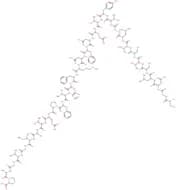


![[Pmp1, Tyr(Me)2]-Arg8-Vasopressin](/_next/image/?url=https%3A%2Fstatic.cymitquimica.com%2Fproducts%2F3D%2Fthumb-webp%2FPVP-4203-V.webp&w=3840&q=75)


![Bz-Gly-His-Leu • H2O [Hippuryl-Histidyl-Leucine]](/_next/image/?url=https%3A%2Fstatic.cymitquimica.com%2Fproducts%2F3D%2Fthumb-webp%2FSGL-3064.webp&w=3840&q=75)