Peptídeos
Subcategorias de "Peptídeos"
Foram encontrados 30060 produtos de "Peptídeos"
Biotin HER-2 substrate peptide
Human epidermal growth factor receptor (HER-2)/epidermal growth factor receptor-2 (ErbB-2), is a key receptor linked to metastasis in tumours. The oncogenic ErbB-2 receptor has intrinsic receptor tyrosine kinase (RTK) activity, the receptor is activated by ligand binding which induces receptor dimerization. These RTK complexes can activate mitogen-activated protein kinase (MAPK) and phosphoinositol 3-kinase (PI3K)/Akt pathways. This peptide has been identified as a substrate for HER-2/ErbB-2 as it is phosphorylated upon receptor activation and therefore acts as a marker for receptor activation in kinases assays. Contains a covalently attached N-terminal biotin tag for convenient detection and purification.Peso molecular:2,062.44 g/molAc-LRKLRKRLLR-OH
Peptide Ac-LRKLRKRLLR-OH is a Research Peptide with significant interest within the field academic and medical research. This peptide is available for purchase at Cymit Quimica in multiple sizes and with a specification of your choice.
Acetyl-Alpha-2-antiplasmin-[AF680]
Alpha-2-antiplasmin (alpha2AP), a member of the serine protease inhibitor (SERPIN) superfamily, is the main inhibitor of the fibrinolytic enzyme plasmin as well as an inhibitor of trypsin, elastase, and C protein. It plays a crucial role in reducing plasmin production and activity and thus inhibiting fibrinolysis.alpha2AP is synthesized in the liver and secreted as a single-chain glycoprotein, containing 11-14% carbohydrate, with a methionine (Met) as its N-terminus (Met-alpha2AP). The N-terminus of alpha2AP is involved in the incorporation of alpha2AP into a clot and the C-terminus is involved in the initial interaction of alpha2AP with plasmin(ogen). Circulating alpha2AP undergoes both N-and C-terminal modifications, which alter its activity. Increased concentrations of a2AP are associated with a higher risk of cardiovascular diseases.Pureza:Min. 95%Peso molecular:2,735.2 g/molAc-GYDPATGTFG-NH2
Peptide Ac-GYDPATGTFG-NH2 is a Research Peptide with significant interest within the field academic and medical research. This peptide is available for purchase at Cymit Quimica in multiple sizes and with a specification of your choice.
Secretoneurin Mouse, Rat
Secretoneurin (SN) is a sensory neuropeptide derived from secretogranin-II by cleavage. SN is conserved from sharks to mammals, work with models suggests it has diverse and important roles. Use of mouse models suggests SN binds to secretoneurin G protein coupled receptors (GPCRs). SN binding stimulates dopamine release from striatal neurons and monocyte migration. SN potently recruits eosinophils in the lungs. Interestingly, in models SN stimulates pituitary luteinizing hormone release.With an array of actions as diverse as that seen with other sensory neuropeptides, there are also numerous inflammatory conditions linked with SN. As mentioned earlier, SN recruits eosinophils in the lungs and thus is being studied for a role in asthma. Study of autoimmune encephalomyelitis suggests SN may be recruited to the inflammatory lesion on the central nervous system. Further evidence to an inflammatory role, SN levels are downregulated in rheumatoid joints, but the relevance has yet to be established. Significant changes are noted in certain forms of dementia and Alzheimer. Many aspects still require work, but SN has the potential to reveal underlying mechanisms of these inflammatory conditions and new therapies.
Peso molecular:3,649.8 g/molBAM (8-22)
BAM (8-22), the Bovine adrenal medulla 8-22 peptide is synthesised from proekephalin after it has undergone proteolytic cleavage. It can induce what is known as the 'itching' or 'scratching' response through activating, using an opioid independent mechanism, the G-protein coupled receptor MRGPRX1. This subsequently activates the Gαq/11 pathway and the cation channel TRPA1 histamine independent itch pathways.It is believed that BAM 8-22 can contribute to chronic itching in diseases such as cholestasis-related pruritus, in which patients are commonly diagnosed as having a reduction in bile flow.Peso molecular:1,971.2 g/molBNP-32, porcine
BNP-32, porcine is an N-terminal six amino acid extended form of BNP and henceforth is designated BNP-32. BNP and BNP-32 are found to be the major forms of BNP family in porcine brain.BNP-32 is a cardiac neurohormone and is secreted from the myoendocrine cells of the ventricles of the heart in response to volume expansion and pressure overload it has natriuretic, vasodilatory and cardiovascular homeostatic effects and suppresses the renin-angiotensin-aldosterone system.
Peso molecular:3,569.8 g/molH-ADYEK^-OH
Peptide H-ADYEK^-OH is a Research Peptide with significant interest within the field academic and medical research. This peptide is available for purchase at Cymit Quimica in multiple sizes and with a specification of your choice.FRETS-VWF73 (0.1 mg vial)
FRETS-VWF73 is a fluorogenic peptide substrate used to measure ADAMTS13 activity in a FRET assay. Measuring the activity of ADAMTS13, a metalloprotease that cleaves von Willebrand factor (VWF), is important in diagnostic applications, particularly for patients with suspected thrombotic microangiopathies.Fórmula:C370H583N103O113SPureza:Min. 95%Peso molecular:8,314.3 g/molPalmitoyl GHK tripeptide
The GHK tripeptide has many attributes which can positively impact human health. GHK can improve tissue repair, exhibit anti-cancer and anti-inflammatory properties, suppress age related molecules and restore chronic obstructive pulmonary disease fibroblasts.The GHK tripeptide is found in the human plasma and binds copper. It exerts its effects through its ability to up regulate and downregulate 4,000 human genes. Due to its ability to protect and regenerate aspects of human health, GHK-Cu can be used in products for skin and hair.Specifically during skin regeneration GHK-Cu can promote the synthesis of collagen and glycosa-minoglycans, increase the rate of wound healing and the formation of blood vessels.A palmitoyl group is present on the N-terminus.Peso molecular:578.4 g/molpolyalanine peptide (pALA)
The rise of antibiotic resistance has led to the search for new drug alternatives. Antimicrobial peptides (AMPs) have been identified as a lucrative area for molecule design. The polar fish Pleuronectes americanus expresses polyalanine peptide (pALA) which has been shown to be an AMP against biofilms, and gram-negative bacteria, while not being toxic to mammalian cells. pALA forms an alpha helical conformation that is effective at permeabilising the gram-negative bacteria membrane inducing fatal cell leakage. pALA provides a suitable model for molecule design to hopefully provide new drugs as we enter the post-antibiotic era.
Peso molecular:743.4 g/molFGF 2 Human
Fibroblast Growth Factor-2 Human Recombinant (FGF-2) produced in E.Coli is a single, non-glycosylated, polypeptide chain containing 154 amino acids and having a molecular mass of 17.2kDa.Pureza:>98% By Sds-PageBeta-Amyloid (12-20)
Aβ has been identified as the key subunit of the extracellular plaques found in the brains of patients with Alzheimer's disease (AD) and Down's syndrome (DS). Aβ has therefore been extensively studied as a potential target for treatment of AD.Aβ is formed from the cleavage of the large, transmembrane protein- APP (amyloid precursor protein). Cleavage of APP by β- and then γ-secretases results in the formation of Aβ. Aβ can aggregate to produce amyloid-β oligomers, which are thought to be highly neurotoxic. Over time Aβ can further aggregate to produce the characteristic senile plaques present in AD and DS. Aβ can be degraded by enzymes such as neprilysin, insulin degrading enzyme or endothelin converting enzyme. At physiological levels Aβ may be involved in controlling synaptic activity and neuronal survival.
Cor e Forma:PowderPeso molecular:1,153.6 g/molH-FQTAAQR^-OH
Peptide H-FQTAAQR^-OH is a Research Peptide with significant interest within the field academic and medical research. This peptide is available for purchase at Cymit Quimica in multiple sizes and with a specification of your choice.
H-AITIFQER^-OH
Peptide H-AITIFQER^-OH is a Research Peptide with significant interest within the field academic and medical research. This peptide is available for purchase at Cymit Quimica in multiple sizes and with a specification of your choice.
Ac-HGEVCPAGW-NH2
Peptide Ac-HGEVCPAGW-NH2 is a Research Peptide with significant interest within the field academic and medical research. This peptide is available for purchase at Cymit Quimica in multiple sizes and with a specification of your choice.
CMX-8933
The CMX-8933 peptide is a fragment of the goldfish brain neurotrophic factor ependymin which can increases the enzymatic activity of c-Jun N-terminal kinase (JNK), increase the phosphorylation of JNK and c-Jun proteins, and increase cellular levels of c-Jun and c-Fos mRNAs.Peso molecular:1,192.6 g/molH-ILAKFLHWL^-OH
Peptide H-ILAKFLHWL^-OH is a Research Peptide with significant interest within the field academic and medical research. This peptide is available for purchase at Cymit Quimica in multiple sizes and with a specification of your choice.
H-SLVTGLWGK^-OH
Peptide H-SLVTGLWGK^-OH is a Research Peptide with significant interest within the field academic and medical research. This peptide is available for purchase at Cymit Quimica in multiple sizes and with a specification of your choice.
vitamin D binding protein precrusor (208-218) [Homo sapiens]/[Oryctolagus cuniculus]
Custom research peptide; min purity 95%. For different specs please use the Peptide Quote ToolFórmula:C54H95N17O17Peso molecular:1,254.44 g/molH-GENFTETDVK^-OH
Peptide H-GENFTETDVK^-OH is a Research Peptide with significant interest within the field academic and medical research. This peptide is available for purchase at Cymit Quimica in multiple sizes and with a specification of your choice.
SIVmac239-1
Peptide SIVmac239-1 is a Research Peptide with significant interest within the field academic and medical research. This peptide is available for purchase at Cymit Quimica in multiple sizes and with a specification of your choice.
Fórmula:C65H115N21O23S1Peso molecular:1,590.83 g/molH-EQAPNLVYMVTGNPASDEIK^-OH
Peptide H-EQAPNLVYMVTGNPASDEIK^-OH is a Research Peptide with significant interest within the field academic and medical research. This peptide is available for purchase at Cymit Quimica in multiple sizes and with a specification of your choice.Biotin-BimS BH3 (51-76) amide
Custom research peptide; min purity 95%. For different specs please use the Peptide Quote ToolLCBiot-HVPGGGSVQIVYKPVDLSKV-OH
Peptide LCBiot-HVPGGGSVQIVYKPVDLSKV-OH is a Research Peptide with significant interest within the field academic and medical research. This peptide is available for purchase at Cymit Quimica in multiple sizes and with a specification of your choice.
Ac-GPLD-[Rh110]-[D-Pro]
Fluorogenic substrate peptide to assay the caspase-like peptidic activity of the 20S proteasome. In its intact state this peptide is non-fluorescent, however when the Rhodamine fluorophore is released upon hydrolysation, fluorescence can be detected. This peptide is therefore a useful tool for analysing enzyme activity.The presence of the D-proline residue on the C terminal of the rhodamine molecule ensures one directional rhodamine cleavage which simplifies fluorescence studies. Rhodamine 110 is a laser grade fluorescent dye with excitation maxima at 496 nm and emission maxima at 522 nm.Peso molecular:851.3 g/molGS dipeptide
Dipeptide consisting of one glycine and one serine residue with diverse uses. Primary metabolite and bronsted base, forms a complex with Cu(II) acting as a tridentate ligand.Primary metabolites are metabolically or physiologically essential and are directly involved in an organism's development, growth, or reproduction.Peso molecular:162.1 g/molH-ALDAAYCFR^-OH
Peptide H-ALDAAYCFR^-OH is a Research Peptide with significant interest within the field academic and medical research. This peptide is available for purchase at Cymit Quimica in multiple sizes and with a specification of your choice.
Substance P (3-11)/Nona-Substance P
CAS:Custom research peptide; min purity 95%. For different specs please use the Peptide Quote ToolFórmula:C52H79N13O11SPeso molecular:1,094.35 g/molH-WRWYCR-NH2
Peptide H-WRWYCR-NH2 is a Research Peptide with significant interest within the field academic and medical research. This peptide is available for purchase at Cymit Quimica in multiple sizes and with a specification of your choice.
H-TFRRRLSRATR-NH2
Peptide H-TFRRRLSRATR-NH2 is a Research Peptide with significant interest within the field academic and medical research. This peptide is available for purchase at Cymit Quimica in multiple sizes and with a specification of your choice.
H-LIYDSSLCDL^-OH
Peptide H-LIYDSSLCDL^-OH is a Research Peptide with significant interest within the field academic and medical research. This peptide is available for purchase at Cymit Quimica in multiple sizes and with a specification of your choice.
H-CNTATCATQR^-OH
Peptide H-CNTATCATQR^-OH is a Research Peptide with significant interest within the field academic and medical research. This peptide is available for purchase at Cymit Quimica in multiple sizes and with a specification of your choice.H-NLHQPPLR^-OH
Peptide H-NLHQPPLR^-OH is a Research Peptide with significant interest within the field academic and medical research. This peptide is available for purchase at Cymit Quimica in multiple sizes and with a specification of your choice.GRGD-[Cys(AF647)]
GRGD-acid is a cell adhesive peptide containing the RGD motif. This enables it the ability to increase cell adhesion and rates of cell growth, differentiation and proliferation.When immobilised onto a Poly(etheretherketone) (PEEK) surface it has been shown to increase cell adhesion and proliferation in MC3T3-E1 cells. GRGD could therefore be used in dental implants.This peptide contains a C-terminal Alexa Fluor 647 florescent dye. A cysteine residue has been added to the C-terminus for conjugation of the dye via the cysteine thiol moiety. AF647 is a bright, far-red-fluorescent dye with excitation between 594 nm and 633 nm, and is pH-insensitive over a wide molar range.Cor e Forma:PowderPeso molecular:1,486.2 g/molH-DRV^YIHPF-OH
Peptide H-DRV^YIHPF-OH is a Research Peptide with significant interest within the field academic and medical research. This peptide is available for purchase at Cymit Quimica in multiple sizes and with a specification of your choice.H-DFDFVPPVVR^-OH
Peptide H-DFDFVPPVVR^-OH is a Research Peptide with significant interest within the field academic and medical research. This peptide is available for purchase at Cymit Quimica in multiple sizes and with a specification of your choice.
H-ADDGRPFPQVIK^-OH
Peptide H-ADDGRPFPQVIK^-OH is a Research Peptide with significant interest within the field academic and medical research. This peptide is available for purchase at Cymit Quimica in multiple sizes and with a specification of your choice.
HBV HBsAg 190-197 (H-2 Kb)
Custom research peptide; min purity 95%. For different specs please use the Peptide Quote Tool
α-Casozepine
CAS:Alpha-Casozepine (alpha-CZP) is a tryptic hydrolysate of bovine milk alphas1-casein. The presence of bile salts facilitates alpha-CZP absorption through a Caco2 monolayer. alpha-CZP shows similarities to benzodiazepines with its anxiolytic-like activity but lack the common side effects of habituation or sedation. alpha-CZP binds to the GABAA receptor at the benzodiazepine site. alpha-CZP binds with a significantly lower affinity than benzodiazepines.Intraperitoneal administration of Alpha-Casozepine (alpha-CZP) to rodents results in anticonvulsant and sleep-protecting effects. Human administration reduces physiological stress symptoms in stressed and control patients. alpha-CZP modulated neuronal activity in brain regions linked to anxiety regulation in mice.Fórmula:C60H94N14O16Peso molecular:1,267.47 g/molH-LIFAGKQLEDGR-NH2
Peptide H-LIFAGKQLEDGR-NH2 is a Research Peptide with significant interest within the field academic and medical research. This peptide is available for purchase at Cymit Quimica in multiple sizes and with a specification of your choice.
D-Arg PEP
An inhibitor of E2F1 and 3a transcription, with a D substituted arginine which confers resistance to proteolysis after pre-incubation in serum. Cytotoxic to several malignant cell lines and human prostate and small cell lung cancer xenografts.
Click Maier8
Maier8 is a short basic amphipathic peptide that functions as a cell-penetrating peptide (CPP). Maier8 has been studied in comparison to other CPPs and found to be highly efficient at crossing into the cell without causing cytotoxicity. Furthermore, Maier8 has a long half-life which is vital for effective delivery of the conjugate.Maier8 is labelled at the N-terminus with an alkyne attachment for ease of reaction with an opposite Click reactive partner (azide). Azide-alkyne cycloaddition has become the most popular Click reaction. Alkyne-Maier8 allows a wide variety of applications, particularly for conjugation, modification, and drug delivery.
Cor e Forma:PowderPeso molecular:1,588.1 g/molH-VDATEESDLAQQYGVR^-OH
Peptide H-VDATEESDLAQQYGVR^-OH is a Research Peptide with significant interest within the field academic and medical research. This peptide is available for purchase at Cymit Quimica in multiple sizes and with a specification of your choice.
[5-FAM]-RPKPQQFFGLM-NH2
Substance P (SP) is a peptide that is highly conserved across the animal kingdom and is involved in a number of inflammatory and growth promoting processes. SP has a net positive charge at physiological pH, it is an amphiphilic peptide with positively charged residues at the N-terminus and hydrophobic residues at the C-terminus, this controls how it interacts with cell membranes. SP is relatively stable in plasma (several hours) but has a short half-life in tissues (seconds/minutes).SP is encoded by the TAC1 gene and is a member of the tachykinin peptide hormone family. SP is expressed by many cell types including: neurons- astrocytes- microglia- epithelial cells- endothelial cells- immune cells such as T cells and macrophages- dendritic cells and eosinophils and some stem cells and progenitor cells. The huge variety of cell types expressing SP suggest it is involved in a wide variety of physiological and pathophysiological functions.SP mediates its functions by interacting with members of the neurokinin (NK) family of G protein-coupled receptors with high selectivity. Among these, SP binds to NK1R with the highest affinity, this receptor is expressed in a wide range of tissue types.[5-FAM]-Substance P contains 5-Carboxyfluorescein (5-FAM), a widely used green fluorescent tag.Pureza:Min. 95%Cor e Forma:PowderPeso molecular:1,704.8 g/molLCBiot-DIPIGAGICASYHTVSLL-OH
Peptide LCBiot-DIPIGAGICASYHTVSLL-OH is a Research Peptide with significant interest within the field academic and medical research. This peptide is available for purchase at Cymit Quimica in multiple sizes and with a specification of your choice.
SARS-CoV-2 Spike (975-983)
The SARS-CoV-2 spike protein is present on the outside of the virus particles and can bind to angiotensin-converting enzyme II (ACE2) present on the host cells. The C-terminal receptor binding domain (RBD) of the spike protein binds to the N-terminal peptidase M2 domain of ACE2. This receptor binding results in the internalisation of the virus-receptor complex and is, therefore the mechanism of entry of SARS-CoV-2 into host cells.The spike protein residues SVLNDILSR (975-983) from SARS-CoV-2 have been identified as a T-cell epitope with a predicted HLA restriction. Immune targeting of confirmed epitopes may potentially offer protection against SARS-CoV-2 and help the development of vaccines for long-lasting immunity.Peso molecular:1,015.6 g/molAc-Tyr-Val-Nle-Gly-His-D-Phe-Arg-Trp-Asp-Arg-Phe-Gly-NH2
Ac-Tyr-Val-Nle-Gly-His-D-Phe-Arg-Trp-Asp-Arg-Phe-Gly-NH2 is a peptide that is a melanocortin receptor agonist. It has been shown to have biochemically active properties and can be used as a research tool in the study of peptides and their receptors.Pureza:Min. 95%HXB2 gag NO-107
Custom research peptide; min purity 95%. For different specs please use the Peptide Quote ToolPeso molecular:1,778 g/molPAR-4 Agonist (Human)
Protease activated receptors (PARs) are a distinctive four-member family of seven transmembrane G protein-coupled receptors (GPCRs) widely expressed in inflammatory cells. PARs are cleaved by certain serine proteases to expose a tethered ligand domain, this ligand domain then binds to and activates the receptors to initiate multiple signalling cascades. These PAR-activating proteases therefore represent PAR agonists. This PAR-4 agonist peptide represents the N-terminal sequence of the 'tethered ligand' and is therefore capable of activating the receptor independently of N-terminal proteolysis.
Cor e Forma:PowderPeso molecular:618.3 g/molGalanin (3-13)
Galanin is a neuropeptide synthesised and released by the brainstem locus coeruleus (LC). Galanin is expressed in most LC neurons in rodents and humans. Galanin has been shown to inhibit LC activity by hyperpolarising LC neurons, suppressing their spontaneous firing rate, and enhancing alpha2-adrenergic receptor-mediated negative feedback. Galanin is also a potent trophic and neuroprotective factor throughout the nervous system.Galanin is widely distributed in the central nervous, peripheral, and endocrine systems. Galanin's overarching function is as an inhibitory, hyper-polarizing neuromodulator for classical neurotransmitters like acetylcholine and serotonin. Galanin interacts with 3 receptor subtypes, GalR1-3, these G protein-coupled receptors are inserted into the plasma membrane. GalR1 is believed to activate a Gβγ pathway to regulate MAPK activation. GalR2 can also activate the MAPK pathway, but unlike GalR1, there is detectable inositol phosphate production. GalR3 is associated with the Galphai/o pathway. Activation of the receptor leads to a cellular influx of K+. Each receptor has been associated with neurological diseases such as GalR3 with epilepsy.N-terminal fragments naturally occur in vivo, but their relevance is unclear. Some N-terminal fragments reduce metabolic and functional disorders in experimental heart damage. Using N-terminal fragments such as galanin (3-13) can clarify the function of full-length galanin during myocardial ischemia and reperfusion injury. This may highlight new agonists/antagonists for the galanin GalR receptors that can be putative therapeutic targets.
Cor e Forma:PowderPeso molecular:1,103.6 g/molAlyteserin-2c
CAS:Alyerserin-2c is a C-terminally α-amidated 17 residue cationic anti-microbial peptide (AMP). Anti-microbial peptides (AMPs) are produced by the innate immune system and are expressed when the host is challenged by a pathogen. The Alyerserin family of peptides was first identified in norepinephrine-stimulated skin secretions of the midwife toad-Alytes obstetricans-(Alytidae). Alyteserin-2a, 2b and -2c show some sequence identity with bombinin H6, a peptide from the skins Bombinatoridae family of frogs.Alyteserin-2c is most potent against the Gram-positive bacteria-Staphylococcus aureus and has weak haemolytic activity against human erythrocytes.Alyteserin contain at least 50% hydrophobic amino acids. Hydrophobic residues contribute to the insertion of the peptide into the hydrophobic membrane core which results in membrane disruption and death of the pathogen. Due to their mechanism of action it is thought to be less likely for resistance to develop towards these peptides compared to conventional antibiotics.Fórmula:C80H145N19O20Cor e Forma:PowderPeso molecular:1,693.15 g/molMyosin H Chain Fragment, mouse
Custom research peptide; min purity 95%. For different specs please use the Peptide Quote Tool
Fórmula:C91H149N25O28SPeso molecular:2,073.37 g/molH-MGK^LSKIWDLPLDE-OH
Peptide H-MGK^LSKIWDLPLDE-OH is a Research Peptide with significant interest within the field academic and medical research. This peptide is available for purchase at Cymit Quimica in multiple sizes and with a specification of your choice.H-ASSIIDELFQDR^-OH
Peptide H-ASSIIDELFQDR^-OH is a Research Peptide with significant interest within the field academic and medical research. This peptide is available for purchase at Cymit Quimica in multiple sizes and with a specification of your choice.H-MLEVPYVDR^-OH
Peptide H-MLEVPYVDR^-OH is a Research Peptide with significant interest within the field academic and medical research. This peptide is available for purchase at Cymit Quimica in multiple sizes and with a specification of your choice.Biotin-PEG2-Claudin-3
Biotin-PEG2-Claudin-3 is derived from the tight junction protein Claudin-3 which is encoded by the CLDN3 gene located on chromosome 7q11.23 and can be found within epithelial cell to cell contacts. Structurally, the Claudin family are transmembrane proteins containing two extracellular loops and are involved in maintaining cell polarity and controlling paracellular ion flux.During cancer research reduction in the number of Claudins has been associated with tumour formation. This could be explained using Claudin role in maintaining cell detachment and migration although cancers such as breast and prostate have shown to overexpress both Claudin- 3 and Claudin-4. Similarly in ovarian cancer overexpression of Claudin 3 and 4 is thought to increase the motility of tumour cells and their survival through basement membrane degrading matrix metalloproteinase activation.Both Claudin 3 and 4 have potential to be used as diagnostic markers and their two extracellular loops may be used as targets for antibodies. As receptors for the Clostridium perfringens enterotoxin, Claudin 3 and 4 may have further use in targeting the enterotoxin as a therapeutic for ovarian cancers.This peptide has a covalently bonded N-terminal Biotin tag that can be used for detection and purification and contains a polyethylene glycol spacer (PEG2).
Pureza:Min. 95%Cor e Forma:PowderPeso molecular:2,947.5 g/molH-HSQPWQVLVASR^-OH
Peptide H-HSQPWQVLVASR^-OH is a Research Peptide with significant interest within the field academic and medical research. This peptide is available for purchase at Cymit Quimica in multiple sizes and with a specification of your choice.
RS 09
CAS:RS09/Toll Like Receptor (TLR) 4 agonist – APPHALSFórmula:C31H49N9O9Peso molecular:691.78 g/molAngiotensin
Please enquire for more information about Angiotensin including the price, delivery time and more detailed product information at the technical inquiry form on this pagePureza:Min. 95%Isotocin
Isotocin is a nonapeptide of the arginine vasopressin-oxytocin family produced exclusively in the preoptic area (POA) of teleosts. As a homologue of mammalian oxytocin, studying fish nonapeptides has shown that Isotocin mediates social and reproductive behaviour in fishes. Functional isotocin is stored in granules at the axon terminal with a carrier peptide, neurophysin. Stimuli leads to isotocin dissociation, to be released into the bloodstream or to cross over into the brain. It binds to G-protein coupled receptors (GPCRs), which subtype isotocin binds to defines the following physiological action. It, like other nonapeptides, is a neuromodulator in the CNS, but when distributed by the bloodstream, it acts as a peripheral hormone, such as regulating osmoregulation. Isotocin levels are sex-dependent and linked to the reproductive cycle.HPLC is a sensitive method to detect bioavailable isotocin and other nonapeptides. Measurement of mRNA levels of isotocin has been important to demonstrate the cyclical changes to regulate the endocrine calendar and diurnal rhythm. The level of isotocin is also considered a biomarker for aggression in behavioural indicators of fish welfare studies.
Cor e Forma:PowderPeso molecular:966.14 g/molH-Glu(Glu-OH)-OH
CAS:H-Glu(Glu-OH)-OH is a synthetic amino acid that is currently being investigated as a diagnostic agent for the detection of intracellular protein degradation by matrix metalloproteinase-9 (MMP-9). H-Glu(Glu-OH)-OH is taken up by cells in a concentration and time dependent manner, with an uptake rate of approximately 1.6 x 10^6 molecules per cell per hour. The uptake mechanism is not yet known, but has been hypothesized to be due to receptor binding. H-Glu(Glu-OH)-OH binds to cerebellar granule cells and alters mitochondrial metabolism, which may be related to its effects on the ubiquitin proteasome pathway. This compound also has diagnostic potential for atherosclerosis and glutamate transport disorders.Fórmula:C10H16N2O7Pureza:Min. 95%Peso molecular:276.24 g/molSuc-Gly-Pro-Leu-Gly-Pro-AMC
CAS:Suc-Gly-Pro-Leu-Gly-Pro-AMC (SGLP) is a synthetic substrate that is hydrolyzed by proteases and has been used as a model substrate in protease studies. It has been shown to be cleaved by a number of enzymes, including chymotrypsin, trypsin, elastase, and cathepsin D. The hydrolysis products are sucrose glycolate, glycerol phosphate, leucine amino acid ester, and proline amino acid ester. SGLP has been shown to have low bioavailability in human liver cells and heart tissue. Studies have also shown that SGLP can stimulate the production of myelocytic cells in vitro. This activity may be due to its ability to act as an immunomodulator or by targeting tissue enzyme activities.
Fórmula:C34H44N6O10Pureza:Min. 98 Area-%Cor e Forma:PowderPeso molecular:696.75 g/mol[5-TAMRA] Galanin, Human
Galanin is a neuropeptide synthesised and released by the brainstem locus coeruleus (LC). Galanin is expressed in most LC neurons in rodents and humans. Galanin has been shown to inhibit LC activity by hyperpolarising LC neurons, suppressing their spontaneous firing rate, and enhancing alpha2-adrenergic receptor-mediated negative feedback. Galanin is also a potent trophic and neuroprotective factor throughout the nervous system.Galanin is widely distributed in the central nervous, peripheral, and endocrine systems. Galanin's overarching function is as an inhibitory, hyper-polarizing neuromodulator for classical neurotransmitters like acetylcholine and serotonin. Galanin interacts with 3 receptor subtypes, GalR1-3 G protein-coupled receptors inserted into the plasma membrane. GalR1 is believed to activate a Gβγ pathway to regulate MAPK activation. GalR2 can also activate the MAPK pathway, but unlike GalR1, there is detectable inositol phosphate production. GalR3 is associated with the Galphai/o pathway. Activation of the receptor leads to a cellular influx of K+. Each receptor has been associated with neurological diseases such as GalR3 and epilepsy.Galanin protects against various physiological insults in vitro, including excitotoxicity and β-amyloid toxicity. Changes in galanin have been widely studied concerning Alzheimer's disease, and galaninergic neurons are spared in late-stage Alzheimer's relative to non-galaninergic neurones.Galanin is provided here with an N-terminal 5-TAMRA, a widely used red fluorescent reagent ideal for peptide labelling and detection. The excitation/emission for this reagent is 555 nm/580 nm. Cymit Quimica Laboratories Ltd is a custom peptide provider. If you desire an alternate dye, please contact us to request a custom synthesis.Peso molecular:3,566.7 g/molSARS-CoV-2 Spike (1192-1200)
The SARS-CoV-2 spike protein is present on the outside of the virus particles and can bind to angiotensin-converting enzyme II (ACE2) present on the host cells. The C-terminal receptor binding domain (RBD) of the spike protein binds to the N-terminal peptidase M2 domain of ACE2. This receptor binding results in the internalisation of the virus-receptor complex and is, therefore the mechanism of entry of SARS-CoV-2 into host cells.The spike protein residues NLNESLIDL (1192-1200) from SARS-CoV-2 have been identified as a T-cell epitope with a predicted HLA restriction. Immune targeting of confirmed epitopes may potentially offer protection against SARS-CoV-2 and help the development of vaccines for long-lasting immunity.
Peso molecular:1,029.5 g/molH-MEVGWYRSPFSRVVHLYRNGK-NH2
Peptide H-MEVGWYRSPFSRVVHLYRNGK-NH2 is a Research Peptide with significant interest within the field academic and medical research. This peptide is available for purchase at Cymit Quimica in multiple sizes and with a specification of your choice.Tat-NR2Baa
CAS:Custom research peptide; min purity 95%. For different specs please use the Peptide Quote Tool
Fórmula:C103H184N42O29Peso molecular:2,474.83 g/molH-DRV^^YIHPFHL-OH
Peptide H-DRV^^YIHPFHL-OH is a Research Peptide with significant interest within the field academic and medical research. This peptide is available for purchase at Cymit Quimica in multiple sizes and with a specification of your choice.
Ac-SVL-NH2
Peptide Ac-SVL-NH2 is a Research Peptide with significant interest within the field academic and medical research. This peptide is available for purchase at Cymit Quimica in multiple sizes and with a specification of your choice.
H-Pro-Asp-OH
CAS:H-Pro-Asp-OH is a conjugate of the amino acid proline and aspartic acid. H-Pro-Asp-OH is synthesized in the liver, where it can be found in the extracellular environment. This drug has been shown to be effective against hyperproliferative disorders and cancer. H-Pro-Asp-OH binds to the surface of cells, which inhibits the growth rate of cancer cells by inhibiting the synthesis of DNA, RNA, and proteins. The uptake of this drug by cells is increased when dietary protein levels are low. H-Pro-Asp-OH has also been shown to inhibit cell proliferation in humans and pigs.Fórmula:C9H14N2O5Pureza:Min. 95%Cor e Forma:White PowderPeso molecular:230.22 g/molH-NPIYSNNFGK^-OH
Peptide H-NPIYSNNFGK^-OH is a Research Peptide with significant interest within the field academic and medical research. This peptide is available for purchase at Cymit Quimica in multiple sizes and with a specification of your choice.[5-FAM]-Galanin (1-30) Human
Galanin (1-30) (human) is an endogenous neuropeptide with endocrine, metabolic and behavioural effects. Galanin has a role in intestinal smooth muscle contraction, insulin and somatostatin release, and synaptic neurotransmission.Galanin is widely distributed in the central nervous, peripheral, and endocrine systems. Galanin's overarching function is as an inhibitory, hyper-polarizing neuromodulator for classical neurotransmitters like acetylcholine and serotonin. Galanin interacts with 3 receptor subtypes, GalR1-3 which are G protein-coupled receptors inserted into the plasma membrane. GalR1 is believed to activate a Gβγ pathway to regulate MAPK activation. GalR2 can also activate the MAPK pathway, but unlike GalR1, there is detectable inositol phosphate production. GalR3 is associated with the Galphai/o pathway. Activation of the receptor leads to a cellular influx of K+. Each receptor has been associated with neurological diseases such as GalR3 and epilepsy.Galanin protects against various physiological insults in vitro, including excitotoxicity and β-amyloid toxicity. Changes in galanin have been widely studied concerning Alzheimer's disease, and galaninergic neurons are spared in late-stage Alzheimer's relative to non-galaninergic neurones.Galanin (1-30) has been used as an agonist for the GalR2 receptor in vitro for calcium mobilisation assays to understand the role Galanin/GalR2 play in multiple sclerosis.Galanin (1-30) is provided with an N-terminal 5-FAM, a widely used green fluorescent reagent ideal for peptide labelling and detection. The excitation/emission for this reagent is 490 nm/520 nm.Peso molecular:3,513.6 g/molChain A, SARS-CoV-2 spike glycoprotein (902-909)
Custom research peptide; min purity 95%. For different specs please use the Peptide Quote Tool
Follicle stimulating hormone
CAS:Follicle Stimulating Hormone (FSH) is a protein hormone that plays a crucial role in the reproductive cycle. It stimulates the growth and development of follicles in the ovaries, which produce estrogen and progesterone. FSH also regulates spermatogenesis in men. Studies have shown that FSH has inhibitory activity on cyclin-dependent kinases, which are enzymes that regulate the cell cycle. This inhibitory activity leads to decreased cell proliferation and growth, making it a potential treatment for cancer. In vitro studies have demonstrated its effectiveness against breast and lung cancer cells lines when combined with kinase inhibitors. Additionally, FSH has been found to stimulate protein kinase activity, which may be useful in developing therapies for other diseases such as diabetes and osteoporosis.Pureza:Min. 95%Cor e Forma:PowderAnnexin A1 (2-12)
Annexin A1 (2-12) is derived from the Annexin A1 protein which is a member of the Ca2+ dependent phospholipid binding protein family of Annexins A1 to A13. Structurally Annexin is comprised of a C-terminal core region and an N-terminal region. Calcium binding sites featured in the core region allow Annexin A1 to bind to cell membranes to induce membrane aggregation in a calcium dependent manner. Furthermore Annexin A1's N-terminal region performs extracellular signalling through forming complexes with SH2 domain containing proteins. Different lengths of the Annexin family's N-terminus contributes to how the Annexins effect key processes such as cell proliferation, apoptosis, growth and differentiation.Annexin A1 can be categorised as being both anti-inflammatory and pro-inflammatory. One example of how Annexin A1 demonstrates anti-inflammatory properties is through activating the formyl peptide receptor family's (FGRs) downstream cascade. Consequently the extracellular regulated kinase (ERK) and mitogen-activated protein kinase (MAPK) are phosphorylated, causing subsequent transcription factors involved in the regulation of T cells to generate anti-inflammatory effects. Another is through inhibiting phospholipase A2 which prevents the release of inflammatory factors and the formation of arachidonic acid precursors. This property has contributed to inflammation studies such as where the inhibition of pro-inflammatory prostaglandins by Annexin A1 was used to investigate leukocyte aggregation.During its anti-inflammatory role Annexin A1 uses the active peptide Ac2-26 located on its N-terminus. It is evident Annexin A1 can be labelled as being pro-inflammatory due to it inducing pro-inflammatory cytokines, following its phosphorylation by PKC. This results in its translocation into the nucleus of BV-2 microglial cells.Cor e Forma:PowderPeso molecular:1,351.59 g/molGPS1573
GPS1573 is a potent and dose-dependent peptide antagonist of adrenocorticotrophic (ACTH) -stimulated melanocortin type 2 receptor (MC2R). Along with GPS1574, GPS1773 is an ACTH analogue and as such antagonises MC2R in the nanomolar range.The clinical relevance of GPS1573 is related to Cushing's disease and syndrome, which are both associated with a hypercortisolemic state. Selective antagonism of MC2R using GPS1573 may be a novel treatment modality for Cushing's disease and syndrome.Pureza:Min. 95%Cor e Forma:PowderSARS-CoV-2 NSP13 (321-335)
The SARS-CoV-2 non-structural protein 13 (NSP13) has been identified as a target for anti-viral therapeutics due to its highly conserved sequence and is essential for viral replication. NSP13 is part of the helicase superfamily 1B. As an NTPase and RNA helicase, NSP13 binds to RNA-dependent RNA polymerase and acts in concert with the replication-transcription complex to stimulate backtracking and further activate NSP13 helicase activity. These factors make NSP13 a good target for developing new antiviral drugs. In addition, the identification of epitopes within the NSP13 sequence can help design more effective SARS-CoV-2 vaccines.Models have predicted epitopes exhibiting antigenicity, stability and interactions with MHC class-I and class-II molecules. NSP13 (321-335) is an epitope candidate with various HLA restrictions. This epitope can be used to better vaccine design for more durable CD4+ and CD8+ T cell responses for long-lasting immunity.
Peso molecular:1,729 g/molbeta-Amyloid (1-10) Biotin
β-Amyloid 1-10 (Aβ1-10) is one of many short Aβ species found in vivo and is formed by the cleavage of amyloid β precursor protein by β- and α-secretase.-Amyloid β-protein (Aβ) has been identified as the key subunit of the extracellular plaques found in the brains of patients with Alzheimer disease (AD) and Down syndrome (DS). Aβ has therefore been extensively studied as a potential target for treatment of AD.Aβ is formed from the cleavage of the large, transmembrane protein- APP (amyloid precursor protein). Cleavage of APP by β- and then α-secretases results in the formation of Aβ. Aβ can aggregate to produce amyloid-β oligomers, which are thought to be highly neurotoxic. Over time Aβ can further aggregate to produce the characteristic senile plaques present in AD and DS. Aβ can be degraded by enzymes such as neprilysin, insulin degrading enzyme or endothelin converting enzyme. At physiological levels Aβ may be involved in controlling synaptic activity and neuronal survival. Biotin is C-terminally linked to the peptide via ethylenediamine-for convenient detection and purification. Alternative β-Amyloid fragments and labels are also available, please refer to our peptide catalogue for availability.
Peso molecular:1,463.6 g/molH-VNSV^IEK-OH
Peptide H-VNSV^IEK-OH is a Research Peptide with significant interest within the field academic and medical research. This peptide is available for purchase at Cymit Quimica in multiple sizes and with a specification of your choice.
H-LVDQNIFSFYLSR^-OH
Peptide H-LVDQNIFSFYLSR^-OH is a Research Peptide with significant interest within the field academic and medical research. This peptide is available for purchase at Cymit Quimica in multiple sizes and with a specification of your choice.H-NQLTSNPENTVFDAK^-OH
Peptide H-NQLTSNPENTVFDAK^-OH is a Research Peptide with significant interest within the field academic and medical research. This peptide is available for purchase at Cymit Quimica in multiple sizes and with a specification of your choice.
H-KFRKAFKR^FF-OH
Peptide H-KFRKAFKR^FF-OH is a Research Peptide with significant interest within the field academic and medical research. This peptide is available for purchase at Cymit Quimica in multiple sizes and with a specification of your choice.H-LISEEDLLR^-OH
Peptide H-LISEEDLLR^-OH is a Research Peptide with significant interest within the field academic and medical research. This peptide is available for purchase at Cymit Quimica in multiple sizes and with a specification of your choice.
TAT (48-60) amide
TAT (48-60) amide is a cell penetrating cationic peptide derived from the N-terminus of the Tat protein, which is a trans-activator of the transcription protein present in the human immunodeficiency virus (HIV). The 48-60 region of the TAT peptide is an arginine-rich bascic domain which as a whole has three domains that function to aid HIV through transactivation, DNA binding and nuclear transport. As a cell penetrating peptide (CPP) TAT aids in the cellular uptake of molecules and hence serves a valuable purpose in transduction methods. This property has been demonstrated through its ability of allowing toxins such as the neurotoxin Botulinum neurotoxin Type A, produced by the Clostridium botulinum type A bacteria to penetrate the skin barrier non-invasively.This peptide has an uncharged C-terminal amide.
Peso molecular:1,718.03 g/molH-EAFQEALAAAGDK^-OH
Peptide H-EAFQEALAAAGDK^-OH is a Research Peptide with significant interest within the field academic and medical research. This peptide is available for purchase at Cymit Quimica in multiple sizes and with a specification of your choice.
H-VATEFSETAPATLK^-OH
Peptide H-VATEFSETAPATLK^-OH is a Research Peptide with significant interest within the field academic and medical research. This peptide is available for purchase at Cymit Quimica in multiple sizes and with a specification of your choice.Ac-VLRLRGG-CHO
Peptide Ac-VLRLRGG-CHO is a Research Peptide with significant interest within the field academic and medical research. This peptide is available for purchase at Cymit Quimica in multiple sizes and with a specification of your choice.Melittin
CAS:Melittin is a 26-residue peptide originally isolated from venom of the European honeybee. Melittin is a cationic, hemolytic peptide from honey bee venom. Melittin lowers the surface tension at the plasma membrane and causes cell lysis. Melittin exhibits potent anti-inflammatory and antimicrobial activity. Melittin has been extensively used as a model peptide for observing membrane lipid-protein interactions.
Fórmula:C131H229N39O31Cor e Forma:PowderPeso molecular:2,846.47 g/molH-VL^IGLDLLYGELQDSDDF-OH
Peptide H-VL^IGLDLLYGELQDSDDF-OH is a Research Peptide with significant interest within the field academic and medical research. This peptide is available for purchase at Cymit Quimica in multiple sizes and with a specification of your choice.Alexamorelin
The heptapeptide Alexamorelin is a member of the Growth Hormone secretagogues (GHS) family. These are synthetic molecules which act through the central nervous system to stimulate the secretion of somatotrophs, prolactin, adrenocorticotrophin and cortisol. Alexamorelin has also been shown to inhibit 125I-Tyr-Ala-HEX binding in tissues. Due to their stimulation of growth hormone release, they are known as non-approved pharmaceuticals and are a concern to sport's drug testing organisations.
Peso molecular:957.5 g/molAF488 Insulin
Insulin is a peptide hormone produced by β cells of the pancreatic islets that regulates carbohydrates metabolism. It is a heterodimer of an A-chain and a B-chain, which are linked together by disulfide bonds. Insulin stimulates the absorption of glucose from the blood into fat, muscle and liver cells where it is converted into either glycogen or fat.Insulin is secreted in the blood as a response to high level of blood glucose resulting in enhanced glucose uptake and metabolism in the cells so to reduce blood glucose levels. Circulating insulin also affects the synthesis of proteins in many tissues. Low blood insulin levels result in catabolism, particularly of reserve body fat. A decrease or absence of insulin activity results in diabetes mellitus, a condition of high blood sugar level (hyperglycaemia).N-terminal chain B labelled with AF488. AF488 dye is a bright, green-fluorescent dye with excitation maxima around 490 and emission maxima around 525. AF488 dye is pH-insensitive over a wide molar range.Pureza:Min. 95%Peso molecular:6,319.6 g/molH-AVLLTANPASTAK^-OH
Peptide H-AVLLTANPASTAK^-OH is a Research Peptide with significant interest within the field academic and medical research. This peptide is available for purchase at Cymit Quimica in multiple sizes and with a specification of your choice.
H-Glu-AMC
CAS:H-Glu-AMC is a fluorescent substrate for the aminopeptidases that can be used for their detection in extracellular spaces. H-Glu-AMC is also a model substrate for homopolymeric strings, which are detectable by microscopy. The pathogenesis of hyopneumoniae has been shown to be associated with an increase in aminopeptidase activity and tissue plasminogen activator on the surface of the bacteria. It has been shown that these enzymes are responsible for cleaving proline from the amino acid chain, resulting in a break in the peptide bond.Fórmula:C15H16N2O5Pureza:Min. 95%Cor e Forma:White PowderPeso molecular:304.3 g/molLasB FRET substrate
With the rise of multidrug-resistant bacteria like P. aeruginosa, the hunt for low toxicity inhibitors is paramount. A crucial part of their virulence/life cycle is cleavage of signal peptides. Type I signal peptides have a C-terminal hydrophilic domain containing a signal peptidase cleavage site commonly found in P. aeruginosa proteins that are cleaved by type I signal petidases (SPases). P. aeruginosa LasB, a type I signal peptide, is a crucial enzyme for bacterial invasion, it degrades elastin and thus aids tissue invasion, without cleavage by a SPase the protein is inactive. This peptide is an ideal candidate for enzymatic assay work in to SPase inhibitor investigations.Here we provide the substrate LasB sequence with the EDANS-Dabcyl donor quencher pair suitable for SPase inhibitor assays with FRET microscopy analysis. When this peptide is intact, fluorescence from the fluorophore (donor) EDAN is undetectable due to the proximity of the acceptor (quencher) Dabcyl. However, upon cleavage the fluorescence of the EDANS moiety, as measurably by excitation/emission 340/490nm, can be detected due to separation from the Dabcyl quencher.
Peso molecular:1,459.7 g/molCrotonic-HFRRHL-OH
Peptide Crotonic-HFRRHL-OH is a Research Peptide with significant interest within the field academic and medical research. This peptide is available for purchase at Cymit Quimica in multiple sizes and with a specification of your choice.
H-GPAGPQGPR^-OH
Peptide H-GPAGPQGPR^-OH is a Research Peptide with significant interest within the field academic and medical research. This peptide is available for purchase at Cymit Quimica in multiple sizes and with a specification of your choice.
Ac-GKPIPNPLLGLDST-NH2
Peptide Ac-GKPIPNPLLGLDST-NH2 is a Research Peptide with significant interest within the field academic and medical research. This peptide is available for purchase at Cymit Quimica in multiple sizes and with a specification of your choice.Head Activator
CAS:Head activator Pyr-Pro-Pro-Gly-Gly-Ser-Lys-Val-Ile-Leu-Phe-OH is a synthetic peptide, which is modeled after bioactive peptides found in certain biological systems. It is derived from the head activator peptides naturally occurring in organisms like hydra and is believed to play a role in neurochemical signaling pathways.The mode of action of this peptide involves the modulation of neuronal activity and proliferation through specific interactions with cellular receptors, influencing processes such as cell growth and differentiation. These interactions may contribute to neuroprotection and support neural regeneration, making it a subject of interest in neurobiological research.Given its role in cellular signaling, Head activator Pyr-Pro-Pro-Gly-Gly-Ser-Lys-Val-Ile-Leu-Phe-OH is primarily used in research contexts, especially in studies focusing on neurobiology, regenerative medicine, and the molecular mechanisms underlying neural development. Its ability to mimic certain endogenous signaling processes allows scientists to explore the regulation of neural cell behavior and the potential therapeutic applications for neurodegenerative conditions.Fórmula:C54H84N12O14Pureza:Min. 95%Peso molecular:1,125.32 g/molBiot-ASRMEEVD-OH
Peptide Biot-ASRMEEVD-OH is a Research Peptide with significant interest within the field academic and medical research. This peptide is available for purchase at Cymit Quimica in multiple sizes and with a specification of your choice.IRS-1 substrate
Insulin receptor (IR) substrate 1 (IRS-1) peptide is a highly selective substrate for certain kinase sub-families- such as receptor tyrosine kinases (which includes IR). IRS-1 is also a very good substrate for the cytoplasmic kinases JAK-1, 2, and 3.IRS-1 is a large ubiquitously expressed protein, vital for propagating insulin action. IRS-1 is activated by phosphorylation of multiple tyrosine residues via an activated IR. Activated IRS-1 then acts as a docking site for downstream signalling proteins which contain a Src homology 2 (SH2) domain (such as phosphatidylinositol 3-kinase (PI3K), growth factor receptor-bound protein 2 (Grb2), and SHP-2). In addition to its role in metabolic signalling, IRS-1 also propagates proliferative and anti-apoptotic signals and is overexpressed in most cancers.Peso molecular:1,616.7 g/molMyr-RLYRKRIWRSAGR-OH
Peptide Myr-RLYRKRIWRSAGR-OH is a Research Peptide with significant interest within the field academic and medical research. This peptide is available for purchase at Cymit Quimica in multiple sizes and with a specification of your choice.FLAG peptide acetate salt
CAS:FLAG peptideFórmula:C41H60N10O20Pureza:Min. 95%Peso molecular:1,012.9 g/molHistone H3.3 (1-44)
Histone H3.3 is a replication-independent histone variant, which replaces canonical histone H3.1/2 outside of S phase. H3.3 is expressed throughout the cell cycle, as well as in quiescent cells and is referred to as the 'replacement histone'. H3.3 is largely deposited in a DNA synthesis-independent fashion by a distinct set of chaperones proteins. H3.3 accumulates in post mitotic cells, such as cerebral cortical neurons and is incorporated at sites of UV damage where it protects against sensitivity to UV light. H3.3 deposition occurs on DNA sequences that are transiently nucleosome-free, such as during transcription and DNA repair, therefore serving as a marker for regions of high transcriptional activity. H3.3 is also enriched in heterochromatic subtelomeric and pericentromeric regions. H3.3 plays important roles in many developmental contexts such as in stem cells, during fertilization and reproduction and during reprogramming of genomes following fertilization or somatic cell nuclear transfer. Mutations in histone H3.3 are common events in certain cancers.
Peso molecular:4,684.7 g/molHXB2 gag NO-64
Custom research peptide; min purity 95%. For different specs please use the Peptide Quote Tool
Peso molecular:1,795.2 g/molRhod-VPMLKE-OH
Peptide Rhod-VPMLKE-OH is a Research Peptide with significant interest within the field academic and medical research. This peptide is available for purchase at Cymit Quimica in multiple sizes and with a specification of your choice.
H-TLDPER^-OH
Peptide H-TLDPER^-OH is a Research Peptide with significant interest within the field academic and medical research. This peptide is available for purchase at Cymit Quimica in multiple sizes and with a specification of your choice.
Ac-CAS-NH2
Peptide Ac-CAS-NH2 is a Research Peptide with significant interest within the field academic and medical research. This peptide is available for purchase at Cymit Quimica in multiple sizes and with a specification of your choice.
H-GLGDVDQLVK^-OH
Peptide H-GLGDVDQLVK^-OH is a Research Peptide with significant interest within the field academic and medical research. This peptide is available for purchase at Cymit Quimica in multiple sizes and with a specification of your choice.
CONSENSUS B Tat - 6
Custom research peptide; min purity 95%. For different specs please use the Peptide Quote Tool
Peso molecular:1,755.2 g/molH-Arg-Glu(Edans)-Glu-Val-Asn-Leu-Asp-Ala-Glu-Phe-Lys(Dabcyl)-Arg-OH
H-Arg-Glu(Edans)-Glu-Val-Asn-Leu-Asp-Ala-Glu-Phe-Lys(Dabcyl)-Arg-OH is a peptide that is a substrate for the enzyme beta secretase. It has been observed to inhibit γ secretase activity in cell culture. This product can be used as an enzyme substrate or biochemicals, such as memapsin.Fórmula:C91H129N25O25SPureza:Min. 95%Peso molecular:2,005.26 g/molGGG-[K(5-TAMRA)] C-terminal Sortagging
This C-terminal Sortagging peptide acts as a (oligo)glycine nucleophile in the final steps of a sortagging protein labelling reaction. This reaction results in the [Lys(5-TAMRA)]- fluorescent moiety being attached to the C-terminus of the target protein or peptide.A substrate peptide containing the LPXTG motif is recognised and cleaved by the enzyme Sortase A (SrtA) from Staphylococcus aureus. The catalytic cysteine residue in the active site of SrtA, serves as a nucleophile to cleave the peptide bond between threonine and glycine of the substrate peptide. Cleavage results in the formation of a thioacyl intermediate between the substrate peptide and SrtA. This intermediate is then resolved by the N-terminus of this (oligo)glycine nucleophile peptide, resulting in the creation of a new peptide bond that links the substrate peptide to this peptide and its fluorescent dye. This method of protein labelling is known as sortagging.5-Carboxytetramethylrhodamine (5-TAMRA) is a widely used fluorescent dye which excites at 546 nm and emits at 579 nm.Pureza:Min. 95%Cor e Forma:PowderPeso molecular:728.3 g/molFmoc-D-Ala-Wang Resin (100-200 mesh) 1% DVB
Fmoc-D-Ala-Wang resin is an inhibitor that binds to the active site of peptidyl-serine and peptidyl-threonine phosphatases, which are enzymes that remove phosphate groups from proteins. This resin has been shown to inhibit protein phosphatase 1 and 2A in vitro. Fmoc-D-Ala-Wang resin can be used as a research tool for the study of protein interactions, ligand receptor interactions, or ion channels. Fmoc-D-Ala Wang resin is also used as a high purity reagent for the synthesis of peptides or proteins.
Pureza:Min. 95%Lys-Leu-Val-Val-Val-Gly-Ala-Asp-Gly-Val
Custom research peptide; min purity 95%. For different specs please use the Peptide Quote ToolFórmula:C43H77N11O13Peso molecular:956.14 g/molCyclin-A2 Human Recombinant
Please enquire for more information about Cyclin-A2 Human Recombinant including the price, delivery time and more detailed product information at the technical inquiry form on this pagePureza:>90% By Sds-Page.H-FSPDDSAGASALLR^-OH
Peptide H-FSPDDSAGASALLR^-OH is a Research Peptide with significant interest within the field academic and medical research. This peptide is available for purchase at Cymit Quimica in multiple sizes and with a specification of your choice.Fmoc-Cys((S)-2,3-di(palmitoyloxy)-propyl)-OH
CAS:Fmoc-Cys((S)-2,3-di(palmitoyloxy)-propyl)-OH is a reagent used in the synthesis of complex compounds. It is also a useful scaffold for the synthesis of speciality chemicals and versatile building blocks. This compound is an intermediate that can be used in the preparation of fine chemicals and pharmaceuticals. Fmoc-Cys((S)-2,3-di(palmitoyloxy)-propyl)-OH has a CAS number of 139573-78-7 and can be purchased as a high quality chemical.Fórmula:C53H83NO8SPureza:Min. 95 Area-%Cor e Forma:Slightly Yellow PowderPeso molecular:894.29 g/molFmoc-Cys((R)-2,3-di(palmitoyloxy)-propyl)-OH
CAS:Fmoc-Cys((R)-2,3-di(palmitoyloxy)-propyl)-OH is a versatile building block that is useful for the synthesis of complex compounds. This compound has been shown to be a useful intermediate in the synthesis of pharmaceuticals, organic dyes and research chemicals. Fmoc-Cys((R)-2,3-di(palmitoyloxy)-propyl)-OH is a fine chemical that is used as a reagent in organic synthesis. It has CAS No. 139573-77-6 and can be used as a speciality chemical or reaction component.
Fórmula:C53H83NO8SPureza:Min. 95 Area-%Cor e Forma:White PowderPeso molecular:894.29 g/mol(Des-Glu22)-Amyloid β-Protein (1-40) trifluoroacetate
CAS:The Aβ E22delta mutant (Osaka mutation) is more resistant to degradation by two major Aβ-degrading enzymes, neprilysin and insulin-degrading enzyme. It also shows unusual aggregation properties with enhanced oligomerization but no fibrilization.
Fórmula:C189H288N52O55SPureza:Min. 95 Area-%Cor e Forma:PowderPeso molecular:4,200.69 g/molFmoc-Thr(tBu)-Thr(Psi(Me,Me)pro)-OH
CAS:Fmoc-Thr(tBu)-Thr(Psi(Me, Me)pro)-OH is a versatile building block that can be used as a starting material for the synthesis of a wide range of compounds. It is often used as an intermediate in organic chemistry reactions and can be converted to a variety of other compounds with different functional groups. This compound has been shown to be useful in the production of pharmaceuticals and research chemicals. Fmoc-Thr(tBu)-Thr(Psi(Me, Me)pro)-OH is also important for generating high-quality chemical products, such as speciality chemicals and reagents that are difficult to synthesize. The CAS number for this compound is 1676104-73-6.Fórmula:C30H38N2O7Pureza:Min. 98 Area-%Cor e Forma:PowderPeso molecular:538.63 g/mol(Tyr0)-Prepro-Atrial Natriuretic Factor (104-123) (human) H-Tyr-Ser-Ser-Asp-Arg-Ser-Ala-Leu-Leu-Lys-Ser-Lys-Leu-Arg-Ala-Leu-Leu-Thr- Ala-Pro-Arg-OH
CAS:(Tyr0)-Prepro-Atrial Natriuretic Factor (104-123) (human) H-Tyr-Ser-Ser-Asp-Arg-Ser-Ala-Leu-Leu-Lys-Ser-Lys-Leu-Arg-Ala-Leu-(OH)) is a fine chemical that is used as a building block in research and as a reagent. It has been shown to be an intermediate in the synthesis of various complex organic compounds, including pharmaceuticals. This compound also has many uses in organic synthesis, including as a building block for peptides and proteins. The CAS number for this compound is 309245-24 7.Fórmula:C103H180N32O30Pureza:Min. 95%Cor e Forma:White PowderPeso molecular:2,346.73 g/molZ-Val-Val-OH trifluoroacetic acid
CAS:Z-Val-Val-OH trifluoroacetic acid is a gelator that belongs to the group of amides. It has long chain and intermolecular hydrogen bonding and can be used in the treatment of bacterial infections. Z-Val-Val-OH trifluoroacetic acid has been shown to have thermodynamic parameters for liquids that are more favorable than those for gels, which may account for its ability to form a gel at room temperature. This compound is not electron-micrographable in the solid state but can be tracked by electron microscopy when in solution.Fórmula:C18H26N2O5•C2HF3O2Pureza:Min. 95%Cor e Forma:PowderPeso molecular:464.43 g/mol3-O-Hexadecyl-sn-glycerol
CAS:3-O-Hexadecyl-sn glycerol (3OHG) is a neutral, high molecular weight glycol ether that is used for the preparation of zirconium oxide. 3OHG has been shown to be a substrate for carbohydrate chemistry and as an inhibitor of enzymes, such as hexokinase and phosphoglycerate kinase. 3OHG has minimal toxicity when administered orally to rats and does not cause any hemolysis in human erythrocytes. This compound is also a monoclonal antibody that binds to the surface glycoprotein on the HL-60 cell line and inhibits its growth. 3OHG is not cytotoxic at concentrations up to 10 mM in cultured cells, but it can induce Ca2+ release from the cytosol in HL-60 cells with minimal toxicity. The structure of 3OHG appears closely related to benzalkonium chloride (BAC).Fórmula:C19H40O3Pureza:Min. 95%Peso molecular:316.52 g/molHippuryl-Arg-OH
CAS:Hippuryl-arginine is a peptide hormone that is released by the hypothalamus and stimulates the pituitary gland to release other hormones. It has been shown to increase chemotactic activity in human serum, although it has no effect on carboxypeptidase or soybean trypsin activity. Hippuryl-arginine binds with basic proteins, such as albumin and immunoglobulins, and increases their enzymatic activities. This hormone also inhibits enzymes such as carboxy terminal phosphatases and aminopeptidases that are responsible for degrading amino acids. Activation of hippuryl-arginine may be due to its carboxy terminal group, which is susceptible to cleavage by proteolytic enzymes.Fórmula:C15H21N5O4Pureza:(%) Min. 97%Cor e Forma:PowderPeso molecular:335.36 g/molH-SNTSESF-NH2
Peptide H-SNTSESF-NH2 is a Research Peptide with significant interest within the field academic and medical research. This peptide is available for purchase at Cymit Quimica in multiple sizes and with a specification of your choice.
H-LSAPGSQR^-OH
Peptide H-LSAPGSQR^-OH is a Research Peptide with significant interest within the field academic and medical research. This peptide is available for purchase at Cymit Quimica in multiple sizes and with a specification of your choice.Ac-NRRRRWRERQR-NH2
Peptide Ac-NRRRRWRERQR-NH2 is a Research Peptide with significant interest within the field academic and medical research. This peptide is available for purchase at Cymit Quimica in multiple sizes and with a specification of your choice.5Fam-KGYY-OH
Peptide 5Fam-KGYY-OH is a Research Peptide with significant interest within the field academic and medical research. This peptide is available for purchase at Cymit Quimica in multiple sizes and with a specification of your choice.
SBP1
Fragment of the angiotensin-converting enzyme 2 (ACE2) peptidase domain (PD) alpha1 helix, a domain important for the interaction of ACE2 with the severe acute respiratory syndrome (SARS coronavirus receptor binding domain (SARS-CoV-2-RBD). SBP1 associates with the SARS-CoV-2-RBD with nanomolar affinity and can potentially block the key mechanism by which SARS CoV-2 initiates entry into human cells.
Pureza:Min. 95%Cor e Forma:PowderDabcyl-Lys-Thr-Ser-Ala-Val-Leu-Gln-Ser-Gly-Phe-Arg-Lys-Met-Glu(Edans)-NH2
This substrate contains the nsp4/nsp5 cleavage sequence, GVLQ↓SG19, and works as a generic peptide substrate for several coronavirus. The main protease (Mpro), also called endopeptidase C30 or 3C-like proteinase (3CLpro), controls viral replication activities, and is a prime therapeutical target. It also contains SARS-CoV2 Replicase pp1ab (3235-3246). It can be used as a Fluorogenic Substrate for SARS-CoV/SARS-CoV-2 Main Protease (Mpro) and is avaiable in as a Trifluoroacetate Salt.Pureza:Min. 95%H-VDNALQSGNSQESVTEQDSK^-OH
Peptide H-VDNALQSGNSQESVTEQDSK^-OH is a Research Peptide with significant interest within the field academic and medical research. This peptide is available for purchase at Cymit Quimica in multiple sizes and with a specification of your choice.
HLA-A*02:01 MAGE-A1 (278-286)
HLA-A*02 is a class I major histocompatibility complex (MHC) allele which is part of the HLA-A group of human major histocompatibility complex (MHC) leukocyte antigens (HLA). HLA-A is a human MHC class I cell surface receptor and is involved in presenting short polypeptides to the immune system. These polypeptides are typically 7-11 amino acids in length and originate from proteins being expressed by the cell. Cytotoxic T cells in the blood "read" the peptide presented by the complex and should only bind to non-self peptides. If binding occurs, a series of events is initiated culminating in cell death via apoptosis. Melanoma-associated antigen 1 (MAGE-A1) is part of a well-characterized group of cancer/testis antigens (CTA) that are encoded as a separate cluster on the X chromosome. MAGE-I antigens are mainly expressed in highly proliferating cells, such as cancer cells and therefore may be ideal targets for cancer immunotherapy. Expression of MAGEs has been reported several types of cancer including: lung- breast- thyroid- colon- stomach- liver and bladder where MAGE-A is considered to be a poor prognostic factor.This peptide corresponds to part of the MAGE-A1 sequence which is presented on the MHC class I antigen HLA-A*02.
Peso molecular:1,089.7 g/molβ - Amyloid (1 - 16) - Cys
Custom research peptide; min purity 95%. For different specs please use the Peptide Quote Tool
Peso molecular:2,058.2 g/molLCBiot-GIHKQKEKSRLQGGVLVNEILNHMKRATQIPSYKKLIMY-OH
Peptide LCBiot-GIHKQKEKSRLQGGVLVNEILNHMKRATQIPSYKKLIMY-OH is a Research Peptide with significant interest within the field academic and medical research. This peptide is available for purchase at Cymit Quimica in multiple sizes and with a specification of your choice.H-AVLTIDKK^-OH
Peptide H-AVLTIDKK^-OH is a Research Peptide with significant interest within the field academic and medical research. This peptide is available for purchase at Cymit Quimica in multiple sizes and with a specification of your choice.
LCBiot-ASHEEVEGLVEK-OH
Peptide LCBiot-ASHEEVEGLVEK-OH is a Research Peptide with significant interest within the field academic and medical research. This peptide is available for purchase at Cymit Quimica in multiple sizes and with a specification of your choice.Ac-AAAAAAK-NH2
Peptide Ac-AAAAAAK-NH2 is a Research Peptide with significant interest within the field academic and medical research. This peptide is available for purchase at Cymit Quimica in multiple sizes and with a specification of your choice.
SIVmac239 - 8
Custom research peptide; min purity 95%. For different specs please use the Peptide Quote ToolPeso molecular:1,845.2 g/molProstate-specific membrane antigen PSM (35-40), human
Prostate-specific membrane antigen (PSMA) is a transmembrane glycoprotein found in all prostate tissue- androgen levels negatively regulate its expression. PSMA expression correlates with cancer aggressiveness and represents an independent indicator of poor disease outcomes. PSMA is being explored as a clinical biomarker to allow differentiation of aggressive prostate cancers from other cases using imaging and RT-PCR.The epitope PSMA (35-40) is from the splice isoform PSMA-1. There has been progress in generating PSMA targeting radioligands as a therapy for various cancers. θ and β radiation probes such as 177Lu-PSMA-617 have been developed and shown in trials to be clinically effective treatments against metastatic prostate cancer. Other studies have tested the PSMA targeting radioligands efficacy against triple-negative breast cancer cells. Further work with the PSMA (35-40) epitope could help progress the outlook for these aggressive cancers.
Cor e Forma:PowderPeso molecular:620.3 g/molGag peptide [Simian immunodeficiency virus]
Simian immunodeficiency virus (SIV) has been used as a model in rhesus monkeys to understand human immunodeficiency virus (HIV) viral life cycle and lead towards drug development. HIV specific CD8+ T-cell (cytotoxic T lymphocyte (CTL)) responses are important in the control of viral replication. Inducing a sustained HIV-1 specific CD8+ T-cell response is the target for vaccine development by using conserved HIV-1 epitopes. The HIV gag gene encodes p17 and p24. Capsid protein p24 forms the conical core of the virus that encapsulates the genomic RNA-nucleocapsid complex. SIV encode a homologous Gag peptide, this allows use of rhesus monkey models to better understand the immune response to SIV/HIV.A CTL recognition epitope of SIV p24 Gag, residues TPYDINQML, activates the immune response. SIV Gag peptides have been used as effective epitopes in immunological assays to assess CTL response. Stimulation of rhesus monkey cells with TPYDINQML epitope triggers CD8+ T lymphocytes to produce soluble factors (β-chemokines) that inhibit SIV replication. Further work may lead towards a HIV vaccine using the Gag epitopes.Peso molecular:1,093.5 g/molα-2-Gliadin (57-89)
Alpha-2-Gliadin (57-89) is a peptide with an antigenic function. It is part of a larger protein that can be found in wheat and other cereal grains, such as barley and rye. Alpha-2-Gliadin (57-89) has been shown to be biologically active in celiac disease patients.Fórmula:C190H273N43O47Pureza:Min. 95%Peso molecular:3,911.55 g/molP7
G protein-coupled receptor 56 (GPR56/ ADGRG1) is a novel and evolutionarily conserved regulator of peripheral nerve development and function, with important implications for human health and disease.During Schwann cell (SC) development, GPR56-dependent RhoA signalling promotes timely radial sorting of axons. In the mature peripheral nervous system (PNS), GPR56 is localised to distinct SC cytoplasmic domains. Here it is required to establish proper myelin thickness, and facilitate organisation of the myelin sheath.
Cor e Forma:PowderPeso molecular:842.4 g/molH-AVVEVDESGTR^-OH
Peptide H-AVVEVDESGTR^-OH is a Research Peptide with significant interest within the field academic and medical research. This peptide is available for purchase at Cymit Quimica in multiple sizes and with a specification of your choice.
Boc-Dap-OtBu hydrochloride salt
CAS:Boc-Dap-OtBu hydrochloride salt is a chemical that is synthesized by anhydride and trifluoroacetic acid. It can be used in the laboratory for protein visualization, as well as to detect proteins using LC-MS. The presence of trifluoroacetic acid makes the Boc-Dap-OtBu hydrochloride salt fluorescent, which makes it possible to visualize the reaction products under UV light. This chemical is often used in fluorescence spectrometry to identify amino acids and other compounds.Fórmula:C12H24N2O4Pureza:Min. 95%Cor e Forma:PowderPeso molecular:260.33 g/molCMVpp65 - 46 (YYTSAFVFPTKDVAL)
Custom research peptide; min purity 95%. For different specs please use the Peptide Quote Tool
Peso molecular:1,722 g/molAc-KRRR-NH2
Peptide Ac-KRRR-NH2 is a Research Peptide with significant interest within the field academic and medical research. This peptide is available for purchase at Cymit Quimica in multiple sizes and with a specification of your choice.
H-ETTVFENLPEK^-OH
Peptide H-ETTVFENLPEK^-OH is a Research Peptide with significant interest within the field academic and medical research. This peptide is available for purchase at Cymit Quimica in multiple sizes and with a specification of your choice.
N-Me-D-Glu-OH
CAS:N-Me-D-Glu is an amino acid that is a substrate for the enzyme glutamate dehydrogenase. It is also a substrate for the enzyme N-acetylglutamate synthase and can be converted to glutamine. This amino acid has been extensively studied in relation to its conformational properties and its ability to form covalent adducts with amines. The type species of this amino acid is Saccharomyces cerevisiae, which contains an active glutamate dehydrogenase.
Fórmula:C6H11NO4Pureza:Min. 95%Peso molecular:161.16 g/molH-DI^TPTLTLYVGK^-OH
Peptide H-DI^TPTLTLYVGK^-OH is a Research Peptide with significant interest within the field academic and medical research. This peptide is available for purchase at Cymit Quimica in multiple sizes and with a specification of your choice.
H-NNQIDHIDEK^-OH
Peptide H-NNQIDHIDEK^-OH is a Research Peptide with significant interest within the field academic and medical research. This peptide is available for purchase at Cymit Quimica in multiple sizes and with a specification of your choice.Ac-GCRDGPQGIAGQDRCG-OH
Peptide Ac-GCRDGPQGIAGQDRCG-OH is a Research Peptide with significant interest within the field academic and medical research. This peptide is available for purchase at Cymit Quimica in multiple sizes and with a specification of your choice.H-EGYYGYTG^AFR^-OH
Peptide H-EGYYGYTG^AFR^-OH is a Research Peptide with significant interest within the field academic and medical research. This peptide is available for purchase at Cymit Quimica in multiple sizes and with a specification of your choice.H-IGKPAPDFK^-OH
Peptide H-IGKPAPDFK^-OH is a Research Peptide with significant interest within the field academic and medical research. This peptide is available for purchase at Cymit Quimica in multiple sizes and with a specification of your choice.
H-IEVSQLLK^-OH
Peptide H-IEVSQLLK^-OH is a Research Peptide with significant interest within the field academic and medical research. This peptide is available for purchase at Cymit Quimica in multiple sizes and with a specification of your choice.
H-YGGFLRRIR^PKLK-OH
Peptide H-YGGFLRRIR^PKLK-OH is a Research Peptide with significant interest within the field academic and medical research. This peptide is available for purchase at Cymit Quimica in multiple sizes and with a specification of your choice.
H-NLFLNHSENATAK^-OH
Peptide H-NLFLNHSENATAK^-OH is a Research Peptide with significant interest within the field academic and medical research. This peptide is available for purchase at Cymit Quimica in multiple sizes and with a specification of your choice.H-EPISVSSEQVLK^-OH
Peptide H-EPISVSSEQVLK^-OH is a Research Peptide with significant interest within the field academic and medical research. This peptide is available for purchase at Cymit Quimica in multiple sizes and with a specification of your choice.H-TVQIAAVVDVIR^-OH
Peptide H-TVQIAAVVDVIR^-OH is a Research Peptide with significant interest within the field academic and medical research. This peptide is available for purchase at Cymit Quimica in multiple sizes and with a specification of your choice.
H-GLVPFLVSV^-OH
Peptide H-GLVPFLVSV^-OH is a Research Peptide with significant interest within the field academic and medical research. This peptide is available for purchase at Cymit Quimica in multiple sizes and with a specification of your choice.
Ac-CKKPQITTEPHAT-OH
Peptide Ac-CKKPQITTEPHAT-OH is a Research Peptide with significant interest within the field academic and medical research. This peptide is available for purchase at Cymit Quimica in multiple sizes and with a specification of your choice.
Tetanus Toxin (1084-1099)
Tetanus Toxin (1084-1099) is a protein that is derived from the single-chain polypeptide neurotoxin produced by Clostridium tetani. The neurotoxins produced by Clostridium tetani are among the most potent molecules known to humankind. Once in the body, the toxin binds to the basal lamina at the neuromuscular junction. From here, the toxin is transported to inhibitory interneurons in the spinal cord, where it prevents the release of neurotransmitters, which causes spastic paralysis.Peso molecular:1,878.1 g/molH-VLVLDTDYKK^-OH
Peptide H-VLVLDTDYKK^-OH is a Research Peptide with significant interest within the field academic and medical research. This peptide is available for purchase at Cymit Quimica in multiple sizes and with a specification of your choice.
Myr-FTEIPTI-OH
Peptide Myr-FTEIPTI-OH is a Research Peptide with significant interest within the field academic and medical research. This peptide is available for purchase at Cymit Quimica in multiple sizes and with a specification of your choice.H-RLRPGGKKK^-OH
Peptide H-RLRPGGKKK^-OH is a Research Peptide with significant interest within the field academic and medical research. This peptide is available for purchase at Cymit Quimica in multiple sizes and with a specification of your choice.
H-EVFDFSQR^-OH
Peptide H-EVFDFSQR^-OH is a Research Peptide with significant interest within the field academic and medical research. This peptide is available for purchase at Cymit Quimica in multiple sizes and with a specification of your choice.
H-Trp-2-ClTrt-Resin (100-200 mesh) 1% DVB
H-Trp-2-ClTrt-Resin (100-200 mesh) 1% DVB is a resin that is used in the synthesis of peptides. It is an alcohol and amine-containing resin which is typically used as a building block for peptide synthesis. The H-Trp side chain in this resin can be cleaved with thiols to yield a free Trp residue.Pureza:Min. 95%β-Lipotropin (61-69)
Custom research peptide; min purity 95%. For different specs please use the Peptide Quote Tool
Fórmula:C45H66N10O15SPeso molecular:1,019.15 g/molCEF Control Peptide Pool
CEF (cytomegalovirus, Epstein-Barr virus, and influenza virus) control peptide pool for immune cell activation. CEF32 peptide pool is a positive control for CD8 cell activation.
Neurokinin A (Substance K)
Neurokinin A (NKA) is a member of the classical tachykinins family of peptides which also includes substance P and neurokinin B. These peptides are primarily found in the nervous system where they act as neurotransmitters and neuromodulators. They also play key roles in neuronal inflammation, and high levels of NKA have been linked to poor prognosis of some tumours.The tachykinin peptides are characterised by a common C-terminal sequence, Phe-X-Gly-Leu-Met-NH2, where X represents either an aromatic (Phe, Tyr) or a branched aliphatic (Val, Ile) amino acid.This C-terminal region is thought to be responsible for activating the receptor. The divergent N-terminal region is thought to play a role in determining the receptor subtype selectivity. NKA binds preferentially to the NK2 receptor.
Peso molecular:1,132.6 g/molSendai Virus nucleoprotein (324-332)
The identification of T cell epitopes is vital for a range of immunological functions including viral vaccine design. Current influenza vaccines are designed to induce protective humoral immunity by exposure to inactivated influenza leading to an induction of potent CD4+ T cell memory. However, little is known about how these primed CD4+ T cells effect the response to other viruses that share a common T cell epitope.Sendai Virus nucleoprotein (324-332) has been identified as a T cell epitope and used in T cell assays to stimulate a response. Further use of Sendai virus nucleoprotein (324-332) epitope in vitro could help uncover the effect of immune response to heterologous viruses with common epitopes. It may also help understand the impact of using primed CD4+ T cell as vaccines. This could have consequences for future vaccine design to improve specificity and potency of the immune cells.
Peso molecular:949.08 g/molH-EGPR^NQDWL-OH
Peptide H-EGPR^NQDWL-OH is a Research Peptide with significant interest within the field academic and medical research. This peptide is available for purchase at Cymit Quimica in multiple sizes and with a specification of your choice.
HXB2 gag NO-23/aa89 - 103
Custom research peptide; min purity 95%. For different specs please use the Peptide Quote Tool
Peso molecular:1,824.1 g/molAc-CETVSTQELYS-NH2 PAB-403-404C6
Peptide Ac-CETVSTQELYS-NH2 PAB-403-404C6 is a Research Peptide with significant interest within the field academic and medical research. This peptide is available for purchase at Cymit Quimica in multiple sizes and with a specification of your choice.
H-STQAAIDQINGK^-OH
Peptide H-STQAAIDQINGK^-OH is a Research Peptide with significant interest within the field academic and medical research. This peptide is available for purchase at Cymit Quimica in multiple sizes and with a specification of your choice.Ac-IRIKIRIK-NH2
Peptide Ac-IRIKIRIK-NH2 is a Research Peptide with significant interest within the field academic and medical research. This peptide is available for purchase at Cymit Quimica in multiple sizes and with a specification of your choice.
ANP (1-23)
ANP (1-23) is derived from the atrial natriuretic peptide (ANP) which is a cardiac hormone involved in maintaining cardio-renal homeostasis. This occurs through the activation of the guanylyl cyclase-coupled receptor, resulting in the increased concentration of cyclic guanylate monophosphate. Moreover its function in the processes of anti-proliferation and anti-angiogenesis allow it to take part in cardiovascular remodelling.ANP is a member of the natriuretic peptide family and it is encoded by the NPPA gene, located on chromosome 1. Once synthesized from the 151 amino acid pre-prohormone into its biologically active form, ANP is secreted by the atrial cardiomyocytes in the circulating forms: ANP (1-98) and ANP (99-126). This synthesis process involves the signal peptide being removed from the pre-prohormone resulting in pro-ANP (1-126) which is converted into the circulating forms by the type II transmembrane serine protease Corin.Cor e Forma:PowderPeso molecular:2,411.1 g/molSudocetaxel zendusortide
CAS:Custom research peptide; min purity 95%. For different specs please use the Peptide Quote ToolFórmula:C179H248N28O57Peso molecular:3,704.03 g/molH-AEWEQK^-OH
Peptide H-AEWEQK^-OH is a Research Peptide with significant interest within the field academic and medical research. This peptide is available for purchase at Cymit Quimica in multiple sizes and with a specification of your choice.H-WTLTAPPGYR^-OH
Peptide H-WTLTAPPGYR^-OH is a Research Peptide with significant interest within the field academic and medical research. This peptide is available for purchase at Cymit Quimica in multiple sizes and with a specification of your choice.
BH3 BIM (52 - 71)
The BH3 BIM (52-71), human peptide is a synthetic peptide derived from the BIM protein (Bcl-2-like protein 11), which is a member of the BH3-only family of pro-apoptotic proteins. This specific peptide corresponds to amino acids 52 to 71 of the human BIM protein, and it contains the BH3 domain—a critical region responsible for its interaction with anti-apoptotic members of the Bcl-2 family, such as Bcl-2, Bcl-xL, and Mcl-1.
The BH3 domain is essential for the pro-apoptotic function of BIM. It binds to anti-apoptotic proteins, neutralizing their activity and allowing pro-apoptotic proteins like Bax and Bak to promote mitochondrial outer membrane permeabilization (MOMP), which leads to apoptosis (programmed cell death). This mechanism is crucial in regulating cell death, especially in cancer and other diseases where apoptosis is dysregulated.Fórmula:C110H173O31N33S1Peso molecular:2,485.9 g/molTregitope 084
T regulatory cell epitopes (Tregitopes) are a set of natural T cell epitopes derived from immunoglobulin G. These peptides are Treg-activating and show some promise in prophylactic and therapeutic studies in type 1 diabetes mellitus: which is associated with effector T cell (Teff) destruction of insulin-producing pancreatic β-islet cells. In non-diabetics, self-reactive T cells are deleted during thymic development, rendered anergic, or converted into natural regulatory T cells (Tregs) that suppress autoimmune responses.Tregitopes are processed and presented by MHC class II molecules. They can suppress effector T cell responses, and up-regulate Treg-associated cytokines and chemokines. Tregitopes help stimulate 'antigen-specific adaptive tolerance induction' (ASATI) to modulate antigen-specific transplant rejection and to reduce immune responses to allergens in vitro and in vivo. Tregitope 289 is also available in our catalogue.
Peso molecular:1,622.8 g/molH-ILKEPVHGV^-OH
Peptide H-ILKEPVHGV^-OH is a Research Peptide with significant interest within the field academic and medical research. This peptide is available for purchase at Cymit Quimica in multiple sizes and with a specification of your choice.H-CGPENGRRGGFGSRG-NH2 PAB-207-1713
Peptide H-CGPENGRRGGFGSRG-NH2 PAB-207-1713 is a Research Peptide with significant interest within the field academic and medical research. This peptide is available for purchase at Cymit Quimica in multiple sizes and with a specification of your choice.
Biot-KDGATMKTFCGTPEY-NH2
Peptide Biot-KDGATMKTFCGTPEY-NH2 is a Research Peptide with significant interest within the field academic and medical research. This peptide is available for purchase at Cymit Quimica in multiple sizes and with a specification of your choice.
HXB2 gag NO-102/aa405 - 419
Custom research peptide; min purity 95%. For different specs please use the Peptide Quote ToolPeso molecular:1,750.2 g/molH-IYNSVFFGR^-OH
Peptide H-IYNSVFFGR^-OH is a Research Peptide with significant interest within the field academic and medical research. This peptide is available for purchase at Cymit Quimica in multiple sizes and with a specification of your choice.
Albumin (318-328) Bovine
Albumin (318-328) Bovine is derived from the globular protein Albumin and is found in the blood plasma of humans (known as Human Serum Albumin, HSA) where it serves to maintain plasma pressure and nutritional balance. Another role it carries out is the transportation of bound molecules through the blood. Bovine serum albumin (BSA), composed of 583 amino acids, is very similar to HSA thus allowing BSA to be used as a successful model and a standard protein in laboratory experiments.Although BSA and HAS share homology in their three domains, I, II and III, BSA contains 2 tryptophan whereas HAS only contains 1 tryptophan residue.In agriculture the presence of the albumin protein has been used to assess the health of cows to ensure that a suitable quality of milk and meat are produced. Moreover it is important to detect bovine albumin in food and pharmaceutical products due to it being an allergenic protein.
Cor e Forma:PowderPeso molecular:1,204.7 g/molSubstance P
Peptide Substance P is a Research Peptide with significant interest within the field academic and medical research. This peptide is available for purchase at Cymit Quimica in multiple sizes and with a specification of your choice.Fórmula:C63H98N18O13SPeso molecular:1,347.66 g/molSMAC/DIABLO-[Cys(AF647)]
SMAC/DIABLO-[Cys(AF647)] is a pro-apoptotic peptide that is derived from the mitochondrial protein known either as Second Mitochondria-Derived Activator of Caspases (Smac) or Direct IAP Binding Protein with low isoelectric point, pI (DIABLO). During apoptosis the mitochondria has increased permeability to Smac/DIABLO, which causes the protein to diffuse into the cytosol. Here, Smac/DIABLO adheres to Inhibitors of apoptosis proteins (IAPs) and prevents them from binding to caspases, which in turn accentuates apoptosis.This peptide has a C-terminal cysteine linker labelled with AF647, which is a bright, far-red-fluorescent dye with excitation between 594 nm and 633 nm.Pureza:Min. 95%Cor e Forma:PowderPeso molecular:1,427.7 g/molH-VALAGEYGAVTYR^-OH
Peptide H-VALAGEYGAVTYR^-OH is a Research Peptide with significant interest within the field academic and medical research. This peptide is available for purchase at Cymit Quimica in multiple sizes and with a specification of your choice.
Ac-IPESSELTLQELLGEERR-NH2
Peptide Ac-IPESSELTLQELLGEERR-NH2 is a Research Peptide with significant interest within the field academic and medical research. This peptide is available for purchase at Cymit Quimica in multiple sizes and with a specification of your choice.Ig heavy chain variable region Light
Peptide derived from the variable region on the heavy chain of immunoglobulin (Ig) which is part of the fragment antigen binding (Fab) fragment of antibodies. Ig or antibodies are made up of two heavy and two light chains both of which have a constant region and a variable region. The variable region, the antigen binding site, is composed of three complementarity determining regions (CDRs) from the variable heavy chain and three CDRs from the variable light chains. The amino acid sequences of the variable region differ between each antibody allowing Ig to bind to specific antigens.The variable regions are encoded by a variety of V, D and J gene segments. During somatic recombination different combinations from the V, D and J varieties can be joined together. Consequently this gives rise to a diverse variable region.The Ig heavy chain can be classed as being either: IgM, IgG, IgA, IgD or IgE each of which change the function of the antibody.Peso molecular:1,320.7 g/molH-GTDVQAWIR^-OH
Peptide H-GTDVQAWIR^-OH is a Research Peptide with significant interest within the field academic and medical research. This peptide is available for purchase at Cymit Quimica in multiple sizes and with a specification of your choice.HXB2 gag NO-55/aa217 - 231
Custom research peptide; min purity 95%. For different specs please use the Peptide Quote ToolPeso molecular:1,556.8 g/molHuman PD - L1 inhibitor V
PD-1 inhibitors and PD-L1 inhibitors are a group of checkpoint inhibitors being developed for the treatment of cancer.PD-1 and its ligand PD-L1 are critical in regulating T cell activation, tolerance and immunopathology. PD-1 is an immune checkpoint and guards against autoimmunity through two mechanisms. First, it promotes apoptosis of antigen-specific T-cells in lymph nodes. Second, it reduces apoptosis in regulatory T cells. Several types of cancer cells overexpress PD-L1 in order to escape from the PD-1/PD-L1 immunosurveillance mechanism. In this way, Human PD - L1 inhibitor V could be used in the treatment of cancers that overexpress PD-L1.Cor e Forma:PowderPeso molecular:1,484.8 g/molH-DDFR^-OH
Peptide H-DDFR^-OH is a Research Peptide with significant interest within the field academic and medical research. This peptide is available for purchase at Cymit Quimica in multiple sizes and with a specification of your choice.C-Src tyrosine Kinase (CSK)
Custom research peptide; min purity 95%. For different specs please use the Peptide Quote ToolCRAMP-18
Cathelicidin-related anti-microbial peptide (CRAMP), is the mouse homologue of the human LL-37 antimicrobial peptide and shares 67% sequence identity with LL-37.CRAMP-18 is the anti-bacterial sequence derived from CRAMP, it possesses potent anti-bacterial activity against Gram-positive and Gram-negative bacterial strains with no haemolytic activity. As well as displaying direct anti-microbial activity, CRAMP-18 also binds to lipopolysaccharide (LPS) to neutralise LPS activity.CRAMP is a cationic peptide, encoded for by the Camp gene and is highly expressed in bone marrow. Its expression is up-regulated by infectious and inflammatory signals and it is secreted by cells such as neutrophils, epithelial cells, and macrophages.
Peso molecular:2,147.61 g/mol




![Acetyl-Alpha-2-antiplasmin-[AF680]](/_next/image/?url=https%3A%2Fstatic.cymitquimica.com%2Fproducts%2F3D%2Fthumb-webp%2FCRB1110405.webp&w=3840&q=75)















![vitamin D binding protein precrusor (208-218) [Homo sapiens]/[Oryctolagus cuniculus]](/_next/image/?url=https%3A%2Fstatic.cymitquimica.com%2Fproducts%2F3D%2Fthumb-webp%2FPP50797.webp&w=3840&q=75)





![Ac-GPLD-[Rh110]-[D-Pro]](/_next/image/?url=https%3A%2Fstatic.cymitquimica.com%2Fproducts%2F3D%2Fthumb-webp%2FCRB1101107.webp&w=3840&q=75)








![GRGD-[Cys(AF647)]](/_next/image/?url=https%3A%2Fstatic.cymitquimica.com%2Fproducts%2F3D%2Fthumb-webp%2FCRB1110931.webp&w=3840&q=75)










![[5-FAM]-RPKPQQFFGLM-NH2](/_next/image/?url=https%3A%2Fstatic.cymitquimica.com%2Fproducts%2F3D%2Fthumb-webp%2FCRB1100555.webp&w=3840&q=75)
















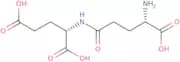
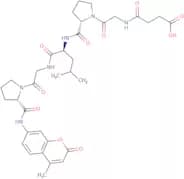
![[5-TAMRA] Galanin, Human](/_next/image/?url=https%3A%2Fstatic.cymitquimica.com%2Fproducts%2F3D%2Fthumb-webp%2FCRB1101555.webp&w=3840&q=75)
![PFR-[AMC]](/_next/image/?url=https%3A%2Fstatic.cymitquimica.com%2Fproducts%2F3D%2Fthumb-webp%2FCRB1101042.webp&w=3840&q=75)





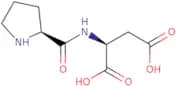

![[5-FAM]-Galanin (1-30) Human](/_next/image/?url=https%3A%2Fstatic.cymitquimica.com%2Fproducts%2F3D%2Fthumb-webp%2FCRB1101476.webp&w=3840&q=75)




















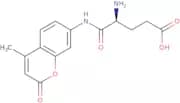




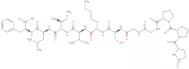












![GGG-[K(5-TAMRA)] C-terminal Sortagging](/_next/image/?url=https%3A%2Fstatic.cymitquimica.com%2Fproducts%2F3D%2Fthumb-webp%2FCRB1100651.webp&w=3840&q=75)








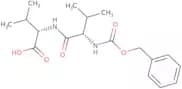

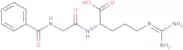















![Gag peptide [Simian immunodeficiency virus]](/_next/image/?url=https%3A%2Fstatic.cymitquimica.com%2Fproducts%2F3D%2Fthumb-webp%2FCRB1001215.webp&w=3840&q=75)



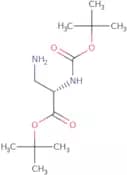



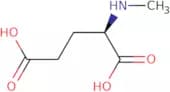








































![SMAC/DIABLO-[Cys(AF647)]](/_next/image/?url=https%3A%2Fstatic.cymitquimica.com%2Fproducts%2F3D%2Fthumb-webp%2FCRB1110326.webp&w=3840&q=75)