Peptídeos
Subcategorias de "Peptídeos"
Foram encontrados 29799 produtos de "Peptídeos"
Histone H3 (1-22) K4Me3-Biotin
Histone H3 (1-22) K4Me3 is derived from Histone 3 (H3) which is one of the four core histones (H2A, H2B, H3 and H4) fundamental in compacting eukaryotic DNA into the nucleosome. The nucleosome arises when 147 base pairs of DNA wrap around a H3-H4 tetramer and two H2A-H2B dimers, forming the histone octamer core. Both H4 and H3 are highly conserved and perform roles in binding to segments of DNA which enter and leave the nucleosome and in chromatin formation. Similar to the other core histone, H3 has a globular domain and a flexible N-terminal domain, 'histone tail' which can undergo modifications such as acetylation, methylation, phosphorylation and ubiquitination. Due to histones containing a large number of lysine and arginine residues they have a positive net charge which interacts in an electrostatic manner with the negatively charged phosphate groups in DNA. The transcriptional activation or silencing of the chromatin is controlled by ATP-dependent chromatin remodelling factors and histone modifying enzymes which target histone proteins. Both processes function to alter the positioning of the nucleosome, allowing the DNA it to be either available or inaccessible to the transcription machinery.Another modification process histones can undergo is biotinylation where the covalent attachment of a biotin molecule is catalysed by the enzyme biotinidase. This cleaves biocytin to generate a biotinyl-thiester intermediate. The biotinyl can then be transferred onto the histone lysine ɛ-amino group which in this case it is covalently attached to Histone 3. Overall the biotinylation sites identified in histone 3 are: K4, K9 and K18. The presence of biotinylated histones have been detected in human cells such as lymphocytes and lymphomas.Lysine 4 of H3 (1-22) has been tri-methylated.Peso molecular:2,851.7 g/molβ-Amyloid (11-20) Human
Amyloid β-peptide (Aβ) has been identified as the key subunit of the extracellular plaques found in the brains of patients with Alzheimer's disease (AD) and Down's syndrome (DS). Aβ has therefore been extensively studied as a potential target for treatment of AD. Aβ is formed from the cleavage of the large, transmembrane protein APP (amyloid precursor protein). Cleavage of APP by β- and then γ-secretases results in the formation of Aβ. Aβ can aggregate to produce amyloid-β oligomers, which are thought to be highly neurotoxic. Over time Aβ can further aggregate to produce the characteristic senile plaques present in AD and DS. Aβ can be degraded by enzymes such as neprilysin, insulin degrading enzyme or endothelin converting enzyme. At physiological levels Aβ may be involved in controlling synaptic activity and neuronal survival.Peso molecular:1,283.48 g/mol5TAMRA-GQVGRQLAIIGDDINR-NH2
Peptide 5TAMRA-GQVGRQLAIIGDDINR-NH2 is a Research Peptide with significant interest within the field academic and medical research. This peptide is available for purchase at Cymit Quimica in multiple sizes and with a specification of your choice.
H-NVIQISNDLENLR^-OH
Peptide H-NVIQISNDLENLR^-OH is a Research Peptide with significant interest within the field academic and medical research. This peptide is available for purchase at Cymit Quimica in multiple sizes and with a specification of your choice.H-WVGYGQDSR^-OH
Peptide H-WVGYGQDSR^-OH is a Research Peptide with significant interest within the field academic and medical research. This peptide is available for purchase at Cymit Quimica in multiple sizes and with a specification of your choice.SARS-COV-2 S Protein (934 - 947)
Custom research peptide; min purity 95%. For different specs please use the Peptide Quote ToolPeso molecular:1,377.53 g/molCalcitonin, Salmon
Calcitonin is a peptide hormone excreted by the thyroid parafollicular cells to regulate calcium and phosphorus levels. Calcitonin acts in opposition to parathyroid hormone (PTH) and vitamin D. Calcitonin functions by inhibiting osteoclast activity in the bones preventing calcium release- there is also inhibition of renal tubular cell reabsorption of calcium and phosphate, so they are excreted preventing a rise in levels.Calcitonin is used for as marker for detection and prognosis of nodular thyroid diseases. Medullary thyroid cancer is one example of the malignant parafollicular cells detectable with the assay, as they present with an increased calcitonin level even at an early stage.Since the discovery of calcitonin over 50 years ago the salmon sourced peptide has been used in numerous treatments including bone metastases, Paget disease, hypercalcaemia, and postmenopausal osteoporosis. The salmon calcitonin has been shown to be equivalent to human form but more active and can be synthetically generated.Peso molecular:3,429.7 g/molH-VAIYEEFLR^-OH
Peptide H-VAIYEEFLR^-OH is a Research Peptide with significant interest within the field academic and medical research. This peptide is available for purchase at Cymit Quimica in multiple sizes and with a specification of your choice.Histone H3 (1-8)
Histone H3 (1-8) is derived from Histone 3 (H3) which is one of the four core histones (H2A, H2B, H3 and H4) fundamental in compacting eukaryotic DNA into the nucleosome. The nucleosome arises when 147 base pairs of DNA wrap around a H3-H4 tetramer and two H2A-H2B dimers, forming the histone octamer core. Both H4 and H3 are highly conserved and perform roles in binding to segments of DNA which enter and leave the nucleosome and in chromatin formation. Similar to the other core histone, H3 has a globular domain and a flexible N-terminal domain 'histone tail' which can undergo modifications such as acetylation, methylation, phosphorylation and ubiquitination. Due to histones containing a large number of lysine and arginine residues they have a positive net charge which interacts in an electrostatic manner with the negatively charged phosphate groups in DNA. The transcriptional activation or silencing of the chromatin is controlled by ATP-dependent chromatin remodelling factors and histone modifying enzymes which target histone proteins. Both processes function to alter the positioning of the nucleosome, allowing the DNA it to be either available or inaccessible to the transcription machinery.Peso molecular:931.05 g/molVIP (6-28)
Vasoactive intestinal peptide (VIP) is a neuropeptide found throughout the body and the central nervous system (CNS). VIP is located within cell bodies and nerve endings of the enteric nervous system, brain and pancreas. VIP neurons in the peripheral system fire to regulate blood vessels, and the CNS innervate cerebral vasculature. VIP binds to G protein-coupled receptors VPAC1 and VPAC2. VIP and VPAC2 are detected in circular smooth muscle cells of cerebral arterioles. VIP and VPAC1 are also found in lymphatic tissue. VIP can block inflammation, modify the Th response favouring Th2 and induce regulatory T cells. Overexpression of each receptor has been linked to various cancers.VIP administration leads to pancreatic bicarbonate-rich fluid secretion but not to the same degree stimulated by secretin. VIP stimulates insulin secretion in a glucose-dependent manner and also stimulates glucagon secretion. Studies have found that in morbidly obese patients, VIP levels are lowered and work to slow gastric and duodenal motility but increase gastric emptying. Therefore, decreasing VIP levels in obese patients may increase weight gain by accelerating gastric emptying.VIP has been well studied in pancreatic acini. VIP is a full agonist of amylase secretion and increases cyclic AMP synchronised with an increase in intracellular Ca2+ triggered by stimuli that act through cholecystokinin (CCK) or cholinergic agonists. Most cAMP increases, and amylase secretion appear to be mediated via VPAC1.The discovery of VPAC antagonists can help to understand VIPs roles and may also provide new therapies in VIP dysregulated systems such as cancers. VIP (6-28) is a specific competitive inhibitor of the VIP receptor derived from VIP. VIP-induced vasodilatation was blocked by co-administration of the VIP receptor antagonist VIP (6-28). Using a VIP receptor antagonist has made VIP function easier to study during neuronal injury, inflammation, and heart innervation. The VIP receptor antagonist is being considered for osteoarthritis treatment, an area with no current treatments other than analgesics.
Peso molecular:898.5 g/molH-TTGDPPFPGQPPPVANDTR^-OH
Peptide H-TTGDPPFPGQPPPVANDTR^-OH is a Research Peptide with significant interest within the field academic and medical research. This peptide is available for purchase at Cymit Quimica in multiple sizes and with a specification of your choice.H-AVL^TIDKK-OH
Peptide H-AVL^TIDKK-OH is a Research Peptide with significant interest within the field academic and medical research. This peptide is available for purchase at Cymit Quimica in multiple sizes and with a specification of your choice.UUU-GGFL-OH
Peptide UUU-GGFL-OH is a Research Peptide with significant interest within the field academic and medical research. This peptide is available for purchase at Cymit Quimica in multiple sizes and with a specification of your choice.H-GLPSSI^EK^-OH
Peptide H-GLPSSI^EK^-OH is a Research Peptide with significant interest within the field academic and medical research. This peptide is available for purchase at Cymit Quimica in multiple sizes and with a specification of your choice.Toll-Interleukin 1 Receptor (TIR) Domain Containing Adaptor Protein (TIRAP) (Isoform b)
Custom research peptide; min purity 95%. For different specs please use the Peptide Quote ToolProtein tyrosine Phosphatase, Non-Receptor Type 11 (PTPN11)
Custom research peptide; min purity 95%. For different specs please use the Peptide Quote ToolLL-37 fragment (24-29)
LL-37 is a member of the large cationic family of anti-microbial peptides called cathelicidins which have broad-spectrum anti-microbial activity and are expressed in many species. The only cathelicidin found in humans is LL-37, this is produced in epithelial cells, by proteolytic cleavage from the C-terminal of the hCAP-18 protein. LL-37 can be processed into different forms of anti-microbial peptides. As well as its anti-microbial properties LL-37 also regulates many aspects of the innate immune system and overexpression of LL-37 has been linked to autoimmune diseases such as asthma and psoriasis, making LL-37 the most studied form of the human cathelicidin peptides.More recently, studies have shown that LL-37 binds to SARS-CoV-2 S protein and inhibits binding to its receptor hACE2, which may inhibit viral entry into the cell. LL-37 is upregulated by vitamin D, therefore this may be one mode of action for the positive outcomes seen with vitamin D treatment for Covid-19.
Cor e Forma:PowderPeso molecular:790.5 g/molCMVpp65 - 97 (WDRHDEGAAQGDDDV)
Custom research peptide; min purity 95%. For different specs please use the Peptide Quote ToolPeso molecular:1,685.6 g/molbeta-Amyloid (1-14) Biotin
Amino acids 1-14 of β-amyloid peptide (Aβ).Aβ has been identified as the key subunit of the extracellular plaques found in the brains of patients with Alzheimer's disease (AD) and Down's syndrome (DS). Aβ has therefore been extensively studied as a potential target for treatment of AD. Aβ is formed from the cleavage of the large, transmembrane protein- APP (amyloid precursor protein). Cleavage of APP by β- and then γ-secretases results in the formation of Aβ. Aβ can aggregate to produce amyloid-β oligomers, which are thought to be highly neurotoxic. Over time Aβ can further aggregate to produce the characteristic senile plaques present in AD and DS. Aβ can be degraded by enzymes such as neprilysin, insulin degrading enzyme or endothelin converting enzyme. At physiological levels Aβ may be involved in controlling synaptic activity and neuronal survival.Contains a C-terminal biotin tag for easy detection and purification.Peso molecular:1,965.9 g/molAc-ENNAQTQFSEPQYC-NH2
Peptide Ac-ENNAQTQFSEPQYC-NH2 is a Research Peptide with significant interest within the field academic and medical research. This peptide is available for purchase at Cymit Quimica in multiple sizes and with a specification of your choice.
Ac-HKIHMGNRLTC-NH2
Peptide Ac-HKIHMGNRLTC-NH2 is a Research Peptide with significant interest within the field academic and medical research. This peptide is available for purchase at Cymit Quimica in multiple sizes and with a specification of your choice.H-SVVAPATDGGLNLTSTFLR^-OH
Peptide H-SVVAPATDGGLNLTSTFLR^-OH is a Research Peptide with significant interest within the field academic and medical research. This peptide is available for purchase at Cymit Quimica in multiple sizes and with a specification of your choice.IYPTNGYTR
CAS:Custom research peptide; min purity 95%. For different specs please use the Peptide Quote ToolFórmula:C49H73N13O15Peso molecular:1,084.18 g/molH-RAAAAAAR-NH2
Peptide H-RAAAAAAR-NH2 is a Research Peptide with significant interest within the field academic and medical research. This peptide is available for purchase at Cymit Quimica in multiple sizes and with a specification of your choice.
H-YSQAVPAVTEGPIPEVLK^-OH
Peptide H-YSQAVPAVTEGPIPEVLK^-OH is a Research Peptide with significant interest within the field academic and medical research. This peptide is available for purchase at Cymit Quimica in multiple sizes and with a specification of your choice.
Ac-GCRDGPQGIAGQDRCG-OH
Peptide Ac-GCRDGPQGIAGQDRCG-OH is a Research Peptide with significant interest within the field academic and medical research. This peptide is available for purchase at Cymit Quimica in multiple sizes and with a specification of your choice.Myelin Basic Protein (MBP) (68-82), guinea pig
The 14 amino acid fragment of myelin basic protein (MBP) (68-82) can induce experimental allergic encephalomyelitis (EAE) in Lewis rats. EAE is the most used experimental model for studying the human inflammatory demyelinating diseases, such as multiple sclerosis (MS).MBP is an integral component of myelin found in the central nervous system (CNS). MBP is considered vital for the development and stability of the myelin sheath where it plays a role in membrane adhesion. MPBs constitute an extraordinarily varied collection of splice isoforms which show a myriad of post-translational modifications. MBP may be targeted by auto-antibodies in diseases such as MS. Use of MBP fragments in immunology assays are helping to answer this. The low affinity of MBP (1-9) peptide for major histocompatibility complex (MHC) class II molecules may result in MBP autoreactive T cells escaping central-tolerance, where self-reactive T cells are usually eliminated. The activity induced by MBP (68-82) suggests it can cause EAE but other EAE MBP peptides were found to induce a stronger response. The MBP (68-82) and others available in our catalogue may help to understand the nature of demyelinating diseases and find the target autoantigens of conditions such as MS.Cor e Forma:PowderPeso molecular:1,735.8 g/molH-GEAGPQGPR^-OH
Peptide H-GEAGPQGPR^-OH is a Research Peptide with significant interest within the field academic and medical research. This peptide is available for purchase at Cymit Quimica in multiple sizes and with a specification of your choice.H-SHGQDYLVGNK^-OH
Peptide H-SHGQDYLVGNK^-OH is a Research Peptide with significant interest within the field academic and medical research. This peptide is available for purchase at Cymit Quimica in multiple sizes and with a specification of your choice.LCBiot-LEVFYNGAWGTVGK-OH
Peptide LCBiot-LEVFYNGAWGTVGK-OH is a Research Peptide with significant interest within the field academic and medical research. This peptide is available for purchase at Cymit Quimica in multiple sizes and with a specification of your choice.H-LITAHVEPLLAR^-OH
Peptide H-LITAHVEPLLAR^-OH is a Research Peptide with significant interest within the field academic and medical research. This peptide is available for purchase at Cymit Quimica in multiple sizes and with a specification of your choice.Leu-Leu-Leu-Leu-Leu-Leu-Leu-Leu-Leu-Leu-Leu-Leu-Le
Custom research peptide; min purity 95%. For different specs please use the Peptide Quote Tool
Fórmula:C90H167N15O16Peso molecular:1,715.38 g/molSARS-CoV-2 chain A spike glycoprotein (363-377)
Custom research peptide; min purity 95%. For different specs please use the Peptide Quote ToolPNC 27
Membrane-active peptide that binds to HDM-2 expressed in the membranes of solid tissue tumour cells to induce transmembrane pore formation in cancerous, but not normal cells, resulting in tumour cell necrosis independent of p53 activity.
Peso molecular:4,029.2 g/molAlyteserin-1c
Alyerserin-1c is a C-terminally α-amidated 23 residue Cationic antimicrobial peptide (AMP) with a net charge of +2. Anti-microbial peptides (AMPs) are produced by the innate immune system and are expressed when the host is challenged by a pathogen. The Alyerserin family of peptides was first identified in norepinephrine-stimulated skin secretions of the midwife toad-Alytes obstetricans-(Alytidae). Alyteserin-1 peptides have limited structural similarity to the ascaphins from the skins of frogs of the Leiopelmatidae family. Alyteserin-1 peptides are selective at inhibiting growth activity of Gram-negative bacteria-such as Escherichia coli and show weak haemolytic activity against human erythrocytes.Alyteserin contain at least 50% hydrophobic amino acids. Hydrophobic residues contribute to the insertion of the peptide into the hydrophobic membrane core which results in membrane disruption and death of the pathogen. Due to their mechanism of action it is less likely for resistance to develop towards such peptides compared to conventional antibiotics.Peso molecular:2,265.74 g/molClick TP10
TP10 is an amphipathic cell-penetrating peptide (CPP) also known as transportan 10. Its formation involves the use of a lysine residue to form a chimeric linkage between a mastoparan 21-residue peptide, a wasp venon 14-residue peptide and 6-residues derived from the neuropeptide galanin. Structurally TP10 contains only positively charged amino acids along with 4 lysines and an N-terminus. Therefore, it will produce a +5 charge under conditions of a neutral pH. It has been found that TP10 may aid molecules in penetrating through the cell membrane barrier through directly interacting with the lipid bilayer. During these interactions with the membrane TP10 will form an amphipathic α-helix. TP10 can be used in transduction methods.TP10 is provided here with a N-terminal alkyne attachment. Two of the most regularly encountered functional groups for click chemistry are azides and alkynes, and the azide-alkyne cycloaddition has become the most popular click reaction. The use of click chemistry with alkyne-TP10 allows a wide variety of applications particularly for conjugation, modification, and peptide design. Fluorescent labelling of TP10 for drug delivery has been used in vivo.
Cor e Forma:PowderPeso molecular:2,260.4 g/molBiot-MSGRPRTTSFAES-NH2
Peptide Biot-MSGRPRTTSFAES-NH2 is a Research Peptide with significant interest within the field academic and medical research. This peptide is available for purchase at Cymit Quimica in multiple sizes and with a specification of your choice.CMVpp65 - 58 (ESFCEDVPSGKLFMH)
Custom research peptide; min purity 95%. For different specs please use the Peptide Quote ToolPeso molecular:1,726 g/molIRBP (1-20)
IRBP (1-20) is derived from the interphotoreceptor retinoid-binding protein (IRBP), present in the interphotoreceptor matrix and is expressed by cone and rod photoreceptors in the eye. IRBP is involved in retinoid delivery and protects retinal cells from oxidative stress.In retinitis pigmentosa patients, IRBP can be subjected to mutations resulting in a non-secreted form of IRBP to be produced. Furthermore IRBP gene mutations have been associated with high myopia and retinal dystrophy.The expression of IRBP is reduced in diabetes patients which may lead to visual cycle misfunction and the photoreceptors can be vulnerable to damage.
Peso molecular:2,193.2 g/molRAGE antagonist peptide
RAGE antagonist peptide is an S100P-derived peptide based competitive antagonist for receptor for advanced glycation end product (RAGE). Recent studies have shown it to disrupt the interaction between RAGE and its ligands, such as S100P, S100A4 and HMGB-1 in binding assays and in multiple cancer cell lines. As well as this, it also blocks RAGE-dependent NF-kB activation in MPanc96, MOH and HPAF II tumor cell lines.Systemic administration of RAGE antagonist peptide also diminishes NF-kB signaling in vivo and significantly reduces glioma tumour growth in murine models.
Peso molecular:1,271.7 g/molH-FSPDDSAGASA^LLR-OH
Peptide H-FSPDDSAGASA^LLR-OH is a Research Peptide with significant interest within the field academic and medical research. This peptide is available for purchase at Cymit Quimica in multiple sizes and with a specification of your choice.
PTH (13-34) Human
PTH 13-34 is a biologically active fragment of parathyroid hormone (PTH) with hypertensive activities. PTH 13-34 is being trialled as a possible treatment for osteoporosis (to replace the existing recombinant human PTH 1-34 treatment peptide).PTH is an 84-amino-acid polypeptide hormone (PTH 1-84) which is secreted by the parathyroid glands along with its fragments (such as PTH 1-34 and PTH 7-84). PTH increases calcium and decrease phosphate levels in the blood and the abundance of PTH-derived peptides is regulated by blood calcium levels. PTH inhibits the bone growth-promoting activity of osteoblasts and induces osteoclasts to resorb bone and release calcium and phosphate ions into the blood. PTH binds to and activates the receptor parathyroid hormone receptor 1 (PTHR1). PTHR1 is a G-protein-coupled receptor (GPCR) which regulates mineral ion homeostasis, bone turnover and skeletal development.Peso molecular:2,806.5 g/molH-YIPIQYVLSR^-OH
Peptide H-YIPIQYVLSR^-OH is a Research Peptide with significant interest within the field academic and medical research. This peptide is available for purchase at Cymit Quimica in multiple sizes and with a specification of your choice.H-SYEPLEDPGVK^-OH
Peptide H-SYEPLEDPGVK^-OH is a Research Peptide with significant interest within the field academic and medical research. This peptide is available for purchase at Cymit Quimica in multiple sizes and with a specification of your choice.
H-IANVFTNAFR^-OH
Peptide H-IANVFTNAFR^-OH is a Research Peptide with significant interest within the field academic and medical research. This peptide is available for purchase at Cymit Quimica in multiple sizes and with a specification of your choice.Ac-CGVNNSNEDFREENLKTAN-NH2
Peptide Ac-CGVNNSNEDFREENLKTAN-NH2 is a Research Peptide with significant interest within the field academic and medical research. This peptide is available for purchase at Cymit Quimica in multiple sizes and with a specification of your choice.H-IAVSYQTK^-OH
Peptide H-IAVSYQTK^-OH is a Research Peptide with significant interest within the field academic and medical research. This peptide is available for purchase at Cymit Quimica in multiple sizes and with a specification of your choice.H-IQAEPDNLAR^-OH
Peptide H-IQAEPDNLAR^-OH is a Research Peptide with significant interest within the field academic and medical research. This peptide is available for purchase at Cymit Quimica in multiple sizes and with a specification of your choice.H-RPPGF^-OH
Peptide H-RPPGF^-OH is a Research Peptide with significant interest within the field academic and medical research. This peptide is available for purchase at Cymit Quimica in multiple sizes and with a specification of your choice.H-DRV^YIHP^F^HL-OH
Peptide H-DRV^YIHP^F^HL-OH is a Research Peptide with significant interest within the field academic and medical research. This peptide is available for purchase at Cymit Quimica in multiple sizes and with a specification of your choice.(Cbz-LGR)2-[Rh110]
The protozoan Trypanosoma cruzi that causes South American trypanosomiasis expresses peptidases during its entire parasitic life cycle. Understanding better the function and specificity of the peptidases may lead to new inhibitors and potential therapies. It has been shown this alkaline peptidase has a preference for basic amino acids at position one and position two of the substrate. The sequence Leu-Gly-Arg was shown to have a high Km and high Vmax compared to other peptides tested.Provided here is a fluorogenic peptide substrate for Trypanosoma cruzi alkaline peptidase. In its entire state, this peptide is not fluorescent. However, this peptide is cleaved by T. cruzi alkaline peptidase. Upon rhodamine 110 fluorophore release, fluorescence can then be detected. This peptide, therefore, allows for the quantification of T. cruzi alkaline peptidase activity. Rhodamine 110 is a widely used red fluorescent probe.Peso molecular:1,250.6 g/molH-AVTSANIQEFAGCK^-OH
Peptide H-AVTSANIQEFAGCK^-OH is a Research Peptide with significant interest within the field academic and medical research. This peptide is available for purchase at Cymit Quimica in multiple sizes and with a specification of your choice.
HXB2 gag NO-18
Custom research peptide; min purity 95%. For different specs please use the Peptide Quote ToolPeso molecular:1,667.8 g/molH-TIVGALIQSVK^-OH
Peptide H-TIVGALIQSVK^-OH is a Research Peptide with significant interest within the field academic and medical research. This peptide is available for purchase at Cymit Quimica in multiple sizes and with a specification of your choice.Histone H3 (1-21)
Histone H3 (1-21) is derived from Histone 3 (H3) which is one of the four core histones (H2A, H2B, H3 and H4) fundamental in compacting eukaryotic DNA into a structure known as the nucleosome. The nucleosome arises when 147 base pairs of DNA wrap around a H3-H4 tetramer and two H2A-H2B dimers, forming the histone octamer core. Both H4 and H3 are highly conserved and perform roles in binding to segments of DNA which enter and leave the nucleosome and in chromatin formation. Similar to the other core histone, H3 has a globular domain and a flexible N-terminal domain, 'histone tail' which can undergo modifications such as acetylation, methylation, phosphorylation and ubiquitination. Due to histones containing a large number of lysine and arginine residues they have a positive net charge which interacts in an electrostatic manner with the negatively charged phosphate groups in DNA. The transcriptional activation or silencing of the chromatin is controlled by ATP-dependent chromatin remodelling factors and histone modifying enzymes which target histone proteins. Both processes function to alter the positioning of the nucleosome, allowing the DNA it to be either available or inaccessible to the transcription machinery.Histone H3 (1-21) has been utilised in research as a substrate for methyltransferase (Histone 3 K4 and K9) and acetyltransferase (Histone 3 K9 and K14) assays. Histone H3 (1-21) and these assays have already provided vital insights into the role's modifications play on the core histone functions. However, with so many histone modifications in different conditions still to be characterised the histone H3 (1-21) peptide still has a lot of insight to provide in the field.Peso molecular:2,253.3 g/molCMVpp65 - 2 (GRRCPEMISVLGPIS)
Custom research peptide; min purity 95%. For different specs please use the Peptide Quote Tool
Peso molecular:1,615 g/molH-S^LSLSLGK-OH
Peptide H-S^LSLSLGK-OH is a Research Peptide with significant interest within the field academic and medical research. This peptide is available for purchase at Cymit Quimica in multiple sizes and with a specification of your choice.SIVmac239 - 43
Custom research peptide; min purity 95%. For different specs please use the Peptide Quote ToolPeso molecular:1,533.7 g/molH-VLNQFDDAGIVTR^-OH
Peptide H-VLNQFDDAGIVTR^-OH is a Research Peptide with significant interest within the field academic and medical research. This peptide is available for purchase at Cymit Quimica in multiple sizes and with a specification of your choice.T-9 peptide
Duchenne muscular dystrophy is a severe muscle wasting X-linked genetic disease cause by mutations in the gene encoding the muscle structural protein, dystrophin. Exon skipping therapy remains a key approach for treatment of DMD but still requires considerable research to improve efficient and specific delivery of molecules to myofibers. Use of a phage library identified this sequence as having a high affinity for myofibers. Conjugation of this peptide to novel DMD molecules could provide the insights needed in the field.
Peso molecular:1,343.6 g/molSARS-CoV-2 Membrane protein (141-158)
SARS-CoV-2 Membrane protein (141-158)Peso molecular:1,932.1 g/molGalanin (2-12) acid
Galanin is a neuropeptide synthesised and released by the brainstem locus coeruleus (LC). Galanin is expressed in most LC neurons in rodents and humans. Galanin has been shown to inhibit LC activity by hyperpolarising LC neurons, suppressing their spontaneous firing rate, and enhancing alpha2-adrenergic receptor-mediated negative feedback. Galanin is also a potent trophic and neuroprotective factor throughout the nervous system.Galanin is widely distributed from the central nervous, peripheral, and endocrine systems. Galanin's overarching function is as an inhibitory, hyper-polarizing neuromodulator for classical neurotransmitters like acetylcholine and serotonin. Galanin interacts with 3 receptor subtypes, GalR1-3 G protein-coupled receptors which are inserted into the plasma membrane. GalR1 is believed to activate a Gβγ pathway to regulate MAPK activation. GalR2 can also activate the MAPK pathway, but unlike GalR1, there is detectable inositol phosphate production. GalR3 is associated with the Galphai/o pathway. Activation of the receptor leads to a cellular influx of K+. Each receptor has been associated with neurological diseases such as GalR3 and epilepsy.Some N-terminal fragments naturally occur in vivo but their relevance is unclear. The physiological relevance of the galanin fragment (2-12) and its affinity to the various GalR receptors has yet to be made clear. Binding assays and displacement assays in rat brain tissue have been performed with similar N-terminal galanin fragments to try and elucidate their function. . The use of N-terminal fragments such as galanin (2-12) can help clarify the function of full-length galanin. This may highlight new agonists/antagonists for the galanin GalR receptors that can be putative therapeutic targets for treatments of conditions such as cardiovascular disease.NMR has used this galanin fragment (2-12) to help characterise the structure of galanin. It shows the critical residues Tyr(9), Leu(10), and Leu(11) for interaction with the galR receptors. They cluster together as collapsed hydrophobic residues irrelevant to forming higher-order structures.Peso molecular:1,193.6 g/molH-LLIYDASNLETGVPSR^-OH
Peptide H-LLIYDASNLETGVPSR^-OH is a Research Peptide with significant interest within the field academic and medical research. This peptide is available for purchase at Cymit Quimica in multiple sizes and with a specification of your choice.Ac-SNKDRHIDSSC-NH2
Peptide Ac-SNKDRHIDSSC-NH2 is a Research Peptide with significant interest within the field academic and medical research. This peptide is available for purchase at Cymit Quimica in multiple sizes and with a specification of your choice.LCBiot-WSLGYTG-OH
Peptide LCBiot-WSLGYTG-OH is a Research Peptide with significant interest within the field academic and medical research. This peptide is available for purchase at Cymit Quimica in multiple sizes and with a specification of your choice.
CMVpp65 - 6 (HVLKAVFSRGDTPVL)
Custom research peptide; min purity 95%. For different specs please use the Peptide Quote ToolPeso molecular:1,638.9 g/mol[5-FAM]-PTH (1-34)
PTH 1-34, is a biologically active peptide fragment of parathyroid hormone (PTH). PHT 1-34 has been shown to enhance bone fracture healing by promoting osteogenesis. PTH 1-34 also has chondrogenic properties.PTH is an 84-amino-acid polypeptide hormone (PTH 1-84) which is secreted by the parathyroid glands along with its fragments (such as PTH 1-34 and PTH 7-84). PTH increases calcium and decrease phosphate levels in the blood and the abundance of PTH-derived peptides is regulated by blood calcium levels. PTH inhibits the bone growth-promoting activity of osteoblasts and induces osteoclasts to resorb bone and release calcium and phosphate ions into the blood. PTH binds to and activates the receptor parathyroid hormone receptor 1 (PTHR1). PTHR1 is a G-protein-coupled receptor (GPCR) which regulates mineral ion homeostasis, bone turnover and skeletal development.It contains 5-Carboxyfluorescein (5-FAM), a widely used green fluorescent tag.Cor e Forma:PowderPeso molecular:4,473.2 g/molElf18
Translation elongation factor thermo unstable (EF-Tu), is a highly conserved protein in bacteria which is essential for the synthesis of new proteins through translation in the ribosome. EF-Tu is also a pathogen-associated molecular pattern (PAMP) protein. PAMPs are elicitors of plant defences and are recognised by pattern recognition receptors in the plant. In Arabidopsis thaliana EF-Tu is recognised by EF-Tu Receptor (EFR), a leucine-rich repeat-receptor kinase XII family member.Elf18 represents the N-terminal of EF-Tu, the region specifically recognised by Arabidopsis. This N-acetylated peptide is a strong inducer of plant defence responses and results in the biosynthesis of ethylene in leaves which triggers resistance to subsequent infection by pathogenic bacteria.Cor e Forma:PowderPeso molecular:2,068.1 g/molRKOpep
Peptide identified through phage display that binds to colorectal cancer cell line RKO cells, as well as other cancer cells including Caco-2, HCT 116 and HCT-15, but not to normal cells, possibly through targeting the monocarboxylate transporter 1, which has been implicated in colorectal cancer progression and prognosis.
Peso molecular:920.4 g/molH-GEGGPQGPR^-OH
Peptide H-GEGGPQGPR^-OH is a Research Peptide with significant interest within the field academic and medical research. This peptide is available for purchase at Cymit Quimica in multiple sizes and with a specification of your choice.
Leptin (93 - 105) Human
Leptin is a member of the adipocytokines or adipokines group of cytokines primarily produced in adipose tissue. Leptin is a hormone involved in multiple endocrine functions, bone metabolism and thermoregulation, and a cytokine promoting inflammatory responses. There are elevated levels of leptin found in people with obesity. This contributes to the state of low-grade inflammation that makes those individuals more likely to develop cardiovascular diseases, type II diabetes, degenerative disease and autoimmune disease. Reduced levels of leptin, found in malnourished individuals, have been linked to an increased risk of infection and reduced cell-mediated immunity.Leptin binds to leptin receptors (ObRs), of which there are at least six isoforms (ObRa, ObRb, ObRc, ObRd, ObRe, and ObRf). Leptin-related analogs such as (93-105) fragment can mimic the interaction and activation of the ObR to improve their anti-obesity effects. Peptide vectors with a linker to a leptin fragment were patented as new leptin agonists with an improved permeability through the blood-brain barrier. Administration of leptin or leptin (93-105) to rats was shown to raise the blood levels of aldosterone and corticosterone. The use of the (93-105) fragment has allowed a better understanding of full-length leptin and its function in its various roles.Cor e Forma:PowderPeso molecular:1,526.8 g/molH-HGESAWNLENR^-OH
Peptide H-HGESAWNLENR^-OH is a Research Peptide with significant interest within the field academic and medical research. This peptide is available for purchase at Cymit Quimica in multiple sizes and with a specification of your choice.
Ac-PKKKRKVEDPYC-NH2
Peptide Ac-PKKKRKVEDPYC-NH2 is a Research Peptide with significant interest within the field academic and medical research. This peptide is available for purchase at Cymit Quimica in multiple sizes and with a specification of your choice.H-ANIKLSVQMKLFKRHLKWKIIVKLNDGRELSLD-NH2
Peptide H-ANIKLSVQMKLFKRHLKWKIIVKLNDGRELSLD-NH2 is a Research Peptide with significant interest within the field academic and medical research. This peptide is available for purchase at Cymit Quimica in multiple sizes and with a specification of your choice.H-MGETLGDSPIDPESDSC-NH2
Peptide H-MGETLGDSPIDPESDSC-NH2 is a Research Peptide with significant interest within the field academic and medical research. This peptide is available for purchase at Cymit Quimica in multiple sizes and with a specification of your choice.GLP-1 (7-36) [Cys(Sulfocyanine5)]
The native form of GLP-1 in humans is the GLP-1 (7-36) amide. GLP-1 (7-36) amide is highly unstable (half-life <-2 minutes) due to proteolytic degradation by the serine protease, dipeptidyl peptidase-IV (DPP-IV). DPP-IV cleaves the N-terminal histidine and alanine residues from GLP-1 to generate two equipotent forms: GLP-1 (9-37) and GLP-1 (9-36) amide. This degradation mitigates against the therapeutic use of GLP-1 itself, therefore DPP-IV-resistant peptide analogues have been developed and licensed for clinical use.Contains a sulfo-Cyanine5 fluorescent dye, an analogy of Cy5® and one of the most popular fluorophores. Sulfo-Cyanine5 is a red emitting fluorescent dye which is highly hydrophilic and water-soluble. Compatible with various equipment such as plate readers, microscopes, and imagers.Cor e Forma:PowderPeso molecular:4,162.9 g/molSARS-CoV-2 Nucleoprotein (266-280)
The coronavirus (CoV) nucleoprotein is the major component of CoV structural proteins. Also known as the nucleocapsid protein, it is an abundant RNA-binding protein critical for viral genome packaging. These factors make nucleoprotein a good target for developing new antiviral drugs. In addition, the identification of epitopes within the nucleoprotein sequence can help design more effective SARS-CoV-2 vaccines.Models have predicted epitopes exhibiting antigenicity, stability and interactions with MHC class-I and class-II molecules. Nucleoprotein (266-280) is an epitope candidate with various HLA restrictions. This epitope can be used to better vaccine design for more durable CD4+ and CD8+ T cell responses for long-lasting immunity.Peso molecular:1,692.9 g/molSIVmac239 - 54
Custom research peptide; min purity 95%. For different specs please use the Peptide Quote ToolPeso molecular:1,697.9 g/molH-DFTAAFPR^-OH
Peptide H-DFTAAFPR^-OH is a Research Peptide with significant interest within the field academic and medical research. This peptide is available for purchase at Cymit Quimica in multiple sizes and with a specification of your choice.H-FGDIVPLGVTHMTSR^-OH
Peptide H-FGDIVPLGVTHMTSR^-OH is a Research Peptide with significant interest within the field academic and medical research. This peptide is available for purchase at Cymit Quimica in multiple sizes and with a specification of your choice.H-Cys-Gly-OH
CAS:H-Cys-Gly-OH is a cyclic peptide that has potent antitumor activity. It was synthesized from glutathione and cysteine, which are naturally occurring amino acids in the human body. The mechanism of action of H-Cys-Gly-OH is not well understood, but it may be due to its ability to bind to α1-acid glycoprotein and other proteins in the blood. The compound also has a redox potential, fluorescence spectra, and structural analysis that can be used for identification purposes. This molecule is stable at acid pH and is easily soluble in water or organic solvents. H-Cys-Gly-OH can be analyzed by titration calorimetry or cyclic voltammetry methods.Fórmula:C5H10N2O3SPureza:Min. 95%Peso molecular:178.21 g/molSIVmac239 - 125
Custom research peptide; min purity 95%. For different specs please use the Peptide Quote Tool
Peso molecular:1,557.7 g/molGIP (1-30) Human amide
GIP (1-30) Human amide is derived from the Gastric inhibitory peptide (GIP). Gastric inhibitory polypeptide (GIP) is an inhibiting hormone of the secretin family of hormones. While GIP is a weak inhibitor of gastric acid secretion, its main role is to stimulate insulin secretion - in a glucose-dependent mechanism. Therefore, GIP is referred to as a glucose-dependent insulinotropic peptide.GIP is derived from a 153-amino acid pro-protein encoded by the GIP gene. It is synthesised by K cells, which are found in the mucosa of the duodenum and the jejunum of the gastrointestinal tract. GIP receptors are seven-transmembrane proteins found on β-cells in the pancreas. These β-cells are those that are able to simultaneously detect glucose and release insulin as a result to GIP binding.The clinical relevance of GIP is related to type 2 diabetes mellitus (T2DM)- studies have found that T2DM diabetics are unresponsive to GIP and have lower levels of GIP secretion after a meal when compared to non-diabetics. In research involving knockout mice, it was found that absence of the GIP receptors correlates with resistance to obesity.
Cor e Forma:PowderPeso molecular:3,531.99 g/molSIVmac239 - 52
Custom research peptide; min purity 95%. For different specs please use the Peptide Quote ToolPeso molecular:1,765.9 g/molFmoc-AACK-OH
Peptide Fmoc-AACK-OH is a Research Peptide with significant interest within the field academic and medical research. This peptide is available for purchase at Cymit Quimica in multiple sizes and with a specification of your choice.8-Azido-3,6-Dioxaoctanoic Acid
CAS:8-Azido-3,6-Dioxaoctanoic Acid is a PEG compound with two different functional groups (also known as heterobifunctional). Unlike homobifunctional PEG compounds (same functional group on both ends), this type of compounds are more versatile as have two different anchor points. 8-Azido-3,6-Dioxaoctanoic Acid is used as a linker and spacer to add a PEG moiety, via pegylation (a bioconjugation technique) to proteins, peptides, oligonucleotides, small molecules and nanoparticles.Fórmula:C6H11N3O4Pureza:Min. 95%Peso molecular:189.17 g/molβ-Amyloid (1-6)-GGC Human
Amino acids 1-6 of amyloid β peptide (Aβ). This fragment represents an immunogenic portion of Aβ which has been used as the basis for potential immunotherapies for Alzheimer's disease. Aβ has been identified as the key subunit of the extracellular plaques found in the brains of patients with Alzheimer's disease (AD) and Down's syndrome (DS). Aβ has therefore been extensively studied as a potential target for treatment of AD. Aβ is formed from the cleavage of the large, transmembrane protein- APP (amyloid precursor protein). Cleavage of APP by β- and then γ-secretases results in the formation of Aβ. Aβ can aggregate to produce amyloid-β oligomers, which are thought to be highly neurotoxic. Over time Aβ can further aggregate to produce the characteristic senile plaques present in AD and DS. Aβ can be degraded by enzymes such as neprilysin, insulin degrading enzyme or endothelin converting enzyme. At physiological levels Aβ may be involved in controlling synaptic activity and neuronal survival.Contains a GGC linker, the thiol on the Cysteine can be used for conjugation to dyes and other molecules.Cor e Forma:PowderPeso molecular:990.4 g/molLeuprolide Acetate
Leuprolide acetate is a synthetic peptide analogue of naturally occurring gonadotropin releasing hormone (GnRH also known as luteinising hormone-releasing hormone, LHRH). Leuprolide Acetate has a longer half-life and a higher affinity to the pituitary GnRH-receptor than physiological GnRH due to the presence of a D-amino acid. Leuprolide acts as a super-agonist of the pituitary gonadotropin-releasing hormone (GnRH) receptor in the hypothalamo-pituitary-gonadal axis and disrupts the maintenance of the normal hypothalamo-pituitary-gonadal axis and desensitizes the GnRH receptor. This results in lower levels of testosterone in the blood. Leuprolide is used to treat prostate cancer, endometriosis, fibroids and precocious puberty. Peptide is for research purposes only, strictly not for human use.Peso molecular:1,208.6 g/molH-ETTVFENLPEK^-OH
Peptide H-ETTVFENLPEK^-OH is a Research Peptide with significant interest within the field academic and medical research. This peptide is available for purchase at Cymit Quimica in multiple sizes and with a specification of your choice.
Abz-GIEPFSDPMPEQ-EDDnp
Peptide Abz-GIEPFSDPMPEQ-EDDnp is a Research Peptide with significant interest within the field academic and medical research. This peptide is available for purchase at Cymit Quimica in multiple sizes and with a specification of your choice.Biot-MHRSDLMSAAVR-OH
Peptide Biot-MHRSDLMSAAVR-OH is a Research Peptide with significant interest within the field academic and medical research. This peptide is available for purchase at Cymit Quimica in multiple sizes and with a specification of your choice.
H-DTLLK^ALLEIASCLEK^ALQVF-OH
Peptide H-DTLLK^ALLEIASCLEK^ALQVF-OH is a Research Peptide with significant interest within the field academic and medical research. This peptide is available for purchase at Cymit Quimica in multiple sizes and with a specification of your choice.Click Tat (47-59)
Tat (47-59) is a cell penetrating cationic peptide derived from the N-terminus of the Tat protein, which is a trans-activator of the transcription protein present in the human immunodeficiency virus (HIV). Specifically, TAT (47-57) is located within the arginine-rich basic domain of the TAT peptide. TAT has three domains which function to aid HIV through transactivation, DNA binding and nuclear transport. As a cell penetrating peptide (CPP) TAT aids in the cellular uptake of molecules and hence serves a valuable purpose in transduction methods. This property has been demonstrated through its ability of allowing toxins such as the neurotoxin Botulinum neurotoxin Type A, produced by the Clostridium botulinum type A bacteria to penetrate the skin barrier non-invasively.Tat (47-59) is provided here with a N-terminal alkyne attachment. Two of the most regularly encountered functional groups for click chemistry are azides and alkynes, and the azide-alkyne cycloaddition has become the most popular click reaction. The use of click chemistry with alkyne-Tat (47-59) allows a wide variety of applications particularly for conjugation, modification, and peptide design.Cor e Forma:PowderPeso molecular:1,797.1 g/molH-SLEDLQLTHNK^-OH
Peptide H-SLEDLQLTHNK^-OH is a Research Peptide with significant interest within the field academic and medical research. This peptide is available for purchase at Cymit Quimica in multiple sizes and with a specification of your choice.FREG peptide
PDGF-Ra agonist with in vitro and in vivo antimelanoma growth activity.
Peso molecular:1,290.7 g/molAc-VLQWAKKGYYTMKSN-NH2
Peptide Ac-VLQWAKKGYYTMKSN-NH2 is a Research Peptide with significant interest within the field academic and medical research. This peptide is available for purchase at Cymit Quimica in multiple sizes and with a specification of your choice.LCBiot-VYPDHA-OH
Peptide LCBiot-VYPDHA-OH is a Research Peptide with significant interest within the field academic and medical research. This peptide is available for purchase at Cymit Quimica in multiple sizes and with a specification of your choice.
Stabilized avi tag peptide
Avi tag is a short 15 amino acid peptide that is capable of biotin modification to the lysine residue without effecting the protein function. The avi tag with biotin is highly specific and stable which makes it an ideal choice for protein interaction studies via purification or detection. Avi tag is more effective than a His tag at protein purification, with these advantages the stabilised version with an N-terminal acetylation is a vital tool in many research fields including drug delivery and DNA-protein interactions.Cor e Forma:PowderPeso molecular:2,042.19 g/molH-SRPYSFGL-NH2
Peptide H-SRPYSFGL-NH2 is a Research Peptide with significant interest within the field academic and medical research. This peptide is available for purchase at Cymit Quimica in multiple sizes and with a specification of your choice.Dnp-Pro-β-cyclohexyl-Ala-Gly-Cys(Me)-His-Ala-Lys(N-Me-Abz)-NH2
CAS:Dnp-Pro-beta-cyclohexyl-Ala-Gly-Cys(Me)-His-Ala-Lys(N-Me-Abz)-NH2 is a versatile building block that can be used in the synthesis of complex compounds, research chemicals and reagents. It has been shown to be useful in the synthesis of high quality, useful intermediates and reaction components. Dnp-Pro-beta-cyclohexyl-Ala-Gly-Cys(Me)-His-Ala-Lys(N--Me--Abz)-NH2 is also a useful scaffold for the preparation of biologically active compounds.Fórmula:C49H68N14O12SPureza:Min. 95%Peso molecular:1,077.22 g/molH-VASSGLQSVVHR^-OH
Peptide H-VASSGLQSVVHR^-OH is a Research Peptide with significant interest within the field academic and medical research. This peptide is available for purchase at Cymit Quimica in multiple sizes and with a specification of your choice.SIVmac239 - 61
Custom research peptide; min purity 95%. For different specs please use the Peptide Quote ToolPeso molecular:1,912.1 g/molTPL-2tide
Tumour progression locus 2 (TPL2) is a mitogen-activated protein kinase kinase (MAP3 K) and is critical for the production of tumour necrosis factor alpha (TNFalpha) in innate immune responses and a potential anti-inflammatory drug target. TPL-2 forms a complex with NF-KB1, p105 and ABIN-2.TPL-2tide is phosphorylated by TPL-2, making TPL-2tide a useful tool for use in kinases assays.Cor e Forma:PowderPeso molecular:1,858.8 g/molH-LTILDQSEAPVR^-OH
Peptide H-LTILDQSEAPVR^-OH is a Research Peptide with significant interest within the field academic and medical research. This peptide is available for purchase at Cymit Quimica in multiple sizes and with a specification of your choice.H-GLTVLPPLL^-OH
Peptide H-GLTVLPPLL^-OH is a Research Peptide with significant interest within the field academic and medical research. This peptide is available for purchase at Cymit Quimica in multiple sizes and with a specification of your choice.SGS tripeptide
SGS-acid is a tripeptide consisting of a serine residue followed by a glycine and another serine residue. SGS-acid was synthesised from the dipeptide glycyl-L-serine (GS-acid)- the dipeptide GS-acid is also available in our catalogue. SGS-acid has a net charge of 0, it can act as a Bronsted base by accepting a hydron from a donor thus giving it diverse biological and chemical uses.Peso molecular:249.1 g/molGIP, human
Gastric inhibitory polypeptide (GIP) is an inhibiting hormone of the secretin family of hormones. While GIP is a weak inhibitor of gastric acid secretion, its main role is to stimulate insulin secretion - in a glucose-dependent mechanism. Therefore, GIP is referred to as a glucose-dependent insulinotropic peptide.GIP is derived from a 153-amino acid pro-protein encoded by the GIP gene and circulates as a biologically active 42-amino acid peptide. It is synthesised by K cells, which are found in the mucosa of the duodenum and the jejunum of the gastrointestinal tract. GIP receptors are seven-transmembrane proteins found on β-cells in the pancreas. These β-cells are those that are able to simultaneously detect glucose and release insulin as a result to GIP binding.The clinical relevance of GIP is related to type 2 diabetes mellitus (T2DM)- studies have found that T2DM diabetics are unresponsive to GIP and have lower levels of GIP secretion after a meal when compared to non-diabetics. In research involving knockout mice, it was found that absence of the GIP receptors correlates with resistance to obesity.Cor e Forma:PowderPeso molecular:4,980.5 g/molH-DQLIVNLLK^-OH
Peptide H-DQLIVNLLK^-OH is a Research Peptide with significant interest within the field academic and medical research. This peptide is available for purchase at Cymit Quimica in multiple sizes and with a specification of your choice.
GIP (Pro 3)
Gastric inhibitory polypeptide (GIP) is an inhibiting hormone of the secretin family of hormones. While GIP is a weak inhibitor of gastric acid secretion, its main role is to stimulate insulin secretion - in a glucose-dependent mechanism. Therefore, GIP is referred to as a glucose-dependent insulinotropic peptide. In GIP (Pro 3) the glutamic acid at position 3 has been substituted for a proline.GIP is derived from a 153-amino acid proprotein encoded by the GIP gene and circulates as a biologically active 42-amino acid peptide. It is synthesised by K cells, which are found in the mucosa of the duodenum and the jejunum of the gastrointestinal tract. GIP receptors are seven-transmembrane proteins found on β-cells in the pancreas. These β-cells are those that are able to simultaneously detect glucose and release insulin as a result to GIP binding.The clinical relevance of GIP is related to type 2 diabetes mellitus (T2DM)- studies have found that T2DM diabetics are unresponsive to GIP and have lower levels of GIP secretion after a meal when compared to non-diabetics. In research involving knockout mice, it was found that absence of the GIP receptors correlates with resistance to obesity.
Peso molecular:4,947.5 g/molAc-DLIEEAASRPVDAVPEQVKAAGAY-NH2
Peptide Ac-DLIEEAASRPVDAVPEQVKAAGAY-NH2 is a Research Peptide with significant interest within the field academic and medical research. This peptide is available for purchase at Cymit Quimica in multiple sizes and with a specification of your choice.Duck liver-derived peptide 2
Duck liver-derived peptide 2 is a novel bioactive peptide with high antioxidant activity. The antioxidant activity is attributed to forming hydrogen bonds between their amino acid residues and free radical molecules. Duck liver-derived peptide 2 increases the activities and mRNA expression levels of intracellular antioxidant enzymes (SOD, CAT, and GSH-Px) in HepG2 oxidative damage cell models. Duck liver-derived peptide 2 can reduce the content of malondialdehyde (MDA) and reactive oxygen species (ROS) accumulation, thereby inhibiting intracellular oxidative damage. Duck liver-derived peptide 2 has the following activity: renin inhibitor, ACE inhibitor, dipeptidyl peptidase IV inhibitor, and antioxidant. This peptide may be used in the research for food-derived bioactive peptides for modified-food development.Peso molecular:844.5 g/molELA Elabela/Toddler-32
Elabela/Toddler-32 (ELA-32) has been identified as a new endogenous ligand for the apelin G protein coupled receptor (GPCR). Apelin levels have been shown to be reduced in heart failure and pulmonary arterial hypertension (PAH). ELA-32 delivery could be used to supplement the deficit of apelin. It can be cleaved to shorter forms Elabela/Toddler-21, and Elabela/Toddler-11. Apelin and ELA-32 share almost no sequence homology which is unusual for receptor ligands, it suggests a future for apelin receptor biased agonist design.Exogenous administration of ELA-32 to rats has been shown to compensate for the downregulation of apelin seen in PAH. Further research into the potential of this peptide as an endogenous agonist reducing the severity of PAH could provide vital therapeutics in the future for cardiovascular disease.Cor e Forma:PowderPeso molecular:3,965.1 g/molHXB2 gag NO-99/aa393 - 407
Custom research peptide; min purity 95%. For different specs please use the Peptide Quote Tool
Peso molecular:1,663.9 g/molGP120 - W61D - 57
Custom research peptide; min purity 95%. For different specs please use the Peptide Quote ToolPeso molecular:1,621.9 g/molFmoc-Cys-OH
Peptide Fmoc-Cys-OH is a Research Peptide with significant interest within the field academic and medical research. This peptide is available for purchase at Cymit Quimica in multiple sizes and with a specification of your choice.SARS-CoV-2 Antigen Peptide NCAP (ILLNKHID)
Custom research peptide; min purity 95%. For different specs please use the Peptide Quote ToolFórmula:C44H76N12O12Peso molecular:965.22 g/molH-VNLLSAIK^-OH
Peptide H-VNLLSAIK^-OH is a Research Peptide with significant interest within the field academic and medical research. This peptide is available for purchase at Cymit Quimica in multiple sizes and with a specification of your choice.
HXB2 gag NO-13
Custom research peptide; min purity 95%. For different specs please use the Peptide Quote ToolPeso molecular:1,603.8 g/molH-LIQNSLTIER^-OH
Peptide H-LIQNSLTIER^-OH is a Research Peptide with significant interest within the field academic and medical research. This peptide is available for purchase at Cymit Quimica in multiple sizes and with a specification of your choice.
Kisspeptin 234
CAS:Custom research peptide; min purity 95%. For different specs please use the Peptide Quote Tool
Fórmula:C63H78N18O13Peso molecular:1,295.42 g/molgp100 (457-466)
Custom research peptide; min purity 95%. For different specs please use the Peptide Quote Tool
Fórmula:C47H85N13O15Peso molecular:1,072.28 g/molClick R9F2
R9F2 is a specifically designed arginine-rich cell penetrating peptide (CPP) for delivery of antisense molecules (AMOs). Synthetic AMOs are used to interfere with translation and RNA synthesis however their delivery into leukocytes has been an issue. The creation of CPPs such as R9F2 has allowed a new more effective method of delivering AMOs for altering gene expression. The design of the arginine rich peptide with two phenylalanine to the C-terminus allowed better interaction with cell membrane and improved uptake of the cargo. R9F2 has been effectively tested on murine leukocytes to evaluate its efficacy at altering pre-mRNA splicing.R9F2 is provided here with a N-terminal alkyne attachment. Two of the most regularly encountered functional groups for click chemistry are azides and alkynes, and the azide-alkyne cycloaddition has become the most popular click reaction. The use of click chemistry with alkyne-R9F2 allows a wide variety of applications particularly for conjugation, modification, and peptide design.Cor e Forma:PowderPeso molecular:1,796.1 g/molLL-13-37
LL-13-37 is an active fragment of the LL-37 peptide which has been shown to have anti-fungal properties against Candida albicans.LL-37 is a member of the large cationic family of anti-microbial peptides called cathelicidins which have broad-spectrum anti-microbial activity and are expressed in many species. The only cathelicidin found in humans is LL-37- this is produced in epithelial cells, by proteolytic cleavage from the C-terminal of the hCAP-18 protein. LL-37 can be processed into different forms of anti-microbial peptides. As well as its anti-microbial properties LL-37 also has anti-cancer properties and regulates many aspects of the innate immune system- overexpression of LL-37 has been linked to autoimmune diseases such as asthma and psoriasis.Peso molecular:3,043.57 g/molH-S^LSLSPG-OH
Peptide H-S^LSLSPG-OH is a Research Peptide with significant interest within the field academic and medical research. This peptide is available for purchase at Cymit Quimica in multiple sizes and with a specification of your choice.H-RRRRR-NH2
Peptide H-RRRRR-NH2 is a Research Peptide with significant interest within the field academic and medical research. This peptide is available for purchase at Cymit Quimica in multiple sizes and with a specification of your choice.
H-LAKAVDGYVKPQIKQ-NH2
Peptide H-LAKAVDGYVKPQIKQ-NH2 is a Research Peptide with significant interest within the field academic and medical research. This peptide is available for purchase at Cymit Quimica in multiple sizes and with a specification of your choice.
MHV EP™
Post-transmembrane region (PTM) from the envelope protein (E) of the coronavirus- Mouse Hepatitis Virus (MHV). This protein region is involved in direct membrane binding, with the C-terminal hydrophobic residues of this peptide, thought to be most relevant for membrane binding. After replication, coronaviruses (CoVs) assemble on intracellular membranes, the coronavirus envelope protein (E) is involved in virus assembly and release. E proteins have been located in the endoplasmic reticulum Golgi intermediate compartment (ERGIC) and Golgi of infected cells but are not thought to traffic to the cell surface of infected cells. CoV E is a small hydrophobic protein which is conserved between coronaviruses. E consist of a short hydrophilic amino terminal region, a hydrophobic transmembrane region and a carboxy-terminal region. CoV E protein is an integral membrane protein.E has been considered a therapeutic target for SARS-CoV-2.Peso molecular:1,781 g/molAc-QKRGR-NH2
Peptide Ac-QKRGR-NH2 is a Research Peptide with significant interest within the field academic and medical research. This peptide is available for purchase at Cymit Quimica in multiple sizes and with a specification of your choice.Ac-AKFVAAWTLKA-NH2
Peptide Ac-AKFVAAWTLKA-NH2 is a Research Peptide with significant interest within the field academic and medical research. This peptide is available for purchase at Cymit Quimica in multiple sizes and with a specification of your choice.Ac-DLIEEAASRIVDAVIEQVKAAGAY-NH2
Peptide Ac-DLIEEAASRIVDAVIEQVKAAGAY-NH2 is a Research Peptide with significant interest within the field academic and medical research. This peptide is available for purchase at Cymit Quimica in multiple sizes and with a specification of your choice.α-1 antitrypsin fragment 235-243 [Homo sapiens]/[Papio hamadryas]/[Cercopithecus aethiops]
Custom research peptide; min purity 95%. For different specs please use the Peptide Quote Tool
Fórmula:C51H85N11O12SPeso molecular:1,076.35 g/molH-V^V^GGLV^ALR^-OH
Peptide H-V^V^GGLV^ALR^-OH is a Research Peptide with significant interest within the field academic and medical research. This peptide is available for purchase at Cymit Quimica in multiple sizes and with a specification of your choice.
H-RF^F-OH
Peptide H-RF^F-OH is a Research Peptide with significant interest within the field academic and medical research. This peptide is available for purchase at Cymit Quimica in multiple sizes and with a specification of your choice.
Histone H4 (1-21) R3Me1
Histone 4 (H4) is one of the four core histones (H2A, H2B, H3 and H4) which are fundamental in compacting eukaryotic DNA into the nucleosome. Due to the high lysine and arginine content, histones have a net positive charge and therefore electrostatically interact with negatively charged DNA. The nucleosome arises when 147 base pairs of DNA wrap around a H3-H4 tetramer and two H2A-H2B dimers, forming the histone octamer core. Like other core histones, H4 has a globular domain and a flexible N-terminal domain, the histone tail, which can undergo modifications such as acetylation, methylation, phosphorylation and ubiquitination.Gene transcriptional activation or inactivation is controlled by ATP-dependent chromatin remodelling factors and histone modifying enzymes. Both processes function to alter the positioning of the nucleosome, allowing the DNA within to be either accessible to the transcription machinery or inaccessible. H4's lysine rich tail plays a role in the higher order chromatin folding.Modifications allow histones to contribute to gene regulation, chromosome condensation and DNA repair. In yeast, methylation of R3 of Histone 4 results in the recruitment of histone acetyl transferase to the chromatin and the acetylation of Histone 4 K5.Peso molecular:2,105.3 g/molACTH (1-17) Human
Amino acids 1-17 of human adrenocorticotropic hormone (ACTH). ACTH, also known as corticotropin, is a tropic hormone produced and secreted by the anterior pituitary gland and member of the melanocortins peptide family. ACTH is cleaved from the precursor proopiomelanocortin (POMC). ACTH is an important component of the hypothalamic-pituitary-adrenal (HPA) axis and is often produced in response to biological stress. ACTH acts to increase the production and release of cortisol via its interaction with the ACTH receptor- ACTHR, also known as melanocortin type 2 receptor (MC2R). Receptor activation increases the intracellular concentration of cAMP via adenylyl cyclase.Abnormal ACTH levels in the body has been linked to primary adrenal insufficiency/Addison's disease, Cushing's disease and secondary adrenal insufficiency.Peso molecular:2,093.42 g/molH-RPSGPGPPSPTPPAPR^-OH
Peptide H-RPSGPGPPSPTPPAPR^-OH is a Research Peptide with significant interest within the field academic and medical research. This peptide is available for purchase at Cymit Quimica in multiple sizes and with a specification of your choice.Ac-NNNN-NH2
Peptide Ac-NNNN-NH2 is a Research Peptide with significant interest within the field academic and medical research. This peptide is available for purchase at Cymit Quimica in multiple sizes and with a specification of your choice.Cyclo(RGDfK)
The cyclic pentapeptide cyclo(Arg-Gly-Asp-[D-Phe]-Lys) is a highly potent and selective inhibitor for the alphavβ3 integrin receptor. A related compound, cyclo(Arg-Gly-Asp-[D-Phe]-Val), is a promising anticancer drug candidate- it inhibits angiogenesis and induces apoptosis in vascular cells.Cyclic RGD-containing peptides are selective antagonists of integrins, proteins that play important roles in cell-cell and cell-matrix interactions. In a suitably labelled form, these peptides may serve as useful tools for diagnostic imaging and peptide targeted therapy of some types of cancer.Cor e Forma:PowderPeso molecular:603.3 g/molH-APLQGTLLGYR^-OH
Peptide H-APLQGTLLGYR^-OH is a Research Peptide with significant interest within the field academic and medical research. This peptide is available for purchase at Cymit Quimica in multiple sizes and with a specification of your choice.H-KDILEDERAAVDTYC-NH2
Peptide H-KDILEDERAAVDTYC-NH2 is a Research Peptide with significant interest within the field academic and medical research. This peptide is available for purchase at Cymit Quimica in multiple sizes and with a specification of your choice.H-ELFSYLIEK^-OH
Peptide H-ELFSYLIEK^-OH is a Research Peptide with significant interest within the field academic and medical research. This peptide is available for purchase at Cymit Quimica in multiple sizes and with a specification of your choice.H-IATALVDTFAVAR^^-OH
Peptide H-IATALVDTFAVAR^^-OH is a Research Peptide with significant interest within the field academic and medical research. This peptide is available for purchase at Cymit Quimica in multiple sizes and with a specification of your choice.
Pro-BNP (47-76)
Pro B-type natriuretic peptide (Pro-BNP) is secreted from cardiac myocytes and cleaved into BNP and the remaining part of the prohormone N-terminal proBNP (NT-proBNP). When the heart fibres become stretched more BNP and NT-proBNP are released to try and compensate for the increased pressure. During heart failure the walls of the atria become over stretched and thus increase the levels of NT-proBNP detectable. NT-proBNP has a longer half-life than BNP and therefore is detectable at higher levels in blood plasma than BNP. NT-pro-BNP is believed to be cleared by renal excretion, but this is not confirmed. As a diagnostic tool, NT-proBNP (47-76) has become very useful in helping diagnose heart failure and provide a prognosis. The measurement of NT-proBNP (47-76) has been incorporated into management and guidelines of clinical settings. As a research tool it still provides valuable data such as symptoms onset in relation to NT-proBNP levels and how inflammation effects the level of BNP as well as the BNP/ NT-proBNP ratio.Peso molecular:3,463.9 g/molalpha-gliadin (58-73)
α-Gliadin (58-73) is derived from Gliadin peptides, the component of wheat involved in the gastrointestinal symptoms of wheat allergy and Celiac Disease (CD). During wheat allergies histamines and leukotrienes are secreted due to gliadin peptide sequences cross-linking two IgE molecules on mast cells and basophils.The glutamine and proline rich peptides of which Gliadin is composed of are resistant to proteolysis during digestion, leaving them active in the gastrointestinal tract. Subsequently these are deamidated by tissue transglutaminase and can bind to HLA-DQ2 or DQ8. As a result in patients with the autoimmune disease CD, there is a Th1-mediated inflammatory immune response against these gliadin peptides.Gliadin can exert additional effects on the intestinal microbiota and ileal barrier function. It has been found that gut microbiota members such as Bifidobacterium and lactobacillus have the ability to digest and inactivate gliadin peptides hence reducing their inflammatory effects in the gastrointestinal system.Cor e Forma:PowderPeso molecular:1,906 g/molBrAc-TWPKHFDKHTFYSILKLGKH-NH2
Peptide BrAc-TWPKHFDKHTFYSILKLGKH-NH2 is a Research Peptide with significant interest within the field academic and medical research. This peptide is available for purchase at Cymit Quimica in multiple sizes and with a specification of your choice.
Peso molecular:2,604.86 g/molTAT-Beclin Scrambled
TAT-Beclin Scrambled is a scrambled version of the peptide derived from a region of the Beclin 1 protein. The original peptide interacts with a newly identified negative regulator of autophagy, GAPR-1 (also called GLIPR2) to act as a potent inducer of autophagy. Autophagy is an essential process that maintains cellular homeostasis and carries out lysosome-mediated degradation of unwanted proteins in the cytoplasm. It is often examined when looking at disease pathways because of this regulatory function. While the immune system initiates the removal of viruses and pathogens through the autophagic pathway, some viruses (such as HIV) are able to evade this process.The scrambled sequence in this peptide means it can be used as an effective negative control in such experiments because whilst it contains the same amino acids as Beclin-1 (and thus has the same molecular weight), it does not express the same properties as the original peptide.TAT (47-57) is present due to its properties as a cell penetrating cationic peptide (CPP). It derived from the N-terminus of the Tat protein, which is a trans-activator of the transcription protein present in the human immunodeficiency virus (HIV). As a CPP, TAT (47-57) is able facilitate the delivery of the Beclin Scrambled protein across the plasma membrane.This peptide contains a GG linker between the C-terminus of TAT (47-57) and the N-terminus of Beclin Scrambled.Cor e Forma:PowderPeso molecular:3,738.9 g/molSIVmac239 - 93
Custom research peptide; min purity 95%. For different specs please use the Peptide Quote ToolPeso molecular:1,522.8 g/molFdM
FdM, ferredoxin maquette is a synthetic peptide which can bind a [4Fe-4S] cluster and contains a bacterial ferredoxin consensus motif (CIACGAC).Peso molecular:1,525.6 g/molHIV - 1 MN ENV - 28
Custom research peptide; min purity 95%. For different specs please use the Peptide Quote ToolPeso molecular:1,715.1 g/molEchinotocin neuropeptide
Echinotocin is a neurophysin containing precursor neuropeptide derived from the sea urchin Strongylocentrotus purpuratus.Cor e Forma:PowderPeso molecular:964.4 g/molExendin-4 [Lys(AF647)]
Exendin-4 is part of a group of peptide hormones, the exendins. These are members of the glucagon superfamily of peptides and are secreted from the Gila monster lizard (Heloderma suspectum) venom gland. Exendins stimulate insulin secretion in response to rising blood glucose levels and modulate gastric emptying to slow the entry of ingested sugars into the bloodstream. Exendin-4 increases insulin sensitivity and improves glucose tolerance in humans and animals with diabetes. Exendin-4 is currently used for treating type 2 diabetes mellitus in its synthetic form, Exenatide.Exendin-4 shares 53% sequence homology, and specific activities, with glucagon-like-peptide-1 (GLP-1). Enteroendocrine L-cells produce GLP-1 upon nutrient ingestion, its central role relates to insulin secretion. Unlike GLP-1, exendin-4 is resistant to cleavage by plasma dipeptidyl peptidase IV (DPP-IV), resulting in a longer half-life and duration of action than GLP-1, as well as greater potency in vivo. Exendin-4 binds and activates the glucagon-like peptide-1 receptor (GLP-1R). In addition to its role in insulin sensitivity, exendin-4 also has a role in pancreas development and has anti-cancer properties.This exendin-4 contains AF647, a structural analog to Alexa Fluor® 647, a widely used far-red fluorescent dye. Its excitation is ideally suited to 594nm or 633nm. This dye is suited for low abundance targets as it has high initial brightness and a high photostability allowing detection of low abundance peptides. If you desire an alternative dye, please contact us to request a custom synthesis.Peso molecular:5,454.4 g/mola-Gliadin (229-246)
a-Gliadin (229-246) is derived from Gliadin peptides, the component of wheat involved in the gastrointestinal symptoms of wheat allergy and Celiac Disease (CD). During wheat allergies histamines and leukotrienes are secreted due to gliadin peptide sequences cross-linking two IgE molecules on mast cells and basophils.The glutamine and proline rich peptides of which Gliadin is composed of are resistant to proteolysis during digestion, leaving them active in the gastrointestinal tract. Subsequently these are deamidated by tissue transglutaminase and can bind to HLA-DQ2 or DQ8. As a result in patients with the autoimmune disease CD, there is a Th1-mediated inflammatory immune response against these gliadin peptides.Gliadin can exert additional effects on the intestinal microbiota and ileal barrier function. It has been found that gut microbiota members such as Bifidobacterium and lactobacillus have the ability to digest and inactivate gliadin peptides hence reducing their inflammatory effects in the gastrointestinal system.Peso molecular:2,083.1 g/mol(4S)-4-[[(2S)-3-Carboxy-2-[[(2S,3R)-2-[[(2R)-2-[[(2S,3S)-2-[[(2S)-3-carboxy-2-[[(2R)-2-[[(2S)-2,6-diaminohexanoyl]amino]-3-sulfanylp ropanoyl]amino]propanoyl]amino]-3-methylpentanoyl]amino]-3-sulfanylpropanoyl]amino]-3-hydroxybutanoyl]amino]propanoyl]amin
CAS:Custom research peptide; min purity 95%. For different specs please use the Peptide Quote ToolFórmula:C44H68N10O18S2Peso molecular:1,089.2 g/molAc-PLL-OH
Peptide Ac-PLL-OH is a Research Peptide with significant interest within the field academic and medical research. This peptide is available for purchase at Cymit Quimica in multiple sizes and with a specification of your choice.
Sapecin B
The peptide Sapecin B exhibits antimicrobial properties against gram-positive bacteria. It is originally derived from the sarcophaga peregrine embryonic cell line, NIH-Sape-4.Peso molecular:1,094.8 g/molCONSENSUS B Tat - 19
Custom research peptide; min purity 95%. For different specs please use the Peptide Quote ToolPeso molecular:1,523.6 g/molCasein Kinase II Assay Kit
Peptide Casein Kinase II Assay Kit is a Research Peptide with significant interest within the field academic and medical research. This peptide is available for purchase at Cymit Quimica in multiple sizes and with a specification of your choice.Fórmula:C45H73N19O24Peso molecular:1,264.2 g/molAc-GRGDSP-NH2
Peptide Ac-GRGDSP-NH2 is a Research Peptide with significant interest within the field academic and medical research. This peptide is available for purchase at Cymit Quimica in multiple sizes and with a specification of your choice.PAR-3 Agonist (Mouse)
Protease activated receptors (PARs) are a distinctive four-member family of seven transmembrane G protein-coupled receptors (GPCRs) widely expressed in inflammatory cells. PARs are cleaved by certain serine proteases to expose a tethered ligand domain, this ligand domain then binds to and activates the receptors to initiate multiple signalling cascades. These PAR-activating proteases therefore represent PAR agonists. This PAR-2 agonist peptide mimics the sequence of the 'tethered ligand' and is therefore capable of activating the receptor independently of N-terminal proteolysis.PAR-3 is required for intercellular adhesion molecule 1 (ICAM-1) expression in endothelial cells and PAR-3 cooperates with PAR-1 to mediate the effect of thrombin on cytokine production and vascular cell adhesion molecule (VCAM-) 1 expression.PAR activation has been linked to inflammation, therefore compounds that mimic or interfere with the PAR-activating processes are attractive therapeutic candidates.Peso molecular:576.3 g/molH-YLAEVATGEK^-OH
Peptide H-YLAEVATGEK^-OH is a Research Peptide with significant interest within the field academic and medical research. This peptide is available for purchase at Cymit Quimica in multiple sizes and with a specification of your choice.
H-ELHHLQEQNVSNA^FLDK^-OH
Peptide H-ELHHLQEQNVSNA^FLDK^-OH is a Research Peptide with significant interest within the field academic and medical research. This peptide is available for purchase at Cymit Quimica in multiple sizes and with a specification of your choice.
Bim BH3, Peptide IV
A 26-residue fragment from BH3 only protein Bim, BH3 only proteins constitute a major proportion of pro-apoptotic members of the B-cell lymphoma 2 (Bcl-2) family of apoptotic regulatory proteins and participate in embryonic development, tissue homeostasis and immunity.Cor e Forma:PowderPeso molecular:3,267.6 g/molH-APRWDAPLRDPAL^-OH
Peptide H-APRWDAPLRDPAL^-OH is a Research Peptide with significant interest within the field academic and medical research. This peptide is available for purchase at Cymit Quimica in multiple sizes and with a specification of your choice.
Myosin H Chain Fragment(615-630), Mouse
Custom research peptide; min purity 95%. For different specs please use the Peptide Quote Tool
H-ADIYTEQVGR^-OH
Peptide H-ADIYTEQVGR^-OH is a Research Peptide with significant interest within the field academic and medical research. This peptide is available for purchase at Cymit Quimica in multiple sizes and with a specification of your choice.Ac-ILRTQESEC-NH2
Peptide Ac-ILRTQESEC-NH2 is a Research Peptide with significant interest within the field academic and medical research. This peptide is available for purchase at Cymit Quimica in multiple sizes and with a specification of your choice.
[5-FAM]-PR9
CPPs can transport molecules such as nucleic acids, proteins and imaging agents into cells of inter-est. PR9, Pas non-arginine, is an arginine rich CPP. It is composed of the nona-arginine: R9 and Pas which is a peptide penetrating accelerating sequence and it functions to export molecules out of endocytic vesicles. During a study in which PR9 was in complex with a Quantum dot probe (QD) it was evident that the PR9/QD complex was transported into the cell through endocytosis where it co-localises with actins, lysosomes, early endosomes and the nucleus. Due to the non-toxicity of the PR9/QD complex it can be used as a safe vector for biomedical purposes.It contains 5-Carboxyfluorescein (5-FAM), a widely used green fluorescent tag.Peso molecular:2,584.01 g/molH-VQIVYKPVDLSK^-OH
Peptide H-VQIVYKPVDLSK^-OH is a Research Peptide with significant interest within the field academic and medical research. This peptide is available for purchase at Cymit Quimica in multiple sizes and with a specification of your choice.H-LVEAFGGATK^-OH
Peptide H-LVEAFGGATK^-OH is a Research Peptide with significant interest within the field academic and medical research. This peptide is available for purchase at Cymit Quimica in multiple sizes and with a specification of your choice.H-AL^P^AP^IEK^-OH
Peptide H-AL^P^AP^IEK^-OH is a Research Peptide with significant interest within the field academic and medical research. This peptide is available for purchase at Cymit Quimica in multiple sizes and with a specification of your choice.Ac-GSARAEVHLRKS-NH2
Peptide Ac-GSARAEVHLRKS-NH2 is a Research Peptide with significant interest within the field academic and medical research. This peptide is available for purchase at Cymit Quimica in multiple sizes and with a specification of your choice.H-GLNEEIAR^V-OH
Peptide H-GLNEEIAR^V-OH is a Research Peptide with significant interest within the field academic and medical research. This peptide is available for purchase at Cymit Quimica in multiple sizes and with a specification of your choice.Antennapedia peptide amide
Penetratin is a cell-penetrating peptide (CPP), also known as a protein transduction domain (PTD), of which the first 16 amino acids are derived from the third helix of the Antennapedia protein homeodomain. Penetratin linked to a phosphodiester oligonucleotide is capable of permeating through neuronal cell membranes and down-regulating genes.Peso molecular:2,245.75 g/molH-VAVVRTPPK^-OH
Peptide H-VAVVRTPPK^-OH is a Research Peptide with significant interest within the field academic and medical research. This peptide is available for purchase at Cymit Quimica in multiple sizes and with a specification of your choice.B-Ahx-APRTPGGRR-NH2
Peptide B-Ahx-APRTPGGRR-NH2 is a Research Peptide with significant interest within the field academic and medical research. This peptide is available for purchase at Cymit Quimica in multiple sizes and with a specification of your choice.H-IEDGFSLK^-OH
Peptide H-IEDGFSLK^-OH is a Research Peptide with significant interest within the field academic and medical research. This peptide is available for purchase at Cymit Quimica in multiple sizes and with a specification of your choice.
H-IWLDNVR^-OH
Peptide H-IWLDNVR^-OH is a Research Peptide with significant interest within the field academic and medical research. This peptide is available for purchase at Cymit Quimica in multiple sizes and with a specification of your choice.HXB2 gag NO-97/aa385 - 399
Custom research peptide; min purity 95%. For different specs please use the Peptide Quote Tool
Peso molecular:1,724.1 g/molDes-n-Octanoyl-[Ser3]-Ghrelin (Human, 1-14)
Des-n-Octanoyl-[Ser3]-Ghrelin (Human, 1-14) is a non-Acylated Analog of Ghrelin (Human, 1-14), amino acids 1-14 of the peptide hormone Ghrelin. This peptide does not contain the unique N-octanoyl group which is linked to Ghrelin's third serine residue covalently and which allows Ghrelin to associate with the growth hormone secretagogue receptor (GHS-R). Through interaction with the GHS-R, Ghrelin can exert its various effects on the body such as stimulating appetite, nutrient sensing, meal initiation and the regulation of insulin resistance, diabetes and obesity. Its wider functions are also associated with glucose homeostasis, energy homeostasis, cardio-protective effects, bone metabolism and its potential to be a target for cancer means that it can be used to develop therapies for a whole spectrum of diseases. This molecule is used as a research tool for studying cell biology and pharmacology.Fórmula:C68H106N22O23Pureza:Min. 95%Peso molecular:1,599.74 g/molLCBiot-EDIIRNIARHLAQVGDSMDR-OH
Peptide LCBiot-EDIIRNIARHLAQVGDSMDR-OH is a Research Peptide with significant interest within the field academic and medical research. This peptide is available for purchase at Cymit Quimica in multiple sizes and with a specification of your choice.
Ac-LVLRLR-NH2
Peptide Ac-LVLRLR-NH2 is a Research Peptide with significant interest within the field academic and medical research. This peptide is available for purchase at Cymit Quimica in multiple sizes and with a specification of your choice.SIVmac239 - 87
Custom research peptide; min purity 95%. For different specs please use the Peptide Quote ToolPeso molecular:1,476.7 g/molHIV - 1 MN ENV - 141
Custom research peptide; min purity 95%. For different specs please use the Peptide Quote ToolPeso molecular:1,782.1 g/molTET 830 modified/T-helper epitope from tetanus toxoid
CAS:TET 830 modified/T-helper epitope from tetanus toxoid – AQYIKANSKFIGITELFórmula:C83H134N20O24Pureza:Min. 95%Peso molecular:1,796.11 g/molProlactin-releasing peptide (PrRP20)
Prolactin-releasing peptide (PrRP20) was originally identified for being able to stimulate lactin release. However, that is not considered its function anymore, it is reclassified as a neuropeptide with a role in energy balance, and an inhibitor of appetite. PrRP20 is considered a central neuromodulator found within the A1 and A2 noradrenergic neurons and neurons of the dorsomedial nucleus of the hypothalamus. PrRP20 binds with high affinity to the G protein coupled receptor GPR10. Binding can lead to activation of numerous signalling pathways including activation of mitogen-activated protein kinase/extracellular-regulated kinase (MAPK/ERK1/2) and cAMP response element-binding protein (CREB). Not much is known about the binding mechanism and activation of GPR10. Use of PrRP20 and its analogs have aimed to provide greater insight to the binding and activation of GRP10 to better understand how this effects energy balance. With new links being made between diabetes and obesity with Alzheimer's disease it raises the question of whether PrRP20 and GP10 may be a factor in the disease development due to the colocalization in the same brain regions. Further study may lead to novel therapies for obesity, diabetes, and Alzheimer's disease in the future.Peso molecular:2,271.2 g/molAc-LKISQAPQVSISRSKSYRENGAPFC-NH2
Peptide Ac-LKISQAPQVSISRSKSYRENGAPFC-NH2 is a Research Peptide with significant interest within the field academic and medical research. This peptide is available for purchase at Cymit Quimica in multiple sizes and with a specification of your choice.
Ac-FAKKFAKKFKKFAKKFAKFAFAF-NH2
Peptide Ac-FAKKFAKKFKKFAKKFAKFAFAF-NH2 is a Research Peptide with significant interest within the field academic and medical research. This peptide is available for purchase at Cymit Quimica in multiple sizes and with a specification of your choice.
Experimental Allergic Encephalitogenic Peptide (human)
CAS:Custom research peptide; min purity 95%. For different specs please use the Peptide Quote Tool
Fórmula:C46H64N14O14Peso molecular:1,037.11 g/molH-YGGFLRRQFK^VVT-OH
Peptide H-YGGFLRRQFK^VVT-OH is a Research Peptide with significant interest within the field academic and medical research. This peptide is available for purchase at Cymit Quimica in multiple sizes and with a specification of your choice.H-HEIPVLP^NR-OH
Peptide H-HEIPVLP^NR-OH is a Research Peptide with significant interest within the field academic and medical research. This peptide is available for purchase at Cymit Quimica in multiple sizes and with a specification of your choice.CMVpp65 - 20 (VQHTYFTGSEVENVS)
Custom research peptide; min purity 95%. For different specs please use the Peptide Quote ToolPeso molecular:1,696.8 g/molSIVmac239 - 34
Custom research peptide; min purity 95%. For different specs please use the Peptide Quote ToolPeso molecular:1,658.8 g/molAc-WEDWVGWI-NH2
Peptide Ac-WEDWVGWI-NH2 is a Research Peptide with significant interest within the field academic and medical research. This peptide is available for purchase at Cymit Quimica in multiple sizes and with a specification of your choice.LCBiot-NLRKSGTLGHPGSL-OH
Peptide LCBiot-NLRKSGTLGHPGSL-OH is a Research Peptide with significant interest within the field academic and medical research. This peptide is available for purchase at Cymit Quimica in multiple sizes and with a specification of your choice.





![(Cbz-LGR)2-[Rh110]](/_next/image/?url=https%3A%2Fstatic.cymitquimica.com%2Fproducts%2F3D%2Fthumb-webp%2FCRB1001676.webp&w=3840&q=75)

![[5-FAM]-PTH (1-34)](/_next/image/?url=https%3A%2Fstatic.cymitquimica.com%2Fproducts%2F3D%2Fthumb-webp%2FCRB1100983.webp&w=3840&q=75)

![GLP-1 (7-36) [Cys(Sulfocyanine5)]](/_next/image/?url=https%3A%2Fstatic.cymitquimica.com%2Fproducts%2F3D%2Fthumb-webp%2FCRB1100802.webp&w=3840&q=75)

![GG-[AMC]](/_next/image/?url=https%3A%2Fstatic.cymitquimica.com%2Fproducts%2F3D%2Fthumb-webp%2FCRB1100969.webp&w=3840&q=75)
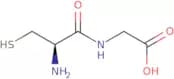

![[β-Ala]-[Lys(AMCA)]-acid](/_next/image/?url=https%3A%2Fstatic.cymitquimica.com%2Fproducts%2F3D%2Fthumb-webp%2FCRB1101526.webp&w=3840&q=75)
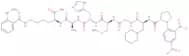


![α-1 antitrypsin fragment 235-243 [Homo sapiens]/[Papio hamadryas]/[Cercopithecus aethiops]](/_next/image/?url=https%3A%2Fstatic.cymitquimica.com%2Fproducts%2F3D%2Fthumb-webp%2FPP50166.webp&w=3840&q=75)







![Exendin-4 [Lys(AF647)]](/_next/image/?url=https%3A%2Fstatic.cymitquimica.com%2Fproducts%2F3D%2Fthumb-webp%2FCRB1101572.webp&w=3840&q=75)

![[5-FAM]-PR9](/_next/image/?url=https%3A%2Fstatic.cymitquimica.com%2Fproducts%2F3D%2Fthumb-webp%2FCRB1100285.webp&w=3840&q=75)
![Des-n-Octanoyl-[Ser3]-Ghrelin (Human, 1-14)](/_next/image/?url=https%3A%2Fstatic.cymitquimica.com%2Fproducts%2F3D%2Fthumb-webp%2FPGH-3646-PI.webp&w=3840&q=75)