Peptídeos
Subcategorias de "Peptídeos"
Foram encontrados 29608 produtos de "Peptídeos"
JT003 trifluoroacetate
Adiponectin receptor (AdipoR1/AdipoR2) agonist.Fórmula:C46H62N8O9•(C2HF3O2)xPeso molecular:871.03 g/molBiotin-Substance P
Substance P (SP) is a peptide that is highly conserved across the animal kingdom and is involved in a number of inflammatory and growth promoting processes. SP has a net positive charge at physiological pH, it is an amphiphilic peptide with positively charged residues at the N-terminus and hydrophobic residues at the C-terminus, this controls how it interacts with cell membranes. SP is stable in plasma (several hours) but has a short half-life in tissues (seconds/minutes).SP is encoded by the TAC1 gene and is a member of the tachykinin peptide hormone family. SP is expressed by many cell types including: neurons, astrocytes, microglia, epithelial cells, endothelial cells, immune cells such as T cells and macrophages- dendritic cells and eosinophils and some stem cells and progenitor cells. The huge variety of cell types expressing SP suggest it is involved in a wide variety of physiological and pathophysiological functions.SP mediates its functions by interacting with members of the neurokinin (NK) family of G protein-coupled receptors with high selectivity. Among these, SP binds to NK1R with the highest affinity, this receptor is expressed in a wide range of tissue types.Biotin (B7) has been added to the N-terminus.Fórmula:C73H112N20O15S2Peso molecular:1,573.96 g/molBiotin-β Amyloid (1-42) Human
Amyloid β-protein (Aβ) has been identified as the key subunit of the extracellular plaques found in the brains of patients with Alzheimer's disease (AD) and Down's syndrome (DS). Aβ has therefore been extensively studied as a potential target for treatment of AD.Aβ is formed from the cleavage of the large, transmembrane protein- APP (amyloid precursor protein). Cleavage of APP by β- and then γ-secretases results in the formation of Aβ. Aβ can aggregate to produce amyloid-β oligomers, which are thought to be highly neurotoxic. Over time Aβ can further aggregate to produce the characteristic senile plaques present in AD and DS. Aβ can be degraded by enzymes such as neprilysin, insulin degrading enzyme or endothelin converting enzyme. At physiological levels Aβ may be involved in controlling synaptic activity and neuronal survival.This peptide contains a covalently attached N-Terminal biotin tag for convenient detection and purification.Pureza:Min. 95%Cor e Forma:PowderSULT1B1 Blocking Peptide
A synthetic peptide for use as a blocking control in assays to test for specificity of SULT1B1 antibody, catalog no. 70R-2607Pureza:Min. 95%Cys(Npys)-TAT (49-57), FAM-labeled
Cys- Activated and FAM-labeled TAT for Cargo Conjunction. This product is available as a trifluoroacetate saltFórmula:C88H136N36O20S2Pureza:Min. 95%Peso molecular:2,082.42 g/molAlpha-Conotoxin ImI
CAS:Alpha-conotoxin ImI is a peptide that belongs to the class of alpha-conotoxins. It is an activator of nicotinic acetylcholine receptors, which inhibit voltage-gated calcium channels. The high purity of this product allows for its use in research and development. Alpha-conotoxin ImI has been used to study protein interactions and receptor pharmacology.Fórmula:C52H78N20O15S4Pureza:Min. 95%Peso molecular:1,351.6 g/molMyelin PLP (180-199)
Myelin PLP (180-199) is a peptide that has been shown to be immunogenic and biochemically active. It belongs to the group of peptides and biochemicals, which are organic compounds of high molecular weight. Myelin PLP (180-199) is an immunogenic compound that can be used as a vaccine adjuvant. It also has been shown to have anti-inflammatory activities, which may be due to its ability to inhibit prostaglandin synthesis.Fórmula:C92H144N23O30SPureza:Min. 95%Peso molecular:2,084.37 g/molBTN2A1 Blocking Peptide
A synthetic peptide for use as a blocking control in assays to test for specificity of BTN2A1 antibody, catalog no. 70R-7238Pureza:Min. 95%PTPRN Blocking Peptide
A synthetic peptide for use as a blocking control in assays to test for specificity of PTPRN antibody, catalog no. 70R-6312Pureza:Min. 95%Mambalgin-1
Mambalgin-1 is a natural product with an unknown pharmacophore. It has been shown to inhibit cancer cells in vitro and in vivo by suppressing the activation of suppressor genes, which are genes that regulate cell proliferation. Mambalgin-1 may also be effective against other diseases such as Parkinson's disease, Alzheimer's disease, and Huntington's disease. Mambalgin-1 is synthesized from a solid-phase synthesis of a cyclic peptide that contains two acidic amino acids. This synthetic compound binds to the extracellular region of synaptic vesicles and inhibits the release of neurotransmitters. The mechanism of action is not yet known, but it is thought that this compound may inhibit calcium channels or potassium channels in the presynaptic membrane.Fórmula:C272H429N85O84S10Pureza:Min. 95%Peso molecular:6,554.61 g/molHsTX1
HsTX1 is a peptide toxin obtained from the venom of the scorpion Heterometrus spinnifer. It blocks potassium channels and inhibits the activity of Kv1.3 channels, which are responsible for neuronal repolarization and firing. This peptide is also a blocker of voltage-gated sodium channels, but has no effect on calcium channels. HsTX1 is used in medical research as a tool to study ion channel function.Fórmula:C149H246N54O46S9Pureza:Min. 95%Peso molecular:3,818.53 g/molClickable-TAT Azide (49-57)
Modified HIV TAT Sequence 49-57 for Click Chemistry. Product available as a trifluoroacetate salt
Fórmula:C58H114N34O11Pureza:Min. 95%Peso molecular:1,463.78 g/molCys-TAT (49-57)
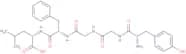
Cys- Modified HIV TAT Sequence 49-57, a derivatizable cell-penetrating peptide (CPP) for click chemistry. Product available as a Trifluoroacetate SaltFórmula:C56H112N32O11SPureza:Min. 95%Peso molecular:1,441.79 g/molLeu-Enkephalin acetate
CAS:Leu-Enkephalin is an endogenous opioid peptide that has been shown to produce analgesia, anti-inflammatory effects, and changes in locomotor activity. Leu-enkephalin binds to the kappa opioid receptor, which is found in high concentrations in the caudate putamen and hippocampal formation. The enkephalins are a family of basic proteins with two amino acids linked by a single amide bond. They are peptide hormones that act as neurotransmitters in the central nervous system and peripheral nervous system. Leu-enkephalin is a drug candidate for treatment of infectious diseases such as HIV and malaria. In addition, leu-enkephalin has been shown to have side effect profiles that are less severe than morphine or methadone.Fórmula:C28H37N5O7·C2H4O2Pureza:Min. 95%Cor e Forma:PowderPeso molecular:554.64 g/molH-Lys-Val-Pro-Arg-Asn-Gln-Asp-Trp-Leu-OH
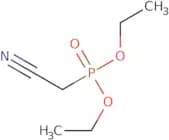
H-Lys-Val-Pro-Arg-Asn-Gln-Asp-Trp-Leu-OH is a peptide that was derived from the human HGP1 protein. The peptide, which is MHC class I restricted, has been shown to have an epitope that is recognized by CD8+ T cells in mice. This peptide has also been shown to be biologically active and heteroclitic.Fórmula:C52H82N16O14Pureza:Min. 95%Peso molecular:1,155.33 g/molDiethylcyanomethylphosphonate
CAS:Diethylcyanomethylphosphonate is a hydrochloric acid salt of diethylcyanomethylphosphonic acid. It is used in the asymmetric synthesis of many organic molecules, including pharmaceuticals, and has been shown to have antiviral properties. Diethylcyanomethylphosphonate binds to the receptor on the surface of cells and inhibits their growth. This may be due to its ability to block the binding of sodium ions to cell receptors. The drug also prevents hydroxyl group metabolism and has been shown to be active against infectious diseases such as HIV and malaria.
Fórmula:C6H12NO3PPureza:Min. 95%Cor e Forma:Colorless Clear LiquidPeso molecular:177.14 g/molBenzoyl-Nle-Lys-Arg-Arg-AMC
CAS:Benzoyl-Nle-Lys-Arg-Arg-MCA is a peptide that inhibits the activity of the enzyme acetylcholinesterase (AChE) in the body. It is used to treat fever and other symptoms caused by infection with a virus, such as influenza A or B. This peptide binds to an active site on AChE, which is required for the hydrolysis of acetylcholine, thereby blocking the release of this neurotransmitter from cholinergic nerve endings. As a result, this drug may cause side effects such as nausea, vomiting, diarrhea and muscle cramps.Fórmula:C41H60N12O7Pureza:Min. 95%Peso molecular:832.99 g/molAF488 Plectin-1-targeting peptide
Plectin is a large protein found in nearly all mammalian cells and it acts as a link between the three main components of the cytoskeleton: actin microfilaments- microtubules and intermediate filaments. Plectin also links the cytoskeleton to junctions found in the plasma membrane that structurally connect different cells. Therefore plectin plays an important role in maintaining the mechanical integrity and viscoelastic properties of tissues.In cardiac muscle and skeletal muscle, plectin is localised to specialised entities known as Z-discs. Plectin binds several proteins including: vinculin, DES, actin, fodrin, microtubule-associating proteins, nuclear laminin B, SPTAN1, vimentin and ITGB4. Mutations in PLEC have been associated with epidermolysis bullosa simplex with muscular dystrophy. Plectin has been proposed as a biomarker for pancreatic cancer. Alexa Fluor 488 dye is a bright, green-fluorescent dye with excitation maxima around 490 and emission maxima around 525. Alexa Fluor 488 dye is pH-insensitive over a wide molar range.Pureza:Min. 95%Cor e Forma:PowderPeso molecular:1,857.7 g/molFmoc-Val-Rink-Amide MBHA Resin
Fmoc-Val-Rink-Amide MBHA Resin is a peptide synthesis support resin based on polystyrene. This resin is used for the synthesis of peptides and other molecules that are less than 10 amino acids in length. The Fmoc group, which is attached to the resin, can be removed by the acid treatment of trifluoroacetic acid (TFA) or formic acid (FA). It can also be cleaved with hydrogen fluoride in order to remove side chain protecting groups.Pureza:Min. 95%PADRE scrambled
SB-peptide offers the scrambled version of PADRE peptide. AAATLWKAAKFVA can be used as a negative control of PADRE peptide studies. SB-peptide offers also PADRE peptide (see section PADRE peptide). PADRE peptide: Pan HLA DR-binding epitope is a universal peptide that activates antigen specific-CD4+ T cells which can be used as an agonist adjuvant in immunotherapeutic vaccine development. Pan HLA DR-binding epitope has been proposed as a carrier epitope suitable for use in the development of synthetic and recombinant vaccines. It has been demonstrated that PADRE may be an universal approach to control tumor cells. Moreover, PADRE is also used in research about an immunosense approach to develop a base for development of vaccines against toxoplasmosis to protect person with HLA-A*03 type. Pan HLA DR-binding epitope can be also used as tool to study the autoreactive T cell response.Fórmula:C65H100N16O14Cor e Forma:PowderPeso molecular:1,347.60 g/molH-Phe-2-ClTrt-Resin (200-400 mesh) 1% DVB
H-Phe-2-ClTrt-Resin (200-400 mesh) 1% DVB is a resin for peptide synthesis. It can be used in the synthesis of thiols, building blocks, alcohols and amines with 1% DVB.Pureza:Min. 95%Fmoc-Leu-Rink-Amide MBHA Resin
Fmoc-Leu-Rink-Amide MBHA Resin is a research tool that is used to purify proteins. It is an activator for ligands and receptors, which are the molecules that bind to cells. This resin has been used in cell biology, where it has been shown to be able to inhibit ion channels and protein interactions. Fmoc-Leu-Rink-Amide MBHA Resin also has potential applications in pharmacology as an inhibitor of peptides or as a reagent for the synthesis of peptides. The purity of this resin is high and it can be used with antibodies or other proteins without interference.Pureza:Min. 95%Boc-Glu(OBzl)-Ala-Arg-MCA
CAS:Boc-Glu(OBzl)-Ala-Arg-MCA is a research tool that can be used to activate ligand binding and receptor binding. It is used in cell biology to study protein interactions with antibodies, ion channels, and other proteins. Boc-Glu(OBzl)-Ala-Arg-MCA has been shown to inhibit the activity of various ion channels, such as calcium channels and potassium channels. This chemical is also a potent inhibitor of peptidyl phosphatase enzymes and protein kinases.Fórmula:C36H47N7O9Pureza:Min. 95%Peso molecular:721.8 g/molRGD Peptide GRGDSPK
CAS:GRGDSPK is the sequence found in cell binding region of fibronectin and many other proteins. The sequence, referred to as RGD, is critical for facilitating cell adhesion.-RGD peptide is an adhesive peptide which can be used in a biomaterial context to attach cells to a range of materials. RGD has many applications including as an antigen for integrin adhesion of thymocytes to thymic epithelial cells. RGD can be used as a blocking peptide to study bacteria and fibronectin. RGD can also be used on collagen-coated plates for study of integrins' role in progenitor cell differentiation. Delivery of RGD peptide inhibits bone mineralization in a dose-dependent manner so GRGDSPK is used to study the role of integrins in bone formation. The presence of RGD peptide dramatically alters bone morphology, with a disruption of osteoblast and mineralized matrix organisation. RGD is a vital research tool in bone formation and integrin.Fórmula:C28H49N11O11Pureza:Min. 95%Cor e Forma:PowderPeso molecular:715.4 g/molAngiotensin (Human, 1-7)
CAS:Angiotensin 1-7 (Ang-(1-7)) is a component of the renin angiotensin system RAS. Ang-(1-7) is produced by angiotensin-converting enzyme 2 (ACE2), from the angiotensin II (Ang-II) peptide, as well as by prolylendopeptidase (PEP) and neutral endopeptidase (NEP) which produce Ang-(1-7) directly from angiotensin I (Ang-I).Ang-(1-7) broadly opposes Ang-II actions. Ang-(1-7) has vasodilatory and anti-oxidative effects, and exerts protective actions in hypertension, diabetes, and other cardiovascular disorders, Ang-(1-7) therefore represents a promising therapeutic target for cardiovascular and metabolic diseases. Ang-(1-7) exerts its actions via its G-protein-coupled receptor, Mas. This novel arm of the RAS has effects that counterbalance those mediated by the classical ACE/Ang-II pathway.Fórmula:C41H62N12O11Pureza:Min. 95%Cor e Forma:PowderPeso molecular:899.01 g/molhsBCL9CT-24
Blocks the Wnt pathway and inhibits the expression of TGFb1 in CT26 colon carcinoma cells, leading to the reduction of CCL20 and CCL22, two TGF-b- dependent chemokines critical for Treg cell recruitment into the tumour microenvironment. hsBCL9CT-24 shows robust antitumour efficacy across multiple in vivo models.
Pureza:Min. 95%Cor e Forma:PowderPeso molecular:1,629 g/molGlucagon (1-29)-[Lys(AF647)]
Glucagon (1-29)-[Lys(AF647)] is derived from glucagon, which is a peptide hormone secreted by alpha cells located in the islet of Langerhans region of the pancreas. Glucagon is an essential catabolic hormone that is responsible for the regulation of blood glucose levels. Once released into the bloodstream, glucagon stimulates the production of hepatic glucose, which means it is considered to be a glucose-mobilizing agent. Excessive levels of glucagon can result in the development of hyperglycaemia, since the action of glucagon results in abnormally high blood glucose levels.This peptide contains AF647, structural analog to Alexa Fluor® 647 which is a widely used far-red fluorescent dye.Pureza:Min. 95%Cor e Forma:PowderPeso molecular:4,750 g/mol(Tos-GPR)2-[Rh110]
Fluorogenic substrate for thrombin that when in its intact state does not fluoresce, however upon cleavage by thrombin in 2 successive steps, Rhodamine 110 is released to allow fluorescence.Thrombin is a multifunctional serine protease and is the principal enzyme of hemostasis. It catalyzes the conversion of fibrinogen to fibrin and activates procoagulant factors V, VIII, XI, and XIII. When bound to thrombomodulin, it activates protein C, an anticoagulant zymogen. Thrombin also activates platelets, regulates endothelial cell function, and has a host of direct actions on other cells. Thrombin has been found to act as a mediator of vascular dysfunction and inflammation in both the peripheral and the central nervous systems. Thrombin contributes to the development of cardiovascular disease, atherosclerosis and diabetes and promotes vascular dysfunction, inflammation, and neurodegeneration. Thrombin is elevated in the brains of people with Alzheimer's disease (AD) and therefore may be a therapeutic target in AD.Pureza:Min. 95%Cor e Forma:PowderPeso molecular:1,259.42 g/molAcetyl-Alpha-2-antiplasmin-[AF680]
Alpha-2-antiplasmin (alpha2AP), a member of the serine protease inhibitor (SERPIN) superfamily, is the main inhibitor of the fibrinolytic enzyme plasmin as well as an inhibitor of trypsin, elastase, and C protein. It plays a crucial role in reducing plasmin production and activity and thus inhibiting fibrinolysis.alpha2AP is synthesized in the liver and secreted as a single-chain glycoprotein, containing 11-14% carbohydrate, with a methionine (Met) as its N-terminus (Met-alpha2AP). The N-terminus of alpha2AP is involved in the incorporation of alpha2AP into a clot and the C-terminus is involved in the initial interaction of alpha2AP with plasmin(ogen). Circulating alpha2AP undergoes both N-and C-terminal modifications, which alter its activity. Increased concentrations of a2AP are associated with a higher risk of cardiovascular diseases.Pureza:Min. 95%Peso molecular:2,735.2 g/mol[5-FAM]-RPKPQQFFGLM-NH2
Substance P (SP) is a peptide that is highly conserved across the animal kingdom and is involved in a number of inflammatory and growth promoting processes. SP has a net positive charge at physiological pH, it is an amphiphilic peptide with positively charged residues at the N-terminus and hydrophobic residues at the C-terminus, this controls how it interacts with cell membranes. SP is relatively stable in plasma (several hours) but has a short half-life in tissues (seconds/minutes).SP is encoded by the TAC1 gene and is a member of the tachykinin peptide hormone family. SP is expressed by many cell types including: neurons- astrocytes- microglia- epithelial cells- endothelial cells- immune cells such as T cells and macrophages- dendritic cells and eosinophils and some stem cells and progenitor cells. The huge variety of cell types expressing SP suggest it is involved in a wide variety of physiological and pathophysiological functions.SP mediates its functions by interacting with members of the neurokinin (NK) family of G protein-coupled receptors with high selectivity. Among these, SP binds to NK1R with the highest affinity, this receptor is expressed in a wide range of tissue types.[5-FAM]-Substance P contains 5-Carboxyfluorescein (5-FAM), a widely used green fluorescent tag.Pureza:Min. 95%Cor e Forma:PowderPeso molecular:1,704.8 g/molGPS1573
GPS1573 is a potent and dose-dependent peptide antagonist of adrenocorticotrophic (ACTH) -stimulated melanocortin type 2 receptor (MC2R). Along with GPS1574, GPS1773 is an ACTH analogue and as such antagonises MC2R in the nanomolar range.The clinical relevance of GPS1573 is related to Cushing's disease and syndrome, which are both associated with a hypercortisolemic state. Selective antagonism of MC2R using GPS1573 may be a novel treatment modality for Cushing's disease and syndrome.Pureza:Min. 95%Cor e Forma:PowderAF488 Insulin
Insulin is a peptide hormone produced by β cells of the pancreatic islets that regulates carbohydrates metabolism. It is a heterodimer of an A-chain and a B-chain, which are linked together by disulfide bonds. Insulin stimulates the absorption of glucose from the blood into fat, muscle and liver cells where it is converted into either glycogen or fat.Insulin is secreted in the blood as a response to high level of blood glucose resulting in enhanced glucose uptake and metabolism in the cells so to reduce blood glucose levels. Circulating insulin also affects the synthesis of proteins in many tissues. Low blood insulin levels result in catabolism, particularly of reserve body fat. A decrease or absence of insulin activity results in diabetes mellitus, a condition of high blood sugar level (hyperglycaemia).N-terminal chain B labelled with AF488. AF488 dye is a bright, green-fluorescent dye with excitation maxima around 490 and emission maxima around 525. AF488 dye is pH-insensitive over a wide molar range.Pureza:Min. 95%Peso molecular:6,319.6 g/molGGG-[K(5-TAMRA)] C-terminal Sortagging
This C-terminal Sortagging peptide acts as a (oligo)glycine nucleophile in the final steps of a sortagging protein labelling reaction. This reaction results in the [Lys(5-TAMRA)]- fluorescent moiety being attached to the C-terminus of the target protein or peptide.A substrate peptide containing the LPXTG motif is recognised and cleaved by the enzyme Sortase A (SrtA) from Staphylococcus aureus. The catalytic cysteine residue in the active site of SrtA, serves as a nucleophile to cleave the peptide bond between threonine and glycine of the substrate peptide. Cleavage results in the formation of a thioacyl intermediate between the substrate peptide and SrtA. This intermediate is then resolved by the N-terminus of this (oligo)glycine nucleophile peptide, resulting in the creation of a new peptide bond that links the substrate peptide to this peptide and its fluorescent dye. This method of protein labelling is known as sortagging.5-Carboxytetramethylrhodamine (5-TAMRA) is a widely used fluorescent dye which excites at 546 nm and emits at 579 nm.Pureza:Min. 95%Cor e Forma:PowderPeso molecular:728.3 g/molSBP1
Fragment of the angiotensin-converting enzyme 2 (ACE2) peptidase domain (PD) alpha1 helix, a domain important for the interaction of ACE2 with the severe acute respiratory syndrome (SARS coronavirus receptor binding domain (SARS-CoV-2-RBD). SBP1 associates with the SARS-CoV-2-RBD with nanomolar affinity and can potentially block the key mechanism by which SARS CoV-2 initiates entry into human cells.Pureza:Min. 95%Cor e Forma:PowderSMAC/DIABLO-[Cys(AF647)]
SMAC/DIABLO-[Cys(AF647)] is a pro-apoptotic peptide that is derived from the mitochondrial protein known either as Second Mitochondria-Derived Activator of Caspases (Smac) or Direct IAP Binding Protein with low isoelectric point, pI (DIABLO). During apoptosis the mitochondria has increased permeability to Smac/DIABLO, which causes the protein to diffuse into the cytosol. Here, Smac/DIABLO adheres to Inhibitors of apoptosis proteins (IAPs) and prevents them from binding to caspases, which in turn accentuates apoptosis.This peptide has a C-terminal cysteine linker labelled with AF647, which is a bright, far-red-fluorescent dye with excitation between 594 nm and 633 nm.Pureza:Min. 95%Cor e Forma:PowderPeso molecular:1,427.7 g/molAF488 6xHis Tag
[AF488] 6xHis Tag, composed of a hexa-histidine tag and the fluorescent dye, Alexa Fluor 488 (AF488).Pureza:Min. 95%Peso molecular:1,356.4 g/mol[5-FAM]-GLP-1
Glucagon-like peptide (GLP)-1 is a gastrointestinal peptide hormone with multiple roles in relation to metabolism. The primary role of GLP-1 is increasing insulin secretion in the presence of high plasma glucose levels, in addition, GLP-1 also suppresses glucagon secretion from the pancreas. GLP-1 slows down gastric emptying and regulates appetite, both valuable in reducing food intake and body weight. These roles of GLP-1 make it a useful target in the management of type 2 diabetes mellitus (T2DM).GLP-1 exerts its effects by binding to and activating the class B G protein-coupled receptor (GPCR): GLP-1 receptor (GLP-1R). Receptor activation in turn activates signalling pathways which culminates in insulin secretion via CAMP and Ca2+ signalling.Recently evidence has increased for GLP-1 playing a cardio-protective role as well as regulating immune responses and even in kidney function. GLP-1 may also exert neuroprotective and neurotropic effects as it can decrease endogenous levels of amyloid-β (Aβ) and prevent Aβ-induced cell death.This peptide contains N-terminal 5-Carboxyfluorescein (5-FAM), a widely used green fluorescent tag.Pureza:Min. 95%Cor e Forma:PowderPeso molecular:4,467.1 g/molMOG (35-55) acid Mouse, Rat
CAS:Myelin oligodendrocyte glycoprotein (MOG) is a member of the immunoglobulin (Ig) protein superfamily and is expressed exclusively in the central nervous system on the surface of myelin sheaths and oligodendrocyte processes. MOG is expressed at the onset of myelination, and therefore is a potential marker for oligodendrocyte maturation.MOG contains an extracellular domain, a transmembrane domain, a cytoplasmic loop, a membrane-associated region and a cytoplasmic tail. MOG may function as a cell surface receptor or cell adhesion molecule. Fifteen different alternatively spliced isoforms have been detected in humans. These are present either on the cell surface, the endoplasmic reticulum in the endocytic system, or in secreted form.The secreted form of MOG may trigger autoimmunity if released into the cerebrospinal fluid and periphery. MOG is thought to be a key target for autoantibodies and cell-mediated immune responses in inflammatory demyelinating diseases such as multiple sclerosis (MS) and is therefore widely studied in this field.The MOG (35-55) fragment is the most potent auto-antigenic region of MOG, and the most effective at inducing experimental autoimmune/allergic encephalomyelitis (EAE), an animal model that resembles MS. This peptide has a free carboxylic acid at the C-terminus, an amide version is also available in our catalogue.Fórmula:C118H177N35O29SPureza:Min. 95%Cor e Forma:PowderPeso molecular:2,581.95 g/molC-terminal Sortagging-[Cys(AF680)] acid
This C-terminal Sortagging peptide acts as an (oligo)glycine nucleophile in the final steps of a sortagging protein labelling reaction. This reaction results in the [Cys(AF680)]- fluorescent moiety being attached to the C-terminus of the target protein or peptide.A substrate peptide containing the LPXTG motif is recognised and cleaved by the enzyme Sortase A (SrtA) from Staphylococcus aureus. The catalytic cysteine residue in the active site of SrtA serves as a nucleophile to cleave the peptide bond between threonine and glycine of the substrate peptide. Cleavage results in the formation of a thioacyl intermediate between the substrate peptide and SrtA. This intermediate is then resolved by the N-terminus of this (oligo)glycine nucleophile peptide, resulting in the creation of a new peptide bond that links the substrate peptide to this peptide and its fluorescent dye. This method of protein labelling is known as sortagging.C-Terminal Sortagging-[Cys(AF680)] contains the AF680 fluorescent dye- AF680 is a bright green dye with excitation at 633 nm, well suited for flow cytometry and imagery. AF680 is particularly photostable, allowing better detection of low abundance conjugates. C-Terminal Sortagging-[Cys(AF680)] acid is provided here. However, the amide version is also available.Pureza:Min. 95%Peso molecular:1,241.3 g/molHLA-DRB1*1501 peptide
The HLA-DRB1*1501 peptide, is encoded by the disease-associated MHC allele histocompatibility leukocyte antigen (HLA)-DRB1*1501 which is present on the MHC region of chromosome 6. The increased frequency of the HLA-DRB*11501 haplotype found in Multiple Sclerosis (MS) patients, may contribute to the MS phenotype through disrupting T cell repertoire selection and through the presentation of self-peptides which can be targeted by the body's autoimmune response. Moreover studies investigating the accumulation of amyloid β-peptide (Aβ) as a factor producing Alzheimer's disease (AD) pathogenicity, found that HLA-DR alleles such as DRB1*1501 demonstrate immunogenic properties. It is evident that the DRB1*1501 halotype is associated with strong Aβ-T cell responses resulting in the large production of IFN- γ and IL-17. Therefore the HLA-DRB1*1501 peptide would be beneficial in studies exploring the phenotypes of autoimmune-diseases like MS and AD.Pureza:Min. 95%Cor e Forma:PowderPeso molecular:1,568.7 g/molPKA Substrate
Substrate peptide for adenosine 3',5'-monophosphate (cyclic AMP)-dependent protein kinase (PKA) and related kinases, for use in kinase assays. The peptide sequence is based on the cAMP-dependent protein kinase inhibitor alpha (amino acid 15-23).Protein kinase A (PKA) also known as cAMP-dependent protein kinase is a family of serine/threonine protein kinase enzymes whose activity is regulated by cyclic AMP (cAMP). PKA is involved in a plethora of roles within the cell including: regulation of glycogen, sugar and lipid metabolism and roles within adipocytes and hepatocytes, nucleus accumbens neurons, skeletal muscle, cardiac muscle and in memory formation.Pureza:Min. 95%Cor e Forma:PowderPeso molecular:1,117.6 g/molPip6a
Pip6a is part of a novel series of transduction peptides termed Pips (PNA/PMO internalisation peptides). Pip peptides were designed around an original R6-penetratin cell penetrating peptide (CPP) and are able to transport PNA/PMO molecules across cell membranes. Pip peptides can be covalently conjugated to PNAs/PMOs to deliver them to a variety of adult tissues, including liver, kidney, skeletal muscle, diaphragm, and heart.Due to its ability to target the heart, pip6a has important implications for the development of therapeutic antisense oligonucleotide therapy using PMOs for diseases such as Duchenne muscular dystrophy (DMD). DMD causes progressive muscle weakening and often results in cardiac failure and death. Pip6a has also been studied for delivery of antisense oligonucleotide therapy in spinal muscular atrophy (SMA).
Pureza:Min. 95%Cor e Forma:PowderPeso molecular:2,952.6 g/molAAA-C(AF647) C-Terminal Sortagging
This C-terminal Sortagging peptide acts as a (oligo)glycine nucleophile in the final steps of a sortagging protein labelling reaction. This reaction results in the (AF647) fluorescent moiety being attached to the C-terminus of the target protein or peptide.Sortase A (SrtA) from Staphylococcus aureus has become a valuable tool via sortase-mediated ligation of various substrates for bioconjugation. SrtA recognises the LPxTG motif as a substrate. Cleavage results in a thioester intermediate between the peptide and SrtA. The thioester is resolved by the N-terminus of a nucleophile, usually with two glycines at the start, creating a new bond. In bacteria, SrtA aids surface proteins being ligated into the peptidoglycan cross-bridge. The peptidoglycan of S. pyogenes provides an N-terminal alanine residue for the ligation reaction. AAA-C(AF647) is a nucleophile for SrtA S. pyogenes- the sortase-mediated ligation reaction results in protein labelling with a C-terminal Alexa Fluor 647 fluorescent dye. Alexa Fluor 647 has a maximum emission of 668 nm when excited at 650nm. AAA-C(AF647) has the potential to be used for a wide variety of purposes, as has been demonstrated with other SrtA ligations such as intracellular ligation of protein in living cells.Pureza:Min. 95%Cor e Forma:PowderPeso molecular:1,327.4 g/molAlpha-Factor
CAS:The alpha factor pheromone arrests yeast in the G1 phase of their cell cycle, this allows the opposite mating type cells to synchronise. Alpha factor mating pheromone induces the expression of mating genes, changes in nuclear architecture, and polarizes growth toward the mating partner. STE2 encodes the alpha factor pheromone transmembrane G-protein coupled receptor (GPCR) found on mating-type-A cells in yeast. Alpha factor binds Ste2 and activates prototypic mitogen-activated protein kinase (MAPK) cascade. The dose of pheromone exposure differentially activates the MAPK Fus3 for alternate effects. A high dose of alpha factor leads to growth arrest and schmooing formation for mating, a lower dose causes elongated cell growth.Fórmula:C82H114N20O17SPureza:Min. 95%Cor e Forma:PowderPeso molecular:1,683.97 g/molHistone H3 (1-20) K4Me3, K9Ac, pS10-GG-[Cys(AZ647)]
Histone H3 (1 - 20) K4Me3 is derived from Histone 3 (H3), which is one of the four core histones (H2A, H2B, H3 and H4) fundamental in compacting eukaryotic DNA into the nucleosome. The nucleosome arises when 147 base pairs of DNA wrap around a H3-H4 tetramer and two H2A-H2B dimers, forming the histone octamer core. H4 and H3 are highly conserved and perform roles in binding to segments of DNA which enter and leave the nucleosome and in chromatin formation. Like the other core histone, H3 has a globular domain and a flexible N-terminal domain, 'histone tail' which can undergo modifications such as acetylation, methylation, phosphorylation and ubiquitination. Due to histones containing many lysine and arginine residues, they have a positive net charge which interacts electrostatically with the negatively charged phosphate groups in DNA. The transcriptional activation or silencing of the chromatin is controlled by ATP-dependent chromatin remodelling factors and histone-modifying enzymes which target histone proteins. Both processes alter the positioning of the nucleosome, allowing the DNA to be either available or inaccessible to the transcription machinery.Histone tails can undergo multiple modifications, including acetylation, methylation, ubiquitylation and sumoylation. The purpose of the modifications is believed to alter chromatin function/structure. Lysine 4 of Histone H3 (1 - 20) K4Me3 has been tri-methylated, lysine 9 has been acetylated, and serine 10 has been phosphorylated. This peptide is labelled with the Aurora Fluor 647 fluorescent tag.
Pureza:Min. 95%Peso molecular:3,543.6 g/molClick (KFF)3K
(KFF)3K is a cationic cell penetrating peptide which can be conjugated to PNA oligomers to aid in their penetration of the bacterial cell wall to function as anti-microbials. (KFF)3K is labelled at the N-terminus with an alkyne attachment for ease of reaction with an opposite Click reactive partner (azide).
Pureza:Min. 95%Cor e Forma:PowderPeso molecular:1,491.8 g/molCathepsin G FRET substrate [5-FAM]/[6-TAMRA]
Substrate peptide for Cathepsin G, a serine protease belonging to the chymotrypsin superfamily which acts as a physiologic regulator of platelet activation and thrombus formation. Cathepsin G also has antimicrobial activity and is involved in chemotaxis, apoptosis, the immune response and inflammation and hydrolysis of extracellular matrix proteins. Cathepsin G can cleave protease activated receptor-4 (PAR4) and is a potential target for novel anti-thrombotic therapies.This peptide contains the FRET pair: 5-Carboxyfluorescein (5-FAM) and 6-Carboxytetramethylrhodamine (6-TAMRA). 5-Carboxyfluorescein (5-FAM), which is present at the N-terminus of this peptide, is a widely used green fluorescent tag which excites at 495 nm and emits at 517 nm. 6-carboxytetramethylrhodamine (6-TAMRA), which is attached at the C-terminus, is a widely used fluorescent dye which excites at 546 nm and emits at 579 nm. In the intact peptide 6-TAMRA acts as a quencher of the fluorescence of 5-FAM therefore no fluorescence can be detected. However hydrolysis of the peptide between the donor/acceptor pair allows the fluorescence of 5-FAM to be recovered, enabling the quantitative measurement of enzymatic activity.Fluorescence Resonance Energy Transfer (FRET) peptides are convenient tools for the study of peptidase specificity and enzymatic activity.Pureza:Min. 95%Cor e Forma:PowderPeso molecular:1,846.7 g/molCys-TAT(48-60)
Peptide derived from the HIV transactivator of transcription protein. TAT is a cationic cell-penetrating peptide.
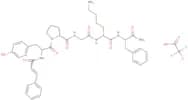
Pureza:Min. 95%Cor e Forma:PowderPeso molecular:1,821.18 g/moltrans-Cinnamoyl-Tyr-Pro-Gly-Lys-Phe-NH2
CAS:Trans-Cinnamoyl-Tyr-Pro-Gly-Lys-Phe-NH2 is a cardiac peptide that belongs to the class of PAR4 and PAR1 receptor agonists. It has been shown to be an endogenous agonist of both PAR4 and PAR1 receptors, which are involved in blood pressure regulation. Trans-Cinnamoyl-Tyr-Pro-Gly-Lys-Phe-NH2 has been shown to activate these receptors in vivo, leading to increased blood pressure. Additionally, it has been shown to have a cardioprotective effect by decreasing myocardial infarct size in rats.Fórmula:C40H49N7O7Pureza:Min. 95%Peso molecular:739.88 g/mol



















![Glucagon (1-29)-[Lys(AF647)]](/_next/image/?url=https%3A%2Fstatic.cymitquimica.com%2Fproducts%2F3D%2Fthumb-webp%2FCRB1101573.webp&w=3840&q=75)
![(Tos-GPR)2-[Rh110]](/_next/image/?url=https%3A%2Fstatic.cymitquimica.com%2Fproducts%2F3D%2Fthumb-webp%2FCRB1100251.webp&w=3840&q=75)
![Acetyl-Alpha-2-antiplasmin-[AF680]](/_next/image/?url=https%3A%2Fstatic.cymitquimica.com%2Fproducts%2F3D%2Fthumb-webp%2FCRB1110405.webp&w=3840&q=75)
![[5-FAM]-RPKPQQFFGLM-NH2](/_next/image/?url=https%3A%2Fstatic.cymitquimica.com%2Fproducts%2F3D%2Fthumb-webp%2FCRB1100555.webp&w=3840&q=75)


![GGG-[K(5-TAMRA)] C-terminal Sortagging](/_next/image/?url=https%3A%2Fstatic.cymitquimica.com%2Fproducts%2F3D%2Fthumb-webp%2FCRB1100651.webp&w=3840&q=75)

![SMAC/DIABLO-[Cys(AF647)]](/_next/image/?url=https%3A%2Fstatic.cymitquimica.com%2Fproducts%2F3D%2Fthumb-webp%2FCRB1110326.webp&w=3840&q=75)

![[5-FAM]-GLP-1](/_next/image/?url=https%3A%2Fstatic.cymitquimica.com%2Fproducts%2F3D%2Fthumb-webp%2FCRB1100880.webp&w=3840&q=75)

![C-terminal Sortagging-[Cys(AF680)] acid](/_next/image/?url=https%3A%2Fstatic.cymitquimica.com%2Fproducts%2F3D%2Fthumb-webp%2FCRB1101684.webp&w=3840&q=75)





![Histone H3 (1-20) K4Me3, K9Ac, pS10-GG-[Cys(AZ647)]](/_next/image/?url=https%3A%2Fstatic.cymitquimica.com%2Fproducts%2F3D%2Fthumb-webp%2FCRB1101681.webp&w=3840&q=75)

![Cathepsin G FRET substrate [5-FAM]/[6-TAMRA]](/_next/image/?url=https%3A%2Fstatic.cymitquimica.com%2Fproducts%2F3D%2Fthumb-webp%2FCRB1100420.webp&w=3840&q=75)