Peptídeos
Subcategorias de "Peptídeos"
Foram encontrados 29708 produtos de "Peptídeos"
Duck liver-derived peptide 2
Duck liver-derived peptide 2 is a novel bioactive peptide with high antioxidant activity. The antioxidant activity is attributed to forming hydrogen bonds between their amino acid residues and free radical molecules. Duck liver-derived peptide 2 increases the activities and mRNA expression levels of intracellular antioxidant enzymes (SOD, CAT, and GSH-Px) in HepG2 oxidative damage cell models. Duck liver-derived peptide 2 can reduce the content of malondialdehyde (MDA) and reactive oxygen species (ROS) accumulation, thereby inhibiting intracellular oxidative damage. Duck liver-derived peptide 2 has the following activity: renin inhibitor, ACE inhibitor, dipeptidyl peptidase IV inhibitor, and antioxidant. This peptide may be used in the research for food-derived bioactive peptides for modified-food development.Peso molecular:844.5 g/molELA Elabela/Toddler-32
Elabela/Toddler-32 (ELA-32) has been identified as a new endogenous ligand for the apelin G protein coupled receptor (GPCR). Apelin levels have been shown to be reduced in heart failure and pulmonary arterial hypertension (PAH). ELA-32 delivery could be used to supplement the deficit of apelin. It can be cleaved to shorter forms Elabela/Toddler-21, and Elabela/Toddler-11. Apelin and ELA-32 share almost no sequence homology which is unusual for receptor ligands, it suggests a future for apelin receptor biased agonist design.Exogenous administration of ELA-32 to rats has been shown to compensate for the downregulation of apelin seen in PAH. Further research into the potential of this peptide as an endogenous agonist reducing the severity of PAH could provide vital therapeutics in the future for cardiovascular disease.Cor e Forma:PowderPeso molecular:3,965.1 g/molH-ETIEIETQVPEK^-OH
Peptide H-ETIEIETQVPEK^-OH is a Research Peptide with significant interest within the field academic and medical research. This peptide is available for purchase at Cymit Quimica in multiple sizes and with a specification of your choice.
H-VASLR^-OH
Peptide H-VASLR^-OH is a Research Peptide with significant interest within the field academic and medical research. This peptide is available for purchase at Cymit Quimica in multiple sizes and with a specification of your choice.2-[[(2S)-2-[[2-[[2-[[(2S)-2-[[(2S)-2-[[(2S)-2-[[2-[[(2S)-2-[[(2S)-2-[[(2S)-2-[[(2S)-2-[[2-[[(2S)-2-[[(2S)-2-[[(2S)-2-[[(2S)-6-amino- 2-[[(2S)-2-[[(2S)-4-amino-2-[[(2S,3R)-2-[[(2S)-2,6-diaminohexanoyl]amino]-3-hydroxybutanoyl]amino]-4-oxobutanoyl]amino]-4-
CAS:Custom research peptide; min purity 95%. For different specs please use the Peptide Quote ToolFórmula:C80H138N26O24S2Peso molecular:1,912.3 g/molLCBiot-EDQVDPRLIDG-OH
Peptide LCBiot-EDQVDPRLIDG-OH is a Research Peptide with significant interest within the field academic and medical research. This peptide is available for purchase at Cymit Quimica in multiple sizes and with a specification of your choice.HXB2 gag NO-103
Custom research peptide; min purity 95%. For different specs please use the Peptide Quote Tool
Peso molecular:1,776.1 g/molClick R9F2
R9F2 is a specifically designed arginine-rich cell penetrating peptide (CPP) for delivery of antisense molecules (AMOs). Synthetic AMOs are used to interfere with translation and RNA synthesis however their delivery into leukocytes has been an issue. The creation of CPPs such as R9F2 has allowed a new more effective method of delivering AMOs for altering gene expression. The design of the arginine rich peptide with two phenylalanine to the C-terminus allowed better interaction with cell membrane and improved uptake of the cargo. R9F2 has been effectively tested on murine leukocytes to evaluate its efficacy at altering pre-mRNA splicing.R9F2 is provided here with a N-terminal alkyne attachment. Two of the most regularly encountered functional groups for click chemistry are azides and alkynes, and the azide-alkyne cycloaddition has become the most popular click reaction. The use of click chemistry with alkyne-R9F2 allows a wide variety of applications particularly for conjugation, modification, and peptide design.Cor e Forma:PowderPeso molecular:1,796.1 g/mol(Pyr 3)-Amyloid β-protein (3-42)
CAS:Please enquire for more information about (Pyr 3)-Amyloid β-protein (3-42) including the price, delivery time and more detailed product information at the technical inquiry form on this pageFórmula:C196H299N53O55SPureza:Min. 95%Cor e Forma:PowderPeso molecular:4,309.86 g/molHepcidin (baboon, cynomolgus, macaque, and gorilla)
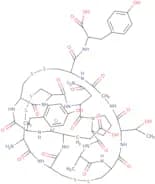
This product is of Hepcidin Baboon, Cynomolgus, Macaque, and Gorilla origin contains the disulfide bonds: Cys7- Cys23, Cys10- Cys13, Cys11- Cys19, and Cys14- Cys22. Hepcidin is a hormone that is produced by the liver in response to iron overload and regulates iron uptake in the gastrointestinal tract. Hepcidin binds to ferroportin, the protein that transports iron across the enterocyte cell membrane, and mediates internalization of ferroportin. Interestingly Hepcidin also displays antimicrobial activity as it reduces the amount the iron available to pathogens invading the body.Fórmula:C113H170N36O31S9Pureza:Min. 95%Peso molecular:2,817.41 g/molH-GLQAQGYGVR^-OH
Peptide H-GLQAQGYGVR^-OH is a Research Peptide with significant interest within the field academic and medical research. This peptide is available for purchase at Cymit Quimica in multiple sizes and with a specification of your choice.LL-13-37
LL-13-37 is an active fragment of the LL-37 peptide which has been shown to have anti-fungal properties against Candida albicans.LL-37 is a member of the large cationic family of anti-microbial peptides called cathelicidins which have broad-spectrum anti-microbial activity and are expressed in many species. The only cathelicidin found in humans is LL-37- this is produced in epithelial cells, by proteolytic cleavage from the C-terminal of the hCAP-18 protein. LL-37 can be processed into different forms of anti-microbial peptides. As well as its anti-microbial properties LL-37 also has anti-cancer properties and regulates many aspects of the innate immune system- overexpression of LL-37 has been linked to autoimmune diseases such as asthma and psoriasis.Peso molecular:3,043.57 g/molH-GLKEIFKAGLGSLVKGIAAHVAS-NH2
Peptide H-GLKEIFKAGLGSLVKGIAAHVAS-NH2 is a Research Peptide with significant interest within the field academic and medical research. This peptide is available for purchase at Cymit Quimica in multiple sizes and with a specification of your choice.
MHV EP™
Post-transmembrane region (PTM) from the envelope protein (E) of the coronavirus- Mouse Hepatitis Virus (MHV). This protein region is involved in direct membrane binding, with the C-terminal hydrophobic residues of this peptide, thought to be most relevant for membrane binding. After replication, coronaviruses (CoVs) assemble on intracellular membranes, the coronavirus envelope protein (E) is involved in virus assembly and release. E proteins have been located in the endoplasmic reticulum Golgi intermediate compartment (ERGIC) and Golgi of infected cells but are not thought to traffic to the cell surface of infected cells. CoV E is a small hydrophobic protein which is conserved between coronaviruses. E consist of a short hydrophilic amino terminal region, a hydrophobic transmembrane region and a carboxy-terminal region. CoV E protein is an integral membrane protein.E has been considered a therapeutic target for SARS-CoV-2.Peso molecular:1,781 g/molAminomethylated Polystyrene Resin • HCl (200-400 mesh) 1% DVB
Aminomethylated Polystyrene Resin • HCl (200-400 mesh) 1% DVB is a purified solid resin that has been chemically modified with amine groups. This product can be used as an inhibitor, activator, or ligand in research applications. Aminomethylated Polystyrene Resin • HCl (200-400 mesh) 1% DVB is also useful as a reagent for Protein interactions and Receptor binding studies. It is available in high purity and can be used as a research tool in Cell Biology and Pharmacology experiments.Pureza:Min. 95%H-Gly-Pro-Arg-Pro-OH
CAS:Produto ControladoH-Gly-Pro-Arg-Pro-OH is a sealant that has been shown to be effective in the treatment of bowel disease. It is a calcium binding compound that can be administered topically or systemically. H-Gly-Pro-Arg-Pro-OH has clinical relevance in vivo with human beings and exhibits ATP levels that are similar to those found in normal tissue. The surface glycoprotein of this compound has been shown to have an affinity for epidermal growth factor, which may play a role in inflammatory bowel disease. HGPAROH is activated by fibrinogen, which leads to its bound form being recognized by monoclonal antibody as well as the human serum proteins (e.g., albumin).Fórmula:C18H31N7O5Pureza:Min. 95%Peso molecular:425.48 g/molHistone H4 (1-21) R3Me1
Histone 4 (H4) is one of the four core histones (H2A, H2B, H3 and H4) which are fundamental in compacting eukaryotic DNA into the nucleosome. Due to the high lysine and arginine content, histones have a net positive charge and therefore electrostatically interact with negatively charged DNA. The nucleosome arises when 147 base pairs of DNA wrap around a H3-H4 tetramer and two H2A-H2B dimers, forming the histone octamer core. Like other core histones, H4 has a globular domain and a flexible N-terminal domain, the histone tail, which can undergo modifications such as acetylation, methylation, phosphorylation and ubiquitination.Gene transcriptional activation or inactivation is controlled by ATP-dependent chromatin remodelling factors and histone modifying enzymes. Both processes function to alter the positioning of the nucleosome, allowing the DNA within to be either accessible to the transcription machinery or inaccessible. H4's lysine rich tail plays a role in the higher order chromatin folding.Modifications allow histones to contribute to gene regulation, chromosome condensation and DNA repair. In yeast, methylation of R3 of Histone 4 results in the recruitment of histone acetyl transferase to the chromatin and the acetylation of Histone 4 K5.Peso molecular:2,105.3 g/molACTH (1-17) Human
Amino acids 1-17 of human adrenocorticotropic hormone (ACTH). ACTH, also known as corticotropin, is a tropic hormone produced and secreted by the anterior pituitary gland and member of the melanocortins peptide family. ACTH is cleaved from the precursor proopiomelanocortin (POMC). ACTH is an important component of the hypothalamic-pituitary-adrenal (HPA) axis and is often produced in response to biological stress. ACTH acts to increase the production and release of cortisol via its interaction with the ACTH receptor- ACTHR, also known as melanocortin type 2 receptor (MC2R). Receptor activation increases the intracellular concentration of cAMP via adenylyl cyclase.Abnormal ACTH levels in the body has been linked to primary adrenal insufficiency/Addison's disease, Cushing's disease and secondary adrenal insufficiency.Peso molecular:2,093.42 g/molHLA-B*15:01 Human pp65 KMQVIGDQY
Custom research peptide; min purity 95%. For different specs please use the Peptide Quote Tool
H-FVEGLPINDFSR^-OH
Peptide H-FVEGLPINDFSR^-OH is a Research Peptide with significant interest within the field academic and medical research. This peptide is available for purchase at Cymit Quimica in multiple sizes and with a specification of your choice.Cyclo(RGDfK)
The cyclic pentapeptide cyclo(Arg-Gly-Asp-[D-Phe]-Lys) is a highly potent and selective inhibitor for the alphavβ3 integrin receptor. A related compound, cyclo(Arg-Gly-Asp-[D-Phe]-Val), is a promising anticancer drug candidate- it inhibits angiogenesis and induces apoptosis in vascular cells.Cyclic RGD-containing peptides are selective antagonists of integrins, proteins that play important roles in cell-cell and cell-matrix interactions. In a suitably labelled form, these peptides may serve as useful tools for diagnostic imaging and peptide targeted therapy of some types of cancer.Cor e Forma:PowderPeso molecular:603.3 g/molFmoc-Ser(tBu)-Wang resin (200-400 mesh)
Fmoc-Ser(tBu)-Wang resin is a versatile building block that is used in the synthesis of complex compounds. It has a CAS number and is available as a fine chemical or reagent. Fmoc-Ser(tBu)-Wang resin is an intermediate for research chemicals, reaction components, and speciality chemicals. This material can be used as an important building block in the synthesis of many useful compounds and has high quality.Fórmula:C22H24NO4RPureza:Min. 95%Cor e Forma:PowderPeso molecular:366.43 g/molPro-BNP (47-76)
Pro B-type natriuretic peptide (Pro-BNP) is secreted from cardiac myocytes and cleaved into BNP and the remaining part of the prohormone N-terminal proBNP (NT-proBNP). When the heart fibres become stretched more BNP and NT-proBNP are released to try and compensate for the increased pressure. During heart failure the walls of the atria become over stretched and thus increase the levels of NT-proBNP detectable. NT-proBNP has a longer half-life than BNP and therefore is detectable at higher levels in blood plasma than BNP. NT-pro-BNP is believed to be cleared by renal excretion, but this is not confirmed. As a diagnostic tool, NT-proBNP (47-76) has become very useful in helping diagnose heart failure and provide a prognosis. The measurement of NT-proBNP (47-76) has been incorporated into management and guidelines of clinical settings. As a research tool it still provides valuable data such as symptoms onset in relation to NT-proBNP levels and how inflammation effects the level of BNP as well as the BNP/ NT-proBNP ratio.Peso molecular:3,463.9 g/molalpha-gliadin (58-73)
α-Gliadin (58-73) is derived from Gliadin peptides, the component of wheat involved in the gastrointestinal symptoms of wheat allergy and Celiac Disease (CD). During wheat allergies histamines and leukotrienes are secreted due to gliadin peptide sequences cross-linking two IgE molecules on mast cells and basophils.The glutamine and proline rich peptides of which Gliadin is composed of are resistant to proteolysis during digestion, leaving them active in the gastrointestinal tract. Subsequently these are deamidated by tissue transglutaminase and can bind to HLA-DQ2 or DQ8. As a result in patients with the autoimmune disease CD, there is a Th1-mediated inflammatory immune response against these gliadin peptides.Gliadin can exert additional effects on the intestinal microbiota and ileal barrier function. It has been found that gut microbiota members such as Bifidobacterium and lactobacillus have the ability to digest and inactivate gliadin peptides hence reducing their inflammatory effects in the gastrointestinal system.Cor e Forma:PowderPeso molecular:1,906 g/molα-MSH
Alpha-melanocyte stimulating hormone (alpha-MSH) is a melanocortin family neuropeptide which plays important roles in metabolic and immune homeostasis. It is formed from the cleavage of adrenocorticotropic hormone, the cleavage product of proopiomelanocortin hormone. alpha-MSH is expressed ubiquitously to varying degrees in a wide variety of cells including the hypothalamus, monocytes and retinal pigment epithelial cells. alpha-MSH is a non-selective agonist of melanocortin receptors.alpha-MSH is a suppresser of inflammation from both innate and adaptive immune pathways, it is involved in hair and skin pigmentation (through MC1 receptor activation), has reproductive functions, cardio protective functions and regulates food intake and energy metabolism. The N-terminal of the peptide is protected by an acetyl group.Cor e Forma:PowderPeso molecular:1,664.8 g/molH-Glu-Lys-OH
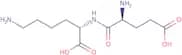
CAS:H-Glu-Lys-OH is an amino acid that has been used for structural analysis and as a pharmacological tool. This compound has been shown to be an agonist at the apical membrane of intestinal cells, where it stimulates the release of growth factors. H-Glu-Lys-OH has also been shown to have potent antagonist activity against the glutamate receptor in caco-2 cells. The reaction products of this amino acid are stabilizing for dna polymerase chain reactions.Fórmula:C11H21N3O5Pureza:Min. 95 Area-%Cor e Forma:PowderPeso molecular:275.3 g/molThyroglobulin (Tg-FSP)
Thyroglobulin (Tg) is a widely used biomarker of various differentiated thyroid cancer (DTC)- Tg is a substrate for thyroid hormone production. Detection and quantification of serum thyroglobulin levels remain challenging due to Tg's size, heterogeneity, and thyroglobulin autoantibodies (TgAb). Immunoassays offer the opportunity to tailor DTC treatments, but many patients are TgAb positive, excluding them from analysis during regression.Liquid chromatography-tandem mass spectrometry (LC-MS/MS) can overcome immunoassay issues by digestion of Tg to a tryptic peptide removing the interference from TgAbs. The addition of a doubly charged peptide precursor ion, FSP peptide, allows easy detection of Tg-FSP by an anti-FSP antibody that is reliable and quantifiable.Peso molecular:1,405.7 g/molH-AIHELIQVMAELSPAAK^-OH
Peptide H-AIHELIQVMAELSPAAK^-OH is a Research Peptide with significant interest within the field academic and medical research. This peptide is available for purchase at Cymit Quimica in multiple sizes and with a specification of your choice.
Linaclotide
CAS:Linaclotide is a peptide drug that has been shown to be effective in treating chronic constipation. It belongs to the class of pharmacological agents and is used as a treatment for bowel disease, specifically chronic idiopathic constipation. Linaclotide increases the frequency of bowel movements by acting on the ileum and colon. This drug has been shown to be safe for use in pregnant women and children, with no adverse effects observed at doses up to 100 mcg/kg/day. The most common side effect is diarrhea, which can be managed with dietary changes or other medications. Linaclotide has not been found to interact with other drugs, but patients should always consult their doctor before taking any new medication while on linaclotide.Fórmula:C59H79N15O21S6Pureza:Min. 95%Peso molecular:1,526.76 g/molDnp-FAQSIPK-AMC
Peptide Dnp-FAQSIPK-AMC is a Research Peptide with significant interest within the field academic and medical research. This peptide is available for purchase at Cymit Quimica in multiple sizes and with a specification of your choice.
Gag (18-26) [Human immunodeficiency virus type 1] acetyl/amide
CD8+ T-cell (cytotoxic T lymphocyte (CTL)) responses are important in the control of viral replication. Inducing a sustained HIV-1 specific CD8+ T-cell response is the target for vaccine development by using conserved HIV-1 epitopes. The HIV gag gene encodes p17 and p24. P17 Gag is a matrix protein that is vital to HIV life cycle, use of p17 Gag epitopes is a possibility for HIV therapies. P17 Gag targets viral RNA to the nucleus and Gag polyproteins to the cell membrane- p17 Gag accumulates in the extracellular space of tissue while interacting with receptors on various cell types to deregulate cell function.CTL recognition epitope of p17 Gag is identified as residues 77-85 to activate the immune response. Within Gag p17 is the conserved/persistently recognised epitope KIRLRPGGK (amino acids 18-26). This sequence has been used as an effective epitope in immunological assays to assess CTL response work has also shown patients targeting conserved or variable Gag epitopes including Gag p17 (18-26) effects the strength of CD8+ T-cell response and disease progression.Peso molecular:1,064.7 g/molTet-20
Tet-20, is a synthetic cathelicidin-derived peptide. It was tested as infection-resistant coating for medical devices. When tethered on an implant surface Tet-20 exhibited broad antimicrobial activities both in vivo and in vitro. It can stop biofilm formation and appears to be non-toxic to eukaryotic cell. Tet-20 antimicrobial peptide is often sued as a control peptide and has antifouling.Peso molecular:1,768.1 g/molAc-RGK-[AMC]
Substrate peptide for histone deacetylase (HDAC) enzymes for use in assaying HDAC activity. Histone deacetylases (HDACs) are a family of enzymes which are highly evolutionary conserved across all eukaryotes. HDACs modify histones by removing acetyl groups from the tail regions. Histone deacetylation is generally associated with reduced gene expression due to a more compact chromatin state less accessibility for transcription factors (TFs). HDACs are essential for many physiological processes including development and cellular homeostasis. They also play an important role in disease states, including neurodegenerative disorders, genetic diseases and cancers.This peptide is the fluorogenic substrate for assaying histone deacetylase (HDAC) activity in a two-step enzymatic reaction. The assay consists of the initial lysine deacetylation by HDAC followed by the release of the fluorescent group by trypsin. Fluorescence can be detected upon fluorophore release.Peso molecular:558.3 g/molDabcyl-AETFYVDG-Edans
Peptide Dabcyl-AETFYVDG-Edans is a Research Peptide with significant interest within the field academic and medical research. This peptide is available for purchase at Cymit Quimica in multiple sizes and with a specification of your choice.
Myelin proteolipid peptide
PLP(178-191) corresponds to amino acids 178 to 191 of the mouse ProteoLipid Protein (PLP).Peso molecular:1,582.7 g/molAc-Rpw-NH2
Peptide Ac-Rpw-NH2 is a Research Peptide with significant interest within the field academic and medical research. This peptide is available for purchase at Cymit Quimica in multiple sizes and with a specification of your choice.
H-SIINFEKL^-OH
CAS:Peptide H-SIINFEKL^-OH is a Research Peptide with significant interest within the field academic and medical research. This peptide is available for purchase at Cymit Quimica in multiple sizes and with a specification of your choice.Peso molecular:970 g/molH-YPLIQTLR^-OH
Peptide H-YPLIQTLR^-OH is a Research Peptide with significant interest within the field academic and medical research. This peptide is available for purchase at Cymit Quimica in multiple sizes and with a specification of your choice.
[Cy3B]-LifeAct (Abp140 1-17)
[Cy3B]-LifeAct (Abp140 1-17) contains the 17amino acid peptide Lifeact derived from amino acids 1-17 of the Saccharomyces cerevisiae actin binding protein, Abp140. These first 17 amino acids of Abp140 are crucial in allowing Lifeact to localise to actin filaments (F-actin) and therefore it can be used as a cytoskeletal marker. On application, lifeact can be used in the study of plant development and pathogen defence as filamentous actin within the plant actin cytoskeleton is important in key processes such as cell division, membrane trafficking and stomatal movements.The addition of the Cy-Dye fluorophore, Cy3B allows the location of the LifeAct (Abp140 1-17) to be detected. Cy3B is described as being conformationally locked meaning it is less likely to undergo photo-isomerization and one of its main applications is within DNA related studies.Cor e Forma:PowderPeso molecular:2,465.2 g/mol(2S)-2-[[(2S,3R)-2-[[(2S)-2-[[(2S)-2-[[(2S)-2-[[(2S)-1-[(2S)-2-[[(2S)-2-[[(2S)-2,4-diamino-4-oxobutanoyl]amino]-4-methylpentanoyl]am ino]-3-methylbutanoyl]pyrrolidine-2-carbonyl]amino]-4-methylsulfanylbutanoyl]amino]-3-methylbutanoyl]amino]propanoyl]amino
CAS:Custom research peptide; min purity 95%. For different specs please use the Peptide Quote ToolFórmula:C42H74N10O12SPeso molecular:943.18 g/molDynorphin A (1-17)
CAS:Custom research peptide; min purity 95%. For different specs please use the Peptide Quote ToolFórmula:C99H155N31O23Peso molecular:2,147.5 g/molCMV IE-1 (213-225)
CMV pp65 (415-429) (HLA-B7) is a CEF (cytomegalovirus, Epstein-Barr virus, and influenza virus) control peptide that is derived from the Cytomegalovirus (CMV). CMV is capable of infecting a wide range of human cell types, where the body's primary immune response to CMV is innate, and relies on inflammatory cytokines and costimulatory molecules in order to control the spread of the virus. CMV pp65 (415-429) (HLA-B7) is defined as a CEF control peptide due to its antigenic properties. Clinically, these peptides are suitable epitopes for CD8+ T cells and can be used to stimulate the release of IFNg. HLA-B7 refers to the cell HLA type that this peptide acts on.Peso molecular:1,516.8 g/molH-DLPMSPR^-OH
Peptide H-DLPMSPR^-OH is a Research Peptide with significant interest within the field academic and medical research. This peptide is available for purchase at Cymit Quimica in multiple sizes and with a specification of your choice.Temporin L
Temporin L is a highly potent anti-microbial peptide (AMP) active against both Gram-positive and Gram-negative bacteria. Temporins are a large family of short, linear, AMPs produced in the skin of frogs belonging to Rana species, but are also found in wasp venom. Temporin L was originally isolated from the frog Rana temporaria and has the highest anti-microbial potency among tested temporins, especially against Gram-negative bacteria.Temporin L increases bacterial inner membrane permeability in a dose-dependent manner without destroying cell integrity. At low peptide concentrations, the inner membrane becomes permeable to small molecules but this does not kill the bacteria. At high concentrations, larger molecules, but not DNA, leak out, resulting in cell death. Temporin L has a different mode of action to many AMPs as it does not lyse the cells but instead forms ghost-like bacteria shells.Cor e Forma:PowderPeso molecular:1,639 g/molH-FFEILSPVYR^-OH
Peptide H-FFEILSPVYR^-OH is a Research Peptide with significant interest within the field academic and medical research. This peptide is available for purchase at Cymit Quimica in multiple sizes and with a specification of your choice.H-DIYETDYYR^-OH
Peptide H-DIYETDYYR^-OH is a Research Peptide with significant interest within the field academic and medical research. This peptide is available for purchase at Cymit Quimica in multiple sizes and with a specification of your choice.Poly-L-Lysine Hydrobromide
CAS:Poly-L-Lysine Hydrobromide is a neurotrophic factor that is used to stimulate nerve growth in the peripheral nervous system. It has been shown to increase the production of nerve growth factor, which is important for neuronal development and regeneration. Poly-L-Lysine Hydrobromide also has biological properties against human erythrocytes, enabling it to bind to the erythrocyte membrane and subsequently cause hemolysis. This process is mediated by Toll-like receptors. The active form of this drug has been shown to have antiviral activity against HIV and other viruses in transfection experiments using cells from mice, as well as an ability to inhibit replication of herpes simplex virus type 1 (HSV-1) in a model system consisting of rat neurons grown on a polymer substrate. Poly-L-Lysine Hydrobromide can be cleaved into smaller pieces by enzymes such as DNase I or terminal transferases, forming polymers
Pureza:Min. 95%








![Gag (18-26) [Human immunodeficiency virus type 1] acetyl/amide](/_next/image/?url=https%3A%2Fstatic.cymitquimica.com%2Fproducts%2F3D%2Fthumb-webp%2FCRB1001214.webp&w=3840&q=75)
![Ac-RGK-[AMC]](/_next/image/?url=https%3A%2Fstatic.cymitquimica.com%2Fproducts%2F3D%2Fthumb-webp%2FCRB1101605.webp&w=3840&q=75)
![[Cy3B]-LifeAct (Abp140 1-17)](/_next/image/?url=https%3A%2Fstatic.cymitquimica.com%2Fproducts%2F3D%2Fthumb-webp%2FCRB1130929.webp&w=3840&q=75)