Peptídeos
Subcategorias de "Peptídeos"
Foram encontrados 29634 produtos de "Peptídeos"
CA-125 Heavy Tryptic Peptide Standard (4nmol)
Cancer antigen 125 (CA 125) heavy tryptic peptide standard for proteomics studies. CA 125 is an antigenic tumor marker which can be used to diagnose epithelial ovarian cancers. It is expressed by epithelial ovarian neoplasms and cells lining the fallopian tubes, endometrium, pericardium, peritoneum and pleura.Pureza:Min. 95%Anti Chromogranin A (359-389) (Rat) Serum
Anti Chromogranin A (359-389) (Rat) Serum is an inhibitor of the peptide hormone, chromogranin A. This antibody was raised in rat serum and can be used as a research tool to study the molecular mechanisms of chromogranin A. It is also used to detect the presence of chromogranin A in human tissues, which is associated with diseases such as lung cancer, breast cancer, and pancreatic cancer. Anti Chromogranin A (359-389) (Rat) Serum binds to the active site of the protein and inhibits its function.Pureza:Min. 95%IL 15 Human
IL-15 is a cytokine that belongs to the IL-2 family and is produced by activated T cells. IL-15 binds with high affinity to the IL-15 receptor, which then signals through the JAK/STAT pathway. IL-15 has been shown to activate NK cells and stimulate their production of IFNγ. In addition, IL-15 has been shown to cause activation of certain B cells, which leads to increased antibody production. This cytokine also stimulates proliferation of CD4+ and CD8+ T cells and induces differentiation into Th1 or cytotoxic T cell subsets.
Pureza:>97% By Sds-Page And Rp-Hplc.Anti VIP (Human, Porcine) Serum
Anti VIP (Human, Porcine) Serum is a research tool for the study of protein interactions. It inhibits the binding of VIP to its receptor. Anti VIP (Human, Porcine) Serum is an inhibitor and activator of ion channels. It has been shown to bind to a wide variety of receptors and ligands, including those involved in cell biology and pharmacology. This product is highly purified and can be used in life science research as well as antibody production.Pureza:Min. 95%Anti G-Protein: Galpha olf (23-38), Human Serum
Anti G-Protein: Galpha olf (23-38), humanSerum is a research tool that is used to study protein interactions. It can be used for the investigation of ion channels, cell biology, and pharmacology. The antibody reacts with the specific antigen for which it was raised. The antibody may be used in immunohistochemistry on tissue sections or in ELISA as a detection tool.
Pureza:Min. 95%[Sar1,Ala8]-Angiotensin II
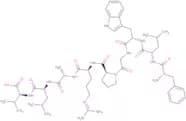
Sar1,Ala8]-Angiotensin II is a peptide that has been shown to bind to the angiotensin receptor and activate it. This peptide is a research tool for studying ion channels, ligand-receptor interactions, and protein interactions. The peptide can be used to study the pharmacology of the angiotensin receptor, as well as its role in cell biology and other biological processes. Sar1,Ala8]-Angiotensin II binds to the angiotensin receptor with high affinity, making it an excellent candidate for use in antibody production against this receptor.Fórmula:C43H67N13O10Pureza:Min. 95%Peso molecular:926.07 g/molTentaGel® Macrobead-COOH Resin
TentaGel; is a gelatinous resin, an important support for solid phase synthesis. TentaGel; resins are constructed with a backbone of low crosslinked polystyrene grafted with polyoxyethylene (polyethylene glycol) as shown below. The typical chain length of POE (n) is approximately 68 ethylene oxide units or an average MW of 3000. This long chain creates a spacer that effectively separates the reactive site (X) from the crosslinked backbone matrix. These resins are designed for single bead synthesis and single bead analysis (mean particle size 280-320 µm: capacity 02-03 meq/g) and substitutional functional group: -NH.Pureza:Min. 95%Nma-His-Pro-Lys(Dnp)
Nma-His-Pro-Lys(Dnp) is a synthetic peptide that can be used as a research tool to study the interactions of proteins in biological systems. It has been shown to inhibit the activity of ion channels and receptor proteins, and it specifically binds to an antibody. Nma-His-Pro-Lys(Dnp) is supplied at high purity and is suitable for use in pharmacological studies.Pureza:Min. 95%Azido-dPEG®4-TFP Ester
Azido-dPEG®4-TFP Ester is a PEG compound with two different functional groups (also known as heterobifunctional). Unlike homobifunctional PEG compounds (same functional group on both ends), this type of compounds are more versatile as have two different anchor points. Azido-dPEG®4-TFP Ester is used as a linker and spacer to add a PEG moiety, via pegylation (a bioconjugation technique) to proteins, peptides, oligonucleotides, small molecules and nanoparticles.
Pureza:Min. 95%Peso molecular:439.36 g/molm-dPEG®12-Acid
m-dPEG®12-Acid is a PEG compound with two different functional groups (also known as heterobifunctional). Unlike homobifunctional PEG compounds (same functional group on both ends), this type of compounds are more versatile as have two different anchor points. m-dPEG®12-Acid is used as a linker and spacer to add a PEG moiety, via pegylation (a bioconjugation technique) to proteins, peptides, oligonucleotides, small molecules and nanoparticles.Pureza:Min. 95%Insulin I (Rat, Mouse)
CAS:Insulin is a peptide hormone that regulates blood glucose levels and promotes the uptake of glucose by cells. Insulin is produced in the pancreas and consists of 51 amino acids. It has a molecular weight of 5808 Da and consists of two chains, A (21-amino acid) and B (30-amino acid). The A chain is primarily responsible for insulin's activity, while the B chain improves its stability. Insulin binds to receptors on the cell surface, which activates an intracellular signaling cascade that subsequently leads to changes in gene expression. Insulin has been widely used as a research tool to study protein interactions, ligand binding, receptor activation, ion channel modulation, antibody production, and other cellular processes. Insulin I (Rat) is isolated from rat pancreas using a purification process that yields high purity insulin with minimal contaminating proteins or peptides. This product can be used in life science research applications such as pharmacology studies and antibody production. This product has the three letter code: A-chain: Gly-Ile-Val-Asp-Gln-Cys-Cys-Thr-Ser-Ile-Cys-Ser-Leu-Tyr-Gln-Leu-Glu-Asn-Tyr-Cys-Asn ; B-chain: Phe-Val-Lys-Gln-His-Leu-Cys-Gly-Pro-His-Leu-Val-Glu-Ala-Leu-Tyr-Leu-Val-Cys-Gly-Glu-Arg-Gly-Phe-Phe-Tyr-Thr-Pro-Lys-Ser has the disulfide Bonds: CysA6-CysA11, CysA7-CysB7, and CysA20-CysB19 and is available as a 50µg vial.Fórmula:C259H387N65O75S6Pureza:Min. 95%Peso molecular:5,803.6 g/molGlucagon-HS ELISA (Kit) (1ea)
The Glucagon-HS ELISA (Kit) is a sandwich ELISA for the quantitative measurement of human glucagon in serum. The kit contains an antibody specific to human glucagon, and a detection antibody that has been pre-coated onto the wells of the microtiter plate. Standards are provided in order to generate a standard curve. A sample is added to each well and any human glucagon present will bind to the antibody. After incubation and washing, a substrate solution is added which will react with the bound human glucagon, resulting in a color change proportional to the amount of human glucagon present in the sample. The color change is measured by absorbance at 450 nm and compared against known concentrations of human glucagon on a standard curve. br>br> The Glucagon-HS ELISA (Kit) provides an accurate means for measuring serum levels of human glucagon in clinical, research, or veterinary settings. It can be used as a diagnostic aidPureza:Min. 95%DOTA-tris(Acid)-Amido-dPEG®23-Maleimide
DOTA-tris(Acid)-Amido-dPEG®23-Maleimide is a PEG compound with two different functional groups (also known as heterobifunctional). Unlike homobifunctional PEG compounds (same functional group on both ends), this type of compounds are more versatile as have two different anchor points. DOTA-tris(Acid)-Amido-dPEG®23-Maleimide is used as a linker and spacer to add a PEG moiety, via pegylation (a bioconjugation technique) to proteins, peptides, oligonucleotides, small molecules and nanoparticles.Pureza:Min. 95%Peso molecular:1,838.88 g/molTTR MS Calibrator (1ea)
TTR MS Calibrator is a research tool that is used to calibrate the mass spectrometer for TTR peptide analysis. It has an excellent purity and is provided as a lyophilized powder. This calibrator contains high-quality TTR peptides with a low level of impurities. The product can be used for pharmacological or proteomic studies, as well as other research applications.Pureza:Min. 95%MAGE-3 Antigen (271-279) (human) trifluoroacetate salt
CAS:ALPHA FACTOR SIGNALING PEPTIDEFórmula:C53H79N13O10Pureza:Min. 95%Peso molecular:1,058.28 g/molUb4ix
The ability to modify ubiquitin chains would be a useful research tool for understanding ubiquitin signalling in health and disease. The initial step in ubiquitin signalling is attachment of a ubiquitin molecule to a lysine residue, further ubiquitins can then be added to the initial monomer creating a chain. The chain length and location can affect the fate of the protein. The most well studied are lysine 48 (K48) linked ubiquitin chains. K48 polyubiquitin chains are recognised by deubiquitinating enzymes (DUBS) and targeted for proteasomal degradation. Macrocyclic peptides are being explored as ubiquitin ligands to better understand ubiquitin signalling.Ub4ix is a macrocyclic peptide that selectively binds to lysine48-linked ubiquitin dimer (K48-Ub2), with much higher affinity than linear counterparts. Importantly, binding of ub4ix to K48-Ub2 prevents recognition by DUBS thus inhibiting protein targeting for proteosomal degradation. This has been shown to promote apoptosis in cancer cells. Therefore, molecules like ub4ix could be a valuable tool in understanding ubiquitin signalling as well as lead to future disease treatments. Potentially, the ubiquitin system in could be a target for cancer therapy to alter the polyubiquitin recognition by interacting proteins, further work with ubi4x could provide vital steps along this path.Peso molecular:1,766.7 g/molMagainin I
Magainins, also known as PGS (peptide glycine serine) are anti-microbial peptides originally isolated from the skin of the African clawed frog Xenopus laevis, they belong to a large family of amphibian amphipathic alpha-helical cationic anti-microbial peptides (CAMPs). Magainin I is active against a wide spectrum of pathogens including Gram-positive and Gram-negative bacteria, fungi and protozoa and has anti-viral properties against HIV and herpes simplex virus. Magainins also displays anti-tumour activities and are known to facilitate wound closure and to reduce inflammation.Magainin peptides act by first binding to and then causing eventual collapse of the membrane. Magainins, carry several positive charges, and interact best with membranes with a negative surface charge, such as bacteria or tumour cells. However they are non-toxic to healthy eukaryotic cells which are charge-neutral at their outer membrane. The physical mode of action of these peptides reduces the ability of target organisms to develop resistance to them, suggesting good therapeutic potential.Cor e Forma:PowderPeso molecular:2,321.3 g/molCRAMP (6-39)
Amino acids 6-39 of the cathelicidin-related anti-microbial peptide (CRAMP), the mouse homologue of the human LL-37 anti-microbial peptide.CRAMP possesses potent anti-bacterial activity against Gram-positive and Gram-negative bacterial strains with no haemolytic activity. As well as displaying direct anti-microbial activity, CRAMP also binds to lipopolysaccharide (LPS) to neutralise its activity.CRAMP is a cationic peptide, encoded for by the Camp gene and is highly expressed in bone marrow. Its expression is up-regulated by infectious and inflammatory signals and it is secreted by cells such as neutrophils-epithelial cells-and macrophages.Peso molecular:3,878.61 g/mol[Cys(AF647)]-Jak2/3 substrate
This peptide is phosphorylated by Janus kinase 2 and 3 (JAK2 and JAK3) and is an ideal substrate for use in kinase assays. The JAK family of kinases is essential for the signalling of a host of immune modulators in tumour, stromal, and immune cells where they are highly expressed. JAK family proteins mediate the signalling of the interferon (IFN), IL-6, and IL-2 families of cytokines.JAK kinases are associated with cytokine receptors. Cytokine binding to these receptors results in activation of JAK kinases and receptor phosphorylation. Phosphorylated cytokine receptors recruit STAT proteins, which are then phosphorylated by the activated JAK kinases. Phosphorylated STAT proteins form homo- and hetero-dimers that translocate into the nucleus and function as transcription factors.This peptide contains an N-terminal Alexa Fluor 647 florescent dye. A cysteine residue has been added to the N-terminus for conjugation of the dye via the cysteine thiol moiety. AF647 is a bright, far-red-fluorescent dye with excitation between 594 nm and 633 nm, and is pH-insensitive over a wide molar range.Ser3-n-octanoyl Ghrelin-[Cys(AF647)] Human
Ghrelin is involved in several physiological processes, including feeding and lipid accumulation, stress response- anxiety- cardiac performance- immunity and inflammation- taste sensation, reward-seeking behaviour, regulation of glucose metabolism and thermogenesis, memory, motivation and learning.Ghrelin is a peptide hormone that typically has a serine at the third residue and relies on modification with a fatty acid to give ghrelin its functional activity. In its modified form, ghrelin is an endogenous ligand for the pituitary gland's growth hormone receptor (GHS-R) and stimulates growth hormone release.Ghrelin acts on the hypothalamic arcuate nucleus as an orexigenic agent to stimulate appetite. Ghrelin is produced in the stomach as a precursor peptide preproghrelin, cleaved to ghrelin. Ghrelin circulates in the blood and can cross the blood-brain barrier. Levels of ghrelin respond to fasting conditions and allow signals about the energy status to be transmitted from the peripheral organs to the central nervous system to maintain energy homeostasis.Ghrelin is a valuable target for treating conditions such as anorexia, cachexia, sarcopenia, cardiopathy, neurodegenerative disorders, renal and pulmonary disease, gastrointestinal disorders, inflammatory disorders and metabolic syndrome.Ser3-n-octanoyl ghrelin has a C-terminal AF647, a structural analog to Alexa Fluor 647, a widely used far-red fluorescent dye. Its excitation is ideally suited to 594nm or 633nm. This dye is suited for low abundance targets as it has high initial brightness and a high photostability allowing detection of low abundance peptides.Peso molecular:4,450.9 g/molHistone H3-GGC-amide
Histone protein H3 is a core component of the nucleosome, functioning in DNA compaction and availability to transcription machinery. Histones thereby play a central role in transcription regulation, DNA repair, DNA replication and chromosomal stability. DNA accessibility is regulated via a complex set of post-translational modifications of histones, also called histone code, and nucleosome remodelling. Similar to the other core histone, H3 has a globular domain and a flexible N-terminal domain, &-ldquo-histone tail&-rdquo- which can undergo modifications such as acetylation, methylation, phosphorylation and ubiquitination. There is a wealth of data recording these modifications but understanding their significance is not as clear. The first 20 residues (1-20) of H3 N terminal domain are provided here. This sequence has already been used to investigate H3 phosphorylation and methylation events in the cell cycle.A glycine linker is C-terminally attached as a highly flexibly linker to allow the best pharmacokinetic profiling of the fused domain such as expression, localisation, or activity data. Provision of this H3 sequence with a glycine linker may allow further understanding of histone regulation.
Peso molecular:2,398.3 g/molTau (195-209) Light
Amino acids 195-209 of tubulin-associated unit (tau). This region represents a tau tryptic peptide and is part of the core of the tau protein. Tau is a phosphoprotein involved in microtubule (MT) assembly and stability as well as brain development. Tau is phosphorylated at multiple sites by several protein kinases, including cyclic-AMP-dependent protein kinases and casein kinase type-1. Tau phosphorylation causes tau to change shape, negatively regulating its ability to stimulate MT assembly. Tau is also glycosylated, and-O-glycosylation may have a role in its subcellular localisation and degradation.Malfunctioning tau protein contributes to the structural core of the paired helical filaments (PHFs), which make up neurofibrillary tangles (NFTs). NFTs are often observed in neurodegenerative disorders, such as Alzheimer disease and other tauopathies. Tau is expressed from a single gene and is alternatively spliced to yield six different isoforms in the adult central nervous system (CNS).Peso molecular:1,392.6 g/molSMRT peptide-(Cys[AF633])
SMRT peptide (amino acids 1414-1430 corresponding to the SMRT BCL6 binding domain.Peso molecular:1,534.9 g/molNucleolar Protein 3, human, recombinant
Nucleolar Protein 3 (NOP3) is a human protein that belongs to the nucleolar-enriched phosphoproteins. NOP3 is an activator of RNA polymerase II and is involved in the regulation of ribosomal RNA transcription. The ligand for NOP3 has been identified as a peptide corresponding to the C-terminal domain of the protein. NOP3 also interacts with Ion channels and may be involved in the regulation of ion channel activity, including voltage-gated potassium channels.Pureza:Min. 95%RFamide-Related Peptide-1, human
RFamide-Related Peptide-1, human is a protein that belongs to the family of G-protein coupled receptors. It is activated by RFamide-related peptides and has been shown to be involved in the regulation of ion channels, such as potassium channels. The activation of these channels leads to the inhibition of neuronal excitation and can affect many other biological functions, such as cell proliferation or differentiation. RFamide-Related Peptide-1, human has been used as a pharmacological research tool for studying its ligand binding properties and protein interactions.Fórmula:C195H304N52O51S2Pureza:Min. 95%Peso molecular:4,256.9 g/molBig Endothelin-1 (Human, 22-38) Antiserum
Big endothelin-1 (ET-1) is a peptide with a molecular weight of 37.7 kDa that belongs to the class of endothelin peptides. ET-1 is an activator of ion channels and has been implicated in many physiological and pathological processes, including vasoconstriction, angiogenesis, cellular proliferation, and inflammation. The antibody reacts with human ET-1 with a high degree of specificity. It has been used as an immunological reagent for Western blotting and immunoprecipitation experiments.Pureza:Min. 95%D-Amino Acid Oxidase, human, recombinant
D-Amino Acid Oxidase is an enzyme that catalyzes the conversion of D-amino acid to alpha keto acid and ammonia. It is also known as DAAO or DAO.
Pureza:Min. 95%Flt3 Ligand Mouse
Flt3 ligand is a peptide that functions as an inhibitor of the receptor tyrosine kinase, Flt3. It is used in cell biology research to study protein interactions and receptor signaling pathways. Flt3 ligand binds to the extracellular domain of Flt3 and can activate the receptor by binding to it. This activation leads to phosphorylation of a number of proteins that regulate cellular processes such as ion channels, transcription factors, and other protein kinases.Pureza:Min. 95%Uroguanylin (Rat)
Uroguanylin is a peptide that activates the guanylate cyclase receptor. It is composed of 8 amino acids and has a molecular weight of 1036.5 Da. Uroguanylin is an agonist for the GUCY1A2 receptor, which is responsible for mediating the release of urinary and gastrointestinal hormones such as vasopressin, renin, and gastrin. Uroguanylin binds to one or more other receptors in the kidney or intestine. It can be used as a research tool in cell biology and biochemistry to study ion channels and ligands.br>br> br>br> Uroguanylin is also known by its CAS number 71405-27-8.BR>BR>Fórmula:C60H96N16O25S4Pureza:Min. 95%Peso molecular:1,569.8 g/molAcid-dPEG®9-NHS Ester
Acid-dPEG®9-NHS Ester is a PEG compound with two different functional groups (also known as heterobifunctional). Unlike homobifunctional PEG compounds (same functional group on both ends), this type of compounds are more versatile as have two different anchor points. Acid-dPEG®9-NHS Ester is used as a linker and spacer to add a PEG moiety, via pegylation (a bioconjugation technique) to proteins, peptides, oligonucleotides, small molecules and nanoparticles.Fórmula:C26H45NO15Pureza:Min. 95%Peso molecular:611.64 g/molAnti PACAP (1-15), Human Serum
Anti PACAP (1-15) is a peptide that belongs to the class of activators. It has been shown to activate ion channels, increase intracellular calcium levels, and inhibit ligand-induced receptor desensitization. Anti PACAP (1-15) has also been shown to bind to a number of receptors with high affinity, including the corticotropin-releasing hormone receptor type 2 (CRHR2). This peptide is used as a research tool in cell biology and pharmacology studies.Pureza:Min. 95%Anti Preprorenin (288-317) (Human) Serum (1ea)
This peptide is a specific inhibitor of human preprorenin, which is the precursor of renin. The peptide has been shown to inhibit the activation of renin with high specificity and potency.Pureza:Min. 95%Elafin, Human Antiserum
Elafin is a peptide that is secreted by human neutrophils. It has been shown to inhibit the activity of ion channels and play a role in the regulation of cell proliferation and differentiation. Elafin also interacts with receptors and ligands, which are molecules that bind to other molecules. It is also used as a research tool for studying protein interactions in cell biology. Elafin has been shown to have an anti-inflammatory effect on cells, which may be due to inhibition of the production of prostaglandins.Pureza:Min. 95%Anti TGF-Alpha, Human Serum
Anti TGF-Alpha, humanSerum is a recombinant antibody that specifically binds to the ligand of the Transforming Growth Factor-alpha receptor. It is used as a research tool for protein interactions, pharmacology and cell biology.Fórmula:C33H52N8O7Pureza:Min. 95%Peso molecular:672.82 g/molMALEIMIDE-ACTIVATED BSA (Bovine Serum Albumin)
Maleimide-activated BSA (BSA-M) is a maleimide-activated form of Bovine Serum Albumin (BSA). It is a peptide that can be used for immunization, as well as in biochemistry experiments. BSA-M has been shown to stimulate antibody production and can be used in the development of new vaccines.
Pureza:Min. 95%H-Trp-2-ClTrt-Resin (200-400 mesh) 1% DVB
H-Trp-2-ClTrt-Resin is a resin that has been used for the synthesis of peptides. It can be used as a building block for peptides, or as a building block in the synthesis of other compounds. H-Trp-2-ClTrt-Resin is available in two mesh sizes: 200 mesh and 400 mesh. The resin is soluble in ethyl acetate and alcohols, but insoluble in water.Pureza:Min. 95%Big Gastrin, human
CAS:Big Gastrin, is a hormone which exerts its effects through activating the G-protein coupled receptor CCK2R and plays a role in gastric acid secretion. Big Gastrin can be used in research applications such as pharmacology and cell biology. This product is also a potential growth factor in some cancer tumors, including prostate cancer. It is available as an ammonium salt and as a 0.1mg vial.Fórmula:C176H251N43O53SPureza:Min. 95%Peso molecular:3,849.2 g/molDOTA-tris(Acid)-Amido-dPEG®11-Maleimide
DOTA-tris(Acid)-Amido-dPEG®11-Maleimide is a PEG compound with two different functional groups (also known as heterobifunctional). Unlike homobifunctional PEG compounds (same functional group on both ends), this type of compounds are more versatile as have two different anchor points. DOTA-tris(Acid)-Amido-dPEG®11-Maleimide is used as a linker and spacer to add a PEG moiety, via pegylation (a bioconjugation technique) to proteins, peptides, oligonucleotides, small molecules and nanoparticles.
Pureza:Min. 95%Peso molecular:1,310.24 g/molDns-Glu(Cys-Gly)
Dns-Glu(Cys-Gly) is a peptide that is reactive and can be used as a biochemical. It has been shown to have both reactive metabolites and biologically active peptides.
Fórmula:C22H28N4O8S2Pureza:Min. 95%Peso molecular:540.61 g/molInsulin-ELISA Kit (1ea)
The ELISA (enzyme-linked immunosorbent assay) is a powerful and sensitive technique to detect and quantify antigens of interest in biological samples. The Insulin ELISA kit from Specialty Products and Technologies contains the reagents necessary for in vitro measurement of human insulin in serum, plasma, or urine. This kit utilizes a monoclonal antibody specific for human insulin as the detection antibody. The Insulin ELISA Kit is designed to measure human insulin concentrations in range 0.5-25 ng/mL with an accuracy of ±15%.Pureza:Min. 95%Matrix Metalloproteinase-1 , human, recombinant
Matrix Metalloproteinase-1 is a recombinant human protein that is used as a research tool to study the function of matrix metalloproteinases. It has been shown to bind to peptides and activate them, which may lead to new insights into their function. Matrix Metalloproteinase-1 also binds to ion channels and ligands, which may be useful for understanding the role of these molecules in diseases such as cancer.Pureza:Min. 95%Leptin (Rat)-HS ELISA Kit (1ea)
The leptin (RAT)-HS ELISA Kit is a sandwich enzyme-linked immunosorbent assay kit for the quantitative measurement of rat leptin in serum or plasma. Rat leptin is a protein hormone that regulates body weight, food intake, and energy expenditure. Leptin is synthesized and secreted by adipose tissue in proportion to fat mass. The human form of this hormone is called human leptin.
Pureza:Min. 95%Anti PACAP38, Human Serum
Anti PACAP38, humanSerum is a research tool that can be used to study the role of PACAP in various biological processes. The antibody is generated against human PACAP38 and has been shown to inhibit the activity of this peptide. The antibody also binds to the receptor for this peptide, which is a G protein-coupled receptor. This antibody can be used as an inhibitor of PACAP and its receptor in various cell types.Pureza:Min. 95%TentaGel® Macrobead PHB Resin
TentaGel Macrobead PHB Resin is a polymer resin which is used for the synthesis of peptides. The resin can be used as a building block in peptide synthesis, as well as being mixed with other resins for use in other applications. TentaGel Macrobead PHB Resin is supplied in particles that are made up of polystyrene beads and hydroxypropyl-b-cyclodextrin (PHB) groups. The PHB groups are designed to bind to peptides during the synthesis process, while the polystyrene bead provide a support matrix. This product is primarily used by researchers who are interested in using it for the study of protein structure and function.Pureza:Min. 95%m-dPEG®12-Propionaldehyde
m-dPEG®12-Propionaldehyde is a PEG compound with two different functional groups (also known as heterobifunctional). Unlike homobifunctional PEG compounds (same functional group on both ends), this type of compounds are more versatile as have two different anchor points. m-dPEG®12-Propionaldehyde is used as a linker and spacer to add a PEG moiety, via pegylation (a bioconjugation technique) to proteins, peptides, oligonucleotides, small molecules and nanoparticles.Fórmula:C374H726N18O178Pureza:Min. 95%Peso molecular:8,323.87 g/molAnti Galanin (9-30), Human Serum
Anti Galanin (9-30), humanSerum is a peptide that inhibits the activity of galanin, which is a neuropeptide. It has been shown to have an effect on ion channels and receptors in the central nervous system. Anti Galanin (9-30), humanSerum binds to the receptor for galanin and blocks the binding of galanin molecules to these receptors, preventing activation of these cells. Anti Galanin (9-30), humanSerum is used as a research tool for studying protein interactions and as a pharmacological inhibitor for studying ion channels and receptors in the central nervous system.
Pureza:Min. 95%H-Gln-2-ClTrt-Resin (200-400 mesh) 1% DVB
H-Gln-2-ClTrt-Resin is a resin that consists of polystyrene crosslinked with divinylbenzene. It is used in peptide synthesis to provide amino acids and building blocks for the synthesis of peptides and proteins. This resin can be used as a component in the production of amines, alcohols, thiols, and other organic compounds. The crosslinking agent in this resin is divinylbenzene (DVB).
Pureza:Min. 95%Eledoisin Related Peptide
Eledoisin-related peptide is a research tool that can be used to study the activation of G protein-coupled receptors. It is a ligand and an activator of the human beta-adrenergic receptor. Eledoisin-related peptide binds to the beta2-adrenergic receptor with high affinity, but does not activate the receptor. Instead, it inhibits the binding of other ligands such as epinephrine and norepinephrine to their respective receptors. Eledoisin-related peptide has been shown to inhibit ion channels in cell biology studies. This peptide has also been shown to bind to antibodies and interact with proteins in pharmacological studies.Fórmula:C34H58N8O6S•2CH3COOH•3H2OPureza:Min. 95%Peso molecular:881.09 g/molBromoacetamido-dPEG®4 -TFP Ester
Bromoacetamido-dPEG®4 -TFP Ester is a PEG compound with two different functional groups (also known as heterobifunctional). Unlike homobifunctional PEG compounds (same functional group on both ends), this type of compounds are more versatile as have two different anchor points. Bromoacetamido-dPEG®4 -TFP Ester is used as a linker and spacer to add a PEG moiety, via pegylation (a bioconjugation technique) to proteins, peptides, oligonucleotides, small molecules and nanoparticles.Pureza:Min. 95%Peso molecular:534.29 g/mol


![[Sar1,Ala8]-Angiotensin II](/_next/image/?url=https%3A%2Fstatic.cymitquimica.com%2Fproducts%2F3D%2Fthumb-webp%2FPAN-4035-V.webp&w=3840&q=75)










![[Cys(AF647)]-Jak2/3 substrate](/_next/image/?url=https%3A%2Fstatic.cymitquimica.com%2Fproducts%2F3D%2Fthumb-webp%2FCRB1110313.webp&w=3840&q=75)
![Ser3-n-octanoyl Ghrelin-[Cys(AF647)] Human](/_next/image/?url=https%3A%2Fstatic.cymitquimica.com%2Fproducts%2F3D%2Fthumb-webp%2FCRB1110383.webp&w=3840&q=75)


![SMRT peptide-(Cys[AF633])](/_next/image/?url=https%3A%2Fstatic.cymitquimica.com%2Fproducts%2F3D%2Fthumb-webp%2FCRB1110421.webp&w=3840&q=75)