Peptídeos
Subcategorias de "Peptídeos"
Foram encontrados 29793 produtos de "Peptídeos"
Apolipoprotein A1 Light Tryptic Peptide Standard (4nmol)
Apolipoprotein A1 light tryptic peptide standard for protein identification and quantitation studies. Apolipoprotein A1 is a structural component of high density lipoprotein (HDL) and is involved in cellular cholesterol homeostasis and reverse cholesterol transport.Pureza:Min. 95%Cyclin-Dependent Kinase Inhibitor 2A, human, recombinant
Cyclin-Dependent Kinase Inhibitor 2A (CDK2A) is a cyclin-dependent kinase inhibitor that inhibits the activity of cyclin-dependent kinases. CDK2A is a protein that belongs to the family of cyclin-dependent kinase inhibitors. It inhibits the activity of various cyclin-dependent kinases and prevents cell growth by suppressing protein synthesis. CDK2A is expressed in many human tissues, including erythrocytes, brain, heart, lung, muscle, pancreas, spleen, and testis. Cyclin-Dependent Kinase Inhibitor 2A can be used as an anti-cancer agent due to its ability to inhibit tumor proliferation.Pureza:Min. 95%Apolipoprotein B Light Tryptic Peptide Standard (4nmol)
An Apolipoprotein B light tryptic peptide standard for use in protein identification and quantitation studies. Apolipoprotein B is responsibly for carrying lipids such as low density lipoprotein (LDL), chylomicrons, intermediate-density lipoprotein, very low-density lipoprotein and lipoprotein (a).Pureza:Min. 95%8-Oxoguanine DNA Glycosylase, human, recombinant
8-Oxoguanine DNA glycosylase is a glycosylase enzyme that repairs the 8-oxoG DNA base. It has been purified from human and Escherichia coli cells and recombinantly produced in E. coli. The enzyme has a molecular mass of about 42 kDa and is composed of two polypeptide chains with an apparent molecular weight of 17 kDa each. 8-Oxoguanine DNA glycosylase has been shown to have a broad substrate range, including both oxidized and reduced forms of 8-oxoG, as well as other oxidized purine bases such as 7,8-dihydrothymine (8-hydroxyguanine) and 5,6-dihydrothymine (5,6-dihydroxyguanine). The enzyme catalyzes the removal of the damaged base from the DNA backbone without any concomitant chemical changes in the sugar or phosphate groupsPureza:Min. 95%NHS-dPEG®4 Biotinidase-Resistant Biotin
CAS:NHS-dPEG®4 Biotinidase-Resistant Biotin is a PEG compound with two different functional groups (also known as heterobifunctional). Unlike homobifunctional PEG compounds (same functional group on both ends), this type of compounds are more versatile as have two different anchor points. NHS-dPEG®4 Biotinidase-Resistant Biotin is used as a linker and spacer to add a PEG moiety, via pegylation (a bioconjugation technique) to proteins, peptides, oligonucleotides, small molecules and nanoparticles.Pureza:Min. 95%Peso molecular:673.78 g/molPenta-O-glycosylated IgA1 Hinge Region Peptide
GalNAc modified hinge region peptide. Supplied as the TFA salt.Soluble in water, 0.1mM.Fórmula:C121H193N25O53Peso molecular:2,845.96 g/molTripartite Motif Containing 21 (RO52), human, recombinant
The Tripartite Motif Containing 21 protein (TRIM21) is a human recombinant that is expressed in E. coli. TRIM21 is a glycosylated polypeptide chain, which has been shown to interact with the HIV-1 Vpu protein. TRIM21 binds to the HIV-1 Vpu protein and prevents it from interacting with the CD4 molecule on T cells, thereby inhibiting viral replication. TRIM21 also has been shown to be involved in the regulation of mRNA stability and translation by binding to polyribosomes and preventing ribosomal translocation.Pureza:Min. 95%L-Cysteinyl-L-lysine trifluoroacetate
CAS:Please enquire for more information about L-Cysteinyl-L-lysine trifluoroacetate including the price, delivery time and more detailed product information at the technical inquiry form on this pageFórmula:C9H19N3O3S•(C2HF3O2)xPureza:Min. 95%PLEKHB2 Blocking Peptide
A synthetic peptide for use as a blocking control in assays to test for specificity of PLEKHB2 antibody, catalog no. 70R-4316Pureza:Min. 95%GHRP 4 TFA
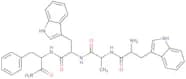
CAS:GHRP 4 TFA is a synthetic hexapeptide, which is derived from non-natural amino acids, with a primary function of stimulating the secretion of growth hormone (GH). The source of this peptide is chemical synthesis, using solid-phase peptide synthesis techniques that allow precise chain assembly. The mode of action of GHRP 4 involves binding to growth hormone secretagogue receptors (GHS-R) located in the pituitary gland and hypothalamus. This interaction triggers the release of endogenous growth hormone by mimicking the action of ghrelin, a natural endogenous ligand.In scientific research, GHRP 4 TFA is utilized to explore the physiological and cellular pathways involved in GH release and its systemic effects. Applications include studying metabolic regulation, muscle growth, and cellular proliferation. Additionally, its role in aging and age-related disorders makes it a valuable tool in gerontological studies. The peptide's ability to modulate endocrine responses is of interest for developing therapeutic approaches in GH deficiency and other metabolic disorders. However, research into its full biological effects and potential clinical applications is ongoing, emphasizing its utility in experimental and preclinical settings.Fórmula:C34H37N7O4Pureza:Min. 95%Peso molecular:607.7 g/molH-GPDC-OH
GPCD peptide; synthetic substrate that mimics the DPP-IV (dipeptidyl peptidase IV) natural substrate. 95%, TFA salt.Fmoc-TOAC-OH
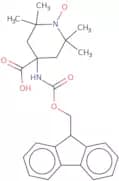
CAS:Fmoc-2,2,6,6-tetramethylpiperidine-N-oxyl-4-amino-4-carboxylic acid (FMOC) is a highly reactive nitroxide that reacts with oxygen to form superoxide radicals. FMOC has been used to study the effects of radiation on proteins and peptides. It can be synthesized by reacting an amino acid with the reagent N-(3-(dimethylamino)propyl)-N'-methylcarbodiimide hydrochloride (EDC). The product then reacts with 4-(2,2,6,6,-tetramethylpyridinium) perchlorate in acetonitrile to create a fluorescent compound. When FMOC is labeled with a heavy metal such as gadolinium or manganese it becomes paramagnetic and can be detected using magnetic resonance imaging (MRI). FMOC also binds to the sarcoplasmic reticulumFórmula:C25H29N2O5Pureza:Min. 95%Peso molecular:437.51 g/molMPND Blocking Peptide
A synthetic peptide for use as a blocking control in assays to test for specificity of MPND antibody, catalog no. 20R-1268
Pureza:Min. 95%L-Methionylglycyl-L-methionyl-L-methionine trifluoroacetate
CAS:L-Methionylglycyl-L-methionyl-L-methionine trifluoroacetate is a medicinal compound that has shown promise as an anticancer agent. It is an analog of a naturally occurring tripeptide found in human urine and has been shown to inhibit the activity of certain kinases, which are enzymes that play a key role in cancer cell growth and survival. L-Methionylglycyl-L-methionyl-L-methionine trifluoroacetate induces apoptosis, or programmed cell death, in cancer cells by inhibiting the activity of these kinases. This inhibitor has demonstrated potent anticancer activity against various human tumor types, including breast and lung cancer. The compound shows favorable pharmacokinetic properties and good tolerability in preclinical studies, making it a promising candidate for further development as an anticancer therapy.Fórmula:C17H32N4O5S3•(C2HF3O2)xPureza:Min. 95%SLC46A3 Blocking Peptide
A synthetic peptide for use as a blocking control in assays to test for specificity of SLC46A3 antibody, catalog no. 70R-1855Pureza:Min. 95%Huwentoxin IV
CAS:Huwentoxin IV is a potent analgesic that has been shown to have antinociceptive properties in animals. Huwentoxin IV blocks the voltage-gated sodium channel NaV1.8 and prevents the transmission of pain signals to the brain. This drug has also been shown to inhibit the activity of voltage-gated potassium channels KV1.3 and KV1.5, which are involved in neuronal excitability, suggesting that huwentoxin IV may have other therapeutic applications. Huwentoxin IV interacts with disulfide bonds and is an effective inhibitor of voltage-gated sodium channels, but not voltage-gated potassium channels, at low concentrations (10 μM).Fórmula:C174H278N52O51S6Pureza:Min. 95%Peso molecular:4,107 g/molPleiotrophin, human
Human pleiotrophin is a peptide that belongs to the family of neuropeptides. It has been shown to bind to ion channels in the cell membrane and is believed to regulate their function. This protein also binds with high affinity to the receptor tyrosine kinase, which are important for many cellular functions including signal transduction and cell growth. Pleiotrophin has been used as a research tool for studying protein interactions and for understanding how ion channels work. It can be used to study the mechanisms of various diseases such as hypertension, asthma, and diabetes mellitus.Fórmula:C658H1079N197O198S12Pureza:Min. 95%Peso molecular:15,302.6 g/molZ-Gly-Pro-Leu
CAS:Z-Gly-Pro-Leu is a bacterial enzyme that belongs to the group of carboxypeptidases. It has an optimal pH of neutral ph, and can be found in ascidian tissue. Z-Gly-Pro-Leu is a synthetic substrate, and its sequences have been determined. Functional groups of this enzyme are carboxylic acid, hydroxyl, amine and thiol. This enzyme is used in the production of synthetic peptides and it has been shown to have a high level of activity on homogenates. It has also been shown to have an effector function in pancreatic tissue when injected subcutaneously.
Fórmula:C21H29N3O6Pureza:Min. 95%Peso molecular:419.47 g/molAmyloid Beta-Protein (Human, 1-40) Antiserum
Amyloid Beta-Protein (Human, 1-40) Antiserum is an antibody, which is a protein that recognizes and binds to a specific antigen. The Amyloid Beta-Protein (Human, 1-40) Antiserum can bind to amyloid beta protein in the brain and trigger immune system cells to clear it from the body. This antibody can also be used as a research tool for studying the structure of amyloid beta protein and how it affects human cells.Pureza:Min. 95%[Asu1,6]-Oxytocin
CAS:Oxytocin is a peptide hormone and neurotransmitter. It is primarily used in the brain to regulate social behavior, such as maternal behaviour, sexual arousal and romantic attachment. Oxytocin is also used for uterine contractions during childbirth and to induce labour. Oxytocin can be administered by injection or as nasal spray. It has a half-life of about two minutes in the blood stream and its effects last up to one hour. Oxytocin is a nonapeptide with the amino acid sequence: Cys-Tyr-Ile-Gln-Asn-Cys-Pro-Arg-Gly-Leu-Met-(OH). The oxytocin receptor (OXTR) belongs to G protein coupled receptors (GPCR), which are known for their roles in cell signaling, oncogenesis, immunity, inflammation, pain sensation and endocrine regulation. The OXTR is expressed throughout the body including the uterus and vagina.Fórmula:C45H69N11O12Pureza:Min. 95%Peso molecular:956.1 g/molDes-Arg10-Kallidin
Kallidin is a peptide that has regulatory effects on tissue remodeling, inflammatory responses, and the growth of new blood vessels. It is found in a number of tissues, including extracellular matrix proteins, where it acts as a regulator. Kallidin has been shown to regulate kinins, which are hormones that are responsible for the regulation of inflammation. Kallidin also regulates collagen and fibrinogen production by stabilizing these proteins. This peptide also induces leukocyte recruitment and polymorphonuclear leukocytes (PMN) activity. Kallidin can stimulate growth factor production and may play an important role in the stabilization of matrix proteins such as fibronectin.Fórmula:C50H73N13O11•2CH3COOH•4H2OPureza:Min. 95%Peso molecular:1,224.36 g/molEPGN Human
EPGN Human is a research tool that is an activator, ligand, and receptor. It is also used in Cell Biology as an antibody and an ion channel. EPGN Human is used in pharmacology as a peptide. EPGN Human has high purity and can be used in Life Science for protein interactions or as an inhibitor.
Pureza:Min. 95%Des-Asp1-[Ile8]-Angiotensin II
CAS:Des-Asp1-[Ile8]-Angiotensin II is an artificial peptide that has been shown to activate the angiotensin receptor. It is a high purity, potent inhibitor of angiotensin II. This peptide is also suitable for research and antibody production.Fórmula:C43H68N12O9Pureza:Min. 95%Peso molecular:897.08 g/molTGF b 1 Human
TGF-β is a cytokine with two forms, TGF-β1 and TGF-β2. The tgf-beta protein is a molecule that controls cell growth, differentiation and apoptosis. It can be found in the desiccated state, which must be reconstituted before use. Reconstitution of the protein requires acetonitrile and trifluoroacetic acid. Cytokines are molecules that regulate cell behavior by acting on other cells. Chromatographic techniques are used to separate these molecules by size and charge, while growth factors are molecules that promote cell growth and differentiation. The experimentally determined molecular mass of TGF-β1 is 25 kDa.END>
Pureza:Min. 95%NHS-m-dPEG® (MW = 685)
CAS:NHS-m-dPEG® (MW = 685) is a PEG compound with two different functional groups (also known as heterobifunctional). Unlike homobifunctional PEG compounds (same functional group on both ends), this type of compounds are more versatile as have two different anchor points. NHS-m-dPEG® (MW = 685) is used as a linker and spacer to add a PEG moiety, via pegylation (a bioconjugation technique) to proteins, peptides, oligonucleotides, small molecules and nanoparticles.Pureza:Min. 95%Peso molecular:685.75 g/molAmyloid β (1-42)
Please enquire for more information about Amyloid β (1-42) including the price, delivery time and more detailed product information at the technical inquiry form on this pagePureza:Min. 95%INSL5
Insulin-like 5 (INSL5) is a protein that in humans is encoded by the INSL5 gene. It belongs to the insulin family of proteins and has been shown to have a role in various biological functions. INSL5 binds to the insulin receptor, which induces apoptosis in cancer cells by inhibiting cyclin-dependent kinase activity and inducing cell cycle arrest. The expression of INSL5 can be used as a diagnostic marker for cervical cancer and may also be used as a potential biomarker for cancer tissues.Pureza:Min. 95%Amino-dPEG®12-t-boc-Hydrazide
CAS:Amino-dPEG®12-t-boc-Hydrazide is a PEG compound with two different functional groups (also known as heterobifunctional). Unlike homobifunctional PEG compounds (same functional group on both ends), this type of compounds are more versatile as have two different anchor points. Amino-dPEG®12-t-boc-Hydrazide is used as a linker and spacer to add a PEG moiety, via pegylation (a bioconjugation technique) to proteins, peptides, oligonucleotides, small molecules and nanoparticles.Fórmula:C32H65N3O15Pureza:Min. 95%Peso molecular:731.87 g/molGRF, Human Antiserum
Rabbit serum against growth hormone-releasing factor (GRF) or GHRH (growth hormone-releasing hormone).Pureza:Min. 95%Hepatitis E Virus ORF2 (452-617 a.a.) Recombinant
Hepatitis E virus (HEV) is a virus that infects the liver and causes hepatitis. Recombinant HEV ORF2 protein was produced by recombinant techniques in Escherichia coli. The recombinant HEV ORF2 protein has been shown to be immunogenic in mice, rabbits, and humans. Immunodominant epitopes were found at amino acid positions 448-456 and 468-480.Pureza:Min. 95%Human CRF ELISA (1ea)
Human CRF ELISA (1ea) is a high-quality, competitively priced ELISA kit for the quantitative measurement of human CRF in rat serum. This assay has been designed for use in detecting the presence of CRF in biological fluids for research purposes. The kit contains all necessary components to perform the assay and detailed instructions are included.Pureza:Min. 95%H-WYIWLGFIAGLIAIV-OH
Peptide H-WYIWLGFIAGLIAIV-OH is a Research Peptide with significant interest within the field academic and medical research. This peptide is available for purchase at Cymit Quimica in multiple sizes and with a specification of your choice.Fórmula:C91H129N17O16Peso molecular:1,735.12 g/molCNTF Mouse
Cntf is a cytokine that belongs to the family of neurotrophins. It is a ligand for the receptor c-ret, which is expressed in cells of the central and peripheral nervous system. The Cntf protein can be used as an activator or inhibitor in cell biology and pharmacology research. The Cntf mouse has been created by fusing a human c-ret gene with a mouse agouti gene. This mouse has high levels of Cntf protein and can be used to study the effects of this protein on ion channels, cell biology, and other areas of research.Pureza:Min. 95%ENOPH1 Blocking Peptide
A synthetic peptide for use as a blocking control in assays to test for specificity of ENOPH1 antibody, catalog no. 70R-9511Pureza:Min. 95%GCHFR Blocking Peptide
A synthetic peptide for use as a blocking control in assays to test for specificity of GCHFR antibody, catalog no. 70R-2593Pureza:Min. 95%Ac-Asp-Gln-Thr-Asp-H aldehyde
Ac-Asp-Gln-Thr-Asp-H aldehyde is a peptide that can act as an activator, inhibitor, or ligand for ion channels and receptors. It has been shown to be a high purity reagent in the field of cell biology and pharmacology.
Fórmula:C19H29N5O11Pureza:Min. 95%Peso molecular:503.46 g/molVimentin, Mouse Anti Human Antibody, FITC
Vimentin is a protein that is expressed in the cytoplasm of cells. It is found in fibroblasts, osteoblasts, and endothelial cells. Vimentin is a member of the intermediate filament family. This antibody reacts with vimentin as well as other intermediate filaments such as desmin and keratin. The FITC tag allows for visualization of the antibody under fluorescent microscopy. Reconstitute with PBS before use.Pureza:Min. 95%Cyclosporin-A
Cyclosporin-A is a cyclic peptide that inhibits mitochondrial functions and has been used to prevent organ rejection in transplant patients. It binds to the cyclase enzyme and prevents the formation of cyclic adenosine monophosphate (cAMP) from ATP, which is required for cell growth. Cyclosporin-A also inhibits the production of proteins by preventing transcription, replication, and translation. This drug can cause neurotoxicity when administered at high doses or over a long period of time. In vitro assays have shown that cyclosporin-A has cytotoxic effects on platinum-resistant ovarian cancer cells. It also has an effect on microdialysis probes, which may be due to its ability to inhibit neurotransmitter release from neurons. Cyclosporin-A has been shown to inhibit the production of protein in vivo, as evidenced by a decrease in weight gain in rats treated with this drug for one week.Pureza:>99% As Determined By Rp-HplcHuman GH (1-43) ELISA (1ea)
Human GH (1-43) ELISA Kit (1ea) is a sandwich enzyme-linked immunosorbent assay for the quantitative measurement of human GH in serum. It has demonstrated cross-reactivity with monkey, rat, and mouse GH, but not bovine or porcine GH.
Pureza:Min. 95%PTGS1 Blocking Peptide
A synthetic peptide for use as a blocking control in assays to test for specificity of PTGS1 antibody, catalog no. 70R-1882Pureza:Min. 95%Catestatin, human
Catestatin is a peptide that belongs to the family of activators. Catestatin is an activator of potassium channels and can be used as a research tool. It has been shown to bind to the Kv1.2 receptor, which is expressed in human heart and skeletal muscle cells. This peptide also inhibits calcium-activated potassium channels, thereby blocking the transmission of nerve impulses. Catestatin has been shown to inhibit protein interactions with G protein-coupled receptors (GPCRs) and ion channels, thereby regulating cellular signaling pathways involved in cell growth and differentiation.Pureza:Min. 95%ZNF547 Blocking Peptide
A synthetic peptide for use as a blocking control in assays to test for specificity of ZNF547 antibody, catalog no. 70R-8228Pureza:Min. 95%Hemoglobin, α 2, human, recombinant
Hemoglobin, α 2, human, recombinant is a protein that belongs to the group of hemoglobins. It is a recombinant protein that has been produced by inserting the human alpha-2 globin gene into a bacterial expression system. This product can be used as an ion channel probe, an activator of G-protein coupled receptors or as an inhibitor of ligand binding to receptors. It has been shown to interact with a variety of peptides and proteins. Hemoglobin, α 2, human, recombinant can be used in research for cell biology and pharmacology studies.Pureza:Min. 95%Nucleolin, human, recombinant
Nucleolin is a protein that belongs to the nucleolar family of ribonucleoprotein. It has been shown to be involved in the transcription, maturation, and fibrillar assembly of ribosomal RNA. Nucleolin also plays an important role in the synthesis of other proteins by serving as a scaffold for the assembly of pre-ribosomal particles. The c-terminal domain contains a phosphoprotein called PNPase that catalyzes the hydrolysis of inositol polyphosphates. In addition, nucleolin is glycosylated during its maturation process.Pureza:Min. 95%Complement Component C5a Mouse (recombinant)
Complement Component C5a Mouse (recombinant) is a recombinant protein that is an activator of the complement system. It can be used to investigate the role of the complement system in immune responses, inflammation, and cell death. Complement component C5a mouse (recombinant) is a potent inhibitor of ion channels and ligand-gated receptors, and has been shown to inhibit the function of voltage-gated potassium channels. Recombinant Complement component C5a mouse (recombinant) can also be used as an antibody probe for immunohistochemical detection of C5a receptor protein expression in cells. Complement component C5a mouse (recombinant) has high purity and is suitable for research purposes.Pureza:>95% By Sds-Page And Rp-Hplc.Anti C-Peptide II (Rat) Serum
Anti C-Peptide II (Rat) Serum is a high-purity peptide that can be used as a research tool to study the pharmacology of peptides and their interactions with receptors. It can also be used as an inhibitor in cell biology experiments.Pureza:Min. 95%


















![[Asu1,6]-Oxytocin](/_next/image/?url=https%3A%2Fstatic.cymitquimica.com%2Fproducts%2F3D%2Fthumb-webp%2FPOX-4025-V.webp&w=3840&q=75)


![Des-Asp1-[Ile8]-Angiotensin II](/_next/image/?url=https%3A%2Fstatic.cymitquimica.com%2Fproducts%2F3D%2Fthumb-webp%2FPAN-4037-V.webp&w=3840&q=75)