Peptídeos
Subcategorias de "Peptídeos"
Foram encontrados 29595 produtos de "Peptídeos"
Lysyl-Bradykinin (Kallidin) (Human, Bovine)
CAS:Lysyl-bradykinin (Kallidin) is a peptide that is a member of the kallikrein family. It has been shown to be an effective inhibitor of the enzyme lysyl oxidase, which is involved in the cross-linking of collagen and elastin. The inhibition of this enzyme leads to the breakdown of collagen and elastin, which are important components for maintaining healthy skin. Lysyl-bradykinin has been immobilized with covalent immobilization techniques and has been shown to be an effective inhibitor of lysyl oxidase in an enzymatic reaction. BRADYKININ: Bradykinins are peptides that are generated from kininogens by kallikreins, including prekallikreins and kallikreins. They act as vasodilators by stimulating smooth muscle cells in the walls of blood vessels to release nitric oxide. Bradykinins also increaseFórmula:C56H85N17O12•3CH3COOH•4H2OPureza:Min. 95%Peso molecular:1,440.62 g/molNeuromedin U Precursor-Related Peptide 33 (Rat, Mouse)
CAS:Neuromedin U Precursor-Related Peptide 33 (Rat, Mouse) is a research tool that can be used to study the effects of neuromedin U on the activation of receptors. This peptide is a ligand for the receptor and has been shown to inhibit ion channels. Neuromedin U Precursor-Related Peptide 33 (Rat, Mouse) may also be used as an antibody or in protein interactions studies. This product is made from high purity materials and can be used in pharmacology and life science experiments.
Fórmula:C174H272N46O47Pureza:Min. 95%Peso molecular:3,760.3 g/molSerum amyloid A Heavy Tryptic Peptide Standard (4nmol)
Serum Amyloid A Heavy Tryptic Peptide Standard can be use in protein identification and quantitation studies and level of serum amyloid A are present at a blood concentration of below 3 mg/L in healthy individual. However elevated levels of this protein are found in inflammatory rheumatic diseases, hence making serum amyloid A an excellent biomarker for these types of diseases.Pureza:Min. 95%Anti PHI (Rat) Serum
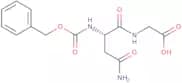
Anti PHI (Rat) Serum is a research tool that can be used in antibody detection, receptor binding, cell biology, ion channels and pharmacology. It is a high purity product with a CAS number of 613-12-5.Pureza:Min. 95%Z-Asn-Gly-OH
CAS:Please enquire for more information about Z-Asn-Gly-OH including the price, delivery time and more detailed product information at the technical inquiry form on this page
Fórmula:C14H17N3O6Pureza:Min. 95%Cor e Forma:PowderPeso molecular:323.3 g/molDOTA-tris(TBE)-Amido-dPEG®11-Maleimide
DOTA-tris(TBE)-Amido-dPEG®11-Maleimide is a PEG compound with two different functional groups (also known as heterobifunctional). Unlike homobifunctional PEG compounds (same functional group on both ends), this type of compounds are more versatile as have two different anchor points. DOTA-tris(TBE)-Amido-dPEG®11-Maleimide is used as a linker and spacer to add a PEG moiety, via pegylation (a bioconjugation technique) to proteins, peptides, oligonucleotides, small molecules and nanoparticles.Pureza:Min. 95%Peso molecular:1,250.52 g/molPDGFD Human
PDGFD is a potent inhibitor of protein interactions. PDGFD has been shown to inhibit the interaction between Kv1.2 and its ligand, as well as inhibit the activation of potassium channels by ATP. PDGFD has also been used in research as a tool to study receptor-ligand interactions and ion channels. This product is a recombinant human protein that has been expressed in E. coli cells with an N-terminal hexahistidine tag for easy purification, and is >95% pure.Pureza:Min. 95%Leptin Rat
Leptin is a hormone that regulates energy metabolism by modulating appetite and body weight. Leptin is produced by fat cells and signals to the hypothalamus of the brain about how much fat tissue there is. It also helps regulate other metabolic processes, such as insulin resistance and glucose tolerance. Leptin has been shown to have an anorectic effect in rodents, which may be due to its ability to reduce food intake or increase energy expenditure. In humans, leptin levels are higher in obese individuals than in those with normal weight, which indicates that this hormone may play a role in obesity.
Pureza:Min. 95%Val-His-[D7]Leu-Thr-Pro-Glu
Please enquire for more information about Val-His-[D7]Leu-Thr-Pro-Glu including the price, delivery time and more detailed product information at the technical inquiry form on this pageFórmula:C31H43D7N8O10Pureza:Min. 95%Peso molecular:701.82 g/molLP-PLA2 Heavy Tryptic Peptide Standard (4nmol)
Lipoprotein-associated phospholipase A2 (LP-PLA2) heavy tryptic peptide standard for protein identification and quantitation studies. LP-PLA2 is a phospholipase A2 enzyme known as platelet-activating factor acetylhydrolase and it is largely associated with low density lipoprotein in the blood.Pureza:Min. 95%Z-Phe-Tyr-Leu
CAS:Z-Phe-Tyr-Leu is a synthetic peptide that has been shown to have prognostic value in patients with pancreatic cancer. It is a substrate for the protease carboxypeptidase and can be cleaved by trypsin to form Z-Phe-Tyr and Leu. Z-Phe-Tyr has been shown to reduce cell proliferation by inhibiting transcriptional regulation of genes, including those involved in epithelial mesenchymal transition. The studies suggest that Z-Phe-Tyr may be useful as an anti-cancer agent, as it inhibits tumor growth by reducing cell proliferation.Fórmula:C32H37N3O7Pureza:Min. 95%Peso molecular:575.65 g/molLISA-101
CAS:LISA-101 is a peptide that can be used as a research tool for the study of receptor activation and ligand binding. LISA-101 is an inhibitor of ion channels, which are proteins that allow electrically charged particles to move in and out of cells. LISA-101 binds to receptors on the surface of cells and blocks ion channels from opening. This prevents the flow of ions across the membrane, which blocks nerve impulses, leading to a decrease in pain sensation. LISA-101 has been shown to inhibit voltage-gated sodium channels and calcium channels, both which are involved in pain perception.
Fórmula:C24H26N4O9Pureza:Min. 95%Peso molecular:514.48 g/molZ-Glu-Lys(Biotinyl)-Asp-CH2-DMB [Z-EK(bio)D-aomk]
Z-Glu-Lys(Biotinyl)-Asp-CH2-DMB is a peptide that belongs to the class of activators. It is a high purity, ion channel inhibitor and has been shown to inhibit protein interactions. The peptide has also been shown to be an antibody and receptor ligand. Z-Glu-Lys(Biotinyl)-Asp-CH2-DMB is used as a research tool to study ion channels and cell biology. This peptide has been found in the CAS Registry Number 57590-46-8.Fórmula:C43H56N6O13SPureza:Min. 95%Peso molecular:897 g/molBorrelia Burgdorferi Outer Surface Protein A (recombinant)
The recombinant Borrelia Burgdorferi Outer Surface Protein A (rBOSPA) is a peptide that can be used as a research tool for studying the activation of ion channels and protein interactions. The rBOSPA is an inhibitor of the hKv1.3 channel and has been shown to bind to the GABA receptor. This recombinant protein is purified from E. coli, which makes it suitable for use in experimentation, as it does not contain any potential contaminants or other proteins. The CAS number for this product isPureza:Min. 95%IGF1 Gilthead Seabream
IGF1 is a protein hormone that stimulates growth and development. It binds to the IGF-1 receptor and activates it. IGF1 is used in research as an activator, ligand, or receptor for cell biology studies. IGF1 can be used in antibody production, ion channels, and peptide synthesis. It has been shown to inhibit the binding of other proteins to DNA and RNA. IGF1 is also used in pharmacology and life science research for its protein interactions and pharmacological effects.Pureza:Min. 95%Fmoc Gly TentaGel® S RAM resin (particle size: 90 µm capacity: 0.2 - 0.25 mmol/g)
Please enquire for more information about Fmoc Gly TentaGel® S RAM resin (particle size: 90 µm capacity: 0.2 - 0.25 mmol/g) including the price, delivery time and more detailed product information at the technical inquiry form on this pagePureza:Min. 95%NO Synthase I (Human, Rat)-EIA Kit (1ea)
NO Synthase I (Human, Rat)-EIA Kit (1ea) is a kit that includes antibodies, peptide antisera, and other reagents for the detection of nitric oxide synthase. The kit detects nitric oxide synthase by measuring the nitrite concentration in the sample. Nitric oxide synthases catalyze the conversion of L-arginine to citrulline and nitrite. The assay is used to measure NO production in cell culture or tissue samples.Pureza:Min. 95%Amino-dPEG®4-(m-dPEG®12)3
CAS:Amino-dPEG®4-(m-dPEG®12)3 is a PEG compound with two different functional groups (also known as heterobifunctional). Unlike homobifunctional PEG compounds (same functional group on both ends), this type of compounds are more versatile as have two different anchor points. Amino-dPEG®4-(m-dPEG®12)3 is used as a linker and spacer to add a PEG moiety, via pegylation (a bioconjugation technique) to proteins, peptides, oligonucleotides, small molecules and nanoparticles.Fórmula:C56H107N5O26Pureza:Min. 95%Peso molecular:1,266.47 g/molAnti Bombesin Serum
Anti Bombesin Serum is a research tool that can be used to study the interactions of proteins with receptors and ion channels. Anti Bombesin Serum may also be used to study the inhibition of peptide receptor activity, for example, by bombesin or other ligands. This product is made from high-quality antibodies that have been selected for their ability to bind bombesin.
Pureza:Min. 95%Suc-Ala-Leu-Pro-Phe-pNA
CAS:Suc-Ala-Leu-Pro-Phe-pNA is a synthetic peptide that can bind to the beta 2 adrenergic receptor. It is an activator of the receptor and it can be used as a research tool to study protein interactions. This peptide is a potent inhibitor of the receptor. Suc-Ala-Leu-Pro-Phe-pNA binds to the beta 2 adrenergic receptor by preventing the binding of other ligands and thus reducing its activity. The peptide has been shown to bind with high affinity, but low potency, in vitro. Suc-Ala-Leu-Pro-Phe pNA is not toxic as it does not lead to cell death.Fórmula:C33H42N6O9Pureza:Min. 95%Peso molecular:666.72 g/molt-boc-NH-dPEG®12-Tris(-TFP Ester)3
t-boc-NH-dPEG®12-Tris(-TFP Ester)3 is a PEG compound with two different functional groups (also known as heterobifunctional). Unlike homobifunctional PEG compounds (same functional group on both ends), this type of compounds are more versatile as have two different anchor points. t-boc-NH-dPEG®12-Tris(-TFP Ester)3 is used as a linker and spacer to add a PEG moiety, via pegylation (a bioconjugation technique) to proteins, peptides, oligonucleotides, small molecules and nanoparticles.Fórmula:C63H84F12N2O24Pureza:Min. 95%Peso molecular:1,481.32 g/molRat GIP (Active) ELISA (1ea)
The Rat GIP (Active) ELISA kit is a sandwich enzyme-linked immunosorbent assay for the quantitative measurement of rat GIP in serum. The assay employs monoclonal antibodies to bind and capture the target protein from a sample, followed by a second antibody that recognizes the GIP antigen. Quantitative results are obtained from measuring the amount of enzyme-labeled anti-GIP antibody bound to the captured complex.Pureza:Min. 95%Boc-Leu-Thr-Arg-AMC
CAS:Boc-Leu-Thr-Arg-AMC is a fluorescent ligand used in research as a tool to study ion channels. It is a peptide that activates the receptor, which can be used to inhibit the channel and its function. This compound has high purity and is an inhibitor of ion channels.Fórmula:C31H47N7O8Pureza:Min. 95%Peso molecular:645.75 g/mol6-[D10]Leu-Glargine
Please enquire for more information about 6-[D10]Leu-Glargine including the price, delivery time and more detailed product information at the technical inquiry form on this pagePureza:Min. 95%Alpha-1-Acid Glycoprotein Light Tryptic Peptide Standard (4nmol)
Alpha-1-Acid Glycoprotein light tryptic peptide standard for protein identification and quantitation. Alpha-1-Acid Glycoprotein is an acute phase protein whose concentration in serum increases during, infection, inflammation and tissue injury.Pureza:Min. 95%INSL3
Insl3 is a protein that is localized in the ovary and human chorionic gonadotropin. It is also found in human serum. In animals, Insl3 causes fertility. In humans, it stimulates the development of the gubernaculum, which attaches to the testes. The expression of Insl3 increases during puberty and continues to be expressed throughout adulthood. Insl3 is translated from mRNA as a precursor protein with an N-terminal signal peptide sequence that directs its secretion from the cell into the extracellular space. The Insl3 precursor protein has two C-terminal domains: an internal domain and a carboxy-terminal domain. These domains are translated from separate initiation codons on one mRNA molecule. The internal domain contains sequences for translation initiation, ribosome binding sites, and translational stop codons; these sequences are not present in the carboxy-terminal domain. Insl3 can be detected by using an
Pureza:Min. 95%FRETS-25Tyr (1 umol) (1umol)
FRETS-25Tyr (1 umol) (1umol) is a peptide that is used as a research tool for the study of protein interactions, receptor function, ion channels and ligand binding. FRETS-25Tyr (1 umol) (1umol) is an activator of protein kinase C and has been shown to inhibit ion channels. This peptide is also used in the study of cell biology, with an antibody that detects it. FRETS-25Tyr (1 umol) (1umol) has high purity and CAS No. 6058-57-2.Pureza:Min. 95%Bromoacetamido-dPEG®24-Amido-DBCO
Bromoacetamido-dPEG®24-Amido-DBCO is a PEG compound with two different functional groups (also known as heterobifunctional). Unlike homobifunctional PEG compounds (same functional group on both ends), this type of compounds are more versatile as have two different anchor points. Bromoacetamido-dPEG®24-Amido-DBCO is used as a linker and spacer to add a PEG moiety, via pegylation (a bioconjugation technique) to proteins, peptides, oligonucleotides, small molecules and nanoparticles.
Pureza:Min. 95%Peso molecular:1,525.6 g/molβ-Defensin-2, human
β-Defensin-2 is a protein that belongs to the class of defensins. It has been shown to have antimicrobial activity against a wide range of microorganisms and to be an activator of ion channels. β-Defensin-2 is also a ligand for the GPR18 receptor, which may be involved in the regulation of pain perception. β-Defensin-2 is purified from human leukocytes and has a purity of >98%.Fórmula:C188H305N55O50S6Pureza:Min. 95%Peso molecular:4,328.2 g/molNPY, Human Antiserum
NPY is a peptide that is released by neurons and acts as an activator. It is also found in the central nervous system and regulates appetite, as well as other autonomic, behavioral, and endocrine functions. NPY has been shown to be an inhibitor of ion channels in the central nervous system. NPY has been shown to bind to receptors on the surface of cells, which are ligands for NPY. This binding activates or inhibits the receptor's signaling pathway. The CAS number for NPY is 1139-14-1 and it has a molecular weight of 9.6 kDa.END>
Pureza:Min. 95%[D-Ala2,Met5]-Enkephalinamide
CAS:[D-Ala2,Met5]-Enkephalinamide is a peptide that belongs to the group of opioid peptides. It acts as an agonist and binds to the µ-opioid receptor. This receptor is involved in transmitting signals from outside the cell to inside the cell by regulating ion channels and controlling protein interactions. The binding of [D-Ala2,Met5]-Enkephalinamide to this receptor results in an inhibitory effect on neurotransmitter release, leading to a decrease of pain sensation. It has also been shown that [D-Ala2,Met5]-Enkephalinamide can act as an antagonist at other opioid receptors, such as the κ-opioid receptor.Fórmula:C28H38N6O6SPureza:Min. 95%Peso molecular:586.7 g/molTIMP1 Light Tryptic Peptide Standard (4nmol)
A TIMP1 Light Tryptic Peptide Standard for protein identification and quantitation studies. TIMP1, also known as TIMP metallopeptidase inhibitor 1 is an inhibitor of matrix metalloproteinases, which are enzymes that break down the extracellular matrix. It has also been associated with cell proliferation promotion and may have a role in apoptosis.Pureza:Min. 95%Anti TNF-Alpha (Rat) Serum Host Rabbit
Anti-TNF-alpha (rat) serum is a protein that blocks the effects of tumor necrosis factor-alpha. This protein has been shown to regulate the immune system and inhibit inflammation. Anti-TNF-alpha (rat) serum is a high quality, purified protein for use as a research tool in cell biology or other life science applications. The product is supplied at a concentration of 1 mg/ml in phosphate buffered saline with 0.02% sodium azide and is suitable for use in mammalian experiments.
Pureza:Min. 95%monobiotin INSL5
Monobiotin INSL5 is a peptide that is biologically active and is obtained from the New England Peptide Company. Monobiotin INSL5 has shown to be an antagonist of the insulin-like growth factor II receptor and may have potential as a therapeutic agent for diabetes mellitus.Pureza:Min. 95%Apolipoprotein A1 Heavy Tryptic Peptide Standard (4nmol)
Apolipoprotein A1 heavy tryptic peptide standard for protein identification and quantitation studies. Apolipoprotein A1 is a structural component of high density lipoprotein (HDL) and is involved in cellular cholesterol homeostasis and reverse cholesterol transport.Pureza:Min. 95%FRETS-25Lys (1 umol) (1umol)
FRETS-25Lys is a peptide that can be used as an activator, inhibitor, or ligand for various receptors and ion channels. It has been shown to bind with high affinity to the acetylcholine receptor on the surface of muscle cells. FRETS-25Lys also inhibits the interaction between protein kinase C (PKC) and phospholipase Cγ2 (PLCγ2).
Pureza:Min. 95%β-Defensin-1, human
β-Defensin-1 is a member of the α-defensin family of antimicrobial peptides. It has been shown to be an activator of the LPS receptor and is involved in the regulation of ion channels in cells. β-Defensin-1 is a ligand for the GPR37 receptor and inhibits protein synthesis, which may be due to its ability to bind to other proteins, such as chemokines. β-Defensin-1 also has antibacterial activity against some strains of bacteria, including Escherichia coli, Klebsiella pneumoniae, and Staphylococcus aureus.
β-Defensin-1 is a high purity recombinant human protein that can be used as an inhibitor for pharmacological studies.Fórmula:C167H256N48O50S6Pureza:Min. 95%Peso molecular:3,928.5 g/molCellulose synthase 7
Cellulose synthase is a crucial enzyme involved in the synthesis of cellulose. Cellulose is an aggregation of unbranched polymer chains made of β-(1-4)-linked glucose residues, and is a component of primary and secondary cell walls - functioning to primarily maintain strength and shape in cells.Cellulose is synthesised by large cellulose synthase complexes (CSCs), which consist of synthase protein isoforms (CesA) that are arranged into a unique hexagonal structure.Specifically the isoform cellulose synthase 7 takes part in secondary cell wall cellulose synthesis.
Peso molecular:1,084.6 g/molSARS-CoV-2 Nucleoprotein (356-370)
The coronavirus (CoV) nucleoprotein is the major component of CoV structural proteins. The nucleoprotein has a critical role in virus assembly and RNA transcription. The nucleoprotein is essential in the formation of helical ribonucleoproteins and in regulating viral RNA synthesis. The nucleoprotein can also regulate infected host cellular mechanisms. It is highly expressed during infection and may induce protective immune responses against SARS-CoV and SARS-CoV-2.The nucleoprotein residues HIDAYKTFPPTEPKK (356-370) from SARS-CoV-2 have been identified as a T-cell epitope with a predicted HLA restriction. Immune targeting of confirmed epitopes may potentially offer protection against SARS-CoV-2 and help the development of vaccines for long-lasting immunity.
Peso molecular:1,770.9 g/mol[FITC]-pCREB (127-134) substrate
The cyclic AMP (cAMP) response element binding protein (CREB) is a transcription factor that regulates the transcription of several genes that mediate important cellular processes. CREB is phosphorylated by several kinases, including PKA- Akt- and CamK I, II, and IV. Phosphorylated pCREB translocates to the nucleus, where it forms homodimers or heterodimers, and recruits p300/CREB binding protein (CBP) to initiate transcription of its target genes. pCREB is an important regulator of apoptosis and is also involved in modulating several immune processes and neuronal plasticity. CREB signalling has a critical role in the formation of memories and may be dysfunctional in the brains of Alzheimer's disease (AD).Peptide is labelled with an N-terminal 5-carboxyfluorescein (5-FAM), a widely used green fluorescent tag.
Peso molecular:1,572.6 g/molSARS-CoV-2 Spike (996-1004)
The SARS-CoV-2 spike protein is present on the outside of the virus particles and can bind to angiotensin-converting enzyme II (ACE2) present on the host cells. The C-terminal receptor binding domain (RBD) of the spike protein binds to the N-terminal peptidase M2 domain of ACE2. This receptor binding results in the internalisation of the virus-receptor complex and is, therefore the mechanism of entry of SARS-CoV-2 into host cells.The spike protein residues LITGRLQSL (996-1004) from C have been identified as a T-cell epitope with a predicted HLA restriction. Immune targeting of confirmed epitopes may potentially offer protection against SARS-CoV-2 and help the development of vaccines for long-lasting immunity.Peso molecular:999.6 g/molAcetyl-Arg9
Acetyl-(Arg)9, derived from (Arg)9 is a cationic cell-penetrating peptide consisting of 9 arginines. Arginine rich CPPs enter cells in a passive manner through membrane multilamellarity and fusion. Evidently as a CPP, (Arg)9 can function to deliver specific molecules to target cells and can be used for drug delivery purposes.Peso molecular:1,463.9 g/molFGF 22 Human
Fibroblast growth factor 22 (FGF22) is a cytokine that belongs to the FGF family. FGF22 has been shown to play a role in the modulation of glucose homeostasis and the regulation of insulin secretion. FGF22 is produced by pancreatic β cells, liver, kidney, muscle, and fat tissue. It has been shown to be involved in the regulation of cellular proliferation and apoptosis, as well as the control of inflammation and immune response.Pureza:Min. 95%APP, A4, AD1 MS Calibrator (25nmol)
This is a Biologically Active Peptides, Short=PN-II, Proteomics, Amyloid Precursor Protein, New England Peptide calibrated to 25nmol. This peptide has been shown to be a major component of amyloid plaques in Alzheimer's Disease. It is one of the most abundant proteins in the brain and is found in association with beta-amyloid protein (A4). The precursor protein for APP is encoded by the gene on chromosome 21. APP and its products are involved in many cellular processes such as signal transduction, cell proliferation, apoptosis and inflammation. APP can be cleaved by Beta-secretase or Gamma secretase to release A4 and N-APP.
Pureza:Min. 95%Big Endothelin-1 (Human, 22-38) Antiserum
Big endothelin-1 (ET-1) is a peptide with a molecular weight of 37.7 kDa that belongs to the class of endothelin peptides. ET-1 is an activator of ion channels and has been implicated in many physiological and pathological processes, including vasoconstriction, angiogenesis, cellular proliferation, and inflammation. The antibody reacts with human ET-1 with a high degree of specificity. It has been used as an immunological reagent for Western blotting and immunoprecipitation experiments.Pureza:Min. 95%D-Amino Acid Oxidase, human, recombinant
D-Amino Acid Oxidase is an enzyme that catalyzes the conversion of D-amino acid to alpha keto acid and ammonia. It is also known as DAAO or DAO.
Pureza:Min. 95%Anti GLP-2 (Rat) Serum
Anti GLP-2 (Rat) Serum is a high purity and potent activator of the GLP-2 receptor. It is a peptide that binds to the GLP-2 receptor and activates it. The GLP-2 receptor is a G protein coupled receptor that belongs to the class of receptors for peptides. Activation of this receptor leads to an increase in intracellular calcium ions and increased cell proliferation, differentiation, and survival. This product can be used as a research tool for Cell Biology, Pharmacology, or Biochemistry studies.Pureza:Min. 95%Anti PACAP (1-15), Human Serum
Anti PACAP (1-15) is a peptide that belongs to the class of activators. It has been shown to activate ion channels, increase intracellular calcium levels, and inhibit ligand-induced receptor desensitization. Anti PACAP (1-15) has also been shown to bind to a number of receptors with high affinity, including the corticotropin-releasing hormone receptor type 2 (CRHR2). This peptide is used as a research tool in cell biology and pharmacology studies.Pureza:Min. 95%Anti Preprorenin (288-317) (Human) Serum (1ea)
This peptide is a specific inhibitor of human preprorenin, which is the precursor of renin. The peptide has been shown to inhibit the activation of renin with high specificity and potency.Pureza:Min. 95%monoFITC INSL5
monoFITC INSL5 is a peptide that can be used as a research tool to investigate the interactions between proteins and ligands. It is an activator of the Insulin-like growth factor 1 receptor (IGF1R). This peptide has been shown to inhibit IGF1R-mediated signaling pathways that lead to cell proliferation.
Pureza:Min. 95%







![Val-His-[D7]Leu-Thr-Pro-Glu](/_next/image/?url=https%3A%2Fstatic.cymitquimica.com%2Fproducts%2F3D%2Fthumb-webp%2FTSI-3414-V.webp&w=3840&q=75)


![Z-Glu-Lys(Biotinyl)-Asp-CH2-DMB [Z-EK(bio)D-aomk]](/_next/image/?url=https%3A%2Fstatic.cymitquimica.com%2Fproducts%2F3D%2Fthumb-webp%2FICA-3189-V.webp&w=3840&q=75)










![6-[D10]Leu-Glargine](/_next/image/?url=https%3A%2Fstatic.cymitquimica.com%2Fproducts%2F3D%2Fthumb-webp%2FTSI-3420-V.webp&w=3840&q=75)






![[D-Ala2,Met5]-Enkephalinamide](/_next/image/?url=https%3A%2Fstatic.cymitquimica.com%2Fproducts%2F3D%2Fthumb-webp%2FPEK-4117-V.webp&w=3840&q=75)








![[FITC]-pCREB (127-134) substrate](/_next/image/?url=https%3A%2Fstatic.cymitquimica.com%2Fproducts%2F3D%2Fthumb-webp%2FCRB1100419.webp&w=3840&q=75)