Substratos enzimáticos
Subcategorias de "Substratos enzimáticos"
Foram encontrados 1527 produtos de "Substratos enzimáticos"
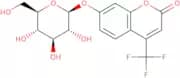
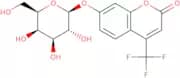
4-Trifluoromethylumbelliferyl β-D-galactopyranoside
CAS:4-Trifluoromethylumbelliferyl β-D-galactopyranoside is a fluorogenic substrate for beta-galactosidase . Upon hydrolysis, the fluorogenic moiety (blueish) 4-trifluoromethylumbelliferone (also known as TFMU) is released. 4-Trifluoromethylumbelliferyl β-D-galactopyranoside is commonly used in bacterial detection and in LacZ gene expression assays.
Fórmula:C16H15F3O8Pureza:Min. 95%Cor e Forma:PowderPeso molecular:392.28 g/molRef: 3D-ET06963
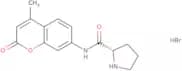
Produto descontinuadoL-Proline 7-amido-4-methylcoumarin hydrobromide salt
CAS:L-Proline 7-amido-4-methylcoumarin hydrobromide salt is a fluorogenic peptide substrate for proline-specific peptidase. This AMC peptide substrate is normally used to rapidly profile the N-terminal specificity of proteases.Fórmula:C15H17BrN2O3Pureza:Min. 95%Cor e Forma:PowderPeso molecular:353.22 g/mol[2-(2-Thiazolylazo)-4-cresyl]-β-D-galactopyranoside
CAS:Please enquire for more information about [2-(2-Thiazolylazo)-4-cresyl]-β-D-galactopyranoside including the price, delivery time and more detailed product information at the technical inquiry form on this page
Fórmula:C16H19N3SO6Pureza:Min. 95%Cor e Forma:PowderPeso molecular:381.41 g/molBoc-Val-Pro-Arg-PAB-Resorufin
Boc-Val-Pro-Arg-PAB-Resorufin is fluorogenic substrate for thrombin and the thrombin-staphylocoagulase complex.
Fórmula:C40H50N8O8Pureza:Min. 97 Area-%Peso molecular:770.87 g/mol5-Bromo-4-chloro-3-indoxyl-1,3-diacetate
CAS:5-Bromo-4-chloro-3-indoxyl-1,3-diacetate (BCID) is a potent and selective inhibitor of the tyrosine kinase enzyme. BCID has been shown to inhibit the growth of various cell cultures in vitro including murine and human cells. BCID has been shown to be an effective inhibitor of TNF-α production in murine models for asthma and allergic rhinitis. The drug has also been shown to reversibly inhibit the activity of the enzyme without affecting its ability to bind substrate or to regenerate active enzyme form inactive enzyme, indicating that it does not act as a suicide inhibitor.
Fórmula:C12H9BrClNO3Pureza:Min. 98.0 Area-%Peso molecular:330.56 g/molLuc-Enterococcus K
Luc-Enterococcus K is a conjugate of the bacterial luciferase enzyme and Enterococcus faecalis. It is used in food testing, environmental testing and diagnostics. Luc-Enterococcus K can be used as a replacement for the fluorogenic substrate luminol, which is difficult to handle because it has to be kept cold during use and is explosive. Luc-Enterococcus K produces light when it reacts with the chromogenic substrate luciferin, which can be stored at room temperature without degrading. The light produced by Luc-Enterococcus K is blue green in color, making it easy to detect with a camera or eye.
Pureza:Min. 95%Ref: 3D-EL175441
Produto descontinuado4-Methylumbelliferyl-beta-D-glucuronic acid methyl ester, Biosynth Patent: EP 2718458 and US 9127303
4-Methylumbelliferyl-beta-D-glucuronic acid methyl ester is a chromogenic substrate for β-glucuronidase. It is used in diagnostic applications and as a substrate in enzyme kinetics experiments. 4-Methylumbelliferyl-beta-D-glucuronic acid methyl ester has fluorescence properties that allow it to be detected by chemiluminescence and bioluminescence.
Pureza:Min. 95%Ref: 3D-EM175451
Produto descontinuado5-Bromo-4-chloro-3-indoxyl-alpha-L-fucopyranoside
CAS:Chromogenic substrate for α-D-Fucosidase yielding a blue precipitate.
Fórmula:C14H15BrClNO5Pureza:Min. 98.0 Area-%Peso molecular:392.64 g/mol1-Fluoro-2,4,6-trimethylpyridinium triflate
CAS:Please enquire for more information about 1-Fluoro-2,4,6-trimethylpyridinium triflate including the price, delivery time and more detailed product information at the technical inquiry form on this page
Fórmula:C9H11F4NO3SPureza:Min. 95 Area-%Peso molecular:289.24 g/molAquaSpark® Alkaline Phosphatase Detection Solution, Ramot at Tel-Aviv University Ltd. Patent family WO 2017/130191
CAS:Ready-to-use chemiluminescence substrate solution for AP detection
Fórmula:C21H24NaO9PCor e Forma:Clear LiquidPeso molecular:474.37 g/molCrimson-Gal
Crimson-Gal (Crimson-beta-D-galactopyranoside) is a chromogenic indicator for beta-galactosidase activity. The colorless product is cleaved by lactose-utilizing bacteria in liquid media or on agar plates and yields a crimson colored precipitate. Crimson-Gal can also be used as detecting agent for beta-galactosidase activity in reporter gene assays or for identification of positive transformants on agar plates when using the α-complementation approach. Read more in the Application Notes.
Pureza:Min. 95%4-Trifluoromethylumbelliferyl b-D-glucopyranoside
CAS:4-Trifluoromethylumbelliferyl b-D-glucopyranoside is a fluorogenic substrate for beta-glucosidase. Upon hydrolysis, the fluorogenic moiety (blueish) 4-trifluoromethylumbelliferone (also known as TFMU) is released. 4-Trifluoromethylumbelliferyl b-D-glucopyranoside is commonly used in bacterial detection and in Gaucher disease diagnosis.
Pureza:Min. 95%Cor e Forma:White To Off-White SolidPeso molecular:392.28 g/molRef: 3D-ET04970
Produto descontinuadoResorufin b-D-glucopyranoside
CAS:Resorufin b-D-glucopyranoside is a stable red fluorogenic galactosidase substrate.
Pureza:Min. 95%Cor e Forma:Orange PowderPeso molecular:375.33 g/molRef: 3D-ER05181
Produto descontinuado5-Amino-3-indoxyl-β-D-galactopyranoside
5-Amino-3-indoxyl-b-D-galactopyranoside is a chromogenic substrate for the enzyme galactosidase. 5-Amino-3-indoxyl-b-D-galactopyranoside is used in diagnostic tests to identify the presence of lactose intolerance. It can also be used to detect traces of blood in food, water, and other substances. This product has a high purity that makes it suitable for conjugation applications.
Fórmula:C14H18N2O6Pureza:Min. 95%Peso molecular:310.31 g/molTrimethyl phosphonoacetate
CAS:Please enquire for more information about Trimethyl phosphonoacetate including the price, delivery time and more detailed product information at the technical inquiry form on this page
Fórmula:C5H11O5PPeso molecular:182.11 g/molAlizarin-2-β-D-galactopyranoside
CAS:Chromogenic substrate targeting beta- galactosidase and whose color is dependent on the metal chelating.Alizarin-2-beta-D-galactopyranoside is a chromogenic substrate for enzymes based on alizarin and has been reported for the detection of bacterial beta-galactosidase by researchers at the University of Northumbria and the Freeman Hospital, Newcastle upon Tyne in the UK (James, 2000).
Fórmula:C20H18O9Pureza:Min. 98.0 Area-%Peso molecular:402.36 g/molD-Luciferin Firefly, sodium salt monohydrate
CAS:Luciferin is a product that will react with oxygen in the presence of luciferase BX180145 to release energy in the form of light. UV wavelength - 383 to 387 nmMolar extinction coefficient - min. 17500 L/(mol cm)
Fórmula:C11H9N2NaO4S2Pureza:Min. 95%Peso molecular:320.3 g/molAc-DEVD-6-amino-D-luciferin
Ac-DEVD-6-amino-D-luciferin is a substrate for luciferase that can be used in diagnostic, bioluminescence, and chemiluminescence assays. Ac-DEVD-6-amino-D-luciferin is a high quality compound that has been conjugated with various ligands. The CAS number for Ac-DEVD-6-amino-D-luciferin is 612061–87–8.
Fórmula:C31H37N7O13S2Pureza:Min. 95%Cor e Forma:PowderPeso molecular:779.79 g/molRef: 3D-EA175449
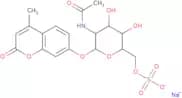
Produto descontinuado4-Methylumbelliferyl 2-acetamido-2-deoxy-a-D-glucopyranoside-6-sulfate sodium salt - Moscerdam™ biochemical purity
CAS:A substrate used for the diagnosis of Sanfilippo disease type D (MPS IIID).
Fórmula:C18H20NNaO11SPureza:Min. 95%Cor e Forma:White PowderPeso molecular:481.41 g/molRef: 3D-EM31027
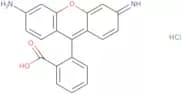
Produto descontinuadoRhodamine 110 chloride
CAS:Fluorescent dye substrate for flow cytometric measurements
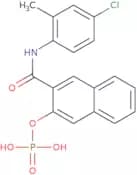
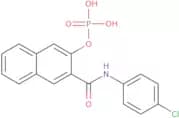
Fórmula:C20H15O3N2ClPureza:Min. 95 Area-%Cor e Forma:Red PowderPeso molecular:366.8 g/molNaphthol AS-TR phosphate
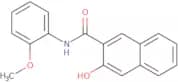
CAS:Modified naphtol AS substrate used in histochemical and cytochemical staining
Fórmula:C18H15ClNO5PPureza:Min. 95%Cor e Forma:Off-White PowderPeso molecular:391.74 g/molRef: 3D-EN70036
Produto descontinuadoCoelenterazine e
CAS:Coelenterazine and its derivatives spontaneously complex with aequorin to develop a Ca2+-dependent fluorescent signal.
Fórmula:C28H23N3O3Pureza:Min. 95%Cor e Forma:PowderPeso molecular:449.5 g/molRef: 3D-FC36333
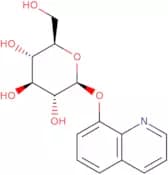
Produto descontinuado8-Hydroxyquinoline b-D-glucopyranoside
CAS:8-Hydroxyquinoline b-D-glucopyranoside (8-OHG-glu) is a chromogenic enzyme substrate commonly used to detect the presence of beta-glucosidase in biological samples. When hydrolyzed by beta-glucosidase, 8-OHG-glu produces a yellow-orange color, indicating the presence of the enzyme. This substrate is particularly useful for measuring beta-glucosidase activity in soil and plant samples.
Fórmula:C15H17NO6Pureza:Min. 95%Cor e Forma:PowderPeso molecular:307.3 g/molRef: 3D-EH04988
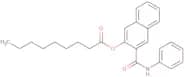
Produto descontinuadoNaphthol AS nonanoate
CAS:Modified naphtol AS substrate used in histochemical and cytochemical staining
Fórmula:C26H29NO3Pureza:Min. 95%Cor e Forma:PowderPeso molecular:403.51 g/molLuc-Listeria Na
Luc-Listeria Na is a chemiluminescent substrate that is used as a reporter molecule in enzyme assays. Luc-Listeria Na reacts with the luciferase enzyme, emitting light. The light emission can be detected using a luminometer and the intensity of light is proportional to the amount of substrate present. Luc-Listeria Na has been shown to react with Listeria monocytogenes and other bacteria that are resistant to conventional staining techniques. This product has passed testing for purity and quality, as well as being tested for its ability to cause an adverse effect on the environment when disposed of.
Pureza:Min. 95%Ref: 3D-EL175437
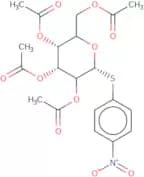
Produto descontinuado4-Nitrophenyl 2,3,4,6-tetra-O-acetyl-a-D-thiomannopyranoside
CAS:4-Nitrophenyl 2,3,4,6-tetra-O-acetyl-a-D-thiomannopyranoside is a pNP substrate that serves as a chromogenic substrate for enzyme assays. It has been tested for the detection of a-D-mannosidase activity in a variety of biological samples, including cell lysates, body fluids, and tissue homogenates.
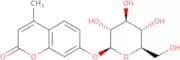
Pureza:Min. 95%Peso molecular:485.47 g/mol4-Methylumbelliferyl β-D-glucopyranoside
CAS:Fluorogenic substrate for β-glucosidase
Fórmula:C16H18O8Pureza:Min. 98 Area-%Cor e Forma:PowderPeso molecular:338.31 g/molRef: 3D-EM05983
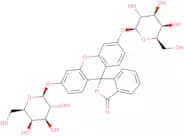
Produto descontinuadoFluorescein di-β-D-glucopyranoside
CAS:Fluorogenic substrate targeting beta-glucosidase
Fórmula:C32H32O15Pureza:Min. 95%Cor e Forma:PowderPeso molecular:656.59 g/molRef: 3D-EF04417
Produto descontinuado4-Methylumbelliferyl butyrate
CAS:Methylumbelliferyl butyrate is structurally based on 4-methylumbelliferone and is a MOSCERDAM® substrate. It targets the esterase enzyme.
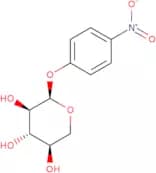
Fórmula:C14H14O4Pureza:Min. 95%Cor e Forma:White PowderPeso molecular:246.26 g/mol4-Nitrophenyl a-D-xylopyranoside
CAS:The 4-Nitrophenyl a-D-xylopyranoside is a highly sensitive and reliable chromogenic substrate tailored for the detection and analysis of alpha-D-xylosidase enzyme activity. Upon enzymatic hydrolysis, it forms 4-nitrophenol, a yellow compound with remarkable fluorescence that enables a straightforward, quantitative assay in areas including environmental science, metabolism studies, and enzyme modifier exploration.
Fórmula:C11H13NO7Pureza:Min. 95%Cor e Forma:White PowderPeso molecular:271.22 g/molRef: 3D-EN03233
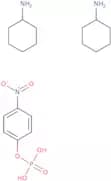
Produto descontinuado4-Nitrophenyl phosphate bis(cyclohexylammonium)
CAS:4-Nitrophenyl phosphate bis(cyclohexylammonium) is an excellent chromogenic substrate designed for the detection and quantification of phosphatase enzyme activities. Aided by the presence of the cyclohexylammonium cation, it undergoes enzymatic hydrolysis, yielding the colored 4-nitrophenolate ion, which can be readily observed at 405 nm. The substrate has become an essential tool for biomedical research, playing a crucial role in unearthing cellular mechanisms, function, and potential drug targets.
Fórmula:C18H32N3O6PPureza:97.0 To 103.0%Cor e Forma:PowderPeso molecular:417.44 g/mol4-Nitrophenyl decanoate
CAS:4-Nitrophenyl decanoate is a chromogenic substrate for lipase. Upon hydrolysis, para-nitrophenol is released yielding a yellowish colour. 4-Nitrophenyl decanoate is used in different applications such as the Pancreatic insufficiency diagnosis, lipid metabolism studies
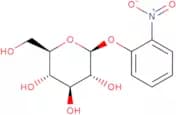
Fórmula:C16H23NO4Pureza:Min. 97 Area-%Cor e Forma:PowderPeso molecular:293.36 g/mol2-Nitrophenyl b-D-glucopyranoside
CAS:Chromogenic substrate for beta-glucosidase
Fórmula:C12H15NO8Pureza:Min. 99 Area-%Cor e Forma:Off-White Yellow PowderPeso molecular:301.25 g/molRef: 3D-EN06435
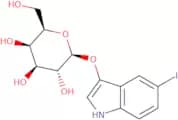
Produto descontinuado5-Iodo-3-indolyl b-D-galactopyranoside
CAS:5-Iodo-3-indolyl b-D-galactopyranoside is a chromogenic substrate used for beta-galactosidase. It is incorporated into media or detection kits for rapid and direct identification of microorganisms.
Fórmula:C14H16INO6Pureza:Min. 98 Area-%Cor e Forma:PowderPeso molecular:421.18 g/molRef: 3D-EI03217
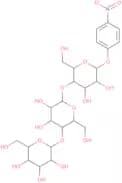
Produto descontinuado4-Nitrophenyl b-D-cellotrioside
CAS:4-Nitrophenyl beta-D-cellotrioside is a chromogenic substrate for cellulase. Upon hydrolysis, para-nitrophenol is released yielding a yellowish colour. 4-Nitrophenyl beta-D-cellotrioside is used in different applications such as the Biomass conversion research, paper industry applications
Fórmula:C24H35NO18Pureza:Min. 95%Cor e Forma:PowderPeso molecular:625.53 g/molRef: 3D-EN04796
Produto descontinuado4-Methylumbelliferyl 6-thio-palmitate-b-D-glucopyranoside - Moscerdam™ biochemical purity
CAS:4-Methylumbelliferyl 6-thio-palmitate-b-D-glucopyranoside (Mu-6S-Palm-β-Glc) is a fluorogenic substrate of palmitoyl-protein thioesterase 1 (PPT1), used in the diagnosis of infantile neuronal ceroid lipofuscinosis (INCL). INCL, also known as infantile CLN1 disease, is a rapidly progressing lysosomal storage disorder (LSD), caused by a deficiency of PPT1. Mu-6S-Palm-β-Glc is also used as the substrate in the PPT assay to investigate the retention of lysosomal enzyme activity of bi-functional IgG-PPT1 fusion protein in the delivery across blood-brain barrier.
Fórmula:C32H48O8SPureza:Min. 95%Cor e Forma:White PowderPeso molecular:592.78 g/molRef: 3D-EM06650
Produto descontinuadoNitrocefin
CAS:Chromogenic cephalosporin substrate for the detection of beta-lactamase activity
Fórmula:C21H16N4O8S2Pureza:Min. 90 Area-%Cor e Forma:Yellow Orange PowderPeso molecular:516.51 g/molRef: 3D-EN46644
Produto descontinuadoNaphthol AS-OL
CAS:Naphthol AS-OL is a widely used chromogenic enzyme substrate that forms a colored product upon reaction with specific enzymes. It is commonly employed in histochemical and cytochemical staining techniques to visualize enzyme activity in cells and tissues. Naphthol AS-OL is particularly useful for detecting the presence of enzymes such as alkaline phosphatase, acid phosphatase, and esterases. The resulting colored product can be easily observed under a microscope, allowing researchers to study the distribution and localization of these enzymes in various biological samples.
Fórmula:C18H15NO3Pureza:Min. 95%Cor e Forma:PowderPeso molecular:293.32 g/molRef: 3D-EN71191
Produto descontinuadoAquaSpark® Enhanced HRP Detection Solution, Ramot at Tel-Aviv University Ltd. Patent family WO 2017/130191
CAS:AquaSpark® Enhanced HRP Detection Solution is a sensitive chemiluminescent substrate solution for detecting horseradish peroxidase (HRP) conjugates on immunoblots (Western blot, dot blot) and in enzyme-linked immunosorbent assays (ELISA). The ready-to-use detection solution contains the AquaSpark® substrate and the oxidizing reagent hydrogen peroxide (H2O2).
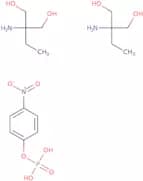
Pureza:Min. 95%Cor e Forma:Clear Liquid4-Nitrophenyl phosphate mono(2-amino-2-ethyl-1,3-propanediol) salt monohydrate
CAS:Chromogenic substrate for alkaline phosphatase
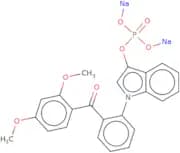
Fórmula:C26H32N3NaO6S2Pureza:Min. 95%Cor e Forma:PowderPeso molecular:457.41 g/molAldol® 470 phosphate, disodium salt, Biosynth Patent: EP 2427431 and US 8940909
CAS:Aldol® 470 phosphate, disodium salt is a fluorogenic substrate that is used in the detection of enzyme activity. It can be used to detect the presence of an enzyme by measuring the light emitted from the substrate after it has been converted to fluorescent product. Aldol® 470 phosphate, disodium salt is a chromogenic substrate that is used for detecting and measuring enzyme activity. The product of this reaction can be measured by absorbance or fluorescence spectroscopy, making it useful for many different types of diagnostic tests. This product can be conjugated with a variety of ligands for use in diagnostic assays and research. Aldol® 470 phosphate, disodium salt can also be used in culture media as a bioluminescent substrate for bacterial growth and metabolism studies. This product can also be used as an environmental testing reagent or as a staining agent in microscopy applications.
Fórmula:C23H18NNa2O7PPureza:Min. 95%Cor e Forma:PowderPeso molecular:497.34 g/molRef: 3D-EA175336
Produto descontinuadoAquaSpark® β-D-glucoside, 10 mM in DMSO, Ramot at Tel-Aviv University Ltd. Patent family WO 2017/130191
CAS:Please enquire for more information about AquaSpark® beta-D-glucoside, 10 mM in DMSO, Ramot at Tel-Aviv University Ltd. Patent family WO 2017/130191 including the price, delivery time and more detailed product information at the technical inquiry form on this page
Fórmula:C34H39ClO12Pureza:Min. 95%Cor e Forma:Clear LiquidPeso molecular:675.12 g/molChlorophenol red-β-D-cellotrioside
CAS:Chromogenic substrate for cellulases; red colorFórmula:C37H42Cl2O20SPureza:Min. 95%Cor e Forma:Orange to red solid.Peso molecular:909.69 g/molRef: 3D-EC30182
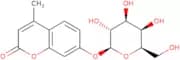
Produto descontinuado4-Methylumbelliferyl b-D-galactopyranoside
CAS:Fluorogenic substrate for β-galactosidase
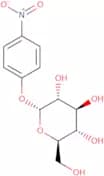
Fórmula:C16H18O8Pureza:Min. 95%Cor e Forma:White PowderPeso molecular:338.31 g/mol4-Nitrophenyl a-D-glucopyranoside
CAS:Chromogenic substrate for alpha-glucosidase
Fórmula:C12H15NO8Pureza:Min. 98 Area-%Cor e Forma:White PowderPeso molecular:301.25 g/mol6-Chloro-3-indolyl phosphate disodium salt
CAS:6-Chloro-3-indolyl phosphate disodium salt is a chromogenic substrate that is used in food testing, diagnostics, and environmental testing. It can be used to detect the presence of the enzyme phosphatase by adding it to a sample containing glucose, which will produce an orange color. The ligand 6-chloro-3-indolyl phosphate disodium salt can also be used as a bioluminescence probe for detecting ATP or ADP using luciferase. This product has high purity and quality, and is available at a competitive price.
Fórmula:C8H5ClNNa2O4PPureza:Min. 98 Area-%Peso molecular:291.54 g/mol4-Methylumbelliferyl lignocerate
CAS:4-Methylumbelliferyl lignocerate is a fluorogenic substrate for lipase. After enzymatic cleaveage, free 4-methylumbelliferone (also known as hymecromone) is released, exhibiting blue fluorescence upon excitation with UV light. The strongest fluorescence of 4-methylumbelliferone requires deprotonation of the hydroxyl group (thus requires alkaline pH), with a maximal fluorescence intensity obtained with excitation at 350 to 370 nm and emission at 440 to 470 nm. The use of 4-methylumbelliferyl lignocerateas a substrate for measuring the lipase activity is used for X-linked adrenoleukodystrophy diagnosis and peroxisomal disorder screening.
Fórmula:C34H54O4Pureza:Min. 95%Cor e Forma:PowderPeso molecular:526.79 g/molRef: 3D-EM65953
Produto descontinuadoAquaSpark® 510 Peroxide Probe, 10 mM in DMSO, Ramot at Tel-Aviv University Ltd. Patent family WO 2017/130191
CAS:AquaSpark® Peroxide Probe is a dioxetane-based substrate for the luminescence detection of hydrogen peroxide and other peroxides in biological samples. AquaSpark® Peroxide Probe is the most sensitive probe for H2O2 detection available. It is also an extremely versatile probe for oxidase detection applicable in a wide range of biocompatible buffers. For example it can be used for glucose oxidase detection and for the quantitation of glucose levels (when coupled to the glucoseoxidase activity in an assay). In addition, AquaSpark® Peroxide Probe is used for the quantification of other biologically relevant compounds (e.g. amino acids) using the corresponding peroxide releasing oxidases.
Fórmula:C34H40BClO8Pureza:Min. 95%Cor e Forma:Clear LiquidPeso molecular:622.95 g/molAldol® 518 alpha-D-glucopyranoside, Biosynth Patent: EP 2427431 and US 8940909
CAS:Aldol® 518 alpha-D-glucopyranoside is a fluorogenic enzyme substrate used for detection of alpha-D-glucosidase activity. The colorless enzyme substrate is cleaved by alpha-D-glucosidase, generating red fluorescent signal and in some conditions, an orange colour in the visible spectrum can get formed, staining bacterial colonies in faint orange coloration. Aldol® 518 alpha-D-glucopyranoside can be used under aerobic and anaerobic conditions.
Fórmula:C29H29ClN2O7Pureza:Min. 95.0 Area-%Peso molecular:553 g/molRef: 3D-A-4713_P00
Produto descontinuadoNaphthol AS-D
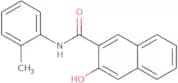
CAS:Naphthol AS-D is a diagnostic chemical for phosphatase enzymes and is used to stain cells, tissues, and body fluids for diagnosis. The chemical reacts with the amino groups of proteins in cells and produces a brown color. Naphthol AS-D is not toxic to living cells in concentrations below 5%. It stains basophilic leukemia cells as well as brain cells. This chemical can be used to diagnose cutaneous lesions, such as psoriasis or melanoma, which are difficult to diagnose by standard methods. present in these lesions and produce a brown color.
Fórmula:C18H15NO2Pureza:Min. 95%Cor e Forma:PowderPeso molecular:277.32 g/molRef: 3D-EN70199
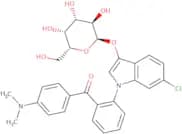
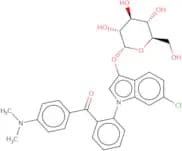
Produto descontinuadoAldol® 467 beta-D-galactopyranoside, Biosynth Patent: EP 2427431 and US 8940909
CAS:Aldol® 467 beta-D-galactopyranoside is a chromogenic and fluorogenic enzyme substrate used for detection of beta-galactosidase activity. The colorless product is cleaved by lactose-utilizing bacteria grown in liquid or solid media, yielding yellow coloration and green fluorescence. Aldol® 467 beta-D-galactopyranoside can also be used in beta-galactosidase gene reporter assays or immunoassay applications (ELISA). Aldol® 467 beta-D-galactopyranoside can be used under aerobic and anaerobic conditions.
Fórmula:C29H28ClNO9Pureza:Min. 95%Cor e Forma:PowderPeso molecular:570 g/molRef: 3D-EA175335
Produto descontinuadoAquaSpark® Broad Range Phosphatase Substrate, Ramot at Tel-Aviv University Ltd. Patent family WO 2017/130191
CAS:Chemiluminescent phosphatase substrate in a wide pH range (pH 6 - 10)
Fórmula:C28H30ClO10PPureza:Min. 80 Area-%Peso molecular:592.13 g/molAc-D-Cha-GR-aminoluciferin
Please enquire for more information about Ac-D-Cha-GR-aminoluciferin including the price, delivery time and more detailed product information at the technical inquiry form on this page
Fórmula:C30H41N9O6S2Peso molecular:687.83 g/molRef: 3D-EA175448
Produto descontinuado4-Nitrophenyl-beta-D-fucopyranoside
CAS:A chromogenic substrate for β-galactosidase.
Fórmula:C12H15NO7Pureza:Min. 99 Area-%Peso molecular:285.26 g/molAldol® 518 beta-D-glucuronic acid, Biosynth Patent: EP 2427431 and US 8940909
CAS:Aldol® 518 beta-D-glucuronic acid is a chromogenic and fluorogenic enzyme substrate used for detection of beta-glucuronidase activity, yielding red colour and red fluorescence. Living cells of Escherichia coli can be reliably detected with Aldol® 518 beta-D-glucuronic acid-containing media. Aldol® 518 beta-D-glucuronic acid can be also used in GUS reporter assays, e.g. in plant biotechnology. Aldol® 518 beta-D-glucuronic acid is suitable for use in liquid and solid media, under aerobic as well as anaerobic conditions.Fórmula:C29H27ClN2O8Pureza:Min. 95 Area-%Peso molecular:566.99 g/molRef: 3D-A-4735_P00
Produto descontinuadoLuc-Enterobacteria Na
Luc-Enterobacteria Na is a fluorogenic substrate that can be used for the detection of Enterobacteriaceae. This product has been shown to have high purity and a CAS number. Luc-Enterobacteria Na is also conjugated with an enzyme substrate, making it suitable for detecting the presence of bacterial colonies in culture media.
Pureza:Min. 95%Ref: 3D-EL175445
Produto descontinuadoLuc-Listeria Na
Luc-Listeria Na is a conjugated substrate for the detection of Listeria monocytogenes in food, environmental and clinical samples. It is a high purity product that can be used for the detection of Listeria monocytogenes from culture media, bioluminescence, chromogenic substrate, and fluorogenic substrate. Luc-Listeria Na is also a ligand for ELISA and IHC assays.
Fórmula:C17H18N2NaO11PS2Pureza:Min. 94 Area-%Peso molecular:544.42 g/mol2-Nitrophenyl b-D-cellobioside heptaacetate
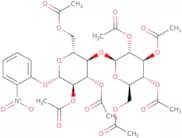
CAS:2-Nitrophenyl b-D-cellobioside heptaacetate is a chromogenic enzyme substrate used to assay for cellobiohydrolase activity. The substrate undergoes enzymatic hydrolysis, releasing 2-nitrophenol which can then be detected via absorbance at 400 nm. This type of substrate is also used for the analysis of cellulose and hemicelluloses in plant materials. The heptaacetate modification enhances solubility, making it ideal for use in organic solvents, and it also protects against unwanted hydrolysis by acid or alkali. The substrate can be used in a variety of applications, including enzyme assay development, screening for inhibitors or activators, and in the study of the mode of action and substrate specificity of cellulase enzymes.Pureza:Min. 95%Cor e Forma:PowderPeso molecular:757.65 g/mol5-Bromo-4-chloro-3-indoxyl-α-L-arabinopyranoside
5-Bromo-4-chloro-3-indoxyl-alpha-L-arabinopyranoside is a fluorogenic substrate that can be used in enzyme and chromogenic assays. It is a high purity, stable product with a CAS number of 53673-61-7. This product has been shown to have fluorescence properties under acidic conditions, as well as chemiluminescence properties when exposed to an oxidizing agent. This compound can be used for the detection of bacterial activity in culture media and for the detection of pathogens in environmental samples. The conjugate can also be used for food testing.
Fórmula:C13H13BrClNO5Peso molecular:378.61 g/molVargulin trifluoroacetate
CAS:Bioluminescent substrate for cypridina luciferase
Fórmula:C22H27N7O·C2F3O2HPureza:Min. 95%Cor e Forma:Red PowderPeso molecular:519.52 g/molRef: 3D-FV63212
Produto descontinuado3-Indoxyl phosphate p-toluidine Salt
CAS:Produto Controlado3-Indoxyl phosphate p-toluidine salt is a secretor of blood group A. It is used in the detection of the presence of alkaline phosphatase in serum and other body fluids. This compound has been shown to be an isoform of 3-indoxyl phosphate with a molecular mass of about 4,000 daltons. It is also used as a substrate for gel electrophoresis and filtration experiments. The purified form of this compound has been shown to have an alkaline phosphatase activity that is ˜4 times greater than that found in human serum and intestinal extracts.
Fórmula:C8H8NO4P·C7H9NPureza:Min. 98 Area-%Cor e Forma:PowderPeso molecular:320.28 g/molRef: 3D-EI56753
Produto descontinuadoAldol® 495 acetate, Biosynth Patent: EP 2427431 and US 8940909
CAS:Produto ControladoAldol 495 acetate is a chromogenic substrate that contains the chemical compound Aldol. It is used in food testing, diagnostics, and environmental testing. Aldol 495 acetate can be used as a ligand to detect the presence of enzymes or bacteria in culture media and diagnostics. This product has been shown to have a high purity and quality.
Fórmula:C22H17ClN2O3Pureza:Min. 95.0 Area-%Peso molecular:392.83 g/molAldol® 515 nonanoate hydrochloride, Biosynth Patent: EP 2427431 and US 8940909
CAS:Aldol® 515 nonanoate hydrochloride is a chromogenic and fluorogenic enzyme substrate for detection of lipase activity. The colorless product is cleaved by C9 esterases produced by bacteria in liquid or solid media, yielding a red color and red fluorescence when Aldol® 355 fluorescence enhancer or a suitable matrix is present. Aldol® 515 nonanoate can be used under aerobic and anaerobic conditions. Well detectable color/fluorescence of bacterial colonies or liquid cultures is obtained within 24-48 h. In the presence of a purified lipase, color and fluorescence develops within minutes to few hours.
Fórmula:C32H36ClN2O3Pureza:Min. 95%Cor e Forma:PowderPeso molecular:533.1 g/molRef: 3D-EA175382
Produto descontinuado4-Methylumbelliferyl elaidate
CAS:4-Methylumbelliferone is a fluorescent probe that can be used to study the metabolism of fatty acids in plants. It is also used as a marker for radiation and significant cytotoxicity. 4-Methylumbelliferone binds to the DNA termini, specifically at the 5' phosphate group, and inhibits phosphatase activity. This process increases levels of p-nitrophenyl phosphate (a substrate), which produces protocatechuic acid (an intermediate). The disulfide bond is then broken by hydrogen peroxide, leading to an increase in fluorescence. The optimum pH for this process is 7.5.
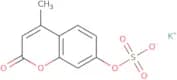
Fórmula:C28H40O4Pureza:Min. 95 Area-%Peso molecular:440.63 g/mol4-Methylumbelliferyl sulfate potassium salt
CAS:4-Methylumbelliferyl sulfate potassium salt serves as a superior fluorogenic substrate in enzyme detection assays. Upon enzymatic hydrolysis, it releases a highly fluorescent 4-methylumbelliferone moiety, enabling real-time analysis and quantification of enzyme activities. This product is ideal for a variety of biological assay applications, including in vitro diagnostics, drug discovery, and research purposes. Its excellent sensitivity, specificity, and performance ensure accurate and consistent results every time.Fórmula:C10H7KO6SPureza:Min. 98 Area-%Cor e Forma:White PowderPeso molecular:294.32 g/molLuc-coliforms Na
CAS:Luc-coliforms Na is a fluorogenic substrate that is used in the diagnosis of bacterial contamination. It is a conjugate of the enzyme luciferase and the substrate coelenterazine, which are combined in a buffer solution. Luc-coliforms Na is used to detect bacteria by adding it to a culture broth or other growth media. The bacteria will emit light as they break down the luc-coliforms Na and produce ATP, which can then be measured with an appropriate detector. Luc-coliforms Na can also be used as a stain for gram-negative rods, such as coliforms, e.g., Escherichia coli, Enterobacter aerogenes, Klebsiella pneumoniae, Proteus mirabilis.
Fórmula:C17H17NaN2O8S2Pureza:Min. 95 Area-%Peso molecular:464.44 g/mol3,4-Cyclohexenoesculetine β-D-glucopyranoside
CAS:Chromogenic substrate for beta-glucosidase
Fórmula:C19H22O9Pureza:Min. 95%Cor e Forma:PowderPeso molecular:394.37 g/molFluorescein di-beta-D-galactopyranoside
CAS:Fluorogenic substrate for beta-galactosidase
Fórmula:C32H32O15Pureza:Min. 98 Area-%Cor e Forma:Slightly Yellow PowderPeso molecular:656.59 g/molAldol® 515 phosphate, disodium salt, Biosynth Patent: EP 2427431 and US 8940909
CAS:Aldol® 515 phosphate is a chromogenic and fluorogenic enzyme substrate used for detection of phosphatase activity. The colorless enzyme substrate is cleaved by acid and alkaline phosphatases secreted by bacteria in liquid or solid media, yielding intense red color and red fluorescence. Aldol® 515 phosphate can also be used in Western blots and other immunoassay applications with phosphatase-coupled secondary antibodies. Aldol® 515 phosphate can be used under aerobic and anaerobic conditions.Fórmula:C23H19N2Na2O5PPureza:Min. 95 Area-%Peso molecular:480.36 g/molRef: 3D-A-4721_P00
Produto descontinuadoNaphthol AS-E phosphate, 60%
CAS:Histochemical substrate for alkaline phosphatase
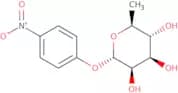
Fórmula:C17H13ClNO5PPureza:(%) Min. 60%Cor e Forma:SolidPeso molecular:377.72 g/mol4-Nitrophenyl α-L-rhamnopyranoside
CAS:Chromogenic substrate for alpha-L-rhamnosidase
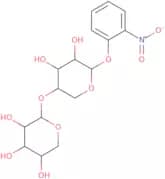
Fórmula:C12H15NO7Pureza:Min. 99 Area-%Cor e Forma:White Slightly Yellow PowderPeso molecular:285.25 g/mol2-Nitrophenyl b-D-xylobioside
CAS:2-Nitrophenyl b-D-xylobioside is a chromogenic substrate for the enzyme xylanase.
Pureza:Min. 95%Cor e Forma:PowderPeso molecular:403.34 g/molRef: 3D-EN06167
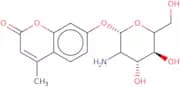
Produto descontinuado4-Methylumbelliferyl b-D-glucosaminide - Moscerdam™ biochemical purity
CAS:A substrate used for the diagnosis of Sanfilippo disease C (MPS III C).
Fórmula:C16H19NO7Pureza:Min. 98 Area-%Cor e Forma:White PowderPeso molecular:337.32 g/mol4-Methylumbelliferyl-2-O-(a-L-fucopyranosyl)-a-L-fucopyranoside
4-Methylumbelliferyl-2-O-(alpha-L-fucopyranosyl)-alpha-L-fucopyranoside is a fluorogenic substrate for alpha-L-fucosidase. After enzymatic cleaveage, free 4-methylumbelliferone (also known as hymecromone) is released, exhibiting blue fluorescence upon excitation with UV light. The strongest fluorescence of 4-methylumbelliferone requires deprotonation of the hydroxyl group (thus requires alkaline pH), with a maximal fluorescence intensity obtained with excitation at 350 to 370 nm and emission at 440 to 470 nm. The use of 4-methylumbelliferyl-2-O-(alpha-L-fucopyranosyl)-alpha-L-fucopyranosideas a substrate for measuring the alpha-L-fucosidase activity is used for fucosidosis diagnosis.
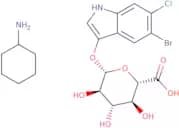
Pureza:Min. 95%Cor e Forma:White PowderPeso molecular:468.45 g/mol5-Bromo-6-chloro-3-indolyl b-D-glucuronide cyclohexylammonium salt
CAS:5-Bromo-6-chloro-3-indolyl b-D-glucuronide cyclohexylammonium salt is a magenta enzyme substrate commonly used in biochemical assays. This compound is a derivative of indole, containing bromine and chlorine atoms at positions 5 and 6, respectively. The glucuronide moiety is attached to the indolyl ring, and the cyclohexylammonium cation serves as a counterion to balance the charge. This substrate is often utilized in the detection and quantification of β-glucuronidase activity, an enzyme involved in the metabolism of glucuronides. Upon cleavage by β-glucuronidase, the substrate produces a magenta-colored product, allowing for easy visualization and measurement of enzyme activity.
Fórmula:C14H13BrClNO7·C6H13NPureza:Min. 98 Area-%Cor e Forma:PowderPeso molecular:521.79 g/molRef: 3D-EB03300
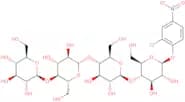
Produto descontinuado2-Chloro-4-nitrophenyl-β-D-cellotetraoside
CAS:2-chloro-4-nitrophenyl-beta-D-cellotetraoside is a chromogenic substrate for measuring cellulase activity and other glycosyl hydrolases. The release of 2-chloro-4-nitrophenol can be detected at 405 nm.Fórmula:C30H44ClNO23Pureza:Min. 95%Cor e Forma:PowderPeso molecular:822.12 g/molRef: 3D-EC36497
Produto descontinuado5-Cyano-3-indolyl-β-D-galactopyranoside
5-Cyano-3-indolyl-b-D-galactopyranoside is a chemiluminescent substrate that can be used to measure the activity of esterases and other enzymes. It has been shown to be a potent inhibitor of human erythrocyte esterase. The compound is also a potent inducer of bioluminescence in bacteria, which can be used for diagnostic applications. 5-Cyano-3-indolyl-b-D-galactopyranoside is a fluorogenic substrate that can be used to measure the activity of phosphatases and other enzymes. This product has an enzyme substrate function, which can be used for enzyme assays. 5CIGP is useful for measuring high levels of enzyme activity in the presence of strong inhibitors such as phenylmethylsulfonyl fluoride (PMSF).
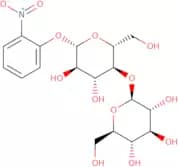
Fórmula:C15H16N2O6Pureza:Min. 95%Cor e Forma:PowderPeso molecular:320.3 g/mol2-Nitrophenyl b-D-cellobioside
CAS:Chromogenic substrate targeting cellulases
Fórmula:C18H25NO14Pureza:Min. 98 Area-%Cor e Forma:White PowderPeso molecular:463.39 g/mol4-Methylumbelliferyl 2-acetamido-2-deoxy-b-D-galactopyranoside
CAS:Please enquire for more information about 4-Methylumbelliferyl 2-acetamido-2-deoxy-b-D-galactopyranoside including the price, delivery time and more detailed product information at the technical inquiry form on this page
Fórmula:C18H21NO8Pureza:Min. 98 Area-%Cor e Forma:White PowderPeso molecular:379.36 g/molRef: 3D-EM06390
Produto descontinuado5-Bromo-4-chloro-3-indoxyl caprylate
CAS:Chromogenic substrate for esterase with C8 activity yielding a blue precipitate upon cleavage.
Fórmula:C16H19BrClNO2Pureza:Min. 99 Area-%Peso molecular:372.70 g/molL-Pro-PAB-Resorufin
L-Pro-PAB-Resorufin is a highly sensitive chromogenic and fluorogenic indicator for L-proline aminopeptidase activity and related enzymes occurring in prokaryotic as well as eukaryotic organisms. After removal of the L-proline amide substructure by enzymatic hydrolysis and spontaneous elimination of the para-amino-benzyl (PAB) spacer, the initially orange colored compound yields an intense pink color. In addition, the released chromophor is an excellent fluorophor showing red fluorescence at an emission wavelength of 580 to 600 nm when excited at 560 to 570 nm.
Fórmula:C24H21N3O4Pureza:Min. 70 Area-%Cor e Forma:PowderPeso molecular:415 g/molRef: 3D-FP181502
Produto descontinuado4-Nitrophenyl β-D-xylobioside
CAS:4-Nitrophenyl beta-D-xylobioside is a chromogenic substrate for xylanase. Upon hydrolysis, para-nitrophenol is released yielding a yellowish colour. 4-Nitrophenyl beta-D-xylobioside is used in different applications such as the Xylan degradation studies, paper/pulp industry applicationsFórmula:C16H21NO11Pureza:Min. 95%Cor e Forma:White PowderPeso molecular:403.34 g/molRef: 3D-EN15454
Produto descontinuadoD-Luciferin-6-O b-D-galactopyranoside
CAS:Chemiluminescent substrate for b-galactosidase
Fórmula:C17H18N2O8S2Pureza:Min. 95 Area-%Cor e Forma:Beige PowderPeso molecular:442.47 g/molRef: 3D-EL28834
Produto descontinuadoRUG ®, Resorufin-beta-D-glucuronic acid methyl ester, Biosynth Patent: EP 2718458 and US 9127303
CAS:Living cells of Escherichia coli can be reliably detected with media that contain a chromogenic or fluorogenic substrate for beta-glucuronidase (also termed β-D-glucuronidase), an enzyme that occurs almost exclusively in E. coli. RUG®, Resorufin-beta-D-glucuronic acid methyl ester is a highly sensitive chromogenic and fluorogenic indicator for E. coli. After removal of the methyl ester group by unspecific hydrolysis, orange colored product is cleaved by beta-glucuronidase in liquid media or on agar plates and yields an intense pink color. Red fluorescence is obtained upon excitation at 560-570 nm.Formally ER175455.
Fórmula:C19H17NO9Pureza:Min. 90.0 Area-%Peso molecular:403.34 g/mol1-Naphthyl b-D-glucuronide sodium salt
CAS:1-Naphthyl b-D-glucuronide sodium salt is a chromogenic substrate commonly used to assay the activity of beta-glucuronidase enzymes. It is hydrolyzed by beta-glucuronidase to yield a yellow-colored product, 1-naphthol, which can be quantified spectrophotometrically. This substrate is widely used in diagnostic tests for detection of beta-glucuronidase activity, particularly in clinical microbiology for the identification of E. coli and other enteric bacteria. With its sodium salt form, it boasts increased solubility in aqueous solutions, ensuring seamless integration into various experimental settings.
Fórmula:C16H15NaO7Pureza:Min. 95%Cor e Forma:PowderPeso molecular:342.28 g/mol4-Methylumbelliferyl α-L-idopyranosiduronic acid 2-sulfate disodium salt
CAS:4-Methylumbelliferyl alpha-L-idopyranosiduronic acid 2-sulfate disodium salt is a chromogenic substrate that is used in the detection of glycosidases. It reacts with enzymes such as alpha-amylase, beta-galactosidase, and beta-glucosidase to produce a fluorescent product. This product can be detected using a fluorometer or spectrophotometer. The CAS number for 4-methylumbelliferyl alpha-L-idopyranosiduronic acid 2-sulfate disodium salt is 1045020-74-3.
Fórmula:C16H14Na2O12SPureza:Min. 99.0 Area-%Peso molecular:476.32 g/molLuciferin-α-D-glucoside, potassium salt
Luciferin-alpha-D-glucoside, potassium salt is a bioluminescence substrate for the detection of various enzymes. It is used to detect the presence of alkaline phosphatase, acid phosphatase, and diaphorase. Luciferin-alpha-D-glucoside, potassium salt is also used as a chromogenic substrate for the determination of glucose in blood and urine, as well as a fluorogenic substrate for the determination of uric acid in urine. This product has high purity and quality and is available in conjugates with antibodies or other ligands that are useful for immunoassays.
Fórmula:C17H17KN2O8S2Pureza:Min. 85 Area-%Peso molecular:480.55 g/mol4-Nitrophenyl-β-D-glucopyranoside
CAS:4-Nitrophenyl-beta-D-glucopyranoside is a fluorescent probe that can be used in the study of the biochemical properties of enzymes. This compound binds to the enzyme's active site, which allows for transfer reactions to occur. 4-Nitrophenyl-beta-D-glucopyranoside is an artificial substrate that is biochemically inert and has a similar physical structure to natural substrates. It can be used as a model system to study enzymatic reactions and has been shown to have pharmacokinetic properties and a pH optimum. The detection sensitivity of this compound is high, making it ideal for use in biochemical studies.
Fórmula:C12H15NO8Pureza:Min. 99.0 Area-%Peso molecular:301.25 g/mol4-Methylumbelliferyl b-D-glucuronide hydrate
CAS:4-Methylumbelliferyl beta;-D-glucuronide (MUG) is commonly used as a substrate for detecting beta;-glucuronidase. MUG is used for identifying E. coli contamination in food, drinkingwater, clinical samples and for rapid bacterial identification in blood cultures. It is recommended in international normatives (ISO, DIN) as a fluorogenic substrate for detection of E. coli. MUG is also a tool assaying the glucuronidase gene in plants.
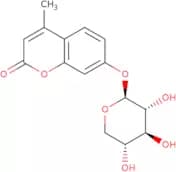
Fórmula:C16H18O10Pureza:(%) Min. 99%Cor e Forma:White PowderPeso molecular:352.29 g/mol4-Methylumbelliferyl b-D-xylopyranoside
CAS:Please enquire for more information about 4-Methylumbelliferyl b-D-xylopyranoside including the price, delivery time and more detailed product information at the technical inquiry form on this page
Fórmula:C15H16O7Pureza:Min. 98 Area-%Cor e Forma:PowderPeso molecular:308.28 g/molAldol® 518 ammonium myo-inositol-1-phosphate, Biosynth Patent: EP 2427431 and US 8940909
CAS:Aldol® 518 myo-inositol phosphate is a chromogenic and fluorogenic enzyme substrate used for detection of phosphatidylinositol specific phospholipase C (PI-PLC, EC 4.6.1.13) activity. The colorless enzyme substrate is cleaved by PI-PLC positive microorganisms grown in liquid or solid media, yielding intense red color. In combination with Aldol® 355 fluorescence enhancer, red fluorescence can also be obtained. Aldol® 518 myo-inositol phosphate thus enables the detection and identification of various bacteria, such as, pathogenic strains of Listeria, Clostridium, Bacillus, and Staphylococcus species. Aldol® 518 myo-inositol phosphate is suitable for use under aerobic and anaerobic conditions.
Fórmula:C29H33ClN3O10PPureza:Min. 95.0 Area-%Peso molecular:650.02 g/molRef: 3D-A-4760_P00
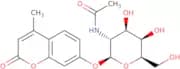
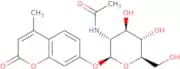
Produto descontinuado4-Methylumbelliferyl 2-acetamido-2-deoxy-b-D-glucopyranoside
CAS:Fluorogenic substrate for chitinaseFórmula:C18H21NO8Pureza:Min. 99 Area-%Cor e Forma:White Off-White PowderPeso molecular:379.36 g/molRef: 3D-EM03177
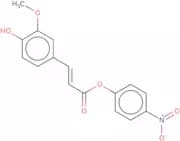
Produto descontinuado4-Nitrophenyl trans-ferulate
CAS:Substrate for feruloyl esterases
Fórmula:C16H13NO6Pureza:Min. 98 Area-%Cor e Forma:PowderPeso molecular:315.28 g/molAldol® 518 α-D-galactopyranoside, Biosynth Patent: EP 2427431 and US 8940909
CAS:Aldol® 518 alpha-D-galactopyranoside is a chromogenic and fluorogenic enzyme substrate used for detection of alpha-galactosidase activity. The enzyme substrate is cleaved by alpha-galactosidase positive bacteria and yeasts in liquid or solid media, yielding red color and red fluorescence signal. Aldol® 518 alpha-D-galactopyranoside can also be used to detect alpha-galactosidase (encoded by the Mel1 gene) in yeast gene reporter assays or for identification of alpha-gal positive transformants on agar plates. Aldol® 518 alpha-D-galactopyranoside can be used under aerobic and anaerobic conditions.
Fórmula:C29H29ClN2O7Pureza:Min. 95%Cor e Forma:PowderPeso molecular:553.01 g/molRef: 3D-EA175377
Produto descontinuadoAldol® 518 alpha-D-glucopyranoside, Biosynth Patent: EP 2427431 and US 8940909
CAS:Aldol® 518 alpha-D-glucopyranoside is a fluorogenic enzyme substrate used for detection of alpha-D-glucosidase activity. The colorless enzyme substrate is cleaved by alpha-D-glucosidase, generating red fluorescent signal and in some conditions, an orange colour in the visible spectrum can get formed, staining bacterial colonies in faint orange coloration. Aldol® 518 alpha-D-glucopyranoside can be used under aerobic and anaerobic conditions.
Fórmula:C29H29ClN2O7Pureza:Min. 95%Cor e Forma:PowderPeso molecular:553 g/molRef: 3D-EA175358
Produto descontinuado4-Methylumbelliferyl-β-D-xylopyranoside
CAS:4-Methylumbelliferyl-β-D-xylopyranoside is a fluorescent probe that has been used to visualize the enzyme activities of glycosidases, such as endoglycosidase H and α-amylase. It is also used as a tool in structural analysis of oligosaccharides. 4-Methylumbelliferyl-β-D-xylopyranoside has been shown to inhibit collagenase activity in mice, which may be due to its ability to inhibit protein synthesis and cell division.
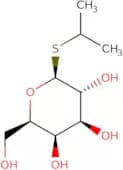
Fórmula:C15H16O7Pureza:Min. 99.0 Area-%Peso molecular:308.29 g/molIPTG
CAS:Isopropyl-beta-D-thiogalactopyranoside (IPTG) is a non-metabolizable allolactose analogue, widely used in molecular biology for overexpression of recombinant proteins from inducible systems under the control of lac promoter. IPTG binds to the LacI repressor and causes its release from the lac operator, allowing gene expression of lac operon to take place. IPTG is present in vectors of pGEX, pGEM-T, pET, pRSET, pMAL class and others.
Fórmula:C9H18O5SPureza:Min. 99 Area-%Cor e Forma:White PowderPeso molecular:238.3 g/molRef: 3D-EI07011
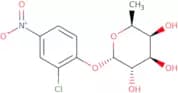
Produto descontinuado2-Chloro-4-nitrophenyl-alpha-L-fucopyranoside
CAS:Alternative chromogenic substrate for alpha-D-galactosidase
Fórmula:C12H14ClNO7Pureza:Min. 98 Area-%Cor e Forma:White PowderPeso molecular:319.69 g/molRef: 3D-EC05990
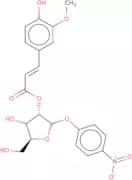
Produto descontinuado4-Nitrophenyl 2-O-trans-feruloyl-a-L-arabinofuranoside
CAS:4-Nitrophenyl 2-O-trans-feruloyl-alpha-L-arabinofuranoside is a chromogenic substrate for alpha-L-arabinofuranosidase. Upon hydrolysis, para-nitrophenol is released yielding a yellowish colour. 4-Nitrophenyl 2-O-trans-feruloyl-alpha-L-arabinofuranoside is used in different applications such as the Plant biomass analysis, bacterial arabinan degradation assays
Fórmula:C21H21NO10Pureza:Min. 95%Cor e Forma:PowderPeso molecular:447.39 g/molRef: 3D-EN16252
Produto descontinuado

![[2-(2-Thiazolylazo)-4-cresyl]-β-D-galactopyranoside](/_next/image/?url=https%3A%2Fstatic.cymitquimica.com%2Fproducts%2F3D%2Fthumb-webp%2FFT172198.webp&w=3840&q=75)