Substratos Cromogénicos
Os substratos cromogênicos são compostos que produzem uma mudança de cor visível quando são metabolizados por enzimas específicas. Esses substratos são amplamente utilizados em ensaios diagnósticos, pesquisa bioquímica e ensaios imunoenzimáticos (ELISA) para detectar e quantificar a atividade enzimática. A mudança de cor permite uma identificação visual fácil e rápida das reações enzimáticas, tornando os substratos cromogênicos ferramentas essenciais na análise laboratorial. Na CymitQuimica, oferecemos uma seleção diversificada de substratos cromogênicos de alta qualidade para apoiar suas aplicações de pesquisa e diagnóstico.
Foram encontrados 712 produtos de "Substratos Cromogénicos"
Ordenar por
Pureza (%)
0
100
|
0
|
50
|
90
|
95
|
100
Aldol® 515 L-proline amide, hydrochloride, Biosynth Patent: EP 2427431 and US 8940909
CAS:<p>Aldol® 515 L-proline amide is a chromogenic and fluorogenic enzyme substrate used for detection of L-proline aminopeptidase activity. The colorless enzyme substrate is cleaved by L-proline aminopeptidase produced by microorganisms grown in liquid or solid media, yielding red-orange color. In addition, red fluorescence signals are generated when a fluorescence enhancer or a suitable matrix is present. Aldol® 515 L-proline amide is suitable for use under aerobic and anaerobic conditions.</p>Fórmula:C28H29ClN4O2Pureza:Min. 95.0 Area-%Peso molecular:489.02 g/molAldol® 470 L-alanine ester, hydrochloride, Biosynth Patent: EP 2427431 and US 8940909
CAS:Produto Controlado<p>Aldol® 470 L-alanine ester, hydrochloride is a chromogenic substrate that is used as a food testing reagent and enzyme substrate in diagnostics. It is also used to detect the presence of ligands in an environment. Aldol® 470 L-alanine ester, hydrochloride is used in chemiluminescence and bioluminescence reactions.</p>Fórmula:C26H25ClN2O5Pureza:Min. 95.0 Area-%Peso molecular:480.95 g/mol3-Indolyl b-D-cellotrioside
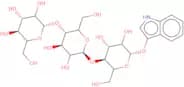
<p>3-Indolyl b-D-cellotrioside is a chemiluminescent substrate that is used for the detection of bacterial activity. 3-Indolyl b-D-cellotrioside reacts with hydrogen peroxide to produce light, which can be detected by luminometers. This product can be used in diagnostic tests to detect the presence of bacteria in food, water, and other samples. It has been shown to have excellent performance characteristics and high purity and quality.</p>Pureza:Min. 95%Peso molecular:619.57 g/mol4-Nitrophenyl 3-O-(2,3,4,6-tetra-O-acetyl-a-D-mannopyranosyl)-2-O-benzoyl-4,6-O-benzylidene-a-D-mannopyranoside
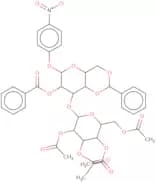
<p>4-Nitrophenyl 3-O-(2,3,4,6-tetra-O-acetyl-a-D-mannopyranosyl)-2-O-benzoyl-4,6-O-benzylidene a -D-mannopyranoside is a synthetic substrate for glycosidases that can be used as an alternative to other substrates. It can be used in the detection of enzyme activity and in the diagnosis of diseases such as diabetes mellitus and Gaucher's disease. 4NP3ODABAB has been shown to have high quality and purity. This substrate has not been evaluated by CAS yet.</p>Pureza:Min. 95%Peso molecular:823.75 g/mol4-Nitrophenyl 2-acetamido-3,6-di-O-acetyl-4-O-[2-O-(2,3,4-tri-O-benzoyl-a-L-fucopyranosyl)-3,4,6-tri-O-acetyl-b-D-galactopyranosyl]- 2-deoxy-b-D-glucopyranoside
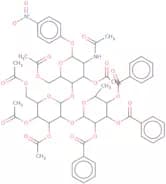
<p>This chemical is a ligand that can bind to the enzyme luciferase. In a bioluminescence reaction, this chemical reacts with oxygen and ATP to produce light. This product has been tested for purity and quality and is suitable for use in culture media, environmental testing, or diagnostics. It has also been shown to be an excellent fluorescent substrate for fluorogenic or chromogenic substrates in enzyme substrate assays.</p>Pureza:Min. 95%Peso molecular:1,173.08 g/molAldol® 518 myo-inositol-1-phosphate, Biosynth Patent: EP 2427431 and US 8940909
CAS:<p>Aldol® 518 myo-inositol-1-phosphate is a chromogenic and fluorogenic enzyme substrate used for detection of phosphatidyl-inositol specific phospholipase C activity (PI-PLC, EC 4.6.1.13). The colorless enzyme substrate is cleaved by PI-PLC or PI-PLC-positive microorganisms grown in liquid or solid media, yielding an intense red coloration. In combination with Aldol® 355 fluorescence enhancer, red fluorescence can also obtained. Aldol® 518 myo-inositol-1-phosphate is suitable for use in liquid and solid media, under aerobic as well as anaerobic conditions.</p>Fórmula:C29H30ClN2O10PPureza:Min. 95.0 Area-%Peso molecular:632.98 g/mol2-Chloro-4-nitrophenyl 2,3,4,6-tetra-O-acetyl-a-D-glucopyranoside
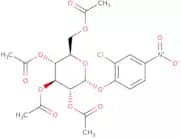
CAS:<p>2-Chloro-4-nitrophenyl 2,3,4,6-tetra-O-acetyl-a-D-glucopyranoside is a chromogenic substrate used to characterize enzymes in biochemical assays. The substrate is cleaved by enzymes, such as esterases and glycosidases, releasing the chromogenic group, which can be detected by its yellow color.</p>Pureza:Min. 95%Peso molecular:503.84 g/molAldol® 470 N-tosyl-L-alanine ester, Biosynth Patent: EP 2427431 and US 8940909
CAS:Produto Controlado<p>The Aldol® 470 N-tosyl-L-alanine ester is a high purity, high quality fluorogenic substrate for the enzyme alkaline phosphatase. It is a conjugate of the tosyl group with L-alanine and has been used as a fluorogenic substrate in various food testing applications. The Aldol® 470 N-tosyl-L-alanine ester also has several other uses including in diagnostic methods, culture media, and enzyme substrates.</p>Fórmula:C33H30N2O7SPureza:Min. 95%Cor e Forma:PowderPeso molecular:598.67 g/mol4-Nitrophenyl b-D-cellobioside heptaacetate
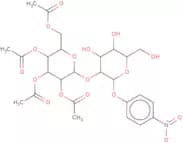
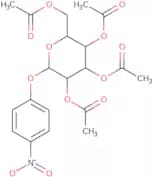
<p>4-Nitrophenyl b-D-cellobioside heptaacetate is a chromogenic substrate for enzymes that catalyze the hydrolysis of glycosidic bonds. This product is used as a diagnostic tool for identifying and characterizing glycosidases and other enzymes that degrade glycosidic bonds. 4-Nitrophenyl b-D-cellobioside heptaacetate is also used in culture media to measure the activity of cellulase enzymes by measuring the release of reducing sugars. The color change of this substrate can be detected at 405 nm, 490 nm, or 550 nm.</p>Pureza:Min. 95%Peso molecular:757.65 g/molNaphthol AS-BI b-D-glucopyranoside
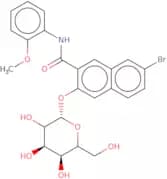
CAS:<p>Naphthol AS-BI b-D-glucopyranoside is a substrate for enzymes such as β-glucosidase and β-glycosidase. It has been used in diagnostic tests to detect the presence of amylase, lipase, α-amylase, or maltase in urine and feces. In biochemistry, naphthol AS-BI b-D-glucopyranoside is often used as a chromogenic or fluorogenic substrate for the detection of β-galactosidases and other glycosidases. This product has also been used in the detection of bacteria in culture media. Naphthol AS-BI b-D-glucopyranoside is a high quality reagent that can be used for chemiluminescence experiments, food testing, and environmental testing.</p>Pureza:Min. 95%Peso molecular:534.35 g/mol5-Bromo-4-chloro-3-indoxyl-α-D-xylopyranoside
CAS:<p>5-Bromo-4-chloro-3-indoxyl-alpha-D-xylopyranoside is an enzyme substrate that can be used in the detection of β-galactosidase activity. This product has been shown to be a good ligand for various xanthine oxidoreductases, including xanthine dehydrogenase and uricase. 5BBIX is also a chromogenic substrate for horseradish peroxidase and can be used to detect hydrogen peroxide in the presence of osmium tetroxide or potassium permanganate. 5BBIX has been extensively tested for use in diagnostics, food, and environmental testing.</p>Fórmula:C13H13BrClNO5Pureza:Min. 98.0 Area-%Peso molecular:378.61 g/mol4-Nitrophenyl 6-O-DMT-a-D-mannopyranoside
<p>4-nitrophenyl 6-O-DMT-a-D-mannopyranoside is a fluorescent substrate for the enzyme beta-glucosidase. It reacts with an acyl group at the C2 position of the glycoside moiety, producing an aldehyde group at the C1 position and a hydroxymethylene group at the C4 position. This reaction is catalyzed by beta-glucosidase, which cleaves the glycosidic linkage in sucrose and other disaccharides. The product can be detected using luminescence methods, such as chemiluminescence or bioluminescence.<br>4-nitrophenyl 6-O-DMT-a-D-mannopyranoside is used to detect β glucosidase activity in bacteria. This substrate has been shown to be sensitive and specific for β glucosidase activity when combined with fluorescence detection technology</p>Pureza:Min. 95%Peso molecular:603.62 g/mol[2-Methoxy-4-(2-nitrovinyl)phenyl] b-D-galactopyranoside
CAS:<p>[2-Methoxy-4-(2-nitrovinyl)phenyl] b-D-galactopyranoside (MNVP-gal) is a chromogenic enzyme substrate that is commonly used to detect the activity of beta-galactosidase in biological samples. MNVP-gal produces a distinctive magenta color when hydrolyzed by beta-galactosidase, making it particularly useful for applications where visual detection is necessary. This substrate is also resistant to endogenous proteases, making it well-suited for use in cellular and tissue preparations.</p>Pureza:Min. 95%Peso molecular:357.31 g/molAldol® 515 N-glutaryl-L-phenylalanine amide potassium salt, Biosynth Patent: EP 2427431 and US 8940909
CAS:<p>Aldol® 515 N-glutaryl-L-phenylalanine amide is a chromogenic and fluorogenic enzyme substrate used for detection of L-glutamate-phenylalanine (GluPhe)-specific peptidase activity. The colorless enzyme substrate is cleaved the GluPhe-specific peptidase, yielding development of orange-red coloration. In addition, red fluorescence is generated when Aldol® 355 fluorescence enhancer or a suitable matrix is present. Aldol® 515 N-glutaryl-L-phenylalanine amide can be used in enzyme assays and live bacterial cultures. Aldol® 515 N-glutaryl-L-phenylalanine amide is suitable for use in liquid and solid media, under aerobic as well as anaerobic conditions.</p>Fórmula:C37H35KN4O5Pureza:Min. 95.0 Area-%Peso molecular:654.80 g/mol4-Nitrophenyl β-D-maltotrioside
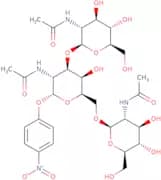
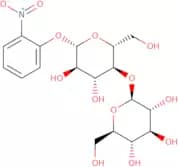
CAS:<p>Chromogenic substrate targeting amylase</p>Fórmula:C24H35NO18Pureza:Min. 95%Cor e Forma:PowderPeso molecular:625.53 g/mol4-Nitrophenyl 2-acetamido-4-O-(2-acetamido-3,4,6-tri-O-acetyl-2-deoxy-b-D-glucopyranosyl)-3,6-di-O-acetyl-2-deoxy-b-D-glucopyranosid e
CAS:<p>4-Nitrophenyl 2-acetamido-4-O-(2-acetamido-3,4,6-tri-O-acetyl-2-deoxy-b-D-glucopyranosyl)-3,6-di-O -acetyl2 deoxy b D glucopyranosid e is a chemiluminescence substrate that reacts with hydrogen peroxide to produce light. It is used in diagnostics for the detection of bacterial and fungal cultures. The reaction between 4NPAA and hydrogen peroxide generates light at 540 nm. This product has been tested for purity and quality using various methods including culture media, environmental testing, bioluminescence, staining, fluorogenic substrate, enzyme substrate, food testing and conjugate.</p>Pureza:Min. 95%Peso molecular:755.68 g/mol6-Chloro-1H-indol-3-yl b-D-glucuronide
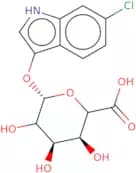
CAS:<p>6-Chloro-1H-indol-3-yl b-D-glucuronide is a chemiluminescence substrate that can be used in immunoassays and other biochemical analyses. 6CIG is a highly purified, high quality product with a CAS No. 138182-19-1. This product has been tested for bacterial contamination and found to be free of detectable levels of mycoplasma, yeast, mold, or other microbial agents. It has also been tested for its ability to support the growth of various types of cells and found to be suitable for cell culture media. This chemical has been shown to produce an intense blue chemiluminescent reaction when reacted with horseradish peroxidase enzyme and hydrogen peroxide.</p>Pureza:Min. 95%Peso molecular:343.72 g/mol2-Naphthyl 2-acetamido-3,4,6-tri-O-acetyl-2-deoxy-b-D-glucopyranoside
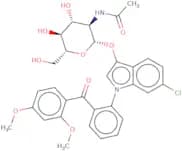
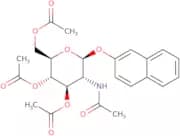
CAS:<p>2-Naphthyl 2-acetamido-3,4,6-tri-O-acetyl-2-deoxy-b-D-glucopyranoside is a fluorogenic substrate that is used in food testing as well as environmental testing. It has been shown to be a ligand for the enzyme beta-galactosidase. This product is also a chemiluminescent and bioluminescent substrate that can be used in diagnostics and culture media.</p>Pureza:Min. 95%Peso molecular:473.47 g/mol4-Nitrophenyl 2-O-(a-L-fucopyranosyl)-a-D-galactopyranoside
CAS:<p>4-Nitrophenyl 2-O-(a-L-fucopyranosyl)-a-D-galactopyranoside is a chromogenic pNP enzyme substrate consisting of a fucose and galactose moieties. Upon enzymatic hydrolysis by specific fucosidases or galactosidases, it releases the highly chromogenic molecule 4-nitrophenol, which exhibits a distinct yellow color that can be monitored spectrophotometrically. This substrate is frequently used to study enzyme specificity, kinetics, and inhibition, and it plays a critical role in the investigation of carbohydrate active enzymes (CAZymes), the screening of enzyme inhibitors, and the development of novel analytical methods for the detection and quantitation of enzyme activities.</p>Pureza:Min. 95%Peso molecular:447.39 g/mol2-Naphthyl 2-acetamido-2-deoxy-β-D-glucopyranoside
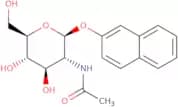
CAS:<p>2-Naphthyl 2-acetamido-2-deoxy-b-D-glucopyranoside is a chromogenic substrate used for staining and diagnostic purposes. It is a ligand that has been shown to bind to certain enzymes and can be used for the detection of those enzymes. This product is also a chemiluminescence substrate, which can be used in bioluminescent reactions. This product has been shown to have high purity and quality, as well as being a conjugate.</p>Fórmula:C18H21NO6Pureza:Min. 95%Peso molecular:347.36 g/mol3-Nitrophenyl 2-acetamido-2-deoxy-b-D-glucopyranoside
CAS:<p>3-Nitrophenyl 2-acetamido-2-deoxy-b-D-glucopyranoside is a chemiluminescent substrate that is used for the detection of glycosidases. It has been shown to be a good ligand for the study of nucleic acid hybridization, and it can also be used in enzyme assays. 3NPPAG is available in high purity and high quality. This product has been tested for use in culture media, environmental testing, bioluminescence, staining, fluorogenic substrate, CAS No. 61894-63-1, diagnostics, chromogenic substrate, enzyme substrate, food testing and conjugate applications.</p>Pureza:Min. 95%5-Bromo-4-chloro-3-indoxyl phosphate, p-toluidine salt - micronized
CAS:<p>5-Bromo-4-chloro-3-indoxyl phosphate, p-toluidine salt - micronized is a chemiluminescent substrate used in diagnostic assays. It is an enzyme substrate that is commonly used to detect peroxidase activity and has been shown to be effective in detecting various types of bacteria. This product is a high quality chemical with a purity of at least 98% and has been tested for environmental safety. 5-Bromo-4-chloro-3-indoxyl phosphate, p-toluidine salt - micronized can be used as a fluorogenic substrate for the detection of proteases and aminopeptidases.</p>Pureza:Min. 95%4-Nitrophenyl b-D-cellopentaoside hexadecaacetate
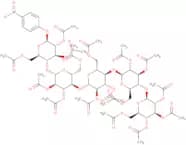
CAS:<p>4-Nitrophenyl b-D-cellopentaoside hexadecaacetate is a fluorogenic substrate that is used to study the activity of various enzymes. It reacts with hydrolytic enzymes in the presence of hydrogen peroxide to produce light, and it can be used for food testing, environmental testing, and diagnostics. 4-Nitrophenyl b-D-cellopentaoside hexadecaacetate is a conjugate of 4-nitrophenol and cellobiose pentaacetate that has a high purity and high quality. The CAS number for this compound is 129411-66-1.</p>Pureza:Min. 95%Peso molecular:1,622.4 g/mol4-Nitrophenyl 2-acetamido-3,4,6-tri-O-acetyl-2-deoxy-b-D-glucopyranoside
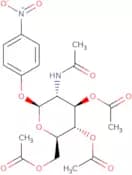
CAS:<p>4-Nitrophenyl 2-acetamido-3,4,6-tri-O-acetyl-2-deoxy-b-D-glucopyranoside is an extracellular nucleic acid molecule that is produced by the bacterium Corynebacterium glutamicum. This compound has been shown to inhibit cancer cells by blocking the transport of glucose through the cell membrane and may be a potential drug target for cancer treatment. 4NPTAPG has also been shown to have diagnostic properties and can identify corynebacterium glutamicum strains. It is a fluorescent molecule that can be used to detect the presence of this bacterium in culture media.</p>Pureza:Min. 95%Peso molecular:468.41 g/mol2-Nitrophenyl 2,3,4-tri-O-acetyl-b-D-glucuronide methyl ester
CAS:<p>2-Nitrophenyl-2,3,4-tri-O-acetyl-b-D-glucuronide methyl ester is a tri-O-acetylated glucuronide substrate commonly used in chromogenic assays to detect the activity of beta-glucuronidase. Upon hydrolysis by the enzyme, the substrate releases 2-nitrophenol, which can be spectrophotometrically. The substrate is widely used in diagnostic tests to assess bacterial and fungal infections, as well as in drug metabolism studies.</p>Pureza:Min. 95%Peso molecular:455.37 g/mol3-Indolyl-b-D-cellobioside
CAS:<p>3-Indolyl-b-D-cellobioside is a fluorogenic substrate for alkaline phosphatase. It can be used in food testing, environmental testing, and diagnostics. 3-Indolyl-b-D-cellobioside is a chromogenic substrate for beta-galactosidase. It can be used in staining and enzyme substrates. 3-Indolyl-b-D-cellobioside is also a ligand for alkaline phosphatase. It can be used in conjugates and chemiluminescence or bioluminescence reactions. 3-Indolyl -b -D -cellobioside is a high purity product with high quality standards that are suitable for use in culture media.br>br><br>3 - Indolyl - b - D - cellobioside <br>CAS No . 914912 - 14 - 4 <br>Food testing <br>St</p>Pureza:Min. 95%Peso molecular:457.43 g/mol4-Nitrophenyl 2-acetamido-3-O-(3,4,6-tri-O-acetyl-2-deoxy-2-phthalimido-b-D-glucopyranosyl)-2-deoxy-4,6-O-4-methoxybenzylidene-a-D-g alactopyranoside
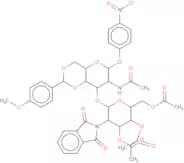
<p>4-Nitrophenyl 2-acetamido-3-O-(3,4,6-tri-O-acetyl-2-deoxy-2-phthalimido-b-D-glucopyranosyl)-2-deoxy--4,6--O--4--methoxybenzylidene--a--D--galactopyranoside is a chemiluminescent substrate for the enzyme beta galactosidase. It reacts with this enzyme to form 4 nitrophenol and acetamide. 4 Nitrophenyl 2 acetamido 3 O (3,4,6 tri O acetyl 2 deoxy 2 phthalimido b D glucopyranosyl) 2 deoxy 4 6 O 4 methoxybenzylidene a D galactopyranoside is used as a chromogenic substrate in diagnostics and as an environmental testing agent. It can be used as an imaging</p>Pureza:Min. 95%Peso molecular:877.8 g/molJalapeno green-Gal
<p>Jalapeno green-Gal (Jalapeno green-beta-D-galactopyranoside) is a chromogenic indicator for beta-galactosidase activity. The colorless product is cleaved by lactose-utilizing bacteria in liquid media or on agar plates and yields a Jalapeno green colored precipitate. Jalapeno green-Gal can also be used as detecting agent for beta-galactosidase activity in reporter gene assays or for identification of positive transformants on agar plates when using the α-complementation approach.</p>Peso molecular:472.1 g/mol5-Bromo-3-indolyl a-D-galactopyranoside
<p>5-Bromo-3-indolyl a-D-galactopyranoside is a fluorogenic substrate that can be used for the detection of beta-galactosidase activity. It is also used as an enzyme substrate in diagnostics and research, as well as a chromogenic substrate in staining. 5-Bromo-3-indolyl a-D-galactopyranoside has been shown to be an excellent conjugate for proteins, nucleic acids, and other biomolecules. This product can also be used in culture media for the cultivation of bacteria and yeast.</p>Fórmula:C14H16BrNO6Pureza:Min. 95%Peso molecular:374.18 g/mol2-Nitrophenyl hexyl ether
CAS:<p>2-Nitrophenyl hexyl ether is a chromogenic substrate commonly used to assay the activity of esterases. Upon cleavage of the ester bond by esterases, the released 2-nitrophenyl group yields a yellow color detectable by spectrophotometry. This substrate has been used in a variety of applications, including environmental monitoring and studies of insecticide resistance. It is particularly useful for screening large numbers of samples because of its rapid reaction rate and high sensitivity. However, it should be noted that some non-specific hydrolysis may occur with this substrate, particularly at high concentrations or in the presence of strong nucleophiles.</p>Pureza:Min. 95%Peso molecular:223.27 g/mol2-Nitrophenyl 2-acetamido-3,4,6-tri-O-acetyl-2-deoxy-b-D-glucopyranoside
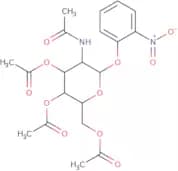
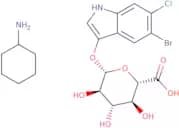
CAS:<p>2-Nitrophenyl 2-acetamido-3,4,6-tri-O-acetyl-2-deoxy-b-D-glucopyranoside is a chromogenic substrate used to detect and measure the activity of glycosidase enzymes. Glycosidases are enzymes that hydrolyze glycosidic bonds in carbohydrates, and are produced by many organisms. The substrate is cleaved by glycosidase to release a chromophore, which can be quantified via spectrophotometry analysis. 2-Nitrophenyl 2-acetamido-3,4,6-tri-O-acetyl-2-deoxy-b-D-glucopyranoside is widely used in various applications, including enzyme kinetics studies, inhibitor screening, and the detection of NAGase activity in biological samples, such as serum, urine, and cell lysates. It is also used for the identification and characterization of glycosidases in microorganisms and the study of glycosylation-related processes in cells and tissues.</p>Pureza:Min. 95%Peso molecular:468.41 g/mol5-Bromo-3-indolyl β-D-glucuronide cyclohexylammonium
CAS:<p>chromogenic substrate for beta-glucuronidase</p>Fórmula:C14H14BrNO7•C6H13NPureza:Min. 95%Cor e Forma:PowderPeso molecular:487.34 g/mol2-Chloro-4-nitrophenyl b-D-xylobioside
<p>2-Chloro-4-nitrophenyl b-D-xylobioside is a chemiluminescent substrate that is used as a diagnostic agent. It has been used in the identification of gram positive and gram negative bacteria, which are differentiated by the color of the reaction. This substrate has also been used to detect the presence of certain enzymes produced by bacteria. 2-Chloro-4-nitrophenyl b-D-xylobioside has shown to be an effective enzyme substrate for detecting bacterial growth in culture media and is often used as a fluorogenic substrate in food testing.</p>Pureza:Min. 95%4-Nitrophenyl 3-O-(2,3,4,6-tetra-O-acetyl-a-D-mannopyranosyl)-4,6-O-cyclohexylidene-b-D-mannopyranoside
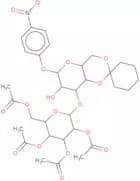
CAS:<p>4-Nitrophenyl 3-O-(2,3,4,6-tetra-O-acetyl-a-D-mannopyranosyl)-4,6-O-cyclohexylidene-b-D-mannopyranoside is a chromogenic pNP enzyme substrate, which features a cyclohexylidene-protected mannopyranosyl core. Upon enzymatic hydrolysis by glycosidases or other related enzymes, it releases a yellow-colored product, 4-nitrophenol, that can be easily detected spectrophotometrically. This substrate is useful for studying enzyme specificity, kinetics, and inhibition, as well as for the screening of enzyme inhibitors, the identification of glycosidase-producing organisms, and the development of new analytical methods.</p>Pureza:Min. 95%Peso molecular:711.66 g/mol4-Nitrophenyl 2-O-(a-D-mannopyranosyl)-a-D-mannopyranoside
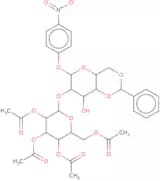
CAS:<p>4-Nitrophenyl 2-O-(a-D-mannopyranosyl)-a-D-mannopyranoside is a chromogenic substrate for the enzyme, beta-glucosidase. It is used as a food additive to test for the presence of alpha and beta glucosidases in foods. This product is also commonly used as an enzyme substrate and conjugate in biochemical research and diagnostic applications.</p>Pureza:Min. 95%Cor e Forma:White To Off-White SolidPeso molecular:463.39 g/mol4-Nitrophenyl 2-O-(2,3,4,6-tetra-O-acetyl-b-D-glucopyranosyl)-4,6-O-benzylidene-b-D-glucopyranoside
CAS:<p>4-Nitrophenyl 2-O-(2,3,4,6-tetra-O-acetyl-b-D-glucopyranosyl)-4,6-O-benzylidene-b-D-glucopyranoside is a compound that is used in gene expression profiling. It has been shown to be an effective inhibitor of glutamicum and corynebacterium glutamicum. 4NPBG can inhibit the production of acid molecules by blocking the activity of cytochrome P450 enzymes in the cells of these bacteria. The compound also inhibits cellular transport and membrane transport genes in these species. This inhibition prevents the synthesis of nucleic acid molecules such as RNA and DNA.</p>Pureza:Min. 95%Peso molecular:719.64 g/mol2-Nitrophenyl 2-acetamido-2-deoxy-b-D-galactopyranoside
CAS:<p>2-Nitrophenyl 2-acetamido-2-deoxy-b-D-galactopyranoside is a carboxymethyl derivative of the natural substrate of β-galactosidase, which is used as a substrate for the production of recombinant proteins in the corynebacterium glutamicum. The enzyme β-galactosidase hydrolyzes this substrate to produce an acid molecule and a sugar molecule. This product can be used in biotechnological processes for the production of recombinant proteins or other bioactive molecules. It can also be used in the isolation of nucleic acid from bacteria or fungi, or to study bacterial membrane transport systems. 2NPGAG can be expressed as a recombinant protein with expression vectors such as pET21a and pET24a. It has been shown that this product inhibits transport through membranes by binding to cellulose, which may be useful for studies on cellulose biosynthesis</p>Pureza:Min. 95%Peso molecular:342.3 g/mol4-Nitrophenyl b-D-glucuronide sodium salt
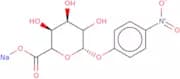
CAS:<p>4-Nitrophenyl b-D-glucuronide sodium salt is a high-quality chromogenic substrate specifically designed for the colorimetric detection and measurement of β-glucuronidase activity. Upon enzymatic cleavage, it releases the yellow 4-nitrophenol, enabling quantitative analysis via spectroscopy. This compound is conveniently provided as a sodium salt to ensure enhanced solubility, stability, and shelf life. It is an ideal choice for biochemical, research, and diagnostic applications requiring a reliable and efficient b-D-glucuronide substrate.</p>Pureza:Min. 95%Peso molecular:337.21 g/mol4-Nitrophenyl 2-O-(a-D-glucopyranosyl)-a-D-glucopyranoside
CAS:<p>4-Nitrophenyl 2-O-(α-D-glucopyranosyl)-α-D-glucopyranoside is a specialized chromogenic pNP substrate featuring dual glucose-linked moieties, designed for accurate detection and quantification of specific glycosidase enzymes. Upon cleavage by target enzymes, this substrate releases 4-Nitrophenol, which can be easily monitored spectrophotometrically as a yellow color change. This advanced substrate offers enhanced specificity and sensitivity in enzyme assays, facilitating cutting-edge research in biochemistry, enzymology, and other related fields.</p>Pureza:Min. 95%Peso molecular:463.39 g/mol1-Naphthyl a-D-glucopyranoside
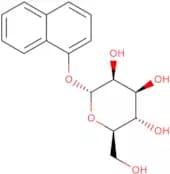
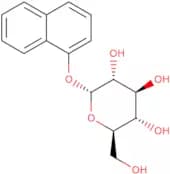
CAS:<p>1-Naphthyl a-D-glucopyranoside is a chromogenic substrate used to detect the presence of enzymes that catalyze the hydrolysis of glycosidic bonds, such as alpha-glucosidase. When the substrate is cleaved by the enzyme, it produces a colored product that can be visualized and quantified.</p>Pureza:Min. 95%Peso molecular:306.31 g/mol4-Nitrophenyl 3-O-(2,3,4,6-tetra-O-acetyl-a-D-mannopyranosyl)-2-O-benzoyl-a-D-mannopyranoside
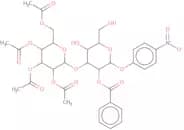
CAS:<p>4-Nitrophenyl 2,3,4,6-tetra-O-acetyl-b-D-glucopyranoside enzyme substrate is a versatile and reliable reagent for measuring glucosidase activity. It is an ideal substrate for use in assays to detect β-glucosidase activity in a variety of applications, including for in vitro and in vivo studies, and it has been widely used in the pharmaceutical and biotechnology industries. This chromogenic pNP enzyme substrate is designed for effective and precise analysis with good sensitivity and low background signals.</p>Pureza:Min. 95%Peso molecular:735.64 g/mol2-Nitrophenyl 2,3,4-tri-O-acetyl-b-D-galactopyranoside
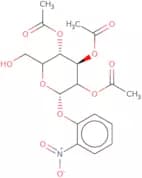
CAS:<p>2-Nitrophenyl 2,3,4-tri-O-acetyl-b-D-galactopyranoside is a fluorogenic substrate that can be used to detect β-galactosidase activity. This specific substrate is one of the most commonly used substrates for detecting β-galactosidase activity in diagnostic assays. It reacts with the enzyme to produce a blue color and has a fluorescence emission maximum at about 480 nm. The product is available in high purity and high quality and it is also an enzyme substrate.</p>Pureza:Min. 95%Peso molecular:427.36 g/mol5-Bromo-3-indolyl decanoate
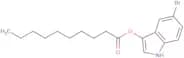
CAS:<p>5-Bromo-3-indolyl decanoate (BID) is a chromogenic enzyme substrate often used for the detection of lipase activity. It is hydrolyzed by lipase to produce a blue-violet product, which can be detected visually or by spectrophotometry. BID is particularly useful for the detection of microbial lipases in food and environmental samples. It is commonly used in a wide range of biochemical, biological, and environmental testing applications that require precise lipase enzyme analysis.</p>Fórmula:C18H24BrNO2Pureza:Min. 95%Cor e Forma:PowderPeso molecular:366.29 g/mol4-Nitrophenyl hepta-O-acetyl-1-thio-b-lactoside
CAS:<p>4-Nitrophenyl hepta-O-acetyl-1-thio-b-lactoside is an inorganic molecule that binds to the surface of bacteria. It has been used as a fingerprinting tool for a variety of organisms, including corynebacterium glutamicum. The molecule can be used to measure the metabolic activity of corynebacterium glutamicum with a technique called incremental acidification. This technique is based on the observation that the concentration of 4-nitrophenol decreases by one unit for each glucose metabolized by corynebacterium glutamicum. The use of 4NPHTBL and other primers can also be useful in diagnosing patients with autoimmune diseases such as celiac disease and inflammatory bowel disease.</p>Pureza:Min. 95%4-Nitrophenyl 2-O-(2,3,4,6-tri-O-acetyl-a-D-mannopyranosyl)-4,6-O-benzylidene-a-D-mannopyranoside
<p>4-Nitrophenyl 2-O-(2,3,4,6-tri-O-acetyl-a-D-mannopyranosyl)-4,6-O-benzylidene-a-D-mannopyranoside is a fluorogenic substrate that is used for the detection of alpha amylase activity in food testing. It is also used as a chromogenic substrate for the detection of beta amylase activity. 4NP2ODM is a conjugate that can be used for the detection of alpha or beta amylases in environmental testing. This compound has high purity and quality and CAS No. 90105037.</p>Pureza:Min. 95%Peso molecular:719.64 g/mol4-Nitrophenyl 3-O-(2,3,4,6-tetra-O-acetyl-a-D-mannopyranosyl)-2,4-di-O-benzoyl-b-D-mannopyranoside
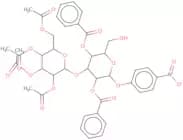
CAS:<p>4-Nitrophenyl 3-O-(2,3,4,6-tetra-O-acetyl-a-D-mannopyranosyl)-2,4-di-O-benzoyl-b-D-mannopyranoside is a bioactive metabolite that can be found in the gene expression profile of a human genome. It has been shown to have an effect on gene expression levels and cellular function. This metabolite is found in the environment and has been shown to be mediated by environmental factors. The high level of gene expression has been shown to be due to its ability to bind to DNA.</p>Pureza:Min. 95%Peso molecular:839.75 g/mol4-Nitrophenyl 2-O-(2,3,4,6-tetra-O-acetyl-a-D-mannopyranosyl)-a-D-mannopyranoside
<p>4-Nitrophenyl 2-O-(2,3,4,6-tetra-O-acetyl-a-D-mannopyranosyl)-a-D-mannopyranoside is a fluorogenic substrate that is used as a diagnostic tool and can be used to detect the presence of β--glucosidase in the gut. It is also used as a conjugate with enzymes such as peroxidase or alkaline phosphatase for use in enzyme catalyzed reactions. The product has been shown to be active against a variety of bacteria, including Staphylococcus aureus and Escherichia coli. This product has been shown to produce chemiluminescence when incubated with horseradish peroxidase and hydrogen peroxide. This product is light sensitive and should be stored at room temperature away from direct sunlight.</p>Pureza:Min. 95%Peso molecular:631.54 g/mol4-Nitrophenyl 2-acetamido-2-deoxy-3-O-(2,3,4,6-tetra-O-acetyl-β-D-galactopyranosyl)-α-D-galactopyranoside
CAS:<p>4-Nitrophenyl 2-acetamido-2-deoxy-3-O-(2,3,4,6-tetra-O-acetyl-β-D-galactopyranosyl)-α-D-galactopyranoside is a chemiluminescent substrate that has been used in the detection of bacterial activity. It is used in the detection of bacterial activity through chemiluminescence and can be conjugated to an enzyme or protein for increased sensitivity. This product has been shown to have high purity and quality and is suitable for use in diagnostic applications.</p>Fórmula:C28H36N2O17Pureza:Min. 95%Cor e Forma:PowderPeso molecular:672.59 g/mol4-Nitrophenyl 2-acetamido-2-deoxy-3,6-di-O-benzoyl-b-D-galactopyranoside
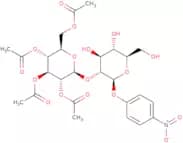
CAS:<p>4-Nitrophenyl 2-acetamido-2-deoxy-3,6-di-O-benzoyl-b-D-galactopyranoside is an advanced pNP-based enzyme substrate designed for the detection and measurement of glycosidase activity in biological samples. This synthetic compound offers high specificity and sensitivity for b-galactosidase enzymes, enabling accurate determination of enzymatic hydrolysis rates in a variety of research applications, including diagnostics, drug development, and discovery of novel enzymes. Its chromogenic properties ensure easy analysis of the results and make it suitable for high-throughput screening.</p>Pureza:Min. 95%Peso molecular:550.51 g/mol4-Nitrophenyl 2-O-(2,3,4,6-tetra-O-acetyl-b-D-glucopyranosyl)-b-D-glucopyranoside
CAS:<p>4-Nitrophenyl 2-O-(2,3,4,6-tetra-O-acetyl-b-D-glucopyranosyl)-b-D-glucopyranoside is a state-of-the-art chromogenic substrate designed for rapid and sensitive enzyme activity detection. As a versatile pNP substrate, it produces a noticeable color change upon enzyme-catalyzed hydrolysis, facilitating easy monitoring and quantification of enzyme levels in research and diagnostic applications. The substrate's acetylated glucose moiety ensures specificity and stability, allowing for precise and reliable results across a range of experimental conditions.</p>Pureza:Min. 95%Peso molecular:631.54 g/mol5-Bromo-6-chloro-1H-indol-3-yl-a-D-mannopyranoside
CAS:<p>5-Bromo-6-chloro-1H-indol-3-yl-a-D-mannopyranoside is a chromogenic substrate that yields a magenta-colored product after cleavage. The chromophore 5-bromo-6-chloro-indoxyl is released, generating the observable color. It is used in lysosomal storage disorder screening.</p>Fórmula:C14H15BrClNO6Pureza:Min. 95 Area-%Cor e Forma:White Off-White PowderPeso molecular:408.63 g/molMethyl 4-nitrophenyl hexyl phosphonate
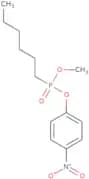
CAS:<p>Methyl 4-nitrophenyl hexyl phosphonate is a lipase suicide inhibitor that is a chromogenic substrate for lipases which upon enzymatic action, binds irreversibly to the lipase and inactivates it. The substrate can be used for the determination of active sites in lipases.</p>Pureza:Min. 95%Peso molecular:301.282-Nitrophenyl caprylate
CAS:<p>2-Nitrophenyl caprylate is a potent inhibitor of gram-negative bacteria. It has been shown to inhibit the enzymatic activity of certain bacterial enzymes, such as the modification of cellular fatty acids. 2-Nitrophenyl caprylate has also been shown to inhibit in vitro growth of various gram-negative bacteria, including E. coli and Salmonella enterica serovar Typhimurium, through detergent compositions and enzymatic reactions (e.g., aminopeptidases). 2-Nitrophenyl caprylate may be useful for the treatment of pancreatitis due to its inhibition of pancreatic secretions and inhibition of pancreatic lipase activity. Transposable sequences have been found in the 2-nitrophenyl caprylate gene cluster, which may be related to its regulatory properties.</p>Pureza:Min. 95%Cor e Forma:PowderPeso molecular:265.31 g/mol2-Nitrophenyl 2,3,4-tri-O-acetyl-β-D-xylopyranoside
CAS:<p>2-Nitrophenyl 2,3,4-tri-O-acetyl-beta-D-xylopyranoside is a chromogenic substrate used to detect the enzymatic activity of xylosidase. After cleavage, the nitrophenyl moiety is released exhibiting a light yellowish color. 2-Nitrophenyl 2,3,4-tri-O-acetyl-beta-D-xylopyranoside is used in bacterial hemicellulose metabolism assays.</p>Fórmula:C17H19NO10Pureza:Min. 95%Cor e Forma:PowderPeso molecular:397.33 g/mol4-Nitrophenyl 3,4,6-tri-O-(a-D-mannopyranosyl)-b-D-mannopyranoside
CAS:<p>This compound inhibits the enzyme protein kinase. It has been shown to inhibit the activity of a number of protein kinases including those that are involved in cell proliferation, differentiation and apoptosis. This drug is also known to be a potent inhibitor of human c-Jun N-terminal kinase (JNK) and other types of kinases such as cyclin-dependent protein kinases. The inhibition of these enzymes results in the prevention of tumorigenesis, inflammation and immunological responses.</p>Pureza:Min. 95%Peso molecular:787.67 g/mol4-Nitrophenyl 2-acetamido-2-deoxy-4,6-O-benzylidene-b-D-glucopyranoside
CAS:<p>4-Nitrophenyl 2-acetamido-2-deoxy-4,6-O-benzylidene-b-D-glucopyranoside is a fluorescent substrate for beta amylase and other glycosidases. It has been used as a fluorogenic substrate for food testing and as a chromogenic substrate for environmental testing. 4NPB has also been used in diagnostic applications such as enzyme substrates, ligands, and chemiluminescent substrates. This product is of high purity and quality with a conjugate that can be used in biotechnology applications.</p>Pureza:Min. 95%Peso molecular:430.41 g/mol4-Nitrophenyl phosphate bis(tris) salt
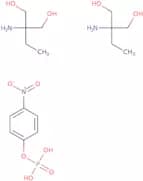
CAS:<p>Please enquire for more information about 4-Nitrophenyl phosphate bis(tris) salt including the price, delivery time and more detailed product information at the technical inquiry form on this page</p>Fórmula:C14H28N3O12PPeso molecular:461.36 g/mol4-Nitrophenyl 2,3,4,6-tetra-O-acetyl-a-D-mannopyranoside
CAS:<p>4-Nitrophenyl 2,3,4,6-tetra-O-acetyl-a-D-mannopyranoside is a highly sensitive and efficient chromogenic substrate designed for the detection and quantification of α-D-mannosidases. These enzymes play a crucial role in the degradation and metabolism of glycoproteins and glycolipids, thus having high importance in biotechnology and biochemical research. When acted upon by α-D-mannosidase, this substrate releases a bright yellow product, 4-nitrophenol, which is easily measured spectrophotometrically at 405 nm. This enables quick and accurate analysis in various applications such as enzyme kinetics, inhibitor screening, and activity assays.</p>Pureza:Min. 95%Peso molecular:469.4 g/mol4-Nitrophenyl 2-acetamido-2-deoxy-4,6-O-p-methoxybenzylidene-a-D-galactopyranoside
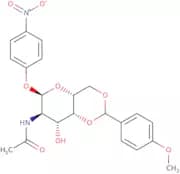
CAS:<p>4-Nitrophenyl 2-acetamido-2-deoxy-4,6-O-p-methoxybenzylidene-a-D-galactopyranoside is a chromogenic substrate designed for the detection and quantification of enzyme activity. This methoxybenzylidene-protected compound is specifically designed to be cleaved by enzymes, releasing a yellow 4-nitrophenol product that can be easily measured spectrophotometrically. This allows for accurate and sensitive analysis of enzyme kinetics, inhibition studies, and substrate specificity determination in various applications.</p>Pureza:Min. 95%Peso molecular:460.43 g/mol2,4-Dinitrophenyl b-L-arabinofuranoside
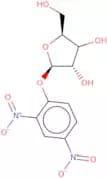
<p>2,4-Dinitrophenyl b-L-arabinofuranoside is a high quality chromogenic substrate for dinitrophenylase. It is a ligand that reacts with an enzyme to form a product that can be detected by various methods, including colorimetry and fluorimetry. 2,4-Dinitrophenyl b-L-arabinofuranoside has shown to be useful for the detection of organic contaminants in water and air. 2,4-Dinitrophenyl b-L-arabinofuranoside is also used as a reagent for the preparation of conjugates for immunoassays.</p>Pureza:Min. 95%Peso molecular:628.54 g/mol4-Bromo-2-nitrophenyl b-D-galactopyranoside
<p>4-Bromo-2-nitrophenyl b-D-galactopyranoside is a chemiluminescent substrate that reacts with an excess of luciferase to produce light. It is used as a reagent in the detection of ATP, NADH, and other compounds in biochemistry and biology. 4-Bromo-2-nitrophenyl b-D-galactopyranoside is also used in diagnostic kits for detecting bacterial or fungal contamination in food.</p>Fórmula:C12H14BrNO8Pureza:Min. 95%Peso molecular:380.15 g/mol4-Nitrophenyl 4,6-benzylidene-2-O-(2,3,4,6-tetra-O-[4-methoxybenzyl]-a-D-glucopyranosyl)-a-D-glucopyranoside
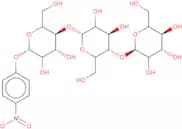
<p>4-Nitrophenyl 4,6-benzylidene-2-O-(2,3,4,6-tetra-O-[4-methoxybenzyl]-a-D-glucopyranosyl)-a-D-glucopyranoside is a fluorogenic substrate that is used in diagnostic assays to measure the activity of enzymes such as β–galactosidase and β–glucuronidase. It is also an enzyme substrate for culture media and chemiluminescence. This product has a CAS number of 57316-92-8.</p>Pureza:Min. 95%Peso molecular:1,088.02 g/molOstazin brilliant red H-3B hydroxyethylcellulose
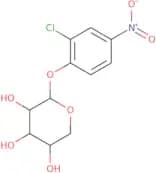
<p>Ostazin brilliant red H-3B hydroxyethylcellulose is a chromogenic enzyme substrate that produces a bright red color upon reaction with specific enzymes. This substrate is particularly useful for the detection and visualization of enzyme activity in histochemical and cytochemical staining techniques. The vibrant red color produced by the reaction allows for easy observation and analysis of enzyme distribution and localization in cells and tissues. Ostazin brilliant red H-3B hydroxyethylcellulose is often used in combination with other substrates to study the presence and activity of multiple enzymes simultaneously, providing valuable insights into the complex interactions and functions of enzymes in biological systems.</p>Pureza:Min. 95%2-Chloro-4-nitrophenyl β-D-xylopyranoside
CAS:<p>2-Chloro-4-nitrophenyl β-D-xylopyranoside is a fluorogenic substrate that can be used for the detection of β-glucuronidase activity in food testing, environmental testing, and diagnostics. It has been shown to be an effective substrate for detecting β-glucuronidase activity with a high degree of sensitivity and specificity. 2CNPX can also be used as a chromogenic substrate for the detection of β-glucuronidase activity in food testing and environmental testing. The conjugate form of this substrate is useful for immunochemical assays, such as enzyme linked immunosorbent assay (ELISA) or radioimmunoassay (RIA). This product is also used as a ligand in fluorescence resonance energy transfer (FRET) assays.<br>2CNPX can be used to detect β-glucuronidase activity by chemiluminescence</p>Fórmula:C11H12ClNO7Pureza:Min. 95%Peso molecular:305.67 g/mol2-Nitrophenyl b-D-glucuronide
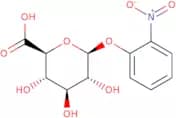
CAS:<p>2-Nitrophenyl-b-D-glucuronide is a chromogenic substrate used to detect the activity of beta-glucuronidase in various biological samples. Upon hydrolysis by the enzyme, the substrate releases 2-nitrophenol, which can be spectrophotometrically measured at 405 nm. The substrate is commonly used in clinical assays to evaluate liver and kidney function, as well as in drug metabolism studies. It is also used in environmental monitoring to assess the presence of microbial activity in soil and water samples. Overall, 2-Nitrophenyl-b-D-glucuronide is a widely used substrate with excellent sensitivity and specificity, making it a valuable tool in enzymology research and diagnostic testing.</p>Pureza:Min. 95%Cor e Forma:Off-white solid.Peso molecular:315.23 g/mol2-Nitrophenyl 2-acetamido-3,4,6-tri-O-acetyl-2-deoxy-b-D-galactopyranoside
CAS:<p>2-Nitrophenyl 2-acetamido-3,4,6-tri-O-acetyl-2-deoxy-b-D-galactopyranoside is a chemiluminescent substrate for the detection of beta galactosidase. It is a white to light yellow powder with a molecular weight of 564.87 and an assay of ≥ 98% by HPLC. This product has been shown to be stable when stored at 4°C for up to three months.</p>Pureza:Min. 95%Peso molecular:468.41 g/mol2-Nitrophenyl 2,3-di-O-acetyl-4-O-triethylsilyl-b-D-xylopyranoside
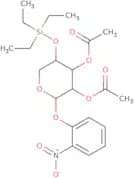
CAS:<p>2-Nitrophenyl 2,3-di-O-acetyl-4-O-triethylsilyl-b-D-xylopyranoside is a chromogenic substrate for enzmatic assays to measure xylosidase activity. It is a derivative of xylose that can be hydrolyzed by xylosidase to release the yellow-colored 2-nitrophenyl group, which can be detected spectrophotometrically. By modifying the xylose molecule with acetyl and triethylsilyl groups, the enzyme substrate becomes more stable and resistant to degradation. This substrate is commonly used in the study of plant biomass degradation and in the detection of xylosidase activity in microorganisms.</p>Pureza:Min. 95%Peso molecular:469.56 g/mol4-Nitrophenyl 3,4,6-tri-O-acetyl-b-D-galactopyranoside
CAS:<p>4-Nitrophenyl 3,4,6-tri-O-acetyl-b-D-galactopyranoside is a nucleic acid molecule that has been synthesized by recombinant expression in Corynebacterium glutamicum. It is a photosynthetic molecule and can be used to study the molecular basis of photosynthesis. The 4-nitrophenyl group on the sugar moiety confers resistance to degradation by nucleases. 4NP3,4,6GalAc has been shown to be capable of binding to proteins and polypeptides that are important for photosynthesis. This compound also has marginalizing effects on C. glutamicum strains that are used as expression vectors for recombinant protein production.</p>Pureza:Min. 95%Peso molecular:427.36 g/mol4-Nitrophenyl 2,3-di-O-(b-D-glucopyranosyl)-b-D-glucopyranoside
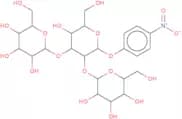
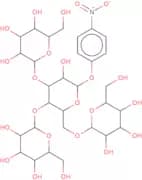
<p>4-Nitrophenyl 2,3-di-O-(b-D-glucopyranosyl)-b-D-glucopyranoside is a chromogenic substrate that can be used to detect the presence of β-glucuronidase in human and animal tissue. The compound is also a fluoroquinolone substrate for the detection of β-lactamase activity. 4NPBG is used in diagnostics as well as food testing, due to its ability to detect bacteria in both food and water samples. 4NPBG is a chemiluminescent substrate that emits light upon hydrolysis by β-glucuronidase or β-lactamase. The compound has been shown to be an excellent ligand for binding to protein A or protein G and can be used for immunoassays such as ELISA or Western blotting.</p>Pureza:Min. 95%Peso molecular:625.53 g/mol1-Naphthyl-α-D-mannopyranoside
CAS:<p>1-Naphthyl-alpha-D-mannopyranoside is a chromogenic substrate. It is used in diagnostics and as a reagent for enzymatic analysis of alpha-mannosidase activity in culture media, food testing, and environmental testing.</p>Fórmula:C16H18O6Pureza:Min. 95%Cor e Forma:PowderPeso molecular:306.31 g/mol4-Nitrophenyl 2-acetamido-2-deoxy-4-O-(β-D-galactopyranosyl)-α-D-glucopyranoside
CAS:<p>4-Nitrophenyl 2-acetamido-2-deoxy-4-O-(β-D-galactopyranosyl)-α-D-glucopyranoside is a high-quality chromogenic pNP enzyme substrate specifically designed to enable effective and accurate detection of enzyme activity. By utilizing this advanced substrate, researchers and professionals can perform a range of applications, including activity assays, enzyme inhibition studies, and substrate specificity profiling. This substrate's unique properties result in exceptional sensitivity and throughput, ensuring effective results for a wide variety of enzyme assays.</p>Fórmula:C20H28N2O13Pureza:Min. 90%Cor e Forma:White PowderPeso molecular:504.44 g/molNaphthol AS-OL acetate
CAS:<p>Modified naphtol AS substrate used in histochemical and cytochemical staining</p>Pureza:Min. 95%Peso molecular:335.35 g/mol4-Nitrophenyl b-globo-N-tetraoside
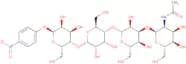
CAS:<p>4-Nitrophenyl beta-galactoside (pNP-Gal) is a chromogenic substrate commonly used in enzymatic assays to detect and quantify the presence of beta-galactosidase. It is hydrolyzed by the enzyme to release 4-nitrophenol, which produces a yellow color that can be measured spectrophotometrically. Similarly, 4-Nitrophenyl beta-glucoside (pNP-Glc) can be used to assay beta-glucosidase activity. 4-Nitrophenyl beta-globotrioside (pNP-Glo) is a similar compound that has been designed as a substrate for glycosidases that cleave terminal beta-galactosyl-(1->3)-N-acetylgalactosamine residues. In these assays, the release of 4-nitrophenol can be measured to determine the activity of the enzyme under study. The use of chromogenic substrates like pNP-Glo allows for the rapid and reliable detection of glycosidase activity in a variety of biological samples.</p>Pureza:Min. 95%Cor e Forma:PowderPeso molecular:828.72 g/molRemazol brilliant blue R D-xylan
<p>Remazol Brilliant Blue R D-xylan is a chromogenic substrate used for the detection and quantification of xylanase enzyme activity. This substrate consists of a xylan polymer backbone covalently linked to the Remazol Brilliant Blue R dye. Upon cleavage by xylanase enzymes, the dye is released, producing a vibrant blue color that can be easily measured spectrophotometrically. This substrate is widely used in various applications, including the study of xylanase-producing microorganisms, optimization of enzyme production, and evaluation of enzyme kinetics.</p>Pureza:Min. 95%Cor e Forma:Powder2-Chloro-4-nitrophenyl 2-acetamido-2-deoxy-β-D-glucopyranoside
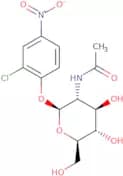
CAS:<p>2-Chloro-4-nitrophenyl 2-acetamido-2-deoxy-β-D-glucopyranoside is a chromogenic substrate used for beta-N-acetylglucosaminidase assays. Upon enzymatic hydrolysis, 2-chloro-4-nitrophenol is released, which has a yellowish color. It is used in diagnostic applications such as lysosomal storage disorder diagnosis (for example, Tay-Sachs disease) and glycosidase inhibition studies.</p>Fórmula:C14H17ClN2O8Pureza:Min. 98 Area-%Cor e Forma:White PowderPeso molecular:376.75 g/mol6-Benzoyl-2-naphthylphosphate disodium salt
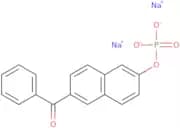
CAS:<p>6-Benzoyl-2-naphthylphosphate disodium salt is a chromogenic substrate used to detect and quantify alkaline phosphatase activity. After enzymatic hydrolysis, 6-benzoyl-2-naphthol is released, which can be detect or even further react with other reagents (e.g. Fast Red) to increase the intensity of the colorimetric signal. It is used in common applications such as ELISA, immunohistochemistry and Western Blotting.</p>Pureza:Min. 95%Peso molecular:374.24 g/molChlorophenol red b-D-galactopyranoside
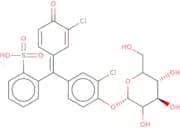
CAS:<p>Used in biological studies as a chromogenic substrate for β-galactosidase; red color.Chlorophenol red indicates changes of pH in the range of 4.8 to 6.7 by turning the solution from yellow (at pH 4.8) to violet (at pH 6.7). Converted as signalogenic moiety of an enzyme substrate, chlorophenol red beta-D-galactopyranoside has a good proven sensitivity in the detection of beta-galactosidase activity in transfected mammalian cells, when compared to ONPG (o-nitrophenyl-beta-D-galactopyranoside) (Eustice, 1991)</p>Fórmula:C25H22Cl2O10SPureza:Min. 95%Cor e Forma:Orange Red PowderPeso molecular:585.41 g/mol4-Aminoantipyrine
CAS:<p>4-Aminoantipyrine has been used as an analgesic and anti-inflammatory agent. It can also target peroxidase enzymes to produce a red color</p>Fórmula:C11H13N3OCor e Forma:Off-White To Yellow SolidPeso molecular:203.24 g/molNaphthol AS sulphate potassium
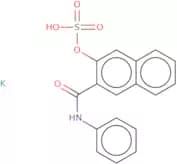
CAS:<p>Modified naphtol AS substrate used in histochemical and cytochemical staining</p>Fórmula:C17H13NO5S•KPureza:Min. 95%Cor e Forma:PowderPeso molecular:382.45 g/mol4-Nitrophenyl a-D-maltotetraoside
CAS:<p>4-Nitrophenyl alpha-D-maltotetraoside is a chromogenic substrate used for the detection of alpha-glucosidase and alpha-amylase activity. The four glucose units in the molecule are hydrolyzed by the enzyme, releasing 4-nitrophenol and allowing for easy colorimetric measurement of enzymatic activity</p>Pureza:Min. 95%Peso molecular:787.67 g/mol3-Amino-9-ethylcarbazole
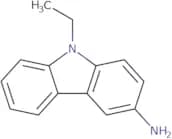
CAS:<p>3-Amino-9-ethylcarbazole is a peroxidase substrate suitable for use in immunoblotting and immunohistochemical staining procedures. This substrate produces an insoluble end product that is red in color and can be observed visually.</p>Fórmula:C14H14N2Pureza:Min. 95%Cor e Forma:Beige PowderPeso molecular:210.27 g/molNaphthol AS-CL phosphate
CAS:<p>Modified naphtol AS substrate used in histochemical and cytochemical staining</p>Pureza:Min. 95%Peso molecular:407.74 g/mol4-Nitrophenyl 2-azido-2-deoxy-b-D-galactopyranoside
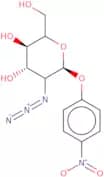
<p>4-Nitrophenyl 2-azido-2-deoxy-beta-D-galactopyranoside is a chromogenic substrate for beta-galactosidase. Upon hydrolysis, para-nitrophenol is released yielding a yellowish colour. 4-Nitrophenyl 2-azido-2-deoxy-beta-D-galactopyranoside is used in different applications such as the Bacterial enzyme assays (e.g., E. coli detection)</p>Pureza:Min. 95%Cor e Forma:White To Off-White SolidPeso molecular:326.26 g/mol2,4-Dinitrophenyl)-L-lysine hydrochloride monohydrate
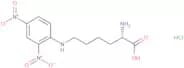
CAS:<p>2,4-Dinitrophenyl)-L-lysine hydrochloride monohydrate is a lysine derivative that has been modified with a 2,4-dinitrophenyl group. It could be used as an enzyme substrate to monitor enzymes that recognize and modify lysine residues, such as lysine methyltransferases and demethylases, lysine acylases and lysine oxidases.</p>Pureza:Min. 95%Cor e Forma:PowderPeso molecular:348.74 g/mol4-Nitrophenyl b-D-cellopentaoside
CAS:<p>Substrates for endoglucanase and beta-cellobiohydrolase activity in the study of digestive system in Zygentoma as an insect model for high cellulase activity</p>Fórmula:C36H55NO28Pureza:Min. 95%Cor e Forma:PowderPeso molecular:949.81 g/mol2-O-(4-Nitrophenyl)-a-D-N-acetylneuraminic acid
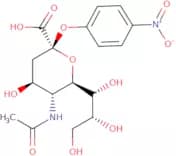
CAS:<p>2-O-(4-Nitrophenyl)-a-D-N-acetylneuraminic acid, also known as p-nitrophenyl N-acetylneuraminic acid, is a chromogenic substrate specifically designed for the detection and quantification of neuraminidase (sialidase) activity. Upon cleavage by neuraminidase, it releases a yellow-colored product, 4-nitrophenol, which can be easily monitored spectrophotometrically at 405 nm. This substrate is widely used in various applications, including enzyme kinetics studies, inhibitor screening, and the determination of neuraminidase activity in biological samples such as viruses, bacteria, and cell lysates. It is particularly useful for studying the enzymatic properties of neuraminidases from different sources and for the development of novel antiviral and antibacterial agents targeting neuraminidase activity.</p>Fórmula:C17H22N2O11Pureza:Min. 90 Area-%Cor e Forma:White PowderPeso molecular:430.36 g/molMethyl 4-nitrophenyl hexylphosphonate
CAS:<p>Methyl 4-nitrophenyl hexylphosphonate is a phosphonate inhibitor of the enzyme serine esterase. It has been shown to be more potent than other irreversible inhibitors such as ethyl 4-nitrophenyl hexylphosphonate and methyl 4-nitrophenoxybutyl phosphate. This compound is an immobilized form of the methyl 4-nitrophenyl hexylphosphonate that is immobilized on an inert surface, such as silica gel, via a covalent bonding process. The immobilization of the molecule ensures that it will not leach from the surface and is stable over time. The molecular weight of this substance is 411.5 Daltons and its molecular formula is C8H15NO4P. This substance has a diameter of 0.8 nm and can be found in crystalline form with a melting point of 143 degrees Celsius at atmospheric pressure. Methyl 4-nitrophenyl</p>Fórmula:C13H20NO5PPureza:Min. 95%Peso molecular:301.27 g/mol2-Nitrobenzyl 2-deoxy-2-fluoro-L-fucopyranoside
<p>The photorelease of 2-deoxy-2-fluoro-L-fucose from 2-nitrobenzyl-2-deoxy-2-fluoro-L-fucopyranoside was performed under a 365 nm LED illumination. It has been shown in plant cells this liberated 2-deoxy-2-fluoro-L-fucose can be converted by the endogenous metabolic machinery into the corresponding nucleotide-sugar, which then efficiently inhibits Golgi-localized fucosyltransferases.</p>Fórmula:C13H16FNO6Pureza:Min. 95%Cor e Forma:PowderPeso molecular:301.27 g/mol4-Nitrophenyl a-L-galactopyranoside
<p>Chromogenic substrate targeting alpha-D-galactosidase</p>Pureza:Min. 95%Peso molecular:301.25 g/mol4-Nitrophenyl 2-acetamido-3,6-di-O-(2-acetamido-2-deoxy-b-D-glucopyranosyl)-2-deoxy-a-D-galactopyranoside
CAS:<p>4-Nitrophenyl 2-acetamido-3,6-di-O-(2-acetamido-2-deoxy-b-D-glucopyranosyl)-2-deoxy-a-D-galactopyranoside is a fluorogenic substrate that is used in enzyme assays to detect the presence of an enzyme. The substrate reacts with the enzyme to produce a fluorescent product. 4NPAAG can be used for diagnostics, culture media, food testing and environmental testing.</p>Fórmula:C30H44N4O18Pureza:Min. 95%Peso molecular:748.69 g/mol4-Nitrophenyl-myo-inositol-1-yl phosphate
CAS:<p>4-Nitrophenyl-myo-inositol-1-yl phosphate is a highly specific chromogenic substrate used for the detection, quantification, and characterization of phosphoinositide phosphatases. When cleaved by the target enzyme, it generates a highly absorbing 4-nitrophenyl moiety, producing a yellow color that can be measured spectrophotometrically. This versatile substrate is valuable in examining phosphoinositide phosphatase activity, enzyme kinetics, substrate specificity, and inhibition studies in various cellular processes, including signal transduction, lipid metabolism, and membrane trafficking.</p>Pureza:Min. 95%Peso molecular:381.23 g/molCrimson-Gal
<p>Crimson-Gal (Crimson-beta-D-galactopyranoside) is a chromogenic indicator for beta-galactosidase activity. The colorless product is cleaved by lactose-utilizing bacteria in liquid media or on agar plates and yields a crimson colored precipitate. Crimson-Gal can also be used as detecting agent for beta-galactosidase activity in reporter gene assays or for identification of positive transformants on agar plates when using the α-complementation approach. Read more in the Application Notes.</p>Pureza:Min. 95%5-Bromo-6-chloro-3-indolyl b-D-glucuronide cyclohexylammonium salt
CAS:<p>5-Bromo-6-chloro-3-indolyl b-D-glucuronide cyclohexylammonium salt is a magenta enzyme substrate commonly used in biochemical assays. This compound is a derivative of indole, containing bromine and chlorine atoms at positions 5 and 6, respectively. The glucuronide moiety is attached to the indolyl ring, and the cyclohexylammonium cation serves as a counterion to balance the charge. This substrate is often utilized in the detection and quantification of β-glucuronidase activity, an enzyme involved in the metabolism of glucuronides. Upon cleavage by β-glucuronidase, the substrate produces a magenta-colored product, allowing for easy visualization and measurement of enzyme activity.</p>Fórmula:C14H13BrClNO7·C6H13NPureza:Min. 98 Area-%Cor e Forma:PowderPeso molecular:521.79 g/molRef: 3D-EB03300
Produto descontinuado5-Cyano-3-indolyl-β-D-galactopyranoside
<p>5-Cyano-3-indolyl-b-D-galactopyranoside is a chemiluminescent substrate that can be used to measure the activity of esterases and other enzymes. It has been shown to be a potent inhibitor of human erythrocyte esterase. The compound is also a potent inducer of bioluminescence in bacteria, which can be used for diagnostic applications. 5-Cyano-3-indolyl-b-D-galactopyranoside is a fluorogenic substrate that can be used to measure the activity of phosphatases and other enzymes. This product has an enzyme substrate function, which can be used for enzyme assays. 5CIGP is useful for measuring high levels of enzyme activity in the presence of strong inhibitors such as phenylmethylsulfonyl fluoride (PMSF).</p>Fórmula:C15H16N2O6Pureza:Min. 95%Cor e Forma:PowderPeso molecular:320.3 g/molBronze-Gal
<p>Bronze-Gal (Bronze-beta-D-galactopyranoside) is a chromogenic indicator for beta-galactosidase activity. The colorless product is cleaved by lactose-utilizing bacteria in liquid media or on agar plates and yields a bronze colored precipitate. Bronze-Gal can also be used as detecting agent for beta-galactosidase activity in reporter gene assays or for identification of positive transformants on agar plates when using the α-complementation approach. Read more in the Application Notes.</p>Pureza:Min. 95%Peso molecular:443.574-Chloro-1-naphthol
CAS:<p>4-Chloro-1-naphthol is a chemical compound that has been used in clinical pathology to identify human immunoglobulin. It is also used as a potential biomarker for the diagnosis of Alzheimer's disease. 4-Chloro-1-naphthol binds to the amyloid fibrils and has anti-angiogenic effects in the hippocampus, which may be due to its ability to inhibit the formation of new blood vessels. This chemical compound can be used as a substrate molecule for electrochemical impedance spectroscopy and is used in wastewater treatment.</p>Fórmula:C10H7ClOPureza:Min. 97.0 Area-%Peso molecular:178.62 g/mol5-Iodo-3-indolyl b-D-galactopyranoside
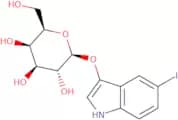
CAS:<p>5-Iodo-3-indolyl b-D-galactopyranoside is a chromogenic substrate used for beta-galactosidase. It is incorporated into media or detection kits for rapid and direct identification of microorganisms.</p>Fórmula:C14H16INO6Pureza:Min. 98 Area-%Cor e Forma:PowderPeso molecular:421.18 g/molRef: 3D-EI03217
Produto descontinuadoAldol® 515 nonanoate hydrochloride, Biosynth Patent: EP 2427431 and US 8940909
CAS:<p>Aldol® 515 nonanoate hydrochloride is a chromogenic and fluorogenic enzyme substrate for detection of lipase activity. The colorless product is cleaved by C9 esterases produced by bacteria in liquid or solid media, yielding a red color and red fluorescence when Aldol® 355 fluorescence enhancer or a suitable matrix is present. Aldol® 515 nonanoate can be used under aerobic and anaerobic conditions. Well detectable color/fluorescence of bacterial colonies or liquid cultures is obtained within 24-48 h. In the presence of a purified lipase, color and fluorescence develops within minutes to few hours.</p>Fórmula:C32H36ClN2O3Pureza:Min. 95%Cor e Forma:PowderPeso molecular:533.1 g/molRef: 3D-EA175382
Produto descontinuadoAldol® 518 alpha-D-glucopyranoside, Biosynth Patent: EP 2427431 and US 8940909
CAS:<p>Aldol® 518 alpha-D-glucopyranoside is a fluorogenic enzyme substrate used for detection of alpha-D-glucosidase activity. The colorless enzyme substrate is cleaved by alpha-D-glucosidase, generating red fluorescent signal and in some conditions, an orange colour in the visible spectrum can get formed, staining bacterial colonies in faint orange coloration. Aldol® 518 alpha-D-glucopyranoside can be used under aerobic and anaerobic conditions.</p>Fórmula:C29H29ClN2O7Pureza:Min. 95%Cor e Forma:PowderPeso molecular:553 g/molRef: 3D-EA175358
Produto descontinuado4-Nitrophenyl a-D-glucopyranoside
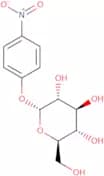
CAS:<p>Chromogenic substrate for alpha-glucosidase</p>Fórmula:C12H15NO8Pureza:Min. 98 Area-%Cor e Forma:White PowderPeso molecular:301.25 g/molAldol® 518 α-D-galactopyranoside, Biosynth Patent: EP 2427431 and US 8940909
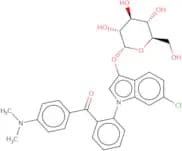
CAS:<p>Aldol® 518 alpha-D-galactopyranoside is a chromogenic and fluorogenic enzyme substrate used for detection of alpha-galactosidase activity. The enzyme substrate is cleaved by alpha-galactosidase positive bacteria and yeasts in liquid or solid media, yielding red color and red fluorescence signal. Aldol® 518 alpha-D-galactopyranoside can also be used to detect alpha-galactosidase (encoded by the Mel1 gene) in yeast gene reporter assays or for identification of alpha-gal positive transformants on agar plates. Aldol® 518 alpha-D-galactopyranoside can be used under aerobic and anaerobic conditions.</p>Fórmula:C29H29ClN2O7Pureza:Min. 95%Cor e Forma:PowderPeso molecular:553.01 g/molRef: 3D-EA175377
Produto descontinuado4-Nitrophenyl phosphate bis(cyclohexylammonium)
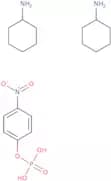
CAS:<p>4-Nitrophenyl phosphate bis(cyclohexylammonium) is an excellent chromogenic substrate designed for the detection and quantification of phosphatase enzyme activities. Aided by the presence of the cyclohexylammonium cation, it undergoes enzymatic hydrolysis, yielding the colored 4-nitrophenolate ion, which can be readily observed at 405 nm. The substrate has become an essential tool for biomedical research, playing a crucial role in unearthing cellular mechanisms, function, and potential drug targets.</p>Fórmula:C18H32N3O6PPureza:97.0 To 103.0%Cor e Forma:PowderPeso molecular:417.44 g/mol4-Nitrophenyl-β-D-glucopyranoside
CAS:<p>4-Nitrophenyl-beta-D-glucopyranoside is a fluorescent probe that can be used in the study of the biochemical properties of enzymes. This compound binds to the enzyme's active site, which allows for transfer reactions to occur. 4-Nitrophenyl-beta-D-glucopyranoside is an artificial substrate that is biochemically inert and has a similar physical structure to natural substrates. It can be used as a model system to study enzymatic reactions and has been shown to have pharmacokinetic properties and a pH optimum. The detection sensitivity of this compound is high, making it ideal for use in biochemical studies.</p>Fórmula:C12H15NO8Pureza:Min. 99.0 Area-%Peso molecular:301.25 g/mol5-Bromo-4-chloro-3-indoxyl-alpha-L-fucopyranoside
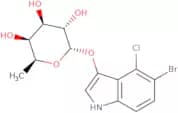
CAS:<p>5-Bromo-4-chloro-3-indoxyl-alpha-L-fucopyranoside is a chromogenic substrate for alpha-L-Fucosidase. It produces a green-blue color.</p>Fórmula:C14H15BrClNO5Pureza:Min. 98 Area-%Cor e Forma:PowderPeso molecular:392.63 g/mol6-Chloro-3-indolyl phosphate p-toluidine salt
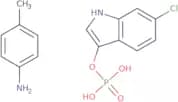
CAS:<p>A substrate for visualising alkaline phosphatase activity. Produces a red colored insoluble end product that is detected visually, when used together with Nitroblue tetrazolium. The substrate system is versatile and functions in a variety of applications, including Northern, Southern, and Western blotting, in situ hybridization, ELISAs and immunohistochemistry. DMF soluble.</p>Fórmula:C15H16ClN2O4PPureza:Min. 98%Cor e Forma:White Off-White PowderPeso molecular:354.73 g/molRef: 3D-EC09439
Produto descontinuado5-Amino-3-indoxyl-β-D-galactopyranoside
<p>5-Amino-3-indoxyl-b-D-galactopyranoside is a chromogenic substrate for the enzyme galactosidase. 5-Amino-3-indoxyl-b-D-galactopyranoside is used in diagnostic tests to identify the presence of lactose intolerance. It can also be used to detect traces of blood in food, water, and other substances. This product has a high purity that makes it suitable for conjugation applications.</p>Fórmula:C14H18N2O6Pureza:Min. 95%Peso molecular:310.31 g/mol2-Nitrophenyl b-D-cellobioside
CAS:<p>Chromogenic substrate targeting cellulases</p>Fórmula:C18H25NO14Pureza:Min. 98 Area-%Cor e Forma:White PowderPeso molecular:463.39 g/molEspresso-Gal
<p>Espresso-Gal (Espresso-beta-D-galactopyranoside) is a chromogenic indicator for beta-galactosidase activity. The colorless product is cleaved by lactose-utilizing bacteria in liquid media or on agar plates and yields an espresso brown colored precipitate. Espresso-Gal can also be used as detecting agent for beta-galactosidase activity in reporter gene assays or for identification of positive transformants on agar plates when using the α-complementation approach. Read more in the Application Notes.</p>Pureza:Min. 95%Aldol® 470 phosphate, disodium salt, Biosynth Patent: EP 2427431 and US 8940909
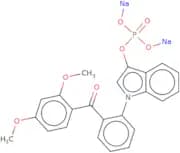
CAS:<p>Aldol® 470 phosphate, disodium salt is a fluorogenic substrate that is used in the detection of enzyme activity. It can be used to detect the presence of an enzyme by measuring the light emitted from the substrate after it has been converted to fluorescent product. Aldol® 470 phosphate, disodium salt is a chromogenic substrate that is used for detecting and measuring enzyme activity. The product of this reaction can be measured by absorbance or fluorescence spectroscopy, making it useful for many different types of diagnostic tests. This product can be conjugated with a variety of ligands for use in diagnostic assays and research. Aldol® 470 phosphate, disodium salt can also be used in culture media as a bioluminescent substrate for bacterial growth and metabolism studies. This product can also be used as an environmental testing reagent or as a staining agent in microscopy applications.</p>Fórmula:C23H18NNa2O7PPureza:Min. 95%Cor e Forma:PowderPeso molecular:497.34 g/molRef: 3D-EA175336
Produto descontinuado4-Nitrophenyl phosphate mono(2-amino-2-ethyl-1,3-propanediol) salt monohydrate
CAS:<p>Chromogenic substrate for alkaline phosphatase</p>Fórmula:C26H32N3NaO6S2Pureza:Min. 95%Cor e Forma:PowderPeso molecular:457.41 g/molAldol® 467 N-acetyl-beta-D-glucosaminide, Biosynth Patent: EP 2427431 and US 8940909
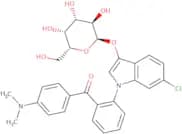
CAS:<p>Aldol® 467 N-acetyl-beta-D-glucosaminide is a chromogenic and fluorogenic enzyme substrate used for detection of beta-N-acetyl-glucosaminidase activity. The colorless enzyme substrate is cleaved in the presence of beta-N-acetyl-glucosaminidase yielding development of a yellow product. In addition, green fluorescence is generated when a suitable matrix or Aldol® 355 fluorescence enhancer is present. Aldol® 467 N-acetyl-beta-D-glucosaminide amide can be used in enzymatic assays or in live bacterial cultures. Aldol® 467 N-acetyl-beta-D-glucosaminide is suitable for use in liquid and solid media, under aerobic as well as anaerobic conditions.</p>Fórmula:C31H31ClN2O9Pureza:Min. 95%Cor e Forma:PowderPeso molecular:611.04 g/molRef: 3D-EA175316
Produto descontinuado5-Bromo-4-chloro-3-indoxyl-a-D-xylopyranoside
<p>5-Bromo-4-chloro-3-indoxyl-a-D-xylopyranoside is a fluorogenic substrate that can be used in food testing and environmental testing. This product is a conjugate of the xylosidase enzyme (EC 3.2.1.37) with 5-bromo-4-chloroindoxyl, which has been shown to have a high affinity for the enzyme's active site and enzymatic activity. The purity of this product is > 95% and the CAS number is 68618-41-5.</p>Pureza:Min. 95%Ref: 3D-EB172037
Produto descontinuado







![[2-Methoxy-4-(2-nitrovinyl)phenyl] b-D-galactopyranoside](/_next/image/?url=https%3A%2Fstatic.cymitquimica.com%2Fproducts%2F3D%2Fthumb-webp%2FEM06779.webp&w=3840&q=75)



















![4-Nitrophenyl 4,6-benzylidene-2-O-(2,3,4,6-tetra-O-[4-methoxybenzyl]-a-D-glucopyranosyl)-a-D-gluco…](/_next/image/?url=https%3A%2Fstatic.cymitquimica.com%2Fproducts%2F3D%2Fthumb-webp%2FEN04828.webp&w=3840&q=75)