3D-FD44174 - diethyl-pyrazole-35-dicarboxylate | 37687-24-4
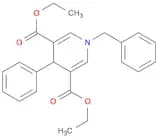
DI ETHYL 1 BENZYL 4 PHENYL 4H PYRIDINE 3-5 DICARBOXYLATE
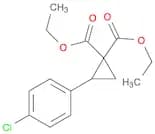
CAS:Fórmula:C24H25NO4Pureza:95%Cor e Forma:SolidPeso molecular:391.4596diethyl 2-(4-chlorophenyl)-1,1-cyclopropane dicarboxylate
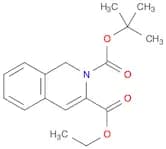
CAS:Fórmula:C15H17ClO4Peso molecular:296.74612-tert-butyl 3-ethyl 1,2-dihydroisoquinoline-2,3- dicarboxylate
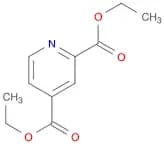
CAS:Fórmula:C17H21NO4Pureza:95%Cor e Forma:SolidPeso molecular:303.35292,4-DIETHYLPYRIDINE DICARBOXYLATE
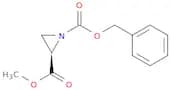
CAS:Fórmula:C11H13NO4Pureza:98%Cor e Forma:SolidPeso molecular:223.22521-Benzyl 2-methyl (R)-aziridine-1,2- dicarboxylate
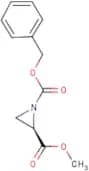
CAS:Fórmula:C12H13NO4Pureza:95%Cor e Forma:LiquidPeso molecular:235.23591-Benzyl 2-methyl (R)-aziridine-1,2- dicarboxylate
CAS:1-Benzyl 2-methyl (R)-aziridine-1,2- dicarboxylatePureza:95%Peso molecular:235.24g/molDimethyl acetylene dicarboxylate
CAS:Dimethyl acetylene dicarboxylate (DMAD) is an anti-infective agent that targets the pyrrole system in enzymes. It inhibits the synthesis of bacterial proteins and has been shown to have antiviral activity against HIV. DMAD binds to a specific site on the enzyme and prevents it from functioning normally. This causes a decrease in the production of proteins needed for cell division and can lead to cell death. DMAD also has been shown to inhibit the growth of bacteria by binding to receptor sites, preventing protein synthesis, and altering enzyme activity. X-ray diffraction data and x-ray crystal structures reveal that DMAD is a stable compound which forms stable complexes with metal ions. These complexes are formed through hydrogen bonding interactions with amino acid residues in the active site of enzymes.
Fórmula:C6H6O4Pureza:Min. 95%Peso molecular:142.1 g/molDimethyl 1,2,3,4-tetrahydronaphthalene-2,6-dicarboxylate
CAS:Fórmula:Pureza:≥95%Peso molecular:248.27Ref: BD-BD434832
1gA consultarDimethyl Azobenzene-4,4'-dicarboxylate
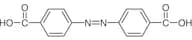
CAS:Fórmula:C16H14N2O4Pureza:>95.0%(GC)Cor e Forma:Light yellow to Brown powder to crystalPeso molecular:298.30Azobenzene-4,4'-dicarboxylic Acid
CAS:Fórmula:C14H10N2O4Pureza:>95.0%(T)(HPLC)Cor e Forma:Light yellow to Brown powder to crystalPeso molecular:270.24Azobenzene-3,3'-dicarboxylic Acid
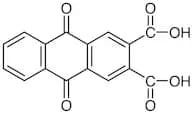
CAS:Fórmula:C14H10N2O4Pureza:>95.0%(T)(HPLC)Cor e Forma:Light yellow to Brown powder to crystalPeso molecular:270.24Anthraquinone-2,3-dicarboxylic Acid
CAS:Fórmula:C16H8O6Pureza:>98.0%(T)(HPLC)Cor e Forma:White to Light yellow to Green powder to crystalPeso molecular:296.23Benzophenone-2,4'-dicarboxylic Acid Monohydrate
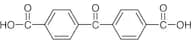
CAS:Fórmula:C15H10O5·H2OPureza:>98.0%(T)(HPLC)Cor e Forma:White to Almost white powder to crystalPeso molecular:288.26Benzophenone-4,4'-dicarboxylic Acid
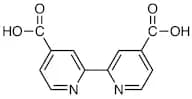
CAS:Fórmula:C15H10O5Pureza:>95.0%(T)(HPLC)Cor e Forma:White to Light yellow to Green powder to crystalPeso molecular:270.242,2'-Bipyridine-4,4'-dicarboxylic Acid
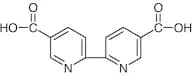
CAS:Fórmula:C12H8N2O4Pureza:>96.0%(T)(HPLC)Cor e Forma:White to Almost white powder to crystalPeso molecular:244.212,2'-Bipyridine-5,5'-dicarboxylic Acid
CAS:Fórmula:C12H8N2O4Pureza:>98.0%(GC)(T)Cor e Forma:White to Orange to Green powder to crystalPeso molecular:244.212,2'-Bipyridine-6,6'-dicarboxylic Acid
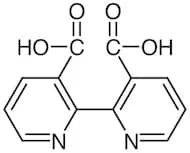
CAS:Fórmula:C12H8N2O4Pureza:>98.0%(GC)(T)Cor e Forma:White to Almost white powder to crystalPeso molecular:244.212,2'-Bipyridine-3,3'-dicarboxylic Acid
CAS:Fórmula:C12H8N2O4Pureza:>98.0%(GC)(T)Cor e Forma:White to Almost white powder to crystalPeso molecular:244.21



![[1,1':3',1''-Terphenyl]-4,4''-dicarboxylic acid](/_next/image/?url=https%3A%2Fstatic.cymitquimica.com%2Fproducts%2F10%2Fthumb-webp%2FF549661.webp&w=3840&q=75)