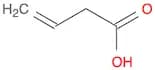
AC-17939 - limonene-96-unstabilized | 10191-41-0
Lamentamos, não foi encontrado nenhum produto com a referência AC-17939, mas por favor, verifique os seguintes produtos semelhantes:
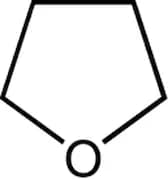
Tetrahydrofuran, UV, HPLC Grade, 99.7+% min, unstabilized
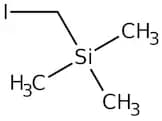
CAS:<p>This Thermo Scientific Chemicals brand product was originally part of the Alfa Aesar product portfolio. Some documentation and label information may refer to the legacy brand. The original Alfa Aesar product / item code or SKU reference has not changed as a part of the brand transition to Thermo Sci</p>Fórmula:C4H8OPureza:99.7+%Cor e Forma:Liquid, Clear colorlessPeso molecular:72.11(Iodomethyl)trimethylsilane, 99%
CAS:<p>(Iodomethyl)trimethylsilane is used for the N-alkylation of amides, in a reaction sequence to prepare unstabilized ylides for [2+3]-cycloadditions. It can react with acetoacetic acid ethyl ester to get 3-trimethylsilanyl-proonic acid ethyl ester. This Thermo Scientific Chemicals brand product was or</p>Fórmula:C4H11ISiPureza:99%Cor e Forma:Clear colorless to pale yellow, LiquidPeso molecular:214.12Catenin-β (Acetyl Lys49) rabbit pAb
disease:A chromosomal rearrangement involving CTNNB1 may be a cause of salivary gland pleiomorphic adenomas (PA) [181030]. Pleiomorphic adenomas are the most common benign epithelial tumors of the salivary gland. Translocation t(3;8)(p21;q12) with PLAG1.,disease:Activating mutations in CTNNB1 have oncogenic activity resulting in tumor development. Somatic mutations are found in various tumor types, including colon cancers, ovarian and prostate carcinomas, hepatoblastoma (HB), hepatocellular carcinoma (HCC). HBs are malignant embryonal tumors mainly affecting young children in the first three years of life.,disease:Defects in CTNNB1 are a cause of medulloblastoma (MDB) [MIM:155255]. MDB is a malignant, invasive embryonal tumor of the cerebellum with a preferential manifestation in children.,disease:Defects in CTNNB1 are a cause of pilomatrixoma (PTR) [MIM:132600]; a common benign skin tumor.,disease:Defects in CTNNB1 are associated with colorectal cancer (CRC) [MIM:114500].,disease:Defects in CTNNB1 are associated with ovarian cancer [MIM:167000]. Ovarian cancer is the leading cause of death from gynecologic malignancy. It is characterized by advanced presentation with loco-regional dissemination in the peritoneal cavity and the rare incidence of visceral metastases. These typical features relate to the biology of the disease, which is a principal determinant of outcome.,function:Involved in the regulation of cell adhesion and in signal transduction through the Wnt pathway.,online information:Beta-catenin entry,PTM:EGF stimulates tyrosine phosphorylation. Phosphorylation on Tyr-654 decreases CDH1 binding and enhances TBP binding.,PTM:Phosphorylation by GSK3B requires prior phosphorylation of Ser-45 by another kinase. Phosphorylation proceeds then from Thr-41 to Ser-37 and Ser-33.,PTM:Ubiquitinated by a E3 ubiquitin ligase complex containing UBE2D1, SIAH1, CACYBP/SIP, SKP1A, APC and TBL1X (Probable). Its ubiquitination leads to its subsequent proteasomal degradation.,similarity:Belongs to the beta-catenin family.,similarity:Contains 12 ARM repeats.,subcellular location:Cytoplasmic when it is unstabilized (high level of phosphorylation) or bound to CDH1. Translocates to the nucleus when it is stabilized (low level of phosphorylation). Interaction with GLIS2 and MUC1 promotes nuclear translocation.,subunit:Two separate pools are found in the cytoplasm: one is PSEN1/cadherin/catenin complex which anchors to the actin cytoskeleton. The other pool is part of a large complex containing AXIN1, AXIN2, APC, CSNK1A1 and GSK3B that promotes phosphorylation on N-terminal Ser and Thr residues and ubiquitination of CTNNB1 via BTRC and its subsequent degradation by the proteasome. Wnt-dependent activation of DVL antagonizes the action of GSK3B. When GSK3B activity is inhibited the complex dissociates, CTNNB1 is dephosphorylated and is no longer targeted for destruction. The stabilized protein translocates to the nucleus, where it binds TCF/LEF-1 family members, TBP, BCL9 and possibly also RUVBL1 and CHD8. Binds CTNNBIP and EP300. CTNNB1 forms a ternary complex with LEF1 and EP300 that is disrupted by CTNNBIP1 binding (By similarity). Interacts with TAX1BP3 (via the PDZ domain); this interaction inhibits the transcriptional activity of CTNNB1 (By similarity). Interacts with AJAP1, BAIAP1, CARM1, CTNNA3, CXADR and PCDH11Y. Binds SLC9A3R1. Interacts with GLIS2 and MUC1. Interacts with SLC30A9. Interacts with XIRP1 (By similarity). Interacts with PTPRU (via the cytoplasmic juxtamembrane domain).,tissue specificity:Expressed in several hair follicle cell types: basal and peripheral matrix cells, and cells of the outer and inner root sheats. Expressed in colon.,