Enzima
Subcategorías de "Enzima"
- Anhídrido carbónico(197 productos)
- Hidroxilasa(36 productos)
- MPO(2 productos)
- Reductasa(51 productos)
- Tirosinasa(71 productos)
Se han encontrado 3621 productos de "Enzima"
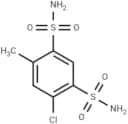
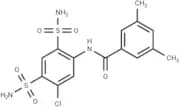
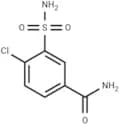
Disulfamide
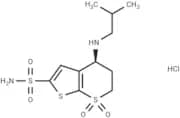
CAS:Disulfamide: Oral carbonic anhydrase inhibitor, IC50 0.07 μM, diuretic by blocking Na+/HCO3- reabsorption.Fórmula:C7H9ClN2O4S2Pureza:98.65%Forma y color:SolidPeso molecular:284.74hCA IX-IN-2
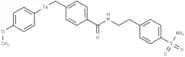
hCA IX-IN-2 is a highly potent and selective inhibitor of hCA IX, exhibiting an inhibition constant (K I) value of 32.1 nM and demonstrating anti-proliferativeFórmula:C23H24N2O4STeForma y color:SolidPeso molecular:552.11Tyrosinase-IN-7
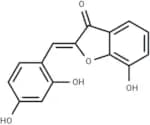
CAS:Tyrosinase-IN-7 is a small-molecule tyrosinase inhibitor (IC50 1.57 μM) that suppresses melanin activity and cell growth with low cytotoxicity.Fórmula:C15H10O5Pureza:99%Forma y color:SolidPeso molecular:270.24hCAI/II-IN-2
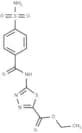
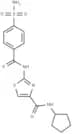
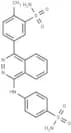
CAS:hCAI/II-IN-2 (2b) inhibits hCA I/II (Ki: 40.97 nM, 15.15 nM) and IX (61.88 nM), fights AMS with anti-hypoxic effects, but has low cellular activity.Fórmula:C12H12N4O5S2Forma y color:SolidPeso molecular:356.38hCAXII-IN-4
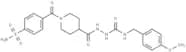
CAS:hCAXII-IN-4 is a selective and potent CA XII inhibitor with a Ki value of 6.4 nM for human CA XII.Fórmula:C22H27N5O6SForma y color:SolidPeso molecular:489.54Telotristat besilate
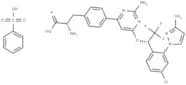
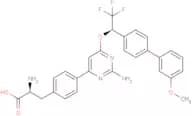
CAS:Telotristat besilate is an inhibitor of tryptophan hydroxylase.Fórmula:C31H28ClF3N6O6SPureza:98%Forma y color:SolidPeso molecular:705.11L 662583
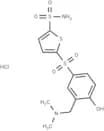
CAS:L 662583 is a topical inhibitor of carbonic anhydrase.Fórmula:C13H17ClN2O5S3Pureza:98%Forma y color:SolidPeso molecular:412.93L-693612
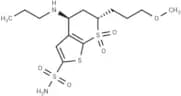
CAS:L-693612 is an inhibitor of carbonic anhydrase.Fórmula:C14H24N2O5S3Pureza:98%Forma y color:SolidPeso molecular:396.55DTP348
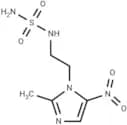
CAS:DTP348: Oral carbonic anhydrase IX inhibitor & hypoxic cell radiosensitizer with sulfamide & 5-nitroimidazole components.Fórmula:C6H11N5O4SForma y color:SolidPeso molecular:249.25GV2-20
CAS:GV2-20 is an effective carbonic anhydrase 2 inhibitors.Fórmula:C15H13N3O6Pureza:98%Forma y color:SolidPeso molecular:331.28hCAXII-IN-2
CAS:hCAXII-IN-2 is a potent inhibitor of hCA XII (Ki: 84.2 nM) and hCA IX (Ki: 268.5 nM), with low activity on hCA I/II.Fórmula:C21H18ClN3O4Forma y color:SolidPeso molecular:411.84hCAII-IN-1
CAS:hCAII-IN-1 (7f) inhibits CA II/IX with Kis 1.2 nM/113.6 nM, potential for cancer treatment.Fórmula:C21H21BrN6O4SForma y color:SolidPeso molecular:533.4L 645151
CAS:L 645151 is an inhibitor of lipophilic CA.Fórmula:C12H14N2O4S2Forma y color:SolidPeso molecular:314.38hCAIX-IN-6
CAS:6B and 14g inhibit tumor-associated HCA IX with low nanomolar potency; 6K targets HCA XII. All are potential cancer drug leads.Fórmula:C18H12N2O4SForma y color:SolidPeso molecular:352.36hCAI/II-IN-3
CAS:"hCAI/II-IN-3 (compound 5b) is a potent dual hCA I/II inhibitor with Ki: 51.25nM (I), 13.15nM (II), helps treat AMS."Fórmula:C16H18N4O4S2Forma y color:SolidPeso molecular:394.47Fenprinast
CAS:Fenprinast is a tryptophan-like bronchodilator utilized in the study of allergic and exercise-induced asthma. It exhibits oral activity.Fórmula:C16H16ClN5OForma y color:SolidPeso molecular:329.78hCAIX-IN-10
CAS:"hCAIX-IN-10 (6i) selectively inhibits carbonic anhydrase IX/XII (Ki: 61.5/586.8 nM), markers in tumor cells, affecting acid-base balance."Fórmula:C28H21N3O3SForma y color:SolidPeso molecular:479.553-Allylphenol
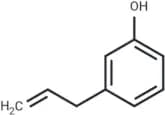
CAS:3-Allylphenol is an inhibitor of dopamine β-hydroxylase (DBH; Ki = 12 mM).Fórmula:C9H10OForma y color:SolidPeso molecular:134.18Quinethazone
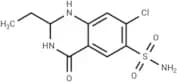
CAS:Quinethazone is a thiazide diuretic used to treat hypertension. Common side effects include dizziness, dry mouth, nausea, and low potassium levels.Fórmula:C10H12ClN3O3SForma y color:Fibrous Crystals From 50% Acetone Physical Description Fibrous Crystals Or White Powder (Ntp 1992)Peso molecular:289.74JM6
CAS:JM6 is a weak kynurenine 3-monooxygenase (KMO) inhibitor that acts on mouse KMO (IC50: 19.85 μM). JM6 can be used to study Alzheimer's disease.Fórmula:C23H26N4O6S2Forma y color:SolidPeso molecular:518.61hCAIX-IN-5
CAS:hCAIX-IN-5 was a selective hCAIX inhibitor, inhibiting hCAI, hCAII, hCAIV, and hCAIX with Ki values of >10000, >10000, 130.7, and 829.1 nM, respectively.Fórmula:C18H12FNO3Pureza:99.25%Forma y color:SolidPeso molecular:309.29SU 10603
CAS:SU 10603 is a specific inhibitor of 17α-hydroxylase (also known as CYP17A1 and P450c17) used to study steroid hormone synthesis.Fórmula:C15H12ClNOPureza:99.93% - 99.96%Forma y color:SolidPeso molecular:257.72PGDS Protein, Human, Recombinant
Hematopoietic Prostaglandin D Synthase (HPGDS) belongs to the GST superfamily and Sigma family.Forma y color:Lyophilized PowderPeso molecular:26 KDa (reducing condition)Ref: TM-TMPJ-00690
5µg113,00€10µg178,00€20µg284,00€50µg523,00€100µg779,00€200µg1.142,00€500µg1.923,00€1mg2.758,00€LP-533401
CAS:LP-533401 is an inhibitor of Tryptophan hydroxylase 1. It is used for regulates serotonin production in the gut.Fórmula:C27H22F4N4O3Pureza:98%Forma y color:SolidPeso molecular:526.48hCAI/II-IN-4
CAS:hCAI/II-IN-4 inhibits hCA I & II (Ki: 16.95 & 15.22 nM), hCA IX (Ki: 27.04 nM), has anti-hypoxia benefits and is low-toxic for AMS research.Fórmula:C15H15N3O5S2Forma y color:SolidPeso molecular:381.43Methazolamide-d6
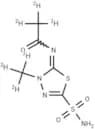
CAS:Methazolamide-d6 is a GC/LC-MS standard for measuring methazolamide, a glaucoma drug that lowers eye pressure and fluid, reduces seizures, and combats ROS.Fórmula:C5H2D6N4O3S2Forma y color:SolidPeso molecular:242.31Carbonic anhydrase inhibitor 14
CAS:CA inhibitor 14 blocks hCA I/II/IX/XII (K i of 1203/99.7/9.4/27.7 nM) and CDK2 (IC50: 20.3 μM), showing antitumor effects.Fórmula:C18H17N7O2SForma y color:SolidPeso molecular:395.44Acetylcholinesterase, type VI-S, 200-1,000 units/mg protein
CAS:Acetylcholinesterase is an enzyme that breaks down acetylcholinePureza:Min. 95%Forma y color:PowderInvertase
CAS:Invertase is an enzyme that catalyzes the hydrolysis of sucrose to glucose and fructose and can be found in plants and microorganisms
Forma y color:Beige PowderLysozyme - Enzyme activity min 40000 FIP/mg
CAS:Lysozyme is a bacteriolytic enzyme, which is primarily derived from hen egg whites. It functions by hydrolyzing the β-1,4-glycosidic linkages in the peptidoglycan layer of bacterial cell walls, particularly in Gram-positive bacteria. This enzymatic activity results in the lysis and subsequent death of the bacterial cells, providing a potent antimicrobial effect.Forma y color:PowderMaltose phosphorylase (from bacteria), ammonium sulphate suspension
CAS:Maltose phosphorylase (systematic name maltose:phosphate 1-beta-D-glucosyltransferase; EC 2.4.1.8) is an enzyme that catalyzes the following reaction: maltose + Pi ⇌ D-glucose + beta-D-glucose 1-phosphate One unit of maltose phosphorylase will produce 1.0 μmole of D-Glucose from maltose per minute at pH 7.0 and 30°C.Pureza:Min. 95%Peso molecular:0 g/molD-Alanine Aminotransferase, Bacilus subtilis, Recombinant
D-Alanine aminotransferase (L-glutamic-pyruvic transaminase; EC 2.6.1.21) is an enzyme that catalyzes the following reaction: D-alanine + α-ketoglutarate ⇌ pyruvate + D-glutamate Please enquire for more information about D-Alanine Aminotransferase, Bacilus subtilis, Recombinant including the price, delivery time and more detailed product information at the technical inquiry form on this page
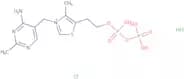
Pureza:>90% By Sds-Page.Cocarboxylase hydrochloride
CAS:Cocarboxylase hydrochloride is a coenzyme derivative, which is primarily sourced from thiamine (vitamin B1). It plays a crucial role in biochemical processes by facilitating the enzymatic decarboxylation of alpha-keto acids within the cellular environment. This action is fundamental in energy production as it aids in the conversion of pyruvate to acetyl-CoA, subsequently entering the citric acid cycle. Cocarboxylase hydrochloride’s involvement in carbohydrate metabolism is especially vital for tissues with high metabolic rates, such as the heart and brain.
Fórmula:C12H19N4O7P2S·ClHClPureza:Min. 95%Peso molecular:497.23 g/molProtease - from bacillus licheniformis
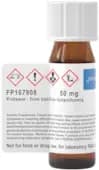
CAS:Protease enzymes break down proteins and are essential for many biological processes, including digestion, cellular regulation and blood clotting. They are also used in many industrial and biotechnological applications for example in food processing and in detergents.
Forma y color:Powderβ-Galactosidase >100KU/g
CAS:beta-Galactosidase (EC 3.2.1.23, shortly beta-Gal, also know as lactase) catalyses the hydrolysis of beta-d-galactoside in the presence of water to galactose and alcohol, or lactose into glucose and galactose. beta-Gal has a molecular weight of 540,000 and is composed of four identical subunits of MW 135,000, each with an independent active site. The enzyme has divalent metals as cofactors, with chelated Mg2+ ions required to maintain active site conformation. The molecule contains numerous sulfhydryl groups and is glycosylated.Forma y color:PowderGlucose dehydrogenase
CAS:Glucose Dehydrogenase is an enzyme, which is typically derived from microbial sources such as bacteria and fungi. It functions by catalyzing the oxidation of glucose to gluconolactone, concurrently reducing a cofactor such as NAD⁺ or PQQ. This biochemical reaction is critical in various analytical applications due to its specificity and efficiency in glucose detection.Glucose Dehydrogenase is widely employed in the development of biosensors and diagnostic assays. Its primary application is in blood glucose monitoring devices, where its ability to accurately quantify glucose levels is crucial for managing diabetes. Additionally, it is utilized in research and development settings for biochemical assays that require precise glucose measurements. The enzyme's rapid and specific action on glucose molecules makes it an indispensable tool in both clinical and laboratory environments, contributing to advancements in biosensing technologies and metabolic studies.EWP 815
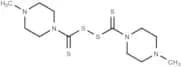
CAS:EWP 815, a disulfiram analog, inhibits Ins(1,4)P2, Ins(1,4,5)P3 phosphatases, and dopamine β-hydroxylase.Fórmula:C12H22N4S4Pureza:98%Forma y color:SolidPeso molecular:350.59endo-β-1,4-Mannanase
CAS:Endo-β-1,4-Mannanase (other names Mannan endo-1,4-β-mannosidase, endo-β-1,4-mannase, β-mannanase B, β-1, 4-mannan 4-mannanohydrolase, endo-β-mannanase, β-D-mannanase, 1,4-β-D-mannan mannanohydrolase; EC 3.2.1.78) is an enzyme, catalyzing the hydrolysis of -1, 4-mannosidic linkages in mannans, glucomannans and galactomannans. One unit of Endo-β-1,4-Mannanase will release 1.0 µmole of mannose reducing-sugar per minute from a 3mg/ml mannan solution at pH 5.5 and 37degC. Expressed in U/g.hCAII-IN-9
CAS:hCAII-IN-9 inhibits hCA II/IX/XII with IC50s of 1.18, 0.17, 2.99 μM; not BBB permeable.
Fórmula:C15H16ClN3O5S2Pureza:98.63%Forma y color:SolidPeso molecular:417.89Butyrylcholinesterase human
CAS:Butyrylcholinesterase is an enzyme made in the liver and found mainly in blood plasma. Butyrylcholinesterase (EC 3.1.1.8), also known as BChE or BuChE, is a nonspecific cholinesterase enzyme that hydrolyses choline-based esters. One unit of Butyrylcholinesterase will hydrolyze 1.0 μmole of butyrylcholine to choline and butyrate per minute at pH 8.0 and 37 °C.
Forma y color:PowderCarboxypeptidase Y from baker's yeast
CAS:Carboxypeptidase Y (EC 3.4.16.1) is an exopeptidase enzyme. It hydrolyzes peptide bonds of C-terminal residues and it remains active in the presence of urea at low to moderate concentrations. One unit of the Carboxypeptidase Y will hydrolyze 1.0 μmole of a chromogenic peptide substrate, releasing C-terminal alanine and generating a light-absorbing product.Pureza:Min. 95%Choline oxidase
CAS:Choline oxidase (EC 1.1.3.17) is an enzyme that catalyzes the following reaction: choline + O2 + H20 ⇌ betaine aldehyde + H2O2One unit of choline oxidase will form 1 μmole of H2O2 by oxidizing choline to betaine aldehyde per min at pH 8.0 and 37 °C. You can remove the build-up of hydrogen peroxide using catalase.
Pureza:Min. 95%Laccase from Trametes versicolor
CAS:Multi-copper oxidase from the family of polyphenol oxidades. It can be also found in many plants and bacteria. Laccase catalyses the oxidation of phenolic compounds such as lignin. It can oxidase non phenolic groups too with the use of mediators, chemical agents involved in the transfer of the electrons during the reaction. In some cases, laccase can also oxidise halogenated compounds. This enzyme is used for enzymatic assays, lignol screening tests and for waste water treatment to remove biodegrdable pollutants.
Forma y color:PowderBupicomide
CAS:Bupicomide is a dopamine β-hydroxylase inhibitor with antihypertensive and vasodilatory activity and may be used in the study of hypertension.Fórmula:C10H14N2OPureza:99.84% - >99.99%Forma y color:SolidPeso molecular:178.23Nucleoside phosphorylase from microorganisms
CAS:Nucleoside phosphorylase (Purine nucleoside phosphorylase, PNP, PNPase, inosine phosphorylase, inosine-guanosine phosphorylase; EC 2.4.2.1) is an enzyme that catalyzes the following reaction: purine nucleoside + Pi ⇌ purine + alpha-D-ribose 1-phosphate One unit of nucleoside phosphorylase will phosphorylate 1.0 micromole of inosine to hypoxanthine and alpha-D-ribose 1-phosphate per min at pH 7.4 and 25°C.Fórmula:C5H6ClN3Pureza:Min. 95%Peso molecular:143.57 g/molMyokinase (from Yeast)
CAS:Myokinase (Adenylate kinase, EC 2.7.4.3) catalyzes interconversion between ATP, ADP and AMP by catalyzing the following reaction:ATP + AMP ⇌ 2 ADPOne unit of Myokinase will convert 1.0 µmol ATP and 1.0 µmol AMP to 2.0 µmol ADP per min at 25°C and pH 7.5.Proteinase K - from Tritirachium album
CAS:Proteinase K is used for the general digestion of proteins and removal of protein contamination in nucleic acids. Addition of Protease K also stabilizes nucleic acids by degrading any nucleases present. Proteinase K is active in wide range of pH range, in the presence of SDS, urea and Guanidinium chloride at low to moderate concentrations. Proteinase K is also known under names of protease K and endopeptidase K.Transglutaminase from streptoverticillium mobaraense
CAS:selectively deamidates gluten peptides, which results in strongly enhanced T cell-stimulatory activity. It has also been used in a study to improve quantifiable assays to fully characterize the role of transglutaminase in diseases such as Huntington′s disease and Alzheimer′s disease.Forma y color:PowderLyticase
CAS:Lyticase is a lysing enzyme that is designed to lyse cells in a biological sample. It contains an optimized wild-type guanine nucleotide-binding protein and has been shown to have high enzyme activities. Lyticase has also been shown to be active against opportunistic fungal strains, such as Candida glabrata, by disrupting their cell membranes. Lyticase is classified as a signal peptide with nuclear DNA, which allows it to be used in wastewater treatment applications. The enzyme can also be used for the analysis of the Toll-like receptor (TLR) response of microbes due to its electrochemical impedance spectroscopy properties.Pureza:Min. 95%Endoproteinase Glu-C
CAS:Endoproteinase Glu-C (Glutamyl endopeptidase, V8 protease, GluV8, EC 3.4.21.19) is a protease that hydrolyzes peptide bonds at the carboxylic side of either exclusively Glu, or Glu and Asp residues, depending on the buffer conditions. One unit of endoproteinase Glu-C will generate 1.0 μmole of p-nitroaniline from Z-Phe-Leu-Glu-pNA peptide mimic substrate per minute at pH 7.8 and 25 °C. Z-Phe-Leu-Glu-pNA substrate is available here.molecular weight ~ 27000.
Fórmula:C65H98N16O19Peso molecular:1,407.56 g/molα-Glucosidase from bacillus stearothermophilus, lyophilized powder, 250 Units
CAS:α-Glucosidase is a glycoside hydrolase enzyme that hydrolyzes α-1,4-linked D-glucose residues to produce α-D-glucose. This enzyme has been isolated from Bacillus stearothermophilus and is used as an industrial catalyst in the production of glucose syrups. One Unit of α-Glucosidase will release 1.0 µmole of p-nitrophenol from the chromogenic substrate mimic 4-nitrophenyl α-D-glucopyranoside per minute under optimum conditions.Forma y color:PowderSultiame
CAS:Sultiame is an inhibitor of carbonic anhydrase. Sultiame can be used in antiepileptic research.Fórmula:C10H14N2O4S2Pureza:99.91%Forma y color:SolidPeso molecular:290.36hCAI/II-IN-6
CAS:hCAI/II-IN-6 is a selective and orally active inhibitor of human carbonic anhydrase (CA).Fórmula:C19H24N4O3SPureza:98.49%Forma y color:SolidPeso molecular:388.48Carbonic anhydrase inhibitor 6
CAS:Carbonic anhydrase inhibitor 6 is an hCA inhibitor that inhibits hCA IX, hCA II, hCA XII, and hCA I. It is used in the study of lupus erythematosus.Fórmula:C26H25N3O5SPureza:98.81%Forma y color:SolidPeso molecular:491.56Ref: TM-T63305
1mg164,00€2mg234,00€5mg389,00€10mg532,00€25mg820,00€50mg1.063,00€100mg1.350,00€200mg1.783,00€Glyceraldehyde-3-phosphate dehydrogenase
CAS:75u/mg - Glyceraldehyde 3-phosphate dehydrogenase (GAPDH; EC 1.2.1.12) is an enzyme that catalyzes the following reaction: glyceraldehyde 3-phosphate + NAD+ + Pi ⇌ glycerate 1,3-bisphosphate + NADH + H+ One unit of GAPDH will convert 1.0 μmole of glyceraldehyde 3-phosphate into glycerate 1,3-bisphosphate per minute at pH 8.5 and 37 °C in the presence of NAD+ and phosphate. NAD+ is available here.Fórmula:C3H7O6PPureza:Min. 95%Peso molecular:170.06 g/molTyrosinase-IN-2
CAS:Tyrosinase-IN-2, a potent tyrosinase inhibitor, may help in skin lightening and food preservation research.Fórmula:C8H8N4O2SPureza:99.78%Forma y color:SolidPeso molecular:224.24Ref: TM-T60278
5mg48,00€1mL*10mM (DMSO)49,00€10mg71,00€25mg135,00€50mg212,00€100mg340,00€200mg467,00€hCAIX/XII-IN-8
CAS:hCAIX/XII-IN-8 (compound 3g) is a potent inhibitor of the human carbonic anhydrases (CAs) IX and XII, with inhibition constants (K i) of 8.5 nM for CA IX and 6.Fórmula:C16H13Cl2N5O3SPureza:98%Forma y color:SolidPeso molecular:426.28hCAIX-IN-16
CAS:hCAIX-IN-16 (Compound 12d), an inhibitor of hCA IX, exhibits inhibition constants (K i) of 190.0 nM for hCA IX and 187.9 nM for hCA XII.Fórmula:C20H20N8O2SPureza:98%Forma y color:SolidPeso molecular:436.49ALP/Carbonic anhydrase-IN-1
CAS:Compound 1e, also known as ALP/Carbonic anhydrase-IN-1, is a dual inhibitor targeting both carbonic anhydrase (CA) isozymes II, IX, and XII, as well as alkalineFórmula:C15H16N2Pureza:98%Forma y color:SolidPeso molecular:224.3Diethyl-pythiDC
CAS:Diethyl-pythiDC is an collagen prolyl 4-hydroxylase inhibitor.Fórmula:C14H14N2O4SPureza:99.98%Forma y color:SolidPeso molecular:306.34Carbonic anhydrase inhibitor 12
CAS:CA Inhibitor 12 strongly blocks CA II (K_i 1.72 nM), also inhibits CA I (271 nM), shows anticancer effects.Fórmula:C27H22BrN5O5S2Pureza:98%Forma y color:SolidPeso molecular:640.53N-Desethyl Brinzolamide oxalate
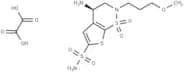
CAS:N-Desethyl Brinzolamide oxalate functions as a dual inhibitor targeting Carbonic anhydrase II and Carbonic anhydrase IV, exhibiting inhibitory concentrations (IC50) of 1.28 nM and 128 nM, respectively [1].Fórmula:C12H19N3O9S3Forma y color:SolidPeso molecular:445.49COX-2-IN-30
CAS:COX-2-IN-30, a benzenesulfonamide derivative, is an orally active, dual inhibitor of cyclooxygenase-2 (COX-2; IC50 = 49 nM) and cyclooxygenase-1 (COX-1; IC50 =Fórmula:C17H16N6O3SPureza:98%Forma y color:SolidPeso molecular:384.41hCAIX-IN-15
CAS:hCAIX-IN-15 is a potent inhibitor of human carbonic anhydrase IX (hCA IX) with an inhibition constant (Ki) of 38.8 nM, exhibiting broad-spectrum anticancerFórmula:C18H14FN7O2SPureza:98%Forma y color:SolidPeso molecular:411.41CAXII-IN-1
CAS:CAXII-IN-1, antitumor, selectively inhibits CA XII with Ki of 3.8 nM for hCA XII and 56 nM for hCA IX.Fórmula:C13H7Cl2NO3SForma y color:SolidPeso molecular:328.17LX-1031
CAS:LX-1031 is an effective inhibitor of tryptophan 5-hydroxylase. LX-1031 decreases serotonin (5-HT) synthesis peripherally.Fórmula:C28H25F3N4O4Pureza:97.123% - 98.97%Forma y color:SolidPeso molecular:538.52Ref: TM-T15796
1mg55,00€5mg120,00€1mL*10mM (DMSO)143,00€10mg187,00€25mg376,00€50mg597,00€100mg938,00€200mg1.264,00€Sezolamide hydrochloride
CAS:Sezolamide hydrochloride is a potent topical carbonic anhydrase inhibitor.Fórmula:C11H19ClN2O4S3Forma y color:SolidPeso molecular:374.93Sezolamide
CAS:Sezolamide is a carbonic anhydrase inhibitor.Fórmula:C11H18N2O4S3Forma y color:SolidPeso molecular:338.47Triose phosphate isomerase
CAS:Triose-phosphate isomerase (TPI, TIM; EC 5.3.1.1) is an enzyme that catalyzes the reversible isomerisation of dihydroxyacetone phosphate and D-glyceraldehyde 3-phosphate: DHAP ⇌ GADP The reaction mechanism involves the formation of an enediol intermediate. One unit of Triose-phosphate isomerase will convert 1.0 μmole glyceraldehyde 3-phosphate to dihydroxyacetone phosphate per min at pH 7.6 and 25 °C.Pureza:Min. 95%Sulfatase, from helix pomatia ≥10,000 units/g solid
CAS:Sulfatase from Helix pomatia is a highly potent enzyme that is capable of hydrolyzing sulfated compounds and sulfate esters. It has been widely used in various applications such as glucosinolate analysis, genistein extraction preparation, and regiospecificity studies. With a concentration of ≥10,000 units per gram of solid, this sulfatase offers exceptional enzymatic activity for sulfatase assays. It effectively catalyzes the hydrolysis of sulfated substrates, including p-nitrocatechol sulfate, naphthyl sulfate and phenyl sulfates.The enzyme can be incubated with the desired sample to facilitate the release of sulfate groups from sulfated compounds. Sulfatase from Helix pomatia is a valuable tool for researchers and scientists working in diverse fields requiring efficient and reliable enzymatic hydrolysis capabilities. Additionally the enzyme has been found to have industrial applications, such as in the bioconversion of industrial chemicals, where it can be used as a catalyst.
Forma y color:PowderThioredoxin reductase from escherichia coli
CAS:Thioredoxin reductase (TR, TrxR) (EC 1.8.1.9) is an enzyme that reduce thioredoxin using NADPH as a co-factor, and also contains FAD. One unit of thioredoxin reductase will raise increase light absorbance by 1.0 per minute at 412nm in the presence of thioredoxin and Ellman's reagent at pH 7.0 and 25 °C.Pureza:Min. 95%Glycerokinase, cellulomonas species
CAS:Glycerokinase (glycerol kinase, GP, ATP-glycerol 3-phosphotransferase; EC 2.7.1.30) is an enzyme that catalyzes the following reaction: ATP + glycerol ⇌ ADP + glycerol 3-phosphate One unit of Glycerokinase will convert 1.0 μmole of glycerol and ATP to glycerol 3-phosphate and ADP per min at pH 9.8 and 25 °C.Forma y color:PowderOxalate Oxidase, freeze-dried, from Wheat
CAS:Oxalate Oxidase, freeze-dried, is an enzymatic preparation that serves as a catalyst in biochemical reactions. This enzyme is derived from wheat, a common plant source, ensuring a naturally occurring origin. Its primary mode of action is the oxidation of oxalate into carbon dioxide and hydrogen peroxide. This biochemical activity is significant in various scientific applications, specifically in the breakdown of oxalate, which plays a crucial role in metabolic and environmental processes.Forma y color:Powderp-Ethynylphenylalanine
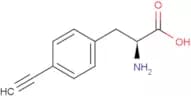
CAS:p-Ethynylphenylalanine (4-Ethynyl-L-phenylalanine), a tryptophan hydroxylase (TPH) inhibitor, is competitive, effective, selective, and reversible, with a Ki ofFórmula:C11H11NO2Pureza:99.44%Forma y color:SolidPeso molecular:189.21Glycerol 3-phosphate oxidase, from pediococcus sp., 40-84U/mg
CAS:Glycerol-3-phosphate oxidase (EC 1.1.3.21) is an enzyme that catalyzes the following reaction: glycerol-3-phosphate + O2 ⇌ dihydroxyacetone phosphate + H2O2 One unit of Glycerol-3-phosphate oxidase will generate 1.0 μmole H2O2 per min at 37°C, under the presence of O2 and the optimal pH. If required, you can remove the build-up of hydrogen peroxide using catalase.Pureza:Min. 95%β-Glucuronidase from Helix pomatia - Type H-2, aqueous solution, ≥85,000 units/mL
CAS:β-Glucuronidase (EC 3.2.1.31) is an enzyme that hydrolyzes glucuronides. It can also be used to cleave benzodiazepine and steroid conjugates. One unit of β-Glucuronidase will hydrolyze a chromogenic substrate mimic 4-nitrophenyl-β-D-glucuronide to produce 1.0 μmole of 4-nitrophenol per minute at pH 5.0 and 37 °C.Pureza:Min. 95%Forma y color:Clear LiquidSarcosine oxidase from bacillus sp., >15 units/mg solid, lyophilized powder
CAS:Sarcosine oxidase (Monomeric sarcosine oxidase, MSOX, EC 1.5.3.1) is an enzyme that catalyzes the oxidative demethylation of sarcosine to yield glycine, H2O2 and formaldehyde in the following reaction: CH3-NH2+-CH2-COO- + H2O + O2 → NH3+-CH2-COO- + H2O2 + CH2O or sarcosine + water + oxygen → glycine + hydrogen peroxyde + formaldehydeOne unit of Sarcosine oxidase will form 1.0 micromole of formaldehyde from sarcosine per minute at pH 8.3 and 37 °C. You can remove the build-up of hydrogen peroxide using catalase.Fórmula:C10H12N8O3Pureza:Min. 95%Forma y color:PowderPeso molecular:292.25 g/molhCAII-IN-3
hCAII-IN-3 inhibits key hCA isoforms with Ki: hCA I (403.8 nM), hCA II (5.1 nM), hCA IX (10.2 nM), hCA XII (5.2 nM); shows anticancer potential.Fórmula:C17H21N3O3SForma y color:SolidPeso molecular:347.43GSK 366
CAS:GSK 366 is a potent kynurenine-3-monooxygenase (KMO) inhibitor (IC50s: 0.7 nM and 2.3 nM for P. fluorescens-KMO and human KMO).Fórmula:C17H16ClN3O4Pureza:98%Forma y color:SolidPeso molecular:361.78Carbonic anhydrase inhibitor 8
R-13, a carbonic anhydrase inhibitor, has Ki of 60.7 nM (hCA I), 320.7 nM (hCA II), and 2298 nM (hCA IV).Fórmula:C20H25N3O4SForma y color:SolidPeso molecular:403.5CAII-IN-3
CAII-IN-3, a thiosemicarbazone, potently inhibits CA-II with an IC50 of 13.4 μM.Fórmula:C18H18F2N4SForma y color:SolidPeso molecular:360.42hCA VB-IN-1
hCA VB-IN-1 (compound 15) is a potent and selective inhibitor of hCA VB (carbonic anhydrase) with a KI of 515.7 nM [1].Fórmula:C9H13N3O4SForma y color:SolidPeso molecular:259.28Carbonic anhydrase inhibitor 19
CAS:Carbonic anhydrase inhibitor19 (compound 26a) targets glaucoma-associated isozymes hCA II and hCA XII, with inhibition constants (Kis) of 9.4 nM and 6.7 nM, respectively. This compound is effective in reducing intraocular pressure.Fórmula:C23H25N3O6S2Peso molecular:503.59Carbonic anhydrase inhibitor 3
Carbonic anhydrase inhibitor 3 (compound 11g) is an inhibitor of carbonic anhydrase II that reduces the intraocular pressure in glaucomatous rabbits [1].Fórmula:C15H17N3O3SForma y color:SolidPeso molecular:319.38Perfluorohexane sulfonamide
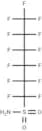
CAS:Perfluorohexane sulfonamide (FHxSA) serves as an inhibitor of carbonic anhydrase (CA), effectively inhibiting bovine CA and human CAII with IC50 values of 0.122 and 1.38 μM, respectively. Additionally, it acts as a delayed-action insecticide for controlling red imported fire ants (Solenopsis invicta). Furthermore, Perfluorohexane sulfonamide is considered a potential environmental pollutant.Fórmula:C6H2F13NO2SForma y color:SolidPeso molecular:399.13Isobutylamido thiazolyl resorcinol
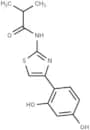
CAS:Isobutylamido thiazolyl resorcinol is a tyrosinase (Tyrosinase) inhibitor that prevents pigment deposition induced by ultraviolet radiation.Fórmula:C13H14N2O3SForma y color:SolidPeso molecular:278.33Carbonic anhydrase inhibitor 4
CA inhibitor 4, photoprobe; targets hCA I-XIV; Ki: 640-1166 nM.Fórmula:C21H18N2O4SForma y color:SolidPeso molecular:394.44Plodicitinib
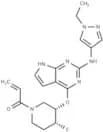
CAS:Plodicitinib is an inhibitor of Janus tyrosine kinase 3/TEC family kinase, exhibiting anti-inflammatory properties.Fórmula:C19H22FN7O2Forma y color:SolidPeso molecular:399.422Carbonic anhydrase inhibitor 16
CAS:Carbonic anhydrase inhibitor 16 (compound 1) is a CA I/CA II inhibitor with potential antiviral activity, used in virus infection studies.Fórmula:C14H10N2O4SPureza:99.65%Forma y color:SolidPeso molecular:302.31Carbonic anhydrase inhibitor 17
CAS:Carbonic anhydrase inhibitor 17 (compound 7c) is a pyrazine-based sulfonamide that acts as a carbonic anhydrase II inhibitor, with an IC50 value of 0.63 nM.Fórmula:C18H15ClN4O3S2Peso molecular:434.92α-Glucosidase-IN-63
CAS:α-Glucosidase-IN-63 (Compound 4d) serves as an α-Glucosidase inhibitor with an IC 50 value of 0.44 μM. Additionally, it exhibits inhibitory activity against hCA II, demonstrating a K i of 7.0 nM. The compound is also effective when administered orally. [1]Fórmula:C16H12FN3O3S2Forma y color:SolidPeso molecular:377.41hCA XII/II/IX-IN-1
hCA XII/II/IX-IN-1 inhibits hCA I/II/IX/XII (IC50: 2.6, 0.004, 0.005, 0.001 μM) with anticancer properties.Fórmula:C25H34N4O7SForma y color:SolidPeso molecular:534.63hCAII-IN-5
CAS:hCAII-IN-5 (compound 12h) is a potent, selective inhibitor of human carbonic anhydrase II (hCA II) with an inhibition constant (IC50) of 4.55 µM [1].Fórmula:C29H18N2O7Forma y color:SolidPeso molecular:506.46NSC 828467
NSC 828467 is one of the top five CA-IX inhibitors with significant in vitro anticancer activity (IC50: 27.2 nM).Fórmula:C21H19N9O2SForma y color:SolidPeso molecular:461.5hCAII-IN-4
CAS:hCAII-IN-4 (Compound 12j) is a potent inhibitor of human carbonic anhydrase II (hCA II), exhibiting an inhibitory concentration (IC50) of 7.78 μM.Fórmula:C31H23NO9Forma y color:SolidPeso molecular:553.52β-Glucuronidase/hCAII-IN-1
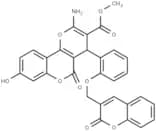
CAS:β-Glucuronidase/hCAII-IN-2 (Compound 12e) is a compound that effectively inhibits both β-glucuronidase and human Carbonic Anhydrase II (hCA II), exhibiting IC50Fórmula:C30H21NO9Forma y color:SolidPeso molecular:539.49Tyrosinase-IN-29
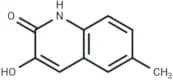
CAS:Tyrosinase-IN-29 (compound 5c) is an effective inhibitor of abTYR tyrosinase, demonstrating an IC50 value of 6.11 μM. It is suitable for further research into the inhibition of excessive skin pigmentation.Fórmula:C10H9NO2Forma y color:SolidPeso molecular:175.18Tyrosinase-IN-37
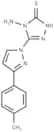
CAS:Tyrosinase-IN-37 (Compound 3c) is a potent inhibitor of tyrosinase, with an IC50 value of 1.02 μM, which is 14 times more effective than kojic acid (IC50 of 14.74 μM). This compound effectively prevents the browning of Rosa roxburghii and can also inhibit browning not caused by tyrosinase.Fórmula:C12H12N6SForma y color:SolidPeso molecular:272.33EGFR/VEGFR2-IN-2
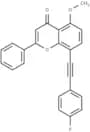
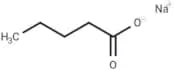
EGFR/VEGFR2-IN-2 (compound 4b) serves as a dual inhibitor of VEGFR-2 and EGFR.Fórmula:C24H15FO3Forma y color:SolidPeso molecular:370.37Valerate sodium
CAS:Valerate sodium is a potential Carbonic anhydrase 1/2 inhibitor for biochemical experiments.Fórmula:C5H9NaO2Pureza:99.84% - 99.91%Forma y color:SolidPeso molecular:124.11CA IX-IN-1
CA IX-IN-1 (compound 12g) is a potent and highly selective hCA IX inhibitor (IC50: 7 nM) that exhibits antitumour effects.Fórmula:C16H22N4O8SForma y color:SolidPeso molecular:430.43Carbonic anhydrase inhibitor 10
CA inhibitor 10 targets MCF-7 cells, IC50: 11.9 μM; potent h CA IX inhibitor, Ki: 6.2 nM. Anti-cancer research.Fórmula:C14H17N5O3SForma y color:SolidPeso molecular:335.38Carbonic anhydrase inhibitor 9
Carbonic anhydrase inhibitor 9 targets hCA II and IX with Ki of 56.4 and 56.9 nM respectively; shows antiproliferative activity.Fórmula:C22H20BrN5O4SForma y color:SolidPeso molecular:530.39hCAIX-IN-20
CAS:hCAIX-IN-20 (compound APBS-5m) is a potent inhibitor of carbonic anhydrase IX (hCA IX), with a Ki of 2.7 nM, playing a significant role in cancer research.Fórmula:C19H13Cl2N5O4S2Peso molecular:510.37hCAIX/XII-IN-15
CAS:hCAIX/XII-IN-15 (Compound 17β) is an inhibitor of hCA IX and hCA XII, exhibiting Ki values of 0.42 and 4.37 μM, respectively. It demonstrates a pro-apoptotic effect in multiple myeloma cells.Fórmula:C17H18O4SForma y color:SolidPeso molecular:318.387Carbonic anhydrase inhibitor 2
CAS:Compound 7c inhibits carbonic anhydrase II, lowering intraocular pressure in glaucomatous rabbits.Fórmula:C12H16N4O6SForma y color:SolidPeso molecular:344.34Tyrosinase-IN-33
CAS:Tyrosinase-IN-33 (compound 5), a pyridine-based compound, acts as an effective inhibitor of diphenolase activity in mushroom tyrosinase. It significantly reduces enzyme activity with an IC50 of 9.0 μM.Fórmula:C19H17NS2Forma y color:SolidPeso molecular:323.48Tyrosinase-IN-35
CAS:Tyrosinase-IN-35 (compound 6g), exhibiting a IC 50 value of 2.09 μM, serves as a more effective inhibitor of human tyrosinase compared to Kojic Acid (IC 50: 16.38 μM). At concentrations of 4 μM and 8 μM, this compound effectively lowers melanin levels in melanoma B16F10 cells in vitro.Fórmula:C17H15N5OSForma y color:SolidPeso molecular:337.40Carbonic anhydrase inhibitor 5
Potent hCA inhibitor: targets hCA II, IX & XII with IC50s of 42.9, 47.6, & 6.7 nM respectively.Fórmula:C24H20ClN3O3SForma y color:SolidPeso molecular:465.95O-Desmethyl Brinzolamide hydrochloride
CAS:O-Desmethyl Brinzolamide hydrochloride (compound 6a), a potent metabolite derived from Brinzolamide, serves as a carbonic anhydrase (CA) inhibitor. It exhibits a dissociation constant (Kd) of 0.136 nM for CA II and an inhibitory concentration (IC50) of 165 nM for CA IV [1].Fórmula:C11H20ClN3O5S3Forma y color:SolidPeso molecular:405.94hCAI/II/XII-IN-1
CAS:hCAI/II/XII-IN-1 (compound 7) is an inhibitor of human carbonic anhydrases hCAI, hCAII, and hCAXII, with Ki values of 78.5 nM, 9.1 nM, 605 nM, 7.7 nM, and 3.7 nM.Fórmula:C12H12N2O2SForma y color:SolidPeso molecular:248.301CAII-IN-2
CAII-IN-2 (3g): potent, selective CA-II inhibitor; IC50-12.1 μM for bovine CA-II; valuable in CA-related disorder research.Fórmula:C18H19BrN4SForma y color:SolidPeso molecular:403.34β-Glucuronidase/hCAII-IN-2
β-Glucuronidase/hCAII-IN-2 is a potent inhibitor of β-glucuronidase and hCA II, and their IC50 values were 670.7 μM and 21.77 μM, respectively.Fórmula:C31H23NO8Forma y color:SolidPeso molecular:537.52CA IX-IN-3
CAS:CAIX-IN-3 (Compound 27) is a selective and potent inhibitor of carbonic anhydrase IX (CAIX), with an IC50 of 0.48 nM.Fórmula:C21H19N5O4S2Forma y color:SolidPeso molecular:469.5374-Acetylphenylboronic acid
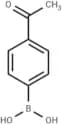
CAS:4-Acetylphenylboronic acid acts as an effective inhibitor targeting carbonic anhydrase II (CAII), displaying inhibitory concentrations (IC50) of 246 μM for bovine CAII (bCA II) and 281.40 μM for human CAII (hCA II).Fórmula:C8H9BO3Forma y color:SolidPeso molecular:163.97Tyrosinase-IN-20
CAS:Tyrosinase-IN-20 (compound 6a) acts as a potent Tyrosinase inhibitor, demonstrating an IC 50 value of 28.50 μM [1].Fórmula:C17H18N2O2SForma y color:SolidPeso molecular:314.4CAII-IN-1
CAII-IN-1 (3n) is a selective bovine CA-II inhibitor with 10.3 μM IC50, used in carbonic anhydrase disorder studies.Fórmula:C19H21FN4SForma y color:SolidPeso molecular:356.46hCAVII/IX-IN-1
CAS:hCAVII/IX-IN-1 (compound 4) functions as an inhibitor of hCAVII/IX, exhibiting Ki values of 56.5 nM and 38.2 nM, respectively. It is applicable in the field of cancer research.Fórmula:C7H7N3O2S2Forma y color:SolidPeso molecular:229.279Sulclamide
CAS:Sulclamide, a sulfamoylbenzoic acid derivative, exhibits diuretic activity and functions as an inhibitor of carbonic anhydrase [1].Fórmula:C7H7ClN2O3SForma y color:SolidPeso molecular:234.66Alkaline phosphatase
CAS:One unit of alkaline phosphatase (EC 3.1.3.1) will hydrolyze 1.0 µmol of 4-nitrophenyl phosphate per min at 25°C and pH 9.6.Pureza:Min. 95%Forma y color:PowderKRAS Protein, Human, Recombinant (G12S, GST)
Expression system: E. coli<br>Length: 1-169, Partial<br>Activity: BLI
Forma y color:Odour Lyophilized PowderCarboxypeptidase Q Protein, Human, Recombinant (His)
Expression system: HEK297 Cells<br>Length: 21-472, Full Length of Mature Protein<br>Activity: Not Tested
Forma y color:Lyophilized PowderPeso molecular:49.72 kDa (Predicted)Carboxypeptidase B2 Protein, Human, Recombinant (His)
Carboxypeptidase B2 Protein, Human, Recombinant (His) is expressed in HEK293 mammalian cells with His tag.
Forma y color:Lyophilized PowderPeso molecular:47.4 kDa (predicted); 45-50 kDa (reducing condition, due to glycosylation)PPM1G Protein, Human, Recombinant (aa 317-546, His)
Protein phosphatase 1G, also known as Protein phosphatase 1C, Protein phosphatase 2C isoform gamma, Protein phosphatase magnesium-dependent 1 gamma, PP2C-gamma
Forma y color:Lyophilized PowderPeso molecular:26.6 kDa (predicted); 30 kDa (reducing conditions)Ref: TM-TMPY-02197
Producto descatalogadoACE2/ACEH Protein, Human, Recombinant (hFc), Biotinylated
ACE2/ACEH Protein, Human, Recombinant (hFc), Biotinylated is expressed in HEK293 mammalian cells with hFc tag.
Forma y color:Lyophilized PowderPeso molecular:110.3 kDa (predicted); 127.74 kDa (reducing condition, due to glycosylation)Ref: TM-TMPY-06334
Producto descatalogadoVEGFR3/FLT4 Protein, Human, Recombinant (His & Avi), Biotinylated
VEGFR3/FLT4 Protein, Human, Recombinant (His & Avi), Biotinylated is expressed in HEK293 mammalian cells with His and Avi tag.
Forma y color:Lyophilized PowderPeso molecular:87.80 kDa (predicted); 126.18, 81.32 and 69.37 kDa (reducing conditions)Ref: TM-TMPY-06620
Producto descatalogadoCarbonic Anhydrase 9 Protein, Human, Recombinant (His & Avi), Biotinylated
Carbonic Anhydrase 9 Protein, Human, Recombinant (His & Avi), Biotinylated is expressed in HEK293 mammalian cells with His and Avi tag.
Forma y color:Lyophilized PowderPeso molecular:44.23 kDa (predicted); 52.2 kDa (reducing conditions)Ref: TM-TMPY-06936
Producto descatalogadoCyclophilin A Protein, Human, Recombinant (His)
Cyclophilin A Protein, Human, Recombinant (His) is expressed in E.
Forma y color:Lyophilized PowderPeso molecular:19.4 kDa (predicted); 19.4 kDa (reducing conditions)Ref: TM-TMPY-02177
Producto descatalogadoPKC iota Protein, Human, Recombinant (GST)
Protein kinase C iota type, also known as Atypical protein kinase C-lambda/iota, aPKC-lambda/iota and PRKCI, is a cytoplasm, membrane and nucleus protein which
Forma y color:Lyophilized PowderPeso molecular:93.5 kDa (predicted); 100 kDa (reducing conditions)GUCY2C Protein, Canine, Recombinant (His)
GUCY2C Protein, Canine, Recombinant (His) is expressed in HEK293 mammalian cells with His tag.
Forma y color:Lyophilized PowderPeso molecular:47.9 kDa (predicted); 84.32 kDa (reducing conditions)Ref: TM-TMPY-06518
Producto descatalogadoPFKFB3 Protein, Human, Recombinant (His & GST)
Fructose-2,6-biphosphatase 3, also known as 6-phosphofructo-2-kinase or PFK2 or PFKFB3, is a potent activator of phosphofructokinase, which is a rate-limiting
Forma y color:Lyophilized PowderPeso molecular:87.4 kDa (predicted); 75 kDa (reducing conditions)Ref: TM-TMPY-04474
Producto descatalogadoGUCY2C Protein, Cynomolgus, Recombinant (His)
GUCY2C Protein, Cynomolgus, Recombinant (His) is expressed in HEK293 mammalian cells with His tag.
Forma y color:Lyophilized PowderPeso molecular:47.59 kDa (predicted); 81.26 kDa (reducing conditions)GST Protein, Schistosoma japonicum, Recombinant
Genetic engineers have used glutathione S-transferase to create the GST gene fusion system.
Pureza:97.9%Forma y color:Lyophilized PowderPeso molecular:26.9 kDa (predicted); 28 kDa (reducing conditions)EUCODIS® Lipase 032, screening grade, recombinant, from microbial sources - EL032
Lipase 32 recombinantly expressed in E. coli comes in a spray-dried formulation. It has its pH optimum at 7 and temp. optimum at 50-70°C. Lipases belong to the family of esterases and naturally act on triglycerides at lipid-water interfaces catalyzing hydrolytic reactions, esterifications and transesterification reactions in industrial and food applications. Lipase 32 was shown to hydrolyze p-Nitrophenyl esters of butyrate (100 % activity), octanoate (88 %), laurate (11 %), palmitate (0.3 %) and stearate (0.1 %).
Phospholipase D 040
CAS:Phospholipases D belong to the family of esterases and act on phosphatidylcholine in the plasma membrane to release phosphatidic acid (PA) and choline. Phospholipases D can be used as versatile tools in hydrolysis and transphosphatidylation reactions for industrial, chemical and food applications.
EUCODIS® Lipase 016, screening grade, recombinant, from microbial sources - EL016
Lipase 16 recombinantly expressed in E. coli comes in a spray-dried formulation. It has its pH optimum at 7-8 and temp. optimum at >40°C. Lipases belong to the family of esterases and naturally act on triglycerides at lipid-water interfaces catalyzing hydrolytic reactions, esterifications and transesterification reactions in industrial and food applications. Lipase 16 was shown to hydrolyze p-Nitrophenyl esters of butyrate (58 % activity compared to octanoate), octanoate (100 %), laurate (40 %), palmitate (27 %), stearate (13 %), arachidate (2 %) and behenate (0.2 %).
EUCODIS® Lipase 012, screening grade, recombinant, from microbial sources - EL012
Lipase 12 recombinantly expressed in E. coli comes in a spray-dried formulation. It has its pH optimum at 6-7.5 and temp. optimum at >60°C. Lipases belong to the family of esterases and naturally act on triglycerides at lipid-water interfaces catalyzing hydrolytic reactions, esterifications and transesterification reactions in industrial and food applications. Lipase 12 was shown to hydrolyze p-Nitrophenyl esters of butyrate (60 % activity compared to octanoate), octanoate (100 %), laurate (51 %), palmitate (30 %), stearate (14 %), arachidate (0.2 %) and behenate (0.2 %).Phospholipase D 040, concentrated (100 U/mg), spray-dried, recombinant, of prokaryotic origin
CAS:Phospholipase D 040, concentrated (100 U/mg), spray-dried, recombinant, of prokaryotic origin, is an enzyme preparation designed for advanced biochemical applications. This enzyme is derived from a prokaryotic source through recombinant DNA technology, allowing for high purity and activity. Phospholipase D functions by catalyzing the hydrolysis of phospholipids to produce phosphatidic acid and free head groups, which is a crucial reaction in both lipid signaling and membrane dynamics.
Pureza:Min. 95%Pyruvate oxidase from microorganisms
CAS:Pyruvate oxidase is a phosphorylating oxidoreductase which uses FAD as a cofactor to convert pyruvate into acetate and CO2. Pyruvate oxidase (PoxB) is used in metabolism studies in bacteria and in clinical assays for pyruvate, and requires thiamine pyrophosphate (TPP) and magnesium alongside FAD for optimum activity.
Pureza:(Sds-Page) Min. 90%Forma y color:PowderLacBuster™-S 50 (β-lactamase)
CAS:LacBuster™-S 50 is a beta-lactamase formulation, which is an enzyme of microbial origin with the ability to hydrolyze beta-lactam antibiotics. This enzymatic product is derived from specific bacterial species known for their resistance mechanisms, providing a robust capability to deactivate compounds such as penicillins and cephalosporins. Its mode of action involves the cleavage of the beta-lactam ring, a crucial structural component of these antibiotics, effectively neutralizing their antibacterial properties.
Pancreatin from porcine pancreas, powder
CAS:Pancreatin is an enzyme preparation, which is derived from the porcine pancreas. This product contains a mixture of several digestive enzymes, including amylase, lipase, and protease. It is typically obtained through the extraction and purification of these enzymes from the pancreas of pigs, providing a natural and effective source for enzymatic activity.
Lipase Y 01
CAS:Lipase Y 01 is an enzymatic catalyst, which is derived from microbial fermentation with a specific mode of action involving the hydrolysis of triglycerides into glycerol and free fatty acids. This enzyme operates by breaking ester bonds in fats, facilitating their breakdown and conversion into simpler molecules.
Ref: 3D-ELY01.6
Producto descatalogadoLacBuster™-S 2000 (β-lactamase)
CAS:LacBuster™-S 2000 is an enzyme preparation, specifically a beta-lactamase, which is derived from bacterial sources known for their capacity to degrade beta-lactam antibiotics. Through hydrolytic cleavage of the beta-lactam ring, this enzyme neutralizes the efficacy of beta-lactam antibiotics, thereby rendering them inactive.
L-Leucine dehydrogenase from bacillus cereus
CAS:L-Leucine dehydrogenase (Leucine dehydrogenase, systematic name L-leucine:NAD+ oxidoreductase (deaminating); EC 1.4.1.9) is an enzyme that catalyzes the following reaction: L-leucine + H2O + NAD+ ⇌ 4-methyl-2-oxopentanoate + NH3 + NADH + H+ One unit of L-Leucine dehydrogenase will convert 1.0 µmole of L‑leucine into 4-methyl-2-oxopentanoate per min at pH 10.5 and 37 °C in the presence of NAD+. The enzyme requires NAD+ as a cofactor, it is available here.
Pureza:Min. 95%Immobilized lipase
CAS:Immobilized lipase is an advanced enzymatic product, which is derived from lipases, enzymes primarily sourced from microbial, plant, or animal origins. This product operates through a catalytic mechanism where the lipase is attached to a solid support, enhancing its stability and reusability in various reactions. This immobilization allows the enzyme to maintain activity over a wide range of conditions, including different pH levels and temperatures.
EUCODIS® Lipase 067, screening grade, recombinant, from microbial sources - EL067
Lipase 67 recombinantly expressed in E. coli comes in a spray-dried formulation. It has its pH optimum at 7-8 and temp. optimum at 30°C. Lipases belong to the family of esterases and naturally act on triglycerides at lipid-water interfaces catalyzing hydrolytic reactions, esterifications and transesterification reactions in industrial and food applications. Lipase 67 was shown to hydrolyze p-Nitrophenyl esters of butyrate (100 % activity), octanoate (37 %), laurate (3 %) and palmitate (0.2 %).Cholesterol dehydrogenase from nocardia sp.
CAS:Cholesterol dehydrogenase (EC 1.1.1.840) is NADP+-dependant oxidoreductase, that catalyses the following reaction:cholesterol + NADP+ + H2O → cholest-4-en-3-one + NADPH + H+This is achieved by oxidizing alcohol hydroxy-group into ketone. One unit of cholesterol dehydrogenase will produce 1.0 μmole of cholest-4-en-3-one per minute at pH 8.5 and 25 °C.
Pureza:Min. 95%EUCODIS® Lipase 004, screening grade, recombinant, from microbial sources - EL004
Lipase 04 recombinantly expressed in E. coli comes in a spray-dried formulation. It has its pH optimum at 6-7 and temp. optimum at 60-70°C. Lipases belong to the family of esterases and naturally act on triglycerides at lipid-water interfaces catalyzing hydrolytic reactions, esterifications and transesterification reactions in industrial and food applications. Lipase 04 was shown to hydrolyze p-Nitrophenyl esters of butyrate (100 % activity), octanoate (68 %), laurate (2 %), palmitate (2 %), stearate (2 %), arachidate (2 %) and behenate (2 %).
EUCODIS® Peroxidase 12, from bacterial, fungal and plant origin, recombinant - EP012
CAS:Peroxidase 12 recombinantly expressed in P. pastoria comes in a freeze-dried formulation. It has its pH optimum at 5-8 and temp. optimum at 20-40°C. Peroxidases can be utilized as enzymes catalyzing e.g. aromatic ring hydroxylation, epoxidation, halogenation, N- or S-oxidation, ether cleavage and alcohol/aldehyde oxidation reactions. Peroxidase 12 was shown to act on styrene, veratryl alcohol, vanillyl alcohol, n-methyl anthranilate and thioanisole.
Forma y color:PowderSucrose phosphorylase, liquid
CAS:Please enquire for more information about Sucrose phosphorylase, liquid including the price, delivery time and more detailed product information at the technical inquiry form on this page
Endopeptidase, liquid, food grade
CAS:Endopeptidase, liquid, food grade is an enzymatic product that functions as a crucial component in the hydrolysis of protein substrates. This enzyme is typically derived from microbial sources, such as bacteria or fungi, and is cultivated under controlled fermentation processes to ensure high purity and activity levels. The primary mode of action of endopeptidases involves the cleavage of peptide bonds within protein molecules, effectively breaking down long protein chains into smaller peptides and amino acids.
Ribokinase, liquid
CAS:Please enquire for more information about Ribokinase, liquid including the price, delivery time and more detailed product information at the technical inquiry form on this page
Glucosyltransferase227-freeze dried
CAS:Glucosyltransferase227-freeze dried is an enzyme-derived product, originating from microbial sources known for its role in catalyzing the transfer of glucose moieties from a donor molecule to specific acceptor molecules. The enzyme operates by facilitating covalent bond formation between glucose and target substrates, displaying specificity that can be exploited in various biochemical pathways.
Nicotinamide phosphoribosyltransferase, liquid
CAS:Please enquire for more information about Nicotinamide phosphoribosyltransferase, liquid including the price, delivery time and more detailed product information at the technical inquiry form on this page
Endopeptidase, liquid, food grade, broad spectrum
CAS:Endopeptidase, liquid, food grade, broad spectrum is an enzymatic product used in the food industry. It is derived from microbial sources, specifically engineered strains capable of producing high yields of proteolytic enzymes. This endopeptidase functions by hydrolyzing peptide bonds within proteins, targeting internal sites to break down long protein chains into smaller peptides and amino acids.
EUCODIS® Lipase 017, screening grade, recombinant, from microbial sources - EL017
Lipase 17 recombinantly expressed in E. coli comes in a spray-dried formulation. It has its pH optimum at 7-8. Lipases belong to the family of esterases and naturally act on triglycerides at lipid-water interfaces catalyzing hydrolytic reactions, esterifications and transesterification reactions in industrial and food applications. Lipase 17 was shown to hydrolyze p-Nitrophenyl esters of butyrate (2 % activity compared to octanoate), octanoate (100 %), laurate (20 %), palmitate (3 %), stearate (1 %), arachidate (1 %) and behenate (1 %).
Phospholipase D 40, from Streptomyces antibioticus, recombinant - EPLD040
CAS:Phospholipases D belong to the family of esterases and act on phosphatidylcholine in the plasma membrane to release phosphatidic acid (PA) and choline. Phospholipases D can be used as versatile tools in hydrolysis and transphosphatidylation reactions for industrial, chemical and food applications.Spray dried version of EPLD840.6_R
Forma y color:PowderVIM-15 (β-Lactamase)
CAS:VIM-15 (β-Lactamase) is an enzyme product, specifically a metallo-beta-lactamase, which is sourced from certain resistant bacterial strains. This enzyme functions by hydrolyzing the beta-lactam ring of antibiotics, rendering them ineffective. The primary mode of action involves the coordination of zinc ions at its active site, enabling the breakdown of a broad spectrum of beta-lactam antibiotics including penicillins, cephalosporins, and carbapenems. This enzymatic activity significantly contributes to antibiotic resistance, posing a challenge in the treatment of bacterial infections. Its prevalence is noted in healthcare settings, where multidrug-resistant organisms are a concern. VIM-15 is of particular interest in clinical microbiology research and antimicrobial resistance studies, where understanding its structure and function can aid in the development of new inhibitors, potentially restoring the efficacy of beta-lactam antibiotics against resistant strains. Its characterization and study are critical for developing strategies to combat antibiotic-resistant infections effectively.
Lipase, powder, food-grade, broad spectrum
CAS:Lipase, powder, food-grade, broad spectrum is an enzyme product, which is derived from microbial sources such as fungi and bacteria through a fermentation process. This enzyme operates by catalyzing the hydrolysis of fats into free fatty acids and glycerol, facilitating the breakdown of complex lipid molecules.
Catalase ECAT01™, EUCODIS® Patent: US 9951306 and EP2861715
CAS:A proprietary potent and stable alternative to chemical neutralizers such as pyruvate - for the utilization in environmental monitoring applications. Use of catalase as a supplement in media plates offers a more effective and reliable solution for safe and secure environmental monitoring of sterilization in clean rooms, isolators or production facilities by also removing remaining traces and spots of high concentration of H2O2. Currently, agar plates for monitoring disinfection or sterilization are supplemented with pyruvate, which is consumed during the neutralization of hydrogen peroxide. One of the main benefits of this catalase is its high stability in agar media at 50°C, which allows easy preparation of media and processing into plates. Due to the high stability no special storage conditions are needed and a shelf-life of > 6 months at 4-25°C can be guaranteed.
Key features are:ApStar Taq DNA Polymerase, 1250 units
ApStar Taq DNA Polymerase is a thermostable DNA polymerase, originally derived from the thermophilic bacterium Thermus aquaticus. It operates by synthesizing new strands of DNA through the extension of primers in the 5' to 3' direction, utilizing a DNA template. This enzyme is specifically engineered to withstand high temperatures, making it ideal for the denaturation phases of PCR.
Phospholipase D
CAS:Phospholipases D belong to the family of esterases and act on phosphatidylcholine in the plasma membrane to release phosphatidic acid (PA) and choline. Phospholipases D can be used as versatile tools in hydrolysis and transphosphatidylation reactions for industrial, chemical and food applications.
Aldehyde dehydrogenase, ≥2.0 units/mg protein potassium-activated
CAS:Aldehyde dehydrogenase (EC 1.2.1.3) is the enzyme that catalyzes oxidation of aldehydes to carboxilic acids, using NAD+ as a cofactor in the following reaction: R-CHO + NAD+ + H2O → R-COOH + NADH + H+ One enzyme unit will oxidize 1.0 μmole of acetaldehyde to acetic acid per min at 25 °C at pH 8.0 in the presence of β-NAD+, potassium and thiols.
Forma y color:PowderLacBuster® - S 50 IU, beta-lactamase I & II, lyophilized, gamma irradiated - EBL021.2
LacBuster®-S 50 is a solid and Gamma-irradiated, freeze-dried, broad range beta-lactamase formulation with 50 IU beta-lactamase II and 500 IU beta-lactamase I activity per vial.
LacBuster® - Settle Plates, available via other suppliers in cooperation with EUCODIS® - EB010.1
LacBuster® Settle Plates contain a general purpose growth medium (tryptone soya agar) supplemented with LacBuster®, a high-performing beta-lactamase to effectively neutralize beta-lactam antibiotics. The media plates are suitable for the cultivation of a wide variety of microorganisms in environmental monitoring within the pharmaceutical industry.
EUCODIS® Lipase 037, screening grade, recombinant, from microbial sources - EL037
Lipase 37 recombinantly expressed in E. coli comes in a spray-dried formulation. It has its pH optimum at 8-9 and temp. optimum at <50°C. Lipases belong to the family of esterases and naturally act on triglycerides at lipid-water interfaces catalyzing hydrolytic reactions, esterifications and transesterification reactions in industrial and food applications. Lipase 37 was shown to hydrolyze p-Nitrophenyl esters of butyrate (48 % activity), octanoate (100 %), laurate (85 %), palmitate (5 %) and stearate (1 %).
Phytate 1-phosphatase
CAS:Phytate 1-phosphatase is a phosphatase enzyme that cleaves orthophosphate groups from phytic acid's inositol ring. This releases inorganic phosphate.
Pureza:Min. 95%Forma y color:Clear LiquidRef: 3D-FP146295
Producto descatalogadoalpha-L-Iduronidase, recombinant, aqueous solution with glycerol
CAS:Alpha-L-iduronidase is a glycoside hydrolase enzyme that cleaves the non-reducing, terminal alpha-L-iduronic acid residues from polysaccharides and oligosaccharides. Alpha-L-iduronidase is involved in the lysosomal degradation of glycosaminoglycans and its deficiency leads to the accumulation of dermatan sulphate and heparan sulphate in tissues, a condition known as mucopolysaccharidosis I (MPS I). Alpha-L-iduronidase activity can be detected and quantified in an assay using a fluorogenic substrate 4MU-alpha-L-idopyranosiduronic acid. Alpha-L-iduronidase is also used in a 2-step assay for Hunter syndrome (MPS II) testing in combination with 4-MU-alpha-L-idopyranosiduronic acid 2-sulphate.
This enzyme is supplied as a 2 mg/mL aqueous solution in 25 mM sodium acetate, 150 mM NaCl, 50% glycerol, pH 5.0 from a bacterial source, recombinantly expressed in Escherichia coli (see application notes for more details). Alpha-L-iduronidase is also available as lyophilisate (FA181881)Forma y color:Powderα-Glucosidase, from yeast
CAS:α-Glucosidase (EC 3.2.1.20) is a glycoside hydrolase enzyme that hydrolyzes α-1,4-linked D-glucose residues (e.g. in starch or oligosaccharides) to produce α-D-glucose. One unit of α-Glucosidase will release 1.0 µmole of p-nitrophenol from the chromogenic substrate mimic 4-nitrophenyl α-D-glucopyranoside per minute at pH 6.8 and 37 °C.
Forma y color:White PowderRef: 3D-JAA00142
Producto descatalogadoEUCODIS® Lipase 030, screening grade, recombinant, from microbial sources - EL030
Lipase 30 recombinantly expressed in E. coli comes in a spray-dried formulation. It has its pH optimum at 5.5-8 and temp. optimum at >55°C. Lipases belong to the family of esterases and naturally act on triglycerides at lipid-water interfaces catalyzing hydrolytic reactions, esterifications and transesterification reactions in industrial and food applications. Lipase 30 was shown to hydrolyze p-Nitrophenyl esters of butyrate (100 % activity), octanoate (72 %), laurate (38 %), palmitate (7 %) and stearate (2 %).
Proteinase K, high-quality, freeze-dried, recombinant
CAS:A proteolytic enzyme; degrades protein contaminants in nucleic acid preparations
EUCODIS® Lipase 015, screening grade, recombinant, from microbial sources - EL015
Lipase 15 recombinantly expressed in E. coli comes in a spray-dried formulation. It has its pH optimum at 6-8 and temp. optimum at 25°C. Lipases belong to the family of esterases and naturally act on triglycerides at lipid-water interfaces catalyzing hydrolytic reactions, esterifications and transesterification reactions in industrial and food applications. Lipase 15 was shown to hydrolyze p-Nitrophenyl esters of butyrate (100 % activity), octanoate (13 %), laurate (1 %), palmitate (1 %), stearate (<1 %), arachidate (<1 %) and behenate (<1 %).
EUCODIS® Lipase 068, screening grade, recombinant, from microbial sources - EL068
Lipase 68 recombinantly expressed in E. coli comes in a spray-dried formulation. It has its pH optimum at 7-9 and temp. optimum at 30°C. Lipases belong to the family of esterases and naturally act on triglycerides at lipid-water interfaces catalyzing hydrolytic reactions, esterifications and transesterification reactions in industrial and food applications. Lipase 68 was shown to hydrolyze p-Nitrophenyl esters of butyrate (100 % activity), octanoate (75 %), laurate (8 %), palmitate (1 %) and stearate (0.1 %).
Catalase 01
CAS:A catalase product which neutralizes hydrogen peroxide at much higher concentrations (>10 %) compared to pyruvate, which is only capable of completely neutralizing hydrogen peroxide at the lowest concentration tested (2 %). Catalase (EC 1.11.1.6) catalyzes the following reaction:2H2O2 → 2H2O + O21 unit of catalase will decompose 1.0 μmole of H2O2 per min at pH 7.0 and 25 °C.
Dextranase
CAS:Dextranase (alternative names dextran hydrolase, endo-dextranase, endodextranase, dextranase DL 2, α-D-1,6-glucan-6-glucanohydrolase, 1,6-α-D-glucan 6-glucanohydrolase, EC 3.2.1.11) is dextran-degrading enzyme that hydrolyzes the α(1→6) glycosidic linkage of dextran, cutting it into progressively shorter fragments, ultimaly producing isomaltose (a disaccharide) and glucose. One unit of dextranase will cleave dextrane to yield 1.0 μmole of isomaltose per min at pH 6.0 and 37 °C.
Fórmula:C66H56N4Pureza:Min. 95%Ref: 3D-FD172644
Producto descatalogadoPenase, 3300 IU, β-lactamase I, lyophilized - EBL051.2
Freeze-dried powder with 3300 IU beta-lactamase I activity per vial against all relevant penicillins. Our penase (penicillinase) posesses a specific substrate range solely against all relevant penicillins.
Forma y color:PowderEUCODIS® Lipase 014, screening grade, recombinant, from microbial sources - EL014
Lipase 14 recombinantly expressed in E. coli comes in a spray-dried formulation. It has its pH optimum at 6-8 and temp. optimum at 30-40°C. Lipases belong to the family of esterases and naturally act on triglycerides at lipid-water interfaces catalyzing hydrolytic reactions, esterifications and transesterification reactions in industrial and food applications. Lipase 14 was shown to hydrolyze p-Nitrophenyl esters of butyrate (74 % activity compared to octanoate), octanoate (100 %), laurate (8 %), palmitate (5 %), stearate (4 %), arachidate (1 %) and behenate (0.6 %).
Carbonic Anhydrase 1 Protein, Human, Recombinant (Active, His)
Expression system: E. coli
Length: 2-261, Full Length of Mature Protein
Activity: Enzyme activityForma y color:Lyophilized PowderPeso molecular:29.93 kDa (Predicted)ALPK1 Protein, Human, Recombinant (His & Myc)
ALPK1 Protein, Human, Recombinant (His & Myc) is expressed in Baculovirus.
Forma y color:Lyophilized PowderPeso molecular:29.9 kDa (predicted)Protocatechuate 3,4-dioxygenase from pseudomonas sp.
CAS:Protocatechuate 3,4-dioxygenase is a bacterial enzyme, which is sourced from Pseudomonas sp. This enzyme operates by catalyzing the cleavage of aromatic rings in protocatechuate, a derivative of catechol. Its mode of action involves the incorporation of oxygen into protocatechuate, resulting in the formation of beta-carboxy-cis,cis-muconate. This reaction is crucial for the microbial degradation of aromatic compounds, thereby playing a significant role in the biodegradation pathways of lignin-derived aromatic pollutants.
Pureza:Min. 95%Peroxidase Kit, 2 peroxidases with different substrate specificities
Peroxidases can be utilized as enzymes catalyzing e.g. aromatic ring hydroxylation, epoxidation, halogenation, N- or S-oxidation, ether cleavage and alcohol/aldehyde oxidation reactions. The Peroxidase Kit contains 2 recombinant peroxidases of bacterial and fungal origin with a temperature optimum in the 20-40 °C range and pH optimum between pH 5 and 8.Pureza:Min. 95%Glucosyltransferase Kit
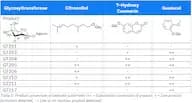
CAS:The kit contains 8 different Glucosyltransferases (GTases), which are enzymes that transfer glucose to another organic molecule (aglycon), establishing glycosidic linkage. UDP-glucose dependent GTases are part of the enzyme family of glucosyltransferases, they are versatile tools in glucosylation reactions. Different GTases have different substrate specificities, as shown on Table 1. The kit is especially designed for screening and finding the most well-suited GTase for your specific process. All GTases in the kit are also available individually for bulk purchase.
Urease from Canavalia ensiformis
CAS:Urease from Canavalia ensiformis (Jack bean urease, EC 3.5.1.5) is an enzyme that catalyses the following reaction: (NH2)2CO + H2O → CO2 + 2 NH3 One unit of urease will yield 1.0 µmole of NH3 from urea per min at pH 7.0 and 25 °C.
Peso molecular:480 g/molD-Ribulose 1,5-diphosphate carboxylase from spinach
CAS:D-Ribulose 1,5-diphosphate carboxylase, commonly known as RuBisCO, is an essential enzyme that catalyzes the first major step of carbon fixation, a process by which inorganic carbon from the atmosphere is converted into organic molecules. This enzyme is derived from spinach, a common model organism used in plant biology research due to its accessibility and well-characterized photosynthetic pathways.
Pureza:Min. 95%Aldolase from rabbit muscle
CAS:One unit of aldolase (EC 4.1.2.13) will convert 1.0 µmol of Fructose-1,6-Diphosphate to Dihydroxyacetone phosphate and Glyceraldehyde-3-phosphate per min at 25 °C and pH 7.4. Lyophilized Powder.
Peso molecular:161 g/molRef: 3D-JAA02452
Producto descatalogadoEUCODIS® Nitrilhydratase 22, recombinant enzyme - ENH022
Nitrile hydratase 22 recombinantly expressed in E. coli comes in a freeze-dried formulation. Nitrile hydratases can be utilized to convert nitriles into their corresponding amides, e.g. to produce acrylamide from acrylonitrile. Additional applications include the removal of nitriles from industrial wastewater. Our nitrile hydratases have been tested for hydrolysis of the following substrates:cyclohexanecarbonitrile, cinnamonitrile, benzonitrile, methacrylonitrile, pivalonitrile.
Pureza:Min. 95%EUCODIS® Nitrilhydratase 20, recombinant enzyme - ENH020
Nitrile hydratase 20 recombinantly expressed in E. coli comes in a freeze-dried formulation. Nitrile hydratases can be utilized to convert nitriles into their corresponding amides, e.g. to produce acrylamide from acrylonitrile. Additional applications include the removal of nitriles from industrial wastewater. Our nitrile hydratases have been tested for hydrolysis of the following substrates:cyclohexanecarbonitrile, cinnamonitrile, benzonitrile, methacrylonitrile, pivalonitrile.
Pureza:Min. 95%EUCODIS® Nitrilhydratase 17, recombinant enzyme - ENH017
Nitrile hydratase 17 recombinantly expressed in E. coli comes in a freeze-dried formulation. Nitrile hydratases can be utilized to convert nitriles into their corresponding amides, e.g. to produce acrylamide from acrylonitrile. Additional applications include the removal of nitriles from industrial wastewater. Our nitrile hydratases have been tested for hydrolysis of the following substrates:cyclohexanecarbonitrile, cinnamonitrile, benzonitrile, methacrylonitrile, pivalonitrile.
EUCODIS® Nitrilhydratase 21, recombinant enzyme - ENH021
Nitrile hydratase 21 recombinantly expressed in E. coli comes in a freeze-dried formulation. Nitrile hydratases can be utilized to convert nitriles into their corresponding amides, e.g. to produce acrylamide from acrylonitrile. Additional applications include the removal of nitriles from industrial wastewater. Our nitrile hydratases have been tested for hydrolysis of the following substrates:cyclohexanecarbonitrile, cinnamonitrile, benzonitrile, methacrylonitrile, pivalonitrile.
Lipase Kit, 25 unique EUCODIS® lipases, recombinant - EL Kit
Lipases belong to the family of esterases and naturally act on triglycerides at lipid-water interfaces. Lipases/esterases can be used as versatile tools in hydrolytic reactions, esterifications and transesterification reactions in industrial and food applications. The Lipase kit contains 25 lipases with different pH and temperature optima and substrate specificity properties.
Citrate synthase
CAS:Citrate synthase (E.C. 2.3.3.1) is an enzyme that catalyzes the following reaction: acetyl-CoA + oxaloacetate + H2O → citrate + CoA-SHOne unit of citrate synthase will form 1.0 μmole of citrate from acetyl-CoA and oxalacetate per min at pH 8.0 and 37 °C.Origin is porcine heart.Molecular weight ~ 49kDa (monomer) and ~ 98kDa (dimer)
Fórmula:C197H238O43S6Forma y color:PowderPeso molecular:3,486 g/molEUCODIS® CalB02, engineered variant of Candida antarctica Lipase B - ELCB02
Lipases belong to the family of esterases and naturally act on triglycerides at lipid-water interfaces. Lipases/esterases can be used as versatile tools in hydrolytic reactions, esterifications and transesterification reactions in industrial and food applications. The CalB02 lipase has a temperature optimum in the 40 - 50 °C range and pH optimum between pH 5 and 8.
Creatinase
Creatinase is an enzyme (EC 3.5.3.3) that catalyzes the conversion of creatine to sarcosine and urea.L-Methionine γ-lyase
CAS:A pyridoxal phosphate-containing enzyme that converts L-methionine to α-ketobutyrate, ammonia and methyl mercaptan. Recombinant from e.coli source.
EC 4.4.1.11Pureza:Min. 95%Lipase 077, acidic lipase - recombinant
Lipase 77 recombinantly expressed in P. pastoris comes in a spray-dried formulation. It has its pH optimum at 4-5. Lipases belong to the family of esterases and naturally act on triglycerides at lipid-water interfaces catalyzing hydrolytic reactions, esterifications and transesterification reactions in industrial and food applications. Lipase 77 was shown to hydrolyze p-Nitrophenyl esters of butyrate and triglycerides.
Phospholipase D Kit, 4 unique EUCODIS® PLDs, recombinant - EPLD Kit
Phospholipases D belong to the family of esterases and act on phosphatidylcholine in the plasma membrane to release phosphatidic acid (PA) and choline. Phospholipases D can be used as versatile tools in hydrolysis and transphosphatidylation reactions for industrial, chemical and food applications. The Phospholipase D Kit contains 4 enzymes with a broad pH range for transphosphatidylation activity.
Phosphoglucose isomerase from baker′s yeast (S. cerevisiae), Type III, ammonium sulfate suspension, ≥400 units/mg protein (biuret)
CAS:Glucose-6-phosphate isomerase (GPI, phosphoglucose isomerase/phosphoglucoisomerase, PGI, phosphohexose isomerase, PHI; EC 5.3.1.9) is an enzyme that catalyses isomerisation between Glucose-6-phosphate and Fructose-6-phosphate: G6P ⇌ F6P One unit of GPI will convert 1.0 mmole of Fructose-6-phosphate to Glucose-6-phosphate per minute at pH 7.4 and 25 °C.
Pureza:Min. 95%Forma y color:SuspensionRef: 3D-JAA00141
Producto descatalogadoAspartic acid proteinase
CAS:Aspartic acid proteinase is a type of proteolytic enzyme, which originates from various biological sources including humans, fungi, and plants. It is characterized by its action via two critical aspartic acid residues in the active site, which facilitate the hydrolysis of peptide bonds in proteins. This enzyme operates optimally in acidic environments, making it crucial in processes like digestion and protein processing within cellular compartments such as lysosomes.
Ref: 3D-JAA07379
Producto descatalogadoRibonuclease T1 from aspergillus oryzae
CAS:Ribonuclease T1 is an endonuclease enzyme, which is derived from the fungus Aspergillus oryzae. It specifically cleaves single-stranded RNA at the 3' end of guanosine residues, which involves hydrolyzing the phosphodiester bond to produce 3′-phosphomononucleotides and 5′-hydroxylated oligonucleotides. This enzyme’s high specificity and catalytic efficiency make it valuable for various applications.Pureza:Min. 95%