Tintes, colorantes y tinciones
Los colorantes, tintes y tinturas son herramientas esenciales en biología molecular, cruciales para visualizar y estudiar el ADN, los cromosomas y los núcleos celulares. Estos compuestos permiten a los investigadores resaltar componentes celulares específicos, facilitando la observación y el análisis detallados bajo el microscopio. En esta categoría, encontrará una amplia gama de colorantes y tintes de alta calidad utilizados en diversas técnicas de tinción, incluyendo colorantes fluorescentes para análisis de ADN y cromosomas, tintes histológicos para muestras de tejido y tintes específicos para estructuras celulares. Estas herramientas son indispensables en la investigación genética, citología, histología y diagnósticos, proporcionando claridad y contraste en las muestras biológicas. En CymitQuimica, ofrecemos una selección completa de colorantes, tintes y tinturas para apoyar su investigación en biología molecular y asegurar resultados precisos y fiables en sus estudios.
Subcategorías de "Tintes, colorantes y tinciones"
- Tintes ácidos(49 productos)
- Azobencenos(270 productos)
- Tintes azoicos(7 productos)
- Tintes básicos(27 productos)
- Tintes de cumarina(71 productos)
- Tintes de cianina, tintes de escuarilio(53 productos)
- Tintes DCM(4 productos)
- Diariolethenes(12 productos)
- Tintes de dipirrometeno(26 productos)
- Tintes Directos(17 productos)
- Tintes dispersos(2 productos)
- Sensibilizadores de colorantes(12 productos)
- Tintes(416 productos)
- Tinturas y colorantes(911 productos)
- Generating Insoluble Dyes(14 productos)
- Generating Soluble Dyes(11 productos)
- Hexaarilbiimidazol(4 productos)
- Indicadores(575 productos)
- Tintes mordantes(10 productos)
- Tintes de infrarrojo cercano (NIR)(28 productos)
- Tintes de aceite(15 productos)
- Otras tinciones y tintes(2 productos)
- Tintes de perileno(17 productos)
- Tintes fotocromáticos(40 productos)
- Tintes de ftalocianina, tintes de porfirina(101 productos)
- Tintes de quinacridona(8 productos)
- Espiropiranos(16 productos)
- Tinciones y tintes(243 productos)
- Tinciones y tintes para microscopía(5 productos)
- Tintes de tina(5 productos)
- Tintes de xanteno(65 productos)
Mostrar 23 subcategorías más
Se han encontrado 755 productos de "Tintes, colorantes y tinciones"
Ordenar por
Pureza (%)
0
100
|
0
|
50
|
90
|
95
|
100
5-Carboxy-X-rhodamine, succinimidyl ester
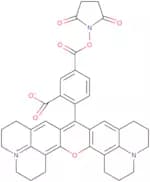
CAS:<p>Single isomer of 5(6)-ROX. It is a fluorescent dye used in RT-PCR methods as an internal reference to determine fluorescence variation that is not associated with the amplification process (plastic of the wells, small differences in concentration or volume, instrument measurements). It produces a constant fluorescence emission signal during the PCR process that is used to normalise the emission produced by the reporter. The fluorescence signal is compatible with that of most reporters. It is used to label the 5â end of oligonucleotides as a reporter in the presence of a quencher at the 3â end (dual labelled probe). During amplification, the dye is cleaved, and the fluorescence increases proportionally with the amount of the specific sequence amplified during the PCR process. The development of the fluorescence signal is therefore specifically related to the amplification of the target sequence. 6-ROX with NHS-activated carboxylic acids reacts with primary amines.</p>Fórmula:C37H33N3O7Pureza:Min. 95%Forma y color:Red To Violet To Black SolidPeso molecular:631.67 g/molDimidium bromide
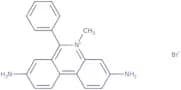
CAS:<p>Dimidium bromide is a cationic surfactant that is used in detergent compositions. It is a magnesium salt of a fatty acid and has been shown to be effective against infectious diseases when it is used to clean contaminated surfaces. Dimidium bromide has been shown to be an effective antimicrobial agent, even in the presence of benzalkonium chloride, which is an inhibitor of antimicrobial agents. When dimidium bromide is combined with nitrogen atoms, it can enhance the antimicrobial activity against resistant bacteria. This compound also shows anti-inflammatory properties and can be used for wastewater treatment as well as for cell culture.</p>Fórmula:C20H18BrN3Pureza:Min. 95%Forma y color:Red PowderPeso molecular:380.28 g/molSolvent yellow 2
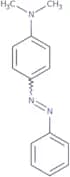
CAS:<p>Solvent yellow 2 (SY2) is a fluorescent dye that can be used as a fluorescence probe in analytical methods. SY2 is an inhibitor of the polymerase chain reaction, which suggests that it may have inhibitory properties. SY2 binds to basic protein and inhibits enzymatic activity. It has been shown to have genotoxic activity and may cause DNA damage, but it does not affect cell viability. In addition, SY2 has been shown to be photostable and is not affected by matrix effects or biological studies.</p>Fórmula:C14H15N3Pureza:Min. 95%Forma y color:Yellow PowderPeso molecular:225.29 g/molAlizarin Yellow GG
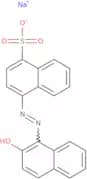
CAS:<p>Acid-base indicator dye, textile dye, histology and staining, yellow/red color</p>Fórmula:C13H8N3NaO5Pureza:Min. 95%Peso molecular:309.21 g/molTetranitroblue tetrazolium chloride
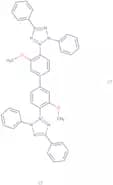
CAS:<p>Tetranitroblue tetrazolium chloride (TNBT) is a reagent that is used to measure the activity of enzymes in biological samples. TNBT can be used as a histological stain for myocardial infarcts and other areas of necrosis. It has been shown to be reactive with toll-like receptors, which are proteins that play a role in the immune response. The reaction mechanism of TNBT starts with its conversion to blue formazan crystals by peroxidase or other oxidizing enzymes. These crystals are reduced back to their original colorless form by reducing agents such as NADH or glutathione, which are present in most cells. This reduction process generates an electron that is then transferred to NAD+, forming NADH and releasing H2O2 as a byproduct.</p>Fórmula:C40H28Cl2N12O10Pureza:Min. 95%Forma y color:PowderPeso molecular:907.63 g/molTetrazolium blue chloride
CAS:<p>Tetrazolium blue chloride is a chemical compound that is used in the diagnosis of leukemia. It is a tetrazolium salt that reacts with reduced nicotinamide adenine dinucleotide (NADH) and produces an insoluble blue product. Tetrazolium blue chloride has been shown to be effective in treating human leukemic cells by causing DNA damage, which leads to cell death. Tetrazolium blue chloride has also been found to be an anti-inflammatory agent due to its ability to inhibit prostaglandin synthesis and production of reactive oxygen species.</p>Fórmula:C40H32N8O2·2ClPureza:90 To 110%Forma y color:Yellow PowderPeso molecular:727.64 g/molDirect yellow PG
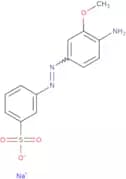
CAS:<p>Direct yellow PG is a reactive dye with a medium-fast rate of migration in the presence of an electrolyte. It is used as a yellow dye for cotton and other cellulosic materials. Direct yellow PG has very high light resistance and is also resistant to washing, perspiration, and rubbing. The dye solution has a pH value between 6.5 and 8.5.</p>Fórmula:C13H13N3O4S·NAPureza:Min. 95%Forma y color:PowderPeso molecular:330.32 g/molAlizarin
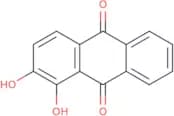
CAS:<p>Alizarin, traditionally obtained from the roots of the madder plant, has been used to dye textiles since early days. Alizarin red is used in histology and medicine to stain calcium-containing specimens, e.g. bones and calcifications. Chromogenic substrates for enzymes based on alizarin have been developed and, as an example, alizarin-beta-D-galactoside (Aliz-gal) has been reported for the detection of bacterial beta-galactosidase by researchers at the University of Northumbria and the Freeman Hospital, Newcastle upon Tyne in the UK (James, 2000)</p>Fórmula:C14H8O4Pureza:Min. 95%Forma y color:Yellow PowderPeso molecular:240.21 g/molPigment red 210
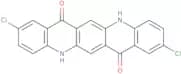
CAS:<p>Pigment Red 210 (PR210) is a chemical with an orange-red color. PR210 is a hydroxyl compound with a glycol ether and glycol ester as the major components. It has been used as a control agent for plasma mass spectrometry. PR210 has good chemical stability and does not react with nitrogen atoms. It is also a molecule that consists of particles with a diameter of about 1 micrometer. The radiation from this pigment can cause allergic reactions in some people, and it may be toxic if inhaled or ingested because it can cross-link proteins in the body.<br>PR210 was first synthesized in the 1930s by reacting phenol with 2,4-dichloro-1,3-benzenediol to produce hydroquinone monomethyl ether and 2,4-dichloro-1,3-benzenediol monomethyl ether. The reaction products are then mixed in an acid solution</p>Fórmula:C20H10Cl2N2O2Forma y color:PowderPeso molecular:381.21 g/molAcid Orange 3
CAS:<p>Acid Orange 3 is a cationic surfactant that belongs to the family of dyes. It is used as a granulosa cell stain in histology, with the basic structure of a monosodium salt. Acid Orange 3 exhibits chronic oral toxicity in rats and mice, but does not show liver lesions at doses up to 4000 mg/kg. It has been shown to cause increased incidence of fatty acid oxidation, carcinogenic potential, and carcinogenesis studies in rats. Acid Orange 3 may also cause allergic reactions, such as skin irritation and erythema when applied topically. In some cases, it has been reported to cause contact dermatitis.</p>Fórmula:C18H13N4NaO7SPureza:Min. 95%Forma y color:PowderPeso molecular:452.37 g/molNile blue chloride
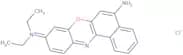
CAS:<p>Nile blue chloride is a dye used in wastewater treatment. It can be used to measure the dry weight of a sample of material. Nile blue chloride has been shown to be a reliable fluorescent probe for bacterial detection in cell culture and tissue culture, as well as for the detection of infectious diseases. This compound has also been shown to have an effect on the oxygen transport in living cells, which may be due to its high affinity for fatty acids.</p>Fórmula:C20H20N3OClPureza:Min. 95%Forma y color:PowderPeso molecular:353.85 g/molAcid red 88, technical grade
CAS:<p>Acid red 88 is a synthetic dye that has been used as a colorant in food, textiles and cosmetics. It is also used in wastewater treatment to remove organic pollutants from water. Acid red 88 has shown to be toxic to aquatic organisms, including fish and crustaceans. It has also shown to be highly adsorptive and stable in the environment. The hydrochloric acid-catalyzed conversion of Acid red 88 yields stable complexes with metals such as nickel, copper and zinc. These metal complexes are more resistant to degradation by biological treatment than other metal complexes with Acid red 88. Synchronous fluorescence spectroscopy showed that diazonium salt reacts with Acid Red 88 to form a diazo compound that can react with amines or ammonia gas to form an azoxy compound. This reaction can be catalyzed by activated carbon or detergent compositions containing an amine or ammonia gas. The hydrogen bond between the hydroxyl group on the dye molecule and the hydrogen atom</p>Fórmula:C20H13N2NaO4SPureza:Min. 95%Forma y color:PowderPeso molecular:400.38 g/mol6α-Methyl prednisolone 21-acetate
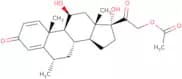
Producto controlado<p>6a-Methyl prednisolone 21-acetate is a corticosteroid that binds to the glucocorticoid receptor, which regulates gene transcription. It has been used as an injection solution for bowel disease, but has also been shown to have anti-inflammatory and immunosuppressive effects. 6a-Methyl prednisolone 21-acetate reduces the production of inflammatory cytokines and may be a useful treatment for patients with inflammatory bowel disease (IBD). 6a-Methyl prednisolone 21-acetate has also been shown to decrease inflammation in experimental models of tissue infection, such as sepsis in mice. This drug may be useful as an adjuvant therapy for the treatment of sepsis in humans. 6a-Methyl prednisolone 21-acetate is not recommended for use in patients with congestive heart failure or severe kidney impairment because it can cause fluid retention and aggravation of these conditions.</p>Fórmula:C24H32O6Pureza:Min. 95%Forma y color:PowderPeso molecular:416.51 g/molSolvent Blue 5
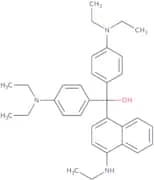
CAS:<p>Solvent Blue 5 is a film-forming polymer that is used in the production of radiation-sensitive materials. It is soluble in many organic solvents and can be used as a coating for paper, textiles, metals, and plastics. Solvent Blue 5 has been found to be an excellent solvent for the removal of aliphatic hydrocarbons from water. The optical properties of Solvent Blue 5 are dependent on the length of the polymers chains and the concentration of sulfonic acids. This chemical also has a liquid crystal composition that has been shown to have metal ion activity. The functional groups on this polymer are mainly basic dyes that react with other substances to create new compounds.</p>Fórmula:C33H41N3OPureza:Min. 95%Forma y color:Blue PowderPeso molecular:495.7 g/molPigment Red 23 - Technical
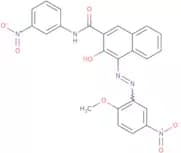
CAS:<p>Pigment Red 23 - Technical is a pigment that is used in the textile industry. It has a particle size of 0.1-1 micron, and it is activated with nitrogen atoms. Pigment Red 23 - Technical has high values for analytical methods and it can be used to measure enzyme activities. Pigment Red 23 - Technical is an organic compound that reacts with glycol esters by a reaction mechanism involving hydroxyl groups. This reaction is catalyzed by basic structure, which may be water or an alcohol molecule. Pigment Red 23 - Technical can also be used in wastewater treatment to remove color and other pollutants from wastewater, as well as being used in radiation protection to absorb energy and convert it into heat.</p>Fórmula:C24H17N5O7Pureza:Min. 95%Forma y color:PowderPeso molecular:487.42 g/molPigment Yellow 83 - Technical grade
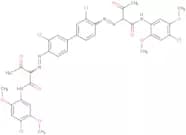
CAS:<p>Pigment Yellow 83 is an organic compound that belongs to the group of glycol esters. It is a reactive dye that can be used for coloring textiles, plastics, and other materials. Pigment Yellow 83 has been shown to contain nitrogen atoms in its chemical structure and contains a reactive hydrogen atom (H) on the hydroxyl group. This reactive form may have carcinogenic potential due to its ability to cause DNA damage. Pigment Yellow 83 also contains a hydroxyl group (-OH) attached to an amine (-NH2). The presence of this amine makes this compound chemically reactive and capable of forming bonds with other molecules or particles.</p>Fórmula:C36H32Cl4N6O8Pureza:Min. 95%Forma y color:PowderPeso molecular:818.49 g/molCresol Red Sodium Salt
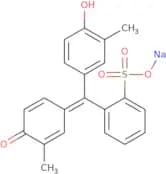
CAS:<p>Cresol Red Sodium Salt is a reagent, complex compound, and useful intermediate. It is CAS No. 62625-29-0 and has the molecular formula C10H8O4Na2S. It can be used as a building block for the synthesis of speciality chemicals, research chemicals, and versatile building blocks. This chemical can be used as a reaction component in organic syntheses.</p>Fórmula:C21H17NaO5SForma y color:PowderPeso molecular:404.41 g/molDisperse Orange 11
CAS:<p>Disperse Orange 11 is a diazo dye that is used in wastewater treatment. It has been shown to have genotoxic effects and is capable of damaging DNA. Disperse Orange 11 is also toxic, causing damage to the liver and kidneys. Disperse Orange 11 has been shown to be highly reactive in supercritical water and can react with other molecules to form new compounds. The reaction mechanism of Disperse Orange 11 involves intramolecular hydrogen transfer from the nitrogen atom on the diazonium group to an electron-deficient carbon atom on the dye molecule, forming a new compound with a different structure. Experimental solubility data for Disperse Orange 11 shows that it has higher solubility in orange juice than water.</p>Fórmula:C15H11NO2Pureza:Min. 95%Forma y color:Orange To Amber To Dark Red SolidPeso molecular:237.07898N-Succinimidyl 7-Hydroxycoumarin-3-carboxylate
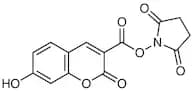
CAS:Fórmula:C14H9NO7Pureza:>96.0%(T)(HPLC)Forma y color:Light orange to Yellow to Green powder to crystalPeso molecular:303.23Solvent red 27
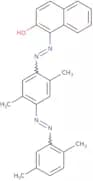
CAS:<p>Solvent Red 27 is a dye that reacts with α7 nicotinic acetylcholine receptors. It inhibits the activity of ATP-binding cassette transporter, which is an enzyme that transports various molecules across cell membranes, and prevents the development of atherosclerotic lesions. Solvent Red 27 also inhibits the activities of enzymes such as dapagliflozin and dpp-iv inhibitors. It also has been shown to be involved in energy metabolism and body formation by inhibiting leukemia inhibitory factor. This compound has been used in experimental models to study 3t3-l1 preadipocytes and human serum.</p>Fórmula:C26H24N4OForma y color:PowderPeso molecular:408.5 g/mol