Compuestos policíclicos
Subcategorías de "Compuestos policíclicos"
- Acridinas(98 productos)
- Antraquinonas(534 productos)
- Ácidos antraquinonesulfónicos(16 productos)
- Azobencenos(270 productos)
- Azonaftalenos(98 productos)
- Azoxibencenos(12 productos)
- Azulenos(11 productos)
- Benzimidazoles(1.476 productos)
- Benzodioxanos(27 productos)
- Benzofuranos(928 productos)
- Benzotiofenos(701 productos)
- Benzotriazoles(438 productos)
- Binaftilos(133 productos)
- Carbazoles(464 productos)
- Cromanos, Cromatos(482 productos)
- Cumarinas(1.137 productos)
- Ciclofanos(11 productos)
- Fluorenos y fluorenonas(384 productos)
- Imidazopiridinas(10 productos)
- Indans(118 productos)
- Indazoles(2.043 productos)
- Indenes(22 productos)
- Indoles(4.022 productos)
- Indolines(119 productos)
- Isatinos(234 productos)
- Isobenzofuranos(17 productos)
- Ftalimidas N-sustituidas(154 productos)
- Naftalenos(2.440 productos)
- Naftiridinas(17 productos)
- Naftoquinona(2 productos)
- Perilenos(36 productos)
- Fenazinas(25 productos)
- Ftalazinas(33 productos)
- Ftalimida(154 productos)
- Hidrocarburos aromáticos policíclicos (HAP)(567 productos)
- Polifenol(270 productos)
- Pteridinas(52 productos)
- Pirenos(87 productos)
- Quinuclidina(1 productos)
- Tetracenos(7 productos)
Se han encontrado 4585 productos de "Compuestos policíclicos"
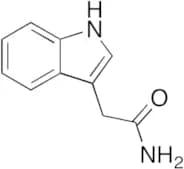
1H-Indole-3-acetamide
CAS:Producto controladoApplications Indole-3-acetamide is a compound that is converted to indole-3-acetic acid by indole-3-acetamide hydrolase in auxin biosynthesis in plants.
References Mano, Y., et al.: J. Exp. Bot., 61, 25 (2010)Fórmula:C10H10N2OForma y color:NeatPeso molecular:174.24-Chloro-6,7-dimethoxyquinoline
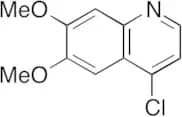
CAS:Applications 4-Chloro-6,7-dimethoxyquinoline, can be used as an intermediate for the synthesis of various pharmaceutical and biologically active compounds. It is used for the preparation of Tivozanib (T447205), and Cabozantinib (C051500), acting as anticancer agents.
References Fu, Y., Zhongguo Xinyao Zazhi, 22, 26 (2013); Liu, M., Adv. Mat. Res., 396, 1490 (2012); Camp, R., et al.: Cancer, 86, 2259 (1999);Fórmula:C11H10ClNO2Forma y color:NeatPeso molecular:223.66Pyridoxamine Dihydrochloride
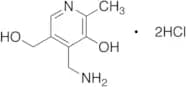
CAS:Producto controladoApplications Pyridoxamine Dihydrochloride (cas# 524-36-7) is a compound useful in organic synthesis.
Fórmula:C8H12N2O2·2ClHForma y color:White To Off-WhitePeso molecular:241.123-Hydroxyindole
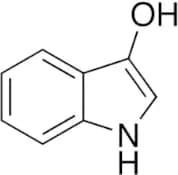
CAS:Producto controladoApplications 3-Hydroxyindole is a mutation product of toluene-4-monooxygenase (T4MO), that gets spontaneously converted to indigo. Used in the preparation of indolyl-oxadiazoles with anticonvulsant activity.
References Rajak, H. et al.: Int. J. Pharm. Sci. Nanotech., 2, 661 (2009); McClay, K. et al.: Appl. Environ. Microbiol., 71, 5476 (2005); Berry, A. et al.: J. Ind. Microbiol. Biotech., 28, 127 (2002)Fórmula:C8H7NOPureza:>85%Forma y color:Dark Green To BlackPeso molecular:133.15tert-Butyl 2-Oxo-7-azaspiro[3.5]nonane-7-carboxylate
CAS:Producto controladoApplications tert-butyl 2-oxo-7-azaspiro[3.5]nonane-7-carboxylate (cas# 203661-69-2) is a useful research chemical.
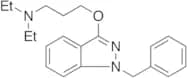
Fórmula:C13H21NO3Forma y color:NeatPeso molecular:239.311N,N-DidemethylN,N-diethyl Benzydamine
CAS:Producto controladoApplications Indazolone derivative.
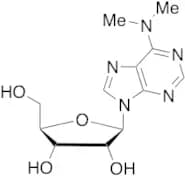
Fórmula:C21H27N3OForma y color:NeatPeso molecular:337.466-Dimethylaminopurine-9-riboside
CAS:Producto controladoApplications 6-Dimethylaminopurine-9-riboside (cas# 2620-62-4) is a compound useful in organic synthesis.
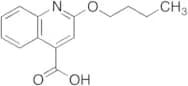
References Elion, G.B., et al.: JACS, 74, 411-414 (1952), Kelley, J.L., et al.: J. Med. Chem., 32, 1020-1024 (1989)Fórmula:C12H17N5O4Forma y color:White SolidPeso molecular:295.292-Butoxyquinoline-4-carboxylic Acid
CAS:Applications 2-Butoxyquinoline-4-carboxylic Acid is used in the organic synthesis of o-(β-diethylaminoethyl)cinchoninaldoxime with local anesthetic activity
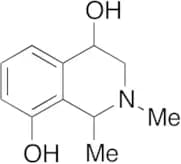
References Rossi, S., et al.: Farmaco, Edizione Scientifica, 34, 486 (1979)Fórmula:C14H15NO3Forma y color:NeatPeso molecular:245.271,2,3,4-tetrahydro-1,2-dimethyl-4,8-isoquinolinediol
CAS:Producto controladoApplications 1,2,3,4-tetrahydro-1,2-dimethyl-4,8-isoquinolinediol, is a Tetrahydroisoquinoline derivative, that can be used for the synthesis of pharmaceutical drugs, containing tetrahydroisoquinoline skeleton.
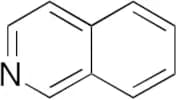
Fórmula:C11H15NO2Forma y color:NeatPeso molecular:193.242Isoquinoline
CAS:Producto controladoApplications Isoquinoline is used in the synthesis of nitrated indenoisoquinolines as a potent topoisomerase I inhibitor.This compound is a contaminant of emerging concern (CECs).
Not a dangerous good if item is equal to or less than 1g/ml and there is less than 100g/ml in the package
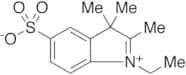
References Morrell, A., et. al.: J. Med. Chem., 49, 7740 (2006)Fórmula:C9H7NForma y color:Light YellowPeso molecular:129.161-Ethyl-2,3,3-trimethylindolenium-5-sulfonate (>85%)
CAS:Producto controladoApplications 1-Ethyl-2,3,3-trimethylindolenium-5-sulfonate (cas# 146368-07-2) is a compound useful in organic synthesis.
Fórmula:C13H17NO3SPureza:>85%Forma y color:NeatPeso molecular:267.345,7-Diazaspiro[3.4]octane-6,8-dione
CAS:Producto controladoApplications 5,7-Diazaspiro[3.4]Octane-6,8-Dione (cas# 89691-88-3) is a useful research chemical.
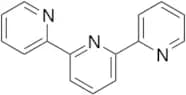
Fórmula:C6H8N2O2Forma y color:Off-WhitePeso molecular:140.132,2':6',2''-Terpyridine
CAS:Producto controladoApplications 2,2':6',2''-Terpyridine (cas# 1148-79-4) is a useful research chemical.
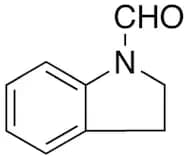
Fórmula:C15H11N3Forma y color:Beige To Light BrownPeso molecular:233.27N-Formylindoline
CAS:Producto controladoApplications Indoline metabolite
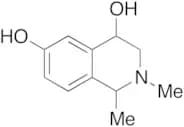
References Lacroix, I., et al.: Nat. Prod. Lett., 7, 15 (1995), Yamada, Y., et al.: Chem. Pharm. Bull., 54, 788 (2006), Whitehead, T., et al.: App. Environ. Microbiol., 74, 1950 (2008),Fórmula:C9H9NOForma y color:NeatPeso molecular:147.171,2,3,4-Tetrahydro-1,2-dimethyl-4,6-isoquinolinediol
CAS:Producto controladoFórmula:C11H15NO2Forma y color:NeatPeso molecular:193.242Coumestrol
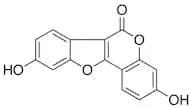
CAS:Producto controladoApplications This compound has estrogenic activity. It exhibits bright blue fluorescence in neutral or acid solution, and greenish-yellow fluorescence in strong alkali solution.
References Wolfbeis, O.S. & K. Schaffner: Photochem. Photobiol., 32, 143(1980), Bickoff et al.: J.Am. Chem Soc. 80, 3969 (1958)Fórmula:C15H8O5Forma y color:NeatPeso molecular:268.22Daphnetin dimethyl ether
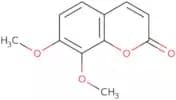
CAS:Daphnetin dimethyl ether is a synthetic chemical compound, which is a derivative of the naturally occurring coumarin scaffold. It is primarily sourced through chemical synthesis rather than extraction from natural compounds, allowing for precise control over purity and structural modifications that are otherwise challenging to achieve through natural means.Fórmula:C11H10O4Pureza:Min. 95%Forma y color:PowderPeso molecular:206.19 g/mol4,4'-Bis(diethylmethylphosphonate)-2,2'-bipyridine
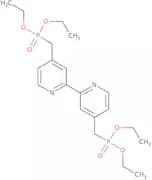
CAS:4,4'-Bis(diethylmethylphosphonate)-2,2'-bipyridine is a molecule that is covalently tethered to the copper oxide surface. The coordination of the 4,4'-bis(diethylmethylphosphonate)-2,2'-bipyridine ligand with the copper oxide surface is catalytic and bifunctional. This molecule has been shown to be able to coordinate with two different metal ions as well as act as a ligand for other metal ions. It can also be functionalized in order to create new molecules with different properties.Fórmula:C20H30N2O6P2Pureza:Min. 96 Area-%Forma y color:White PowderPeso molecular:456.41 g/molTicarcillin disodium
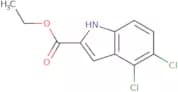
CAS:Ticarcillin is a bactericidal antibiotic that is used to treat many types of infections caused by gram-positive bacteria, such as Streptococcus pneumoniae, Enterococcus faecalis and Enterococcus faecium. Ticarcillin has been shown to be effective against antibiotic-resistant strains of bacteria, including multidrug efflux pumps. This drug also has been shown to inhibit the growth of gram-negative bacteria such as Escherichia coli and Pseudomonas aeruginosa. Ticarcillin is used in combination with clavulanic acid for the treatment of infections caused by beta-lactamase producing organisms. It is also used in wastewater treatment to inhibit the growth of gram-negative bacteria that are resistant to other antibiotics. Ticarcillin can interfere with other medications by inhibiting their metabolism through cytochrome P450 enzymes or through competition for protein binding sites.Fórmula:C15H16N2Na2O6S2Pureza:Min. 80.0 Area-%Forma y color:White PowderPeso molecular:430.41 g/molEthyl 4,5-dichloro-1H-indole-2-carboxylate
CAS:Ethyl 4,5-dichloro-1H-indole-2-carboxylate is an organic chemical compound that is a reaction component, reagent, and useful scaffold in the synthesis of pharmaceuticals. It has been shown to have high quality and be a versatile building block for the synthesis of complex compounds. This chemical can be used as a speciality chemical or research chemical.Fórmula:C11H9Cl2NO2Pureza:Min. 95%Forma y color:White PowderPeso molecular:258.1 g/molTris(4,7-diphenyl-1,10-phenanthroline)ruthenium bis(hexafluorophosphate)
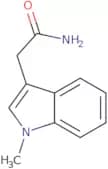
CAS:Tris(4,7-diphenyl-1,10-phenanthroline)ruthenium bis(hexafluorophosphate) is a fluorescent dye that can be used to measure oxygen concentration. It has been shown to inhibit the transfer of oxygen at low concentrations. Tris(4,7-diphenyl-1,10-phenanthroline)ruthenium bis(hexafluorophosphate) is used as a calibration standard for the measurement of oxygen concentration in liquids by fluorescence.Fórmula:C72H48N6Ru·2F6PPureza:(¹H-Nmr) Min. 95 Area-%Forma y color:Orange PowderPeso molecular:1,388.19 g/mol1-Methylindole-3-acetamide
CAS:Producto controladoPlease enquire for more information about 1-Methylindole-3-acetamide including the price, delivery time and more detailed product information at the technical inquiry form on this page
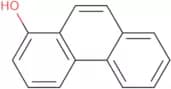
Fórmula:C11H12N2OPureza:Min. 95%Forma y color:PowderPeso molecular:188.23 g/mol1-Phenanthrol
CAS:1-Phenanthrol is a naturally occurring phenanthrene derivative that is used in the treatment of cervical cancer. It has been shown to be effective in the chemiluminescence method using urine samples, which indicates that it may have an effect on the body's metabolism. 1-Phenanthrol has also been shown to inhibit the production of s-phenylmercapturic acid, which is a metabolite of aromatic amines. This inhibition may be due to its receptor binding properties as it binds to and activates the peroxisome proliferator-activated receptor alpha (PPARα) and PPARγ. 1-Phenanthrol also inhibits angiotensin II type 1 receptors and can cause vasorelaxation by reducing blood pressure.
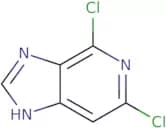
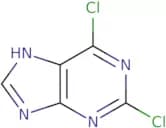
Fórmula:C14H10OPureza:Min. 95%Forma y color:Off-White PowderPeso molecular:194.23 g/mol2,6-Dichloro-3-deazapurine
CAS:2,6-Dichloro-3-deazapurine is an isomer of the nucleoside guanosine. It has been shown to inhibit the synthesis of viruses in cell cultures and may be useful in the treatment of leukemia. The synthesis of 2,6-dichloro-3-deazapurine can be achieved through a solid-phase synthesis that uses synthons as starting materials. The molecular modelling studies have shown that this molecule has a potential to bind to adenosine receptor subtypes A2a, A2b, and A3.
Fórmula:C6H3Cl2N3Pureza:Min. 95%Forma y color:Off-White PowderPeso molecular:188.02 g/mol2-Methylbenz[c,d]indole
CAS:2-Methylbenz[c,d]indole is an indole. It exhibits a number of spectroscopic properties including the presence of a strong absorption band at 290 nm and a weak one at 430 nm. 2-Methylbenz[c,d]indole is not active against bacteria.Fórmula:C12H9NPureza:Min. 95 Area-%Forma y color:PowderPeso molecular:167.21 g/mol2,6-Dichloropurine
CAS:2,6-Dichloropurine is a nitrogenous base that inhibits the activity of certain enzymes in the body. It has been shown to inhibit protease activity and nitro reductases, which are enzymes that metabolize nitrosamines. 2,6-Dichloropurine also inhibits the synthesis of epidermal growth factor (EGF) and adenosine A3 receptors in vivo. This drug has potent antitumor activity against various cancer cells and is used for the treatment of HIV infections. 2,6-Dichloropurine can be synthesized from 6-fluoro-3-indoxyl-beta-D-galactopyranoside with an intramolecular hydrogen atom.
Fórmula:C5H2Cl2N4Pureza:Min. 98 Area-%Forma y color:PowderPeso molecular:189 g/molDemethylsuberosin
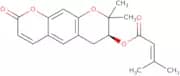
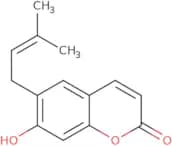
CAS:Demethylsuberosin is a naturally-occurring compound, specifically a coumarin derivative, which is often extracted from plants. It originates from numerous botanical sources, including the family Rutaceae, where it serves as a secondary metabolite. Its mode of action involves the inhibition of fungal and bacterial growth, achieved by disrupting the integrity of microbial cell walls and interfering with their replication processes.
Fórmula:C14H14O3Pureza:Min. 95%Forma y color:PowderPeso molecular:230.26 g/mol2-Chloro-1-methylquinolinium tetrafluoroborate
CAS:2-Chloro-1-methylquinolinium tetrafluoroborate (2CQBF) is a synthetic compound that inhibits protein synthesis. It has been used as an analytical reagent for the determination of proteins, including those in urine samples. 2CQBF has been shown to be effective in the treatment of cancer and other diseases, such as lupus erythematosus, arthritis, and psoriasis.Fórmula:C10H9ClN•BF4Pureza:Min. 95%Forma y color:White PowderPeso molecular:265.44 g/mol4-Methylesculetin
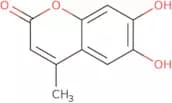
CAS:4-Methylesculetin is a coumarin derivative, which is a type of organic compound. This compound is primarily sourced from various plant species, where it occurs naturally as a secondary metabolite. Known for its bioactive properties, 4-Methylesculetin exhibits significant antioxidant activity by scavenging free radicals and protecting against oxidative stress.Fórmula:C10H8O4Pureza:Min. 95%Forma y color:PowderPeso molecular:192.17 g/mol8-Fluoroquinoline
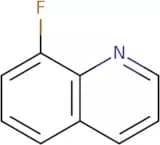
CAS:8-Fluoroquinoline is a quinoline derivative that has been shown to have in vitro anticancer activity against colon adenocarcinoma cells. It is a chiral molecule that can exist as two stereoisomers, (R)-8-fluoroquinoline and (S)-8-fluoroquinoline. These isomers may have different interactions with the tumorigenic cells, but both of them have anticancer activity. 8-Fluoroquinoline also interacts with cytochrome P450 enzymes, enhancing their ability to metabolize carcinogens.
Fórmula:C9H6FNPureza:Min. 95%Peso molecular:147.15 g/molIndole-3-acetyl-l-leucine
CAS:Indole-3-acetyl-l-leucine is a homologous auxin. It is a conjugated acid that is found in plants and has been shown to be involved in postharvest physiology, growth regulation, and plant tissue culture. Indole-3-acetyl-l-leucine has been used as a model system for the study of plant physiology and tissue culture. The physiological function of indole-3-acetyl-l-leucine is not currently known. However, it has been shown to be converted into butyric acid by certain bacteria, which can lead to the formation of conjugates with carboxylic acids.
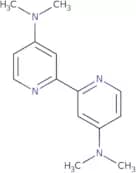
Fórmula:C16H20N2O3Pureza:Min. 95%Forma y color:PowderPeso molecular:288.34 g/mol4,4' -Bis(N,N-dimethylamino)-2,2' -bipyridine
CAS:4,4' -Bis(N,N-dimethylamino)-2,2' -bipyridine (DMAB) is a ligand that is used in electrochemical studies. It has been shown to have ancillary properties, which means that it does not interact directly with the substrate but modifies its environment. DMAB can form a complex with the proton at the electrode surface and x-ray crystal structures have been obtained for this interaction. These structures demonstrate that DMAB binds to the tetrazole ring of pyridine and stabilizes the molecule by increasing its redox potentials.Fórmula:C14H18N4Pureza:Min. 95%Forma y color:PowderPeso molecular:242.32 g/molBenzo[c]phenanthrene
CAS:Benzo[c]phenanthrene is a polycyclic aromatic hydrocarbon that has been shown to have carcinogenic properties in rats. It is also a potential mutagen and can cause DNA damage by forming intramolecular hydrogen bonds with guanine residues in DNA duplexes. These adducts are detected in tumor cells of rats treated with benzo[c]phenanthrene, as well as in human liver cells and mouse liver tumor cells. Benzo[c]phenanthrene can be activated by cytochrome P450 enzymes to form reactive metabolites, which bind covalently to DNA, proteins, and other cellular macromolecules. Benzo[c]phenanthrene has been shown to cause cancer in mice when given orally or injected into the peritoneal cavity. This chemical has also been found to cause liver cell necrosis in rats, at doses of 25 mg/kg body weight.
Fórmula:C18H12Pureza:Min. 95%Forma y color:PowderPeso molecular:228.29 g/molBiotinyl-6-aminoquinoline
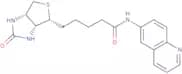
CAS:Biotinyl-6-aminoquinoline is a synthetic chemical that has been shown to inhibit the growth of cancer cells in laboratory mice. It was synthesized to be a substrate for the enzyme quinolinate synthase, which is involved in the synthesis of nicotinic acid. Biotinyl-6-aminoquinoline is an analytical method that has been used in urinary samples from patients with bladder cancer as well as healthy individuals. The sequences of each individual were determined and analyzed using an algorithm that performs logistic regression, which can predict whether or not the patient has bladder cancer.
Fórmula:C19H22N4O2SPureza:Min. 95 Area-%Forma y color:PowderPeso molecular:370.47 g/molIndole-3-acetyl-L-tryptophan
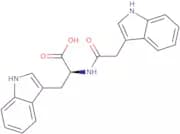
CAS:Indole-3-acetyl-L-tryptophan is a water soluble anion that can be used as a recovery agent in the analysis of salicylic acid. It has been shown to quantitatively recover ammonium formate, which is an indicator for the presence of salicylic acid in a sample. Indole-3-acetyl-L-tryptophan also has been shown to quantitatively recover indole-3-acetyl-l -aspartic acid, which is another indicator for the presence of salicylic acid in a sample. Indole-3-acetyl L tryptophan can also be used to quantify and identify indoles. This compound has been proposed as a possible regulatory molecule for abscisic acid, which regulates plant growth and seed germination. Indole 3 acetyl tryptophan can also be used to measure the level of salicylic acid in plants and plant extracts by using UV spectroscFórmula:C21H19N3O3Pureza:Min. 98 Area-%Forma y color:White Slightly Brown PowderPeso molecular:361.39 g/mol8-Methyl-3,8-diazabicyclo[3.2.1]octane dihydrochloride
CAS:8-Methyl-3,8-diazabicyclo[3.2.1]octane dihydrochloride is a high quality reagent that is used as an intermediate in the synthesis of complex compounds. This compound has been shown to be useful as a scaffold for the synthesis of new compounds and is also a versatile building block for reactions in organic chemistry. 8-Methyl-3,8-diazabicyclo[3.2.1]octane dihydrochloride is also used as a speciality chemical and research chemical in various fields such as pharmaceuticals, agrochemicals, and other industries.Fórmula:C7H16Cl2N2Pureza:Min. 95 Area-%Forma y color:PowderPeso molecular:199.12 g/mol4,5-Dimethoxyindole
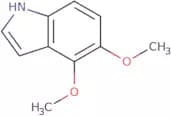
CAS:4,5-Dimethoxyindole is a chemical compound that has been shown to exhibit radical scavenging activity. It is an inhibitor of integrase, which are enzymes involved in the integration of viral DNA into host cell chromosomes. This compound has been synthesized and its optical properties have been studied. The synthesis of 4,5-dimethoxyindole derivatives has also been investigated using molecular modeling. Schrodinger software was used to predict the geometry of these synthesized derivatives. These studies suggest that 4,5-dimethoxyindole may be a potential anti-cancer agent due to its ability to inhibit cancer cell growth and induce apoptosis.
Fórmula:C10H11NO2Pureza:Min. 95%Forma y color:SolidPeso molecular:177.2 g/molPyrazolo[1,5-a]pyrimidine-3-carboxylic acid
CAS:Pyrazolo[1,5-a]pyrimidine-3-carboxylic acid is a pyrimidine analog and an electron transfer agent. It is a potent inhibitor of the enzyme dehydrogenase, which catalyzes the conversion of nicotinamide adenine dinucleotide (NAD) to nicotinamide adenine dinucleotide phosphate (NADP). Pyrazolo[1,5-a]pyrimidine-3-carboxylic acid has been shown to have anti-inflammatory properties and also inhibits the production of b-raf protein. This drug has also been shown to be a potent inhibitor of mitochondrial electron transport in cancer cells. Pyrazolo[1,5-a]pyrimidine-3-carboxylic acid binds to the metal centers in mitochondria, thereby inhibiting oxidative phosphorylation and reducing ATP synthesis. This ultimately leads to cell death by apoptosis.
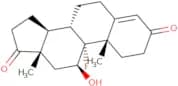
Fórmula:C7H5N3O2Pureza:Min. 95%Forma y color:White PowderPeso molecular:163.13 g/mol(8S,9R,10S,11S,13S)-9-Fluoro-11-Hydroxy-10,13-Dimethyl-1,2,6,7,8,11,12,14,15,16-Decahydrocyclopenta[a]Phenanthrene-3,17-Dione
CAS:Producto controlado(8S,9R,10S,11S,13S)-9-Fluoro-11-Hydroxy-10,13-Dimethyl-1,2,6,7,8,11,12,14,15,16-Decahydrocyclopenta[a]Phenanthrene-3,17-Dione is a corticosteroid that is used in the treatment of inflammatory diseases. It has been shown to have immunosuppressive and antiinflammatory effects in animals. The drug is metabolized by cytochrome P450 enzymes to produce the active form prednisolone. Prednisolone binds to glucocorticoid receptors and blocks the production of inflammatory leukotrienes. The drug also inhibits neovascularization and ophthalmic disorders.Fórmula:C19H25FO3Pureza:Min. 95%Peso molecular:320.4 g/mol6-Bromoindole
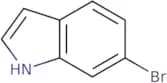
CAS:6-Bromoindole is a synthetic compound that has been shown to have significant anticancer activity in animals. 6-Bromoindole shows cytotoxicity against cervical cancer cells and has been shown to be active against leukemia cells, with the potential for use as a therapeutic agent for both solid tumor cancers and hematological malignancies. The synthesis of 6-bromoindole is based on an asymmetric Friedel-Crafts reaction, which uses hydrochloric acid as a catalyst. This product also shows significant antibacterial activity and has been found to be effective against LPS-stimulated RAW264.7 cells.
Fórmula:C8H6BrNPureza:Min. 95%Forma y color:PowderPeso molecular:196.04 g/mol3-Indoleacetic acid potassium salt
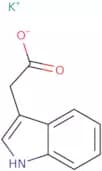
CAS:Plant hormone of the auxin class; promotes root growthFórmula:C10H8NO2·KPureza:Min. 95%Forma y color:White PowderPeso molecular:213.27 g/molIndole-3-butyric acid, potassium salt
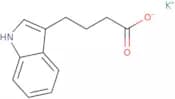
CAS:Plant hormone; auxin; inducer of root development; used in plant rootingFórmula:C12H12KNO2Forma y color:White Yellow PowderPeso molecular:241.33 g/mol6-Carboxyindole
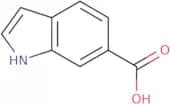
CAS:6-Carboxyindole is an indole that binds to the IL-17A receptor, which leads to the production of pro-inflammatory cytokines. It has been shown to be involved in autoimmune diseases and other inflammatory conditions. 6-Carboxyindole can be used as a probe for studying the biology of IL-17A, by binding to it and inhibiting its effects. The chemical structure of 6-carboxyindole is also useful for diagnostic purposes, as it can bind to antibodies and antigens for detecting infectious diseases or other biological processes. 6-Carboxyindole can be used in the treatment of heart tissue by binding with monoclonal antibodies that are specific for cardiac proteins such as myosin light chain kinase.Fórmula:C9H7NO2Pureza:Min. 95%Peso molecular:161.16 g/molIsatin dianilide
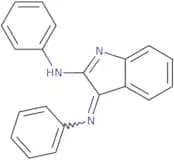
CAS:Isatin dianilide is an organic compound with the chemical formula C8H6N2O. It is a white solid that is soluble in water, ethanol and acetone. Isatin dianilide can be synthesized by reacting phenylacetic acid with ammonia and formaldehyde. Isatin dianilide has been shown to have efficient oxidation reaction with Baeyer-Villiger oxidation, which makes it suitable for industrial use. Isatin dianilide also has biological activities such as inhibition of aminopeptidase N and aminopeptidase M, which are enzymes involved in protein synthesis. Yields of isatin dianilide are high because it can be produced from the commercially available compounds isatin and amidine.
Fórmula:C20H15N3Pureza:Min. 95%Peso molecular:297.35 g/molo-Phenanthroline monohydrochloride monohydrate
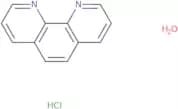
CAS:o-Phenanthroline monohydrochloride monohydrate is a ligand that is used in crystallography to study the crystal structure of metal ions. It has been shown to be an efficient catalyst for the ring-opening of chloroformates, and can also be used as an analytical reagent that is capable of detecting chlorine in organic compounds. The hydrate form of o-phenanthroline monohydrochloride has a molecular formula of C12H14ClN3O4·2H2O and a molecular weight of 392.7 g/mol.Fórmula:C12H8N2·HCl·H2OForma y color:PowderPeso molecular:234.68 g/molIndole-3-acetyl-L-aspartic acid
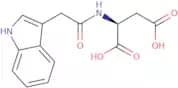
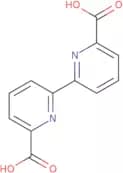
CAS:Indole-3-acetyl-L-aspartic acid, also known as 3IAA or IAA, is a naturally occurring amino acid. It is used in the study of plant physiology and serves as a substrate for ATP synthesis. 3IAA is synthesized from tryptophan by the enzyme indole acetyltransferase. The kinetic data obtained with 3IAA can be used to compare the effects of light exposure on ATP levels in plants. Indole-3-acetyl-L-aspartic acid inhibits cell growth and induces apoptosis, which may be due to its ability to inhibit protein synthesis by preventing RNA and DNA synthesis. This compound has been shown to have surface membrane inhibiting properties, which may be due to its ability to cross the plasma membrane.Fórmula:C14H14N2O5Pureza:Min. 95%Forma y color:White PowderPeso molecular:290.27 g/mol2,2'-Bipyridine-6,6'-dicarboxylic acid
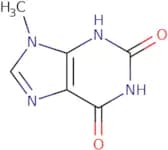
CAS:2,2'-Bipyridine-6,6'-dicarboxylic acid is a molecule that has an acidic functional group. It has been found to have a molecular weight of 220.2 g/mol and is soluble in water at elevated temperatures. 2,2'-Bipyridine-6,6'-dicarboxylic acid has been shown to be photoprocessable in the presence of sodium carbonate as a catalyst. The reaction rate can be increased by adding a diluent to the solution or by using linear models.Fórmula:C12H8N2O4Pureza:Min. 95%Forma y color:Off-White PowderPeso molecular:244.21 g/mol9-Methylxanthine
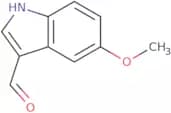
CAS:Producto controlado9-Methylxanthine is a purine alkaloid that is structurally related to caffeine. It is used as a bronchodilator and to treat cardiac arrhythmias. 9-Methylxanthine has been shown to have an effect on the rate of DNA replication by binding to the enzyme xanthosine phosphorylase, which converts xanthosine monophosphate (XMP) to xanthosine diphosphate (XDP). The drug's effect on other nucleobases, such as adenosine monophosphate (AMP), cannot be ruled out. 9-Methylxanthine also has a strong affinity for macrochelates, which are compounds that contain chelating agents with a large number of ethylenediaminetetraacetic acid (EDTA) groups. This property is due to the high number of nitrogen atoms in the molecule and its ability to form hydrogen bonds between water moleculesFórmula:C6H6N4O2Pureza:Min. 95%Forma y color:PowderPeso molecular:166.14 g/mol5-Methoxyindole-3-carboxaldehyde
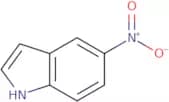
CAS:5-Methoxyindole-3-carboxaldehyde is a molecule that belongs to the genus of indolequinones. It has been shown to have potent inhibitory activity against prostate cancer cells, and also has anti-cancer properties. 5-Methoxyindole-3-carboxaldehyde inhibits the proliferation of cancer cells by inducing apoptosis in prostate cancer cells. 5-Methoxyindole-3-carboxaldehyde also suppresses the growth of cervical cancer cells and breast cancer cells. This molecule binds to the hydrogen bond sites on DNA, which may be one reason for its anti-cancer properties. The molecule is fluorescent and can be used as a marker for detecting cancers or other diseases in living tissue.Fórmula:C10H9NO2Pureza:Min. 95%Forma y color:PowderPeso molecular:175.18 g/mol5-Nitroindole
CAS:5-Nitroindole is a chemical used in wastewater treatment. It is an electron acceptor that can be used to reduce the cost of the process. 5-Nitroindole has significant cytotoxicity and polymerase chain activity in human pathogens, such as Escherichia coli, Salmonella enterica, Staphylococcus aureus, and Mycobacterium tuberculosis. The drug is stable under aerobic conditions and has shown no significant cytotoxicity to mammalian cells. 5-Nitroindole has been shown to hybridize with DNA duplexes containing guanine bases and form covalent bonds in a model system. The drug also has been shown to be present in colonies of colony-stimulating factor (CSF) cells that are found in the blood stream of healthy individuals.Fórmula:C8H6N2O2Pureza:Min. 95%Forma y color:Yellow PowderPeso molecular:162.15 g/mol5,5'-Diamino-2,2'-bipyridine
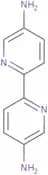
CAS:5,5'-Diamino-2,2'-bipyridine is an acidic metalloporphyrin that has been shown to react with epoxides to form nucleophilic adducts. This compound can be used as a ligand for lanthanide ions and reacts with aminopyridine to form bromoethane. 5,5'-Diamino-2,2'-bipyridine has been shown to have carcinogenic properties and may induce bromoethane mutagenicity in the liver. This compound is also mutagenic when added to propylene carbonate. 5,5'-Diamino-2,2'-bipyridine is luminescent in air or water when exposed to UV light.
Fórmula:C10H10N4Pureza:Min. 97 Area-%Forma y color:PowderPeso molecular:186.21 g/mol2-Aminoacridone
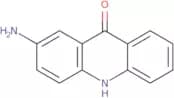
CAS:2-Aminoacridone is a fluorescent dye. The applications of 2-Aminoacridone are extensive in biochemical and analytical research. It is commonly employed in glycoprotein and glycoconjugate studies, leveraging its high sensitivity and specificity in detecting saccharide structures. Researchers utilize this dye in various assays, including high-performance liquid chromatography (HPLC) and electrophoresis, to analyze carbohydrate content and structure. Its role is critical in advancing our understanding of carbohydrate-related biological processes, such as cell signaling and disease pathogenesis, facilitating developments in both diagnostics and therapeutic strategies.
Fórmula:C13H10N2OPureza:Min. 95%Forma y color:PowderPeso molecular:210.23 g/mol3-Methylthio-1,2,4-triazino[5,6-b]indole
CAS:Please enquire for more information about 3-Methylthio-1,2,4-triazino[5,6-b]indole including the price, delivery time and more detailed product information at the technical inquiry form on this pageFórmula:C10H8N4SPureza:Min. 95%Forma y color:PowderPeso molecular:216.26 g/molColumbianadin
CAS:Columbianadin is a coumarin derivative, which is a natural compound primarily extracted from plants in the Apiaceae family, such as Angelica species. This natural product possesses a unique molecular structure characterized by the presence of a coumarin skeleton, which is responsible for its diverse biological activities.
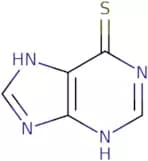
Fórmula:C19H20O5Pureza:Min. 98 Area-%Forma y color:PowderPeso molecular:328.36 g/mol6-Mercaptopurine
CAS:6-Mercaptopurine is an antigen binding molecule that is biocompatible with the human body. It binds to 6-mercaptopurine and inhibits the oxidation of proteins. The inhibition of protein oxidation has been shown to decrease disease activity in patients with inflammatory bowel disease. 6-Mercaptopurine also inhibits the production of inhibitor molecules, which are responsible for the development of cardiac effects such as arrhythmias and cardiomyopathy. 6-Mercaptopurine has inhibitory properties against polymerase chain reactions, which may be due to its ability to bind with protein thiols at high rates.Fórmula:C5H4N4SPureza:Min. 98 Area-%Forma y color:PowderPeso molecular:152.18 g/molHypoxanthine
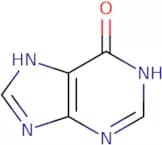
CAS:Hypoxanthine is a nucleoside that is found in human cells. It is synthesized from guanine by the enzyme, xanthine oxidoreductase. Hypoxanthine is also produced from xanthine by adenosine deaminase and converted back to xanthine, which can then be reused for DNA synthesis. Hypoxanthine has been shown to inhibit the growth of photosynthetic bacteria, such as Rhodopseudomonas viridis and Rhodobacter sphaeroides. This inhibition may be due to an equilibrative nucleotide effect on the folate receptor. The x-ray diffraction data collected from the chrysanthemum flower (a source of hypoxanthine) showed that hypoxanthine has a calcium salt structure.
Fórmula:C5H4N4OPureza:Min. 95%Forma y color:White PowderPeso molecular:136.11 g/mol6-Chloro-7-iodo-7-deazapurine
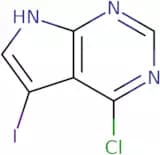
CAS:6-Chloro-7-iodo-7-deazapurine is a nucleoside analogue that is synthesized by a cross-coupling reaction between 6-chloro-2,4(1H,3H)-pyrimidinedione and 7-iodo-7-(trifluoromethyl)purine. 6CIDP has been shown to inhibit growth of epidermal cells at concentrations as low as 0.1 µM, with cytostatic effects seen at 10 µM. 6CIDP has also been shown to potently inhibit the replication of the human papilloma virus in vitro and in vivo. 6CIDP is currently being investigated for the treatment of AIDS and other viral infections. The molecular modeling studies on this compound have revealed that it may be a potent inhibitor of the epidermal growth factor receptor (EGFR).
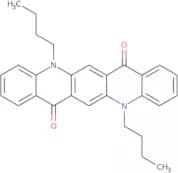
Fórmula:C6H3ClIN3Pureza:Min. 98 Area-%Forma y color:White PowderPeso molecular:279.47 g/mol5,12-Dibutylquinacridone
CAS:5,12-Dibutylquinacridone is an electron acceptor that is used as a monomer in cationic polymerization. It can be polymerized with acrylates to form polymers that have high fluorescence and photopolymerizable properties. 5,12-Dibutylquinacridone has shown to be reactive with epoxides and diene compounds, which are typically used as monomers in the synthesis of polymers. This chemical has been studied for its use in solar cells and photocurrent generation. The electron spin resonance technique has been used to study the chemical's photophysical properties.
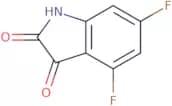
Fórmula:C28H28N2O2Pureza:Min. 95%Forma y color:Dark Red SolidPeso molecular:424.53 g/mol4,6-Difluoroisatin
CAS:4,6-Difluoroisatin is a chemical that is useful in the synthesis of complex compounds. It has been used as a reagent for the preparation of 4,6-difluoropyridinium salts and as a reaction component in the synthesis of polymers. 4,6-Difluoroisatin is also one of the building blocks in the synthesis of a number of other compounds. This chemical has been shown to be an effective scaffold for peptides and proteins.Fórmula:C8H3F2NO2Pureza:Min. 95%Peso molecular:183.11 g/molNordalbergin
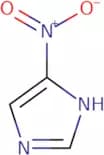
CAS:Please enquire for more information about Nordalbergin including the price, delivery time and more detailed product information at the technical inquiry form on this pageFórmula:C15H10O4Peso molecular:254.24 g/mol4-Nitroimidazole
CAS:4-Nitroimidazole has a redox potential that is well suited to the reduction of nitro groups. It is an antimicrobial agent that inhibits the growth of microorganisms by inhibiting DNA synthesis. 4-Nitroimidazole can be used for the treatment of infectious diseases such as tuberculosis, leprosy, and brucellosis. In rat liver microsomes, 4-nitroimidazole reacts with NADPH to produce a nitro group and an imidazole ring with a new configuration. The reaction mechanism is based on electron transfer from NADPH to the nitro group in 4-nitroimidazole via a series of reactions that involve cytochrome P450 enzymes. This reaction has kinetic energy and matrix effects that affect its pharmacokinetics and pharmacodynamics.
Fórmula:C3H3N3O2Pureza:Min. 95%Forma y color:White PowderPeso molecular:113.07 g/molDecursin
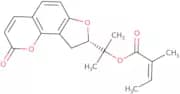
CAS:MAO inhibitor; neuro-protective and cognitive enhancement effects
Fórmula:C19H20O5Pureza:Min. 98 Area-%Forma y color:White PowderPeso molecular:328.36 g/molCoumarin
CAS:Coumarin is an organic chemical compound, which is a naturally occurring substance found in various plants, including tonka beans, sweet clover, and cinnamon. Structurally, it is a benzopyrone, characterized by a benzene ring fused to a lactone. Coumarin acts primarily as an anticoagulant by inhibiting the synthesis of vitamin K-dependent clotting factors in the liver. This mode of action disrupts the coagulation cascade, reducing the blood’s ability to clot effectively.Fórmula:C9H6O2Pureza:Min. 95%Forma y color:White PowderPeso molecular:146.14 g/mol5,7-Dihydroxy-4-methylcoumarin monohydrate
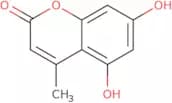
CAS:5,7-Dihydroxy-4-methylcoumarin monohydrate is an organic chemical compound, specifically a type of coumarin derivative. Coumarins are a class of naturally occurring aromatic compounds that are found in various plant sources, such as tonka beans, sweet clover, and other botanicals. This particular compound, with its distinct hydroxyl and methyl groups, falls under the broader category of hydroxycoumarins, which are of significant interest in biochemical research due to their various functional properties.Fórmula:C10H8O4•H2OPureza:Min. 95%Forma y color:Off-White Yellow PowderPeso molecular:210.18 g/mol5-Chloroindole-3-carboxylic acid
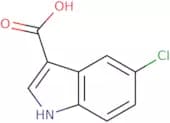
CAS:5-Chloroindole-3-Carboxylic Acid is a ring system that is a dimer of two indole rings and one carboxyl group. It has the ability to form hydrogen bonds with itself, which allows it to stack together in an orderly manner. The carboxyl group on the 5-chloroindole-3-carboxylic acid molecule can form hydrogen bonds with water molecules due to its electronegativity. This property enables 5-chloroindole-3-carboxylic acid molecules to be soluble in water, which is why it is used for water treatment and as a corrosion inhibitor.Fórmula:C9H6ClNO2Pureza:Min. 95%Peso molecular:195.6 g/mol5-Fluoro-N,N-Dimethyl-1H-Indole-3-Ethanamine
CAS:Producto controlado5-Fluoro-N,N-Dimethyl-1H-Indole-3-Ethanamine is a psychedelic drug with affinity for the serotonin 5HT2A receptor. It has been shown to interact with a diversity of ion channels and transporters. The affinity of 5FEDME for the 5HT2C receptor may also be normalizing. This drug has been shown to be an agonist at the 5HT2A receptor, which may contribute to its psychedelic effects.Fórmula:C12H15FN2Pureza:Min. 95%Peso molecular:206.26 g/mol1-(5-Isoquinolinesulfonyl)piperazine hydrochloride
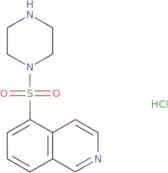
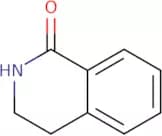
CAS:1-(5-Isoquinolinesulfonyl)piperazine hydrochloride (1-ISOQ-PIP) is a chemical compound that has been shown to inhibit the growth of leukemia cells. It inhibits the expression of leukemia inhibitory factor, which may be due to its ability to introduce modifications into the sequence of DNA. 1-ISOQ-PIP also inhibits pluripotent stem cells and induces adipocyte differentiation. This substance can be used for cancer treatment by inhibiting the growth of leukemia cells and inducing differentiation.Fórmula:C13H16ClN3O2SPureza:Min. 95%Forma y color:PowderPeso molecular:313.8 g/mol3,4-Dihydroisoquinolin-1(2H)-one
CAS:3,4-Dihydroisoquinolin-1(2H)-one is a potent antagonist of the histamine H1 receptor and has been shown to be safe in animal studies. 3,4-Dihydroisoquinolin-1(2H)-one has also shown efficacy in treating inflammatory diseases, such as asthma and arthritis. This compound was recently tested for its potential to diagnose cancer by targeting the tumor microenvironment. The compound was found to bind to trifluoromethanesulfonic acid (TFMS) with high affinity and selectivity. TFMS is an emerging therapeutic target for cancer therapy because it is highly expressed in the tumor microenvironment and can act as a proton donor for drug delivery systems. 3,4-Dihydroisoquinolin-1(2H)-one has also been observed to have low toxicity profiles in preclinical models, but more research is needed before it can be used clinically.
Fórmula:C9H9NOPureza:Min. 95%Forma y color:PowderPeso molecular:147.17 g/mol6-Cyanoindole
CAS:6-Cyanoindole is a synthetic compound that has been shown to have functional properties. It binds to the receptor of the chemokine, which is a type of protein that regulates inflammatory responses. It also inhibits the activity of coagulation factors, which are proteins involved in blood clotting. 6-Cyanoindole has been shown to inhibit cancer cell growth and induce apoptosis (cell death) in a number of cancer cell lines. The fluorescence properties and lifetimes of 6-cyanoindole have been studied extensively. It has also been used as a monomer in copolymerization reactions and is used as an intermediate in the synthesis of 6-bromoindole.
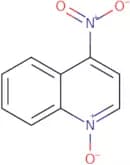
Fórmula:C9H6N2Pureza:Min. 95%Forma y color:White PowderPeso molecular:142.16 g/mol4-Nitroquinoline-N-oxide
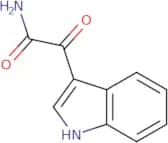
CAS:4-Nitroquinoline-N-oxide is a polymerase chain reaction (PCR) inhibitor that blocks the activity of methyltransferases, which are enzymes involved in DNA replication and repair. The mechanism of action has been shown to be due to the inhibition of the activities of these enzymes in cancer tissues. The efficacy of 4-Nitroquinoline-N-oxide has been demonstrated using an experimental model system composed of cells from Candida glabrata and other cancers, as well as a model system for carcinogenesis in vitro. This compound also shows antiinflammatory activity and can be used as a natural compound for chemotherapy. Chromatographic analysis has revealed that 4-Nitroquinoline-N-oxide is not toxic to wild type strains, but it is toxic to cancer cells with mutations in their DNA repair mechanisms.Fórmula:C9H6N2O3Pureza:Min. 95%Forma y color:PowderPeso molecular:190.16 g/molIndole-3-glyoxylamide
CAS:Indole-3-glyoxylamide is a synthetic compound that was originally developed as a potential anti-cancer drug. It has been shown to inhibit glycogen synthase kinase 3 (GSK-3) and thereby reduce the production of proinflammatory cytokines in bowel disease. Indole-3-glyoxylamide also inhibits inflammatory bowel disease by inhibiting secretory phospholipase A2, which prevents the release of arachidonic acid from phospholipids. This synthesis is required for the production of prostaglandins and leukotrienes, which are involved in the inflammatory process. The compound has been shown to have immunomodulatory effects in chronic bronchitis, with an inhibitory effect on neutrophil chemotaxis, macrophage activity, and cytokine production. Indole-3-glyoxylamide has also been shown to be effective against cancer cells in vitro and in vivo animal models. It is metabolized through
Fórmula:C10H8N2O2Pureza:Min. 95%Forma y color:PowderPeso molecular:188.18 g/mol5-Acetylindole
CAS:5-Acetylindole is a synthetic compound that has been shown to have anticancer activity. It inhibits the growth of cancer cells by disrupting their mitochondria, which leads to cell death. 5-Acetylindole was synthesized in an attempt to increase the anticancer efficacy of indole compounds and acetylation of indole rings was found to be an effective strategy for this purpose. Acetylation of the 5 position on the indole ring leads to a more potent antiproliferative agent with decreased potential for resistance development. This compound has been shown to disrupt cellular function in k562 cells, leading to cell death.Fórmula:C10H9NOPureza:Min. 95%Peso molecular:159.18 g/molIsosibiricin
CAS:Isosibiricin is a naturally occurring lignan, which is extracted from certain plant sources. This compound is derived from the genus Daphne, traditionally known for its diverse range of biologically active constituents. Its mode of action is primarily through the modulation of key signaling pathways involved in cell proliferation and apoptosis. Isosibiricin exhibits notable inhibitory effects on specific enzymes and receptors implicated in oncogenic processes, making it a subject of interest for cancer research.
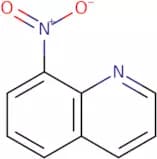
Fórmula:C16H18O5Pureza:Min. 95%Forma y color:PowderPeso molecular:290.31 g/mol8-Nitroquinoline
CAS:8-Nitroquinoline is a nitrogenous compound that has been used as an inhibitor of Leishmania, a parasite that causes leishmaniasis. 8-Nitroquinoline inhibits the growth of Leishmania by inhibiting the enzyme hepg2, which is involved in the synthesis of lipids and cholesterol. The inhibition of this enzyme leads to the accumulation of malonic acid, which inhibits the production of ATP. This inhibition may lead to cell death or inhibitory effects on other enzyme activities. 8-Nitroquinoline has been shown to be effective against Leishmania parasites in vivo.Fórmula:C9H6N2O2Pureza:Min. 95%Forma y color:PowderPeso molecular:174.16 g/mol5-Ethylindole-2-carboxylic acid
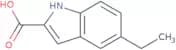
CAS:5-Ethylindole-2-carboxylic acid is an organic compound that is a decarboxylation product of indole. It can be obtained by catalytic dehydrogenation of ethyl ester or 5-ethylindole-2-carboxylic acid. It has been shown to inhibit the growth of bacteria and fungi, as well as to have anti-inflammatory properties.
Fórmula:C11H11NO2Pureza:Min. 95%Peso molecular:189.21 g/mol7-Fluorooxindole
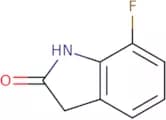
CAS:7-Fluorooxindole is an alkylating agent that can be used in the synthesis of oxindoles. This compound can be prepared by aldol condensation reaction with butyllithium, followed by alkylation with bromides or iodides. The use of 7-fluorooxindole and its derivatives has been optimized to yield high yields. The optimal conditions for this reaction are deprotonation with an organometallic reagent, such as butyllithium, followed by alkylation with bromides or iodides.Fórmula:C8H6FNOPureza:Min. 95%Forma y color:SolidPeso molecular:151.14 g/mol3-Carbethoxyquinuclidine
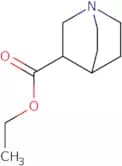
CAS:3-Carbethoxyquinuclidine is an antihistaminic drug that belongs to the class of quinuclidines. It is used in research and has been shown to have a pharmacological effect on the central nervous system, including inhibition of histamine release. 3-Carbethoxyquinuclidine has been found to be anti-inflammatory and analgesic. It also inhibits prostaglandins and other mediators of inflammation, such as leukotrienes, thromboxanes, and platelet activating factor. 3-Carbethoxyquinuclidine is hydrolyzed by acid or alkaline conditions, but can be recrystallized from boiling methanol or ethanol.Fórmula:C10H17NO2Pureza:Min. 95%Forma y color:PowderPeso molecular:183.25 g/mol2,2'-Bipyridine-5,5'-dicarboxylic acid
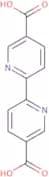
CAS:2,2'-Bipyridine-5,5'-dicarboxylic acid is an algal metabolite that has been shown to have a glucose sensor function. It is synthesized by Chlorella and other green algae in response to light and high concentrations of glucose. This compound can be used as a linker for the immobilization of fluorescent probes or luminescent probes. It also has a catalytic subunit that can be used in oxidation reactions at low temperatures with chloride as the oxidant. 2,2'-Bipyridine-5,5'-dicarboxylic acid is chemically stable and does not react with chloride or ligands. It can also be used as an oxidation catalyst for reactions at high temperatures.Fórmula:C12H8N2O4Forma y color:White PowderPeso molecular:244.2 g/molRef: 3D-M-3330
-Unit-ggA consultar25gA consultar50gA consultar100gA consultar250gA consultar500gA consultar5-(5-Chloro-2-hydroxyphenyl)-1-phenylpyrazole
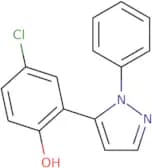
CAS:5-(5-Chloro-2-hydroxyphenyl)-1-phenylpyrazole is a useful intermediate for the synthesis of complex compounds. It is also used as a reagent and a speciality chemical in research. 5-(5-Chloro-2-hydroxyphenyl)-1-phenylpyrazole has a CAS number of 36124-03-5. This chemical is soluble in organic solvents such as benzene, chloroform, dichloromethane, tetrahydrofuran, and toluene.Fórmula:C15H11ClN2OPureza:Min. 95%Forma y color:PowderPeso molecular:270.71 g/molFerene disodium salt
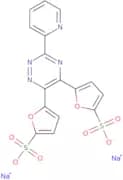
CAS:Ferene is an iron chelate that has been shown to have a number of beneficial effects on iron homeostasis. Ferene has been used in the treatment of chronic viral hepatitis, and it has also been shown to be effective against galleria mellonella. Ferene is a metal chelate, which means that it is a type of molecule that contains two metal ions. The metal ions are usually connected by a central atom, such as oxygen or nitrogen. Ferene disodium salt can be synthesized in the lab using the chemiluminescence method and polymerase chain reaction (PCR). It is also possible to isolate ferene from human serum or from a model system.Fórmula:C16H8N4Na2O8S2Pureza:Min. 95 Area-%Forma y color:Yellow PowderPeso molecular:494.37 g/molDihydro coumarin
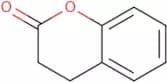
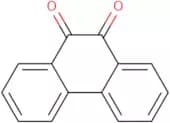
CAS:Dihydro coumarin is a cyclic organic compound, which is a derivative of coumarin primarily obtained through synthetic processes. It possesses the characteristic odor reminiscent of freshly mown hay, contributing to its widespread application in various industries. The primary mode of action of dihydro coumarin involves its role as a fragrance and flavoring agent, capitalizing on its aromatic profile to enhance products’ sensory attributes.Fórmula:C9H8O2Pureza:Min. 95%Peso molecular:148.16 g/molPhenanthrenequinone
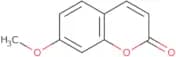
CAS:Phenanthrenequinone is a redox potential inhibitor that binds to the catalytic site of the enzyme. It is an inhibitor with a redox potential of -0.4 V (vs Ag/AgCl). Phenanthrenequinone has been shown to be toxicologically safe in human serum and has no carcinogenic potential. The reaction mechanism is not well understood, but it may be due to hydrogen bonding interactions with the enzyme active site.Fórmula:C14H8O2Pureza:90%Forma y color:Orange PowderPeso molecular:208.22 g/mol7-Methoxycoumarin
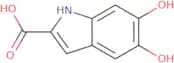
CAS:7-Methoxycoumarin is a fluorescent compound, which is a derivative of coumarin. It is synthesized through chemical modification processes of natural coumarin, typically sourced from plant extracts of the Apiaceae and Rutaceae families.Fórmula:C10H8O3Pureza:Min. 95%Forma y color:PowderPeso molecular:176.17 g/mol5,6-Dihydroxy-1H-indole-2-carboxylic acid
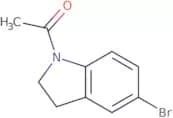
CAS:5,6-Dihydroxy-1H-indole-2-carboxylic acid (5,6 DHICA) is a photosensitizing agent with a long detection time. It has been used in the treatment of cervical cancer and skin cancer. 5,6 DHICA is an inhibitor of tyrosinase, which is responsible for the synthesis of melanin. 5,6 DHICA prevents the conversion of dopachrome to eumelanin by binding to the active site of tyrosinase and inhibiting its activity. This makes it an important drug for the treatment of hyperpigmentation disorders such as vitiligo and melasma.Fórmula:C9H7NO4Pureza:Min. 95%Forma y color:PowderPeso molecular:193.16 g/mol1-Acetyl-5-bromoindoline
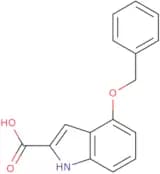
CAS:1-Acetyl-5-bromoindoline is an organic compound with the formula CH3COCH2CH(Br)CH2NH. It is a colorless solid that is soluble in organic solvents. The compound undergoes several reactions, including chloromethylation, amination, and hydrogenation. 1-Acetyl-5-bromoindoline can be used as a precursor to other compounds through catalytic hydrogenation or deprotection of alcohols. This compound has been shown to be an effective catalyst for the epimerization of lactones and β-lactams, such as penicillin G.Fórmula:C10H10BrNOPureza:Min. 95%Forma y color:PowderPeso molecular:240.1 g/mol4-Benzyloxyindole-2-carboxylic acid
CAS:4-Benzyloxyindole-2-carboxylic acid is a synthetic intermediate. It can be prepared from the hydrazide by reaction with benzaldehyde and subsequent reduction. The carboxylic acid moiety of 4-benzyloxyindole-2-carboxylic acid reacts with an electron source to form a class of compounds that can be used as synthetic intermediates. The diazonium salts formed in this process are then reacted with different electrophiles to give other useful products. 4-Benzyloxyindole-2-carboxylic acid has been used for the synthesis of many organic compounds, such as active compounds, intermediates, and synthetic intermediates, by spectroscopic techniques.
Fórmula:C16H13NO3Pureza:Min. 95%Forma y color:PowderPeso molecular:267.28 g/mol7-Ethylindole
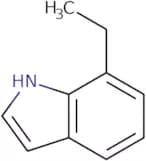
CAS:7-Ethylindole is a fatty acid with a cationic surfactant that belongs to the group of mesoporous materials. It has been synthesized by using chromatographic method and sample preparation techniques. The synthetic process is based on the protonation of 7-ethylindole. It undergoes dehydrogenation and activation energy, which is programmed in copper chromite. The chemical compositions are chloride, hydrogenated, and activated 7-ethylindole.Fórmula:C10H11NPureza:Min. 95%Peso molecular:145.2 g/molOroselol
CAS:Oroselol is an innovative beta-adrenergic blocker, which is a synthetic derivative with unique cardiovascular targeting properties. It is sourced from engineered chemical synthesis, utilizing advanced molecular design to enhance selectivity for beta-adrenergic receptors. The mode of action of Oroselol involves competitive antagonism of beta-1 and beta-2 adrenergic receptors, leading to a decrease in heart rate and myocardial contractility. This blockade of adrenergic stimulation results in reduced cardiac output and lower blood pressure.
Fórmula:C14H12O4Pureza:Min. 95%Forma y color:PowderPeso molecular:244.24 g/molScopoletin
CAS:Scopoletin is a naturally occurring coumarin derivative, which is primarily isolated from plants such as those in the Solanaceae and Asteraceae families. It exhibits a diverse range of biological activities due to its multifaceted mode of action, which includes antioxidant, anti-inflammatory, and antimicrobial properties. As a phytochemical, scopoletin can modulate various biochemical pathways, influencing both enzymatic and receptor-mediated processes.Fórmula:C10H8O4Pureza:Min. 95%Forma y color:Slightly Yellow PowderPeso molecular:192.17 g/mol5-Fluoroindole-3-acetic acid
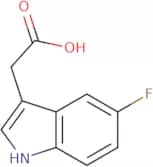
CAS:5-Fluoroindole-3-acetic acid is a fluorine-containing drug that inhibits the transport of indoleacetic acid (IAA), an auxin, in the peo-iaa system. It has been shown to inhibit cancer cell growth and induce apoptosis in a variety of tumour cells. 5-Fluoroindole-3-acetic acid can be used as a chemotherapeutic agent for cancers such as bladder, breast, and prostate cancers. This drug also activates enzymatic reactions by introducing fluorine atoms into reaction sites.Fórmula:C10H8FNO2Forma y color:PowderPeso molecular:193.17 g/mol1-Methylindole
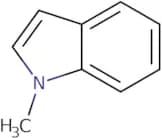
CAS:1-Methylindole is a chemical compound that belongs to the group of pyrimidine compounds. It has been shown to have antibacterial activity against many types of bacteria, including methicillin-resistant Staphylococcus aureus and Clostridium perfringens. 1-Methylindole inhibits bacterial growth by binding to DNA and RNA, preventing the synthesis of proteins necessary for cell division. The high chemical stability and low redox potential make 1-methylindole an excellent candidate for use as an anticancer agent. This drug has been shown to be effective in killing cancer cells in vitro, but more research needs to be done before it can be used in vivo.
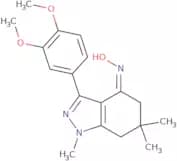
Fórmula:C9H9NPureza:Min. 97 Area-%Forma y color:Colorless Clear LiquidPeso molecular:131.17 g/mol3-(3,4-dimethoxyphenyl)-4-(hydroxyimino)-1,6,6-trimethyl-5,6,7-trihydro1H-indazole
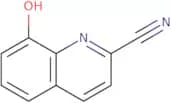
CAS:Please enquire for more information about 3-(3,4-dimethoxyphenyl)-4-(hydroxyimino)-1,6,6-trimethyl-5,6,7-trihydro1H-indazole including the price, delivery time and more detailed product information at the technical inquiry form on this pagePureza:Min. 90%8-Hydroxy-2-quinolinecarbonitrile
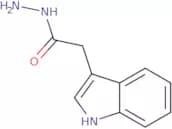
CAS:8-Hydroxy-2-quinolinecarbonitrile is an uncomplexed ligand that can be used for the synthesis of metal complexes. 8-Hydroxy-2-quinolinecarbonitrile is insoluble in most solvents, including water, and has a high melting point. This compound can be synthesized from acetonitrile and primary amines by condensing with formaldehyde. It is not possible to catalyze this reaction, as it does not undergo homolysis or heterolysis reactions. The uncomplexed ligand has been shown to bind to metal ions such as copper and silver. Its diffraction pattern was found to have a polynuclear nature with a number of diffraction peaks within the range of 5–9 Å.Fórmula:C10H6N2OPureza:Min. 95%Forma y color:PowderPeso molecular:170.17 g/molIndole-3-acetic acid hydrazide
CAS:Indole-3-acetic acid hydrazide is a molecule that has been shown to inhibit the activity of enzymes such as phosphofructokinase, pyruvate kinase, and lactate dehydrogenase. The compound also inhibits hemolytic activity by binding to the red blood cell membrane and inhibiting the enzyme NADH oxidoreductase. Indole-3-acetic acid hydrazide has been shown to bind to divinylbenzene with a hydrogen bond. The compound is also able to inhibit fatty acid synthesis through its interaction with the fatty acid synthase enzyme. In addition, indole-3-acetic acid hydrazide can be used as an inhibitor of SplA2 in cells.Fórmula:C10H11N3OPureza:Min. 95%Forma y color:PowderPeso molecular:189.21 g/mol

![tert-Butyl 2-Oxo-7-azaspiro[3.5]nonane-7-carboxylate](/_next/image/?url=https%3A%2Fstatic.cymitquimica.com%2Fproducts%2FTR%2Fthumb-webp%2FB809638.webp&w=3840&q=75)
![5,7-Diazaspiro[3.4]octane-6,8-dione](/_next/image/?url=https%3A%2Fstatic.cymitquimica.com%2Fproducts%2FTR%2Fthumb-webp%2FD679808.webp&w=3840&q=75)




![2-Methylbenz[c,d]indole](/_next/image/?url=https%3A%2Fstatic.cymitquimica.com%2Fproducts%2F3D%2Fthumb-webp%2FFM148927.webp&w=3840&q=75)


![Benzo[c]phenanthrene](/_next/image/?url=https%3A%2Fstatic.cymitquimica.com%2Fproducts%2F3D%2Fthumb-webp%2FFB18203.webp&w=3840&q=75)
![8-Methyl-3,8-diazabicyclo[3.2.1]octane dihydrochloride](/_next/image/?url=https%3A%2Fstatic.cymitquimica.com%2Fproducts%2F3D%2Fthumb-webp%2FFM140960.webp&w=3840&q=75)
![Pyrazolo[1,5-a]pyrimidine-3-carboxylic acid](/_next/image/?url=https%3A%2Fstatic.cymitquimica.com%2Fproducts%2F3D%2Fthumb-webp%2FFP16388.webp&w=3840&q=75)
![3-Methylthio-1,2,4-triazino[5,6-b]indole](/_next/image/?url=https%3A%2Fstatic.cymitquimica.com%2Fproducts%2F3D%2Fthumb-webp%2FFM169854.webp&w=3840&q=75)