Haluros orgánicos
En esta categoría, encontrará moléculas orgánicas que contienen uno o más átomos de halógeno en su estructura. Estos haluros orgánicos incluyen compuestos bromados, yodados, clorados y haluros cíclicos. Los haluros orgánicos se utilizan ampliamente en la síntesis orgánica, productos farmacéuticos, agroquímicos y ciencia de materiales debido a su reactividad y capacidad para someterse a diversas transformaciones químicas. En CymitQuimica, ofrecemos una selección integral de haluros orgánicos de alta calidad para apoyar sus aplicaciones de investigación e industriales, garantizando un rendimiento confiable y efectivo en sus proyectos sintéticos y analíticos.
Subcategorías de "Haluros orgánicos"
Se han encontrado 20437 productos de "Haluros orgánicos"
Ordenar por
Pureza (%)
0
100
|
0
|
50
|
90
|
95
|
100
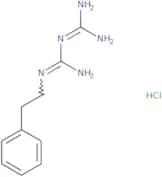
Phenformin hydrochloride
CAS:<p>Phenformin hydrochloride is a phenformin derivative that is used as an oral hypoglycemic. It has been shown to inhibit the synthesis of fatty acids in the liver and to reduce the size of lipid droplets, which are a hallmark of hepatic steatosis. Phenformin hydrochloride also inhibits the polymerase chain reaction and mitochondrial membrane potential, which results in reduced oxidative stress and apoptosis. This drug has been shown to have anti-infectious effects against infectious diseases such as typhoid fever, tuberculosis, and malaria. Phenformin hydrochloride may also be carcinogenic, due to its ability to induce skin cancer in mice with a genetic predisposition for this type of cancer. The drug should not be administered to patients with metabolic disorders or patients who are receiving chemotherapy agents that affect cell proliferation because it can exacerbate these conditions.</p>Fórmula:C10H16ClN5Pureza:Min. 95 Area-%Forma y color:PowderPeso molecular:241.72 g/mol2-Amino-5-chloro-N,3-dimethylbenzamide
CAS:<p>2-Amino-5-chloro-N,3-dimethylbenzamide is a synthetic compound. It has been shown to induce necrotic cell death in mammalian cells. This compound was synthesized by the reaction of 2-aminoquinoline with a Grignard reagent, followed by nitration of the resultant amine. The synthesis of this compound was thermodynamically favorable and exhibited good solubility in water. The chlorantraniliprole and anthranilic acid moieties are activated with an acylation reaction, which allows them to bind to the ryanodine receptor and inhibit calcium release from the sarcoplasmic reticulum (SR) with ammonolysis. This inhibition leads to ferroptosis, a type of programmed necrosis.</p>Fórmula:C9H11ClN2OPureza:Min. 95%Forma y color:PowderPeso molecular:198.65 g/molCys-Gly-Lys-Lys-Gly-Amyloid b-Protein (36-42) trifluoroacetate salt
CAS:<p>Please enquire for more information about Cys-Gly-Lys-Lys-Gly-Amyloid b-Protein (36-42) trifluoroacetate salt including the price, delivery time and more detailed product information at the technical inquiry form on this page</p>Fórmula:C47H86N14O13SPureza:Min. 95%Peso molecular:1,087.34 g/molAcetyl-(D-Phe2,Lys15,Arg16,Leu27)-VIP (1-7)-GRF (8-27) trifluoroacetate salt
CAS:<p>Please enquire for more information about Acetyl-(D-Phe2,Lys15,Arg16,Leu27)-VIP (1-7)-GRF (8-27) trifluoroacetate salt including the price, delivery time and more detailed product information at the technical inquiry form on this page</p>Fórmula:C150H246N44O38Pureza:Min. 95%Peso molecular:3,273.83 g/mol(Des-Asp187,Met186)-Melanocyte Protein PMEL 17 (185-193) (human, bovine, mouse) trifluoroacetate salt
CAS:<p>Please enquire for more information about (Des-Asp187,Met186)-Melanocyte Protein PMEL 17 (185-193) (human, bovine, mouse) trifluoroacetate salt including the price, delivery time and more detailed product information at the technical inquiry form on this page</p>Fórmula:C43H69N9O11SPureza:Min. 95%Peso molecular:920.13 g/molBiotinyl-5-aminopentanoyl-Antennapedia Homeobox (43-58) amide trifluoroacetate salt
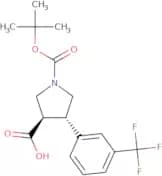
CAS:<p>Please enquire for more information about Biotinyl-5-aminopentanoyl-Antennapedia Homeobox (43-58) amide trifluoroacetate salt including the price, delivery time and more detailed product information at the technical inquiry form on this page</p>Fórmula:C119H192N38O22S2Pureza:Min. 95%Peso molecular:2,571.17 g/molBoc-(±)-trans-4-(3-trifluoromethylphenyl)pyrrolidine-3-carboxylic acid
CAS:<p>Please enquire for more information about Boc-(±)-trans-4-(3-trifluoromethylphenyl)pyrrolidine-3-carboxylic acid including the price, delivery time and more detailed product information at the technical inquiry form on this page</p>Fórmula:C17H20F3NO4Pureza:Min. 95%Peso molecular:359.34 g/mol3-Chloropropiononitrile
CAS:<p>3-Chloropropiononitrile is an antimicrobial agent that inhibits bacterial growth by reacting with the hydroxyl group in the cytoplasmic membrane. This reaction produces hydrogen chloride and hydrochloric acid, which kills bacteria. 3-Chloropropiononitrile has been shown to be effective against a wide range of bacteria including Mycobacterium tuberculosis. It is also used as a preservative for food, cosmetics and pharmaceuticals. The mechanism of action for this drug is similar to that of other antibacterial agents such as chlorine, chloramine T, and sodium dichloroisocyanurate. 3-Chloropropiononitrile has been shown to inhibit population growth in vitro when used in concentrations between 0.1% and 1%.</p>Fórmula:C3H4ClNPureza:Min. 95%Peso molecular:89.52 g/molAbz-(Asn670,Leu671)-Amyloid β/A4 Protein Precursor770 (669-674)-EDDnp trifluoroacetate salt
CAS:<p>Please enquire for more information about Abz-(Asn670,Leu671)-Amyloid beta/A4 Protein Precursor770 (669-674)-EDDnp trifluoroacetate salt including the price, delivery time and more detailed product information at the technical inquiry form on this page</p>Fórmula:C42H58N12O16Pureza:Min. 95%Peso molecular:986.98 g/molH-Gly-Arg-Gly-Asp-D-Ser-Pro-OH trifluoroacetate salt
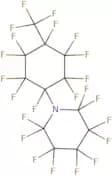
CAS:<p>H-Gly-Arg-Gly-Asp-D-Ser-Pro-OH trifluoroacetate salt (HGGDS) is a collagen gel that is used in the treatment of autoimmune diseases, such as arthritis and lupus. HGGDS inhibits the production of fibrinogen, which is a protein involved in blood clotting, by binding to its receptor on human fibroblasts. It also inhibits the production of basic proteins needed for the generation of collagen and activation of integrin receptors, which are involved in cell adhesion and migration. HGGDS also blocks transcription polymerase chain reactions (PCRs), which are necessary for the synthesis of DNA. This can lead to a decrease in cell proliferation and an increase in apoptosis.</p>Fórmula:C22H37N9O10Pureza:Min. 95%Peso molecular:587.58 g/molPerfluoro-N-(4-methylcyclohexyl)piperidine
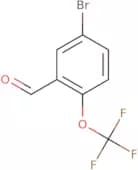
CAS:Producto controlado<p>Perfluoro-N-(4-methylcyclohexyl)piperidine (4-FPP) is a fluorine compound that has been shown to inhibit the enzymatic activity of tyrosine kinases. It is a potent inhibitor of both human and murine tyrosine kinases, but it does not bind to bacterial tyrosine kinase domains. 4-FPP has been used in clinical studies as an anti-cancer drug, although it's clinical relevance remains unclear. It has also been shown to be effective against the influenza virus by inhibiting the synthesis of viral proteins that are involved in replication. The chemical structure of 4-FPP contains a carbonyl group that can react with other compounds through a photochemical process. This reaction is thought to result in the development of new drugs with similar biochemical properties to 4-FPP.</p>Fórmula:C12F23NPureza:Min. 95%Forma y color:Clear LiquidPeso molecular:595.1 g/mol5-Bromo-2-(trifluoromethoxy)benzaldehyde
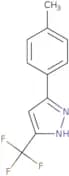
CAS:<p>5-Bromo-2-(trifluoromethoxy)benzaldehyde is a chemical that is used as a reactant in organic chemistry. It can be used as a building block for the synthesis of complex compounds, or as an intermediate in the preparation of fine chemicals. 5-Bromo-2-(trifluoromethoxy)benzaldehyde is also useful in research and development. It has been used to synthesize pharmaceuticals, pesticides, and other organic compounds.</p>Fórmula:C8H4BrF3O2Pureza:Min. 95%Forma y color:PowderPeso molecular:269.02 g/mol3-(4-Methylphenyl)-5-(trifluoromethyl)pyrazole
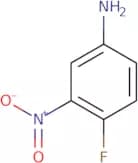
CAS:<p>Please enquire for more information about 3-(4-Methylphenyl)-5-(trifluoromethyl)pyrazole including the price, delivery time and more detailed product information at the technical inquiry form on this page</p>Fórmula:C11H9F3N2Pureza:Min. 95%Peso molecular:226.2 g/mol4-Fluoro-3-nitroaniline
CAS:<p>4-Fluoro-3-nitroaniline is a chemical that can be used for industrial preparation. It is an efficient method for the production of 4-fluoroaniline, which is used in the manufacture of dyes and pharmaceuticals. The chemical ionization technique has been shown to be a good way to determine the presence of 4-fluoro-3 nitroaniline in animals. It has also been found to be active against infections caused by bacteria such as Salmonella enterica, Escherichia coli, and Klebsiella pneumoniae. This chemical may have adverse effects on testicular function and hematocrit levels in animals.</p>Fórmula:C6H5FN2O2Pureza:Min. 95%Peso molecular:156.11 g/molApelin-36 (1-16) amide (human) trifluoroacetate salt
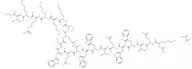
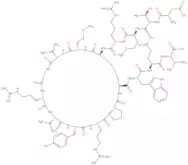
CAS:<p>Please enquire for more information about Apelin-36 (1-16) amide (human) trifluoroacetate salt including the price, delivery time and more detailed product information at the technical inquiry form on this page</p>Fórmula:C74H117N27O20Pureza:Min. 95%Peso molecular:1,704.89 g/molPep-1-cysteamide trifluoroacetate salt
CAS:<p>Please enquire for more information about Pep-1-cysteamide trifluoroacetate salt including the price, delivery time and more detailed product information at the technical inquiry form on this page</p>Fórmula:C140H202N36O33SPureza:Min. 95%Peso molecular:2,949.39 g/molMCH (salmon) trifluoroacetate salt
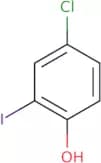
CAS:<p>Trifluoroacetate salt</p>Fórmula:C89H139N27O24S4Pureza:Min. 95%Peso molecular:2,099.49 g/mol4-Chloro-2-iodo-phenol
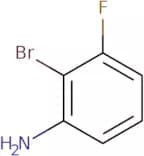
CAS:<p>Please enquire for more information about 4-Chloro-2-iodo-phenol including the price, delivery time and more detailed product information at the technical inquiry form on this page</p>Fórmula:C6H4ClIOPureza:Min. 95%Peso molecular:254.45 g/mol2-Bromo-3-fluoroaniline
CAS:<p>2-Bromo-3-fluoroaniline is a reactive and nucleophilic compound that is synthesized by the reaction of aniline with bromine and sodium hydroxide. The drug development of 2-bromo-3-fluoroaniline has been hampered by its toxicity, but it has shown promising results in animal studies for the treatment of cancer. Mechanistic studies have demonstrated that 2-bromo-3-fluoroaniline causes cell death by reacting with DNA. This drug also acts as a prodrug to fluoroacetic acid, which inhibits cell proliferation by inhibiting protein synthesis.</p>Fórmula:C6H5BrFNPureza:Min. 95%Forma y color:SolidPeso molecular:190.01 g/molH-Cys(Trt)-2-chlorotrityl resin (200-400 mesh) (Low Substitution)
<p>Please enquire for more information about H-Cys(Trt)-2-chlorotrityl resin (200-400 mesh) (Low Substitution) including the price, delivery time and more detailed product information at the technical inquiry form on this page</p>Pureza:Min. 95%Nuclear Factor NF-KB Inhibitor SN50 trifluoroacetate salt
CAS:<p>SN50 is a nuclear factor NF-KB inhibitor that blocks the activity of transcription factors that are involved in inflammation and cancer. SN50 inhibits protease activity, which may be due to its ability to bind to response elements on DNA, leading to cytosolic calcium release and activation of signal pathways. It also binds to endothelin-a receptor and induces apoptosis. SN50 has been shown to have anti-tumour effects in resistant breast cancer cells as well as reducing serum aminotransferase levels in rats. This drug also activates transcriptional regulation by binding toll-like receptors and inducing colony stimulating factors. SN50 also has cardioprotective properties, which may be due to its ability to inhibit fatty acid synthase in cardiomyocytes.</p>Fórmula:C129H230N36O29SPureza:Min. 95%Peso molecular:2,781.5 g/molN1-Acetylspermidine dihydrochloride
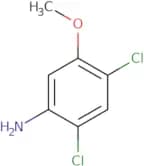
CAS:<p>N-Acetylspermidine dihydrochloride is a polyamine oxidase inhibitor that has been shown to be useful in the treatment of cancer. It inhibits the synthesis of ornithine and N-acetylornithine, which are intermediates in polyamine biosynthesis. Inhibition of polyamine biosynthesis may lead to a decrease in cellular proliferation and an increase in apoptosis. The effect of this drug on human tissues has been studied using high performance liquid chromatography (HPLC). This drug also inhibits the activity of human urine decarboxylase, leading to a decrease in urinary excretion of ornithine and increased urinary excretion of putrescine.</p>Fórmula:C9H23Cl2N3OPureza:Min. 95%Forma y color:PowderPeso molecular:260.2 g/mol2,4-Dichloro-5-methoxyaniline
CAS:<p>2,4-Dichloro-5-methoxyaniline (2,4-DMA) is a trifluoroacetic acid derivative that inhibits the growth of cancer cells by interfering with cellular processes such as DNA replication and protein synthesis. It has been shown to have anticancer activity in vitro and in vivo. In addition, 2,4-DMA can inhibit the growth of cancer cells by preventing epidermal growth factor from binding to its receptor on the cell surface. A recent study showed that 2,4-DMA has anti-angiogenic properties and can prevent tumor growth by inhibiting bcr-abl kinase activity. 2,4-DMA also has an acidic property which may be due to its conversion of trifluoroacetic acid into hydrogen fluoride (HF) and hydrogen chloride (HCl).<br>2,4-Dichloro-5-methoxyaniline was approved for use in Japan</p>Fórmula:C7H7Cl2NOPureza:Min. 95%Forma y color:White To Pink SolidPeso molecular:192.04 g/molH-Lys-Thr-OH hydrochloride salt
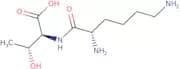
CAS:<p>H-Lys-Thr-OH hydrochloride salt is a synthetic amino acid that has been used in the synthesis of a cyclic peptide. The synthesis was achieved by metathesis reactions, which involved the reaction of an acid chloride with a chiral amine to form an ester. H-Lys-Thr-OH hydrochloride salt has been shown to have high binding constants to its targets and can be used as a selective reagent for the synthesis of virus proteins. It is also able to bind to carboxylate groups, which are common in wild type viruses and gene products. This reagent also has cleavage products, which can be used for efficient method for synthesizing cyclic peptides.</p>Fórmula:C10H21N3O4Pureza:Min. 95%Peso molecular:247.29 g/molNickel(II) chloride ethylene glycol dimethyl ether complex
CAS:<p>Nickel(II) chloride ethylene glycol dimethyl ether complex is a nickel compound that can be prepared by hydrolysis of a diazo compound. It has been shown to be an effective catalyst for the preparation of aryl chlorides. Nickel(II) chloride ethylene glycol dimethyl ether complex is used in the synthesis of pharmaceuticals and other organic compounds. The coordination chemistry of this complex is important in the area of biological research, as it has been shown to have anti-inflammatory properties. This complex also has an activation energy of 33 kcal/mol, which makes it an efficient catalyst for reactions with low activation energies, such as those involving carbon-carbon bonds.</p>Fórmula:C4H10Cl2NiO2Pureza:Min. 95%Forma y color:PowderPeso molecular:219.72 g/molP38 MAP Kinase Inhibitor IV
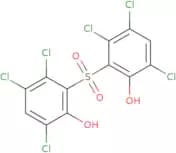
CAS:<p>Phenol,2,2'-sulfonylbis[3,4,6-trichloro] is a sulfate-containing compound that has been shown to stimulate the immune system and activate mitogen-activated protein kinases (MAPKs) in mosquitoes. The inclusion of this substance in vaccines may lead to increased immunity against various diseases. Phenol,2,2'-sulfonylbis[3,4,6-trichloro] has also been shown to reduce cancer cell proliferation by modulating antigen-presenting cells and inducing apoptosis in ovarian cancer cells. This substance can be used as a cost-effective alternative to dextran sulfate for generating pluripotent stem cells from adult cells and can also be used as a scalable process for generating pluripotent cells from human amniotic fluid.</p>Fórmula:C12H4Cl6O4SPureza:Min. 95%Peso molecular:456.94 g/mol(Des-His6)-ACTH (1-24) (human, bovine, rat) trifluoroacetate salt
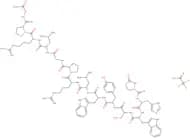
<p>Please enquire for more information about (Des-His6)-ACTH (1-24) (human, bovine, rat) trifluoroacetate salt including the price, delivery time and more detailed product information at the technical inquiry form on this page</p>Fórmula:C130H203N37O30SPureza:Min. 95%Peso molecular:2,796.3 g/molH-Val-Tyr-Ser-betaNA hydrochloride salt
CAS:<p>Please enquire for more information about H-Val-Tyr-Ser-betaNA hydrochloride salt including the price, delivery time and more detailed product information at the technical inquiry form on this page</p>Fórmula:C27H32N4O5Pureza:Min. 95%Peso molecular:492.57 g/mol(D-Trp6)-LHR
<p>Please enquire for more information about (D-Trp6)-LHR including the price, delivery time and more detailed product information at the technical inquiry form on this page</p>Fórmula:C83H115N25O17Pureza:Min. 95%Peso molecular:1,734.96 g/mol2-Chloro-3-methoxybenzaldehyde
CAS:<p>Please enquire for more information about 2-Chloro-3-methoxybenzaldehyde including the price, delivery time and more detailed product information at the technical inquiry form on this page</p>Fórmula:C8H7ClO2Pureza:Min. 95%Peso molecular:170.59 g/mol1,4-Bis-(bromoacetoxy)-2-butene
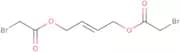
CAS:<p>1,4-Bis-(bromoacetoxy)-2-butene is a cationic surfactant that has been shown to have microbicidal activity. It is synthesized by the reaction of 1,4-dibromobutane and acetyl bromide in an activated state. This compound can be used as a disinfectant for blood and other bodily fluids. 1,4-Bis-(bromoacetoxy)-2-butene can also be used to remove cholesterol from the surface of cells in the human body and is often used as a hybridization reagent for specific antibodies. The compound binds to the erythrocyte membrane, which may cause cell lysis. The compound has been shown to have synergistic effects when combined with chlorides such as sodium chloride or potassium chloride. 1,4-Bis-(bromoacetoxy)-2-butene has also been found to bind specifically to both A and B blood</p>Fórmula:C8H10Br2O4Pureza:Min. 95%Peso molecular:329.97 g/molEthyl malonyl chloride
CAS:<p>Ethyl malonyl chloride is a compound that belongs to the class of acylating agents. It reacts with the carbonyl group of an organic acid, such as malonic acid, to form an ester. This reaction is catalyzed by a nucleophile such as water or alcohols. Ethyl malonyl chloride has been shown to have anticancer activity and can inhibit protein synthesis in muscle cells by blocking receptor activity and growth factor signaling pathways.</p>Fórmula:C5H7ClO3Pureza:90%MinPeso molecular:150.56 g/molH-Pro-2-chlorotrityl resin (200-400 mesh)
<p>Please enquire for more information about H-Pro-2-chlorotrityl resin (200-400 mesh) including the price, delivery time and more detailed product information at the technical inquiry form on this page</p>Pureza:Min. 95%4-Fluoroisoindoline HCl
CAS:<p>4-Fluoroisoindoline HCl is a versatile building block that can be used in the synthesis of complex compounds, research chemicals, and reagents. It is a high quality compound with a wide range of applications. 4-Fluoroisoindoline HCl is also useful as an intermediate for the synthesis of other compounds, or as a reaction component for organic chemistry reactions. This compound has been shown to have potential medical uses in the treatment of Parkinson's disease and cancer.</p>Fórmula:C8H8FN·HClPureza:Min. 95%Forma y color:White to brown solid.Peso molecular:173.61 g/molN-(4-Chlorophenyl)-2-cyanoacetamide
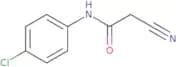
CAS:<p>N-(4-Chlorophenyl)-2-cyanoacetamide is a pyridine compound that can be synthesized from chloroacetonitrile and acetamide. It has been shown to react with an active methylene group in benzene or pyridine to produce a heterocycle. This reaction is reversible and can be used as a preparative method for the synthesis of heterocycles. The 1,3-dipolar cycloaddition of N-(4-chlorophenyl)-2-cyanoacetamide with nitro groups in nitrobenzene produces the corresponding 2-nitropyridines, which are important intermediates in the synthesis of other heterocycles. N-(4-Chlorophenyl)-2-cyanoacetamide has been used as an efficient method for the preparation of nitrogen nucleophiles that are useful for catalysis.</p>Fórmula:C9H7ClN2OPureza:Min. 95%Peso molecular:194.62 g/mol5-FAM-Amylin (mouse, rat) trifluoroacetate salt
CAS:<p>Please enquire for more information about 5-FAM-Amylin (mouse, rat) trifluoroacetate salt including the price, delivery time and more detailed product information at the technical inquiry form on this page</p>Fórmula:C188H282N52O59S2Pureza:Min. 95%Peso molecular:4,278.7 g/mol4-Fluoropyrazole
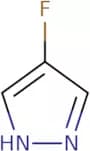
CAS:<p>4-Fluoropyrazole is a synthetic chemical that can be prepared by the transfer of fluorine from chloroformate to an isoxazole. It has been shown that 4-fluoropyrazole can be synthesized in high yields and with good functional groups, as well as being stable to air and moisture. The reaction takes place spontaneously at low temperatures, which makes it an attractive candidate for industrial production. The chemical crystallizes in the form of a trimerization product. The proton functioned group was not observed due to its instability. This compound has a chlorine atom attached to a pyrazole ring.</p>Fórmula:C3H3FN2Pureza:Min. 95%Peso molecular:86.07 g/molBombesin trifluoroacetate salt
CAS:<p>Trifluoroacetate salt</p>Fórmula:C71H110N24O18SPureza:Min. 95%Peso molecular:1,619.85 g/mol3,5-Difluorobenzoic acid
CAS:<p>3,5-Difluorobenzoic acid is a pharmaceutical preparation that has been used in the treatment of inflammatory diseases and cancer. It is an enantiomer of 5-Fluorobenzoic acid. 3,5-Difluorobenzoic acid can be synthesized from 2,4-dichlorophenoxyacetic acid by cycloaddition process with fluorine. Magnetic resonance spectroscopy has shown that 3,5-Difluorobenzoic acid binds to oxytocin receptor. The binding of 3,5-Difluorobenzoic acid to oxytocin receptor leads to the activation of its G protein coupled receptor activity. This causes an increase in intracellular cAMP levels and subsequently leads to the inhibition of bacterial enzyme ns3 protease and cardiac hypertrophy induced by chronic angiotensin II infusion.</p>Pureza:Min. 95%(2-Chloropyridin-4-yl)methanamine
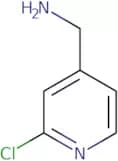
CAS:<p>2-Chloropyridin-4-yl)methanamine is a hydrogenated molecule that has been shown to inhibit the activity of certain cancer cells. It inhibits the expression of the enzyme molecules involved in the synthesis of DNA and RNA. 2-Chloropyridin-4-yl)methanamine also inhibits the hydrolysis of hydrogen chloride (HCl) to produce hydrogen (H2). This drug is used as an inhibitor for medicines that require acidic pH for absorption, such as HCl.</p>Fórmula:C6H7ClN2Pureza:Min. 95%Peso molecular:142.59 g/mol(S)-3,3'-Dibromo-5,5',6,6',7,7',8,8'-octahydro-1,1'-binaphthalene-2,2'-diol
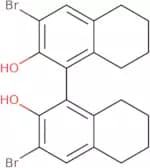
CAS:<p>(S)-3,3'-Dibromo-5,5',6,6',7,7',8,8'-octahydro-1,1'-binaphthalene-2,2'-diol is a synthetic compound that has been prepared by a Diels-Alder reaction. It is used as an asymmetric synthesis catalyst for the production of optically active compounds. The ligands are catalysts for the reaction and can be easily replaced with different ligands to produce different products. This compound has been researched for its potential use in the production of pharmaceuticals and other chemicals.</p>Fórmula:C20H20Br2O2Pureza:Min. 95%Forma y color:White To Yellow SolidPeso molecular:452.18 g/molPyr-Pro-Val-pNA trifluoroacetate salt
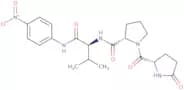
CAS:<p>Pyr-Pro-Val-pNA is a synthetic peptide that is structurally homologous to the proteases serine and chymotrypsin. This peptide has been shown to have proteolytic activity on fibronectin, n-terminal of angiotensin, and epithelium. Pyr-Pro-Val-pNA also causes an inflammatory response in leukocytes and shigella.</p>Fórmula:C21H27N5O6Pureza:Min. 95%Peso molecular:445.47 g/molCalcium chloride dihydrate
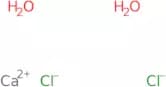
CAS:<p>Calcium chloride dihydrate is a chemical compound that is used in the preparation of buffers, as well as in polymer synthesis and analytical chemistry. It is also used in the treatment of low blood calcium levels, which may occur from chronic kidney failure, malnutrition or malabsorption. Calcium chloride dihydrate has been shown to inhibit the proliferation of various cancer cells, including prostate cancer cells. This inhibition has been shown to be due to its ability to significantly cytotoxic effects on these cells. The cytotoxicity was found to be due to lysosomal membrane permeabilization and Ca2+ influx into the cell leading to apoptosis induction.</p>Fórmula:CaCl2•(H2O)2Pureza:Min. 95%Forma y color:White Clear LiquidPeso molecular:147.01 g/molTLQP-21 (human) trifluoroacetate salt
CAS:<p>Please enquire for more information about TLQP-21 (human) trifluoroacetate salt including the price, delivery time and more detailed product information at the technical inquiry form on this page</p>Fórmula:C110H176N40O27Pureza:Min. 95%Peso molecular:2,490.83 g/molNeuropeptide Y (human, rat) trifluoroacetate salt
CAS:<p>Please enquire for more information about Neuropeptide Y (human, rat) trifluoroacetate salt including the price, delivery time and more detailed product information at the technical inquiry form on this page</p>Fórmula:C189H285N55O57SPureza:Min. 95%Peso molecular:4,271.69 g/molMalonyl chloride
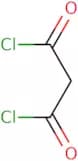
CAS:<p>Malonyl chloride is a trifluoroacetic acid derivative that is used as an intermediate in organic synthesis. It has been shown to be a ligand for chelate metal complexes and to react with amines to form amides. It also reacts with alcohols to form esters, and with carboxylic acids to form anhydrides or esters. Malonyl chloride is one of the most commonly used reagents in chemical synthesis due to its functional groups and its low cost. In addition, malonyl chloride can act as a chemoattractant for neutrophils and macrophages by activating the G protein-coupled receptor activity of these cells.</p>Fórmula:C3H2Cl2O2Pureza:Min. 95%Peso molecular:140.95 g/mol2-Chloropyridine-4-boronic acid
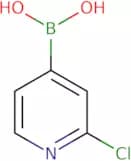
CAS:<p>2-Chloropyridine-4-boronic acid is a nicotinic acetylcholine receptor antagonist that has been shown to be effective against trypanosomiasis. It blocks the binding of acetylcholine to its receptor, which prevents the propagation of an action potential in the postsynaptic cell. 2-Chloropyridine-4-boronic acid inhibits the enzymes cyclooxygenase and prostaglandin synthase, which are involved in inflammation. 2-Chloropyridine-4-boronic acid is potent and selective for nicotinic acetylcholine receptors, but it also binds to other sites on the enzyme. The molecular modeling studies have shown that this compound has a pharmacophore that can be used as a guide for drug design.</p>Fórmula:C5H5BClNO2Pureza:Min. 95%Peso molecular:157.36 g/molChloromethyl(dichloro)methylsilane
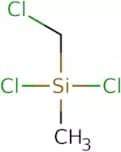
CAS:<p>Chloromethyl(dichloro)methylsilane is a diphenyl ether that can be generated by the reaction of chloromethylchlorosilane with sodium in liquid ammonia. Chloromethyl(dichloro)methylsilane is used to prepare Grignard reagents and coatings. It reacts with benzyl groups in the presence of base to form phenyldichlorosilanes, which are used as thermally stable coatings. Chloromethyl(dichloro)methylsilane has been shown to undergo bond cleavage under thermal conditions, forming a molecule with a hydroxyl group and chloride functional group. Gel permeation chromatography has revealed that this substance contains no reactive functional groups other than the chloromethoxy group.</p>Fórmula:C2H5Cl3SiPureza:Min. 95%Forma y color:Clear LiquidPeso molecular:163.5 g/molBiotinyl-Hepcidin-25 (human) trifluoroacetate salt
CAS:<p>Please enquire for more information about Biotinyl-Hepcidin-25 (human) trifluoroacetate salt including the price, delivery time and more detailed product information at the technical inquiry form on this page</p>Fórmula:C123H184N36O33S10Pureza:Min. 95%Peso molecular:3,015.66 g/mol5-FAM-Woodtide trifluoroacetate salt
CAS:<p>Please enquire for more information about 5-FAM-Woodtide trifluoroacetate salt including the price, delivery time and more detailed product information at the technical inquiry form on this page</p>Fórmula:C89H133N21O26SPureza:Min. 95%Peso molecular:1,945.2 g/mol