Haluros orgánicos
Subcategorías de "Haluros orgánicos"
Se han encontrado 20442 productos de "Haluros orgánicos"
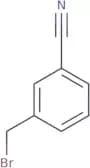
alpha-Bromo-m-tolunitrile
CAS:Silver trifluoromethanesulfonate (AgOTf) is a precursor in the synthesis of alpha-bromo-m-tolunitrile. It is a colorless, odorless solid that can be prepared by the reaction of silver ions with bromine and toluene in an aqueous medium. The profile of AgOTf has been studied by titration method and it has been shown to have an oxadiazole group. This molecule also has anticancer activity against cancer cells. Alpha-Bromo-m-tolunitrile is currently being investigated for its potential use as a drug candidate for the treatment of cancer, with particular interest in the inhibition of angiogenesis and metastasis.
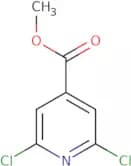
Fórmula:C8H6BrNPureza:Min. 95%Forma y color:PowderPeso molecular:196.04 g/molMethyl 2,6-dichloroisonicotinate
CAS:Methyl 2,6-dichloroisonicotinate is an electron-deficient compound that can be used as a cross-coupling agent in organic synthesis. It is used as a labeling agent for metal ions and has been shown to have antibacterial activity. The antibacterial activity of methyl 2,6-dichloroisonicotinate may be due to its ability to inhibit bacterial DNA gyrase. This compound also exhibits synergistic effects with other substances such as pyridine ring and coordination geometry.Fórmula:C7H5Cl2NO2Pureza:Min. 95%Peso molecular:206.03 g/molCalcium bromide
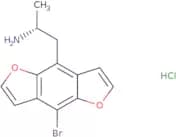
CAS:Calcium bromide is a white solid that has a phase transition temperature of -14.8 °C. It is soluble in water and glycol ether. Calcium bromide can be used to measure the concentration of calcium ions by taking advantage of the high affinity between calcium ions and its salt, calcium bromide, at constant pressure. In this process, water vapor and anhydrous sodium are also adsorbed onto the surface of the solid. The x-ray diffraction data for calcium bromide crystals show that it has a space group of p2 with lattice parameters a = 12.39 Å, c = 10.93 Å, and β = 90°. This salt can be used as a model system for studying reaction mechanisms in chemistry and biochemistry involving ionic liquids or other ionic compounds. The most common application of calcium bromide is as an extractant for volatile organic compounds from air samples using solid phase microextraction (SPFórmula:CaBr2Pureza:Min. 95%Peso molecular:199.89 g/mol(R)-(-)-Bromo dragonfly hydrochloride
CAS:Producto controladoPlease enquire for more information about (R)-(-)-Bromo dragonfly hydrochloride including the price, delivery time and more detailed product information at the technical inquiry form on this page
Fórmula:C13H13BrClNO2Pureza:Min. 95%Peso molecular:330.6 g/mol1-(RS)-2-(Dibutylamino)-2-[2,7-dichloro-9-(4-chlorobenxylidene)]-9H-fluoren- 4-yl]ethanol - E/Z mixture
CAS:Please enquire for more information about 1-(RS)-2-(Dibutylamino)-2-[2,7-dichloro-9-(4-chlorobenxylidene)]-9H-fluoren- 4-yl]ethanol - E/Z mixture including the price, delivery time and more detailed product information at the technical inquiry form on this pageFórmula:C30H32Cl3NOPureza:Min. 95%Peso molecular:528.94 g/molN-Methyl-1-(3,4,5-trimethoxyphenyl)methanamine hydrochloride
CAS:Producto controladoPlease enquire for more information about N-Methyl-1-(3,4,5-trimethoxyphenyl)methanamine hydrochloride including the price, delivery time and more detailed product information at the technical inquiry form on this pageFórmula:C11H17NO3Pureza:Min. 95%Peso molecular:211.26 g/molHydroxyzine acetic acid dihydrochloride
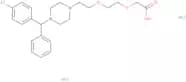
CAS:Producto controladoPlease enquire for more information about Hydroxyzine acetic acid dihydrochloride including the price, delivery time and more detailed product information at the technical inquiry form on this pageFórmula:C23H31Cl3N2O4Pureza:Min. 95%Peso molecular:505.86 g/mol3-Bromo-5-methoxybenzoic acid
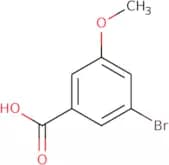
CAS:3-Bromo-5-methoxybenzoic acid is a cytotoxic agent that inhibits the activity of acid transporter, which is involved in the transport of organic acids from the cell to the blood. It is used as an antineoplastic agent for animal studies and has been shown to have a safety profile similar to benzbromarone. 3-Bromo-5-methoxybenzoic acid also inhibits uricosuric activity in mouse hepatocytes and metabolic activation in mice. This compound has inhibitory effects on mouse liver cells and can be used for the treatment of liver cancer.Fórmula:C8H7BrO3Pureza:Min. 95%Peso molecular:231.04 g/mol3-Fluorophenethylamine
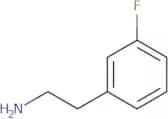
CAS:Producto controlado3-Fluorophenethylamine is a fluorinated analog of phenethylamine that binds to the same receptors and has a similar effect on neurotransmitters as the parent compound. 3-Fluorophenethylamine inhibits the production of tumor necrosis factor-α (TNF-α) in vitro, which may be due to its ability to inhibit prostaglandin synthesis by binding to cyclooxygenase. This drug has also been shown to have anti-inflammatory effects that are mediated by inhibition of TNF-α production and activation of nuclear factor kappa B (NFκB) pathways in hippocampal neurons.Fórmula:C8H10FNPureza:Min. 95%Peso molecular:139.17 g/mol2,3,7,8-Tetrachloro-p-dioxin
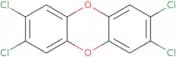
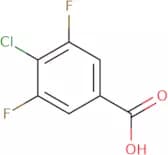
CAS:2,3,7,8-Tetrachloro-p-dioxin (2,3,7,8-TCDD) is a model system for the study of chemical carcinogenesis. It is an environmental pollutant that has been shown to cause liver lesions in both experimental animals and humans. 2,3,7,8-TCDD has been shown to cause maternal blood enzyme activities and fetal malformations in animals. This molecule is also a potent inducer of autoimmune diseases in animal models. There are many analytical methods available for the measurement of 2,3,7,8-TCDD in biological samples. Biological properties of this substance include mitochondrial membrane potential disruption and hepatic steatosis induction. In addition to its toxicological effects on the liver and immune system, 2,3,7,8-TCDD has been shown to be potent hepatocarcinogens in mice and rats.Fórmula:C12H4Cl4O2Pureza:Min. 95%Forma y color:PowderPeso molecular:321.97 g/mol4-Chloro-3,5-difluorobenzoic acid
CAS:Please enquire for more information about 4-Chloro-3,5-difluorobenzoic acid including the price, delivery time and more detailed product information at the technical inquiry form on this page
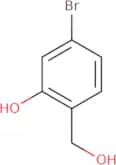
Fórmula:C7H3ClF2O2Pureza:Min. 95%Peso molecular:192.55 g/mol5-Bromo-2-(hydroxymethyl)phenol
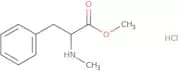
CAS:5-Bromo-2-(hydroxymethyl)phenol (5-BHP) is a synthetic small molecule that activates the death receptor CD95. It has been shown to induce tumor regression in experimental models of cancer. 5-BHP can be used as a cancer therapeutic or for the treatment of inflammatory conditions such as rheumatoid arthritis and psoriasis. 5-BHP binds to the death protein pd-l1, which initiates downstream signaling pathways that lead to activation of caspases and apoptosis. This agent also interacts with programmed death ligand 1 (PD-L1), which is expressed on activated T cells and may be involved in antitumor responses. These interactions are being investigated for their potential use in drug development, including optimization and biochemical techniques to characterize the binding affinity of 5-BHP with PD-L1.Fórmula:C7H7BrO2Pureza:Min. 95%Peso molecular:203.03 g/molN-Methyl-DL-phenylalanine methyl ester hydrochloride
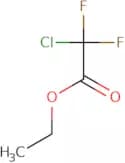
CAS:Please enquire for more information about N-Methyl-DL-phenylalanine methyl ester hydrochloride including the price, delivery time and more detailed product information at the technical inquiry form on this pageFórmula:C11H15NO2·HClPureza:Min. 95%Peso molecular:229.7 g/molEthyl 2-chloro-2,2-difluoroacetate
CAS:Ethyl 2-chloro-2,2-difluoroacetate is an organic compound that is used in the synthesis of benzofuran derivatives. It reacts with chlorine to generate a reactive intermediate and then undergoes a nucleophilic substitution reaction to produce the desired compound. The kinetic studies of this reaction have been conducted using isolated yields of the reactants. The active methylene group can undergo a variety of reactions because it has a reactive chlorine atom attached to it. This active substance inhibits the NS5B polymerase, which is responsible for converting RNA into DNA. Ethyl 2-chloro-2,2-difluoroacetate may be used as a potential treatment for inflammatory diseases such as asthma and arthritis because it prevents acetylcholine from binding to its receptor α.
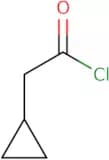
Fórmula:C4H5ClF2O2Pureza:Min. 95%Forma y color:Clear LiquidPeso molecular:158.53 g/molCyclopropylacetyl chloride
CAS:Cyclopropylacetyl chloride is a reactive chemical that is used in the synthesis of pharmaceuticals and agrochemicals. Cyclopropylacetyl chloride binds to glutamate receptors, which are associated with a variety of neurological disorders, including cancer and inflammatory bowel disease. It also inhibits the cb2 receptor, which has been shown to be involved in inflammatory bowel disease. Cyclopropylacetyl chloride has been shown to cause insulin resistance and amide formation, which can lead to diabetes-induced neuropathy. In addition, carbonyl groups have been shown to induce bowel diseases such as ulcerative colitis and Crohn's disease.Fórmula:C5H7ClOPureza:Min. 95%Peso molecular:118.56 g/mol2,5-Dibromofuran
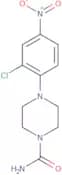
CAS:2,5-Dibromofuran is a synthetic chemical that is synthesized from acetonitrile and palladium-catalyzed cross-coupling reaction. It can be obtained by the reaction of sodium in anhydrous form with bromine and subsequent evaporation to dryness. 2,5-Dibromofuran has been shown to reversibly react with chloride at room temperature for one hour, which can be attributed to its electron withdrawing properties. The FTIR spectra of 2,5-dibromofuran show bands corresponding to carbonyl and hydroxyl groups. This chemical has been used in synthesis methods involving surfactants and anhydrous sodium chloride as well as uv irradiation.Fórmula:C4H2Br2OPureza:Min. 95%Peso molecular:225.87 g/mol4-(2-Chloro-4-nitrophenyl)piperazine-1-carboxamide
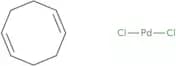
CAS:Please enquire for more information about 4-(2-Chloro-4-nitrophenyl)piperazine-1-carboxamide including the price, delivery time and more detailed product information at the technical inquiry form on this pageFórmula:C11H13ClN4O3Pureza:Min. 95%Peso molecular:284.7 g/molDichloro(1,5-cyclooctadiene)palladium(II)
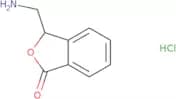
CAS:Producto controladoDichloro(1,5-cyclooctadiene)palladium(II) is a stable metal complex in which the chlorine atom is coordinated to two benzyl groups and one palladium atom. The chloride ion is coordinated to the palladium atom through a strong coordinate bond. The chloride ion is also coordinated to the two benzyl groups by weaker coordinate bonds. In the presence of sodium carbonate, hydrogen chloride and nitrogen gas, dichloro(1,5-cyclooctadiene)palladium(II) reacts with hydrogen chloride to form stable complexes that are soluble in water. These complexes can be used as catalysts for organic reactions because they are able to transfer hydrogen atoms between molecules without breaking covalent bonds. Dichloro(1,5-cyclooctadiene)palladium(II) has been shown to have antibacterial activity against Staphylococcus aureus and Pseudomonas aeruginosaFórmula:C8H12Cl2PdPureza:Min. 98%Peso molecular:285.51 g/mol3-Aminomethylphthalide hydrochloride
CAS:Please enquire for more information about 3-Aminomethylphthalide hydrochloride including the price, delivery time and more detailed product information at the technical inquiry form on this pageFórmula:C9H9NO2•HClPureza:Min. 95%Forma y color:PowderPeso molecular:199.63 g/mol(R)-Tetrahydro-2H-pyran-3-amine hydrochloride
CAS:Please enquire for more information about (R)-Tetrahydro-2H-pyran-3-amine hydrochloride including the price, delivery time and more detailed product information at the technical inquiry form on this pageFórmula:C5H12ClNOPureza:Min. 95%Peso molecular:137.61 g/mol


![1-(RS)-2-(Dibutylamino)-2-[2,7-dichloro-9-(4-chlorobenxylidene)]-9H-fluoren- 4-yl]ethanol - E/Z mi…](/_next/image/?url=https%3A%2Fstatic.cymitquimica.com%2Fproducts%2F3D%2Fthumb-webp%2FFD71423.webp&w=3840&q=75)