Compuestos y reactivos bioquímicos
Los bioquímicos y reactivos son sustancias fundamentales para la investigación y el desarrollo en campos como la biotecnología, la biología molecular, la farmacología y la medicina. Estos productos son esenciales para una variedad de aplicaciones, incluyendo la síntesis de compuestos, el análisis de muestras biológicas, la investigación de procesos metabólicos y la producción de medicamentos. En CymitQuimica, ofrecemos una amplia selección de bioquímicos y reactivos de alta calidad y pureza, adecuados para diversas necesidades científicas e industriales. Nuestro catálogo incluye enzimas, anticuerpos, ácidos nucleicos, aminoácidos, y muchos otros productos, todos diseñados para apoyar a los investigadores y profesionales en sus proyectos de investigación y desarrollo, asegurando resultados confiables y reproducibles.
Subcategorías de "Compuestos y reactivos bioquímicos"
- Biomoléculas(99.118 productos)
- Por objetivo biológico(99.156 productos)
- Según efectos farmacológicos(6.788 productos)
- Crioconservantes(21 productos)
- Desinfectantes y compuestos relacionados(28 productos)
- Hormonas(346 productos)
- Biología Vegetal(6.748 productos)
- Metabolitos secundarios(14.233 productos)
Se han encontrado 130579 productos de "Compuestos y reactivos bioquímicos"
Ordenar por
Pureza (%)
0
100
|
0
|
50
|
90
|
95
|
100
Bombinin-like Peptide (BLP-1)
<p>Custom research peptide; min purity 95%.</p>Fórmula:C115H194N34O33Pureza:Min. 95%Peso molecular:2,581.04 g/molSIVmac239-1
<p>Custom research peptide; min purity 95%.</p>Fórmula:C65H115N21O23S1Pureza:Min. 95%Peso molecular:1,590.83 g/molMART-1 (26-35) (human)
<p>Custom research peptide; min purity 95%.</p>Fórmula:C42H74N10O14Pureza:Min. 95%Peso molecular:943.12 g/molGlucagon (1-29), bovine, human, porcine
CAS:<p>Glucagon (1-29), bovine, human, porcine, is a peptide hormone, which is derived from bovine, human, and porcine sources. It comprises 29 amino acids and functions as a crucial regulator of glucose metabolism by promoting the increase of blood glucose levels. The mode of action involves binding to receptors on liver cells, activating adenylate cyclase, and subsequently increasing intracellular cyclic AMP. This cascade triggers glycogenolysis and gluconeogenesis, leading to elevated blood glucose.In scientific research, Glucagon (1-29), bovine, human, porcine, is utilized to study metabolic pathways and the regulation of glucose homeostasis. Its applications extend to diabetes research, where it serves as a model for understanding glucagon's role in insulin resistance and pancreatic beta-cell dysfunction. Furthermore, this product is employed in the development of therapeutic strategies for hypoglycemic events experienced by diabetic patients. It also serves as a tool in pharmacological studies to elucidate receptor-ligand interactions and signaling mechanisms in different species.</p>Fórmula:C153H225N43O49SPureza:Min. 95%Peso molecular:3,482.78 g/molDiproqualone
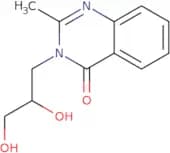
CAS:<p>Diproqualone is a quinazolinone compound that is used in the treatment of cancer. It has potent inhibition effects against human leukemias and, as an active substance, can be found in pharmaceutical preparations. The prognosis for treatment with this drug is determined by the binding constants of diproqualone to specific sites on DNA and protein molecules. Turbidimetric methods have been used for diagnosis in humans.</p>Fórmula:C12H14N2O3Pureza:Min. 95%Peso molecular:234.25 g/molSB 747651A dihydrochloride
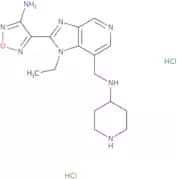
CAS:<p>SB 747651A dihydrochloride is a small molecule that inhibits the response element-binding protein (RBP) and thus prevents activation of transcription factors. It has been shown to reduce intestinal inflammation in mice by inhibiting the release of inflammatory mediators. SB 747651A dihydrochloride also inhibits the production of cyclic AMP, which may be responsible for its anti-inflammatory properties. This drug is able to inhibit the proliferation of intestinal tissue cells, but not pancreatic cells, suggesting it may be effective in treating patients with ulcerative colitis or Crohn's disease.</p>Fórmula:C16H24Cl2N8OPureza:Min. 95%Peso molecular:415.3 g/molGQ-16
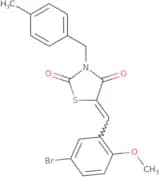
CAS:<p>GQ-16 is a synthetic photoinitiator, which is typically derived from advanced chemical synthesis processes involving aromatic ketones or similar compounds. Its primary mode of action involves the absorption of ultraviolet (UV) light to generate free radicals. These radicals then initiate polymerization by opening the double bonds in monomers, leading to the formation of polymers.</p>Fórmula:C19H16BrNO3SPureza:Min. 95%Peso molecular:418.3 g/molPhen-DC3
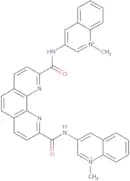
CAS:<p>Phen-DC3 is a fluorescent derivative that belongs to the class of pyridostatin analogues. It is a small molecule with an anti-cancer effect and can be used as a model system for studying cellular processes such as DNA replication, transcription, and translation. Phen-DC3 binds to nuclear dna and prevents the formation of dna duplexes by binding to the minor groove of the double helix. This binding leads to inhibition of RNA synthesis and DNA replication. The compound also inhibits protein synthesis by inhibiting ribosomes. Phen-DC3 has been shown to have polymorphic activity against cancer cells in vitro, which may be due to its ability to inhibit rna replication in cancer cells.</p>Fórmula:C34H26N6O2Pureza:Min. 95%Peso molecular:550.6 g/molHDAC8-IN-1
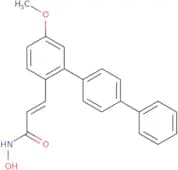
CAS:<p>HDAC8-IN-1 is a small molecule inhibitor of class I histone deacetylases (HDACs). It is a potent inhibitor of HDAC8, the most abundant HDAC in the human genome. In vitro studies have shown that HDAC8-IN-1 inhibits self-renewal and differentiation of cancer stem cells. In vivo, HDAC8-IN-1 treatment inhibited tumor growth in mouse models of leukemia and breast cancer. The pharmacological inhibition of HDAC8 with HDAC8-IN-1 has been shown to inhibit expression of genes involved in cell cycle regulation, angiogenesis, metastasis, and immune suppression.</p>Fórmula:C22H19NO3Pureza:Min. 95%Peso molecular:345.39 g/moldPEG®24-SATA (S-Acetyl-dPEG®24-NHS Ester)
<p>dPEG®24-SATA (S-Acetyl-dPEG®24-NHS Ester) is a PEG compound with two different functional groups (also known as heterobifunctional). Unlike homobifunctional PEG compounds (same functional group on both ends), this type of compounds are more versatile as have two different anchor points. dPEG®24-SATA (S-Acetyl-dPEG®24-NHS Ester) is used as a linker and spacer to add a PEG moiety, via pegylation (a bioconjugation technique) to proteins, peptides, oligonucleotides, small molecules and nanoparticles.</p>Pureza:(%) Min. 97%Peso molecular:1,302.51 g/molAzido-dPEG®24-OH
<p>Azido-dPEG®24-OH is a PEG polymer categorised as monofunctional (OH-PEG-X). Used as a linker, azido-dPEG®24-OH is used to attached PEG to proteins, peptides, oligonucleotides, nanoparticles and small molecules via pegylation, a bioconjugation technique.</p>Fórmula:C88H156F4N2O41Pureza:Min. 95%Peso molecular:1,974.16 g/molaR-C 118925Xx
CAS:<p>Uridine is a nucleoside that is necessary for the synthesis of pyrimidines and purines. It can be used in cellular transformation experiments to induce the expression of a specific gene. Uridine has been shown to activate the ATP channel and potentiate receptor activity, which may be due to its ability to inhibit phosphodiesterase. Uridine also has anti-cancer properties, including inducing apoptosis in cancer cells by inhibiting protein synthesis. This drug is an antagonist at P2Y receptors, which are involved in pain transmission.</p>Fórmula:C28H23N7O3SPureza:Min. 95%Peso molecular:537.6 g/molBV6
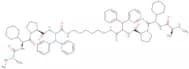
CAS:<p>BV6 is a mouse tumor that has been shown to be clinically relevant in vivo. It induces necrotic cell death, which has been shown to be TNFR-related apoptosis-inducing and apoptosis protein-mediated. BV6 also induces mitochondrial membrane potential and chemoattractant protein release, both of which are involved in the pathogenesis of tumor cells. This compound induces fatty acid production, which may be a potential biomarker for primary sclerosing cholangitis and colorectal cancer. Monoclonal antibodies have been developed to treat this tumor, as well as other types of tumors.</p>Fórmula:C70H96N10O8Pureza:Min. 95%Peso molecular:1,205.59 g/molSPI-112Me
CAS:<p>SPI-112Me is an analog of interferon-alfa-2b (IFN-α). It has been shown to be activated by dephosphorylation and to bind to the epidermal growth factor receptor (EGFR) with high affinity. SPI-112Me inhibits the phosphatase activity of EGFR, leading to decreased cellular uptake and activation of the cell cycle. SPI-112Me also inhibits tumor xenografts in transgenic animals and reduces cancer cell proliferation in vivo. This compound has been found to inhibit the binding of a number of inhibitors to their targets.</p>Fórmula:C23H19FN4O5SPureza:Min. 95%Peso molecular:482.49 g/molB355252
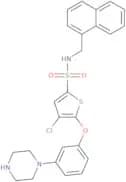
CAS:<p>B355252 is a small molecule that has cytosolic, signal pathways, and autophagy-inducing effects. It also has neuroprotective properties, as it prevents mitochondrial membrane potential collapse and oxidative injury in mouse hippocampal cells. B355252 binds to the mitochondria and regulates the growth factor of mitochondria, which is essential for cell survival. Moreover, B355252 inhibits glutamate excitotoxicity by regulating chloride channel activity.</p>Fórmula:C25H24ClN3O3S2Pureza:Min. 95%Peso molecular:514.06 g/molAmino-dPEG®11-ONH-t-boc
<p>Amino-dPEG®11-ONH-t-boc is a PEG compound with two different functional groups (also known as heterobifunctional). Unlike homobifunctional PEG compounds (same functional group on both ends), this type of compounds are more versatile as have two different anchor points. Amino-dPEG®11-ONH-t-boc is used as a linker and spacer to add a PEG moiety, via pegylation (a bioconjugation technique) to proteins, peptides, oligonucleotides, small molecules and nanoparticles.</p>Fórmula:C29H60N2O14Pureza:Min. 95%Peso molecular:660.79 g/molMethoxytrityl-S-dPEG®4-Acid
CAS:<p>Methoxytrityl-S-dPEG®4-Acid is a PEG compound with two different functional groups (also known as heterobifunctional). Unlike homobifunctional PEG compounds (same functional group on both ends), this type of compounds are more versatile as have two different anchor points. Methoxytrityl-S-dPEG®4-Acid is used as a linker and spacer to add a PEG moiety, via pegylation (a bioconjugation technique) to proteins, peptides, oligonucleotides, small molecules and nanoparticles.</p>Fórmula:C51H103NO26Pureza:Min. 95%Peso molecular:1,146.35 g/molBiotin-dPEG®3-TFPA
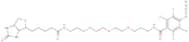
CAS:<p>Biotin-dPEG®3-TFPA is a PEG compound with two different functional groups (also known as heterobifunctional). Unlike homobifunctional PEG compounds (same functional group on both ends), this type of compounds are more versatile as have two different anchor points. Biotin-dPEG®3-TFPA is used as a linker and spacer to add a PEG moiety, via pegylation (a bioconjugation technique) to proteins, peptides, oligonucleotides, small molecules and nanoparticles.</p>Fórmula:C27H37F4N7O6SPureza:Min. 95%Peso molecular:663.69 g/molTC-A2317 hydrochloride
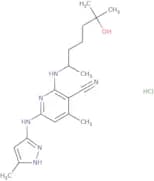
CAS:<p>TC-A2317 hydrochloride is a selective nicotinic acetylcholine receptor (nAChR) agonist, which is synthesized through chemical methods. It acts by specifically targeting nAChRs, which are ionotropic receptors predominantly found in the central nervous system and peripheral nervous system. These receptors are ligand-gated ion channels that, upon activation by agonists like TC-A2317 hydrochloride, result in increased neuronal excitability and neurotransmitter release.</p>Fórmula:C19H28N6O·HClPureza:Min. 95%Peso molecular:392.93 g/molLGD-2226
CAS:<p>LGD-2226 is a designer drug that belongs to the class of selective androgen receptor modulators. It binds to the androgen receptor, which allows it to inhibit cell growth by blocking transcription. LGD-2226 has been shown to be effective in treating metabolic disorders such as obesity and type II diabetes. The drug also has potential for use in the treatment of cancer, possessing low toxicity as well as high efficacy for cancer cells. LGD-2226 induces an apoptotic pathway in human adrenocortical carcinoma cells by inhibiting protein synthesis through inhibition of cyclin D1 expression. This drug has been shown to have a tumour suppressor gene activity, with the ability to induce apoptosis in deficient mice with lung cancer.</p>Fórmula:C14H9F9N2OPureza:Min. 95%Peso molecular:392.22 g/molML150
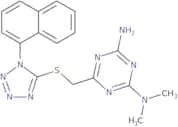
CAS:<p>ML150 is a chemical compound, which is a synthetic molecule developed through advanced organic synthesis. The product operates as an allosteric inhibitor of a specific enzyme, modulating its activity through non-competitive binding. This mechanism allows for a highly selective interaction with the enzyme, altering its conformation and thereby influencing its function in a controlled manner.</p>Fórmula:C17H17N9SPureza:Min. 95%Peso molecular:379.4 g/molVU0486846
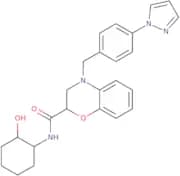
CAS:<p>VU0486846 is a novel, non-competitive, allosteric modulator of nicotinic acetylcholine receptors. It is a potent inhibitor of the high-affinity choline uptake system and prevents the accumulation of acetylcholine in tissues. VU0486846 has shown efficacy in preclinical models in which it was able to enhance responsiveness to acetylcholine. As an allosteric modulator, VU0486846 binds to a different site on the receptor than acetylcholine, and thereby reduces the number of acetylcholine molecules required for activation. This pharmacokinetic profile could potentially allow for lower doses of this drug to be administered, with fewer side effects.</p>Fórmula:C25H28N4O3Pureza:Min. 95%Peso molecular:432.5 g/molZT-12-037-01
CAS:<p>ZT-12-037-01 is a potential drug for the treatment of malignant melanoma. This drug is a phosphoramidate prodrug that is activated by an enzyme known as cytidine deaminase, which converts it to an active form of 5′-fluoro-5′-deoxycytidine. ZT-12-037-01 has been shown to inhibit the growth of malignant melanoma cells, and also induces cell death in these cells. ZT-12-037-01 also inhibits tumor progression in mice with preclinical models of cancer and research on this drug has helped advance our understanding of this disease.</p>Fórmula:C21H31N5O2Pureza:Min. 95%Peso molecular:385.5 g/molPentapotassium, 2-[2-[2-[2-[bis(carboxylatomethyl)amino]-5-(2,7-dichloro-3-oxido-6-oxoxanthen-9-yl)phenoxy]ethoxy]-N-(carboxylatomet hyl)-4-methylanilino]acetate
CAS:<p>Pentapotassium, 2-[2-[2-[2-[bis(carboxylatomethyl)amino]-5-(2,7-dichloro-3-oxido-6-oxoxanthen-9-yl)phenoxy]ethoxy]-N-(carboxylatomet hyl)-4-methylanilino]acetate is a research tool for the study of ion channels. It has been used to investigate the role of potassium ion channels in the regulation of membrane potentials and the effects of peptides on ligand binding to receptors. Pentapotassium, 2-[2-[2-[2-[bis(carboxylatomethyl)amino]-5-(2,7-dichloro-3-oxido-6-oxoxanthen-9-yl)phenoxy]ethoxy]-N-(carboxylatomet hyl)-4-methylanilino]acet</p>Fórmula:C36H25Cl2K5N2O13Pureza:Min. 95%Peso molecular:960 g/mol3-Phenyl-1-pyrazin-2-yl-propylamine
CAS:<p>3-Phenyl-1-pyrazin-2-yl-propylamine is a research tool that is used as an activator of ligand receptors and ion channels. It has also been shown to be a potent inhibitor of protein interactions. This chemical compound is not known to have any pharmacological effects, nor does it bind to any antibodies. 3-Phenyl-1-pyrazin-2-yl-propylamine is a high purity chemical with a purity of 99%. It is not known to interact with peptides or life sciences.</p>Fórmula:C13H15N3Pureza:Min. 95%Peso molecular:213.28 g/moltert-Butyl 6-cyano-1H-pyrrolo[2,3-b]pyridine-1-carboxylate
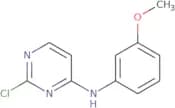
CAS:<p>Tert-Butyl 6-cyano-1H-pyrrolo[2,3-b]pyridine-1-carboxylate is an inhibitor that binds to the active site of protein kinase C (PKC) and blocks its activation. It is used as a research tool for studying PKC in cell biology, peptides, pharmacology, and ligand activation. Tert-Butyl 6-cyano-1H-pyrrolo[2,3-b]pyridine-1-carboxylate is soluble in DMSO and has a purity greater than 95%. CAS No. 1028752-24-0</p>Fórmula:C13H13N3O2Pureza:Min. 95%Peso molecular:243.26 g/molTibenelast sodium
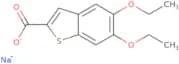
CAS:<p>Tibenelast sodium is a drug that is used to treat bowel disease. It has been shown to be effective in lowering camp levels and also has the ability to control hydroxyl group, fatty acids, and ester linkages in a polymeric matrix. Tibenelast sodium is also being studied for its potential use as an anti-cancer agent as well as for treating heart disease and inflammatory bowel disease. Tibenelast sodium is administered by mouth as a capsule or tablet at a dosage of 500 mg three times daily or 600 mg twice daily. The drug's effects are detectable within 2 hours and last up to 12 hours. Tibenelast sodium can be used diagnostically to measure norepinephrine levels in the blood.</p>Fórmula:C13H13NaO4SPureza:Min. 95%Peso molecular:288.3 g/molML-099
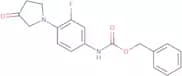
CAS:<p>ML-099 is a synthetic organometallic catalyst, which is derived from a complex metal-ligand framework. It operates through the facilitation of electron transfer processes, enhancing the reaction rates in catalytic cycles. This organometallic compound effectively lowers the activation energy, thereby accelerating chemical transformations and improving yield in various synthesis pathways.</p>Fórmula:C14H13NO2SPureza:Min. 95%Peso molecular:259.32 g/molBenzyl 3-fluoro-4-(3-oxopyrrolidin-1-yl)phenylcarbamate
CAS:<p>Benzyl 3-fluoro-4-(3-oxopyrrolidin-1-yl)phenylcarbamate is a synthetic carbamate derivative, which is derived from the combination of fluorinated aromatic structures and pyrrolidinone rings. The compound is designed to act on biological systems by leveraging the unique properties of its fluorine and carbamate constituents. Fluorine's electronegativity can alter the compound's pharmacokinetics, while the carbamate moiety offers potential reactivity with enzymatic or cellular targets.</p>Fórmula:C18H17FN2O3Pureza:Min. 95%Peso molecular:328.3 g/molClothiapine
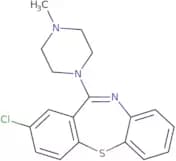
CAS:Producto controlado<p>Clothiapine is a psychotropic agent, which is a type of drug used in psychiatry. It is sourced from the dibenzothiazepine class of compounds. As a thioxanthene derivative, clothiapine acts as a dopamine receptor antagonist, specifically targeting D2 receptors. This mode of action results in its antipsychotic effects by modulating neurotransmitter pathways in the brain, particularly those involving dopamine, which is often implicated in psychiatric disorders.</p>Fórmula:C18H18ClN3SPureza:Min. 95%Peso molecular:343.88 g/molPoly(4-styrenesulfonic acid) ammonium solution
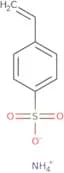
CAS:<p>Poly(4-styrenesulfonic acid) ammonium solution is a prescription drug used to treat eye disorders such as keratitis, conjunctivitis and allergic reactions. It is also used to diagnose certain autoimmune diseases including Sjögren's syndrome and systemic lupus erythematosus. This medicine belongs to the group of drugs called heparinoids and works by inhibiting the activity of enzymes that break down proteins in the body. It has a molecular weight of approximately 5,000 daltons and binds to antithrombin III (ATIII) through an ionic interaction with its carboxylic acid groups. Poly(4-styrenesulfonic acid) ammonium solution is not metabolized or excreted from the body, but it can react with other drugs in the eye.</p>Fórmula:C8H11NO3SPureza:Min. 95%Peso molecular:201.25 g/molZL0420
CAS:<p>ZL0420 is a bromodomain inhibitor that binds to the bromodomain of toll-like receptor 3 (TLR3) and TLR4. ZL0420 has been shown to inhibit the response to TLR3 and TLR4 stimulation in vitro and in vivo in mice. This inhibition leads to a decrease in the production of inflammatory cytokines and chemokines, which reduces inflammation. ZL0420 also modulates the expression of genes involved in cancer development, mesenchymal transition, and muscle cell response. It inhibits the activity of a number of proteins including histone deacetylases, protein kinase C, NF-κB, JNK, TNF receptor I/II, TRAF6, Janus kinase 2 (JAK2), and phosphoinositide 3-kinase (PI3K). ZL0420 has not yet been tested for toxicity or efficacy in humans.</p>Fórmula:C16H16N4O2Pureza:Min. 95%Peso molecular:296.32 g/molNVP 2
CAS:<p>NVP-2 is a potent inhibitor of HIV protease. It has been shown to inhibit the proteolytic cleavage of human immunodeficiency virus (HIV) polyproteins, which are required for viral replication. NVP-2 also inhibits the binding of melanoma tumor cells with human immunodeficiency virus type 1 (HIV-1). NVP-2 is soluble in water and can be used as a coating on polyvinyl chloride (PVC) to prevent radiation induced damage to human skin cells. NVP-2 binds to messenger RNA, preventing protein synthesis and gene expression in cancer cells. Hydrogen bonds between NVP-2 and DNA bases are important for its ability to inhibit HIV protease.</p>Fórmula:C27H37ClN6O2Pureza:Min. 95%Peso molecular:513.07 g/molGne 220 hydrochloride
CAS:<p>Gne 220 hydrochloride is a synthetic small molecule compound, which is developed through advanced chemical synthesis processes. This compound serves as an inhibitor of specific cellular receptors, acting through targeted interaction with these receptors to modulate their signaling pathways effectively. The inhibition mechanism involves the competitive binding to the receptor sites, significantly impacting downstream biological processes.</p>Fórmula:C25H27ClN8Pureza:Min. 95%Peso molecular:474.99 g/molAnti Substance P Serum
<p>Anti-Substance P Serum is a high purity protein that specifically binds to the receptor for substance P, which is a peptide hormone. This product has an affinity for the high affinity binding site of the receptor and inhibits the activity of substance P. Anti-Substance P Serum is used as a research tool in pharmacology and cell biology, as well as in antibody production.</p>Pureza:Min. 95%H-GLCTLVAML-OH
<p>EBV BMLF1 (280-288) is an epitope of the early lytic BMLF1 peptide of Epstein-Barr virus. EBV BMLF1 peptide presented by HLA-A*02:01 is one of the most immunogenic T-cell targets from the EBV proteome. EBV BMLF1 (280-288) can be used for the isolation and the stimulation of antigen-specific T cells.<br>Applications of EBV BMLF1 (280-288):<br>CD8+ cells have an important role in controlling Epstein-Barr virus infection. Indeed, the expansion of infected B cells is controlled by CD8+ cytotoxic T cells. Therefore, EBV BMLF1 (280-288) is important in study to detect EBV-specific CD8+ T cells by flow cytometry, per example in peripheral blood mononuclear cells of infected patients. EBV BMLF1 (280-288) is also used to analyze and measure the immune response and cytokine production in PBMCs cells to the virus with an application of ELISPOT assay.</p>GLP-1 (Human, Rat, Mouse)-EIA Kit (1ea)
<p>GLP-1 (Human, Rat, Mouse)-EIA Kit is a ready-to-use kit that contains a recombinant human GLP-1 peptide. This kit is designed for the quantitative measurement of GLP-1 in human serum or plasma by ELISA. It uses a polyclonal antibody to detect the protein and has no cross-reactivity with other pancreatic hormones. The assay can be used with rat and mouse samples as well.</p>Pureza:Min. 95%CRF (Human, Rat, Mouse)-HS ELISA Kit (1ea)
<p>CRF (Human, Rat, Mouse)-HS ELISA Kit is a sandwich ELISA that can be used to detect the human CRF-HS protein in human serum or plasma.</p>Pureza:Min. 95%TCS 2314
CAS:<p>TCS 2314 is a compound that has been shown to have an effect on cancer cells. TCS 2314 was synthesized and characterized as a potential anticancer drug. It is a small molecule with the structure of a carboxylate, which binds to chemokines expressed by cancer cells. Binding of TCS 2314 to chemokines inhibits their ability to bind to receptors on white blood cells, preventing them from being recruited into the tumor environment. The molecular modeling studies indicate that TCS 2314 may also inhibit selectins from binding to leukocytes, which are necessary for the recruitment of monocytes into tumors.</p>Fórmula:C28H34N4O6Pureza:Min. 95%Peso molecular:522.59 g/molAZD 6482
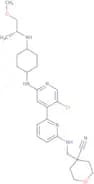
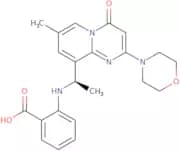
CAS:<p>Inhibitor of PI3Kβ kinase</p>Fórmula:C22H24N4O4Pureza:Min. 95%Peso molecular:408.45 g/molTAS4464
CAS:<p>TAS4464 is a digital-input class-D audio amplifier, developed as an integrated circuit with advanced signal processing capabilities. It originates from the semiconductor industry, utilizing precision engineering to enhance audio signal fidelity and power efficiency. The TAS4464 employs a modulated pulse width modulation (PWM) technique to amplify digital audio signals, ensuring minimal distortion and high output efficiency across various load conditions and frequencies.</p>Fórmula:C21H23FN6O6SPureza:Min. 95%Peso molecular:506.5 g/molAnti PACAP38 (22-38)(Human) Serum
<p>Anti PACAP38 (22-38)(Human) Serum is a research tool for the study of Protein Activator of cAMP Catalytic Subunit Protein 38. It is an activator that binds to the receptor and has been shown to activate cell signaling pathways. This antibody can be used to detect PACAP38 in human serum.</p>Pureza:Min. 95%Anti Peptide YY (PYY) (Porcine, Rat) Serum
<p>Anti Peptide YY (PYY) (Porcine, Rat) Serum is a research tool for the study of ion channels, receptor-ligand interactions and protein interactions. This product is also used in pharmacology to study peptides and proteins. It has a CAS number of 3138-04-4 and an antibody of PYY1-36. The purity of this serum is high at >98%.</p>Pureza:Min. 95%S 38093
CAS:<p>S 38093 is a ligand for the nicotinic acetylcholine receptor. It has been shown to have memory-enhancing effects in animals, as well as analgesic and anti-inflammatory properties. S 38093 has been shown to decrease the production of inflammatory cytokines in animal models of chronic pain and inflammation. This drug also increases the production of brain-derived neurotrophic factor (BDNF) and growth factors such as nerve growth factor (NGF). These effects are thought to be due to its action on cholinergic receptors and activation of the sympathetic nervous system.</p>Fórmula:C17H24N2O2Pureza:Min. 95%Peso molecular:288.38 g/molBrilaroxazine
CAS:<p>Brilaroxazine is a pharmacological tool that belongs to the class of inhibitors. It binds with high affinity and specificity to a protein receptor, which inhibits the function of this protein or an enzyme it regulates. Brilaroxazine is used in research as an inhibitor and activator of peptide receptors, ion channels, and other proteins. This drug has been shown to be a potent inhibitor of proteases and can be used as a research tool for studying protein interactions. Brilaroxazine has also been shown to be a ligand for certain receptors.</p>Fórmula:C22H25Cl2N3O3Pureza:Min. 95%Peso molecular:450.4 g/molMPS-EDA TFA
<p>Please enquire for more information about MPS-EDA TFA including the price, delivery time and more detailed product information at the technical inquiry form on this page</p>Fórmula:C31H44F4N4O9SPureza:Min. 95%Peso molecular:724.77 g/mol4-[D10]Leu-M1
<p>Please enquire for more information about 4-[D10]Leu-M1 including the price, delivery time and more detailed product information at the technical inquiry form on this page</p>Fórmula:C255H340D40N64O76S6Pureza:Min. 95%Peso molecular:5,790.8 g/molIL 3 Rhesus Macaque
<p>The IL-3R is a cytokine receptor that binds to the interleukin 3 (IL-3) molecule. The protein has a molecular weight of approximately 40 kDa and consists of two extracellular immunoglobulin-like domains, a transmembrane domain, and an intracellular tyrosine kinase domain. The IL-3R is expressed on hematopoietic stem cells, progenitor cells, erythrocytes, mast cells, neutrophils, lymphocytes and macrophages.</p>Pureza:Min. 95%Monoglyceride Lipase , human, recombinant
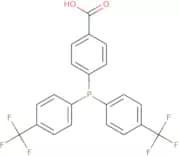
<p>Monoglyceride lipase is a recombinant human enzyme used as a research tool in pharmacology, cell biology and other life sciences. It is used to study the molecular mechanisms of lipid metabolism, signal transduction, and receptor-ligand interactions. Monoglyceride lipase has been shown to activate various peptides by hydrolyzing their ester bonds. It can also be used as an antibody against the peptide substrate. This enzyme has a high purity and is supplied with a CAS Number for quality control purposes.</p>Pureza:Min. 95%Bis(4-trifluoromethylphenyl)(4-carboxyphenyl)phosphine
CAS:<p>Please enquire for more information about Bis(4-trifluoromethylphenyl)(4-carboxyphenyl)phosphine including the price, delivery time and more detailed product information at the technical inquiry form on this page</p>Fórmula:C21H13F6O2PPureza:Min. 95%Peso molecular:442.29 g/mol











![Pentapotassium, 2-[2-[2-[2-[bis(carboxylatomethyl)amino]-5-(2,7-dichloro-3-oxido-6-oxoxanthen-9-yl…](/_next/image/?url=https%3A%2Fstatic.cymitquimica.com%2Fproducts%2F3D%2Fthumb-webp%2FDJB40067.webp&w=3840&q=75)
![tert-Butyl 6-cyano-1H-pyrrolo[2,3-b]pyridine-1-carboxylate](/_next/image/?url=https%3A%2Fstatic.cymitquimica.com%2Fproducts%2F3D%2Fthumb-webp%2FDRB75224.webp&w=3840&q=75)








![4-[D10]Leu-M1](/_next/image/?url=https%3A%2Fstatic.cymitquimica.com%2Fproducts%2F3D%2Fthumb-webp%2FTSI-3421-V.webp&w=3840&q=75)