Heterociclos con nitrógeno (N)
En esta categoría, encontrará una amplia variedad de heterociclos que contienen nitrógeno. Los heterociclos son cadenas de carbono que forman un ciclo en el cual al menos una posición está ocupada por un heteroátomo, en este caso, nitrógeno. Estos compuestos son esenciales en la síntesis de productos farmacéuticos, agroquímicos y colorantes, ofreciendo una reactividad y estabilidad únicas. En CymitQuimica, ofrecemos una selección completa de heterociclos que contienen nitrógeno de alta calidad para apoyar sus investigaciones y aplicaciones industriales.
Subcategorías de "Heterociclos con nitrógeno (N)"
- Azepano(434 productos)
- Benzotriazoles(436 productos)
- Diazepanes(331 productos)
- Imidazoles(4.011 productos)
- Imidazolinas(385 productos)
- Isoxazol(1.077 productos)
- Piperazinas(3.736 productos)
- Piperidinas(8.406 productos)
- Pirazinas(1.299 productos)
- Pirazol(5.921 productos)
- Pirazolidina(21 productos)
- Pirazolina(142 productos)
- Piridazina(856 productos)
- Piridinas(21.917 productos)
- Pirimidina(6.041 productos)
- Pirrol(2.443 productos)
- Pirrolidinas(5.816 productos)
- Pirrolina(48 productos)
- Pirrolo [1,2-b] piridazina(10 productos)
- Tetrazol(510 productos)
- Triazinas(462 productos)
- Triazoles(1.680 productos)
Mostrar 14 subcategorías más
Se han encontrado 17855 productos de "Heterociclos con nitrógeno (N)"
Ordenar por
Pureza (%)
0
100
|
0
|
50
|
90
|
95
|
100
Ulifloxacin
CAS:<p>Extensive research has been conducted on the antimicrobial activity of 6-fluoro-1-methyl-4-oxo-7-(1-piperazinyl)-4H-(1,3)thiazeto(3,2a)quinoline-3-carboxylic acid (FPMT). FPMT is a levorotatory compound that is rapidly metabolized by esterases to 6FMT, which is also active against bacteria. FPMT inhibits bacterial growth, but does not inhibit mammalian cell growth. The main mechanism of action for FPMT is probably through its ability to inhibit the synthesis of bacterial DNA and RNA. This drug has been shown to be effective against sinusitis caused by bacterial rhinosinusitis and urinary tract infections caused by Escherichia coli and Pseudomonas aeruginosa. FPMT can be used as an alternative to prulifloxacin for the treatment of these types of infections</p>Fórmula:C16H16FN3O3SPureza:Min. 98 Area-%Peso molecular:349.38 g/mol5-Hydroxy-3-methylindole
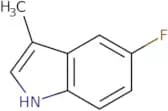
CAS:<p>5-Hydroxy-3-methylindole (5HMI) is a metabolite of the drug tamoxifen, which is used for the treatment of breast cancer. It is also found in urine samples and has been shown to be reactive with cytochrome P450 2E1 (CYP2E1). 5HMI has been shown to inhibit the activity of CYP2E1 in humans, rats, and mice. 5HMI has also been shown to have anti-epileptic properties in epileptics. This active form is metabolized by adipose tissue or liver cells through oxidation and conjugation with glucuronic acid. The human liver cells show constitutive androstane receptor (CAR) activation, which may be due to its ability to act as an agonist or partial agonist.</p>Fórmula:C9H9NOPureza:Min. 96%Forma y color:PowderPeso molecular:147.17 g/mol4,6-Pyrimidinedicarboxylic acid
CAS:<p>4,6-pyrimidinedicarboxylic acid is a synthetic compound that is used as a pharmaceutical preparation. It has been shown to have minimal inhibitory concentrations against many bacterial species, including Enterobacteriaceae, Pseudomonas aeruginosa, and Staphylococcus aureus. 4,6-pyrimidinedicarboxylic acid has shown antibacterial activity in the presence of a halogeno or hydroxyl groups. This compound also has matrix metalloproteinase inhibiting activity and can be used to treat degenerative diseases such as cancer or Alzheimer's disease. 4,6-pyrimidinedicarboxylic acid has been studied for its light emitting properties and protein–protein interactions. The light emission properties are due to the intramolecular hydrogen transfer between two hydroxyl groups on the molecule.</p>Fórmula:C6H4N2O4Pureza:Min. 95 Area-%Forma y color:White Off-White PowderPeso molecular:168.11 g/mol3-Benzoylpyridine
CAS:<p>3-Benzoylpyridine is a c1-c4 haloalkyl that absorbs UV light. It is a weak base and can be prepared by the reaction of 3-nitrobenzoyl chloride with benzene, amines, or ammonia. 3-Benzoylpyridine reacts with hydroxide to form the hydroxy derivative. The molecule has nitrogen atoms on the ring and a hydrogen bond between the two benzene rings. The hydroxy group is attached to an oxygen atom. Preparative high performance liquid chromatography (HPLC) can be used to separate 3-benzoylpyridine from other compounds in a mixture. The structural analysis of 3-benzoylpyridine was done using photoreduction followed by mass spectrometry. This compound is used in pharmaceuticals and as a solvent for dyes and oils.</p>Fórmula:C12H9NOPureza:Min. 95%Forma y color:Slightly Yellow Clear LiquidPeso molecular:183.21 g/mol2-Amino-6-morpholin-4-ylpyrimidin-4(3H)-one
CAS:<p>2-Amino-6-morpholin-4-ylpyrimidin-4(3H)-one (2AP) is a versatile building block for the synthesis of complex compounds. It is used as a reaction component in organic chemistry, as well as a reagent for the synthesis of other chemical substances. 2AP is also useful as an intermediate in the production of pharmaceuticals, agrochemicals, and other research chemicals. 2AP has been shown to be useful in the synthesis of fine chemicals, such as amorphous silicon dioxide and polystyrene sulfonic acid. This substance can be used to make a variety of products with different properties, which makes it an excellent scaffold for research purposes.<br>2AP can be found under CAS number 37409-97-5.</p>Fórmula:C8H12N4O2Pureza:Min. 95%Forma y color:PowderPeso molecular:196.21 g/mol2-Chloro-3-hydroxypyridine
CAS:<p>2-Chloro-3-hydroxypyridine is a reactive chemical that can be synthesized from hydrochloric acid and ammonia. It has a high melting point, which is an indication of its strength. 2-Chloro-3-hydroxypyridine has been used in the kinetic and population growth studies for bacteria. The reaction of 2-chloro-3-hydroxypyridine with sodium hydrogen is exothermic and has a red shift, which indicates that the activation energy for this reaction is low. Activation energies are important because they indicate the stability of molecules.</p>Fórmula:C5H4ClNOPureza:Min. 95%Forma y color:PowderPeso molecular:129.54 g/mol7-Fluoro-2-methyl-1H-indole
CAS:<p>7-Fluoro-2-methyl-1H-indole is a chemical compound that can be used as a building block to synthesize other organic compounds. The compound is also useful as a reagent in reactions such as the conversion of nitrobenzene to aniline. 7-Fluoro-2-methyl-1H-indole is soluble in acetone, chloroform, and ether. It has CAS number 432025-24-6, which identifies it as a fine chemical with many uses.</p>Fórmula:C9H8FNPureza:Min. 95%Forma y color:White PowderPeso molecular:149.16 g/mol3-Maleimidopropionic acid N-succinimidyl ester
CAS:<p>3-Maleimidopropionic acid N-succinimidyl ester is a potent inducer of the transcriptional regulator NF-κB. It also inhibits the growth of human osteosarcoma cells and mesenchymal cells, which may be due to its activity on integrin receptors. 3-Maleimidopropionic acid N-succinimidyl ester has been shown to inhibit the growth of infectious diseases such as HIV and malaria, as well as leukemia inhibitory factor. This drug also has a chemical effect on iron homeostasis by inhibiting iron uptake in human serum and mouse liver cells.</p>Fórmula:C11H10N2O6Pureza:Min. 98 Area-%Forma y color:PowderPeso molecular:266.21 g/mol2,4-Dichloropyrimidine-5-carboxamide
CAS:<p>2,4-Dichloropyrimidine-5-carboxamide is a 2,4-dichloropyrimidine derivative. It is an intermediate in the synthesis of other compounds, and can be used as a building block in the synthesis of complex compounds. It is a versatile building block that can be used to make many different products. This chemical has been shown to have high quality and is useful as a research reagent or speciality chemical. 2,4-Dichloropyrimidine-5-carboxamide is also a useful intermediate for reactions involving nucleophilic substitution reactions and can serve as a scaffold for organic synthesis.</p>Fórmula:C5H3Cl2N3OPureza:Min. 95%Forma y color:Off-White To Yellow SolidPeso molecular:192 g/molPiperazinophenylacetic acid benzylamide hydrochloride
CAS:<p>Piperazinophenylacetic acid benzylamide hydrochloride is a versatile building block that can be used in the synthesis of complex compounds for research and development. It is a reagent for the preparation of speciality chemicals and also a useful intermediate for the synthesis of reaction components. Piperazinophenylacetic acid benzylamide hydrochloride is a high quality, commercially available chemical that can be used as a scaffold for the preparation of new chemical compounds.</p>Fórmula:C13H19N3O•HClPureza:Min. 95%Forma y color:PowderPeso molecular:269.77 g/mol4-[8-[(2,6-Diethoxy-4′-fluoro[1,1′-biphenyl]-4-yl)methyl]-3-oxo-2,8-diazaspiro[4.5]dec-2-yl]benzoic acid hydrochloride
<p>Please enquire for more information about 4-[8-[(2,6-Diethoxy-4′-fluoro[1,1′-biphenyl]-4-yl)methyl]-3-oxo-2,8-diazaspiro[4.5]dec-2-yl]benzoic acid hydrochloride including the price, delivery time and more detailed product information at the technical inquiry form on this page</p>Fórmula:C32H35FN2O5•(HCl)xPureza:Min. 95%Forma y color:Powder5,5'-Diamino-2,2'-bipyridine
CAS:<p>5,5'-Diamino-2,2'-bipyridine is an acidic metalloporphyrin that has been shown to react with epoxides to form nucleophilic adducts. This compound can be used as a ligand for lanthanide ions and reacts with aminopyridine to form bromoethane. 5,5'-Diamino-2,2'-bipyridine has been shown to have carcinogenic properties and may induce bromoethane mutagenicity in the liver. This compound is also mutagenic when added to propylene carbonate. 5,5'-Diamino-2,2'-bipyridine is luminescent in air or water when exposed to UV light.</p>Fórmula:C10H10N4Pureza:Min. 97 Area-%Forma y color:PowderPeso molecular:186.21 g/mol4,5-Dicyanoimidazole
CAS:<p>Please enquire for more information about 4,5-Dicyanoimidazole including the price, delivery time and more detailed product information at the technical inquiry form on this page</p>Fórmula:C5H2N4Pureza:Min. 98 Area-%Forma y color:White Off-White PowderPeso molecular:118.1 g/molDisopyramid
CAS:Producto controlado<p>a-[2-(Diisopropylamino)ethyl]-a-phenyl-2-pyridineacetamide is a hydrogen bond donor. It has been shown to have cytotoxicity in vitro, with parameters that can be used for accurate prediction of descriptors. These descriptors are informative and insightful, which can be used for regression analyses and linear regression methods. The pharmacokinetic properties of a-[2-(Diisopropylamino)ethyl]-a-phenyl-2-pyridineacetamide have been studied in humans and have shown linearity between dose and plasma concentration.</p>Fórmula:C21H29N3OForma y color:White PowderPeso molecular:339.47 g/mol6-Azaindole
CAS:<p>6-Azaindole is a drug that inhibits the activity of the enzyme aromatase, which is responsible for the conversion of testosterone to estrogen. 6-Azaindole has shown potent inhibitory activity against cancer cells in vitro and in vivo. It also has an inhibitory effect on pain relief mechanisms at low doses, but not at high doses. The mechanism of action is complex and multifactorial; it may involve inhibition of proton transfer, receptor activity, and/or inhibition of nitrogen atoms. The synthesis of 6-azaindoles can be carried out using a variety of methods and starting materials, including asymmetric synthesis or reduction of an n-oxide moiety.</p>Fórmula:C7H6N2Pureza:Min. 95%Forma y color:PowderPeso molecular:118.14 g/mol1-(3-Chloropropyl)-4-methylpiperazine
CAS:<p>1-(3-Chloropropyl)-4-methylpiperazine is an analog of chlorpromazine. It has been shown to be a transactivator, which causes the activation of genes in response to a variety of stimuli and plays a role in the pathogenesis of infections. 1-(3-Chloropropyl)-4-methylpiperazine also interacts with chloride ions, causing an increase in intracellular chloride concentrations. This increased concentration leads to an increase in transcription and replication rates. The structures of viral RNA were determined using 1-(3-chloropropyl)-4-methylpiperazine as a fluorescent probe.</p>Fórmula:C8H17ClN2Pureza:Min. 95%Forma y color:Clear LiquidPeso molecular:176.69 g/molN-[6-Chloro-5-(2-methoxyphenoxy)-(2,2-bipyrimidine)4-4-yl]-(1,1-dimethylethyl)-benzenesulfonamide
CAS:<p>N-[6-Chloro-5-(2-methoxyphenoxy)-(2,2-bipyrimidine)4-4-yl]-(1,1-dimethylethyl)-benzenesulfonamide is a reagent that can be used as a reaction component in the synthesis of complex compounds. It has high quality and is a versatile building block for the synthesis of speciality chemicals. N-[6-Chloro-5-(2-methoxyphenoxy)-(2,2-bipyrimidine)4-4-yl]-(1,1-dimethylethyl)-benzenesulfonamide is also a useful intermediate in the synthesis of fine chemicals.</p>Fórmula:C25H24ClN5O4SPureza:Min. 95%Forma y color:White PowderPeso molecular:526.01 g/mol2-Chloro-3-nitropyridine
CAS:<p>2-Chloro-3-nitropyridine is a reagent, which is used as a building block for the synthesis of other chemicals. It is a complex compound that can be used to synthesize pharmaceuticals and pesticides. 2-Chloro-3-nitropyridine is also an intermediate that can be used in the synthesis of pesticides, pharmaceuticals, and specialty chemicals. It has been shown to have useful activity as a building block in the synthesis of antibacterial agents and antiviral drugs. This product has been identified by the US Drug Enforcement Administration (DEA) as a chemical of interest.</p>Fórmula:C5H3ClN2O2Peso molecular:158.54 g/molEthyl (1,3,6-trimethyl-2,4-dioxo-2,3,4,7-tetrahydro-1H-pyrrolo[2,3-d]pyrimidin-5-yl)acetate
CAS:Producto controlado<p>Please enquire for more information about Ethyl (1,3,6-trimethyl-2,4-dioxo-2,3,4,7-tetrahydro-1H-pyrrolo[2,3-d]pyrimidin-5-yl)acetate including the price, delivery time and more detailed product information at the technical inquiry form on this page</p>Fórmula:C13H17N3O4Pureza:Min. 95%Peso molecular:279.29 g/molCyclo-Val-Pro-diketopiperazine
CAS:<p>Cyclo-Val-Pro-diketopiperazine is a drug that inhibits the growth of colon cancer cells by inducing apoptosis. It has been shown to have an inhibitory effect on the proliferation of p. aeruginosa and other bacteria, which may be due to its ability to interfere with DNA replication. Cyclo-Val-Pro-diketopiperazine also induces tumor cell apoptosis in vitro. The mechanism for this is not yet known, but it may involve interference with mitochondrial membrane potential or inhibition of acetate extraction from colonic cells. In addition, this drug has been shown to induce apoptosis in colorectal adenocarcinoma cells by causing an increase in reactive oxygen species and a decrease in mitochondrial membrane potential. Cyclo-Val-Pro-diketopiperazine can cause an increase in the levels of acetate extractable from caco2 cells as well as a decrease in mitochondrial membrane potential, which are both</p>Fórmula:C10H16N2O2Pureza:Min. 95%Forma y color:PowderPeso molecular:196.25 g/mol1-(o-Tolyl)piperazine
CAS:Producto controlado<p>1-(o-Tolyl)piperazine is a potent antagonist of the acetylcholine and serotonin receptors. It has been shown to inhibit the uptake of neurotransmitters in rat brain synaptosomes. 1-(o-Tolyl)piperazine has also been found to be a potent antimicrobial agent that inhibits bacterial growth by binding to bacterial cell walls and blocking the synthesis of essential cell components. Molecular modeling studies have revealed that 1-(o-tolyl)piperazine binds to the receptor site on the oxytocin receptor, which may provide an explanation for its effects on reproductive function.</p>Fórmula:C11H16N2Pureza:Min. 95%Peso molecular:176.26 g/mol6-Chloro-5-fluoroindole
CAS:<p>6-Chloro-5-fluoroindole is a chemical compound that belongs to the class of fine chemicals. It can be used as a versatile building block for the synthesis of complex compounds.</p>Fórmula:C8H5ClFNPeso molecular:169.59 g/mol4-Cyanopyridine
CAS:<p>4-Cyanopyridine is an organic compound with the chemical formula (CN)N. It is a white solid that is soluble in water and polar solvents. When exposed to hydrochloric acid, 4-cyanopyridine undergoes a reaction that converts it to picolinic acid. This reaction proceeds through a mechanism in which the nucleophilic hydroxyl group of 4-cyanopyridine attacks the protonated nitrogen atom of hydrochloric acid. The resulting intermediate then loses a proton and becomes picolinic acid. Kinetic data on this reaction has been obtained from UV-vis spectroscopy, X-ray diffraction, and mass spectrometry experiments. The crystal structures of the bound form of 4-cyanopyridine and its quinoline derivatives have also been determined by x-ray crystallography.</p>Fórmula:C6H4N2Pureza:Min. 95%Forma y color:PowderPeso molecular:104.11 g/mol2,4-Diiodo-6-{[methyl(1-methylpiperidin-4-yl)amino]methyl}phenol oxalate
CAS:<p>2,4-Diiodo-6-[(methyl(1-methylpiperidin-4-yl)amino]methyl}phenol oxalate is a high quality chemical reagent. It is a useful intermediate for the preparation of complex compounds and has been used as a fine chemical. 2,4-Diiodo-6-[(methyl(1-methylpiperidin-4-yl)amino]methyl}phenol oxalate can be used as a building block for the synthesis of speciality chemicals. This compound can also be used as a reaction component in the synthesis of versatile chemicals.</p>Fórmula:C14H20I2N2O•C2H2O4Pureza:Min. 95%Forma y color:PowderPeso molecular:574.16 g/mol3-Amino-2,4-dimethylpyridine
CAS:<p>Building block</p>Fórmula:C7H10N2Pureza:Min. 95%Forma y color:Clear Viscous LiquidPeso molecular:122.17 g/molDodecylpyridinium bromide
CAS:<p>Dodecylpyridinium bromide is a glycol ether surfactant that is used as an inhibitor molecule. It inhibits multidrug efflux pumps, which are proteins in the membrane of cells that pump drugs out of the cell. Dodecylpyridinium bromide is also used as a surfactant in water-based paints and coatings, as well as in printing ink formulations. This chemical has been shown to have amoebicidal activity by interacting with the phospholipids on the surface of the amoeba, causing it to go into spore formation. Dodecylpyridinium bromide is also used for its ability to inhibit the growth of bacteria such as Staphylococcus epidermidis and Pseudomonas aeruginosa, which can cause infection in burn patients.<br>Dodecylpyridinium bromide can be synthesized from benzalkon</p>Fórmula:C17H30BrNPureza:Min. 95%Forma y color:PowderPeso molecular:328.33 g/mol2-Amino-3-chloro-5-(trifluoromethyl)pyridine
CAS:<p>2-Amino-3-chloro-5-(trifluoromethyl)pyridine is a versatile building block that can be used in the synthesis of complex compounds. It is a useful intermediate for synthetic organic chemistry, and can be used as a reagent or speciality chemical. This compound has shown to have high quality and is useful as a scaffold in the synthesis of research chemicals.</p>Fórmula:C6H4ClF3N2Pureza:Min. 95%Forma y color:PowderPeso molecular:196.56 g/mol2-Cyanopyrimidine
CAS:<p>2-Cyanopyrimidine is a substrate molecule for hypoglycemic effect. It has been shown to inhibit the synthesis of proteins such as immunoglobulin E and other cytokines, which play a role in autoimmune diseases. 2-Cyanopyrimidine also acts as an inhibitor of protein genes, including those that are encoded by the polymerase chain reaction (PCR). 2-Cyanopyrimidine has been shown to be effective in treating eye disorders such as iritis and anterior uveitis. The mechanism of action is not fully understood but may be due to its ability to produce hypoglycemia and its effects on prostaglandin synthesis. 2-Cyanopyrimidine can cause a decrease in systolic blood pressure when used as pharmacological treatment.</p>Fórmula:C5H3N3Pureza:Min. 95%Forma y color:White PowderPeso molecular:105.1 g/mol3-Fluoropyridine-4-carboxaldehyde
CAS:<p>3-Fluoropyridine-4-carboxaldehyde is a reactivator that can be used in the treatment of bladder cancer. It binds to pyridinium and oxime derivatives, which are present in proteins, to form a reactive intermediate. This intermediate reacts with aldehyde groups on hemoglobin, restoring the oxygen binding capacity of hemoglobin to levels seen in healthy individuals. 3-Fluoropyridine-4-carboxaldehyde has been shown to have anticancer activity against bladder cancer cells and also has potential use as an additive for the treatment of red blood cells.</p>Fórmula:C6H4FNOPureza:Min. 95%Forma y color:Colorless Yellow Clear LiquidPeso molecular:125.1 g/molN-Phenylpiperidine-4-carboxamide
CAS:<p>N-Phenylpiperidine-4-carboxamide is a drug that inhibits the production of thromboxane A2 and other substances that promote clotting. It is used to treat patients with high blood pressure, as well as for the prevention of strokes and heart attacks. N-Phenylpiperidine-4-carboxamide is an analog of biphenyl and has been shown to have antiplatelet activity in humans. This drug also inhibits soluble guanylate cyclase, which prevents platelets from sticking together and forming clots. N-Phenylpiperidine-4-carboxamide is rapidly metabolized by esterases in the human body and excreted primarily in urine. The pharmacokinetic properties of this drug are not well understood but it can be synthesized using a number of different methods involving amide bonds.</p>Fórmula:C12H16N2OPureza:Min. 95%Forma y color:White PowderPeso molecular:204.27 g/mol1-Butyl-4-methylpyridinium chloride
CAS:<p>1-Butyl-4-methylpyridinium chloride is a pyridine salt that is used for the treatment of osteoporosis. It has been shown to increase the rate of mineralization and reduce the viscosity of beta-amyloid peptide solutions. The biological activity of 1-butyl-4-methylpyridinium chloride has been demonstrated in animal studies, where it was shown to have a significant effect on calcium assays, hydrophilic interaction chromatography, and beta amyloid peptide. This drug also has pharmacokinetic properties that are similar to those of other pyridinium salts. Molecular modeling studies show that 1-butyl-4-methylpyridinium chloride binds well to calcium ions, which may be due to functional groups such as chlorides. This drug also has photocatalytic activity and can be used as a homogeneous catalyst in chromatographic science.</p>Fórmula:C10H16ClNPureza:Area-% Min. 95 Area-%Forma y color:PowderPeso molecular:185.69 g/mol8-Bromoadenine
CAS:<p>8-Bromoadenine is a nucleophile that reacts with electrophiles to form adducts. 8-Bromoadenine has been shown to induce DNA strand breaks and oxidative damage in vitro, which may be due to its ability to react with DNA bases and form intramolecular hydrogen bonds. 8-Bromoadenine has also been shown to cause inflammatory bowel disease in mice by increasing the production of proinflammatory cytokines. 8-Bromoadenine induces Toll-like receptor 4 (TLR4) signaling, which leads to enhancement of radiation response. This drug can also be used as the monosodium salt for treating cancer, although it only has a limited number of sequences that can be synthesized.</p>Fórmula:C5H4BrN5Pureza:Min. 95%Forma y color:White PowderPeso molecular:214.02 g/mol5-Methyl-2-pyrazinecarboxylic acid
CAS:<p>5-Methyl-2-pyrazinecarboxylic acid is a natural compound that can be found in plants. It has been shown to have antidiabetic properties and to be useful as a fluorescence probe. 5-Methyl-2-pyrazinecarboxylic acid can be synthesized by the condensation of pyrazinamide with formaldehyde, followed by oxidation with sodium formate. The synthesis of 5-methyl-2-pyrazinecarboxylic acid can also be achieved by heating an aqueous solution of pyrazinamide at 100°C for 30 minutes. This process yields the desired product in high yield, which is then purified by recrystallization or column chromatography.</p>Fórmula:C6H6N2O2Pureza:Min. 95%Forma y color:PowderPeso molecular:138.12 g/molEnisamium iodide
CAS:<p>Enisamium iodide is an antiviral agent synthesized from isonicotinic acid derivatives, which is a small molecule inhibitor of viral RNA polymerase. It interferes with the replication process of various viruses by inhibiting the activity of RNA-dependent RNA polymerase, crucial for viral genome synthesis. Enisamium iodide exhibits its antiviral properties by impeding the replication of single-stranded RNA viruses, thereby mitigating viral propagation in host cells.</p>Fórmula:C14H15N2O•IPureza:90%Forma y color:PowderPeso molecular:354.19 g/molPiperazin-2-one
CAS:<p>Building block in medicinal chemistry</p>Fórmula:C4H8N2OPureza:Min. 95%Forma y color:White PowderPeso molecular:100.12 g/molN10-(Trifluoroacetyl)pteroic acid
CAS:<p>Pteroic acid is a ligand that binds to cholanic receptors in the cell membrane and induces the uptake of ethylene. This process is receptor-mediated and can be inhibited by folic and hydrophobic molecules, such as N10-(Trifluoroacetyl)pteroic acid. Pteroic acid is an important precursor of folic acid, which plays an important role in DNA synthesis and amino acid metabolism. Pteroic acid also has a hydrophobic nature that facilitates its binding to cells through hydrophobic interactions.</p>Fórmula:C16H11F3N6O4Pureza:Min. 95 Area-%Forma y color:White PowderPeso molecular:408.29 g/molKisspeptin-234 trifluoroacetate
CAS:<p>Please enquire for more information about Kisspeptin-234 trifluoroacetate including the price, delivery time and more detailed product information at the technical inquiry form on this page</p>Fórmula:C63H78N18O13•(C2HF3O2)xPureza:Min. 95 Area-%Peso molecular:1,295.41 g/mol2-Acetyl-3,4,5,6-tetrahydropyridine hydrochloride - technical grade
CAS:<p>Please enquire for more information about 2-Acetyl-3,4,5,6-tetrahydropyridine hydrochloride - technical grade including the price, delivery time and more detailed product information at the technical inquiry form on this page</p>Fórmula:C7H12ClNOPureza:Min. 95%Forma y color:PowderPeso molecular:161.63 g/mol8-Hydroxy-2-methylquinoline-5-carboxylic acid hydrochloride
CAS:<p>Please enquire for more information about 8-Hydroxy-2-methylquinoline-5-carboxylic acid hydrochloride including the price, delivery time and more detailed product information at the technical inquiry form on this page</p>Fórmula:C11H9NO3•(HCl)xPureza:Min. 95%Peso molecular:203.19 g/mol2-Pyridinepropanol
CAS:<p>2-Pyridinepropanol is a tetranuclear compound that contains two nitrogen atoms and two silver ions. It has been shown to be an inhibitor of arthropoda development in the laboratory. 2-Pyridinepropanol also has potent inhibitory activity against the growth of bacteria, including Staphylococcus aureus and Pseudomonas aeruginosa. This compound was synthesized from 2-benzoylbenzoic acid, which is a product of the plant metabolism. The structure of this molecule was determined by X-ray crystallography and electrochemical studies.<br>2-Pyridinepropanol binds to the bacterial enzyme hydrogenase, which catalyzes the production of hydrogen gas, thereby inhibiting its activity (hydrogenase is an enzyme that catalyses the reduction of protons to hydrogen gas).</p>Fórmula:C8H11NOPureza:Min. 95%Forma y color:Colorless PowderPeso molecular:137.18 g/mol5-Hydroxyindole-3-acetic acid
CAS:<p>Reduces brain amyloid plaques; induces neprilysin expression</p>Fórmula:C10H9NO3Pureza:Min. 95%Forma y color:Off-White PowderPeso molecular:191.18 g/moltert-Butyl-4-(2-bromoethyl)piperidine-1-carboxylate
CAS:<p>tert-Butyl-4-(2-bromoethyl)piperidine-1-carboxylate is a white solid with a molecular weight of 215.07. It is soluble in organic solvents such as dichloromethane, ethanol, acetone and ether. The CAS number for this chemical is 169457-73-2. This product can be used as a reagent or complex compound to synthesize other fine chemicals, useful scaffolds and building blocks, speciality chemicals and research chemicals. It has many versatile uses due to its wide range of functional groups that are easily modified by various synthetic reactions.</p>Fórmula:C12H22BrNO2Pureza:Min. 97 Area-%Forma y color:PowderPeso molecular:292.21 g/mol1-(4-Iodobenzyl)-4-methylpiperazine
CAS:Producto controlado<p>1-(4-Iodobenzyl)-4-methylpiperazine is a chemical compound that is used as a building block for the synthesis of other organic compounds. It is also a reagent for organic synthesis and can be used to prepare high-quality research chemicals. 1-(4-Iodobenzyl)-4-methylpiperazine has many applications, including use as a versatile building block and a reaction component in the preparation of complex compounds. This chemical compound has CAS No. 102294-97-3 and can be found under the name <br>"1-(4-iodobenzyl)piperazine".</p>Fórmula:C12H17IN2Pureza:Min. 95%Forma y color:PowderPeso molecular:316.18 g/mol(S,E)-3-(6-Bromopyridin-2-yl)-2-cyano-N-(1-phenylethyl)acrylamide
CAS:<p>(S,E)-3-(6-Bromopyridin-2-yl)-2-cyano-N-(1-phenylethyl)acrylamide (MBI-23) is a potential antineoplastic agent that has been shown to induce regression of bladder cancer in mice. MBI-23 induces apoptosis by inhibiting the proliferation of cancer cells and inducing differentiation of cancer stem cells. It is also shown to inhibit tumor growth and progression in glioma and prostate cancer models. MBI-23 binds to the KDR receptor subtype, which is activated by organic acids and inhibited by inorganic compounds. This binding leads to constitutive activation of the KDR receptor, thereby inducing apoptosis. The tautomers and stereoisomers of MBI-23 have not been fully elucidated yet.</p>Fórmula:C17H14ON3BrPureza:Min. 98 Area-%Forma y color:White PowderPeso molecular:356.22 g/mol4-Chloropyridine-3-carboxaldehyde
CAS:<p>4-Chloropyridine-3-carboxaldehyde (4CPCA) is a potent inhibitor of the enzyme, formylation. 4CPCA is synthesized in an experimental method involving reaction of 4-chloropyridine and 3-bromoformaldehyde with a base, followed by hydrolysis to produce the desired product. This compound has been shown to inhibit formylation in vitro with inhibition potentials as high as 5000 μM. The IC 50 value for 4CPCA was found to be 0.6 mM. Formylation activity was inhibited in cell free systems and in cells from rat liver and human erythrocytes. The pharmacokinetic profile of 4CPCA is dose dependent and it is metabolized into inactive compounds by oxidation or conjugation with glucuronic acid.</p>Fórmula:C6H4ClNOPureza:Min. 95%Forma y color:Yellow SolidPeso molecular:141.55 g/mol5-Amino-1-phenylpyrazole-4-carboxamide
CAS:<p>5-Amino-1-phenylpyrazole-4-carboxamide (APC) is a synthetic compound that has been shown to have potential as an antitumor agent. This compound has been shown to inhibit the growth of cancer cells in vitro, with cytometric analysis showing that it inhibits DNA synthesis and cell proliferation. It also has antibacterial activity, which may be due to its ability to inhibit bacterial DNA gyrase and topoisomerase IV. APC has been found in wastewater at concentrations of 2.6 μg/L, indicating that it is currently being produced and used for industrial purposes. APC can be synthesized by reacting 1-(3-aminopropyl)piperazine with 3-(2H)-furanone and triethylamine to form 5-amino-1-[(2H)-pyridin-2-yl]pyrazole-4-- carboxylic acid chloride, which can then</p>Fórmula:C10H10N4OPureza:Min. 95%Forma y color:PowderPeso molecular:202.21 g/mol7,8,9,10-Tetrahydro-8-(trifluoroacetyl)-6,10-methano-6H-pyrazino[2,3-h][3]benzazepine
CAS:<p>7,8,9,10-Tetrahydro-8-(trifluoroacetyl)-6,10-methano-6H-pyrazino[2,3-h][3]benzazepine is a chemical compound that is used as a reagent in the synthesis of other compounds. It is an intermediate for the production of fine chemicals and useful scaffolds. This compound has been shown to be a versatile building block for a variety of reactions. 7,8,9,10-Tetrahydro-8-(trifluoroacetyl)-6,10-methano-6H-pyrazino[2,3-h][3]benzazepine also has CAS number 230615-70-0 and can be found on the Chemical Abstracts Service Registry Number.</p>Fórmula:C15H12F3N3OPureza:Min. 98 Area-%Forma y color:Slightly Yellow PowderPeso molecular:307.27 g/mol3H-Spiro[Isobenzofuran-1,4'-piperidine] hydrochloride
CAS:<p>3H-Spiro[Isobenzofuran-1,4'-piperidine] hydrochloride is a high quality reagent that is used as a complex compound for the synthesis of various fine chemicals. It has been shown to be an excellent building block for drug discovery and development. 3H-Spiro[Isobenzofuran-1,4'-piperidine] hydrochloride is available in bulk quantities and can be shipped worldwide. This chemical is also used as a reaction component in the synthesis of various speciality chemicals. 3H-Spiro[Isobenzofuran-1,4'-piperidine] hydrochloride is versatile and can be used in reactions with different functional groups.</p>Fórmula:C12H15NO·HClPureza:Min. 95%Forma y color:PowderPeso molecular:225.71 g/mol11-Piperazinyldibenzo[b,e][1,4]diazepine
CAS:<p>Piperazine diazepines are a class of synthetic compounds that have been used as anticonvulsants, anxiolytics and muscle relaxants. The compound 11-piperazinyldibenzo[b,e][1,4]diazepine (PBD) belongs to this class of drugs. PBD is an analog of the amino acid phenylalanine and has been shown to be a potent acetylcholine receptor antagonist. It also has high penetrability into brain cells and can activate these cells in vivo studies.</p>Fórmula:C17H18N4Pureza:Min. 95%Forma y color:PowderPeso molecular:278.35 g/mol1-(5-Trifluoromethyl-[1,3,4]thiadiazol-2-yl)-piperazine
CAS:<p>1-(5-Trifluoromethyl-[1,3,4]thiadiazol-2-yl)-piperazine is a high quality and versatile building block for the synthesis of various chemical compounds. It is an intermediate for the synthesis of other organic substances and can be used in reactions involving nucleophilic substitution, elimination, or addition reactions. 1-(5-Trifluoromethyl-[1,3,4]thiadiazol-2-yl)-piperazine is a reagent that can be used as a complex compound to create fine chemicals. This compound is also useful as a reaction component in research chemicals and speciality chemicals.</p>Fórmula:C7H9F3N4SPureza:(Hplc-Ms) Min. 95 Area-%Forma y color:PowderPeso molecular:238.23 g/mol8-Aminoquinoline
CAS:<p>8-Aminoquinoline is a fluorescent probe that is used to detect the presence of nitrite ions in biological samples. It is used in electron paramagnetic resonance (EPR) experiments and can be used as a chemical inhibitor of cytochrome P450 enzymes. 8-Aminoquinoline has been shown to have minimal toxicity in animal models. It has been shown to inhibit the growth of Leishmania, an organism that causes leishmaniasis, by arresting protein synthesis at the ribosome level. The drug interactions of 8-aminoquinoline have not been well studied, but it may be necessary for patients to avoid other drugs that are metabolized by cytochrome P450 enzymes when taking this agent.</p>Fórmula:C9H8N2Pureza:Min. 95%Forma y color:Slightly Yellow PowderPeso molecular:144.17 g/molIndole-3-butyric acid
CAS:Indole-3-butyric acid is a chemical compound that has a wide range of applications. It is used in the synthesis of many organic compounds and can be used as a reagent or speciality chemical. Indole-3-butyric acid is also used as an intermediate in the synthesis of other compounds, such as indoles, indanones, and benzofuranones. The high quality of this compound makes it a useful scaffold for constructing complex molecules.Fórmula:C12H13NO2Peso molecular:203.24 g/molRef: 3D-I-2005
1kgA consultar5kgA consultar100gA consultar10kgA consultar2500gA consultar-Unit-kgkgA consultar6-Chloroindole
CAS:<p>6-Chloroindole is a reagent that is used as a reaction component in the synthesis of organic compounds.</p>Fórmula:C8H6ClNPeso molecular:151.60 g/mol7-Bromo-4-fluoro-1H-indole-3-carboxylic acid
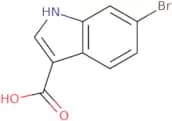
CAS:<p>Please enquire for more information about 7-Bromo-4-fluoro-1H-indole-3-carboxylic acid including the price, delivery time and more detailed product information at the technical inquiry form on this page</p>Fórmula:C9H5BrFNO2Pureza:Min. 95%Forma y color:PowderPeso molecular:258.04 g/mol4-Aminoindole hydrochloride
CAS:<p>4-Aminoindole hydrochloride is a white crystalline solid that can be used as a versatile building block in organic synthesis. It is also used as an intermediate in the production of various pharmaceuticals and other chemical compounds. 4-Aminoindole hydrochloride is soluble in most polar solvents, but insoluble in ethers and oils. This compound is also a useful reagent for the conversion of nitrobenzenes to aminobenzoic acids. CAS Number 174854-93-4</p>Fórmula:C8H9ClN2Pureza:Min. 95%Forma y color:PowderPeso molecular:168.62 g/mol2-[N-[(3,5-Difluorophenyl)carbamoylamino]-C-methylcarbonimidoyl]pyridine-3-carboxylic acid
CAS:<p>2-[N-[(3,5-Difluorophenyl)carbamoylamino]-C-methylcarbonimidoyl]pyridine-3-carboxylic acid (2FPC) is a potent herbicide that inhibits the fatty acid synthase enzyme and blocks cellular energy production. Fatty acid synthase is an important enzyme in the synthesis of essential fatty acids and this inhibition can lead to a number of health complications. 2FPC also inhibits epidermal growth factor receptor (EGFR) and glucocorticoid receptors, which can lead to autoimmune diseases. The compound has been shown to produce neurotoxic effects in animals and humans, including optical sensor activation and cation channel modulation.<br>2FPC is used as a herbicide to control weeds such as knapweed. It is also used as an anti-inflammatory agent in the treatment of rheumatoid arthritis.</p>Fórmula:C15H12F2N4O3Pureza:Min. 97 Area-%Forma y color:PowderPeso molecular:334.28 g/mol4,6-Dichloropyrimidine
CAS:<p>4,6-Dichloropyrimidine is an intermediate in the production of malonic acid. It is also used as a process optimization agent in the synthesis of hydrochloric acid and water vapor. 4,6-Dichloropyrimidine reacts with hydrogen chloride to form a chlorinating agent that can be used for the chlorination of amines and alcohols. The reaction product is hydrochloric acid and dichloropyrimidine. This intermediate can also be used to synthesize amides through a Suzuki coupling reaction with hydroxyl groups, amines, and n-dimethyl formamide.</p>Fórmula:C4H2Cl2N2Pureza:Min. 95%Forma y color:White PowderPeso molecular:148.98 g/mol8-Hydroxy-2-quinolinecarbonitrile
CAS:8-Hydroxy-2-quinolinecarbonitrile is an uncomplexed ligand that can be used for the synthesis of metal complexes. 8-Hydroxy-2-quinolinecarbonitrile is insoluble in most solvents, including water, and has a high melting point. This compound can be synthesized from acetonitrile and primary amines by condensing with formaldehyde. It is not possible to catalyze this reaction, as it does not undergo homolysis or heterolysis reactions. The uncomplexed ligand has been shown to bind to metal ions such as copper and silver. Its diffraction pattern was found to have a polynuclear nature with a number of diffraction peaks within the range of 5–9 Å.Fórmula:C10H6N2OPureza:Min. 95%Forma y color:PowderPeso molecular:170.17 g/mol2,5-Diketopiperazine
CAS:<p>2,5-Diketopiperazine is a trifluoroacetic acid derivative that has been shown to inhibit the growth of prostate cancer cells. The molecular docking analysis revealed that 2,5-Diketopiperazine binds to epidermal growth factor (EGF) and intermolecular hydrogen bonding may be involved in its interaction with EGF. 2,5-Diketopiperazine also inhibits the activity of fatty acid synthase by binding to the acyl carrier protein and blocking the formation of malonyl coenzyme A. This compound can be found in plants and some marine invertebrates as well as in etoac extract. It has been shown to have anti-inflammatory properties due to its ability to inhibit cyclic peptide production from arachidonic acid.</p>Fórmula:C4H6N2O2Pureza:Min. 98 Area-%Forma y color:PowderPeso molecular:114.1 g/mol2-(3-Hydroxypropyl)benzimidazole
CAS:<p>2-(3-Hydroxypropyl)benzimidazole is a chloroform extract of the bark of the tree, Pongamia pinnata. It has been shown to have antibacterial and antitumor activity. 2-(3-Hydroxypropyl)benzimidazole has been found to be active against methicillin-resistant Staphylococcus aureus (MRSA), showing strong inhibitory effects on bacterial cell growth in vitro. The mechanism of action may be due to its ability to bind to DNA and RNA, preventing transcription and replication. 2-(3-Hydroxypropyl)benzimidazole also inhibits protein synthesis by binding to ribosomes and interfering with the function of enzymes that are involved in this process such as cytochrome c reductase, glutathione reductase, and 3-ketoacyl coenzyme A thiolase.</p>Fórmula:C10H12N2OPureza:Min. 95%Forma y color:White PowderPeso molecular:176.22 g/molGlycine anhydride
CAS:<p>Glycine anhydride is a fine chemical that is used as a building block in the synthesis of many other compounds. It is also used as a reagent, and can be found in research chemicals, speciality chemicals, or high-quality products. Glycine anhydride is also used as a reaction component to make other molecules. It is versatile and can be used as a scaffold for complex compounds. Glycine anhydride has CAS No. 106-57-0 and can be found in the following chemical name: 3-(2-Aminoethyl)glycine anhydride</p>Fórmula:C4H6N2O2Peso molecular:114.1 g/molRef: 3D-G-4600
1kgA consultar5kgA consultar10kgA consultar25kgA consultar2500gA consultar-Unit-kgkgA consultar5-Bromo-2,4-dichloropyrimidine
CAS:<p>5-Bromo-2,4-dichloropyrimidine is an aryl halide compound that is synthesized from 2,4-dichloropyrimidine and bromine. It has been shown to have inhibitory activities against cancer cells in vitro. 5-Bromo-2,4-dichloropyrimidine is used in the synthesis of the drug palbociclib (also known as PLX4720), which prevents mitotic progression by binding to the mitotic checkpoint protein (e.g., cyclin B). The reaction yield for this compound is low and its absorption enhancer properties are not well understood. 5-Bromo-2,4-dichloropyrimidine has also been used in conjunction with crotonic acid as a potential anticancer agent.</p>Fórmula:C4HBrCl2N2Pureza:Min. 95%Forma y color:Off-White Clear LiquidPeso molecular:227.87 g/molL-(2S,3aS,7aS)-Octahydroindole-2-carboxylic acid
CAS:<p>L-Octahydroindole-2-carboxylic acid is a basic structure that is used in the industrial preparation of a number of chemical compounds. It is also used for the synthesis of L-(2S,3aS,7aS)-octahydroindole-2-carboxylic acid (LOTSC) and its ester hydrochloride salt. The kinetic energy of this molecule has been studied by measuring it's rate of reaction with cyclohexane ring. The inhibition study was done on lung cells to study the effects of LOTSC on growth factors and showed that this molecule inhibited the release of bradykinin B2, which is a peptide secreted by lungs. The pharmacokinetic properties have been studied in rats and shows that it has higher bioavailability than other molecules in this class.</p>Fórmula:C9H15NO2Pureza:Min. 95%Forma y color:PowderPeso molecular:169.22 g/mol6-Chloro-7-iodo-7-deazapurine
CAS:<p>6-Chloro-7-iodo-7-deazapurine is a nucleoside analogue that is synthesized by a cross-coupling reaction between 6-chloro-2,4(1H,3H)-pyrimidinedione and 7-iodo-7-(trifluoromethyl)purine. 6CIDP has been shown to inhibit growth of epidermal cells at concentrations as low as 0.1 µM, with cytostatic effects seen at 10 µM. 6CIDP has also been shown to potently inhibit the replication of the human papilloma virus in vitro and in vivo. 6CIDP is currently being investigated for the treatment of AIDS and other viral infections. The molecular modeling studies on this compound have revealed that it may be a potent inhibitor of the epidermal growth factor receptor (EGFR).</p>Fórmula:C6H3ClIN3Pureza:Min. 98 Area-%Forma y color:White PowderPeso molecular:279.47 g/molcis-5,6-Tetramethylen-1,4-diallyloxypiperazine-2,3-dione
CAS:<p>cis-5,6-Tetramethylen-1,4-diallyloxypiperazine-2,3-dione is a versatile building block and useful scaffold for the synthesis of pharmaceuticals. It has been shown to be an excellent reaction component in organic synthesis and as a speciality chemical. cis-5,6-Tetramethylen-1,4-diallyloxypiperazine-2,3-dione is a high quality reagent that can be used in research work.</p>Fórmula:C14H20N2O4Pureza:Min. 95%Peso molecular:280.32 g/molN-Succinimidyl iodoacetate
CAS:<p>Amine and sulfhydryl reactive crosslinker</p>Fórmula:C6H6INO4Pureza:Min. 95%Forma y color:Off-White PowderPeso molecular:283.02 g/mol2-(bromomethyl)-6-fluoropyridine
CAS:<p>2-(bromomethyl)-6-fluoropyridine is an intermediate for the synthesis of other chemical compounds. It is a fine chemical that is used as a reagent in organic synthesis and as a building block for more complex compounds. This compound can be used in pharmaceuticals, agrochemicals, and other industries that require chemicals with specific properties. 2-(bromomethyl)-6-fluoropyridine is also useful as a building block for the synthesis of novel derivatives.</p>Fórmula:C6H5BrFNPureza:Min. 95%Peso molecular:190.01 g/mol3-Methylpiperidin-3-ol
CAS:<p>3-Methylpiperidin-3-ol is a chemical compound that has been found to be useful as a building block for the synthesis of various complex compounds. This product is used in research and as a reagent. 3-Methylpiperidin-3-ol is also known by the CAS number 473730-88-0.</p>Fórmula:C6H13NOPureza:Min. 95%Forma y color:Yellow solid.Peso molecular:115.17 g/mol1-{[1-(2-Chloropyridin-3-yl)-1H-pyrrol-2-yl]carbonyl}-4-(4-fluorophenyl)piperazine
CAS:Producto controlado<p>Please enquire for more information about 1-{[1-(2-Chloropyridin-3-yl)-1H-pyrrol-2-yl]carbonyl}-4-(4-fluorophenyl)piperazine including the price, delivery time and more detailed product information at the technical inquiry form on this page</p>Fórmula:C20H18ClFN4OPureza:Min. 95%Peso molecular:384.83 g/mol3-Amino-4-methylpyridine
CAS:<p>3-Amino-4-methylpyridine is a chemical compound that belongs to the group of organic compounds. It is used as an intermediate in the synthesis of podophyllotoxin, a cytotoxic agent that inhibits protein synthesis and cell division. 3-Amino-4-methylpyridine binds to mammalian cells with high affinity and inhibits protein synthesis by inhibiting the enzyme ribosomal protein S6 kinase. This compound also has an inhibitory effect on tofacitinib citrate, which is a drug used for treatment of rheumatoid arthritis. 3-Amino-4-methylpyridine has been shown to be effective against chloride ions in its reaction mechanism, making it suitable for use in organic synthesis.</p>Fórmula:C6H8N2Pureza:Min. 98 Area-%Forma y color:PowderPeso molecular:108.14 g/mol4-[(Methylsulfonyl)methyl]piperidine hydrochloride
CAS:<p>Please enquire for more information about 4-[(Methylsulfonyl)methyl]piperidine hydrochloride including the price, delivery time and more detailed product information at the technical inquiry form on this page</p>Fórmula:C7H15NO2S•HClPureza:Min. 95%Forma y color:PowderPeso molecular:213.73 g/mol4-(2,6-Dichlorobenzamido)-N-(piperidin-4-yl)-1H-pyrazole-3-carboxamide HCl
CAS:<p>4-(2,6-Dichlorobenzamido)-N-(piperidin-4-yl)-1H-pyrazole-3-carboxamide HCl (PD1693) is a small molecule that has been shown to selectively inhibit the transcriptional coactivator HIF-1α. PD1693 inhibits the hypoxic response in tumor cells by preventing the upregulation of HIF-1α. This leads to an increase in hypoxia-inducible genes, which are involved in the regulation of cell proliferation, angiogenesis and apoptosis. PD1693 also affects the expression of genes involved in metabolism and energy production. The subpopulation algorithm was used to identify differentially expressed transcripts in glioma cells following exposure to PD1693. The data from this algorithm were validated using qRT-PCR and Western blotting on human glioma cells.</p>Fórmula:C16H17Cl2N5O2·HClPureza:Min. 95%Forma y color:PowderPeso molecular:418.7 g/mol1H-Pyrrolo[3,2-c]pyridin-4(5H)-one
CAS:<p>The compound 1H-Pyrrolo[3,2-c]pyridin-4(5H)-one is an enantiomer that is used as a starting material for the synthesis of other drugs. The hydrochloride salt is used in the manufacture of pharmaceuticals. This drug has been shown to be a potent inhibitor of xanthine oxidase and may have potential use in the treatment of gout and hyperuricemia.</p>Fórmula:C7H6N2OPureza:Min. 95%Peso molecular:134.14 g/mol6,7-Dihydrothieno[3,2-c]pyridine
CAS:<p>6,7-Dihydrothieno[3,2-c]pyridine is a synthetic compound which has been used as a starting material in the synthesis of clopidogrel. 6,7-Dihydrothieno[3,2-c]pyridine has been shown to be an inhibitor of platelet aggregation. It is also a bifunctional compound that can act as either an acid or base catalyst. This property has led to its use in organic chemistry as a means of converting nitro groups into amines. The synthesis pathway for 6,7-dihydrothieno[3,2-c]pyridine begins with 5-azaindole and ends with the desired product after two steps: hydrogen sulfate reduction and hydrolysis.</p>Fórmula:C7H7NSPureza:Min. 95%Forma y color:Brown PowderPeso molecular:137.2 g/molVortioxetine
CAS:Producto controlado<p>Vortioxetine is a serotonin modulator and reuptake inhibitor which appears to be much more potent on serotonin reuptake inhibition and 5-HT3 receptor antagonism than other interactions with the 5-HT receptor family. This drug binds selectively to 5-HT receptors and inhibits the activity of serotonin reuptake transporters on presynaptic neurons, thereby increasing serotonin concentrations in the brain. It is used for the treatment of major depressive disorder (MDD)and has also been shown to be effective against depression-related symptoms such as sleep disturbances, appetite disturbance, and weight change. Vortioxetine has also been demonstrated to suppress glioblastoma in both ex vivo human tissue samples and in mice. This may indicate vortioxetine signalling cascade activation supresses cancer cell division, and could constitute an effective part of a treatment regime for glioblastoma patients.</p>Fórmula:C18H22N2SPureza:Min. 95%Forma y color:White PowderPeso molecular:298.45 g/molN, N-Dimethylpyridin-4-amine 4-methylbenzenesulfonate
CAS:<p>N,N-Dimethylpyridin-4-amine 4-methylbenzenesulfonate is an integrating agent used in polymer chemistry. It can be used to study the effects of chromophores on both linear and nonlinear optical properties in polymers. N,N-Dimethylpyridin-4-amine 4-methylbenzenesulfonate has been shown to be a good 1,3-dipolar cycloadductor for the synthesis of polymers with polarizable hyperbranched structures.</p>Fórmula:C7H10N2·C7H8O3SPureza:Min. 95%Forma y color:White PowderPeso molecular:294.37 g/mol5-Fluorodihydropyrimidine-2,4-dione
CAS:<p>5-Fluorodihydropyrimidine-2,4-dione is a drug that inhibits the activity of certain enzymes. It has been shown to inhibit the activity of dehydrogenase in human serum and liver cells. This drug has also been shown to be successful in treating autoimmune diseases. 5-Fluorodihydropyrimidine-2,4-dione is an oral prodrug which is converted into its active form by esterases in the gastrointestinal tract. The enzyme inhibitors are used to increase the bioavailability of the drug. This conversion process can be monitored using urine samples or blood sampling.</p>Fórmula:C4H5FN2O2Pureza:Min. 95%Forma y color:PowderPeso molecular:132.09 g/mol5-(Trifluoromethoxy)-1H-indole-2,3-dione
CAS:<p>5-(Trifluoromethoxy)-1H-indole-2,3-dione is a potent anticancer agent that inhibits the growth of cancer cells by inducing apoptosis. It binds to DNA, forming hydrogen bonds with guanine and adenine residues. This binding prevents the formation of hydrogen bonds between DNA bases, which are essential for maintaining the stability of DNA. The disruption of these bonds leads to chromosomal degradation and eventually cell death. 5-(Trifluoromethoxy)-1H-indole-2,3-dione has shown antifungal activity against Cryptococcus neoformans in vitro and in vivo. This drug also has an allosteric modulator effect on HL60 cells.</p>Fórmula:C9H4F3NO3Pureza:Min. 95%Forma y color:Red PowderPeso molecular:231.13 g/mol5-Iodo-2,4-dimethoxypyrimidine
CAS:<p>5-Iodo-2,4-dimethoxypyrimidine is a chemical compound that can be used as a ligand for palladium. It is selective for alcohols and carbinols. The compound has been shown to catalyze the desilylation of organic halides and oxidized alcohols with high yields. 5-Iodo-2,4-dimethoxypyrimidine can also be used in the synthesis of carbohydrates and vinyl acetate. The yield of dehydrohalogenated products was found to be high when 5-iodo-2,4-dimethoxypyrimidine was used as a catalyst.</p>Fórmula:C6H7IN2O2Pureza:Min. 95%Forma y color:PowderPeso molecular:266.04 g/mol3-Hydroxypiperidine
CAS:<p>3-Hydroxypiperidine is a chemical compound that contains an asymmetric carbonyl group. It has been used in the synthesis of enantiopure pharmaceuticals, and is also a competitive inhibitor for some enzymes. 3-Hydroxypiperidine can be synthesized by hydrogenation reduction or hydroxylation of piperidine. This compound has been shown to have pharmacokinetic properties in rats and mice, as well as inhibitory effects on brain functions such as memory retention and learning. 3-Hydroxypiperidine has also been shown to induce apoptosis in breast cancer cells, which may be due to its ability to inhibit protein synthesis in these cells.</p>Fórmula:C5H11NOPureza:Min. 95%Forma y color:White PowderPeso molecular:101.15 g/mol1-(4,6-dimethylpyrimidin-2-yl)-3-benzoylthiourea
CAS:<p>1-(4,6-dimethylpyrimidin-2-yl)-3-benzoylthiourea is a versatile compound that can be used in various research applications. It is commonly used as a condensation reagent in the synthesis of sulfonamide derivatives. This compound is also utilized in the development of research chemicals and reagents for various purposes.</p>Pureza:Min. 95%1-(3-Aminopropyl)pyridin-2(1H)-one HCl
CAS:<p>1-(3-Aminopropyl)pyridin-2(1H)-one HCl is a fine chemical that belongs to the group of heterocyclic compounds. It is a versatile building block that can be used as an intermediate or a scaffold in chemical synthesis. 1-(3-Aminopropyl)pyridin-2(1H)-one HCl is soluble in water and has been shown to react with a variety of other compounds, including amines, alcohols, thiols, and phenols. This compound also has high quality and can be used for research purposes.</p>Fórmula:C8H12N2O·HClPureza:Min. 95%Forma y color:White PowderPeso molecular:188.65 g/molGuanine
CAS:<p>Guanine is a purine base that is found in the DNA and RNA of all living cells. It plays an important role as a component of the nucleic acid molecule, where it is paired with cytosine. Guanine is involved in many chemical reactions and biological processes, including protein synthesis and cell division. The lack of guanine can lead to deficiency symptoms such as hemolytic anemia or erythrocyte cytoplasmic inclusion bodies. Guanine has been shown to have chemiluminescent properties, which can be used to detect its presence in samples containing DNA or RNA. This reaction occurs when guanine reacts with hydrogen peroxide (H2O2) to form guanidine (HN=C(NH2)NH2). The reaction produces excited states that emit light at a wavelength of 395 nm when they return to their ground state. Guanidine also has electrochemical impedance spectroscopy properties, which can be used for analytical purposes</p>Fórmula:C5H5N5OPureza:Min. 98 Area-%Forma y color:PowderPeso molecular:151.13 g/mol2,3,5,6-Tetrafluoro-4-hydrazinopyridine
CAS:<p>2,3,5,6-Tetrafluoro-4-hydrazinopyridine is a hydroxide ion analog of pentafluoropyridine. It has been shown to undergo a coupling reaction to yield the corresponding organometallic compound with methoxide in dimethylformamide. The yields for this reaction are high and range from 76% to 98%. This technique has been shown to be applicable for the synthesis of other organometallic compounds.</p>Fórmula:C5H3F4N3Pureza:Min. 95%Forma y color:PowderPeso molecular:181.09 g/molN,N'-Bis(2,2,6,6-tetramethylpiperidin-4-yl)hexane-1,6-diamine,2,4,6-trichloro-1,3,5-triazine,2,4,4-trimethylpentan-2-amine
CAS:<p>Bis(2,2,6,6-tetramethylpiperidin-4-yl)hexane-1,6-diamine is a nonionic hydroxyl compound and an additive in polyolefins. It is used as a polymerization initiator or accelerator for the preparation of polyolefin plastics. Bis(2,2,6,6-tetramethylpiperidin-4-yl)hexane-1,6-diamine can be used to prepare polymers by polymerization with olefins such as ethylene and propylene. The chemical stability of this compound makes it suitable for use in sample preparation before analysis by mass spectrometry. Bis(2,2,6,6-tetramethylpiperidin-4-yl)hexane-1,6-diamine is reactive with radiation and fatty acids and has been shown to have stabilizing properties for plasma mass</p>Fórmula:C35H69Cl3N8Pureza:Min. 95%Forma y color:PowderPeso molecular:708.33 g/mol1-Benzyl-4-(2-bromo-2-methylpropanoyl)piperazine
CAS:Producto controlado<p>Please enquire for more information about 1-Benzyl-4-(2-bromo-2-methylpropanoyl)piperazine including the price, delivery time and more detailed product information at the technical inquiry form on this page</p>Fórmula:C15H21BrN2OPureza:Min. 95%Peso molecular:325.24 g/molN-(2-Fluorophenyl)-N-[4-(4-Methyl-1,3-Thiazol-2-Yl)-1-(2-Thiophen-3-Ylethyl)Piperidin-4-Yl]Propanamide
CAS:Producto controlado<p>N-(2-Fluorophenyl)-N-[4-(4-methyl-1,3-thiazol-2-yl)-1-(2-thiophen-3-ylethyl)piperidin-4-yl]propanamide is a drug that is used for the treatment of cancer. This drug is hydrophobic and has a molecular weight of 455. It has been shown to be effective in treating cancer cells by binding to the cell membrane and inhibiting the proliferation of these cells. N-(2-Fluorophenyl)-N-[4-(4-methyl-1,3-thiazol-2-yl)-1-(2-thiophen-3-ylethyl)piperidin]-4-- yl]propanamide also inhibits tumor growth by reducing extracellular matrix production and inducing apoptosis in cancer cells. This drug has a fluorescent property and can be detected with an optical microscope at a</p>Fórmula:C24H28FN3OS2Pureza:Min. 95%Peso molecular:457.63 g/mol4,6-Dichloro-5-methoxypyrimidine
CAS:<p>4,6-Dichloro-5-methoxypyrimidine is a reactive intermediate in the synthesis of sulfadoxine. It is a chlorinating agent that reacts with alkanes and alkenes to produce halogenated products. 4,6-Dichloro-5-methoxypyrimidine can be used as a reagent to synthesize malonic acid and formamide. This compound has been used as an isotopic label for studies of the efficiency of the reaction between malonic acid and formamide. The chloride ions are used in this study to monitor the reaction rate. 4,6-Dichloro-5-methoxypyrimidine is also an intermediate in the synthesis of sulfanilamide and aminophenol.</p>Fórmula:C5H4Cl2N2OPureza:Min. 95%Forma y color:PowderPeso molecular:179 g/mol3-Amino-6-chloropyridazine
CAS:<p>3-Amino-6-chloropyridazine is a synthetic compound that is soluble in hydrochloric acid. It has been shown to inhibit the proliferation of cells and induce apoptosis, which may be due to its inhibition of the growth factor receptor, factor. 3-Amino-6-chloropyridazine also inhibits bcr-abl kinase, an enzyme that is involved in the development of chronic myelogenous leukemia (CML). This chemical can be synthesized by coupling amino acids with chloropyridazine using cross coupling reactions. 3-Amino-6-chloropyridazine is a synthetic analogue of pyridoxal phosphate and may have use as an antiinflammatory agent.</p>Fórmula:C4H4ClN3Pureza:Min. 95%Forma y color:PowderPeso molecular:129.55 g/mol2,5-Dibromo-3-methylpyridine
CAS:<p>2,5-Dibromo-3-methylpyridine is used in the synthesis of new ligands for receptor ligand interactions. The compound is synthesized by a cross-coupling reaction with boronic acids. This reaction occurs at room temperature and does not require any harsh chemicals. The product has been shown to be effective against oncologic cells, as well as against cancerous cells in a chloride solution. Cryogenic techniques are also used in this synthesis process.</p>Fórmula:C6H5Br2NPureza:Min. 95%Forma y color:PowderPeso molecular:250.92 g/mol2,2'-Dithio-bis(5-nitropyridine)
CAS:<p>2,2'-Dithio-bis(5-nitrophenyl) is a redox probe that can be used to study ATP-sensitive K+ channels. This probe has been shown to bind to the carboxy terminal of the channel and disulfide bond through its thiol group. The binding of 2,2'-dithio-bis(5-nitropyridine) to the activated liver cells causes an increase in the redox potential, which leads to an accumulation of electrons in these cells. These electrons are then transferred to pyridine nucleotides and phosphate ions, leading to an increase in ATP levels and activation of ATP-sensitive K+ channels.</p>Fórmula:C10H6N4O4S2Pureza:Min. 95%Peso molecular:310.31 g/molPyridin-3-Yl-[4-[3-(Trifluoromethyl)Phenyl]Piperazin-1-Yl]Methanone Dihydrochloride
CAS:Producto controlado<p>This polymer is a high efficiency, low cost particle that can be used to store electricity at temperatures of up to 300 degrees Celsius. It has a cycle life of more than 10,000 cycles and can be recharged in less than one minute. This polymer has been shown to have excellent structural stability and structural reversibility with lithium ion insertion/extraction. The coulombic efficiency is greater than 99%.</p>Fórmula:C17H18Cl2F3N3OPureza:Min. 95%Peso molecular:408.25 g/mol5-Nitroindole
CAS:<p>5-Nitroindole is a chemical used in wastewater treatment. It is an electron acceptor that can be used to reduce the cost of the process. 5-Nitroindole has significant cytotoxicity and polymerase chain activity in human pathogens, such as Escherichia coli, Salmonella enterica, Staphylococcus aureus, and Mycobacterium tuberculosis. The drug is stable under aerobic conditions and has shown no significant cytotoxicity to mammalian cells. 5-Nitroindole has been shown to hybridize with DNA duplexes containing guanine bases and form covalent bonds in a model system. The drug also has been shown to be present in colonies of colony-stimulating factor (CSF) cells that are found in the blood stream of healthy individuals.</p>Fórmula:C8H6N2O2Pureza:Min. 95%Forma y color:Yellow PowderPeso molecular:162.15 g/mol4-Hydroxypyridine
CAS:<p>4-Hydroxypyridine is a nitrite ion that contains two nitrogen atoms. It is used to study microbial metabolism and the role of nitrogen in biological systems. 4-Hydroxypyridine can be synthesized from pyridinium, which can be prepared by treating aniline with nitrous acid. The synthesis of 4-hydroxypyridine has been investigated using a hydroxylation reaction catalyzed by palladium, followed by cyclization to form a cyclic peptide. This reaction has been shown to have significant cytotoxicity against HIV-infected cells, with light emission as a result of the reaction between the hydrogen atom on the pyridine ring and oxygen molecule.</p>Fórmula:C5H5NOPureza:Min. 98 Area-%Forma y color:White PowderPeso molecular:95.1 g/mol2-Amino-4-hydroxy-6-chloro-s-triazine
CAS:<p>2-Amino-4-hydroxy-6-chloro-s-triazine is a type strain of a chemical compound with clinical pharmacology. It is an active substance that can be used to treat cancer. 2-Amino-4-hydroxy-6-chloro-s-triazine has been shown to inhibit the growth of prostate cancer cells and phosphatase in hematopoietic cells. This drug also inhibits kinase receptor, which leads to the inhibition of protein synthesis and cell division. The reaction mechanism for 2-amino 4 hydroxy 6 chloros triazine is nucleophilic substitution.</p>Fórmula:C3H3ClN4OPureza:Min. 95%Forma y color:White PowderPeso molecular:146.53 g/mol2-Ethylpyridine
CAS:<p>2-Ethylpyridine is a chemical compound that can be derived from sodium succinate, 2-ethylpyridine, and trifluoroacetic acid. It has been shown to have biological properties such as the inhibition of mitochondrial membrane potential, which is the driving force for ATP synthesis in mitochondria. This drug also inhibits the production of hydrogen peroxide and nitric oxide by reacting with hydrochloric acid or nitrogen atoms. 2-Ethylpyridine can be used as a solid catalyst for reactions involving hydrogen bond formation or intermolecular hydrogen bond formation. 2-Ethylpyridine reacts with protocatechuic acid to form an intramolecular hydrogen bond and a group p2 type of reaction mechanism.</p>Fórmula:C7H9NPureza:Min. 95%Forma y color:Colorless Clear LiquidPeso molecular:107.15 g/mol2-Methyl-6-quinolinecarboxylic acid
CAS:<p>2-Methyl-6-quinolinecarboxylic acid is a molecule with an affinity for aromatic rings. It has been shown through experiment that this molecule has a stable structure and can be transferred from one ring to another. 2-Methyl-6-quinolinecarboxylic acid has also been shown to have an affinity for aromatic rings in the range of 8.1 × 10 to 8.3 × 10 M−1, with an experimental affinity value of 1.2 × 10 M−1. This compound is known to interact with other molecules in a molecular docking process and can be optimized using parameters such as hydrogen bonding and van der Waals interactions.END> END></p>Fórmula:C11H9NO2Pureza:Min. 95%Forma y color:PowderPeso molecular:187.19 g/molPyrazolo[1,5-a]pyrimidine-3-carboxylic acid
CAS:<p>Pyrazolo[1,5-a]pyrimidine-3-carboxylic acid is a pyrimidine analog and an electron transfer agent. It is a potent inhibitor of the enzyme dehydrogenase, which catalyzes the conversion of nicotinamide adenine dinucleotide (NAD) to nicotinamide adenine dinucleotide phosphate (NADP). Pyrazolo[1,5-a]pyrimidine-3-carboxylic acid has been shown to have anti-inflammatory properties and also inhibits the production of b-raf protein. This drug has also been shown to be a potent inhibitor of mitochondrial electron transport in cancer cells. Pyrazolo[1,5-a]pyrimidine-3-carboxylic acid binds to the metal centers in mitochondria, thereby inhibiting oxidative phosphorylation and reducing ATP synthesis. This ultimately leads to cell death by apoptosis.</p>Fórmula:C7H5N3O2Pureza:Min. 95%Forma y color:White PowderPeso molecular:163.13 g/mol3-Methyl-8-quinolinesulfonyl chloride
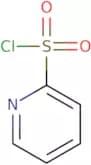
CAS:<p>3-Methyl-8-quinolinesulfonyl chloride (3MQSC) is a reaction product of 1,2,4-trioxane and thionyl chloride. 3MQSC is used as an intermediate in the production of l-citrulline from chloroacetic acid. It reacts with paraformaldehyde to form a solid phase synthesis catalyst. 3MQSC catalyzes the reaction between phosphorus pentachloride and chlorine to produce ethyl formate and hydrogen chloride gas. This process is industrialized for the production of ethyl formate, which is used for the manufacture of acetic acid, chlorinated solvents, polymers, and plastics. The high yield of this process makes it one of the most popular routes for producing ethyl formate. Catalysis by 3MQSC can be achieved at low temperature and pressure due to its resistance to heat and low boiling point.</p>Fórmula:C10H8ClNO2SPureza:Min. 97 Area-%Forma y color:White Yellow PowderPeso molecular:241.69 g/mol2-(Methylamino)pyridine-3-methanol
CAS:<p>2-(Methylamino)pyridine-3-methanol is an industrial chemical that is used as a solvent and in the production of potassium sulfate. It has a high boiling point, which makes it a good choice for large-scale industrial processes. 2-(Methylamino)pyridine-3-methanol is also an organic solvent, which can be used to dissolve many other molecules. This product can be used as a conditioner or tertiary butylating agent in the production of organic compounds. Its product yield is high, with only 10 grams needed to produce 1 kilogram.</p>Fórmula:C7H10N2OPureza:Min. 95%Forma y color:Off-White PowderPeso molecular:138.17 g/mol3-Hydroxy-2-iodo-6-methylpyridine
CAS:<p>3-Hydroxy-2-iodo-6-methylpyridine is a catalyst that is used to produce the heterocycle pyridone. It can be used as a precursor for new pharmaceuticals and agrochemicals. 3-Hydroxy-2-iodo-6-methylpyridine has been shown to catalyze the reaction of aromatic amines with ketones or sulfonyl chlorides, leading to the formation of pyridones. These reactions are also catalyzed by other compounds such as 2,4,5,6,-tetramethylpiperidinium hexafluorophosphate (TEMPO).</p>Fórmula:C6H6INOPureza:Min. 95%Forma y color:PowderPeso molecular:235.02 g/mol4'-Hydroxy-2,2':6',2''-terpyridine
CAS:<p>4'-Hydroxy-2,2':6',2''-terpyridine is a molecule with the molecular formula C24H22N4O8. It is an organic compound that belongs to the group of heterocycles. It has been found to be a ligand for metal ions and has been shown to interact with particles at temperatures below 20°C. 4'-Hydroxy-2,2':6',2''-terpyridine crystallizes in two polymorphs: tetragonally (alpha) at room temperature and trigonally (beta) at temperatures below 20°C. The alpha form has been observed to undergo a photophysical reaction as it absorbs light and emits light in the ultraviolet region of the spectrum.</p>Fórmula:C15H11N3OPureza:Min. 95%Forma y color:PowderPeso molecular:249.27 g/mol1-Methyl-3-[3-methyl-4-[4-[(trifluoromethyl)sulfonyl]phenoxy]phenyl]-1,3,5-triazine-2,4,6(1H,3H,5H)-trione
CAS:<p>Ponazuril is a veterinary drug that belongs to the group of chemotherapeutics. It is used in the treatment of endoparasites, such as nematodes and cestodes, which are parasites that live inside the human body. Ponazuril is administered orally or by injection and has been shown to have minimal toxicity in CD-1 mice. Ponazuril binds to DNA polymerase, inhibiting RNA synthesis and protein synthesis. This leads to cell death by apoptosis and necrosis. The drug also inhibits DNA replication in the parasite and blocks parasite growth.</p>Fórmula:C18H14F3N3O6SPureza:Min. 95%Forma y color:PowderPeso molecular:457.38 g/mol6-Acetyl-7-methylpyrazolo[1,5-α]pyrimidine-3-carboxylic acid
CAS:<p>The 6-Acetyl-7-methylpyrazolo[1,5-α]pyrimidine-3-carboxylic acid is a fine chemical that belongs to the group of speciality chemicals. It is an intermediate that can be used in research or as a building block for more complex compounds. This compound has been shown to have many useful properties, including its versatility as a scaffold and its ability to react with other compounds. The 6-Acetyl-7-methylpyrazolo[1,5-α]pyrimidine-3-carboxylic acid is also considered high quality and can be used in reactions related to the production of pharmaceuticals, agrochemicals, polymers and dyes.</p>Fórmula:C10H9N3O3Pureza:Min. 95%Forma y color:PowderPeso molecular:219.2 g/mol2-Ethoxy-5-fluoro-1H-pyrimidin-4-one
CAS:<p>2-Ethoxy-5-fluoro-1H-pyrimidin-4-one is a chemical compound that can be synthesized in ethanol, ether, and ethyl formate. It is a white crystalline solid with a melting point of 164°C. The impurities are filtered out using filtration. This compound reacts with substance to produce crystallization. 2-Ethoxy-5-fluoro-1H-pyrimidin-4-one can also be synthesized by reacting trimethylamine and isourea.</p>Fórmula:C6H7FN2O2Pureza:Min. 95%Forma y color:PowderPeso molecular:158.13 g/mol7-Cyanoindole
CAS:<p>7-Cyanoindole is a synthetic compound that can be synthesized from amino-acids. The synthesis of 7-cyanoindole starts with the hydration of cyanamide, which yields cyanogen chloride. This reaction is followed by the dehydration of this molecule to produce 7-cyanoindole. The fluorescence properties and lifetimes are dependent on the hydration and dehydrations states. Synthetically, 7-cyanoindole is used as a fluorescent probe for amino acids in solution. This probe has been shown to bind to amino acids at acidic pHs and fluoresce brightly at wavelengths around 400 nm. Industrialized methods for synthesis include reacting cyanoacetylene with ammonia or methylamine in the presence of silicane or silicon dioxide as a catalyst. Reaction yield is dependent on the method used and ranges from 10% to 100%.</p>Fórmula:C9H6N2Pureza:Min. 95%Forma y color:Off-White PowderPeso molecular:142.16 g/molL(+)-Amethopterin hydrate
CAS:<p>L(+)-Amethopterin hydrate is an immunosuppressant that suppresses the immune system by inhibiting RNA synthesis. It is a structural analogue of folic acid and has been shown to be effective in treating autoimmune diseases, such as rheumatoid arthritis. L(+)-Amethopterin hydrate is a neutral compound that is soluble in water and microsomal membranes, making it more easily absorbed through the gut than other compounds of this class. It also has been shown to have no toxic effects on cardiac cells at therapeutic concentrations. These properties make L(+)-Amethopterin hydrate an attractive candidate for treating autoimmune diseases when other treatments have failed.</p>Fórmula:C20H22N8O5·xH2OPureza:Min. 98 Area-%Forma y color:Yellow PowderPeso molecular:454.44 g/mol5-Amino-4,6-dichloropyrimidine
CAS:<p>5-Amino-4,6-dichloropyrimidine is a fluorescent probe that can be used in the detection of nucleophiles. It has been shown to inhibit the growth of cells infected with herpes simplex virus and hl-60 cells. This compound has also been shown to have nicotinic acetylcholine receptor activity and can be used as an analog for purines. The nitrogen atoms in this molecule are responsible for its anti-cancer properties. 5-Amino-4,6-dichloropyrimidine binds to epidermal growth factor (EGF) and blocks its binding site on the cell surface, reducing cancer cell proliferation. Benzyl groups on either end of this molecule act as a protective group against acid hydrolysis, making it stable in acidic environments such as stomach acid. This drug also contains chlorine atoms that make it easy to synthesize and purify by reacting with trifluoroacetic acid.</p>Fórmula:C4H3Cl2N3Pureza:Min. 95%Forma y color:PowderPeso molecular:163.99 g/mol1-tert-Butyl 3-methyl piperazine-1,3-dicarboxylate
CAS:<p>1-tert-Butyl 3-methyl piperazine-1,3-dicarboxylate is a reaction component with a high quality and versatile building block. It is used as a reagent in research chemicals and speciality chemical synthesis. This product also has many uses in the production of complex compounds and fine chemicals. 1-tert-Butyl 3-methyl piperazine-1,3-dicarboxylate can be used as an intermediate in the production of other chemicals or as a building block for more complicated compounds. CAS No. 129799-08-2</p>Fórmula:C11H20N2O4Pureza:Min. 98%Forma y color:PowderPeso molecular:244.29 g/mol4-Hydroxyindole
CAS:<p>4-Hydroxyindole is an inorganic acid that is produced by the oxidation of 4-hydroxyphenylacetic acid. It is a metabolite of the synthetic cannabinoids, JWH-018 and JWH-073. The production of 4-hydroxyindole has been shown to be dependent on the presence of a nucleophilic attack on the diazonium salt, which leads to protonation. The fluorescence properties of this molecule are dependent on its hydroxyl group, which allows for detection using magnetic resonance spectroscopy. Hydrochloric acid can be used as an alternate solvent to produce 4-hydroxyindole from 4-hydroxyphenylacetic acid. 4-Hydroxyindole has been shown to have pharmacokinetic properties that are similar to those of THC, but it does not bind well to cannabinoid receptors or activate them.br> br> The structure of this molecule can be seen below</p>Fórmula:C8H7NOForma y color:White PowderPeso molecular:133.15 g/mol2-Hydroxyisoquinoline-1,3(2H,4H)-dione
CAS:<p>2-Hydroxyisoquinoline-1,3(2H,4H)-dione (2HIQ) is a potent anti-viral agent that has been shown to inhibit the replication of viruses in cell cultures. 2HIQ inhibits viral replication by binding to the enzyme reverse transcriptase and inhibiting its ability to synthesize DNA from RNA. This drug also has inhibitory properties against human immunodeficiency virus type 1 (HIV-1) and hepatitis C virus (HCV). 2HIQ binds to the active site of the enzyme HIV reverse transcriptase, which is a key enzyme in viral replication. It also binds to HCV NS5B polymerase, which is an essential protein in HCV replication. These interactions lead to inhibition of viral replication and thus prevention of disease progression.</p>Fórmula:C9H7NO3Pureza:Min. 95%Forma y color:Off-White To Brown SolidPeso molecular:177.16 g/mol2,4-Dimethylpyrrole
CAS:<p>2,4-dimethylpyrrole (DMP) is a N-heterocycle with two methyl groups. It is used as a dopant in jet fuels to promote oxidative degradation and is converted into a reactive fuel (Kabana, 2011). To a lesser extent, 2,4-dimethylpyrrole has shown antifungal properties and has been used as an active agent against pathogens causing head blight and root rot in some cereals (Sefer, 2017).</p>Fórmula:C6H9NPureza:Min. 96%Forma y color:Brown Colorless Clear LiquidPeso molecular:95.14 g/mol1-Methylindole
CAS:<p>1-Methylindole is a chemical compound that belongs to the group of pyrimidine compounds. It has been shown to have antibacterial activity against many types of bacteria, including methicillin-resistant Staphylococcus aureus and Clostridium perfringens. 1-Methylindole inhibits bacterial growth by binding to DNA and RNA, preventing the synthesis of proteins necessary for cell division. The high chemical stability and low redox potential make 1-methylindole an excellent candidate for use as an anticancer agent. This drug has been shown to be effective in killing cancer cells in vitro, but more research needs to be done before it can be used in vivo.</p>Fórmula:C9H9NPureza:Min. 97 Area-%Forma y color:Colorless Clear LiquidPeso molecular:131.17 g/mol1-Cyanoimidazole
CAS:<p>1-Cyanoimidazole is a phosphodiester that is used in the chemical ligation of nucleic acids. It reacts with terminal alkynes to form covalent linkages between DNA molecules, and can be used as a crosslinker for dna duplexes. 1-Cyanoimidazole can be used as a phosphate group replacement in DNA replication. This compound has been shown to react with terminal alkyne groups on DNA templates, forming stable covalent linkages between strands in the presence of an appropriate nucleophile. 1-Cyanoimidazole has been shown to have sequence specificity and efficient method for linking strands of DNA.</p>Fórmula:C4H3N3Pureza:Min. 95%Forma y color:Off-White PowderPeso molecular:93.09 g/molDipyrazino[2,3-f:2',3'-h]quinoxaline-2,3,6,7,10,11-hexacarbonitrile
CAS:<p>Dipyrazino[2,3-f:2',3'-h]quinoxaline-2,3,6,7,10,11-hexacarbonitrile is a molecular compound that consists of an aromatic hydrocarbon and boron nitride. It has been shown to have optical properties and an ancillary effect on the transport properties of other molecules. Dipyrazino[2,3-f:2',3'-h]quinoxaline-2,3,6,7,10,11-hexacarbonitrile is also a molecule that can participate in intramolecular hydrogen bonding. This compound has been shown to have coordination geometry with nitrogen atoms that are capable of accepting electrons from other molecules. Dipyrazino[2,3-f:2',3'-h]quinoxaline-2,3,6,7,10,11-hexacarbonitrile is used in diodes as an efficient</p>Fórmula:C18N12Pureza:Min. 95%Forma y color:PowderPeso molecular:384.27 g/mol6-Chloro-3-aminopyridine-2-carboxamide
CAS:<p>6-Chloro-3-aminopyridine-2-carboxamide is a small molecule that inhibits tumor growth in human prostate cancer cells. It binds to a pharmacophore, which is a three dimensional arrangement of atoms that is responsible for the biological activity of the drug. This compound has been shown to inhibit tumor cell proliferation and induce apoptosis. 6-Chloro-3-aminopyridine-2-carboxamide also inhibits the oncogenic signaling pathways, including the PI3K/Akt and MAPK pathways, leading to antiproliferative activity in cancer cell lines. 6-Chloro-3-aminopyridine-2-carboxamide also inhibits phosphorylation of Akt and Erk1/2, which are downstream targets of PI3K/Akt pathway activation. The compound was found to have no significant effects on noncancerous cells or normal prostate tissue.</p>Fórmula:C6H6ClN3OPureza:Min. 95%Forma y color:PowderPeso molecular:171.58 g/mol2-Acetamido-6-chloropurine
CAS:<p>2-Acetamido-6-chloropurine (2ACAP) is a nucleophilic agent that inhibits cancer cells by binding to the enzyme cholinesterase. It is used in the treatment of T-cell leukemia and herpes simplex virus. 2ACAP binds to the amine group of cholinesterase, which prevents it from breaking down acetylcholine. This inhibition leads to accumulation of acetylcholine, which has been shown to induce apoptosis in k562 cells. The molecular modeling study showed that 2ACAP binds to both chlorine atom and benzyl groups in the active site of cholinesterase. 2ACAP also has a potent inhibitory effect on cancer cell proliferation and can be used as an anti-cancer agent for many types of cancers including colon, breast, and prostate cancer.</p>Fórmula:C7H6ClN5OPureza:Min. 97 Area-%Forma y color:Yellow PowderPeso molecular:211.61 g/mol2-Amino-4-chloropyrimidine
CAS:<p>2-Amino-4-chloropyrimidine is an amido compound that is used to treat infectious diseases. It is a potent inhibitor of the enzyme topoisomerase II, which is involved in DNA replication and transcription. This drug has shown cytotoxic activity against du145 cells, an immortalized prostate cancer cell line. 2-Amino-4-chloropyrimidine has also been shown to be effective against MDA-MB-231 cells and thp1 cells, which are human breast cancer cell lines. 2-Amino-4-chloropyrimidine binds to the active site of topoisomerase II, preventing the enzyme from binding with the two ends of DNA and causing DNA breakage. The drug has also been shown to inhibit the growth of cervical cancer cells by binding with amine groups on proteins found on these cells.</p>Fórmula:C4H4ClN3Pureza:80Forma y color:White PowderPeso molecular:129.55 g/mol5-(2-Azidoethyl)pyrimidine-2,4(1H,3H)-dione
CAS:<p>Sodium dodecyl sulfate (SDS) is a surfactant that is used in the laboratory to create micelles. The micelles have an interparticle distance of about 10 nm. SDS is ionic and hydrophilic with a high affinity for water molecules, which are attracted by the negative charge on its head group. This property makes it useful as a detergent in many applications, including cleaning products and shampoo. Sodium dodecyl sulfate has been shown to inhibit the growth of bacteria by interacting with their cell membranes, making them more permeable and less stable.</p>Fórmula:C6H7N5O2Pureza:Min. 95%Forma y color:White PowderPeso molecular:181.15 g/mol6-(Dimethylamino)purine
CAS:<p>6-(Dimethylamino)purine (6-DAP) is a purine nucleoside that acts as an inhibitor of the transcription factor leukemia inhibitory factor (LIF). 6-DAP binds to the response element in the promoter region of LIF and blocks the binding of LIF to this site. This prevents transcription of LIF, which leads to cell cycle arrest. 6-DAP also has inhibitory effects on skin cells and inhibits the formation of fetal bovine serum protein in a model system. 6-DAP binds to nuclear DNA and alters its structure, which may cause problems with DNA replication or transcription.</p>Fórmula:C7H9N5Pureza:Min. 98 Area-%Forma y color:White PowderPeso molecular:163.18 g/mol4,4'-Di-tert-butyl-2,2'-bipyridine
CAS:<p>4,4'-Di-tert-butyl-2,2'-bipyridine is a maleate salt that is used in organic chemistry as a proton acceptor and donor. This compound has been shown to have an interaction with the functional theory by using voltammetry and nmr spectroscopic data. The structural analysis of 4,4'-di-tert-butyl-2,2'-bipyridine has also been done and it was found that this compound has agostic interactions. This compound has also been shown to be able to form neutral form crystals, which diffract x-rays well and have vibrational spectra.</p>Fórmula:C18H24N2Pureza:Min. 98 Area-%Forma y color:PowderPeso molecular:268.41 g/molN-(2,3-Dichlorophenyl)piperazine hydrochloride
CAS:Producto controlado<p>N-(2,3-Dichlorophenyl)piperazine hydrochloride is a synthetic compound that is also known as DDPP. It is a 5-HT1A and 5-HT2A receptor agonist, which means that it binds to these receptors and stimulates them. DDPP has been shown to have antidepressant effects in animal models of depression, but it has not been tested for its therapeutic potential in humans. DDPP is an acidic compound with molecular weight of 222.4 g/mol and melting point of 174°C. The impurities of this compound are identified as hydrogen chloride (HCl), chloride (Cl−), and homologues.</p>Fórmula:C10H13Cl3N2Pureza:Min. 95%Forma y color:White to off-white solid.Peso molecular:267.58 g/mol2-(Azidomethyl)pyridine
CAS:<p>2-(Azidomethyl)pyridine (2-AP) is an organopalladium complex with a molecular weight of 206.2 g/mol. It has been used in magnetic resonance spectroscopy and has been shown to bind to all-trans retinoic acid, which is an active metabolite of vitamin A. 2-AP has also been shown to inhibit the growth of cancer cells by binding to the glycan on cell surfaces. The copper complex has been shown to have anti-inflammatory properties and can inhibit the activity of enzymes such as cyclooxygenase and lipoxygenase, which are involved in inflammatory responses. 2-AP is a second-order rate constant for the exothermic reaction between hydrogen peroxide and azide ion, which produces nitrous oxide ((NO)) and water molecules.</p>Fórmula:C6H6N4Pureza:Min. 95%Forma y color:Brown PowderPeso molecular:134.14 g/mol4,4'-Dibromo-2,2'-bipyridine
CAS:<p>4,4'-Dibromo-2,2'-bipyridine is a nucleophilic compound that can react with a wide range of electrophiles. It has been used in medications as a thermally stable and non-toxic ligand for metal ions. 4,4'-Dibromo-2,2'-bipyridine is an efficient ligand for the coordination of many transition metals. This compound also has high values in light emission and is used in crystallography to study protein binding sites. The n-oxide form of 4,4'-dibromo-2,2'-bipyridine has biological properties that have not yet been studied.</p>Fórmula:C10H6Br2N2Pureza:Min. 97 Area-%Forma y color:PowderPeso molecular:313.98 g/mol1H-Pyrazole
CAS:<p>1H-Pyrazole is a pharmacological agent that has been shown to have anti-cancer properties. It is a hydrogen-bonding compound that forms 1:1 complexes with coumarin derivatives, which are found in plants and other natural sources. The 1H-pyrazole ring has been shown to bind to the x-ray crystal structures of mitochondrial membranes and induce changes in their potential. This drug also inhibits the growth of solid tumours in vitro by inhibiting the synthesis of DNA and proteins. In addition, 1H-pyrazole has been shown to be an analytical method for measuring the concentration of natural compounds in water samples.</p>Fórmula:C3H4N2Pureza:Min. 95%Forma y color:PowderPeso molecular:68.08 g/mol5-Ethylindole-2-carboxylic acid
CAS:<p>5-Ethylindole-2-carboxylic acid is an organic compound that is a decarboxylation product of indole. It can be obtained by catalytic dehydrogenation of ethyl ester or 5-ethylindole-2-carboxylic acid. It has been shown to inhibit the growth of bacteria and fungi, as well as to have anti-inflammatory properties.</p>Fórmula:C11H11NO2Pureza:Min. 95%Peso molecular:189.21 g/molMethyl 3-amino-6-methylthieno[2,3-b]pyridine-2-carboxylate
CAS:<p>Please enquire for more information about Methyl 3-amino-6-methylthieno[2,3-b]pyridine-2-carboxylate including the price, delivery time and more detailed product information at the technical inquiry form on this page</p>Fórmula:C10H10N2O2SPureza:Min. 95%Peso molecular:222.27 g/mol2-Aminopurine
CAS:<p>Purine analog; fluorescent probe; kinase inhibitor; mutagenic</p>Fórmula:C5H5N5Pureza:Min. 95%Forma y color:White PowderPeso molecular:135.13 g/mol2-Mercaptopyridine N-oxide
CAS:<p>2-Mercaptopyridine N-oxide is a radical that has been shown to have antifungal activity in vitro. It also inhibits the synthesis of peptide hormones by binding to copper ions, which are required for this process. 2-Mercaptopyridine N-oxide has been shown to chelate metal ions such as iron, which can lead to oxidative injury. This compound has been shown to be toxic in vivo, but it is not currently known if it is toxic in vitro.</p>Fórmula:C5H5NOSPureza:Min 97%Forma y color:Off-White PowderPeso molecular:127.17 g/mol3-Piperazinyl-1,2-benzisothiazole hydrochloride
CAS:<p>3-Piperazinyl-1,2-benzisothiazole hydrochloride is an atypical antipsychotic that binds to the dopamine D2 receptor. It is water soluble and reacts with inorganic bases such as mercury oxide (HgO) to form 3-piperazinyl-1,2-benzisothiazole monohydrochloride (3PBZMHC). This product has a reaction time of about 2 hours and an industrial application for the synthesis of atypical antipsychotics. 3PBZMHC also has an impurity level of less than 0.5%.</p>Fórmula:C11H13N3S•HClPureza:Min. 95%Forma y color:PowderPeso molecular:255.77 g/molN-Ethylbenzene-2,4,6-triphenyl pyridinium tetrafluoroborate
CAS:<p>N-Ethylbenzene-2,4,6-triphenyl pyridinium tetrafluoroborate is a reagent that can be used in chemical reactions. It is a fine chemical and research chemicals with high quality and a versatile scaffold. It is useful as an intermediate in the synthesis of complex compounds. N-Ethylbenzene-2,4,6-triphenyl pyridinium tetrafluoroborate has CAS number 66310-06-3.</p>Fórmula:C31H26N·BF4Pureza:Min. 95%Forma y color:PowderPeso molecular:499.35 g/molPiperazine-1,4-bis(2-ethanesulfonic acid) disodium
CAS:<p>Piperazine-1,4-bis(2-ethanesulfonic acid) disodium (PIPES) is a conjugate that can be used as a catalyst in organic syntheses. PIPES is also used to modulate biological processes, such as the treatment of chronic pain. It has been shown to be an effective inhibitor of cholesterol esterase and gene product, which are enzymes associated with the development of Alzheimer's disease. PIPES has been shown to reduce axonal growth in vitro.</p>Fórmula:C8H18N2O6S2•Na2Forma y color:PowderPeso molecular:348.35 g/mol2,6-Di-tert-butylpyridine
CAS:<p>2,6-Di-tert-butylpyridine is a proton donor that can be used in cationic polymerization. It is also used as a reagent to generate chloride and yield acidic products. 2,6-Di-tert-butylpyridine has been shown to react with pyridinium ions, forming pyridinium salts. The chemical structure of 2,6-di-tert-butylpyridine consists of a molecule with two phenyl groups and one tertiary butyl group. It is an aromatic compound that has been shown to have an expansion coefficient of 0.0183℃−1 when heated from 25°C to 100°C. FTIR spectroscopy has revealed the presence of hydrogen bonds between the nitrogen atom in the tertiary butyl group and the carbonyl group in the phenyl groups. The magnetic resonance spectrum showed that it has a paramagnetic character due to</p>Fórmula:C13H21NPureza:Min. 95%Forma y color:Clear LiquidPeso molecular:191.31 g/molNα-Nim-Bis-Z-L-histidine ethanol
CAS:<p>Please enquire for more information about Nα-Nim-Bis-Z-L-histidine ethanol including the price, delivery time and more detailed product information at the technical inquiry form on this page</p>Fórmula:C22H21N3O6•C2H6OPureza:Min. 95%Forma y color:PowderPeso molecular:469.49 g/mol6-Fluoroindole-3-carboxaldehyde
CAS:<p>6-Fluoroindole-3-carboxaldehyde (6FLA) is a synthetic compound that inhibits biosynthesis of the phytoalexins salicylic acid and lignin in plants. It also inhibits the β-glucuronidase enzyme, which hydrolyzes the glucuronide conjugates of phenolic compounds and xenobiotics. 6FLA has been shown to cause mild liver damage in rats, but its effects on humans are unknown. 6FLA may be used as a detectable substance for assays.</p>Fórmula:C9H6FNOPureza:Min. 95%Peso molecular:163.15 g/mol4-Fluoroindole
CAS:<p>4-Fluoroindole is a compound that belongs to the class of 5-methoxyindoles, which are used as drugs in plant physiology. The analog of 4-fluoroindole is important for cell culture and transcriptomic analysis. It has been shown to reduce the growth of cryptococcus neoformans by inhibiting its ability to produce acid. 4-Fluoroindole also inhibits the growth of other opportunistic fungi, such as Aspergillus niger. This drug is addictive and can be toxic if it enters the environment. 4-Fluoroindole also inhibits the growth of plants when applied as a pesticide.</p>Fórmula:C8H6FNForma y color:PowderPeso molecular:135.14 g/mol6-Fluoroindole
CAS:<p>6-Fluoroindole is an aromatic organic compound that has been shown to have anti-inflammatory and antioxidant properties in vitro and in vivo. 6-Fluoroindole is a 5-methoxyindole and can be synthesized from the amino acid tryptophan, which is a precursor of serotonin. 6-Fluoroindole has also been shown to be active against plant pathogens, human protein, and human pathogens. It can produce hemolytic activity at high concentrations and its chemical stability was tested by incubating it with various acids such as hydrochloric acid or acetic acid. 6-Fluoroindole showed no reaction with either of these acids. The vibrational spectra of 6-fluoroindole was measured using dipolar coupling constants and found to have a dipole moment of 0.01 D for the molecule.</p>Fórmula:C8H6FNPureza:Min. 98 Area-%Forma y color:White Yellow PowderPeso molecular:135.14 g/mol5-Bromoindole-3-carboxaldehyde
CAS:<p>5-Bromoindole-3-carboxaldehyde is a water molecule that has been crystallized in the form of an amide. It is a chemical substance with asymmetric synthesis and significant antifungal activity. 5-Bromoindole-3-carboxaldehyde is active against some strains of the fungus Candida albicans and has been shown to inhibit the growth of kidney cells. This molecule also binds to the neurokinin 1 receptor and is used as a probe for fluorescence studies. The efficient method for synthesizing 5-Bromoindole-3-carboxaldehyde includes using silico analysis to confirm the structure on a computer, then performing an asymmetric synthesis with an acid catalyst to produce this compound.</p>Fórmula:C9H6BrNOPureza:Min. 98 Area-%Forma y color:PowderPeso molecular:224.05 g/molIndole-3-acetyl-DL-tryptophan
CAS:<p>Please enquire for more information about Indole-3-acetyl-DL-tryptophan including the price, delivery time and more detailed product information at the technical inquiry form on this page</p>Fórmula:C21H19N3O3Pureza:Min. 95%Forma y color:PowderPeso molecular:361.4 g/mol4,6-Difluoroindole
CAS:<p>4,6-Difluoroindole is a functional group that has been optimized for use as a pharmaceutical drug. It has been shown to be an efficient inhibitor of renal organic anion transporters and monophosphate-activated protein, which are involved in the absorption of drugs from the blood into the cells. 4,6-Difluoroindole also inhibits bacterial growth by binding to ribosomal RNA and interfering with protein synthesis. This drug exhibits antibacterial activity against Gram-positive bacteria such as Mycobacterium tuberculosis and Mycobacterium avium complex. This drug is able to cross the blood-brain barrier and thus may be used to treat tuberculosis infections in the brain.</p>Fórmula:C8H5F2NPureza:Min 90%Peso molecular:153.13 g/molIndole-3-acryloylglycine
CAS:<p>Indole-3-acryloylglycine is a metabolite of tryptophan, which is an essential amino acid for humans. It has been shown to be a potential biomarker for inflammatory bowel disease (IBD). Indole-3-acryloylglycine can be detected in urine samples and can be used as a diagnostic tool to identify IBD patients. This method has also been validated using chromatographic and mass spectrometry methods. Dietary intake of 3-hydroxyanthranilic acid or kynurenine may affect the concentration of indole-3-acryloylglycine in the body.</p>Fórmula:C13H12N2O3Pureza:Min. 98 Area-%Forma y color:White Off-White PowderPeso molecular:244.25 g/mol3-Formylindole-5-carboxylic acid methyl ester
CAS:<p>3-Formylindole-5-carboxylic acid methyl ester is a chemical compound that can be used as a building block or intermediate for the synthesis of more complex compounds. 3-Formylindole-5-carboxylic acid methyl ester has a high purity and is an excellent reagent for use in research. This chemical may also be used as a starting material for the synthesis of speciality chemicals and fine chemicals.</p>Fórmula:C11H9NO3Pureza:Min. 98.0 Area-%Peso molecular:203.20 g/molIndole-3-propionamide
CAS:<p>Indole-3-propionamide is a synthetic molecule that has been shown to have preventative effects against autoimmune diseases. It inhibits the production of IL-2, an important cytokine in the immune system, and also has an inhibitory effect on energy metabolism. Indole-3-propionamide has been shown to be neuroprotective in animal models and clinical studies have shown it to be safe for use in humans. Studies have also revealed its ability to bind to the IL2 receptor and inhibit cell proliferation.</p>Fórmula:C11H12N2OPureza:Min. 98 Area-%Forma y color:PowderPeso molecular:188.23 g/mol7-Fluoro-1H-indole
CAS:<p>7-Fluoro-1H-indole is a molecule that belongs to the class of antimicrobial agents. It has been shown to be effective against human pathogens such as P. aeruginosa and S. aureus, and has also shown hemolytic activity against erythrocytes. 7-Fluoro-1H-indole inhibits bacterial growth by binding to siderophores, which are molecules produced by bacteria in response to iron starvation, thereby blocking their uptake of iron from the environment. It has also been shown to have protease activity against Gram negative bacteria. This compound can be synthesized using an in vivo model, where it was shown that 7-fluoro-1H-indole was able to bind to the cytoplasmic membrane and inhibit protein synthesis in Gram negative bacteria cells.</p>Fórmula:C8H6FNPureza:Min. 95%Forma y color:PowderPeso molecular:135.14 g/mol7-Bromo-1H-indole-3-carboxylic acid
CAS:<p>Please enquire for more information about 7-Bromo-1H-indole-3-carboxylic acid including the price, delivery time and more detailed product information at the technical inquiry form on this page</p>Fórmula:C9H6BrNO2Pureza:Min. 95%Forma y color:PowderPeso molecular:240.05 g/molIndole-3-carboxylic acid methyl ester
CAS:Producto controlado<p>Indole-3-carboxylic acid methyl ester is a quinoline derivative that is structurally related to the well-known antibiotic, ciprofloxacin. It has been shown to be cytotoxic against a variety of bacterial strains including Pseudomonas aeruginosa and Staphylococcus aureus. The mechanism of action for this compound is not yet fully understood, but it has been shown to inhibit collagen production in cell cultures and induce neuronal death in mice. Indole-3-carboxylic acid methyl ester also possesses anti-cancer properties and inhibits fatty acid synthesis. This compound also has antifungal effects against Candida albicans and other fungi.</p>Fórmula:C10H9NO2Pureza:Min. 98 Area-%Forma y color:PowderPeso molecular:175.18 g/molEthyl 6-Bromoindole-2-carboxylate
CAS:<p>Please enquire for more information about Ethyl 6-Bromoindole-2-carboxylate including the price, delivery time and more detailed product information at the technical inquiry form on this page</p>Fórmula:C11H10BrNO2Pureza:Min. 95%Peso molecular:268.11 g/mol7-Methoxy-1H-indole
CAS:<p>7-Methoxy-1H-indole (7MI) is a synthetic compound that exhibits anti-inflammatory activity. It is an analog of the amino acid methionine found in proteins and its synthesis involves the condensation of a chlorinated alkyl acetate with an esterified hydrazide to form the corresponding amide. 7MI has been shown to inhibit both bacterial and mammalian protein synthesis, as well as to inhibit tumor cell growth. 7MI binds reversibly to the N7 atom of the adenine base in DNA, thereby inhibiting DNA replication through inhibition of DNA polymerase.</p>Fórmula:C9H9NOPureza:Min. 95%Forma y color:Clear LiquidPeso molecular:147.17 g/mol7-Hydroxyindole
CAS:<p>7-Hydroxyindole is a biochemical that is produced by wild-type strains of Escherichia coli. It has been shown to inhibit the action of an efflux pump, which is a protein that pumps drugs and other foreign substances out of the cell. The alkoxy radical reacts with 7-hydroxyindole to form a hydroperoxide intermediate. This intermediate then reacts with molecular oxygen to form hydrogen peroxide, which may be responsible for the antimicrobial activity of 7-hydoxyindole. Studies have shown that this compound can also inhibit multidrug efflux pumps in Pseudomonas aeruginosa cells, which may lead to an increase in antibiotic uptake.</p>Fórmula:C8H7NOPureza:Min. 98 Area-%Forma y color:Off-White PowderPeso molecular:133.15 g/molN-Methyl-1-quinolin-2-ylmethanamine dihydrochloride
CAS:<p>Please enquire for more information about N-Methyl-1-quinolin-2-ylmethanamine dihydrochloride including the price, delivery time and more detailed product information at the technical inquiry form on this page</p>Fórmula:C11H12N2•(HCl)2Pureza:Min. 95%Forma y color:PowderPeso molecular:245.15 g/mol2-Amino-3,5-dichloropyridine
CAS:<p>2-Amino-3,5-dichloropyridine is a molecule that is synthesized by the reaction of hydrochloric acid with copper chloride. The synthesis of 2-amino-3,5-dichloropyridine is a two step process. In the first step 2-chloroethanol reacts with an excess of hydrochloric acid to produce chloroethane and hydrogen chloride gas. In the second step, chloroethane reacts with an excess of copper chloride to produce 2-amino-3,5-dichloropyridine. 2-Amino-3,5-dichloropyridine can be used in organic synthesis for a number of reactions including as a substrate molecule for enzymes that require chloride ions as cofactors. 2-Amino-3,5-dichloropyridine has been shown to inhibit cancer cells by inhibiting DNA and protein synthesis.</p>Fórmula:C5H4Cl2N2Pureza:Min. 95%Forma y color:PowderPeso molecular:163 g/mol3,3-Dibromopiperidin-2-one
CAS:<p>3,3-Dibromopiperidin-2-one is a synthetic reaction product that is used to synthesize diisobutylaluminum. This compound can be found in the sources methylester chloride, pentachloride, thionyl, phosphorus pentachloride, coniferyl alcohol and ferulic acid. It is also an alkaloid compound that has been reported as a palladium catalyst for coupling reactions. 3,3-Dibromopiperidin-2-one is used to synthesize diisobutylaluminum. This compound can be found in the sources methylester chloride, pentachloride, thionyl, phosphorus pentachloride, coniferyl alcohol and ferulic acid. It is also an alkaloid compound that has been reported as a palladium catalyst for coupling reactions.</p>Fórmula:C5H7Br2NOPureza:Min. 95%Forma y color:PowderPeso molecular:256.92 g/mol7H-Imidazo[4,5-d]pyrimidine
CAS:<p>7H-imidazo[4,5-d]pyrimidine is a small molecule that exhibits receptor activity against toll-like receptors. It has been shown to inhibit the production of proinflammatory cytokines and chemokines in HL60 cells. 7H-imidazo[4,5-d]pyrimidine also inhibits the activities of enzymes involved in purine metabolism and cellular metabolic processes, as well as intracellular targets including protein kinases, phosphatases and transcription factors. 7H-imidazo[4,5-d]pyrimidine has been shown to be effective against solid tumours such as murine sarcoma virus and plant tumors. This drug also inhibits the enzymatic activity of p2y receptors that are involved in inflammation and platelet aggregation.</p>Fórmula:C5H4N4Pureza:Min. 95%Forma y color:PowderPeso molecular:120.11 g/mol1-(5-Isoquinolinesulfonyl)piperazine hydrochloride
CAS:<p>1-(5-Isoquinolinesulfonyl)piperazine hydrochloride (1-ISOQ-PIP) is a chemical compound that has been shown to inhibit the growth of leukemia cells. It inhibits the expression of leukemia inhibitory factor, which may be due to its ability to introduce modifications into the sequence of DNA. 1-ISOQ-PIP also inhibits pluripotent stem cells and induces adipocyte differentiation. This substance can be used for cancer treatment by inhibiting the growth of leukemia cells and inducing differentiation.</p>Fórmula:C13H16ClN3O2SPureza:Min. 95%Forma y color:PowderPeso molecular:313.8 g/mol2-Piperazin-1-ylacetamide
CAS:<p>2-Piperazin-1-ylacetamide hydrochloride is a drug that binds to the protein PCSK9, which transports cholesterol into cells. It blocks the transport of cholesterol and therefore lowers the level of cholesterol in blood. 2-Piperazin-1-ylacetamide hydrochloride is used for the treatment of bowel disease, atrial fibrillation (a type of irregular heartbeat), congestive heart failure, and as an anti-viral agent. This drug has been shown to reduce levels of LDL cholesterol by up to 60%. 2-Piperazin-1-ylacetamide hydrochloride has also been shown to be effective against cancers such as prostate cancer and inflammatory bowel disease.</p>Fórmula:C6H13N3OPureza:Min. 95%Peso molecular:143.19 g/mol2-Methylthiopyrimidine-4,6-diamine
CAS:<p>2-Methylthiopyrimidine-4,6-diamine is a potent inhibitor of the enzyme DNA polymerase. It has shown to be effective against hepg2 cells and other cancer cells. The compound binds covalently to the active site of the enzyme, where it stabilizes the transition state and deshields the electrostatic field around the nucleophilic nitrogen atom. This interaction leads to a decreased affinity for ATP, which is required for DNA synthesis. 2-Methylthiopyrimidine-4,6-diamine also has antimalarial activity and inhibits amide bond formation in hepg2 cells.</p>Fórmula:C5H8N4SPureza:Min. 95%Forma y color:PowderPeso molecular:156.21 g/mol2,4-Diamino-6-hydroxypyrimidine
CAS:<p>2,4-Diamino-6-hydroxypyrimidine is a potent antitumor agent that has been shown to have potent cytotoxicity against tubule cells in the kidney. It binds to DNA and inhibits transcription by interfering with polymerase chain reaction. This drug also inhibits protein synthesis and has been shown to be effective in treating diabetic patients. 2,4-Diamino-6-hydroxypyrimidine has been found to be useful in detecting high levels of c-reactive protein (CRP) in serum, which can help diagnose inflammation or myocardial infarct. 2,4-Diamino-6-hydroxypyrimidine is also used as a fluorescent probe for determining low levels of hydrogen bonds between polymers or proteins.</p>Fórmula:C4H6N4OPureza:Min. 95%Forma y color:White PowderPeso molecular:126.12 g/mol4,4',4'',4'''-(21H,23H-Porphine-5,10,15,20-tetrayl)tetrakis[benzaldehyde]
CAS:<p>Please enquire for more information about 4,4',4'',4'''-(21H,23H-Porphine-5,10,15,20-tetrayl)tetrakis[benzaldehyde] including the price, delivery time and more detailed product information at the technical inquiry form on this page</p>Fórmula:C48H30N4O4Pureza:Min. 95%Forma y color:PowderPeso molecular:726.8 g/mol3-[[(2S,4S)-4-[4-(3-Methyl-1-phenyl-1H-pyrazol-5-yl)-1-piperazinyl]-2-pyrrolidinyl]carbonyl]-thiazolidine hydrobromide(2:5)
CAS:<p>Canagliflozin is a pharmaceutical drug that is used to treat type 2 diabetes. It is an oral medication that works by blocking the absorption of glucose in the intestine, which lowers blood sugar levels and improves insulin sensitivity. Canagliflozin has been shown to have a number of effects on metabolism, including increased bile acid production and decreased fat absorption. This drug also has a number of side effects, including diarrhea, nausea, and vomiting. Canagliflozin is used in combination with metformin or insulin for the treatment of type 2 diabetes. The drug's most common side effect is diarrhea, which can be managed by eating more fiber-rich foods and drinking plenty of fluids.</p>Fórmula:(C22H30N6OS)2•(HBr)5Pureza:Min. 95%Forma y color:White/Off-White SolidPeso molecular:1,257.72 g/molIndole-3-pyruvic acid
CAS:<p>Thiostrepton is an antibiotic that inhibits the synthesis of proteins by binding to the α subunit of the bacterial ribosome. It also has a polymerase chain reaction (PCR) amplification activity. Thiostrepton's inhibitory effect on protein synthesis is due to its ability to bind to the α subunit of the ribosome, which results in inhibition of enzyme activities and physiological function. The thiostrepton-resistant mutants have been found in skin cells and plants. The resistant mutants are mostly due to point mutations in amino acid residues on the surface of the ribosomal target site, which alters its affinity for thiostrepton. This antibiotic has been shown to be active against wild-type strains of bacteria, as well as methicillin-resistant Staphylococcus aureus (MRSA). Thiostrepton's active form is metabolized through hydroxylation and conjugation with glutathione or glucur</p>Fórmula:C11H9NO3Pureza:Area-% Min. 95 Area-%Forma y color:Off-White Yellow PowderPeso molecular:203.20 g/mol1-[4-(Pyridin-3-yloxy)phenyl]methanamine dihydrochloride
CAS:<p>1-[4-(Pyridin-3-yloxy)phenyl]methanamine dihydrochloride (1-PPM) is a fine chemical, versatile building block and complex compound with research chemical applications. 1-PPM is a reagent, speciality chemical and useful building block for the synthesis of high quality organic compounds. The CAS number for 1-PPM is 1185300-26-8. 1-PPM has been used as a reaction component in the synthesis of substituted piperazines and substituted pyrrolidines, which are useful scaffolds for further modifications.</p>Fórmula:C12H12N2O·2HClPureza:Min. 95%Forma y color:PowderPeso molecular:273.16 g/mol2-Quinolinecarboxylic acid
CAS:<p>2-Quinolinecarboxylic acid is an antibiotic that is used in the treatment of bacterial infections and has inhibitory properties. It has been shown to be a competitive inhibitor of the enzyme quinolinate phosphoribosyltransferase, which catalyzes the conversion of quinolinic acid to nicotinic acid. 2-Quinolinecarboxylic acid binds to the active site of the enzyme and prevents substrate binding, thereby blocking the production of nicotinic acid. This drug also inhibits bacterial growth by binding to DNA-dependent RNA polymerase, thereby preventing transcription and replication. The high frequency of human activity has been shown using a patch-clamp technique on human erythrocytes. This active form is metabolized through a number of metabolic transformations, including hydrolysis by esterases or glucuronidases, oxidation by cytochrome P450 enzymes, reduction by glutathione reductase, or conjugation with glucur</p>Fórmula:C10H7NO2Pureza:Min. 98 Area-%Forma y color:PowderPeso molecular:173.17 g/mol5-Iodoindole
CAS:<p>5-Iodoindole is an organic compound that is used as a nematicide. It has been shown to have cytostatic effects on the growth of human pathogens, juveniles, and model systems. 5-Iodoindole inhibits the production of reactive amines and pyridine in vivo. It also inhibits glutamine metabolism by competitive inhibition at the glutamate dehydrogenase enzyme. 5-Iodoindole also has hemolytic activity and is able to induce transcriptomic changes in P. aeruginosa cells.</p>Fórmula:C8H6NIPureza:Min. 95%Forma y color:PowderPeso molecular:243.04 g/mol4,6-Dimethyl-2-hydroxypyrimidine
CAS:<p>4,6-Dimethyl-2-hydroxypyrimidine (DMHP) is an antibiotic drug that inhibits the activity of lipoprotein lipase. DMHP is a broad-spectrum antibiotic that has been shown to have inhibitory effects on bacterial growth in vitro assays. The chemical ionization method was used to measure the amount of DMHP in plasma samples. Results showed that DMHP levels were below the limit of detection in all samples. This suggests that DMHP does not accumulate in the body and may be metabolized quickly. Liquid chromatography with ultra violet light detection was used to analyze the chemical structure of DMHP and found it to be a mixture of two compounds: 4,6-dimethylpyrimidin-2(1H)-one and 2,4,6-trimethoxypyrimidine. The surface methodology was used to identify target tissues for toxicity studies, showing that this compound preferentially binds to liver tissue.</p>Fórmula:C6H8N2OPureza:Min. 95%Forma y color:PowderPeso molecular:124.14 g/mol1,4-Dihydro-2,6-dimethyl-4-(3-nitrophenyl)-3,5-pyridinedicarboxylic acid 3-(2-cyanoethyl) 5-methyl ester
CAS:<p>1,4-Dihydro-2,6-dimethyl-4-(3-nitrophenyl)-3,5-pyridinedicarboxylic acid 3-(2-cyanoethyl) 5-methyl ester is a chemical compound that has the CAS number 75130-24-4. It is a white powder with a melting point of 144°C. This chemical is soluble in acetone, ether and chloroform. It can be used as a building block for organic synthesis due to its versatility and useful scaffold.</p>Fórmula:C19H19N3O6Pureza:Min. 95%Forma y color:White to yellow solid.Peso molecular:385.37 g/mol6-Chloro-3-methyluracil
CAS:<p>Intermediate in the synthesis of alogliptin</p>Fórmula:C5H5ClN2O2Pureza:Min. 98 Area-%Forma y color:Off-White PowderPeso molecular:160.56 g/molCetirizine propanediol ester dihydrochloride, mixture of regioisomers
<p>Please enquire for more information about Cetirizine propanediol ester dihydrochloride, mixture of regioisomers including the price, delivery time and more detailed product information at the technical inquiry form on this page</p>Fórmula:C24H31ClN2O4•(HCl)2Pureza:Min. 95%Forma y color:PowderPeso molecular:519.89 g/mol3-Hydroxyindole
CAS:<p>A building block research chemical</p>Fórmula:C8H7NOPureza:(¹H-Nmr) Min. 95 Area-%Forma y color:PowderPeso molecular:133.15 g/mol1,2,4-Triazole-3-carboxylic acid
CAS:<p>1,2,4-Triazole-3-carboxylic acid is a functional group that has been studied extensively in supramolecular chemistry for its ability to form a variety of tautomers. 1,2,4-Triazole-3-carboxylic acid can also be used to synthesize heterocycles and polymers. It has been shown to inhibit the reaction vessel of influenza virus by binding with the carboxylate groups on the viral surface. The functional group's nitrogen atoms are responsible for this type of inhibition by forming hydrogen bonds with the carboxylate groups. This type of inhibition is reversible because it is caused by an acid catalyst that can be regenerated. The vibrational spectra of 1,2,4-triazole-3-carboxylic acid have been determined using FTIR spectroscopy. The dominant vibrations are found in the region corresponding to 1028 cm−1 and 784 cm−1</p>Fórmula:C3H3N3O2Pureza:Min. 95%Forma y color:White PowderPeso molecular:113.07 g/mol2-Amino-6-chloro-3-nitropyridine
CAS:<p>2-Amino-6-chloro-3-nitropyridine is a cytotoxic drug that has been shown to have anti-viral potency, as well as antiviral activity in an activity test. It is synthesized by reacting hydrogen tartrate with oxadiazole, and then hydrolyzing the resulting product with chloride. 2-Amino-6-chloro-3-nitropyridine has also been shown to inhibit human immunodeficiency virus type 1 (HIV) replication in vitro and to be effective against other viruses such as type 2 influenza. This drug can bind to the viral envelope and inhibit fusion of the viral membrane with host cells by preventing the release of viral contents into the cytoplasm. The binding affinity of 2-amino 6-chloro 3 nitropyridine for chloride may be due to hydrogen bonding interactions.<br>2AMINO 6 CHLORO 3 NITROPYRIDINE CAN</p>Pureza:Min. 95%Forma y color:PowderPeso molecular:173.56 g/molMethyl-3-Formylindole-5-carboxylate
CAS:<p>Please enquire for more information about Methyl-3-Formylindole-5-carboxylate including the price, delivery time and more detailed product information at the technical inquiry form on this page</p>Fórmula:C11H9NO3Pureza:Min. 95%Peso molecular:203.19 g/molMonomethyl triazeno imidazole carboxamide
CAS:<p>Monomethyl triazeno imidazole carboxamide (MTIC) is a drug that is used to treat cancer. It has been shown to inhibit the proliferation of tumor cells and induce apoptosis by inhibiting the expression of proteins, such as Bcl-2, which are involved in regulating mitochondrial membrane potential. MTIC has also been shown to inhibit protein synthesis and cell signaling pathways, such as the PI3K/Akt pathway. The use of MTIC for diagnosis purposes can be achieved using electrochemical impedance spectroscopy. A concentration–time curve can be obtained by incubating a biological sample with MTIC and measuring cell response using an impedance spectrophotometer. The clinical properties of MTIC include its ability to be administered orally or intravenously, have low toxicity, and inhibit the growth of tumor cells in vivo and in vitro.</p>Fórmula:C5H8N6OPureza:(¹H-Nmr) Min. 95 Area-%Forma y color:White PowderPeso molecular:168.16 g/mol4-Chloro-7-methyl-7H-pyrrolo[2,3-d]pyrimidine
CAS:<p>4-Chloro-7-methyl-7H-pyrrolo[2,3-d]pyrimidine is a versatile building block for the synthesis of complex compounds. It can be used as a reagent in organic synthesis and has been shown to react with a range of functional groups including alcohols, amines, carboxylic acids, sulfonic acid esters and nitriles. 4-Chloro-7-methylpyrrolo[2,3-d]pyrimidine is an intermediate that can be used to synthesize other specialty chemicals such as pharmaceuticals.</p>Fórmula:C7H6ClN3Pureza:Min. 95 Area-%Forma y color:PowderPeso molecular:167.6 g/mol3,6-Dibromopyridazine
CAS:<p>3,6-Dibromopyridazine is a heterocyclic organic compound that can be used as an acceptor in electron transfer reactions. It can also be used for the synthesis of cinnolines. The uptake of 3,6-dibromopyridazine by plants has been studied using structural analysis and microscopy techniques. This molecule is also useful for kinetic studies due to its high concentration in trifluoroacetic acid. 3,6-Dibromopyridazine is a nitrogenous organic compound that contains two pyridine rings. Electron paramagnetic resonance (EPR) spectroscopy has shown that this molecule has photocatalytic activity.</p>Fórmula:C4H2Br2N2Pureza:Min. 95%Forma y color:White To Grey SolidPeso molecular:237.88 g/molPiperonylonitrile
CAS:<p>Piperonylnitrile is a chemical substance that is used as an intermediate in the production of anisidine and piperonal. It can be activated by radiation, hydrochloric acid, or chloride to form an active intermediate that can react with an aldoxime to produce a nitrile oxide. Piperonylnitrile has been shown to have an inhibitory effect on the reaction between hydrochloric acid and piperonal. Reaction time was increased from 2 hours at room temperature to 6 days when piperonylnitrile was added to the reaction mixture. Piperonylnitrile also has a dehydrating effect on low molecular weight compounds.</p>Fórmula:C8H5NO2Pureza:Min. 95%Forma y color:PowderPeso molecular:147.13 g/mol6-Chloroindole
CAS:<p>A 6-chloroindole is an organic compound that contains a six-membered ring with a chlorine atom at one of the carbons. The compound is a synthetic intermediate that has been used to synthesize other molecules. It is also used in chemical reactions to introduce the phosphate group, which can be useful when studying protein–protein interactions. 6-Chloroindole has been shown to have a predictive model for identifying organic anion transporters in rat kidneys and can be used in asymmetric synthesis to produce the desired product.</p>Fórmula:C8H6ClNPureza:Min. 95%Forma y color:White PowderPeso molecular:151.59 g/mol1-(Phenylsulfonyl)piperidine
CAS:<p>1-(Phenylsulfonyl)piperidine is an activated diphenyl sulfoxide that can be used as a glycosidic bond donor in the solid-phase synthesis of peptides. It reacts with chloride ions to form a sulfonium ion, which undergoes electrophilic substitution. 1-(Phenylsulfonyl)piperidine has been used in the synthesis of the blood group A antigen and the hydroxy group is used for the synthesis of glycosides and amino acids. This compound also has stereoselective properties for sulfoxides, carbon tetrachloride, hydroxyl groups, dodecyl groups, and acceptors.</p>Fórmula:C11H15NOSPureza:Min. 95%Forma y color:PowderPeso molecular:209.31 g/mol5-Benzylthio-1H-tetrazole
CAS:<p>5-Benzylthio-1H-tetrazole is a tetrazole derivative that is used as a reactant in bioconjugate chemistry. This compound reacts with nucleophiles to form covalent bonds and can be immobilized on solid supports for use in stepwise synthesis of peptides or other molecules. 5-Benzylthio-1H-tetrazole also has the ability to bind to DNA and RNA, which makes it useful in the study of hydrogen bonding interactions. In addition, this molecule has been shown to enhance the sensitivity of uv absorption measurements. Other uses include the development of model systems for chemical biology and the study of cellular processes.</p>Fórmula:C8H8N4SPureza:Min. 98 Area-%Forma y color:White PowderPeso molecular:192.24 g/molN-(2-Piperidin-4-ylethyl)methanesulfonamide hydrochloride
CAS:<p>N-(2-Piperidin-4-ylethyl)methanesulfonamide hydrochloride (MSM) is a fine chemical that belongs to the group of useful scaffolds. It is used as a versatile building block in research and can be used as a reaction component for speciality chemicals. The compound has high quality and can be used as a reagent, which is an important tool for organic synthesis.</p>Fórmula:C8H18N2O2S·HClPureza:Min. 95%Forma y color:SolidPeso molecular:242.77 g/mol4-Fluoro-1-(1-(2-Thienyl)Cyclohexyl)Piperidine
CAS:Producto controlado<p>Fluoxetine is a selective serotonin reuptake inhibitor that has been used clinically to treat depression. This drug inhibits the reuptake of serotonin, which leads to an increase in the concentration of serotonin in the synaptic cleft and an enhancement of serotonergic neurotransmission. Fluoxetine has been shown to be effective at treating insulin resistance and obesity in clinical studies. The linear calibration curve for fluoxetine was found using confocal microscopy and sequence analysis on human adipose tissue. Fluoxetine treatment increased insulin sensitivity and decreased food intake in rats with metabolic syndrome. Logistic regression was used to establish statistical significance between fluoxetine treatment and weight loss as well as insulin sensitivity. Fluoxetine was also found to increase the mitochondrial membrane potential through regulation of voltage-dependent anion channels, leading to antidepressant activity.</p>Fórmula:C15H22FNSPureza:Min. 95%Peso molecular:267.41 g/molN-Ethylamine-2,4,6-triphenyl pyridinium tetrafluoroborate
CAS:<p>N-Ethylamine-2,4,6-triphenyl pyridinium tetrafluoroborate is a chemical reagent that belongs to the group of fine chemicals. It is soluble in water and ethanol, and has a melting point of around 100°C. N-Ethylamine-2,4,6-triphenyl pyridinium tetrafluoroborate is used in organic synthesis as a useful building block or as a research chemical for the production of other compounds. This compound is a versatile building block that can be used in the preparation of complex compounds such as pharmaceuticals. N-Ethylamine-2,4,6-triphenyl pyridinium tetrafluoroborate has been classified as an extremely hazardous substance by the US Department of Transportation due to its high reactivity with water.</p>Fórmula:C25H23N2·BF4Pureza:Min. 95%Peso molecular:438.27 g/mol1-Propyl-3-piperidone hydrochloride hydrate
CAS:<p>1-Propyl-3-piperidone hydrochloride hydrate is a high quality chemical that can be used as a reagent in organic synthesis. It is an intermediate for the production of pharmaceuticals, agrochemicals, and other chemicals. 1-Propyl-3-piperidone hydrochloride hydrate is also a versatile building block with many uses as a reaction component. This compound has been shown to have antiulcer properties and may also have potential as an analgesic.</p>Fórmula:C8H15NO·HCl·H2OPureza:Min. 95%Forma y color:PowderPeso molecular:195.69 g/mol5-Methoxyindole-3-acetic acid
CAS:<p>5-Methoxyindole-3-acetic acid is a chemical that can be used to synthesize a variety of compounds. It is a versatile building block that has been used in the synthesis of complex compounds, as well as an intermediate for the production of other chemicals. 5-Methoxyindole-3-acetic acid is also an important reaction component and reagent for organic synthesis. This substance is not currently on the list of speciality chemicals, but it has shown high quality and usefulness in research.</p>Fórmula:C11H11NO3Peso molecular:205.22 g/molRef: 3D-M-3474
5gA consultar10gA consultar25gA consultar50gA consultar2500mgA consultar-Unit-ggA consultar9-Hydroxyxanthene
CAS:<p>9-Hydroxyxanthene is a natural drug that has been used in traditional Chinese medicine for treating a variety of diseases. It is extracted from Rhizoma Gastrodiae and Angelicae Dahuricae. 9-Hydroxyxanthene has shown to be effective against various metabolic disorders, including insulin resistance, hyperlipidemia, and diabetes. The mechanism of action of 9-hydroxyxanthene is not known but it is thought to be due to its ability to activate the immune system by transferring reactions and promoting the production of antibodies. 9-hydroxyxanthene also shows anti-inflammatory effects by inhibiting the production of prostaglandins and leukotrienes. 9-hydroxyxanthene can also inhibit angiotensin II, which may reduce high blood pressure and congestive heart failure.</p>Fórmula:C13H10O2Pureza:Min. 98 Area-%Forma y color:White PowderPeso molecular:198.22 g/mol4,4'-Dipyridyl - 98%
CAS:<p>4,4'-Dipyridyl is a cyclic peptide with a basic structure. It has been found to have inhibitory effects against the growth of bacteria in human serum and group P2. The x-ray crystal structures reveal that it has strong intermolecular hydrogen bonding interactions. Experimental solubility data and coordination models show that 4,4'-dipyridyl is soluble in anhydrous sodium. Structural analysis and kinetic energy calculations indicate that the inhibitor binding site is located on the hydroxyl groups of the backbone of the molecule. This ligand also binds to metal ions such as copper or zinc.</p>Fórmula:C10H8N2Forma y color:Off-White PowderPeso molecular:156.19 g/mol4-Chloro-8-methoxy-2-methylquinoline
CAS:<p>4-Chloro-8-methoxy-2-methylquinoline is a compound that has been found in nature. It is a diversity of nonreciprocal nucleic acid sequences and has been shown to be polymorphic. This nucleotide can cause stenosis in the coronary heart, which may lead to heart disease. 4-Chloro-8-methoxy-2-methylquinoline also inhibits the growth of Plasmodium falciparum and Plasmodium vivax. The drug's mechanism of action is not yet known, but it may have evolved from other compounds with a similar molecular structure.</p>Fórmula:C11H10ClNOPureza:Min. 95%Forma y color:PowderPeso molecular:207.66 g/mol5-Methoxyindole-2-carboxylic acid
CAS:<p>5-Methoxyindole-2-carboxylic acid is a molecule that belongs to the class of diazonium salts. It is a potent inhibitor of mitochondrial membrane potential and has been shown to have anti-diabetic effects in animal models. 5-Methoxyindole-2-carboxylic acid also inhibits sperm motility, which may be due to its ability to inhibit uv absorption. This compound has been shown to be an effective agent in the treatment of brain infarctions when administered chronically orally. The mechanism of action is not known, but it may involve inhibition of potassium ion uptake or hydrogen bond formation with fatty acids.</p>Fórmula:C10H9NO3Forma y color:PowderPeso molecular:191.18 g/mol6-Cyanoindole
CAS:<p>6-Cyanoindole is a reactive intermediate in organic synthesis. It is used as a building block for the synthesis of other chemical compounds.</p>Fórmula:C9H6N2Peso molecular:142.16 g/mol7-Amino-2-(4-methoxyphenyl)[1,2,4]triazolo[1,5-a]pyrimidin-5(4H)-one
CAS:<p>7-Amino-2-(4-methoxyphenyl)[1,2,4]triazolo[1,5-a]pyrimidin-5(4H)-one is a fine chemical that belongs to the category of versatile building blocks. It can be used as a reagent for research purposes and as a speciality chemical for the production of complex compounds. This compound is also an important building block for the synthesis of compounds with high quality and useful scaffolds.</p>Fórmula:C12H11N5O2Pureza:Min. 95%Forma y color:PowderPeso molecular:257.25 g/mol5-Fluoro-3-methylindole
CAS:<p>5-Fluoro-3-methylindole is a reactive compound that is not soluble in water. It has a molecular weight of 288.5 and an ionization potential of 7.8 eV. 5-Fluoro-3-methylindole can act as a potent antagonist by binding to the pharmacophore, which is the three hydrogen bonding sites on the benzodiazepine receptor. This drug has been shown to be reactive with halides, nitro, and magnesium, as well as with some endogenous compounds such as nitroarenes and amides. 5-Fluoro-3-methylindole also reacts with fluorescence ligands and transfer agents.</p>Fórmula:C9H8FNPureza:Min. 95%Peso molecular:149.16 g/mol4,6-Diamino-5-(formylamino)pyrimidine hydrochloride
CAS:<p>4,6-Diamino-5-(formylamino)pyrimidine hydrochloride (4,6-dA-FAP) is a nucleic acid polymerase chain reaction probe that binds to damaged DNA. It can be used to identify the presence of nuclear DNA in human polymorphonuclear leukocytes. 4,6-Diamino-5-(formylamino)pyrimidine hydrochloride is also known as a redox indicator and has been shown to have antioxidant properties. This drug is not toxic at physiological levels, but it has been found to be an inhibitor of a number of enzymes. 4,6-Diamino-5-(formylamino)pyrimidine hydrochloride has been used in studies on cancer tissues and biological samples.</p>Fórmula:C5H7N5O•HClPureza:Min. 95%Forma y color:PowderPeso molecular:189.6 g/mol5-Bromo-2-methoxypyridine
CAS:<p>5-Bromo-2-methoxypyridine is a synthetic organic chemical that is used in organic chemistry. It is a precursor to the HIV integrase inhibitor, PSC 833, and has been shown to be effective in treating idiopathic pulmonary fibrosis. 5-Bromo-2-methoxypyridine is synthesized by reacting phosphorus oxychloride with 2-bromomethoxybenzene. This reaction produces a mixture of products that are then separated using column chromatography. The desired product can be purified by recrystallization or distillation. 5-Bromo-2-methoxypyridine has three pairs of asymmetric carbon atoms and four different functional groups: halides, sulfur trifluoride, bromine, and methoxy groups.</p>Fórmula:C6H6BrNOPureza:Min. 95%Forma y color:Clear LiquidPeso molecular:188.02 g/mol4-(Bromomethyl)-4'-methyl-2,2'-bipyridyl
CAS:<p>4-(Bromomethyl)-4'-methyl-2,2'-bipyridyl is a high quality reagent with versatile applications. It is a complex compound that can be used as an intermediate or building block in the synthesis of other compounds. 4-(Bromomethyl)-4'-methyl-2,2'-bipyridyl has been shown to be useful in the synthesis of speciality chemicals and research chemicals. This product is a versatile building block that can be used as a reaction component in many organic syntheses.</p>Fórmula:C12H11BrN2Pureza:Min. 95%Forma y color:PowderPeso molecular:263.13 g/mol7-Ethylindole
CAS:<p>7-Ethylindole is a fatty acid with a cationic surfactant that belongs to the group of mesoporous materials. It has been synthesized by using chromatographic method and sample preparation techniques. The synthetic process is based on the protonation of 7-ethylindole. It undergoes dehydrogenation and activation energy, which is programmed in copper chromite. The chemical compositions are chloride, hydrogenated, and activated 7-ethylindole.</p>Fórmula:C10H11NPureza:Min. 95%Peso molecular:145.2 g/mol2-Bromo-3-methylpyridine
CAS:<p>2-Bromo-3-methylpyridine is a diazido compound with a hydrogen bond. It reacts rapidly with copper chloride to form the coordination complex Cu(diazido)(Cl)2 and an organic product. 2-Bromo-3-methylpyridine can be synthesized from 2,4-dibromopyridine by a cross coupling reaction with copper chloride and calcium carbonate in the presence of sodium potassium bicarbonate. The coordination geometry of the molecule is tetrahedral, with two bromine atoms on opposite sides of the central nitrogen atom and one bromine atom on each side of the pyridine ring. Reaction products are formed as a result of substitution reactions involving halides, such as methyl chloride or ethyl chloride, which act as electrophiles to react with the diazido group. Potential mechanisms include metathesis reactions or cryogenic processes.</p>Fórmula:C6H6BrNPureza:Min. 95%Forma y color:Colorless Clear LiquidPeso molecular:172.02 g/molPyridinium acetate
CAS:Producto controlado<p>Pyridinium acetate is a chemical compound with the molecular formula of C6H5N3O2. It is a white solid with a melting point of 61 °C. This compound belongs to the class of organic compounds called heterocycles, which contain atoms other than carbon in their ring structures. Pyridinium acetate has been shown to have an inhibitory effect on collagen synthesis and can be used for the treatment of high blood pressure. The synthesis of pyridinium acetate is done by a synthetase enzyme that requires ATP, citric acid, and sodium citrate as substrates. This pathway creates pyridinium acetate from two molecules of aspartic acid and one molecule of acetic acid. The final product contains a carbonyl group, which gives it its acidic properties. Pyridinium acetate also has an acidic pH optimum at 3-4 and is resistant to mutants such as E. coli K-12 that</p>Fórmula:C5H5N·C2H4O2Pureza:Min. 95%Forma y color:PowderPeso molecular:139.15 g/mol2-Mercaptobenzimidazole zinc salt
CAS:<p>2-Mercaptobenzimidazole zinc salt is a synthetic, organic solvent that is used as an additive in the manufacture of dyes, paints, and varnishes. It is also used to make photographic film and x-ray film. 2-Mercaptobenzimidazole zinc salt is not soluble in water but can be dissolved by organic solvents such as acrylonitrile. This compound has been shown to have photocatalytic activity when activated by light. It has been found to be heat resistant up to 110°C, which makes it suitable for use in coating and printing applications. 2-Mercaptobenzimidazole zinc salt has carboxylate properties that allow it to react with calcium carbonate and hydrogen tartrate for industrial purposes.</p>Fórmula:C14H10N4S2ZnForma y color:White Off-White PowderPeso molecular:363.8 g/mol5-Bromo-7-azaindole
CAS:<p>5-Bromo-7-azaindole is a nitrogen heterocycle that has shown promising anti-cancer properties. This compound is synthesized by the reaction of sodium azide and 5-bromo-2,4,6-trinitrobenzene in anhydrous conditions. 5-Bromo-7-azaindole displays significant cytotoxicity against human ovarian carcinoma cells in vivo and inhibits the proliferation of cancer cells by binding to ATP synthase. The anticancer activity of this compound is due to its ability to inhibit the synthesis of DNA and RNA, which are vital for cell division. 5-Bromo-7-azaindole also shows an increase in hydrogen bonding, which can be used to explain its structural analysis.</p>Fórmula:C7H5BrN2Pureza:Min. 98 Area-%Forma y color:PowderPeso molecular:197.03 g/mol6-Bromo-1H-indole-3-carboxylic acid
CAS:<p>6-Bromo-1H-indole-3-carboxylic acid is a natural product that is isolated from the marine sponge Smenospongia purpurea. It was first reported in 1979 and has been used for the synthesis of other compounds. 6-Bromoindole, a precursor to 6-bromo-1H-indole-3-carboxylic acid, is biosynthesized from methyl ester and NMR spectra indicate that it has a dihedral angle of 173°. This compound has been shown to have antibacterial activity against staphylococcus.</p>Fórmula:C9H6BrNO2Pureza:Min. 95%Forma y color:PowderPeso molecular:240.05 g/molPyridin-2-sulfonyl chloride
CAS:<p>Pyridin-2-sulfonyl chloride is a kinase receptor inhibitor that binds to and inhibits the activity of certain protein kinases. It is used in the treatment of cardiovascular disorders and can be administered intravenously or orally. Pyridin-2-sulfonyl chloride has been shown to inhibit tumor necrosis factor-α (TNF-α) production in vivo, which may be due to its ability to inhibit the release of proinflammatory cytokines from macrophages. This drug also has pharmacokinetic properties that are similar to those of other sulfonamides, with an elimination half life of about 2 hours. Pyridin-2-sulfonyl chloride is not reactive with amines, which makes it a useful reagent for organic synthesis.</p>Fórmula:C5H4ClNO2SPureza:Min. 95%Forma y color:Colorless Clear LiquidPeso molecular:177.61 g/mol
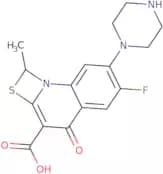

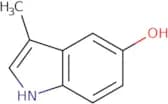
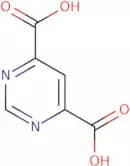
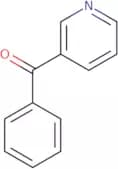
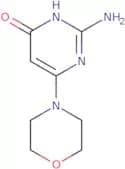
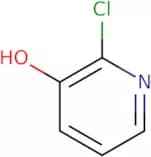
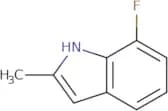
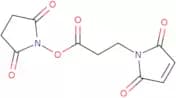
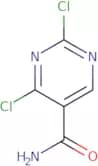
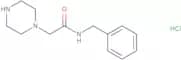
![4-[8-[(2,6-Diethoxy-4′-fluoro[1,1′-biphenyl]-4-yl)methyl]-3-oxo-2,8-diazaspiro[4.5]dec-2-yl]benzoi…](/_next/image/?url=https%3A%2Fstatic.cymitquimica.com%2Fproducts%2F3D%2Fthumb-webp%2FFD183056.webp&w=3840&q=75)
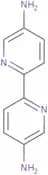
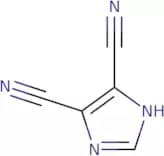
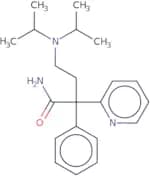

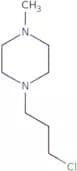
![N-[6-Chloro-5-(2-methoxyphenoxy)-(2,2-bipyrimidine)4-4-yl]-(1,1-dimethylethyl)-benzenesulfonamide](/_next/image/?url=https%3A%2Fstatic.cymitquimica.com%2Fproducts%2F3D%2Fthumb-webp%2FFC20113.webp&w=3840&q=75)

![Ethyl (1,3,6-trimethyl-2,4-dioxo-2,3,4,7-tetrahydro-1H-pyrrolo[2,3-d]pyrimidin-5-yl)acetate](/_next/image/?url=https%3A%2Fstatic.cymitquimica.com%2Fproducts%2F3D%2Fthumb-webp%2FFE128012.webp&w=3840&q=75)
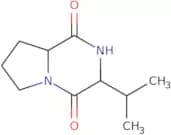
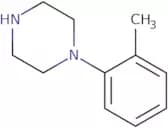
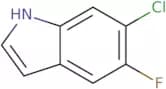
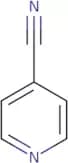
![2,4-Diiodo-6-{[methyl(1-methylpiperidin-4-yl)amino]methyl}phenol oxalate](/_next/image/?url=https%3A%2Fstatic.cymitquimica.com%2Fproducts%2F3D%2Fthumb-webp%2FFD181210.webp&w=3840&q=75)
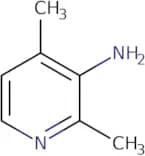

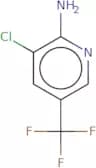
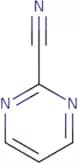
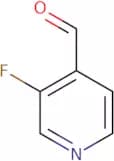
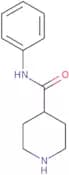
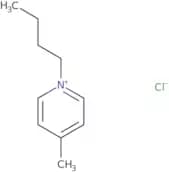

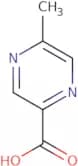
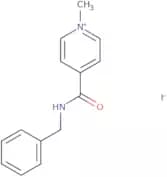
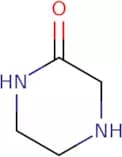
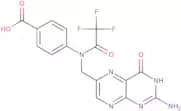

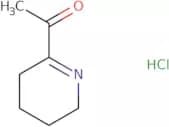

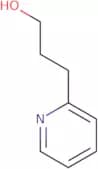
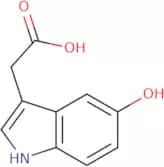
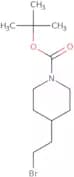
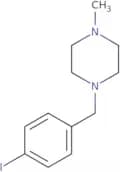
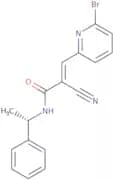

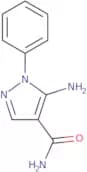
![7,8,9,10-Tetrahydro-8-(trifluoroacetyl)-6,10-methano-6H-pyrazino[2,3-h][3]benzazepine](/_next/image/?url=https%3A%2Fstatic.cymitquimica.com%2Fproducts%2F3D%2Fthumb-webp%2FFT11986.webp&w=3840&q=75)
![3H-Spiro[Isobenzofuran-1,4'-piperidine] hydrochloride](/_next/image/?url=https%3A%2Fstatic.cymitquimica.com%2Fproducts%2F3D%2Fthumb-webp%2FFS53076.webp&w=3840&q=75)
![11-Piperazinyldibenzo[b,e][1,4]diazepine](/_next/image/?url=https%3A%2Fstatic.cymitquimica.com%2Fproducts%2F3D%2Fthumb-webp%2FFP76915.webp&w=3840&q=75)
![1-(5-Trifluoromethyl-[1,3,4]thiadiazol-2-yl)-piperazine](/_next/image/?url=https%3A%2Fstatic.cymitquimica.com%2Fproducts%2F3D%2Fthumb-webp%2FFT50922.webp&w=3840&q=75)
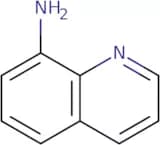
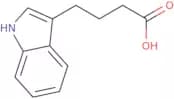

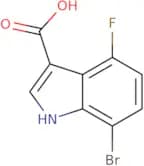
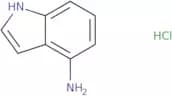
![2-[N-[(3,5-Difluorophenyl)carbamoylamino]-C-methylcarbonimidoyl]pyridine-3-carboxylic acid](/_next/image/?url=https%3A%2Fstatic.cymitquimica.com%2Fproducts%2F3D%2Fthumb-webp%2FFD101726.webp&w=3840&q=75)
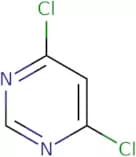
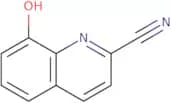
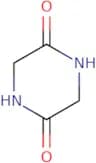
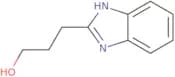
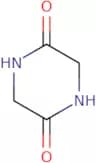
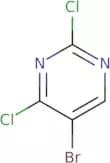
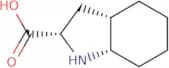
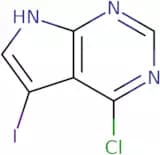
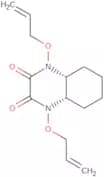
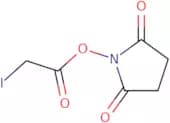
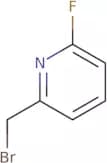
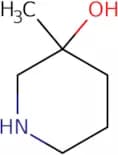
![1-{[1-(2-Chloropyridin-3-yl)-1H-pyrrol-2-yl]carbonyl}-4-(4-fluorophenyl)piperazine](/_next/image/?url=https%3A%2Fstatic.cymitquimica.com%2Fproducts%2F3D%2Fthumb-webp%2FFC128678.webp&w=3840&q=75)

![4-[(Methylsulfonyl)methyl]piperidine hydrochloride](/_next/image/?url=https%3A%2Fstatic.cymitquimica.com%2Fproducts%2F3D%2Fthumb-webp%2FFM120031.webp&w=3840&q=75)
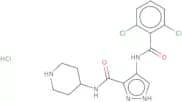
![1H-Pyrrolo[3,2-c]pyridin-4(5H)-one](/_next/image/?url=https%3A%2Fstatic.cymitquimica.com%2Fproducts%2F3D%2Fthumb-webp%2FFP140758.webp&w=3840&q=75)
![6,7-Dihydrothieno[3,2-c]pyridine](/_next/image/?url=https%3A%2Fstatic.cymitquimica.com%2Fproducts%2F3D%2Fthumb-webp%2FFD22047.webp&w=3840&q=75)
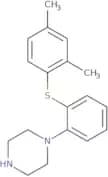
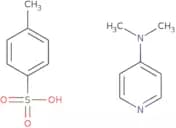
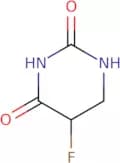
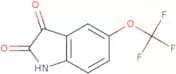
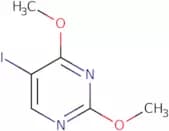
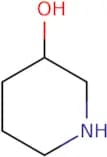
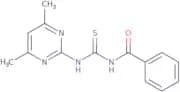
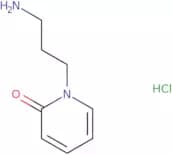
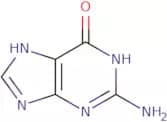

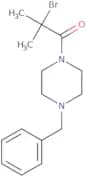
![N-(2-Fluorophenyl)-N-[4-(4-Methyl-1,3-Thiazol-2-Yl)-1-(2-Thiophen-3-Ylethyl)Piperidin-4-Yl]Propana…](/_next/image/?url=https%3A%2Fstatic.cymitquimica.com%2Fproducts%2F3D%2Fthumb-webp%2FFF102591.webp&w=3840&q=75)
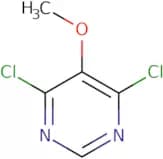
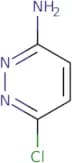
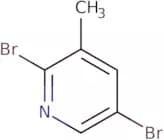

![Pyridin-3-Yl-[4-[3-(Trifluoromethyl)Phenyl]Piperazin-1-Yl]Methanone Dihydrochloride](/_next/image/?url=https%3A%2Fstatic.cymitquimica.com%2Fproducts%2F3D%2Fthumb-webp%2FFP100969.webp&w=3840&q=75)
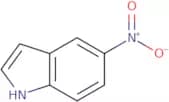
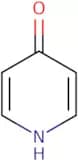
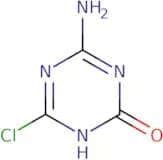
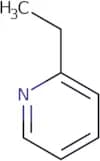
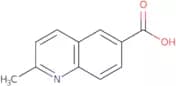
![Pyrazolo[1,5-a]pyrimidine-3-carboxylic acid](/_next/image/?url=https%3A%2Fstatic.cymitquimica.com%2Fproducts%2F3D%2Fthumb-webp%2FFP16388.webp&w=3840&q=75)
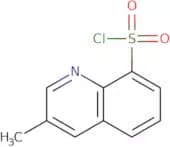
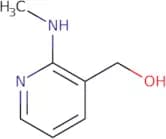
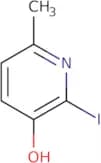
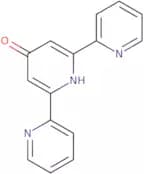
![1-Methyl-3-[3-methyl-4-[4-[(trifluoromethyl)sulfonyl]phenoxy]phenyl]-1,3,5-triazine-2,4,6(1H,3H,5H…](/_next/image/?url=https%3A%2Fstatic.cymitquimica.com%2Fproducts%2F3D%2Fthumb-webp%2FFM27105.webp&w=3840&q=75)
![6-Acetyl-7-methylpyrazolo[1,5-α]pyrimidine-3-carboxylic acid](/_next/image/?url=https%3A%2Fstatic.cymitquimica.com%2Fproducts%2F3D%2Fthumb-webp%2FFA119841.webp&w=3840&q=75)
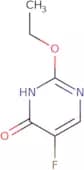
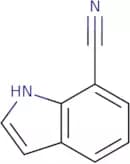
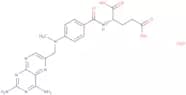

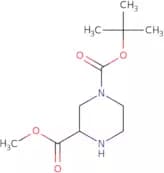
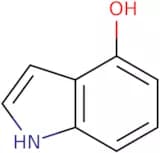
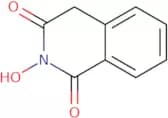
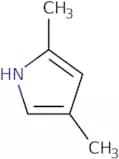
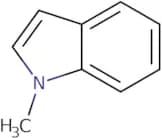
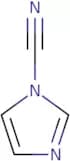
![Dipyrazino[2,3-f:2',3'-h]quinoxaline-2,3,6,7,10,11-hexacarbonitrile](/_next/image/?url=https%3A%2Fstatic.cymitquimica.com%2Fproducts%2F3D%2Fthumb-webp%2FFD42747.webp&w=3840&q=75)

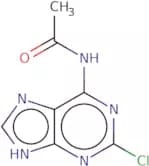
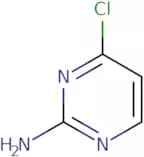
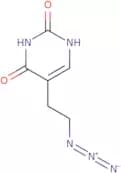
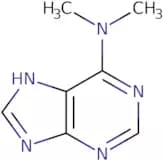
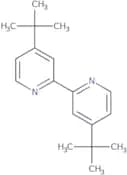
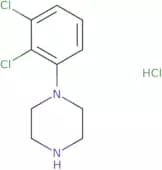
![Methyl 3-amino-6-methylthieno[2,3-b]pyridine-2-carboxylate](/_next/image/?url=https%3A%2Fstatic.cymitquimica.com%2Fproducts%2F3D%2Fthumb-webp%2FFM142163.webp&w=3840&q=75)
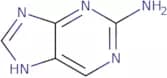
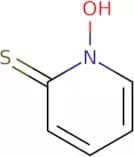
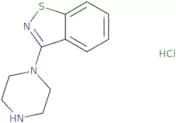
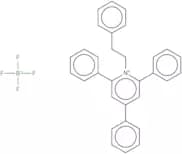

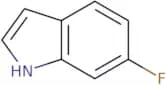
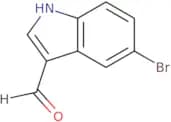
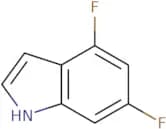
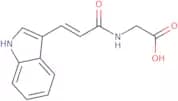

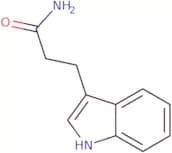
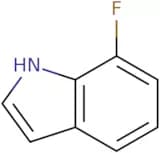
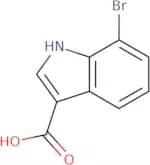
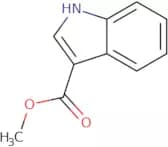
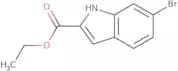
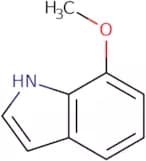
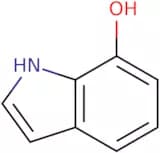

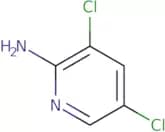
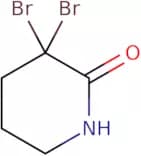
![7H-Imidazo[4,5-d]pyrimidine](/_next/image/?url=https%3A%2Fstatic.cymitquimica.com%2Fproducts%2F3D%2Fthumb-webp%2FFI34476.webp&w=3840&q=75)
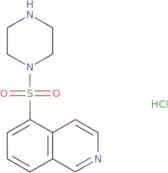
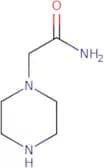
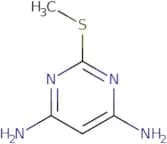

![4,4',4'',4'''-(21H,23H-Porphine-5,10,15,20-tetrayl)tetrakis[benzaldehyde]](/_next/image/?url=https%3A%2Fstatic.cymitquimica.com%2Fproducts%2F3D%2Fthumb-webp%2FFH180948.webp&w=3840&q=75)
![3-[[(2S,4S)-4-[4-(3-Methyl-1-phenyl-1H-pyrazol-5-yl)-1-piperazinyl]-2-pyrrolidinyl]carbonyl]-thiaz…](/_next/image/?url=https%3A%2Fstatic.cymitquimica.com%2Fproducts%2F3D%2Fthumb-webp%2FFM61598.webp&w=3840&q=75)

![1-[4-(Pyridin-3-yloxy)phenyl]methanamine dihydrochloride](/_next/image/?url=https%3A%2Fstatic.cymitquimica.com%2Fproducts%2F3D%2Fthumb-webp%2FFP116871.webp&w=3840&q=75)
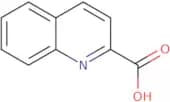

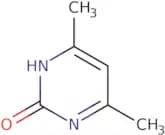
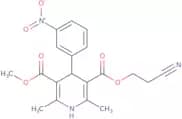
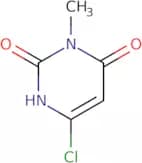

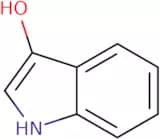
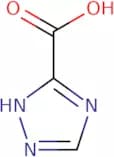
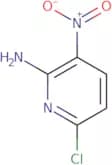
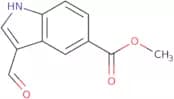
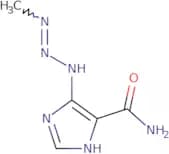
![4-Chloro-7-methyl-7H-pyrrolo[2,3-d]pyrimidine](/_next/image/?url=https%3A%2Fstatic.cymitquimica.com%2Fproducts%2F3D%2Fthumb-webp%2FFC140698.webp&w=3840&q=75)
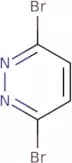
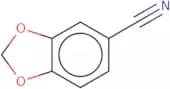
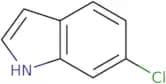
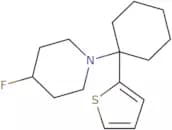
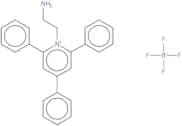
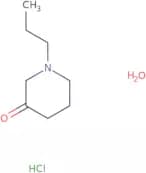

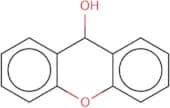
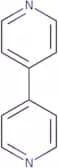
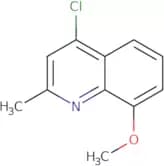
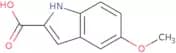

![7-Amino-2-(4-methoxyphenyl)[1,2,4]triazolo[1,5-a]pyrimidin-5(4H)-one](/_next/image/?url=https%3A%2Fstatic.cymitquimica.com%2Fproducts%2F3D%2Fthumb-webp%2FFA134729.webp&w=3840&q=75)