Building Blocks de hidrocarburos
Los building blocks hidrocarbonados son compuestos orgánicos formados únicamente por átomos de carbono e hidrógeno. Estas estructuras fundamentales sirven como base para la síntesis de una amplia variedad de moléculas complejas. Los building blocks hidrocarbonados se utilizan en el desarrollo de productos farmacéuticos, polímeros y otros compuestos orgánicos. En CymitQuimica, ofrecemos una amplia gama de building blocks hidrocarbonados de alta calidad para facilitar tus proyectos de síntesis e investigación.
Subcategorías de "Building Blocks de hidrocarburos"
Se han encontrado 5575 productos de "Building Blocks de hidrocarburos"
Ordenar por
Pureza (%)
0
100
|
0
|
50
|
90
|
95
|
100
Z-1,4-diaminobutane·HCl
CAS:<p>Z-1,4-diaminobutane·HCl is a fine chemical that is a useful building block in research and manufacture of pharmaceuticals. It is also used as a reagent and speciality chemical in the production of other chemicals, such as dyes, rubber products, and pesticides. This compound has been shown to be an effective intermediate for the synthesis of complex organic compounds with versatile structures. Z-1,4-diaminobutane·HCl can be used as a scaffold for the construction of various types of molecules.</p>Fórmula:C12H18N2O2·HClPureza:Min. 95%Forma y color:White PowderPeso molecular:258.74 g/mol1-Methoxy-2-methyl-2-propanol
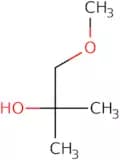
CAS:<p>1-Methoxy-2-methyl-2-propanol is a ligand that is used in coordination chemistry and catalysis. It can be prepared by the metathesis reaction of zirconium dichloride and terminal alkynes at high temperatures. The compound has been shown to have properties as a phase equilibrium catalyst and a mononuclear ligand. 1-Methoxy-2-methyl-2-propanol is soluble in organic solvents, but insoluble in water. It has a melting point of about -20°C and a boiling point of about 190°C, with supercritical fluid properties between these two points. It can be used for reactions at low temperatures or high temperatures, depending on the solvent used.</p>Fórmula:C5H12O2Pureza:Min. 95%Forma y color:Colorless Clear LiquidPeso molecular:104.15 g/mol1-Bromopentane
CAS:<p>1-Bromopentane is a colorless liquid that has an unpleasant odor. It is soluble in water and reacts with acids to form bromides. 1-Bromopentane has been used as an oxidation catalyst in the preparation of organic compounds under conditions of constant pressure and light exposure. It has also been used in the synthesis of polymers, such as poly(1-bromopentene). Its biological properties are not well known, but it has been shown to have CB2 receptor agonist activity and inhibitory effects on oxidative stress. The chemical kinetic data for 1-bromopentane are available at various temperatures and pressures. Chloride ions can act as catalysts for its decomposition reaction, which is a stepwise process involving the conversion of hydroxyl groups into chloride atoms. The reaction mechanism starts with the conversion of one bromine atom into a radical by abstraction of a hydrogen atom from the molecule followed by addition of another brom</p>Fórmula:C5H11BrPureza:Min. 98 Area-%Forma y color:Colorless Clear LiquidPeso molecular:151.04 g/mol3-Methylnonane-2,4-dione
CAS:<p>3-Methylnonane-2,4-dione is a chemical compound that belongs to the group of unsaturated ketones. It has been shown to have an odorant receptor activity in mice. 3-Methylnonane-2,4-dione is found in foods, such as butter and cheese, and has a mild flavor. It can be reduced by carbonyl reduction and reacts with light during exposure. The reaction vessel must be inert to avoid contact with reducing agents that can cause a color change. 3-Methylnonane-2,4-dione also reacts with peroxides and other oxidizing agents to form peroxyketals.</p>Fórmula:C10H18O2Pureza:Min. 97 Area-%Forma y color:Clear LiquidPeso molecular:170.25 g/molPropionamide
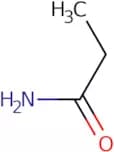
CAS:<p>Propionamide is an amide that inhibits bacterial growth by binding to the DNA-dependent RNA polymerase and preventing transcription. It is used in treatment trials for bacterial infections. Propionamide has been shown to inhibit the growth of bacteria in vitro and in vivo, as well as to have an inhibitory effect on experimental solubility data. The chemical properties of propionamide are consistent with a potential use as a drug for treating metabolic disorders, such as diabetes mellitus and obesity.</p>Fórmula:C3H7NOPureza:Min. 95%Forma y color:White PowderPeso molecular:73.09 g/mol2,2,3,3-Tetramethoxybutane
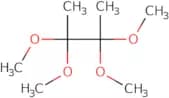
CAS:<p>The butane analog with CAS 176798-33-7 is a useful research chemical used in organic synthesis.</p>Fórmula:C8H18O4Pureza:Min. 95%Forma y color:Colourless LiquidPeso molecular:178.23 g/mol2-(2-Methoxyethoxy)ethanol
CAS:<p>2-(2-Methoxyethoxy)ethanol is a sodium salt that has a synergic effect with other solvents. It is used in the preparation of samples for analytical purposes and in the reaction solution of various glycol ethers. 2-(2-Methoxyethoxy)ethanol also has an effect on thermal expansion, which can be utilized to monitor this parameter during sample preparation. The presence of nitrogen atoms in its structure makes it possible to use it as a reagent for the synthesis of styryl dyes. 2-(2-Methoxyethoxy)ethanol is an antirheumatic drug that belongs to the class of glycol esters and benzalkonium chloride.</p>Fórmula:C5H12O3Pureza:Min. 95%Forma y color:Colorless Clear LiquidPeso molecular:120.15 g/mol1-Phenoxy-2-propanol
CAS:<p>1-Phenoxy-2-propanol is an antimicrobial agent that belongs to the group of glycol ethers. It has a hydroxyl group and atp levels, which are both vital for its activity index. 1-Phenoxy-2-propanol is used as a preservative in cosmetics and pharmaceuticals, with the exception of eye products. It also has been shown to have a low level of toxicity for humans and other mammals, such as rats and guinea pigs. The EPA has classified 1-phenoxy-2 propanol as Group D - not classifiable as to human carcinogenicity. 1-Phenoxy-2 propanol is toxic to bacteria, yeast, fungi, algae, plants, and invertebrates when present in high concentrations.</p>Fórmula:C9H12O2Pureza:Min. 95%Forma y color:Colorless Clear LiquidPeso molecular:152.19 g/molDipropyl ether
CAS:<p>Dipropyl ether is a reagent that is used in organic synthesis as a reaction component or building block for the preparation of complex compounds. It is also known to be an intermediate in the production of propylene oxide, which is used in the production of polyurethane. Dipropyl ether has been shown to be useful as a research chemical and speciality chemical. This compound has CAS number 111-43-3 and can be prepared by reacting diethyl ether with propene, acetone, or chloroform.</p>Fórmula:C4H9NO2SPeso molecular:135.19 g/mol(R)-2-Methylbutyric acid
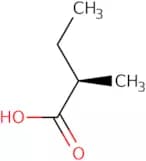
CAS:<p>(R)-2-Methylbutyric acid is a synthetic compound that has the same stereoisomeric configuration as 2-methylbutyric acid. The difference in the two molecules is that the (R) form has a hydroxyl group on the alpha carbon, while 2-methylbutyric acid does not. This compound is stable under acidic conditions, but hydrolyzes to form butyric acid when exposed to basic conditions. It is used in industrial applications such as food production and as an intermediate in synthesizing other compounds such as tiglic acid or amido groups.</p>Fórmula:C5H10O2Pureza:Min. 95%Forma y color:Yellow PowderPeso molecular:102.13 g/mol2-Chloroethyl isocyanate
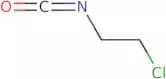
CAS:<p>Inhibitor of DNA repair mechanisms</p>Fórmula:C3H4ClNOPureza:Min. 98%Forma y color:Colorless Clear LiquidPeso molecular:105.52 g/mol2-Chloro-1,3-propanediol
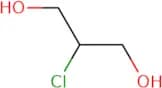
CAS:<p>2-Chloro-1,3-propanediol is a useful intermediate and building block in organic synthesis. It is also a reagent that can be used to synthesize other organic compounds. 2-Chloro-1,3-propanediol has been shown to be a versatile scaffold for the synthesis of many different types of organic molecules. It is also an important component of research chemicals and speciality chemicals. This chemical can be used as a high quality fine chemical or complex compound in the manufacture of other products.</p>Fórmula:C3H7ClO2Pureza:Min. 97 Area-%Forma y color:Colorless Clear LiquidPeso molecular:110.54 g/molLithium bis(trifluoromethanesulfonimide)
CAS:<p>Lithium bis(trifluoromethanesulfonimide) is a salt that is used in analytical chemistry as a reagent for the preparation of lithium salts. The sample should be dissolved in an organic solution and then reacted with lithium bis(trifluoromethanesulfonimide). Lithium bis(trifluoromethanesulfonimide) has been shown to have good transport properties, but the reaction mechanism is not well-understood. It has an activation energy of approximately 18 kcal/mol and can decompose at high temperatures. Lithium bis(trifluoromethanesulfonimide) can also react with strong acids or bases, so it is necessary to use an electrolyte when preparing the solution.</p>Fórmula:C2F6LiNO4S2Pureza:Min 98%Forma y color:White Off-White PowderPeso molecular:287.09 g/mol12-Amino-1-dodecanol
CAS:<p>12-Amino-1-dodecanol is a monolayer that has been synthesized by reacting dodecanol with phosphorus pentoxide in the presence of diacetate. 12-Amino-1-dodecanol is an amphiphilic molecule, which means it can form both hydrophobic and hydrophilic regions. This property allows it to form a monolayer on the surface of cells, such as the Caco2 cell line. The film is composed of fatty acids and contains functional groups that provide phosphatase activity and neutral pH. 12-Amino-1-dodecanol may be used for drug delivery, specifically for the treatment of intestinal disorders or cell monolayers.</p>Fórmula:C12H27NOPureza:Min. 95%Forma y color:PowderPeso molecular:201.35 g/mol6-Azido-hexan-1-ol
CAS:<p>6-Azido-hexan-1-ol is an organic compound with the chemical formula CH3CH2OCH2CH2N3. It is a colorless liquid that boils at 29°C and has a melting point of -60°C. 6-Azido-hexan-1-ol has been shown to be a reactive site in polymerization kinetics, with a kinetic rate constant of 2.0x10^5 M^(-1)s^(-1). This compound also exhibits high reactivity when used as a substrate for ring opening polymerization, which may be due to its hydroxy group and functional groups. 6-Azido-hexan-1-ol can be synthesized by reacting 4 vinylbenzyl alcohol with hydrazine hydrate in the presence of an acid catalyst, such as sulfuric acid or pyridine. The reaction can be monitored using matrix assisted laser desorption ionization time of flight (MALDI</p>Fórmula:C6H13N3OPureza:Min. 95%Forma y color:Clear LiquidPeso molecular:143.19 g/molCyclic-3-(1,2-ethanediylacetal)-17β-cyano-17α-hydroxy-estra-5(10),9(11)-dien-3-one
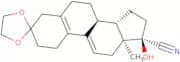
CAS:<p>Cyclic-3-(1,2-ethanediylacetal)-17beta-cyano-17alpha-hydroxy-estra-5(10),9(11)-dien-3 -one is a chemical compound that is used as a reaction component, reagent, and high quality research chemical. It can be used as a useful scaffold or building block for the synthesis of complex compounds. Cyclic-3-(1,2-ethanediylacetal)-17beta-cyano-17alpha -hydroxyestra-5(10),9(11)-diene 3 one has CAS number 3330019 5.</p>Fórmula:C21H27NO3Pureza:Min. 95%Forma y color:White to off-white solid.Peso molecular:341.44 g/molLinoleic acid - 60%min
CAS:<p>Linoleic acid is a polyunsaturated fatty acid that is an important component of the human diet. It has been shown to have inhibitory properties on liver cells, and may be related to body mass index. Linoleic acid is a precursor for gamma-aminobutyric acid (GABA), which functions as a neurotransmitter in the central nervous system. Linoleyl alcohol is a metabolite of linoleic acid and has been shown to inhibit the production of antimicrobial peptides, such as cathelicidin and beta-defensin. The inhibition of this peptide may be responsible for the observed reduction in inflammatory responses and infections.</p>Fórmula:C18H32O2Pureza:Min. 95%Forma y color:Yellow Clear LiquidPeso molecular:280.45 g/mol6-Bromo-1-hexanol
CAS:<p>6-Bromo-1-hexanol is an azobenzene polymer film that is used in the manufacture of a number of pharmaceuticals. The polymer has been shown to have a broad spectrum of activity against bacteria and fungi, including human maltase glucoamylase, which is found in the gut. The polymers are prepared by reacting sodium salts with maleate, hydroxyl group, and x-ray crystal structures. 6-Bromo-1-hexanol has been shown to have good optical properties and can be used as a sample preparation material for x-ray diffraction studies. It also has a high chloride ion content and acts as a halide donor in cell culture experiments. This polymer also fluoresces under UV light.!--</p>Fórmula:C6H13BrOPureza:Min. 97 Area-%Forma y color:Colorless Clear LiquidPeso molecular:181.07 g/mol10-Amino-1-decanol
CAS:<p>10-Amino-1-decanol is a synthetic compound that has been shown to be neuroprotective and estrogenic. It also inhibits the growth of MCF-7 cells by interacting with the cell's signalling pathways. This molecule was synthesized by ozonides and contains ether linkages, which may be responsible for its inhibitory activity. The molecular modelling of this molecule shows that it contains an iron chelating group, which may be responsible for its ability to interact with other molecules containing iron. 10-Amino-1-decanol interacts with proteins in a similar way to tamoxifen, inhibiting their activity.</p>Fórmula:C10H23NOPureza:Min. 95%Forma y color:White PowderPeso molecular:173.3 g/molPivalonitrile
CAS:<p>Solvent and labile ligand in coordination chemistry</p>Fórmula:C5H9NPureza:Min. 98 Area-%Forma y color:Clear LiquidPeso molecular:83.13 g/mol5-Amino-1-pentanol
CAS:<p>5-Amino-1-pentanol is a chemical compound that has been shown to stimulate angiogenesis, which is the process of developing new blood vessels from pre-existing ones. It is not currently approved for use in humans and has only been tested on mice. 5-Amino-1-pentanol stimulates angiogenesis by binding to the vascular endothelial growth factor receptor 2 (VEGFR2) protein, which is involved in regulating blood vessel formation. This drug also suppresses cancer gene expression and selectively binds to DNA polymerase α. The amide group of 5-amino-1-pentanol reacts with trifluoroacetic acid to form an amine, which then reacts with water vapor to form a hydroxyl group. This reaction solution can be used as a diagnostic tool for detecting the presence of amines or other nitrogenous compounds.</p>Fórmula:C5H13NOPureza:Min. 94%Forma y color:Colorless Yellow PowderPeso molecular:103.16 g/molMES monohydrate
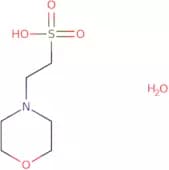
CAS:<p>MES buffer is a synthetic buffer commonly used in biological and biochemical experiments. It's known for its buffering capacity within the pH range of 5.5 to 6.7, making it suitable for various applications. It has good water solubility, chemical stability, and minimal interaction with metal ions, which is crucial for many biological systems.</p>Fórmula:C6H13NO4S·H2OForma y color:White Off-White PowderPeso molecular:213.25 g/molN-(4-Aminobutyl)-1,4-butanediamine trihydrochloride
CAS:<p>N-(4-Aminobutyl)-1,4-butanediamine trihydrochloride (N(4)ABDAT) is a fine chemical and versatile building block. It can be used as an intermediate in the synthesis of pharmaceuticals and other organic chemicals. N(4)ABDAT is also a useful reagent for research purposes. The compound has a CAS number of 189340-78-1. It was originally synthesized by reacting 4-aminobutyric acid with 1,4-butanediamine, which yielded N(4)ABDAT as the major product. The chemical properties of N(4)ABDAT have been studied extensively including its reaction with potassium hydroxide, hydrochloric acid and sodium hydroxide to form different compounds.</p>Fórmula:C8H24Cl3N3Pureza:Min. 95%Forma y color:White PowderPeso molecular:268.65 g/mol1,2,5,6-Diepoxycyclooctane
CAS:<p>1,2,5,6-Diepoxycyclooctane is a chemical compound that has been used as a crosslinking agent for the polymerization of epoxies. It is also used as a reactive intermediate in organic synthesis. 1,2,5,6-Diepoxycyclooctane can be prepared by reacting epichlorohydrin with ethylene oxide and then hydrogenation. This chemical compound is stable to ultraviolet light and does not react with cationic surfactants. 1,2,5,6-Diepoxycyclooctane can form monoadducts or diploid adducts when it reacts with chemicals such as dioxane and benzene. The nmr spectra of 1,2,5,6-diepoxycyclooctane show signals characteristic of epoxides.</p>Fórmula:C8H12O2Pureza:Min. 95%Forma y color:PowderPeso molecular:140.18 g/molPhentolamine methanesulfonate
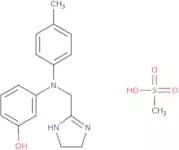
CAS:<p>Phentolamine is a synthetic mesylate that is used as an antihypertensive agent, and for the treatment of Raynaud's syndrome and pheochromocytoma. Phentolamine is also used to prevent frostbite and to treat various types of shock. Phentolamine blocks alpha-2-adrenergic receptors, thereby decreasing sympathetic nerve impulses to the heart, blood vessels, kidneys, and other organs. This drug also acts as a histamine antagonist by blocking H1-receptors on vascular smooth muscle cells. Phentolamine has been shown to have no significant effects on 5-hydroxytryptamine (5HT) release in vitro or in vivo.</p>Fórmula:C18H23N3O4SPureza:Min. 95%Forma y color:White PowderPeso molecular:377.46 g/mol2-Amino-1-methoxypropane
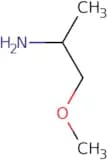
CAS:<p>2-Amino-1-methoxypropane (AMP) is a bifunctional amine that has been used as a diluent for lipase. It has been shown to have deprotective properties against metal surfaces and to be able to react with the nucleophilic group of an amine, which is useful in organic synthesis. The constant temperature of AMP, which is useful in organic synthesis, was obtained by recycling it through a constant temperature bath. This process also prevents the formation of unwanted products during the reaction.</p>Fórmula:C4H11NOPureza:Min. 95 Area-%Forma y color:Clear LiquidPeso molecular:89.14 g/mol1,1,1-Tris(hydroxymethyl)ethane
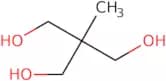
CAS:<p>1,1,1-Tris(hydroxymethyl)ethane is a liquid that can be used in the treatment of wastewater. It is a non-ionic surfactant that reacts with metal hydroxides to form insoluble salts. 1,1,1-Tris(hydroxymethyl)ethane has been shown to have a light emission property at room temperature and below. The structure of 1,1,1-Tris(hydroxymethyl)ethane has been determined using spectroscopic analysis and chemical synthesis. Hypoglycemic effects have been demonstrated in mice fed a high-fat diet supplemented with 1,1,1-Tris(hydroxymethyl)ethane as well as in rats fed an experimental diet containing this compound.</p>Fórmula:C5H12O3Pureza:Min. 95 Area-%Forma y color:White Off-White PowderPeso molecular:120.15 g/mol11-Bromoundecanoic acid
CAS:<p>11-Bromoundecanoic acid is a heterobifunctional reagent that is used in the synthesis of phospholipids. This chemical reacts with an amide group on a phosphatidylcholine to introduce a bromine atom, which can be used as a fluorophore. The reaction is done in an organic solvent, such as dichloromethane, which facilitates the reaction by dissolving the reactants. The reaction can be monitored using fluorescence assay techniques and 11-bromoundecanoic acid is characterized by its constant ring-opening constant and fatty acid chain length.</p>Fórmula:C11H21BrO2Pureza:Min. 95%Forma y color:PowderPeso molecular:265.19 g/molAMP
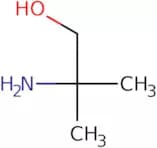
CAS:<p>AMP, also known as 2-Amino-2-methyl-1-propanol, is a buffering agent with an optimal pH range of 9.0-10.5 and a pKa of 9.7. It is used in biochemical assays, enzyme activity tests, and cosmetic formulations.</p>Fórmula:C4H11NOPureza:Min. 95%Forma y color:Colorless Clear LiquidPeso molecular:89.14 g/molCyclopentylmethanol
CAS:<p>Cyclopentylmethanol is a chemical compound with the molecular formula CH3OH. It is a colorless liquid that is soluble in water and has a distinctive, sweet odor. Cyclopentylmethanol is used as an intermediate in organic synthesis and as a solvent for nitrocellulose, cellulose acetate, cellulose nitrate, and similar materials. It reacts with chlorine at high temperatures to form chlorinated cyclopentylmethanols. This reaction can be used to synthesize hydroxyapatite (a mineral) from calcium phosphate (a mineral). Cyclopentylmethanol also reacts with nicotinic acetylcholine receptors in the brain, causing them to desensitize. Hydroxyapatite can also be synthesized by reacting cyclopentylmethanol with dinucleotide phosphate and hydroxyl group containing compounds such as esters or soluble guanylate cyclase enzymes. The reactions produce hydrogen</p>Fórmula:C6H12OPureza:Min. 95%Forma y color:Clear Colourless LiquidPeso molecular:100.16 g/mol1,1,3,3-Tetramethylbutyl isocyanide
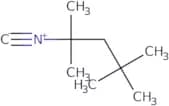
CAS:<p>1,1,3,3-Tetramethylbutyl isocyanide (TMBC) is a palladium complex that has been used in palladium-catalyzed coupling reactions. TMBC is also a ligand for the synthesis of β-amino acid and can be used to form hydrogen bonds with nucleophiles. It has been used in biological studies as well as clinical diagnostics. The solid-phase synthesis of TMBC has been shown to be an efficient method for producing this compound. In addition, TMBC shows stereoselective reactivity with amines and methoxy groups. The nmr spectra of TMBC are characteristic of a carbonyl group at δ 3.20 ppm and two methyl groups at δ 1.36 and 1.37 ppm respectively.</p>Fórmula:C9H17NPureza:Min. 98%Forma y color:Clear LiquidPeso molecular:139.24 g/mol1,8-Diazido-3,6-dioxaoctane
CAS:<p>1,8-Diazido-3,6-dioxaoctane is a synthetic molecule that is used in the synthesis of macrolactones, polymers, and biomolecules. It can be used as a bioconjugate to attach other functional groups to biomaterials and polymers, such as azido groups. This compound has high sensitivity and thermal stability with good solubility in organic solvents. 1,8-Diazido-3,6-dioxaoctane has been shown to be compatible with many functional groups and is an important monomer for use in cross-linked polymers.</p>Fórmula:C6H12N6O2Pureza:Min. 95%Forma y color:Colorless PowderPeso molecular:200.2 g/mol2-Methylamino-2-phenylbutanol hydrochloride
CAS:<p>2-Methylamino-2-phenylbutanol hydrochloride is a fine chemical that can be used in the production of research chemicals, pharmaceuticals, and other specialty chemicals. It is a versatile building block with many applications in organic synthesis. 2-Methylamino-2-phenylbutanol hydrochloride is an intermediate for the production of other useful compounds and has many reactions that are applicable to complex compounds. 2-Methylamino-2-phenylbutanol hydrochloride can also be used as a reagent and has high quality standards.</p>Fórmula:C11H17NO•HClPureza:(%) Min. 95%Forma y color:PowderPeso molecular:215.72 g/mol4-Amino-1-butanol
CAS:<p>4-Amino-1-butanol is a natural compound that is not toxic to humans. It is amide with a hydrophilic interaction chromatography property, and has been shown to have hemolytic activity against human erythrocytes. 4-Amino-1-butanol has been shown to be an inhibitor of the HIV virus, with minimal toxicity. It has also been shown to inhibit the replication of the wild type virus in cells in vitro and in vivo, which is due to its ability to bind with the enzyme ethylene diamine. The inhibition of this enzyme leads to a reduction in biological activity of amines.</p>Fórmula:C4H11NOPureza:Min. 95%Forma y color:Slightly Yellow Clear LiquidPeso molecular:89.14 g/mol1,1,1,3,3,3-Hexafluoro-2-propanol
CAS:<p>Hexafluoroisopropanol is a chemical compound that is used in the laboratory to study biological properties. It reacts with hydrogen fluoride, forming hydrogen hexafluoride gas and a fluorescent derivative. This reaction solution can be titrated using calorimetric techniques, which involves measuring the heat released by the reaction. Fluorescence probe studies can also be done to determine the conformational properties of hexafluoroisopropanol. Studying this molecule under different conditions can yield important thermodynamic data for its use in structural biology and fluorescence probe experiments.</p>Fórmula:C3H2F6OPureza:Min. 98.5%Forma y color:Clear LiquidPeso molecular:168.04 g/mol4-Fluoro-1-butanol
CAS:<p>4-Fluoro-1-butanol is a gaseous protonated fluorine compound. The proton is transferred from the hydrogen to the fluorine, resulting in an intramolecular hydrogen bond. 4-Fluoro-1-butanol has been shown to undergo conformational changes due to the substituent effects of other atoms on its molecules. This molecule has been shown to be able to orient itself in different ways, depending on the experimental parameters and conditions that are used. 4-Fluoro-1-butanol has also been shown to have a strong hydrogen bond with other molecules such as water, which may be due to its ability to form a stable H···O hydrogen bond with a strong donor atom (fluorine).</p>Fórmula:C4H9FOPureza:Min. 95%Forma y color:Colourless To Yellow LiquidPeso molecular:92.11 g/mol2,3-Butanedione monoxime
CAS:<p>2,3-Butanedione monoxime (BDM) is a metabolite of the glycol ether, 2,3-butanedione. It has been shown to have a beneficial effect on metabolic disorders in rats by modulating several enzyme activities. The optimum concentration of BDM is 2 mmol/L. This compound has also been shown to inhibit the oxidation of xanthine oxidase and the formation of hydroxyl radicals in vitro. BDM has also been found to have synchronous fluorescence with papillary muscles from guinea pigs and cytosolic ca2+ levels in rat liver cells. The structure analysis revealed that BDM binds to the active site of the x-ray crystal structures for mitochondrial cytochrome C oxidase and cardiac ATP synthase with an affinity similar to that of CoQ10. The Langmuir adsorption isotherm for BDM was calculated as 0.913 +/- 0.034 cm/g at 20 degrees Celsius,</p>Fórmula:C4H7O2NPureza:(%) Min. 99%Forma y color:White PowderPeso molecular:101.1 g/mol3-(Cyclohexylamino)-1-propanesulfonic acid sodium salt
CAS:<p>CAS No. 105140-23-6 is a cyclic sulfonic acid that is used as a reagent, building block, and intermediate in the synthesis of organic compounds. It is soluble in water and has a high melting point, making it useful for research purposes. CAS No. 105140-23-6 is also an excellent scaffold for complex compounds with many functional groups, making it versatile for use in reactions and syntheses.</p>Fórmula:C9H18NO3SNaPeso molecular:243.3 g/mol4D-Hydroxysphinganine
CAS:<p>Sphingolipid; cell membrane component; anti-inflammatory agent</p>Fórmula:C18H39NO3Pureza:Min. 97 Area-%Forma y color:White PowderPeso molecular:317.51 g/molDL-Tartaric acid
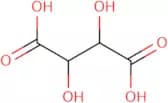
CAS:<p>DL-Tartaric acid is a calcium salt of tartaric acid. It is used as a standard in the analysis of total calcium and tartaric acid content in beverages, wines, foodstuffs, and pharmaceuticals. DL-Tartaric acid can be used to prepare standard solutions for the determination of benzalkonium chloride and other natural compounds by chromatographic methods. The rate constants for the reaction between DL-tartaric acid and calcium pantothenate have been determined by electrochemical impedance spectroscopy. The fluorescence intensity of chemiluminescent reactions with DL-tartaric acid has been found to be proportional to the concentration of tartrate ions in solution. X-ray diffraction data confirm that DL-tartaric acid is an orthorhombic crystal system with space group P2/c.</p>Fórmula:C4H6O6Forma y color:White PowderPeso molecular:150.09 g/molEthyl propiolate
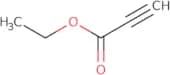
CAS:<p>Ethyl propiolate is a halide that is structurally related to the alkylating agent trifluoroacetic acid. Ethyl propiolate inhibits the activity of several enzymes including phosphofructokinase and pyruvate kinase, which are important for energy metabolism in cells. It also has been shown to have beneficial effects on autoimmune diseases such as lupus erythematosus. The mechanism of action of ethyl propiolate is due to its ability to react with activated oxygen and form an intramolecular hydrogen bond with carbon atoms in the substrate molecule. The reaction between ethyl propiolate and diethyl ketomalonate results in the formation of diethyl 2-propiolate, which can then be hydrolyzed by water into acetaldehyde and diethyl ketomalonate.</p>Fórmula:C5H6O2Pureza:Min. 98 Area-%Forma y color:Colorless Clear LiquidPeso molecular:98.1 g/molDichloroacetic anhydride
CAS:<p>Please enquire for more information about Dichloroacetic anhydride including the price, delivery time and more detailed product information at the technical inquiry form on this page</p>Fórmula:C4H2Cl4O3Pureza:Min. 95%Forma y color:Solidified MassPeso molecular:239.9 g/mol3-Mercapto-1,2-propanediol
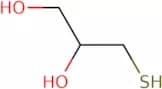
CAS:<p>3-Mercapto-1,2-propanediol is a sulfhydryl compound that has anti-tumor properties. It has been shown to induce apoptosis in leukemia cells and to inhibit the growth of myeloma cells. 3-Mercapto-1,2-propanediol has also been shown to induce redox potentials in cancer cells and prevent the formation of disulfide bonds in the cytoskeleton. The molecular pathogenesis of cancer is thought to be related to oxidative stress, which may be prevented by 3-mercapto-1,2-propanediol. This drug has also been shown to block transfection experiments with pemetrexed in a model system and human serum.</p>Fórmula:C3H8O2SPureza:Min. 95%Forma y color:Clear LiquidPeso molecular:108.16 g/molPivaldehyde
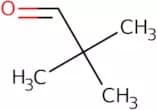
CAS:<p>Intermediate in organic syntheses; stereoselective synthesis</p>Fórmula:C5H10OPureza:Min. 95%Forma y color:Colorless Clear LiquidPeso molecular:86.13 g/molTrifluoromethanesulfonic anhydride
CAS:<p>Trifluoromethanesulfonic anhydride is more frequently known as triflic anhydride, since it derives from triflic acid. It is a versatile and strong electrophile used to insert the triflyl group (represented as Tf-) into chemical molecules (Ouyang, 2018). For example, trifluoromethane sulfonic anhydride interacts with some alkylsulfides to form stable salts that are used in the oxidation of alcohols. Moreover, trifluoromethane sulfonic anhydride has successfully shown high activity as a promoter in glycosylation reactions to obtain disaccharides (Tatai, 2007).</p>Fórmula:C2F6O5S2Pureza:Min. 95%Forma y color:Colorless Slightly Brown Clear LiquidPeso molecular:282.14 g/molTrimethylolpropane tris(2-mercaptoacetate)
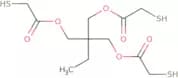
CAS:<p>Trimethylolpropane tris(2-mercaptoacetate) (TMPTMA) is a functional group that is used as an actuator in organic solvent-based inkjet printing. It has been shown to be a cross-linking agent and a treatment effect modifier. TMPTMA has been shown to be a hydroxyl group donor and has the ability to form vinyl groups. In addition, it can act as an organic acid by donating protons and carboxyl groups. TMPTMA can also function as a heat energy absorber and has low molecular weight, making it highly reactive with other substances. The alicyclic structure of TMPTMA makes it susceptible to ring opening reactions with strong acids or bases.</p>Fórmula:C12H20O6S3Pureza:Min. 95%Forma y color:PowderPeso molecular:356.48 g/mol2-Methyl-1,3-propanediol
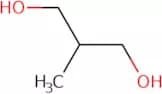
CAS:<p>2-Methyl-1,3-propanediol is a glycol ether that is used in sample preparation for chemical analysis. It is an antimicrobial agent that has been shown to be active against bacteria such as Escherichia coli and Staphylococcus aureus. 2-Methyl-1,3-propanediol has also been shown to have the ability to inhibit the growth of epidermal cells. This chemical has been shown to be effective in treating skin lesions caused by dermatophytes, fungi and bacterial infections. 2-Methyl-1,3-propanediol inhibits the synthesis of glycol esters, fatty acids and epidermal growth factor through competition with hydroxyl groups on cell membranes. It also chelates metal ions such as Cu2+, Zn2+, Cd2+ and Pb2+.</p>Fórmula:C4H10O2Pureza:Min. 95%Forma y color:Colorless PowderPeso molecular:90.12 g/mol2-Iodoethanol - stabilised with copper
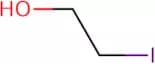
CAS:<p>2-Iodoethanol is a chemical compound that has the chemical formula CH2CHIO2. It is used as a reagent in analytical chemistry, as well as in pharmaceutical preparations and polymerase chain reactions. The hydroxyl group on the ethoxy side of this molecule is important for its reactivity, with 2-iodoethanol having an electron affinity of 5.4 eV. This reactivity can also be seen when it is reacted with sodium carbonate to form sodium ethoxide, which has been shown to have anti-hyperproliferative properties. 2-Iodoethanol has been shown to be particularly effective against plant metabolites, such as 5-membered heteroaryl compounds.</p>Fórmula:C2H5IOPureza:Min. 98.5 Area-%Forma y color:PowderPeso molecular:171.96 g/mol3-Mercapto-3-methyl-1-hexanol
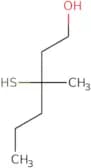
CAS:<p>3-Mercapto-3-methyl-1-hexanol is a molecule that belongs to the group of 3-hydroxyalkanoic acids. It is found in human skin cells and has a high transport rate in these cells. 3-Mercapto-3-methyl-1-hexanol can be converted to 3-hydroxy-3 methylhexanoic acid by bacterial enzymes, including corynebacterium, coli k12, and staphylococci. The molecule has been shown to be an enantiomer of 3,4 dithiadiphosphene. Studies have shown that this compound has antibacterial properties against both Gram positive and Gram negative bacteria, although it does not exhibit any activity against C. difficile or Proteus mirabilis. 3-Mercaptohexanol may also have clinical relevance for humans because it is structurally similar to molecules that are involved in the biosynthesis of important biochemicals such as</p>Fórmula:C7H16OSPureza:Min. 95 Area-%Forma y color:Colorless Clear LiquidPeso molecular:148.27 g/moltert-Butyl isocyanoacetate
CAS:<p>tert-Butyl isocyanoacetate is an organic compound that belongs to the diacid class of organic compounds. It reacts with water to produce the amide and squaramide. Tert-butyl isocyanoacetate has a high affinity for nitrogen atoms, and can be used in uv absorption spectroscopy. It also has a stepwise mechanism and can react with other chemicals to produce new substances. The compound has fluorescence properties and is used in optical devices such as lasers. Tert-butyl isocyanoacetate also has an ester hydrochloride form which is low potency but active methylene catalysed.</p>Fórmula:C7H11NO2Pureza:Min. 95%Forma y color:Brown Clear LiquidPeso molecular:141.17 g/mol