Compuestos y derivados alifáticos
Los compuestos alifáticos y sus derivados son compuestos orgánicos caracterizados por estructuras de cadena recta o ramificada, a diferencia de las estructuras en anillo encontradas en los compuestos aromáticos. Estos compuestos incluyen alcanos, alquenos, alquinos y sus derivados funcionalizados, desempeñando un papel vital en varios procesos químicos y aplicaciones industriales. En CymitQuimica, ofrecemos una diversa selección de compuestos alifáticos de alta pureza y sus derivados, meticulosamente seleccionados y probados para cumplir con los estrictos requisitos de las necesidades de investigación e industriales. Nuestro catálogo abarca una amplia gama de compuestos, incluyendo hidrocarburos, alcoholes, aldehídos, cetonas y ácidos, cada uno conocido por su reactividad y versatilidad en la síntesis orgánica, la farmacéutica y la ciencia de materiales. Al proporcionar compuestos alifáticos y derivados de alta calidad, apoyamos a los investigadores y profesionales en la consecución de transformaciones químicas precisas y eficientes, fomentando la innovación y los avances en múltiples campos científicos y tecnológicos.
Se han encontrado 8718 productos de "Compuestos y derivados alifáticos"
Ordenar por
Pureza (%)
0
100
|
0
|
50
|
90
|
95
|
100
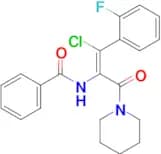
(Z)-N-(1-Chloro-1-(2-fluorophenyl)-3-oxo-3-(piperidin-1-yl)prop-1-en-2-yl)benzamide
CAS:Pureza:97.0%Peso molecular:386.85000610351562-Hydroxyethyl acrylate (stabilized with MEHQ)
CAS:Fórmula:C5H8O3Pureza:96% (stabilized with MEHQ)Forma y color:Liquid, Clear LiquidPeso molecular:116.116(2E)-1-{[1,1'-biphenyl]-4-yl}-3-(3,4-dimethoxyphenyl)prop-2-en-1-one
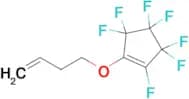
CAS:Pureza:95.0%Peso molecular:344.41000366210941-(3-Buten-1-yloxy)-2,3,3,4,4,5,5-heptafluorocyclopentene
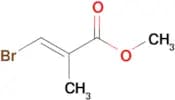
CAS:Pureza:98%Peso molecular:264.14300537109375(E)-3-Bromo-2-methyl-acrylic acid methyl ester
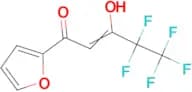
CAS:Pureza:95.0%Forma y color:LiquidPeso molecular:179.013000488281254,4,5,5,5-Pentafluoro-1-furan-2-yl-pentane-1,3-dione
CAS:Fórmula:C9H5F5O3Pureza:98%Forma y color:LiquidPeso molecular:256.128(2E)-1-(4-Methylphenyl)-3-{4-[(1E)-3-(4-methylphenyl)-3-oxoprop-1-en-1-yl]phenyl}prop-2-en-1-one
CAS:Pureza:techPeso molecular:366.4599914550781(E)-METHYL 3-(3-(((4'-(DIMETHYLAMINO)-[1,1'-BIPHENYL]-4-YL)METHYL)AMINO)PHENYL)ACRYLATE
CAS:Pureza:90.0%Peso molecular:386.49499511718752,2-Dimethyldecane
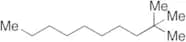
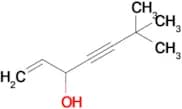
CAS:Producto controlado<p>Applications 2,2-Dimethyldecane, is one of the decane isomers, which can be used in pharmaceutical industry and the manufacture of drugs.<br>References Yaws, C.L.Chem, Prop. Hand.B., 159, (1999);<br></p>Fórmula:C12H26Forma y color:NeatPeso molecular:170.336,6-Dimethylhept-1-en-4-yn-3-ol
CAS:Pureza:98% +(stabilized with MEHQ)Peso molecular:138.21000671386723-(Perfluoro-5-methylhexyl)-2-hydroxypropylmethacrylate
CAS:Pureza:97.0%Forma y color:LiquidPeso molecular:512.215Tris(trimethylsiloxy)-3-methacryloxypropylsilane <4% Dimer
CAS:<p>S21125 - Tris(trimethylsiloxy)-3-methacryloxypropylsilane <4% Dimer</p>Fórmula:C16H38O5Si4Pureza:>98.0%(GC)Forma y color:ClearPeso molecular:422.815(2E)-1-{[1,1'-biphenyl]-4-yl}-3-(2,4-dimethoxyphenyl)prop-2-en-1-one
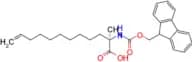
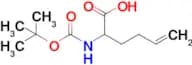
CAS:Pureza:95.0%Peso molecular:344.4100036621094(R)-2-((((9H-Fluoren-9-yl)methoxy)carbonyl)amino)-2-methyldodec-11-enoic acid
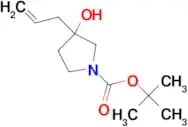
CAS:Pureza:97%Peso molecular:449.59100341796875TERT-BUTYL 3-ALLYL-3-HYDROXYPYRROLIDINE-1-CARBOXYLATE
CAS:Pureza:95.0%Peso molecular:227.3040008544922Ref: 10-F506094
1gA consultar2gA consultar5gA consultar10gA consultar100mgA consultar250mgA consultar500mgA consultar(2E)-1-{[1,1'-biphenyl]-4-yl}-3-(4-ethoxyphenyl)prop-2-en-1-one
CAS:Pureza:95.0%Peso molecular:328.41101074218755'-bromo-1'-ethenyl-1',2'- dihydrospiro[cyclopropane-1,3'-indole]-2'-one
CAS:Pureza:95.0%Peso molecular:264.12200927734375(E)-4-Methoxy-N-(2-(2-(pyridin-4-yl)vinyl)phenyl)benzenesulfonamide
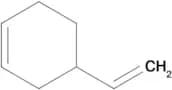
CAS:Pureza:97.0%Peso molecular:366.440002441406254-Vinylcyclohex-1-ene (stabilised with BHT)
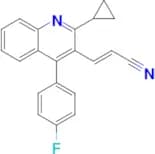
CAS:Pureza:95.0%Forma y color:Liquid, ClearPeso molecular:108.18399810791016(E)-3-(2-Cyclopropyl-4-(4-fluorophenyl)quinolin-3-yl)acrylonitrile
CAS:Pureza:95.0%Peso molecular:314.3630065917969(2E)-1-{[1,1'-biphenyl]-4-yl}-3-(2-ethoxyphenyl)prop-2-en-1-one
CAS:Pureza:95.0%Peso molecular:328.4110107421875Ref: 10-F533434
1g324,00€5gA consultar10gA consultar25gA consultar50mgA consultar100mgA consultar250mg155,00€Neodymium trifluoroacetylacetonate
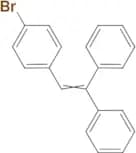
CAS:Fórmula:C15H12F9NdO6Pureza:98.0%Forma y color:CrystallinePeso molecular:603.4832-(4-Bromophenyl)-1,1-diphenylethylene
CAS:Pureza:95.0%Forma y color:SolidPeso molecular:335.24398803710942-((4-Allyl-5-oxo-4,5-dihydro-[1,2,4]triazolo[4,3-a]quinazolin-1-yl)thio)acetic acid
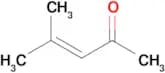
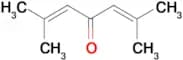
CAS:Peso molecular:316.342,6-Dimethyl-2,5-heptadien-4-one
CAS:Pureza:98.0%Forma y color:LiquidPeso molecular:138.2100067138672Ref: 10-F531160
1gA consultar2gA consultar5gA consultar100mgA consultar250mgA consultar500mgA consultar3-(2-Chlorophenyl)acrylaldehyde
CAS:Fórmula:C9H7ClOPureza:95.0%Forma y color:SolidPeso molecular:166.6(2Z,4Z)-Hexa-2,4-dienedioic acid
CAS:Pureza:97.0%Forma y color:SolidPeso molecular:142.11000061035156(2E)-3-(2H-1,3-benzodioxol-5-yl)-1-(4-nitrophenyl)prop-2-en-1-one
CAS:Pureza:95.0%Peso molecular:297.2659912109375(2E)-3-[4-(benzyloxy)phenyl]-1-(2,4-dimethylphenyl)prop-2-en-1-one
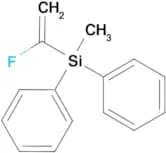
CAS:Pureza:95.0%Peso molecular:342.43798828125(1-Fluorovinyl)methyldiphenylsilane
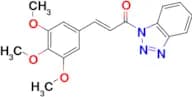
CAS:Fórmula:C15H15FSiPureza:96.0%Forma y color:LiquidPeso molecular:242.368(2E)-1-(1H-1,2,3-Benzotriazol-1-yl)-3-(3,4,5-trimethoxyphenyl)prop-2-en-1-one
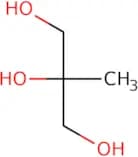
CAS:Peso molecular:339.351013183593752-Methyl-1,2,3-propanetriol
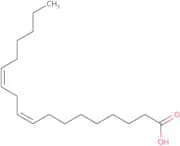
CAS:<p>2-Methyl-1,2,3-propanetriol is a monomer that is used in the production of polymers. It has been shown to be an efficient cross-linking agent for metal surfaces and is used as a polymerization catalyst. 2-Methyl-1,2,3-propanetriol also plays a role in the synthesis of amino acids by acting as a substrate for kinesin and aliphatic hydrocarbon. It can be used as a feedstock for producing plastics with deionized water or aromatic hydrocarbons such as phenol. This chemical has been shown to be pluripotent in mammalian cells and can act as a cationic surfactant.</p>Fórmula:C4H10O3Pureza:Min. 95 Area-%Forma y color:Clear LiquidPeso molecular:106.12 g/molLinoleic acid - liquid
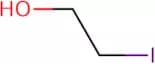
CAS:<p>Linoleic acid is a type of essential fatty acid that is found in vegetable oils. It is the most predominant polyunsaturated fatty acid and can be classified as either a cis- or trans-isomer. Linoleic acid has been shown to have inhibitory properties against bowel disease, polymerase chain reaction (PCR) analysis, and disease activity. Linoleic acid may also be used as an analytical method for determining levels of linoleate, linoleic acid, or p-hydroxybenzoic acid in body proteins. The inhibition of cancer cell proliferation by linoleic acid may be due to its ability to inhibit the production of signal peptide or 3t3-l1 preadipocytes.</p>Fórmula:C18H32O2Pureza:94 To 96%Forma y color:Colorless Clear LiquidPeso molecular:280.45 g/mol2-Iodoethanol - stabilised with copper
CAS:<p>2-Iodoethanol is a chemical compound that has the chemical formula CH2CHIO2. It is used as a reagent in analytical chemistry, as well as in pharmaceutical preparations and polymerase chain reactions. The hydroxyl group on the ethoxy side of this molecule is important for its reactivity, with 2-iodoethanol having an electron affinity of 5.4 eV. This reactivity can also be seen when it is reacted with sodium carbonate to form sodium ethoxide, which has been shown to have anti-hyperproliferative properties. 2-Iodoethanol has been shown to be particularly effective against plant metabolites, such as 5-membered heteroaryl compounds.</p>Fórmula:C2H5IOPureza:Min. 98.5 Area-%Forma y color:PowderPeso molecular:171.96 g/molLinoleic acid - 60%min
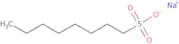
CAS:<p>Linoleic acid is a polyunsaturated fatty acid that is an important component of the human diet. It has been shown to have inhibitory properties on liver cells, and may be related to body mass index. Linoleic acid is a precursor for gamma-aminobutyric acid (GABA), which functions as a neurotransmitter in the central nervous system. Linoleyl alcohol is a metabolite of linoleic acid and has been shown to inhibit the production of antimicrobial peptides, such as cathelicidin and beta-defensin. The inhibition of this peptide may be responsible for the observed reduction in inflammatory responses and infections.</p>Fórmula:C18H32O2Pureza:Min. 95%Forma y color:Yellow Clear LiquidPeso molecular:280.45 g/mol1-Octanesulfonic acid sodium salt
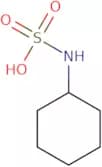
CAS:<p>1-Octanesulfonic acid sodium salt is a chemical compound that can be used to prepare surfactants. It has been shown to have a high optimum concentration for the formation of stable foam and is compatible with blood sampling, hydrophobic effect, and ester hydrochloride. 1-Octanesulfonic acid sodium salt has also been used as an analytical method for detecting sulfate ion in the presence of other ions on the basis of its reactivity with potassium permanganate. The detection limit is 0.1 ppm with a reaction solution containing 1% octanesulfonic acid sodium salt and 3% potassium permanganate. The chemical stability at pH 2 is higher than that at pH 7 because the sulfonate group acts as a buffer at low pH. 1-Octanesulfonic acid sodium salt can be quantified by means of fluorescence detector or electrochemical detector after it reacts with phenolphthalein in an acidic solution.</p>Fórmula:C8H18O3S•NaPureza:Min. 98%Forma y color:White PowderPeso molecular:217.28 g/molCyclamic acid
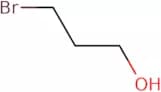
CAS:<p>Artificial sweetener</p>Fórmula:C6H13NO3SForma y color:PowderPeso molecular:179.24 g/mol3-Bromo-1-propanol
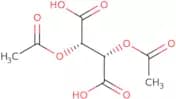
CAS:<p>3-Bromo-1-propanol is a chemical compound that contains a hydroxyl group and an asymmetric carbon atom. This molecule has been used as a model system to study the reaction mechanism of alcohol dehydrogenase, which is the enzyme responsible for the oxidation of ethanol. 3-Bromo-1-propanol has been shown to inhibit the growth of bacteria such as Staphylococcus aureus, which are resistant to penicillin. The pharmacokinetic properties of 3-bromo-1-propanol have been studied in dogs with congestive heart failure.</p>Fórmula:C3H7BrOPureza:Min. 97 Area-%Forma y color:Colorless Clear LiquidPeso molecular:138.99 g/mol(+)-Diacetyl-D-tartaric acid
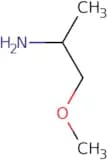
CAS:<p>(+)-Diacetyl-D-tartaric acid is a chiral organic compound that is soluble in organic solvents. It can be used as a catalyst for the asymmetric synthesis of organic compounds and has been shown to cleave bonds with high stereoselectivity. (+)-Diacetyl-D-tartaric acid also exhibits mesomorphic properties, meaning it changes from liquid to solid and vice versa at certain temperatures. The optical activity of this compound can be seen by its magnetic resonance spectrum, which displays two peaks at different wavelengths. This molecule has been shown to have potential uses in microscopy, as well as for the preparation of monomers for magnetic materials.</p>Fórmula:C8H10O8Pureza:Min. 95%Forma y color:White PowderPeso molecular:234.16 g/mol2-Amino-1-methoxypropane
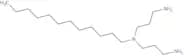
CAS:<p>2-Amino-1-methoxypropane (AMP) is a bifunctional amine that has been used as a diluent for lipase. It has been shown to have deprotective properties against metal surfaces and to be able to react with the nucleophilic group of an amine, which is useful in organic synthesis. The constant temperature of AMP, which is useful in organic synthesis, was obtained by recycling it through a constant temperature bath. This process also prevents the formation of unwanted products during the reaction.</p>Fórmula:C4H11NOPureza:Min. 95 Area-%Forma y color:Clear LiquidPeso molecular:89.14 g/molN-(3-Aminopropyl)-N-dodecylpropane-1,3-diamine
CAS:<p>N-(3-Aminopropyl)-n-dodecylpropane-1,3-diamine, also called N,N-bis(3-aminopropyl)dodecylamine and laurylamine dipropylenediamine, is dodecylamine substituted with 2 propylamine units. Laurylamine dipropylenediamine is a non-ionic surfactant, antimicrobial agent, preservative, emulsifying agent, dispersing agent, corrosion inhibitor and an anti-static agent used in hair products.</p>Fórmula:C18H41N3Pureza:(¹H-Nmr) Min. 85 Area-%Forma y color:Colorless Clear LiquidPeso molecular:299.54 g/mol6-Azido-hexan-1-ol
CAS:<p>6-Azido-hexan-1-ol is an organic compound with the chemical formula CH3CH2OCH2CH2N3. It is a colorless liquid that boils at 29°C and has a melting point of -60°C. 6-Azido-hexan-1-ol has been shown to be a reactive site in polymerization kinetics, with a kinetic rate constant of 2.0x10^5 M^(-1)s^(-1). This compound also exhibits high reactivity when used as a substrate for ring opening polymerization, which may be due to its hydroxy group and functional groups. 6-Azido-hexan-1-ol can be synthesized by reacting 4 vinylbenzyl alcohol with hydrazine hydrate in the presence of an acid catalyst, such as sulfuric acid or pyridine. The reaction can be monitored using matrix assisted laser desorption ionization time of flight (MALDI</p>Fórmula:C6H13N3OPureza:Min. 95%Forma y color:Clear LiquidPeso molecular:143.19 g/molcis-2-Decenoic acid
CAS:<p>cis-2-Decenoic acid is a fatty acid that acts as an antimicrobial agent. It has been shown to inhibit the growth of many human pathogens, including methicillin-resistant Staphylococcus aureus, Pseudomonas aeruginosa, and Candida albicans. cis-2-Decenoic acid also inhibits the production of proinflammatory cytokines by lipopolysaccharide and stimulates the production of anti-inflammatory cytokines. cis-2-Decenoic acid was also found to be effective against diabetic neuropathy biofilm in mice and may be useful for treatment of this condition.</p>Fórmula:C10H18O2Pureza:Min. 98 Area-%Forma y color:Clear LiquidPeso molecular:170.25 g/mol11-Bromoundecanoic acid
CAS:<p>11-Bromoundecanoic acid is a heterobifunctional reagent that is used in the synthesis of phospholipids. This chemical reacts with an amide group on a phosphatidylcholine to introduce a bromine atom, which can be used as a fluorophore. The reaction is done in an organic solvent, such as dichloromethane, which facilitates the reaction by dissolving the reactants. The reaction can be monitored using fluorescence assay techniques and 11-bromoundecanoic acid is characterized by its constant ring-opening constant and fatty acid chain length.</p>Fórmula:C11H21BrO2Pureza:Min. 95%Forma y color:PowderPeso molecular:265.19 g/mol2,3-Dimercaptopropanesulfonic acid sodium salt monohydrate
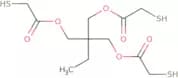
CAS:<p>Chelating agent for heavy metals</p>Fórmula:C3H8O3S3·H2O·NaPureza:(¹H-Nmr) Min. 95 Area-%Forma y color:White/Off-White SolidPeso molecular:229.3 g/molTrimethylolpropane tris(2-mercaptoacetate)
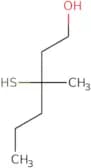
CAS:<p>Trimethylolpropane tris(2-mercaptoacetate) (TMPTMA) is a functional group that is used as an actuator in organic solvent-based inkjet printing. It has been shown to be a cross-linking agent and a treatment effect modifier. TMPTMA has been shown to be a hydroxyl group donor and has the ability to form vinyl groups. In addition, it can act as an organic acid by donating protons and carboxyl groups. TMPTMA can also function as a heat energy absorber and has low molecular weight, making it highly reactive with other substances. The alicyclic structure of TMPTMA makes it susceptible to ring opening reactions with strong acids or bases.</p>Fórmula:C12H20O6S3Pureza:Min. 95%Forma y color:PowderPeso molecular:356.48 g/mol3-Mercapto-3-methyl-1-hexanol
CAS:<p>3-Mercapto-3-methyl-1-hexanol is a molecule that belongs to the group of 3-hydroxyalkanoic acids. It is found in human skin cells and has a high transport rate in these cells. 3-Mercapto-3-methyl-1-hexanol can be converted to 3-hydroxy-3 methylhexanoic acid by bacterial enzymes, including corynebacterium, coli k12, and staphylococci. The molecule has been shown to be an enantiomer of 3,4 dithiadiphosphene. Studies have shown that this compound has antibacterial properties against both Gram positive and Gram negative bacteria, although it does not exhibit any activity against C. difficile or Proteus mirabilis. 3-Mercaptohexanol may also have clinical relevance for humans because it is structurally similar to molecules that are involved in the biosynthesis of important biochemicals such as</p>Fórmula:C7H16OSPureza:Min. 95 Area-%Forma y color:Colorless Clear LiquidPeso molecular:148.27 g/mol2,3-Dibromopropene - stabilized with copper chip
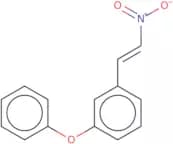
CAS:<p>2,3-Dibromopropene - stabilized with copper chip (2,3-DBPC) is a novel bromination reagent that can be used for the synthesis of polypeptides. This compound has been shown to react with acyl halides in an asymmetric synthesis. The reaction mechanism is thought to be via the addition of 2,3-DBPC to the carbonyl group of an acyl halide and subsequent elimination of bromoethane. 2,3-DBPC also reacts with ethanolamine in the presence of carbon disulphide and x-ray diffraction data have shown that this reaction proceeds through a 1,4 addition mechanism.</p>Fórmula:C3H4Br2Pureza:Min. 90 Area-%Forma y color:Brown Colorless Yellow Clear LiquidPeso molecular:199.87 g/mol(3-Phenoxyphenyl)-2-nitroethene
CAS:<p>(3-Phenoxyphenyl)-2-nitroethene is a high quality building block that can be used to produce a variety of complex compounds. This chemical is a versatile building block with many uses, including as a reagent for synthesizing other chemicals and as a useful intermediate. It can also be used as a reaction component to produce fine chemicals such as pharmaceuticals, agrochemicals, and specialty chemicals.</p>Fórmula:C14H11NO3Pureza:Min. 95%Forma y color:PowderPeso molecular:241.24 g/molDibutyl Squarate
CAS:<p>Dibutyl squarate is a new experimental drug that has been shown to have potential in the treatment of autoimmune diseases. Dibutyl squarate is also effective for treating infectious diseases, such as HIV and tuberculosis. The drug has been shown to work by blocking the apoptosis pathway, which prevents the release of pro-inflammatory cytokines. This drug also inhibits the synthesis of chemoattractant proteins, which are important for recruiting cells to the site of infection or injury. In addition, dibutyl squarate blocks cancer cell proliferation and can be used in combination therapy groups. Dibutyl squarate has also been shown to reduce alopecia in mice by inhibiting hair loss caused by inflammation.</p>Fórmula:C12H18O4Pureza:Min. 96.0 Area-%Forma y color:Slightly Yellow Clear LiquidPeso molecular:226.27 g/molZ-1,4-diaminobutane·HCl
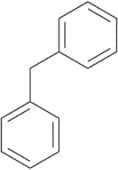
CAS:<p>Z-1,4-diaminobutane·HCl is a fine chemical that is a useful building block in research and manufacture of pharmaceuticals. It is also used as a reagent and speciality chemical in the production of other chemicals, such as dyes, rubber products, and pesticides. This compound has been shown to be an effective intermediate for the synthesis of complex organic compounds with versatile structures. Z-1,4-diaminobutane·HCl can be used as a scaffold for the construction of various types of molecules.</p>Fórmula:C12H18N2O2·HClPureza:Min. 95%Forma y color:White PowderPeso molecular:258.74 g/molDiphenylmethane
CAS:<p>Diphenylmethane is a chemical that has been used in the synthesis of pharmaceuticals and other organic compounds. It is also a useful reagent for the preparation of synthetic amines. Diphenylmethane can be used to synthesize drugs such as epidermal growth factor, which stimulates the growth and differentiation of keratinocytes. This chemical also has a number of potential therapeutic uses for metabolic disorders and infectious diseases, including hepatitis. The mechanism by which this compound reacts with nitrogen atoms is not fully understood, but it may involve the formation of diphenylmethanesulfinic acid.</p>Fórmula:C13H12Pureza:Min. 99 Area-%Forma y color:White PowderPeso molecular:168.23 g/mol12-Amino-1-dodecanol
CAS:<p>12-Amino-1-dodecanol is a monolayer that has been synthesized by reacting dodecanol with phosphorus pentoxide in the presence of diacetate. 12-Amino-1-dodecanol is an amphiphilic molecule, which means it can form both hydrophobic and hydrophilic regions. This property allows it to form a monolayer on the surface of cells, such as the Caco2 cell line. The film is composed of fatty acids and contains functional groups that provide phosphatase activity and neutral pH. 12-Amino-1-dodecanol may be used for drug delivery, specifically for the treatment of intestinal disorders or cell monolayers.</p>Fórmula:C12H27NOPureza:Min. 95%Forma y color:PowderPeso molecular:201.35 g/molcis-4,7,10,13,16,19-Docosahexaenoic acid
CAS:<p>cis-4,7,10,13,16,19-Docosahexaenoic acid (also known as DHA or cervonic acid) is one of the omega-3 fatty acids (a group of highly unsaturated fatty acids). As for most omega-3 fatty acids, good sources of DHA include fish oils and other seafoods. DHA plays a key role in human brain development and function and is also found in high concentration in the retina, central nervous system and skin. As such DHA is a key nutrient which is widely used as a dietary supplement, particularly for infants and pregnant women, with its potential health benefits currently being investigated across a number of different disease areas.</p>Fórmula:C22H32O2Pureza:Min. 80 Area-%Forma y color:Yellow Clear LiquidPeso molecular:328.49 g/molN,N'-Dimethyl-trans-1,2-cyclohexanediamine
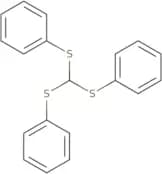
CAS:<p>N,N'-Dimethyl-trans-1,2-cyclohexanediamine (DMCDA) is a hydroxy compound that can be used as an intermediate for the synthesis of various organic compounds. It has been shown to have a stable hydroxy group and hydrogen bond donor. DMCDA is also reactive, with a reaction rate of 10.5x10 mol/s at room temperature. DMCDA forms reaction intermediates such as oxazolidinones and 1,4-dioxanes. These intermediates have been studied by structural studies and kinetic methods to understand the mechanism of the reaction. The chronic oral toxicity of DMCDA has been determined in rats through a series of experiments and tests on protein genes. The oral LD50 value was found to be more than 5000 mg/kg body weight. This means that there is no adverse effect on the body when 5000 mg/kg or more is taken orally over an extended period (usually 28 days). Functional</p>Fórmula:C8H18N2Pureza:Min. 98.5%Forma y color:Clear Liquid Solidified MassPeso molecular:142.24 g/molTris(phenylthio)methane
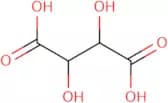
CAS:<p>Tris(phenylthio)methane is a formylating reagent that reacts with ethyl formate to produce the nitro compound. It is used in the preparation of β-amino acids and as an asymmetric synthesis catalyst. Tris(phenylthio)methane can be used as a polymerization initiator for metathesis reactions, such as the Suzuki reaction. It has been shown to be a good nucleophile and polymerizing agent when combined with hydrochloric acid or silver trifluoromethanesulfonate. Tris(phenylthio)methane may also react with chloride in the presence of base to produce phosphoric acid esters.</p>Fórmula:C19H16S3Pureza:Min. 95%Forma y color:Off-White PowderPeso molecular:340.53 g/molDL-Tartaric acid
CAS:<p>DL-Tartaric acid is a calcium salt of tartaric acid. It is used as a standard in the analysis of total calcium and tartaric acid content in beverages, wines, foodstuffs, and pharmaceuticals. DL-Tartaric acid can be used to prepare standard solutions for the determination of benzalkonium chloride and other natural compounds by chromatographic methods. The rate constants for the reaction between DL-tartaric acid and calcium pantothenate have been determined by electrochemical impedance spectroscopy. The fluorescence intensity of chemiluminescent reactions with DL-tartaric acid has been found to be proportional to the concentration of tartrate ions in solution. X-ray diffraction data confirm that DL-tartaric acid is an orthorhombic crystal system with space group P2/c.</p>Fórmula:C4H6O6Forma y color:White PowderPeso molecular:150.09 g/molβ-Glycerophosphate, disodium salt pentahydrate, max. 2% α
CAS:<p>Beta-Glycerophosphate, Disodium Salt Pentahydrate is a complex compound that is used as a reagent, useful intermediate, and fine chemical. It is also useful as a scaffold or building block for the synthesis of organic compounds. Beta-glycerophosphate has CAS No. 13408-09-8 and is classified as a speciality chemical. This compound can be used in research and development for versatile building blocks and reaction components to synthesize organic compounds.</p>Fórmula:C3H17Na2O11PPeso molecular:306.12 g/molRef: 3D-G-4200
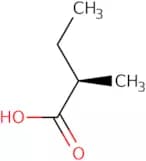
1kgA consultar100gA consultar250gA consultar500gA consultar2500gA consultar-Unit-kgkgA consultar(R)-2-Methylbutyric acid
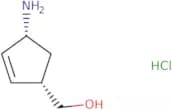
CAS:<p>(R)-2-Methylbutyric acid is a synthetic compound that has the same stereoisomeric configuration as 2-methylbutyric acid. The difference in the two molecules is that the (R) form has a hydroxyl group on the alpha carbon, while 2-methylbutyric acid does not. This compound is stable under acidic conditions, but hydrolyzes to form butyric acid when exposed to basic conditions. It is used in industrial applications such as food production and as an intermediate in synthesizing other compounds such as tiglic acid or amido groups.</p>Fórmula:C5H10O2Pureza:Min. 95%Forma y color:Yellow PowderPeso molecular:102.13 g/mol(1S,4R)-4-Amino-2-cyclopentene-1-methanol hydrochloride
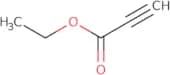
CAS:<p>(1S,4R)-4-Amino-2-cyclopentene-1-methanol hydrochloride is a reagent and building block for the synthesis of many different compounds. It is a useful scaffold for synthetic organic chemistry, producing a wide range of high quality research chemicals. (1S,4R)-4-Amino-2-cyclopentene-1-methanol hydrochloride is an intermediate in the synthesis of complex compounds and fine chemicals. This compound is also used as a reactant in chemical reactions to produce other compounds.</p>Fórmula:C6H11NO·HClPureza:Min. 97 Area-%Forma y color:PowderPeso molecular:149.62 g/molEthyl propiolate
CAS:<p>Ethyl propiolate is a halide that is structurally related to the alkylating agent trifluoroacetic acid. Ethyl propiolate inhibits the activity of several enzymes including phosphofructokinase and pyruvate kinase, which are important for energy metabolism in cells. It also has been shown to have beneficial effects on autoimmune diseases such as lupus erythematosus. The mechanism of action of ethyl propiolate is due to its ability to react with activated oxygen and form an intramolecular hydrogen bond with carbon atoms in the substrate molecule. The reaction between ethyl propiolate and diethyl ketomalonate results in the formation of diethyl 2-propiolate, which can then be hydrolyzed by water into acetaldehyde and diethyl ketomalonate.</p>Fórmula:C5H6O2Pureza:Min. 98 Area-%Forma y color:Colorless Clear LiquidPeso molecular:98.1 g/mol5-Amino-1-pentanol
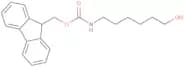
CAS:<p>5-Amino-1-pentanol is a chemical compound that has been shown to stimulate angiogenesis, which is the process of developing new blood vessels from pre-existing ones. It is not currently approved for use in humans and has only been tested on mice. 5-Amino-1-pentanol stimulates angiogenesis by binding to the vascular endothelial growth factor receptor 2 (VEGFR2) protein, which is involved in regulating blood vessel formation. This drug also suppresses cancer gene expression and selectively binds to DNA polymerase α. The amide group of 5-amino-1-pentanol reacts with trifluoroacetic acid to form an amine, which then reacts with water vapor to form a hydroxyl group. This reaction solution can be used as a diagnostic tool for detecting the presence of amines or other nitrogenous compounds.</p>Fórmula:C5H13NOPureza:Min. 94%Forma y color:Colorless Yellow PowderPeso molecular:103.16 g/mol6-(Fmoc-amino)-1-hexanol
CAS:<p>6-(Fmoc-amino)-1-hexanol is a high quality chemical that can be used as an intermediate in the synthesis of many complex compounds, such as pharmaceuticals, fine chemicals and research chemicals. It is often used as a building block in the synthesis of other useful chemicals and has been shown to have versatile reactions with many functional groups. 6-(Fmoc-amino)-1-hexanol can be used in reactions involving nucleophilic substitution, elimination, amination, esterification and transesterification.</p>Fórmula:C21H25NO3Pureza:Min. 95%Forma y color:PowderPeso molecular:339.43 g/mol




![(2E)-1-{[1,1'-biphenyl]-4-yl}-3-(3,4-dimethoxyphenyl)prop-2-en-1-one](/_next/image/?url=https%3A%2Fstatic.cymitquimica.com%2Fproducts%2F10%2Fthumb-webp%2FF524217.webp&w=3840&q=75)


![(2E)-1-(4-Methylphenyl)-3-{4-[(1E)-3-(4-methylphenyl)-3-oxoprop-1-en-1-yl]phenyl}prop-2-en-1-one](/_next/image/?url=https%3A%2Fstatic.cymitquimica.com%2Fproducts%2F10%2Fthumb-webp%2FF183298.webp&w=3840&q=75)
![(E)-METHYL 3-(3-(((4'-(DIMETHYLAMINO)-[1,1'-BIPHENYL]-4-YL)METHYL)AMINO)PHENYL)ACRYLATE](/_next/image/?url=https%3A%2Fstatic.cymitquimica.com%2Fproducts%2F10%2Fthumb-webp%2FF530884.webp&w=3840&q=75)







![(2E)-1-{[1,1'-biphenyl]-4-yl}-3-(2,4-dimethoxyphenyl)prop-2-en-1-one](/_next/image/?url=https%3A%2Fstatic.cymitquimica.com%2Fproducts%2F10%2Fthumb-webp%2FF524242.webp&w=3840&q=75)
![(2E)-1-{[1,1'-biphenyl]-4-yl}-3-(4-ethoxyphenyl)prop-2-en-1-one](/_next/image/?url=https%3A%2Fstatic.cymitquimica.com%2Fproducts%2F10%2Fthumb-webp%2FF524223.webp&w=3840&q=75)
![5'-bromo-1'-ethenyl-1',2'- dihydrospiro[cyclopropane-1,3'-indole]-2'-one](/_next/image/?url=https%3A%2Fstatic.cymitquimica.com%2Fproducts%2F10%2Fthumb-webp%2FF517158.webp&w=3840&q=75)

![(2E)-1-{[1,1'-biphenyl]-4-yl}-3-(2-ethoxyphenyl)prop-2-en-1-one](/_next/image/?url=https%3A%2Fstatic.cymitquimica.com%2Fproducts%2F10%2Fthumb-webp%2FF524249.webp&w=3840&q=75)


![2-((4-Allyl-5-oxo-4,5-dihydro-[1,2,4]triazolo[4,3-a]quinazolin-1-yl)thio)acetic acid](/_next/image/?url=https%3A%2Fstatic.cymitquimica.com%2Fproducts%2F10%2Fthumb-webp%2FF982715.webp&w=3840&q=75)



![(2E)-3-[4-(benzyloxy)phenyl]-1-(2,4-dimethylphenyl)prop-2-en-1-one](/_next/image/?url=https%3A%2Fstatic.cymitquimica.com%2Fproducts%2F10%2Fthumb-webp%2FF524087.webp&w=3840&q=75)