


Aminas
Las aminas son un conjunto de moléculas que contienen un grupo funcional amino (derivado del amoníaco). Esta categoría incluye aminas en cualquier nivel de sustitución: primarias, secundarias, terciarias y sales de amonio. Las aminas son fundamentales en la síntesis orgánica y se utilizan ampliamente en productos farmacéuticos, agroquímicos y ciencias de los materiales. En CymitQuimica, ofrecemos una selección completa de aminas para satisfacer sus necesidades de investigación e industriales. Nuestra gama asegura el acceso a diversas aminas para diferentes procesos químicos e investigaciones innovadoras.
Subcategorías de "Aminas"
- Nitrosaminas(2.605 productos)
- Aminas primarias(30.947 productos)
- Cationes y sales de amonio cuaternario(1.100 productos)
- Aminas secundarias(20.886 productos)
- Aminas terciarias(17.193 productos)
Se han encontrado 8780 productos de "Aminas"
Ordenar por
Pureza (%)
0
100
|
0
|
50
|
90
|
95
|
100
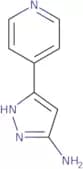
5-Pyridin-4-yl-2H-pyrazol-3-ylamine
CAS:<p>5-Pyridin-4-yl-2H-pyrazol-3-ylamine is a potent inhibitor of b-raf, a protein kinase that is involved in the regulation of cell proliferation and differentiation. It is used as a research tool for studying the role of b-raf in cancer. 5-Pyridin-4-yl-2H-pyrazol-3-ylamine has been shown to have similar activity to other inhibitors of bRaf. It binds to the ATP binding site on bRaf and prevents phosphorylation of serine residues in the activation loop by ATP. This inhibition prevents activation of the kinase and reduces tumor growth in cancer models.</p>Fórmula:C8H8N4Pureza:Min. 95%Forma y color:White/Off-White SolidPeso molecular:160.18 g/mol2-Ethylhexyl 4-dimethylaminobenzoate
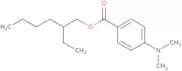
CAS:2-Ethylhexyl 4-dimethylaminobenzoate is a sulfa drug that is used for the prevention of skin cancer, and it has been shown to be effective against bacterial strains in vitro. It also has a monosodium salt and a hydroxyl group. 2-Ethylhexyl 4-dimethylaminobenzoate is used as an analytical method for measuring the concentration of zirconium oxide in wastewater and drinking water samples. This compound has been used in vivo to show that it can inhibit the growth of bacteria by interfering with DNA synthesis. 2-Ethylhexyl 4-dimethylaminobenzoate is also used as a sunscreen and provides protection against UV radiation by absorbing light at wavelengths between 280 and 320 nm.Fórmula:C17H27NO2Pureza:Min. 95%Forma y color:Clear LiquidPeso molecular:277.4 g/molAminooxyacetic acid hydrochoride
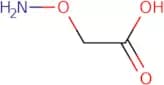
CAS:Aminooxyacetic acid hydrochoride is a nitric oxide synthase inhibitor that binds to the active site of the enzyme and prevents it from producing nitric oxide. Nitric oxide is an important molecule in many biological processes, such as vasodilation, neurotransmission, and cell signaling. This inhibitor has been shown to be effective against a number of cancers including prostate cancer cells and breast cancer cells. Aminooxyacetic acid hydrochoride has also been shown to increase the expression of basic proteins in neuronal cells and inhibit DNA synthesis by binding to polymerase chain reaction primers. It also inhibits α7 nicotinic acetylcholine receptors, which are involved in learning and memory. A matrix effect on wild-type strains has been observed when aminooxyacetic acid hydrochloride is added to culture media as well.Fórmula:C2H4NO3•HClForma y color:White Off-White PowderPeso molecular:91.07 g/mol2-(3-Pyridyl)-2-pyrrolidinylethylamine
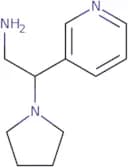
CAS:<p>2-(3-Pyridyl)-2-pyrrolidinylethylamine is a fine chemical that is used as a versatile building block in the synthesis of complex compounds. It is also used as a reagent and speciality chemical for research purposes. This compound can be used to produce useful intermediates and reaction components in organic synthesis. 2-(3-Pyridyl)-2-pyrrolidinylethylamine is also a useful scaffold for making high quality, useful compounds. CAS No. 855659-43-7</p>Fórmula:C11H17N3Pureza:Min. 95%Forma y color:Clear LiquidPeso molecular:191.27 g/molPerindopril t-butylamine salt
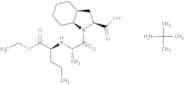
CAS:<p>Perindopril t-butylamine salt inhibits the angiotensin converting enzyme (ACE) to prevent the conversion of angiotensin I to angiotensin II. When used in drug formulations, it has been shown to decrease blood pressure in patients with congestive heart failure. Perindopril also has an effect on the renin-angiotensin system, which regulates blood pressure and fluid homeostasis by promoting vasoconstriction and increasing salt and water retention.</p>Fórmula:C23H43N3O5Pureza:Min. 95%Forma y color:PowderPeso molecular:441.6 g/mol5-Pyridin-3-yl-2H-pyrazol-3-ylamine
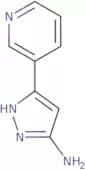
CAS:5-Pyridin-3-yl-2H-pyrazol-3-ylamine is a fine chemical with applications in the research and development of pharmaceuticals, agrochemicals, and other speciality chemicals. 5-Pyridin-3-yl-2H-pyrazol-3-ylamine is also a versatile building block for the synthesis of complex molecules. This compound can be used as a reagent or intermediate in organic reactions. It is also an excellent scaffold for the synthesis of complex molecules.Fórmula:C8H8N4Pureza:Min. 95%Forma y color:Off-white to pale yellow or beige solid.Peso molecular:160.18 g/molEthyl-2-aminoquinoline-3-carboxylate
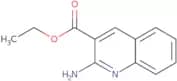
CAS:<p>Ethyl-2-aminoquinoline-3-carboxylate is an intramolecular reductive coupling product. It was synthesized by the reductive coupling of nitrobenzene with triethylamine in the presence of a copper salt. The use of ethyl cyanoacetate as a starting material for this synthesis has been shown to produce regioselective products with high yields. Ethyl-2-aminoquinoline-3-carboxylate is used in the synthesis of quinoline derivatives and fluoroquinolone antibiotics. This compound has been shown to have optimum properties for GC/MS analysis, which makes it an advance in the field of chemistry.</p>Fórmula:C12H12N2O2Pureza:Min. 95%Forma y color:PowderPeso molecular:216.24 g/mol2-Aminothiophene-3-methyl carboxylate
CAS:<p>2-Aminothiophene-3-methyl carboxylate is a hydrogen bond that is derived from the amino acid methionine. It has been shown to have potent antitumor activity and can be used for the treatment of cancer. 2-Aminothiophene-3-methyl carboxylate has a molecular weight of 244.6 g/mol, an isolated yield of 0.68%, and a melting point of 245 °C.</p>Fórmula:C4H2SCOOCH3NH2Pureza:Min. 95%Forma y color:Yellow PowderPeso molecular:157.19 g/molN,N'-Diphenylethylenediamine
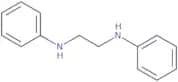
CAS:N,N'-Diphenylethylenediamine (DPEN) is a quaternary ammonium compound that possesses anti-inflammatory activity. DPEN inhibits the production of prostaglandin E2, which has been shown to be involved in prostate cancer cell growth and proliferation. This drug binds to receptors on the cell surface and blocks the binding of dopamine, leading to an increase in intracellular levels of cAMP, which is a second messenger for hormones. The drug also has genotoxic effects, such as DNA strand breaks and chromosomal aberrations. DPEN can bind to nitrogen atoms and form hydrogen bonds with other molecules such as hydrochloric acid. The drug also emits nitric oxide (NO), sulfur dioxide (SO2), nitrous oxide (N2O), and ammonia (NH3). The emission rates are dependent on pH levels.Fórmula:C14H16N2Pureza:Min. 97.5 Area-%Forma y color:PowderPeso molecular:212.29 g/molEthyl 3-aminocinnamate
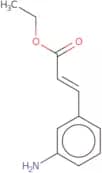
CAS:<p>Ethyl 3-aminocinnamate is a versatile building block for the synthesis of complex compounds. It is also a useful intermediate for the synthesis of reaction components, such as antihistamines and antigens. Ethyl 3-aminocinnamate can be used to synthesize speciality chemicals, such as research chemicals and reagents. This compound has high purity and is a useful scaffold for the preparation of related compounds.</p>Fórmula:C11H13NO2Pureza:Min. 95%Peso molecular:191.23 g/mol2-Chloro-4,5-diaminopyrimidine
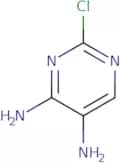
CAS:<p>2-Chloro-4,5-diaminopyrimidine is a pyrimidine compound with the molecular formula CHClN. It can be synthesized by reacting glycine and phenol with piperidine in the presence of hydrochloric acid. 2-Chloro-4,5-diaminopyrimidine has a solubility of 1.2 g/100 mL in water and reacts with quinine to form a red solution. This product also reacts with proline to produce an orange solution that fluoresces green when exposed to UV light. 2-Chloro-4,5-diaminopyrimidine has been used as an intermediate in the synthesis of other compounds such as pyridoxal phosphate and cefixime.</p>Fórmula:C4H5ClN4Pureza:Min. 95%Forma y color:PowderPeso molecular:144.56 g/mol1-Aminooctaethylene glycol
CAS:<p>1-Aminooctaethylene glycol is a PEG polymer categorised as monofunctional (OH-PEG-X). Used as a linker, 1-aminooctaethylene glycol is used to attached PEG to proteins, peptides, oligonucleotides, nanoparticles and small molecules via pegylation, a bioconjugation technique.</p>Fórmula:C16H35NO8Pureza:Min. 95%Forma y color:PowderPeso molecular:369.45 g/mol(R)-3-Hydroxy myristic acid dicyclohexylammonium salt
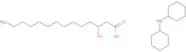
CAS:Producto controlado<p>(R)-3-Hydroxy myristic acid dicyclohexylammonium salt is a fine chemical that is used as a versatile building block for the synthesis of complex compounds. It has been used as a reagent and speciality chemical in research and as a high-quality, useful intermediate. It can be used in the synthesis of new drugs, such as anti-inflammatory agents. (R)-3-Hydroxy myristic acid dicyclohexylammonium salt is also an interesting scaffold for the development of new drugs or drug leads against various diseases.</p>Fórmula:C26H51NO3Pureza:Min. 95%Forma y color:White to off-white solid.Peso molecular:425.69 g/molEthyl 3,4-diaminobenzoate
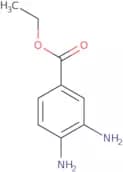
CAS:<p>Ethyl 3,4-diaminobenzoate is a molecule that belongs to the family of aldehydes. It has been synthesized by hydrolysis of naphthalene using hydrogen chloride in the presence of ethyl acetate and water. The synthesis process was monitored by gravimetric analysis and X-ray diffraction studies. The product was purified by recrystallization from ethanol before being characterized by single-crystal X-ray diffraction. The crystal structure has revealed two different conformations for the molecule, which are related to its mesoporous nature. The compound is an inhibitor for enzymes that control glycolysis and hydrogen bond formation, such as ferroptosis.</p>Fórmula:C9H12N2O2Pureza:Min. 95%Peso molecular:180.2 g/mol[4-(Aminomethyl)cyclohexyl]methanol
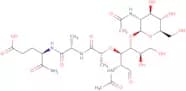
CAS:4-(Aminomethyl)cyclohexyl]methanol is a dicarboxylic acid and ester with the chemical formula CH2=C(CH3)(CO2H). It is used to synthesize polycarbonates, which are polyesters that contain carbonate groups. 4-(Aminomethyl)cyclohexyl]methanol has two carboxyl groups and one hydroxyl group that can react with trimellitic anhydride to form polycarbonates. Polycarbonate is a polymer that contains bisphenol A, which is the building block of many plastics and resins. 4-(Aminomethyl)cyclohexyl]methanol can be used as a monomer in the synthesis of polyesters and copolymers.Fórmula:C8H17NOPureza:Min. 95%Forma y color:Beige PowderPeso molecular:143.23 g/molN-Acetyl-β-D-glucosaminyl-(1→4)-N-acetylmuramoyl-L-alanyl-D-isoglutamine
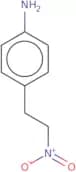
CAS:<p>Please enquire for more information about N-Acetyl-β-D-glucosaminyl-(1→4)-N-acetylmuramoyl-L-alanyl-D-isoglutamine including the price, delivery time and more detailed product information at the technical inquiry form on this page</p>Fórmula:C27H45N5O16Pureza:Min. 95%Forma y color:PowderPeso molecular:695.67 g/mol1-(4-Aminophenyl)-2-nitroethane
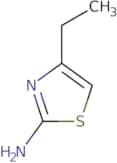
CAS:1-(4-Aminophenyl)-2-nitroethane is a high quality, reagent, complex compound that can be used as a useful intermediate in the production of fine chemicals. It is also used as a useful scaffold for the synthesis of compounds with interesting biological activities. This chemical can be used as a building block for reactions to produce versatile building blocks and reaction components for research chemicals.Fórmula:C8H10N2O2Pureza:Min. 95%Forma y color:PowderPeso molecular:166.18 g/mol4-Ethyl-1,3-thiazol-2-amine
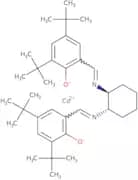
CAS:<p>4-Ethyl-1,3-thiazol-2-amine is a tertiary amine that is used as an alkylating agent. It has been shown to react with alcohols and form tertiary amines. 4-Ethyl-1,3-thiazol-2-amine can also react with carboxylic acids to form esters and with aldehydes to form acetals. This compound has been used in the synthesis of compounds such as aminothiazoles and thiazole.</p>Fórmula:C5H8N2SPureza:Min. 95%Peso molecular:128.2 g/mol(S,S)-(+)-N,N'-Bis(3,5-di-tert-butylsalicylidene)-1,2-cyclohexanediaminocobalt(II)
CAS:<p>The (S,S)-(+)-N,N'-Bis(3,5-di-tert-butylsalicylidene)-1,2-cyclohexanediaminocobalt(II) is an orange copolymer that is soluble in water and organic solvents. It has a molecular weight of 542.83 g/mol and a density of 1.221 g/cm3. The (S,S)-(+)-N,N'-Bis(3,5-di-tert-butylsalicylidene)-1,2-cyclohexanediaminocobalt(II) is used to catalyze the desymmetrization of epoxides and the ligand in enantioselective kinetic preparative reactions. The (S,S)-(+)-N,N'-Bis(3,5-di-tert-butylsalicyl</p>Fórmula:C36H52CoN2O2Pureza:(Icp) Min. 96%Forma y color:Red PowderPeso molecular:603.74 g/mol4-Styryltriphenylamine
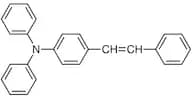
CAS:Fórmula:C26H21NPureza:>98.0%(GC)Forma y color:Light yellow to Yellow to Green powder to crystalPeso molecular:347.463-Methyl-N-methylbenzylamine
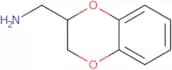
CAS:Fórmula:C9H13NPureza:>97.0%(GC)Forma y color:Colorless to Light yellow to Light orange clear liquidPeso molecular:135.212,3-Dihydro-1,4-benzodioxin-2-ylmethylamine
CAS:2,3-Dihydro-1,4-benzodioxin-2-ylmethylamine (DHBMA) is a pharmacophore that has been shown to be an epileptic and convulsant in epidemiological studies. This drug binds to the receptor binding site of the Na+/K+ ATPase enzyme and inhibits its binding affinity for sodium ions. DHBMA has been shown to increase blood pressure in rats when it is injected into the cerebral ventricles. DHBMA also increases the affinity for dopamine D2 receptors which are linked to Parkinson's disease. This drug is used as a linker in the synthesis of prenylated synthons, which can be used to produce drugs with high affinity values and stereoisomers.Fórmula:C9H11NO2Pureza:Min. 95%Forma y color:Colorless Clear LiquidPeso molecular:165.19 g/mol1-Amino-2-methyl-propan-2-ol
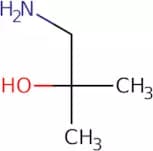
CAS:<p>1-Amino-2-methyl-propan-2-ol is a cytotoxic molecule that has been shown to inhibit the growth of cancer cells. It is synthesized by converting 1,4-benzenediamine and cyclopentanol into the corresponding amines. The amines are then condensed with an alkanolamine in a kinetic reaction to form 1-amino-2-methylpropan-2-ol. This product's anticancer activity may be due to its ability to induce nucleophilic attack on DNA, leading to DNA strand breakage. 1AMPP has also been shown to have antiviral properties against HIV infection.</p>Fórmula:C4H11NOPureza:Min. 95%Forma y color:Colorless Clear LiquidPeso molecular:89.14 g/molTrimethylamine N-oxide
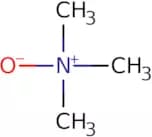
CAS:<p>Trimethylamine N-oxide (TMAO) is a trimethylamine derivative that is produced by the oxidation of trimethylamine. TMAO has been shown to be released during digestion and can be detected in plasma and urine. The presence of TMAO in atherosclerotic lesions may have pathological implications, as it has been shown to inhibit the polymerase chain reaction (PCR) for DNA polymerase beta. TMAO has also been associated with bowel disease, as it has been shown to induce an immune response in patients with ulcerative colitis. Furthermore, TMAO inhibits the synthesis of proteins by blocking ribosomal RNA transcription and translation. Trimethylamine N-oxide is known to act as a signal peptide that activates primary sclerosing cholangitis in patients with biliary tract diseases such as primary sclerosing cholangitis or primary biliary cirrhosis.</p>Fórmula:C3H9NOPureza:Min. 95%Forma y color:PowderPeso molecular:75.11 g/mol3,5-Diaminobenzoic acid dihydrochloride
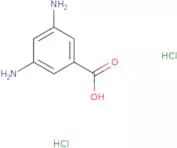
CAS:<p>3,5-Diaminobenzoic acid dihydrochloride (DABA) is a potent inhibitor of peroxidase and has been shown to inhibit the activity of hydrogen peroxide. It has been used in medicine as an antiseptic and disinfectant. 3,5-Diaminobenzoic acid dihydrochloride also inhibits uncatalysed and catalysed reactions. The inhibition of these reactions is due to the reaction with hydrogen peroxide, which causes the formation of potent inhibitory species that are capable of reacting with other molecules. These reactions lead to a decrease in the rate of reaction. This product also exhibits potent inhibitory activity towards peroxidase and can be used for the treatment of infections caused by bacteria, such as Mycobacterium tuberculosis or Mycobacterium avium complex.</p>Fórmula:C7H8N2O2·2HClPeso molecular:225.07 g/mol(S)-(-)-2-Amino-1,1-diphenyl-1-propanol
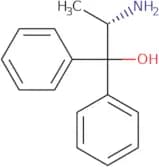
CAS:<p>L-2-Amino-1,1-diphenyl-1-propanol is a chiral, catalytic reagent that is used in organic chemistry for the asymmetric synthesis of alcohols and other molecules. The L form of this compound can be prepared from phenylacetic acid by an alkylation reaction with propanolamine in the presence of palladium catalyst. This substance has been shown to have anthelminthic properties. It has also been shown to have a strong interaction with aminoalcohols. L-2-Amino-1,1-diphenyl-1-propanol can alkylate aromatic ketones and vicinal diols by utilizing its catalytic activity. Elemental analysis indicates that this substance contains only carbon, hydrogen, nitrogen and oxygen.</p>Fórmula:C15H17NOPureza:Min. 95%Forma y color:White PowderPeso molecular:227.3 g/mol2-Amino-5-chlorobenzophenone oxime
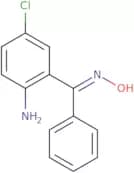
CAS:2-Amino-5-chlorobenzophenone oxime is a drug that belongs to the class of hydrazides. It was originally developed as an antidepressant and it has been shown in animal experiments to have antidepressant effects. 2-Amino-5-chlorobenzophenone oxime inhibits the enzyme monoamine oxidase, which is responsible for breaking down amines such as serotonin and norepinephrine. This inhibition leads to increased levels of these neurotransmitters in the brain, which may be responsible for its antidepressant effect. 2-Amino-5-chlorobenzophenone oxime also has analgesic properties, with yields of up to 86%.Fórmula:C13H11ClN2OPureza:Min. 85 Area-%Forma y color:PowderPeso molecular:246.69 g/mol(1R,2S)-2-(3,4-Difluorophenyl)cyclopropanamine hydrochloride
CAS:<p>(1R,2S)-2-(3,4-Difluorophenyl)cyclopropanamine hydrochloride is a fine chemical that has been used as a building block to make other compounds. It is also an intermediate in organic synthesis and research chemicals. (1R,2S)-2-(3,4-Difluorophenyl)cyclopropanamine hydrochloride can be used in the production of complex compounds with high quality.</p>Fórmula:C9H9F2N·HClPureza:Min. 95%Forma y color:White PowderPeso molecular:205.63 g/mol3-Amino-4-bromopyridine
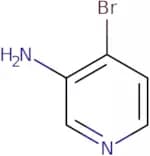
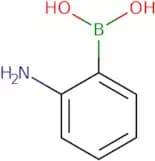
CAS:<p>3-Amino-4-bromopyridine is a receptor binding ligand that belongs to the group of synthetic, active natural products. It has been shown to stabilize nicotinic acetylcholine receptors and inhibit the release of acetylcholine. 3-Amino-4-bromopyridine has been shown to be a potent antagonist at nicotinic acetylcholine receptors and can be used in the treatment of disorders such as Parkinson's disease, Alzheimer's disease, and schizophrenia. 3-Amino-4-bromopyridine binds to pyridiniums in an inorganic acid environment and stabilizes them, which prevents their interaction with carbolines that are important for the modulation of neuronal activity.</p>Fórmula:C5H5BrN2Pureza:Min. 95%Forma y color:Off-White PowderPeso molecular:173.01 g/mol2-Aminophenylboronic acid
CAS:<p>2-Aminophenylboronic acid is an organic compound that can be used as a cross-coupling agent in the Suzuki coupling reaction. It has been used to synthesize amides and β-unsaturated ketones. It has also been used to prepare fluorescent molecules for use in clinical diagnostics. The phase transition temperature of 2-aminophenylboronic acid is approximately -6°C, which makes it useful for the synthesis of amides and β-unsaturated ketones at low temperatures. This compound is not reactive towards nucleophiles due to its acidic character, but it can undergo a nucleophilic attack when protonated. Its fluorescence assay can be used to detect the presence of low concentrations of hydrogen sulfide gas in natural gas pipelines.</p>Fórmula:C6H8BNO2Pureza:Min. 95%Forma y color:PowderPeso molecular:136.94 g/molO-(N-Boc-2-aminoethyl)-O'-(N-diglycolyl-2-aminoethyl)hexaethyleneglycol
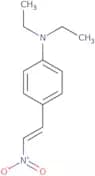
CAS:O-(N-Boc-2-aminoethyl)-O'-(N-diglycolyl-2-aminoethyl)hexaethyleneglycol is a PEG compound with two different functional groups (also known as heterobifunctional). Unlike homobifunctional PEG compounds (same functional group on both ends), this type of compounds are more versatile as have two different anchor points. O-(N-Boc-2-aminoethyl)-O'-(N-diglycolyl-2-aminoethyl)hexaethyleneglycol is used as a linker and spacer to add a PEG moiety, via pegylation (a bioconjugation technique) to proteins, peptides, oligonucleotides, small molecules and nanoparticles.Fórmula:C25H48N2O13Pureza:Min. 95%Forma y color:PowderPeso molecular:584.65 g/mol(1-(4-Diethylamino)phenyl)-2-nitroethene
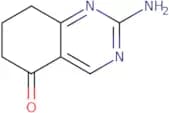
CAS:<p>(1-(4-Diethylamino)phenyl)-2-nitroethene is a fluorescent probe that can be used to measure the growth rate of microorganisms. It is also a polarizable fluorescent molecule that is sensitive to environmental effects such as pH, temperature, and light intensity. This compound has been used as a chromophore in optical devices and has been observed to have linear responses to changes in time constants. The fluorescence of (1-(4-diethylamino)phenyl)-2-nitroethene is proportional to the molecular response of the protein or nucleic acid it binds to. This compound is also an inorganic compound with dipole moments, which are properties that allow it to interact with other compounds.</p>Fórmula:C12H16N2O2Pureza:Min. 95%Peso molecular:220.27 g/mol2-Amino-7,8-dihydroquinazolin-5(6H)-one
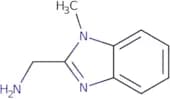
CAS:<p>2-Amino-7,8-dihydroquinazolin-5(6H)-one is a research chemical that belongs to the group of quinazolinones. It is a useful building block for the synthesis of other compounds. This compound can be reacted with various reagents to form new compounds. 2-Amino-7,8-dihydroquinazolin-5(6H)-one has been used as a starting material in the synthesis of PET imaging agents for diagnostic and therapeutic purposes. This compound is also used as a reaction component in organic chemistry research.</p>Fórmula:C8H9N3OPureza:Min. 95%Forma y color:Off-White PowderPeso molecular:163.18 g/mol(1-Methyl-1H-benzimidazol-2-yl)methylamine
CAS:Producto controlado(1-Methyl-1H-benzimidazol-2-yl)methylamine is a heterocyclic compound with the chemical formula C6H5NCH3. It is used in organic synthesis as a building block for other compounds. (1-Methyl-1H-benzimidazol-2-yl)methylamine can be synthesized by reacting methylamine and benzimidazole in solvothermal conditions, followed by purification with ionization mass spectrometry. The compound has a molecular weight of 136 g/mol and an ionization mass of 133. This compound is homolytic under standard conditions, meaning that it undergoes reaction processes that break covalent bonds using heat or light energy. This process creates ions from neutral molecules, which are then analyzed by ionization mass spectrometry to determine the composition of the molecule.Fórmula:C9H11N3Pureza:Min. 95%Forma y color:Slightly Yellow PowderPeso molecular:161.2 g/mol4-Amino-6-chloro-2-(methylthio) pyrimidine
CAS:4-Amino-6-chloro-2-(methylthio) pyrimidine is a reactive chemical that is used in medicine as an antioxidant. It has been shown to have beneficial effects on atherosclerosis, colitis and cancer. 4-Amino-6-chloro-2-(methylthio) pyrimidine has also been shown to inhibit the production of reactive oxygen species (ROS). ROS are generated by lipoxygenase enzymes in soybean oil and cause damage to cells. 4-Amino-6-chloro-2-(methylthio) pyrimidine binds to the enzyme's heme group, preventing it from forming ROS.Fórmula:C5H6ClN3SPureza:Min. 95%Peso molecular:175.64 g/molBoc-(2R,3R)-3-amino-2-hydroxy-4-phenylbutyric acid
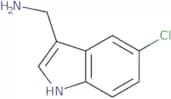
CAS:<p>Boc-(2R,3R)-3-amino-2-hydroxy-4-phenylbutyric acid is a reagent and speciality chemical that is used as a building block in organic synthesis. It is a versatile intermediate that can be used to synthesize complex compounds with high quality and purity. Boc-(2R,3R)-3-amino-2-hydroxy-4-phenylbutyric acid has been shown to be stable under acidic conditions, making it an excellent choice for use in reactions involving strong acids. This compound can also be used as a scaffold for the synthesis of peptides and proteins.</p>Fórmula:C15H21NO5Pureza:Min. 95%Forma y color:PowderPeso molecular:295.33 g/mol(5-Chloro-1H-indol-3-yl)methanamine
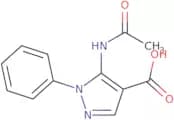
CAS:<p>5-Chloro-1H-indol-3-ylamine (5CI) is a chemical that has been shown to have antitubercular and antifungal properties. It is a potent inhibitor of mycobacterium tuberculosis, inhibiting the growth of mycobacterium tuberculosis at concentrations as low as 10 micrograms per milliliter. 5CI also has antibacterial activity against various strains of bacteria and antimicrobial activity against various strains of fungi. 5CI was shown to be more active than isoniazid in inhibiting the growth of Mycobacterium tuberculosis.</p>Fórmula:C9H9ClN2Pureza:Min. 95%Forma y color:Off-White PowderPeso molecular:180.63 g/mol5-(Acetylamino)-1-phenyl-1H-pyrazole-4-carboxylic acid
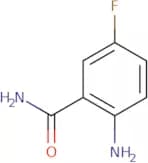
CAS:<p>5-(Acetylamino)-1-phenyl-1H-pyrazole-4-carboxylic acid is a useful building block for the synthesis of complex organic compounds. It is a versatile intermediate that can be used in the synthesis of pharmaceuticals, agrochemicals, and other fine chemicals. 5-(Acetylamino)-1-phenyl-1H-pyrazole-4-carboxylic acid can be used to produce high quality research chemicals and speciality chemicals. The CAS number for this compound is 51649-69-5.</p>Fórmula:C12H11N3O3Pureza:Min. 95%Forma y color:White to pale yellow solid.Peso molecular:245.23 g/mol2-Amino-5-fluorobenzamide
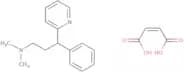
CAS:<p>2-Amino-5-fluorobenzamide (2AFB) is a compound that has been shown to have neurotoxic properties. 2AFB is a ring-opening agent, which means it can open the six-membered ring of aromatic compounds such as benzene or pyridine. 2AFB also has affinity for metal ions and therefore can be used in magnetic separations. The reaction system of 2AFB includes an enzyme, pentylenetetrazole (PTZ), that catalyzes the reaction between 2AFB and its substrate, 4-nitrophenol (4NP). This reaction produces free radicals that react with oxygen to produce peroxides. These peroxides are then detected by a chemiluminescence assay. In this way, the amount of 2AFB and 4NP can be measured quantitatively.<br>2AFB also has antioxidant properties, which may be due to its ability to scavenge free radicals from</p>Fórmula:C7H7FN2OPureza:Min. 95%Forma y color:PowderPeso molecular:154.14 g/molPheniramine maleate
CAS:<p>Histamine receptor H1 antagonist</p>Fórmula:C16H20N2·C4H4O4Pureza:Min. 95%Forma y color:PowderPeso molecular:356.42 g/mol(3-Isopropoxybenzyl)amine
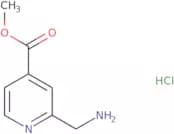
CAS:<p>(3-Isopropoxybenzyl)amine is a high quality, reagent grade chemical that can be used as an intermediate for the synthesis of complex organic compounds. It is also a useful building block for the synthesis of speciality chemicals and research chemicals. This compound has a versatile building block that is used in the synthesis of new molecules. Reaction components such as (3-isopropoxybenzyl)amine are important for synthesizing more complex molecules and can be easily purified with chromatography or recrystallization.</p>Fórmula:C10H15NOPureza:Min. 95%Forma y color:Colorless PowderPeso molecular:165.23 g/molMethyl 2-(aminomethyl)pyridine-4-carboxylate HCl
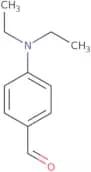
CAS:<p>Methyl 2-(aminomethyl)pyridine-4-carboxylate HCl is a fine chemical that is used as a building block, reagent, and speciality chemical. It has been shown to be an effective intermediate in the synthesis of complex compounds. Methyl 2-(aminomethyl)pyridine-4-carboxylate HCl also has a versatile scaffold for organic synthesis.</p>Fórmula:C8H11ClN2O2Pureza:Min. 95%Forma y color:PowderPeso molecular:202.64 g/mol4-Diethylaminobenzaldehyde
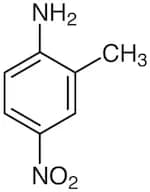
CAS:<p>4-Diethylaminobenzaldehyde is an organic compound that contains a hydroxyl group. It is a fluorescent probe and can be used to measure the transcriptional regulation of genes. This molecule has been shown to be an effective fluorescence probe for the detection of cb2 receptors in Langmuir adsorption isotherms and LC-MS/MS methods. 4-Diethylaminobenzaldehyde has also been shown to have chemopreventive properties against carcinoma cells.</p>Fórmula:C11H15NOPureza:Min. 98%Forma y color:PowderPeso molecular:177.24 g/mol2-Methyl-4-nitroaniline
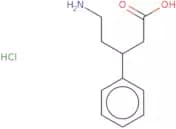
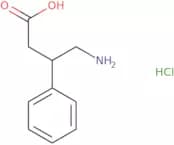
CAS:Fórmula:C7H8N2O2Pureza:>98.0%(GC)Forma y color:White to Yellow to Green powder to crystalPeso molecular:152.154-(Aminomethyl)-3-phenylbutyric acid hydrochloride
CAS:<p>4-(Aminomethyl)-3-phenylbutyric acid hydrochloride is a reagent that can be used as a building block in synthesizing new chemical compounds. It is also an intermediate for the synthesis of 4-(aminomethyl)benzoic acid, which is useful for producing pharmaceuticals, pesticides, and other agrochemicals. 4-(Aminomethyl)-3-phenylbutyric acid hydrochloride has a CAS number of 860252-34-2 and can be used in reactions with a variety of reagents to produce fine chemicals, research chemicals, and speciality chemicals.</p>Fórmula:C11H16ClNO2Pureza:Min. 95%Peso molecular:229.7 g/mol4-Amino-3-phenylbutyric acid hydrochloride
CAS:Producto controlado4-Amino-3-phenylbutyric acid hydrochloride (4APB) is a GABA receptor agonist that belongs to the class of pharmacological agents. It has been shown to be effective in treating pediatric patients with epilepsy, as well as in the treatment of various metabolic disorders. The drug has also been used to treat symptoms caused by benzodiazepine withdrawal. 4APB binds to the benzodiazepine binding site on GABAA receptors and enhances the inhibitory actions of GABA. This causes sedation and muscle relaxation, which can be helpful for patients who have experienced a seizure or are withdrawing from benzodiazepines. 4APB also increases locomotor activity in rats and has been shown to have no effect on cardiac function.Fórmula:C10H13NO2•HClPureza:Min. 98 Area-%Forma y color:PowderPeso molecular:215.68 g/mol[3-(1H-Pyrazol-1-yl)benzyl]amine
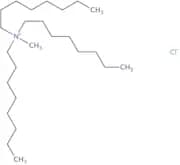
CAS:3-(1H-Pyrazol-1-yl)benzyl amine is a fine chemical that is used as a versatile building block in the synthesis of many complex compounds, such as pharmaceuticals and agrochemicals. This compound can be used to produce research chemicals, reaction components, and specialty chemicals. 3-(1H-Pyrazol-1-yl)benzyl amine is also a high quality reagent for use in the manufacture of various products.Fórmula:C10H11N3Pureza:Min. 95%Forma y color:PowderPeso molecular:173.21 g/molTri(octyl-decyl)methylammonium chloride - R=C8-C10
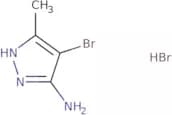
CAS:Tri(octyl-decyl)methylammonium chloride (TODMA) is a quaternary ammonium salt that has been used as a wastewater treatment agent. TODMA has shown to adsorb particles of chitosan, which are positively charged and hydrophilic. Chitosan is an acidic polymer that can be used in the development of nanoparticulate compositions for therapeutic use. TODMA has been shown to have physiological effects in the body, such as lowering blood pressure and heart rate and producing a sense of calmness. It also has been shown to affect chloride levels in the body and inhibit water vapor from leaving the lungs. This compound can be synthesized by reacting hydrogen fluoride with chloroethane. The thermodynamic data for this compound is available on line at http://www.webelements.com/trioctyldecylammoniumchloride/.Fórmula:C25H54ClNPureza:Min. 95%Forma y color:Colorless Clear LiquidPeso molecular:404.16 g/mol5-Amino-4-bromo-3-methylpyrazole hydrobromide
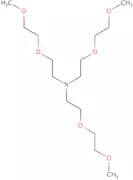
CAS:5-Amino-4-bromo-3-methylpyrazole hydrobromide is an intermediate in the synthesis of a variety of compounds. It is also a building block for the synthesis of heterocycles, such as pyrazoles, indazoles, benzoxazoles, and benzothiazoles. 5-Amino-4-bromo-3-methylpyrazole hydrobromide can be used as a reagent to synthesize pharmaceuticals and other useful compounds. 5-Amino-4-bromo-3-methylpyrazole hydrobromide is a versatile building block that can be used in the synthesis of many different types of compounds. This compound has been shown to react with various groups on organic molecules to form new chemical structures.Fórmula:C4H6BrN3•BrHPureza:Min. 95%Forma y color:PowderPeso molecular:256.93 g/molTris(dioxa-3,6-heptyl)amine
CAS:<p>Phase transfer catalyst; intermediate in telithromycin synthesis</p>Fórmula:C15H33NO6Pureza:Min. 95%Forma y color:Colorless Clear LiquidPeso molecular:323.43 g/mol[2,3'-Bipyridin]-6'-amine
CAS:2,3'-Bipyridin-6'-amine is a chemical compound that is used as a building block for more complex molecules. It has high quality and can be used to make many different compounds. 2,3'-Bipyridin-6'-amine is versatile and can be used in the synthesis of a variety of compounds. It is also an intermediate in a number of reactions, including the formation of pyrimidine analogs. This chemical has been shown to be useful in the creation of new drugs for cancer treatment and other diseases.Fórmula:C10H9N3Pureza:Min. 95%Forma y color:Off-White PowderPeso molecular:171.2 g/mol4-Aminopyridazin-3(2H)-one
CAS:<p>4-Aminopyridazin-3(2H)-one is an antiplatelet drug that has been shown to have a pharmacological effect on the central nervous system. It is also used as a chemotherapeutic agent for the treatment of certain types of cancer. 4-Aminopyridazin-3(2H)-one contains two nitrogen atoms that are substituted with methyl groups, which can be hydrolyzed by liver enzymes to form pyridazine and 4-aminopyridine. 4-Aminopyridazin-3(2H)-one inhibits bacterial growth by inhibiting protein synthesis and cell division at the ribosome level. This drug also has antimicrobial activity against Gram-positive bacteria and fungi, but is not active against Gram-negative bacteria such as Escherichia coli.</p>Fórmula:C4H5N3OPureza:Min. 95%Forma y color:White To Yellow SolidPeso molecular:111.1 g/mol4,4'-Methylenebis(2-ethylbenzenamine)
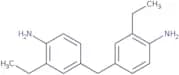
CAS:<p>4,4'-Methylenebis(2-ethylbenzenamine) is a linear polymer that is soluble in organic solvents and insoluble in water. It has a molecular weight of about 320 and a viscosity of about 800 cps at 25 degrees Celsius. This sealant is heat resistant and can be used for sealing joints in industrial processes involving high temperatures. 4,4'-Methylenebis(2-ethylbenzenamine) can be used as a diluent for other sealants or adhesives because it does not interfere with their properties. 4,4'-Methylenebis(2-ethylbenzenamine) is also an effective filler material for polymeric matrix systems due to its ability to form micelles with linear chains of molecules that provide interconnections within the system.</p>Fórmula:C17H22N2Pureza:Min. 95%Forma y color:Off-White Clear LiquidPeso molecular:254.37 g/mol(R)-2-Amino-6-azidohexanoic acid HCl
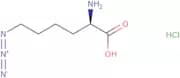
CAS:(R)-2-Amino-6-azidohexanoic acid HCl is a chemical intermediate that is used in the synthesis of a number of biologically active compounds. It is also a versatile building block for the construction of complex molecules. This chemical has been shown to be useful in the synthesis of pharmaceuticals, agrochemicals, and other fine chemicals. CAS No. 2098497-01-7Fórmula:C6H12N4O2·HClPureza:Min. 95%Forma y color:White PowderPeso molecular:208.65 g/mol2-(3,5-Dichlorophenyl)ethanamine
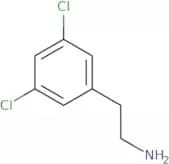
CAS:Producto controlado2-(3,5-Dichlorophenyl)ethanamine is a versatile building block that can be used in research and development of many compounds. This compound is a fine chemical that has been used as a reagent in organic synthesis. 2-(3,5-Dichlorophenyl)ethanamine is a useful intermediate and reaction component in the synthesis of other organics. It can also be used as a scaffold to synthesize more complicated molecules.Fórmula:C8H9Cl2NPureza:Min. 95%Forma y color:Clear LiquidPeso molecular:190.07 g/mol2,2'-Diamino-4,4'-bithiazole
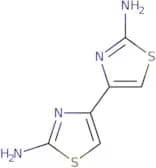
CAS:2,2'-Diamino-4,4'-bithiazole (DABT) is a ligand that forms supramolecular aggregates with a variety of metal ions. It has been shown to bind to serum albumin and form an interaction that depends on the coordination geometry of the metal ion. DABT has been shown to be a fluorescent molecule with tryptophan fluorescence. The fluorescence emission spectrum of DABT is sensitive to chloride concentrations in the environment. The chemical structure and solubility properties of DABT are similar to those of chlorides; thus, it can be used as an oxidant at low pH levels.Fórmula:C6H6N4S2Pureza:Min. 95%Forma y color:PowderPeso molecular:198.27 g/mol1-Methylazetidin-3-amine dihydrochloride
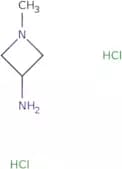
CAS:<p>1-Methylazetidin-3-amine dihydrochloride is a synthetic chemical compound that is used as a reagent, high quality, complex intermediate, and fine chemical. It has been shown to be useful in the synthesis of various compounds and has been reported as a useful scaffold for organic synthesis. This compound also exhibits versatile building block properties due to its ability to react with various functional groups. 1-Methylazetidin-3-amine dihydrochloride has been found to be a useful reaction component in the production of pharmaceuticals, pesticides, and other products.</p>Fórmula:C4H12Cl2N2Pureza:Min. 95%Forma y color:White PowderPeso molecular:159.06 g/mol4-Amino-6-fluoroquinazoline
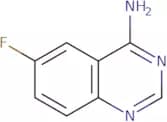
CAS:4-Amino-6-fluoroquinazoline (4AFQ) is a protease inhibitor that has been shown to be effective in treating ulcerative colitis. It inhibits the activity of the human neutrophil elastase and cathepsin G, which are enzymes that degrade proteins and are involved in the inflammatory response. 4AFQ has also been shown to have antiatherogenic effects, inhibiting lipid uptake in macrophages and reducing fatty acid synthesis. This drug also induces apoptosis of monocytes, which reduces inflammation by decreasing cytokine production. 4AFQ is used as a probiotic agent for treatment of bacterial infections or as an additive to food products. 4AFQ can also be used as an adjuvant therapy for cancer treatments because it increases the effectiveness of chemotherapy drugs such as cisplatin and paclitaxel. This drug's water-soluble nature allows it to penetrate cell membranes more easily than other drugs with similarFórmula:C8H6FN3Pureza:Min. 95%Forma y color:PowderPeso molecular:163.15 g/mol2-Aminoethanethiol HCl
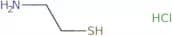
CAS:<p>2-Aminoethanethiol HCl is an organosulfur compound used in the treatment of cystinosis. Cystinosis is a rare autosomal recessive metabolic disorder that leads to the accumulation of cysteine and other amino acids in the lysosomes of cells. 2-Aminoethanethiol HCl is also used for the treatment of enteritidis, a disease caused by infection with bacteria such as Salmonella typhi, Shigella dysenteriae, or Escherichia coli. It has been shown to inhibit protein synthesis in vitro and in experimental models. The mechanism of 2-aminoethanethiol HCl's inhibition may be due to its ability to reduce mitochondrial membrane potential, thereby inhibiting ATP production and inhibiting cellular respiration.<br>2-Aminoethanethiol HCl has been found to be effective against many strains of bacteria that are resistant to standard antibiotics (e</p>Fórmula:C2H7NS·HClPureza:Min. 95%Forma y color:White PowderPeso molecular:113.61 g/mol2-Amino-4-(2,4-dichlorophenyl)-5-methylthiophene-3-carbonitrile
CAS:<p>The frequency range of 2-Amino-4-(2,4-dichlorophenyl)-5-methylthiophene-3-carbonitrile is between 0.1 and 1.0 GHz. The channel is between 1 and 10 MHz. The algorithm used for this frequency is the Gaussian algorithm. This frequency has been shown to have a frequency range of 0.1 to 1.0 GHz with a channel of 1 to 10 MHz and an algorithm of the Gaussian algorithm.</p>Fórmula:C12H8Cl2N2SPureza:Min. 95%Forma y color:Brown PowderPeso molecular:283.18 g/mol4-Amino-pyridine-2-carboxylic acid methyl ester
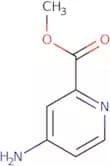
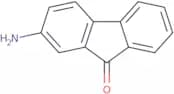
CAS:4-Amino-pyridine-2-carboxylic acid methyl ester is a compound that is used as a reactant, reagent, and building block in organic synthesis. It is also useful for the preparation of complex compounds. 4-Amino-pyridine-2-carboxylic acid methyl ester is soluble in water and has a melting point of 183°C. The CAS number for this chemical is 71469-93-7.Fórmula:C7H8N2O2Pureza:Min. 95%Forma y color:White PowderPeso molecular:152.15 g/mol2-Amino-9-fluorenone
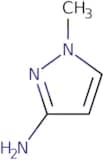
CAS:<p>2-Amino-9-fluorenone is a borohydride reduction product of 2-amino-4,5,6,7-tetrahydrobenzofuran. It is synthesized by the reaction of ethyl esters with cavity and protonation. The synthesis of 2-amino-9-fluorenone has been shown to proceed through a noncompetitive inhibition mechanism. It is used as a fluorescent probe for amines in gravimetric analysis and mass spectrometry. 2-Amino-9-fluorenone has also been used as a fluorescence probe for carbonyl groups in fluoroimetric analysis.<br>2 aminofluorene exhibits steady state fluorescence when excited at 295 nm and 365 nm.</p>Fórmula:C13H9NOPureza:Min. 95%Peso molecular:195.22 g/mol3-Amino-1-methylpyrazole
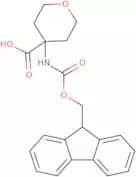
CAS:<p>3-Amino-1-methylpyrazole is a molecule in the amide family. It is a natural product, which has been found to have signalling properties. 3-Amino-1-methylpyrazole has also been shown to inhibit telomerase activity and can be used as a potential anticancer agent in the future. This compound was designed for use in pharmaceutical research and has shown great pharmacokinetic properties that can be optimized for pharmaceutical research. 3-Amino-1-methylpyrazole is not yet approved for any therapeutic use but has shown great potential as an anticancer agent, especially when combined with other drugs or chemotherapy treatments.</p>Fórmula:C4H7N3Pureza:Min. 95%Forma y color:Clear LiquidPeso molecular:97.12 g/molFmoc-4-amino-tetrahydropyran-4-carboxylic acid
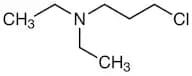
CAS:Fmoc-4-amino-tetrahydropyran-4-carboxylic acid is a versatile building block that can be used for the synthesis of many complex compounds and research chemicals. It is a speciality chemical which has been shown to be a useful intermediate in reactions, as well as being a reagent. Fmoc-4-amino-tetrahydropyran-4-carboxylic acid has also been shown to be an effective scaffold for drug design and development.Fórmula:C21H21NO5Pureza:Min. 95%Forma y color:White/Off-White SolidPeso molecular:367.4 g/mol3-Chloro-N,N-diethylpropan-1-amine
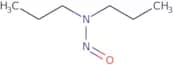
CAS:Fórmula:C7H16ClNPureza:>98.0%(GC)(T)Forma y color:Colorless to Almost colorless clear liquidPeso molecular:149.66N-Nitrosodipropylamine
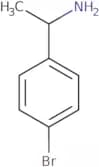
CAS:<p>N-Nitrosodipropylamine is a chemical that is used in wastewater treatment. It is found in acetate extracts of sewage sludge and has been shown to inhibit the activity of rat liver microsomes. N-Nitrosodipropylamine has been linked to cancer, and although it has not been shown to cause cancer in rats, it does have carcinogenic potential. This chemical also inhibits the activity of bacterial cytochrome P450 enzymes, which are important for regulating the synthesis of lipids, steroids, and other biologically important molecules. N-Nitrosodipropylamine has also been shown to be an anthelmintic drug, but when administered orally or intraperitoneally at high doses, it causes maternal toxicity and fetal death in pregnant rats. The use of this drug should therefore be avoided during pregnancy.</p>Fórmula:C6H14N2OPureza:Min. 95%Forma y color:Clear LiquidPeso molecular:130.19 g/mol1-(4-Bromophenyl)ethylamine
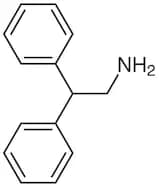
CAS:1-(4-Bromophenyl)ethylamine is a hdac inhibitor. This drug has been shown to be an amide, which is a class of chemical compounds that are the basis of many pharmaceuticals. It has been shown to have degenerative diseases, such as Alzheimer's disease and Parkinson's disease, and may also have an effect on amines. 1-(4-Bromophenyl)ethylamine inhibits hydrogen chloride and enantiomer with inflammatory diseases. It also has antiinflammatory activity, which may be due to its ability to inhibit acid molecules and biological studies.Fórmula:C8H10BrNPureza:Min. 95%Forma y color:Colorless Clear LiquidPeso molecular:200.08 g/mol2,2-Diphenylethylamine
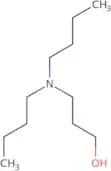
CAS:Fórmula:C14H15NPureza:>98.0%(GC)(T)Forma y color:White or Colorless to Light yellow to Light orange powder to lump to clear liquidPeso molecular:197.283-(Dibutylamino)propan-1-ol
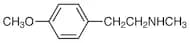
CAS:<p>3-(Dibutylamino)propan-1-ol is an intermediate that is used in the synthesis of procainamide and procaine. It can be prepared by reaction of dibutylamine with propanol. 3-(Dibutylamino)propan-1-ol has a high stability in organic solvents, such as chloroform, as well as in bioreactors and automated synthesizers. This product is also an efficient catalyst for reactions involving esters. 3-(Dibutylamino)propan-1-ol has been shown to be effective at inhibiting the growth of Mycobacterium smegmatis and Mycobacterium tuberculosis.</p>Fórmula:C11H25NOPureza:Min. 95%Forma y color:Clear LiquidPeso molecular:187.32 g/molN-Methyl-2-(4-methoxyphenyl)ethylamine
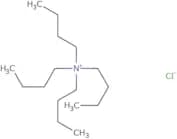
CAS:Fórmula:C10H15NOPureza:>95.0%(GC)(T)Forma y color:Light orange to Yellow to Green clear liquidPeso molecular:165.24Tetra-n-butylammonium chloride anhydrous
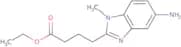
CAS:Tetra-n-butylammonium chloride anhydrous (TBACl) is an inorganic acid that is a colorless solid. It is soluble in water and soluble in organic solvents. TBACl reacts with hydrogen fluoride to form a colorless solution of tetrabutylammonium hydrogen fluoride (TBHF). The reaction proceeds by the following equation:Fórmula:C16H36NClPureza:Min. 95%Forma y color:White PowderPeso molecular:277.92 g/mol1-Methyl-5-amino-1H-benzimidazole-2-butanoic acid ethyl ester
CAS:1-Methyl-5-amino-1H-benzimidazole-2-butanoic acid ethyl ester is a fine chemical that can be used to make a variety of other compounds. It is also used as a reagent in the synthesis of complex compounds, research chemicals, and speciality chemicals. The CAS number for this compound is 3543-73-5. This product has a high quality and is useful as an intermediate or reaction component in the synthesis of useful scaffolds.Fórmula:C14H19N3O2Pureza:Min. 95%Forma y color:Orange To Brown SolidPeso molecular:261.32 g/molButalamine
CAS:<p>Butalamine is a fatty acid ester that has been shown to exhibit a range of biological properties, including anti-inflammatory, anticancer, and anthelmintic activity. It has also been shown to be effective in the treatment of infectious diseases and autoimmune diseases. Butalamine exhibits its anti-inflammatory effects by inhibiting the production of prostaglandins (PGs) and leukotrienes (LTs). This inhibition leads to reduced inflammation, which helps with symptoms associated with microbial infection. Butalamine also has anticancer activity in animal models. The drug inhibits cancer cell proliferation by blocking the synthesis of DNA and RNA in the nucleus. Butalamine is most commonly used as an analog for butyl amine, which is used as a pharmaceutical dosage form.</p>Fórmula:C18H28N4OPureza:Min. 95%Forma y color:Brown PowderPeso molecular:316.44 g/molDL-glutamine
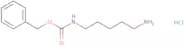
CAS:DL-glutamine is a non-essential amino acid that is needed for protein synthesis, energy production, and the function of gut cells. It is found in many foods such as dairy products and meat. L-glutamic acid is synthesized from DL-glutamine by bacteria in the intestines and can be used as a nitrogen source by other bacteria. Butyric acid is produced as a result of bacterial fermentation of DL-glutamine, which can have effects on the liver cells. The cellular morphology of liver cells changes when exposed to butyric acid.Fórmula:C5H10N2O3Pureza:Min. 95%Forma y color:White PowderPeso molecular:146.14 g/molZ-1,5-Diaminopentane HCl
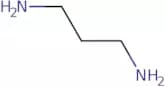
CAS:<p>Z-1,5-Diaminopentane HCl is a chemical intermediate used in the synthesis of pharmaceuticals and other organic compounds. It is also useful as a building block in the synthesis of complex compounds with high purity. Z-1,5-Diaminopentane HCl is soluble in water and has a boiling point of 232°C. CAS No. 18807-74-4</p>Fórmula:C13H20N2O2·HClPureza:Min. 95%Forma y color:PowderPeso molecular:272.77 g/mol1,3-Diaminopropane
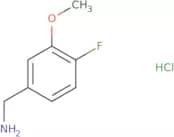
CAS:1,3-Diaminopropane is a molecule that belongs to the group of organic compounds known as diamine. It is a colorless liquid with an unpleasant odor. 1,3-Diaminopropane has inhibitory properties and can be used in the treatment of squamous cell carcinoma and galleria mellonella. The mechanism of action for this compound has been determined by x-ray crystal structures. 1,3-Diaminopropane reacts with picolinic acid (PA) to form an intramolecular hydrogen bond, which inhibits PA's ability to react with other molecules. This results in PA being unable to form reactive intermediates that normally lead to cancerous changes in cells.Fórmula:C3H10N2Pureza:Min. 95%Forma y color:Clear LiquidPeso molecular:74.12 g/mol4-Fluoro-3-methoxybenzylamine hydrochloride
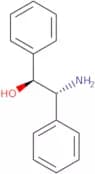
CAS:<p>4-Fluoro-3-methoxybenzylamine hydrochloride is a fine chemical that can be used as a building block in research, as a reagent in the synthesis of complex compounds, and as a versatile scaffold for the synthesis of natural products. This compound is an intermediate for the production of other pharmaceuticals and has been shown to be useful in the production of various drugs. It is also used as a reactant in organic chemistry reactions due to its high quality. 4-Fluoro-3-methoxybenzylamine hydrochloride has CAS No. 869296-41-3 and can be found on the Chemical Abstract Service (CAS) database.</p>Fórmula:C8H11ClFNOPureza:Min. 95%Peso molecular:191.63 g/mol(1S,2R)-(+)-2-Amino-1,2-diphenylethanol
CAS:Producto controlado(1S,2R)-(+)-2-Amino-1,2-diphenylethanol is an enantiopure amine that has been used as a ligand in supramolecular chemistry. It can be prepared by reacting 2-chloropropane with thionyl chloride and primary alcohols. The chloride group facilitates the reaction rate and can be replaced by nitro groups to immobilize the product on a solid substrate. (1S,2R)-(+)-2-Amino-1,2-diphenylethanol has optical properties that are dependent on its environment. It can be used to label cells for studies of cell differentiation or cell migration. This compound also reacts with cyclohexane rings to form cyclic products with different optical properties than those of the reactants. The reaction yield is high in this process.Fórmula:C14H15NOPureza:Min. 95%Forma y color:White To Beige SolidPeso molecular:213.28 g/molN,N-Bis(4-bromobenzyl)amine
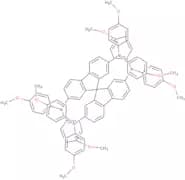
CAS:Fórmula:C14H13Br2NPureza:>98.0%(GC)(T)Forma y color:White to Orange to Green powder to crystalPeso molecular:355.072,2',7,7'-Tetrakis-(N,N-di-4-methoxyphenylamino)-9,9'-spirobifluorene - Sublimed grade
CAS:2,2',7,7'-Tetrakis-(N,N-di-4-methoxyphenylamino)-9,9'-spirobifluorene (TPB) is a model system for investigating the transport of light signal in polymers. TPB can be used as a component in solar cells to increase their efficiency and improve their resistance to heat. TPB has shown high resistance to hydrochloric acid and other aggressive chemicals. TPB has been shown to be an effective photoelectron donor with a redox potential that is close to the one of copper; this property can be used for electrochemical impedance spectroscopy.Fórmula:C81H68N4O8Pureza:Min. 95%Forma y color:Off-white to yellow solid.Peso molecular:1,225.43 g/mol9-Amino-1,2,3,4-tetrahydroacridine HCl hydrate
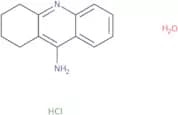
CAS:Producto controlado9-Amino-1,2,3,4-tetrahydroacridine HCl hydrate (9AHT) is a cholinergic agent that inhibits the activity of the ns3 protease. It has been shown to inhibit tumor growth and induce apoptosis in prostate cancer cells. 9AHT also exhibits neuroprotective effects through its ability to inhibit acetylcholinesterase and reduce neuronal death. This drug has been used as a biological sample for the detection of amyloid proteins in cell culture. Acetate extract from Astragalus (a medicinal plant) was found to have an inhibitory effect on acetylcholinesterase activity. Protocatechuic acid, which is found in many plants, including grapefruit peel, has also been shown to be an inhibitor of acetylcholinesterase activity.Fórmula:C13H15ClN2·xH2OPureza:Min. 95%Forma y color:White PowderPeso molecular:234.72 g/molQuinolin-5-yl-methylamine
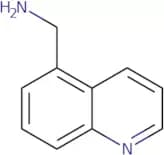
CAS:Quinolin-5-yl-methylamine is a fine chemical that is used as a research chemical. It can be used as a reagent and as a speciality chemical. This compound has a high quality and is versatile in its use. Quinolin-5-yl-methylamine can be used in the synthesis of complex compounds, such as pharmaceuticals, agrochemicals, and polymers. It is also an intermediate that can be used to create other useful compounds, such as building blocks or scaffolds. The CAS number for this compound is 58123-57-2.Fórmula:C10H10N2Pureza:Min. 95%Forma y color:SolidPeso molecular:158.2 g/molO-Aminophenol sulfate
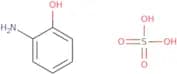
CAS:<p>O-Aminophenol sulfate is a reagent that is used in research and synthesis of complex compounds. It has a variety of applications, such as use as a building block for speciality chemicals, as a reaction component in reactions, and to prepare fine chemicals. O-Aminophenol sulfate is soluble in water and can be used as an intermediate for other products.</p>Fórmula:C12H16N2O6SPureza:Min. 95 Area-%Forma y color:PowderPeso molecular:316.33 g/molAminomalononitrile p-toluenesulfonate
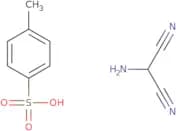
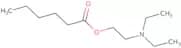
CAS:<p>Aminomalononitrile p-toluenesulfonate is a synthetic, homologous chemical that inhibits the replication of virus type-1. It has been shown to have anticancer activity in mice by inducing apoptosis and necrosis in cancer cells. Aminomalononitrile p-toluenesulfonate is an inhibitor of the assembly of virus particles by inhibiting the polymerization of nucleoprotein complexes with low energy. In addition, it can inhibit chloride channels, which are required for viral entry into cells. Aminomalononitrile p-toluenesulfonate binds to metal ions, such as copper or iron, and blocks their function in cell signaling pathways. The functional groups present on this compound are aminomethylbenzenesulfonyl and isothiocyanates.</p>Fórmula:C7H8O3S·C3H3N3Pureza:Min. 95%Forma y color:White PowderPeso molecular:253.28 g/mol2-Diethylaminoethyl hexanoate
CAS:Producto controlado<p>2-Diethylaminoethyl hexanoate (DEH) is a fatty acid with terminal residues. It has been shown to have insecticidal properties, and is used as an analytical marker for sodium citrate. DEH has been shown to be reactive in nutrient solution, with optimum concentrations at 0.03% in aqueous solutions and 0.1% in organic solvents. When DEH is added to the culture medium of cells, it has the effect of increasing enzyme activities and cellular organelles such as mitochondria and chloroplasts. This compound also has a photosynthetic activity that can be used as a low-light source for plants, which can help prevent seedling photodamage.</p>Fórmula:C12H25NO2Pureza:Min. 95%Forma y color:PowderPeso molecular:215.33 g/mol3-(2-Diisopropylaminoethyl)indole hydrochloride
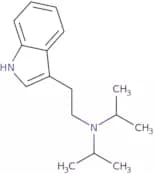
CAS:Producto controlado<p>3-(2-Diisopropylaminoethyl)indole hydrochloride is an inhibitor of the enzyme monoamine oxidase (MAO). MAO is responsible for the degradation of monoamines such as serotonin, dopamine, and norepinephrine. 3-(2-Diisopropylaminoethyl)indole hydrochloride inhibits these enzymes in order to increase the levels of these neurotransmitters in the brain. These effects are observed with a sectional study on the host plant species. 3-(2-Diisopropylaminoethyl)indole hydrochloride has been shown to have low potency for inhibiting 5-HT1A and 5-HT2A receptors in rat studies, but it is not active against 5-HT2C receptors. This drug was used to measure urinary serotonin and dopamine levels in human urine samples.</p>Fórmula:C16H25ClN2Pureza:Min. 95%Peso molecular:280.84 g/mol2-(Dimethylamino)-2-methylpropanoic acid
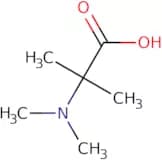
CAS:2-(Dimethylamino)-2-methylpropanoic acid is a solvent that has been investigated for use in vapor phase systems. It has been shown to have the ability to adsorb onto surfaces and to be able to desorb from these surfaces at a later time. This process allows 2-(dimethylamino)-2-methylpropanoic acid to be used as an additive for waterproofing and other applications. A thermogravimetric analysis of 2-(dimethylamino)-2-methylpropanoic acid showed that it decomposes at temperatures between 220°C and 260°C, which is lower than the temperature required for many other solvents. This property makes it suitable for use in vapor phase systems.Fórmula:C6H13NO2Pureza:Min. 95%Forma y color:PowderPeso molecular:131.17 g/mol4-Aminophenylboronic acid hydrochloride
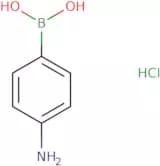
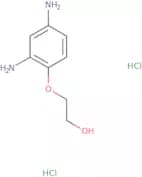
CAS:<p>4-Aminophenylboronic acid hydrochloride is a fluorescent probe that can be used to detect hydrogen bonds in proteins. It has been used to measure water vapor in human serum and as an electrochemical impedance spectroscopy probe for the detection of ATP levels. This compound has also been used as a fluorescence probe for the detection of viruses and fetal bovine serum, as well as nanomaterials and matrix effect studies. 4-Aminophenylboronic acid hydrochloride is synthesized through the reaction of 4-aminophenylboronic acid with hydrochloric acid in water at high temperature, which produces a white solid. The thermal expansion coefficient of this compound is 2.6 x 10^-5 K^-1.</p>Fórmula:C6H8BNO2•HClPureza:Min. 95%Forma y color:PowderPeso molecular:173.4 g/mol2,4-Diaminophenoxyethanol 2HCl
CAS:<p>2,4-Diaminophenoxyethanol 2HCl is a cross-linking agent that is used in the production of emulsions. It has been shown to bind to fatty acids and form an insoluble precipitate with calcium ions. This product is also effective as an adsorbent for crystal violet, which can be used for the purification of fatty acids. The adsorption kinetics of this product have been studied using a diode at different wavelengths with a wavelength of 700 nm being the most suitable for this application. 2,4-Diaminophenoxyethanol 2HCl has shown to be able to reduce weight in animals by binding water molecules and forming crystals in the body, which may contribute to its anti-obesity effects.</p>Fórmula:C8H12N2O2•(HCl)2Pureza:Min. 95%Forma y color:PowderPeso molecular:241.11 g/mol6-Amino-8-methyl-2H-1,4-benzoxazin-3(4H)-one
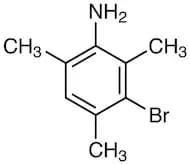
CAS:<p>6-Amino-8-methyl-2H-1,4-benzoxazin-3(4H)-one is a fine chemical that is a useful building block for research chemicals and speciality chemicals. It can be used as a reagent in organic synthesis, as well as in the production of high quality and versatile building blocks. 6-Amino-8-methyl-2H-1,4-benzoxazin-3(4H)-one can be reacted to form useful scaffolds or intermediates that are valuable in the process of making complex compounds.</p>Fórmula:C9H10N2O2Pureza:Min. 95%Forma y color:PowderPeso molecular:178.19 g/mol3-Bromo-2,4,6-trimethylaniline
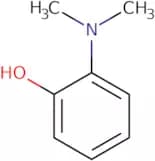
CAS:Fórmula:C9H12BrNPureza:>98.0%(GC)(T)Forma y color:White to Light yellow to Light orange powder to crystalPeso molecular:214.112-(Dimethylamino)phenol
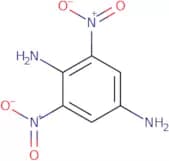
CAS:<p>2-(Dimethylamino)phenol (DMP) is a neutral organic compound that is used as an analytical reagent. It reacts with hydrochloric acid to form phenols, which are then analyzed by fluorescence probe. DMP can also be used in the synthesis of aminophenols, which are used in the manufacture of dyes, pharmaceuticals, and other chemical products. It has been shown to inhibit mitochondrial functions and fatty acid synthesis. DMP binds to receptors on the surface of cells and can block the binding of drugs that target these receptors. DMP may also act as a hydrogen bond donor or acceptor depending on its environment.</p>Fórmula:C8H11NOPureza:Min. 95 Area-%Forma y color:White PowderPeso molecular:137.18 g/mol2,6-Dinitro-1,4-phenylenediamine
CAS:<p>2,6-Dinitro-1,4-phenylenediamine is a versatile building block that can be used in the synthesis of complex compounds. It is a high quality chemical with excellent stability and purity. This chemical is also useful as an intermediate for the synthesis of other chemicals, and as a reagent for research purposes. 2,6-Dinitro-1,4-phenylenediamine is also useful in organic chemistry as a scaffold for synthesizing important organic molecules.</p>Fórmula:C6H6N4O4Pureza:Min. 95%Peso molecular:198.14 g/molTris(4-bromophenyl)amine
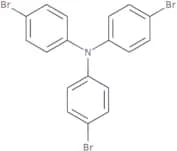
CAS:<p>Tris(4-bromophenyl)amine is a chemical compound that is used as an intermediate in the synthesis of other compounds. It has been studied for its electrochemical properties, which include its stability and ability to react with ethyl diazoacetate. The reaction mechanism of tris(4-bromophenyl)amine has been studied using electrochemical techniques, including kinetic and spectroscopic studies. Tris(4-bromophenyl)amine reacts with acid to produce nitrite ions and bromine water, which can then react with ethyl diazoacetate to produce aryl diazonium salts such as 3-nitrophenol. This process can be repeated multiple times to form aryl diazonium salts such as 6-nitrophenol or 5-nitrophenol. The electron reduction potential of tris(4-bromophenyl)amine is low enough that it can be easily oxid</p>Fórmula:C18H12Br3NPureza:Min. 95%Forma y color:PowderPeso molecular:482.01 g/molBiphenyl-2,2'-diamine
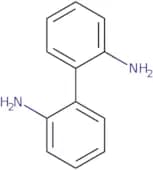
CAS:<p>Biphenyl-2,2'-diamine is a hydrogen bond donor. It is an organic compound with a molecular formula of C6H5NH that has two amine groups. The compound is gaseous at room temperature and it has a boiling point below 400 degrees Celsius. It reacts with ethanolic solutions to form colorless crystals that are soluble in water. Biphenyl-2,2'-diamine has been shown to have antiinflammatory activity in rats. This activity may be due to biphenyl-2,2'-diamine's ability to inhibit the production of prostaglandins by inhibiting cyclooxygenase (COX).</p>Fórmula:C12H12N2Pureza:Min. 95%Forma y color:Off-White Clear LiquidPeso molecular:184.24 g/mol5-Amino-2-methylindole
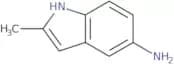
CAS:<p>5-Amino-2-methylindole is a hyaluronic acid inhibitor that has been shown to have an inhibitory effect on the growth of some bacteria. It inhibits the synthesis of bacterial enzymes and growth factors, which are required for bacterial cell division. 5-Amino-2-methylindole also inhibits the production of a number of important enzymes in bacteria, including benzofuran derivatives, as well as p. aeruginosa. This drug is used as a topical treatment in cases where there is tissue damage or inflammation. 5-Amino-2-methylindole has been shown to be effective against gram positive bacteria such as Streptococcus pyogenes and Enterococcus faecalis, but not against gram negative bacteria such as Pseudomonas aeruginosa or Escherichia coli.</p>Fórmula:C9H10N2Pureza:Min. 95%Forma y color:Yellow To Dark Brown SolidPeso molecular:146.19 g/mol5-Chloro-2-methoxybenzylamine hydrochloride
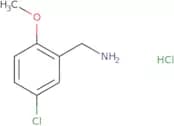
CAS:<p>5-Chloro-2-methoxybenzylamine hydrochloride is a chemical substance that is used as an intermediate in the synthesis of pharmaceuticals and other chemicals. It can be used as a building block to create complex compounds, or it can be used in reactions to produce speciality chemicals. 5-Chloro-2-methoxybenzylamine hydrochloride is a high quality reagent that can be used as a reaction component in research and development.<br>A fine chemical, 5-Chloro-2-methoxybenzylamine hydrochloride has many uses as a versatile building block for organic synthesis. It is also useful for generating research chemicals and complex compounds for use in medicines and other products.</p>Fórmula:C8H10ClNO·(HCl)Pureza:Min. 95%Forma y color:PowderPeso molecular:208.08 g/molBoc-(3S)-3-amino-4-phenyl-2-butanone
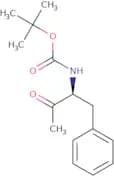
CAS:<p>Boc-(3S)-3-amino-4-phenyl-2-butanone is a chemical intermediate that is useful as a building block in organic synthesis. It has been used as a reaction component, reagent and high quality research chemical. Boc-(3S)-3-amino-4-phenyl-2-butanone is also a versatile building block and useful intermediate for the preparation of complex compounds. This chemical has shown to have speciality applications in fine chemicals such as pharmaceuticals and agrochemicals.</p>Fórmula:C15H21NO3Pureza:Min. 95%Forma y color:White to off-white solid.Peso molecular:263.33 g/mol(1-Benzothien-5-ylmethyl)amine hydrochloride
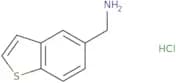
CAS:(1-Benzothien-5-ylmethyl)amine hydrochloride is a white crystalline solid that is soluble in organic solvents. It has been used as a research chemical, reagent, and speciality chemical. It is also an intermediate for the synthesis of other compounds.Fórmula:C9H9NS·HClPureza:Min. 95%Forma y color:SolidPeso molecular:199.7 g/mol4-Aminopyrazolo[3,4-d]pyrimidine
CAS:4-Aminopyrazolo[3,4-d]pyrimidine is a potent adenosine nucleotide analog that also lowers LDL cholesterol in the blood. It is used as a model system to study the uptake of nucleotides by Leishmania. 4-Aminopyrazolo[3,4-d]pyrimidine has been shown to be active against Leishmania parasites in vivo and at physiological levels. This drug has high resistance to leishmaniasis and can be used as an analog for ATP. 4-Aminopyrazolo[3,4-d]pyrimidine binds to the receptor activity on liver cells and stimulates epidermal growth factor production. It also interacts with the nucleotide levels in cells by acting as an analog for ATP.Fórmula:C5H5N5Pureza:Min. 95%Forma y color:Red PowderPeso molecular:135.13 g/mol



![[4-(Aminomethyl)cyclohexyl]methanol](/_next/image/?url=https%3A%2Fstatic.cymitquimica.com%2Fproducts%2F3D%2Fthumb-webp%2FFA123010.webp&w=3840&q=75)







![[3-(1H-Pyrazol-1-yl)benzyl]amine](/_next/image/?url=https%3A%2Fstatic.cymitquimica.com%2Fproducts%2F3D%2Fthumb-webp%2FFP129771.webp&w=3840&q=75)
![[2,3'-Bipyridin]-6'-amine](/_next/image/?url=https%3A%2Fstatic.cymitquimica.com%2Fproducts%2F3D%2Fthumb-webp%2FFB141123.webp&w=3840&q=75)






![4-Aminopyrazolo[3,4-d]pyrimidine](/_next/image/?url=https%3A%2Fstatic.cymitquimica.com%2Fproducts%2F3D%2Fthumb-webp%2FFA33756.webp&w=3840&q=75)