Ácidos carboxílicos
Se han encontrado 12457 productos de "Ácidos carboxílicos"
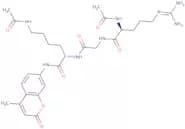
Ac-Arg-Gly-Lys(Ac)-AMC trifluoroacetate salt
CAS:Ac-Arg-Gly-Lys(Ac)-AMC is a potent apoptotic agent that induces the apoptosis of cancer cells by binding to the caspase-9, which is an enzyme that initiates the process of apoptosis. Ac-Arg-Gly-Lys(Ac)-AMC has been shown to inhibit the growth of cancer cells in cell culture and also shows potent antitumor activity against MDA-MB-231 breast cancer cells. This drug can be used as a potential therapeutic agent for cancers such as colorectal, prostate, and pancreatic cancer. Ac-Arg-Gly-Lys(Ac)-AMC is also able to induce apoptosis in human leukemia cells and may have a potential role in therapy for acute myelogenous leukemia (AML).
Fórmula:C28H40N8O7•C2HF3O2Pureza:Min. 98 Area-%Forma y color:PowderPeso molecular:714.69 g/molRef: 3D-FA110598
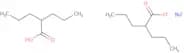
Producto descatalogadoValproic acid semisodium
CAS:Producto controladoValproic acid is a medication used to treat seizures and other conditions. Valproic acid has been shown to be effective in the treatment of metabolic disorders such as hyperammonemia, hypertriglyceridemia, and hypoglycemia. It also has been shown to be an effective treatment for bipolar disorder. Valproic acid does have side-effect profiles that include weight gain, nausea, vomiting, and hair loss. Side effects are more likely to develop when valproic acid is taken with other medications such as erythromycin or divalproex sodium. Valproic acid can cause hypersensitivity syndrome in some patients. In order to avoid this side effect, blood sampling should be done before starting treatment. Valproic acid is metabolized by the liver into the active form, divalproex sodium (divalproex), which then inhibits the enzyme histone deacetylase (HDAC). The inhibition of HDAC leads to an increase inFórmula:C8H16O2•Na0Pureza:Min. 95%Forma y color:White to off-white solid.Peso molecular:311.41 g/molRef: 3D-FV28660
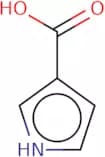
Producto descatalogado1-H-Pyrrole-3-carboxylic acid
CAS:The immobilized 1-H-pyrrole-3-carboxylic acid (1HP) is an amine that has been immobilized on a solid support. It is able to capture the growth factors and enzymes that are involved in immunoglobulin production and release. This immobilized 1HP has been used for the detection of albumin in urine samples, as well as for the determination of dopamine concentrations in blood plasma. The chemical composition of this immobilized 1HP has been determined by means of electrochemical impedance spectroscopy (EIS). The EIS results showed that it contains a few amines, which are responsible for its covalent linkages with the solid support.
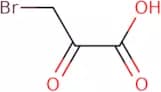
Fórmula:C5H5NO2Pureza:Min. 95%Forma y color:Off-White PowderPeso molecular:111.1 g/mol3-Bromopyruvic acid
CAS:3-Bromopyruvic acid is a small molecule that inhibits an enzyme called dextran sulfate reductase. This enzyme is involved in the formation of sulfate in the body and is important for glycolysis, which is the process by which cells break down glucose to produce energy. 3-Bromopyruvic acid inhibits both cancer cells and normal cells, but has a greater effect on cancer cells. This compound also causes caspase-independent cell death, which means that it does not activate pro-apoptotic proteins. It may work by targeting enzymes involved in energy metabolism or by inhibiting DNA polymerase activity.
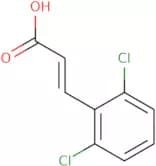
Fórmula:C3H3BrO3Pureza:Min. 95%Forma y color:PowderPeso molecular:166.96 g/mol2,6-Dichlorocinnamic acid
CAS:2,6-Dichlorocinnamic acid is an organic compound that is used as a reagent in the synthesis of other chemicals. 2,6-Dichlorocinnamic acid has been used as a component in the synthesis of various kinds of fine chemicals and useful building blocks. This chemical is also used as a speciality chemical and research chemical. 2,6-Dichlorocinnamic acid can be used as a versatile building block for the preparation of various compounds. It can be synthesized by heating cinnamic acid with chlorine gas and then reacting it with sodium hydroxide.
Fórmula:C9H6Cl2O2Pureza:Min. 95%Forma y color:PowderPeso molecular:217.05 g/molRef: 3D-FD63543
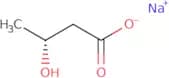
Producto descatalogado(R)-3-Hydroxybutyric acid sodium
CAS:Chiral intermediate in the biosynthesis and metabolism of fatty acids
Fórmula:C4H8O3•NaForma y color:PowderPeso molecular:127.09 g/molRef: 3D-FH09770
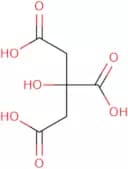
Producto descatalogadoCitric acid anhydrous
CAS:Citric acid is an organic compound that is a weak organic acid. It is a colorless, odorless solid with a sour taste. Citric acid participates in many biochemical reactions, including the citric acid cycle and fatty acid metabolism. Citric acid can be found in many citrus fruits, such as lemons, limes, and grapefruits. Citric acid also has antioxidant properties and functions as an anti-inflammatory agent. Citric acid is used for the production of citrates and citrate salts, which are added to food preservatives or acidic foods such as lemonade or vinegar. Citric acid can be used to measure water vapor concentration by using fluorescence probes that react with hydrated electrons in water molecules. It also has electrochemical impedance spectroscopy (EIS) applications in biomedical research and biotechnology as an enzyme inhibitor or activator.
Fórmula:C6H8O7Pureza:Min. 95%Forma y color:Colorless PowderPeso molecular:192.12 g/molRef: 3D-FC02313
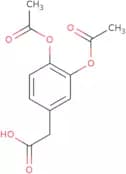
Producto descatalogado3,4-Diacetoxyphenylacetic acid
CAS:3,4-Diacetoxyphenylacetic acid is a white crystalline solid. It is soluble in water, ethanol and acetone. This chemical is a useful building block for the synthesis of a wide range of compounds including pharmaceuticals, pesticides and agrochemicals. 3,4-Diacetoxyphenylacetic acid has been used as a reagent for the synthesis of various complex compounds such as anti-inflammatory drugs and antibiotics. 3,4-Diacetoxyphenylacetic acid can be used as a versatile building block in the synthesis of many different compounds with high purity and quality.
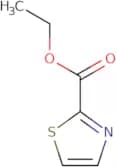
Fórmula:C12H12O6Pureza:Min. 95%Peso molecular:252.22 g/molThiazole-2-carboxylic acid ethyl ester
CAS:Thiazole-2-carboxylic acid ethyl ester is a synthetic compound that is used as a model for peroxides and as a substrate in the study of carbonyl chemistry. It has been shown to react with benzene, yielding an alpha-hydroxybenzylidene ketone. The heterocycle can be converted to the corresponding carboxylic acid by dehydrogenation with hydrogen peroxide or sodium perborate. The yields of this reaction are dependent on the substituent effects of the heterocycle. Thiazole-2-carboxylic acid ethyl ester reacts with serine protease and amide in an enzyme assay. Kinetic data for this reaction are available in the literature.
Fórmula:C6H7NO2SPureza:Min. 95%Forma y color:PowderPeso molecular:157.19 g/molRef: 3D-FT139140
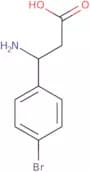
Producto descatalogado3-Amino-3-(4-bromophenyl)propanoic acid
CAS:3-Amino-3-(4-bromophenyl)propanoic acid is a versatile building block that is used in the synthesis of many different compounds. It is a reagent, useful as a research chemical and as a speciality chemical. 3-Amino-3-(4-bromophenyl)propanoic acid has been used in the synthesis of a number of complex compounds, including pharmaceuticals and pesticides. This compound is a good choice for use in organic synthesis because it reacts readily with an array of functional groups, such as carboxylic acids and amines.Fórmula:C9H10BrNO2Pureza:Min. 95%Forma y color:PowderPeso molecular:244.09 g/molRef: 3D-FA140126
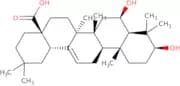
Producto descatalogadoSumaresinolic acid
CAS:Producto controladoSumaresinolic acid is a naturally occurring triterpenoid compound, which is typically isolated from certain plant species, such as those belonging to the Sumac (Rhus) family. This compound is characterized by its complex molecular structure that endows it with various biochemical activities. Sumaresinolic acid acts primarily through anti-inflammatory and antioxidant pathways, influencing cellular signaling and modulating enzymatic activity related to inflammation and oxidative stress.
Fórmula:C30H48O4Pureza:Min. 95 Area-%Forma y color:PowderPeso molecular:472.7 g/molRef: 3D-FS57650
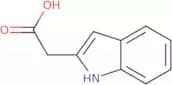
Producto descatalogadoIndole-2-acetic acid
CAS:Indole-2-acetic acid is a coumarin derivative that is found in plants and is used as a dietary supplement. It has been shown to have an inhibitory effect on photosynthetic activity and the growth of bacteria, fungi, and protozoa. Indole-2-acetic acid can be produced by chemical reactions involving aromatic hydrocarbons such as benzene or dioxane. It also inhibits the production of insulin in vivo and has been shown to reduce insulin resistance in rats.
Fórmula:C10H9NO2Pureza:Min. 95%Forma y color:PowderPeso molecular:175.18 g/molRef: 3D-FI140750
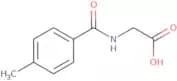
Producto descatalogado4-Methyl hippuric acid
CAS:4-Methyl hippuric acid is a metabolite of benzoic acid, and is excreted in the urine as an end product of phenylalanine metabolism. The matrix effect is a phenomenon that is observed when chromatographic analysis occurs in the presence of impurities or other substances. It can be minimized by using an optimum concentration of hydrochloric acid to extract the analyte from the sample matrix. 4-Methyl hippuric acid can be detected in urine samples by using a chromatographic method and then quantified by measuring its s-phenylmercapturic acid content. This compound has been used as a marker for determining blood pressure and has also been shown to have antihypertensive effects.
Fórmula:C10H11NO3Pureza:Min. 95%Forma y color:PowderPeso molecular:193.2 g/molRef: 3D-FM25508
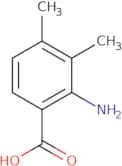
Producto descatalogado2-Amino-3,4-dimethylbenzoic acid
CAS:Protocatechuic acid is a phenolic compound that is found in the cell wall of plants. It has been shown to have radical scavenging activities and antioxidant properties. Protocatechuic acid binds to acetylcholine receptors, which are proteins that are involved in neurotransmission. Protocatechuic acid also inhibits the production of 4-hydroxy radicals, which are reactive oxygen species. This effect was observed when an ethanol extract was used as a source of protocatechuic acid in a study on rats with experimental myocardial infarction. The activity of the muscarinic acetylcholine receptor has been shown to be dose-dependent, with greater activity at lower concentrations and lower activity at higher concentrations. Higher doses can lead to allosteric modulation of this receptor by protocatechuic acid.
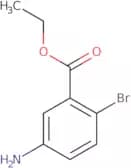
Fórmula:C9H11NO2Pureza:Min. 95%Forma y color:PowderPeso molecular:165.19 g/mol5-Amino-2-bromobenzoic acid ethyl ester
CAS:5-Amino-2-bromobenzoic acid ethyl ester is a chemical compound that can be used for the production of pharmaceuticals and research chemicals. It is a versatile building block that can be used in the synthesis of complex compounds with valuable applications. 5-Amino-2-bromobenzoic acid ethyl ester is a reagent, speciality chemical, and useful building block that can be used in the synthesis of high quality compounds. This compound has been identified as an intermediate in organic reactions and as a reaction component. CAS No. 208176-32-3Fórmula:C9H10BrNO2Pureza:Min. 95%Forma y color:PowderPeso molecular:244.09 g/molRef: 3D-FA67376
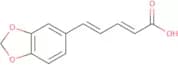
Producto descatalogado(E,E)-Piperic acid
CAS:Piperic acid is a metal chelate that has synergistic effects with other antimicrobial agents. It can be used to treat infectious diseases and carcinoma. Piperic acid is a natural compound found in plants, fruits, and vegetables, which has been shown to inhibit drug transporter proteins P-glycoprotein (P-gp) in the mitochondrial membrane potential. This inhibits the transport of drugs from outside the cell into the mitochondrial membrane, which also prevents the production of reactive oxygen species.
Fórmula:C12H10O4Pureza:Min. 95%Forma y color:Yellow To Green SolidPeso molecular:218.21 g/molRef: 3D-FP27067
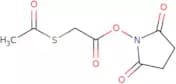
Producto descatalogadoN-Succinimidyl-S-acetylthioacetate
CAS:N-Succinimidyl-S-acetylthioacetate is an acetylating agent that has a reactive group, which is the succinimidyl ester. The chain reaction of this agent with thiols leads to the formation of acetic acid and a thioester. The reactivity of these molecules can be used to introduce functional groups onto proteins, such as polyclonal antibodies, b16 mouse melanoma cells, epidermal growth factor, and blood group antigens. N-Succinimidyl-S-acetylthioacetate reacts with lysine residues on the protein surface and human serum albumin by incorporating acetate groups into their amino acid chains. This agent can also be used in laboratory diagnosis for identifying bacteria and viruses.
Fórmula:C8H9NO5SPureza:Min. 95%Forma y color:White PowderPeso molecular:231.23 g/molRef: 3D-FS27916
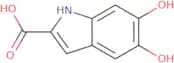
Producto descatalogado5,6-Dihydroxy-1H-indole-2-carboxylic acid
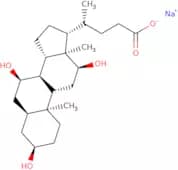
CAS:5,6-Dihydroxy-1H-indole-2-carboxylic acid (5,6 DHICA) is a photosensitizing agent with a long detection time. It has been used in the treatment of cervical cancer and skin cancer. 5,6 DHICA is an inhibitor of tyrosinase, which is responsible for the synthesis of melanin. 5,6 DHICA prevents the conversion of dopachrome to eumelanin by binding to the active site of tyrosinase and inhibiting its activity. This makes it an important drug for the treatment of hyperpigmentation disorders such as vitiligo and melasma.Fórmula:C9H7NO4Pureza:Min. 95%Forma y color:PowderPeso molecular:193.16 g/molCholic acid sodium salt
CAS:Producto controladoCholic acid sodium salt is a bile acid sodium salt, which is primarily derived from the bile of mammals. It functions as a surfactant that facilitates the emulsification of fats and lipids, enhancing their subsequent absorption and digestion. This compound plays a critical role in the synthesis and regulation of cholesterol in the body.
Fórmula:C24H39NaO5Pureza:Min. 95%Forma y color:PowderPeso molecular:430.55 g/molRef: 3D-FC14775
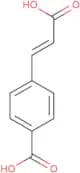
Producto descatalogado4-Carboxycinnamic acid
CAS:4-Carboxycinnamic acid is an organic compound that is a derivative of cinnamic acid. It is a colorless solid that is soluble in organic solvents and has high resistance to environmental pollution. 4-Carboxycinnamic acid has been shown to have photocatalytic activity in the presence of UV radiation, with a quantum yield of 0.2% at 365 nm. It also exhibits fluorescence properties, but these are not as strong as the parent compound, cinnamic acid. 4-Carboxycinnamic acid has functional groups that can be activated by hydrogen bonding interactions and uptake into cells. This compound also reacts with sulfonic acids to form sulfinic acids and hydrochloric acid to form chlorocinnamic acids. Chronic pulmonary effects were observed in animals after inhalation of this substance for 30 minutes per day for 10 days. X-ray crystal structures have been determined for 4-carboxycinnamic acid and its
Fórmula:C10H8O4Pureza:Min. 95%Forma y color:PowderPeso molecular:192.17 g/mol