Ácidos carboxílicos
Se han encontrado 12457 productos de "Ácidos carboxílicos"
2-Aminothiophene-3-methyl carboxylate
CAS:2-Aminothiophene-3-methyl carboxylate is a hydrogen bond that is derived from the amino acid methionine. It has been shown to have potent antitumor activity and can be used for the treatment of cancer. 2-Aminothiophene-3-methyl carboxylate has a molecular weight of 244.6 g/mol, an isolated yield of 0.68%, and a melting point of 245 °C.
Fórmula:C4H2SCOOCH3NH2Pureza:Min. 95%Forma y color:Yellow PowderPeso molecular:157.19 g/molRef: 3D-FA16014
Producto descatalogado4-Acetylbutyric acid
CAS:4-Acetylbutyric acid is a monocarboxylic acid that is synthesized from levulinate. It has been shown to be an intermediate in the biosynthesis of amides and 2,6-dihydroxybenzoic acid. The reaction is catalyzed by an enzyme called acetyl coenzyme A synthetase and requires activation energies of −7.5 kJ/mol for the conversion of levulinate to 4-acetylbutyric acid. This organic compound has a kinetic constant of 1.1 × 10 M−1s−1 at 25°C and pH 7, with a pK value of 3.9 at 25°C; it also has amines and carboxylic functional groups, as well as a carbon source requirement.
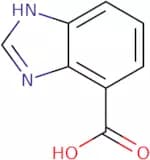
Fórmula:C6H10O3Pureza:Min. 95 Area-%Forma y color:PowderPeso molecular:130.14 g/molBenzimidazole-4-carboxylic acid
CAS:Benzimidazole-4-carboxylic acid (BICA) is a chemical compound that belongs to the group of serotonergic drugs. It is used in the treatment of hypertension, although it has not been approved by the FDA for this indication. BICA binds to the 5-HT1A receptor and 5-HT4 receptor and acts as an agonist at these sites. It has also been shown to inhibit nitric oxide production. The antihypertensive effects of BICA are thought to be due to its ability to increase cardiac contractility, decrease peripheral vascular resistance, and improve renal function.
Fórmula:C8H6N2O2Pureza:Min. 95%Forma y color:White To Light Brown SolidPeso molecular:162.15 g/molRef: 3D-FB05897
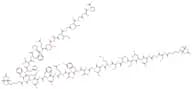
Producto descatalogadoBiotinyl-(Cys1,Lys(biotinyl)18)-Calcitonin (human) trifluoroacetate salt
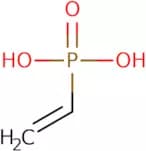
CAS:Please enquire for more information about Biotinyl-(Cys1,Lys(biotinyl)18)-Calcitonin (human) trifluoroacetate salt including the price, delivery time and more detailed product information at the technical inquiry form on this pageFórmula:C171H254N44O49S5Pureza:Min. 95%Peso molecular:3,870.44 g/molVinylphosphonic acid
CAS:Vinylphosphonic acid is a white, crystalline solid that is soluble in water. It has a molecular weight of 114.08 and a melting point of 40-41°C. Vinylphosphonic acid can be used for the production of polyvinylidene fluoride (PVDF) films, as well as in acylation reactions to produce carboxylic acids. This compound has been shown to have a dispersive solid-phase extraction ability and binds to calcium ions. It also has electrochemical impedance spectroscopy properties, which are related to its acidic nature. Furthermore, vinylphosphonic acid has been found to form hydrogen bonds with human serum proteins and other polar molecules.
Fórmula:C2H5O3PPureza:Min. 95%Forma y color:Clear LiquidPeso molecular:108.03 g/molRef: 3D-FV59614
Producto descatalogado1-(2-Chlorophenyl)-5-phenyl-1-H-pyrazole-3-carboxylic acid
CAS:Producto controlado1-(2-Chlorophenyl)-5-phenyl-1H-pyrazole-3-carboxylic acid is a high quality, reagent, complex compound that has been shown to be useful as an intermediate in the synthesis of a number of different compounds. It has been shown to be useful as a speciality chemical and research chemicals with versatile building blocks that can be used for the synthesis of other compounds. The CAS number for 1-(2-chlorophenyl)-5-phenyl-1H-pyrazole-3-carboxylic acid is 116572-69-1.
Fórmula:C16H11ClN2O2Pureza:Min. 95%Peso molecular:298.72 g/molRef: 3D-FC66208
Producto descatalogadoPhenylhydrazine-4-sulfonic acid
CAS:Phenylhydrazine-4-sulfonic acid is a solid catalyst that is used in the formation of ternary complexes. It can be used to study mitochondrial membrane potential and reactive oxygen species production by diazonium salt. Phenylhydrazine-4-sulfonic acid has also been used as a model system for acylation reactions, with p-hydroxybenzoic acid as the acylating agent. This chemical is acidic and reacts with hydrochloric acid to produce phenylhydrazine and 4-chlorophenol. Phenylhydrazine-4-sulfonic acid is chemically stable in acidic solution.
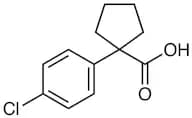
Fórmula:C6H8N2O3SPureza:Min. 95%Forma y color:White PowderPeso molecular:188.21 g/mol1-(4-Chlorophenyl)-1-cyclopentanecarboxylic Acid
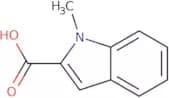
CAS:Fórmula:C12H13ClO2Pureza:>98.0%(GC)(T)Forma y color:White to Almost white powder to crystalPeso molecular:224.681-Methylindole-2-Carboxylic Acid
CAS:1-Methylindole-2-Carboxylic Acid is a chemical that belongs to the group of phenylacetic acid compounds. It has been shown to inhibit lymphocyte activation and t-cell proliferation in vitro, which may be due to its ability to interfere with the production of interleukin. 1-Methylindole-2-Carboxylic Acid also has an antitumor effect on animals and can reduce the tumor burden by inhibiting DNA synthesis, protein synthesis, and mineralization. The molecular modeling studies have shown that 1-Methylindole-2-Carboxylic Acid binds in the active site of protein kinase C as a competitive inhibitor and prevents ATP from binding to the enzyme.
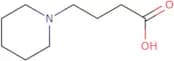
Fórmula:C10H9NO2Pureza:Min. 95%Forma y color:PowderPeso molecular:175.18 g/mol4-Piperidinobutyric acid
CAS:The aim of this study is to assess the effect of 4-Piperidinobutyric acid (4-PABA) on the efficiency of rats in a dietary model. The experimental design included two treatments with different levels of 4-PABA, and a control group with no supplementation. The experiment was conducted by feeding rats a diet with low protein content (6% casein), and measuring their weight gain, feed intake, and food conversion ratio (FCR). The results indicated that 4-PABA had no statistically significant effects on weight gain or feed intake. However, FCR was significantly higher for the high 4-PABA treatment group. These findings support the hypothesis that dietary protein is an important determinant in rat energy metabolism.
Fórmula:C9H17NO2Pureza:Min. 95%Peso molecular:171.24 g/molRef: 3D-FP57479
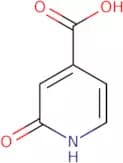
Producto descatalogado2-Hydroxyisonicotinic acid
CAS:2-Hydroxyisonicotinic acid is a synthetic analog of isonicotinic acid that is used as a nonheme iron chelator. It has been shown to inhibit the growth of cavity-causing bacteria in vitro by binding to iron enzymes, such as methane monooxygenase and n-oxide reductase. 2-Hydroxyisonicotinic acid inhibits bacterial growth by binding to the enzyme complexes containing iron, thereby inhibiting the synthesis of fatty acids and pyridine compounds. X-ray crystal structures have also shown that this compound binds to the nonheme iron at two sites, which may explain its ability to inhibit bacterial growth.
Fórmula:C6H5NO3Pureza:Min. 95%Forma y color:PowderPeso molecular:139.11 g/molRef: 3D-FH50815
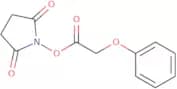
Producto descatalogadoPhenoxyacetic acid N-hydroxysuccinimide ester
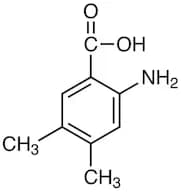
CAS:Phenoxyacetic acid N-hydroxysuccinimide ester is a nucleic acid research reagent. It is an uncharged molecule that can be used to inhibit the activity of ribonucleic acid or transfer RNA. Phenoxyacetic acid N-hydroxysuccinimide ester has been shown to have antibacterial activity against gram-positive bacteria and gram-negative bacteria, including methicillin resistant Staphylococcus aureus. This compound has also been shown to bind to the anticodon stem region of tRNA molecules and inhibit protein synthesis by preventing the binding of aminoacyl tRNA synthetases to their cognate mRNA codons.Fórmula:C12H11NO5Pureza:Min. 95%Forma y color:PowderPeso molecular:249.22 g/mol2-Amino-4,5-dimethylbenzoic Acid
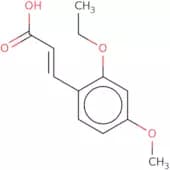
CAS:Fórmula:C9H11NO2Pureza:>97.0%(T)(HPLC)Forma y color:White to Yellow powder to crystalPeso molecular:165.192-Ethoxy-4-methoxycinnamic acid
CAS:2-Ethoxy-4-methoxycinnamic acid is a synthetic chemical with the CAS number 1372859-34-1. It is a versatile building block that can be used for the synthesis of many complex compounds. 2-Ethoxy-4-methoxycinnamic acid is one of a number of scaffolds that are useful for creating fine chemicals and research chemicals. This compound is also an intermediate in many reactions and can be used as a reagent to produce other substances.
Fórmula:C12H14O4Pureza:Min. 95%Peso molecular:222.24 g/molRef: 3D-FE66333
Producto descatalogado2-Amino-4-thiazolecarboxylic acid
CAS:2-Amino-4-thiazolecarboxylic acid is a potent antiviral agent that inhibits influenza virus replication. It has been shown to be effective in vivo against the growth of tumor cells and to inhibit the activity of viral proteases. It also inhibits the activity of human plasma cholinesterase, which may be due to its structural similarity to acetylcholine. 2-Amino-4-thiazolecarboxylic acid is soluble in water and hydrochloric acid, but insoluble in ether or chloroform. This compound has been used as an analytical standard for measuring plasma levels of chloride ions by ion chromatography.
Fórmula:C4H4N2O2SPureza:Min. 95%Forma y color:PowderPeso molecular:144.15 g/molRef: 3D-FA43719
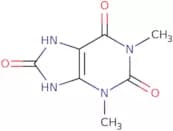
Producto descatalogado1,3-Dimethyluric acid
CAS:Producto controlado1,3-Dimethyluric acid is a metabolite of caffeine. It is formed by the oxidative deamination of 1,3-dimethylxanthine in the liver. The concentrations of 1,3-dimethyluric acid are elevated in patients with chronic renal failure and those who are taking theophylline. The concentration–time curve for 1,3-dimethyluric acid was found to be linear and predictable after intravenous administration of caffeine at a dose of 10 mg/kg body weight in rats. This suggests that it is possible to estimate the rate of elimination from plasma after intravenous dosing with caffeine based on measurements of plasma concentrations and time. The metabolism of caffeine involves two pathways: oxidative deamination (1,3-dimethyluric acid) and demethylation (paraxanthine). It has been shown that the metabolites 1,3-dimethyluric acid and paraxanthine are formed by different metabolic pathways. The
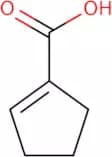
Fórmula:C7H8N4O3Pureza:Min. 98 Area-%Forma y color:White PowderPeso molecular:196.16 g/mol1-Cyclopentene-1-carboxylic acid
CAS:1-Cyclopentene-1-carboxylic acid is a natural product with antimicrobial and anti-inflammatory properties. It has been shown to inhibit the production of proinflammatory cytokines, such as tumor necrosis factor (TNF), and prostaglandins, which are important in the pathogenesis of inflammatory diseases. 1-Cyclopentene-1-carboxylic acid also inhibits the activity of Cox-2 and has been shown to have cancer regulatory activities. This compound binds to β-amino acid receptors and can be used as an oxidation catalyst for trifluoroacetic acid.
Fórmula:C6H8O2Pureza:Min. 95%Forma y color:White/Off-White SolidPeso molecular:112.13 g/molRef: 3D-FC70146
Producto descatalogadoUndecenoic acid
CAS:Undecenoic acid is an antimicrobial agent that is used in the treatment of infectious diseases. This compound has been shown to have significant cytotoxicity against C. glabrata, a yeast that causes vaginal yeast infections, and also inhibits the growth of other human pathogens such as Listeria monocytogenes and Salmonella typhimurium. Undecenoic acid has a broad spectrum of activity against bacteria and fungi and is effective when used at low concentrations. It is not active against viruses or protozoa. The reaction mechanism for undecenoic acid is unknown but it may be due to its ability to react with water vapor in the air to form undecenal, which then reacts with malonic acid to form malonaldehyde. Undecenoic acid binds to proteins through hydrogen bonding and hydrophobic interactions, forming complexes that inhibit bacterial growth by interfering with DNA replication, protein synthesis, and enzyme activity.
Fórmula:C11H20O2Pureza:Min. 95%Forma y color:PowderPeso molecular:184.28 g/molRef: 3D-FU12136
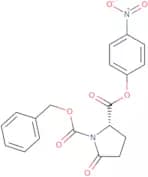
Producto descatalogadoZ-L-pyroglutamic acid 4-nitrophenyl ester
CAS:Please enquire for more information about Z-L-pyroglutamic acid 4-nitrophenyl ester including the price, delivery time and more detailed product information at the technical inquiry form on this pageFórmula:C19H16N2O7Pureza:Min. 95%Peso molecular:384.34 g/molRef: 3D-FP47311
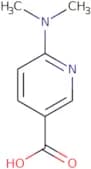
Producto descatalogado6-(Dimethylamino)nicotinic acid
CAS:6-(Dimethylamino)nicotinic acid is a fine chemical and research chemical that is useful as a building block for complex compounds. It is also used as a reagent in the synthesis of other chemicals, or as an intermediate or scaffold molecule in organic chemistry. This chemical has been shown to be useful in the synthesis of many drugs, including penicillin and erythromycin. 6-(Dimethylamino)nicotinic acid has CAS number 82846-28-4.
Fórmula:C8H10N2O2Pureza:Min. 95%Forma y color:White PowderPeso molecular:166.18 g/molRef: 3D-FD122894
Producto descatalogado