Aldehídos
Los aldehídos son compuestos orgánicos que contienen un grupo carbonilo (C=O) unido al menos a un átomo de hidrógeno. Estos compuestos versátiles son fundamentales en diversas reacciones químicas, incluyendo oxidación, reducción y adición nucleofílica. Los aldehídos son building blocks esenciales en la síntesis de productos farmacéuticos, fragancias y polímeros. En CymitQuimica, ofrecemos una amplia selección de aldehídos de alta calidad para apoyar sus aplicaciones de investigación e industriales.
Se han encontrado 8573 productos de "Aldehídos"
Ordenar por
Pureza (%)
0
100
|
0
|
50
|
90
|
95
|
100
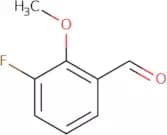
3-Fluoro-2-methoxybenzaldehyde
CAS:<p>3-Fluoro-2-methoxybenzaldehyde is a synthetic chemical that has been used as a precursor in the synthesis of pharmaceuticals and other organic compounds. 3-Fluoro-2-methoxybenzaldehyde can be prepared through the lithiation, chloromethylation, or trimethylation of 3-fluoroacetophenone. The compound can be oxidized to 3,4-dihydrobenzofuran with peroxide at low temperature. This conversion can be achieved using a variety of reagents, such as boron tribromide or boron trichloride.</p>Fórmula:C8H7FO2Pureza:Min. 95%Forma y color:Colorless PowderPeso molecular:154.14 g/mol4'-Chloro-[1,1'-biphenyl]-4-carbaldehyde
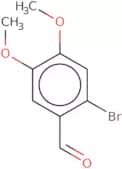
CAS:4'-Chloro-[1,1'-biphenyl]-4-carbaldehyde (CBA) is an intermediate in the synthesis of oritavancin. CBA is obtained by condensation of benzyl chloride and aldehydes. It is also used as a precursor to other compounds. In the laboratory, it can be obtained by heating an ether with chloroform in the presence of acid. 4'-Chloro-[1,1'-biphenyl]-4-carbaldehyde has been shown to be toxic, selective and efficient for certain reactions.Fórmula:C13H9ClOPureza:Min. 97 Area-%Forma y color:Yellow PowderPeso molecular:216.66 g/mol6-Bromoveratraldehyde
CAS:6-Bromoveratraldehyde (6BrA) is a synthetic compound that has been shown to be an effective agent for inducing apoptosis in leukemia cells. It is an efficient method for synthesizing the compound and has been used as a model study for biphenyl and naphthalene. 6BrA induces cell death by topoisomerase-mediated DNA cleavage, which results in chromosomal fragmentation and high levels of reactive oxygen species in the cell.Fórmula:C9H9BrO3Pureza:Min. 95%Forma y color:White PowderPeso molecular:245.07 g/mol3-Phenoxybenzaldehyde
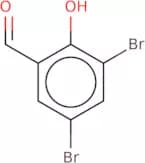
CAS:<p>3-Phenoxybenzaldehyde is a chemical compound that is used as an analytical reagent in the surface methodology. It can be synthesized from 3-phenoxybenzoic acid and phenylmagnesium bromide. The synthesis of 3-phenoxybenzaldehyde was accomplished by the hydrogenation of p-nitrophenyl phosphate, which was catalyzed by rat liver microsomes. The resulting product had a molecular formula of C9H8O2 and a molar mass of 156.2 g/mol. 3-Phenoxybenzaldehyde has been shown to inhibit bacterial growth through the inhibition of fatty acid synthesis, as well as inhibiting fatty acid oxidation in recombinant cytochrome P450 enzymes.</p>Fórmula:C13H10O2Pureza:Min. 95%Forma y color:Clear LiquidPeso molecular:198.22 g/mol3,5-Dibromosalicylaldehyde
CAS:<p>3,5-Dibromosalicylaldehyde is a copper complex that has been synthesized from 3,5-dibromosalicylaldehyde and copper chloride. FTIR spectroscopy revealed that the coordination geometry of the copper complex is octahedral with two nitrogen atoms in the equatorial plane. The presence of hydrogen bonding interactions was confirmed by homologous protein adsorption experiments. This chemical structure was determined using X-ray crystallography and fluorescence probe experiments. The copper complex showed high affinity for malonic acid, which is an ester hydrochloride. The molecular mechanism of this interaction is based on adsorption, which occurs through hydrogen bonding interactions and hydrophobic interactions. Structural analysis revealed that the polymeric matrix consists of a three-dimensional network of crosslinked chains, while FTIR analysis indicated a possible disulfide bond between two cysteine residues.</p>Fórmula:C7H4Br2O2Pureza:Min. 95%Forma y color:Yellow PowderPeso molecular:279.91 g/mol2-Aminobenzaldehyde
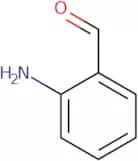
CAS:<p>2-Aminobenzaldehyde is an aromatic compound that contains a hydroxyl group, two nitrogen atoms, and an anhydrous sodium. It can be synthesized by the reaction of hydroxybenzaldehyde with trifluoroacetic acid or nitrobenzene. 2-Aminobenzaldehyde is used as a precursor to other compounds, such as 2-aminobenzonitrile and 2-aminophenol. It also reacts with anthranilic acid in the presence of sodium salts to give a variety of pyrazoles. This product has been shown to react with epidermal growth factor (EGF) in the presence of light to produce light emissions.</p>Fórmula:C7H7NOPureza:Min. 95%Forma y color:PowderPeso molecular:121.14 g/mol2,4-Difluorobenzaldehyde
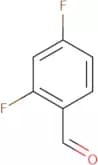
CAS:<p>2,4-Difluorobenzaldehyde is a glycosidic bond compound that is chiral. It has been shown to be able to inhibit human immunodeficiency virus (HIV) infection and inflammatory bowel disease. 2,4-Difluorobenzaldehyde is also an inhibitor of cholesterol ester transfer protein that can lead to autoimmune diseases. This compound has been shown to have receptor activity and is synthesized by the reaction of 2,4-dichlorobenzaldehyde with dimethyl acetal in refluxing ethanol. The synthesis method for this compound involves synchronous fluorescence and radiations. 2,4-Difluorobenzaldehyde has been found to have anti-inflammatory properties due to its ability to inhibit chronic pulmonary inflammation in rats.</p>Fórmula:C7H4F2OPureza:Min. 95%Forma y color:Clear LiquidPeso molecular:142.1 g/mol5-Nitrosalicylaldehyde
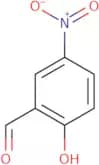
CAS:<p>5-Nitrosalicylaldehyde is a powerful inhibitor of bacterial growth. It has been shown to inhibit the growth of gram-positive bacteria such as Staphylococcus aureus and Streptococcus pyogenes, but not gram-negative bacteria such as Escherichia coli. 5-Nitrosalicylaldehyde is an antimicrobial agent that has been shown to bind to the active site of some enzymes, including bacterial DNA gyrase and human liver microsomes. The binding prevents the enzyme from functioning and leads to cell death. 5-Nitrosalicylaldehyde coordinates with sodium ions in the active site, forming strong hydrogen bonding interactions. This interaction stabilizes the transition state for the reaction and prevents it from happening, thereby inhibiting its function.</p>Fórmula:C7H5NO4Pureza:Min. 95%Forma y color:Yellow PowderPeso molecular:167.12 g/mol2-Nitrobenzaldehyde
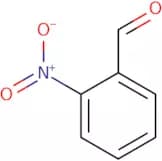
CAS:2-Nitrobenzaldehyde is a nitro compound that reacts with the intramolecular hydrogen of an alkene to form a nitroalkane. It is used as an antimicrobial agent, in which it inhibits the growth of bacteria by reacting with the intermolecular hydrogen bonding in the bacterial cell membrane. In addition, 2-Nitrobenzaldehyde has been shown to inhibit fatty acid synthesis and transfer reactions. The optimum concentration for this chemical is 0.01% to 0.1%. This chemical is soluble in both water and organic solvents, such as methanol and ethanol.Fórmula:C7H5NO3Pureza:Min. 98 Area-%Forma y color:PowderPeso molecular:151.12 g/mol4-Chloropyridine-3-carboxaldehyde
CAS:<p>4-Chloropyridine-3-carboxaldehyde (4CPCA) is a potent inhibitor of the enzyme, formylation. 4CPCA is synthesized in an experimental method involving reaction of 4-chloropyridine and 3-bromoformaldehyde with a base, followed by hydrolysis to produce the desired product. This compound has been shown to inhibit formylation in vitro with inhibition potentials as high as 5000 μM. The IC 50 value for 4CPCA was found to be 0.6 mM. Formylation activity was inhibited in cell free systems and in cells from rat liver and human erythrocytes. The pharmacokinetic profile of 4CPCA is dose dependent and it is metabolized into inactive compounds by oxidation or conjugation with glucuronic acid.</p>Fórmula:C6H4ClNOPureza:Min. 95%Forma y color:Yellow SolidPeso molecular:141.55 g/mol3,4-Dimethoxy-5-hydroxybenzaldehyde
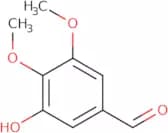
CAS:<p>3,4-Dimethoxy-5-hydroxybenzaldehyde is a phenolic compound that has been shown to be bactericidal against Listeria monocytogenes and Staphylococcus aureus. It has also been shown to have antioxidant properties in vivo. 3,4-Dimethoxy-5-hydroxybenzaldehyde may be used in the treatment of cardiovascular diseases such as atherosclerosis because it inhibits platelet aggregation and lipoprotein oxidation. The compound prevents the oxidation of prosthetic groups and the formation of adducts with DNA, which can lead to carcinogenesis. 3,4-Dimethoxy-5-hydroxybenzaldehyde is known to inhibit the growth of Pseudomonas aeruginosa, Salmonella typhimurium, Escherichia coli and Lactobacillus plantarum.</p>Fórmula:C9H10O4Pureza:Min. 95%Forma y color:PowderPeso molecular:182.17 g/mol3-Benzyloxybenzaldehyde
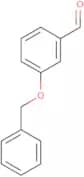
CAS:<p>3-Benzyloxybenzaldehyde (3BOBA) is a hydrochloride salt of 3-benzyloxybenzaldehyde. 3BOBA has shown anti-inflammatory activity in hl-60 cells and prostate cancer cells through inhibition of the activation of nuclear factor kappa B. This inhibition was found to be due to the apoptosis protein, survivin, which was downregulated by 3BOBA treatment. The analogs of 3BOBA are known as curcumin analogs, and have shown anticancer properties in clinical trials.</p>Fórmula:C14H12O2Pureza:Min. 95%Forma y color:PowderPeso molecular:212.24 g/mol2,6-Dichloro-4-hydroxybenzaldehyde
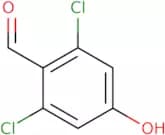
CAS:<p>2,6-Dichloro-4-hydroxybenzaldehyde is a chlorinated organic compound that can be synthesized by the chlorination of 2,6-dichlorobenzaldehyde. It has non-polar properties and can be used as an analytical reagent. Due to its chlorine atoms, it is used in the analysis of chlorine content in water and other substances. It is a formyl derivative and a homologue of formaldehyde. There are two isomers: 2,4-dichloro-6-hydroxybenzaldehyde (2,4 DCHA) and 2,5-dichloro-6-hydroxybenzaldehyde (2,5 DCHA).</p>Fórmula:C7H4Cl2O2Pureza:Min. 95%Forma y color:Yellow PowderPeso molecular:191.01 g/mol2,5-Dichlorobenzaldehyde
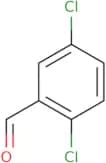
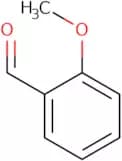
CAS:<p>2,5-Dichlorobenzaldehyde is a molecule that is used as a building block for the synthesis of etoposide. Etoposide is an anticancer drug that has been shown to be effective against many types of cancer cells. 2,5-Dichlorobenzaldehyde has been proposed as an optical probe for detecting methyltransferase activity in vivo and in vitro. It has also been shown to inhibit the proliferation of cancer cells by binding to survivin, which plays a role in regulating apoptosis. 2,5-Dichlorobenzaldehyde can be synthesized from commercially available chemicals with asymmetric synthesis methods. The molecule can also be used for functional studies on metal ions and dipole interactions.</p>Fórmula:C7H4Cl2OPureza:Min. 95%Peso molecular:175.01 g/molo-Anisaldehyde
CAS:o-Anisaldehyde is a chemical compound that has the molecular formula CH3CHO. It is an aromatic compound that contains a hydroxyl group (-OH) bonded to a benzene ring. o-Anisaldehyde is soluble in water and reacts with copper chloride to form copper (II) o-anisate, which can be used as a reagent for oxidation reactions. It also forms coordination compounds with metal ions like zinc and iron. The crystal structure of o-anisaldehyde has been determined by x-ray crystallography and shows that it contains two asymmetric carbon atoms, which are oriented in opposite directions. This molecule can be synthesized from phenol or catechol by heating them with an acidified solution of sodium nitrite in ethanol. The reaction mechanism of this process involves the formation of an oxime intermediate followed by hydrolysis. The kinetics data of this reaction have been obtained using titration calorimetry and kinetic energy measurements show that the reactionFórmula:C8H8O2Pureza:Min. 95%Forma y color:PowderPeso molecular:136.15 g/mol4-N-Octylbenzaldehyde
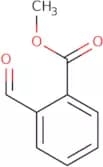
CAS:<p>4-N-Octylbenzaldehyde is a nitro compound which is used as an immunosuppressive agent. It has been shown to inhibit the activity of diphenolase, which plays an important role in the metabolism of fatty acids. 4-N-Octylbenzaldehyde also has an oil extractant that can be used to extract and separate different types of organic compounds from oils, fats, or greases. In addition, 4-N-octylbenzaldehyde inhibits the synthesis of prostaglandin E2 and thromboxane A2 by inhibiting cyclooxygenase enzymes. It has been shown to possess anti-inflammatory properties and has been found to be useful in treating rheumatoid arthritis.</p>Fórmula:C15H22OPureza:Min. 95%Forma y color:Clear LiquidPeso molecular:218.33 g/mol2-Carbomethoxybenzaldehyde
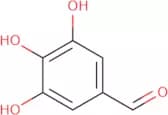
CAS:<p>2-Carbomethoxybenzaldehyde (2CMB) is a synthetic chemical compound that has been used as an efficient method for the synthesis of amines. The carbonyl group in 2CMB reacts with nucleophiles, such as amines, to form a tetrahydroisoquinoline derivative. This nucleophilic attack leads to the formation of an unstable intermediate that can be isolated and purified by trifluoroacetic acid (TFA). 2CMB is also used in the synthesis of quinoline derivatives and naphthalene derivatives. The acidic properties of 2CMB allow it to react with carboxylic acids, leading to the formation of esters.</p>Fórmula:C9H8O3Pureza:Min. 95%Forma y color:Colorless PowderPeso molecular:164.16 g/molGallaldehyde
CAS:<p>Gallaldehyde is a bioactive phenolic compound with antiproliferation activity. It has been shown to inhibit the growth of bacteria in vitro and also has hypoglycemic effects in mice. Gallaldehyde inhibits tyrosine kinase activity, which is needed for the growth of cells. Gallaldehyde is a tannin that can bind to proteins, inhibiting their functions. Gallaldehyde may also have anti-inflammatory properties due to its ability to inhibit the production of TNF-α induced by epidermal growth factor. This active form is metabolized by a number of metabolic transformations, including hydrolysis by esterases or glucuronidases, oxidation by cytochrome P450 enzymes, reduction by glutathione reductase, or conjugation with glucuronic acid.</p>Fórmula:C7H6O4Pureza:Min. 95%Forma y color:PowderPeso molecular:154.12 g/mol2-Methylveratraldehyde
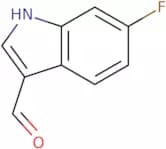
CAS:2-Methylveratraldehyde is a chiral compound that can be used as a reagent in organic synthesis. It has been shown to be a potentiator of the antimicrobial activity of grignard reagents and carbonation, which are chemical reactions that form new carbon-carbon bonds. 2-Methylveratraldehyde also has biological studies, such as its use as an inducer of phytoalexin production in plants.Fórmula:C10H12O3Pureza:Min. 95%Forma y color:White PowderPeso molecular:180.2 g/mol6-Fluoroindole-3-carboxaldehyde
CAS:<p>6-Fluoroindole-3-carboxaldehyde (6FLA) is a synthetic compound that inhibits biosynthesis of the phytoalexins salicylic acid and lignin in plants. It also inhibits the β-glucuronidase enzyme, which hydrolyzes the glucuronide conjugates of phenolic compounds and xenobiotics. 6FLA has been shown to cause mild liver damage in rats, but its effects on humans are unknown. 6FLA may be used as a detectable substance for assays.</p>Fórmula:C9H6FNOPureza:Min. 95%Peso molecular:163.15 g/mol4-(Bromomethyl)benzaldehyde
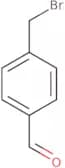
CAS:<p>4-(Bromomethyl)benzaldehyde is a chemical compound that can be synthesized by the reaction of benzaldehyde with bromine in the presence of a base. This compound has been shown to bind to human immunoglobulin G, formyl group and photophysical properties. 4-(Bromomethyl)benzaldehyde has also been used as a model for cancer studies because it binds to DNA and forms an imine bond with thymine. It has been used as a reagent for analytical methods such as phosphotungstic acid, which is a reagent used to detect proteins. The mechanism of this compound is not yet fully understood, but it may involve the formation of an imine bond with thymine in DNA.</p>Fórmula:C8H7BrOPureza:Min. 95%Forma y color:PowderPeso molecular:199.04 g/mol2,4-Dichloro-6-hydroxybenzaldehyde
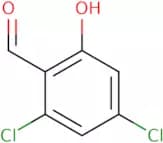
CAS:<p>2,4-Dichloro-6-hydroxybenzaldehyde is a potential antineoplastic agent that inhibits mitochondrial function and induces apoptosis. This drug blocks the mitochondrial membrane potential and inhibits ATP production by blocking the mitochondrial respiratory chain complexes I and III. 2,4-Dichloro-6-hydroxybenzaldehyde has been shown to inhibit tumor cell growth in culture and in animal models of cancer. It also selectively kills tumor cells with low levels of cisplatin resistance through concurrent inhibition of mitochondria and caspase activation.<br>2,4-Dichloro-6-hydroxybenzaldehyde binds to both the inner membrane of mitochondria and to the plasma membrane of cancer cells, thereby inhibiting their function.</p>Fórmula:C7H4Cl2O2Pureza:Min. 95%Forma y color:PowderPeso molecular:191.01 g/mol4-Acetamidobenzaldehyde
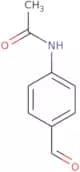
CAS:<p>4-Acetamidobenzaldehyde is an organic compound that has been shown to exhibit inhibitory effects on influenza virus replication in cell culture. 4-Acetamidobenzaldehyde is a dihedral molecule with a p2 group and can be synthesized from benzaldehyde and acetamide. It has also been shown to have potential use in the treatment of tuberculosis. The biological properties of 4-acetamidobenzaldehyde are not well understood, but it is thought that uptake may occur through the imine nitrogen. This molecule has been detected in tissue samples such as lung, liver, and kidney.</p>Fórmula:C9H9NO2Pureza:Min. 95%Forma y color:PowderPeso molecular:163.17 g/mol2,4-Dimethoxy-5-methylbenzaldehyde
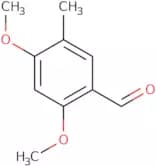
CAS:<p>2,4-Dimethoxy-5-methylbenzaldehyde is an aryl aldehyde that can be synthesized from 2,4-dimethoxyphenol and methyl benzoate. It can also be produced by condensation of benzaldehyde with chloroform in the presence of zinc chloride. This compound is used in the production of various pharmaceuticals, including antihistamines, antidepressants, and antipsychotics.</p>Fórmula:C10H12O3Pureza:Min. 95%Forma y color:PowderPeso molecular:180.2 g/mol3-Iodobenzaldehyde
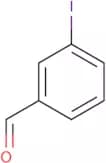
CAS:3-Iodobenzaldehyde is an atypical, isomeric, low energy, functional group. It has a fluorine atom in the 3-position and three different types of functional groups: alcohol, aldehyde and carboxylic acid. This compound has been studied for its ability to bind to receptors. 3-Iodobenzaldehyde can be synthesized by reacting benzalchohde with iodine and hydrochloric acid. The technique used to produce this compound is called Grignard reaction. 3-Iodobenzaldehyde can also be prepared by heating the corresponding nitrobenzene with sodium iodide in dry ether or under refluxing conditions. This compound has a low boiling point and melts at about 170 degrees Celsius. The frequency of this molecule ranges from 98 to 102 megahertzFórmula:C7H5IOPureza:Min. 95%Forma y color:PowderPeso molecular:232.02 g/molImidazole-2-carboxaldehyde
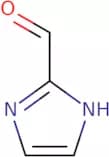
CAS:<p>Imidazole-2-carboxaldehyde is a broad-spectrum antimicrobial that has been shown to inhibit the growth of bacteria by interfering with protein synthesis. It binds to the cytosolic protein and receptor molecule, which are involved in the activation of bacterial enzymes. Imidazole-2-carboxaldehyde reacts with anhydrous sodium and copper complex to produce hydrogen bonds, which prevent the formation of the nitrogen atoms necessary for cellular processes. This chemical also has biological properties such as glyoxal, which inhibits bacterial growth by reacting with amino groups on proteins.</p>Fórmula:C4H4N2OPureza:Min. 98 Area-%Forma y color:Slightly Yellow PowderPeso molecular:96.09 g/mol3,4-Dimethoxy-6-nitrobenzaldehyde
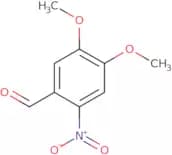
CAS:<p>3,4-Dimethoxy-6-nitrobenzaldehyde is a chemical compound that has been synthesized by the reaction of 3,4-dimethoxybenzaldehyde and nitric acid. The asymmetric synthesis of 3,4-Dimethoxy-6-nitrobenzaldehyde starts with the preparation of the corresponding ester, which is then reacted with nitric acid to produce the desired product. The chemical structure of 3,4-Dimethoxy-6-nitrobenzaldehyde consists of three aromatic rings: a benzene ring fused to a phenyl ring and a pyridine ring. This chemical can be used as an intermediate in the synthesis of epidermal growth factor (EGF). It also has been shown to bind to toll like receptor 4 (TLR4), which activates NFκB signaling pathway and induces apoptosis in monocytes.</p>Fórmula:C9H9NO5Pureza:Min. 95 Area-%Forma y color:White Yellow PowderPeso molecular:211.17 g/mol4-Ethoxy-3-methoxybenzaldehyde
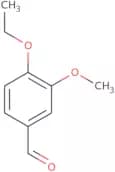
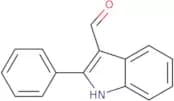
CAS:<p>4-Ethoxy-3-methoxybenzaldehyde is an organic compound that can be found in plants, such as in the leaves of the nutmeg plant. It is a cleavage product of 4-hydroxycoumarin. 4-Ethoxy-3-methoxybenzaldehyde is a dicarboxylic acid by substructure and it has been shown to be an intermediate in the synthesis of ethylene acetal and hydrogen peroxide. It is also postulated to react with chloride to form 4-chloroacetophenone and chloride ions, which are then reacted with hydrogen peroxide to form hydrochloric acid. The acute toxicity of this compound has not been determined but it may cause toxic effects on extracellular cells, such as radical species. The toxicities of 4-ethoxy-3-methoxybenzaldehyde have been observed in biphenyl which causes skin irritation, liver toxicity, kidney damage, and respiratory irritation</p>Fórmula:C10H12O3Pureza:Min. 95%Forma y color:PowderPeso molecular:180.2 g/mol2-Phenylindole-3-carboxaldehyde
CAS:<p>2-Phenylindole-3-carboxaldehyde is an organic compound that belongs to the class of bioactive molecules. It is a nitrogen heterocycle that has been shown to inhibit the growth of cancer cells in culture. 2-Phenylindole-3-carboxaldehyde has also been shown to have anti-inflammatory and antimicrobial properties. This molecule can be used in the treatment of cancer, as it inhibits the growth of tumor cells by inhibiting DNA synthesis, which leads to cell death. The molecular structure can be altered by allylation or replacement with other functional groups. The 2-phenylindole moiety can be modified at its C2 position, altering its pharmacological properties and may lead to new anticancer drugs.</p>Fórmula:C15H11NOPureza:Min. 95%Forma y color:PowderPeso molecular:221.25 g/molo-Nitrocinnamaldehyde
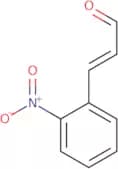
CAS:o-Nitrocinnamaldehyde is an aldehyde that belongs to the group of β-unsaturated aldehydes. It has been shown to inhibit cancer cell growth in vitro and in vivo. o-Nitrocinnamaldehyde inhibits xanthine oxidase by preventing the oxidation of hypoxanthine to xanthine and xanthine to uric acid. This prevents the formation of superoxide radicals, which are known carcinogens. The compound also inhibits aldehyde dehydrogenase, which prevents the oxidation of nitro compounds that have been generated by nitrosation reactions. These reactions are catalyzed by nitric oxide synthases (NOS) and convert nitrate into nitrite and then into reactive nitrogen species such as peroxynitrites. o-Nitrocinnamaldehyde also inhibits uv absorption, which may be due to its ability to form supramolecular aggregates with other organic molecules or metal ions.Fórmula:C9H7NO3Pureza:Min. 95%Peso molecular:177.16 g/mol3-Fluoro-4-hydroxybenzaldehyde
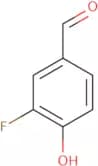
CAS:<p>3-Fluoro-4-hydroxybenzaldehyde is a hydroxyl group with an activation energy of 87.7 kJ/mol. The molecule can be synthesized by the reaction of salicylaldehyde and 3,4-dihydroxybenzaldehyde in the presence of an organic solvent such as chloroform or methylene chloride. This compound has been shown to cause cell death in ht-29 cells and cancer cell lines, as well as human ovarian carcinoma cells. It causes apoptosis by inhibiting mitochondrial membrane potential, which leads to decreased intracellular ATP levels. 3-Fluoro-4-hydroxybenzaldehyde is most commonly used in molecular modeling studies to represent the hydroxyl group due to its simplicity in comparison to other hydroxyl groups like methanol or ethanol.</p>Fórmula:C7H5FO2Pureza:90%Forma y color:White PowderPeso molecular:140.11 g/mol3-Methoxy-4-methylbenzaldehyde
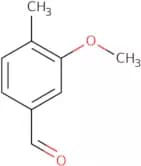
CAS:<p>3-Methoxy-4-methylbenzaldehyde is a chemical compound that belongs to the class of phenylpropanoids. It has been shown to have a variety of uses, including as a drug substance and in natural products. 3-Methoxy-4-methylbenzaldehyde can be used for labeling, mass spectrometric detection, physicochemical techniques, and chromatographic science. The compound can be detected using electron ionization, mass spectrometric detection, or chromatographic science. Isomers of this compound are often difficult to identify due to the presence of other similar compounds.</p>Fórmula:C9H10O2Pureza:Min. 95%Forma y color:PowderPeso molecular:150.17 g/molPrenalterol
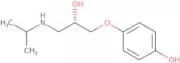
CAS:<p>Prenalterol is a drug that can be used to treat congestive heart failure and high blood pressure. It belongs to the class of 2-adrenergic receptor agonists, which are drugs that stimulate the sympathetic nervous system. Prenalterol has been shown to have a positive effect on the cardiovascular system by increasing cardiac output. This drug also has an anti-inflammatory effect, which may be due to its ability to inhibit protein synthesis genes in cells. Prenalterol has also been shown to reduce post-myocardial infarction remodeling by reducing myocardial fibrosis, although it does not affect the incidence of myocardial infarcts.</p>Fórmula:C12H19NO3Pureza:Min. 95%Forma y color:White PowderPeso molecular:225.28 g/mol4-Dimethylamino-2-methoxybenzaldehyde
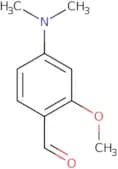
CAS:<p>When used in combination with X-Gal, 4-dimethylamino-2-methoxybenzaldehyde can be used for effective staining under anaerobic conditions. This novel method is termed Indoxyl/Dimethylamino-2-methoxybenzaldehyde aldol staining and can be used as an alternative to indoxyl-substrate indicator systems which depends on molecule oxygen to develop the desired indigo chromogen.</p>Fórmula:C10H13NO2Pureza:Min. 95%Forma y color:Yellow PowderPeso molecular:179.22 g/mol3-Methoxy-2-nitrobenzaldehyde
CAS:<p>3-Methoxy-2-nitrobenzaldehyde is a synthetic compound that has been used in the industrial process of synthesizing other compounds. It is a nucleophilic compound, which means it can react with electrophiles to form new bonds. 3-Methoxy-2-nitrobenzaldehyde is also an oriented molecule, meaning that when it reacts with an electrophile, the resulting product can be determined by the orientation of the molecules. The rate of this reaction depends on how many functional groups are present and the presence of catalysts. 3-Methoxy-2-nitrobenzaldehyde is fluorescent, so it will emit light in a spectroscopic experiment. It has six functional groups which are all nucleophilic and capable of participating in reactions with other molecules. Catalytic rates for this reaction depend on concentration and temperature, as well as the number of chlorine atoms and polydentate ligands present in solution.</p>Fórmula:C8H7NO4Pureza:Min. 95%Forma y color:Slightly Yellow PowderPeso molecular:181.15 g/mol2,4-Dimethoxybenzaldehyde
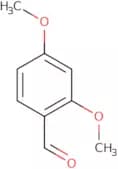
CAS:<p>2,4-Dimethoxybenzaldehyde is a synthetic compound that has been shown to have activity against pancreatic lipase. It has been suggested as a potential drug for the treatment of metabolic disorders such as obesity or diabetes. 2,4-Dimethoxybenzaldehyde can be synthesized by reacting ethyl diazoacetate with an aldehyde in the presence of ammonium acetate. This chemical can also be used to produce ethyl esters and compounds belonging to the group of phlorotannins. 2,4-Dimethoxybenzaldehyde has been shown to have antioxidative activity and inhibitory effects on pancreatic lipase.</p>Fórmula:C9H10O3Pureza:Min. 95%Forma y color:White PowderPeso molecular:166.18 g/mol4-Methoxy-2,3,6-trimethylbenzaldehyde
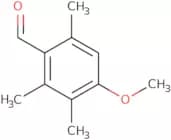
CAS:4-Methoxy-2,3,6-trimethylbenzaldehyde (MTMB) is a chemical intermediate that can be used as a building block for the synthesis of complex compounds. It has a high quality and is a versatile building block. MTMB is also known to react with other chemical compounds to form an aromatic ring. This compound is used in research and development as well as in fine chemical production.Fórmula:C11H14O2Pureza:Min. 95%Forma y color:PowderPeso molecular:178.23 g/mol2,6-Dimethyl-4-fluorobenzaldehyde
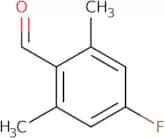
CAS:<p>2,6-Dimethyl-4-fluorobenzaldehyde is a fine chemical that is used as a building block in the synthesis of other chemicals. It can be used as a reagent and as a speciality chemical. This product has high purity and quality and is versatile in its use as both an intermediate or scaffold molecule. It can be used in reactions to create complex compounds with useful properties.</p>Fórmula:C9H9FOPureza:Min. 95%Forma y color:PowderPeso molecular:152.17 g/mol3-Nitro-4-chlorobenzaldehyde
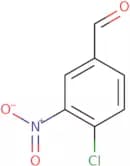
CAS:<p>3-Nitro-4-chlorobenzaldehyde is a copper complex that has been used in the study of molecular interactions. The molecule has been studied by a number of techniques, including binding experiments, vibrational spectroscopy, and light emission. 3-Nitro-4-chlorobenzaldehyde has shown bacteriostatic activity against Escherichia coli and Bacillus subtilis. This compound also appears to have potential as a drug target due to its ability to inhibit the growth of Pseudomonas aeruginosa. 3-Nitro-4-chlorobenzaldehyde may be useful in the treatment of industrial processes involving nitric acid.</p>Fórmula:C7H4ClNO3Pureza:Min. 95%Forma y color:White PowderPeso molecular:185.56 g/mol2-Hydroxy-4-[3-(trifluoromethyl)-3H-diazirin-3-yl]benzaldehyde
CAS:<p>2-Hydroxy-4-[3-(trifluoromethyl)-3H-diazirin-3-yl]benzaldehyde is a reaction component that is used in the synthesis of organic compounds. It has been shown to be an effective reagent and can be used in the synthesis of high quality compounds. CAS No. 308085-25-8, it is a research chemical that can be used as a useful scaffold or building block for other compounds. 2-Hydroxy-4-[3-(trifluoromethyl)-3H-diazirin-3-yl]benzaldehyde may also be useful as an intermediate or building block in complex synthesis reactions.</p>Fórmula:C9H5F3N2O2Pureza:Min. 95%Forma y color:PowderPeso molecular:230.14 g/mol3,5-Diiodo-4-hydroxybenzaldehyde
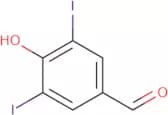
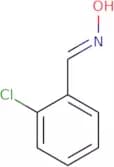
CAS:<p>3,5-Diiodo-4-hydroxybenzaldehyde (3,5-DIBA) is a functional group that contains both hydroxyl and iodide groups. The hydroxyl group is positioned ortho to the iodide group. 3,5-DIBA is found in wastewater and can be used as a bioremediation agent. It has been shown to react with chromatographic solvents and may be used for the removal of organic contaminants from water. 3,5-DIBA reacts with monoiodotyrosine in an aqueous environment to form hypoiodous acid (HIO). This reaction is catalyzed by hydrochloric acid. HIO reacts with diiodoacetic acid or iodoacetic acid to form coagulation products such as diiodoacetate or iodoacetate. These reactions are reversible and can be used for the removal of excess iodine from wastewater.</p>Fórmula:C7H4I2O2Pureza:Min. 98 Area-%Forma y color:Off-White PowderPeso molecular:373.91 g/mol2,3-Dichlorobenzaldehyde oxime
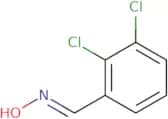
CAS:<p>2,3-Dichlorobenzaldehyde oxime is a versatile building block and reagent in the synthesis of complex compounds. It is mainly used as a research chemical and speciality chemical. 2,3-Dichlorobenzaldehyde oxime has been widely used for the preparation of fine chemicals, pharmaceuticals, agrochemicals, and other organic compounds. This compound can be reacted with various reagents to produce useful scaffolds or reaction components.</p>Fórmula:C7H5Cl2NOPureza:Min. 95%Forma y color:PowderPeso molecular:190.03 g/mol4-Fluoro-2-(trifluoromethyl)benzaldehyde
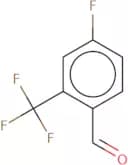
CAS:<p>4-Fluoro-2-(trifluoromethyl)benzaldehyde is a chemical compound that can be used as a reagent in the formylation reaction. This product is soluble in ether, chloroform and benzene. The crystallographic data of this product are available and show that it has an isotropic crystal structure with a monoclinic unit cell. The molecular weight of this product is 150.38 g/mol and the molecular formula is C8H6F3O. The wavelength at which maximum absorption occurs for this product is 266 nm.</p>Fórmula:C8H4F4OPureza:Min. 95%Forma y color:Clear LiquidPeso molecular:192.11 g/mol5-Hydroxy-3-methyl-1H-pyrazole-4-carbaldehyde
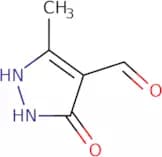
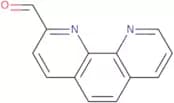
CAS:<p>5-Hydroxy-3-methyl-1H-pyrazole-4-carbaldehyde is an organic compound that is used as a building block in the synthesis of a variety of complex compounds. It can be used as a reaction component and is also useful in the production of speciality chemicals. 5-Hydroxy-3-methyl-1H-pyrazole-4-carbaldehyde has been shown to form complexes with metals, such as copper, silver, and gold. These complexes are useful for research into catalytic reactions and electrochemistry. This chemical is also used in the production of pharmaceuticals, agrochemicals, and other high quality reagents.</p>Fórmula:C5H6N2O2Pureza:Min. 95%Forma y color:PowderPeso molecular:126.11 g/mol1,10-Phenanthroline-2-carbaldehyde
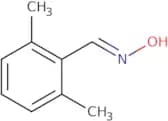
CAS:<p>1,10-Phenanthroline-2-carbaldehyde is a phenylhydrazone compound that has been shown to have anticancer activity. It is also a supramolecular complex, which means it can form hydrogen bonds and coordinate bonds with other molecules. The anticancer activity of 1,10-phenanthroline-2-carbaldehyde may be due to its ability to inhibit the growth of prostate carcinoma cells. This compound also inhibits the growth of human cervical carcinoma cells by binding to their DNA and inhibiting the synthesis of RNA and protein. 1,10-Phenanthroline-2-carbaldehyde is being studied for its potential as an inhibitor of tumor angiogenesis.<br>1,10-Phenanthroline-2-carbaldehyde has been shown to have antiplatelet aggregation effects in platelets from healthy humans as well as those with type 2 diabetes mellitus or chronic kidney disease.</p>Fórmula:C13H8N2OPureza:Min. 90 Area-%Forma y color:Off-White PowderPeso molecular:208.22 g/mol2,6-Dimethylbenzaldehyde oxime
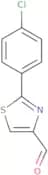
CAS:<p>2,6-Dimethylbenzaldehyde oxime is a reagent and useful intermediate for the synthesis of complex compounds. It is also a building block for speciality chemicals. 2,6-Dimethylbenzaldehyde oxime has been used in research and as a reaction component for various organic syntheses. This compound has a CAS number of 55882-62-7.</p>Fórmula:C9H11NOPureza:Min. 95%Peso molecular:149.19 g/mol2-(4-Chlorophenyl)thiazole-4-carbaldehyde
CAS:<p>Please enquire for more information about 2-(4-Chlorophenyl)thiazole-4-carbaldehyde including the price, delivery time and more detailed product information at the technical inquiry form on this page</p>Fórmula:C10H6ClNOSPureza:Min. 95%Forma y color:PowderPeso molecular:223.68 g/mol2-Chloro-6-fluorobenzaldehyde
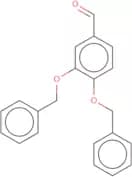
CAS:<p>2-Chloro-6-fluorobenzaldehyde is an impurity that can be found in wastewater. It has been shown to be a reactive intermediate for the synthesis of streptochlorin, which is a natural product with potential antibiotic activity. 2-Chloro-6-fluorobenzaldehyde is produced by the reaction of chlorine and anhydrous sodium, with acid as catalyst. The molecule has two fluorine atoms and one chloride atom. This compound can also be used in the treatment of waste water due to its ability to react with hydroxyl ions and chloride ions in the presence of hydrogen chloride or hydrochloric acid. The pain model was evaluated using nmr spectra and optical properties.</p>Fórmula:C7H4ClFOPureza:Min. 95%Forma y color:White PowderPeso molecular:158.56 g/mol3,4-Dibenzyloxybenzaldehyde
CAS:<p>3,4-Dibenzyloxybenzaldehyde is a chemical compound with the formula ClCH=C(O)CHO. This compound is an intermediate in the synthesis of the cancer drug daunorubicin. 3,4-Dibenzyloxybenzaldehyde has been shown to induce apoptosis in human ovary cells and has been detected in urine samples from patients undergoing chemotherapy for ovarian cancer. 3,4-Dibenzyloxybenzaldehyde also inhibits the production of flavonoids and has been shown to inhibit rat striatal membranes and rat atria.</p>Fórmula:C21H18O3Pureza:Min. 95%Forma y color:PowderPeso molecular:318.37 g/molMesitaldehyde - 97%
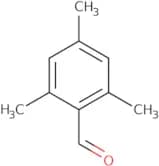
CAS:<p>Mesitaldehyde is a diazonium salt that is synthesized by the reaction of nitrosyl chloride and sodium carbonate in an acidic solution. This chemical has been studied for its potential use as a therapeutic drug due to its ability to inhibit the enzyme dpp-iv, which is involved in the development of diabetic neuropathy. Mesitaldehyde has also been shown to be an inhibitor of malonic acid, ethylmalonic acid and other organic acids. The analytical method for mesitaldehyde involves hydrolyzing the product with hydrochloric acid in order to produce ethylmalonic acid, which can then be quantified using spectrophotometry.</p>Fórmula:C10H12OPureza:Min. 95%Forma y color:PowderPeso molecular:148.2 g/mol2-Hydroxy-6-methoxybenzaldehyde
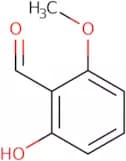
CAS:<p>2-Hydroxy-6-methoxybenzaldehyde is a molecule that can form hydrogen bonds with other molecules. FT-IR spectroscopy has shown that this compound has a copper complex and an acidic proton, which may be due to intramolecular hydrogen bonding interactions. The compound also has been shown to have potent inhibitory activity against cellular growth and cancer cells in vitro. 2-Hydroxy-6-methoxybenzaldehyde is a metal chelator and can therefore bind to metals such as iron and copper. It is genotoxic, which means it damages DNA by causing DNA strand breaks or crosslinks, leading to cell death. This chemical may also cause genetic mutations through the formation of tautomers that make DNA replication difficult. Gel chromatography shows that 2HMB has a low molecular weight (MW) and high solubility.</p>Fórmula:C8H8O3Pureza:Min. 95%Forma y color:PowderPeso molecular:152.15 g/mol5-Carboxyvanillin
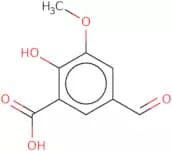
CAS:<p>5-Carboxyvanillin is the oxidation product of isoeugenol and p-hydroxybenzoic acid. It can be produced by reacting these two compounds with a peroxide in an oxidizing reaction. The reaction products include 5-carboxyvanillic acid, which can be hydrolyzed to vanillin. 5-Carboxyvanillin is a white crystalline solid with a chemical nature similar to that of vanillin. It has been shown to have antimicrobial properties against tissues, such as guinea pig ileum and rat liver, but not against bacterial cultures. This compound may also be used in pulping processes for the production of paper or cellulose fibers.</p>Fórmula:C9H8O5Pureza:Min. 95%Forma y color:PowderPeso molecular:196.16 g/mol3-Chloro-2-nitrobenzaldehyde
CAS:<p>3-Chloro-2-nitrobenzaldehyde is an analog of 2-nitrobenzaldehyde. It can be synthesized by reacting a halogen with benzaldehyde, such as chlorine or bromine. 3-Chloro-2-nitrobenzaldehyde is unreactive and can be used in the production of other compounds, such as pharmaceuticals. 3-Chloro-2-nitrobenzaldehyde has been shown to react with sodium methoxide to produce a methoxide. The methoxide is then reacted with an alcohol to produce an ester.</p>Fórmula:C7H4ClNO3Pureza:Min. 95%Peso molecular:185.56 g/mol2,4-Dichloro-5-fluorobenzaldehyde
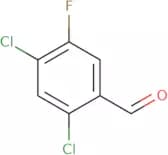
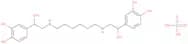
CAS:<p>2,4-Dichloro-5-fluorobenzaldehyde (2,4-DFCA) is a functional group that can be found in inorganic, fatty acids, and fatty acid. 2,4-DFCA has been shown to increase insulin-like growth factor I (IGF-I) levels in vitro and in vivo. 2,4-DFCA also increases the expression of IGF-I gene polymorphisms. This compound is used to induce insulin resistance by increasing serum level of IGF-I. 2,4-DFCA also inhibits the activity of a protein called impeller that is required for cardiac contractility. This compound can be found on the surface of untreated control cells.</p>Fórmula:C7H3Cl2FOPureza:Min. 95%Forma y color:PowderPeso molecular:193 g/molHexoprenaline sulphate
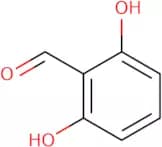
CAS:<p>β-adrenoreceptor agonist; betamimetic agent</p>Fórmula:C22H34N2O10SPureza:Min. 95%Forma y color:White PowderPeso molecular:518.58 g/mol2,6-Dihydroxybenzaldehyde
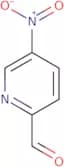
CAS:<p>2,6-Dihydroxybenzaldehyde is a chemical compound that has been used as an intermediate in the synthesis of other chemicals. It is also used as a precursor for benzaldehyde and benzoic acid. 2,6-Dihydroxybenzaldehyde can be synthesized by reacting sodium carbonate with pluronic F127 in the presence of cationic surfactant. The surface methodology used in this process involves the use of hydrophobic molecules to form micelles and liposomes on the surface of the electrode. The interaction between these micelles and liposomes is pH dependent. This reaction causes an increase in hydrogen ions, which leads to an increase in conductivity at acidic pH values. Electrochemical impedance spectroscopy (EIS) results show that 2,6-dihydroxybenzaldehyde reacts with high concentrations of salt and water vapor. FTIR spectroscopy shows that it has two hydroxyl groups and one double</p>Fórmula:C7H6O3Pureza:Min. 95%Forma y color:PowderPeso molecular:138.12 g/mol3-Nitro-6-pyridinecarboxaldehyde
CAS:<p>3-Nitro-6-pyridinecarboxaldehyde is a colorless liquid that is soluble in water. It has a boiling point of 155 degrees Celsius, and it has a density of 1.03 grams per milliliter. This chemical reacts with metal ions to form nitro compounds. 3-Nitro-6-pyridinecarboxaldehyde has been used as an analytical reagent for the determination of benzenes and pyridines in organic solvents and gas chromatography calibration. The reactivity of this chemical is due to its pyridine ring, which can be used as a ligand or reagent.</p>Fórmula:C6H4N2O3Pureza:Min. 98%Forma y color:PowderPeso molecular:152.11 g/mol3-Bromo-4-methoxybenzaldehyde
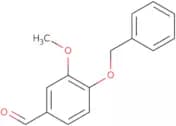
CAS:<p>3-Bromo-4-methoxybenzaldehyde is a heterocycle that contains a covalent inhibitor. It has been shown to have inhibitory activity against imines, hydroxyl groups, and human serum. 3-Bromo-4-methoxybenzaldehyde has been shown to be an efficient method for the synthesis of nitrogen containing heterocycles with potential use as pharmaceuticals. This compound has also been used in the asymmetric synthesis of diphenyl ethers, which are useful in pharmacological studies. The reaction mechanism of this compound is not well understood and needs more research before it can be applied to other areas.</p>Fórmula:C8H7BrO2Pureza:Min. 95%Forma y color:PowderPeso molecular:215.04 g/mol4-Benzyloxy-3-methoxybenzaldehyde
CAS:<p>4-Benzyloxy-3-methoxybenzaldehyde is a deuterium isotope analog of the natural compound benzaldehyde. This molecule has been shown to inhibit the growth of cancer cells in tissue culture by binding to DNA. The molecular mechanism of this inhibition is believed to involve an enzymatic process that results in the substitution of chloride for chlorine, thereby inhibiting DNA synthesis and preventing cell division. 4-Benzyloxy-3-methoxybenzaldehyde also inhibits the production of growth factors and thus has anticancer activity.</p>Fórmula:C15H14O3Pureza:Min. 95%Forma y color:PowderPeso molecular:242.27 g/mol2,4,6-Trimethoxy-3-methylbenzaldehyde
CAS:2,4,6-Trimethoxy-3-methylbenzaldehyde is a flavanone that is structurally related to the drug ciprofloxacin. The two molecules share a common molecular framework with the addition of a hydroxyl group on the 2 position of the benzene ring. In molecular docking studies, 2,4,6-Trimethoxy-3-methylbenzaldehyde has shown antitubercular activity against Mycobacterium tuberculosis and Mycobacterium avium complex. It is also an inhibitor of protein tyrosine phosphatase and has been shown to have antibacterial activity against various strains of bacteria.Fórmula:C11H14O4Pureza:Min. 95%Forma y color:PowderPeso molecular:210.23 g/mol3-(Methylthio)benzaldehyde
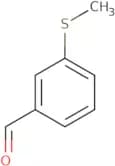
CAS:3-(Methylthio)benzaldehyde is a molecule that can be used in the preparation of mandelic acid. It has been shown to inhibit the activity of lipase, an enzyme that breaks down fats. The cavity of 3-(methylthio)benzaldehyde has been studied by X-ray analysis and was found to have cationic character with silver ions. It also has functional groups that can be used for protein modification by enzymatic reactions.Fórmula:C8H8OSPureza:Min. 95%Forma y color:Clear LiquidPeso molecular:152.21 g/mol2-Methoxy-5-(trifluoromethoxy)benzaldehyde
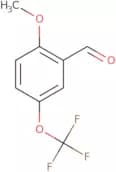
CAS:2-Methoxy-5-(trifluoromethoxy)benzaldehyde is a tachykinin antagonist that inhibits the binding of neurokinin to its receptor with high affinity. This compound has shown potential as a drug for the treatment of pain and other conditions such as asthma, allergies, and depression. The efficacy of 2-methoxy-5-(trifluoromethoxy)benzaldehyde has been demonstrated in high-throughput screening for the detection of nk1 receptor antagonists. Further studies have shown that modification of this molecule may increase its potency and reduce side effects.Fórmula:C9H7F3O3Pureza:Min. 95%Forma y color:Clear LiquidPeso molecular:220.15 g/mol4,4'-Biphenyldicarboxaldehyde
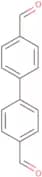
CAS:<p>4,4'-Biphenyldicarboxaldehyde is a n-dimethyl formamide that has been shown to be neuroprotective in animal models of Parkinson's disease (PD). 4,4'-Biphenyldicarboxaldehyde binds to sulfoxide and chloride ions and reduces the hydrophobic effect. This leads to the formation of an imine intermediate. The reaction mechanism is believed to be similar to that of biphenyls, which are used as fungicides. 4,4'-Biphenyldicarboxaldehyde is easily detected by fluorescence analysis and has low toxicity. It is also soluble in organic solvents such as benzene or chloroform.</p>Fórmula:C14H10O2Pureza:Min. 95%Forma y color:White PowderPeso molecular:210.23 g/mol2,6-Dimethoxybenzaldehyde
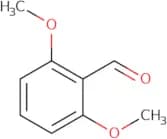
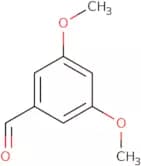
CAS:<p>Synthetic building block</p>Fórmula:C9H10O3Pureza:Min. 95%Forma y color:White PowderPeso molecular:166.17 g/mol3,5-Dimethoxybenzaldehyde
CAS:<p>3,5-Dimethoxybenzaldehyde is a fungicide that can kill fungal cells by inhibiting the synthesis of ergosterol, an important component of the fungal cell membrane. It has been shown to be effective against Cryptococcus neoformans and other fungi. 3,5-Dimethoxybenzaldehyde inhibits mitochondrial superoxide production and the growth of fungi in a model system. The optimum concentration for inhibition was determined in a kinetic and thermodynamic study. This compound has also been shown to have anti-inflammatory properties, which may be due to its ability to inhibit prostaglandin synthesis.</p>Fórmula:C9H10O3Pureza:Min. 98%Forma y color:PowderPeso molecular:166.17 g/mol3-Methylbenzaldehyde
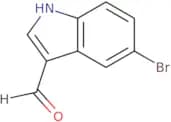
CAS:3-Methylbenzaldehyde is a diphenolase that is found in a Chinese medicinal plant, Acalypha wilkesiana. 3-Methylbenzaldehyde has been shown to have anti-inflammatory properties and can be used as a complementary therapy for inflammatory diseases. The chemical ionization technique was used to measure the production rate of 3-methylbenzaldehyde from the acetate extract of A. wilkesiana. The linear regression analysis showed that there was an increase in the production rate with increased concentration of hydrogen bonding interactions with 3-methylbenzaldehyde. Hydrogen bonding interactions are due to the presence of hydroxyl groups on the benzene ring and methyl group on the side chain. This chemical reaction forms glyoxal, which is then metabolized through p450 isozymes in order to produce 3-methylbenzaldehyde or other metabolites.Fórmula:C8H8OPureza:Min. 98 Area-%Forma y color:Colorless Clear LiquidPeso molecular:120.15 g/mol5-Bromoindole-3-carboxaldehyde
CAS:<p>5-Bromoindole-3-carboxaldehyde is a water molecule that has been crystallized in the form of an amide. It is a chemical substance with asymmetric synthesis and significant antifungal activity. 5-Bromoindole-3-carboxaldehyde is active against some strains of the fungus Candida albicans and has been shown to inhibit the growth of kidney cells. This molecule also binds to the neurokinin 1 receptor and is used as a probe for fluorescence studies. The efficient method for synthesizing 5-Bromoindole-3-carboxaldehyde includes using silico analysis to confirm the structure on a computer, then performing an asymmetric synthesis with an acid catalyst to produce this compound.</p>Fórmula:C9H6BrNOPureza:Min. 98 Area-%Forma y color:PowderPeso molecular:224.05 g/mol4-Hydroxybenzaldehyde
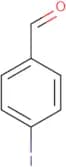
CAS:<p>4-Hydroxybenzaldehyde is a phenolic compound that is produced in plants. 4-Hydoxybenzaldehyde is used as an extractant for sodium carbonate and hydroxyl group from acetate extract. The locomotor activity of animals was tested following administration of this substance, and it has been shown to have a high resistance against x-ray crystallography. The reaction mechanism for the formation of p-hydroxybenzoic acid from 4-hydroxybenzaldehyde has been proposed, which may be due to the oxidation of 4-hydroxybenzaldehyde by hydrogen peroxide. This reaction also induces apoptosis pathway in cells. Kinetic data for the reaction between 4-hydroxybenzaldehyde and hydrogen peroxide were obtained using UV spectroscopy.</p>Fórmula:C7H6O2Pureza:Min. 95%Forma y color:White PowderPeso molecular:122.12 g/mol4-Iodobenzaldehyde
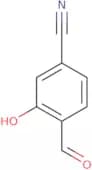
CAS:<p>4-Iodobenzaldehyde is a chemical compound with the molecular formula C6H5IO. It is an aromatic compound that can be used in cancer therapy. 4-Iodobenzaldehyde reacts with trifluoroacetic acid to form an intramolecular hydrogen, which is detected using a low-energy monomer and high detection sensitivity. 4-Iodobenzaldehyde has two phenyl substituents and a serine protease functional group, which are required for its interaction with other molecules. The presence of these functional groups allows analytical methods to be used to identify 4-iodobenzaldehyde in various samples. Using analytical methods, it can be determined that 4-iodobenzaldehyde interacts with an acceptor molecule at the reaction vessel thermally or by irradiation.</p>Fórmula:C7H5IOPureza:Min. 95%Forma y color:Yellow PowderPeso molecular:232.02 g/mol4-Cyano-2-hydroxybenzaldehyde
CAS:<p>4-Cyano-2-hydroxybenzaldehyde is a high quality chemical that can be used as a reagent and intermediate in the synthesis of complex compounds. It is also an important building block in the synthesis of fine chemicals. 4-Cyano-2-hydroxybenzaldehyde has been used as a versatile building block in the synthesis of organic compounds, useful scaffolds in medicinal chemistry, and reactive intermediates. It has also been shown to have anti-inflammatory properties and may be a potential treatment for inflammatory bowel disease.</p>Fórmula:C8H5NO2Pureza:Min. 95%Peso molecular:147.13 g/mol3-Ethoxy-4-hydroxybenzaldehyde
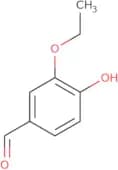
CAS:<p>3-Ethoxy-4-hydroxybenzaldehyde is an active analogue of p-hydroxybenzoic acid that can be used in the synthesis of vanillin. 3-Ethoxy-4-hydroxybenzaldehyde is extracted from a reaction solution using solid phase microextraction, and can then be analyzed by gas chromatography/mass spectrometry to determine the concentration of vanillin. This compound has been shown to have a solubility in water, but not in organic solvents. 3-Ethoxy-4-hydroxybenzaldehyde has been found to inhibit cytochrome P450 activity and polyvinyl chloride production. This chemical compound has also been found to be toxic when inhaled or ingested, with no known toxicity studies for skin contact or eye contact.</p>Fórmula:C9H10O3Pureza:Min. 95%Forma y color:White PowderPeso molecular:166.17 g/mol4-Fluorocinnamaldehyde
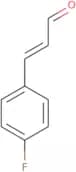
CAS:<p>4-Fluorocinnamaldehyde is a reactive molecule that can be used in the catalytic asymmetric synthesis of 4-fluoroalkylbenzenes, which are used as intermediates in the production of pharmaceuticals. It reacts with hydroxymethyl groups to form 4-fluoroalkylbenzene derivatives, which are substrates for asymmetric reactions. This compound has been shown to react with amines and thiols to form Michael acceptors and Michael donors respectively. The crystallographic data obtained from this molecule shows that it belongs to space group P2 and its crystal system is orthorhombic. It also has optical properties that make it suitable for use as an optical material or nanowires.</p>Fórmula:C9H7FOPureza:Min. 80%Forma y color:Clear LiquidPeso molecular:150.15 g/mol2-Hydroxy-4-methoxybenzaldehyde
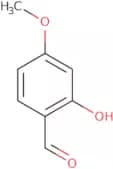
CAS:<p>2-Hydroxy-4-methoxybenzaldehyde is an antifungal agent that has been shown to have a broad spectrum of activity against filamentous fungi. It is able to inhibit the growth of fungi by inhibiting the enzyme shikimate dehydrogenase, which is involved in the synthesis of aromatic amino acids and other essential metabolites. 2-Hydroxy-4-methoxybenzaldehyde also inhibits xylose reductase and alpha-galactosidase, enzymes that are involved in cell wall biosynthesis. This compound is effective against Candida albicans, Aspergillus niger, and Trichophyton mentagrophytes. 2-Hydroxy-4-methoxybenzaldehyde has also been shown to have bacteriostatic effects on Escherichia coli.</p>Fórmula:C8H8O3Pureza:Min. 95%Forma y color:Off-White PowderPeso molecular:152.15 g/mol5-Acetoxymethyl-2-furaldehyde
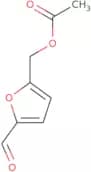
CAS:5-Acetoxymethyl-2-furaldehyde is a furanic acid that is found in the plant Triticum aestivum. This compound has been shown to have antifungal and anticancer properties. 5-Acetoxymethyl-2-furaldehyde inhibits the growth of bacteria by forming a complex with p-hydroxybenzoic acid, which prevents the formation of amines. The toxicity of this compound may also be due to its ability to cause DNA damage, leading to cell death. 5-Acetoxymethyl-2-furaldehyde can be used as an oxidation catalyst for reactions involving amines. It can also be produced by oxidizing 2,5 furanone with hydrogen peroxide and hydrochloric acid at high temperatures. The reaction mechanism is not well understood but it is believed that 5 acetoxymethyl - 2 furaldehyde is formed from the dehydration of furfuraldehyde.Fórmula:C8H8O4Pureza:Min. 95%Forma y color:PowderPeso molecular:168.15 g/mol2-Chlorobenzaldehyde oxime
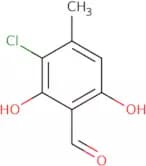
CAS:<p>2-Chlorobenzaldehyde oxime is a compound that inhibits the growth of mycobacterium tuberculosis. It reacts with chloride in the environment to form 2-chlorobenzaldehyde, which reacts with an isoxazole to produce a quinone. Quinones are toxic to mammals and are thought to be responsible for the antimycobacterial activity of this compound. The reaction mechanism of 2-chlorobenzaldehyde oxime has been studied using various techniques and its toxicity has been evaluated in both culture and animal studies. This compound has shown no significant effects on mice at up to 100 mg/kg body weight, but it was found to cause death in rats at doses as low as 0.1 mg/kg body weight.<br>2-Chlorobenzaldehyde oxime was synthesised by reacting 2-chlorobenzaldehyde with oxalyl chloride under conditions suitable for safety, and the product was purified by recrystallisation from acetone. The synthesis</p>Fórmula:C7H6ClNOPureza:Min. 95%Forma y color:PowderPeso molecular:155.58 g/mol3-Chloro-2,6-dihydroxy-4-methylbenzaldehyde
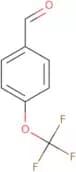
CAS:3-Chloro-2,6-dihydroxy-4-methylbenzaldehyde is a hydroxylated compound that is used in wastewater treatment. It can be found in many products including plastics and pesticides. 3-Chloro-2,6-dihydroxy-4-methylbenzaldehyde has been shown to inhibit the growth of bacteria such as Usnic Acid through its ability to react with hydrogen atoms on the bacterial cell wall and replace them with chlorine. This replacement halts the production of benzoate, which is essential for bacterial growth. The reaction mechanism has been detected using an electrochemical detector, chloroatranol.Fórmula:C8H7ClO3Pureza:Min. 95%Forma y color:Off-White PowderPeso molecular:186.59 g/mol4-(Trifluoromethoxy)benzaldehyde
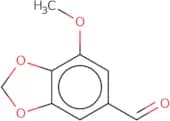
CAS:4-(Trifluoromethoxy)benzaldehyde is a chemical compound that is a substrate for tyrosinase and an inhibitor of the enzyme. It is also an anticancer compound that can be used to inhibit tumor growth by inhibiting protein synthesis. 4-(Trifluoromethoxy)benzaldehyde has been shown to have potent tyrosinase inhibition activity in vitro and in vivo, as well as binding activities with the CB2 receptor. This chemical has also been shown to inhibit virus replication, including HIV-1, and tuberculosis. 4-(Trifluoromethoxy)benzaldehyde can be used in assays to measure the potency of other compounds that are involved in tyrosinase activity or have anti-cancer properties. 4-(Trifluoromethoxy)benzaldehyde specifically binds to residues in the kinase domain of the enzyme tyrosinase, which is responsible for catalysis and regulation of this enzyme.Fórmula:C8H5F3O2Pureza:Min. 95%Forma y color:Colorless Clear LiquidPeso molecular:190.12 g/mol3-Methoxy-4,5-methylenedioxybenzaldehyde
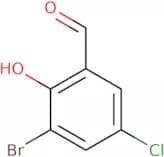
CAS:Producto controlado3-Methoxy-4,5-methylenedioxybenzaldehyde (MMDA) is an amine that is used in the synthesis of drugs and pharmaceuticals. It is a major component of myristicin, which is found in nutmeg. MMDA can be synthesized from aluminium chloride, hydrochloric acid and pyridine. The molecule has a skeleton that is recemic at acidic pH values and mesoionic at basic pH values. This compound also reacts with acetyl chloride to form 3,4-dimethoxyacetophenone, which can be chromatographically separated from other compounds. The chromatography produces flavonoid derivatives such as quercetin, 3′-methoxyquercetin and 3′,4′-dimethoxyquercetin. Flavonoids are polyphenolic compounds found in plants that have antioxidant properties. Chromatographic separation of these compounds can be done using spectrometric methods toFórmula:C9H8O4Pureza:Min. 95 Area-%Forma y color:Off-White PowderPeso molecular:180.16 g/mol3-Bromo-5-chloro-2-hydroxybenzaldehyde
CAS:<p>3-Bromo-5-chloro-2-hydroxybenzaldehyde is a molecule that contains nitrogen atoms. It has coordination geometry and a chelate ring. 3-Bromo-5-chloro-2-hydroxybenzaldehyde also has electrochemical properties, which can be studied by cyclic voltammetry. This molecule is a copper complex that exhibits fluorescence properties and dihedral angles. The magnetic resonance spectrum of 3-bromo-5-chloro-2 hydroxybenzaldehyde displays hydrogen bonding interactions and an imine nitrogen. 3BChBrOH also absorbs light at wavelengths of 280 nm (max) and 240 nm (min).</p>Fórmula:C7H4BrClO2Pureza:Min. 95%Forma y color:PowderPeso molecular:235.46 g/mol2-Nitro-4,5-methylenedioxybenzaldehyde
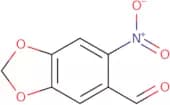
CAS:<p>2-Nitro-4,5-methylenedioxybenzaldehyde (2NMB) is a molecule with a molecular weight of 188.24, an empirical formula of C8H8NO2 and a chemical structure consisting of a benzene ring attached to two nitro groups. 2NMB has been shown to bind to the dopamine β-hydroxylase enzyme in human serum and inhibit the production of dopa, which leads to a decrease in dopamine levels. It also inhibits the growth of staphylococcus, cryptococcus neoformans, and typhimurium. 2NMB also has been used as radiotracers for gyrase activity and can be used for asymmetric synthesis due to its piperonal group. The uptake of 2NMB by cells is dependent on its nucleophilic properties.</p>Fórmula:C8H5NO5Pureza:Min. 98%Forma y color:PowderPeso molecular:195.13 g/molLenalidomide
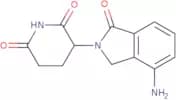
CAS:Producto controlado<p>Inhibitor of E3 ubiquitin ligase cereblon; inducer of CK1α degradation</p>Fórmula:C13H13N3O3Pureza:Min. 95%Forma y color:PowderPeso molecular:259.26 g/mol7-Methoxy-1-naphthaldehyde
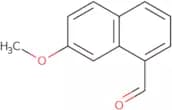
CAS:<p>7-Methoxy-1-naphthaldehyde is an aldehyde that is synthesized from acetaldehyde and 7-methoxy-1-naphthol. It has been shown to inhibit the cytosolic aldehyde dehydrogenase, which converts acetaldehyde to acetate. This reaction is one of the major routes for the metabolism of alcohol in humans. 7-Methoxy-1-naphthaldehyde can be used as a substrate in immunochemical assays, and its synthetic scheme has been published. 7MNA was also found to have cytotoxic effects on human liver cells in vitro.</p>Fórmula:C12H10O2Pureza:Min. 95%Peso molecular:186.21 g/mol4-Methyl-3-nitrobenzaldehyde
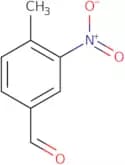
CAS:4-Methyl-3-nitrobenzaldehyde is an aldehyde that is synthesized in vitro and used as a replication inhibitor. It has been shown to inhibit the replication of dsDNA, ssDNA, and RNA viruses. 4-Methyl-3-nitrobenzaldehyde binds to nucleic acids by forming hydrogen bonds with the carboxylic acid group on the molecule and the acceptor, which are usually hydroxyl groups or amino groups. 4-Methyl-3-nitrobenzaldehyde can be used for the synthesis of viologens, which are molecules that can be used as electron acceptors in organic reactions.Fórmula:C8H7NO3Pureza:Min. 95%Forma y color:PowderPeso molecular:165.15 g/mol3-Sulfobenzaldehyde sodium salt
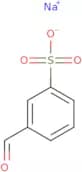
CAS:<p>3-Sulfobenzaldehyde sodium salt is a novel anticancer agent that inhibits the activity of HDACs. It has shown a strong inhibitory effect on cancer cells in vivo, and can be used for the treatment of tumors. 3-Sulfobenzaldehyde sodium salt has an anti-proliferative effect on cancer cells, which may be due to its ability to inhibit the activity of HDACs and acetylation mediated by these enzymes. This drug also has an anti-proliferative effect in tumor growth, which may be due to its ability to inhibit the HDAC cycle and acetylation, leading to cell death.</p>Fórmula:C7H5NaO4SPureza:85%MinForma y color:PowderPeso molecular:208.17 g/mol4-Dimethylamino-2-methoxybenzaldehyde
CAS:4-Dimethylamino-2-methoxybenzaldehyde is a chemical used as a research reagent and intermediate. It can be used to synthesize other compounds, such as pharmaceuticals, pesticides, and agrochemicals. It is also useful in the production of various dyes, pigments, and fragrances, representing effective staining under anaerobic conditions. CAS No. 84562-48-1Fórmula:C10H13NO2Peso molecular:179.22 g/mol3-Chloro-4-hydroxybenzaldehyde
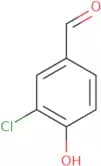
CAS:<p>3-Chloro-4-hydroxybenzaldehyde is a molecule that belongs to the class of aldehydes. It is a monocarboxylic acid and an important precursor in the production of coumarin derivatives. 3-Chloro-4-hydroxybenzaldehyde has been shown to have pharmacokinetic properties, such as vibrational, chemical, and optical properties. It is also a fluorophore with strong fluorescence emission. The hydroxymethyl group can be programmed by adding an amine or thiol group at the 4 position on the ring of 3-chloro-4-hydroxybenzaldehyde. The addition of these groups will change the optical properties of 3-chloro-4-hydroxybenzaldehyde to make it more useful for biotechnology applications.</p>Fórmula:C7H5ClO2Pureza:Min. 95%Forma y color:PowderPeso molecular:156.57 g/mol3-Methoxybenzaldehyde
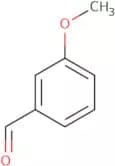
CAS:<p>3-Methoxybenzaldehyde is a chemical compound that is used as an intermediate in the synthesis of organic compounds. This compound has shown to be a potent inhibitor of several enzymes, including diamine tetraacetic acid (DAT)-dependent aminotransferase, trimethyl amine N-oxide reductase, and hydrochloric acid hydrolases. 3-Methoxybenzaldehyde also inhibits the growth of hepg2 cells and induces apoptosis. The chemical structure of this compound contains a boron nitride group that can form hydrogen bonds with other molecules and fatty acids that can act as a substrate for oxidation reactions.</p>Fórmula:C8H8O2Pureza:Min. 98 Area-%Forma y color:Clear LiquidPeso molecular:136.15 g/mol4-Biphenylcarboxaldehyde
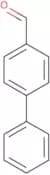
CAS:4-Biphenylcarboxaldehyde is a chemical compound that belongs to the group of hydrocarbons. It is a colorless liquid with an unpleasant odor, soluble in ether and benzene, and has a boiling point of 210 °C. 4-Biphenylcarboxaldehyde can be used as a raw material for the production of pharmaceuticals and agrochemicals. The molecular structure of this compound is unsymmetrical due to its biphenyl backbone and two carbonyl groups. Hydrochloric acid reacts with 4-biphenylcarboxaldehyde to form 2-bromoethylbenzene and hydrogen gas:Fórmula:C13H10OPureza:Min. 95%Forma y color:White PowderPeso molecular:182.22 g/molSafranal
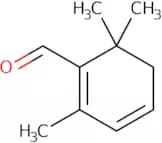
CAS:<p>Safranal is a natural product that belongs to the class of phenylpropanoids. It has been shown to have cytotoxic effects in vitro and in vivo. Safranal has been shown to be cytotoxic to k562 cells, human serum, and ischemia–reperfusion injury. Safranal also has demonstrated an inhibitory effect on MDA-MB-231 breast cancer cells. Safranal can be used as a pharmacological agent for the treatment of various diseases or conditions associated with reactive oxygen species (ROS). The antioxidative properties of safranal have been demonstrated by its ability to protect crocin from oxidation.</p>Fórmula:C10H14OPureza:Min. 95%Forma y color:Clear LiquidPeso molecular:150.22 g/mol3,4-Dihydroxy-5-nitrobenzaldehyde
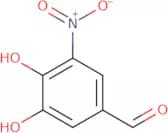
CAS:<p>3,4-Dihydroxy-5-nitrobenzaldehyde is a chemical substance that is used in an analytical method to measure the level of methoxy groups in chronic kidney disease. The methanol solvent and hydrochloric acid are used to dissolve the sample, which is then titrated with trifluoroacetic acid. The chloride ion reacts with the methylene group from the 3,4-dihydroxy-5-nitrobenzaldehyde molecule to form a new compound that can be detected by ultraviolet light at 254 nm. The active methylene group is quantified by measuring its absorbance at this wavelength and comparing it with a calibration curve using known concentrations of sodium salts. This test has been shown to be more sensitive than other chromatographic methods for detecting methoxy groups in chronic kidney disease.</p>Fórmula:C7H5NO5Pureza:Min. 95%Forma y color:Yellow PowderPeso molecular:183.12 g/mol3-(2-Phenylethoxy)benzaldehyde
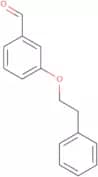
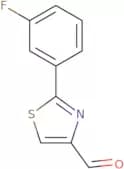
CAS:<p>3-(2-Phenylethoxy)benzaldehyde is a benzaldehyde derivative with an ether group at the 3-position. It is used as a building block for the synthesis of organic compounds and as a reaction component in the preparation of research chemicals, speciality chemicals, and complex compounds. This compound has been shown to have high purity and to be a versatile building block for the synthesis of pharmaceuticals, agrochemicals, and other fine chemicals.</p>Fórmula:C15H14O2Pureza:Min. 95%Forma y color:PowderPeso molecular:226.27 g/mol2-(3-Fluorophenyl)thiazole-4-carbaldehyde
CAS:<p>Please enquire for more information about 2-(3-Fluorophenyl)thiazole-4-carbaldehyde including the price, delivery time and more detailed product information at the technical inquiry form on this page</p>Fórmula:C10H6FNOSPureza:Min. 95%Forma y color:PowderPeso molecular:207.23 g/molSalicylaldehyde azine
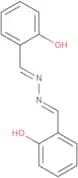
CAS:<p>Salicylaldehyde azine (SAZ) is a polymerized compound that has been shown to inhibit tyrosinase, an enzyme that catalyzes the oxidation of L-tyrosine to DOPA and dopaquinone. It can be used as a fluorescent probe for metal ions and has been used in the preparation of aluminium salts. The interaction of SAZ with protonated functional groups on tyrosinase leads to inhibition by blocking the active site. This inhibition is reversible and can be reversed by adding a reducing agent such as sodium dithionite.</p>Fórmula:C14H12N2O2Pureza:Min. 95%Forma y color:PowderPeso molecular:240.26 g/mol4-Benzyloxy-3-chlorobenzaldehyde
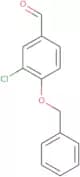
CAS:<p>4-Benzyloxy-3-chlorobenzaldehyde is a chemical intermediate that can be used for the production of a variety of compounds. It is an aromatic compound, with a benzene ring and two oxy groups at each end. The CAS number for 4-benzyloxy-3-chlorobenzaldehyde is 66422-84-2. It is also known as 1,4-dichloroacetophenone. This chemical is useful in the production of speciality chemicals and research chemicals, and it can act as a versatile building block in organic synthesis.</p>Fórmula:C14H11ClO2Pureza:Min. 95%Peso molecular:246.69 g/mol3,5-Dibromobenzaldehyde
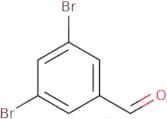
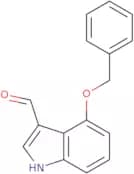
CAS:<p>3,5-Dibromobenzaldehyde is an analytical reagent that has been used as a chemosensor. The compound was synthesized by the reaction of benzaldehyde with bromine and potassium hydroxide (KOH). 3,5-Dibromobenzaldehyde has a skeleton consisting of three phenyl groups and two aldehyde groups. The compound also contains two active methylene groups and two vinylene groups. 3,5-Dibromobenzaldehyde can be detected by fluorescence probe or low energy electron diffraction. This chemical is an effective antibacterial agent with an LD50 value of 1.6 milligrams per kilogram in rats.</p>Fórmula:C7H4Br2OPureza:Min. 95%Forma y color:White PowderPeso molecular:263.91 g/mol4-Benzyloxyindole-3-carboxaldehyde
CAS:<p>4-Benzyloxyindole-3-carboxaldehyde is an analog of psilocin that is synthesized by the condensation of formylbenzene with indole-3-carboxaldehyde. It has been shown to act as a formylating agent, which can be used in the synthesis of other compounds. 4-Benzyloxyindole-3-carboxaldehyde may also be converted to n-dimethyltryptamine (DMT) by oxidation and decarboxylation.</p>Fórmula:C16H13NO2Pureza:Min. 95%Forma y color:PowderPeso molecular:251.28 g/molEnalapril diketopiperazine
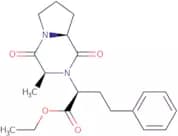
CAS:Enalapril is a potassium-sparing diuretic that belongs to the group of angiotensin-converting enzyme (ACE) inhibitors. It is used in the treatment of high blood pressure and congestive heart failure. Enalapril is activated by hydrolysis to enalaprilat, which in turn inhibits the formation of angiotensin II and prevents its effects on blood vessels and kidneys. Enalapril also prevents the conversion of captopril to enalaprilat, thereby reducing its effectiveness as an ACE inhibitor.Fórmula:C20H26N2O4Pureza:Min. 95%Forma y color:PowderPeso molecular:358.43 g/mol6-Methoxy-2-naphthaldehyde
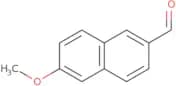
CAS:6-Methoxy-2-naphthaldehyde is a nonsteroidal antiinflammatory drug that belongs to the class of naphthalenes. It inhibits the formation of inflammatory prostaglandins, which are mediators of pain and inflammation. 6-Methoxy-2-naphthaldehyde has been shown to have cytotoxic effects on cancer cells and in vitro studies have shown that it can induce cell lysis. It has also been shown to be a potent fluorescence probe for use in biological applications. This compound binds to human serum proteins by hydrogen bonding interactions, which may affect its pharmacokinetic properties. In addition, this compound has been shown to inhibit the activity of detoxification enzymes such as CYP 2C9 and 2D6 at high concentrations, which may lead to unwanted side effects such as nausea or vomiting. The molecular docking analysis of 6-Methoxy-2-naphthaldehyde with the active site of human liver alcohol dehydrogenFórmula:C12H10O2Pureza:Min. 98 Area-%Forma y color:PowderPeso molecular:186.21 g/mol3-Carboxybenzaldehyde
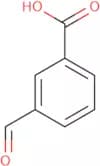
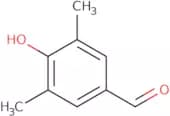
CAS:3-Carboxybenzaldehyde is a hydroxy aromatic compound with a molecular formula of C8H6O2. It is a synthetic chemical that can be used as an intermediate in the synthesis of other compounds, such as polycarboxylic acids. 3-Carboxybenzaldehyde has been shown to be an effective substrate for binding to polycarboxylic acid enzymes and activating them. This reaction generates the corresponding carboxylate product and releases CO2. 3-Carboxybenzaldehyde has also been used as a reactant in asymmetric synthesis reactions and shown to have some structural similarities with benzene ring structures.Fórmula:C8H6O3Pureza:Min. 95%Forma y color:PowderPeso molecular:150.13 g/mol4-Hydroxy-3,5-dimethylbenzaldehyde
CAS:<p>4-Hydroxy-3,5-dimethylbenzaldehyde (HDA) is an aromatic hydrocarbon that can be found in plants. It is a product of the oxidation of hydroxyl groups by inorganic acids and has been shown to induce hepatic steatosis in mice. This reaction is mediated by malic acid, which reacts with the benzyl group to form a cavity. The molecular modeling study of this reaction mechanism shows that the carboxylate group deprotonates, which leads to the formation of a carbocation intermediate when it attacks the aromatic ring. The aromatic ring opens up during this step, leading to a carbocation. The carbocation then collapses and hydrogen from the hydroxyl group attaches to carbon 2 on C4, forming HDA and releasing water.</p>Fórmula:C9H10O2Pureza:Min. 95%Forma y color:Off-White PowderPeso molecular:150.17 g/mol

![4'-Chloro-[1,1'-biphenyl]-4-carbaldehyde](/_next/image/?url=https%3A%2Fstatic.cymitquimica.com%2Fproducts%2F3D%2Fthumb-webp%2FFC39938.webp&w=3840&q=75)





![2-Hydroxy-4-[3-(trifluoromethyl)-3H-diazirin-3-yl]benzaldehyde](/_next/image/?url=https%3A%2Fstatic.cymitquimica.com%2Fproducts%2F3D%2Fthumb-webp%2FFH97014.webp&w=3840&q=75)