Lactonas
Las lactonas son una clase de ésteres caracterizados por una estructura cíclica formada a través de la esterificación intramolecular de ácidos hidroxílicos. Estos compuestos son conocidos por sus estructuras anulares distintivas, que pueden variar de tres a siete o más miembros. Las lactonas se utilizan ampliamente en la industria de sabores y fragancias debido a sus agradables aromas, así como en farmacéuticos y agroquímicos por sus diversas actividades biológicas. En CymitQuimica, ofrecemos una selección completa de lactonas de alta calidad para apoyar sus aplicaciones de investigación e industriales, asegurando un rendimiento confiable y efectivo en sus proyectos.
Se han encontrado 490 productos de "Lactonas"
Ordenar por
Pureza (%)
0
100
|
0
|
50
|
90
|
95
|
100
Marmesinin
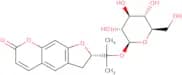
CAS:<p>Marmesinin is a furanocoumarin compound, which is a type of phytochemical derived from certain plant species. It is specifically obtained from the plant Aegle marmelos, commonly known as the bael tree. Marmesinin acts primarily through mechanisms that are characteristic of coumarins, such as influencing biochemical pathways involved in cellular growth and immune response modulation.</p>Fórmula:C20H24O9Pureza:Min. 95%Peso molecular:408.4 g/mol3-Hydroxycoumarin
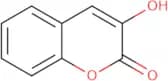
CAS:3-Hydroxycoumarin is a coumarin derivative, which is a type of organic compound with significant pharmacological interest. It is derived from the parent structure of coumarin, naturally found in various plant sources such as tonka beans and sweet clover. Its molecular structure includes a hydroxyl group added at the third position of the coumarin backbone, conferring distinct chemical properties.Fórmula:C9H6O3Pureza:Min. 95%Forma y color:PowderPeso molecular:162.14 g/molByakangelicin
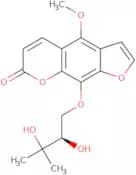
CAS:<p>Byakangelicin is a furanocoumarin compound, which is derived from the roots of various Angelica plant species. This compound is of particular interest due to its complex chemical structure that allows it to interact with biological systems in distinctive ways. Byakangelicin's mode of action includes the inhibition of specific enzymes, interference with signal transduction pathways, and potential modulation of cellular responses, making it a valuable subject for various pharmacological studies.</p>Fórmula:C17H18O7Pureza:Min. 95%Forma y color:PowderPeso molecular:334.32 g/molVinaxanthone
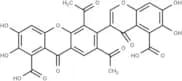
CAS:Vinaxanthone (SM-345431), an extract from Penicillium chrysogenum, is a semaphorin3A inhibitor with antimicrobial activity.Fórmula:C28H16O14Pureza:82.56% - 97.8%Forma y color:SolidPeso molecular:576.42Seselin
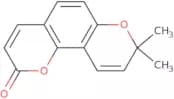
CAS:<p>Seselin is a furanocoumarin, a type of organic compound, which is typically sourced from various plant species, particularly those in the Apiaceae family. This compound is characterized by a furan ring fused with a coumarin core, contributing to its unique chemical structure.</p>Fórmula:C14H12O3Pureza:Min. 95%Peso molecular:228.24 g/mol(+)-Phyllodulcin
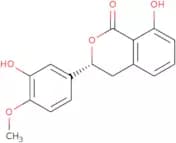
CAS:<p>(+)-Phyllodulcin is a natural sweetener, which is predominantly derived from the leaves of the Hydrangea macrophylla var. thunbergii, commonly referred to as the sweet hydrangea. As a compound, it functions primarily as a sweetening agent by interacting with taste receptors on the human tongue, offering a sweetness intensity significantly greater than sucrose.</p>Fórmula:C16H14O5Pureza:Min. 95%Peso molecular:286.28 g/molElsamicin B
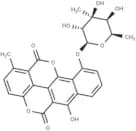
CAS:<p>Elsamicin B is an antitumor antibiotic belonging to the Chartreusin group.</p>Fórmula:C26H22O10Forma y color:SolidPeso molecular:494.447Coumafuryl
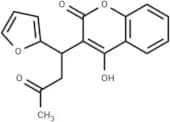
CAS:Coumafuryl is a coumarin-based rodenticide. It inhibits the metabolic cycle of vitamin K, thereby interfering with the biosynthesis of vitamin K-dependent clotting factors (factors II, VII, IX, and X) in the liver.Fórmula:C17H14O5Forma y color:SolidPeso molecular:298.295-Methoxypsoralen
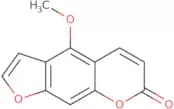
CAS:<p>5-Methoxypsoralen is a light-activated compound, which is a naturally derived organic substance found in certain plants, particularly from the Apiaceae family. This compound functions as a furocoumarin that interacts with DNA through photoactivation, forming cross-links upon exposure to ultraviolet A (UVA) light. These cross-links disrupt DNA replication, ultimately inhibiting cell proliferation.</p>Fórmula:C12H8O4Pureza:Min. 98 Area-%Forma y color:White PowderPeso molecular:216.19 g/molDecursidin
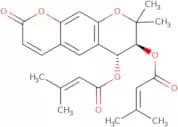
CAS:<p>Decursidin is a chemical compound, classified as a coumarin derivative, which is a bioactive constituent derived from the roots of the Angelica gigas plant. This compound is prominent for its pharmacological activities, attributed to its distinct chemical structure.</p>Pureza:Min. 95%