Anillos de 6 miembros
Los anillos de 6 miembros son compuestos que contienen un anillo de seis miembros en su estructura. Esta categoría incluye una amplia variedad de compuestos como bencenos, ciclohexanos, anilinas, anisoles, toluenos, quinonas y heterociclos de seis miembros. Estos compuestos son cruciales en muchas síntesis y aplicaciones químicas. En CymitQuimica, ofrecemos una gama completa de compuestos de anillos de 6 miembros para apoyar sus investigaciones y aplicaciones industriales.
Subcategorías de "Anillos de 6 miembros"
- Heterociclos de 6 miembros(61.179 productos)
- Anilinas(104 productos)
- Anisoles(29 productos)
- Bencenos(48.575 productos)
- Ciclohexanos(3.054 productos)
- Quinonas(252 productos)
- Toluenos(189 productos)
Se han encontrado 10218 productos de "Anillos de 6 miembros"
Ordenar por
Pureza (%)
0
100
|
0
|
50
|
90
|
95
|
100
AABD-SH (4-Acetamido-7-mercapto-2,1,3-benzoxadiazole
CAS:Producto controlado<p>Applications AABD-SH(=4-Acetamido-7-mercapto-2,1,3-benzoxadiazole)[for HPLC Labeling] (cas# 254973-02-9) is a useful research chemical.<br></p>Fórmula:C8H7N3O2SForma y color:NeatPeso molecular:209.22N,N''-Bis(methylphenyl)-1,4-benzenediamine (Technical Grade)
CAS:<p>Applications N,N''-Bis(methylphenyl)-1,4-benzenediamine (cas# 27417-40-9) is a useful research chemical.<br></p>Fórmula:C20H20N2Forma y color:NeatPeso molecular:288.39trans-1,2-Cyclohexanediol
CAS:<p>Applications trans-1,2-Cyclohexanediol (cas# 1460-57-7) is a compound useful in organic synthesis.<br></p>Fórmula:C6H12O2Forma y color:NeatPeso molecular:116.163,4-Dihydroxybenzyl Alcohol
CAS:Producto controlado<p>Stability Hygroscopic<br>Applications 3,4-DIHYDROXYBENZYL ALCOHOL (cas# 3897-89-0) is a useful research chemical.<br></p>Fórmula:C7H8O3Forma y color:NeatPeso molecular:140.14Bis(4-hydroxy-3,5-dimethylphenyl) Sulfone
CAS:Producto controlado<p>Applications Bis(4-hydroxy-3,5-dimethylphenyl) Sulfone (cas# 13288-70-5) is a useful research chemical.<br></p>Fórmula:C16H18O4SForma y color:White To Off-WhitePeso molecular:306.38Tris(2,4-tert-butylphenyl) Phosphite
CAS:<p>Applications Tris(2,4-tert-butylphenyl) Phosphite is an intermediate in the synthesis of Tris(2,4-di-tert-butylphenyl)phosphate (T884500), a processing stabilizer for polymers.<br>References Thilen, M., et al.: J. Appl. Polym. Sci., 76, 938 (2000); Pfaendner, R., et al.: Polym. Degrad. Stab., 91, 2249 (2006);<br></p>Fórmula:C42H63O3PForma y color:WhitePeso molecular:646.922,6-Dimethylcyclohexanol
CAS:Producto controlado<p>Applications 2,6-Dimethylcyclohexanol (cas# 5337-72-4) is a useful research chemical.<br></p>Fórmula:C8H16OForma y color:NeatPeso molecular:128.212tert-Butyl [(1R,2S,5S)-2-Amino-5-[(dimethylamino)carbonyl]cyclohexyl]carbamate Oxalate
CAS:Producto controlado<p>Applications tert-Butyl [(1R,2S,5S)-2-Amino-5-[(dimethylamino)carbonyl]cyclohexyl]carbamate Oxalate is a starting material and useful building block of various pharmaceuticals.<br></p>Fórmula:C14H27N3O3•C2H2O4Forma y color:NeatPeso molecular:375.411,4-Cyclohexanedimethanol
CAS:Producto controlado<p>Applications 1,4-Cyclohexanedimethanol is extensively used as cross-linking reagent in polymer industry. It has been used in the synthesis of polyketal copolymers. It was used as diol comonomer during the synthesis of polyester-carbonates based on 1,3-propylene-co-1,4-cyclohexanedimethylene succinate.<br>References Yang, S., et al.: Bioconjugate Chem., 19, 1164 (2008); Liu, Y., et al.: J. Polym. Sci. A Polym. Chem., 39, 2508 (2011); Hungria, A., et al.: Angewandte Chemie, 45, 4782 (2006)<br></p>Fórmula:C24H30O3SiForma y color:NeatPeso molecular:394.5794-Phenyl-1-butanol
CAS:<p>Applications 4-Phenyl-1-butanol is used as a reagent in the synthesis of substituted pyrrolidine-2-carboxylic acids which are used in the treatment of AT2 receptor function associated diseases.<br>References McCarthy, T.D., et al. PCT Int. Appl. WO 2013102242 A1 20130711. Jul 11, 2013<br></p>Fórmula:C10H14OForma y color:NeatPeso molecular:150.221-Benzylglycerol-2,3-carbonate
CAS:Producto controlado<p>Applications A potential antiparasitic agent.<br></p>Fórmula:C11H12O4Forma y color:NeatPeso molecular:208.21N-Phenyl-1-napthyl Amine
CAS:Producto controlado<p>Applications N-Phenyl-1-napthyl Amine is a chemical reactant used in the preparation of aryl halides and diarylamines. It also forms oligomers used as hole transport for green electrophosphorescence.<br> Not a dangerous good if item is equal to or less than 1g/ml and there is less than 100g/ml in the package<br>References Yamamoto, T. et al.: Tetrahedron Lett., 39, 2367 (1998); Zhang, S. et al.: Dyes and Pigments., 118, 1 (2015)<br></p>Fórmula:C16H13NForma y color:NeatPeso molecular:219.281,3-Dihydro-1,3-dioxo-5-Isobenzofurancarboxylic Acid 2-Ethylhexyl Ester
CAS:Producto controlado<p>Applications 1,3-Dihydro-1,3-dioxo-5-isobenzofurancarboxylic Acid is an analog of Trioctyl Trimellitate (T804400) which is a plasticizer that was evaluated for endocrine disrupting activities through estrogen receptor alpha binding assay.<br></p>Fórmula:C17H20O5Forma y color:NeatPeso molecular:304.344-Formylbenzoic Acid
CAS:Producto controlado<p>Applications A metabolite of aldehydes.<br>References Shiobara, Y., et al.: Xenobiotica, 9, 157 (1979),<br></p>Fórmula:C8H6O3Forma y color:NeatPeso molecular:150.13Di-p-chlorobenzyl N,N-Diisopropylphosphoramidite
CAS:Producto controlado<p>Stability Moisture Sensitive<br>Applications A versatile phosphitylating agent for the phosphorylation of hydroxy amino acids and the preparation of protected phosphopeptides.<br> Not a dangerous good if item is equal to or less than 1g/ml and there is less than 100g/ml in the package<br>References Liskamp, R.M.J., et al.: Recl. Trav. Chim. Pays-Bas, 109, 27 (1990)<br></p>Fórmula:C20H26Cl2NO2PForma y color:NeatPeso molecular:414.311,1-Cyclohexanediacetic Acid
CAS:<p>Applications 1,1-Cyclohexanediacetic Acid (cas# 4355-11-7) is a compound useful in organic synthesis.<br></p>Fórmula:C10H16O4Forma y color:NeatPeso molecular:200.234-Benzyloxyphenyl 4-Hydroxyphenyl Sulfone
CAS:<p>Applications 4-Benzyloxyphenyl 4-Hydroxyphenyl Sulfone is used in the synthesis of Bis(4-hydroxyphenyl) Sulfone O-β-D-Glucuronide (B447395), which is a compound that is commonly used as a reactant in epoxy reactions. It is also used as a latent thermal catalyst for epoxy resin.<br>References Fu, J.W., et al.: Adv. Mat. Rsch., 266, 1022 (2011); Li, J.X., et al.: Polymers. Adv. Tech., 23, 803 (2012)<br></p>Fórmula:C19H16O4SForma y color:NeatPeso molecular:340.394,4'-Oxydibenzenesulfonyl Hydrazide
CAS:Producto controlado<p>Applications 4,4'-Oxydibenzenesulfonyl hydrazide (cas# 80-51-3) is a useful research chemical.<br></p>Fórmula:C12H14N4O5S2Forma y color:NeatPeso molecular:358.39(E)-3-(4-Hydroxy-3,5-dimethoxyphenyl)acrylaldehyde
CAS:<p>Stability Air Sensitive<br>Applications (E)-3-(4-Hydroxy-3,5-dimethoxyphenyl)acrylaldehyde (cas# 4206-58-0) is a useful research chemical.<br></p>Fórmula:C11H12O4Forma y color:NeatPeso molecular:208.213-hydroxycyclohexan-1-one
CAS:Producto controlado<p>Applications 3-hydroxycyclohexan-1-one (cas# 823-19-8) is a useful research chemical.<br></p>Fórmula:C6H10O2Forma y color:NeatPeso molecular:114.142-(4-Diethylamino-2-hydroxybenzoyl)benzoic Acid
CAS:Producto controlado<p>Applications 2-(4-Diethylamino-2-hydroxybenzoyl)benzoic Acid<br></p>Fórmula:C18H19NO4Forma y color:NeatPeso molecular:313.352,2,5,5-Tetramethyl-1,3-cyclohexanedione
CAS:Producto controladoFórmula:C10H16O2Forma y color:NeatPeso molecular:168.2331,1,2,2-Tetrakis(p-hydroxyphenyl)ethane
CAS:Producto controlado<p>Stability Hygroscopic<br>Applications 1,1,2,2-Tetrakis(p-hydroxyphenyl)ethane (cas# 7727-33-5) is a compound useful in organic synthesis.<br></p>Fórmula:C26H22O4Forma y color:White To Light BeigePeso molecular:398.454-(3-Aminophenyl)-3-morpholinone
CAS:Producto controlado<p>Applications 4-(3-Aminophenyl)-3-morpholinone is an intermediate during the preparation of imidazothiazoles as protein kinase inhibitors for treating cancers.<br>References Bamaung, N., et al.: PCT Int. Appl. (2009), WO 2009070516 A1 20090604.<br></p>Fórmula:C10H12N2O2Forma y color:NeatPeso molecular:192.214Propylbenzene
CAS:Producto controlado<p>Applications Propylbenzene is used as a solvent and an intermediate in various organic synthesis, such as tetrahydronaphthoyl- and tetrahydronaphthylethenylbenzoic acids. It can also be used as an additive in fuels.<br> Not a dangerous good if item is equal to or less than 1g/ml and there is less than 100g/ml in the package<br>References Dagaut, P. and Gail, S.: J Phys Chem A. 111, 3992 (2007); Boehm, M. F., et al.: J. Med. Chem. 37, 2930 (1994)<br></p>Fórmula:C9H12Forma y color:NeatPeso molecular:120.19Methyl 2-Bromomethylbenzoate
CAS:<p>Applications Methyl 2-Bromomethylbenzoate is a reactant in the preparation of Methyl 2-((4-(2-(2-methylphenoxy)acetyl)piperazin-1-yl)methyl)benzoate with neuroprotective activity.<br>References Zhong, Y., et. al.: Chin. J. Struct. Chem., 33, 1096 (2014)<br></p>Fórmula:C9H9BrO2Forma y color:NeatPeso molecular:229.0704-Hydroxybenzylideneacetone
CAS:<p>Applications 4-Hydroxybenzylideneacetone is a reagent in the synthesis of anti-proliferative agents with 2-nitrophenylacetonitrile moieties.<br>References Zhang, X. et al.: Org. Biomol. Chem., 12, 355 (2014);<br></p>Fórmula:C10H10O2Forma y color:NeatPeso molecular:162.19Methyl 3-bromo-4-hydroxybenzoate
CAS:Producto controlado<p>Applications Methyl 3-bromo-4-hydroxybenzoate<br> Not a dangerous good if item is equal to or less than 1g/ml and there is less than 100g/ml in the package<br></p>Fórmula:C8H7BrO3Forma y color:NeatPeso molecular:231.042-(Formylamino)benzoic Acid (>90%)
CAS:Producto controlado<p>Applications 2-(formylamino)benzoic acid (cas# 3342-77-6) is a useful research chemical.<br></p>Fórmula:C8H7NO3Pureza:>90%Forma y color:NeatPeso molecular:165.152-[Methyl(phenylmethyl)amino]ethanol
CAS:Producto controlado<p>Applications 2-[Methyl(phenylmethyl)amino]ethanol is used in the preparation of dihydropyrimidinones as sodium iodide symporter inhibitors used to regulate the accumulation of iodide in the thyroid gland. Also used in the synthesis of new class of pseudopeptides as potential inhibitors of β-sheet aggregation.<br>References Lacotte, P. et al.: ChemMedChem, 8, 104 (2013); Klein, J. et al.: Org. Lett., 14, 330 (2012);<br></p>Fórmula:C10H15NOForma y color:ColourlessPeso molecular:165.23Perfluoro(methylcyclohexane)
CAS:Producto controlado<p>Applications PERFLUORO(METHYLCYCLOHEXANE) (cas# 355-02-2) is a useful research chemical.<br></p>Fórmula:C7F14Forma y color:NeatPeso molecular:350.05Chlorotriphenylstannane
CAS:Producto controlado<p>Stability Very Moisture Sensitive<br>Applications Chlorotriphenylstannane is used in the synthesis of nanoparticles which bear triamide ligands.<br> Not a dangerous good if item is equal to or less than 1g/ml and there is less than 100g/ml in the package<br>References Shariatinia, Z. et al.: Beil. J. Nanotech., 4, 94 (2013);<br></p>Fórmula:C18H15ClSnForma y color:WhitePeso molecular:385.47Phenyl 4-Hydroxybenzoate
CAS:Producto controlado<p>Applications Phenyl 4-Hydroxybenzoate is a substance for the production of stable exenatide preparations for treating diabetes and obesity. Investigation of drug partition property in artificial sebum for the targeted delivery of therapeutic agent into the hair and sebaceous follicles. In vitro and molecular docking studies on the side chains of parabens as modulators of antiandrogenic activities.<br>References Valiveti, S., et al.: Int. J. Pharm.; Zhong, H., et al.: From Faming Zhuanli Shenqing (2009), CN 101366692 A 20090218; Ding, K., et al.: Env. Sci. Technol., 51, 6452 (2017)<br></p>Fórmula:C13H10O3Forma y color:NeatPeso molecular:214.22o-Acetyltoluene
CAS:<p>Applications o-Acetyltoluene can be used as a reagent to prepare diaryl dihydropyrazoles as inhibitors of mitotic kinesin spindle protein (1). It is also used to synthesize aryl- and indolyl-cyanoaminopyridines with anti-inflammatory, analgesic, and antipyretic activities (2).<br>References (1) Cox, C., et al.: Bioorg. Med. Chem. Lett. (2005) 15, 2041 (2) Manna, F., et al.: Eur. J. Med. Chem. (1999) 34, 245-54<br></p>Fórmula:C9H10OForma y color:NeatPeso molecular:134.18α,α,α'-Tris(4-hydroxyphenyl)-1-ethyl-4-isopropylbenzene
CAS:<p>Applications α,α,α'-Tris(4-hydroxyphenyl)-1-ethyl-4-isopropylbenzene is a useful reactant in the synthesis of single-walled carbon nanotubes (SWNTs) through irradation with an IR laser.<br>References Du, F., et al.: ACS Nano, 8, 12641-12649 (2014);<br></p>Fórmula:C29H28O3Forma y color:NeatPeso molecular:424.532-Amino-5,6-dimethylbenzothiazole
CAS:Producto controlado<p>Applications 2-AMINO-5,6-DIMETHYLBENZOTHIAZOLE (cas# 29927-08-0) is a useful research chemical.<br></p>Fórmula:C9H10N2SForma y color:NeatPeso molecular:178.252-[(Diphenylmethyl)thio]acetic Acid
CAS:Producto controlado<p>Applications Intermediate in the preparation of Modafinil<br>References Stark, H., et al.: Eur. J. Med. Chem., 29, 695 (1994), Cass, Q., et al.: J. Pharm. Biomed. Anal., 46, 937 (2008),<br></p>Fórmula:C15H14O2SForma y color:NeatPeso molecular:258.34p,p'-Dimethoxytriphenylcarbinol
CAS:Producto controlado<p>Applications p,p'-Dimethoxytriphenylcarbinol, can be used in Amberlyst-15 catalyzed regioselective tritylation of sugar-based diols.<br>References Valeru, A., et al.: J. Carbohydrate Chem., 37, 318-326 (2018);<br></p>Fórmula:C21H20O3Forma y color:Colourless To Light YellowPeso molecular:320.396-Bromo-3H-isobenzofuran-1-one
CAS:Producto controlado<p>Applications 6-Bromo-3H-isobenzofuran-1-one<br></p>Fórmula:C8H5BrO2Forma y color:NeatPeso molecular:213.03tert-Butyldiphenylchlorosilane
CAS:Producto controlado<p>Applications tert-Butyldiphenylchlorosilane is used to synthesize interphenylene phenyloxazoles, compounds that have antagonistic activity against thromboxane receptors which can be used for treatment of circulatory disorders, angina and stroke.<br> Not a dangerous good if item is equal to or less than 1g/ml and there is less than 100g/ml in the package<br>References Hadjipavlou–Litina, D. & Kontogiorgis, C.: Int. Elect. J. Mol. Des., 1, 300 (2002); Misra, R., et al.: Bioorg. Med. Chem. Lett., 2, 937 (1992)<br></p>Fórmula:C16H19ClSiForma y color:NeatPeso molecular:274.861-[4-(2-hydroxypropan-2-yl)phenyl]ethan-1-one
CAS:<p>Applications 1-[4-(2-hydroxypropan-2-yl)phenyl]ethan-1-one (cas# 54549-72-3) is a useful research chemical.<br></p>Fórmula:C11H14O2Forma y color:WhitePeso molecular:178.222-Ethylbenzene-1,4-diol
CAS:Producto controlado<p>Applications 2-Ethylbenzene-1,4-diol (cas# 2349-70-4) is a useful research chemical.<br></p>Fórmula:C8H10O2Forma y color:NeatPeso molecular:138.16m-Aminophenyl Tosylate
CAS:Producto controlado<p>Applications m-Aminophenyl Tosylate is a reactant used in the synthesis of 2-methyl-5-(2,3,4,5,6-pentafluorophenyl)benzothiazole and 4-[(2',3',4',5',6'-pentafluoro-1,1'-biphenyl-3-yl)amino]benzonitrile.<br>References Lee, D.S., et. al.: RSC Advances, 2, 9179 (2012)<br></p>Fórmula:C13H13NO3SForma y color:NeatPeso molecular:263.313-Phenyl-3-oxetanemethanol
CAS:Producto controlado<p>Applications Used in the preparation of herbicides and pesticides intermediates.<br></p>Fórmula:C10H12O2Forma y color:Light YellowPeso molecular:164.22,6-Dimethyl-1,3-benzothiazole
CAS:Producto controlado<p>Applications 2,6-dimethyl-1,3-benzothiazole (cas# 2941-71-1) is a useful research chemical.<br></p>Fórmula:C9H9NSForma y color:ColourlessPeso molecular:163.239N-(2-hydroxyphenyl)propanamide
CAS:Producto controladoFórmula:C9H11NO2Forma y color:NeatPeso molecular:165.189trans-4-Phenyl-3-buten-2-one
CAS:Producto controlado<p>Applications trans-4-Phenyl-3-buten-2-one is used in various synthetic preparations.<br>References Shao, Y.D., et al.: Euro. J. Org. Chem., 2012, 1590 (2012);<br></p>Fórmula:C10H10OForma y color:Light YellowPeso molecular:146.19Trimethyl Orthobenzoate
CAS:Producto controlado<p>Stability Hygroscopic<br>Applications Trimethyl Orthobenzoate is a reagent used in the synthesis of quinazolines. Also used in the prepaaration of nintedanib (N478290), used in the treatment of idiopathic pulmonary fibrosis. Also inhibits the process blood vessel formation which may be used to assist in cancer therapy.<br>References Bhat, S. et al.: J. Hetero. Chem., 52, 1253 (2015); Xu, R. et al.: J. Labelled. Comp. Radiopharm., 58, 308 (2015);<br></p>Fórmula:C10H14O3Forma y color:NeatPeso molecular:182.222-[(Phenylsulfanyl)methyl]benzenecarboxylic Acid
CAS:<p>Applications 2-[(phenylsulfanyl)methyl]benzenecarboxylic acid (cas# 1699-03-2) is a useful research chemical.<br></p>Fórmula:C14H12O2SForma y color:NeatPeso molecular:244.316-Benzyl-2-thiouracil
CAS:Producto controlado<p>Applications 6-Benzyl-2-thiouracil (cas# 6336-50-1) is a useful research chemical.<br></p>Fórmula:C11H10N2OSForma y color:Off-WhitePeso molecular:218.272-Benzothiazolethiol
CAS:Producto controlado<p>Applications 2-Benzothiazolethiol is an intermediate used to synthesize benzothiazole derivatives as cyclooxygenase inhibitors. It is also used to prepare pyridinone derivatives as potent non-nucleoside human immunodeficiency virus type 1 specific reverse transcriptase inhibitors.<br> Not a dangerous good if item is equal to or less than 1g/ml and there is less than 100g/ml in the package<br>References Paramashivappa, R., et al.: Bioorg. Med. Chem. Lett., 13, 657 (2003); Dolle, V., et al.: J. Med. Chem., 38, 4679 (1995)<br></p>Fórmula:C7H5NS2Forma y color:NeatPeso molecular:167.25(1)Tributylphenyltin
CAS:<p>Stability Moisture Sensitive<br>Applications Tributylphenyltin acts as a reagent for the synthetic preparation of tetrahydroisoquinolines and SAR as potential HIV-1 antivirals.<br> Not a dangerous good if item is equal to or less than 1g/ml and there is less than 100g/ml in the package<br>References Swidorski, J. J., et al.: Bioorg. Med. Chem. Lett., 26, 160 (2016)<br></p>Fórmula:C18H32SnForma y color:Colourless To Light YellowPeso molecular:367.161,2-Diphenylethane
CAS:Producto controlado<p>Applications 1,2-DIPHENYLETHANE (cas# 103-29-7) is a useful research chemical.<br></p>Fórmula:C14H14Forma y color:Off-WhitePeso molecular:182.26(E)-1-Phenyl-1-butene
CAS:Producto controlado<p>Applications (E)-1-Phenyl-1-butene was used to study olefin oxidation by cytochrome P-450. It can be used to synthesize nonracemic allylic amines. It can also be used to prepare aryl oxiranes by direct epoxidation.<br>References Liebler, D., et al.: Biochem., 22, 5482 (1983); Liang, C., et al.: J. Am. Chem. Soc., 130, 343 (2008); Imuta, M., et al.: J. Org. Chem., 44, 1351 (1979)<br></p>Fórmula:C10H12Forma y color:NeatPeso molecular:132.201,4-Dithiane
CAS:Producto controlado<p>Applications 1,4-Dithiane has been studied to be used as a way for more efficient rechargeable iron-air and nickel-iron batteries through small addition of organo-sulur compounds to metal electrodes.<br>References Yang, B., et al.: Energy Environ. Sci., 7, 2753-63 (2014);<br></p>Fórmula:C4H8S2Forma y color:NeatPeso molecular:120.2362-Amino-2-phenylbutyric Acid
CAS:Producto controlado<p>Applications 2-Amino-2-phenylbutyric acid 96% (cas# 5438-07-3) is a useful research chemical.<br></p>Fórmula:C10H13NO2Forma y color:NeatPeso molecular:179.224-(Isocyanatomethyl)benzonitrile
CAS:Producto controlado<p>Applications 4-(Isocyanatomethyl)benzonitrile is used as reactant/reagent for design and synthesis of nonpeptide inhibitors of hepatocyte growth factor activation.<br>References Venukadasula, P. K. M., et al.: ACS Med. Chem. Lett., 7, 177-181 (2016);<br></p>Fórmula:C9H6N2OForma y color:NeatPeso molecular:158.16Dibenzyl N,N-Diisopropylphosphoramidite
CAS:Producto controlado<p>Applications A versatile phosphitylating agent.<br>References Perich, J.W., et al.: Synthesis, 142 (1988)<br></p>Fórmula:C20H28NO2PForma y color:NeatPeso molecular:345.42Dicyclohexyl Ketone
CAS:Producto controlado<p>Applications Dicyclohexyl Ketone (cas# 119-60-8) is a compound useful in organic synthesis.<br></p>Fórmula:C13H22OForma y color:NeatPeso molecular:194.31Benzyl Acetate
CAS:Producto controlado<p>Applications Benzyl Acetate, is found naturally in many flowers, It has pleasant sweet aroma reminiscent of jasmine, and thus is used widely in perfumery industry, and also as a flavouring agent. It is also used as a solvent.<br>References Schiestl, F. P., et al.: J. Chem. Ecology, 29 (2004); Qian-qian, M., et al.: Jingxi Huagong, 30, 442 (2013);<br></p>Fórmula:C9H10O2Forma y color:NeatPeso molecular:150.171,3,5-Benzenetriamine
CAS:Producto controlado<p>Applications 1,3,5-Benzenetriamine could have cosmetic applications. It could be used for colouring hair with nitrile-containing dyes.<br>References Suenger, G., et al.: PCT Int. Appl. (2005), WO 2005120445 A2<br></p>Fórmula:C6H9N3Forma y color:NeatPeso molecular:123.156Diphenyltin Dichloride
CAS:Producto controlado<p>Stability Hygroscopic<br>Applications Diphenyltin Dichloride belongs to a class of organotin compounds that are commonly used as pesticides, fungicides, and plastic additives. It is an environmental pollutant with potential antitumor activity.<br> Not a dangerous good if item is equal to or less than 1g/ml and there is less than 100g/ml in the package<br>References Khosa, R.L. et al.: Sci. Cult., 35, 637 (1969); Hamasaki, T. et al.: Mutat. Res. Gen. Toxicol. Test., 300, 265 (1993); Peng, J.: Yaox. Xueb., 29, 406 (1994)<br></p>Fórmula:C12H10Cl2SnForma y color:Off-WhitePeso molecular:343.82[4-[[4-(Dimethylamino)phenyl]-(4-dimethylazaniumylidenecyclohexa-2,5-dien-1-ylidene)methyl]phenyl]-trimethylazanium Dichloride (Technical Grade)
CAS:Producto controlado<p>Applications [4-[[4-(dimethylamino)phenyl]-(4-dimethylazaniumylidenecyclohexa-2,5-dien-1-ylidene)methyl]phenyl]-trimethylazanium;dichloride (cas# 82-94-0) is a useful research chemical.<br></p>Fórmula:C26H33N3·2ClForma y color:Dark Blue To BlackPeso molecular:458.466Triphenylsilanethiol
CAS:Producto controlado<p>Applications Triphenylsilanethiol is a useful organic building block used for carboxyl activation via silylthioesterification, and in the preparation of synthesis of tetraphenylporphyrinate manganese(III) siloxides.<br>References Lamar, A. A.; et al.: Tetrahedron Lett., 56, 6034 (2015); Meininger, D. J.; et al.: J. Coord. Chem., 69, 1970 (2016).<br></p>Fórmula:C18H16SSiForma y color:NeatPeso molecular:292.47Benzylamine
CAS:Producto controlado<p>Applications Benzylamine has been used as a reactant in the preparation of diacetylated benzylamide which has shown to induce a G1/G0 arrest in tumor cells and cytotoxicity against human ovarian cancer cells.<br> Not a dangerous good if item is equal to or less than 1g/ml and there is less than 100g/ml in the package<br>References Siewert, B., et. al.: Bioorg. Med. Chem., 22, 594 (2014)<br></p>Fórmula:C7H9NForma y color:ColourlessPeso molecular:107.156-Chloro-4-phenylquinazoline
CAS:Producto controladoFórmula:C14H9ClN2Forma y color:NeatPeso molecular:240.688Benzyltrimethylammonium Chloride
CAS:Producto controlado<p>Stability Hygroscopic<br>Applications Benzyltrimethylammonium chloride (cas# 56-93-9) is a useful research chemical.<br></p>Fórmula:C10H16ClNForma y color:Off-WhitePeso molecular:185.7Dopamine
CAS:<p>Stability Hygroscopic<br>Applications 4-(2-Aminoethyl)benzene-1,2-diol has been studied for its role in Parkinson's disease.<br>References Segura-Aguilar, J.: Neural Regeneration Research, 12, 897 (2017)<br></p>Fórmula:C8H11NO2Forma y color:Light Brown To BrownPeso molecular:153.18Ethyl 3-Phenylpropionate
CAS:Producto controlado<p>Applications Ethyl 3-Phenylpropionate is also used in the synthesis pyrimidine based inhibitors of cyclin-dependant kinases. It is also used to preparation of inhibitor BB-3497.<br>References Markwalder, J. et al.: J. Med. Chem., 47, 5894 (2004); Davies, S. et al.: Bioorg. Med. Chem. Lett., 13, 2709 (2003);<br></p>Fórmula:C11H14O2Forma y color:NeatPeso molecular:178.23Propyl 4-Hydroxybenzoate(Propyl Paraben)
CAS:<p>Applications An antimicrobial agent used in cosmetic products.<br>References Gilliland, D., et al.: J. Appl. Bacteriol., 72, 258 (1992), Routledge, E., et al.: Toxicol. Appl. Pharmacol., 153, 12 (1998), Miller, C., et al.: J. Biol. Chem., 272, 32824 (1997), Nakagawa, Y., et al.: Biochem. Pharmacol., 55, 1907 (1998),<br></p>Fórmula:C10H12O3Forma y color:White To Off-WhitePeso molecular:180.205-Amino-2-cyanobenzotrifluoride
CAS:Producto controlado<p>Impurity Bicalutamide EP Impurity D<br>Applications 5-Amino-2-cyanobenzotrifluoride (Bicalutamide EP Impurity D) is used for the preparation of benzene derivatives as non-steroidal androgen receptor modulators.<br>References Xiao, H.-Y., et al.: Bioorg. Med. Chem. Lett., 20, 4491 (2010),<br></p>Fórmula:C8H5F3N2Forma y color:Off-WhitePeso molecular:186.13Cyclohexane
CAS:<p>Stability Volatile<br>Applications Cyclohexane is a cycloalkane and used to prepare precursors of nylon such as Adipic Acid (A291590) and Caprolactam (C175665).<br> Not a dangerous good if item is equal to or less than 1g/ml and there is less than 100g/ml in the package<br>References Kalinova, Jana P., et al.: Food Chem., 157, 380-384 (2014); Kim, Y. et al.: Ind. Eng. Chem. Res., 51, 15801 (2012); Nehlsen, J., et al.: Ind. Eng. Chem. Res. 45, 518 (2006)<br></p>Fórmula:C6H12Forma y color:ColourlessPeso molecular:84.16Methyl 3-(3,5-di-tert-butyl-4-hydroxyphenyl)propionate
CAS:Producto controlado<p>Applications Methyl 3-(3,5-di-tert-butyl-4-hydroxyphenyl)propionate is an antioxidant that is used in polyethylene.<br> Not a dangerous good if item is equal to or less than 1g/ml and there is less than 100g/ml in the package<br>References Blazquez-Blazquez, Enrique. et al., ACS Omega. 16, 9055-9063(2020);<br></p>Fórmula:C18H28O3Forma y color:NeatPeso molecular:292.41Ethylbenzene
CAS:<p>Applications Ethylbenzene is used in the industrial production of styrene trough various organic processes.<br> Not a dangerous good if item is equal to or less than 1g/ml and there is less than 100g/ml in the package<br>References Weiss, W. et al.: Prog. Surf. Sci., 70, 1 (2002); Cavani, F. et al.: App. Catal. A., 133, 219 (1995);<br></p>Fórmula:C8H10Forma y color:ColourlessPeso molecular:106.16Dibenzothiophene
CAS:<p>Applications Dibenzothiophene is commonly used in microbial studies as a sole, organic sulfur and carbon source for growth. Research concerning the biodegradation of dibenzothiophene by different types of bacteria is a currently being carried out, as these bacteria have the ability to breakdown other harmful polycyclic hydrocarbons (PAH) as well. This may prove to be a very practical method in removing PAH’s from soils, sludge and crude oils.<br> Not a dangerous good if item is equal to or less than 1g/ml and there is less than 100g/ml in the package<br>References Bastiaens, L., et al.: Appl. Environ. Microb., 66, 1834 (2000); Gunam, I., et al.: J. Microbiol. Biotechn., 23, 473 (2013); Omori, T., et al.: Appl. Environ. Microb., 58, 911 (1992)<br></p>Fórmula:C12H8SForma y color:NeatPeso molecular:184.264-(Benzyloxy)cyclohexanol (cis / trans mixture)
CAS:Producto controlado<p>Applications 4-(Benzyloxy)cyclohexanol (cis / trans mixture) (cas# 2976-80-9) is a compound useful in organic synthesis.<br></p>Fórmula:C13H18O2Forma y color:NeatPeso molecular:206.287-Benzothiazolecarboxylic Acid
CAS:<p>Applications 7-Benzothiazolecarboxylic Acid is an intermediate used in the synthesis of pyrazole inhibitors of coactivator associated arginine methyltransferase 1 (CARM1). It is also used to prepare aminofuro-pyridine derivatives as inhibitors of TAK1.<br>References Huynh, T., et al.: Bioorg. Med. Chem. Lett., 19, 2924 (2009); Horneberger, K., et al.: Bioorg. Med. Chem. Lett., 23, 4517 (2013)<br></p>Fórmula:C8H5NO2SForma y color:NeatPeso molecular:179.1963-Carboxyphenylboronic Acid
CAS:Producto controlado<p>Applications 3-Carboxyphenylboronic Acid is used in phenylboronic acid-decorated gelatin nanoparticles for enhanced tumor targeting and penetration.<br>References Wang, X., et al.: Nanotechnology, 27, 385101 (2016); Wang, X., et al.: Eur. J. Pharm. Biopharm., 113, 168 (2017)<br></p>Fórmula:C7H7BO4Forma y color:Off WhitePeso molecular:165.94Triphenylamine
CAS:Producto controlado<p>Applications Triphenylamine (cas# 603-34-9) is a useful research chemical.<br></p>Fórmula:C18H15NForma y color:NeatPeso molecular:245.322-(4-((1-(Methoxycarbonyl)-2-oxocyclopentyl)methyl)phenyl)propanoic Acid
CAS:Producto controlado<p>Applications 2-(4-((1-(Methoxycarbonyl)-2-oxocyclopentyl)methyl)phenyl)propanoic Acid is a reagent used in the preparation of Loxoprofen Sodium<br>References Liu, Q., et al.: Faming Zhuanli Shenqing (2016), CN 105218351 A 20160106<br></p>Fórmula:C17H20O5Forma y color:NeatPeso molecular:304.34Tris(2,4-di-tert-butylphenyl)phosphate
CAS:<p>Stability Moisture Sensitive<br>Applications Tris(2,4-di-tert-butylphenyl)phosphate is used as a processing stabilizer for polymers.<br>References Thilen, M., et al.: J. Appl. Polym. Sci., 76, 938 (2000); Pfaendner, R., et al.: Polym. Degrad. Stab., 91, 2249 (2006);<br></p>Fórmula:C42H63O4PForma y color:Light YellowPeso molecular:662.923-Indolyl-b-D-glucuronide Cyclohexylammonium salt
CAS:<p>M02724 - 3-Indolyl-b-D-glucuronide Cyclohexylammonium salt</p>Fórmula:C20H28N2O7Pureza:97%Peso molecular:408.451Cyclohexanecarboxylic acid
CAS:Producto controlado<p>Applications Cyclohexanecarboxylic acid<br></p>Fórmula:C7H12O2Forma y color:NeatPeso molecular:128.17Benzo[e]pyrene
CAS:Producto controlado<p>Applications Benzo[e]pyrene is an isomer of benzopyrene (B205800) that exhibits mutagenic and carcinogenic activity in rodents. Benzo[e]pyrene is most commonly found in cigarette smoke and is a toxicant to human retinal pigment cells in vitro by inducing cell death by activating various caspase pathways.<br> Not a dangerous good if item is equal to or less than 1g/ml and there is less than 100g/ml in the package<br>References Wood, A., et al.: J. Biol. Chem., 254, 4408 (1979);<br></p>Fórmula:C20H12Forma y color:Off-White To Dark BeigePeso molecular:252.314-((4-(Allyloxy)phenyl)sulfonyl)phenol
CAS:Producto controlado<p>Applications 4-((4-(Allyloxy)phenyl)sulfonyl)phenol is an additive to enhance the flame-retardation of unsaturated polyester resin (FR-UPR).<br>References Dai, K., et. al.: Ind. Eng. Chem. Res., 51, 15918 (2012)<br></p>Fórmula:C15H14O4SForma y color:White To Off-WhitePeso molecular:290.33Dibenzylamine
CAS:<p>Applications Dibenzylamine, a chemical contaminant in L-(+)-β-hydroxybutyrate, exhibits direct anticonvulsant actions in vivo.<br> Not a dangerous good if item is equal to or less than 1g/ml and there is less than 100g/ml in the package<br>References Rho, J.M., et al.: Epilepsia, 43, 358 (2002)<br></p>Fórmula:C14H15NForma y color:NeatPeso molecular:197.28Dicyclohexylmethanol
CAS:<p>Applications Dicyclohexylmethanol is a useful reagent for the synthetic preparation of cyclohexane derivatives.<br>References Moos, G., et al.: Angew. Chem. Int., 59, 11977 (2020)<br></p>Fórmula:C13H24OForma y color:NeatPeso molecular:196.32Tris(4-tert-butyl-3-hydroxy-2,6-dimethylbenzyl) Isocyanurate
CAS:<p>Applications Tris(4-tert-butyl-3-hydroxy-2,6-dimethylbenzyl) Isocyanurate as an antioxidant and/or stabilizer in polystyrene and rubber-modified polystyrene intended for use in contact with food at room temperature or below. Tris(4-tert-butyl-3-hydroxy-2,6-dimethylbenzyl) Isocyanurate is also used as a stabilizer in polyethelene and poloypropylene.<br>References Kawamura, Y. et al.: Shok. Eiseig. Zas., 37, 272 (1996); United States Food and Drug Administration: Fed. Reg., 45, 57711 (1980);<br></p>Fórmula:C42H57N3O6Forma y color:NeatPeso molecular:699.922-(2-Carbamoylphenyl)acetic Acid
CAS:Producto controlado<p>Applications 2-(2-carbamoylphenyl)acetic acid (cas# 23362-56-3) is a useful research chemical.<br></p>Fórmula:C9H9NO3Forma y color:BeigePeso molecular:179.1732-Methoxybenzene-1,4-diamine sulfate
CAS:<p>2-Methoxybenzene-1,4-diamine sulfate (2MBDS) is a chemical that inhibits the synthesis of quinolines and dyes. 2MBDS is used as a control in animal experiments to maintain the level of sulfate in the blood. It is injected into animals and then measured using assays to measure the concentration of sulfate in the blood. 2MBDS has been shown to cause genetic damage and death in animals, as well as brittleness of muscle cells. The effects of 2MBDS on DNA replication and cell division have been studied by observing its effect on meiosis in mice. This chemical also simplifies chromosome structure and reduces chromosome number during meiosis, which may lead to chromosomal aberrations.</p>Fórmula:C7H10N2O·H2O4SPureza:Min. 95%Forma y color:Off-White PowderPeso molecular:236.25 g/mol2,4-Dichloronitrobenzene
CAS:<p>2,4-Dichloronitrobenzene is a chemical compound that is used in the production of dyes, drugs, and pesticides. It has been shown to be effective against alopecia areata in vitro. This chemical also exhibits detoxification enzymes activity. 2,4-Dichloronitrobenzene is activated by benzalkonium chloride and then undergoes microbial metabolism. The chlorine atom on this molecule can be substituted with another kind of halogen in order to modify its properties. In vitro studies have shown that 2,4-dichloronitrobenzene is metabolized by human serum as well as wastewater treatment systems.<br>2,4-Dichloronitrobenzene</p>Fórmula:C6H3Cl2NO2Pureza:Min. 95%Forma y color:Solidified MassPeso molecular:192 g/mol1-Bromo-2-chloro-3-fluorobenzene
CAS:<p>1-Bromo-2-chloro-3-fluorobenzene is a halide of fluorine and chlorine. It is used in the production of biphenyls and fluoroarenes. 1-Bromo-2-chloro-3-fluorobenzene has anticarcinogenic properties in animal studies, but it can be toxic to humans. Exposure to 1-bromo-2,3 difluorobenzene may lead to neurological, respiratory, hepatic, ocular, and gastrointestinal toxicity. This compound also has been shown to affect the liver enzymes as an enzyme inducer and is believed to be carcinogenic in animals.</p>Fórmula:C6H3BrClFPureza:Min. 95%Forma y color:PowderPeso molecular:209.44 g/molNitrobenzene
CAS:<p>Nitrobenzene is a chemical that is used in wastewater treatment. It reacts with sodium carbonate to form sodium nitrite and hydrogen fluoride. The reaction mechanism is not well understood, but it is thought that the hydrogen fluoride acts as a catalyst for the reaction. Nitrobenzene has been shown to have transport properties in natural water systems. It can be found in the environment from industrial waste or from the combustion of fossil fuels. Nitrobenzene has been shown to cause chronic exposure when ingested by humans and animals, as well as structural changes in DNA, which may lead to cancer. Nitrobenzene can also react with an inorganic acid to form an organic compound called a nitrosamine. These compounds are carcinogenic and mutagenic, and have been linked to various cancers such as bladder cancer, stomach cancer, pancreatic cancer, lung cancer, breast cancer, esophageal cancer and liver cancer. The most common nitrosamines are N-nit</p>Fórmula:C6H5NO2Pureza:Min. 98 Area-%Forma y color:Colorless Clear LiquidPeso molecular:123.11 g/mol2-Bromo-5-methoxytoluene
CAS:<p>2-Bromo-5-methoxytoluene is a synthetic organic compound that is used as a chemical intermediate for cellulose derivatives. It is generated by the Friedel-Crafts reaction of bromine with toluene in the presence of aluminum chloride. 2-Bromo-5-methoxytoluene has been shown to react with cellulose derivatives and other hydrogen bond acceptors. This reaction is followed by protonation, which yields a chromophore that changes color from yellow to orange. The mechanism of this reaction can be explained by an acid catalysis mechanism, which begins with protonation of the carbonyl group (C=O) and formyl group (HC=O) groups. This causes the formation of an enolate ion, which reacts with a protonated carbonyl group to yield a formyl cation and an enolate ion. The formyl cation then reacts with another proton</p>Fórmula:C8H9OBrPureza:Min. 95%Forma y color:PowderPeso molecular:201.06 g/mol1-Pyrenebutyric acid
CAS:<p>1-Pyrenebutyric acid is a sodium salt that belongs to the group of polymerase chain reaction (PCR) reagents. It is used in PCR as a fluorescent probe for detecting the presence of dinucleotide phosphate and covalent linkages. 1-Pyrenebutyric acid has been shown to be a potential biomarker for electrochemical impedance spectroscopy and can be used as an optical sensor for optimal concentration. This compound has also been used in biological studies to detect the presence of human immunoglobulin, which binds to it with high affinity. 1-Pyrenebutyric acid undergoes a phase transition at a temperature between -190 and -195 degrees Celsius, which makes it useful as a fluorescence dye.</p>Fórmula:C20H16O2Pureza:Min. 95%Forma y color:Off-White PowderPeso molecular:288.34 g/mol1,4-Diiodobenzene
CAS:<p>1,4-Diiodobenzene is an anti-retroviral drug that is used in the treatment of HIV infection. It has a molecular weight of 208.2 and a melting point of -68°C. 1,4-Diiodobenzene binds to intracellular targets, such as reverse transcriptase, proteases and integrase in HIV-1. This drug also has immunomodulatory effects on T cells and B cells. 1,4-Diiodobenzene has been shown to be effective against bacterial vaginosis and may have beneficial effects on body mass index and fatty acid metabolism.</p>Fórmula:C6H4I2Pureza:Min. 98 Area-%Forma y color:White PowderPeso molecular:329.9 g/mol1,3,5-Tribromobenzene
CAS:<p>1,3,5-Tribromobenzene is a chemical compound that belongs to the class of aromatic hydrocarbons. It is used as a solvent in the synthesis of pharmaceuticals and as a precursor for other organic compounds. 1,3,5-Tribromobenzene has been shown to bind to specific receptors on the surface of cells and affect their function. It also binds to hydrochloric acid and forms a matrix with it that can be used for analytical purposes. 1,3,5-Tribromobenzene has been found to have uv absorption properties, making it useful for analytical purposes. The molecule is stable in nonpolar solvents such as n-dimethyl formamide (DMF) and methyl tert-butyl ether (MTBE). 1,3,5-Tribromobenzene can be synthesized by coupling three molecules of benzene with one molecule of bromine using the Suzuki reaction.</p>Fórmula:C6H3Br3Pureza:Min. 97.5%Forma y color:White PowderPeso molecular:314.8 g/mol2-Nitrobenzenesulfonyl chloride
CAS:<p>2-Nitrobenzenesulfonyl chloride is a cyclic peptide that has been shown to be effective in the synthesis of a variety of biologically active compounds. It is used in the preparation of hydrochloric acid, hydroxyl group, lysine residues, and methyl ketones. It also has been used in analytical methods for the determination of cancer. 2-Nitrobenzenesulfonyl chloride is an aziridine with a Michaelis-Menten kinetics. This chemical structure allows hydrogen bonding with proteins, which is important for conformational changes and biological activity. 2-Nitrobenzenesulfonyl chloride has also been shown to inhibit cancer cells as well as human serum through hydrogen bond interactions.</p>Fórmula:C6H4ClNO4SPureza:Min. 95%Forma y color:Slightly Yellow PowderPeso molecular:221.62 g/mol1-Bromo-2,4,6-trimethoxybenzene
CAS:<p>1-Bromo-2,4,6-trimethoxybenzene is a reactive chemical that has shown to have toxic properties in model studies. It reacts with metals such as Iridium and can be used to remove halogens from solutions. It is also able to react with a variety of other molecules, including peroxides, chlorine gas and bromine gas. 1-Bromo-2,4,6-trimethoxybenzene can form free radicals when exposed to UV radiation and may be used as a ligand for metal ions. 1-Bromo-2,4,6-trimethoxybenzene is also soluble in n-dimethylformamide and carbon tetrachloride.</p>Fórmula:C9H11BrO3Pureza:Min. 95%Forma y color:White PowderPeso molecular:247.09 g/mol3,4,5-Trihydroxytoluene
CAS:<p>Substrate for peroxidase</p>Fórmula:C7H8O3Pureza:Min. 95%Forma y color:PowderPeso molecular:140.14 g/mol1,3-Diacetylbenzene
CAS:<p>Methyl ketones are organic compounds that contain a carbonyl group and an alkyl group. They are reactive, meaning they readily react with other substances. Methyl ketones can be found in many natural compounds such as the essential oils of lavender and rosemary, which have been shown to possess anti-diabetic properties. 1,3-Diacetylbenzene is a methyl ketone that has been used as an experimental model for the study of mitochondrial membrane potential and sciatic nerve injury. This chemical also has conformational properties that mimic those of kinesin and enolate, which are molecules involved in DNA replication.</p>Fórmula:C10H10O2Pureza:Min. 95%Forma y color:PowderPeso molecular:162.19 g/mol1,4-Diisopropenylbenzene
CAS:<p>1,4-Diisopropenylbenzene is a hydrocarbon solvent that is used as a reagent in organic synthesis. It is reactive and can react with an inorganic acid such as hydrochloric acid to form an ester. The reaction time of 1,4-diisopropenylbenzene with an alkali metal hydroxide such as magnesium hydroxide is about one hour at room temperature. The product of this reaction is the magnesium salt of the corresponding carboxylic acid. 1,4-Diisopropenylbenzene has been shown to be toxic to mouse melanoma cells and has been used for cationic polymerization reactions. It has also been shown to be reactive with vinylene and other monomers, forming gels that are useful in making rubber products.</p>Fórmula:C12H14Pureza:Min. 95%Forma y color:PowderPeso molecular:158.24 g/mol4-Formyl-N-methylbenzenesulfonamide
CAS:<p>4-Formyl-N-methylbenzenesulfonamide is a fine chemical that is used as a versatile building block in the synthesis of complex compounds, research chemicals, and reagents. It is highly useful as a reagent or speciality chemical in laboratory experiments involving many different reactions. 4-Formyl-N-methylbenzenesulfonamide has been shown to be an excellent intermediate for the synthesis of high quality products. This product can also be used as a scaffold in complex organic syntheses.</p>Fórmula:C8H9NO3SPureza:Min. 95%Forma y color:PowderPeso molecular:199.23 g/mol(E)-5-(-But-1-en-1-yl)benzene-1,3-diol
CAS:<p>(E)-5-(-But-1-en-1-yl)benzene-1,3-diol is a chemical building block that reacts readily with a variety of reagents. It is also a versatile intermediate and has been used as a building block in the synthesis of complex compounds. (E)-5-(-But-1-en-1-yl)benzene-1,3-diol has been shown to be an important component in the synthesis of peptides, amines, and other organic compounds. This compound is also useful for research purposes and as a speciality chemical or fine chemical.</p>Fórmula:C10H12O2Pureza:Min. 95%Forma y color:PowderPeso molecular:164.2 g/mol1-Nitro-2,4,6-trimethoxybenzene
CAS:<p>1-Nitro-2,4,6-trimethoxybenzene is a chemical compound that belongs to the nitro group. It has been found to be an electron donor in bacterial cells, and has been shown to be effective against the growth of bacteria by catalytic reduction. This reaction is highly specific for nitro compounds and does not occur with other classes of compounds. Mass spectrometric analysis of the reaction solution revealed that significant amounts of hydrogen gas were generated during this process. The use of aminoguanidine as a reducing agent resulted in a decrease in the production of hydrogen gas. 1-Nitro-2,4,6-trimethoxybenzene also has been shown to inhibit cytochrome p450 enzymes in rats and humans.</p>Fórmula:C9H11NO5Pureza:Min. 95%Forma y color:PowderPeso molecular:213.19 g/mol[Bis(trifluoroacetoxy)iodo]benzene
CAS:<p>Bis(trifluoroacetoxy)iodobenzene is a reactive, radiating, profile, planar molecule with a frequency of low energy. It has been shown to react in acid analysis and the carbonyl group. The reaction mechanism involves the generation of an intermediate that reacts with oxygen to produce the desired product. The impedance is high at resonance frequencies.</p>Fórmula:C10H5F6IO4Pureza:Min. 95%Forma y color:White PowderPeso molecular:430.04 g/mol4-Methoxybenzenediazonium tetrafluoroborate
CAS:<p>4-Methoxybenzenediazonium tetrafluoroborate is a reactive chemical that is used as a component of a number of reagents, including those used in organic chemistry. This compound has been used as an intermediate for the synthesis of other chemicals, such as 4-methoxybenzenediazonium chloride and 4-methoxybenzenediazonium bromide. 4-Methoxybenzenediazonium tetrafluoroborate is also an excellent building block for complex compounds and fine chemicals. The CAS No. for this chemical is 459-64-3.</p>Fórmula:C6H16N2Peso molecular:116.2 g/mol2-Bromo-5-iodotoluene
CAS:<p>2-Bromo-5-iodotoluene (2BIOT) is a synthetic compound that has been used as an immunosorbent in immunoassays. It is also a fluorescing radical and can be used to detect other radicals, making it useful for many different types of assays. The compound was first synthesized by the reaction of sodium periodate with 2-bromotoluene; the reaction was catalyzed by radical mechanism. This synthesis is an advance in organic chemistry because it provides a new method for synthesizing brominated compounds.</p>Fórmula:C7H6BrIPureza:Min. 95%Forma y color:Slightly Yellow PowderPeso molecular:296.93 g/mol2,4,6-Trimethylbromobenzene
CAS:<p>2,4,6-Trimethylbromobenzene is a chemical compound with the molecular formula C7H8Br3. It is synthesized by the reaction of 2,4,6-trimethylaniline and bromine in the presence of a base such as potassium carbonate or sodium hydroxide. The synthesis can be carried out with or without solvent. When heated at reflux in toluene, it undergoes an electrophilic substitution reaction with chloroform to form 2-chloro-6-methylbenzene. 2,4,6-Trimethylbromobenzene can also be synthesized by reacting 1,3-dibromopropane with hydroquinone and dibutyltin dichloride in the presence of a strong acid catalyst. The light emission from this compound appears as a yellow color in solution. The molecule has three asymmetric centers: two on the benz</p>Fórmula:C9H11BrPureza:80%Forma y color:Clear LiquidPeso molecular:199.09 g/mol1,3,5-Trimethoxybenzene
CAS:<p>1,3,5-Trimethoxybenzene is used for the analysis of drugs in human serum and as a precursor to pharmaceuticals. It is also used as a reagent in organic synthesis. Trimethyl 1,3,5-trimethoxybenzene reacts with nitrite ion to produce an unstable intermediate that undergoes hydrolysis to form trifluoroacetic acid and hydrogen gas. The reaction mechanism involves an intramolecular hydrogen transfer from the hydroxyl group of the methoxy benzene ring to the methyl group on carbon 3. This leads to formation of a highly reactive trimethyl cation that abstracts hydrogen from water or hydroxyl groups on nearby molecules and eventually undergoes hydrolysis to produce trifluoroacetic acid and hydrogen gas.</p>Fórmula:C9H12O3Pureza:Min. 98.5%Forma y color:White PowderPeso molecular:168.19 g/molStyrene-divinylbenzene sulfonated copolymer
CAS:<p>Styrene-divinylbenzene sulfonated copolymer also called Dowex 50W 8X hydrogen form, strongly acidic resin, is a fine mesh spherical ion exchange resin made from a microporous styrene / divinylbenzene (DVB) co-polymer with a sulfonic acid group. Styrene-divinylbenzene sulfonated copolymers are used in fine chemical and pharmaceutical column separations.</p>Forma y color:Powder4-(Dimethylamino)phenol
CAS:<p>4-(Dimethylamino)phenol is a reactive molecule that can react with sodium carbonate to form a fluorescent product. The reaction mechanism has been elucidated by fluorescence spectroscopy and linear calibration curves. 4-DMA(OH)P reacts with sodium carbonate in water at physiological levels, producing p-hydroxybenzoic acid and 4-dimethylaminobenzoic acid. These compounds are also found in the matrix of bacterial cells and may serve as markers for the identification of bacterial metabolism. The reaction between 4DMA(OH)P and sodium carbonate was examined by X-ray crystal structures, which revealed that the reactive site is located on the phenolic hydroxyl group of 4DMA(OH)P. This study showed that the reactive site is localized on the phenolic hydroxy group of 4DMA(OH)P, which makes this molecule useful for identification of bacterial metabolism by means of matrix effect.</p>Fórmula:C8H11NOPureza:Min. 95%Peso molecular:137.18 g/molOrcinol monohydrate
CAS:<p>Orcinol monohydrate is a high quality chemical that can be used as a reagent, complex compound, or useful intermediate in the synthesis of fine chemicals. It is also an important building block in the synthesis of other compounds. This product has CAS No. 6153-39-5 and is classified as a speciality chemical. It is also a versatile building block that can be used as a reaction component in organic syntheses.</p>Fórmula:C7H10O3Peso molecular:142.16 g/mol2,3-Dimethoxytoluene
CAS:<p>2,3-Dimethoxytoluene is a chemical used in food chemistry and analytical methods. It is the product of the reaction between 2-methoxybenzaldehyde and formaldehyde. 2,3-Dimethoxytoluene is used as an intermediate for the synthesis of papaverine, a drug that has analgesic properties. This chemical also reacts with an acid to produce dimethoxytoluene, a chemical that contains two methoxy groups on opposite sides of the benzene ring.</p>Fórmula:C9H12O2Pureza:Min. 95%Forma y color:PowderPeso molecular:152.19 g/mol2-Bromo-6-nitrotoluene
CAS:<p>2-Bromo-6-nitrotoluene is a chemical compound that has been shown to bind to the 5-HT7 receptor of the human protein. It has been shown to have affinity for this receptor and functional assays have found it to be selective for this receptor. The hydrogen bonding interactions between 2-bromo-6-nitrotoluene and the 5-HT7 receptor are stronger than those between 2-bromo-6-nitrotoluene and other receptors, such as the 5-HT1A and 5HT1D receptors. Additionally, molecular modeling studies have shown that 2-bromo-6-nitrotoluene has a higher binding affinity for the 5HT7 receptor than other serotonin receptors. This molecule has been synthesized by researchers in a scalable synthesis process with high yields. The intramolecular hydrogen bonds may also help stabilize this molecule in vivo, as they would not be expected to break down</p>Fórmula:C7H6BrNO2Pureza:Min. 95%Forma y color:PowderPeso molecular:216.03 g/molIodobenzene 1,1-diacetate
CAS:<p>Iodobenzene 1,1-diacetate (PIDA) is a compound containing a hypervalent iodine. This unusual valence of the iodine makes iodobenzene 1,1-diacetate an ideal oxidizing agent in organic synthesis. Furthermore, it is common practice to use iodobenzene 1,1-diacetate to prepare similar reagents by substituting the acetate groups for the desired functional group (Yusubov, 2019). Due to its low toxicity compared to other iodine derivatives, iodobenzene 1,1-diacetate (PIDA) is a common reagent used in total synthesis in the pharmaceutical and agrochemical industry, to produce sugars, alkaloids, antibiotics, etc (Tohma, 2002).</p>Fórmula:C10H11IO4Pureza:Min. 98 Area-%Forma y color:White PowderPeso molecular:322.1 g/mol2,4,6-Trinitrobenzenesulfonic acid - 5% Aqueous solution
CAS:<p>2,4,6-Trinitrobenzenesulfonic acid (also known as TNBS, TNSBA or picrylsulfonic acid) is a strongly oxidising organic acid that has long been used as a reagent to determine the presence of free primary amine groups. TNBS reacts rapidly with primary amines to form highly coloured N-trinitrophenyl acid products which can then be analysed by colorimetry. The amine can be regenerated by treatment with hydrazine. This analytical technique can also be applied to thiols and hydrazides.<br>As is common with nitrated aromatic compounds, there is a risk of explosion and TNBS is typically commercially available as a solution. We also supply the 1% solution in DMF.</p>Fórmula:C6H3N3O9SForma y color:Colorless Yellow Clear LiquidPeso molecular:293.17 g/molRef: 3D-FT73268
2g334,00€5g453,00€10g607,00€25g955,00€50g1.642,00€200g5.345,00€250g4.404,00€38.69g1.412,00€2,4,6-Triisopropylbenzenesulfonyl chloride
CAS:<p>2,4,6-Triisopropylbenzenesulfonyl chloride is a molecule that belongs to the class of ethylene diamine. It has been shown to inhibit the replication of herpes simplex virus in cell culture. This compound has an intramolecular hydrogen and steric interactions with a hydroxyl group. The analog of this molecule is 2,4,6-triisopropylbenzenesulfonic acid.<br>2,4,6-Triisopropylbenzenesulfonyl chloride can be used as a sulfonation agent and is known for its ability to react with nitrogen nucleophiles such as amines or ammonia.</p>Fórmula:C15H23SO2ClPureza:Min. 95%Peso molecular:302.86 g/mol1,3-Dimethoxybenzene
CAS:<p>1,3-Dimethoxybenzene is a carbonyl compound with the chemical formula C6H4(OCH2)2. It is soluble in water and has a boiling point of 176 °C. This compound reacts with hydrochloric acid to produce an intermediate acid chloride and hydrogen chloride gas. 1,3-Dimethoxybenzene also reacts with trifluoromethanesulfonic acid to produce an intermediate sulfonium salt and hydrogen fluoride gas. 1,3-Dimethoxybenzene can be used as a reagent for analytical methods such as IR spectroscopy, NMR spectroscopy, or mass spectrometry. When 1,3-dimethoxybenzene is combined with sodium hydroxide and acetic acid it forms an isothiouronium salt that can be used to study the effects of fatty acids on physiological activity.<br>1,3-Dimethoxybenzene has conformational</p>Fórmula:C8H10O2Pureza:Min. 95%Forma y color:Clear LiquidPeso molecular:138.16 g/mol2-Methoxybenzene sulphonamide
CAS:<p>2-Methoxybenzene sulphonamide is an anti-cancer drug that belongs to the class of hydroxylated aromatic compounds. It has been shown to inhibit the growth of cancer cells in culture and in animals, and to prevent the formation of metastases. 2-Methoxybenzene sulphonamide is also a vasodilator drug used for the treatment of congestive heart failure. This drug binds to dopamine receptors in humans and may inhibit phosphatase activity. It has been shown to act as an antihypertensive by inhibiting angiotensin II mediated hypertrophy of cardiac tissue.</p>Fórmula:C7H9NO3SPureza:Min. 95%Forma y color:White PowderPeso molecular:187.22 g/mol1,3-Benzenedialdehyde
CAS:<p>1,3-Benzenedialdehyde (1,3-BD) is a compound that is formed from the oxidation of benzene by copper chloride in a model system. It can be used as a substrate film to study covalent linkages. The electrochemical impedance spectroscopy (EIS) technique has been used to determine the stability of 1,3-BD in reaction solution. The EIS results show that 1,3-BD is stable and its complexes are relatively stable. This compound also reacts with malonic acid to form 1,2-benzenediol and 2-methylmalonic acid. The molecular structure of 1,3-BD has been determined using X-ray crystallography and it was found that nitrogen atoms are present on the molecule. Chemical reactions have not been observed with 1,3-BD when subjected to heat or light.</p>Fórmula:C8H6O2Pureza:Min. 95%Forma y color:PowderPeso molecular:134.13 g/mol3,5-Dihydroxytoluene monohydrate
CAS:<p>3,5-Dihydroxytoluene monohydrate (3,5-DHMT) is a glycan that is extracted from soybean. It has been shown to have antimicrobial properties and can be used in the treatment of hypoxic tumors. 3,5-DHMT binds to fatty acids on the surface of bacteria and prevents them from attaching to the cell wall. This prevents the bacteria from multiplying and causes their death. 3,5-DHMT has been shown to inhibit bacterial growth by binding to the molecule at an activation energy that is lower than other glycosidic bonds such as those found in glucose or ribose. The molecule also inhibits gland cells in humans which produce surfactant proteins, inhibiting mucus production and potentially reducing asthma symptoms.</p>Fórmula:C7H8O2·H2OPureza:(%) Min. 98%Forma y color:White Clear LiquidPeso molecular:142.15 g/mol4-Nitrobenzeneethanol
CAS:<p>4-Nitrobenzeneethanol is a primary amine that is synthesized from the amino acid L-glutamic acid and the alcohol 4-nitrobenzyl alcohol. It is activated by reaction with sodium hydroxide solution, which releases hydrogen ions. The conjugates of this compound are isomers. 4-Nitrobenzeneethanol can be used to synthesize compounds that have different functional groups, such as monoclonal antibodies for the treatment of parasitic diseases.</p>Fórmula:C8H9NO3Pureza:Min. 95%Forma y color:PowderPeso molecular:167.16 g/mol2-Bromo-1,3-diethylbenzene
CAS:<p>2-Bromo-1,3-diethylbenzene is a reactive intermediate that can be used for the synthesis of styrene derivatives. It is also used as an anesthetic agent and has been shown to have cognition-enhancing properties. This compound reacts with electrophiles to form monoadducts, which are useful for protein targetting. The pharmacophore of 2-bromo-1,3-diethylbenzene consists of vinyl groups and halides. Radiation induces substitution reactions on the vinyl groups. Pharmacophores are important in drug design because they help identify specific chemical features that are necessary for binding to a particular protein target or protein targets.</p>Fórmula:C10H13BrPureza:Min. 95%Forma y color:Clear LiquidPeso molecular:213.11 g/mol2,6-Diaminotoluene
CAS:<p>2,6-Diaminotoluene (2,6-TDA), also known as o-tolidine, is a colorless to yellowish crystalline solid that is soluble in organic solvents. This compound has been shown to be genotoxic and carcinogenic in laboratory animals. 2,6-TDA binds to the receptor molecule of DNA and inhibits the repair of DNA strand breaks, leading to mutations and cancerous cells. 2,6-TDA has been shown to have toxic effects on fetal bovine kidney cells at low doses. The toxicity studies showed that 2,6-TDA inhibits cell growth and induces apoptosis in a dose dependent manner. This study also shows that 2,6-TDA inhibits protein synthesis by binding to ribosomes in the cytoplasm.</p>Fórmula:C7H10N2Pureza:Min. 95%Forma y color:PowderPeso molecular:122.17 g/mol1,4-Diacetylbenzene
CAS:<p>1,4-Diacetylbenzene (1,4-DAB) is a tetradentate ligand that binds to metal ions. It has been used to model the active site of acetylcholinesterase, as well as for supramolecular chemistry. 1,4-DAB has been shown to have anticholinesterase activity and is used in crosslinkers. 1,4-DAB forms hydrogen bonds with the nitrogen atom of the carbonyl group and also stabilizes molecules through its dipole interactions. The kinetic properties of 1,4-DAB have been studied by modelling studies and by Nuclear Magnetic Resonance spectroscopy. Metformin hydrochloride (MET) is a biguanide antihyperglycemic agent that inhibits glucose production in the liver and promotes insulin sensitivity in peripheral tissues.</p>Fórmula:C10H10O2Pureza:Min. 99.0 Area-%Forma y color:White PowderPeso molecular:162.19 g/mol4-Nitrobenzenesulfonyl chloride
CAS:<p>4-Nitrobenzenesulfonyl chloride is a versatile chemical compound. As a reagent in organic synthesis, it plays a crucial role in the preparation of pharmaceuticals, iminosugars, and oligosaccharides. Its ability to facilitate alpha-glucosylation makes it an essential component in the synthesis of complex carbohydrates. 4-Nitrobenzenesulfonyl chloride is also utilized in the preparation of N-nosyl-alpha-amino acids, which are essential building blocks in peptide synthesis. Additionally, it is widely used in the production of dyes and pigments.</p>Fórmula:C6H4ClNO4SPureza:Min. 98 Area-%Forma y color:PowderPeso molecular:221.62 g/mol3,4-Dimethoxytoluene
CAS:<p>3,4-Dimethoxytoluene is a methoxylated aromatic hydrocarbon. It has the chemical formula CH3OCH2C6H4CH3. 3,4-Dimethoxytoluene is used as an intermediate in the synthesis of a variety of organic compounds including olefins, polymers, and pharmaceuticals. It can also be used to extract fatty acids from plant oils and animal fats. The extraction yield increases when using this compound as an extraction solvent. 3,4-Dimethoxytoluene is synthesized by reacting benzene with formaldehyde in the presence of a Friedel-Crafts catalyst such as aluminum chloride or zinc chloride.<br>END>></p>Fórmula:C9H12O2Pureza:Min. 95%Forma y color:PowderPeso molecular:152.19 g/mol4-Toluenesulfonyl chloride
CAS:<p>4-Toluenesulfonyl chloride is a tosylate that reacts with amines and n-oxide groups to form sulfonamides. It is used as an antimicrobial agent and as an irreversible enzyme inhibitor. 4-Toluenesulfonyl chloride inhibits enzymes in the bowel, which may be due to its ability to form a disulfide bond with cysteine residues. This compound has been shown to have anti-cancer properties in vitro, where it inhibited the growth of carcinoma cells by inhibiting DNA synthesis. 4-Toluenesulfonyl chloride also has inhibitory properties against nitrogen atoms, which are found in the active site of many enzymes.</p>Fórmula:C7H7ClO2SPureza:Min. 95%Forma y color:White Clear LiquidPeso molecular:190.65 g/mol4-Octylbenzenesulfonic acid sodium salt
CAS:<p>4-Octylbenzenesulfonic acid sodium salt is a versatile building block that is used in the synthesis of pharmaceuticals, agrochemicals, and specialty chemicals. The compound is soluble in water and can be used as an intermediate in organic synthesis. 4-Octylbenzenesulfonic acid sodium salt has been used as a reagent for research purposes and as a starting material for the synthesis of other compounds. It is also used as a building block for complex molecules. CAS No. 6149-03-7</p>Fórmula:C14H21NaO3SPureza:Min. 97 Area-%Forma y color:PowderPeso molecular:292.37 g/mol1,2-Diamino-4,5-methylenedioxybenzene dihydrochloride
CAS:<p>1,2-Diamino-4,5-methylenedioxybenzene dihydrochloride, also known as DMB dihydrochloride, is a building block used in organic chemistry. DMB dihydrochloride is the bis HCl salt of a 1,3-benzodioxole ring with amino groups in the 4 and 5 positions.</p>Fórmula:C7H10Cl2N2O2Pureza:Min. 90 Area-%Forma y color:Beige PowderPeso molecular:225.07 g/mol1,2,4,5-Tetrabromobenzene
CAS:<p>1,2,4,5-Tetrabromobenzene is a brominated organic compound that forms a palladium complex. It has been studied by chemical ionization with an atmospheric pressure photoionization detector (APPI) and molecular modeling. The debromination reaction of 1,2,4,5-tetrabromobenzene was observed to take place in the liquid phase at room temperature. The detection limit for this reaction was found to be between 0.1 and 5 ppm. The most common form of 1,2,4,5-tetrabromobenzene is the monoclinic polymorph; however it can also exist as a trigonal system or as a hexagonal system when heated above its phase transition temperature. This compound is soluble in water and mercury chloride solutions but insoluble in ethers or chloroform.</p>Fórmula:C6H2Br4Pureza:Min. 95%Forma y color:White PowderPeso molecular:393.7 g/mol4-(Bromomethyl)-2-iodo-1-nitrobenzene
CAS:<p>4-(Bromomethyl)-2-iodo-1-nitrobenzene is a fine chemical that can be used as an intermediate for the synthesis of target molecules. It is a versatile building block with many different reactions and applications, such as research chemicals, reaction components, and speciality chemicals. This compound is also a useful building block for the synthesis of complex molecules. It has high quality and can be used as a reagent in lab experiments.</p>Fórmula:C7H5BrINO2Pureza:Min. 95%Forma y color:PowderPeso molecular:341.93 g/molPyrene
CAS:<p>Pyrene is a chemical compound that has been found to bind to DNA and inhibit the transcription of genetic information. It has been used as a fluorescence probe in biochemical research, wastewater treatment, and surface methodology. As a redox probe, pyrene can be used to measure the redox potential of reaction solutions. Pyrene has also been used as an analytical method for measuring transfer reactions in biological studies.</p>Fórmula:C16H10Pureza:Min. 98 Area-%Forma y color:PowderPeso molecular:202.25 g/mol4-Diazobenzenesulfonic acid - moistened with water (H2O~50%)
CAS:<p>4-Diazobenzenesulfonic acid is a reagent used for the determination of phenols, amines and, bilirubin. It also has extensive usage as a protein-modifying reagent. This is because it reacts with a wide variety of functional groups in proteins including: tyrosine, histidine, amino, and thiol residues. It is known to react with proteins located on the exterior of erythrocytes; additionally, it has been used to study chloroplast and mitochondrial membranes.</p>Fórmula:C6H4N2O3SPureza:Min. 95%Forma y color:PowderPeso molecular:184.17 g/mol2,4,6-Trihydroxytoluene
CAS:<p>2,4,6-Trihydroxytoluene is a phenolic compound with an intense yellow color. It is used for the preparation of dryopteris and as a fabric dye. 2,4,6-Trihydroxytoluene is also used in the production of pharmaceuticals and as a chemical intermediate. 2,4,6-Trihydroxytoluene has been shown to inhibit the growth of bacteria by binding to one or more hydroxyl groups on the bacterial cell wall. This binding prevents the formation of an antibiotic-inhibitor complex with the enzyme cell wall synthesis that is required for cell wall biosynthesis, inhibiting protein synthesis and cell division.</p>Fórmula:C7H8O3Pureza:Min. 95%Forma y color:Red PowderPeso molecular:140.14 g/mol(2-Bromoethyl)benzene
CAS:<p>2-Bromoethylbenzene is a nucleophilic substitutive agent that can be used in organic synthesis. It reacts with an electron-rich compound to form a covalent bond and release bromine. 2-Bromoethylbenzene has been shown to have therapeutic effects on autoimmune diseases such as arthritis and lupus erythematosus. It also has the ability to inhibit protease activity, which may be due to its hydroxy derivative. The reaction mechanism of 2-bromoethylbenzene is not fully understood, but it is known that halides can increase the rate of the substitution reaction. This chemical also has pharmaceutical applications, including as a precursor in amphetamine synthesis and as a reagent in kinetic studies of enzymes.</p>Fórmula:C8H9BrPureza:Min. 95%Forma y color:Colorless Clear LiquidPeso molecular:185.06 g/mol1-Bromo-2,4-dinitrobenzene
CAS:<p>1-Bromo-2,4-dinitrobenzene, also known as DNB, is a molecule that belongs to the group p2. It has been shown to be a substrate for catalysis in vitro assays. 1-Bromo-2,4-dinitrobenzene is used in cancer research and can inhibit the growth of skin cells. 1-Bromo-2,4-dinitrobenzene does not show any cytotoxic effects on untreated control cells and it has been shown to have limited solubility in water (less than 0.1 g/L). This molecule also shows low reactivity with nucleophilic compounds and has been found to be less reactive than nitro compounds.</p>Fórmula:C6H3BrN2O4Pureza:Min. 95%Forma y color:Off-White PowderPeso molecular:247 g/mol1-Bromo-2-iodobenzene
CAS:<p>1-Bromo-2-iodobenzene is an aryl halide that is used in analytical chemistry as a model system for copper chloride. It is also used to study the interaction of 5-HT1A receptors with aromatic hydrocarbons and has been shown to be effective in treating cervical cancer. The light emission from 1-Bromo-2-iodobenzene can be used as a probe for asymmetric synthesis, and it can also be used in metathesis reactions to isolate yield. 1-Bromo-2-iodobenzene binds to lysine residues on proteins and blocks the activity of enzymes by forming covalent bonds with amino acid residues in the active site.</p>Fórmula:C6H4BrIPureza:Min. 98%Forma y color:Yellow Clear LiquidPeso molecular:282.9 g/mol1,3,5-Triaminobenzene trihydrochloride
CAS:<p>1,3,5-Triaminobenzene trihydrochloride (TAT) is a low detection fluorescent probe that can be used as an introducing agent to introduce a triazine skeleton into a variety of heterocyclic amines. TAT has been shown to have the ability to bind with many different functional groups, such as amines and hydroxyls. The fluorescence of TAT is proportional to the amount of hydrogen bonding interactions between the probe and other molecules. TAT can be detected by means of energy-dispersive x-ray spectroscopy.</p>Fórmula:C6H12Cl3N3Pureza:Min. 95%Forma y color:White PowderPeso molecular:232.54 g/molDiethyltoluenediamine (2,4 and 2,6 diamine regioisomers)
CAS:<p>Chain extender for elastomeric polyurethane; curing agent for epoxy resin</p>Fórmula:C11H18N2Pureza:Min. 95%Forma y color:Clear LiquidPeso molecular:178.27 g/mol3,5-Dihydroxytoluene
CAS:<p>3,5-Dihydroxytoluene is a natural compound that is structurally related to p-hydroxybenzoic acid. It has been shown to be an efficient fluorescent probe for the detection of quillaja saponaria in wastewater treatment plants. 3,5-Dihydroxytoluene also reacts with orcinol to produce a disulfide bond and can undergo polymerization reactions with nucleophiles such as amines and thiols. It is not active against aerobacter aerogenes, but has been shown to have high values against carcinoma cell lines.</p>Fórmula:C7H8O2Pureza:Min. 97.5 Area-%Forma y color:White Off-White PowderPeso molecular:124.14 g/mol4-Methoxybenzenediazonium tetrafluoroborate
CAS:<p>4-Methoxybenzenediazonium tetrafluoroborate (MBD) is a synthetic molecule that can be prepared by the reaction of sodium hydrogen with UV irradiation. MBD has been shown to have a pharmacokinetic profile similar to methyl cinnamate and is used in the treatment of hyperpigmentation, such as melasma and post-inflammatory hyperpigmentation. MBD interacts with the amino acid tyrosine at its 4-hydroxyl group, cleaving the C-O bond and forming an intramolecular hydrogen bond with the oxygen atom. This results in the formation of diazonium salt which reacts with tyrosinase and inhibits its activity.</p>Fórmula:C7H7BF4N2OPureza:Min. 98 Area-%Forma y color:PowderPeso molecular:221.95 g/mol1-Bromo-2-methoxy-3-nitrobenzene
CAS:<p>1-Bromo-2-methoxy-3-nitrobenzene is a high quality chemical that is used as a reagent and building block in organic synthesis. It is also a versatile intermediate and can be used in the synthesis of complex compounds. This chemical has been shown to have anti-inflammatory properties, which may be due to its inhibition of prostaglandin synthesis.</p>Fórmula:C7H6BrNO3Pureza:Min. 95%Forma y color:PowderPeso molecular:232.03 g/molAzobenzene
CAS:<p>Azobenzene is an azobenzene that binds to the actin filaments and inhibits their polymerization. It has been shown to inhibit the polymerization of actin filaments in human serum, which may be due to its ability to react with the nitrogen atoms in actin. Azobenzene has also been shown to have a thermal expansion coefficient of 0.015x10⁻⁵/°C, which is much larger than that of most other compounds. The molecular geometry of azobenzene is planar and symmetrical, with two hydrogen atoms on each nitrogen atom on both sides of the molecule. This symmetry leads to a low intramolecular hydrogen bonding energy. The molecule’s photochemical properties are also interesting because it has a long lifetime and can be excited by wavelengths between 400-500 nm.</p>Fórmula:C12H10N2Pureza:Min. 97.5 Area-%Forma y color:PowderPeso molecular:182.22 g/mol1,4-Dimethoxy-2-fluorobenzene
CAS:<p>1,4-Dimethoxy-2-fluorobenzene is a synthetic molecule that belongs to the class of halides. It is used as a ligand in X-ray crystallography and has been shown to have anti-cancer properties. 1,4-Dimethoxy-2-fluorobenzene can be prepared by reacting primary amines with chloroformates in the presence of bases at temperatures between -20 °C and 100 °C. This method is efficient and produces high yields. The synthesis of 1,4-dimethoxy 2-fluorobenzene can be optimized by using strategies such as preparative scale techniques or temperature changes.</p>Fórmula:C8H9FO2Pureza:Min. 95%Forma y color:PowderPeso molecular:156.15 g/molMethyl benzenesulfinate
CAS:<p>Methyl benzenesulfinate (MS) is a selenium compound that inhibits the replication of DNA and RNA. MS has been shown to be effective against cancer, HIV infection, and cachexia. It has also been used as an immunosuppressant in patients with autoimmune diseases or nervous system diseases. MS binds to the phosphate group of the nucleotide thymidine monophosphate, preventing formation of ATP and leading to cell death by inhibiting protein synthesis. This drug may cause symptoms such as nausea, vomiting, headache, dizziness, and skin rash. Methyl benzenesulfinate has also been shown to inhibit kinases in women with breast cancer.br>br><br>Methyl benzenesulfinate belongs to the class of inhibitors that target β-unsaturated ketones. It is used for treatment of various cancers like leukemia because it inhibits polymerase activity and prevents replication in cells. Methyl benzenesulfinate is a structural formula made up</p>Fórmula:C7H8O2SPureza:Min. 98%Forma y color:Clear LiquidPeso molecular:156.2 g/mol1,4-Dibromo-2,5-difluorobenzene
CAS:<p>1,4-Dibromo-2,5-difluorobenzene is a synthetic compound that is used as a building block for the synthesis of polymers. It is also a natural product that can be isolated from plant material and has been shown to have antimicrobial properties. 1,4-Dibromo-2,5-difluorobenzene has been shown to have an acceptor group and it polymerizes in the presence of free radicals. This compound has been studied using gel permeation chromatography, x-ray structures, and microscopy studies. It is a nonpolar solvent at room temperature and its fluoro group makes it reactive with other polar solvents such as water.</p>Fórmula:C6H2Br2F2Pureza:Min. 95%Forma y color:PowderPeso molecular:271.88 g/mol3-Phenylpropylamine
CAS:Producto controlado<p>Stability Hygroscopic<br>Applications 3-Phenylpropylamine is an compound used for the synthesis of various pharmaceuticals.<br> Not a dangerous good if item is equal to or less than 1g/ml and there is less than 100g/ml in the package<br>References Kamochi, Y., et al.: Tetrahedron. Lett., 32, 3511 (1991);<br></p>Fórmula:C9H13NForma y color:NeatPeso molecular:135.212-(Dimethylaminomethylene)cyclohexanone
CAS:Producto controlado<p>Applications 2-(Dimethylaminomethylene)cyclohexanone is an intermediate in the synthesis of 2-Pentylidenecyclohexanone (P280255), a fragrance chemical. It can also be used in the synthesis of dialkylphenols in the presence of zirconium catalyst.<br>References Tetsuo, B. et al.: Kenkyu Hokoku - Asahi Garasu Zaidan, 58, 201 (1991); Hostynek, J. J., et al.: Toxicology in Vitro, 11, 377 (1997);<br></p>Fórmula:C9H15NOForma y color:NeatPeso molecular:153.224-(3-Acetoxypropyl)phenyl Acetate
CAS:Producto controlado<p>Applications 4-(3-Acetoxypropyl)phenyl Acetate is an intermediate used in biological studies for biodistribution and elimination of xenoestrogen nonylphenol in Wistar rats.<br>References Oriyama, T., et al.: Synlett., 6, 701 (1997);<br></p>Fórmula:C13H16O4Forma y color:NeatPeso molecular:236.26N-Depropyl N-Benzyl Propafenone
CAS:Producto controlado<p>Applications N-Depropyl N-Benzyl Propafenone is used in the preparation of Propafenone analogues as antimalarial agents.<br>References Lowes, D. et al.: J. Med. Chem., 54, 7477 (2011); Ecker, G. et al.: J. Med. Chem., 39, 4767 (1996)<br></p>Fórmula:C25H27NO3Forma y color:NeatPeso molecular:389.491,4-Cyclohexanediol (Cis/Trans Mixture)
CAS:Producto controlado<p>Applications 1,4-Cyclohexanediol is used as a reagent in the development of noviomimetics as C-terminal Hsp90 inhibitors.<br>References Anyika, M., et al.: ACS Med. Chem. Lett., 7, 67 (2016)<br></p>Fórmula:C6H12O2Forma y color:NeatPeso molecular:116.166-Amino-5-(1,1-dimethylethyl)-3,3-dimethyl-2(3H)-benzofuranone
CAS:Producto controlado<p>Applications 6-Amino-5-(1,1-dimethylethyl)-3,3-dimethyl-2(3H)-benzofuranone is an intermediate in synthesizing Ivacaftor Carboxylic Acid (I940605). It is an impurity of Ivacaftor (I940600); a drug used in the treatment of cystic fibrosis.<br>References Clancy, J. et al.: Am. J. Resp. Crit. Care. Med., 186, 593 (2012)<br></p>Fórmula:C14H19NO2Forma y color:NeatPeso molecular:233.312-Aminobenzyl Alcohol
CAS:Producto controlado<p>Applications 2-Aminobenzyl alcohol (cas# 5344-90-1) is a useful research chemical.<br></p>Fórmula:C7H9NOForma y color:NeatPeso molecular:123.154-Oxocyclohexanecarboxylic Acid
CAS:Producto controlado<p>Applications 4-Oxocyclohexanecarboxylic Acid is used in the preparation of Indomethacin (I641000) analogues used in the treatment of prostate cancer. In addition it is used in the synthesis of β-alanine derivatives as glucagon receptor antagonists.<br>References Liedtke, A. et al.: J. Med. Chem., 56, 2429 (2013); Lau, J. et al.: J. Med. Chem., 50, 113 (2007);<br></p>Fórmula:C7H10O3Forma y color:NeatPeso molecular:142.153-(3-(3-(Benzyloxy)propoxy)propoxy)propan-1-ol
Producto controlado<p>Applications 3-(3-(3-(Benzyloxy)propoxy)propoxy)propan-1-ol is an intermediate in the synthesis of 3,3'-[Oxybis(3,1-propanediyloxy)]bis[1-propanol] (O870290). 3,3'-[Oxybis(3,1-propanediyloxy)]bis[1-propanol] is derived from 3-(Benzyloxy)propyl 4-Toluenesulfonate (B288830), which is used as a reagent in the synthesis of Silodosin (S465000); an antidysuria drug. 3-(Benzyloxy)propyl 4-Toluenesulfonate is also used as a reagent in the preparation of aryloxyalkyl derivatives of adenine which have antiviral activity.<br>References Calogero, F., et al.: Eur. J. Org. Chem., 2015, 6011 (2015); Petrov, V.I., et al.: Chem. Heterocyc. Compd., 39, 1218 (2003)<br></p>Fórmula:C16H26O4Forma y color:NeatPeso molecular:282.3751,5-Dibenzyl Glutarate
CAS:Producto controlado<p>Applications 1,5-Dibenzyl Glutarate (cas# 56977-08-3) is a compound useful in organic synthesis.<br></p>Fórmula:C19H20O4Forma y color:NeatPeso molecular:312.363-(3,4-Dimethoxyphenyl)-1-(2-hydroxyphenyl)propan-1-one
CAS:Producto controlado<p>Applications 3-(3,4-Dimethoxyphenyl)-1-(2-hydroxyphenyl)propan-1-one is an intermediate for the synthesis of dTAG-7 (D710015), which is a degradation tag, was tested for its efficiency at depleting FKBP12F36V -MELK(sg3R) and was found to have significantly degraded FKBP12F36V -MELK(sg3R) within 4 hours.Used in the study of cancer research.<br>References Hai-Tsang Huang., eLife, 1-29, (2017)<br></p>Fórmula:C17H18O4Forma y color:NeatPeso molecular:286.324,5-Dimethyl-o-phenylenediamine
CAS:Producto controlado<p>Applications 4,5-Dimethyl-o-phenylenediamine is used in biological processes as a substrate for CobT nicotinate-mononucleotide:5,6-dimethylbenzimidazole phosphoribosyltransferase from Salmonella typhimurium LT2.<br>References Trzebiatowski, J.R., et al.: J. Biol. Chem., 272, 17662 (1997); Johnson, M.G., et al., J. Biol. Chem., 267, 13302 (1992); Cheong, C., et al.: J. Biol. Chem., 277, 41120 (2002)<br></p>Fórmula:C8H12N2Forma y color:NeatPeso molecular:136.193-Benzyladenine
CAS:Producto controlado<p>Applications 3-BENZYLADENINE (cas# 7280-81-1) is a useful research chemical.<br></p>Fórmula:C12H11N5Forma y color:NeatPeso molecular:225.25N-[2-[3,4-Bis(phenylmethoxy)phenyl]ethyl]-3,4,5-trimethoxybenzeneacetamide
CAS:Producto controlado<p>Applications N-[2-[3,4-Bis(phenylmethoxy)phenyl]ethyl]-3,4,5-trimethoxybenzeneacetamide is an intermediate used in the synthesis of S-(-)-Tretoquinol Hydrochloride (T798100), which belongs to the class of adrenergic inhalants, selective β-2-adrenoreceptor agonists. S-(-)-Tretoquinol is used in the treatment of obstructive airway diseases. S-(-)-Tretoquinol is a bronchodilator.<br>References Meshi, et al.: Biochem. Pharmacol., 19, 2937 (1970), Satoh, et al.: Chem. Pharm. Bull., 19, 667 (1971),<br></p>Fórmula:C33H35NO6Forma y color:NeatPeso molecular:541.633,3-Diphenylpropionic Acid
CAS:Producto controlado<p>Applications 3,3-Diphenylpropionic Acid is used in the preparation of steroid 5α-reductase inhibiting acylpiperidines. It can also be used in the preparation of calpain-inhibitory piptidyl α-ketoacids and esters.<br>References Picard, F. et al.: J. Med. Chem., 45, 3406 (2002); Donkor, I. et al.: J. Med. Chem., 51, 4346 (2008);<br></p>Fórmula:C15H14O2Forma y color:NeatPeso molecular:226.271,4-Cyclohexanedione Monoethylene Acetal
CAS:Producto controlado<p>Applications 1,4-Cyclohexanedione Monoethylene Acetal is used in the preparation of series of potent analgesic compounds. 1,4-Cyclohexanedione Monoethylene Acetal is also used as a building block in the synthesis of tritium labelled probes for the autoradiography study of the dopamine reuptake complex.<br>References Linders, J. et al.: J. Lab. Comp. Radiopharm., 31, 671 (1992); Lednicer, D. et al.: J. Med. Chem., 22, 1157 (1979);<br></p>Fórmula:C8H12O3Forma y color:NeatPeso molecular:156.18Phenyl Dichlorophosphate
CAS:Producto controlado<p>Stability Moisture Sensitive<br>Applications Phenyl Dichlorophosphate is used as a reagent in the synthesis of aspartic acid based nucleoside phosphoramidate prodrugs as potent inhibitors of hepatitis C virus replication. Also a reagent in the synthesis of nucleotide prodrugs of 2'-deoxy-2'-spirooxetane ribonucleosides as inhibitors of HCV NS5B polymerase.<br> Not a dangerous good if item is equal to or less than 1g/ml and there is less than 100g/ml in the package<br>References Maiti, M., et al.: Org. Biomol. Chem., 13, 5158 (2015); Jonckers, T.H.M., et al.: J. Med. Chem., 57, 1836 (2014)<br></p>Fórmula:C6H5Cl2O2PForma y color:NeatPeso molecular:210.98Dibenzyl Azodicarboxylate
CAS:Producto controlado<p>Applications Dibenzyl azodicarboxylate is a reagent used in the synthesis of Minocycline-d6 (M344797). Minocycline-d6 is a labeled second generation tetracycline antibiotic. Antibacterial.<br>References Zbinovsky, V., et al.: Anal. Profiles Drug Subs., 6, 323 (1977); Oringer, R.J., et al.: J. Periodontol., 73, 835 (2002)<br></p>Fórmula:C16H14N2O4Forma y color:YellowPeso molecular:298.294-Benzoylbenzoic acid
CAS:Producto controlado<p>Applications 4-Benzoylbenzoic acid is a reagent that is used in the synthesis of BzATP Triethylammonium Salt, which is a selective P2X purinergic agonist. It is more potent than ATP at homodimeric P2X7 receptors.<br>References Cole, D., Yount, R.: J. Biol. Chem., 265, 22537 (1990); Atarashi, K., et al.: Nature, 455, 808 (2008)<br></p>Fórmula:C14H10O3Forma y color:NeatPeso molecular:226.23(4-(tert-Butyl)-1,2-phenylene)dimethanol
CAS:Producto controlado<p>Applications (4-(tert-Butyl)-1,2-phenylene)dimethanol is an intermediate in the synthesis of 4-tert-Butyl-1,2-bis(chloromethyl)benzene (B807070). 4-tert-Butyl-1,2-bis(chloromethyl)benzene is used as a reactant in the preparation of dihydronaphthalenes/naphthalenes via cobalt-catalyzed formal [4+2] cycloaddition of α,α'-dichloro-ortho-xylenes with alkynes.<br>References Komeyama, K., et al.: Angew. Chem. Int. Ed., 53, 11325 (2014)<br></p>Fórmula:C12H18O2Forma y color:NeatPeso molecular:194.275-(1,1-Dimethylethyl)-3,3-dimethyl-6-nitro-2(3H)-benzofuranone
CAS:Producto controlado<p>Applications 5-(1,1-Dimethylethyl)-3,3-dimethyl-6-nitro-2(3H)-benzofuranone is an intermediate in synthesizing Ivacaftor Carboxylic Acid (I940605). It is an impurity of Ivacaftor (I940600); a drug used in the treatment of cystic fibrosis.<br>References Clancy, J. et al.: Am. J. Resp. Crit. Care. Med., 186, 593 (2012)<br></p>Fórmula:C14H17NO4Forma y color:NeatPeso molecular:263.299-(Benzyloxy)-3,7-dimethylnona-1,7-dien-4-ol
Producto controlado<p>Applications 9-(Benzyloxy)-3,7-dimethylnona-1,7-dien-4-ol is an intermediate in the synthesis of Menaquinone 6 (M218590). Menaquinones are isoprenoid quinones of the naphthalene series and belongs to the K2 Vitamin homologs. Menaquinones were originally discovered as the anti-hemorrhagic factor and now encompasses a variety of physiological processes. Menaquinone-6 were the major isoprenoid quinones found in membrane preparations of Campylobacter jejuni and Campylobacter fetus.<br>References Kiesel, B., et al.: Biodegradation, 19, 435 (2008), Suhara, Y., et al.: Bioorg. Med. Chem., 16, 3108 (2008), Gast, G., et al.: Nut., Metab., Cardiovas., Diseases, 19, 504 (2009); Carlone G.M., et al.: J. Gen. Microbiol., 129, 3385 (1983);<br></p>Fórmula:C18H26O2Forma y color:NeatPeso molecular:274.42,3-O-Cyclohexylidene-β-D-ribofuranose
CAS:Producto controlado<p>Applications Used in the preparation of D-xylofuranose derivatives.<br></p>Fórmula:C11H18O5Forma y color:NeatPeso molecular:230.26trans-(1R,2R)-N,N’-Bismethyl-1,2-cyclohexanediamine
CAS:Producto controlado<p>Applications trans-(1R,2R)-N,N’-Bismethyl-1,2-cyclohexanediamine is a useful research chemical for organic synthesis and other chemical processes.<br>References Bollenbach, M., et al.: Chem. Eur. J., 23, 13676 (2017); Thaisrivongs, D. A., et al.: Org. Lett., 18, 5780 (2016)<br></p>Fórmula:C8H18N2Forma y color:NeatPeso molecular:142.243-(Dimethylphenylsilyl)-cyclobutanone
CAS:Producto controlado<p>Applications 3-(Dimethylphenylsilyl)-cyclobutanone is an intermediate used in synthesizing 2-Cyclobutenyl-3-trifluoromethyl-5-chloro-1H-indole-1-carboxylic Acid Ethyl Ester, which is synthesized from 5-chloro-2-oxindole (C375030), that is used in the preparation of novel GSK-3β inhibitors as anticancer agents.<br>References Choi, M.J., et al.: Bull. Korean. Chem. Soc., 32, 2015 (2011); Otani, M., et al.: Bioorg. Med. Chem. Lett.. 20, 4259 (2010); Jhan, Y.H., et al.: Tetrahedron. Lett., 54, 1155 (2013); Hsieh, J.C., et al.: Org. Biomolec. Chem., 10, 6404 (2012);<br></p>Fórmula:C12H16OSiForma y color:NeatPeso molecular:204.345-Amino-2-chlorobenzoic Acid
CAS:Producto controlado<p>Applications 5-Amino-2-chlorobenzoic Acid is a reagent in the preparation of potent and selective benzothiazole hydrazone inhibitors of Bcl-XL.<br>References Sleebs, B.E., et al.: J. Med. Chem., 56, 5514, (2013)<br></p>Fórmula:C7H6ClNO2Forma y color:NeatPeso molecular:171.58Dibenzyl Hydrogen Phosphate
CAS:Producto controlado<p>Applications Dibenzyl Hydrogen Phosphate (cas# 538-60-3) is a compound useful in organic synthesis.<br></p>Fórmula:C14H15O3PForma y color:NeatPeso molecular:262.24[3-[(Trimethylsilyl)oxy]-2-cyclohexen-1-yl]-benzene
CAS:Producto controlado<p>Applications [3-[(Trimethylsilyl)oxy]-2-cyclohexen-1-yl]-benzene (cas# 108643-81-8) is a compound useful in organic synthesis.<br></p>Fórmula:C15H22OSiForma y color:NeatPeso molecular:246.42Methyl 1,4-Benzodioxan-2-carboxylate
CAS:<p>Applications Methyl 1,4-Benzodioxan-2-carboxylate is an intermediate used to prepare 2,3-dihydrobenzo[b|[1,4|dioxin- and indolealkylamine derivatives as potential antidepressants.<br>References Wang, S., et al.: Archiv der Pharmazie (Weinheim, Germany), 347, 32 (2014); Wang, S., et al.: Bioorg. Med. Chem. Lettt., 24, 1766 (2014)<br></p>Fórmula:C10H10O4Forma y color:Colourless To Off-WhitePeso molecular:194.18Tetrahydropyran
CAS:Producto controlado<p>Applications Tetrahydropyran is a useful synthetic intermediate. Tetrahydropyranyl (THP-) ethers derived from the reaction of alcohols and dihydropyran are common intermediates in organic synthesis. In organic synthesis, the 2-tetrahydropyranyl group is used as a protecting group for alcohols.<br> Not a dangerous good if item is equal to or less than 1g/ml and there is less than 100g/ml in the package<br>References Earl, R., et al.: Org. Synth., 7, 334 (1990); Kluge, A.: Org. Synth., 7, 160 (1990)<br></p>Fórmula:C5H10OForma y color:ColourlessPeso molecular:86.132α-Hydroxy-3,4-bis(phenylmethoxy)benzeneacetic Acid Phenylmethyl Ester
CAS:Producto controlado<p>Applications α-Hydroxy-3,4-bis(phenylmethoxy)benzeneacetic Acid Phenylmethyl Ester is an protected intermediate in the synthesis of metabolites of Catecholamines.<br></p>Fórmula:C29H26O5Forma y color:NeatPeso molecular:454.51N-(2,6-Dimethylphenyl)-2-oxo-acetamide
CAS:Producto controladoFórmula:C10H11NO2Forma y color:NeatPeso molecular:177.2p-Toluenesulfonyl Isocyanate
CAS:Producto controlado<p>Applications p-Toluenesulfonyl Isocyanate has been used to react with a prepolymer with the OH-functionality.<br> Not a dangerous good if item is equal to or less than 1g/ml and there is less than 100g/ml in the package<br>References Muenker, A.H., Hudson, B.E.: J. Macromol. Sci. Chem., 3, 1465 (1969)<br></p>Fórmula:C8H7NO3SForma y color:NeatPeso molecular:197.21E-3-(4-Benzyloxy)-1-(2.4-bisbenzyloxy-6-hydroxy)phenyl)propenone
CAS:Producto controlado<p>Applications E-3-(4-Benzyloxy)-1-(2.4-bisbenzyloxy-6-hydroxy)phenyl)propenone (cas# 88607-79-8) is a compound useful in organic synthesis.<br></p>Fórmula:C36H30O5Forma y color:NeatPeso molecular:542.622-((3-Hydroxy(phenyl)methyl)benzyl)(methyl)amino)ethanol
Producto controlado<p>Applications (3-(((2-Hydroxyethyl)(methyl)amino)methyl)phenyl)(phenyl)methanone-d3 is an intermediate in the synthesis of Nefopam-d3 (N389402), a cyclized labelled analog of orphenadrine and diphenhydramine; representative of a new class of centrally acting skeletal muscle relaxants.<br>References Bassett, et al.: Br. J. Pharmacol., 37, 69 (1969), Klohs, et al.: Arzneim.-Forsch., 22, 132 (1972), Hell, et al.: Drugs, 19, 249 (1980),<br></p>Fórmula:C17D3H18NO2Forma y color:NeatPeso molecular:274.3733,4-Dibenzyl-gallic Acid Benzyl Ester
CAS:Producto controlado<p>Applications An intermediate in the preparation of Digallic Acid<br></p>Fórmula:C28H24O5Forma y color:NeatPeso molecular:440.49Diphenyliodonium Chloride
CAS:Producto controlado<p>Applications Diphenyliodonium chloride >=98.0% (AT) (cas# 1483-72-3) is a useful research chemical.<br></p>Fórmula:C12H10ClIForma y color:NeatPeso molecular:316.57(2,2-Dimethyl-1,3-dioxolan-4-yl)methyl Dibenzyl Carbamate Phosphate
Producto controlado<p>Applications (2,2-Dimethyl-1,3-dioxolan-4-yl)methyl Dibenzyl Carbamate Phosphate is an intermediate used in the synthesis of Glycerol 3-Phosphoethanolamine (G601595), which is the product of a alcoholysis reaction with phosphatidylcholine and phosphatidylethanolamine.<br>References Meng, Z., et al.: Zhongguo Youzhi, 38, 32 (2013)<br></p>Fórmula:C26H35N2O10PForma y color:NeatPeso molecular:566.537rac-cis-[3-Hydroxycyclohexyl]benzamide
CAS:Producto controlado<p>Applications rac-cis-[3-Hydroxycyclohexyl]benzamide (cas# 177366-89-1) is a compound useful in organic synthesis.<br></p>Fórmula:C13H17NO2Forma y color:NeatPeso molecular:219.283,4,5-tris(Acetyloxy)benzoic Acid
CAS:Producto controladoFórmula:C13H12O8Forma y color:NeatPeso molecular:296.221-(Phenylmethoxy)-3-(2-propen-1-yloxy)-2-propanol
CAS:Producto controlado<p>Applications 1-(Phenylmethoxy)-3-(2-propen-1-yloxy)-2-propanol (cas# 83016-75-5) is a compound useful in organic synthesis.<br></p>Fórmula:C13H18O3Forma y color:NeatPeso molecular:222.28N-(Methoxymethyl)-N-[(trimethylsilyl)methyl]benzenemethanamine (>90%)
CAS:Producto controlado<p>Applications N-(Methoxymethyl)-N-[(trimethylsilyl)methyl]benzenemethanamine is used in the synthesis of pyrrolidine derivatives as novel sodium channel blockers used to treat ischemic related ailments.<br>References Seki, M. et al.: Bioorg. Med. Chem. Lett., 23, 4230 (2013);<br></p>Fórmula:C13H23NOSiPureza:>90%Forma y color:NeatPeso molecular:237.41Cyclohexanecarbonyl Chloride
CAS:Producto controlado<p>Applications Cyclohexanecarbonyl Chloride is used to prepare 1,2,3-triazoles as inhibitors of human immunodeficiency virus type 1 protease. It was also used to synthesize benzothiazole as potent antitumor agents.<br> Not a dangerous good if item is equal to or less than 1g/ml and there is less than 100g/ml in the package<br>References Whiting, M., et al.: J. Med. Chem., 49, 7697 (2006); Yoshida, M., et al.: Bioorg. Med. Chem. Lett., 15, 3328 (2005)<br></p>Fórmula:C7H11ClOForma y color:NeatPeso molecular:146.613-nitrotoluene
CAS:<p>Applications (cas# 1999-08-01) is a useful research chemical.<br></p>Fórmula:C7H7NO2Forma y color:YellowPeso molecular:137.14Tetraethylammonium P-Toluenesulfonate
CAS:Producto controlado<p>Applications Tetraethylammonium P-Toluenesulfonate (cas# 733-44-8) is a useful research chemical.<br></p>Fórmula:C15H27NO3SForma y color:Off-WhitePeso molecular:301.454-Benzyloxybenzoic Acid
CAS:Producto controlado<p>Applications 4-Benzyloxybenzoic Acid is a chemical reagent in the preparation of anticancer leads such as quinolin-4-one derivatives.<br>References Cheng, Y. et al.: Bioorg. Med. Chem. Lett., 23, 5223 (2013);<br></p>Fórmula:C14H12O3Forma y color:NeatPeso molecular:228.24N-(3-Acetylphenyl)-N-ethylacetamide
CAS:Producto controlado<p>Applications N-(3-Acetylphenyl)-N-ethylacetamide is a reactant used in the preparation of 5-Oxo-Zaleplon (O870470), a metabolite of Zaleplon (Z145000).<br></p>Fórmula:C12H15NO2Forma y color:NeatPeso molecular:205.25p-Xylene
CAS:Producto controlado<p>Applications p-Xylene is a colorless organic solvent. It is used in the production of benzoic, isophthalic and tetraphillic acids.<br> Not a dangerous good if item is equal to or less than 1g/ml and there is less than 100g/ml in the package<br>References Bramucci, M., et al.: Appl. Microbiol. Biotechnol., 58, 255 (2002)<br></p>Fórmula:C8H10Forma y color:ColourlessPeso molecular:106.162-Thioxo-3-thiazolidinecarboxylic Acid Benzyl Ester
CAS:Producto controlado<p>Applications Intermediate in the preparation of alkoxycarbonylthiazolethione derivatives.<br></p>Fórmula:C11H11NO2S2Forma y color:NeatPeso molecular:253.341-(Benzyloxy)propan-2-one
CAS:Producto controlado<p>Applications 1-(Benzyloxy)propan-2-one (cas# 22539-93-1) is a useful research chemical.<br></p>Fórmula:C10H12O2Forma y color:NeatPeso molecular:164.21-(Benzyloxy)-3-[[bis(benzyloxy)phosphoryl]oxy]propan-2-ol
CAS:Producto controlado<p>Applications 1-(Benzyloxy)-3-[[bis(benzyloxy)phosphoryl]oxy]propan-2-ol is an intermediate in the synthesis of Dihydroxyacetone Phosphate Lithium Salt (D450538), which is a metabolic intermediate involved in involved in a wide variety of metabolic pathways including glycolysis and lipid biosynthesis. In plants, Dihydroxyacetone phosphate is involved with the synthesis of vitamin B6.<br>References Jun Ogawa et. al.: et al.: Bioscience, biotechnology, and biochemistry, 67(4), undefined (2003-6-6); John P Richard, Biochemistry, 51(13), undefined (2012-3-14);<br></p>Fórmula:C24H27O6PForma y color:NeatPeso molecular:442.447-Hydroxy-1,4-benzodioxan-6-carboxylic Acid
CAS:Producto controlado<p>Applications Intermediate in the preparation of Benzoxazines.<br></p>Fórmula:C9H8O5Forma y color:NeatPeso molecular:196.16
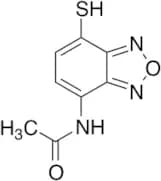

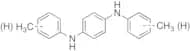
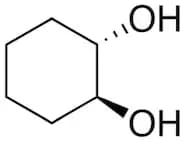
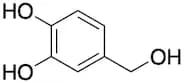
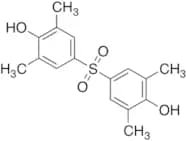
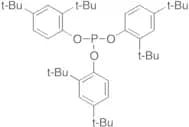

![tert-Butyl [(1R,2S,5S)-2-Amino-5-[(dimethylamino)carbonyl]cyclohexyl]carbamate Oxalate](/_next/image/?url=https%3A%2Fstatic.cymitquimica.com%2Fproducts%2FTR%2Fthumb-webp%2FB809515.webp&w=3840&q=75)
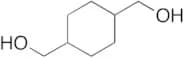
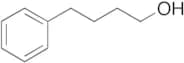
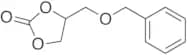
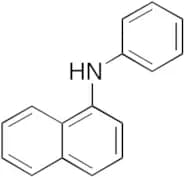
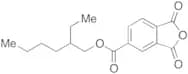
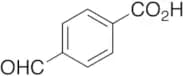
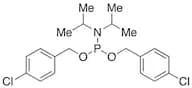
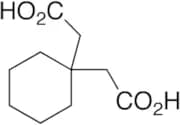
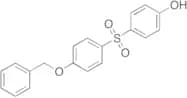
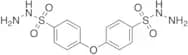

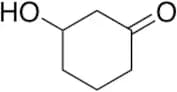
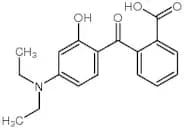
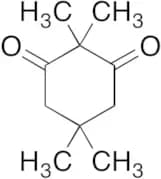

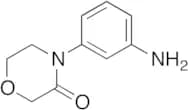
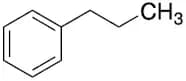
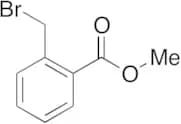
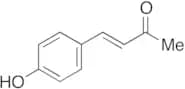
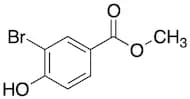
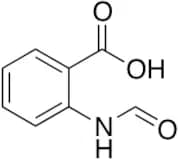
![2-[Methyl(phenylmethyl)amino]ethanol](/_next/image/?url=https%3A%2Fstatic.cymitquimica.com%2Fproducts%2FTR%2Fthumb-webp%2FM320465.webp&w=3840&q=75)
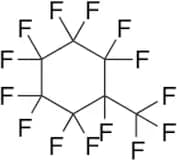
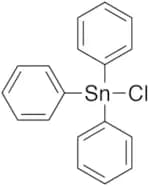
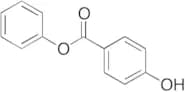

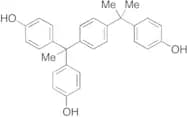
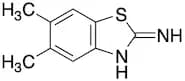
![2-[(Diphenylmethyl)thio]acetic Acid](/_next/image/?url=https%3A%2Fstatic.cymitquimica.com%2Fproducts%2FTR%2Fthumb-webp%2FD491830.webp&w=3840&q=75)
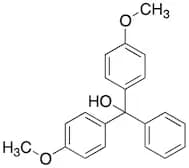
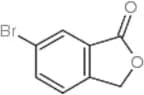
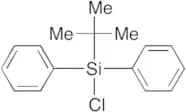
![1-[4-(2-hydroxypropan-2-yl)phenyl]ethan-1-one](/_next/image/?url=https%3A%2Fstatic.cymitquimica.com%2Fproducts%2FTR%2Fthumb-webp%2FB447650.webp&w=3840&q=75)
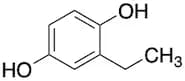
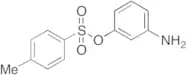
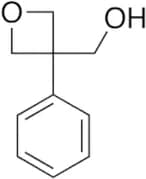
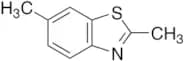

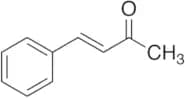
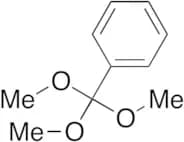
![2-[(Phenylsulfanyl)methyl]benzenecarboxylic Acid](/_next/image/?url=https%3A%2Fstatic.cymitquimica.com%2Fproducts%2FTR%2Fthumb-webp%2FB481480.webp&w=3840&q=75)
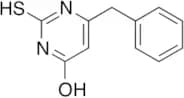


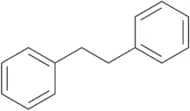
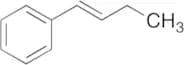
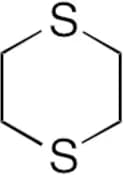
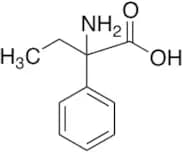
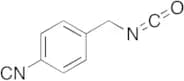
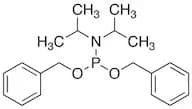
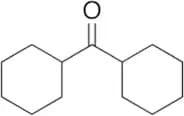
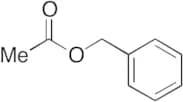
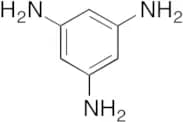
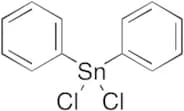
![[4-[[4-(Dimethylamino)phenyl]-(4-dimethylazaniumylidenecyclohexa-2,5-dien-1-ylidene)methyl]phenyl]…](/_next/image/?url=https%3A%2Fstatic.cymitquimica.com%2Fproducts%2FTR%2Fthumb-webp%2FB400378.webp&w=3840&q=75)
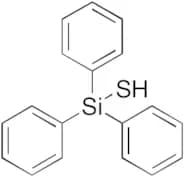

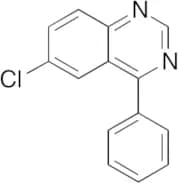
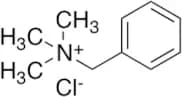
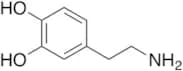
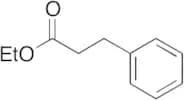

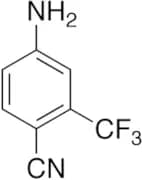
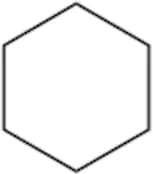
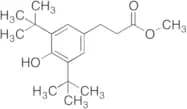
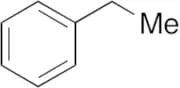
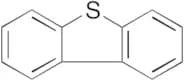
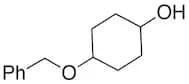
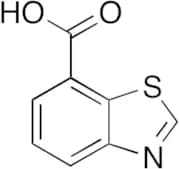

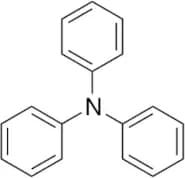

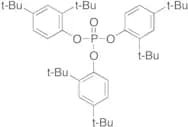


![Benzo[e]pyrene](/_next/image/?url=https%3A%2Fstatic.cymitquimica.com%2Fproducts%2FTR%2Fthumb-webp%2FB205805.webp&w=3840&q=75)
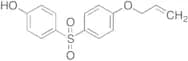
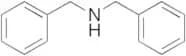
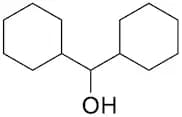
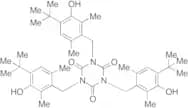
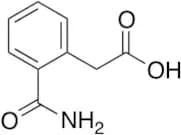
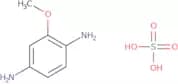


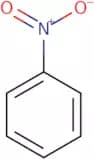

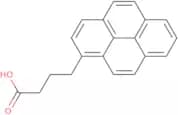
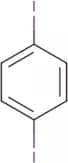
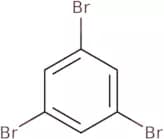

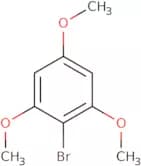


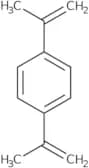
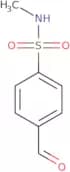

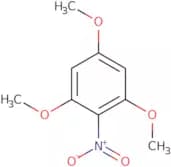
![[Bis(trifluoroacetoxy)iodo]benzene](/_next/image/?url=https%3A%2Fstatic.cymitquimica.com%2Fproducts%2F3D%2Fthumb-webp%2FFB49107.webp&w=3840&q=75)


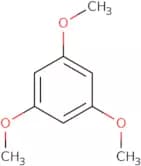


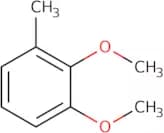

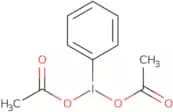
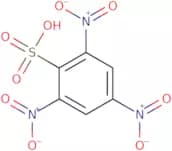
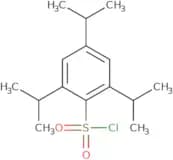
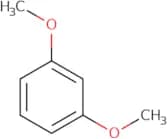
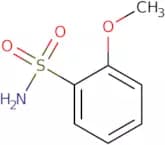
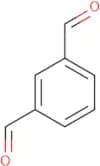
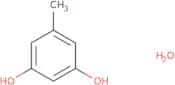
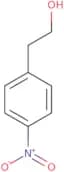

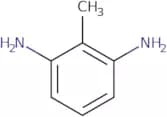


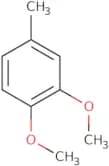


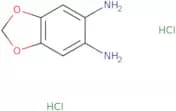

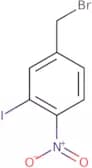
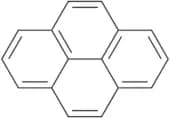
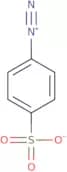
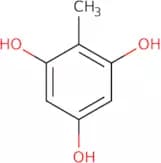
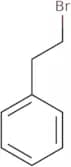
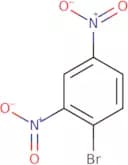
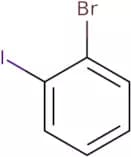
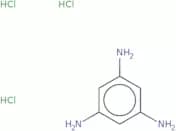
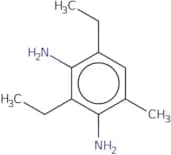

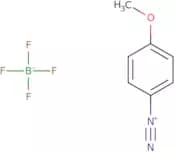

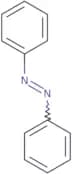
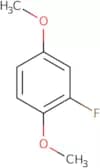
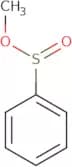
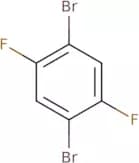

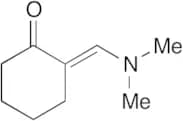
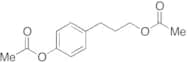
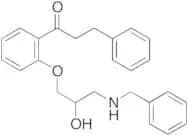

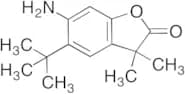
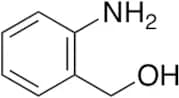


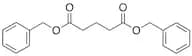
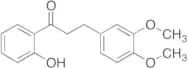
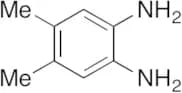
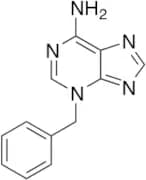
![N-[2-[3,4-Bis(phenylmethoxy)phenyl]ethyl]-3,4,5-trimethoxybenzeneacetamide](/_next/image/?url=https%3A%2Fstatic.cymitquimica.com%2Fproducts%2FTR%2Fthumb-webp%2FB521325.webp&w=3840&q=75)


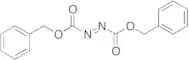
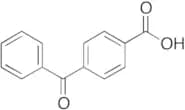
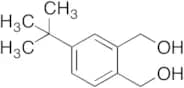
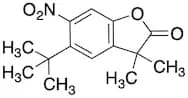
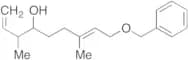
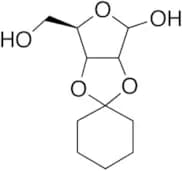
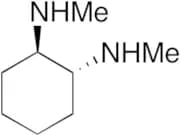
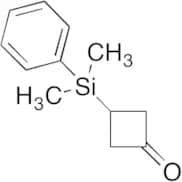
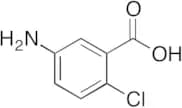
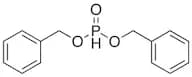
![[3-[(Trimethylsilyl)oxy]-2-cyclohexen-1-yl]-benzene](/_next/image/?url=https%3A%2Fstatic.cymitquimica.com%2Fproducts%2FTR%2Fthumb-webp%2FT796875.webp&w=3840&q=75)
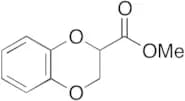
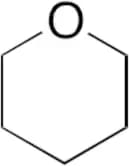
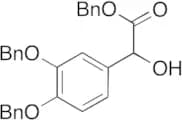

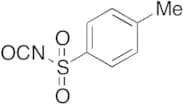
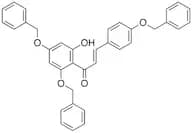
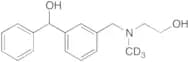
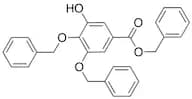
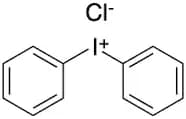
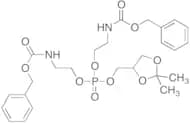
![rac-cis-[3-Hydroxycyclohexyl]benzamide](/_next/image/?url=https%3A%2Fstatic.cymitquimica.com%2Fproducts%2FTR%2Fthumb-webp%2FH827000.webp&w=3840&q=75)
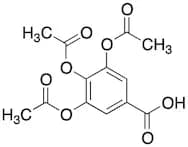
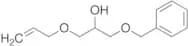
![N-(Methoxymethyl)-N-[(trimethylsilyl)methyl]benzenemethanamine (>90%)](/_next/image/?url=https%3A%2Fstatic.cymitquimica.com%2Fproducts%2FTR%2Fthumb-webp%2FM264620.webp&w=3840&q=75)
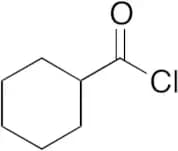
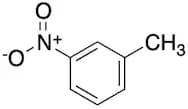
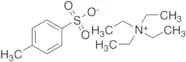
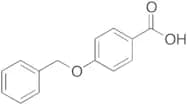

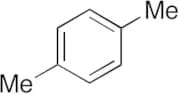
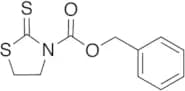
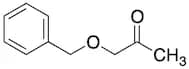
![1-(Benzyloxy)-3-[[bis(benzyloxy)phosphoryl]oxy]propan-2-ol](/_next/image/?url=https%3A%2Fstatic.cymitquimica.com%2Fproducts%2FTR%2Fthumb-webp%2FB796875.webp&w=3840&q=75)