Estándares farmacéuticos
Los estándares farmacéuticos son un conjunto integral de materiales de referencia esenciales para garantizar la seguridad, eficacia y calidad de los productos farmacéuticos. Esta categoría incluye estándares para ingredientes farmacéuticos activos (APIs), que son los componentes centrales responsables de los efectos terapéuticos. Además, abarca compuestos y metabolitos relevantes tanto para las industrias farmacéutica como veterinaria, proporcionando puntos de referencia para la medición y análisis precisos de estas sustancias. Los estándares de control de nitrosaminas son cruciales para detectar y mitigar las nitrosaminas potencialmente dañinas en las formulaciones de medicamentos. Los estándares de toxicología ayudan a evaluar la seguridad y los posibles efectos adversos de los compuestos farmacéuticos. Además, los estándares de activadores e inhibidores enzimáticos son vitales para la investigación y el desarrollo, permitiendo estudios precisos de las vías bioquímicas y los mecanismos de acción de los medicamentos. Estos estándares farmacéuticos son herramientas indispensables para el cumplimiento normativo, el control de calidad y la investigación, asegurando que los productos farmacéuticos cumplan con estrictos criterios de seguridad y eficacia.
Subcategorías de "Estándares farmacéuticos"
- APIs para investigación e impurezas(273.647 productos)
- Activadores e inhibidores de enzimas(2.827 productos)
- Nitrosaminas(2.605 productos)
- Compuestos y metabolitos farmacéuticos y veterinarios(2.602 productos)
- Toxicología(13.652 productos)
Se han encontrado 7836 productos de "Estándares farmacéuticos"
Ordenar por
Pureza (%)
0
100
|
0
|
50
|
90
|
95
|
100
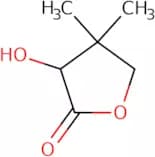
DL-Pantolactone
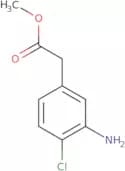
CAS:<p>DL-Pantolactone is a chiral lactone compound. In cosmetics, it is often used in formulations aimed at improving skin hydration and elasticity as it is an emulsion stabiliser. In pharmaceuticals it can be used as an intermediate in organic synthesis. The D-enantiomer is often used as a chiral auxiliary.</p>Fórmula:C6H10O3Pureza:Min. 95%Forma y color:White PowderPeso molecular:130.14 g/mol3-Amino-4-chlorophenylacetic acid methyl ester
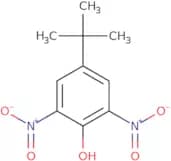
CAS:<p>3-Amino-4-chlorophenylacetic acid methyl ester is a fine chemical that is useful as a building block in the synthesis of complex compounds. It has been used as a reagent and speciality chemical, which can be used for research purposes. CAS No. 59833-69-1</p>Fórmula:C9H10ClNO2Pureza:Min. 95%Peso molecular:199.63 g/mol4-tert-Butyl-2,6-dinitrophenol
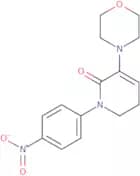
CAS:<p>4-tert-Butyl-2,6-dinitrophenol is a yellowish solid that is soluble in organic solvents. It is used as an intermediate for the synthesis of dyes, pesticides and pharmaceuticals. 4-tert-Butyl-2,6-dinitrophenol has been shown to cause respiratory tract irritation and narcosis in animals. The toxic effects of 4-tert-Butyl-2,6-dinitrophenol are due to its high electrophilicity and nitro group (NO) which causes oxidative stress. The logistic regression analysis showed that the population growth of ciliates was negatively affected by the presence of halogens in the water.</p>Fórmula:C10H12N2O5Pureza:Min. 98 Area-%Forma y color:White PowderPeso molecular:240.21 g/mol3-(4-Morpholinyl)-1-(4-nitrophenyl)-5,6-dihydro-2(1H)-pyridinone
CAS:<p>3-(4-Morpholinyl)-1-(4-nitrophenyl)-5,6-dihydro-2(1H)-pyridinone is a synthetic coagulation factor that has been shown to be cost-effective and to have a high yield. It is an inhibitor of blood coagulation, which is detectable by x-ray powder diffraction. 3-(4-Morpholinyl)-1-(4-nitrophenyl)-5,6-dihydro-2(1H)-pyridinone has been synthetically prepared from 3,5,6,7,8,9,10,-hexahydro-[2]benzo[e][1]pyridinone and 4-morpholinecarboxylic acid.</p>Fórmula:C15H17N3O4Pureza:Min. 98 Area-%Forma y color:Yellow PowderPeso molecular:303.31 g/molGrowth hormone releasing protein-2
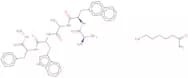
CAS:<p>Please enquire for more information about Growth hormone releasing protein-2 including the price, delivery time and more detailed product information at the technical inquiry form on this page</p>Fórmula:C45H55N9O6Pureza:Min. 95%Forma y color:PowderPeso molecular:817.98 g/mol3-Hydroxy-2-naphthanilide
CAS:<p>3-Hydroxy-2-naphthanilide (3HNA) is a naturally occurring chemical that can be found in human urine. It is used as a marker for early pregnancy. 3HNA can also be detected in maternal blood, but the concentration is lower than in urine. 3HNA reacts with radiation and biological samples to form a diazonium salt and a magnesium salt, which are then reacted to form an analog of 3HNA. This analog has been shown to have phosphatase activity, which can be measured by hydrolyzing the phosphate group from ATP to ADP. The enzyme activities of 3HNA are pH dependent, with optimum at around 7.5. Chemical structures show that the structure of this compound is similar to other compounds called aromatic amines, including benzidine and o-aminobenzoic acid.</p>Fórmula:C17H13NO2Pureza:Min. 95%Forma y color:PowderPeso molecular:263.29 g/molDiflucortolone valerate
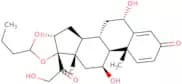
CAS:Producto controlado<p>Diflucortolone valerate is a corticosteroid that is used to treat inflammatory skin diseases. It is a prodrug that is hydrolyzed in vivo to diflucortolone, its active form. Diflucortolone valerate has been shown to be effective against alopecia areata and mycological skin infections. The optimum concentration of this drug for treating these conditions is 0.5% or less, with side effects such as erythema, scaling, and burning at the application site occurring at higher concentrations. Diflucortolone valerate also has broad-spectrum antimicrobial activity against bacteria and fungi, including methicillin-resistant Staphylococcus aureus (MRSA) isolates.</p>Fórmula:C27H36F2O5Pureza:Min. 95%Forma y color:PowderPeso molecular:478.57 g/mol2,2'-Methylenebis(4,6-di-tert-butylphenyl)phosphatesodiumsalt
CAS:<p>This product is a polymer that is used in the production of plastics, paper, and paints. It is also used as a thickening agent, emulsifier, or stabilizer in foods. Hydroxypropyl cellulose is produced by condensation of dimethoxybenzoic acid and sodium bis(2-hydroxypropyl)sulfate. This product has a molecular weight of about 10,000 to 1 million Daltons. It can be quantified using gas chromatography/mass spectroscopy. Hydroxypropyl cellulose has been shown to have an inhibiting effect on nucleation and growth of ice crystals during freezing and thawing cycles in polyolefin products. The polymer does not dissolve in water but readily absorbs moisture from the air and swells significantly when wetted with water. In addition to its use as a food additive, hydroxypropyl cellulose can be used as a component in the manufacture of polymers such as polyolefins</p>Fórmula:C29H42NaO4PPureza:Min. 95%Forma y color:White PowderPeso molecular:508.6 g/mol4-Phenylbenzoic acid methyl ester
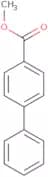
CAS:<p>4-Phenylbenzoic acid methyl ester is a bifunctional molecule that has been shown to be an effective antibacterial agent. It contains two oxadiazole moieties, which are structurally similar to sulfonamides and can form a stable amide bond with an amino group. The pharmacophore of 4-phenylbenzoic acid methyl ester is a four-member ring with two nitrogens and two carbons. This compound has been shown to have antibacterial properties by cleaving the magnesium bond in the enzyme methionine synthase, which catalyzes the formation of methionine from homocysteine and ATP. 4-Phenylbenzoic acid methyl ester is also able to cleave bonds in nonpolar solvents such as benzene, chloroform, and dichloromethane.</p>Fórmula:C14H12O2Pureza:Min. 95%Forma y color:PowderPeso molecular:212.24 g/mol7-hydroxy-5,6-di Methoxycoumarin(Umckalin)
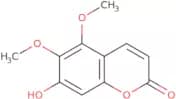
CAS:<p>Umckalin is a bioactive phytochemical found in the dry weight of plants. It has been shown to have antiviral properties against influenza virus and other viruses. Umckalin also has anti-inflammatory, antioxidant, and anticancer activities and has been shown to inhibit the growth of human macrophages that are infected with protocatechuic acid. The clinical studies on this compound are promising and show that it has a role in controlling the spread of influenza virus. Umckalin can be extracted from plants by acetate extraction or other methods such as analytical method.</p>Fórmula:C11H10O5Pureza:Min. 95%Forma y color:PowderPeso molecular:222.19 g/mol1-(3,4,5-Trimethoxyphenyl)-2-nitropropene
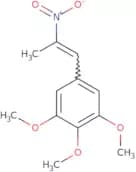
CAS:<p>1-(3,4,5-Trimethoxyphenyl)-2-nitropropene is a high quality chemical that is a reagent and useful intermediate. It has been shown to be a useful scaffold for the synthesis of various compounds and as a building block for the synthesis of speciality chemicals. This compound can be used in research and as a versatile building block in organic chemistry.</p>Fórmula:C12H15NO5Pureza:Min. 97 Area-%Forma y color:PowderPeso molecular:253.25 g/mol6-Chloro-7-hydroxycoumarin
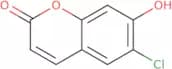
CAS:<p>6-Chloro-7-hydroxycoumarin is a fluorescent molecule that can be used for the diagnosis of bacterial infections. It has been shown to bind to the β-lactamase enzyme and show a fluorescence resonance with the acceptor molecule in biological studies. 6-Chloro-7-hydroxycoumarin has also been shown to have an inhibitory effect on the growth of organisms such as fungi, bacteria, and viruses, which may be due to its ability to inhibit protein synthesis and cell division through chemoenzymatic reactions. 6-Chloro-7-hydroxycoumarin also has antifungal activity against polygonum persulfate.</p>Fórmula:C9H5ClO3Pureza:Min. 95%Forma y color:White To Off-White SolidPeso molecular:196.59 g/mol4-Hydroxy-3-nitrophenylethylamine nitrate
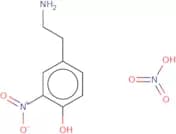
CAS:Producto controlado<p>4-Hydroxy-3-nitrophenylethylamine nitrate is a chemical that has been used as a reagent and reaction component. It can be used in the synthesis of complex compounds such as pharmaceuticals, agrochemicals, and high quality specialty chemicals. 4-Hydroxy-3-nitrophenylethylamine nitrate is an intermediate or building block for many organic syntheses due to its versatility. This compound has been shown to have a variety of useful applications including the production of antihistamines, anticonvulsants, antidepressants, antipsychotics, appetite suppressants, and decongestants.</p>Fórmula:C8H10N2O3•HNO3Pureza:Min. 95%Forma y color:PowderPeso molecular:245.19 g/mol1,3-Bis(4-fluorophenyl)urea
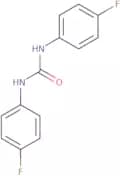
CAS:<p>1,3-Bis(4-fluorophenyl)urea is a crystalline solid that is soluble in organic solvents. It has been used as an intermediate in the synthesis of other compounds. 1,3-Bis(4-fluorophenyl)urea is an electron acceptor and can be used to produce diphenyl ethers. This compound has been synthesized using ethyl acetoacetate and anilines. It can be used to treat infectious diseases such as tuberculosis, where it inhibits protein synthesis and cell growth by disrupting the formation of bacterial DNA.</p>Fórmula:C13H10F2N2OPureza:Min. 98 Area-%Forma y color:White Off-White PowderPeso molecular:248.23 g/mol2,4-Dichloro-3-nitrophenol
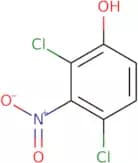
CAS:<p>2,4-Dichloro-3-nitrophenol is a synthetic chemical that is used as an intermediate in the synthesis of chloroamines. It is a derivative of phenol and has a chlorine atom on the 2 position. The alcohol group on the 4 position and the chlorine atom on the 3 position are both substituted with chlorine atoms. 2,4-Dichloro-3-nitrophenol has been shown to be effective for the synthesis of chloroamines resistant to nitro groups. This chemical has been shown to be resistant to amines and thus can be used for immobilization purposes. Furthermore, it can be used as an intermediate for chemists who work with organic chemistry due to its ability to undergo reactions with alcohols and phenols.</p>Fórmula:C6H3Cl2NO3Pureza:Min. 95%Forma y color:White Clear LiquidPeso molecular:208 g/molTyrosinase
CAS:<p>Copper-containing enzyme that catalyzes the first step in the synthesis of melanin</p>Forma y color:Powder2-Naphthaldehyde oxime
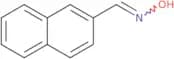
CAS:<p>2-Naphthaldehyde oxime is a reactive aldoxime that can be used as an oxidant in organic chemistry. It is able to increase the rate of hydrolysis by acid catalysts, and has been shown to cause biomolecular damage due to its ability to react with functional groups such as amines and alcohols. 2-Naphthaldehyde oxime reacts with silicon, styrene, and polystyrene. The reaction produces carbon dioxide, hydrogen, and water. This product also has the capability of solvating organic compounds through the use of water molecules. Hypervalent oxidation reactions may occur with 2-naphthaldehyde oxime due to its ability to form multiple bonds with oxygen atoms.</p>Fórmula:C11H9NOPureza:Min. 95%Forma y color:PowderPeso molecular:171.2 g/mol17-Hydroxy-6-methylpregna-4,6-diene-3,20-dione
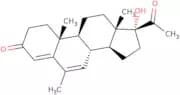
CAS:Producto controlado<p>17-Hydroxy-6-methylpregna-4,6-diene-3,20-dione is a progestin that is used as an antiretroviral agent in the treatment of HIV. It has been shown to be effective for chronic cough and cancer. 17-Hydroxy-6-methylpregna-4,6-diene-3,20-dione can be used for the treatment of infectious diseases such as HIV by inhibiting viral replication and reducing the amount of virus in the blood. This drug can also be used to treat some cancers and solid tumours. It has been shown to have long term efficacy in these conditions due to its ability to block cell division. 17 hydroxy pregnane 4,6 diene 3,20 dione is also used in the treatment of geriatric patients with chronic illnesses or who are immunocompromised due to its ability to stimulate appetite.</p>Fórmula:C22H30O3Pureza:Min. 98 Area-%Forma y color:White Off-White PowderPeso molecular:342.47 g/molD-Asparagine monohydrate
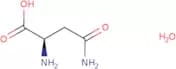
CAS:<p>D-Asparagine monohydrate is a white crystalline powder that is soluble in water and has a molecular weight of 98.1 g/mol. It inhibits the growth of bacteria by preventing the formation of β-lactamase, which can lead to antibiotic resistance. D-Asparagine monohydrate is used as an additive in the preparation of polyacrylamide gel for electrophoresis and other purposes. It has been found that it can be used as an inhibitor of recombinant proteins, such as those produced by E. coli, with high kinetic activity. It also inhibits the crystallization process and growth rate of Mycobacterium licheniformis.</p>Fórmula:C4H8N2O3·H2OForma y color:White Off-White PowderPeso molecular:150.13 g/mol4-Chlorocinnamide
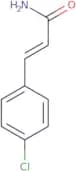
CAS:<p>4-Chlorocinnamide is an organochlorine compound that has been found to have antibacterial properties. It inhibits the shikimate pathway in bacteria, which is essential for bacterial growth. This molecule has been shown to bind with the cation channel of the nerve cells in the trigeminal nerve and inhibit their function. The inhibition of this channel leads to reduced sensitivity to pain. 4-Chlorocinnamide is also a precursor in the synthesis of stilbene derivatives, which are used as anticancer drugs.</p>Fórmula:C9H8ClNOPureza:Min. 95%Forma y color:PowderPeso molecular:181.62 g/mol6-Methoxycoumarin
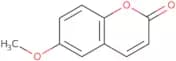
CAS:<p>6-Methoxycoumarin is a potent inhibitor drug that inhibits the activity of monoamine oxidase (MAO). It has been shown to have anti-feedant properties in laboratory experiments and is used as an antifeedant. 6-Methoxycoumarin also fluoresces under ultraviolet light, which can be used to identify its presence in a solution. 6-Methoxycoumarin is a derivative of coumarin and has the same skeleton with two methoxy groups attached. The compound can be identified by its chemical structure and predictable fluorescence properties. 6-Methoxycoumarin has been shown to bind to amines, which are organic compounds containing nitrogen, on the chromatographic column, allowing for easy detection.</p>Fórmula:C10H8O3Pureza:Min. 95%Forma y color:PowderPeso molecular:176.17 g/mol3-Fluoro-4-hydroxycinnamic acid
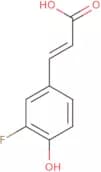
CAS:<p>3-Fluoro-4-hydroxycinnamic acid is a phenol that is an intermediate in the biocatalytic conversion of pyruvate to phenols. It has been shown to be a good candidate for use in organic synthesis, due to its ability to catalyze the reaction between benzene and hydrogen peroxide. 3-Fluoro-4-hydroxycinnamic acid also has potential applications in science and catalysis.</p>Fórmula:C9H7FO3Forma y color:PowderPeso molecular:182.15 g/molDesmethyl ketoprofen
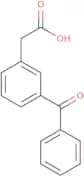
CAS:<p>Desmethyl ketoprofen is a nonsteroidal anti-inflammatory drug that belongs to the group of amides. It is an acidic agent and is used to relieve pain and inflammation in the body. Desmethyl ketoprofen has been shown to be effective at relieving pain in humans, with a potential dose range of 10 mg to 100 mg. This compound has also been shown to be a potential biomarker for cancer, as it has been found in high concentrations in urine samples from patients with large cell lung cancer. Desmethyl ketoprofen is rapidly absorbed after oral administration, reaching peak plasma levels within 2 hours. The drug undergoes extensive metabolism in the liver by microsomal enzymes, primarily CYP2C9 and CYP3A4. It is eliminated primarily through biliary excretion (as metabolites) and renal excretion (as unchanged drug).</p>Fórmula:C15H12O3Pureza:Min. 95%Forma y color:Off-White To Beige SolidPeso molecular:240.25 g/mol2-Nitro-3,4,5-trimethoxybenzoic acid methyl ester
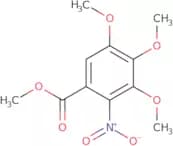
CAS:<p>2-Nitro-3,4,5-trimethoxybenzoic acid methyl ester is a potential anticancer agent. It has been shown to inhibit the growth of cancer cells in vitro and demonstrates anticancer activity against human tumor xenografts in mice. This compound binds to the epidermal growth factor receptor (EGFR) and inhibits its activity. This binding causes downstream signalling pathways to be suppressed, which ultimately prevents tumor cells from proliferating. 2-Nitro-3,4,5-trimethoxybenzoic acid methyl ester also has directional properties that may allow for selective targeting of cancerous cells.<br>2-Nitro-3,4,5-trimethoxybenzoic acid methyl ester is a white crystalline powder with an orthorhombic crystal system and an amine group on each end of the molecule.</p>Fórmula:C11H13NO7Pureza:Min. 95%Forma y color:PowderPeso molecular:271.22 g/mol7-Cyano-7-deaza-2’-deoxyguanosine
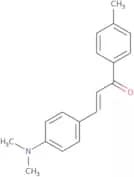
CAS:<p>7-Cyano-7-deaza-2’-deoxyguanosine is a pyrrole nucleoside analog that has been shown to inhibit the replication of herpes simplex virus type 1 and 2 in human cell lines. 7-Cyano-7-deaza-2’-deoxyguanosine is a synthetic nucleoside analog that is structurally similar to deoxyadenosine, but with a cyanide group instead of an oxygen atom. This compound has been shown to have the same biochemical properties as deoxyadenosine, including inhibiting the incorporation of uridine into RNA and DNA. In addition, 7-Cyano-7-deaza-2’-deoxyguanosine inhibits the synthesis of proteins from amino acids by competitive inhibition of ribonucleotide reductase, which catalyzes the conversion of ribonucleotides to deoxyribonucleotides. The enzyme's function</p>Fórmula:C12H13N5O4Pureza:Min. 95%Forma y color:PowderPeso molecular:291.26 g/mol4-Dimethylamino-4'-methylchalcone
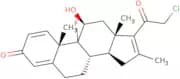
CAS:<p>4-Dimethylamino-4'-methylchalcone is a versatile building block that can be used in synthesis of fine chemicals, research chemicals, and reagents. It can also be used as a speciality chemical or useful intermediate for the preparation of other compounds. 4-Dimethylamino-4'-methylchalcone has been shown to react with many different functional groups and is useful as a scaffold for the synthesis of complex molecules. It has been shown to have high quality, making it an excellent choice for use in reactions.</p>Fórmula:C18H19NOPureza:Min. 95%Forma y color:PowderPeso molecular:265.35 g/molClobetasol Propionate - Impurity B
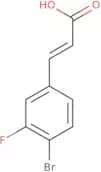
CAS:Producto controlado<p>(11β)-21-Chloro-9-fluoro-11-hydroxy-16-methylpregna-1,4,16-triene-3,20-dione is a chemical compound that can be used as a building block in the synthesis of other chemicals. It is structurally related to progesterone and has been found to have antiandrogenic properties. This product can also be used as a reagent or speciality chemical in research. It is high quality and versatile. (11β)-21-Chloro-9-fluoro-11-hydroxy-16-methylpregna 1,4,16 triene 3,20 dione has been shown to have an effect on the body's reproductive system by binding to the androgen receptor.</p>Fórmula:C22H26ClFO3Pureza:Min. 95%Forma y color:PowderPeso molecular:392.89 g/mol4-Bromo-3-fluorocinnamic acid
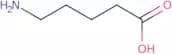
CAS:<p>4-Bromo-3-fluorocinnamic acid is a brominated derivative of cinnamic acid. It is used as an alloying agent in steel production, and can be used to control the content of manganese, nickel, phosphorous, and sulfur in steels. The equation for the preparation of 4-bromo-3-fluorocinnamic acid from cinnamic acid is: <br>4C6H5CO2H + 3HBr → 4C6H5BrFO2 + 2H2O</p>Fórmula:C9H6BrFO2Pureza:Min. 95%Forma y color:PowderPeso molecular:245.05 g/mol5-Aminovaleric acid
CAS:<p>5-Aminovaleric acid is a cyclic peptide that is an antagonist of the enzyme 5-aminovaleric acid hydrolase that catalyzes the conversion of 5-aminovaleric acid to succinic semialdehyde. The physiological function of 5-aminovaleric acid hydrolase is not known, but it has been implicated in a number of neurological disorders, such as Alzheimer's disease, Parkinson's disease, and amyotrophic lateral sclerosis. The reaction solution contains 5-aminovaleric acid (5AVA), hydrogen fluoride (HF), and l-lysine (Lys). Upon addition of HF to the solution, it reacts with Lys to form a dinucleotide phosphate intermediate. This intermediate then reacts with 5AVA to form an intramolecular hydrogen bond with the amino group of Lys and release hydrogen gas. The detection sensitivity for this reaction can be increased by using a cyclic peptide inhibitor.</p>Fórmula:C5H11NO2Pureza:Min. 95%Forma y color:Off-White PowderPeso molecular:117.15 g/mol4-Bromo-2-nitrocinnamic acid
CAS:<p>4-Bromo-2-nitrocinnamic acid is a naturally occurring amino acid that is a component of wheat, carrots, and cereals. It is an enzyme inhibitor and has been found to be stable under heat treatment. 4-Bromo-2-nitrocinnamic acid has been shown to inhibit the activity of 3 lysine hydrolase enzymes (LysE1, LysE2, LysE3) in vitro. This inhibition decreases lysine levels and may have health implications for infants fed with 4-bromo-2-nitrocinnamic acid treated wheat flour. The efficiency of 4-bromo-2 nitrocinnamic acid as an enzymatic inhibitor for these enzymes was determined by measuring the release of free lysine from various substrates at different concentrations of the inhibitor. These parameters were then used to calculate the theoretical inhibition percentage for each substrate at a given concentration.</p>Fórmula:C9H6BrNO4Pureza:Min. 95%Peso molecular:272.05 g/molO-(2,4-Dinitrophenyl)hydroxylamine
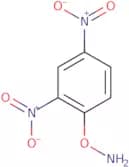
CAS:<p>O-(2,4-dinitrophenyl)hydroxylamine is a synthetic compound that binds to the enzyme bound site of the cap-dependent endonuclease. It is an inhibitor of influenza virus replication in vitro and has shown inhibitory activity against murine leukemia virus. O-(2,4-dinitrophenyl)hydroxylamine is also a model for the study of aminoglycoside antibiotics. The compound inhibits aminoglycoside-induced protein synthesis in eukaryotic cells and may be useful in understanding the mechanism of action and resistance to these antibiotics.</p>Fórmula:C6H5N3O5Pureza:Min. 98 Area-%Forma y color:Yellow PowderPeso molecular:199.12 g/molDesmethyl atomoxetine hydrochloride
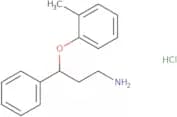
CAS:<p>Desmethyl atomoxetine hydrochloride is a chemical compound that can be used as a reaction component, a reagent, or a useful scaffold. It is an intermediate for the production of other chemicals and has many uses in industry. Desmethyl atomoxetine hydrochloride is also one of the building blocks used to produce speciality chemicals and fine chemicals. This chemical compound has been assigned CAS number 881995-46-6.</p>Fórmula:C16H19NO•HClPureza:Min. 95%Forma y color:White To Light (Or Pale) Yellow SolidPeso molecular:277.79 g/molVanillylideneacetone
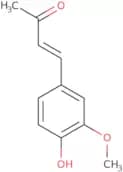
CAS:<p>Vanillylideneacetone (VDA) is a natural compound that belongs to the class of phenylethanoids. It has been shown to have anti-inflammatory properties, which may be due to inhibition of prostaglandin synthesis. VDA also exhibits antimicrobial activity against Gram-positive and Gram-negative bacteria, as well as some fungi and yeast. In vitro antifungal activity has been observed in human serum, cell lysis with the presence of trypsin, and cytotoxicity in carcinoma cell lines. Toxicological studies have shown no adverse effects on locomotor activity or carcinogenicity at high doses.</p>Fórmula:C11H12O3Pureza:Min. 95%Forma y color:Yellow PowderPeso molecular:192.21 g/mol6-Methoxy-2-naphthaldehyde
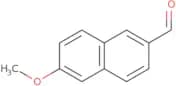
CAS:<p>6-Methoxy-2-naphthaldehyde is a nonsteroidal antiinflammatory drug that belongs to the class of naphthalenes. It inhibits the formation of inflammatory prostaglandins, which are mediators of pain and inflammation. 6-Methoxy-2-naphthaldehyde has been shown to have cytotoxic effects on cancer cells and in vitro studies have shown that it can induce cell lysis. It has also been shown to be a potent fluorescence probe for use in biological applications. This compound binds to human serum proteins by hydrogen bonding interactions, which may affect its pharmacokinetic properties. In addition, this compound has been shown to inhibit the activity of detoxification enzymes such as CYP 2C9 and 2D6 at high concentrations, which may lead to unwanted side effects such as nausea or vomiting. The molecular docking analysis of 6-Methoxy-2-naphthaldehyde with the active site of human liver alcohol dehydrogen</p>Fórmula:C12H10O2Pureza:Min. 98 Area-%Forma y color:PowderPeso molecular:186.21 g/molCholecalciferol impurity A
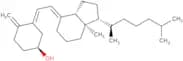
CAS:<p>Cholecalciferol impurity A is a cholecalciferol impurity that is used in oral hypoglycaemic drugs. It has been shown to be effective in the treatment of type 1 and type 2 diabetes, as well as multiple sclerosis, rheumatoid arthritis, and other autoimmune diseases. Cholecalciferol impurity A binds to the response element for vitamin D3 and mediates gene expression. It also activates calcium-dependent signaling pathways, which are important for bone metabolism and the immune system. This drug has been shown to reduce disease activity by increasing blood levels of natriuretic peptide levels and reducing blood sampling times in animal models.</p>Fórmula:C27H44OPureza:Min. 90 Area-%Forma y color:White Yellow PowderPeso molecular:384.64 g/molDL-alanine-β-naphthylamide hydrochloride
CAS:<p>DL-Alanine-beta-naphthylamide hydrochloride is a fine chemical that is used as a building block for other compounds. It can be used in the synthesis of complex compounds and as a reagent to synthesize speciality chemicals and research chemicals. DL-Alanine-beta-naphthylamide hydrochloride is also a versatile building block that can be used as an intermediate in organic reactions or as a reaction component. This compound has CAS No. 74144-49-3 and is soluble in water.</p>Fórmula:C13H15ClN2OPureza:Min. 95%Forma y color:PowderPeso molecular:250.72 g/mol6a-Hydroxy budesonide
CAS:<p>Please enquire for more information about 6a-Hydroxy budesonide including the price, delivery time and more detailed product information at the technical inquiry form on this page</p>Fórmula:C25H34O7Pureza:Min. 95%Forma y color:PowderPeso molecular:446.53 g/molAndrosterone sulfate sodium
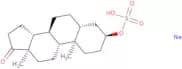
CAS:<p>Androsterone sulfate sodium is a fine chemical that is used as a versatile building block in the synthesis of complex compounds. It is also a valuable reagent in research and speciality chemicals. Androsterone sulfate sodium is used as a high-quality reaction component and can be used as an intermediate to produce other useful compounds. This compound has the CAS number 1852-41-1 and can be used as a scaffold to generate other related compounds.</p>Fórmula:C19H29NaO5SPureza:Min. 95 Area-%Forma y color:White PowderPeso molecular:392.49 g/mol3,3',5-Triiodo thyroacetic acid
CAS:<p>3,3',5-Triiodo thyroacetic acid is a synthetic thyroid hormone that acts as a thyroid hormone receptor agonist. It binds to the thyroid hormone receptor, leading to the activation of other transcription factors and increased synthesis of proteins. 3,3',5-Triiodo thyroacetic acid has been shown to increase the metabolic rate in rats by increasing the expression of epidermal growth factor in skin cells and signal transduction in nerve cells. This drug also causes an increase in transcriptional regulation and protein synthesis. 3,3',5-Triiodo thyroacetic acid does not have any known side effects or toxicity.</p>Fórmula:C14H9I3O4Pureza:Min. 95%Forma y color:White Off-White PowderPeso molecular:621.93 g/molN4-Boc-cytosin-1-yl acetic acid
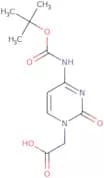
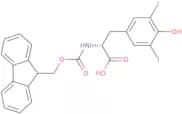
CAS:<p>N4-Boc-cytosin-1-yl acetic acid is a fine chemical that is used as a reagent, and can be used as a building block in the synthesis of various compounds. It has been shown to be an effective intermediate in the synthesis of various compounds, and can be used as a scaffold for drug discovery. N4-Boc-cytosin-1-yl acetic acid is also useful in the production of other chemicals, such as pharmaceuticals and pesticides.</p>Fórmula:C11H15N3O5Pureza:Min. 98 Area-%Forma y color:PowderPeso molecular:269.25 g/molFmoc-3,5-diiodo-D-tyrosine
CAS:<p>Please enquire for more information about Fmoc-3,5-diiodo-D-tyrosine including the price, delivery time and more detailed product information at the technical inquiry form on this page</p>Fórmula:C24H19I2NO5Pureza:Min. 95%Forma y color:PowderPeso molecular:655.22 g/mol5(6)-Carboxyfluorescein diacetate N-succinimidyl ester
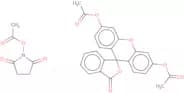
CAS:<p>5(6)-Carboxyfluorescein diacetate N-succinimidyl ester is a high quality chemical that is used as an intermediate in the synthesis of fluorescein, a complex compound. It is also useful as a reagent and building block in the synthesis of other compounds. 5(6)-Carboxyfluorescein diacetate N-succinimidyl ester is soluble in water and can be used to make fine chemicals, such as speciality chemicals and research chemicals. The chemical is also versatile and can be used as a reaction component for synthesizing other compounds.</p>Fórmula:C29H19NO11Pureza:Min. 95%Forma y color:White PowderPeso molecular:557.46 g/mol2-Bromo-5-chlorobenzoic acid methyl ester
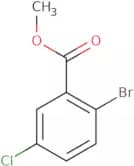
CAS:<p>2-Bromo-5-chlorobenzoic acid methyl ester is a chemical compound that is a component of the perborate oxidant. This chemical reacts with hydrogen peroxide to produce water, oxygen, and 2-bromo-5-chlorobenzoic acid. It can also be used in cyclisation reactions to synthesise heterocyclic compounds. The reaction mechanism for this process involves the formation of an unstable intermediate that spontaneously breaks down into two bromine atoms and one carbon atom. This process is catalyzed by metal ions such as copper, silver, and zinc. 2-Bromo-5-chlorobenzoic acid methyl ester has been used as an intermediate in the synthesis of homologues of ribonucleotide reductase.</p>Fórmula:C8H6BrClO2Pureza:Min. 95%Forma y color:PowderPeso molecular:249.49 g/mol7,8-Dihydroxy-4-phenylcoumarin
CAS:<p>7,8-Dihydroxy-4-phenylcoumarin (7,8-DPC) is a coumarin derivative that inhibits human cytochrome P450 enzymes. It binds to the heme group of the enzyme and is reversible by hydroxylation. 7,8-DPC has been shown to inhibit catalytic activity in rat liver microsomes and recombinant human cytochrome P450 enzymes. This molecule has also been shown to be an irreversible inhibitor of human cytochrome P450 2C9. The carbonyl group found on the 7,8-DPC molecule's structure is responsible for its inhibitory activities.</p>Fórmula:C15H10O4Pureza:Min. 95%Forma y color:PowderPeso molecular:254.24 g/molEcgonine ethyl ester
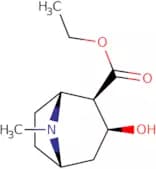
CAS:Producto controlado<p>Ecgonine ethyl ester is a metabolite of cocaine that is found in the blood, urine, and cerebrospinal fluid of humans. It is used in drug assays to detect cocaine use. Ecgonine ethyl ester binds to the dopamine transporter and blocks dopamine uptake into cells, which leads to elevated levels of dopamine in the synapses. Ecgonine ethyl ester also inhibits serotonin reuptake and has been shown to induce apoptotic cell death in human cancer cells.</p>Fórmula:C11H19NO3Pureza:Min. 95%Forma y color:Clear LiquidPeso molecular:213.27 g/mol2,2'-Dimethoxybiphenyl
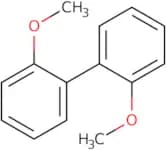
CAS:<p>2,2'-Dimethoxybiphenyl is a thermoplastic that is exothermic, making it useful in the production of polyketones. It can be used as a linker to form covalent bonds with monomers and polymers. 2,2'-Dimethoxybiphenyl has been used as a monomer to produce polyethers and polyesters. This compound has many chemical stability properties, which makes it suitable for use in polymer synthesis. It also can react with nucleophiles such as amines to form ether linkages. 2,2'-Dimethoxybiphenyl has kinetic properties that are faster than those of other ketones but slower than those of other ether-linked compounds. The activation energy for its reaction is low, making it an effective monomer for polymerization reactions.</p>Fórmula:C14H14O2Pureza:Min. 95%Forma y color:PowderPeso molecular:214.26 g/mol3’,5’-Di-O-acetyl-2’-azido-2’-deoxy-5-methyluridine
CAS:<p>Please enquire for more information about 3’,5’-Di-O-acetyl-2’-azido-2’-deoxy-5-methyluridine including the price, delivery time and more detailed product information at the technical inquiry form on this page</p>Pureza:Min. 95%Citronellyl nitrile
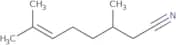
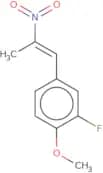
CAS:<p>Synthetic aroma providing fresh citrus fragrance</p>Fórmula:C10H17NPureza:Min. 95%Forma y color:Colorless Clear LiquidPeso molecular:151.25 g/mol3'-Fluoro-4'-methoxy-β-methyl-β-nitrostyrene
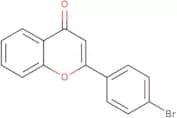
CAS:<p>3'-Fluoro-4'-methoxy-beta-methyl-beta-nitrostyrene is a reactive building block that can be used in the synthesis of many different compounds. It is a fine chemical and a reagent which is useful in organic chemistry. 3'-Fluoro-4'-methoxy-beta-methyl-beta-nitrostyrene is used as a reaction component for the synthesis of many different compounds, including pharmaceuticals, agrochemicals, and other specialty chemicals. It has CAS number 1023717-11-4 and can be used as an intermediate compound or building block for the production of complex compounds.</p>Fórmula:C10H10FNO3Pureza:Min. 95%Forma y color:PowderPeso molecular:211.19 g/mol4'-Bromoflavone
CAS:<p>4'-Bromoflavone is a flavonoid with potent enzyme-inducing properties. It has been shown to affect transcriptional regulation in murine hepatoma cells. 4'-Bromoflavone was also found to be an effective inducer of phase II detoxification enzymes, such as glutathione S-transferase and quinone reductase in the liver of humans. This drug also affects protein synthesis and enzyme activities in mice, rats, and human cells.</p>Fórmula:C15H9BrO2Pureza:Min. 95%Forma y color:PowderPeso molecular:301.13 g/mol3-tert-Butyl-6-methylsalicylic acid
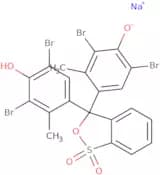
CAS:<p>3-tert-Butyl-6-methylsalicylic acid is a versatile building block that is used in the synthesis of complex compounds. It reacts with amines to form salicylanilides and is also used as a reagent for the synthesis of acetylenes. 3-tert-Butyl-6-methylsalicylic acid can be used as a starting material for the production of pharmaceuticals, pesticides, and dyes. This compound has been shown to be an effective intermediate in the synthesis of new drugs, such as antimalarial agents and analgesics. The high quality of this chemical makes it a useful scaffold for organic synthesis.</p>Fórmula:C12H16O3Pureza:Min. 95%Forma y color:PowderPeso molecular:208.25 g/molBromocresol green, sodium salt
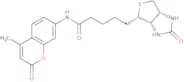
CAS:<p>Bromocresol green is a dye that is used in biological assays to measure the kinetics of fluorescence. It is a type of tryptophan-releasing compound that releases a yellowish-green light when it absorbs light at wavelengths between 350 and 450 nm. Bromocresol green has been quantified by measuring the intensity of the fluorescence emission as a function of time. This can be done visually or using an instrument called a fluorometer, which detects changes in light intensity over time. Bromocresol green can be used to detect the presence of amino acid residues in proteins through protonation reactions with their tryptophan residues and subsequent quenching with acetonitrile. The bromocresol green dye is also used in lithographic printing, where it serves as an acceptor for electrons from an arene (aromatic hydrocarbon). This process generates energy for lithography and also provides contrast between regions with different electron densities.</p>Fórmula:C21H14Br4O5SNaForma y color:PowderPeso molecular:721 g/molN-D-Biotinyl-7-amino-4-methylcoumarin
CAS:<p>N-D-Biotinyl-7-amino-4-methylcoumarin is a fluorescent substrate that is used to measure the activity of biotinidase, an enzyme that catalyzes the hydrolysis of biotin. It is detectable by measuring fluorescence with a spectrophotometer. Biotinidase deficiency can be diagnosed by measuring the activity of this enzyme in biological fluids. This assay has been shown to be useful for diagnosing patients with deficient biotinidase activity.</p>Fórmula:C20H23N3O4SPureza:Min. 98 Area-%Forma y color:PowderPeso molecular:401.48 g/molN-Isovalerylglycine
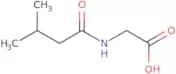
CAS:<p>N-Isovalerylglycine is a metabolite of the branched-chain amino acid leucine. It is found in the urine of patients with acidemia due to ethylmalonic aciduria, but not in healthy individuals. N-Isovalerylglycine has been shown to be an intermediate compound for the synthesis of acetoacetate and isovalerylglycine from acetyl-CoA. This metabolite can be used as a marker for diagnosing metabolic disorders such as diabetes mellitus, obesity, and polycystic ovary syndrome.</p>Fórmula:C7H13NO3Pureza:Min. 95%Forma y color:White PowderPeso molecular:159.18 g/mol3-Cyanocinnamic acid
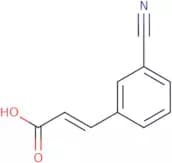
CAS:<p>3-Cyanocinnamic acid is a reactive, unreactive, and stepwise cycloaddition compound. It can participate in photochemical reactions with other compounds to form photodimers. 3-Cyanocinnamic acid has an optimal reaction temperature of 100°C and a reaction time of 5 minutes. The diradical nature of 3-cyanocinnamic acid makes it sensitive to UV light, and the photochemical reactions are simulated by quantum mechanics calculations. Photodimerisation simulations show that 3-cyanocinnamic acid is capable of forming photodimers with 2-cyanocinnamic acid or 4-cyanocinnamic acid at room temperature.</p>Fórmula:C10H7NO2Pureza:Min. 95%Forma y color:PowderPeso molecular:173.17 g/mol2N-Boc-2',2''-triaminotriethylamine-bis(chloroacetamide)
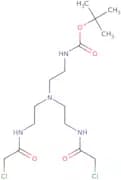
CAS:<p>2N-Boc-2',2''-triaminotriethylamine-bis(chloroacetamide) is a fine chemical and reagent for the synthesis of pharmaceuticals. It is also a useful building block for the synthesis of complex compounds. This product can be used as a reaction component in organic chemistry, or it can be used as a reagent in research or development laboratories.</p>Fórmula:C15H28Cl2N4O4Pureza:Min. 95%Peso molecular:399.31 g/mol(5-Methyl-2-oxo-1,3-dioxol-4-yl)methyl 4-nitrophenyl carbonate
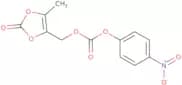
CAS:<p>(5-Methyl-2-oxo-1,3-dioxol-4-yl)methyl 4-nitrophenyl carbonate is a fine chemical that is used as a building block for the synthesis of complex compounds. It is an intermediate in the synthesis of 3,4-Dihydroquinazolinone. This compound has been reported to have useful pharmacological activity and has been used as a research chemical and in the synthesis of pharmaceuticals. (5-Methyl-2-oxo-1,3-dioxol-4-yl)methyl 4 nitrophenyl carbonate also has potential as a reagent and can be used in organic synthesis.</p>Fórmula:C12H9NO8Pureza:Min. 95%Forma y color:White PowderPeso molecular:295.2 g/mol(2-methoxyethyl)((2-nitrophenyl)sulfonyl)amine
CAS:<p>Please enquire for more information about (2-methoxyethyl)((2-nitrophenyl)sulfonyl)amine including the price, delivery time and more detailed product information at the technical inquiry form on this page</p>Pureza:Min. 95%2-Benzyloxy-6-methoxyacetophenone
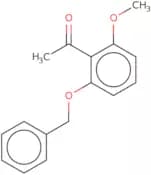
CAS:<p>2-Benzyloxy-6-methoxyacetophenone is a high quality and versatile chemical that can be used as a reagent or building block in organic synthesis. It is an important intermediate in the synthesis of fine chemicals, pharmaceuticals, and other complex compounds. 2-Benzyloxy-6-methoxyacetophenone has been shown to be useful as a scaffold for the synthesis of novel complex molecules, such as speciality chemicals. The compound also has potential applications in research and development of new drugs.</p>Fórmula:C16H16O3Pureza:Min. 95%Forma y color:PowderPeso molecular:256.3 g/molHuman growth hormone (1-43)
CAS:<p>Human growth hormone is a polypeptide hormone that stimulates the growth of tissues and organs. It also plays a role in the regulation of the metabolism of carbohydrates, fats, and proteins. It is produced by cells in the anterior pituitary gland and acts on cells in many different parts of the body to regulate cell function. Growth hormone is used as a research tool in endocrinology and cell biology. It can be used to study how hormones affect cells both in vitro and in vivo.<br>A recombinant form of human growth hormone (r-hGH) has been approved for treatment of children with deficient or insufficient growth due to idiopathic short stature, chronic renal insufficiency, Turner syndrome, Prader-Willi syndrome, or familial short stature.<br>HGH may also be used to treat adults who are experiencing age-related muscle loss or wasting associated with HIV/AIDS or cancer cachexia.</p>Fórmula:C240H358N62O67SPureza:Min. 95%Peso molecular:5,215.85 g/mol4'-Chloro-2'-fluoroacetophenone
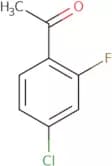
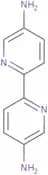
CAS:<p>4'-Chloro-2'-fluoroacetophenone is a high-quality chemical reagent that can be used to prepare complex compounds. It is also a useful intermediate for the preparation of fine chemicals, useful scaffolds, and other research chemicals. This compound is a versatile building block that can be used in the synthesis of speciality chemicals, reaction components, and other compounds.</p>Fórmula:C8H6ClFOPureza:Min. 95%Peso molecular:172.58 g/mol5,5'-Diamino-2,2'-bipyridine
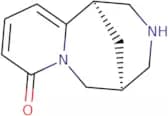
CAS:<p>5,5'-Diamino-2,2'-bipyridine is an acidic metalloporphyrin that has been shown to react with epoxides to form nucleophilic adducts. This compound can be used as a ligand for lanthanide ions and reacts with aminopyridine to form bromoethane. 5,5'-Diamino-2,2'-bipyridine has been shown to have carcinogenic properties and may induce bromoethane mutagenicity in the liver. This compound is also mutagenic when added to propylene carbonate. 5,5'-Diamino-2,2'-bipyridine is luminescent in air or water when exposed to UV light.</p>Fórmula:C10H10N4Pureza:Min. 97 Area-%Forma y color:PowderPeso molecular:186.21 g/molCytisine
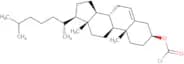
CAS:<p>Cytisine is an alkaloid found in plants of the Cytisus genus of the family Fabaceae. It is a partial agonist to α4β2 nicotinic acetylcholine receptors, which are implicated in the nicotine dependence. In Eastern Europe, it has been used for 50 years to aid smoking cessation.</p>Fórmula:C11H14N2OPureza:Min. 95%Forma y color:White PowderPeso molecular:190.24 g/molCholesterol chloroformate
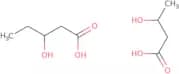
CAS:Producto controlado<p>Cholesterol chloroformate is a cholesterol derivative that has been shown to have good solubility in water. It is a white crystalline solid that is insoluble in ether, benzene, and chlorinated hydrocarbons. The compound has been used as a phase-transition temperature indicator and has been shown to be more resistant to degradation by enzymes than steric interactions. Cholesterol chloroformate is also an intermediate for the synthesis of other compounds such as cholesteryl sulfate and dextran sulfate. This compound binds to the Toll-like receptor 4 (TLR4) on cells, triggering an inflammatory response and activating the immune system. Cholesterol chloroformate can be used to study tumor cell growth by inhibiting mitosis in mouse tumors with subcutaneous injections of this agent.</p>Fórmula:C28H45ClO2Pureza:Min. 95%Peso molecular:449.11 g/molPoly(3-hydroxybutyric acid-co-3-hydroxyvaleric acid)
CAS:<p>Poly(3-hydroxybutyric acid-co-3-hydroxyvaleric acid) is a biodegradable polymer that has been shown to have high water vapor permeability and low values for water uptake and swelling. The polymer is also biocompatible, with no cytotoxicity or hemolysis. Poly(3-hydroxybutyric acid-co-3-hydroxyvaleric acid) was synthesized by ring opening polymerization of 3-hydroxybutyric acid and 3-hydroxyvaleric acid. The polymer has shown synergistic effects when used in combination with other polymers, such as polyvinyl alcohol. Poly(3-hydroxybutyric acid-co-3-hydroxyvaleric acid) can be used in tissue culture as a scaffold for the growth of animal cells.</p>Forma y color:PowderBis(4-Nitrophenyl)phosphoric acid sodium
CAS:<p>Bis(4-nitrophenyl)phosphoric acid sodium is a synthetic compound that has been used as an antibiotic. It is a nitro group donor and may be oxidized to p-nitrophenol phosphate. Bis(4-nitrophenyl)phosphoric acid sodium inhibits bacterial growth by binding to the 30S ribosomal subunit, which prevents protein synthesis and cell division. The rate constant of this reaction has been determined using x-ray diffraction data obtained on crystals of the product with signal peptide. Bis(4-nitrophenyl)phosphoric acid sodium also has biochemical properties, such as pyrazinoic acid formation and polymerase chain reactions, which have been reported in recombinant cytochrome P450s from rat liver microsomes. The disulfide bond coordination geometry and mechanism of the reaction are still unknown but it is thought that the reaction proceeds through a single electron transfer mechanism.</p>Fórmula:C12H9N2O8P·NaPureza:Min. 95%Forma y color:White PowderPeso molecular:363.17 g/molBiotin caproic acid
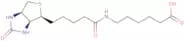
CAS:<p>Podophyllotoxin is a natural product that has been used in the treatment of cancer. Biotin caproic acid is a synthetic analogue of podophyllotoxin and has been shown to have potent antimicrobial activity. Podophyllotoxin is an inhibitor of microtubule polymerization, which leads to cell death. It also induces apoptosis by interacting with dopamine receptors on the cell surface and inhibiting their binding to dopamine. This inhibits dopamine-induced proliferation of cells, leading to cell death. Biotin caproic acid has been shown to have anticancer properties against human cancer cells in vitro. The mechanism of action may be due to binding to the cytochrome P450 enzyme and inhibiting its activity, which affects the metabolism of various drugs and hormones such as dopamine.</p>Fórmula:C16H27N3O4SPureza:Min. 95%Forma y color:PowderPeso molecular:357.47 g/mol4-(2-Hydroxyethylamino)-3-nitrophenol
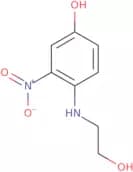
CAS:<p>4-(2-Hydroxyethylamino)-3-nitrophenol is a nitrophenol that can cause toxicity in humans. It has been investigated for its potential use as a treatment for erectile dysfunction. The compound was found to have a long half-life of over 24 hours, which may be due to its slow metabolism by esterases and glucuronidases. 4-(2-Hydroxyethylamino)-3-nitrophenol has been shown to be an allergen and is toxic to the skin, lungs, and muscles. This chemical can cause cancer when it is irradiated or mixed with other chemicals such as 4-amino-2-nitrophenol (ANP).</p>Fórmula:C8H10N2O4Pureza:Min. 95%Forma y color:PowderPeso molecular:198.18 g/molD-glucosyl-β-1,1'-N-nervonoyl-D-erythro-sphingosine
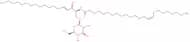
CAS:<p>D-glucosyl-β-1,1'-N-nervonoyl-D-erythro-sphingosine is a mouse metabolite that was found to be an acyl group. This metabolite was shown to be a mouse metabolite.</p>Fórmula:C48H91NO8Pureza:Min. 98 Area-%Forma y color:PowderPeso molecular:810.24 g/mol(S)-BoroLeu-(+)-pinanediol-trifluoroacetate
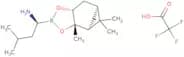
CAS:<p>(S)-BoroLeu-(+)-pinanediol-trifluoroacetate is a useful scaffold, building block, and intermediate for the synthesis of complex compounds. It is a high quality reagent that can be used in research chemicals and speciality chemicals. (S)-BoroLeu-(+)-pinanediol-trifluoroacetate is a versatile building block because it can be used as a reaction component in the synthesis of fine chemicals and as an intermediate in the synthesis of other reagents. CAS No. 477254-69-6</p>Fórmula:C15H28BNO2·C2HF3O2Pureza:Min. 95%Forma y color:PowderPeso molecular:379.22 g/molPenicilling
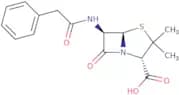
CAS:<p>Penicillin is an antibiotic that inhibits bacterial growth by binding to penicillin-binding proteins, which in turn prevents the bacteria from producing peptidoglycan. Penicillin binds to the enzyme cell wall synthesis and inhibits protein synthesis and cell division. Penicilling can be administered as an intramuscular injection or intravenous injection. The most common adverse reaction is pain at the site of injection, which may be due to toxic epidermal necrolysis. Other adverse reactions include fever, rash, and seizures.</p>Fórmula:C16H18N2O4SPureza:Min. 95%Forma y color:PowderPeso molecular:334.39 g/mol4-Iodocinnamic acid
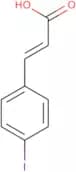
CAS:<p>4-Iodocinnamic acid is a mesomorphic, supramolecular organic acid that has potent cytotoxicity against cancer cells. It is also an analogue of the natural product cinnamic acid. 4-Iodocinnamic acid binds to the active site of the enzyme DNA polymerase and inhibits DNA synthesis by preventing the incorporation of deoxynucleotide triphosphates into synthesized DNA chains. The compound has been shown to have strong antimicrobial activity against Gram-positive bacteria such as Staphylococcus aureus, Enterococcus faecalis, and Bacillus cereus. 4-Iodocinnamic acid is also an effective inhibitor of cancer cell proliferation and induces apoptosis in these cells.</p>Fórmula:C9H7IO2Pureza:Min. 95%Forma y color:PowderPeso molecular:274.06 g/molL-Threonine benzyl ester hydrochloride
CAS:<p>L-Threonine benzyl ester hydrochloride is a glycopeptide that is used as a precursor to L-threonine. It is synthesized from cycloserine, which contains a phenyl group, and D-serine, which contains an amino acid with two threonine molecules. The synthesis starts with the activation of the benzyl ester by treatment with hydrazoic acid. This activated compound reacts with D-serine in the presence of an organic base to form the benzyl ester of D-serine. The reaction can be carried out in one pot without isolation steps. The final step is an oxidative cleavage of the benzyl group by irradiation with ultraviolet light or exposure to hydrogen peroxide, yielding L-threonine benzyl ester hydrochloride as a white solid.</p>Fórmula:C11H15NO3•HClPureza:Min. 95%Forma y color:White To Off-White SolidPeso molecular:245.7 g/mol(2S)-N-Boc-2-amino-4-azido-butanoic acid methyl ester
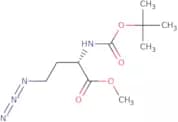
CAS:<p>(2S)-N-Boc-2-amino-4-azido-butanoic acid methyl ester is a high quality, reagent, complex compound, useful intermediate, fine chemical that is used as a building block in the synthesis of speciality chemicals.</p>Fórmula:C10H18N4O4Pureza:Min. 95%Forma y color:PowderPeso molecular:258.27 g/mol4-Chlorocinnamic acid
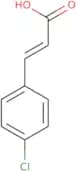
CAS:<p>4-Chlorocinnamic acid is a malonic acid derivative and one of the cinnamic acid derivatives that has been shown to inhibit many chemical reactions. It inhibits the production of tyrosinase, which is an enzyme that catalyzes the conversion of tyrosinase to 4-hydroxycinnamic acid. 4-Chlorocinnamic acid also inhibits the growth of Candida glabrata in vitro. The effect on candida is due to its ability to inhibit the production of hydroxyl group and aromatic hydrocarbon, both of which are required for candida's survival. 4-Chlorocinnamic acid binds with aryl halide and neutral ph, preventing it from reacting with other substances.</p>Fórmula:C9H7ClO2Pureza:Min. 95%Forma y color:PowderPeso molecular:182.6 g/mol(+)-Biotin-(PEO)3-amine
CAS:<p>(+)-Biotin-(PEO)3-amine is a PEG compound with two different functional groups (also known as heterobifunctional). Unlike homobifunctional PEG compounds (same functional group on both ends), this type of compounds are more versatile as have two different anchor points. (+)-Biotin-(PEO)3-amine is used as a linker and spacer to add a PEG moiety, via pegylation (a bioconjugation technique) to proteins, peptides, oligonucleotides, small molecules and nanoparticles.</p>Fórmula:C16H30N4SO4Pureza:Min. 95 Area-%Forma y color:White Off-White PowderPeso molecular:374.5 g/mol2-Amino-N-[2-(2-chlorobenzoyl)-4-nitrophenyl]acetamide
CAS:<p>2-Amino-N-[2-(2-chlorobenzoyl)-4-nitrophenyl]acetamide is a fine chemical that is used as a building block in organic synthesis. It is a versatile intermediate for the synthesis of other compounds and can be used to make a variety of useful scaffolds. 2-Amino-N-[2-(2-chlorobenzoyl)-4-nitrophenyl]acetamide has been used in research and development of pharmaceuticals, agrochemicals, herbicides, and other compounds.</p>Fórmula:C15H12ClN3O4Pureza:Min. 95%Forma y color:Slightly Yellow PowderPeso molecular:333.73 g/mol4-Chloro-4'-methoxychalcone
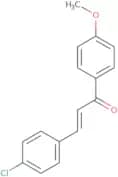
CAS:<p>4-Chloro-4'-methoxychalcone (4MC) is a chalcone with an antibacterial activity. It is synthesized from 4,4'-dimethoxychalcone by substitution of one or two methoxy groups on the aromatic ring with chlorine atoms. 4MC has shown to be active against a number of different bacterial strains, including Staphylococcus aureus and Pseudomonas aeruginosa.<br>The dilution method is used for the determination of the minimal inhibitory concentrations (MICs). This method involves serial dilutions in which bacteria are grown in liquid media containing increasing concentrations of the test compound. The lowest concentration of the test compound that inhibits bacterial growth is determined and recorded as MIC. <br>Plutella xylostella larvae were found to be resistant to 4MC because they lack esterase enzymes that hydrolyze 4MC. Irradiation can be used to produce esters that are more reactive towards</p>Fórmula:C16H13ClO2Pureza:Min. 95%Forma y color:PowderPeso molecular:272.73 g/mol2-Chloro-5,6,7,8-tetrahydro-1,6-naphthyridine hydrochloride
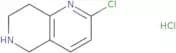
CAS:<p>2-Chloro-5,6,7,8-tetrahydro-1,6-naphthyridine hydrochloride is a fine chemical that can be used as a versatile building block in the synthesis of complex compounds. It is also an important reagent for research purposes and a speciality chemical. It has been reported to show high quality and be a useful intermediate for organic reactions. 2-Chloro-5,6,7,8-tetrahydro-1,6-naphthyridine hydrochloride is also a useful scaffold in the synthesis of novel drugs.</p>Fórmula:C8H10Cl2N2Pureza:Min. 97 Area-%Forma y color:White Slightly Yellow PowderPeso molecular:205.08 g/mol7-Hydroxy-2-naphthalene sulfonic acid sodium
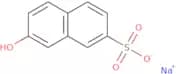
CAS:<p>7-Hydroxy-2-naphthalene sulfonic acid sodium (7HNS) is a fluorescent probe that can be used for the detection of cross-links in collagen and elastin. The sensitivity of this compound is very high, with a detection limit of 1 pmol/ml. 7HNS binds to the lysine residues in collagen and elastin, forming covalent bonds that are detectable by fluorescence. It has been used in the analysis of tissues such as cartilage, bone, skin, and blood vessels.</p>Fórmula:C10H7NaO4SPureza:Min. 93 Area-%Forma y color:PowderPeso molecular:246.22 g/mol2,4,6-Tribromo-3-cresol
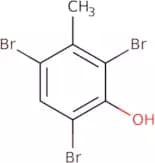
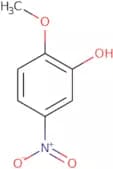
CAS:<p>2,4,6-Tribromo-3-cresol is a functional group that is used as an anti-fungal agent. This compound has been shown to be active against many fungi and bacteria, including Candida albicans and Escherichia coli. The particle size of 2,4,6-tribromo-3-cresol is 0.1 microns in diameter and it has a boiling point of 240 degrees Celsius. This product is also used in the production of sealants for dental restorations and as an additive to pharmaceuticals. 2,4,6-Tribromo-3-cresol can also be used as a delta opioid receptor agonist for the treatment of cancer or autoimmune diseases such as lupus erythematosus.</p>Fórmula:C7H5Br3OPureza:Min. 95%Forma y color:PowderPeso molecular:344.83 g/mol2-Methoxy-5-nitrophenol
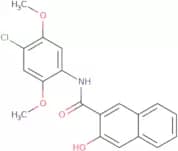
CAS:<p>2-Methoxy-5-nitrophenol (2MNOP) is a compound that has been shown to inhibit the growth of bacteria in nutrient solutions by reducing the activity of glutamate pyruvate transaminase and pyridoxine hydrochloride. 2MNOP is a potent inhibitor of bacterial enzyme activities, such as neutral ph, hydrochloric acid, nitro, and toxicity studies. It is not active against eukaryotic cells or plants. The uptake of 2MNOP is enhanced by the presence of diamine tetraacetic acid and ethylene diamine. 2MNOP has also been shown to be effective against multi-walled carbon nanotubes.</p>Fórmula:C7H7NO4Pureza:Min. 95%Forma y color:PowderPeso molecular:169.13 g/molNaphthol AS-LC
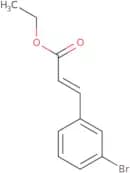
CAS:<p>Naphthol AS-LC is a reactive ester compound that has been used as a histological stain for cells and tissues. It can be used to detect the presence of propionate in homogenates. Naphthol AS-LC stains are also commonly used to determine the location of proteins and esters in cells, as well as to identify acid phosphatase activity in submandibular gland tissue. The reaction time for this reagent is short, so it can be used on samples that require rapid staining. Naphthol AS-LC is sensitive to light, which may cause it to lose its color or react with other compounds.</p>Fórmula:C19H16ClNO4Pureza:Min. 95%Forma y color:PowderPeso molecular:357.79 g/mol3-Bromocinnamic acid ethyl ester
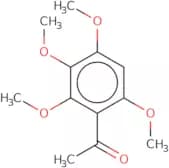
CAS:<p>3-Bromocinnamic acid ethyl ester is a chemical that is useful as a building block for the synthesis of more complex compounds. It is an intermediate in the synthesis of organic compounds and can be used as a reaction component. 3-Bromocinnamic acid ethyl ester has CAS No. 24398-80-9 and is a reagent that can be used to synthesize other chemicals. 3-Bromocinnamic acid ethyl ester is also useful as a scaffold in the development of new drugs, because it has an amide bond, which may lead to new types of drug molecules with different properties.</p>Fórmula:C11H11BrO2Pureza:Min. 95%Peso molecular:255.11 g/mol2,4,5,6-Tetramethoxyacetophenone
CAS:<p>2,4,5,6-Tetramethoxyacetophenone is a versatile building block that can be used as an intermediate in the production of complex compounds and speciality chemicals. This compound is a useful scaffold for research chemicals and reaction components. It has CAS No. 7508-05-6 and a high quality.</p>Fórmula:C12H16O5Pureza:Min. 95%Peso molecular:240.25 g/molNelotanserin
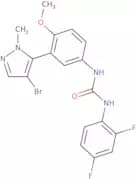
CAS:<p>1-[3-(4-Bromo-1-methyl-1H-pyrazol-5-yl)-4-methoxyphenyl]-3-(2,4-difluorophenyl)urea is the active ingredient in a drug that is used to treat chronic schizophrenia. It has been shown to have both antipsychotic and antidepressant properties. The drug works by blocking the 5HT2A receptor, which inhibits the effects of serotonin on heterocyclic amines at the postsynaptic membrane. This causes hyperpolarization of the membrane, which blocks neurotransmitter release and prevents further transmission of signals. It also blocks the H1 receptor, which decreases histamine release and reduces inflammation in the brain.</p>Fórmula:C18H15BrF2N4O2Pureza:Min. 95%Forma y color:PowderPeso molecular:437.24 g/molLithium 3,5-diiodosalicylic acid
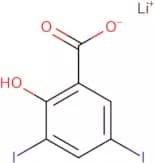
CAS:<p>Lithium 3,5-diiodosalicylic acid (Li3,5I2SA) is a cross-linking agent that has been shown to inhibit phosphatase activity and receptor binding in vitro. It also inhibits sugar transport, which is important for the functioning of human cells. Li3,5I2SA has been used to study the action of drugs on cancer cells and spermatozoa. This compound has also been tested as an inhibitor of membrane lipid peroxidation. Li3,5I2SA attaches to red blood cell membranes by binding to sites with high concentrations of monoclonal antibodies. The sequences of this compound have not yet been fully elucidated.</p>Fórmula:C7H4I2O3•LiPureza:Min. 98 Area-%Forma y color:PowderPeso molecular:396.85 g/molChromotrope 2B
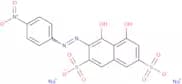
CAS:<p>Chromotrope 2B is a water-soluble dye that is used for the detection of the presence of hydrochloric acid in urine samples. It is also used to detect the presence of biological samples in pharmaceutical preparations. The optimum concentration for this dye is 0.5% with phosphotungstic acid and 3% with human serum. Chromotrope 2B has been shown to be active when exposed to radiation, as well as having an absorption maximum at 381 nm. Chromotrope 2B reacts with plasma proteins to form a blue colored compound called chromoprotein, which can be detected by mass spectrometry.<br>br>br></p>Fórmula:C16H9N3O10S2·2NaPureza:Min. 95%Forma y color:PowderPeso molecular:513.37 g/molL-Tyrosinol hydrochloride
CAS:<p>L-Tyrosinol hydrochloride is a chiral molecule that is the hydrogenated form of L-tyrosine. It is an intermediate in the synthesis of L-dopa, which is used to treat Parkinson's disease. The enzymatic reaction that converts L-tyrosinol hydrochloride to L-dopa requires adenosine 5'-phosphosulfate as cofactor and histidine as a catalyst. The conversion of L-tyrosinol hydrochloride to L-dopa occurs with high yield and has been shown to be stereoselective. This synthetic pathway has been shown to have an activation energy of 53 kcal/mol and a reaction time of 30 minutes at room temperature.</p>Fórmula:C9H13NO2·HClForma y color:White Off-White PowderPeso molecular:203.67 g/mol9-cis-β-Carotene
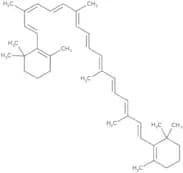
CAS:<p>9-cis-b-Carotene is a carotenoid that is found in plants, animals, and microalgae.</p>Fórmula:C40H56Pureza:Min. 95%Forma y color:PowderPeso molecular:536.87 g/molCatechin 7,4'-di-O-gallate
CAS:<p>Catechin 7,4'-di-O-gallate is a naturally occurring flavonoid compound, which is derived from various plants, particularly those rich in catechins, such as tea leaves and certain fruits. As a member of the polyphenol class, it is known for its powerful antioxidant properties, which enable it to neutralize free radicals and mitigate oxidative stress. Additionally, its structure allows for strong anti-inflammatory effects by modulating signaling pathways and inhibiting the production of inflammatory mediators.</p>Pureza:Min. 95%N4-Hydroxycytosine
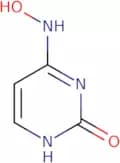
CAS:<p>N4-Hydroxycytosine is an intramolecular hydrogen that inhibits the replication of viruses by inhibiting their DNA polymerase. It is a structural analogue of cytosine and can be found in both left- and right-handed forms, which are termed isomers. The chemical study of N4-hydroxycytosine has shown it to have inhibitory effects on human immunodeficiency virus and hepatitis C virus. 13C-NMR spectroscopy has been used to identify the chemical structure of N4-hydroxycytosine and its reactivity with other molecules. N4-Hydroxycytosine can be synthesized by the reaction between formaldehyde and 2,3,5,6-tetrafluorocytosine.</p>Fórmula:C4H5N3O2Pureza:Min. 95%Forma y color:PowderPeso molecular:127.1 g/mol(-)-α-Bisabolol
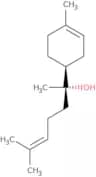
CAS:<p>(-)-α-Bisabolol is a natural compound that can be found in chamomile, which is used as an herbal tea. This compound has been shown to have apoptosis-inducing effects in Candida glabrata, which may be due to its ability to reduce the mitochondrial membrane potential and inhibit protein synthesis. (-)-α-Bisabolol also has anti-inflammatory properties and can inhibit amoeba growth by inhibiting farnesol production.</p>Fórmula:C15H26OPureza:Min. 93 Area-%Forma y color:Colorless Clear LiquidPeso molecular:222.37 g/mol2,2'-Dimethylbibenzyl
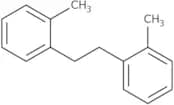
CAS:<p>2,2'-Dimethylbibenzyl is a chemical compound that has been used as a precursor for the synthesis of other chemicals. It can be synthesized by reacting dodecyl chloride with an aryl halide, then reacting the product with anhydrous hydroxyl group in the presence of a radical coupling agent. The reaction products are chlorosulfonic acid and 2,2'-dimethylbibenzyl. This chemical compound is a strong electron acceptor and can help to produce radical coupling reactions. It also reacts with protonated water to form sulfoxide and trifluoroacetic acid.</p>Fórmula:C16H18Pureza:Min. 95%Forma y color:PowderPeso molecular:210.31 g/mol2'-Iodoacetophenone
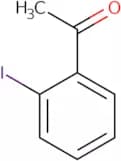
CAS:<p>2'-Iodoacetophenone is a bioactive molecule that reacts with boronic acids to form aryl boronic acid derivatives. This reaction can be carried out in chlorobenzene or dihedral solvents, and it is scalable and applicable to a variety of boronic acids. The product of this reaction is an organocatalyst for the synthesis of bioactive molecules. 2'-Iodoacetophenone also reacts with dipole-containing additives to form dichlorodiphenyldichloroethane, which has been used as a fungicide, insecticide, and herbicide.</p>Fórmula:C8H7IOPureza:Min. 95%Forma y color:Clear LiquidPeso molecular:246.05 g/molPolycaprolactone diol - MW 525-575
CAS:<p>Biodegradable polymer</p>Fórmula:C4H8O3(C6H10O2)nForma y color:Clear Liquid3-Ethylacetophenone
CAS:<p>3-Ethylacetophenone is a naturally occurring compound that is found in plants of the genus Capsicum annuum. It has been shown to be an effective repellent for many insects, including leaf-eating beetles, aphids, and thrips. 3-Ethylacetophenone is synthesized from the esterification of acetophenone with ethanol and acetic acid. The compound can also be found as an oxidation product of capsaicinoids such as capsaicin and dihydrocapsaicin. 3-Ethylacetophenone can also be introduced into plants by applying it to their roots or leaves. 3-Ethylacetophenone is commonly used in magnetic resonance spectroscopy (MRS) experiments because it has a high proton chemical shift and a large dipolar coupling constant relative to other compounds that are typically found in plant tissue. This allows it to be easily detected by MRS</p>Fórmula:C10H12OPureza:90%Forma y color:Clear LiquidPeso molecular:148.2 g/molN-Biotinyl-L-cysteine
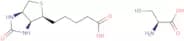
CAS:<p>N-Biotinyl-L-cysteine is a biotinylated derivative of the amino acid L-cysteine. It is used in chemical ligation reactions to enhance the reactivity of the glyceraldehyde-3-phosphate dehydrogenase (GAPDH) enzyme, which is important for glycolysis. N-Biotinyl-L-cysteine is also used to target GAPDH to cardiac cells and other cells that express this enzyme. This targeting allows for selective delivery of drugs to cardiac cells and other heart tissues. N-Biotinyl-L-cysteine has been shown to be reactive with cellular components such as DNA, RNA, and proteins. This reactive nature can be beneficial in biomolecular studies such as those involving disulfide bonds.</p>Fórmula:C13H21N3O4S2Pureza:Min. 95%Forma y color:White PowderPeso molecular:347.46 g/molFmoc-β-(7-methoxy-coumarin-4-yl)-Ala-OH
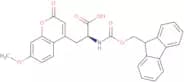
CAS:<p>Fmoc-b-(7-methoxy-coumarin-4-yl)-Ala-OH is a reagent with the CAS No. 524698-40-6, which is used in organic synthesis. It is a versatile building block and useful intermediate that can be used to synthesize other organic compounds. Fmoc-b-(7-methoxy-coumarin-4-yl)-Ala-OH is also used as a reaction component in the synthesis of peptides and proteins, as well as in the preparation of polymers. It has been shown to be an effective building block for complex compounds.</p>Fórmula:C28H23NO7Pureza:Min. 95%Forma y color:PowderPeso molecular:485.48 g/molFmoc-3-(2'-pyridyl)-L-alanine
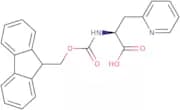
CAS:<p>Fmoc-3-(2'-pyridyl)-L-alanine is an acid molecule that has been shown to have anti-cancer properties. It is a polysaccharide polymer used in the preparation of polyvinyl alcohol and polyvinyl acetate. The phosphatase activity of Fmoc-3-(2'-pyridyl)-L-alanine was first observed in the 1970s, when it was found to be an effective inhibitor of acid phosphatase. This structural study has also revealed the effects of Fmoc-3-(2'-pyridyl)-L-alanine on cancer cells, which may be due to its ability to prevent cell division and genetic control. Fmoc-3-(2'-pyridyl)-L-alanine is also known as a monoclonal antibody that can bind to specific structures on cancer cells, such as antigens and receptors, which may be responsible for these effects.</p>Fórmula:C23H20N2O4Pureza:Min. 95%Forma y color:SolidPeso molecular:388.42 g/mol












![2-Amino-N-[2-(2-chlorobenzoyl)-4-nitrophenyl]acetamide](/_next/image/?url=https%3A%2Fstatic.cymitquimica.com%2Fproducts%2F3D%2Fthumb-webp%2FFA17795.webp&w=3840&q=75)