Estándares farmacéuticos
Subcategorías de "Estándares farmacéuticos"
- APIs para investigación e impurezas(276.454 productos)
- Activadores e inhibidores de enzimas(2.829 productos)
- Nitrosaminas(2.627 productos)
- Compuestos y metabolitos farmacéuticos y veterinarios(2.900 productos)
- Toxicología(13.513 productos)
Se han encontrado 7977 productos de "Estándares farmacéuticos"
Tiotropium bromide monohydrate
CAS:Muscarinic antagonist; bronchodilator
Fórmula:C19H22NO4S2•Br•H2OPureza:Min. 95%Forma y color:PowderPeso molecular:490.43 g/mol6,7-Dihydroxycoumarin-7-benzyl ether
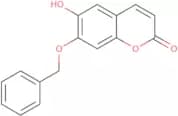
CAS:6,7-Dihydroxycoumarin-7-benzyl ether is an antioxidant compound with a variety of uses. It has been shown to have clastogenic effects in in vitro tests. 6,7-Dihydroxycoumarin-7-benzyl ether has also been used as a screening tool for antioxidants and has found use in the fields of medicine and natural sources. The chemical structure of 6,7-dihydroxycoumarin-7-benzyl ether is heterocyclic aromatic rings with two hydroxyl groups at positions 6 and 7 on the coumarin nucleus. This molecule has prooxidant activity and can be described using chemical descriptors such as molecular weight and logP values.
Fórmula:C16H12O4Pureza:Min. 95%Peso molecular:268.26 g/molRef: 3D-FD159105
Producto descatalogado3-Amino-4-methylbenzoic acid methyl ester
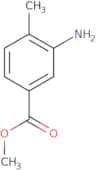
CAS:3-Amino-4-methylbenzoic acid methyl ester (3AMB) is an organic compound that is used as a reagent in the synthesis of amides. It can also be used to synthesize various heterocycles by reacting with aldehydes and ketones. 3AMB has been used as a substrate in assays for amines, yielding high yields. The compound's unsymmetrical structure can be attributed to the presence of different substituents on either side of the central carbon atom. 3AMB has been shown to inhibit metal ion enzymes such as dioxygenases and nitric oxide synthases, which are involved in the metabolism of nitric oxide and oxygen respectively. In addition, 3AMB has been shown to have anti-inflammatory properties and may be a potential candidate for use as an anticoagulant or antiplatelet drug.br>br>
br>br>
3AMB isFórmula:C9H11NO2Pureza:Min. 95%Forma y color:PowderPeso molecular:165.19 g/molD-Asparagine monohydrate
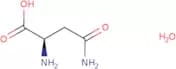
CAS:D-Asparagine monohydrate is a white crystalline powder that is soluble in water and has a molecular weight of 98.1 g/mol. It inhibits the growth of bacteria by preventing the formation of β-lactamase, which can lead to antibiotic resistance. D-Asparagine monohydrate is used as an additive in the preparation of polyacrylamide gel for electrophoresis and other purposes. It has been found that it can be used as an inhibitor of recombinant proteins, such as those produced by E. coli, with high kinetic activity. It also inhibits the crystallization process and growth rate of Mycobacterium licheniformis.
Fórmula:C4H8N2O3·H2OForma y color:White Off-White PowderPeso molecular:150.13 g/molAcetyl-L-tyrosine amide
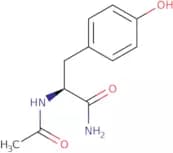
CAS:Acetyl-L-tyrosine amide is an analog of L-tyrosine that is used as an active substance in the field of uv absorption. Acetyl-L-tyrosine amide reacts with sodium hydroxide to form a soluble salt, which has been shown to have binding constants that are comparable to those of human serum. This compound also has fluorescence properties and can be used for the determination of neutral pH. The reaction products formed between acetyl-L-tyrosine amide and sodium hydroxide are hydrolyzed by acids and yield a molecule with rotameric properties. These rotameric properties can be modeled using a protein model without affecting the stability or function of the protein.
Fórmula:C11H14N2O3Pureza:Min. 95%Forma y color:PowderPeso molecular:222.24 g/molRef: 3D-FA47448
Producto descatalogadoDiazolidinyl urea
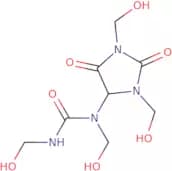
CAS:Diazolidinyl urea is a preservative used in cosmetics and pharmaceuticals. It is an antimicrobial agent that causes cell lysis by inhibiting the respiratory synthesis of bacteria. Diazolidinyl urea has been shown to be effective against Gram-positive and Gram-negative bacteria, yeast, and mold. The analytical method for diazolidinyl urea is well established, with detection limits of 0.1 ppm. Diazolidinyl urea is stable under normal conditions, but can be degraded by heat or pH changes. This preservative also inhibits microbial growth by reducing the availability of p-hydroxybenzoic acid (pHBA) and formaldehyde as substrates for bacterial metabolism. Diazolidinyl urea also prevents the formation of biofilms on wet surfaces and exhibits some anti-inflammatory effects.
Fórmula:C8H14N4O7Forma y color:PowderPeso molecular:278.22 g/molBis(2,2'-bipyridine)-4'-methyl-4-carboxybipyridine-ruthenium N-succinimidyl ester-bis(hexafluorophosphate)
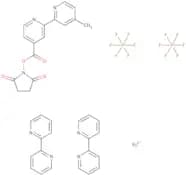
CAS:Bis(2,2'-bipyridine)-4'-methyl-4-carboxybipyridine-ruthenium N-succinimidyl ester-bis(hexafluorophosphate) is a molecule that inhibits the activity of matrix metalloproteinases. It binds to the active site of the enzyme and blocks its activity. This drug has been shown to be effective in inhibiting the activity of MMPs in cells, but not in tissue culture because it does not cross cell membranes. Bis(2,2'-bipyridine)-4'-methyl-4-carboxybipyridine-ruthenium N-succinimidyl ester-bis(hexafluorophosphate) has also been shown to have a low detection limit and can detect low levels of matrix metalloproteinase activity in cells.
Fórmula:C36H29F12N7O4P2RuPureza:Min. 95%Forma y color:PowderPeso molecular:1,014.66 g/molRef: 3D-FB29197
Producto descatalogado13-cis-Retinal - 95%
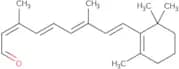
CAS:13-cis-Retinal is a natural compound that is a derivative of retinol. It is biologically active, and a precursor to retinoic acid. Retinal is synthesized from dietary vitamin A, and is converted to retinoic acid in the liver. Retinal binds to the receptor protein opsin, which initiates the photochemical conversion of light into nerve impulses. 13-cis-Retinal has been shown to be effective for restoring vision in people with retinitis pigmentosa and other degenerative diseases of the retina. This molecule also has anticancer properties that are due to its ability to inhibit cell division and induce apoptosis.
Fórmula:C20H28OPureza:(%) Min. 95%Forma y color:Yellow PowderPeso molecular:284.44 g/molRef: 3D-FR27712
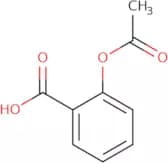
Producto descatalogadoAcetylsalicylic acid
CAS:Acetylsalicylic acid is a nonsteroidal anti-inflammatory drug that inhibits the production of prostaglandins, which are involved in the inflammatory response. Acetylsalicylic acid is used to prevent heart attacks or strokes. It has been shown to inhibit the migration of neutrophils and monocytes, with minimal toxicity. Acetylsalicylic acid also inhibits the binding of integrin receptors to their ligands on endothelial cells, which prevents platelet aggregation. The drug can cause drug interactions with other drugs such as clopidogrel and acetylsalicylic acid, which may lead to increased bleeding. Acetylsalicylic acid is a natural compound found in plants such as willow bark and meadowsweet. It has been shown to have analgesic and anti-inflammatory properties in mice studies, but there is not enough evidence for its effectiveness in humans.
Fórmula:C9H8O4Pureza:Min. 95%Forma y color:White PowderPeso molecular:180.16 g/molRef: 3D-FA17179
Producto descatalogadoCocamidopropyl betaine - aqueous solution
CAS:Mixture of C12–C18 acylamides with the major component cocamidopropyl betaine.
Fórmula:C19H38N2O3Forma y color:Colorless Clear LiquidPeso molecular:342.52 g/molRef: 3D-FC157264
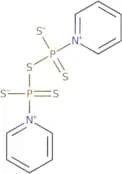
Producto descatalogadoPentathiodiphosphorus(V) acid P,P'bis(pyridinium betaine)
CAS:Please enquire for more information about Pentathiodiphosphorus(V) acid P,P'bis(pyridinium betaine) including the price, delivery time and more detailed product information at the technical inquiry form on this page
Fórmula:C10H10N2P2S5Forma y color:PowderPeso molecular:380.48 g/molCholesterol oleate
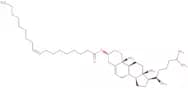
CAS:Producto controladoCholesterol oleate is a mixture of cholesterol and the fatty acid oleic acid. It is used as a pharmaceutical ingredient in the production of tablets for hyperproliferative diseases. Cholesterol oleate is enzymatically inactivated by esterase enzymes, which convert it to cholesteryl erucate. This product has been shown to be effective at inhibiting lipolysis and reducing body weight gain in rats with induced hyperlipidemia. Cholesterol oleate has been shown to have a neutral pH, making it suitable for use as an excipient with acidic or basic drugs. The phase transition temperature of cholesterol oleate is -30 °C, making it suitable for storage at room temperature. Cholesterol oleate has been used as a phase transfer agent in the manufacture of pharmaceutical preparations with high lipid content such as biologicals and vaccines.
Fórmula:C45H78O2Pureza:Min. 85%Forma y color:PowderPeso molecular:651.1 g/molRef: 3D-FC61961
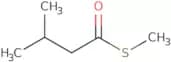
Producto descatalogadoS-Methylisovalerate
CAS:S-Methylisovalerate is a branched fatty acid that is an intermediate in the biosynthesis of valine. It has been isolated from Corynebacterium glutamicum and Brevibacterium sp. S-Methylisovalerate has been identified by gas chromatography/mass spectrometry (GC/MS) as a major component of the volatile organic compounds produced by strains of Corynebacterium glutamicum and Brevibacterium sp. The GC/MS profile of these strains consists mainly of ester compounds, such as methyl ethyl acetate and butyric acid.
Fórmula:C6H12OSPureza:Min. 95%Forma y color:Colorless Clear LiquidPeso molecular:132.22 g/molRef: 3D-FM35694
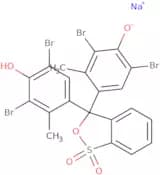
Producto descatalogadoBromocresol green, sodium salt
CAS:Bromocresol green is a dye that is used in biological assays to measure the kinetics of fluorescence. It is a type of tryptophan-releasing compound that releases a yellowish-green light when it absorbs light at wavelengths between 350 and 450 nm. Bromocresol green has been quantified by measuring the intensity of the fluorescence emission as a function of time. This can be done visually or using an instrument called a fluorometer, which detects changes in light intensity over time. Bromocresol green can be used to detect the presence of amino acid residues in proteins through protonation reactions with their tryptophan residues and subsequent quenching with acetonitrile. The bromocresol green dye is also used in lithographic printing, where it serves as an acceptor for electrons from an arene (aromatic hydrocarbon). This process generates energy for lithography and also provides contrast between regions with different electron densities.
Fórmula:C21H14Br4O5SNaForma y color:PowderPeso molecular:721 g/molRef: 3D-FB01465
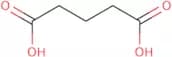
Producto descatalogadoGlutaric acid
CAS:Glutaric acid is a dinucleotide phosphate that exists in two forms: the alpha form, which has a high phase transition temperature and is insoluble in water; and the beta form, which has a low phase transition temperature and is soluble in water. Glutaric acid can be used as an analytical reagent to identify the type of nucleotides present in samples. It can also be used as an experimental solvent for other compounds that are not soluble in water. The toxicity of glutaric acid has been studied extensively and found to be low. This compound does not appear to have any adverse effects on human health or animals at doses up to 1g/kg body weight. Glutaric acid has been shown to have anti-infectious properties by inhibiting the growth of bacteria, fungi, and viruses. The effectiveness of glutaric acid against infectious diseases appears to depend on its ability to block protein synthesis by inhibiting enzymes such as glutathione reductase
Fórmula:C5H8O4Pureza:Min. 99 Area-%Forma y color:White PowderPeso molecular:132.11 g/molRef: 3D-FG02567
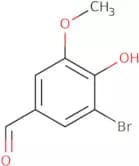
Producto descatalogado5-Bromovanillin
CAS:5-Bromovanillin is an antimicrobial agent that inhibits the growth of bacteria by binding to the enzyme vanillin. It is used as a natural compound, in which it can be found in plants and fruits such as Eugenia caryophyllata and Vanilla planifolia. 5-Bromovanillin has been shown to have a potent inhibitory effect on bacterial growth. The inhibitory effect of this compound is due to its ability to coordinate with the vanillin molecule, forming a complex that blocks the reaction mechanism of the enzyme. This complex also reacts with p-hydroxybenzoic acid, which disrupts the cell membrane and causes leakage of cellular contents. 5-Bromovanillin has been studied using surface methodology and electrochemical impedance spectroscopy (EIS). These studies demonstrated that 5-bromovanillin has a high affinity for methanol solvent and inhibitor molecules, which may contribute to its antimicrobial activity.
Fórmula:C8H7BrO3Pureza:Min. 95%Forma y color:Yellow PowderPeso molecular:231.04 g/molRef: 3D-FB10623
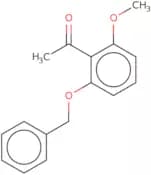
Producto descatalogado2-Benzyloxy-6-methoxyacetophenone
CAS:2-Benzyloxy-6-methoxyacetophenone is a high quality and versatile chemical that can be used as a reagent or building block in organic synthesis. It is an important intermediate in the synthesis of fine chemicals, pharmaceuticals, and other complex compounds. 2-Benzyloxy-6-methoxyacetophenone has been shown to be useful as a scaffold for the synthesis of novel complex molecules, such as speciality chemicals. The compound also has potential applications in research and development of new drugs.
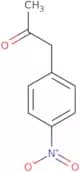
Fórmula:C16H16O3Pureza:Min. 95%Forma y color:PowderPeso molecular:256.3 g/mol(4-Nitrophenyl)acetone
CAS:4-Nitrophenylacetone is a hypoglycemic agent that is used for the treatment of diabetes mellitus. It has been shown to be effective in vivo and in vitro studies at low concentrations. The mechanism of action is not well understood, but it may have effects on insulin sensitivity and the release of insulin from pancreatic beta cells, as well as an effect on the liver. 4-Nitrophenylacetone has been shown to have organocatalytic properties that allow it to catalyze acylation reactions with acetanilides or amides. This reaction produces iminium ion intermediates that can be hydrolyzed by water to form a variety of products, including carboxylic acids, amides, and nitriles.
Fórmula:C9H9NO3Pureza:Min. 95%Forma y color:PowderPeso molecular:179.17 g/mol6-Amino-3,4-methylenedioxyacetophenone HCl
CAS:Please enquire for more information about 6-Amino-3,4-methylenedioxyacetophenone HCl including the price, delivery time and more detailed product information at the technical inquiry form on this page
Fórmula:C9H10ClNO3Pureza:Min. 95%Forma y color:PowderPeso molecular:215.63 g/molRef: 3D-FA70523
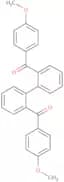
Producto descatalogado2,2'-Dianisoyl-diphenyl
CAS:2,2'-Dianisoyl-diphenyl is a chemical compound with the molecular formula C6H5C6H5. It has been used as a reagent in organic synthesis, and is useful in the preparation of various complexes. 2,2'-Dianisoyl-diphenyl is highly reactive and can be used as a scaffold for other reactions. This material can be used to make fine chemicals like dyes, pharmaceuticals, fragrances, and polymers. The CAS number for this compound is 20837-34-7.
Fórmula:C28H22O4Pureza:Min. 95%Peso molecular:422.47 g/molRef: 3D-FD66059
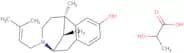
Producto descatalogadoPentazocine lactate
CAS:Producto controladoPentazocine lactate is an opioid that binds to the kappa-opioid receptor. It has a low potency and is used as an analgesic. Pentazocine lactate has been shown to be effective in the treatment of eosinophilic fasciitis, which is a rare inflammatory disease of the skin and soft tissue. Side effects for this drug include respiratory depression and sedation, constipation, nausea/vomiting, urinary retention, erythema multiforme, pruritus, erythema nodosum, thrombocytopenia, and fever. Pentazocine lactate may also interact with other drugs such as antidepressants or antipsychotics.
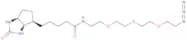
Fórmula:C19H27NO·C3H6O3Pureza:Min. 95%Peso molecular:375.5 g/molBiotin-PEG3-azide
CAS:Biotin-PEG3-azide is a PEG compound with two different functional groups (also known as heterobifunctional). Unlike homobifunctional PEG compounds (same functional group on both ends), this type of compounds are more versatile as have two different anchor points. Biotin-PEG3-azide is used as a linker and spacer to add a PEG moiety, via pegylation (a bioconjugation technique) to proteins, peptides, oligonucleotides, small molecules and nanoparticles.
Fórmula:C18H32N6O5SPureza:(¹H-Nmr) Min. 95 Area-%Forma y color:PowderPeso molecular:444.55 g/molL-Alanine-β-naphthylamide
CAS:L-alanine-β-naphthylamide is an amino acid that is synthesized by the action of β-Naphtholactamase on l-alanine. It is used as a substrate for enzyme studies and to determine the uptake of substances by cells. L-Alanine-β-naphthylamide has been shown to inhibit the activity of some enzymes, such as aminopeptidases and peptidases. The inhibition may be due to its ability to bind to lysine residues in the active site of these enzymes. This amino acid also inhibits the growth of bacteria at neutral pH and has a bacteriostatic effect at a pH range from 4.5 to 5.5.
Fórmula:C13H14N2OPureza:Min. 95%Forma y color:PowderPeso molecular:214.26 g/molRef: 3D-FA66171
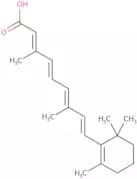
Producto descatalogadoall-trans-Retinoic acid
CAS:Producto controladoRetinoic acid receptor (RAR) agonist; inhibits melanocyte activity
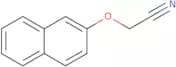
Fórmula:C20H28O2Pureza:Min. 95%Forma y color:Yellow PowderPeso molecular:300.44 g/mol2-(2-naphthyloxy)ethanenitrile
CAS:Please enquire for more information about 2-(2-naphthyloxy)ethanenitrile including the price, delivery time and more detailed product information at the technical inquiry form on this page
Fórmula:C12H9NOPureza:Min. 95%Forma y color:PowderPeso molecular:183.21 g/molRef: 3D-FN169055
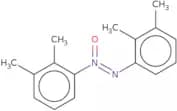
Producto descatalogado2,2',3,3'-Tetramethylazoxybenzene
CAS:2,2',3,3'-Tetramethylazoxybenzene is a chemical compound that is used as a reaction component in organic synthesis. It is also known as TMAB and has CAS number 19618-11-2. This chemical is useful for the production of pharmaceuticals and other chemicals because it can be used as a versatile building block to create complex compounds with interesting properties. It is also an intermediate or reagent for other chemicals. TMAB has been shown to have high purity and quality and can be used in research experiments.
Fórmula:C16H18N2OPureza:Min. 95%Peso molecular:254.33 g/molRef: 3D-FT66102
Producto descatalogado3, 3'- Dihydroxy- [1, 1'- biphenyl] - 4, 4'- dicarboxylic acid
CAS:3, 3'-Dihydroxy- [1, 1'-biphenyl] - 4, 4'-dicarboxylic acid (3,3'DHBA) is a versatile building block that can be used in the synthesis of various organic compounds. It is a necessary reagent for the production of high quality research chemicals and speciality chemicals. 3, 3'-Dihydroxy- [1, 1'-biphenyl] - 4, 4'-dicarboxylic acid has been reported to be useful as an intermediate in the synthesis of complex compounds with diverse applications. This compound has also been used as a reaction component for organic reactions. CAS No.: 861533-46-2.
Fórmula:C14H10O6Pureza:Min. 95%Forma y color:solid.Peso molecular:274.23 g/molRef: 3D-FD164941
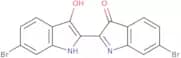
Producto descatalogado6,6'-Dibromoindigo
CAS:6,6'-Dibromoindigo is a substrate for enzymes that catalyze the oxidation of aromatic compounds. It can be used to measure the activity of these enzymes in biological samples. 6,6'-Dibromoindigo is also an inhibitor of human pathogens, such as Escherichia coli and Proteus mirabilis. It has been shown to have an apoptotic effect on certain cells in a model system and to inhibit HIV-1 protease. 6,6'-Dibromoindigo binds to the receptors of some bacteria and inhibits their growth by binding to cysteine residues within the bacterial cell wall. This binding prevents formation of the final product from 2 molecules of pyruvic acid, which inhibits oxidative phosphorylation and energy production by mitochondria.
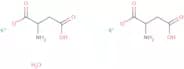
Fórmula:C16H8Br2N2O2Pureza:Min. 95%Forma y color:Purple PowderPeso molecular:420.06 g/molPotassium DL-aspartate hemihydrate
CAS:Potassium DL-aspartate hemihydrate is a versatile building block that can be used as a reagent and as a speciality chemical. It is useful for research and development, as well as for the production of high-quality compounds and intermediates. This compound can be used in organic synthesis reactions and has been shown to be useful in the construction of scaffolds.
Fórmula:C4H7NO4H2O·KPureza:Min. 95%Forma y color:White PowderPeso molecular:181.21 g/molRef: 3D-FP43133
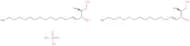
Producto descatalogadoD-erythro-Sphingosine (sulfate)
CAS:Protein kinase C inhibitor in platelets
Fórmula:C18H37NO2H2SO4Pureza:Min. 95%Forma y color:White To Off-White SolidPeso molecular:348.53 g/mol3-Nitrophthalic acid
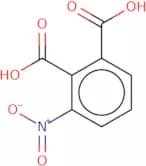
CAS:3-Nitrophthalic acid is an organic compound that has been used in biological studies. It has been shown to bind to DNA and RNA, which may be due to hydrogen bonding interactions with the nitrogen atoms. 3-Nitrophthalic acid is synthesized by reacting sodium carbonate with trifluoroacetic acid, resulting in a carboxylate group. This compound has photochemical properties and can be used as a photosensitizer for the treatment of certain forms of cancer. 3-Nitrophthalic acid reacts with oxygen and generates singlet oxygen, which results in cellular damage.
Fórmula:C8H5NO6Pureza:Min. 95%Forma y color:PowderPeso molecular:211.13 g/molRef: 3D-FN32321
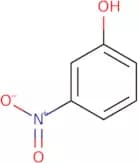
Producto descatalogado3-Nitrophenol
CAS:3-Nitrophenol is an organic compound that is used in wastewater treatment, specifically to remove nitrogenous compounds from the water. It reacts with a hydroxyl group and a nitro group to form a molecule with three nitro groups. The presence of this molecule in wastewater can lead to population growth, which may be reduced by thermal expansion. 3-Nitrophenol is also used as an electrode for gravimetric analysis of metals and as a reagent for the detection of sodium ions. This compound has been shown to have a ph optimum of 7.5, but will react with hydrogen bonds at any ph value.
Fórmula:C6H5NO3Pureza:Min. 95%Forma y color:PowderPeso molecular:139.11 g/molRef: 3D-FN52327
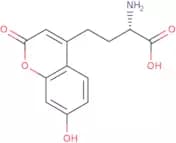
Producto descatalogadoL-(7-Hydroxycoumarin-4-yl) ethylglycine
CAS:L-(7-Hydroxycoumarin-4-yl) ethylglycine is a molecule that has been used as a model system to study the binding of inhibitors to enzymes. L-(7-Hydroxycoumarin-4-yl) ethylglycine binds to the enzyme synthetase and inhibits its activity. The inhibition of this enzyme prevents the formation of ATP, which is necessary for the synthesis of proteins. L-(7-Hydroxycoumarin-4-yl) ethylglycine also blocks transcription and translation by binding to DNA binding proteins and inhibiting ribosome function respectively. This agent is an antimicrobial agent that has shown activity against gram positive bacteria such as Staphylococcus aureus, Enterococcus faecalis, and Bacillus cereus, as well as gram negative bacteria such as Escherichia coli, Salmonella typhimurium, Pseudomonas aeruginFórmula:C13H13NO5Pureza:Min. 98 Area-%Forma y color:Red PowderPeso molecular:263.25 g/mol17-epi-Testosterone
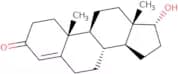
CAS:Producto controladoTestosterone is a steroid hormone that is produced in the ovaries and testes. It stimulates the development of male secondary sex characteristics, such as muscle growth and deepening of the voice. 17-epi-Testosterone is a metabolite of testosterone that has been shown to inhibit iron homeostasis and epithelial growth factor production in vitro. The concentration of 17-epi-Testosterone in human serum was found to be significantly lower than the concentration of testosterone using an LC-MS/MS method, which may be due to its affinity for binding proteins or its degradation by liver cells. 17-epi-Testosterone can be used as a marker for hepatocellular carcinoma.
Fórmula:C19H28O2Pureza:Min. 95 Area-%Forma y color:PowderPeso molecular:288.42 g/mol2,6-Dichlorocinnamic acid
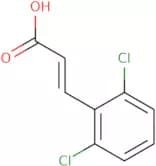
CAS:2,6-Dichlorocinnamic acid is an organic compound that is used as a reagent in the synthesis of other chemicals. 2,6-Dichlorocinnamic acid has been used as a component in the synthesis of various kinds of fine chemicals and useful building blocks. This chemical is also used as a speciality chemical and research chemical. 2,6-Dichlorocinnamic acid can be used as a versatile building block for the preparation of various compounds. It can be synthesized by heating cinnamic acid with chlorine gas and then reacting it with sodium hydroxide.
Fórmula:C9H6Cl2O2Pureza:Min. 95%Forma y color:PowderPeso molecular:217.05 g/molRef: 3D-FD63543
Producto descatalogado4-Nitrophthalonitrile
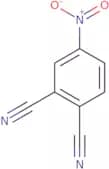
CAS:4-Nitrophthalonitrile is a chemical substance that can be synthesized by the reaction of sodium carbonate with 3,4,5-trimethoxybenzyl alcohol. It can also be prepared using nitro phenol and sodium hydroxide. 4-Nitrophthalonitrile has been shown to have high photochemical activity in the presence of light. The frequency shift of its infrared spectrum is indicative of a nucleophilic addition reaction mechanism. 4-Nitrophthalonitrile has been used as an intermediate for producing other chemicals, such as herbicides and pharmaceuticals.
Fórmula:C8H3N3O2Pureza:Min. 95%Forma y color:White PowderPeso molecular:173.13 g/molRef: 3D-FN36858
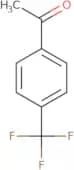
Producto descatalogado4'-(Trifluoromethyl)acetophenone
CAS:4'-(Trifluoromethyl)acetophenone is a phosphatase inhibitor that has been shown to have inhibitory activity against chemokines. Chemokines are a type of cytokine that are secreted by immune cells and play an important role in inflammation. 4'-(Trifluoromethyl)acetophenone has also been shown to have an effect on the cell membrane permeability of amines and 2-aminobenzyl alcohol, which are substrates for the enzyme. 4'-(Trifluoromethyl)acetophenone reacts with imidazole derivatives, such as trifluoride, forming hydrogen bonds between the two molecules. Kinetic studies have demonstrated that this reaction is reversible in solution at room temperature.
Fórmula:C9H7F3OPureza:Min. 95%Forma y color:PowderPeso molecular:188.15 g/molRef: 3D-FT28471
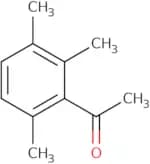
Producto descatalogado(2',3',6'-Trimethyl)acetophenone
CAS:2',3',6'-Trimethyl)acetophenone is an organic compound with the formula (CH3)2C=C(O)CH=CH2. It is a colorless liquid that is soluble in organic solvents. Its main use is as a precursor to carotenoids, such as astaxanthin and canthaxanthin. The compound has been used in the synthesis of phosphonium salts and related compounds. It has also been used as an intermediate in the preparation of chiral all-trans-retinal from cis-retinal.
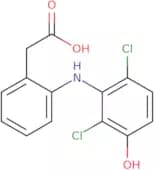
Fórmula:C11H14OPureza:Min. 95%Forma y color:PowderPeso molecular:162.23 g/mol3'-Hydroxydiclofenac
CAS:3'-Hydroxydiclofenac is a dichlorinated derivative of the nonsteroidal anti-inflammatory drug diclofenac. 3'-Hydroxydiclofenac inhibits the production of cytokines that are responsible for inflammation, and it has been shown to be effective in reducing pain and inflammation in patients with chronic hepatitis. In vitro tests have shown that 3'-hydroxydiclofenac does not have carcinogenic potential, but its safety profile has not been determined. 3'-Hydroxydiclofenac is metabolized by humans into monohydroxylated metabolites, which can be detected in urine samples. The metabolism of 3'-hydroxydiclofenac is similar to that of other drugs that are metabolized by humans into monohydroxylated metabolites.
Fórmula:C14H11Cl2NO3Pureza:Min. 95%Forma y color:PowderPeso molecular:312.15 g/molRef: 3D-FH71816
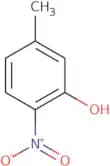
Producto descatalogado5-Methyl-2-nitrophenol
CAS:5-Methyl-2-nitrophenol is a phytotoxic chemical that is used as a synthetic intermediate in organic chemistry. It has been shown to have a high bioconcentration factor and can be found in wastewater. The major use of 5-methyl-2-nitrophenol is the synthesis of 2,4,6-trinitrophenylhydrazine (TNP) which is used as an analytical reagent for the determination of nitrates. The reaction mechanism of 5-methyl-2-nitrophenol involves intramolecular hydrogen transfer from the methylene group to the nitro group and subsequent elimination of HCl. This reaction product can be found by using analytical methods such as gas chromatography, mass spectrometry, or nuclear magnetic resonance spectroscopy. Functional groups on the reactant include phenols and nitro groups with the following endpoints: hydrochloric acid (HCl), kinetic method, and vapor pressure
Fórmula:C7H7NO3Pureza:Min. 95%Forma y color:PowderPeso molecular:153.14 g/molRef: 3D-FM70455
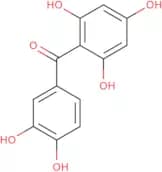
Producto descatalogado2,3',4,4',6-Pentahydroxybenzophenone - 85%
CAS:2,3',4,4',6-Pentahydroxybenzophenone - 85% is a chemical compound that functions as a hydroxybenzophenone derivative. It is synthesized through organic chemical processes involving aromatic hydroxylation. The compound exhibits specific light-absorbing characteristics, particularly in the ultraviolet (UV) range, making it a valuable tool in scientific studies focusing on photostability and the photophysical properties of materials.
Fórmula:C13H10O6Pureza:Min. 95%Forma y color:PowderPeso molecular:262.21 g/molRef: 3D-FP66805
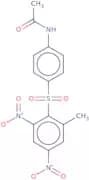
Producto descatalogado4-Acetamido-2',4'-dinitro-5'-methyldiphenyl sulphone
CAS:4-Acetamido-2',4'-dinitro-5'-methyldiphenyl sulphone is a high quality, versatile building block that is used as a reagent and complex intermediate. It can be used in the production of speciality chemicals, research chemicals and fine chemicals. 4-Acetamido-2',4'-dinitro-5'-methyldiphenyl sulphone is also a useful scaffold for the construction of new chemical compounds. This compound has been shown to be a reaction component in organic synthesis reactions.Fórmula:C15H13N3O7SPureza:Min. 95%Forma y color:Solid.Peso molecular:379.35 g/molRef: 3D-FA66900
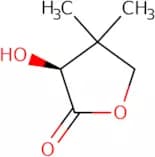
Producto descatalogadoD-Pantolactone
CAS:D-Pantolactone is a lactone that is produced by the bacterial strain Pantoea agglomerans. It is an intermediate in the biosynthesis of pantothenic acid and calcium pantothenate. D-Pantolactone has been shown to have inhibitory properties against HIV infection, but it is not active against other viruses. D-Pantolactone binds to the enzyme hydrolase and blocks the transfer of a proton from ATP to ADP, inhibiting the production of ATP and leading to cell death. The reaction solution for D-pantolactone can be analyzed using nuclear magnetic resonance spectroscopy (NMR) or high performance liquid chromatography (HPLC).
Fórmula:C6H10O3Pureza:Min. 98%Forma y color:White PowderPeso molecular:130.14 g/mol4-Azidocoumarin
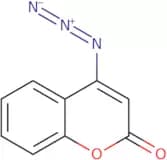
CAS:4-Azidocoumarin is a fluorescent molecule that binds to human serum albumin with a high affinity. The binding constants for the 4-azidocoumarin-albumin complexes are dependent on the pH and the concentration of the protein. It is also used as a fluorophore in research to study biomolecular interactions. 4-Azidocoumarin has an enhancement effect on other molecules, such as benzophenone, which fluoresces at a longer wavelength than it would without the presence of 4-azidocoumarin. The hydroxyl group of 4-azidocoumarin acts as an acceptor for electrons from other molecules, while the dipole constant determines how easily electrons can be transferred between molecules. The microenvironment around 4-azidocoumarin affects its fluorescence properties by influencing its electron transfer rate, which in turn depends on the distance between the donor and acceptor molecules and their relative orientation to
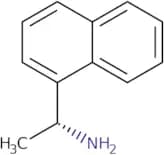
Fórmula:C9H5N3O2Pureza:Min. 97 Area-%Forma y color:Yellow PowderPeso molecular:187.16 g/mol(R)-(+)-1,1-Naphthyl ethylamine
CAS:(R)-(+)-1,1-Naphthyl ethylamine is a molecule that belongs to the class of chromatographic compounds. It has a carbonyl group, which is a substrate for amine modifiers and other chemical reactions. (R)-(+)-1,1-Naphthyl ethylamine can be used as a model system for epidermal growth factor (EGF) and chelate rings. The molecule has been shown to have growth factor activity, which may be due to its ability to bind to EGF receptors on cells.
Fórmula:C12H13NPureza:Min. 95%Forma y color:PowderPeso molecular:171.24 g/molRef: 3D-FN11785
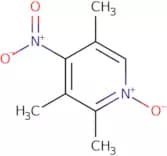
Producto descatalogado2,3,5-Trimethyl-4-nitropyridine 1-oxide
CAS:The reaction of 2,3,5-trimethyl-4-nitropyridine 1-oxide with hydrogen peroxide is an example of a peroxide reaction. The HOOH molecule is a nucleophilic and attacks the CNO group. This leads to the formation of a new bond between the oxygen and carbon atoms in the molecule. The oxygen atom then becomes an oxidizing agent, which can react with other molecules in order to form more products. In this reaction, hydrogen peroxide is used as an oxidizing agent to produce chlorine gas, water vapor, and nitric oxide gas. The reaction can be summarized as follows: 2CNO + 3HOOH → 4CO + 2O + 3N2O + 3HO2
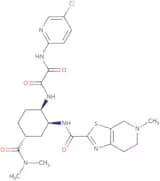
Fórmula:C8H10N2O3Pureza:Min. 95%Forma y color:PowderPeso molecular:182.18 g/molEdoxaban impurity I
CAS:Edoxaban impurity I is a fine chemical that is a useful building block, reagent, and speciality chemical. It is a complex compound that can be used as a reaction component or as an intermediate in the synthesis of other compounds. Edoxaban impurity I has CAS number 1255529-23-7, which identifies it as a high quality and versatile building block.
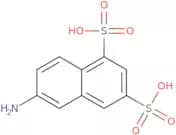
Fórmula:C24H30ClN7O4SPureza:Min. 95%Peso molecular:548.06 g/mol2-Aminonaphthalene-5,7-disulfonic acid
CAS:2-Aminonaphthalene-5,7-disulfonic acid (2ANDA) is a fluorescent and colorless compound that can be used as a tracer for wastewater treatment. 2ANDA is adsorbed onto the surface of suspended solids in wastewater and binds to the hydroxide ions. This binding causes an increase in fluorescence intensity, which can be detected with synchronous fluorescence spectroscopy. 2ANDA also has the ability to form ternary complexes with chloride ions and molecular ions such as sodium hydroxide solution, making it useful for wastewater treatment because it provides information about the concentration of these ions. 2ANDA is soluble in water and may hydrolyze at high pH levels. It has been shown to have good kinetic properties for wastewater treatment by adsorption on granular activated carbon (GAC).
Fórmula:C10H9NO6S2Pureza:Min. 95%Forma y color:PowderPeso molecular:303.31 g/molRef: 3D-FA41567
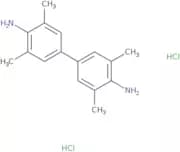
Producto descatalogado3,3',5,5'-Tetramethylbenzidine dihydrochloride dihydrate
CAS:3,3',5,5'-Tetramethylbenzidine dihydrochloride dihydrate is a hydrophilic, non-fluorescent, and water-soluble chemical that is used as an enzyme-linked immunosorbent assay (ELISA) substrate. It has been shown to be reactive with peroxide and hydrogen peroxide in vitro and in vivo. 3,3',5,5'-Tetramethylbenzidine dihydrochloride dihydrate also has peroxidase-like activity when interacting with monomers to form polymers. The monomers are recombinantly human proteins that have been modified to increase the molecule's solubility. This increased solubility increases the interaction of the monomers with oxidants such as hydrogen peroxide or peroxides.
Fórmula:C16H20N2·2HCl·2H2OPureza:Min. 95%Forma y color:PowderPeso molecular:349.3 g/molRef: 3D-FT00584
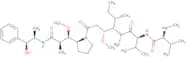
Producto descatalogadoMonomethyl auristatin E
CAS:Synthetic analog of dolastatin 10; cytotoxic; inhibits tubulin polymerization
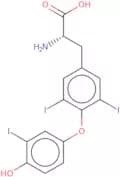
Fórmula:C39H67N5O7Pureza:Min. 98 Area-%Forma y color:White Off-White PowderPeso molecular:717.98 g/mol3,3',5-Triiodo-L-thyronine
CAS:Triiodothyronine (T3) is a thyroid hormone that has a high affinity for the thyrotropin receptor. It regulates the metabolic rate, cell specific transcriptional regulation, and transcriptional regulation of genes involved in fatty acid synthesis. T3 is synthesized from the amino acid tyrosine through a series of reactions catalyzed by enzymes such as tyrosine hydroxylase, thyroperoxidase, and type 2 iodothyronine deiodinase. The enzyme thyroid peroxidase converts inactive T3 to the active form of T3 (triiodothyronine). In addition, triiodothyronine can be converted to reverse T3 (rT3), which is inactive. Triiodothyronine has an optimal ph of 7.4-8.0 and an optimum igf-i concentration of 100 ng/ml, where it can stimulate growth hormone release from the anterior pituitary gland.
Fórmula:C15H12I3NO4Pureza:Min. 95 Area-%Forma y color:Off-White PowderPeso molecular:650.97 g/molRef: 3D-FT28506
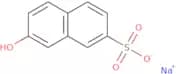
Producto descatalogado7-Hydroxy-2-naphthalene sulfonic acid sodium
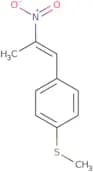
CAS:7-Hydroxy-2-naphthalene sulfonic acid sodium (7HNS) is a fluorescent probe that can be used for the detection of cross-links in collagen and elastin. The sensitivity of this compound is very high, with a detection limit of 1 pmol/ml. 7HNS binds to the lysine residues in collagen and elastin, forming covalent bonds that are detectable by fluorescence. It has been used in the analysis of tissues such as cartilage, bone, skin, and blood vessels.Fórmula:C10H7NaO4SPureza:Min. 93 Area-%Forma y color:PowderPeso molecular:246.22 g/mol1-(4-(Methylthio)phenyl)-2-nitropropene
CAS:Please enquire for more information about 1-(4-(Methylthio)phenyl)-2-nitropropene including the price, delivery time and more detailed product information at the technical inquiry form on this page
Fórmula:C10H11NO2SPureza:Min. 95%Forma y color:PowderPeso molecular:209.27 g/mol(+)-Biotin-(PEO)3-amine
CAS:(+)-Biotin-(PEO)3-amine is a PEG compound with two different functional groups (also known as heterobifunctional). Unlike homobifunctional PEG compounds (same functional group on both ends), this type of compounds are more versatile as have two different anchor points. (+)-Biotin-(PEO)3-amine is used as a linker and spacer to add a PEG moiety, via pegylation (a bioconjugation technique) to proteins, peptides, oligonucleotides, small molecules and nanoparticles.
Fórmula:C16H30N4SO4Pureza:Min. 95 Area-%Forma y color:White Off-White PowderPeso molecular:374.5 g/molBromocresol purple
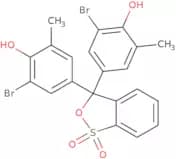
CAS:Bromocresol purple is a hydrophilic dye that has applications in indicating pH and measuring serum albumin concentrations.
Fórmula:C21H16Br2O5SPureza:Min. 95%Forma y color:PowderPeso molecular:540.22 g/mol2-Amino-4,8-naphthalenedisulfonic acid
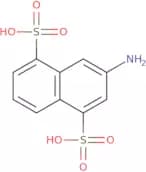
CAS:2-Amino-4,8-naphthalenedisulfonic acid is a structural analog of the natural amino acid phenylalanine. It is an inhibitor of the enzyme tyrosinase, which participates in the oxidation of dopamine to DOPA and subsequent conversion to melanin. 2-Amino-4,8-naphthalenedisulfonic acid has been shown to inhibit the growth of probiotic bacteria and can be used as a food additive. The compound also inhibits the oxidation catalyst that is required for some analytical chemistry tests. 2-Amino-4,8-naphthalenedisulfonic acid has been shown to have toxicological properties in animal studies and this toxicity is exacerbated by its ability to bind with pyridine nucleotides found in cells. The toxicological effects are thought to be related to the inhibition of protein synthesis that leads to cell death.
Fórmula:C10H9NO6S2Pureza:Min. 95%Forma y color:PowderPeso molecular:303.31 g/molRef: 3D-FA40997
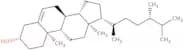
Producto descatalogado22,23-Dihydrobrassicasterol
CAS:Producto controlado22,23-Dihydrobrassicasterol is a sterol present in rhizoma gastrodiae that has been shown to inhibit the growth of oral pathogens. It also has been found to have cholesterol-lowering effects and can be used as an antimicrobial agent to treat gastrointestinal diseases. 22,23-Dihydrobrassicasterol has been found to have inhibitory effects on human serum processes such as the process of producing fibroblasts and on physiological functions such as the inhibition of hepatic steatosis. The pharmacokinetic properties of this drug are not well understood, but it appears to be absorbed from the gut and excreted in urine.
Fórmula:C28H48OPureza:Min. 95%Peso molecular:400.68 g/mol1-(2,4,6-Trimethylphenyl)-2-nitropropene
CAS:1-(2,4,6-Trimethylphenyl)-2-nitropropene is a high quality chemical intermediate that can be used as a reagent in the synthesis of complex compounds. It has been shown to react with alcohols to form nitroalkenes and with amines to form nitroamines. This chemical also has application as a building block for pharmaceuticals, speciality chemicals, research chemicals, and versatile building blocks for organic synthesis. The compound is available in bulk amounts and can be used as a reaction component in many organic syntheses.
Fórmula:C12H15NO2Pureza:Min. 95%Peso molecular:205.25 g/molRef: 3D-FT65840
Producto descatalogado4-[2'-(7''-Deazaguanine)ethyl]benzoic acid N-hydroxysuccinimide ester
CAS:4-[2'-(7''-Deazaguanine)ethyl]benzoic acid N-hydroxysuccinimide ester is a useful intermediate in the synthesis of 7''-deazaguanine, which is a key building block in the synthesis of DNA. 4-[2'-(7''-Deazaguanine)ethyl]benzoic acid N-hydroxysuccinimide ester is a versatile building block that can be used in the synthesis of complex compounds. It has been shown to react with amines, sulfonyl chlorides, and epoxides to form amides, sulfonamides, and epoxy amines respectively. The CAS number for this compound is 204257-65-8.Fórmula:C19H17N5O5Pureza:Min. 95%Peso molecular:395.37 g/molRef: 3D-FD20837
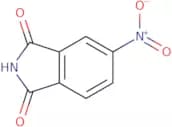
Producto descatalogado4-Nitrophthalimide
CAS:4-Nitrophthalimide is a nitroimidazole compound that has been shown to be active against bacterial strains belonging to the group P2. It is also soluble in organic solvents such as chloroform, ethanol, and acetone. 4-Nitrophthalimide has been used for experimental solubility data and as a pharmaceutical preparation. The reaction of 4-nitrophthalimide with diazonium salt produces 3-nitrophthalic anhydride, which is then hydrolyzed by hydrochloric acid to form nitrobenzene. This reaction can be monitored using fluorescence resonance spectroscopy.
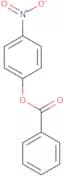
Fórmula:C8H4N2O4Pureza:Min. 95%Forma y color:PowderPeso molecular:192.13 g/mol4-Nitrophenyl benzoate
CAS:4-Nitrophenyl benzoate is a reactive molecule that can react with oxygen nucleophiles and hydroxyl groups. 4-Nitrophenyl benzoate is formed by the acylation reaction between an amine and a phenol, which is catalyzed by acid, base, or heat. This reaction mechanism can be explained by the formation of a hydrogen bond between the amine and the phenol. The kinetic data for this reaction have been measured using fluorescence measurements, and it has been shown that the reaction rate increases as temperature increases.
Fórmula:C13H9NO4Pureza:Min. 96 Area-%Forma y color:PowderPeso molecular:243.21 g/molRef: 3D-FN55221
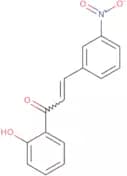
Producto descatalogado2'-Hydroxy-3-nitrochalcone
CAS:2'-Hydroxy-3-nitrochalcone is a yellow crystalline solid that has been shown to have an antiviral effect against HIV and herpes simplex virus. The crystal structure of 2'-hydroxy-3-nitrochalcone has been determined using x-ray crystallography. The compound is structurally similar to other antiviral agents, such as acyclovir, valacyclovir, and penciclovir.
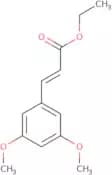
2'-Hydroxy-3-nitrochalcone inhibits the viral DNA polymerase by competing with the nucleotide cofactor at the enzyme active site. This leads to a reduction in viral DNA synthesis and an inhibition of cell proliferation.Fórmula:C15H11NO4Pureza:Min. 95%Forma y color:PowderPeso molecular:269.25 g/mol3,5-Dimethoxycinnamic acid methyl ester
CAS:Please enquire for more information about 3,5-Dimethoxycinnamic acid methyl ester including the price, delivery time and more detailed product information at the technical inquiry form on this pageFórmula:C12H14O4Pureza:Min. 95%Peso molecular:222.24 g/molRef: 3D-FD67492
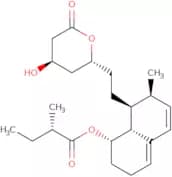
Producto descatalogadoMevastatin
CAS:Mevastatin is a drug that inhibits the synthesis of cholesterol and has been used to treat hypercholesterolemia. It binds to the hydroxyl group at position 3 on the mevalonate molecule, which prevents the formation of 3-hydroxy-3-methylglutaryl coenzyme A (HMG CoA) and consequently reduces the production of cholesterol. Mevastatin has been shown to inhibit mitochondrial functions in wild-type strain yeast cells and myeloma cell lines, which may be due to receptor activity. In addition, it has been shown to induce neuronal death in a polymerase chain reaction assay by inhibiting DNA synthesis.
Fórmula:C23H34O5Pureza:Min. 95%Forma y color:PowderPeso molecular:390.51 g/molRef: 3D-FM25991
Producto descatalogado3,3',5-Triiodo thyroacetic acid
CAS:3,3',5-Triiodo thyroacetic acid is a synthetic thyroid hormone that acts as a thyroid hormone receptor agonist. It binds to the thyroid hormone receptor, leading to the activation of other transcription factors and increased synthesis of proteins. 3,3',5-Triiodo thyroacetic acid has been shown to increase the metabolic rate in rats by increasing the expression of epidermal growth factor in skin cells and signal transduction in nerve cells. This drug also causes an increase in transcriptional regulation and protein synthesis. 3,3',5-Triiodo thyroacetic acid does not have any known side effects or toxicity.
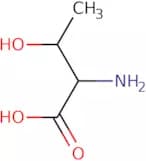
Fórmula:C14H9I3O4Pureza:Min. 95%Forma y color:White Off-White PowderPeso molecular:621.93 g/molDL-Threonine
CAS:DL-Threonine (or 2-amino-3-hydroxybutanoic acid), is an essential, non-protein amino acid naturally occurring in the human body and it is involved in many biological processes. DL-threonine takes part in the conversion of glycogen into the glucose pathway, supports muscle tissue maintenance and growth, and plays a key role in regulating levels of other amino acids. In addition, DL-threonine helps to provide protection against heat, reduce tiredness and lowers blood pressure. It is an important source of energy for the liver and has been shown to be effective in stimulating liver function, as well as, to have a protective effect against various diseases, including hepatitis and cirrhosis. The liver uses DL-Threonine to produce other amino acids and helping in protein synthesis, such as insulin. The human body can produce DL-threonine from serine by threonine synthase, but not enough to meet the body's needs and thus it must be obtained from food sources or supplements. DL-Threonine can be found in many foods including meat, eggs, soybeans, and dairy products. It can chelate metal cations to improve the absorption of minerals from supplements, which is used in fertilizers for agriculture.
Fórmula:C4H9NO3Pureza:Min 98%Forma y color:PowderPeso molecular:119.12 g/molRef: 3D-FT08811
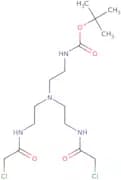
Producto descatalogado2N-Boc-2',2''-triaminotriethylamine-bis(chloroacetamide)
CAS:2N-Boc-2',2''-triaminotriethylamine-bis(chloroacetamide) is a fine chemical and reagent for the synthesis of pharmaceuticals. It is also a useful building block for the synthesis of complex compounds. This product can be used as a reaction component in organic chemistry, or it can be used as a reagent in research or development laboratories.
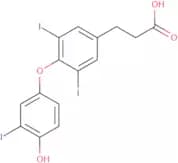
Fórmula:C15H28Cl2N4O4Pureza:Min. 95%Peso molecular:399.31 g/mol3,3',5-Triiodo thyropropionic acid
CAS:Triiodothyropropionic acid is a metabolite of thyroxine, an important hormone that regulates the basal metabolic rate. It has been shown to be involved in the repair mechanism of cardiac and liver cells. Triiodothyropropionic acid is also a major metabolite of thyroxine and it is produced by the action of hydroxylases on thyroxine with water vapor as the substrate. This compound has been shown to increase cardiac function and improve heart tissue repair at physiological levels. The uptake, distribution, and excretion of triiodothyropropionic acid are similar to those for thyroxine. The metabolism of triiodothyropropionic acid occurs mainly in the liver, where it is converted into fatty acids such as 3-hydroxybutyric acid. Triiodothyropropionic acid has been shown to have effects on protein genes and rat liver microsomes.
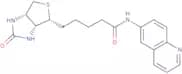
Fórmula:C15H11I3O4Pureza:Min. 95%Forma y color:PowderPeso molecular:635.96 g/molBiotinyl-6-aminoquinoline
CAS:Biotinyl-6-aminoquinoline is a synthetic chemical that has been shown to inhibit the growth of cancer cells in laboratory mice. It was synthesized to be a substrate for the enzyme quinolinate synthase, which is involved in the synthesis of nicotinic acid. Biotinyl-6-aminoquinoline is an analytical method that has been used in urinary samples from patients with bladder cancer as well as healthy individuals. The sequences of each individual were determined and analyzed using an algorithm that performs logistic regression, which can predict whether or not the patient has bladder cancer.
Fórmula:C19H22N4O2SPureza:Min. 95 Area-%Forma y color:PowderPeso molecular:370.47 g/mol4-Carboxycinnamic acid
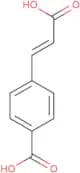
CAS:4-Carboxycinnamic acid is an organic compound that is a derivative of cinnamic acid. It is a colorless solid that is soluble in organic solvents and has high resistance to environmental pollution. 4-Carboxycinnamic acid has been shown to have photocatalytic activity in the presence of UV radiation, with a quantum yield of 0.2% at 365 nm. It also exhibits fluorescence properties, but these are not as strong as the parent compound, cinnamic acid. 4-Carboxycinnamic acid has functional groups that can be activated by hydrogen bonding interactions and uptake into cells. This compound also reacts with sulfonic acids to form sulfinic acids and hydrochloric acid to form chlorocinnamic acids. Chronic pulmonary effects were observed in animals after inhalation of this substance for 30 minutes per day for 10 days. X-ray crystal structures have been determined for 4-carboxycinnamic acid and its
Fórmula:C10H8O4Pureza:Min. 95%Forma y color:PowderPeso molecular:192.17 g/molEthyl Dichlorophosphate
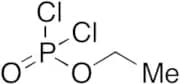
CAS:Producto controladoFórmula:C2H5Cl2O2PForma y color:White to Off-White SolidPeso molecular:162.94Guanosine-5'-triphosphate Disodium Salt (~85%)
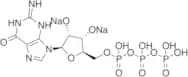
CAS:Producto controladoApplications Guanosine-5'-triphosphate disodium salt (CAS# 56001-37-7) is a nucleotide used in the preparation of photoreactive GTP affinity probes, and in inhibitors of eukaryotic initiation factor eIF-4E.
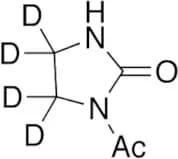
References George Cisar, E. A.; J. Am. Chem. Soc., 135, 4676 (2013); Ghosh, P.; et al.: Bioorg. Med. Chem. Lett., 16, 750 (2006).Fórmula:C10H14N5O14P3Na2Pureza:~85%Forma y color:NeatPeso molecular:567.14N-Acetylethylene Urea-d4
CAS:Producto controladoApplications N-Acetylethylene Urea-d4 (cas# 1189701-94-7) is a compound useful in organic synthesis.
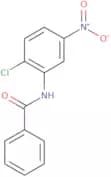
Fórmula:C5H4H4N2O2Forma y color:NeatPeso molecular:132.15N-(2-Chloro-5-Nitrophenyl)Benzamide
CAS:Please enquire for more information about N-(2-Chloro-5-Nitrophenyl)Benzamide including the price, delivery time and more detailed product information at the technical inquiry form on this page
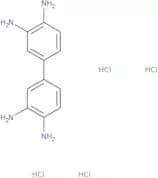
Fórmula:C13H9ClN2O3Pureza:Min. 95%Forma y color:PowderPeso molecular:276.67 g/mol3,3'-Diaminobenzidine tetrahydrochloride
CAS:3,3'-Diaminobenzidine tetrahydrochloride or DAB hydrochloride is the hydrochloride salt of biphenyl tetra-aniline. DAB hydrochloride is a water-soluble formulation of DAB and is used in immunohistochemical staining of nucleic acids and proteins. DAB hydrochloride is used in Alzheimer's disease research, Aβ protein amyloid plaques are targeted by a primary antibody, and subsequently by a secondary antibody, which is conjugated with a peroxidase enzyme. This will bind DAB as a substrate and oxidize causing a colour change. 3,3’-Diaminobenzidine tetrahydrochloride is also available as the tetrahydrochloride hydrate and as the free base.
Fórmula:C12H14N4•4HClPureza:Min. 95%Forma y color:Off-White PowderPeso molecular:360.12 g/molRef: 3D-FD11034
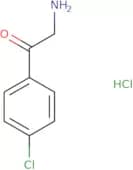
Producto descatalogado2-Amino-4'-chloroacetophenone hydrochloride
CAS:Producto controlado2-Amino-4'-chloroacetophenone hydrochloride is a cytotoxic compound that inhibits the polymerization of tubulin. It has been shown to have cytotoxic effects and inhibit the growth of cancer cells in vitro at low micromolar concentrations. 2-Amino-4'-chloroacetophenone hydrochloride is a member of the cytotoxic class of compounds and can be used to slow or stop cell division by inhibiting the production of proteins vital for cell division, such as tubulin. This effect is due to its ability to bind to the beta subunit of tubulin, which disrupts its structure and prevents polymerization from occurring.
Fórmula:C8H8ClNO•HClPureza:Min. 95%Forma y color:PowderPeso molecular:206.07 g/molRef: 3D-FA55395
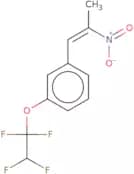
Producto descatalogado3'-(Tetrafluoroethoxy)-beta-methyl-beta-nitrostyrene
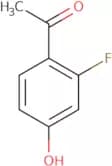
CAS:3'-(Tetrafluoroethoxy)-beta-methyl-beta-nitrostyrene is a versatile building block that can be used as a reaction component for the synthesis of more complex compounds. This compound is also known to have speciality chemical and research chemical properties. 3'-(Tetrafluoroethoxy)-beta-methyl-beta-nitrostyrene has been shown to be an effective reagent for the synthesis of high quality complex compounds.Fórmula:C11H9F4NO3Pureza:Min. 95%Peso molecular:279.19 g/mol2'-Fluoro-4'-hydroxyacetophenone
CAS:2'-Fluoro-4'-hydroxyacetophenone is a glycosylated molecule that is used in phase transfer catalysis. It is a glycoside that can undergo the glycosylation reaction and can be used as a phase transfer reagent. 2'-Fluoro-4'-hydroxyacetophenone has been studied for its potential use in the synthesis of xylosides and selenadiazoles. In addition, it has shown anti-inflammatory properties, which may be due to its inhibition of prostaglandin synthesis.
Fórmula:C8H7FO2Pureza:Min. 95%Peso molecular:154.14 g/molRef: 3D-FF64528
Producto descatalogadorec Neurotrophin-3 (human)
Please enquire for more information about rec Neurotrophin-3 (human) including the price, delivery time and more detailed product information at the technical inquiry form on this page
Pureza:Min. 95%Sodium N-lauroylsarcosinate
CAS:Sodium N-lauroylsarcosinate is a surfactant that is used in water treatment, wastewater treatment, and as a detergent. It is also used as an analytical tool for the titration calorimetry of sodium salts. Sodium N-lauroylsarcosinate is a sodium salt that belongs to the group of sodium salts. It has been shown to have biological properties such as permeability through human serum and biodegradability. The salt form of this compound has an electrochemical impedance spectrum which can be used to identify it.
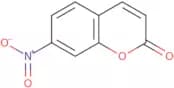
Fórmula:C15H28NNaO3Pureza:Min. 94%Forma y color:White Off-White PowderPeso molecular:293.38 g/mol7-Nitrocoumarin
CAS:7-Nitrocoumarin is an agent that inhibits the growth of protozoa by inhibiting enzyme activities, specifically those involved in glycolysis. It has been shown to be a potent inhibitor of surface proteins and functional assays. 7-Nitrocoumarin is also active against trophozoites in vitro. The compound has been shown to be nontoxic to mammalian cells, with a constant of 0.3 μM for inhibition of resazurin reduction. The mechanism of action for 7-nitrocoumarin is not well understood, but it may involve oxidation products such as nitro groups, which are indicated by the prefix '7-'.
Fórmula:C9H5NO4Pureza:Min. 95%Forma y color:PowderPeso molecular:191.14 g/molRef: 3D-FN26298
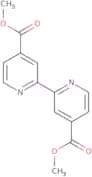
Producto descatalogado4,4'-Bis(methoxycarbonyl)-2,2'-bipyridine
CAS:4,4'-Bis(methoxycarbonyl)-2,2'-bipyridine is a ligand that can be used in cross-coupling reactions. It has been shown to bind to metal ions and form complexes with the ligands. 4,4'-Bis(methoxycarbonyl)-2,2'-bipyridine has a constant value for maximizing the yield of the reaction and is luminescent. This product also has photophysical properties that allow it to be utilized in voltammetry studies. The transfer of this product can be optimized by using chromophores or catalysis. 4,4'-Bis(methoxycarbonyl)-2,2'-bipyridine provides a means for cross-coupling reactions using electrochemical studies and dichroism.
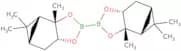
Fórmula:C14H12N2O4Pureza:Min. 95%Forma y color:PowderPeso molecular:272.26 g/mol(-)-Bis(pinanediolato)diboron
CAS:(-)-Bis(pinanediolato)diboron is a reactive component that can be used as a reagent. It reacts with alkenes to form pinacolboronates, which are useful for the synthesis of complex compounds. (-)-Bis(pinanediolato)diboron is also an intermediate in the synthesis of diboronic acid and pinacolborane. This compound has broad utility as a building block, scaffold, or intermediate in organic synthesis.
-Pinanediolato boron is also a versatile building block that can be used to synthesize many other chemical compounds. For example, it can be used as an intermediate to synthesize (-)-pinanediol and 3-hydroxy-1-methylpyridinium iodide (3HMPI), which are speciality chemicals.
-Pinanediolato boron is also an excellent building block for organic synthesis due to its abilityFórmula:C20H32B2O4Pureza:Min. 95%Forma y color:White SolidPeso molecular:358.09 g/molRef: 3D-FB76423
Producto descatalogadoSulfosuccinimidyl 3-[[2-(biotinamido)ethyl] dithio]propionate sodium salt
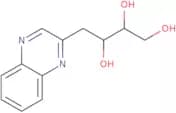
CAS:Sulfosuccinimidyl 3-[[2-(biotinamido)ethyl] dithio]propionate sodium salt (BSP) is a biotin-avidin binding molecule that forms a covalent linkage with the antigen and antibody. It is used in immunoassays to detect specific antigens or antibodies in biological samples. BSP is manufactured by reacting carbodiimide hydrochloride with sulfosuccinic acid. The product can be used for a variety of immunoassays such as enzyme-linked immunosorbent assays, real-time polymerase chain reaction, and immunohistochemistry. The sensitivity of this product has been shown to be greater than those of other detection methods such as Western blotting.Fórmula:C19H27N4NaO9S4Pureza:Min. 95%Forma y color:White Off-White PowderPeso molecular:606.69 g/mol2-(2',3',4'-Trihydroxybutyl)quinoxaline
CAS:2-(2',3',4'-Trihydroxybutyl)quinoxaline is a model system for the glyoxal-glycolaldehyde reaction. This reaction is important in the formation of organic acids and hydroxycarbonyl compounds. The kinetic of this reaction has been studied using glyoxal, glycolaldehyde, and hydroxycarboxylic acid as substrates. Reaction intermediates were identified by multiresponse techniques. Kinetic parameters were determined by modelling and kinetic experiments at different temperatures and concentrations.
Fórmula:C12H14N2O3Pureza:Min. 95%Forma y color:Off-White PowderPeso molecular:234.25 g/molRef: 3D-FT28497
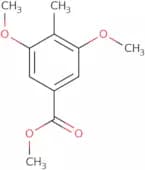
Producto descatalogado3,5-Dimethoxy-4-methylbenzoic acid methyl ester
CAS:3,5-Dimethoxy-4-methylbenzoic acid methyl ester (DMMBME) is a synthetic compound that is used as an immunogen to generate antibodies against fungal proteins. DMMBME is specifically used to identify the presence of bryoria and australian fungi in plants. The chemical structure of DMMBME can be oxidized by depsidones, which leads to the production of reactive oxygen species that are believed to be responsible for the oxidative coupling of target proteins. This reaction can be catalyzed by a number of enzymes such as nidulin, which is found in plant roots.
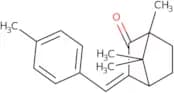
Fórmula:C11H14O4Pureza:Min. 95%Forma y color:PowderPeso molecular:210.23 g/mol3-(4-Methylbenzylidene)camphor
CAS:3-(4-Methylbenzylidene)camphor is a chemical compound that has two isomers, alpha and beta. It can be found in biological samples, such as human urine or wastewater, and can be used for the treatment of skin cancer. 3-(4-Methylbenzylidene)camphor is prepared by extraction from a dry sample with an organic solvent. The extraction process requires a hydroxyl group to react with the dry sample and create a liquid. The resulting liquid is then evaporated to leave behind the extract. The kinetic data of 3-(4-Methylbenzylidene)camphor was determined by measuring its rate of reaction with an analytical method. The rate of reaction increased as the concentration increased to a constant value at high concentrations, which suggests that it may have some occlusive properties in humans due to its tendency to bind to plasma proteins.
Fórmula:C18H22OPureza:Min. 95%Forma y color:White PowderPeso molecular:254.37 g/molRef: 3D-FM25793
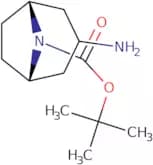
Producto descatalogadoN-Boc-endo-3-aminotropane
CAS:N-Boc-endo-3-aminotropane is a useful building block for the synthesis of a variety of chemical compounds. It is a versatile intermediate for the synthesis of diverse chemical compounds and is also used in research as a reagent. N-Boc-endo-3-aminotropane has been shown to be highly reactive and to undergo many reactions, including nucleophilic substitution and addition reactions. The compound can be reacted with alkyl halides to form amines, or with nitroalkanes to form oximes. N-Boc-endo-3-aminotropane can also react with anhydrides or acid chlorides to form carboxylic acids, or with sulfonyl chlorides to form sulfonamides. This compound also reacts with thiols or alcohols to form thioethers and ethers respectively.
Fórmula:C12H22N2O2Pureza:Min. 95%Forma y color:White PowderPeso molecular:226.32 g/molRef: 3D-FB71481
Producto descatalogado3,5-Dinitrosalicylic acid sodium
CAS:3,5-Dinitrosalicylic acid sodium is an inorganic compound that is used as a biochemical reagent. It can be used to measure the phosphatase activity of muscle and liver samples, as well as to determine the level of autophagy in cells. 3,5-Dinitrosalicylic acid sodium has been shown to inhibit the activity of a number of enzymes, including acid phosphatase and thiourea. When combined with chloroplast or mitochondria, it can be used to determine the rate of electron transport chain. 3,5-Dinitrosalicylic acid sodium binds to sulfhydryl groups on proteins and prevents them from being used for other purposes. This process optimization leads to engulfment followed by lysosomal degradation.
Fórmula:C7H3N2NaO7Pureza:Min. 95%Forma y color:PowderPeso molecular:250.1 g/molRef: 3D-FD70879
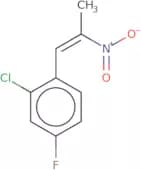
Producto descatalogado1-(2-Chloro-4-fluorophenyl)-2-nitropropene
CAS:1-(2-Chloro-4-fluorophenyl)-2-nitropropene is a versatile building block that can be used to produce a variety of compounds with various properties. It is a high quality, reagent grade chemical that is useful for research and development purposes. This compound has been shown to be an effective intermediate in the synthesis of complex compounds, such as pharmaceuticals and pesticides.
Fórmula:C9H7ClFNO2Pureza:Min. 95%Peso molecular:215.61 g/molRef: 3D-FC65821
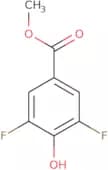
Producto descatalogado3,5-Difluoro-4-hydroxybenzoic acid methyl ester
CAS:3,5-Difluoro-4-hydroxybenzoic acid methyl ester (DFHBME) is a chemical compound that belongs to the class of useful building blocks. It is used in research as a reagent and in the synthesis of various complex compounds. DFHBME reacts with nucleophiles such as amines or alcohols to produce useful intermediates or scaffolds for organic synthesis. This compound is also useful as a speciality chemical due to its high quality and versatility.
Fórmula:C8H6F2O3Pureza:Min. 95%Forma y color:PowderPeso molecular:188.13 g/molRef: 3D-FD66549
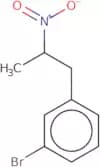
Producto descatalogado1-(3-Bromophenyl)-2-nitropropane
CAS:1-(3-Bromophenyl)-2-nitropropane is a fine chemical that is used as a building block in the synthesis of complex organic compounds. It can be used as a reagent and speciality chemical with high quality. 1-(3-Bromophenyl)-2-nitropropane is versatile for use in reactions, such as coupling reactions, because it can be used as an intermediate or scaffold to create many different compounds. CAS No.: 155988-18-4
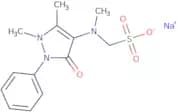
Fórmula:C9H10BrNO2Pureza:Min. 95%Peso molecular:244.09 g/molDipyrone
CAS:Dipyrone is an anti-inflammatory and analgesic drug that belongs to the group of non-steroidal anti-inflammatory drugs. It has been shown to inhibit the production of prostaglandins, which are involved in inflammation, by inhibiting cyclooxygenase. The polymerase chain reaction (PCR) method is a biochemical technique used to amplify a segment of DNA, typically for use as a genetic marker or for cloning a particular gene. A PCR assay can be used to detect the presence of bacterial DNA in a sample. Dipyrone has been shown to possess chemiluminescence activity, which is indicative of its ability to bind with DNA. This binding inhibits transcription and replication and may be responsible for the toxic effects on epidermal cells observed in animal studies. Dipyrone also has been shown to have anti-inflammatory activities through its inhibition of cyclooxygenase and its ability to inhibit neutrophil migration and function.
Fórmula:C13H16N3NaO4SPureza:Min. 95%Forma y color:White SolidPeso molecular:333.34 g/molRef: 3D-FD22539
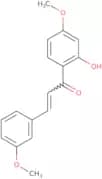
Producto descatalogado3,4'-Dimethoxy-2'-hydroxychalcone
CAS:3,4'-Dimethoxy-2'-hydroxychalcone is a reaction component and useful scaffold for the synthesis of complex compounds. This chemical is an intermediate in the synthesis of various pharmaceuticals, such as anti-tuberculosis drugs, cancer chemotherapeutics and antibiotics. 3,4'-Dimethoxy-2'-hydroxychalcone has been shown to be a versatile building block that can be used to synthesize both natural products and pharmaceuticals. This compound also has a wide range of applications in the production of fine chemicals.
Fórmula:C17H16O4Pureza:Min. 95%Peso molecular:284.31 g/molSodium sarcosinate - ca. 40% in water
CAS:Sodium sarcosine is a salt of sarcosine with sodium. It has an average molecular weight of 255 and is soluble in water. Sodium sarcosine is used as a biological sample for non-steroidal anti-inflammatory drugs (NSAIDs) in the study of their inhibitory properties against mammalian DNA polymerase. NSAIDs are also used to treat inflammation, pain, and fever by inhibiting prostaglandin synthesis. The rate constant for the reaction between NSAIDs and DNA polymerase was found to be 1.6x10^-4 M^-1s^-1 at 25°C, which is close to the Km value for the reaction. This finding indicates that NSAIDs may be competitive inhibitors of the enzyme, although further experiments are needed to confirm this hypothesis. Using electrochemical impedance spectroscopy, it was found that NSAIDs have a higher affinity for divalent cations than monovalent cations, suggesting that they bind to a site on the
Fórmula:C3H6NNaO2Pureza:Min. 95%Forma y color:Colorless Clear LiquidPeso molecular:111.08 g/molRef: 3D-FS02729
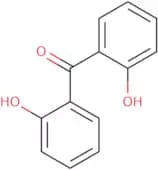
Producto descatalogado2,2'-Dihydroxybenzophenone
CAS:2,2'-Dihydroxybenzophenone is a light-absorbing compound that belongs to the class of dibenzophenones. It has been shown to have cancer-cell inhibitory effects and its anti-tumor effects are due to its ability to inhibit DNA synthesis in tumor cells. 2,2'-Dihydroxybenzophenone has been shown to bind with proteins through hydrogen bonding interactions at the carbonyl group and the hydroxy group. It also has a strong absorption band in the UV region, which makes it useful for UV curing of polymers. This compound can be used as an antioxidant in food products because it does not react with other molecules.
Fórmula:C13H10O3Pureza:Min. 95%Forma y color:SolidPeso molecular:214.22 g/mol5-Amino-o-cresol
CAS:5-Amino-o-cresol is a chemical compound that is used in analytical chemistry as an aminophenol. It reacts with ethylene diamine to form a red dye called 5-aminonaphthalene-2,7-disulphonic acid (5ANDS). The reaction solution can be used to identify the presence of bacterial DNA. 5-Amino-o-cresol has been shown to have genotoxic effects, which may lead to skin cancer or skin damage. This chemical also has toxicological properties and can cause skin irritation at high concentrations.
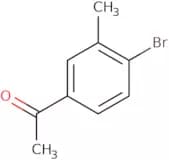
Fórmula:C7H9NOPureza:Min. 95%Forma y color:PowderPeso molecular:123.15 g/mol4'-Bromo-3'-methylacetophenone, 75%
CAS:4'-Bromo-3'-methylacetophenone, 75% is a high quality reagent that is a useful intermediate for the synthesis of complex compounds. It has CAS No. 37074-40-1 and can be used as a fine chemical or speciality chemical in research. This product is also a versatile building block that can be used as an intermediate in reactions and as a reaction component.
Fórmula:C9H9BrOPureza:Min. 95%Peso molecular:213.07 g/molRef: 3D-FB106406
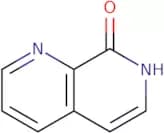
Producto descatalogado1,7-Naphthyridin-8(7H)-one
CAS:1,7-Naphthyridin-8(7H)-one is a polycyclic compound that has been used as an intermediate in the synthesis of a variety of other compounds. It is also used as an iterative reagent for the annulation reactions of cyclic olefins. It can be prepared by oxidative annulation between picolinamide and 1,2,3,4-tetrahydroquinoline. The regioselectivity of this reaction can be controlled by using rhodium or copper catalysts.
Fórmula:C8H6N2OPureza:Min. 95%Forma y color:PowderPeso molecular:146.15 g/molRef: 3D-FN143635
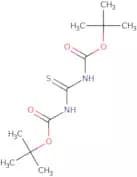
Producto descatalogadoN,N'-Di-(tert-Butoxycarbonyl)thiourea
CAS:N,N'-Di-(tert-Butoxycarbonyl)thiourea is a sterically bulky anion that has been synthesized to interact with amines and amido groups. It has been shown to be a good substrate for p-nitrophenyl phosphate, which is an important molecule in the metabolism of melanoma tumor cells. N,N'-Di-(tert-Butoxycarbonyl)thiourea has also been used as a synthetic building block for conjugates with other molecules. This molecule is able to form supramolecular complexes and may be useful in kinetic studies. The most interesting application of this molecule is its use in the efficient method of removing mercury from water, which is accomplished by oxidation of mercuric chloride by N,N'-Di-(tert-Butoxycarbonyl)thiourea.
Fórmula:C11H20N2O4SPureza:Min. 95%Forma y color:PowderPeso molecular:276.35 g/molRef: 3D-FD50724
Producto descatalogado





![3, 3'- Dihydroxy- [1, 1'- biphenyl] - 4, 4'- dicarboxylic acid](/_next/image/?url=https%3A%2Fstatic.cymitquimica.com%2Fproducts%2F3D%2Fthumb-webp%2FFD164941.webp&w=3840&q=75)


![4-[2'-(7''-Deazaguanine)ethyl]benzoic acid N-hydroxysuccinimide ester](/_next/image/?url=https%3A%2Fstatic.cymitquimica.com%2Fproducts%2F3D%2Fthumb-webp%2FFD20837.webp&w=3840&q=75)



![Sulfosuccinimidyl 3-[[2-(biotinamido)ethyl] dithio]propionate sodium salt](/_next/image/?url=https%3A%2Fstatic.cymitquimica.com%2Fproducts%2F3D%2Fthumb-webp%2FFS27965.webp&w=3840&q=75)