Estándares farmacéuticos
Los estándares farmacéuticos son un conjunto integral de materiales de referencia esenciales para garantizar la seguridad, eficacia y calidad de los productos farmacéuticos. Esta categoría incluye estándares para ingredientes farmacéuticos activos (APIs), que son los componentes centrales responsables de los efectos terapéuticos. Además, abarca compuestos y metabolitos relevantes tanto para las industrias farmacéutica como veterinaria, proporcionando puntos de referencia para la medición y análisis precisos de estas sustancias. Los estándares de control de nitrosaminas son cruciales para detectar y mitigar las nitrosaminas potencialmente dañinas en las formulaciones de medicamentos. Los estándares de toxicología ayudan a evaluar la seguridad y los posibles efectos adversos de los compuestos farmacéuticos. Además, los estándares de activadores e inhibidores enzimáticos son vitales para la investigación y el desarrollo, permitiendo estudios precisos de las vías bioquímicas y los mecanismos de acción de los medicamentos. Estos estándares farmacéuticos son herramientas indispensables para el cumplimiento normativo, el control de calidad y la investigación, asegurando que los productos farmacéuticos cumplan con estrictos criterios de seguridad y eficacia.
Subcategorías de "Estándares farmacéuticos"
- APIs para investigación e impurezas(274.925 productos)
- Activadores e inhibidores de enzimas(2.827 productos)
- Nitrosaminas(2.606 productos)
- Compuestos y metabolitos farmacéuticos y veterinarios(2.874 productos)
- Toxicología(13.652 productos)
Se han encontrado 7836 productos de "Estándares farmacéuticos"
Ordenar por
Pureza (%)
0
100
|
0
|
50
|
90
|
95
|
100
1-[(4-Nitrophenyl)methyl]-1H-1,2,4-triazole
CAS:1-[(4-Nitrophenyl)methyl]-1H-1,2,4-triazole (NPT) is a drug that is used to treat migraine. It is an effective and fast acting drug that has been shown to be more efficient than other triptans. NPT inhibits the uptake of serotonin by binding to its receptors in the brain and causing vasoconstriction. The compound has been found to be safe for use in humans. However, it may cause impurities such as genotoxic nitro groups which are harmful to cells if present at high concentrations. There are various techniques that can be used to measure the kinetics of NPT and determine whether it has been hydrogenated during synthesis or not. These include calibration curves, HPLC, and GC methods.Fórmula:C9H8N4O2Pureza:Min. 95%Peso molecular:204.19 g/mol2-Amino-3,4-dihydro-7-methoxy-2H-1-naphthalenone, hydrochloride
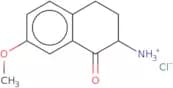
CAS:Producto controladoPlease enquire for more information about 2-Amino-3,4-dihydro-7-methoxy-2H-1-naphthalenone, hydrochloride including the price, delivery time and more detailed product information at the technical inquiry form on this pageFórmula:C11H14ClNO2Pureza:Min. 95%Peso molecular:227.69 g/mol1-(Aminomethyl)naphthalene
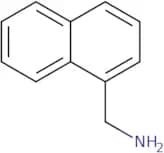
CAS:<p>1-(Aminomethyl)naphthalene is a hydrogen bond-forming molecule that has high values of hydrochloric acid. This compound reacts with sodium carbonate to form glycoside derivatives, which have been shown to display light emission. 1-(Aminomethyl)naphthalene can be used in the synthesis of oxytocin and toll-like receptor ligands, as well as other chemical reactions. The carbonyl group found in this molecule is responsible for the reactivity and stability of this compound.</p>Fórmula:C10H7CH2NH2Pureza:Min. 95%Forma y color:Clear Colourless To Yellow LiquidPeso molecular:157.21 g/molMethyl (2,4-dinitrophenyl)acetate
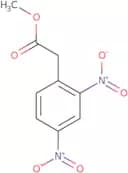
CAS:Please enquire for more information about Methyl (2,4-dinitrophenyl)acetate including the price, delivery time and more detailed product information at the technical inquiry form on this pageFórmula:C9H8N2O6Pureza:Min. 95%Peso molecular:240.17 g/mol1-(2-Aminoethyl)-3-Phenylurea Hydrochloride
CAS:<p>Please enquire for more information about 1-(2-Aminoethyl)-3-Phenylurea Hydrochloride including the price, delivery time and more detailed product information at the technical inquiry form on this page</p>Fórmula:C9H13N3O·HClPureza:Min. 95%Peso molecular:215.68 g/mol1,2,3,4-Tetrahydro-1-naphthoic acid
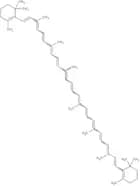
CAS:<p>Tetrahydro-1-naphthoic acid is a toxic chemical that is used in the synthesis of various organic compounds. It is an organic acid that has a pungent odor and can cause irritation of the nose and throat. When heated, it evolves toxic fumes of hydrogen chloride gas and phosgene. Tetrahydro-1-naphthoic acid reacts with metal hydroxides to form metal tetrahydro-1-naphthoates, which have useful properties as catalysts in organic reactions. Tetrahydro-1-naphthoic acid has been used as a growth regulator in plants and animals. It binds to DNA at the C–H site, preventing protein synthesis and cell division by inhibiting RNA synthesis.</p>Fórmula:C11H12O2Pureza:Min. 95%Peso molecular:176.21 g/molDecapreno-b-carotene
CAS:<p>Decapreno-b-carotene is a carotenoid extracted from the oil of the seeds of the plant, Schizochytrium limacinum. This product has been shown to be an effective antioxidant that can protect cells against oxidative damage. The high-performance liquid chromatography technique was used for quantification and separation. The extract was then injected onto a high performance liquid chromatograph, which separates it according to its chemical properties. Decapreno-b-carotene is found in almost all organisms and is a precursor for vitamin A production in animals.</p>Fórmula:C50H68Pureza:Min. 95%Forma y color:SolidPeso molecular:669.07 g/molrec Human Growth Hormone (expressed in E.coli)
<p>Please enquire for more information about rec Human Growth Hormone (expressed in E.coli) including the price, delivery time and more detailed product information at the technical inquiry form on this page</p>Pureza:Min. 95%5,5'-Thiodisalicylic Acid
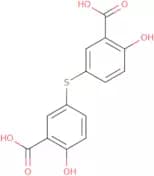
CAS:<p>5,5'-Thiodisalicylic Acid is a reactive functional group with a silver ion. This compound has a hydrochloric acid and hydroxy group that react to form a hydroxyl group with the proton. It also has a nitrogen atom, which can be found in the reactive acidic hydroxyl group of 5,5'-thiodisalicylic acid. The fatty acids are viscosity and carbonyl groups. 5,5'-Thiodisalicylic Acid is an organic compound that reacts with chloride to form patterns.</p>Pureza:Min. 95%Dibenz[a,h]anthracene
CAS:<p>Dibenz[a,h]anthracene is a polycyclic aromatic hydrocarbon that has been classified as a human carcinogen. It is used in the analytical method for determining the presence of epoxides. Dibenz[a,h]anthracene has been shown to cause skin cancer in mice. This agent binds to DNA and forms covalent adducts with guanine residues. Dibenz[a,h]anthracene also causes short-term exposure to skin cancer in rats exposed to subcutaneous tumors and has been shown to cause tumorigenesis studies in mice.</p>Fórmula:C22H14Pureza:Min. 95%Peso molecular:278.35 g/mol1,3-Dimethylnaphthalene
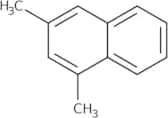
CAS:<p>1,3-Dimethylnaphthalene is a chemical intermediate that is used for the synthesis of perfumes and pharmaceuticals.</p>Fórmula:C12H12Pureza:Min. 95%Peso molecular:156.22 g/molN-Acetyl-L-leucyl-L-leucyl-L-methioninal
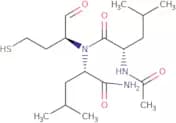
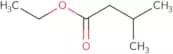
CAS:Inhibitor of cathepsinFórmula:C19H35N3O4SPureza:Min. 95%Peso molecular:401.57 g/molEthyl isovalerate
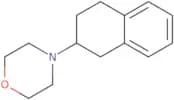
CAS:Ethyl isovalerate is a chemical with the formula CH3CH2CH2C(O)CH=CH2. It is an ester of acetic acid and valeric acid. It has a boiling point of 114°C and a density of 0.8994 g/mL at 20°C. Ethyl isovalerate has been shown to be thermally unstable, with significant expansion occurring when heated to 100°C. This chemical has been shown to have antibacterial properties against bacterial strains that are resistant to carvacrol, thymol, and cinnamaldehyde. Ethyl isovalerate also produces propionic acid when mixed with benzoic acid in liquid phase microextraction (LPME). The production of propionic acid may be due to the reaction between ethyl isovalerate and hydrogen fluoride on the surface of activated carbon particles in LPME. Ethyl decanoate can also be produced from this reaction by adding ethyl decFórmula:C7H14O2Pureza:Min. 95%Forma y color:Clear LiquidPeso molecular:130.18 g/mol2-(Morophlin-4-yl)-1,2,3,4-tetrahydronaphthalene
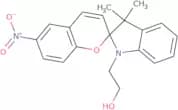
CAS:Producto controlado<p>Please enquire for more information about 2-(Morophlin-4-yl)-1,2,3,4-tetrahydronaphthalene including the price, delivery time and more detailed product information at the technical inquiry form on this page</p>Fórmula:C14H19NOPureza:Min. 95%Peso molecular:217.31 g/mol1-(2-Hydroxyethyl)-3,3-dimethylindolino-6'-nitrobenzopyrylospiran
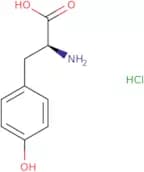
CAS:<p>Please enquire for more information about 1-(2-Hydroxyethyl)-3,3-dimethylindolino-6'-nitrobenzopyrylospiran including the price, delivery time and more detailed product information at the technical inquiry form on this page</p>Pureza:Min. 95%L-Tyrosine hydrochloride
CAS:<p>L-Tyrosine hydrochloride is a pharmaceutical preparation that has been used clinically in the treatment of infectious diseases, cancer, and autoimmune diseases. Tyrosine is an amino acid with a hydroxyl group on its side chain. Tyrosine can be synthesized from phenylalanine by hydroxylation of the phenolic group and decarboxylation of the carboxylic acid group. It is also a precursor to catecholamines and other important biological molecules. L-Tyrosine hydrochloride is used as an intermediate in the production of monoclonal antibodies for use in cancer research. In addition, it has been shown to be an effective inhibitor of virus replication when combined with ester hydrochloride, which prevents the release of progeny virus particles from infected cells.</p>Fórmula:C9H11NO3·HClPureza:Min. 95%Peso molecular:217.65 g/mol2,2'-Methylenebis(6-tert-butyl-p-cresol)
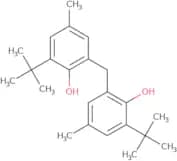
CAS:2,2'-Methylenebis(6-tert-butyl-p-cresol) is a phenolic compound that is used as a chemical stabilizer in the production of polyvinyl chloride and polystyrene. It has also been shown to be an effective antioxidant for polypropylene. 2,2'-Methylenebis(6-tert-butyl-p-cresol) has been shown to inhibit skin cancer, bladder cancer, and hemolytic activity in vitro. This product can cause mild skin irritation, but it does not appear to be toxic when ingested orally or applied topically.Fórmula:C23H32O2Pureza:Min. 95%Peso molecular:340.5 g/mol(17a)-3-Ethynyl-19-norpregna-3,5-dien-20-yn-17-ol
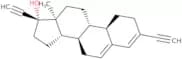
CAS:Producto controlado<p>Please enquire for more information about (17a)-3-Ethynyl-19-norpregna-3,5-dien-20-yn-17-ol including the price, delivery time and more detailed product information at the technical inquiry form on this page</p>Fórmula:C22H26OPureza:Min. 95%Peso molecular:306.44 g/mol2-(Benzylmethylamino)-3',4'-dihydroxyacetophenone
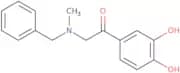
CAS:Producto controladoPlease enquire for more information about 2-(Benzylmethylamino)-3',4'-dihydroxyacetophenone including the price, delivery time and more detailed product information at the technical inquiry form on this pageFórmula:C16H17NO3Pureza:Min. 95%Peso molecular:271.31 g/molN-(4-Bromonaphthalene-1-yl)-acetamide
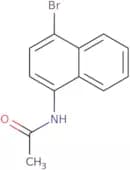
CAS:The N-(4-bromonaphthalene-1-yl)-acetamide is a high quality chemical that is used as a reaction component in the synthesis of pharmaceuticals and other speciality chemicals. It can also be used as a building block for creating more complex compounds. This compound is a versatile building block that can be used to synthesise many different types of products.Fórmula:C12H10BrNOPureza:Min. 95%Peso molecular:264.12 g/mol1-Naphthoyl chloride
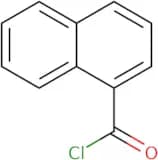
CAS:1-Naphthoyl chloride is a metabolite of 1-naphthol. It has been used in the synthesis of steroidal alkaloids, including the anti-inflammatory drug indomethacin and the anesthetic ketamine. 1-Naphthoyl chloride is also a precursor to synthetic cannabinoids, which are substances that have effects similar to those of cannabis but are not derived from marijuana. It binds to receptors on cells that are sensitive to cannaboids. The binding causes changes in cell function and can lead to psychological effects such as paranoia and hallucinations. The detection sensitivity of 1-naphthoyl chloride can be increased by using fluorescence detectors or gravimetric analysis.Fórmula:C11H7ClOPureza:Min. 95%Forma y color:Clear LiquidPeso molecular:190.63 g/molAcetyl-L-methionine sulfoxide
CAS:<p>Please enquire for more information about Acetyl-L-methionine sulfoxide including the price, delivery time and more detailed product information at the technical inquiry form on this page</p>Fórmula:C7H13NO4SPureza:Min. 95%Forma y color:PowderPeso molecular:207.25 g/mol7-Azaindole-5-carboxylic acid methyl ester
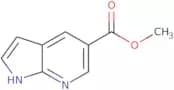
CAS:<p>7-Azaindole-5-carboxylic acid methyl ester is an ester derivative that can be synthesized from the reaction of acetyl chloride and diazotization. 7-Azaindole-5-carboxylic acid methyl ester has been used in research for its biological activity, specifically as a cytotoxic agent. It has also been shown to inhibit the growth of cancer cells by alkylation reactions and cyclization reactions. 7-Azaindole-5-carboxylic acid methyl ester has been shown to have antitumor properties with a mechanism that is not yet fully understood.</p>Fórmula:C9H8N2O2Pureza:Min. 95%Peso molecular:176.17 g/molTropinone
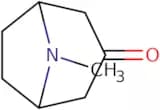
CAS:Tropinone is a polycyclic aromatic hydrocarbon that is found in plant cells. Tropinone exhibits enzyme activities, such as catalase and peroxidase activity, which are important for plant physiology. Tropinone has also been shown to have anti-cancer properties. Platinum-based chemotherapy drugs bind to the tropinone molecule, which inhibits the enzymes that allow cancer cells to grow and multiply. The specific antibody binds to the tropinone molecule by recognizing a carbohydrate group on the molecule's surface, while hydroxyl groups on the tropinones react with trifluoromethanesulfonic acid in water to form ester hydrochloride. This reaction is dependent on pH level and optimum ph is around 7-9.Fórmula:C8H13NOPureza:Min. 98%Forma y color:White PowderPeso molecular:139.19 g/mol3',4'-(Methylenedioxy)butyrophenone
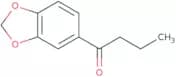
CAS:Producto controlado<p>3',4'-(Methylenedioxy)butyrophenone is a compound that has been shown to exist in four different conformations. It has been shown to form hydrogen bonds and chains with itself, as well as hydrogen bonds with other molecules. The crystal structure of 3',4'-(methylenedioxy)butyrophenone has been determined, and it's conformation has been shown to be dependent on the nature of the solvent.</p>Fórmula:C11H12O3Pureza:Min. 95%Peso molecular:192.21 g/mol2,6-Dibromoanthracene
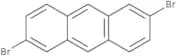
CAS:<p>2,6-Dibromoanthracene is an aromatic hydrocarbon that can be synthesized in a cross-coupling reaction. It has been shown to have a high electron mobility and good thermal stability. The compound was prepared by the Suzuki coupling reaction of 2,6-dibromobenzene with phenylboronic acid. This product has no commercial use but has been tested for its transport properties and has been found to be activated by heat.</p>Pureza:Min. 95%2-Amino-4-chloro-3-nitropyridine
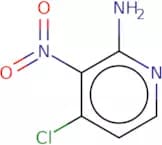
CAS:2-Amino-4-chloro-3-nitropyridine is a potent inhibitory molecule that inhibits the activity of the enzyme acetylcholinesterase. It has been used in the treatment of chronic pain, and has been shown to be effective for inhibiting malonate esters and amino acid esters. This drug is an ethyl ester that can be synthesized from chlorobenzene and malonic acid by chlorinating it with chlorine gas. 2-Amino-4-chloro-3-nitropyridine has also been shown to have a high affinity for malonic acid diethyl esters.Fórmula:C5H4ClN3O2Pureza:Min. 98 Area-%Forma y color:PowderPeso molecular:173.56 g/mol3-Bromo-2-methylbenzoic acid methyl ester
CAS:3-Bromo-2-methylbenzoic acid methyl ester is a serotonin transporter and reuptake inhibitor. It has selectivities for serotonin, dopamine and norepinephrine transporters. 3-Bromo-2-methylbenzoic acid methyl ester acts as a linker molecule in the synthesis of complex molecules like neurotransmitters. It is also a bifunctional molecule that can act as an antidepressant or anti-anxiety drug by increasing serotonin levels in the brain. 3-Bromo-2-methylbenzoic acid methyl ester’s function as a ligand is to bind to receptors on cells, which may be linked with its effects on depression and anxiety.Fórmula:C9H9BrO2Pureza:Min. 95%Peso molecular:229.07 g/molErythrosine
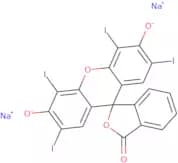
CAS:Erythrosine is a fluorescent dye that is used in the detection of synchronous fluorescence and adsorption. It has been shown to be more sensitive than other methods, such as matrix effect or electrochemical impedance spectroscopy. Erythrosine has been shown to have genotoxic activity in hl-60 cells, as well as long-term toxicity. It also has analytical applications due to its ability to be used as a fluorescence probe for biological samples.Fórmula:C20H8I4O5·2NaPureza:Min. 95%Forma y color:Red PowderPeso molecular:881.87 g/molN-(6-Phenylhexyl)-5-chloro-1-naphthalenesulfonamide
CAS:<p>N-(6-Phenylhexyl)-5-chloro-1-naphthalenesulfonamide is a dibutyryl camp analog that has been shown to inhibit the L-type calcium channel in a dose-dependent manner. It has an effect on both spermatozoa and glioma cells, with its most significant effect being inhibition of the intracellular calcium ion. This drug inhibits the growth rate of these cells, which may be due to its ability to activate adrenergic receptors and cause increased intracellular calcium ion levels. N-(6-Phenylhexyl)-5-chloro-1-naphthalenesulfonamide also slows the cycle of the cell, which may be due to a kinetic effect.</p>Fórmula:C22H24ClNO2SPureza:Min. 95%Peso molecular:401.95 g/mol(-)-B-Chlorodiisopinocampheylborane, 65% heptane solution
CAS:(-)-B-Chlorodiisopinocampheylborane is a synthetic compound that belongs to the class of diketones. It has been used in asymmetric synthesis, metathesis reactions, and as a catalyst for the preparation of chiral compounds. (-)-B-Chlorodiisopinocampheylborane can be synthesized from trifluoromethylation using chlorodiphenylsilane and sodium borohydride in heptane. This agent has been shown to be effective for the production of β-unsaturated ketones by reaction with carbonyl groups. The reaction produces a racemic mixture of enantiomers, which are isomers that are not identical but have the same chemical formula and similar physical properties. (-)-B-Chlorodiisopinocampheylborane can also be used as an intermediate for the synthesis of latanoprost lactol, which is a prostaglandinFórmula:C20H34BClPureza:Min. 95%Forma y color:Clear LiquidPeso molecular:320.75 g/mol19-Hydroxy cholesterol
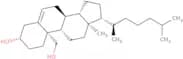
CAS:Producto controlado19-Hydroxy cholesterol is a sterol that is one of the primary products of cholesterol synthesis. It is a secondary bile acid and an oxysterol, which are produced in the liver during cholesterol metabolism. 19-Hydoxycholesterol has been shown to induce apoptosis in leukemia cells, as well as inhibit tumor cell growth. This compound can also inhibit the production of fatty acids by inhibiting β-unsaturated ketones, which are intermediates in the biosynthesis of fatty acids. The inhibition of these ketones leads to an increase in the production of n-3 fatty acids, which have been shown to have beneficial effects on human health. 19-Hydroxycholesterol can be detected using a chemical ionization method with gas chromatography and mass spectroscopy detection.Fórmula:C27H46O2Pureza:Min. 95%Forma y color:White/Off-White SolidPeso molecular:402.65 g/mol4'-Hydroxy atomoxetine
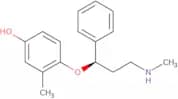
CAS:4'-Hydroxyatomoxetine is a metabolite of atomoxetine, which is a drug that is used to treat attention deficit hyperactivity disorder and narcolepsy. 4'-Hydroxyatomoxetine has been shown to have pharmacological properties similar to those of atomoxetine. However, it does not bind to the κ-opioid receptors, unlike its parent drug. The analytical method for this metabolite has been developed using liquid chromatography with tandem mass spectrometry. The major limitation with the analytical method is that it can be affected by matrix effects and hepatic impairment. This metabolite is glucuronidated and then conjugated with trifluoroacetic acid (TFA) before excretion in urine or bile. It also binds to kappa-opioid receptors, but at a lower affinity than its parent compound.Fórmula:C17H21NO2Pureza:Min. 95%Forma y color:PowderPeso molecular:271.35 g/molO-tert-Butyl-D-tyrosine
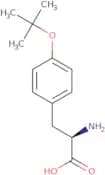
CAS:<p>O-tert-Butyl-D-tyrosine is an organogelator. It is a low molecular weight organic liquid that can form a gel when mixed with a solvent. O-tert-Butyl-D-tyrosine is soluble in hydrophobic solvents such as butanol, and insoluble in water. The gelation properties of this substance are due to its ability to interact with the surface of the solvent droplet and form a network that holds other solute molecules in place. This interaction is called physisorption, which means that it does not need any chemical bonds to form the gel. Gels formed by O-tert-Butyl-D-tyrosine are stable at room temperature, but will melt when heated or exposed to pH extremes.</p>Fórmula:C13H19NO3Pureza:Min. 95%Peso molecular:237.29 g/molDiethyl[2-(4-nitrophenoxy)ethyl]amine
CAS:Producto controladoPlease enquire for more information about Diethyl[2-(4-nitrophenoxy)ethyl]amine including the price, delivery time and more detailed product information at the technical inquiry form on this pageFórmula:C12H18N2O3Pureza:Min. 95%Peso molecular:238.28 g/mol6-O-Methyl codeine
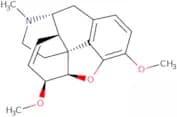
CAS:Producto controlado<p>6-O-Methyl codeine is a drug that belongs to the class of opioid analgesics. It is used to treat severe pain and coughing in patients with infectious diseases, such as pneumonia or bronchitis. 6-O-Methyl codeine may be administered by mouth, intravenously, or intramuscularly. The mechanism of action of this drug is not fully understood, but it has been shown to decrease respiratory rate in some animal studies. 6-O-Methyl codeine also has an effect on the central nervous system and may cause dizziness, drowsiness, nausea, vomiting and constipation. This drug is metabolized through oxidative reactions with oxygenated molecules like fluorine or hydrogenated aromatic hydrocarbons. 6-O-Methyl codeine is a prodrug that can be converted into morphine following cleavage by liver enzymes.</p>Fórmula:C19H23NO3Pureza:Min. 95%Peso molecular:313.39 g/molL-Proline-β-naphthylamide hydrochloride
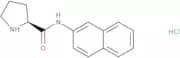
CAS:L-proline analogueFórmula:C15H16N2O·HClPureza:Min. 95%Peso molecular:276.76 g/molS-(-)-Nicotine-δ1’-(5’)-iminium diperchlorate salt
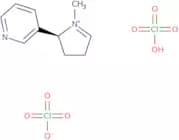
CAS:<p>Please enquire for more information about S-(-)-Nicotine-delta1’-(5’)-iminium diperchlorate salt including the price, delivery time and more detailed product information at the technical inquiry form on this page</p>Fórmula:C10H14Cl2N2O8Pureza:Min. 95%Peso molecular:361.13 g/mol5'-Amino-5'-deoxy-2',3'-O-(1-methylethylidene)-adenosine
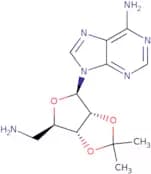
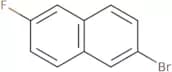
CAS:<p>Please enquire for more information about 5'-Amino-5'-deoxy-2',3'-O-(1-methylethylidene)-adenosine including the price, delivery time and more detailed product information at the technical inquiry form on this page</p>Fórmula:C13H18N6O3Pureza:Min. 95%Peso molecular:306.32 g/mol2-bromo-6-fluoronaphthalene
CAS:<p>2-bromo-6-fluoronaphthalene is a molecule that has been shown to be a good electron donor in organic solar cells. It is also an analgesic and antinociceptive agent. 2-Bromo-6-fluoronaphthalene has shown to have antiinflammatory effects and inhibit the production of prostaglandins, which are chemical messengers that induce inflammation. The molecular structure of 2-bromo-6-fluoronaphthalene consists of two bromine atoms attached to two naphthalene rings. The bromine atoms provide strong electron donating properties and the naphthalene rings provide stability for the molecule.</p>Fórmula:C10H6BrFPureza:Min. 95%Peso molecular:225.06 g/mol2-Bromo-4'-nitroacetophenone
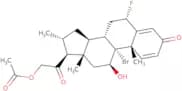
CAS:2-Bromo-4'-nitroacetophenone is a chemical compound that has been shown to be active in enzyme inhibition experiments. It has been found to inhibit the activity of histidine decarboxylase, which catalyzes the conversion of histidine to histamine, and uv absorption. 2-Bromo-4'-nitroacetophenone binds to the active site of P450 enzymes, inhibiting their catalytic activity. This compound also inhibits fatty acid oxidation by binding to fatty acid hydroxylase and hydrogen bonds with tyrosine residues in proteins. 2-Bromo-4'-nitroacetophenone is structurally similar to 2-bromoacetophenone, which has been shown to have antihistaminic properties.Fórmula:C8H6BrNO3Pureza:Min. 95%Forma y color:PowderPeso molecular:244.04 g/mol(6a,11b,16a)-21-(Acetyloxy)-9-bromo-6-fluoro-11-hydroxy-16-methyl-pregna-1,4-diene-3,20-dione
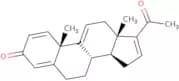
CAS:Producto controladoPlease enquire for more information about (6a,11b,16a)-21-(Acetyloxy)-9-bromo-6-fluoro-11-hydroxy-16-methyl-pregna-1,4-diene-3,20-dione including the price, delivery time and more detailed product information at the technical inquiry form on this pageFórmula:C24H30BrFO5Pureza:Min. 95%Peso molecular:497.39 g/molPregna-1,4,9(11),16-tetraene-3,20-dione
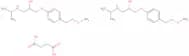
CAS:Producto controlado<p>Pregna-1,4,9(11),16-tetraene-3,20-dione is a controlled product that is widely used in the industrial sector. It is a phosphoric compound that has various applications. This chemical compound acts as a chemokine and contains active agents such as tryptamine and aldehyde monophosphate. Pregna-1,4,9(11),16-tetraene-3,20-dione is also known to be a mouse metabolite and has been found to have properties similar to naphthalene and phenylethylamine. With its acidic nature and oxygen-containing structure, this compound can be easily purified through recrystallization. It exists in different tautomeric forms, making it highly versatile for various applications in different industries.</p>Fórmula:C21H24O2Pureza:Min. 95%Peso molecular:308.41 g/molMetroprolol succinate
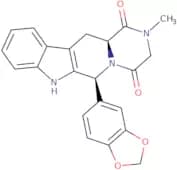
CAS:Producto controladoMetroprolol succinate is a prodrug of metoprolol. It is used for the treatment of high-sensitivity c-reactive protein, which is an inflammatory marker that indicates the presence and severity of atherosclerosis. Metoprolol succinate also has anti-inflammatory properties and can be used to treat cardiac disorders such as congestive heart failure. The drug inhibits the growth factor-β1 pathway in cardiac cells, which may be due to its ability to inhibit cellular proliferation by inducing apoptosis. This drug also has a protective effect on the skeleton, preventing bone loss and osteoporosis. Metroprolol succinate can be used in sample preparation for hydrochloric acid digestion or particle size analysis.Fórmula:(C15H25NO3)2•C4H6O4Pureza:Min. 95%Forma y color:White PowderPeso molecular:652.82 g/molTadalafil impurity B
CAS:<p>Please enquire for more information about Tadalafil impurity B including the price, delivery time and more detailed product information at the technical inquiry form on this page</p>Fórmula:C20H19N3O3Pureza:Min. 95%Peso molecular:349.38 g/molHistatin 5
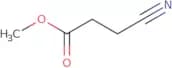
CAS:Histatin 5 is a peptide that has been shown to have antimicrobial activity against Candida albicans, Candida glabrata, and Cryptococcus albicans. It is believed to exert its effect by binding to copper ions and inhibiting the mitochondrial functions of the pathogen. Histatin 5 also has pro-apoptotic properties and may be used as an experimental treatment for infectious diseases caused by opportunistic fungal strains.Fórmula:C133H195N51O33Pureza:Min. 95%Peso molecular:3,036.3 g/mol3-Cyanopropionic acid methyl ester
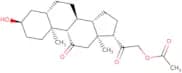
CAS:3-Cyanopropionic acid methyl ester is a compound that belongs to the class of aliphatic carboxylic acids. It is an intermediate in the production of adiponitrile and acrylonitrile. This compound is used as a feedstock for the manufacture of vinylene, which can be used to produce c1-6 alkyl. 3-Cyanopropionic acid methyl ester can be produced from propylene and hydrogen cyanide in a high salt, activated reaction system. It has been shown that this compound may have metabolic disorders due to its ability to inhibit fatty acid oxidation and increase viscosity. 3-Cyanopropionic acid methyl ester is a colorless liquid at room temperature with a boiling point of 154°C and a molecular weight of 98.14 g/mol.Fórmula:C5H7NO2Pureza:Min. 95%Forma y color:Clear LiquidPeso molecular:113.11 g/mol3a,21-Dihydroxy-5a-pregnane-11,20-dione 21-acetate
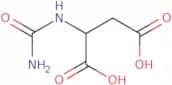
CAS:Producto controlado3a,21-Dihydroxy-5a-pregnane-11,20-dione 21-acetate is a short-acting intravenous anaesthetic that is used in surgical procedures. It has been shown to have antinociceptive properties and can be used as a potent analgesic. 3a,21-Dihydroxy-5a-pregnane-11,20-dione 21-acetate binds to the alpha1 adrenergic receptor and blocks the release of noradrenaline from nerve terminals in the brain. This prevents the activation of neurons in the spinal cord that transmit pain signals to the brain. The drug also inhibits the action of gamma aminobutyric acid on neurones and increases levels of cortisol concentration in blood plasma. The mechanism by which 3a,21 -dihydroxy 5a pregnane 11,20 dione 21 acetate produces its anaesthetic effects has not yet been elucidated.Fórmula:C23H34O5Pureza:Min. 95%Peso molecular:390.51 g/molN-(Aminocarbonyl)aspartic acid
CAS:N-Aminocarbonyl-L-aspartic acid (NACD) is a molecule that is found in urine samples. It can be used as a biomarker to detect cancer, HIV infection, and many other diseases. The presence of NACD has been correlated with the development of acidosis, which is characterized by an increase in the pH of body fluids. The following are a few examples of how this product might be described on an eCommerce site: Rifapentine is an anti-tuberculosis drug that belongs to the class of rifamycins. It is the most active of the rifamycins for the treatment of tuberculosis. Rifapentine inhibits bacterial growth by binding to DNA-dependent RNA polymerase, thereby preventing transcription and replication. The high frequency of human activity has been shown using a patch-clamp technique on human erythrocytes. This active form is metabolized throughFórmula:C5H8N2O5Pureza:Min. 95%Forma y color:PowderPeso molecular:176.13 g/molN,N-Diethyl-N'-1-naphthylethylenediamine oxalate
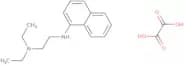
CAS:N,N-Diethyl-N'-1-naphthylethylenediamine oxalate (NDENOX) is a naphthalene derivative that is used to inhibit the growth of bacteria. It binds to the extracellular site on the bacterial cell membrane and inhibits sulfadiazine uptake. NDENOX has been shown to be effective against S. aureus and other bacteria that are resistant to sulfonamides, but not against Staphylococcus epidermidis or E. coli. This drug also inhibits enzyme activity in damaged human serum, which may be due to its binding with kynurenine or pupal. NDENOX is hydrolyzed by hydrochloric acid and procaine to release naphthalene and diethylenetriamine, respectively.Fórmula:C18H24N2O4•C2H2O4xPureza:Min. 95 Area-%Forma y color:PowderPeso molecular:332.39 g/mol
![1-[(4-Nitrophenyl)methyl]-1H-1,2,4-triazole](/_next/image/?url=https%3A%2Fstatic.cymitquimica.com%2Fproducts%2F3D%2Fthumb-webp%2FFN149526.webp&w=3840&q=75)




![Dibenz[a,h]anthracene](/_next/image/?url=https%3A%2Fstatic.cymitquimica.com%2Fproducts%2F3D%2Fthumb-webp%2FFD62414.webp&w=3840&q=75)




![Diethyl[2-(4-nitrophenoxy)ethyl]amine](/_next/image/?url=https%3A%2Fstatic.cymitquimica.com%2Fproducts%2F3D%2Fthumb-webp%2FFD21808.webp&w=3840&q=75)