Estándares farmacéuticos
Subcategorías de "Estándares farmacéuticos"
- APIs para investigación e impurezas(276.375 productos)
- Activadores e inhibidores de enzimas(2.829 productos)
- Nitrosaminas(2.627 productos)
- Compuestos y metabolitos farmacéuticos y veterinarios(2.900 productos)
- Toxicología(13.531 productos)
Se han encontrado 7963 productos de "Estándares farmacéuticos"
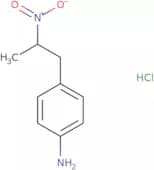
1-(4-Aminophenyl)-2-nitropropane hydrochloride
CAS:1-(4-Aminophenyl)-2-nitropropane hydrochloride is a fine chemical that is used in the synthesis of various other organic compounds. It has been used as a building block for the synthesis of more complex substances, such as pharmaceuticals and pesticides. It is also used to produce research chemicals for use in experiments and teaching. 1-(4-Aminophenyl)-2-nitropropane hydrochloride is soluble in water and exhibits high quality when purified. This compound can be found under CAS No. 1332530-33-2 and is reagent grade.
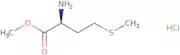
Fórmula:C9H13ClN2O2Pureza:Min. 95%Forma y color:PowderPeso molecular:216.66 g/molL-Methionine methyl ester hydrochloride
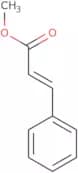
CAS:L-Methionine methyl ester hydrochloride is an amide that has been used in the treatment of bowel diseases. It has been shown to have a polymerase chain reaction (PCR) diagnostic application for the detection of DNA duplexes and intramolecular hydrogen bonds. L-Methionine methyl ester hydrochloride inhibits the activity of enzymes such as protein kinase, phosphodiesterase, and proteases. L-Methionine methyl ester hydrochloride also has receptor activities and can be used as a diagnostic agent for malignant brain tumors or congestive heart failure. It is also able to block radiation and positron emission tomography (PET) scanning.Fórmula:C6H13NO2S·HClPureza:Min. 98 Area-%Forma y color:PowderPeso molecular:199.7 g/molMethyl cinnamate
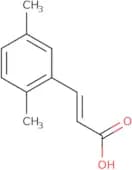
CAS:Methyl cinnamate is a plant-derived compound that has been shown to have antimicrobial activity against Candida glabrata. This compound inhibits the polymerase chain reaction by binding to the DNA monomer and blocking its synthesis. Methyl cinnamate also synergizes with eugenol, which is a natural product found in cloves, nutmeg, and cinnamon. The mechanism of this synergy has not yet been identified. Methyl cinnamate has been shown to inhibit 3T3-L1 preadipocytes proliferation by downregulating the expression of PPARγ, which is a transcription factor that regulates adipogenesis.Fórmula:C10H10O2Pureza:Min. 95%Forma y color:Solidified MassPeso molecular:162.19 g/mol2,5-Dimethylcinnamic acid
CAS:2,5-Dimethylcinnamic acid is a versatile building block that can be used as a reactant in organic synthesis. This compound has been shown to have high quality and is useful for research purposes and as a speciality chemical. 2,5-Dimethylcinnamic acid can be used as a reagent or reaction component in the preparation of other compounds. It also serves as an important intermediate to synthesize complex molecules. This compound has many applications and is often used as a building block for pharmaceuticals, agrochemicals, and fine chemicals.
Fórmula:C11H12O2Pureza:Min. 95%Peso molecular:176.21 g/molCatechin 7,4'-di-O-gallate
CAS:Catechin 7,4'-di-O-gallate is a naturally occurring flavonoid compound, which is derived from various plants, particularly those rich in catechins, such as tea leaves and certain fruits. As a member of the polyphenol class, it is known for its powerful antioxidant properties, which enable it to neutralize free radicals and mitigate oxidative stress. Additionally, its structure allows for strong anti-inflammatory effects by modulating signaling pathways and inhibiting the production of inflammatory mediators.Pureza:Min. 95%2,4,6-Tribromo-3-cresol
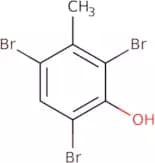
CAS:2,4,6-Tribromo-3-cresol is a functional group that is used as an anti-fungal agent. This compound has been shown to be active against many fungi and bacteria, including Candida albicans and Escherichia coli. The particle size of 2,4,6-tribromo-3-cresol is 0.1 microns in diameter and it has a boiling point of 240 degrees Celsius. This product is also used in the production of sealants for dental restorations and as an additive to pharmaceuticals. 2,4,6-Tribromo-3-cresol can also be used as a delta opioid receptor agonist for the treatment of cancer or autoimmune diseases such as lupus erythematosus.
Fórmula:C7H5Br3OPureza:Min. 95%Forma y color:PowderPeso molecular:344.83 g/mol2-Methyl-3-nitrophenylacetic acid
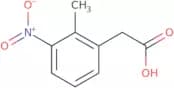
CAS:2-Methyl-3-nitrophenylacetic acid is an alkali metal, which is obtained by the condensation of 2-methylphenol and nitric acid. The synthesis of this compound can be achieved through catalytic reduction of the nitro group with hydrogen in the presence of a nickel catalyst. This method has been shown to produce high yields. 2-Methyl-3-nitrophenylacetic acid is mildly toxic to humans and animals. It is a dopaminergic agent that has been used as a precursor for the production of ropinirole hydrochloride, which is used in the treatment of Parkinson's disease.Fórmula:C9H9NO4Pureza:Min. 95%Forma y color:PowderPeso molecular:195.17 g/mol4-Fluorocinnamaldehyde
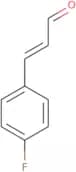
CAS:4-Fluorocinnamaldehyde is a reactive molecule that can be used in the catalytic asymmetric synthesis of 4-fluoroalkylbenzenes, which are used as intermediates in the production of pharmaceuticals. It reacts with hydroxymethyl groups to form 4-fluoroalkylbenzene derivatives, which are substrates for asymmetric reactions. This compound has been shown to react with amines and thiols to form Michael acceptors and Michael donors respectively. The crystallographic data obtained from this molecule shows that it belongs to space group P2 and its crystal system is orthorhombic. It also has optical properties that make it suitable for use as an optical material or nanowires.
Fórmula:C9H7FOPureza:Min. 80%Forma y color:Clear LiquidPeso molecular:150.15 g/mol2-Nitrophenylacetic acid
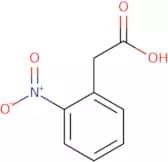
CAS:2-Nitrophenylacetic acid is a synthetic product that has been studied by electrochemical techniques. It is soluble in human serum and can be detected by a chromatographic method. The cationic surfactant, oxindole, chloride, and optimal reaction conditions are known for the solute. 2-Nitrophenylacetic acid is a pharmaceutical drug that can be cleaved into nitro and carboxylate products with hydrochloric acid and β-unsaturated ketone as cleavage products.Fórmula:C8H7NO4Pureza:Min. 98 Area-%Forma y color:PowderPeso molecular:181.15 g/molN-(Aminoethyl)-5-naphthylamine-1-sulfonic acid
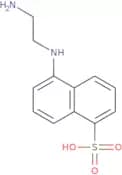
CAS:The Michaelis-Menten kinetics of N-(Aminoethyl)-5-naphthylamine-1-sulfonic acid (NENSA) have been determined by studying the reaction of NENSA with a variety of acceptors. Basic fibroblasts were found to be a good substrate for this compound and it was shown that proteolytic activity is required for the hydrolysis of NENSA. The toxin is also reactive with the enzyme polymerase chain, which inhibits bacterial growth. In the presence of epidermal growth factor, NENSA has been shown to inhibit proliferation in fetal bovine retinal cells and human epidermal keratinocytes.Fórmula:C12H14N2O3SPureza:Min. 97 Area-%Forma y color:Yellow PowderPeso molecular:266.32 g/mol1,3,7-Trichloronaphthalene
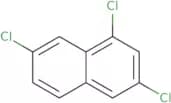
CAS:This validated method for the analysis of 1,3,7-trichloronaphthalene is based on a validated experimental method. It uses a set of structural coefficients and an experimental value to calculate the bioconcentration factor (BCF). The BCF is then used to calculate the optimum vector, which is found by using descriptors and structural factors. The experimental values are also used to determine the vector. This method has been validated experimentally and theoretically.
Fórmula:C10H5Cl3Pureza:Min. 95%Forma y color:PowderPeso molecular:231.5 g/mol(S)-(+)-1,1'-Binaphthyl-2,2'-diyl hydrogen phosphate
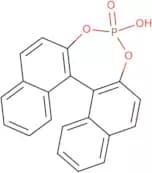
CAS:(S)-(+)-1,1'-Binaphthyl-2,2'-diyl hydrogen phosphate is an organic compound that is used as an analytical reagent. It is a covalent linker with a phosphate group on one end and a binaphthyl group on the other end. The phosphate group can be used to bind solutes for analysis in analytical chemistry. (S)-(+)-1,1'-Binaphthyl-2,2'-diyl hydrogen phosphate has been shown to have inhibition of sulfonic acid groups from environmental pollution. This compound also has chiral properties and can be separated into its two enantiomers using titration calorimetry at constant temperature.Fórmula:C20H13O4PPureza:Min. 95%Forma y color:White Off-White PowderPeso molecular:348.29 g/mol5,5'-Dehydrodivanillate
CAS:5,5'-Dehydrodivanillate is an intermediate in the biosynthesis of vanillin from 5-carboxyvanillic acid. It is produced by the enzyme dehydrodivanillate synthase and converted to vanillin by the enzyme dehydrodivanillate reductase. The conversion of 5,5'-dehydrodivanillate to vanillin is an example of a radical coupling reaction. In plant cells, this intermediate is found in the cytoplasm and vacuoles. The uptake of 5,5'-dehydrodivanillate into plant cells has been shown to be facilitated by a transporter gene that is regulated by the presence of biphenyl or fatty acids. This function may be related to its role as an alternative substrate for olefin biosynthesis in plants. The dry weight of plant cells grown on 5,5'-dehydrodivanillate was shown to be greater than cells grown on other carbon sourcesFórmula:C16H14O8Pureza:Min. 95%Forma y color:PowderPeso molecular:334.28 g/mol2-Oxo-2H-pyran-5-carboxylic acid methyl ester
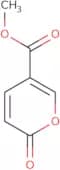
CAS:2-Oxo-2H-pyran-5-carboxylic acid methyl ester is an activated form of 2-oxopyran. It reacts with nucleophiles, such as malic acid, to form ethyl esters. This reaction is an example of the Friedel-Crafts reaction, which is a type of electrophilic aromatic substitution. The rate of this reaction depends on the activation energies and fluorescence properties of the reactants. The mechanism for this reaction is that the double bond in the carbonyl group is ruptured by attacking nucleophiles, resulting in a release of hydrogen gas and formation of carboxylic acid derivatives. The product can be isolated using a solvent extraction technique or purified using column chromatography.Fórmula:C7H6O4Pureza:Min. 98 Area-%Forma y color:PowderPeso molecular:154.12 g/mol1,2-Dioleoyl-sn-glycero-3-phosphatidylethanolamino (+)-biotin
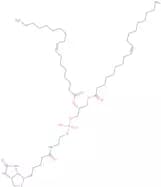
CAS:This is a speciality chemical and is not intended for use in food, drug, or cosmetic applications. This fine chemical is a useful building block, which can be used to synthesize complex compounds. It has been shown to have high reactivity with a variety of reagents, making it an excellent research component.Fórmula:C51H92N3O10PSPureza:Min. 95%Forma y color:PowderPeso molecular:970.33 g/molHederasaponin B
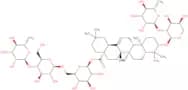
CAS:Hederasaponin B is a triterpenoid saponin found in Chinese herbs, such as Radix Astragali. The compound has been shown to have anti-inflammatory and anti-leishmanial activities in vitro and in vivo. Hederasaponin B also has neuroprotective properties, which may be due to its ability to inhibit the production of proinflammatory cytokines such as tumor necrosis factor-α (TNF-α) and nitric oxide (NO). Hederasaponin B has low bioavailability and must be administered orally for maximum effect.Fórmula:C59H96O25Pureza:Min. 95%Forma y color:White PowderPeso molecular:1,205.38 g/molTimosaponin B II
CAS:Timosaponin B II is a natural compound that inhibits the activity of cytochrome P450 enzymes. It has been shown to induce autophagy in a dopamine-dependent manner, which may be due to its ability to decrease mitochondrial membrane potential and increase phase transition temperature. Timosaponin B II also induces neurotrophic factors and matrix effects, which are beneficial for the treatment of inflammatory conditions, neurodegenerative diseases, and metabolic disorders. The drug has been shown to have pharmacokinetic properties that are similar to those of timosaponin I. The molecular weight of the molecule was determined by LC-MS/MS analysis as 527.2 amu. Timosaponin B II is not metabolized by cytochrome P450 enzymes or glucuronidases, but it is hydrolyzed by esterases or glutathione reductase.Fórmula:C45H76O19Pureza:Min. 95%Forma y color:White PowderPeso molecular:921.07 g/molbeta-Naphthylacetate
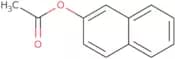
CAS:Beta-naphthylacetate is a chemical that is used in the synthesis of pharmaceuticals and pesticides. It is an ester of naphthalene and acetic acid. Beta-naphthylacetate has been shown to inhibit the enzyme activity of hydrogen fluoride, which is used in the production of polyester fibers. Beta-naphthylacetate has also been shown to have anti-inflammatory properties by inhibiting prostaglandin synthesis. This chemical also has epoxidase activity, which makes it useful in the conversion of dl-alpha-tocopherol to vitamin E. Beta-naphthylacetate is soluble in water and can be made into solid dispersions or cationic surfactant solutions with high concentrations of beta-naphthylacetate, making it useful for tissue culture. The optimum pH for beta-naphthylacetate is between 7 and 8, while the optimum temperature range is between 25
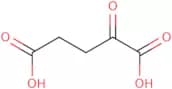
Fórmula:C12H10O2Pureza:Min. 95%Forma y color:White PowderPeso molecular:186.21 g/mola-Ketoglutaric acid
CAS:a-Ketoglutaric acid is a naturally occurring organic compound that is found in the body as well as in plants. It belongs to the group of organic acids and is produced from the breakdown of amino acids, such as leucine and valine. a-Ketoglutaric acid has been shown to have physiological effects on cells and tissues by inhibiting enzymes involved in energy metabolism. In vitro assays have shown that a-ketoglutaric acid has inhibitory properties against plant metabolism. This drug also inhibits the transcriptional regulation of genes for fatty acid synthesis in human erythrocytes. A-ketoglutaric acid has also been shown to inhibit glucose production in rat liver cells, which may be due to its ability to bind covalently with proteins or lipids, changing their structures and functions.Fórmula:C5H6O5Forma y color:White Off-White PowderPeso molecular:146.1 g/molL-Asparagine anhydrous
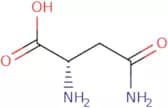
CAS:L-Asparagine anhydrous is a guanine nucleotide-binding protein that binds to the response element of the human serum albumin gene. It has been shown to stimulate liver enzymes and increase the synthesis of low-density lipoprotein (LDL) cholesterol, which may lead to atherosclerosis. L-Asparagine anhydrous has been used in wastewater treatment as a nitrogen source for nitrification and denitrification. The enzyme activity of L-asparagine anhydrous has been shown to be high in tumour cells and is also present in solid tumours. This protein can be used as a model system for studying oligosaccharides because it is able to produce these molecules from glucose. L-Asparagine anhydrous is not active against carcinoma cell lines, but it does have some activity against solid tumours.Fórmula:C4H8N2O3Forma y color:White Off-White PowderPeso molecular:132.12 g/mol3',5'-Dichloro-2'-hydroxyacetophenone
CAS:3',5'-Dichloro-2'-hydroxyacetophenone is a hydrogen bond donor and has a crystal system of orthorhombic. It is soluble in water and insoluble in organic solvents. 3',5'-Dichloro-2'-hydroxyacetophenone binds to the progesterone receptor, which is a nuclear hormone receptor that regulates gene transcription by binding to specific DNA sequences called hormone response elements. There are two cleavage products of progesterone receptor, Malondialdehyde (MDA) and estradiol (E2). 3',5'-Dichloro-2'-hydroxyacetophenone also binds to estrogen receptors, which are proteins located inside or on the surface of cells that bind to hormones and regulate the activity of certain genes. The biochemical function of 3',5'-dichloro-2' hydroxyacetophenone is not well understood but it has been shown to have antioxidant properties.Fórmula:C8H6Cl2O2Pureza:Min. 95%Peso molecular:205.04 g/mol4-Isobutylcinnamic acid
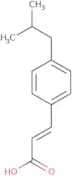
CAS:4-Isobutylcinnamic acid is an organic compound that is a derivative of the organic compound acrylic acid. It is an organic ester, which means it is formed by the reaction of an alcohol and an acid. Acrylic acid can be reacted with either ethyl alcohol or isobutyl alcohol to produce 4-isobutylcinnamic acid. The resulting product can be used in the production of polymers and plastics.Fórmula:C13H16O2Pureza:Min. 95%Forma y color:PowderPeso molecular:204.26 g/molLopinavir metabolite M-1
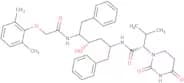
CAS:Lopinavir M-1 is a metabolite of lopinavir, which is an HIV protease inhibitor. Lopinavir M-1 has been shown to have antiviral activity against HIV-1 and other retroviruses. It is a versatile building block that can be used as a reagent or a complex compound in the synthesis of other compounds. Lopinavir M-1 also has antiviral activity against HIV-2 and SIV, but not against the influenza virus.Fórmula:C37H46N4O6Pureza:Min. 95%Peso molecular:642.78 g/molD-glucosyl-β-1,1'-N-nervonoyl-D-erythro-sphingosine
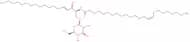
CAS:D-glucosyl-β-1,1'-N-nervonoyl-D-erythro-sphingosine is a mouse metabolite that was found to be an acyl group. This metabolite was shown to be a mouse metabolite.Fórmula:C48H91NO8Pureza:Min. 98 Area-%Forma y color:PowderPeso molecular:810.24 g/mol6-Fluoroserotonin
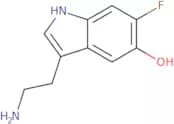
CAS:Producto controladoThe 6-Fluoroserotonin is a selective serotonin uptake inhibitor that has been used to study the serotonin transporter. It has been shown to inhibit the uptake of 5-hydroxyindoleacetic acid and 5-hydroxytryptamine, which is mediated by the serotonin transporter. The 6-Fluoroserotonin is also able to bind to clomipramine and zimelidine with high affinity. Analysis of the chromatographic profile of this compound revealed two peaks, one at 3.2 minutes and another at 4.7 minutes, corresponding to the two diastereoisomers of 6-fluoroserotonin.Fórmula:C10H11FN2OPureza:Min. 95%Peso molecular:194.21 g/molO-Methyl-L-threonine
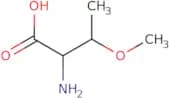
CAS:O-Methyl-L-threonine is an analog of L-threonine. O-Methyl-L-threonine inhibits the production of fatty acids in resistant mutants, which are activated by the addition of a hydroxy group to their amino acid backbone. This analog has been shown to be effective at suppressing the growth of animal health bacteria and fungi, and has been used as a treatment for protein synthesis disorders in animals. O-Methyl-L-threonine is also used as a precursor for nicotinic acetylcholine synthesis. In vivo tests have shown that it has no toxic effects on mammalian cells, but does not inhibit photosynthesis in plants.Fórmula:C5H11NO3Pureza:Min. 95%Forma y color:PowderPeso molecular:133.15 g/molCholesterol formate
CAS:Producto controladoCholesterol formate is a chemical that belongs to the group of organic compounds and is classified as an ester. It can be used in research, where it is a reagent for the synthesis of other chemicals. Cholesterol formate can be used in the production of pharmaceuticals, pesticides, fragrances, and other products. Cholesterol formate is also used as a building block in complex chemical reactions because it can act as a versatile scaffold.Fórmula:C28H46O2Pureza:Min. 95%Forma y color:White PowderPeso molecular:414.66 g/mol6-Methoxy-2-naphthoic acid
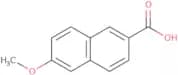
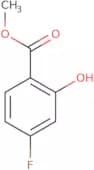
CAS:6-Methoxy-2-naphthoic acid (MN) is a cavity amide that has been shown to have an inhibitory effect on the growth of cancer cells. MN has been found to be more effective in inhibiting β-amyrin than caffeine, which may be due to its increased lipophilicity. It also has a higher affinity for adriamycin and enhances its anticancer effects. MN has been shown to be beneficial in treating diabetic patients, as it can reduce blood glucose levels by stimulating insulin release. The pharmacokinetic properties of MN are similar to those of other cavity amides, with rapid absorption and distribution throughout the body. This compound is metabolized in the liver by CYP2C8, CYP2C9, CYP3A4 and CYP3A5 enzymes. Molecular docking analysis of MN with β-amyrin showed that there was a strong interaction between them due to their complementary shapes and charge distributionsFórmula:C12H10O3Pureza:Min. 98 Area-%Forma y color:PowderPeso molecular:202.21 g/mol4-Fluoro-2-hydroxybenzoic acid methyl ester
CAS:4-Fluoro-2-hydroxybenzoic acid methyl ester is a chemical compound that is used as a synthetic intermediate in the synthesis of drugs. 4-Fluoro-2-hydroxybenzoic acid methyl ester can be prepared by reductive amination of an acyl chloride with an amine, followed by reaction with methanol. This chemical intermediate is used in the synthesis of the BCL-2 inhibitor venetoclax, which inhibits cell growth and induces apoptosis in lymphoma cells. 4-Fluoro-2-hydroxybenzoic acid methyl ester also has been shown to inhibit the activity of amidating enzymes and transferases, suggesting it may have potential as an anti-inflammatory drug.Fórmula:C8H7FO3Pureza:Min. 95%Forma y color:PowderPeso molecular:170.14 g/molIsatin bis-cresol
CAS:Isatin bis-cresol is a silicon-containing compound that can be used as a viscosity modifier and stabilizer in polymers. Isatin bis-cresol has shown resistance to degradation by water, alkali, and acid. It also has a high formation rate and can be used for the production of functionalized polymers such as polycarbonates or phosphonium salts. Isatin bis-cresol is insoluble in water but soluble in organic solvents, which makes it an ideal candidate for use in transesterification reactions. Isatin bis-cresol contains three functional groups: phenolic (OH), carboxylic acid (COOH), and alcohol (OH).
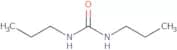
Fórmula:C22H19NO3Pureza:Min. 98 Area-%Forma y color:PowderPeso molecular:345.39 g/mol1,3-Dipropylurea
CAS:1,3-Dipropylurea is a nucleophilic organic compound. It is soluble in organic solvents such as benzyl alcohol, nitrous oxide, and ethylene glycol. It also has a constant boiling point of 215°C at atmospheric pressure. The reaction rate for the formation of 1,3-dipropylurea from benzaldehyde and propylene oxide is dependent on the solvent used. The yields are higher in polar solvents such as nitrous oxide or ethylene glycol than in nonpolar solvents like benzene or hexane. This reaction can be catalyzed by cyanoborohydride and the use of a base such as sodium hydroxide or potassium tert-butoxide speeds up the reaction rate considerably.
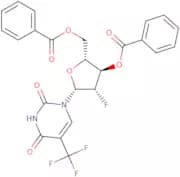
Fórmula:C7H16N2OPureza:Min. 97 Area-%Forma y color:PowderPeso molecular:144.21 g/mol3’,5’-Di-O-benzoyl-2’-deoxy-2’-fluoro-5-trifluoromethyl-arabinouridine
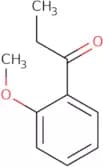
CAS:Please enquire for more information about 3’,5’-Di-O-benzoyl-2’-deoxy-2’-fluoro-5-trifluoromethyl-arabinouridine including the price, delivery time and more detailed product information at the technical inquiry form on this pagePureza:Min. 95%2'-Methoxypropiophenone
CAS:2'-Methoxypropiophenone is a carbonyl compound that is used as a starting material in the synthesis of other compounds. It can be synthesized by reacting sodium hydroxide with diazirinyl chloride, which reacts with benzyl alcohol to produce the desired product. This chemical has been shown to bind to the DNA of bacteria and show antibacterial activity. 2'-Methoxypropiophenone has also been used to label acetophenone and other carbonyl-containing molecules for their identification.
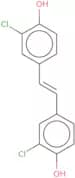
Fórmula:C10H12O2Pureza:Min. 95%Forma y color:Clear LiquidPeso molecular:164.2 g/mol3,3'-Dichloro-4,4'-dihydroxystilbene
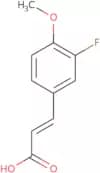
CAS:3,3'-Dichloro-4,4'-dihydroxystilbene is a chemical compound that is used as a reagent and intermediate. It has been shown to be an effective building block in organic synthesis. 3,3'-Dichloro-4,4'-dihydroxystilbene can be used for the production of speciality chemicals and research chemicals. This versatile compound is also used to make a variety of reactions components.Fórmula:C14H10Cl2O2Pureza:Min. 95%Forma y color:PowderPeso molecular:281.13 g/mol3-Fluoro-4-methoxycinnamic acid
CAS:3-Fluoro-4-methoxycinnamic acid is a template for the synthesis of azido compounds. Azide is a versatile functional group that can be used in many chemical reactions. 3-Fluoro-4-methoxycinnamic acid can be used to synthesize various azido products by reacting with hydrogen gas and an appropriate nucleophile, such as acrylic acid or ammonia. This reaction is called the "hydrogenating" reaction because it involves the addition of hydrogen. The target product can be synthesized by adding an appropriate electrophile, such as sodium azide, to the starting material in a solvent such as methylene chloride.Fórmula:C10H9FO3Pureza:Min. 95%Forma y color:PowderPeso molecular:196.18 g/mol(R)-BoroLeu-(+)-pinanediol-trifluoroacetate
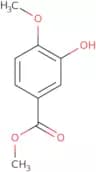
CAS:(R)-BoroLeu-(+)-pinanediol-trifluoroacetate is a complex compound with CAS No. 179324-87-9 and can be used as a reagent, useful intermediate, or fine chemical. It is a versatile building block that can be used in the synthesis of speciality chemicals, research chemicals, and reaction components. This compound has been reported to be a useful scaffold for the synthesis of novel compounds that could have applications in medicine, such as anti-cancer drugs and antibiotics.Fórmula:C17H29BF3NO4Forma y color:White Off-White PowderPeso molecular:379.22 g/mol3-Hydroxy-4-methoxybenzoic acid methyl ester
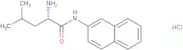
CAS:3-Hydroxy-4-methoxybenzoic acid methyl ester is a phenolic acid that is a potent inhibitor of tyrosinase activity. It has been shown to inhibit the growth of cancer cells by binding to 5-HT2A receptors and inhibiting the production of epidermal growth factor, which leads to a decrease in the expression of tyrosinase. 3-Hydroxy-4-methoxybenzoic acid methyl ester has also been shown to have an inhibitory effect on the synthesis of protocatechuic acid and acetate extract from soybean. This compound was found to be more effective than kojic acid, arbutin, and ascorbic acid.Fórmula:C9H10O4Pureza:Min. 95%Forma y color:PowderPeso molecular:182.17 g/molL-Leucine b-naphthylamide hydrochloride
CAS:Please enquire for more information about L-Leucine b-naphthylamide hydrochloride including the price, delivery time and more detailed product information at the technical inquiry form on this pageFórmula:C16H20N2O·HClPureza:Min. 95%Forma y color:PowderPeso molecular:292.8 g/molEthyl hydrocaffeate
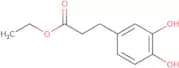
CAS:Ethyl hydrocaffeate is a phenolic compound and an ester of hydroxycinnamic acid. Ethyl hydrocaffeate is naturally found in many plants, such as, Bidens pilosa. In in vitro cell studies, ethyl hydrocaffeate inhibited the production of nitric oxide (NO) with an IC50 of 5.5âÎŒgâmlâ1in LPS-treated RAW 264.7 macrophages (Chiang, 2005). In food, ethyl hydrocaffeate has been tested as an antioxidant at a 0.004% concentration to prevent the generation of off-flavor in ice cream (Gelpi, 1955).
Fórmula:C11H14O4Pureza:Min. 95%Forma y color:Brown PowderPeso molecular:210.23 g/mol2-Amino-5-nitro-2'-chlorobenzophenone
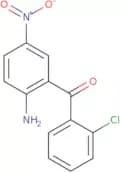
CAS:2-Amino-5-nitro-2'-chlorobenzophenone (2ACCB) is a precursor for the synthesis of 2,4,6-trichlorophenol. 2ACCB reacts with hydrochloric acid in the presence of a scrubber to produce diphenyl ether and activated 2ACCB. The reaction rate can be increased by adding sodium hydroxide solution to the reaction solution. The hydroxy group on the 2ACCB molecule can be converted to a terpene by transfer reactions with glycol esters. This compound has been used as a sterilant and disinfectant in reaction solutions containing chlorine atoms or carbonyl groups.Fórmula:C13H9ClN2O3Pureza:Min. 95%Forma y color:PowderPeso molecular:276.67 g/mol3,5-Diethoxyacetophenone
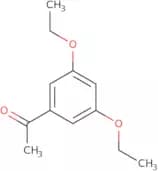
CAS:3,5-Diethoxyacetophenone is a high quality chemical that can be used as a reagent or a useful intermediate. It is also a fine chemical that can be used to produce speciality chemicals with various properties, such as research chemicals and versatile building blocks. 3,5-Diethoxyacetophenone has the CAS number 103604-53-1 and can react with other chemicals to form reaction components.Fórmula:C12H16O3Pureza:Min. 95%Forma y color:PowderPeso molecular:208.25 g/mol2,2'-Azoxydibenzoic acid
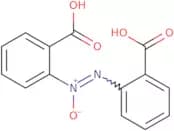
CAS:2,2'-azoxydibenzoic acid is a high quality chemical that is used as a reagent, complex compound, and research chemical. It has CAS No. 573-79-5 and has the molecular formula of C8H4N2O4. This compound is useful as an intermediate, fine chemical, or speciality chemical in synthesis. 2,2'-Azoxydibenzoic acid can be used as a building block for scaffolds or as a versatile building block in reaction components.Fórmula:C14H10N2O5Pureza:Min. 95%Peso molecular:286.24 g/mol1-Naphthaleneacetamide
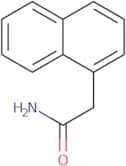
CAS:1-Naphthaleneacetamide is a plant growth regulator that belongs to the class of compounds known as auxins. It inhibits the production of chlorophyll and reduces photosynthetic activity in plants, thereby causing a decrease in chlorophyll content. 1-Naphthaleneacetamide has been shown to have genotoxic effects on human cells in tissue culture. This agent also has an effect on DNA damage and repair and can be used as an analytical method for determining the presence of surfactant sodium dodecyl (SDS) in urine samples by fluorescence spectrometry.Fórmula:C12H11NOPureza:Min. 98 Area-%Forma y color:PowderPeso molecular:185.22 g/mol3,5,3',5'-Tetraiodo thyrolactic acid
CAS:3,5,3',5'-Tetraiodo thyrolactic acid is a fine chemical that belongs to the group of useful building blocks. It is a reagent and speciality chemical. 3,5,3',5'-Tetraiodo thyrolactic acid can be used as a reaction component in the synthesis of pharmaceuticals and other organic molecules. This compound is also versatile and can be used as a scaffold for developing new analogues. 3,5,3',5'-Tetraiodo thyrolactic acid has excellent quality and purity with CAS No. 7069-47-8.Fórmula:C15H10I4O5Pureza:Min. 95%Forma y color:PowderPeso molecular:777.85 g/mol3-(2-Naphthyl)acrylic acid
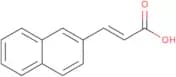
CAS:3-(2-Naphthyl)acrylic acid is a compound that inhibits the enzymatic activity of benzylpiperidine N-acetyltransferase, which is an enzyme that catalyzes the conversion of benzylamine to benzylpiperidine. This inhibition prevents the production of dopamine and norepinephrine, with a consequent neuroprotective effect. 3-(2-Naphthyl)acrylic acid has been shown to be effective in reducing oxidative stress in intestinal fluids, thereby protecting against the damaging effects of free radicals. It also has antioxidant properties due to its ability to form hydrogen bonds. 3-(2-Naphthyl)acrylic acid can also be used as a cross-coupling agent in organic synthesis, due to its functional groups.Fórmula:C13H10O2Pureza:Min. 95%Peso molecular:198.22 g/mol2,2'-Dipyridyl diselenide
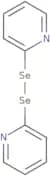
CAS:2,2'-dipyridyl diselenide is a chemical compound with the formula (CH)SeS. It is an organoselenium compound with a disulfide bond, which is a functional group consisting of two sulfur atoms bridged by two carbon atoms. 2,2'-Dipyridyl diselenide has been used to study the mechanism of cancer cell locomotion. This chemical can be prepared as an organic solution in trifluoroacetic acid and minimal toxicity was observed when it was tested on mice. FT-IR spectroscopy confirmed that this chemical has an amido group and a phosphite group. The structure of this chemical was determined by xerography and x-ray crystallography experiments, revealing that it is a polymeric material that contains hydroxyl groups and polycarboxylic acid groups.Fórmula:C10H8N2Se2Pureza:Min. 95%Forma y color:Red PowderPeso molecular:314.1 g/mol3,4-Methylenedioxy-5-methoxycinnamic acid
CAS:3,4-Methylenedioxy-5-methoxycinnamic acid is a fine chemical that can be used as a versatile building block in the synthesis of many organic compounds. It is a useful intermediate for research chemicals, reaction components, and specialty chemicals. This compound can be used as a reagent for the synthesis of complex compounds. It has high purity and quality.Fórmula:C11H10O5Pureza:Min. 95%Forma y color:PowderPeso molecular:222.19 g/mol3-Carboxycinnamic acid
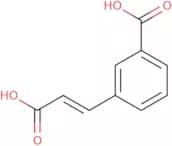
CAS:3-Carboxycinnamic acid is a metabolite of cinnamic acid and belongs to the group of phenols. It is a potent inducer of apoptosis in human carcinoma cell lines, with potency comparable to all-trans retinoic acid. 3-Carboxycinnamic acid has been shown to induce apoptosis by increasing the expression of proapoptotic proteins such as Bax and decreasing the expression of antiapoptotic proteins such as Bcl-2. 3-Carboxycinnamic acid also interacts with other transcriptional regulators, including all-trans retinoic acid, which may explain its potent cytotoxic effects. This compound has been shown to inhibit cell cycle progression at G2/M phase by inhibiting DNA synthesis. In addition, 3-carboxycinnamic acid can increase protein synthesis in liver cells, but inhibits it in cardiac cells.Fórmula:C10H8O4Pureza:Min. 95%Forma y color:PowderPeso molecular:192.17 g/molD-(+)-Camphoric acid
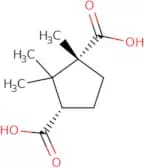
CAS:D-(+)-Camphoric acid is a chiral compound that has been synthesized and studied for its anticancer activity. It was found to be effective against cancer cells in the presence of metal cations, such as copper, nickel, and zinc. D-(+)-Camphoric acid can be used as a test compound to investigate the mechanism of action of drugs that target the lysosomal membrane. It is also useful in determining homochirality by x-ray diffraction studies. This compound has been shown to have an adsorption kinetic behaviour that is dependent on pH and ionic strength, which can be determined by luminescence experiments. D-(+)-Camphoric acid is an enantiopure chemical with a reaction time of 5 minutes at room temperature and is available in crystalline form. The crystal x-ray diffraction data for this compound has been published and it exhibits anticancer activity.Fórmula:C10H16O4Forma y color:White PowderPeso molecular:200.23 g/molγ-Carotene
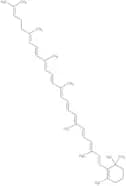
CAS:Gamma-carotene is a polycarboxylic acid that is a major food component. It has been shown to have neuroprotective effects in the brains of mice and may be important for the prevention of dementia. Gamma-carotene is found in plants, where it acts as a photosynthetic pigment, absorbing light energy and converting it into chemical energy. It also functions as an antioxidant, which protects cells from damage by free radicals. The biosynthesis of gamma-carotene starts with geranylgeranyl diphosphate (GGDP), which is then converted to phytoene by phytoene synthase. This reaction involves removal of two hydrogen atoms from GGDP, followed by the addition of two acetate groups. The next step in the pathway is conversion to lycopene by lycopene cyclase, and finally to beta-carotene by beta-carotenoid dehydrogenase.Fórmula:C40H56Pureza:Min. 95%Forma y color:Dark Red SolidPeso molecular:536.87 g/mol