Estándares farmacéuticos
Los estándares farmacéuticos son un conjunto integral de materiales de referencia esenciales para garantizar la seguridad, eficacia y calidad de los productos farmacéuticos. Esta categoría incluye estándares para ingredientes farmacéuticos activos (APIs), que son los componentes centrales responsables de los efectos terapéuticos. Además, abarca compuestos y metabolitos relevantes tanto para las industrias farmacéutica como veterinaria, proporcionando puntos de referencia para la medición y análisis precisos de estas sustancias. Los estándares de control de nitrosaminas son cruciales para detectar y mitigar las nitrosaminas potencialmente dañinas en las formulaciones de medicamentos. Los estándares de toxicología ayudan a evaluar la seguridad y los posibles efectos adversos de los compuestos farmacéuticos. Además, los estándares de activadores e inhibidores enzimáticos son vitales para la investigación y el desarrollo, permitiendo estudios precisos de las vías bioquímicas y los mecanismos de acción de los medicamentos. Estos estándares farmacéuticos son herramientas indispensables para el cumplimiento normativo, el control de calidad y la investigación, asegurando que los productos farmacéuticos cumplan con estrictos criterios de seguridad y eficacia.
Subcategorías de "Estándares farmacéuticos"
- APIs para investigación e impurezas(274.920 productos)
- Activadores e inhibidores de enzimas(2.827 productos)
- Nitrosaminas(2.606 productos)
- Compuestos y metabolitos farmacéuticos y veterinarios(2.871 productos)
- Toxicología(13.652 productos)
Se han encontrado 7836 productos de "Estándares farmacéuticos"
Ordenar por
Pureza (%)
0
100
|
0
|
50
|
90
|
95
|
100
4-Nitrophenol
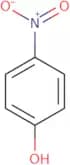
CAS:4-Nitrophenol is a chemical compound that is used in wastewater treatment to remove iron and copper ions. 4-Nitrophenol has been shown to catalyze the oxidation of picolinic acid by copper chloride, forming oxalic acid. The redox potential of 4-nitrophenol is -0.53 V, which makes it a suitable electron acceptor for the reaction. The reaction mechanism of this process involves the formation of a nitroso radical intermediate, which reacts with copper ions to form copper nitroso complexes and then reacts with oxygen to form hydroxylamine radicals. This reaction can also be followed using fluorescence probe measurements or electrochemical impedance spectroscopy (EIS).Fórmula:C6H5NO3Pureza:Min. 95%Forma y color:PowderPeso molecular:139.11 g/mol1-Nitronaphthalene
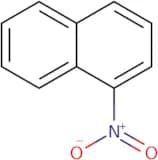
CAS:<p>1-Nitronaphthalene is a nitrobenzene derivative that has been used as an intermediate in the synthesis of pharmaceuticals, dyes, and other organic compounds. 1-Nitronaphthalene is classified as a hazardous substance due to its carcinogenicity and toxicity. In particular, it can cause irritation and burns on skin contact and may be fatal if swallowed. The toxicity profile of 1-nitronaphthalene has been studied in rats, mice, guinea pigs, rabbits, hamsters, and dogs. It was found to have moderate acute oral toxicity in rats but no significant acute toxicity in mice or dogs. 1-Nitronaphthalene also had little effect on p450 activity or enzyme activities in rats.</p>Fórmula:C10H7NO2Pureza:Min. 95%Forma y color:Yellow Clear LiquidPeso molecular:173.17 g/molEltrombopag olamine
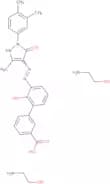
CAS:Eltrombopag olamine is an orally active drug that belongs to the class of thiazolidinones. It has been used for the treatment of thrombocytopenia in patients with chronic liver disease and myelodysplastic syndrome. Eltrombopag olamine inhibits platelet aggregation by binding to glycoprotein IIb/IIIa receptors on the surface of platelets. The drug is a prodrug that is metabolized in vivo to its active form, eltrombopag. This conversion is catalysed by CYP3A4 and CYP2D6 enzymes and can be inhibited by drugs that inhibit these enzymes, such as trifluoroacetic acid and hydroxyl group-containing compounds. Eltrombopag olamine binds to erythrocytes, which may be due to its ability to form intramolecular hydrogen bonds with nitrogen atoms. The synthesis of eltFórmula:C25H22N4O4•(C2H7NO)2Pureza:Min. 95%Forma y color:PowderPeso molecular:564.63 g/mol1,2-Epoxy-3-(4-nitrophenoxy)propane
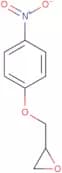
CAS:<p>1,2-Epoxy-3-(4-nitrophenoxy)propane is an epoxide that is a reactive intermediate that participates in a number of reactions, including the formation of disulfide bonds. It has been shown to have genotoxic effects and to be toxic to polymorphonuclear leucocytes. The compound can also inhibit detoxification enzymes, which may make it useful as a biomarker for environmental exposure to xenobiotics. 1,2-Epoxy-3-(4-nitrophenoxy)propane has also been shown to be a potential anti-cancer agent in gene therapy studies. This compound inhibits energy metabolism by inhibiting the enzyme glyceraldehyde 3 phosphate dehydrogenase (GAPDH).</p>Fórmula:C9H9NO4Pureza:Min. 95%Peso molecular:195.17 g/molButropium bromide
CAS:Butropium bromide is a biocompatible polymer that is used as an occlusive dressing for wounds. It is made of polyethylene and silicone elastomer, which are both highly resistant to water vapor and reactive chemicals. Butropium bromide has been shown to have high resistance against radiation, allergic reactions, and leukocyte antigen. The particle size of butropium bromide ranges from 0.3-0.5 microns in diameter; the material is soft and flexible with an elastic recoil.Fórmula:C28H38BrNO4Pureza:Min. 95%Peso molecular:532.51 g/molAmoxicillin dimer tri-sodium salt (penicilloic acid form) - mixture of diastereomers
<p>Please enquire for more information about Amoxicillin dimer tri-sodium salt (penicilloic acid form) - mixture of diastereomers including the price, delivery time and more detailed product information at the technical inquiry form on this page</p>Fórmula:C32H27N6Na3O11S2Pureza:Min. 95%Peso molecular:804.69 g/molMethyl-1-naphthalenemethylamine
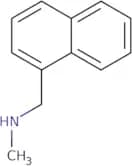
CAS:Methyl-1-naphthalenemethylamine is a synthetic drug that is used as an anti-fungal agent. It is used to treat dermatophytosis and onychomycosis caused by Trichophyton mentagrophytes. Methyl-1-naphthalenemethylamine has been shown to have a clinical response in patients with the skin condition tinea pedis. This drug inhibits the growth of fungi by inhibiting cell membrane synthesis, which leads to cell death. Methyl-1-naphthalenemethylamine has been shown to be effective against Trichophyton mentagrophytes in plasma samples from patients with tinea pedis who were treated with this drug. The effectiveness of this drug may be due to its ability to inhibit the synthesis of polysaccharides, proteins, and lipids in the fungal cell membrane, or its ability to inhibit protein synthesis by binding with ribosFórmula:C12H13NPureza:Min. 95%Forma y color:Clear LiquidPeso molecular:171.24 g/mol(R)-3-Amino-butyric acid methyl ester
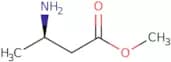
CAS:<p>Please enquire for more information about (R)-3-Amino-butyric acid methyl ester including the price, delivery time and more detailed product information at the technical inquiry form on this page</p>Fórmula:C5H11NO2Pureza:Min. 95%Peso molecular:117.15 g/molBoc-L-aspartic acid 4-tert-butyl ester
CAS:Boc-L-aspartic acid 4-tert-butyl ester is a synthetic aminoacylase that is used in the synthesis of ergosterol. It is an efficient and economical reagent for the preparation of esters of aspartic acid, which are used in fungal antifungal agents. Boc-L-aspartic acid 4-tert-butyl ester has been shown to have various physiological functions, including the ability to inhibit ergosterol synthesis by inhibiting the enzyme polymeric ergosterol synthase in fungi. This compound can also be used to synthesize n-substituted aspartates.Fórmula:C13H23NO6Pureza:Min. 95 Area-%Forma y color:PowderPeso molecular:289.32 g/mol2'-[(1H-Tetrazol-5-yl)biphenyl-4-yl]methanol
CAS:<p>Please enquire for more information about 2'-[(1H-Tetrazol-5-yl)biphenyl-4-yl]methanol including the price, delivery time and more detailed product information at the technical inquiry form on this page</p>Fórmula:C14H12N4OPureza:Min. 95%Peso molecular:252.27 g/molIlexsaponin B2
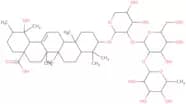
CAS:Ilexsaponin B2 is a triterpenoid saponin, which is a bioactive compound extracted from plants in the Ilex genus, such as Ilex pubescens. These saponins are characterized by their glycosidic linkages to sapogenins, typically influencing membrane permeability and exhibiting diverse biological activities.Pureza:Min. 95%9,10-Anthracenediyl-bis(methylene)dimalonic acid
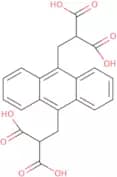
CAS:9,10-Anthracenediyl-bis(methylene)dimalonic acid (ADMA) is a fluorescent probe that is used to measure the levels of ADMA in cells. This compound is able to bind to cell nuclei, which can then be detected by fluorescence microscopy. ADMA has been shown to be useful as a marker for cancer and other diseases such as diabetes or Alzheimer's disease. The detection sensitivity of ADMA can be increased by combining it with heparin, which binds strongly to this molecule and increases its solubility in water. The use of ADMA as an imaging agent has been reported in several clinical studies.Fórmula:C22H18O8Pureza:Min. 95%Forma y color:PowderPeso molecular:410.37 g/molErythrosin B
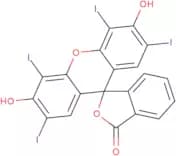
CAS:Erythrosin B is a fluorescent dye that is used in biological research. It has been shown to have cytotoxic effects on human leukemia cells (HL-60) and cytotoxic effects on human lymphocytes. The toxicities of this compound are dependent on the concentration and the duration of exposure, as well as the type of biological sample. Erythrosin B can be used to detect DNA damage in cells by using an analytical method called matrix effect synchronous fluorescence. This dye appears to be genotoxic in vitro and in vivo, but its long-term toxicity is unknown. Erythrosin B has antimicrobial properties against gram-positive bacteria and fungi, but it does not have any activity against Gram negative bacteria or viruses.Fórmula:C20H8I4O5Pureza:Min. 95%Forma y color:PowderPeso molecular:835.89 g/mol4-Nitrophenyl hexanoate
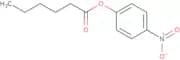
CAS:4-Nitrophenyl hexanoate is an acyl phosphate monoclonal antibody (aMAb) that binds to the enzyme hydroxylase, which converts 4-nitrophenol to p-nitrophenol. This aMAb has been shown to inhibit the activity of this enzyme and its conversion of 4-nitrophenol to p-nitrophenol, leading to its use in biochemical studies as a model for monooxygenase enzymes. The reaction mechanism for this aMAb is believed to be that it reacts with the acyl chain of hydroxylase and hinders the active site from binding 4-nitrophenol. 4-Nitrophenyl hexanoate also has a cationic surfactant that can bind or react with proteins or nucleic acids by electrostatic interactions or hydrogen bonding. It is also able to form polymers with other monoclonal antibodies and has been used in protein purification processesFórmula:C12H15NO4Pureza:Min. 98 Area-%Forma y color:Colorless Clear LiquidPeso molecular:237.25 g/mol1-Testosteronetetrahydropyran
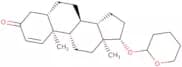
CAS:Producto controlado<p>Please enquire for more information about 1-Testosteronetetrahydropyran including the price, delivery time and more detailed product information at the technical inquiry form on this page</p>Fórmula:C24H36O3Pureza:Min. 95%Peso molecular:372.54 g/molNaphthalen-2-ethanol
CAS:<p>Naphthalen-2-ethanol is a primary alcohol that has been synthesized and immobilized onto boron nitride. It can be used as a synthetic reaction rate indicator. Naphthalen-2-ethanol is soluble in organic solvents such as methanol, which can be used to determine the concentration of methanol in solution by observing the change in absorbance at 230 nm. This compound has functional groups such as carbinols, which are characterized by their high reactivity and ability to form esters, ethers, amides, or nitriles. Naphthalen-2-ethanol also reacts with lipases to produce polyamines and with chromatography to produce substitutive nomenclature.</p>Fórmula:C12H12OPureza:Min. 95%Peso molecular:172.22 g/molCholesterol Isobutyl Carbonate
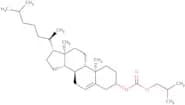
CAS:Producto controlado<p>Cholesterol Isobutyl Carbonate is a high melting organic solvent that has been used to prepare microcapsules. It can be used as a coating material for the preparation of inorganic particles, and it has been shown to have the ability to modify molecules by attaching functional groups. The diameter of cholesterol iso butyl carbonate particles is around 100 nm.</p>Pureza:Min. 95%3,4’-O-dimethylellagic acid
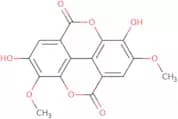
CAS:<p>3,4’-O-dimethylellagic acid is a phenolic compound, which is a type of ellagic acid derivative. It is derived from natural sources, typically found in various fruits, nuts, and vegetables, particularly in certain berries and pomegranates. The compound is formed through the methylation of ellagic acid, which amplifies its lipophilicity and enhances its bioavailability.</p>Pureza:Min. 95%2N-Boc-2',2''-triaminotriethylamine
CAS:Please enquire for more information about 2N-Boc-2',2''-triaminotriethylamine including the price, delivery time and more detailed product information at the technical inquiry form on this pageFórmula:C11H26N4O2Pureza:Min. 95%Forma y color:Yellow PowderPeso molecular:246.35 g/molrac-cis despropionyl mefentanyl N-trifluoroacetate
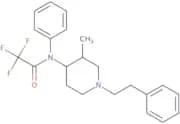
CAS:Producto controladoPlease enquire for more information about rac-cis despropionyl mefentanyl N-trifluoroacetate including the price, delivery time and more detailed product information at the technical inquiry form on this pageFórmula:C22H25F3N2OPureza:Min. 95%Peso molecular:390.44 g/mol




![2'-[(1H-Tetrazol-5-yl)biphenyl-4-yl]methanol](/_next/image/?url=https%3A%2Fstatic.cymitquimica.com%2Fproducts%2F3D%2Fthumb-webp%2FFT28188.webp&w=3840&q=75)