Glycoscience
La glicociencia es el estudio de los carbohidratos y sus derivados, así como de las interacciones y funciones biológicas en las que participan. Este campo de investigación es crucial para comprender una amplia variedad de procesos biológicos, incluyendo el reconocimiento celular, la señalización, la respuesta inmune y el desarrollo de enfermedades. La glicociencia tiene aplicaciones importantes en la biotecnología, la medicina, y el desarrollo de nuevos fármacos y terapias. En CymitQuimica, ofrecemos una amplia selección de productos de alta calidad y pureza para la investigación en glicociencia. Nuestro catálogo incluye monosacáridos, oligosacáridos, polisacáridos, glicoconjugados, y reactivos específicos, diseñados para apoyar a los investigadores en sus estudios sobre la estructura, función y aplicaciones de los carbohidratos en sistemas biológicos. Estos recursos están destinados a facilitar descubrimientos científicos y aplicaciones prácticas en diversas áreas de la biociencia y la medicina.
Subcategorías de "Glycoscience"
- Aminoazúcares(108 productos)
- Anticuerpos relacionados con azúcares(282 productos)
- Glicolípidos(46 productos)
- Glicosaminoglicanos (GAGs)(55 productos)
- Glucósidos(419 productos)
- Monosacáridos(6.624 productos)
- Oligosacáridos(3.682 productos)
- Polisacáridos(503 productos)
Se han encontrado 11046 productos de "Glycoscience"
Ordenar por
Pureza (%)
0
100
|
0
|
50
|
90
|
95
|
100
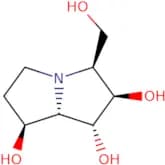
3-Epialexine
CAS:<p>3-Epialexine is a novel small molecule that inhibits sucrase, the enzyme responsible for cleaving glucose from sucrose. 3-Epialexine binds to the active site of this enzyme, preventing d-glucose from binding and being broken down. This leads to an accumulation of d-glucose in the intestinal lumen and could be used as a lead compound for the development of drugs to treat diabetes. The diversity of microorganisms can be screened for sucrase activity by using 3-epialexine as a lead compound.</p>Pureza:Min. 95%Blood Group A pentasaccharide type I
<p>A antigen pentasaccharide Type I, possible use in antiviral development</p>Fórmula:C34H58N2O25Pureza:Min. 85%Forma y color:PowderPeso molecular:894.82 g/mol2,6-di-O-n-pentyl-3-O-n-butyryl-γ-cyclodextrin
<p>This gamma-cyclodextrin (γ-CD) derivative is a modified cyclic oligosaccharide composed of eight glucose units, featuring a larger cavity size than α- and β-cyclodextrins. This structural characteristic allows γ-CDs to form inclusion complexes with a wider range of guest molecules, making it particularly versatile in various industries. In the food sector, it is used as a carrier and stabilizer for flavors, fat-soluble vitamins, and polyunsaturated fatty acids, protecting volatile compounds from evaporation. In pharmaceuticals, it enhances the solubility and bioavailability of poorly water-soluble drugs and, thanks to its larger ring size, allows for the encapsulation of larger molecules or even entire drug molecules. γ-CDs and derivatives are also used for environmental remediation and, in analytical chemistry, for the extraction and concentration of target substances.</p>Fórmula:C160H288O48Pureza:Min. 95%Peso molecular:2,979.97 g/mol6-Monomesyl-γ-cyclodextrin
<p>This gamma-cyclodextrin (γ-CD) derivative is a modified cyclic oligosaccharide composed of eight glucose units, featuring a larger cavity size than α- and β-cyclodextrins. This structural characteristic allows γ-CDs to form inclusion complexes with a wider range of guest molecules, making it particularly versatile in various industries. In the food sector, it is used as a carrier and stabilizer for flavors, fat-soluble vitamins, and polyunsaturated fatty acids, protecting volatile compounds from evaporation. In pharmaceuticals, it enhances the solubility and bioavailability of poorly water-soluble drugs and, thanks to its larger ring size, allows for the encapsulation of larger molecules or even entire drug molecules. γ-CDs and derivatives are also used for environmental remediation and, in analytical chemistry, for the extraction and concentration of target substances.</p>Fórmula:C49H82SO42Pureza:Min. 95%Peso molecular:1,375.22 g/molFucoidan - Ascophyllum nodosum
CAS:<p>Please enquire for more information about Fucoidan - Ascophyllum nodosum including the price, delivery time and more detailed product information at the technical inquiry form on this page</p>Forma y color:Powder4-Isothiocyanatophenyl-α-D-mannopyranoside
CAS:4-Isothiocyanatophenyl-alpha-D-mannopyranoside is a synthetic glycosylated sugar that has been modified with fluorination and methylation. It is a custom synthesis that can be modified to customer specifications. This product is available in high purity and at competitive prices.Fórmula:C13H15NO6SPureza:Min. 98.0 Area-%Peso molecular:313.33 g/molRef: 3D-W-204140
1gA consultar50mgA consultar100mgA consultar250mgA consultar500mgA consultar-Unit-ggA consultar6- Deoxy- 1, 2:3, 5- bis- isopropylidene-D- ido-heptitol
<p>6- Deoxy- 1, 2:3, 5- bis- isopropylidene-D- ido-heptitol is a modified oligosaccharide that is used as a reagent in the synthesis of complex carbohydrates. It has been shown to inhibit bacterial growth by binding to ribose and other sugars. 6-Deoxy-1,2:3,5-bis-isopropylidene-D-idoheptitol can be used to produce glycosides or methylated saccharides. This compound has been shown to have high purity and the CAS number for this product is 107738-94 -7.</p>Pureza:Min. 95%Lacto-N-fucopentaose I
CAS:<p>Milk oligosaccharide; expressed on human induced pluripotent cells</p>Fórmula:C32H55NO25Pureza:Min. 95%Forma y color:White PowderPeso molecular:853.77 g/molTelmisartan acyl-b-D-glucuronide
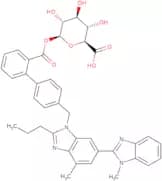
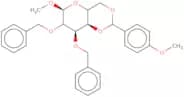
CAS:<p>Telmisartan acyl-b-D-glucuronide is a drug metabolite that is formed by the conjugation of telmisartan with glucuronic acid. Telmisartan acyl-b-D-glucuronide is activated in vivo and reversibly inhibits the enzyme creatine kinase, which is involved in the metabolism of creatine to creatinine. The effective dose for this compound has been shown to be 10 mg/kg (orally) in humans. Telmisartan acyl-b-D-glucuronide has been shown to be an at1 receptor antagonist and may have some antihypertensive effects via modulation of ion channels. This drug also appears to have some proliferative effects on cells that are inhibited by radiation.</p>Fórmula:C39H38N4O8Pureza:Min. 95%Forma y color:Off-White PowderPeso molecular:690.74 g/molMethyl 2,3-di-O-benzyl-4,6-O-(4-methoxybenzylidene)-a-D-glucopyranoside
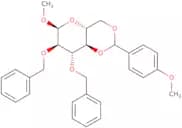
CAS:Methyl 2,3-di-O-benzyl-4,6-O-(4-methoxybenzylidene)-a-D-glucopyranoside is a monosaccharide that is used as a building block for the synthesis of complex carbohydrates. It has been modified with fluorination, methylation and glycosylation. Methyl 2,3-di-O-benzyl-4,6-O-(4-methoxybenzylidene)-a-D-glucopyranoside can be synthesized using custom synthesis or high purity. This product has CAS No. 94902 60 0 and is available in high purity.Fórmula:C29H32O7Pureza:Min. 95%Peso molecular:492.57 g/mol2,3,4,6-Tetra-O-acetyl-a-D-galactopyranosyl bromide - 2% CaCO3
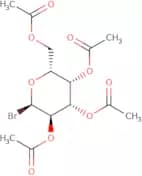
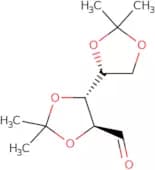
CAS:Donor for Koenigs-Knorr type galactosylation and other anomeric substitutionsFórmula:C14H19BrO9Pureza:One SpotForma y color:PowderPeso molecular:411.2 g/mol2,3:4,5-Di-O-isopropylidene-D-arabinose
CAS:Synthetic building blockFórmula:C11H18O5Pureza:Min. 95%Forma y color:Colorless PowderPeso molecular:230.26 g/molD-Mannono-1,5-lactone
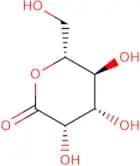
CAS:<p>D-Mannono-1,5-lactone is a custom synthesis. It is fluorinated to give 1,5-difluoro-D-mannono-1,4,6-lactone. The methylation of the C2 hydroxyl group and the C3 keto group gives 1,5-difluoro-D-mannono-1,4,6-(methylenedioxy)lactone. Click modification of this product with azide or acetylene gives 1,5-[(azido)-(acetylenyl)] D-mannono lactone or 1,5-[(acetylene)-(azido)] D manno lactone respectively. Monosaccharides can be synthesized from these products by glycosylation with a sugar donor. Polysaccharides can be synthesized from these products by glycosylation with a sugar donor and subsequent glycosidic linkage via an olig</p>Fórmula:C6H10O6Pureza:Min. 95 Area-%Forma y color:PowderPeso molecular:178.14 g/molOctyl beta-D-thioglucopyranoside
CAS:<p>Non-denaturing, non-ionic detergent for membrane protein solubilisation. Previously under code O-2710 and DO06354.</p>Fórmula:C14H28O5SPureza:Min. 98 Area-%Peso molecular:308.44 g/molL-g-Ethylidene glutanic acid
<p>L-g-Ethylidene glutamic acid is an organic compound that is used in the production of pharmaceuticals, agrochemicals, and other chemicals. It can be synthesized by the methylation of L-glutamic acid with formaldehyde and sodium cyanoborohydride. L-g-Ethylidene glutamic acid has also been modified by a click reaction to create a fluorinated derivative. This product is a white crystalline solid that has a CAS number. The product is available at high purity and can be ordered as either monosaccharide or polysaccharide.<br>L-g-Ethylidene glutamic acid is a sugar that belongs to the carbohydrate family and can be classified as complex carbohydrates because it comprises two or more sugars linked together. This product may also be referred to as an oligosaccharide or polysaccharide, depending on its molecular size.</p>Pureza:Min. 95%Colloidal Chitin
CAS:<p>Chitin is a polysaccharide which is found widely in nature, where it functions in a manner similar to collagen in chordates. It forms the tough fibrous exoskeletons of insects, crustaceans and other arthropods, and, in addition to its presence in some fungi, it occurs in at least one alga. The structure of chitin is similar to that of cellulose but with glucose replaced with N-acetyl-D-glucosaminyl units linked β-D-(1,4) in a linear chain. It is normally produced from the shells of lobster, crab or shrimp.</p>Forma y color:Powder2, 5- Anhydro-4,6-O-isopropylidene-D- idonic acid
2, 5-Anhydro-4,6-O-isopropylidene-D-idonic acid is a carbohydrate that can be used as a saccharide or oligosaccharide. This product has been fluorinated and methylated. It is also glycosylated and click modified. 2,5-Anhydro-4,6-O-isopropylidene-D-idonic acid can be synthesized to order and is available in high purity.Pureza:Min. 95%1,4,6-Tri-O-galloylglucose
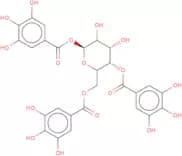
CAS:<p>1,4,6-Tri-O-galloylglucose is a synthetic carbohydrate that has been modified using glycosylation, methylation, and click modification. It is a complex carbohydrate with a high purity of 99.5%, and can be used in many applications including the synthesis of oligosaccharides. 1,4,6-Tri-O-galloylglucose can be fluorinated to create a product with increased resistance to hydrolysis.</p>Fórmula:C27H24O18Pureza:Min. 95%Peso molecular:636.47 g/mol6-Chloro-6-deoxy-D-allose
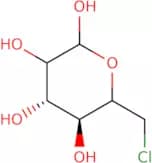
<p>6-Chloro-6-deoxy-D-allose is a synthetic sugar that has been fluorinated to produce the 6-chloro-6-deoxy sugar. The product is soluble in water and ethanol, and has a CAS number of 56982-08-3. It can be custom synthesized for customers with high purity and methylated at any position on the sugar chain. This product can be glycosylated or click modified, depending on customer needs.</p>Fórmula:C6H11ClO5Pureza:Min. 95%Peso molecular:198.6 g/molChitosan oligosaccharide HCl
CAS:Chitosan oligosaccharide HCl is a water-soluble, biocompatible polymer with an average molecular weight of 2,000. It has been shown to have hypoglycemic effects in vivo and inhibitory properties against inflammatory bowel disease. Chitosan oligosaccharide HCl also exhibits an ability to enhance the activity of monoclonal antibodies directed against human tumor cells. This effect may be due to the ability of chitosan oligosaccharide HCl to bind to antigens on the surface of tumor cells and facilitate antibody binding.Fórmula:(C12H24N2O9)nForma y color:Off-White Powder6-Cyano-6-deoxy-γ-cyclodextrin
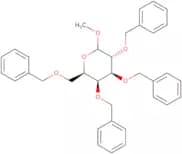
This gamma-cyclodextrin (γ-CD) derivative is a modified cyclic oligosaccharide composed of eight glucose units, featuring a larger cavity size than α- and β-cyclodextrins. This structural characteristic allows γ-CDs to form inclusion complexes with a wider range of guest molecules, making it particularly versatile in various industries. In the food sector, it is used as a carrier and stabilizer for flavors, fat-soluble vitamins, and polyunsaturated fatty acids, protecting volatile compounds from evaporation. In pharmaceuticals, it enhances the solubility and bioavailability of poorly water-soluble drugs and, thanks to its larger ring size, allows for the encapsulation of larger molecules or even entire drug molecules. γ-CDs and derivatives are also used for environmental remediation and, in analytical chemistry, for the extraction and concentration of target substances.Fórmula:C56H72N8O32Pureza:Min. 95%Peso molecular:1,369.21 g/molMethyl 2,3,4,6-tetra-O-benzyl-D-galactopyranoside
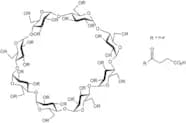
CAS:<p>Methyl 2,3,4,6-tetra-O-benzyl-D-galactopyranoside is a trisaccharide that binds to the fluorescent chromophore. It has been shown to have strong binding activity and can be used for the labeling of carbohydrates. Methyl 2,3,4,6-tetra-O-benzyl-D-galactopyranoside is also used in assays to detect toxins or as a fluorescent label for polymers. This compound can be synthesized by reacting methyl 4,6-dibenzyloxybenzoate with glucose in methanol.</p>Fórmula:C35H38O6Pureza:Min. 95%Forma y color:PowderPeso molecular:554.67 g/molSuccinyl-gamma-cyclodextrin
<p>This gamma-cyclodextrin (γ-CD) derivative (Suc-γ-CD) is a modified cyclic oligosaccharide composed of eight glucose units, featuring a larger cavity size than α- and β-cyclodextrins. This structural characteristic allows γ-CDs to form inclusion complexes with a wider range of guest molecules, making it particularly versatile in various industries. In the food sector, it is used as a carrier and stabilizer for flavors, fat-soluble vitamins, and polyunsaturated fatty acids, protecting volatile compounds from evaporation. In pharmaceuticals, it enhances the solubility and bioavailability of poorly water-soluble drugs and, thanks to its larger ring size, allows for the encapsulation of larger molecules or even entire drug molecules. γ-CDs and derivatives are also used for environmental remediation and, in analytical chemistry, for the extraction and concentration of target substances.</p>Fórmula:C48H80nO40•(C4H5O3)nPureza:Min. 95%Forma y color:PowderPeso molecular:1,297.2 g/mol5-Deoxy-iso-DMDP HCl
<p>5-Deoxy-iso-DMDP HCl is a custom synthesis sugar that can be modified with Click chemistry. It is fluorinated, glycosylated, and methylated. The CAS number for 5-Deoxy-iso-DMDP HCl is 97790-10-2. This oligosaccharide has a molecular weight of about 607.5 Daltons and contains monosaccharides and saccharides. The carbohydrate complex has a molecular weight of about 1201 Daltons and includes complex carbohydrates such as polysaccharides, glycoproteins, glycogen, and polysaccharolytic enzymes.</p>Pureza:Min. 95%Methyl 6-deoxy-β-D-glucopyranoside
CAS:<p>Methyl 6-deoxy-b-D-glucopyranoside is a custom synthesis that produces methylated sugars. It is a high purity, complex carbohydrate with a molecular weight of 312.06 g/mol and CAS No. 6340-52-9. Methyl 6-deoxy-b-D-glucopyranoside is produced by the click modification of glucose, which is an oligosaccharide composed of six molecules of glucose linked together. This product has been used in the synthesis of polysaccharides and saccharides.</p>Fórmula:C7H14O5Pureza:Min. 95%Forma y color:PowderPeso molecular:178.18 g/molUDP-3-O-(R-3-hydroxydecanoyl)-GlcNAc sodium salt
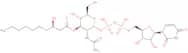
CAS:<p>Substrate for UDP-3-O-acyl-GlcNAc deacetylase</p>Fórmula:C27H43N3O19P2·xNaPureza:Min. 90 Area-%Forma y color:White Off-White Solidified MassPeso molecular:777.6 g/molL-Xylulose, 1.0 M aqueous solution
CAS:<p>L-Xylulose is a pentose sugar that can be used as a precursor for the synthesis of l-xylitol and arabinitol. L-Xylulose is an intermediate in the pentose phosphate pathway, which produces ribose 5-phosphate and NADPH. L-Xylulose has been shown to have anticancer activity by inhibiting polymerase chain reactions (PCRs) in cancerous tissues. This effect has been attributed to its ability to reduce the levels of dNTPs, which are required for DNA replication. L-Xylulose also inhibits aerobic respiration, which may be due to its ability to inhibit enzymatic activity of both ribitol dehydrogenase and l-arabinitol dehydrogenase.</p>Fórmula:C5H10O5Pureza:Min. 98 Area-%Forma y color:PowderPeso molecular:150.13 g/mol7'-Hydroxypropranolol-b-D-glucuronide
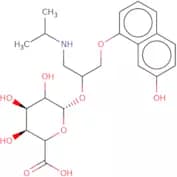
<p>7'-Hydroxypropranolol-b-D-glucuronide is a synthetic compound with a molecular formula of C21H28F3NO6. It has a melting point of 155 °C, and it is soluble in water. 7'-Hydroxypropranolol-b-D-glucuronide is an intermediate in the synthesis of other compounds, and it can be used as a building block for custom synthesis. This compound can be modified with click chemistry or saccharide linkages, providing additional opportunities for modification.</p>Fórmula:C22H29NO9Pureza:Min. 95%Peso molecular:451.47 g/mol(2S, 3S, 4S, 5R) -3,4-Dihydroxy-2, 5- pyrrolidinedimethano l
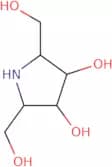
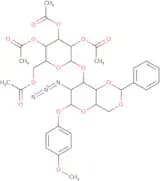
CAS:Disrupting agents are compounds that inhibit the function of a protein. These agents are able to bind to proteins and disrupt their normal function, leading to cell death. Picolinic acid is one such agent, which binds to proteins that contain an active site with a metal ion. It has been shown to be effective in reducing tumor cells and drug efficacy. Disrupting agents have also been shown to induce apoptosis by activating caspases, which are proteases that process proteins in cells. Research on these agents has shown anticancer potential in drug research and cancer treatment.Pureza:Min. 95%4-Methoxyphenyl 3-O-(2,3,4,6-Tetra-O-acetyl-b-D-galactopyranosyl)-2-azido-4,6-O-benzylidene-2-deoxy-b-D-galactopyranoside
<p>4-Methoxyphenyl 3-O-(2,3,4,6-Tetra-O-acetyl-b-D-galactopyranosyl)-2-azido-4,6-O-benzylidene-2-deoxy-b -D -galactopyranoside is a sugar that can be methylated or modified with other saccharides. It has CAS No. 91485 and can be synthesized by Click chemistry. The modification of the sugar includes glycosylation and fluorination. This compound is a complex carbohydrate that is used in synthetic chemistry.</p>Pureza:Min. 95%2-Aminophenyl 2,3,4-tri-O-acetyl-β-D-glucuronide methyl ester
CAS:2-Aminophenyl 2,3,4-tri-O-acetyl-b-D-glucuronide methyl ester is a glycosylation reagent and can be used in synthesis of oligosaccharides and sugar. This chemical has been modified with fluorination, methylation and monosaccharide modification to provide a high purity product. It is also available in complex carbohydrate form.Fórmula:C19H23NO10Pureza:Min. 95%Forma y color:White to off-white solid.Peso molecular:425.39 g/molTara gum
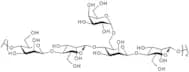
CAS:Tara gum is a galactomannan that is obtained from the seeds of the tara shrub Caesalpinia spinosa which is a native of the northern regions of Africa and South America. The gum is described as having a backbone of (1,4)-linked β-D-mannopyranosyl units one third of which possess a single unit side chain of (1,6)-linked α-D-galactopyranose. The gum forms gels with carrageenan and xanthan in a similar manner to guar and locust bean gum. Currently, only small quantities of tara gum are sold for use as food thickeners and stabilisers.Pureza:Min. 95%Forma y color:Powder6-Epi-castanospermine
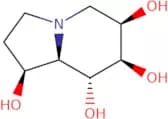
CAS:<p>6-Epi-castanospermine is a nitro compound that is synthesized by the allylic oxidation of castanospermine. It has been shown to inhibit glycosidases and glycosidase inhibitors in vitro, including those from the families of α-amylase, α-L-arabinofuranosidases, β-hexosaminidases, α-glucuronidases, and phytases. 6-Epi-castanospermine has also been used as an intermediate for the synthesis of chiral polyhydroxylated compounds. The 13C NMR spectrum of this compound was found to be diagnostic for its structural assignment.</p>Fórmula:C8H15NO4Pureza:Min. 95 Area-%Forma y color:White Off-White PowderPeso molecular:189.21 g/mol2,3-Di-O-benzyl-4-deoxy-L-fucose
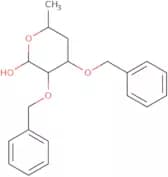
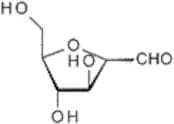
CAS:<p>2,3-Di-O-benzyl-4-deoxy--L-fucose is a methylated derivative of the fucose monosaccharide. It is synthesized through a click reaction that involves the use of an azide group on the sugar and an alkyne group on a thiol reagent. The synthesis utilizes one step, yielding 2,3-Di-O-benzyl-4-deoxy--L-fucose in high purity with low residual starting material. The product has been modified for glycosylation and can be used in oligosaccharides or polysaccharides.</p>Fórmula:C20H24O4Pureza:Min. 95%Forma y color:Clear Colourless LiquidPeso molecular:328.4 g/mol2-Deoxy-α-D-ribose-1-phosphate bis(cyclohexylammonium)
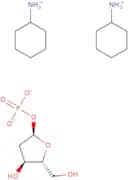
CAS:<p>2-Deoxy-a-D-ribose-1-phosphate bis(cyclohexylammonium) salt is a modification of the 2-deoxy-a-D-ribose 1 phosphate. It is an oligosaccharide that synthesized by custom synthesis and is high purity. It has CAS No. 102783-28-8, which is a polysaccharide that is a sugar and has methylation and glycosylation. This product can be used in pharmaceuticals, diagnostic agents, or other applications where it is necessary to modify the carbohydrate chain or add glycosylations and methylations.</p>Fórmula:C5H11O7P•(C6H13N)2Pureza:(%) Min. 97%Forma y color:White PowderPeso molecular:412.46 g/mol5-Amino-3-β-D-ribofuranosylthiazolo[4,5-d]pyrimidin-2,7(3H,6H)-dione
CAS:<p>5-Amino-3-β-D-ribofuranosylthiazolo[4,5-d]pyrimidin-2,7(3H,6H)-dione (ATZ) is a prodrug that is converted to the active drug ATZ. ATZ has been shown to be effective against hepatitis C virus in vitro assays and in vivo in animal models. It inhibits viral replication by inhibiting the protein synthesis of the virus and its ability to replicate. ATZ also has been shown to be effective against infectious diseases such as herpes simplex virus, inflammatory diseases such as rheumatoid arthritis, and cancer. The drug is an oral prodrug that must be activated by intestinal bacteria before it can be absorbed into the bloodstream. It is chemically stable and does not undergo significant metabolism after being absorbed into the body.</p>Fórmula:C10H12N4O6SPureza:Min. 95%Forma y color:PowderPeso molecular:316.29 g/molMethyl b-D-glucopyranoside
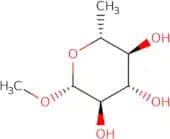
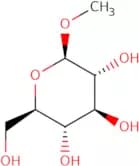
CAS:<p>Inhibitor of Man/Glc-dependent lectin binding; used for synthesis of glucoses</p>Fórmula:C7H14O6Pureza:Min. 99.0 Area-%Forma y color:White Off-White PowderPeso molecular:194.18 g/molN-(Benzyloxycarbonyl)-2,3-5,6-di-O-isopropylidene-L-gulofuranosylamine
<p>N-(Benzyloxycarbonyl)-2,3-5,6-di-O-isopropylidene-L-gulofuranosylamine is a glycosylation reagent that was custom synthesized for the synthesis of oligosaccharides and polysaccharides. It has been fluorinated at the 2 position of the benzyloxycarbonyl group to provide protection against oxidation. The methyl group in this compound is used for Click chemistry, which is a modification that adds a reactive vinyl or allyl moiety to an organic molecule. This compound can be used for the synthesis of complex carbohydrates with high purity.</p>Pureza:Min. 95%Sialyl lewis X pentaose
The blood group antigen Sialyl Lewis X (SLeX) is an oligosaccharide which plays a vital role in cell-cell recognition processes. SLeX is a terminal residue on glycolipids that are present on the surface of white blood cells and plays a key role in inflamation processes (Collins, 2006). The inital adhesion of white blood cells to a site of injury is mediated by E-selectins which specifically interact with SLeX. Cell-cell recognition between leukocytes and endothelial cells in blood is believed to occur in part through interactions between lectins and oligosaccharide ligands (Munro, 1992).Fórmula:C37H61N2O28NaPureza:Min. 70%Forma y color:PowderPeso molecular:1,004.87 g/molSalicylic acid D-glucuronide
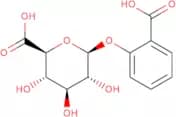
CAS:<p>Salicylic acid D-glucuronide is the major metabolite of aspirin, which is formed by hydrolysis of acetylsalicylic acid. It has been demonstrated to have anti-inflammatory and analgesic effects. Salicylic acid D-glucuronide is excreted in urine and can be detected in human serum. The formation rate of this metabolite varies with the individual's age, sex, and kidney function.<br>Salicylic acid D-glucuronide can be formed in vitro using hydrochloric acid and acetylsalicylic acid as substrates. This reaction is catalyzed by the enzyme uridine diphosphate glucuronyltransferase (UGT). Salicylic acid D-glucuronide has been shown to form covalent adducts with hydroxyl groups from other molecules in vivo and in vitro, including proteins (e.g., albumin) and DNA bases (e.g.,</p>Fórmula:C13H14O9Pureza:Min. 95%Forma y color:PowderPeso molecular:314.24 g/mol7-(2-(2-((N-2-Deoxy-acetamido-β-D-glucopyranosyl)-(N-methyl)-aminooxy)ethoxy)ethoxy)-naphthalene-1,3-disulfonate
CAS:<p>7-(2-(2-((N-2-Deoxy-acetamido-beta-D-glucopyranosyl)-(N-methyl)-aminooxy)ethoxy)ethoxy)-naphthalene-1,3-disulfonate is a synthetic compound that can be custom synthesized. It has been specifically designed for the modification of complex carbohydrates by click chemistry. The binding site of 7-(2-(2-((N-2-Deoxy-acetamido-beta-D-glucopyranosyl)-(N-methyl)-aminooxy)ethoxy)ethoxy)-naphthalene 1,3 disulfonate is the anomeric carbon of the sugar moiety. This compound has a CAS number of 2365081–65–6 and can be used in many different applications including glycosylation, oligosaccharide synthesis, and methylation.</p>Fórmula:C23H32N2O14S2Pureza:Min. 95%Forma y color:PowderPeso molecular:624.64 g/mol1,1,1,1,1-Kestoheptaose
CAS:<p>Kestoheptaose is a long-chain inulin with a molecular weight of 1,000 Da. It is found in the plant family Asteraceae and is the only natural polysaccharide with seven glucose units. Kestoheptaose has been shown to be involved in the regulation of muscle glycogen levels and can be used as a supplement for athletes or those who are active. The biochemical functions of Kestoheptaose have been validated using an oral ethanol extract, which was shown to increase muscle glycogen levels by up to 132%. This extract also decreased malondialdehyde concentrations by up to 41% and increased urea nitrogen levels by up to 89%.</p>Fórmula:C42H72O36Pureza:Min. 75 Area-%Forma y color:White PowderPeso molecular:1,153 g/molPyridoxine galactoside
CAS:<p>Pyridoxine galactoside is an oligosaccharide that is used as a methyl donor in the synthesis of other compounds. Pyridoxine galactoside is a synthetic compound that has been modified by fluorination and has a saccharide chain consisting of a monosaccharide, sugar, or carbohydrate. It is synthesized from pyridoxine and galactose.</p>Fórmula:C14H21NO8Pureza:Min. 95%Forma y color:PowderPeso molecular:331.3 g/molGlycyl-disialyllacto-N-tetraose
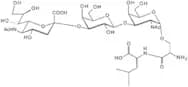
<p>Glycyl-disialyllacto-N-tetraose is a complex carbohydrate that contains a glycosidic bond between two monosaccharides. It has the molecular formula C9H18O4N2O8 and CAS number 327977-92-3. This compound can be modified with methylation, glycosylation, or fluorination to increase solubility and stability. Glycyl-disialyllacto-N-tetraose is also known as Oligosaccharide, CAS No., Polysaccharide, Modification, saccharide, Methylation, Glycosylation, Click modification and Carbohydrate.</p>Fórmula:C50H83N5O37Pureza:Min. 95%Peso molecular:1,346.21 g/mol1-O-Acetyl-a-D-galactopyranose - min 90% α
CAS:1-O-Acetyl-a-D-galactopyranose is a carbohydrate that is synthesized from D-galactose and acetyl chloride. It's an Oligosaccharide, Polysaccharide, or Modification to saccharides that are found in nature. This product can be modified with methylation, glycosylation, or carbocationic reactions. 1-O-acetyl-a-D-galactopyranose is used for click chemistry reactions and has a CAS number of 496924551.Fórmula:C8H14O7Pureza:Min. 95%Peso molecular:222.19 g/mol5-Deoxy-5-fluoro-D-galactose
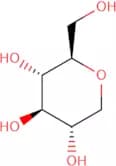
<p>5-Deoxy-5-fluoro-D-galactose is an oligosaccharide that can be used as a custom synthesis. It is a modification of the natural monosaccharide D-galactose. 5-Deoxy-5-fluoro-D-galactose has the following chemical structure:</p>Pureza:Min. 95%2-Formylphenyl 2,3,4,6-tetra-O-acetyl-b-D-glucopyranoside
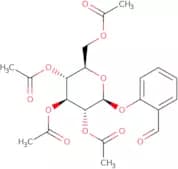
CAS:<p>2-Formylphenyl 2,3,4,6-tetra-O-acetyl-b-D-glucopyranoside is a natural product of the gentisyl family. It is synthesized from benzyl alcohol and acetic anhydride. This compound has been shown to have anticancer properties in animal studies. The acetyl groups are thought to be responsible for the cytotoxicity of this compound. Salireposide is one such analog that has been shown to inhibit protein synthesis and induce apoptosis in cancer cells.</p>Fórmula:C21H24O11Pureza:Min. 95%Forma y color:PowderPeso molecular:452.41 g/molStachyose - 70%
CAS:Non-reducing storage and transport sugar in woody plants; used as a sweetenerFórmula:C24H42O21Pureza:Min. 70 Area-%Forma y color:White PowderPeso molecular:666.59 g/molEthyl 2,4-di-O-acetyl-6-azido-6-deoxy-a-D-thiomannopyranoside
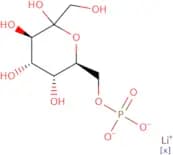
Ethyl 2,4-di-O-acetyl-6-azido-6-deoxy-a-D-thiomannopyranoside is a synthetic compound derived from the sugar thiomalan. It is not naturally occurring or found in any living organism and has been synthesized for research purposes. The molecular weight of this compound is 693.92 g/mol and the chemical formula is C14H24N2O8. This compound has been shown to have various glycosylation modifications and can be used for custom synthesis by request.Fórmula:C12H19N3O6SPureza:Min. 95%Peso molecular:333.36 g/molD-Sedoheptulose 7-phosphate lithium
CAS:D-Sedoheptulose 7-phosphate lithium (DSDP) is a substance that is used in the synthesis of ribulose. It provides the carbonyl group for the synthesis of acetyl-CoA and plays an important role in energy metabolism. DSDP has been shown to be effective against streptococcus faecalis, which may be due to its ability to inhibit protein synthesis by binding to ribulose phosphates, thereby preventing the production of ATP. DSDP also inhibits cellular transformation, which may be due to its ability to bind with DNA and block RNA synthesis. In vitro studies have shown that DSDP can inhibit both Streptococcus faecalis and Escherichia coli at concentrations below 10 mM. These effects are likely mediated by enzymatic activities that are involved in bacterial cell physiology.Fórmula:C7H15O10P•(Li)xPureza:Min. 95%Forma y color:PowderPeso molecular:290.16 g/mol1,5-Anhydro-D-glucitol
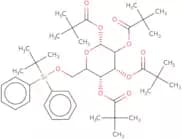
CAS:<p>Short-term marker of glycemic control</p>Fórmula:C6H12O5Pureza:Min. 95%Forma y color:White Off-White PowderPeso molecular:164.16 g/mol1,2,3,4-Tetra-O-pivaloyl-6-O-(tert-butyldiphenylsilyl)-a-D-mannopyranose
1,2,3,4-Tetra-O-pivaloyl-6-O-(tert-butyldiphenylsilyl)-a-D-mannopyranose is a glycosylated sugar that can be methylated and fluorinated. It has high purity and is custom synthesized for the synthesis of oligosaccharides. This sugar has CAS number 29091-01-9 and is used in the synthesis of polysaccharides.Fórmula:C42H62O10SiPureza:Min. 95%Peso molecular:755.02 g/mol3,4-O-Isopropylidene-2-C-methyl-D-arabinopyranose
<p>3,4-O-Isopropylidene-2-C-methyl-D-arabinopyranose is a glycosylation reagent that is synthesized by the fluorination of D-arabinose. It is an oligosaccharide sugar with a high purity and can be used for synthesis of complex carbohydrates.</p>Pureza:Min. 95%Chlorhexidine digluconate - 20% aqueous solution
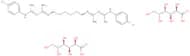
CAS:Bisbiguanide antiseptic and disinfectant used in topical antibacterial productsFórmula:C34H54Cl2N10O14Pureza:190 To 210 G/LForma y color:Clear LiquidPeso molecular:897.76 g/molMono-6-O-(p-toluenesulfonyl)-β-cyclodextrin
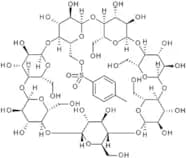
CAS:This beta-cyclodextrin (β-CD) derivative is a functionalized cyclic oligosaccharide composed of seven glucose units, characterized by a hydrophilic exterior and a lipophilic cavity (bigger than α-CD and smaller than γ-CDs), which allows it to encapsulate various guest molecules. This structural feature facilitates its use in multiple applications, including pharmaceuticals, food enhancement, and cosmetics. In the pharmaceutical industry, it enhances the solubility and stability of poorly water-soluble drugs, improving their bioavailability and efficacy while also masking unpleasant tastes. The food sector utilizes it as a stabilizer for flavors, colors, and nutrients, extending shelf life by protecting sensitive ingredients from degradation. In cosmetics, it serves as a complexing agent for fragrances and active components, ensuring their stability and controlled release. Its use expands to many other fields, including nanotechnology for drug delivery systems, environmental remediation for extracting organic pollutants, textiles for slow-release fragrances, and analytical chemistry for chiral separation.Fórmula:C49H76O37SPureza:Min. 85 Area-%Forma y color:PowderPeso molecular:1,289.17 g/mol2,3-O-Isopropylidene-L-ribofuranose
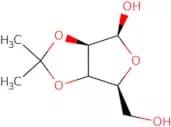
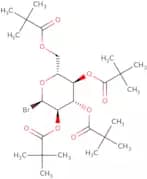
CAS:2,3-O-Isopropylidene-L-ribofuranose is a chiral building block for the synthesis of α-amino acids. This compound can be obtained from l-arabinose and l-rhamnose by kinetic resolution reactions with reagents such as (R)-1,2,3,4,5,6-hexahydrobenzo[b]thiophene or (S)-1,2,3,4,5,6-hexahydrobenzo[b]thiophene. The product is an enantiospecifically pure mixture of 2,3-O-isopropylidene L-ribofuranose and its antipode. The use of acid catalysts such as sulfuric acid or hydrochloric acid will yield a higher yield of the desired product.Fórmula:C8H14O5Pureza:Min. 95 Area-%Forma y color:PowderPeso molecular:190.19 g/mol2,3,4,6-Tetra-O-pivaloyl-a-D-glucopyranosyl bromide - stabilised with CaCO3
CAS:Intermediate in the synthesis of dapagliflozinFórmula:C26H43BrO9Pureza:Min. 95%Forma y color:White To Off-White SolidPeso molecular:579.52 g/mol2,5-Anhydro-D-mannofuranose
CAS:2,5-Anhydro-D-mannofuranose is a biologically active compound that belongs to the group of inorganic acids. It has been shown to be an inhibitor of heparin-induced thrombocytopenia. 2,5-Anhydro-D-mannofuranose inhibits platelet aggregation and prolongs bleeding time in rats by blocking glycosidic bond formation. This compound is also found as a constituent of oligosaccharides and nitrous oxide. Structural analysis has revealed that this molecule contains reactive groups and is acidic in nature. The analytical method for this compound is α1-acid glycoprotein. Monoclonal antibodies against fatty acid have been used for its detection in human serum.Fórmula:C6H10O5Pureza:Min. 85 Area-%Forma y color:PowderPeso molecular:162.14 g/molDabigatran 4-Acyl Glucuronide
<p>Dabigatran 4-Acyl Glucuronide is a synthetic, fluorinated glycosylation of Dabigatran etexilate. It is modified by methylation at the 2 and 3 positions to increase its stability and half-life. This compound also has a high purity with less than 0.5% of impurities and can be custom synthesized to meet specific requirements.</p>Pureza:Min. 95%Methyl 2,3-di-O-benzyl-4,6-O-(4-methoxybenzylidene)-a-D-mannopyranoside
CAS:<p>Methyl 2,3-di-O-benzyl-4,6-O-(4-methoxybenzylidene)-a-D-mannopyranoside is a custom synthesis of a complex carbohydrate. It has been modified to include an Oligosaccharide and Polysaccharide, which are saccharides. This product can be used for the synthesis of glycosylation and carbonylation reactions. Methyl 2,3-di-O-benzyl-4,6-O-(4-methoxybenzylidene)-a-D-mannopyranoside is high purity with a fluorination process that ensures the highest quality.</p>Fórmula:C29H32O7Pureza:Min. 95%Peso molecular:492.57 g/mol(3S, 4R) -3, 4- Dihydroxy- 2- methyl-D- proline
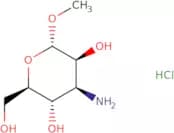
<p>(3S, 4R) -3, 4-Dihydroxy-2-methyl-D-proline is a synthetic monosaccharide. It is an intermediate in the synthesis of (3S, 4R)-3,4-dihydroxy-2-methyl-D-proline and can be used for the production of glycosylated products. This carbohydrate has been synthesized by fluorination followed by methylation and glycosylation. This is a high purity product that can be custom synthesized to meet your needs.</p>Pureza:Min. 95%Methyl 3-amino-3-deoxy-α-D-mannopyranoside hydrochloride
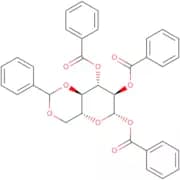
CAS:Methyl 3-amino-3-deoxy-a-D-mannopyranoside HCl is a potent antioxidant that has been shown to protect cells from lipid peroxidation and protein oxidation. It also inhibits the formation of toxic reactive oxygen species, such as hydroxyl radicals. This compound has been shown to have protection against oxidative stress in cell culture studies. Methyl 3-amino-3-deoxy-a-D-mannopyranoside HCl is an inhibitor of the enzyme catalase, which may be responsible for its antioxidant activity. This compound also inhibits population growth in an aerobic environment, as well as catalase and dismutase activity in a population of bacteria. Methyl 3-amino-3-deoxy-a-D-mannopyranoside HCl is resistant to solanum tuberosum and solanum tuberosum extract and is oxidized by peroxidases found in plants.Fórmula:C7H15NO5•HClPureza:Min. 95%Forma y color:PowderPeso molecular:229.66 g/mol1,2,3-Tri-O-benzoyl-4,6-O-benzylidene-b-D-glucopyranose
CAS:<p>1,2,3-Tri-O-benzyl-4,6-O-benzylidene-b-D-glucopyranose is a synthetic compound that is used for glycosylation and modification of complex carbohydrates. It is a sugar that can be custom synthesized by coupling benzoyl chloride with 1,2,3,4,5,6-hexamethoxybenzene. The product is a white to off white solid in crystalline form. This compound has CAS No. 113544-56-2 and molecular weight of 533.</p>Fórmula:C34H28O9Pureza:Min. 95%Peso molecular:580.58 g/mol1-Kestose
CAS:1-Kestose is a trisaccharide composed of fructose and sucrose molecules (Collins, 2006) and occurs in sugar cane, honey, and maple syrup, where it is formed by enzymatic action. As the main group of fructooligosaccharides, kestoses share similar physiological effects with other fructooligosaccharides. Kestoses have shown potential in promoting the growth of probiotics including Faecalibacterium prausnitzii and Bifidobacterium to a higher degree than other fructooligosaccharides. Thus, the production of kestoses using food-grade microorganisms may be beneficial to their application in the food industry (Ni, 2021).Fórmula:C18H32O16Pureza:Min. 98 Area-%Forma y color:White Yellow PowderPeso molecular:504.44 g/mol3-Deoxy-D-manno-2-octulosonic acid ammonium
CAS:3-Deoxy-D-manno-2-octulosonic acid ammonium is a bioreactor that is used in the delipidation of fatty acids. It is one of the most effective natural compounds for removing lipids, and it has been shown to be effective in reducing the levels of galactose and cholesterol. 3-Deoxy-D-manno-2-octulosonic acid ammonium has also been shown to be an effective antigen that can be used as a marker for various microorganisms, such as typhimurium, enterobacter, and lettuce.Fórmula:C8H17NO8Pureza:Min. 95 Area-%Forma y color:White PowderPeso molecular:255.22 g/mol2-Amino-2-deoxy-3-O-(b-D-glucopyranuronosyl)-D-galactopyranose monohydrate
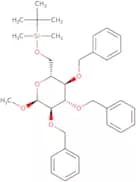
CAS:2-Amino-2-deoxy-3-O-(b-D-glucopyranuronosyl)-D-galactopyranose monohydrate is a glycoside that is found in the testes. It has inhibitory properties on oligosaccharides and can be used to study the structure of glycoconjugates. 2-Amino-2-deoxy-3-O-(b-D-glucopyranuronosyl)-D-galactopyranose monohydrate has been shown to inhibit the enzyme hydrolase, which is involved in glycoprotein synthesis. 2ADOGP has also been shown to bind to human serum albumin, an abundant protein in human blood plasma that transports lipids, hormones, and other molecules throughout the body. This binding results in a decrease in the serum concentration of 2ADOGP after administration.Fórmula:C12H21NO11H2OForma y color:Off-White PowderPeso molecular:373.31 g/molMethyl 2,3,4-tri-O-benzyl-6-O-tert-butyldimethylsilyl-a-D-glucopyranoside
CAS:<p>Methyl 2,3,4-tri-O-benzyl-6-O-tert-butyldimethylsilyl-a-D-glucopyranoside is a glycosylation product of the glucopyranoside. It is a highly pure compound that is custom synthesized to suit the specific needs of customers. The synthesis includes fluorination, methylation and monosaccharide modification. This product has been shown to be useful in click chemistry and protein glycosylation studies.</p>Fórmula:C34H46O6SiPureza:Min. 95%Peso molecular:578.83 g/molChloramphenicol glucuronide
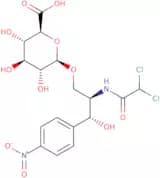
CAS:<p>Chloramphenicol glucuronide is an active metabolite of chloramphenicol. It can be detected in human serum and urine, as well as rat liver microsomes. Chloramphenicol glucuronide binds to the cytosolic protein, cytochrome b5 reductase, which inhibits protein synthesis and cell growth. This compound has been shown to be effective for treating infectious diseases such as typhoid fever, pelvic inflammatory disease, and pneumonia. The chloramphenicol glucuronide group also includes a number of other metabolites that are formed from chloramphenicol by conjugation with glucuronic acid.</p>Fórmula:C17H20Cl2N2O11Pureza:Min. 95 Area-%Forma y color:PowderPeso molecular:499.26 g/molHyaluronic acid from Bacteria
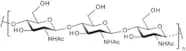
CAS:<p>Hyaluronic acid is a polysaccharide composed of repeating units of the disaccharide N-acetylglucosamine and D-glucuronic acid. It is found in many connective tissues, including the skin, where it binds water and maintains elasticity. This product is custom synthesized by modifying the structure to include fluorine atoms, methyl groups, and monosaccharides. It is synthesized from synthetic building blocks that are modified with click chemistry to form oligosaccharides. The saccharide units are then glycosylated with sugar molecules, creating a complex carbohydrate with an average molecular weight between 50,000 and 100,000 Daltons.</p>Pureza:(%) Min. 90%4-O-(4-O-(α-D-Glucopyranosyl)-α-D-glucopyranosyl)-β-D-thioglucopyranose
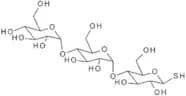
4-O-(4-O-(a-D-Glucopyranosyl)-a-D-glucopyranosyl)-b-D-thioglucopyranose is a glycosylation product of the sugar 4-O-(4-O-(a-D-glucopyranosyl)-a-D-glucopyranosyl) b -D -thioglucopyranose. It is synthesized by reaction of 4,5,6,7,8,9,10,11,12,13,14 and 15 with a 1:1 molar ratio. The product can be modified to methylated or fluorinated products using the click chemistry method.Fórmula:C18H32O15SPureza:Min. 95%Peso molecular:520.5 g/molLacto-N-neooctaose
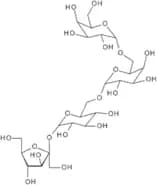
Neutral octasaccharide naturally present in human breast milkFórmula:C54H91N3O41Pureza:Min. 90%Forma y color:PowderPeso molecular:1,438.3 g/mol5-Thio-a-D-mannose
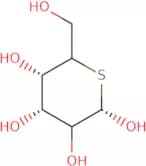
CAS:<p>5-Thio-a-D-mannose is a disaccharide that contains a sulfhydryl group. It has been shown to be a cellular and trackable molecule, which can be acetylated by mercuric chloride. The glycosidases of this molecule are mannosidases, which cleave the 5th carbon from the glycosidic linkage of the sugar. This is an important process for a variety of biological functions, such as the synthesis of DNA and proteins. In addition, this disaccharide is involved in various metabolic pathways, including glycolysis and gluconeogenesis.</p>Fórmula:C6H12O5SPureza:Min. 95%Peso molecular:196.22 g/molD-Erythrose - min 50% purity as a 70% aq. solution
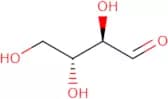
CAS:<p>Erythrose is a sugar that is used in the biosynthesis of other sugars, such as ribose and D-erythrose. It is also an intermediate in the pentose phosphate pathway for the production of NADPH. Erythrose can be converted to erythritol by reductase enzymes, which are necessary for the synthesis of DNA. The enzyme erythrose reductase has been shown to act on wild-type strains. Erythrose reduces d-erythrose to erythritol, which inhibits polymerase chain reactions by blocking transcription and replication of DNA. Erythrose has also been shown to have inhibitory properties against Toll-like receptor signaling pathways, which may be due to its ability to reduce reactive oxygen species (ROS) and hydrogen peroxide levels in cells.</p>Fórmula:C4H8O4Pureza:Min. 50 Area-%Forma y color:Clear LiquidPeso molecular:120.1 g/molProbenecid acyl b-D-glucuronide
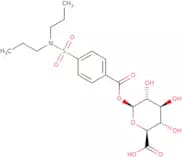
CAS:<p>Probenecid is a weak acid that is rapidly converted to an active metabolite in the body. It is used as an analgesic, antipyretic, and anti-inflammatory drug. Probenecid has been shown to inhibit the formation of biliary acids in animals and humans and has been used in the treatment of chronic inflammatory conditions such as rheumatoid arthritis. The most common route of administration for this drug is orally, although it can also be given intravenously or intramuscularly. Probenecid also acts as a nonsteroidal anti-inflammatory drug (NSAID). This means that it inhibits prostaglandin synthesis by blocking cyclooxygenase enzymes. This reduces inflammation, pain, and fever by inhibiting the production of prostaglandins that play a role in these processes.</p>Fórmula:C19H27NO10SPureza:Min. 95%Forma y color:White To Off-White SolidPeso molecular:461.48 g/mol3-O-Methyl-D-glucopyranoside
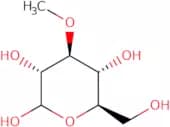
CAS:<p>Resource for synthesis of natural products with a 3-O-Me-glucosyl element</p>Fórmula:C7H14O6Pureza:Min. 98 Area-%Forma y color:White Off-White PowderPeso molecular:194.18 g/molmeso-Erythritol
CAS:Used in culture medium to differentiate bacteria on the basis of carbohydrate fermentation abilities.Fórmula:C4H10O4Pureza:Min. 98.0 Area-%Peso molecular:122.12 g/mol2-Aminoethyl 3-O-(α-D-galactopyranosyl)-β-D-galactopyranoside
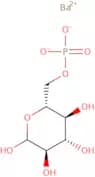
CAS:<p>Ai Product Descriptions 50 Creative</p>Fórmula:C14H27NO11Pureza:Min. 95%Peso molecular:385.36 g/molD-Glucose-6-phosphate barium
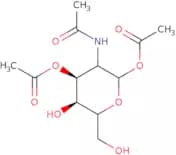
CAS:<p>D-Glucose-6-phosphate barium salt is a custom synthesis of the saccharide, which is a component of the carbohydrates. It has been modified by fluorination, methylation, and monosaccharide modification. The synthesis of this compound can be done in a single reaction, and it is an example of glycosylation. This product has been shown to have high purity.</p>Fórmula:C6H13O9P•BaxPureza:Min. 95%Forma y color:PowderPeso molecular:395.452-Acetamido-1,3-di-O-acetyl-2-deoxy-D-glucopyranose
CAS:2-Acetamido-1,3-di-O-acetyl-2-deoxy-D-glucopyranose is a synthetic sugar that is used in the synthesis of complex carbohydrates. It has been shown to be an effective fluorinating agent for glycosylations and can be methylated or click modified. 2-Acetamido-1,3-di-O-acetyl-2-deoxy-D-glucopyranose has high purity and can be custom synthesized to order.Fórmula:C12H19NO8Pureza:Min. 95%Forma y color:White PowderPeso molecular:305.28 g/mol2-Azido-2-deoxy-3,5-di-O-tert-butyldiphenylsilyl-D-ribono-1,4-lactone
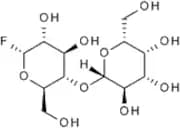
<p>2-Azido-2-deoxy-3,5-di-O-tert-butyldiphenylsilyl-D-ribono-1,4-lactone is a high purity custom synthesis sugar with a click modification. The chemical formula for this compound is C20H28N4O14 and its molecular weight is 524.329 g/mol. 2A2D3BTSL has been fluorinated, glycosylated, and methylated. It is an oligosaccharide with 6 monosaccharides and a complex carbohydrate that has a saccharide in the center of it.</p>Pureza:Min. 95%Lactosyl fluoride
CAS:<p>Lactosyl fluoride is a kinetic inhibitor of glycosidase enzymes. It has been shown to be an effective inhibitor of the enzyme β-galactosidase in both the presence and absence of calcium. Lactosyl fluoride has also been shown to inhibit other glycosidases, including α-galactosidase and α-mannosidase. The lactose derivative is activated by hydrogen fluoride, which allows it to react with the enzyme and block its activity. This product can be used as a chemical biology tool for studying glycoconjugates or as a medicine for treating diseases caused by the accumulation of oligosaccharides, such as Gaucher's disease or Tay-Sachs disease.</p>Fórmula:C12H21FO10Pureza:Min. 95%Forma y color:White PowderPeso molecular:344.29 g/mol5-Azido-5-deoxy-1-C-butyl-2,3-O-isopropylidene-D-ribofuranose
<p>5-Azido-5-deoxy-1-C-butyl-2,3-O-isopropylidene-D-ribofuranose is a custom synthesis of an oligosaccharide that is modified by methylation and glycosylation. It has a CAS number of 533881-00-6.</p>Pureza:Min. 95%Sucrose-6-acetic ester
CAS:<p>Sucrose-6-acetic ester is a product of the reaction between sucrose and acetic anhydride. It is a white crystalline compound that reacts with chlorinating agents to form sulfoxide compounds. Sucrose-6-acetic ester can be converted to acetylsalicylic acid, which is used to synthesize aspirin. The reaction selectivity of this process relies on the enzyme catalysis of acetylation and triphosgene as well as an acidic or basic catalyst. Acetylation is carried out in organic solvents and requires a crystallization process for purification. This product also has fatty acid properties, which are insoluble in water and other polar solvents.</p>Fórmula:C14H24O12Pureza:Min. 95%Forma y color:White PowderPeso molecular:384.33 g/mol(Neu5Ac a(2-3)-Gal-b(1-3)-GalNAc)SL-OH
<p>Neu5Ac a(2-3)-Gal-b(1-3)-GalNAc)SL-OH is an Oligosaccharide that is a complex carbohydrate with a Methylation modification. It is the product of Click chemistry and has been Fluorinated and saccharide, Modification, sugar, Oligosaccharide, Synthetic, CAS No., Monosaccharide, Custom synthesis, High purity.</p>Pureza:Min. 95%Metrizamide
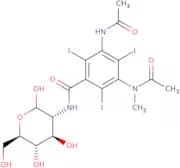
CAS:<p>Radiopaque contrast agent; diagnostic aid for myelography</p>Fórmula:C18H22I3N3O8Pureza:(%) Min. 95%Forma y color:White PowderPeso molecular:789.1 g/molD-Gluconic acid manganese salt
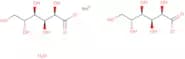
CAS:<p>D-Gluconic acid manganese salt (DGM) is a glycol ether that is used as an antimicrobial agent in the treatment of infectious diseases. It binds to the metal ions in bacterial cell walls and disrupts their function. DGM has been shown to inhibit enzymes such as phosphoglucoisomerase, glucose-6-phosphate dehydrogenase, and pyruvate kinase. DGM also has covalent linkages that may be involved in its antimicrobial activity. The structure of DGM has been determined by X-ray diffraction data and electrochemical impedance spectroscopy, which show that it belongs to group p2.</p>Fórmula:C6H11O7·MnPureza:Min. 98%Forma y color:PowderPeso molecular:445.24 g/mol6-Cyano-6-deoxy-b-cyclodextrin
This beta-cyclodextrin (β-CD) derivative is a functionalized cyclic oligosaccharide composed of seven glucose units, characterized by a hydrophilic exterior and a lipophilic cavity (bigger than α-CD and smaller than γ-CDs), which allows it to encapsulate various guest molecules. This structural feature facilitates its use in multiple applications, including pharmaceuticals, food enhancement, and cosmetics. In the pharmaceutical industry, it enhances the solubility and stability of poorly water-soluble drugs, improving their bioavailability and efficacy while also masking unpleasant tastes. The food sector utilizes it as a stabilizer for flavors, colors, and nutrients, extending shelf life by protecting sensitive ingredients from degradation. In cosmetics, it serves as a complexing agent for fragrances and active components, ensuring their stability and controlled release. Its use expands to many other fields, including nanotechnology for drug delivery systems, environmental remediation for extracting organic pollutants, textiles for slow-release fragrances, and analytical chemistry for chiral separation.Fórmula:C49H63N7O28Pureza:Min. 95%Peso molecular:1,198.05 g/molLacto-N-triose II
CAS:Human milk oligosaccharide; glycan moiety on glycoproteinsFórmula:C20H35NO16Pureza:Min. 90%Forma y color:White PowderPeso molecular:545.49 g/molGlycol chitosan
CAS:Non-cytotoxic; biocompatible; used for targeted drug deliveryDegree of polymerisation is greater then 400.Water solubility approx 1mg/mlFórmula:C24H47N3O16Pureza:Min 60%Forma y color:PowderPeso molecular:633.64 g/mol2-Amino-2-deoxy-D-altrose
CAS:<p>2-Amino-2-deoxy-D-altrose (2AD) is a molecule with the chemical formula C6H14N2O4. It belongs to the class of compounds known as uronic acids. 2AD is an acetylated molecule that has been structurally studied by X-ray crystallography and NMR spectroscopy. The molecule contains a ring of six carbon atoms, two of which are epoxide groups. The nature of this compound is glycosidic, with focus on hexamethylphosphoramide and diamino oligosaccharides. 2AD has been shown to have anti-inflammatory activities in animals, but its exact mechanism of action remains unknown. This compound may act through a ring-opening reaction or by inhibiting prostaglandin synthesis.</p>Fórmula:C6H13NO5Pureza:Min. 95%Peso molecular:179.17 g/molChondroitin disaccharide δdi-6S
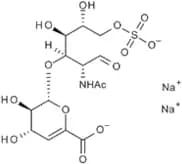
CAS:Produced from various chondroitin sulfates by the action of chondroitinases ABC, AC-1 and C.Fórmula:C14H19NNa2O14SPureza:Min. 98 Area-%Forma y color:PowderPeso molecular:503.34 g/mol6-Hydroxyestradiol-6-O-b-D-glucuronide
6-Hydroxyestradiol-6-O-b-D-glucuronide is a synthetic, 6-hydroxyestradiol derivative that is useful for the study of estrogen metabolism and the development of progesterone agonists. The compound has been shown to have high purity, and is custom synthesized in accordance with customer specifications. 6-Hydroxyestradiol-6-O-b-D-glucuronide can be modified by glycosylation, methylation, or fluorination. This product also has a number of applications in the biomedical field due to its ability to act as an intermediate in the synthesis of oligosaccharides and saccharides.Pureza:Min. 95%Propofol b-D-glucuronide sodium salt
CAS:Propofol b-D-glucuronide sodium salt is a white crystalline powder that is soluble in water. It is not known whether or not this product contains any impurities. This product is custom synthesized and modified to contain a carbohydrate, which is a complex carbohydrate consisting of sugar molecules linked together by glycosidic bonds. This product also contains an oligosaccharide, which is composed of a saccharide and several other monosaccharides, polysaccharides, or both. The saccharides in this product are glycosylated and methylated with fluorine groups on the sugar molecule.Fórmula:C18H25NaO7Pureza:Min. 95%Peso molecular:376.38 g/mol(1S) -1- [(2R, 3S) -N-Benzyl-3-hydroxy- 1- azetidinyl] -1, 2- ethanediol
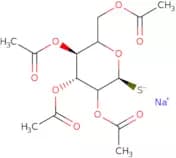
This product is a custom-synthesized, complex carbohydrate with the CAS number of 12078-03-7. This product is an Oligosaccharide that has been modified with saccharides and methylated. It has been glycosylated and click modified. The product is a sugar that has been fluorinated and synthesized. It has high purity and is synthetic.Pureza:Min. 95%2,3,4,6-Tetra-O-acetyl-b-D-thiogalactopyranose sodium salt
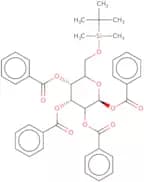
CAS:<p>2,3,4,6-Tetra-O-acetyl-β-D-thiogalactopyranose sodium salt is a high purity custom synthesis sugar with a click modification. The fluorination and glycosylation are carried out to give the desired product. It has CAS No. 73962-00-2 and is a synthetic carbohydrate that can be used in oligosaccharides, monosaccharides, saccharide and complex carbohydrates.</p>Fórmula:C14H19O9SNaPureza:Min. 95%Peso molecular:386.35 g/mol1,2,3,4-Tetra-O-benzoyl-6-O-tert-butyldimethylsilyl-b-D-glucopyranose
CAS:<p>1,2,3,4-Tetra-O-benzoyl-6-O-tert-butyldimethylsilyl-b-D-glucopyranose is a custom synthesis. It is an oligosaccharide that is glycosylated with methyl groups and fluorinated. This product has a purity of >99% and can be used as a substitute for natural glycosides in pharmaceuticals or other applications.</p>Fórmula:C40H42O10SiPureza:Min. 95%Peso molecular:710.86 g/mol1-Deoxy-2,3:4,5-Bis-O-(1-methylethylidene)- D-glycero-D-gulo-heptitol
CAS:<p>1-Deoxy-2,3:4,5-Bis-O-(1-methylethylidene)-D-glycero-D-guloheptitol is a fluorinated monosaccharide that is synthesized to have a specific glycosylation pattern. This product is used in the synthesis of complex carbohydrates, glycosylations and polysaccharides. 1-Deoxy-2,3:4,5-Bis-O-(1-methylethylidene)-D-glycero--D--guloheptitol has high purity and can be custom synthesized to order.</p>Pureza:Min. 95%3-Fucosyllactose
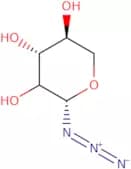
CAS:3-Fucosyllactose (3-FL) is a small and neutral human milk oligosaccharide (HMO) that is metabolized by bacteria in the large intestine. It's a trisaccharide composed of L-fucose, D-galactose and D-glucose and like many other HMOs it offers great interest for the studies of baby milk formula.Fórmula:C18H32O15Pureza:Min. 95%Forma y color:White PowderPeso molecular:488.44 g/mol2,3,4-Tri-O-acetyl-b-L-arabinopyranosyl azide
<p>2,3,4-Tri-O-acetyl-b-L-arabinopyranosyl azide is a custom synthesis that is modified with fluorination, methylation, and monosaccharide. It can be synthesized using click modification and oligosaccharide. This compound is a carbohydrate that has saccharide as its main component. Carbohydrate is the most abundant organic molecule in the human body. Complex carbohydrates are polysaccharides made up of many monosaccharides linked together. Polysaccharides are also called glycans or glycosaminoglycans (GAGs). Glycosylation is the process by which sugars are attached to proteins or lipids.</p>Fórmula:C5H9N3O4Pureza:Min. 95%Peso molecular:175.14 g/molMan-8D1D2 N-Glycan
Man-8D1D2 N-glycan is a synthetic glycan that is used as a monosaccharide or polysaccharide. This product is produced through the modification of the natural Man-8D1D2 glycan by the addition of fluorine atoms and methyl groups to the sugar, making it a useful reagent for chemical synthesis. The purity of this product is high and its CAS number is 56612-59-6.Pureza:Min. 95%







![5-Amino-3-β-D-ribofuranosylthiazolo[4,5-d]pyrimidin-2,7(3H,6H)-dione](/_next/image/?url=https%3A%2Fstatic.cymitquimica.com%2Fproducts%2F3D%2Fthumb-webp%2FXEA97040.webp&w=3840&q=75)








![(1S) -1- [(2R, 3S) -N-Benzyl-3-hydroxy- 1- azetidinyl] -1, 2- ethanediol](/_next/image/?url=https%3A%2Fstatic.cymitquimica.com%2Fproducts%2F3D%2Fthumb-webp%2FMB163377.webp&w=3840&q=75)