


Glycoscience
La glicociencia es el estudio de los carbohidratos y sus derivados, así como de las interacciones y funciones biológicas en las que participan. Este campo de investigación es crucial para comprender una amplia variedad de procesos biológicos, incluyendo el reconocimiento celular, la señalización, la respuesta inmune y el desarrollo de enfermedades. La glicociencia tiene aplicaciones importantes en la biotecnología, la medicina, y el desarrollo de nuevos fármacos y terapias. En CymitQuimica, ofrecemos una amplia selección de productos de alta calidad y pureza para la investigación en glicociencia. Nuestro catálogo incluye monosacáridos, oligosacáridos, polisacáridos, glicoconjugados, y reactivos específicos, diseñados para apoyar a los investigadores en sus estudios sobre la estructura, función y aplicaciones de los carbohidratos en sistemas biológicos. Estos recursos están destinados a facilitar descubrimientos científicos y aplicaciones prácticas en diversas áreas de la biociencia y la medicina.
Subcategorías de "Glycoscience"
- Aminoazúcares(108 productos)
- Anticuerpos relacionados con azúcares(282 productos)
- Glicolípidos(46 productos)
- Glicosaminoglicanos (GAGs)(55 productos)
- Glucósidos(419 productos)
- Monosacáridos(6.624 productos)
- Oligosacáridos(3.682 productos)
- Polisacáridos(503 productos)
Se han encontrado 11046 productos de "Glycoscience"
Ordenar por
Pureza (%)
0
100
|
0
|
50
|
90
|
95
|
100
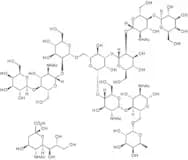
A1F N-Glycan
CAS:N-acetylglucosamine is a monosaccharide that is one of the building blocks of complex carbohydrates. It is found in the A1F N-glycan, which is located on the surface of cancer cells and may be a potential biomarker for endometrial cancer. A1F N-glycan has been detected in many types of cancer, including ovarian, breast, prostate, colorectal, lung, and pancreatic cancers. This glycan also has been shown to play a role in autoimmune diseases and cancer pathogenesis. The A1F N-glycan can be profiled by liquid chromatography with mass spectrometry (LC-MS).Fórmula:C68H114N4O50·C11H19NO9Pureza:Min. 95%Forma y color:PowderPeso molecular:2,096.9 g/mol2,3,4,6-Tetra-O-acetyl-β-D-glucopyranosyl-Fmoc serine
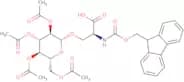
CAS:<p>2,3,4,6-Tetra-O-acetyl-b-D-glucopyranosyl-Fmoc serine is a protein that belongs to the group of bifunctional glycosides. It is used in recombinant virus production as a component of the viral coat protein (VP). 2,3,4,6-Tetra-O-acetyl-b-D-glucopyranosyl-Fmoc serine binds to tyrosine kinase receptors and inhibits their activity. This inhibition prevents cell adhesion and migration and can cause tumor regression in some cancers. 2,3,4,6-Tetra-O-acetyl-b-D--glucopyranosyl--Fmoc serine also has antiviral activity due to its ability to inhibit the replication of viruses containing RNA genomes.</p>Fórmula:C32H35NO14Pureza:Min. 95%Forma y color:SolidPeso molecular:657.63 g/moltrans,trans-3,4-Dihydroxy-D-proline
<p>Trans,trans-3,4-Dihydroxy-D-proline is a custom synthesis that has been fluorinated and methylated. It is a polysaccharide with a sugar backbone of an oligosaccharide or saccharide. The carbons in the backbone are connected by glycosylation to form a complex carbohydrate. This product has CAS No.</p>Pureza:Min. 95%5,6-O-Isopropylidene-L-ascorbic acid
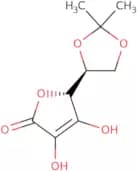
CAS:5,6-O-Isopropylidene-L-ascorbic acid is an access to the vitamin C molecule. It can be synthesized from L-ascorbic acid by reacting with isopropyl iodide and hydrochloric acid. Cryo-electron microscopy has been used to identify the location of 5,6-O-Isopropylidene-L-ascorbic acid in human ganglion cells. This compound has a number of physiological activities and is one of the most powerful antioxidants found in humans. 5,6-O-Isopropylidene-L-ascorbic acid is a precursor to retinoic acid and hydrogen chloride, which are important for erythropoietin production in the kidneys. Dehydroascorbate (DHA) is formed when 5,6-O-Isopropylidene-L-ascorbic acid reacts with hydrogen chloride. DFórmula:C9H12O6Pureza:Min. 95%Peso molecular:216.19 g/mol5-Keto-D-gluconic acid potassium salt
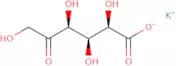
CAS:Intermediate in L-idonate degradation and ketogluconate metabolismFórmula:C6H9KO7Pureza:Min. 99.0%Forma y color:White PowderPeso molecular:232.23 g/mol1,2:5,6-Di-O-isopropylidene-α-D-gulofuranose
CAS:1,2:5,6-Di-O-isopropylidene-alpha-D-gulofuranose is a sugar molecule that has a carbon and oxygen atoms in the 1,2 positions and an oxygen atom in the 5,6 position. It is an intermediate in the synthesis of lipids. The kinetic and clinical relevance of this compound have not been fully studied. 1,2:5,6-Di-O-isopropylidene-alpha-D-gulofuranose binds to fatty acid receptors on liver cells and initiates a cascade of events that lead to inflammation and cell death. This sugar molecule also inhibits hepatitis C virus RNA replication by binding to specific sequences on the virus’s RNA genome. The molecular interactions between 1,2:5,6-Di-O-isopropylidene alpha D gulofuranose and other molecules are determined by steric interactions with its hydroxyl group asFórmula:C12H20O6Pureza:Min. 98.0 Area-%Peso molecular:260.28 g/molRef: 3D-W-200121
5gA consultar10gA consultar25gA consultar50gA consultar100gA consultar-Unit-ggA consultarMethyl 3,6-di-O-(a-D-mannopyranosyl)-b-D-mannopyranoside
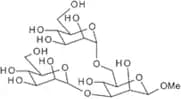
Methyl 3,6-di-O-(a-D-mannopyranosyl)-b-D-mannopyranoside is a glycosylation product of the sugar, mannose. It can be used in the synthesis of oligosaccharides and polysaccharides with modifications such as fluorination and methylation. Methyl 3,6-di-O-(a-D-mannopyranosyl)-b-D-mannopyranoside is also known by its CAS number, which is 57424-92-5.Fórmula:C19H34O16Pureza:Min. 95%Peso molecular:518.46 g/mol2,6-di-O-n-pentyl-3-O-acetyl-γ-cyclodextrin
This gamma-cyclodextrin (γ-CD) derivative is a modified cyclic oligosaccharide composed of eight glucose units, featuring a larger cavity size than α- and β-cyclodextrins. This structural characteristic allows γ-CDs to form inclusion complexes with a wider range of guest molecules, making it particularly versatile in various industries. In the food sector, it is used as a carrier and stabilizer for flavors, fat-soluble vitamins, and polyunsaturated fatty acids, protecting volatile compounds from evaporation. In pharmaceuticals, it enhances the solubility and bioavailability of poorly water-soluble drugs and, thanks to its larger ring size, allows for the encapsulation of larger molecules or even entire drug molecules. γ-CDs and derivatives are also used for environmental remediation and, in analytical chemistry, for the extraction and concentration of target substances.Fórmula:C144H256O48Pureza:Min. 95%Peso molecular:2,755.54 g/mol2,3,4,6-Tetra-O-benzoyl-α-D-glucopyranosyl bromide
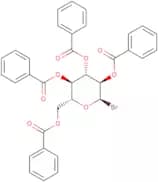
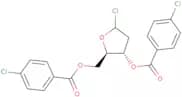
CAS:2,3,4,6-Tetra-O-benzoyl-α-D-glucopyranosyl bromide is a derivative of vitamin A. It has been used as a carbonate for the synthesis of retinol, tetrabenzoate and other related compounds. The compound is soluble in water and has shown growth promoting activity in studies with Salmonella typhimurium. 2,3,4,6-Tetra-O-benzoyl-α-D-glucopyranosyl bromide is metabolized to retinol by hydrolysis or oxidation. It can also be converted into tetrabenzoate by oxidation followed by reduction of the 4′ position hydroxyl group.Fórmula:C34H27BrO9Pureza:Min. 95%Forma y color:PowderPeso molecular:659.48 g/mol1-Chloro-3,5-di-O-(4-chlorobenzoyl)-2-deoxy-α-D-ribofuranose
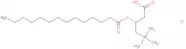
CAS:Intermediate in the synthesis of DecitabineFórmula:C19H15Cl3O5Pureza:Min. 95%Forma y color:Off-White To Light (Or Pale) Red SolidPeso molecular:429.68 g/molMyristoyl-DL-carnitine chloride
CAS:<p>Myristoyl-DL-carnitine chloride (MC) is a prodrug that is hydrolyzed to form L-carnitine and myristic acid. The drug has been shown to be absorbed intranasally, and its absorption kinetics are enhanced by the presence of lipids. MC was found to increase the level of human growth hormone in Sprague-Dawley rats. It also decreased the amount of chloride excreted in the urine by inhibiting intestinal epithelial cells from absorbing chloride ions. This drug may be used as a nasal spray for treatment of gastrointestinal disorders such as chronic constipation.</p>Fórmula:C21H42ClNO4Pureza:Min. 95%Forma y color:PowderPeso molecular:408.02 g/molPhenyl 3,6,2',3',4',6'-hexa-O-acetyl-2-deoxy-2-trichloroacetamido-b-D-thiolactoside
Phenyl 3,6,2',3',4',6'-hexa-O-acetyl-2-deoxy-2-trichloroacetamido-b-D-thiolactoside is a custom synthesis. It is an oligosaccharide and polysaccharide with a high purity and modification. This compound has a CAS No., and is an Oligosaccharide and Polysaccharide. Phenyl 3,6,2',3',4',6'-hexa-O-acetyl-2-deoxy-2-trichloroacetamido-b-D-thiolactoside is a sugar which is synthesized by Monosaccharides.Fórmula:C32H38Cl3NO16SPureza:Min. 95%Forma y color:White to off-white solid.Peso molecular:831.07 g/molMethyl 6-O-tert.butyldiphenylsilyl-a-D-galactopyranoside
Methyl 6-O-tert.butyldiphenylsilyl-a-D-galactopyranoside is an organic chemical compound that belongs to the class of sugar derivatives. This substance is a high purity, custom synthesis and can be modified by fluorination, glycosylation, and methylation. The CAS number for this substance is 52793-71-0. Methyl 6-O-tert.butyldiphenylsilyl-a-D-galactopyranoside is an oligosaccharide with a molecular formula of C14H21NO4S and a molecular weight of 299.38 g/mol. It has a monosaccharide sequence of D -Galp1,6(Galp)2,3GlcNAc(Galp)2,4GlcNAc(Galp)2,5GlcNAc(Galp)2Pureza:Min. 95%1,3,4,6-Tetra-O-acetyl-2-azido-2-deoxy-α-D-mannopyranose
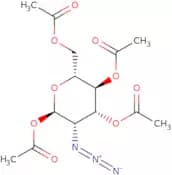
CAS:1,3,4,6-Tetra-O-acetyl-2-azido-2-deoxy-a-D-mannopyranose (1,3,4,6-TA) is a stable analog of the glycosidic sugar 2,6-dideoxymannose. This compound has been shown to be a potent inhibitor of the synthesis of Neisseria meningitidis capsular polysaccharides and an effective vaccine adjuvant against Mycobacterium tuberculosis. 1,3,4,6-TA is also a competitive inhibitor for the enzyme mycothiol and other thioglycosidic enzymes that are involved in the biosynthesis of mycolic acids. 1,3,4,6-TA was synthesized from 2-(N'-bromoacetamido)-2'-deoxymannose by reaction with sodium azide in acetone. The structure is bicyclic with twoFórmula:C14H19N3O9Pureza:Min. 95%Forma y color:White PowderPeso molecular:373.32 g/molBenzyl α-D-glucopyranoside
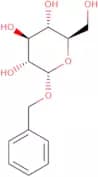
CAS:Benzyl a-D-glucopyranoside is an organic compound with the chemical formula CHO. It is a benzoyl derivative of glucose, which has been shown to be useful in the synthesis of other glycosides. The reaction yield and condition are dependent on reaction temperature and yield rate. The chloride ion reacts with the benzoyl chloride to form an ester, which then hydrolyzes to produce the desired product and hydrogen chloride. The reaction can be carried out at room temperature or under reflux conditions.Fórmula:C13H18O6Pureza:Min. 95%Forma y color:PowderPeso molecular:270.28 g/mol4-Iodophenyl 2-acetamido-3,4,6-tri-O-acetyl-2-deoxy-b-D-glucopyranoside
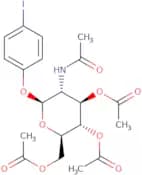
CAS:4-Iodophenyl 2-acetamido-3,4,6-tri-O-acetyl-2-deoxy-b-D-glucopyranoside is a white crystalline powder. It is a glycosylation product of 4-(iodophenyl)-2-(acetamido)-3,4,6,-triacetylaminohexose. This compound can be used for the synthesis of complex carbohydrates and saccharides. This compound is also used in the modification of polysaccharides and oligosaccharides. The purity of this compound is greater than 98%.Fórmula:C20H24INO9Pureza:Min. 95%Forma y color:PowderPeso molecular:549.31 g/mol2-Deoxy-D-xylose
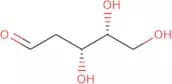
CAS:<p>2-Deoxy-D-xylose is a sugar that is metabolized by bacteria in the absence of oxygen. It has been shown to be highly chemotactic, inducing the migration of cells from the surrounding tissue into the area where it is present. 2-Deoxy-D-xylose has also been shown to inhibit the growth of cancer cells and induce apoptosis in vitro. 2-Deoxy-D-xylose binds to mitochondria and inhibits cytochrome oxidase, which may contribute to its anti-cancer activity. 2-Deoxy-D-xylose has also been shown to have angiogenic effects by stimulating endothelial cell proliferation and migration.</p>Fórmula:C5H10O4Pureza:Min. 98 Area-%Forma y color:White PowderPeso molecular:134.13 g/mol4-O-Methyl-D-glucuronic acid
CAS:<p>Component of plant, especially grape, glucuronoxylans</p>Fórmula:C7H12O7Pureza:Min. 95%Forma y color:Colorless PowderPeso molecular:208.17 g/molNonyl b-D-maltopyranoside
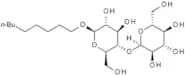
CAS:<p>Nonyl b-D-maltopyranoside is a high purity custom synthesis sugar. The CAS number is 106402-05-5 and the molecular weight is 396.2 g/mol. This product has been synthesized using Click modification, Fluorination, Glycosylation, Synthetic, Methylation, Modification, Oligosaccharide, Monosaccharide and saccharide. This product can be used in the preparation of complex carbohydrate.</p>Fórmula:C21H40O11Pureza:Min. 95%Forma y color:White/Off-White SolidPeso molecular:468.54 g/mol(-)-D-Noviose
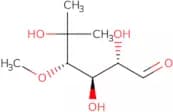
CAS:<p>(-)-D-Noviose is a naturally occurring sulfoxide that was first isolated from the tubercles of tuberculosis patients. It is a biosynthetic precursor to tiacumicin, an antibacterial agent. In addition, (-)-D-Noviose has been shown to act as a chaperone and inhibit cancer cells in vitro. (-)-D-Noviose binds to the cysteine residues of proteins, preventing their oxidation and subsequent aggregation. This prevents the cross-linking of proteins that leads to cellular damage and death.</p>Fórmula:C8H16O5Pureza:Min. 95%Peso molecular:192.21 g/molTriclosan-beta-D-glucopyranoside
<p>Triclosan-beta-D-glucopyranoside is a synthetic sugar that can be used as a building block for the preparation of complex carbohydrates. Triclosan-beta-D-glucopyranoside is not known to have any commercial applications.</p>Fórmula:C18H17Cl3O7Pureza:Min. 95%Forma y color:PowderPeso molecular:451.68 g/molEthyl 3-O-allyl-4-O-levulinoyl-2-O-(2-naphthylmethyl)-b-D-thioglucuronide benzyl ester
Ethyl 3-O-allyl-4-O-levulinoyl-2-O-(2-naphthylmethyl)-b-D-thioglucuronide benzyl ester is a custom synthesis that has been modified with fluorination, methylation and click chemistry. It is a water soluble polysaccharide that consists of monosaccharides, oligosaccharides and saccharides. This product is a glycosylated carbohydrate that can be used as an additive in food products or as an excipient for drug delivery systems.Pureza:Min. 95%D-Gluconic acid lithium salt
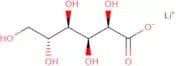
CAS:<p>D-Gluconic acid lithium salt is a cationic compound that has been shown to inhibit the growth of bacteria by forming a covalent linkage with the ribose in RNA. This inhibits the enzyme activity of the cell and prevents transcription and replication. The chemical formula for this compound is CH3CH2OH-CH2COOH+Li+→CH3CH2OLi+H2O, where D-gluconic acid is carboxylate anion and lithium ion is cation. Electrophoresis studies have shown that this compound binds to proteins, which may be due to its hydrophilic properties. X-ray diffraction data has revealed that it forms a crystalline structure. This compound can be used as an antimicrobial agent against Group P2 Gram-positive cocci (e.g., Enterococcus faecalis) and other infectious diseases such as Staphylococcus aureus, Streptococcus pneumonia</p>Fórmula:C6H11O7LiPureza:Min. 95%Forma y color:White PowderPeso molecular:202.09 g/molGentiobiose
CAS:<p>Used to differentiate microorganisms based on their metabolic properties.</p>Fórmula:C12H22O11Pureza:Min. 98.0 Area-%Peso molecular:342.30 g/mol(2R, 3S, 4S) -3-Fluoro- 4- (fluoromethyl])- 1- (phenylmethyl) -2- azetidinecarboxylic acid methyl ester
<p>(2R, 3S, 4S) -3-Fluoro-4-(fluoromethyl)-1-(phenylmethyl)-2-azetidinecarboxylic acid methyl ester is a synthetic compound that is used in the preparation of modified saccharides and oligosaccharides. These compounds are used in the synthesis of complex carbohydrates. This product also has fluoroquinolone resistance and has been shown to be an inhibitor of RNA polymerase II transcription and DNA topoisomerase I.</p>Pureza:Min. 95%Allyl 2,3,4-tri-O-benzyl b-D-galactopyranoside
Allyl 2,3,4-tri-O-benzyl b-D-galactopyranoside is a custom synthesis of an oligosaccharide with a complex carbohydrate and a high purity. Allyl 2,3,4-tri-O-benzyl b-D-galactopyranoside can be used for a variety of applications including as an intermediate for the production of other chemicals or as a food additive. It is also used in the synthesis of other carbohydrates and saccharides. This compound has been shown to be effective in methylation reactions and glycosylation reactions.Pureza:Min. 95%Maltodextrin - dextrose equivalent 18-28
CAS:<p>Ex starch-partial hydrolysis,food ingredient, moderatly sweet, easily digested</p>Forma y color:White Powderβ-D-Glucose pentaacetate
CAS:<p>1,2,3,4,6-Penta-O-acetyl-b-D-glucopyranose, also known as beta-D-glucose pentaacetate, has high chemical stability and long shelf life. This protected form of glucose is a key building block of any chemical synthesis of glucose-containing oligosaccharides or glycoconjugates. In the presence of Lewis acids it can be used as a glycosyl donor to make simple glycosides. In order to perform more complex glycosylations, it can be converted into more reactive donors, such as glycosyl halides or thioglycosides. Beta-D-glucose pentaacetate is also used as a food additive and flavouring agent.</p>Fórmula:C16H22O11Peso molecular:390.35 g/molRef: 3D-G-3000
1kgA consultar5kgA consultar10kgA consultar500gA consultar2500gA consultar-Unit-kgkgA consultarPectic acid
CAS:<p>Pectic acid is non water-soluble β (1,4)-linked polygalacturonic acid. In its gel form, is water-soluble, transparent and gelatinous, and exists in ripe fruit and some vegetables. It is a product of pectin degradation in plants, and is produced via the interaction between pectinase and pectin (the latter being common in the wine-making industry).</p>Pureza:Min. 95%Forma y color:PowderDextran sulfate sodium, MW 20,000
CAS:<p>Sodium carboxymethyl dextran (CM-dextran) is a white, odourless and tasteless powder, which is freely soluble in water or electrolyte solutions. The product has a pronounced polyanionic character, due to the high degree of carboxyl substitution. Applications that have been described for CM-dextran include carriers of paramagnetic contrast agents, preparation of conjugates of pharmacologically active compounds and CM-dextrans in biosensors. A number of other uses in cosmetics, agriculture, foods, paints and textiles have been the subject of patent applications.</p>Forma y color:PowderFructosazine
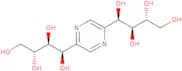
CAS:<p>Fructosazine is a natural compound that is found in the bark of the fructus quinquefoliae tree. It has been shown to have antimicrobial properties when it reacts with hydrochloric acid. Fructosazine inhibits the growth of bacteria by reacting with their cell walls and interfering with their metabolism. Fructosazine may also have physiological effects, such as reducing blood pressure and body weight gain, which are not fully understood. The reaction mechanism for fructosazine is not yet known, but it may be due to its reactive nature. More research needs to be done on this compound before we can understand its full potential.</p>Fórmula:C12H20N2O8Pureza:Min. 96 Area-%Forma y color:PowderPeso molecular:320.3 g/mol2,3,4,6-Tetra-O-acetyl-β-D-glucopyranosyl azide
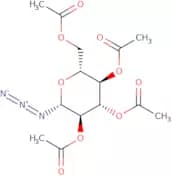
CAS:<p>2,3,4,6-Tetra-O-acetyl-β-D-glucopyranosyl azide is a chemical compound that has been synthesized and studied by X-ray crystallography. It is an azide derivative of β-D-glucopyranosyl acetate. The structure of this compound was solved using x-ray crystallographic techniques.</p>Fórmula:C14H19N3O9Pureza:Min. 95%Forma y color:White PowderPeso molecular:373.32 g/molβ-Lactopyranosyl phenylisothiocyanate
CAS:b-Lactopyranosyl phenylisothiocyanate is a synthetic carbohydrate that has been modified with fluorine, methylation, glycosylation, and click chemistry. It is used in the synthesis of saccharides and oligosaccharides. This compound can also be used to modify saccharides or oligosaccharides with fluorine, methylation, glycosylations, or click chemistry.Fórmula:C19H25NO11SPureza:Min. 95%Forma y color:SolidPeso molecular:475.47 g/molD-Galactose non-animal origin
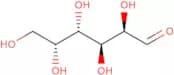
CAS:<p>Galactose from plant origin, animal free production</p>Fórmula:C6H12O6Pureza:Min. 99.0 Area-%Forma y color:White PowderPeso molecular:180.16 g/mol1,5-α-L-Arabinotriose
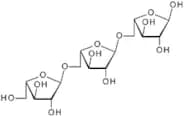
CAS:1,5-α-L-Arabinotriose is a sugar that is found in the cell walls of plants. It is a trisaccharide composed of three L-arabinose units linked by α-(1→5) bonds. 1,5-α-L-Arabinotriose has been shown to be adsorbed on cellulose acetate and can be used to measure the molecular weight of the adsorbate. This sugar also undergoes optical rotations when it interacts with some dyes such as germanium tetrachloride. 1,5-α-L-Arabinotriose has many uses including: as a solute in chloride ion chromatography; as an absorbent in filtration experiments; and as a parameter for calculating thermodynamics for reactions involving hydrogen transfer.Fórmula:C15H26O13Pureza:Min. 95 Area-%Forma y color:Clear LiquidPeso molecular:414.36 g/mola-D-Glucose-1-phosphate disodium salt hydrate
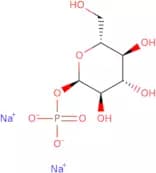
CAS:<p>a-D-Glucose-1-phosphate disodium salt hydrate (aGPD) is a bacterial strain that has been shown to produce fatty acids from glucose. The production of fatty acids has been shown to be dependent on transfer reactions involving tagatose, which is an intermediate product of the process optimization of aGPD. The final product of these reactions is lactic acid, which is formed in an acidic environment. This bacterial strain has also been used as a model system for studying kidney bean phosphatase and photosynthetic activity in monoclonal antibody production.</p>Fórmula:C6H11O9P·2Na·xH2OPureza:Min. 97%Forma y color:White PowderPeso molecular:304.1 g/molL-Xylose
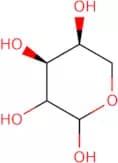
CAS:<p>L-Xylose is a monosaccharide that is found in many plants. It is used as a sweetener, and also has been shown to be beneficial in the treatment of diabetic neuropathy. L-Xylose can be metabolized by the enzyme xylitol dehydrogenase to produce energy for the cell. The enzyme catalyzes the conversion of xylitol to D-xylulose and then D-xylulose 1-phosphate, which can be converted into ATP for use by cells. L-Xylose is not metabolized by bacterial enzymes and does not affect blood sugar levels. L-Xylose has been shown to have an effect on taste perception, with a sweet taste at concentrations of 10 milligrams per liter (mg/L). This sweet taste is due to its hydroxymethyl group on the C2 position, which reacts with sodium ions in the mouth. The optimum pH for L-xylose</p>Fórmula:C5H10O5Pureza:Min. 99.0 Area-%Peso molecular:150.13 g/mol(2, 4- Anhydro- 6- deoxy- L- mannonoyl)-glycine methyl ester
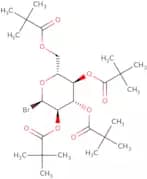
<p>This is a custom synthesized product. It has been modified to include a methyl group at the 2,4-positions on the anhydro-6-deoxy-L-mannopyranose molecule. This modification is done using Click chemistry and the product contains a high level of purity. The modification can be used to create saccharides with high carbohydrate content and polysaccharides with different degrees of polymerization.</p>Pureza:Min. 95%2,3,4,6-Tetra-O-pivaloyl-a-D-glucopyranosyl bromide
CAS:Intermediate in the synthesis of dapagliflozinFórmula:C26H43BrO9Pureza:Min. 95%Forma y color:PowderPeso molecular:579.52 g/molGlycogen - from rabbit liver
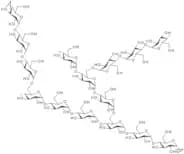
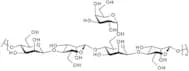
CAS:Glycogen is a highly branched polysaccharide of glucose that serves as a form of energy storage in animals and fungi. It is the main storage form of glucose in the body. In humans, glycogen is made and stored primarily in liver and muscle cells and functions as the second most important energy storage molecule to fat, which is held in adipose tissue. Glycogen is analogous to starch and has a structure similar to amylopectin, but is more extensively branched and compact than starch. It occurs as granules in the cytosol/cytoplasm in many cell types, and plays an important role in the glucose cycle.Fórmula:C24H42O21Pureza:Min. 85%Forma y color:White PowderPeso molecular:666.6 g/mol(2R, 3S, 4R, 5S) -Methyl- 1- nonyl-3, 4, 5- piperidinetriol
(2R, 3S, 4R, 5S) -Methyl- 1- nonyl-3, 4, 5- piperidinetriol is a custom synthesis that has been modified with fluorination and methylation. This product is a monosaccharide or a synthetic oligosaccharide that is glycosylated with sugar. Carbohydrates are made up of complex carbohydrates.Pureza:Min. 95%Sodium alginate, viscosity 250 - 350 mPa.s
CAS:Sodium alginate is a natural polysaccharide that is extracted from seaweed and used as an emulsifier, thickener, and stabilizer in food products. It is also used to create a gel with water or other liquids. The viscosity of sodium alginate can be modified by adding sugar, glycosylation, or methylation. Click modification is used to introduce fluorine atoms into the polymer backbone. Sodium alginate may be modified by adding oligosaccharides or monosaccharides for use as a bio-sorbent in wastewater treatment plants.Forma y color:PowderFormononetin-β-D-glucuronide sodium
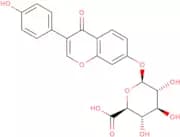
CAS:<p>Formononetin-b-D-glucuronide sodium salt is a synthetic compound that is commonly used as a building block in the synthesis of oligosaccharides and polysaccharides. Formononetin-b-D-glucuronide sodium salt is also known to be an inhibitor of human DNA polymerase alpha, which has been shown to inhibit the replication of human immunodeficiency virus (HIV) and herpes simplex virus type 1 (HSV1). Formononetin-b-D-glucuronide sodium salt has high purity, with a purity level of >99%.</p>Fórmula:C22H19O10NaPureza:Min. 95%Forma y color:White To Off-White SolidPeso molecular:466.37 g/mol2,3-O-Isopropylidene-hamamelono-1,4-lactone
<p>2,3-O-Isopropylidene-hamamelono-1,4-lactone is an Oligosaccharide with a Glycosylation that is Synthetic and Fluorinated. It has a Custom synthesis and Methylation. This product is Monosaccharide and Polysaccharide. It has a Click modification, a complex carbohydrate, and is High purity. The CAS number for this product is 62968-07-1.</p>Pureza:Min. 95%6-Deoxy-D-gulono(L-mannono)-1.4-lactone
6-Deoxy-D-gulono(L-mannono)-1.4-lactone is a custom synthesis of an oligosaccharide. It is a polysaccharide that is glycosylated with a sugar or carbohydrate. This molecule can be modified in the following ways: fluorination, methylation, and click modification. The CAS number for this compound is 73226-08-2.Pureza:Min. 95%Apiogalacturonan polysaccharides sodium
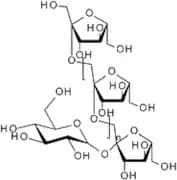
CAS:An apiose-rich pectic polysaccharide zosterin is found in the sea grass Zostera marina and is typical of similar structures occurring in higher plants. The structure consists of an α-1,4-D-galactopyranosyluronan backbone substituted by 1,2-linked apiofuranose oligosaccharides and single apiose residues. The average molecular mass of the polysaccharide has been shown to be about 4100 Da with a low polydispersity.Pureza:Min. 60%Forma y color:PowderCroscarmellose sodium
CAS:Superdisintegrant used in pharmaceutical formulationsForma y color:White PowderPeso molecular:982.44Heparin disaccharide I-A trisodium salt
CAS:Heparin disaccharide I-A trisodium salt is an oligosaccharide that is a synthetic and modified form of heparin. It is used as a pharmaceutical agent to prevent coagulation, and in the treatment of thrombosis, deep vein thrombosis, pulmonary embolism, and other cardiovascular diseases. This product has been custom synthesized for the modification of sugar structures, fluorination, methylation, sugar modification and click chemistry.Fórmula:C14H21NO17S2·3NaPureza:Min. 95 Area-%Forma y color:White Off-White PowderPeso molecular:608.41 g/mol2-O-b-D-Glucopyranosylcucurbitacin E
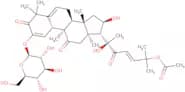
CAS:<p>2-O-b-D-glucopyranosylcucurbitacin E is a natural product that has been isolated from the roots of Cucurbita maxima. This compound has been shown to have bioactive properties, including antioxidant and antimicrobial activity. The extract was tested on chronic cough patients with type 2 diabetes mellitus. The treatment group showed significant improvements in symptoms and bioactive phytochemical levels compared to the control group.<br>2-O-b-D-glucopyranosylcucurbitacin E is a white powder that is soluble in methanol and water but not in chloroform or ether. It can be analyzed by liquid chromatography, which separates the different components of a sample by passing it through a column filled with an adsorbent material that retains some components more than others.</p>Fórmula:C38H54O13Pureza:Min. 95%Peso molecular:718.83 g/mol4-O-(β-D-Galactopyranosyl)-D-galactopyranose
CAS:Used as enzyme substrates, analytical standards and for in vitro diagnosticsFórmula:C12H22O11Pureza:Min. 95%Forma y color:White Off-White PowderPeso molecular:342.29 g/molTrimethyl (2S)-2-((4R)-3-O-benzyl-1,2-O-isopropylidene-D-threos-4-yl)ethanetricarboxylate
Trimethyl (2S)-2-((4R)-3-O-benzyl-1,2-O-isopropylidene-D-threos-4-yl)ethanetricarboxylate is a synthetic precursor to the sugar 2,6'-dithia-D-(+)-fucopyranose. It has been shown to be an effective glycosylation agent for the synthesis of sugars with an intact threose ring. Trimethyl (2S)-2-((4R)-3-O-benzyl-1,2-O-isopropylidene--D--threos-)ethanetricarboxylate is not available in pure form and cannot be found in nature.Pureza:Min. 95%Di-mannuronic acid sodium salt
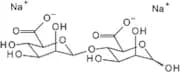
Di-mannuronic acid sodium salt (β-1,4-linked sodium mannuronobiose) is one of a number of oligosaccharides obtained from alginate which is a polysaccharide in brown seaweeds containing: blocks of repeating mannuronic acid sequences (M-M-M-M etc), repeating guluronic acid sequences (G-G-G-G etc), and alternating M-G-M-G sequences.These oligosaccharides can be released using several methods (Lua, 2015; Yanga, 2004) and claims have been published that mannuronic acid oligosaccharides for example, can be effective in the prophylaxis and treatment of Alzheimer's disease, or for the prophylaxis and treatment of diabetes (USP 8835403B2, 2014).Fórmula:C12H16O13Na2Pureza:Min. 98 Area-%Forma y color:White Off-White PowderPeso molecular:414.23 g/molArabinonic acid potassium salt
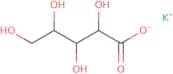
CAS:Arabinonic acid potassium salt is a fluorinated monosaccharide that is used as a building block for the synthesis of oligosaccharides and polysaccharides. Arabinonic acid potassium salt is chemically synthesized by the glycosylation of 2-deoxy-D-ribose with arabinonitrile followed by hydrolysis to form arabinonic acid. This chemical can also be modified with methyl groups, nitro groups, or other functional groups. It has CAS number 36232-89-0 and molecular weight of 176.17 g/mol. Arabinonic acid potassium salt is a high purity product with 98% minimum purity and no detectable impurities.Fórmula:C5H9KO6Pureza:Min. 95%Forma y color:PowderPeso molecular:204.22 g/molα-D-Mannose-1-phosphate sodium
CAS:<p>α-D-Mannose-1-phosphate sodium is a synthetically made mannose phosphate. This compound is used in the synthesis of oligosaccharides and glycoproteins.</p>Fórmula:C6H11Na2O9PPureza:Min. 98 Area-%Forma y color:White PowderPeso molecular:304.1 g/mol4-O-(2,3,4,6-Tetra-O-acetyl-b-D-glucopyranosyl)-1,2,3,6-tetra-O-acetyl-b-D-thioglucopyranose
CAS:<p>4-O-(2,3,4,6-Tetra-O-acetyl-b-D-glucopyranosyl)-1,2,3,6-tetra-O-acetyl-b-D-thioglucopyranose is a glycosylated saccharide that belongs to the group of complex carbohydrates. The glycosylation of 4-O-(2,3,4,6,-Tetra-O-acetyl b -D -glucopyranosyl)-1,2,3,6,-tetra -O -acetyl b -D -thioglucopyranose is achieved by the enzymatic reaction of an acetate donor and an acceptor molecule in the presence of glucose 1 phosphate (G1P) and UDP sugar pyrophosphorylase. It has been modified by methylation with dimethyl sulphate in the presence of</p>Fórmula:C28H38O18SPureza:Min. 95%Peso molecular:694.66 g/molD-glucosyl-β-1,1'-N-nervonoyl-D-erythro-sphingosine
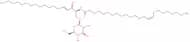
CAS:D-glucosyl-β-1,1'-N-nervonoyl-D-erythro-sphingosine is a mouse metabolite that was found to be an acyl group. This metabolite was shown to be a mouse metabolite.Fórmula:C48H91NO8Pureza:Min. 98 Area-%Forma y color:PowderPeso molecular:810.24 g/mol(1S) -1- [(2S, 3R) - N-Butyl-3- hydroxy- 1- azetidinyl] -1, 2- ethanediol
<p>(1S) -1- [(2S, 3R) - N-Butyl-3- hydroxy- 1- azetidinyl] -1, 2- ethanediol is a synthetic carbamate which is a modification of the sugar D-glucose. It has been fluorinated at the C4 position and glycosylated at the C2 position. This compound is also methylated at the C3 position. (1S) -1- [(2S, 3R) - N-Butyl-3- hydroxy- 1- azetidinyl] -1, 2- ethanediol has CAS number 7145636 and has been custom synthesized to be high purity and with custom synthesis modifications.</p>Pureza:Min. 95%E-Retinyl b-glucuronide
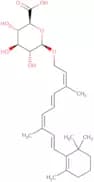
CAS:<p>E-Retinyl b-glucuronide is a metabolite of vitamin A that is formed in the liver by glucuronidation of retinol. It has been shown to have immunomodulatory effects and can be used to activate various immune cells, such as T lymphocytes, monocytes, and natural killer cells. E-Retinyl b-glucuronide binds to cell surface antigens and induces the expression of surface markers on mononuclear cells. In vitro studies have shown that this metabolite has growth-promoting activity for certain types of cancerous cells including colon carcinoma, breast carcinoma, and thyroid carcinoma. E-Retinyl b-glucuronide is also known to inhibit the binding of 13-cis retinoic acid to its receptor, thereby preventing the activation of genes in target tissues.</p>Fórmula:C26H38O7Pureza:Min. 95%Peso molecular:462.58 g/mol2,3-Di-O-benzyl-4,6-O-ethylidene-D-glucopyranose
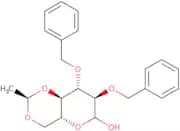
CAS:2,3-Di-O-benzyl-4,6-O-ethylidene-D-glucopyranose is a synthetic oligosaccharide that can be used as a starting material for the synthesis of glycosylated polysaccharides. It is custom synthesized to your specifications and is available in high purity.Fórmula:C22H26O6Pureza:Min. 95%Forma y color:PowderPeso molecular:386.44 g/molb-D-Allopyranose
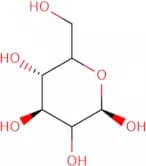
CAS:<p>b-D-Allopyranose is a monosaccharide that has been modified with fluorine. It is used as a substrate for the production of oligosaccharides and polysaccharides, which are important biomolecules in cell walls and membranes. b-D-Allopyranose can be customized to suit your needs with Click chemistry, Methylation, or other modifications. We offer high purity b-D-Allopyranose at competitive prices.</p>Fórmula:C6H12O6Pureza:Min. 97 Area-%Forma y color:PowderPeso molecular:180.16 g/molD-Xylonic acid ammonium
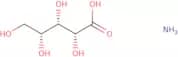
CAS:<p>D-Xylonic acid ammonium salt is a synthetic glycosylation agent that is used in the synthesis of oligosaccharides, polysaccharides, and monosaccharides. D-Xylonic acid ammonium salt is also used to modify glycoproteins and proteoglycans for use in the treatment of various diseases. D-Xylonic acid ammonium salt can be synthesized by the fluorination of D-xylose followed by methylation. This agent can be modified through click chemistry or complex carbohydrate modification. It has a high purity and is readily available for purchase.</p>Fórmula:C5H10O6•H3NPureza:Min. 95%Peso molecular:183.16 g/mol2,4,6-Tri-O-(3,4,6-tri-O-benzyl-2-deoxy-2-phthalimido-β-D-glucopyranosyl)-3-O-benzyl-α-D-mannopyranose
2,4,6-Tri-O-(3,4,6-tri-O-benzyl-2-deoxy-2-phthalimido-b-D-glucopyranosyl)-3-O-benzyl a -D -mannopyranose is a synthetic oligosaccharide that is synthesized by the click chemistry reaction. It is an example of a glycosylation reaction, in which the sugar is conjugated to an amine group on the triphosphate moiety of uridine diphosphate glucose. The product has been modified with fluorination and methylation to improve its stability.Fórmula:C118H111N3O24Pureza:Min. 95%Peso molecular:1,955.15 g/mol1,3,4,6-Tetra-O-acetyl-b-D-glucosamine HCl
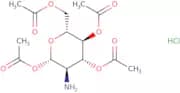
CAS:1,3,4,6-Tetra-O-acetyl-b-D-glucosamine HCl is a compound that can be used in the production of bacterial cellulose. It is a white powder with a molecular weight of 536.2. 1,3,4,6-Tetra-O-acetyl-b-D-glucosamine HCl has been shown to be effective in the cultivation of microorganisms such as bacteria and fungi. This product is also an additive for deionized water and deionized sucrose solutions. Tetraacetylated glucosamine hydrochloride is used to produce bacterial cellulose through the action of cellulase enzymes on sucrose solutions containing NaOH. In addition, this product has been shown to inhibit the proliferation of fibroblasts and epithelial cells when cultured in vitro.Fórmula:C14H21NO9·HClPureza:Min. 95.0 Area-%Forma y color:PowderPeso molecular:383.78 g/molLevan - from Erwinia herbicola
CAS:Levan is a (2,6)-linked fructan produced by Erwinia herbicola. The polysaccharide contains branches every 10-12 fructose residues linked (1,2) and is reported to have a molecular weight in excess of 1000 KDa. Potential industrial applications of levan have been proposed as an emulsifier, formulation aid, stabilizer and thickener, surface-finishing agent, encapsulating agent, and carrier for flavor and fragrances. In addition, levan is promising in medicine as a plasma substitute, drug activity prolongator and antihyperlipidemic agent.Pureza:Min. 95%Forma y color:Powder6-Amino-6-deoxy-D-lactose
6-Amino-6-deoxy-D-lactose is a high purity, custom synthesis sugar that has been fluorinated and glycosylated. It can be used in the synthesis of oligosaccharides, monosaccharides, saccharides or complex carbohydrates. 6-Amino-6-deoxy-D-lactose can be found under CAS No. 5892-84-7.Pureza:Min. 95%3,6-Di-O-acetyl-a-cyclodextrin
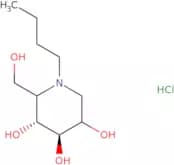
<p>Alpha-cyclodextrin (α-CD) derivative with a hydrophilic exterior and lipophilic cavity (smaller than β-CDs and γ-CDs) to allocate certain guest molecules. This structural characteristic enables applications in molecular encapsulation, solubility enhancement, and stabilization across multiple industries. In pharmaceuticals, it serves as a drug delivery vehicle, enhancing the bioavailability and stability of active ingredients. The food industry utilizes it as a stabilizer for flavors, colors, and nutrients, as well as a functional ingredient for its effects on lipid metabolism. In cosmetics, it acts as a complex agent for fragrances and active components. Its applications extend to analytical chemistry for chiral separation and to materials science for developing smart materials and nanosystems.</p>Fórmula:C60H84O42Pureza:Min. 95%Peso molecular:1,477.28 g/molN-Butyldeoxymannojirimycin HCl
CAS:<p>N-Butyldeoxymannojirimycin HCl is a custom synthesis, complex carbohydrate that is synthesized from Oligosaccharides and Polysaccharides. This product is modified with Methylation, Glycosylation, and Carbohydrate. It has the CAS No. 155501-85-2 and it is high purity and fluorinated. The product can be used in Synthetic applications such as Click modification, sugar, or Fluorination.</p>Fórmula:C10H21NO4·HClPureza:Min. 95%Forma y color:SolidPeso molecular:255.74 g/mol(2S, 3S, 4R) -3- [[[(2S, 3S, 4R) - 3- Azido- 4- [[[(1, 1- dimethylethyl) dimethylsilyl] oxy] methyl] - 1- (phenylmethyl) - 2- azetid inyl] carbonyl] amino] - 4- [[[(1, 1- dimethylethyl) dimethylsilyl] oxy] methyl] - 1- (phenylmethyl) -2- azetidinecarb
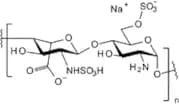
CAS:<p>The product is a custom synthesis of the amino acid azetidine-2-carboxylic acid. It is synthesized from 2-acetamido-3,4-dihydroxybenzoic acid and 1,1'-dimethylethyl dimethylsilyl ether as starting materials. The product is used in glycosylation reactions to form complex carbohydrates with sugars. The product has been shown to be useful in Click chemistry, which is a type of chemical reaction where biotinylated molecules are used to attach other molecules in lab experiments. The CAS number for the product is 1992035-15-0.</p>Fórmula:C37H58N6O5Si2Pureza:Min. 95%Peso molecular:723.06 g/molDe-N-sulfated heparin sodium
CAS:Porcine mucosal heparin derivative; no anti-coagulant activityForma y color:PowderD-Lactose monohydrate
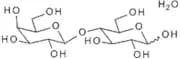
CAS:<p>Lactose is the principal sugar in human and most other mammalian milks, ( 4-O-(β-d-galactopyranosyl)-d-glucopyranose) (Collins, 2006). Lactose undergoes mutarotation; it is a reducing sugar and is significantly less soluble in water than sucrose. Lactose is much less sweet than sucrose (at ~1% about 0.15 (sucrose=1). The enzyme lactase (β-galactosidase), which is present in the small intestine, catalyzes hydrolysis of lactose to form glucose and galactose. Anhydrous lactose is an excipient, filler, diluent, and bulking agent in a wide variety of pharmaceutical tablets, capsules, powders and other preparations. Lactose also has applications as a nutrient and multi-functional ingredient in infant formulae, geriatric, dietetic and health foods (Linko, 1982).</p>Fórmula:C12H22O11·H2OPureza:Min. 96 Area-%Forma y color:White Off-White PowderPeso molecular:360.31 g/molChitobiose-6'-phosphate
Chitobiose-6'-phosphate is a carbohydrate that is used in the synthesis of oligosaccharides. It can be modified to produce different types of saccharides, such as methylation, saccharide click modification, and modification. Chitobiose-6'-phosphate is available in high purity and offers a custom synthesis service for specific requirements.Pureza:Min. 95%L-Arabinose diethyldithioacetal
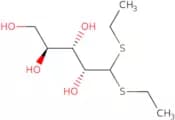
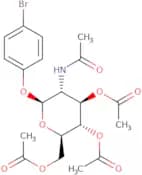
CAS:L-Arabinose diethyldithioacetal is a potassium carbonate derivative of L-arabinose that reacts with sulfur to form 1,2-dithioketals. These dithioketals are used as glycosyl donors in the synthesis of L-fucitol and d-xylose. This reaction is catalyzed by acetobacter, which converts L-arabinose and carbon dioxide into acetaldehyde and acetic acid. The reaction mechanism for this transformation includes an epimerization of the hydroxyl group on the C5 position of L-arabinose to a hydroxyl group on C6, followed by glycosidation with sulfuric acid. The glycosidic bond formed between the hydroxyl group on C6 and the carbonyl group at C1 (in this case, from L-arabinose) is called an acetal linkage. In addition to being antithromboticFórmula:C9H20O4S2Pureza:Min. 95%Forma y color:PowderPeso molecular:256.38 g/mol4-Bromophenyl 2-acetamido-3,4,6-tri-O-acetyl-2-deoxy-β-D-glucopyranoside
CAS:4-Bromophenyl 2-acetamido-3,4,6-tri-O-acetyl-2-deoxy-b-D-glucopyranoside is a custom synthesis product. It has been modified with fluorination, methylation and click modification. This product is an oligosaccharide which can be used for saccharide or polysaccharide synthesis. The purity of this product is high and it has been synthesized from a monosaccharide.Fórmula:C20H24BrNO9Pureza:Min. 95%Peso molecular:502.31 g/mol2,6-Anhydro-D-glycero-D-ido-heptonamide
CAS:<p>2,6-Anhydro-D-glycero-D-ido-heptonamide is a fluorinated carbohydrate that can be synthesized by the reaction of 2,6-anhydro-D-glycero-D-heptonic acid with N,N'-dicyclohexylcarbodiimide and ethyl bromoacetate. This compound is then modified with a methyl group at the C2 position or an acetyl group at the C3 position. The resulting product can be used in a wide variety of applications including biopharmaceuticals, diagnostic reagents, and inorganic chemicals.</p>Pureza:Min. 95%11-Dehydroxygrevilloside B
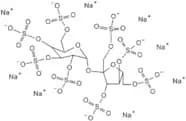
CAS:<p>11-Dehydroxygrevilloside B is a natural glycoside compound, which is primarily isolated from the plant genus Grevillea. This genus is known for its rich diversity of secondary metabolites with various biological activities. The mode of action of 11-Dehydroxygrevilloside B involves interactions with specific molecular targets, potentially influencing biochemical pathways associated with inflammation, oxidative stress, or other cellular processes. Its exact mechanism is still under research, aiming to unravel its potential therapeutic or protective effects. Applications of 11-Dehydroxygrevilloside B are mainly within the realm of biochemical and pharmacological research, where it serves as a subject for in vitro or in vivo experiments to explore its efficacy and safety profile. Its study contributes to understanding how plant-derived compounds can be harnessed for medicinal purposes and augments the exploration of novel drug candidates from natural sources.</p>Fórmula:C17H26O7Pureza:Min. 95 Area-%Forma y color:PowderPeso molecular:342.38 g/molSucrose octasulfate sodium salt
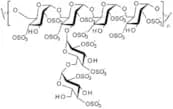
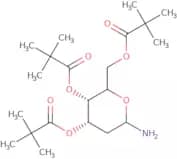
CAS:<p>This compound is generally known as sucralfates and are medications primarily taken to treat active duodenal ulcers. They are also used for the treatment of gastroesophageal reflux disease (GERD) and stress ulcers. Sucralfate is a sucrose sulfate-aluminium complex that binds to the ulcer, creating a physical barrier that protects the gastrointestinal tract from stomach acid and prevents the degradation of mucus. It also promotes bicarbonate production and acts like an acid buffer with cytoprotective properties.</p>Fórmula:C12H14Na8O35S8Pureza:Min. 98 Area-%Forma y color:White PowderPeso molecular:1,158.66 g/mol2-Deoxy-3,4,6-tri-O-pivaloyl-D-glucopyranosyl amine
CAS:2-Deoxy-3,4,6-tri-O-pivaloyl-D-glucopyranosyl amine is a custom synthesis that has been fluorinated and modified. It has been synthesized for use in the production of oligosaccharides and polysaccharides. This compound is a monosaccharide with a CAS number of 1338226-07-5. It can be used to produce complex carbohydrates. 2DGPA can be used as an intermediate in the synthesis of saccharides or sugars.Fórmula:C21H37NO7Pureza:Min. 95%Peso molecular:415.53 g/molMethyl N-benzyl-4,6-dideoxy-4,6-imino-2,3-O-isopropylidene-b-D-talopyranoside
<p>Methyl N-benzyl-4,6-dideoxy-4,6-imino-2,3-O-isopropylidene-b-D-talopyranoside is a fluorinated monosaccharide with a custom synthesis. It is a synthetic oligosaccharide that has undergone glycosylation and polysaccharide modification. This compound has been modified by methylation, click chemistry, and sugar formation. It is available in high purity with a CAS number of 29059-07-1.</p>Pureza:Min. 95%L-Glucosamine hydrochloride
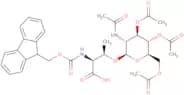
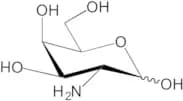
CAS:L-Glucosamine hydrochloride is a fluorescent derivative of L-glucosamine, which is an amino sugar that occurs naturally in the human body. L-glucosamine hydrochloride can be used to measure the uptake of glucose by cells and tissues. The hydroxyl group on the glucosamine molecule is responsible for this activity. L-glucosamine hydrochloride has been shown to have anticancer activity against leukemia cells in tissue cultures and it may be useful as a cancer treatment. It is also capable of inducing cytokine responses when it binds to antigen sites on T cells, which may lead to its use as an immunotherapy agent.Fórmula:C6H13NO5•HClPureza:Min. 95%Forma y color:PowderPeso molecular:215.63 g/mol2-Acetamido-3,4,6-tri-O-acetyl-2-deoxy-β-D-glucopyranosyl-Fmoc threonine
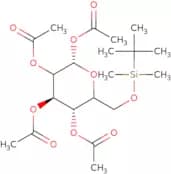
CAS:Custom synthesis, Modification, Fluorination, Methylation, Monosaccharide, CAS No. 160168-40-1, Click modification, Oligosaccharide, Synthetic, saccharide, Polysaccharide, Glycosylation, sugarFórmula:C33H38N2O13Pureza:Min. 95 Area-%Peso molecular:670.66 g/mol1,2,3,4-Tetra-O-acetyl-6-O-(tert-butyldimethylsilyl)-b-D-galactopyranose
<p>1,2,3,4-Tetra-O-acetyl-6-O-(tert-butyldimethylsilyl)-b-D-galactopyranose is a custom synthesis with methylation and click modification. It is a high purity compound that is available for purchase. This compound has been fluorinated to create 1,2,3,4-Tetra-O-acetyl-6-[(trifluoromethyl)oxy]-b-D-galactopyranose. The chemical formula is C14H27F3O7. It can be used in the synthesis of oligosaccharides and polysaccharides.</p>Fórmula:C20H34O10SiPureza:Min. 95%Peso molecular:462.57 g/mol6-Bromo-6-deoxy-D-glucose
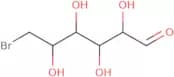
CAS:6-Bromo-6-deoxy-D-glucose is a sugar that is used to study the function of glucose transporters in cellular membranes. This compound has been shown to be a substrate for glucose transporters, where it binds in a nucleophilic manner. 6-Bromo-6-deoxy-D-glucose has been used as an inhibitor of glucose transport and as an x-ray crystal structure model for studying the binding mechanism of glucose transporters. 6-Bromo-6-deoxy-D-glucose has also been used to study the reaction system between glucose and sodium hydrogen carbonate, which is important for understanding how cells regulate blood sugar levels.Fórmula:C6H11BrO5Pureza:Min. 95%Forma y color:White PowderPeso molecular:243.05 g/mol1-O-Acetyl-2,3,5-tri-O-benzoyl-b-D-ribofuranose
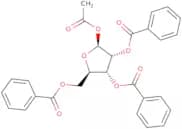
CAS:1-O-Acetyl-2,3,5-tri-O-benzoyl-b-D-ribofuranose is an intermediate used to access a variety of ribonucleoside analogues. The ribosylation of substituted purines and pyrimidines with 1-O-Acetyl-2,3,5-tri-O-benzoyl-b-D-ribofuranose affords ribonucleoside analogues with the potential for biological and medicinal activity. Ribosylation requires the use of a catalyst such as trimethylsilyl trifluoromethane sulfonate and N,O-Bis(trimethylsilyl)trifluoroacetamide.Fórmula:C28H24O9Pureza:Min. 98 Area-%Forma y color:White PowderPeso molecular:504.48 g/molD-Galactosamine hydrochloride - Synthetic origin
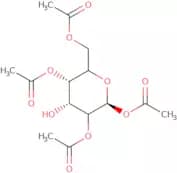
CAS:<p>D-Galactosamine (GalN) is an aldohexose (2-Amino-2-deoxygalactose) in which the hydroxyl group at position 2 is replaced by an amino group (Collins, 2006). Galactosamine (as the N-Acetyl derivative) forms a key part of both N- and O-linked glycoproteins, glycolipids and glycosaminoglycans. Treatment of experimental animals with D-galactosamine / lipopolysaccharide causes lethal liver injury characterized by apoptosis of the hepatocyte and it is used as a laboratory model to study the effect of therapeutic agents (Hirono, 2001).</p>Fórmula:C6H13NO5·HClPureza:Min. 98 Area-%Forma y color:White PowderPeso molecular:215.63 g/mol1,2,4,6-Tetra-O-acetyl-β-D-glucopyranose
CAS:1,2,4,6-Tetra-O-acetyl-b-D-glucopyranose is a synthetic sugar that can be used in the synthesis of oligosaccharides and polysaccharides. It is a high purity product with a purity of >99% by weight. This product is also available as a custom synthesis.Fórmula:C14H20O10Pureza:Min. 95%Forma y color:White PowderPeso molecular:348.3 g/mol1-Methyl-2,3-O-isopropylidene-1,4-dideoxy-1,4-imino-1-N-dehydro-D-ribitol
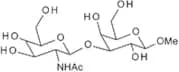
CAS:1-Methyl-2,3-O-isopropylidene-1,4-dideoxy-1,4-imino-1-N-dehydroDribitol (LMDDR) is an oligosaccharide that can be synthesized by the modification of dideoxyribitol. LMDDR is a complex carbohydrate with a sugar chain and has a CAS number of 909703-52-2. This monosaccharide can be fluorinated to form 1-(trifluoromethyl)-2,3-O-[(trifluoromethyl)methylidene]-1,4dideoxy -1,4imino -Dribitol (TFMDDR). TFMDDR has been shown to have higher purity and better stability than LMDDR.Fórmula:C9H15NO3Pureza:Min. 95%Peso molecular:185.22 g/molMethyl 3-O-(2-acetamido-2-deoxy-b-D-glucopyranosyl)-b-D-galactopyranoside
CAS:Substrate for b-6-GlcNAc-transferaseFórmula:C15H27NO11Pureza:Min. 97 Area-%Forma y color:White PowderPeso molecular:397.38 g/molGalacturonan DP5 sodium salt
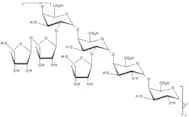
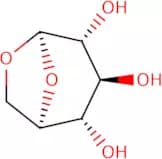
<p>Sodium Pentagalacturonate, (β-1,4 sodium Pentagalacturonate) is derived from pectin or pectic acid, by enzymatic or partial acid hydrolysis (Combo, 2012). It is used inâ¯galacturonic acidâ¯metabolism research as a substrate to identify, differentiate, and characterize endo- and exopolygalacturonase(s), and gluconase(s) (Jayani, 2005). The addition of very short fragments of homogalacturonan, tri-galacturonate, tetra-galacturonate, and penta-galacturonate oligosaccharides, restore development in dark-grown, de-etiolated seedling mutants, suggesting that they are unable to generate de-methylesterified pectin fragments. A model of spatiotemporally separated photoreceptive and signal-responsive cell types has been proposed, that contains overlapping subsets of the regulatory network of light-dependent seedling development (Sinclair, 2017).</p>Pureza:(Hpaec-Pad) Min. 65%Forma y color:Powder1,6-Anhydro-β-D-glucopyranose
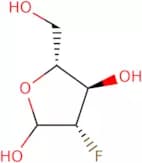
CAS:Used for preparation of biologically active compoundsFórmula:C6H10O5Pureza:Min. 98 Area-%Forma y color:White PowderPeso molecular:162.14 g/mol2-Deoxy-2-fluoro-D-arabinofuranose
CAS:<p>2-Deoxy-2-fluoro-D-arabinofuranose is a purine nucleoside that is used in the diagnosis and treatment of herpes simplex virus infection. It inhibits viral replication by competitively inhibiting acycloguanosine, an enzyme that catalyzes the conversion of 2’-deoxyguanosine to deoxyadenosine. 2-Deoxy-2-fluoro-D-arabinofuranose has been shown to be active against cancer cells and can be used as chemotherapeutic agent. This drug may also be used for the diagnosis of cancer by detecting the presence of activated T cells in patients with tumor necrosis factor α (TNFα) receptor gene polymorphism.</p>Fórmula:C5H9FO4Pureza:Min. 95%Forma y color:PowderPeso molecular:152.12 g/mol3'-Sialylgalactose sodium salt
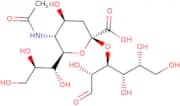
CAS:Sialylated oligosaccharide with the ability to inhibit angiogenesis and tumour development by binding to the vascular endothelial growth factor receptor VEGFR-2. Moreover, sialylated N-glycans in intestinal epithelium of chickens were found to carry terminal sialylgalactose, which interacts with influenza viruses during early stages of infection.Fórmula:C17H28NO14·NaPureza:Min. 95%Forma y color:White PowderPeso molecular:493.39 g/molEthyl 3-O-benzyl-4,6-O-benzylidene-2-O-levulinoyl-b-D-thioglucopyranoside
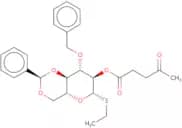
CAS:Ethyl 3-O-benzyl-4,6-O-benzylidene-2-O-levulinoyl-b-D-thioglucopyranoside is a custom synthesis that belongs to the group of carbohydrates. It is a complex carbohydrate with an oligosaccharide and polysaccharide side chain. The saccharide contains a methylated and glycosylated benzene ring attached to the oxygen atom of glucose at position C1, which then has an acetate group that is attached to it. The glycosylation of this molecule is methylated at the C2 position, which is a rare modification that has not been studied extensively. This molecule also has a fluorinated acetate group at the C3 position on the glucose ring. This product is high purity and synthetic in origin.Fórmula:C27H32O7SPureza:Min. 95%Forma y color:PowderPeso molecular:500.6 g/mol2,5-Anhydro- 3- deoxy-D- ribo- hexonic acid
<p>2,5-Anhydro-3-deoxy-D-ribohexonic acid is a fluorinated monosaccharide. It is synthesized by the modification of 2,5-anhydro-3-deoxyglucose with N-(2'-fluoroethyl)trimethoxysilane (FETS). This synthetic compound can be used as a glycosylation or polysaccharide building block in the synthesis of complex carbohydrates. The FETS modification allows for the introduction of various functional groups on C1 and C2 while maintaining the high purity.</p>Pureza:Min. 95%1,4-β-D-Mannopentaose
CAS:<p>Isolated from ivory-nut mannan hydrolysates</p>Fórmula:C30O26H52Pureza:Min. 95%Forma y color:PowderPeso molecular:828.72 g/mol4-Methylphenyl 2-O-acetyl-3-O-benzyl-4-O-levulinoyl-b-D-thioglucuronide methyl ester
4-Methylphenyl 2-O-acetyl-3-O-benzyl-4-O-levulinoyl-b-D-thioglucuronide methyl ester is a high purity, custom synthesis, sugar modified, Click modification, fluorination, glycosylation, synthetic compound. CAS No. is 8072159–1. It is an Oligosaccharide, Monosaccharide and Carbohydrate with complex carbohydrate structure.Fórmula:C28H32O9SPureza:Min. 95%Peso molecular:544.62 g/molL-Xylose
CAS:<p>Chiral-pool resource for organic synthesis</p>Fórmula:C5H10O5Pureza:Min. 99 Area-%Forma y color:White PowderPeso molecular:150.13 g/mol2-Deoxy-D-ribonic acid-1,4-lactone
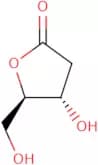
CAS:2-Deoxy-D-ribonic acid-1,4-lactone (2DRA) is a chemical compound with physiological effects. 2DRA is an irreversible inhibitor of DNA polymerase that has been shown to be a potent inhibitor of nuclear DNA synthesis in vitro and in vivo. The 2DRA inhibits the transfer reactions that are required for the replication of DNA. 2DRA binds to the nuclease domain of the enzyme and prevents it from cutting the phosphodiester bonds, leading to inhibition of DNA synthesis. This compound also has genotoxic effects and can cause mutation in cells through radiation or chemical treatment.Fórmula:C5H8O4Pureza:Min. 95%Forma y color:Colorless Yellow PowderPeso molecular:132.12 g/molPropofol-4-Hydroxy-1-D-glucuronide
<p>Propofol-4-Hydroxy-1-D-glucuronide is a modification of propofol, which is commonly used as an intravenous anesthetic. It is a synthetic compound that can be custom synthesized by adding the sugar group to propofol. Propofol-4-Hydroxy-1-D-glucuronide has been shown to be a high purity and pure oligosaccharide with a CAS number. It also contains methylated and glycosylated saccharides.</p>Fórmula:C18H26O8Pureza:Min. 95%Peso molecular:370.39 g/molLocust bean gum
CAS:Locust bean (carob) gum is the refined endosperm of the seed of the carob tree, an evergreen of the legume family (Ceretonia siliqua). The tree grows extensively in Spain and is cultivated in many other Mediterranean countries. Locust bean gum, like guar gum, is a galactomannan with a backbone of (1,4) β-D-mannopyranosyl units having branches of (1,6)-linked α-D-galactopyranosyl units. However, locust bean gum has substantially fewer side chains than guar gum and these are clustered in blocks leaving longer regions of unsubstituted mannosyl regions. The gum is only partially soluble in water and suspensions require heating before solubility is achieved. As with guar, the polysaccharide forms gels with other gums such as carrageenan and xanthan. Applications are in the food industry to enhance texture, in paper making and in the textile industry.Pureza:Min. 95%Forma y color:Off-White Powder5-Amino-3-β-D-ribofuranosylthiazolo[4,5-d]pyrimidin-2,7(3H,6H)-dione
CAS:<p>5-Amino-3-β-D-ribofuranosylthiazolo[4,5-d]pyrimidin-2,7(3H,6H)-dione (ATZ) is a prodrug that is converted to the active drug ATZ. ATZ has been shown to be effective against hepatitis C virus in vitro assays and in vivo in animal models. It inhibits viral replication by inhibiting the protein synthesis of the virus and its ability to replicate. ATZ also has been shown to be effective against infectious diseases such as herpes simplex virus, inflammatory diseases such as rheumatoid arthritis, and cancer. The drug is an oral prodrug that must be activated by intestinal bacteria before it can be absorbed into the bloodstream. It is chemically stable and does not undergo significant metabolism after being absorbed into the body.</p>Fórmula:C10H12N4O6SPureza:Min. 95%Forma y color:PowderPeso molecular:316.29 g/mol




![(2R, 3S, 4S) -3-Fluoro- 4- (fluoromethyl])- 1- (phenylmethyl) -2- azetidinecarboxylic acid methyl …](/_next/image/?url=https%3A%2Fstatic.cymitquimica.com%2Fproducts%2F3D%2Fthumb-webp%2FMF163470.webp&w=3840&q=75)









![(1S) -1- [(2S, 3R) - N-Butyl-3- hydroxy- 1- azetidinyl] -1, 2- ethanediol](/_next/image/?url=https%3A%2Fstatic.cymitquimica.com%2Fproducts%2F3D%2Fthumb-webp%2FMB163416.webp&w=3840&q=75)

![(2S, 3S, 4R) -3- [[[(2S, 3S, 4R) - 3- Azido- 4- [[[(1, 1- dimethylethyl) dimethylsilyl] oxy] methy…](/_next/image/?url=https%3A%2Fstatic.cymitquimica.com%2Fproducts%2F3D%2Fthumb-webp%2FMA163463.webp&w=3840&q=75)




![5-Amino-3-β-D-ribofuranosylthiazolo[4,5-d]pyrimidin-2,7(3H,6H)-dione](/_next/image/?url=https%3A%2Fstatic.cymitquimica.com%2Fproducts%2F3D%2Fthumb-webp%2FXEA97040.webp&w=3840&q=75)