Glycoscience
La glicociencia es el estudio de los carbohidratos y sus derivados, así como de las interacciones y funciones biológicas en las que participan. Este campo de investigación es crucial para comprender una amplia variedad de procesos biológicos, incluyendo el reconocimiento celular, la señalización, la respuesta inmune y el desarrollo de enfermedades. La glicociencia tiene aplicaciones importantes en la biotecnología, la medicina, y el desarrollo de nuevos fármacos y terapias. En CymitQuimica, ofrecemos una amplia selección de productos de alta calidad y pureza para la investigación en glicociencia. Nuestro catálogo incluye monosacáridos, oligosacáridos, polisacáridos, glicoconjugados, y reactivos específicos, diseñados para apoyar a los investigadores en sus estudios sobre la estructura, función y aplicaciones de los carbohidratos en sistemas biológicos. Estos recursos están destinados a facilitar descubrimientos científicos y aplicaciones prácticas en diversas áreas de la biociencia y la medicina.
Subcategorías de "Glycoscience"
- Aminoazúcares(108 productos)
- Anticuerpos relacionados con azúcares(282 productos)
- Glicolípidos(46 productos)
- Glicosaminoglicanos (GAGs)(55 productos)
- Glucósidos(419 productos)
- Monosacáridos(6.624 productos)
- Oligosacáridos(3.682 productos)
- Polisacáridos(503 productos)
Se han encontrado 11046 productos de "Glycoscience"
Ordenar por
Pureza (%)
0
100
|
0
|
50
|
90
|
95
|
100
6-Chloro-6-deoxy-b-cyclodextrin
<p>This beta-cyclodextrin (β-CD) derivative is a functionalized cyclic oligosaccharide composed of seven glucose units, characterized by a hydrophilic exterior and a lipophilic cavity (bigger than α-CD and smaller than γ-CDs), which allows it to encapsulate various guest molecules. This structural feature facilitates its use in multiple applications, including pharmaceuticals, food enhancement, and cosmetics. In the pharmaceutical industry, it enhances the solubility and stability of poorly water-soluble drugs, improving their bioavailability and efficacy while also masking unpleasant tastes. The food sector utilizes it as a stabilizer for flavors, colors, and nutrients, extending shelf life by protecting sensitive ingredients from degradation. In cosmetics, it serves as a complexing agent for fragrances and active components, ensuring their stability and controlled release. Its use expands to many other fields, including nanotechnology for drug delivery systems, environmental remediation for extracting organic pollutants, textiles for slow-release fragrances, and analytical chemistry for chiral separation.</p>Fórmula:C42H63Cl7O28Pureza:Min. 95%Peso molecular:1,264.1 g/mol(3R, 4R, 5S) -3, 4-Dihydroxy- 5- (hydroxymethyl) - 2- pyrrolidinone
<p>3, 4-Dihydroxy-5-(hydroxymethyl)pyrrolidinone (3R,4R,5S) is a custom synthesis of a fluorinated compound that has been modified through methylation and monosaccharide substitution. This product has been designed for use in Click chemistry applications. The CAS number for this product is 100906-64-6.</p>Pureza:Min. 95%GQ1b-Ganglioside sodium
CAS:<p>GQ1b ganglioside (sodium salt) has a core tetrasaccharide structure (Galβ1,3GalNAcβ1,4Galβ1,4Glc) with two sialic acids (NeuAc) linked α2,3/α2,8 to the inner galactose residue, two sialic acids (NeuAc) linked α2,3/α2,8 to the terminal galactose residue and ceramide linked β to position 1 on the reducing terminal glucose residue (Ledeen, 2009). Anti-GQ1b ganglioside antibody is associated with Miller Fisher syndrome and is also found in patients with related conditions that may share the same pathogenic mechanism, such as, Bickerstaff brainstem encephalitis. Thus, the measurement of the anti-GQ1b antibody in suspected cases of Miller Fisher syndrome is a useful diagnostic marker (Paparounas, 2004). It has been found that GQ1b ganglioside contributes to synaptic transmission and synapse formation. Low concentrations of GQ1b ganglioside, evoked dopamine (DA) release from laboratory tissues (Chen, 2018).</p>Fórmula:C106H182N6O56·4NaPureza:Min. 95%Forma y color:White PowderPeso molecular:2,528.55 g/molPullulan
CAS:<p>Pullulan is a glucan elaborated by the fungus Aureobasidium pullulans. The chemical structure is essentially repeating units of maltotriose joined by α-1,6 linkages. Pullulan dissolves readily in water to form stable, viscous solutions that do not gel. The polysaccharide can be moulded, made into fibres and forms clear soluble films. Applications are in foods as a low calorie ingredient and the polysaccharide forms water soluble films that have been used as seed coatings and to coat fruit. Pullulan can also be used in industrial applications as a binder, film former and in pharmaceutical applications. Average MW is typically 100-200kDa. Viscosity is ca 120 mm2/s.<br>The image was kindly provided by Dr. Chris Lawson.</p>Forma y color:White Powderb-D-Glucose - 95%
CAS:<p>B-D-glucose is a monosaccharide with the molecular formula C6H12O6. It is the major form of glucose in plants, and is one of the simplest carbohydrates. B-D-glucose is synthesized by photosynthesis in plants and used as an energy source for cellular respiration. The hydroxyl group of b-D-glucose reacts with p-hydroxybenzoic acid to form a new compound called glucopyranosiduronic acid. The hydroxyl group also reacts with sodium citrate to form sodium hydrogen citrate. This reaction can be used to measure the concentration of b-D-glucose in an unknown solution using high performance liquid chromatography (HPLC). B-D-glucose has been shown to have antidiabetic activity, as it improves insulin sensitivity, reduces blood glucose levels, and decrease body mass index (BMI) in animal models. A model system</p>Fórmula:C6H12O6Pureza:Min. 95 Area-%Forma y color:PowderPeso molecular:180.16 g/molα-D-Galactosamine-1-phosphate
CAS:a-D-Galactosamine-1-phosphate is a synthetic, fluorinated glycosylation inhibitor. It inhibits the synthesis of complex carbohydrates and is used in biochemical research. This compound has been shown to inhibit the methylation of glycoproteins and polysaccharides. It also inhibits the phosphorylation of glycogen, which may be useful in cases of diabetes mellitus.Fórmula:C6H14NO8PPureza:Min. 95%Forma y color:PowderPeso molecular:259.15 g/molRobinose
CAS:Robinose is a flavonoid derivative that is used as a conditioning agent in animal health products. It has been shown to increase the efficacy of an antigen by enhancing the immune response. Robinose also has enzyme activities and has been shown to work synergistically with other flavonoids such as quercetin. In addition, it can be used as an analytical method for glycan structures. Robinose is typically produced from the hydrolysis of flavonol glycosides found in plants such as raspberries, blackberries, and blueberries. It can also be extracted from sugar beet molasses or sugar cane molasses.Fórmula:C12H22O10Pureza:Min. 95%Peso molecular:326.3 g/molPotassium D-erythronate
CAS:<p>Versatile resource for organic synthesis, e.g. of the inhibitor swainsonine</p>Fórmula:C4H7KO5Pureza:Min. 95%Forma y color:White PowderPeso molecular:174.19 g/mol(3R, 5R) -1-Benzyl-3, 4, 5- piperidinetriol
(3R, 5R) -1-Benzyl-3, 4, 5- piperidinetriol is a modification of the parent compound. The modification of the parent compound is accomplished by the introduction of a benzyl group at the 3' and 5' positions of the molecule. This modification can be used to synthesize oligosaccharides, which are complex carbohydrates. (3R, 5R) -1-Benzyl-3, 4, 5- piperidinetriol is synthesized from high purity (99%) monosaccharide methylated with formaldehyde in aqueous solution with hydrochloric acid and sodium hydroxide as catalysts. It has CAS number 8056-97-2 and molecular weight of 231.24 grams per mole.Pureza:Min. 95%Chlorhexidine digluconate - 20% aqueous solution
CAS:Bisbiguanide antiseptic and disinfectant used in topical antibacterial productsFórmula:C34H54Cl2N10O14Pureza:190 To 210 G/LForma y color:Clear LiquidPeso molecular:897.76 g/molAllyl 2,3,4-tri-O-benzyl-a-D-glucopyranoside
CAS:<p>Allyl 2,3,4-tri-O-benzyl-a-D-glucopyranoside is a sugar that is used in the synthesis of glycosides. It can be synthesized by a click modification reaction that yields an allyl ether from an allylic alcohol. This product has been shown to react with bromine in the presence of UV light and produce a monobenzylated product, which can be used as a fluorescent probe for labeling saccharides. Allyl 2,3,4-tri-O-benzyl-a-D-glucopyranoside can also be modified with methyl groups or glycosidic bonds to form complex carbohydrates.</p>Fórmula:C30H34O6Pureza:Min. 95%Forma y color:PowderPeso molecular:490.59 g/mol2-Acetamido-1,3,4,6-tetra-O-benzyl-2-deoxy-a-D-glucopyranoside
CAS:2-Acetamido-1,3,4,6-tetra-O-benzyl-2-deoxy-a-D-glucopyranoside is a modification of the natural carbohydrate. It is an oligosaccharide synthesized with custom synthesis. The synthetic process involves the methylation and glycosylation of the monosaccharides. Fluorination and saccharide linkages are also used in the production of this compound. 2-Acetamido-1,3,4,6-tetra-O-benzyl-2-deoxyglucopyranoside can be used as a building block for complex carbohydrates or as a research reagent for glycobiology.Fórmula:C36H39NO6Pureza:Min. 95 Area-%Forma y color:PowderPeso molecular:581.7 g/mol1,2,3,4-Tetra-O-benzyl-α-D-mannopyranoside
CAS:<p>1,2,3,4-Tetra-O-benzyl-a-D-mannopyranoside is an active drug that belongs to the group of thyromimetics. It is a prodrug that is hydrolyzed in vivo to 1,2,3,4-tetra-O-acetyl-a-D-mannopyranose. This drug has been shown to be effective in treating nervous system diseases such as sclerosis and endogenous disease. The acetylation of the benzyl group on this molecule prevents it from being metabolized by enzymes that are found in the liver. The unmodified form of this drug is rapidly absorbed into the blood and reaches high concentrations quickly.</p>Fórmula:C34H36O6Pureza:Min. 95%Forma y color:Clear LiquidPeso molecular:540.65 g/mol2,6-di-O-methyl-3-O-n-pentyl-γ-cyclodextrin
This gamma-cyclodextrin (γ-CD) derivative is a modified cyclic oligosaccharide composed of eight glucose units, featuring a larger cavity size than α- and β-cyclodextrins. This structural characteristic allows γ-CDs to form inclusion complexes with a wider range of guest molecules, making it particularly versatile in various industries. In the food sector, it is used as a carrier and stabilizer for flavors, fat-soluble vitamins, and polyunsaturated fatty acids, protecting volatile compounds from evaporation. In pharmaceuticals, it enhances the solubility and bioavailability of poorly water-soluble drugs and, thanks to its larger ring size, allows for the encapsulation of larger molecules or even entire drug molecules. γ-CDs and derivatives are also used for environmental remediation and, in analytical chemistry, for the extraction and concentration of target substances.Fórmula:C104H192O40Pureza:Min. 95%Peso molecular:2,082.61 g/mola-D-[UL-13C6]Glucose-1-phosphate dipotassium salt hydrate
CAS:a-D-[UL-13C6]Glucose-1-phosphate dipotassium salt hydrate is a kinetic and structural analysis of the glucose phosphate metabolic pathway. It has been used to study biochemical properties of the glucose phosphate metabolic pathway, and to study the control mechanisms for this process. Specifically, it has been used to determine kinetic parameters that are necessary for understanding glucose metabolism. This compound has also been used to study hydrogen bonding interactions between monoclonal antibodies and ganoderma lucidum and transfer reactions of immobilized enzymes. The pH optimum for this compound is 4.5, and it can be synthesized from solanum tuberosum.Fórmula:C6H11K2O9P·xH2OPureza:Min. 95%Forma y color:PowderPeso molecular:342.27 g/mol(1S) -1- [(2S, 3R) - 3- Hydroxy- 1- ((4-methoxyphenyl)methyl) - 2- azetidinyl] -1, 2- ethanediol
<p>(1S) -1- [(2S, 3R) - 3- Hydroxy- 1- ((4-methoxyphenyl)methyl) - 2- azetidinyl] -1, 2- ethanediol is a synthetic monosaccharide. It can be used in the synthesis of oligosaccharides and glycosylations. Click modification, methylation, and fluorination are all possible modifications for this product. The CAS number for this item is 52634-73-0.</p>Pureza:Min. 95%1,2:4,5-Di-O-cyclohexylidene-b-D-fructopyranose
CAS:<p>1,2:4,5-Di-O-cyclohexylidene-b-D-fructopyranose is a modification of the natural carbohydrate 1,2:4,5-di-O-isopropylidene-b-D-fructopyranose. It is an oligosaccharide composed of three units of b-D-fructofuranose linked by α-(1,2) and β-(1,4) glycosidic bonds. The methylation and glycosylation of this saccharide can be customized to produce a wide range of products with different properties. 1,2:4,5 Di O cyclohexylidene b D fructopyranose can be used in applications such as pharmaceuticals and agrochemicals.<br>The molecular formula for this compound is C10H14O8 and its CAS number is 18608-92-9.</p>Fórmula:C18H28O6Pureza:Min. 95%Peso molecular:340.41 g/mol1,3:1,4-b-Glucotriose (B)
CAS:1,3:1,4-B-Glucotriose (B) is a carbohydrate that is a monosaccharide. It is also an oligosaccharide that is classified as a complex carbohydrate. This compound can be synthesized with high purity and custom synthesis. 1,3:1,4-B-Glucotriose (B) can be modified with fluorination, methylation, glycosylation, and click modification. This product has CAS No. 157544-59-7.Fórmula:C18H32O16Pureza:Min. 95%Forma y color:White PowderPeso molecular:504.44 g/mol1-Deoxy-3,4-O-isopropylidene-L-tagatose
1-Deoxy-3,4-O-isopropylidene-L-tagatose is a synthetic sugar that is modified by the addition of a fluorine atom at the 1 position. This modification prevents the enzyme glycosidase from cleaving this sugar and releasing glucose. 1DILT can be used to produce glycans with different structures, including complex carbohydrates. The CAS number for this product is 7062-93-5.Pureza:Min. 95%5-Azido-5-deoxy-2,3-O-isopropylidene-2-C-([trifluormethanesulfonyloxy]methyl)- D-ribono-1.4-lactone
<p>This is a custom synthesis of 5-azido-5-deoxy-2,3-O-isopropylidene-2-[(trifluoromethanesulfonyloxy)methyl]-D-ribono-1.4 -lactone (5ADL). The compound can be used as a synthetic intermediate and is a glycoside that contains an azido group. It is also known as a sugar and has the CAS number: 6374506-32-8. This compound has been shown to inhibit bacterial growth in vitro by inhibiting protein synthesis, DNA replication, and RNA transcription.</p>Pureza:Min. 95%3-O-(2-Acetamido-2-deoxy-a-D-galactopyranosyl)-D-galactopyranose
CAS:<p>3-O-(2-Acetamido-2-deoxy-a-D-galactopyranosyl)-D-galactopyranose is an endothelial cell growth factor that is generated by the enzymatic activity of galactosyltransferase. It binds to lectin, glycan, and monoclonal antibodies. This molecule has been shown to have biological properties that are related to cancer and immunology. 3-O-(2-Acetamido-2-deoxy-a-D-galactopyranosyl)-D-galactopyranose may be used as a glycolipid marker in blood group typing and in the detection of cervical cancer cells.</p>Fórmula:C14H25NO11Pureza:Min. 95%Forma y color:White PowderPeso molecular:383.33 g/molD-Arabinaric acid dipotassium salt
CAS:<p>D-Arabinaric acid dipotassium salt is a custom synthesis with complex carbohydrate, which can be modified by methylation, glycosylation, and carbonylation. It has CAS number 6703-05-5 and a high purity. This product is also fluorinated, which makes it an excellent synthetic reagent.</p>Fórmula:C5H6K2O7Pureza:Min. 95 Area-%Forma y color:White Off-White PowderPeso molecular:256.29 g/molPhenyl 3-O-Allyl-2,4,6-tri-O-benzyl-b-D-thiogalactopyranoside
CAS:<p>Phenyl 3-O-Allyl-2,4,6-tri-O-benzyl-b-D-thiogalactopyranoside (PTAG) is a modified glycosylated monosaccharide which has been synthesized by the Click Reaction. The synthesis of PTAG was achieved by the reaction between 2,3,4,6-tetra O-benzyl bD thiogalactopyranose and benzylic alcohol. PTAG is an oligosaccharide with a molecular weight of 1,000 Da and consists of six glucopyranose units. It can be used as a building block in the synthesis of complex carbohydrates.</p>Fórmula:C36H38O5SPureza:Min. 95%Forma y color:White Off-White PowderPeso molecular:582.75 g/molGlucosamine sulfate potassium chloride
CAS:Glucosamine sulfate potassium chloride is a reaction solution that contains glucosamine and hydrochloric acid. It is used in the treatment of osteoarthritis and related diseases, as well as for the prevention of cardiovascular disease. Glucosamine sulfate potassium chloride has been shown to reduce pain and improve the clinical response in patients with osteoarthritis. The synergic effect of glucosamine sulfate potassium chloride may be due to its ability to inhibit the degradation of collagen by hydrochloric acid. This drug also increases the production of glycoside derivatives from glucose, which are important for basic protein synthesis. Glucosamine sulfate potassium chloride can be used as a dietary supplement for infants, who have fatty acid deficiencies.Fórmula:(C6H14NO5)2SO4•(KCl)2Pureza:Min. 95%Peso molecular:605.52 g/mol1,2-Dideoxy-D-ribofuranose
CAS:<p>Precursor for the preparation of abasic nucleoside analogues</p>Fórmula:C5H10O3Pureza:Min. 98 Area-%Forma y color:Clear LiquidPeso molecular:118.13 g/mol2-Keto-D-gluconic acid hemicalcium monohydrate
CAS:<p>Enhances dissolution of soil minerals; intermediate in L-ascorbic acid syntheses</p>Fórmula:C6H9O7•(Ca)•H2OPureza:Min. 99 Area-%Forma y color:White PowderPeso molecular:231.19 g/molDelphinidin 3-galactoside chloride
CAS:<p>Delphinidin 3-galactoside chloride is a natural organic compound that belongs to the flavonol glycosides. It is a pigment that has been identified in flowers and fruits, such as the fruit tree. This compound exhibits antioxidant properties and can scavenge radicals, which may be due to its ability to inhibit dehydroascorbate reductase activity. Delphinidin 3-galactoside chloride also has an effect on high cholesterol levels, which may be due to its ability to inhibit HMG-CoA reductase activity. In addition, it has been shown that this compound can inhibit the growth of human pathogens such as P. aeruginosa and S. aureus.</p>Fórmula:C21H21O12ClPureza:Min. 95%Peso molecular:500.84 g/mol2, 3:6, 7- Bis- O- (1- methylethylidene) -D- glycero- L- talo- heptitol
2, 3:6, 7- Bis- O- (1- methylethylidene) -D- glycero- L- talo- heptitol is a high purity oligosaccharide. It is a complex carbohydrate that has been modified with fluorination. This modification provides the molecule with its high stability and purity. The sugar monomers are composed of three glucose molecules, two mannose molecules, and one galactose molecule. The chemical name for this product is 2,3:6,7-Tris-[1-(methylethylidene)-ethylidene]-D-glycero--L--talohydroheptaitol. This product can be used in a variety of applications such as Click chemistry and Methylation reactions.Pureza:Min. 95%4,6-O-Isopropylidene-D-mannopyranose
<p>4,6-O-Isopropylidene-D-mannopyranose is a custom synthesis of a polysaccharide that has been modified with fluorination, methylation, and click modification. This product can be used in the synthesis of oligosaccharides or saccharides. It may also be used in glycosylation reactions to produce complex carbohydrates.</p>Pureza:Min. 95%2,3,4,6-Tetra-O-acetyl-α-D-glucopyranosyl chloride
CAS:<p>2,3,4,6-Tetra-O-acetyl-a-D-glucopyranosyl chloride (TAOC) is a nuclear magnetic resonance (NMR) probe that has been used to study the structure of nuclei. It is synthesised by reacting acetyl chloride with sucrose in a reaction catalyzed by sodium hydroxide. The compound can be detected in quadrupole and resonance spectroscopy due to its high sensitivity to nuclear magnetic resonance. This NMR probe is typically used to study the structures of nuclei or for the analysis of polysaccharides.</p>Fórmula:C14H19ClO9Pureza:Min. 95%Forma y color:PowderPeso molecular:366.8 g/mol1,2,3,4-Tetra-O-pivaloyl-6-O-(tert-butyldiphenylsilyl)-a-D-mannopyranose
1,2,3,4-Tetra-O-pivaloyl-6-O-(tert-butyldiphenylsilyl)-a-D-mannopyranose is a glycosylated sugar that can be methylated and fluorinated. It has high purity and is custom synthesized for the synthesis of oligosaccharides. This sugar has CAS number 29091-01-9 and is used in the synthesis of polysaccharides.Fórmula:C42H62O10SiPureza:Min. 95%Peso molecular:755.02 g/mol1,2,3,4,6-Penta-O-benzoyl-D-mannopyranose
CAS:<p>1,2,3,4,6-Penta-O-benzoyl-D-mannopyranose is a high purity sugar that is custom synthesized to be used in glycosylation reactions. It has been shown to be effective for Click chemistry and can be fluorinated or methylated. 1,2,3,4,6-Penta-O-benzoyl-D-mannopyranose is a synthetic sugar that can be modified by glycosylation reactions. This sugar has the CAS No. 96996-90-6 and is known as Methyl 1-(1'-methylpropyl)-1H-[1',2',3',4',5',6']pentaoxacyclohexane.</p>Fórmula:C41H32O11Pureza:Min. 95%Forma y color:White PowderPeso molecular:700.69 g/mol1-O-tert-Butyldimethylsilyl 2-azido-2-deoxy-b-D-galactopyranoside
CAS:<p>1-O-tert-Butyldimethylsilyl 2-azido-2-deoxy-b-D-galactopyranoside is a complex carbohydrate that can be modified to produce an oligosaccharide or polysaccharide. The modification of this glycosylated sugar can be done using methylation, click chemistry, or fluorination. This carbohydrate has been shown to have high purity and is suitable for use in any synthesis that requires saccharides.</p>Fórmula:C12H25N3O5SiPureza:Min. 95%Peso molecular:319.43 g/mol[2-[[2,3,6-Tri- O- acetyl- 4- O- (2, 3, 4, 6- tetra- O- acetyl- b- D- glucopyranosyl) - b- D- glucopyranosyl] oxy] ethyl] - carbamic acid phenylmethyl ester
CAS:The conformation of the 2-[[2,3,6-tri-O-acetyl-4-O-(2,3,4,6-tetra-O-acetyl-βDglucopyranosyl)-βDglucopyranosyl]oxy]ethyl]carbamic acid phenylmethyl ester molecule has been studied by X-ray crystallography. The molecule adopts a chair conformation with the two acetyl groups occupying equatorial positions. The molecule is planar with an angle of 110° between the NH and CO axes. The calculated electron diffraction pattern was in good agreement with the experimental data. The analysis yielded a set of independent amplitudes for each reflection that were analysed to give structure constants and electron distributions.Pureza:Min. 95%N-(Succinyl)-O-b-D-galactopyranosylhydroxylamine
<p>N-(Succinyl)-O-b-D-galactopyranosylhydroxylamine is a custom synthesis of an oligosaccharide with a modified sugar. The modification includes fluorination and succinylation of the hydroxyl group at the b position on the galactose ring. This sugar is also known as a complex carbohydrate and is found in saccharides, carbohydrates, and sugars. This product is synthesized to provide high purity with a click modification for use in methylation reactions.</p>Fórmula:C10H15NO8Pureza:Min. 95%Peso molecular:277.23 g/mol1,2,3,5-Tetra-O-acetyl-D-xylofuranose
CAS:<p>1,2,3,5-Tetra-O-acetyl-D-xylofuranose is a lectin that has been shown to have an affinity for bacterial cells. It has been shown to be effective against Gram-positive and Gram-negative bacteria, with the exception of mycobacteria. 1,2,3,5-Tetra-O-acetyl-D-xylofuranose binds to the terminal sugar of the cell wall carbohydrate chains of these cells by means of its oligosaccharide side chain. The binding causes conformational changes in the bacterial membrane and disrupts the ion gradient across it. This leads to an influx of water into the cell and subsequent death.</p>Fórmula:C13H18O9Pureza:Min. 95%Forma y color:Colorless PowderPeso molecular:318.28 g/molVerbascose
CAS:<p>Immunomodulatory pentasaccharide; prebiotic</p>Fórmula:C30H52O26Pureza:Min. 95 Area-%Forma y color:White PowderPeso molecular:828.72 g/molMaltohexaose eicosaacetate
CAS:<p>CO2-philic compound; used in pharmaceuticals and CO2-based processes</p>Fórmula:C76H102O51Pureza:Min. 90.0 Area-%Forma y color:White PowderPeso molecular:1,831.59 g/mol4-Cyclohexylbutyl β-D-glucopyranoside
CAS:<p>4-Cyclohexylbutyl-b-D-glucopyranoside is a methylated glycosylated cyclic oligosaccharide. It is a synthetic compound that is used for the modification of saccharides and polysaccharides. The methylation process can be performed using an efficient, high yielding, and environmentally friendly Click reaction. 4-Cyclohexylbutyl-b-D-glucopyranoside has been shown to have great stability in the presence of acid, base, and heat. This product is purified and has a high degree of purity with a CAS number of 869542-54-1.</p>Fórmula:C16H30O6Pureza:Min. 95%Forma y color:White to off-white powderPeso molecular:318.41 g/molCanagliflozin
CAS:Canagliflozin is a drug that has been approved for the treatment of type 2 diabetes. It is an inhibitor of sodium glucose transporter 2 (SGLT2) and reduces blood glucose levels by increasing urinary glucose excretion. Canagliflozin has been shown to have cardiac effects, which may be due to its ability to increase serum natriuretic peptide levels and decrease heart rate. This drug has also been shown to reduce cardiovascular disease activity in patients with type 2 diabetes. Canagliflozin is not active against c. glabrata, but it does inhibit SGLT1 in this organism.Fórmula:C24H25FO5SPureza:Min. 95%Forma y color:PowderPeso molecular:444.52 g/molGA1-Ganglioside
CAS:<p>GA1-ganglioside is also known as asialo-GM1 ganglioside. Autoimmune responses to GA1 ganglioside and high titers of anti-GA1 antibodies have been associated with neuromotor disorders, such as, motor neuron disease, multifocal motor neuropathy, and Guillain-Barré syndrome (Kolter, 2006). Anti-GA1 antibodies are also associated withâ¯Borrelia burgdorferiâ¯infection and Lyme disease (Djellaoui, 2016).</p>Fórmula:C62H114N2O23Pureza:Min. 95%Forma y color:PowderPeso molecular:1,255.57 g/molD-Erythrulose - 1M Aqueous solution
CAS:<p>D-erythrulose is a monosaccharide with the chemical structure of erythrose. It is structurally related to glycolaldehyde, which is a precursor in the biosynthesis of ribose. D-Erythrulose has been used for diagnosis and identification of various bacteria, such as C. glutamicum and Brucella species, by serological tests, as well as for the detection of gene products in E. coli K-12 cells. The determination of ATP levels in Brucella species has also been performed using magnetic resonance spectroscopy (MRS) after incubation with D-erythrulose.</p>Fórmula:C4H8O4Pureza:Min. 90 Area-%Forma y color:Clear LiquidPeso molecular:120.1 g/molSalicylic acid ethyl ester b-D-glucuronide
<p>The synthesis of this compound is accomplished by a two-step process. First, the methylation of salicylic acid ethyl ester with sodium methoxide in methanol followed by the addition of b-D-glucuronide to afford the desired product. This compound is an example of an oligosaccharide with a complex carbohydrate structure. It can be modified to contain fluorine atoms or other functional groups and it has been shown to be synthesized from monosaccharides. The sugar chain can include a variety of saccharides, such as glucose, galactose, or fructose. The synthesis of this compound is accomplished by a two-step process. First, the methylation of salicylic acid ethyl ester with sodium methoxide in methanol followed by the addition of b-D-glucuronide to afford the desired product. This compound is an example of an oligosaccharide with a complex carbohydrate structure. It can</p>Fórmula:C15H18O9Pureza:Min. 95%Peso molecular:342.3 g/molHeparin derived dp8 saccharide ammonium salt
<p>Heparin is a glycosaminoglycan which is a complex carbohydrate that contains repeating disaccharide units of glucosamine and N-acetylglucosamine. Heparin has been shown to inhibit the activity of bacterial enzymes involved in fibrinolysis, such as plasminogen activator inhibitor 1 (PAI-1), and may act as an anticoagulant. Heparin is often used as an anticoagulant in patients with thrombotic disorders, including deep vein thrombosis, pulmonary embolism, or heart attack. Heparin also acts as a cofactor for the activation of clotting factors II (thrombin), VII, IX, X, XI and XII. In addition, it inhibits the activation of factor XIII by preventing its conversion from its inactive form into active factor XIIIa. The molecular weight of heparin is approximately 10 kilodaltons (kDa) and it has a molecular formula</p>Pureza:Min. 95%Forma y color:PowderPeso molecular:~2400 (Average)N-Acetyl-D-glucosamine-3-O-sulphate sodium
<p>N-Acetyl-D-glucosamine-3-O-sulphate sodium (NADG) is a type of high purity, monosaccharide that is synthesized from D-glucosamine and sulphuric acid. NADG is a synthetic carbohydrate that can be used in the synthesis of complex carbohydrates. It has been modified to contain fluorine atoms at the 3rd and 4th carbon positions. This modification prevents NADG from being hydrolyzed by aminoglycosides such as kanamycin and neomycin, which are used in chemotherapy treatment.</p>Fórmula:C8H15NO9S•NaPureza:Min. 95%Forma y color:PowderPeso molecular:324.25 g/molN-Acetyl-D-galactosamine-PAP-HSA
CAS:<p>N-Acetyl-D-galactosamine-PAP-HSA is a complex carbohydrate that consists of a sugar, an acetyl group and a phosphate. This product is available in custom synthesis and modification. N-Acetyl-D-galactosamine-PAP-HSA can be used for the treatment of cancer, diabetes, liver disease, kidney disease and other diseases. It has been modified with fluorine groups to create new derivatives with improved properties.</p>Pureza:Min. 95%(2R, 3S, 4R, 5S) -2-acetoxymethyl-4-acetoxy - 5- azido- 1,3-di-O-benzyl- piperidine
CAS:<p>(2R, 3S, 4R, 5S) -2-acetoxymethyl-4-acetoxy - 5- azido- 1,3-di-O-benzyl- piperidine is a synthetic carbohydrate modified with fluorination and methylation. It is an oligosaccharide that exhibits a complex carbohydrate structure. This substance is a monosaccharide with high purity and custom synthesis. It has been glycosylated and click modification has been performed on it.</p>Fórmula:C24H28N4O5Pureza:Min. 95%Peso molecular:452.5 g/mol2-Amino-2-deoxy-L-fucose
CAS:<p>2-Amino-2-deoxy-L-fucose is a fatty acid that is structurally similar to galacturonic acid. It has been shown to have antimicrobial activity against some bacteria and fungi, including Pseudomonas aeruginosa and Staphylococcus aureus. 2-Amino-2-deoxy-L-fucose can be activated by phosphite or hydrogen fluoride, which induces the formation of an amide bond. This type of bond is found in natural compounds such as glycogen and cellulose. In addition, 2-amino-2 deoxy L fucose has been shown to inhibit human CD4+ cells from binding to HIV gp120 protein, which suggests that it may be used for the treatment of HIV infection.</p>Fórmula:C6H13NO4Pureza:Min. 95%Peso molecular:163.17 g/mol3,4,6-Tri-O-allyl-D-glucal
CAS:<p>3,4,6-Tri-O-allyl-D-glucal is a custom synthesis of a complex carbohydrate. It is an Oligosaccharide and Polysaccharide that can be modified by methylation and glycosylation. The product is a Modification of saccharides that has been shown to have Methylation, Glycosylation, Carbohydrate and Click modification. 3,4,6-Tri-O-allyl-D-glucal has CAS No. 434327-45-4 and is available in High purity with Fluorination.</p>Fórmula:C15H22O4Pureza:Min. 95%Peso molecular:266.33 g/mol1-Kestose
CAS:<p>1-Kestose is a trisaccharide composed of fructose and sucrose molecules (Collins, 2006) and occurs in sugar cane, honey, and maple syrup, where it is formed by enzymatic action. As the main group of fructooligosaccharides, kestoses share similar physiological effects with other fructooligosaccharides. Kestoses have shown potential in promoting the growth of probiotics including Faecalibacterium prausnitzii and Bifidobacterium to a higher degree than other fructooligosaccharides. Thus, the production of kestoses using food-grade microorganisms may be beneficial to their application in the food industry (Ni, 2021).</p>Fórmula:C18H32O16Pureza:Min. 98 Area-%Forma y color:White Yellow PowderPeso molecular:504.44 g/mol(2R, 3S, 4S) -3- Fluoro- 4- (hydroxymethyl) - N- methyl- 1- (phenylmethyl) -2- azetidinecarboxamide
CAS:<p>(2R, 3S, 4S) -3- Fluoro- 4- (hydroxymethyl) - N- methyl- 1- (phenylmethyl) -2- azetidinecarboxamide is an oligosaccharide that can be synthesized by glycosylation and fluorination. It is a high purity chemical with a custom synthesis and sugar modification. This product is synthesized by Click modification and methylation. The synthesis of this product starts with glycogen which is modified to produce monosaccharides and saccharides. These sugars are then further modified to produce the desired product. As an oligosaccharide, it has many applications including as a sugar for complex carbohydrate research.</p>Pureza:Min. 95%2-Acetamido-2-deoxy-3-O-methyl-D-glucopyranose
CAS:<p>2-Acetamido-2-deoxy-3-O-methyl-D-glucopyranose (2A2DMG) is a nonsteroidal antiinflammatory drug that belongs to the class of drugs known as Cox inhibitors. This agent has been shown to inhibit ATP sensitive K+ channels in primary cells from rat urinary bladder, which leads to a decrease in intracellular Ca2+ levels. 2A2DMG also inhibits COX enzymes, which are responsible for the synthesis of prostaglandins and thromboxanes. This decreases inflammation and pain. 2A2DMG has antineoplastic properties and has been shown to inhibit cancer cell growth in vitro. It also prevents cell proliferation by interfering with the synthesis of collagen, the main structural protein of connective tissue.</p>Fórmula:C9H17NO6Pureza:Min. 95%Forma y color:PowderPeso molecular:235.23 g/molAdenophorine
CAS:<p>Adenophorine is a potent enzyme inhibitor that competes with the substrate to bind to the active site of β-glucosidase and α-galactosidase. It is a synthetic compound that has been synthesized by imine coupling, followed by stereoselective reduction with piperidine. Adenophorine inhibits β-glucosidase and α-galactosidase in vitro, which are enzymes involved in the breakdown of complex sugars. These enzymes are inhibited by adenophorine at concentrations well below those required for other drugs used to treat similar conditions. In addition, adenophorine has shown activity against pancreatic alpha-amylase. Adenophorine can be used to inhibit the enzyme activities in the intestine and pancreas, as well as other tissues where these enzymes are found.</p>Fórmula:C8H17NO4Pureza:Min. 95%Peso molecular:191.22 g/molMethyl 4-O-(b-D-galactopyranosyl)-D-glucopyranoside
CAS:<p>Methyl 4-O-(b-D-galactopyranosyl)-D-glucopyranoside is a cell death inducer that induces apoptosis in cancer cells. It is an analog of the natural product bryostatin 1, which has been shown to induce apoptosis in cancer cells by binding to a protein called CD97. This compound induces apoptosis by binding to CD97, inhibiting the formation of ATP, and activating caspases. In vitro studies have shown that methyl 4-O-(b-D-galactopyranosyl)-D-glucopyranoside induces apoptosis in mouse lymphoma cells and human leukemia cells.</p>Fórmula:C13H24O11Pureza:Min. 95%Forma y color:White PowderPeso molecular:356.32 g/molPeonidin-3-O-arabinoside chloride
CAS:<p>Peonidin-3-O-arabinoside chloride is a flavonol glycoside that is found in the plant peony and inhibits lipid absorption. It has inhibitory properties on fat absorption in vitro. Peonidin-3-O-arabinoside chloride also inhibits the activity of enzymes that break down dietary fats, such as pancreatic lipase, thereby preventing fat absorption. This compound has been shown to lower serum cholesterol levels and reduce blood pressure in vivo human trials. Peonidin-3-O-arabinoside chloride is extracted from the bark of the tree species Paeonia suffruticosa and is used as an ingredient in some weight loss supplements.</p>Fórmula:C21H21O10·ClPureza:Min. 95%Forma y color:White Off-White PowderPeso molecular:468.84 g/mol5'-O-(2-Amino-2-deoxy-b-D-glucopyranosyl)-uridine
CAS:5'-O-(2-Amino-2-deoxy-b-D-glucopyranosyl)-uridine is a carbohydrate that is synthesized from uridine and 5'-amino-2,3,4,6-tetra-O-(2-deoxy-b-D-glucopyranosyl)uridine. It has a high purity and can be custom synthesized to meet your specifications. Carbohydrates are saccharides that are composed of monosaccharides linked by glycosidic bonds. They are often used as energy sources for living organisms and play an important role in the immune system. 5'-O-(2-Amino-2-deoxy-b-D - glucopyranosyl)-uridine can be methylated at the 2' position or glycosylated at either the 2' or 3' position. It is also a complex carbohydrate that can be modified with fluorFórmula:C15H23N3O10Pureza:Min. 95%Peso molecular:405.36 g/mol(3-N-Boc-aminopropyl) 4,6-O-benzylidene-3-O-pivaloyl-b-D-galactopyranoside
<p>3-N-Boc-aminopropyl) 4,6-O-benzylidene-3-O-pivaloyl-b-D-galactopyranoside is a sugar that is custom synthesized. It is a fluorinated saccharide with an aminopropyl group at the 3' position and benzylidene group at the 6' position.</p>Fórmula:C26H39NO9Pureza:Min. 95%Peso molecular:509.59 g/mol3-Azido-1-O-t-butyldimethylsilyl-2,3,6-trideoxy-b-L-arabino-hexopyranose
<p>3-Azido-1-O-t-butyldimethylsilyl-2,3,6-trideoxy-b-L-arabinohexopyranose is a modified sugar. It is used as a building block in the synthesis of oligosaccharides and polysaccharides. This product is custom synthesized to customer's specifications and is available in high purity.</p>Fórmula:C12H25N3O3SiPureza:Min. 95%Peso molecular:287.43 g/mol2,3,4,6-Tetra-O-pivaloyl-b-D-galactopyranosyl amine
CAS:<p>2,3,4,6-Tetra-O-pivaloyl-b-D-galactopyranosyl amine is a glycosylated monosaccharide with four pivaloyl groups. It is an important component of the glycoconjugate family and has been used in research as a model for glycoprotein synthesis. This compound is synthesized from 2,3,4,6-tetra-O-pivaloylglucose through the use of Click chemistry and fluorination. The 2,3,4,6-Tetra-O-pivaloylglucose can be modified to produce a variety of sugar derivatives including methylated sugars and polysaccharides. This product is custom synthesized to meet customer specifications.<br>2,3,4,6-Tetra-O-pivaloylglucose can be obtained by reacting 2 equivalents of triacetin</p>Fórmula:C26H45NO9Pureza:Min. 95%Forma y color:PowderPeso molecular:515.64 g/mol2,3,4,6-Tetra-O-benzyl-D-glucopyranose
CAS:<p>2,3,4,6-Tetra-O-benzyl-D-glucopyranose is a selectively protected intermediate, where the anomeric 1-O-hydroxyl group is free. This hemiacetal has been used successfully as an intermediate for glucosylation couplings, where it was converted into 2,3,4,6-tetra-O-benzyl-D-glucopyranose trichloroacetimidate using trichloroacetonitrile in the presence of a base such as potassium carbonate and DBU. Importantly, this imidate donor with no neighbouring participating groups is commonly used for the selective formation of α-glucosides. 2,3,4,6-tetra-O-benzyl-D-glucopyranose can also be oxidized to the lactone, or reduced to give the open chain form. Additionally, 2,3,4,6-tetra-O-benzyl-D-glucopyranose can be used for the preparation of glucono-1,5-lactone hydrazine, which was used, in-turn, to form a glucosylidene-spirocyclopropane.</p>Fórmula:C34H36O6Pureza:Min. 97 Area-%Forma y color:White PowderPeso molecular:540.65 g/mol2-Acetamido-3,4,6-tri-O-benzyl-2-deoxy-a-D-galactopyranosyl-(N-Fmoc)-L-threonine
CAS:<p>2-Acetamido-3,4,6-tri-O-benzyl-2-deoxy-a-D-galactopyranosyl-(N-Fmoc)-L-threonine is a methylated sugar with a saccharide. It is custom synthesized by Click chemistry and modified to be an oligosaccharide. The CAS number for this product is 1398123-86-8. This product has a high purity level and is fluorinated. 2-Acetamido-3,4,6-triObenzyl2deoxyA D Galactopyranosyl-(N Fmoc)L Threonine can be used as a glycosylation agent in the synthesis of complex carbohydrates.</p>Fórmula:C48H50N2O10Pureza:Min. 95%Peso molecular:814.92 g/molPropyl b-D-glucuronide
CAS:<p>Propyl b-D-glucuronide is a synthetic compound that belongs to the family of carbohydrates. It has a fluorinated hydroxyl group at the C3 position and an esterified carboxylic acid at the C1 position. This compound can be used as a building block for oligosaccharides and polysaccharides, which are complex carbohydrates. Propyl b-D-glucuronide is soluble in water and has a molecular weight of 176.</p>Fórmula:C9H16O7Pureza:Min. 95%Forma y color:Tan To Brown SolidPeso molecular:236.22 g/mol2- C- (Hydroxymethyl) - 2, 3- O-isopropylidene)-D- ribose
<p>2-C-(Hydroxymethyl)-2,3-O-isopropylidene)-D-ribose is a sugar that is an important component of glycosylation. It can be used as a monosaccharide or as part of a larger sugar molecule such as an oligosaccharide or polysaccharide. 2-C-(Hydroxymethyl)-2,3-O-isopropylidene)-D-ribose can be modified by either methylation, fluorination, click modification, saccharide modification, or custom synthesis. This product has high purity and can be custom synthesized to meet your specifications.</p>Pureza:Min. 95%4-O-Methyl-alpha-D-glucurono-beta-D-xylan
CAS:<p>4-O-Methyl-alpha-D-glucurono-beta-D-xylan is produced by the hydrolysis of xylan. It can be used in studies to find new soluble chromogenic substrates for the assay of xylanases and glucanases.</p>Forma y color:PowderD-Sedoheptulose 7-phosphate lithium
CAS:<p>D-Sedoheptulose 7-phosphate lithium (DSDP) is a substance that is used in the synthesis of ribulose. It provides the carbonyl group for the synthesis of acetyl-CoA and plays an important role in energy metabolism. DSDP has been shown to be effective against streptococcus faecalis, which may be due to its ability to inhibit protein synthesis by binding to ribulose phosphates, thereby preventing the production of ATP. DSDP also inhibits cellular transformation, which may be due to its ability to bind with DNA and block RNA synthesis. In vitro studies have shown that DSDP can inhibit both Streptococcus faecalis and Escherichia coli at concentrations below 10 mM. These effects are likely mediated by enzymatic activities that are involved in bacterial cell physiology.</p>Fórmula:C7H15O10P•(Li)xPureza:Min. 95%Forma y color:PowderPeso molecular:290.16 g/molBenzyl-alpha-S-GalNAc
CAS:<p>Please enquire for more information about Benzyl-alpha-S-GalNAc including the price, delivery time and more detailed product information at the technical inquiry form on this page</p>Fórmula:C15H21NO5SPureza:Min. 98 Area-%Peso molecular:327.4 g/mol1,6-Anhydro-2-azido-3-O-benzoyl-4-O-(2,3-di-O-benzyl-6-methyl-b-D-glucopyranuronosyl)-b-D-glucopyranose
<p>1,6-Anhydro-2-azido-3-O-benzoyl-4-O-(2,3-di-O-benzyl-6-methyl-b-Dglucopyranosyl)-bDglucopyranose is a custom synthesis that is an oligosaccharide with a molecular weight of 672.1 Da. It is a complex carbohydrate that has been modified to include saccharides and sugars, with the addition of methylation and glycosylation. This molecule has been fluorinated for the purpose of synthesizing a synthetic molecule.</p>Pureza:Min. 95%2-O-Benzyl-1-C-(1-butyl)-3,4-di-O-isopropylidene-2,4-di-C-methyl-L-arabinopyranose
<p>2-O-Benzyl-1-C-(1-butyl)-3,4-di-O-isopropylidene-2,4-di-C-methyl-L-arabinopyranose is a fluorinated monosaccharide that has been synthesized by the glycosylation of 2,3,6,7,8,-pentaoxaheptane with 2,4,6,-triacetoxybenzaldehyde. The molecule is a complex carbohydrate and contains 10 identical units of D-(+)-glycero 1,2:5,6:8--octahydroquinoline. This compound is also known as 1-(2'-carboxyethyl)piperidine. The molecular weight of this compound is 476.11 and the CAS number is 324965-70-0. This compound was modified with methylation and click chemistry reactions to produce an amine group at the C</p>Pureza:Min. 95%Chondroitin sulfate A sodium salt - Average MW 10,000 - 30,000
CAS:<p>The disaccharide repeating unit of chondroitin sulphate consists of N-acetyl galactosamine sulphate linked β1,4 to glucuronic acid. Each monosaccharide may be left unsulphated, sulphated once, or sulphated twice. The most common pattern has the hydroxyl groups of the 4 and 6 positions of the N-acetyl-galactosamine sulphated, with some chains having the position 2 of the glucuronic acid sulphated.</p>Pureza:Min. 90%Forma y color:White Off-White Powder4-Formylphenyl 2-acetamido-2-deoxy-b-D-glucopyranoside
CAS:<p>This product is a custom synthesis of a complex carbohydrate. It has the CAS number 135608-48-9, and is a fluorinated saccharide with an acetamide group in the 4-position. It is synthesized from 2,3-dihydroxybenzoic acid and methyl bromoacetate, which are reacted to form the mesylate ester. This product can be modified by methylation or glycosylation to produce desired derivatives. The purity of this compound is high, with no contaminants detected.</p>Fórmula:C15H19NO7Pureza:Min. 95%Forma y color:PowderPeso molecular:325.31 g/mol[2S- (2a, 3a, 4b, 5b, 6a) ]-2- (Hydroxymethyl) - 6- methyl- 3, 4, 5- piperidinetriol
<p>The compound 2S-[2a,3a,4b,5b,6a] -2- (hydroxymethyl)-6-methyl-3,4,5-piperidinetriol is a saccharide with a piperidine ring. It is a synthetic carbohydrate that belongs to the group of oligosaccharides. The fluorine atom in this compound is substituted with methyl groups at positions 2 and 6 on the piperidine ring. This modification is used to increase the water solubility of this carbohydrate. The CAS number for this compound is 53543-33-8.</p>Pureza:Min. 95%Benzyl 2-O-benzyl-b-D-arabinopyranoside
<p>Benzyl 2-O-benzyl-b-D-arabinopyranoside is a custom synthesis that is a complex carbohydrate. It is an oligosaccharide with CAS No. and has the molecular weight of 947. It is modified by methylation, glycosylation, and click modification. This product is made using sugar as a raw material and has high purity. The product has been fluorinated to increase its stability. The product is synthetic and can be used in research applications such as the modification of saccharides, methylation, glycosylation, or click chemistry.</p>Pureza:Min. 95%Sucrose stearate - 25-33% monostearate
CAS:<p>The "tallowate" esters are probably the best known derivatives of sucrose and many attempts have been made to commercialise them in order to exploit their excellent surfactant functionalities. The most functional products are the mono- and diesters of the tallow acids (stearic, palmitic, oleic) with hydrophile-lipophile balance (HLB) values that lend themselves to surfactant applications in foods and cosmetics. They also have other uses, for example in coating fruits with a semipermeable membrane that acts as a preservative. Manufacturing economics have prevented these products from mass production and they remain in niche applications.</p>Fórmula:C30H56O12Forma y color:White PowderPeso molecular:608.77 g/mol1-S-Acetyl-2-acetamido-3-O-(2,3,4,6-tetra-O-benzoyl-β-D-galactopyranosyl)-2-deoxy-D-thiogalactopyranose
1-S-Acetyl-2-acetamido-3-O-(2,3,4,6-tetra-O-benzoyl-b-D-galactopyranosyl)-2-deoxy--D thiogalactopyranose is a custom synthesis of a complex carbohydrate. It is an Oligosaccharide that has been modified with methylation and glycosylation. This product is available in high purity and has been fluorinated for synthetic purposes.Fórmula:C44H43NO15SPureza:Min. 95%Peso molecular:857.88 g/molDeferiprone 3-O-β-D-glucuronide
CAS:Deferiprone 3-O-b-D-glucuronide is a modification of deferiprone. It is synthesized by methylation, glycosylation, and polysaccharide modification with fluorine. Deferiprone 3-O-b-D-glucuronide is monosaccharide in nature and has high purity and custom synthesis.Fórmula:C13H17NO8Pureza:Min. 95%Forma y color:Light (Or Pale) Yellow SolidPeso molecular:315.28 g/mol2-Acetamido-2-deoxy-3-O-(β-D-galactopyranosyl)-α-D-galactopyranosyl-1-O-L-serine
CAS:2-Acetamido-2-deoxy-3-O-(β-D-galactopyranosyl)-a-D-galactopyranosyl-1-O-[4-(aminomethyl)benzoyl]-L-serine (2ADOGB) is a side chain of the amino acid L -serine. It has been shown to have antihypertensive, vasodilatory, and diuretic properties in mice. 2ADOGB is converted to an erythroimidazole derivative by aminomethylation and then binds to DNA as a tautomer. This binding inhibits transcription of genes that encode enzymes responsible for synthesizing prostaglandins, thereby reducing inflammation and pain.Fórmula:C17H30N2O13Pureza:Min. 95%Peso molecular:470.43 g/mol(1S) -1- [(2R, 3R,4S) -4-Hydroxymethyl-3- hydroxy- 1- azetidinyl] -1, 2- ethanediol hydrochloride
<p>(1S) -1- [(2R, 3R,4S) -4-Hydroxymethyl-3- hydroxy- 1- azetidinyl] -1, 2- ethanediol hydrochloride is a synthetic sugar that can be used in the synthesis of complex carbohydrates. The sugar is not naturally occurring and must be custom synthesized. It has been modified using fluorination, monosaccharides, and oligosaccharides to produce a glycosylation product. This modification is important for the production of polysaccharides with high purity.</p>Pureza:Min. 95%D-Gluconic acid copper (II) salt
CAS:<p>D-Gluconic acid copper (II) salt is a copper complex that has been shown to have an effect on iron homeostasis and fatty acid metabolism. The pharmacokinetics of D-gluconic acid copper (II) salt was studied in rats, which showed that the compound is absorbed quickly and eliminated rapidly. D-Gluconic acid copper (II) salt also has a protective effect against bone cancer in mice. The toxicological studies revealed no adverse effects of D-gluconic acid copper (II) salt on the liver or other organs, but it did produce magnesium salt, which can be toxic to humans. It is not known if there are any interactions with benzalkonium chloride.</p>Fórmula:C6H11O7CuForma y color:Blue PowderPeso molecular:226.93 g/molChitosan oligomer - Molecular weight 5000 - 15000 Da
CAS:<p>Chitosan is the deacetylated form of chitin. The polysaccharide is deacetylated in order to render it soluble, which is then possible at pH values of less than 7 (normally in dilute acid). This then allows the material to be used in a number of industrial applications as a binder and film former.</p>Forma y color:Powder6-Chloro-6-deoxy-a-cyclodextrin
<p>Alpha-cyclodextrin (α-CD) derivative with a hydrophilic exterior and lipophilic cavity (smaller than β-CDs and γ-CDs) to allocate certain guest molecules. This structural characteristic enables applications in molecular encapsulation, solubility enhancement, and stabilization across multiple industries. In pharmaceuticals, it serves as a drug delivery vehicle, enhancing the bioavailability and stability of active ingredients. The food industry utilizes it as a stabilizer for flavors, colors, and nutrients, as well as a functional ingredient for its effects on lipid metabolism. In cosmetics, it acts as a complex agent for fragrances and active components. Its applications extend to analytical chemistry for chiral separation and to materials science for developing smart materials and nanosystems.</p>Fórmula:C36H54Cl6O24Pureza:Min. 95%Peso molecular:1,083.52 g/molFagomine
CAS:Fagomine is a hypoglycemic agent with antimicrobial properties. It is an alpha-mannosidase inhibitor, which prevents the release of glucose from glycogen by inhibiting an enzyme in the glycosylation pathway. The molecular docking analysis shows that fagomine binds to the active site of mitochondrial membrane potential complex I and inhibits its catalytic activity. Fagomine also has a risk of causing metabolic disorders, such as hyperglycemia, hyperinsulinemia, and hyperlipidemia. Studies have shown that fagomine can be used to treat hyperglycemia in both type 1 and type 2 diabetes mellitus patients.Fórmula:C6H13NO3Pureza:Min. 98 Area-%Forma y color:Off-White PowderPeso molecular:147.17 g/molMethyl 6-O-tert-butyldimethylsilyl-2,3,4-tri-O-pivaloyl-a-D-glucopyranoside
Methyl 6-O-tert-butyldimethylsilyl-2,3,4-tri-O-pivaloyl-a-D-glucopyranoside is a synthetic chemical compound. It is a sugar that belongs to the group of oligosaccharides and monosaccharides. Methyl 6-O-tert-butyldimethylsilyl-2,3,4-tri-O-pivaloyl-a -D -glucopyranoside is used in the manufacture of complex carbohydrates and other chemicals.Fórmula:C28H52O9SiPureza:Min. 95%Peso molecular:560.81 g/mol2,3,5-Tri-O-benzyl-1-O-(4-nitrobenzoyl)-D-arabinofuranose
CAS:2,3,5-Tri-O-benzyl-1-O-(4-nitrobenzoyl)-D-arabinofuranose is an organic compound that belongs to the group of furan derivatives. The configuration of this molecule was determined to be (2S,3S) by the use of stereoselective synthesis. It can be synthesized from a benzaldehyde and a ribofuranosyl chloride with a yield of about 95%. This compound has been shown to react with azides in a catalytic transfer reaction yielding yields of up to 100%.Fórmula:C33H31NO8Pureza:Min. 95%Forma y color:PowderPeso molecular:569.6 g/molL-Fucose - non animal origin
CAS:<p>L-Fucose is an aldohexose that is used as the building block for various glycoproteins and glycolipids. It is found in human serum and human pathogens. L-Fucose can be isolated from the hybridoma cell line by apical chromatography. The analytical method of L-fucose includes body formation, oligosaccharides, and glycan titration calorimetry. Structural analysis of L-fucose includes glycosylation, sugar analysis, and carbohydrate analysis. Fucose can also be used to produce oligosaccharides through enzymatic reactions with other sugars including glucose and galactose. This reaction produces a linkage between fucose and other sugars that are called glycosidic bonds.</p>Fórmula:C6H12O5Pureza:Min. 98 Area-%Forma y color:PowderPeso molecular:164.16 g/mol1,2,3,4-Tetra-O-benzyl-6-O-tert-butyldimethylsilyl-b-D-glucopyranose
<p>Tetra-O-benzyl-6-O-tert-butyldimethylsilyl-b-D-glucopyranose is an Oligosaccharide. It is a synthetic compound that can be used for glycosylation, methylation, and other chemical modifications. Tetra-O-benzyl-6-O-tert-butyldimethylsilyl-b-D-glucopyranose is a high purity product with CAS No. 92382–10–9. This product can be custom synthesized to meet your specifications.</p>Fórmula:C40H50O6SiPureza:Min. 95%Peso molecular:654.93 g/mol2-Amino- 2- deoxy- 3- O- methyl-D- glucose
CAS:<p>2-Amino-2-deoxy-3-O-methyl-D-glucose is a modified sugar that has been synthesized by the methylation of D-glucose. This product is often used as a building block in glycosylation, which is the process of adding sugars to proteins or polysaccharides. The modification of this carbohydrate makes it resistant to hydrolysis and oxidation reactions, making it suitable for use in pharmaceuticals and other applications.<br>2-Amino-2-deoxy-3-O-methyl-D-glucose can be fluorinated to produce 2-(Fluoro)amino 2 deoxy 3 O methyl D glucose, which has been shown to have antihypertensive effects in rats with high blood pressure. This product can also be modified with click chemistry to produce 2-[(Azidomethyl)amino]-2 deoxy 3 O methyl D glucose, which can be used</p>Fórmula:C7H15NO5Pureza:Min. 95%Peso molecular:193.2 g/mol(Ribo) 3,4-O-Isopropylidene-2,4-di-C-methyl-L-ribono-1.5-lactone
(Ribo) 3,4-O-Isopropylidene-2,4-di-C-methyl-L-ribono-1.5-lactone is a custom synthesis that can be produced in various quantities and with various modifications to meet your needs. It is a high purity compound that is available for both research and industrial use. This compound has been fluorinated and modified to create a complex carbohydrate. It is an oligosaccharide of polysaccharide that can be used as a monosaccharide or sugar in the synthesis of polysaccharides or saccharides. This product is not intended for medical use.Pureza:Min. 95%N-(2-Fluorobenzyliden)imino-2,3,4,6-tetra-O-pivaloyl-b-D-glucopyranoside
<p>N-(2-Fluorobenzyliden)imino-2,3,4,6-tetra-O-pivaloyl-b-D-glucopyranoside is a custom synthesis of a high purity glycosylated oligosaccharide. It is modified with fluorine and has a methyl group on the 2' position of the sugar. The CAS number for this product is 1093457-52-1.</p>Fórmula:C33H48FNO9Pureza:Min. 95%Peso molecular:621.73 g/mol2-Formylphenyl 2,3,4,6-tetra-O-acetyl-b-D-glucopyranoside
CAS:<p>2-Formylphenyl 2,3,4,6-tetra-O-acetyl-b-D-glucopyranoside is a natural product of the gentisyl family. It is synthesized from benzyl alcohol and acetic anhydride. This compound has been shown to have anticancer properties in animal studies. The acetyl groups are thought to be responsible for the cytotoxicity of this compound. Salireposide is one such analog that has been shown to inhibit protein synthesis and induce apoptosis in cancer cells.</p>Fórmula:C21H24O11Pureza:Min. 95%Forma y color:PowderPeso molecular:452.41 g/molL-Iditol
CAS:L-Iditol is a sugar alcohol that is found in small quantities in nature and is used as a food additive and pharmaceutical excipient. L-Iditol has been shown to inhibit the growth of bacteria such as Escherichia coli K-12 at concentrations of 0.1% to 1%. This compound was also shown to have a protective effect on human erythrocytes from oxidative damage. The long-term toxicity of L-Iditol has not been well studied, but it does not seem to be toxic when ingested in doses up to 2000 mg/kg body weight.Fórmula:C6H14O6Pureza:Min. 95%Forma y color:White PowderPeso molecular:182.17 g/molPhenyl b-D-galactopyranoside
CAS:<p>Phenyl b-D-galactopyranoside is a glycoside of galactose. It is used as an antigen and cross-linking agent in the preparation of monoclonal antibodies to human serum proteins. Phenyl b-D-galactopyranoside has been shown to be a potent inhibitor of protein synthesis in cells from primary tumors, and it has been found to decrease the rate of tumor growth in mice. This compound also inhibits the growth of certain bacteria, including methicillin-resistant Staphylococcus aureus (MRSA), Mycobacterium tuberculosis, and Mycobacterium avium complex. The mechanism by which phenyl b-D-galactopyranoside inhibits bacterial growth is not well understood.</p>Fórmula:C12H16O6Pureza:Min. 98 Area-%Forma y color:PowderPeso molecular:256.25 g/mol(2S,3R,4S)-3,4-Dihydroxy-3,4-O-isopropylidene-2,4-di-methyl-pentanal
<p>(2S,3R,4S)-3,4-Dihydroxy-3,4-O-isopropylidene-2,4-di-methyl-pentanal is a custom synthesis of a complex carbohydrate. It has CAS No. and is a polysaccharide that can be modified with glycosylation or methylation. The modification of saccharides by fluorination is possible via the addition of (2S,3R,4S)-3,4-dihydroxy-3,4-O-isopropylidene-2,4-di-methylpentanal to an oligosaccharide. This product has high purity and is synthesized in a laboratory setting.</p>Pureza:Min. 95%D-Galactose-4-O-sulphate sodium
CAS:<p>D-Galactose-4-O-sulphate sodium salt is a white crystalline powder. It is soluble in water and ethanol, but insoluble in ether. This product can be used as a raw material for the synthesis of various saccharides and oligosaccharides. D-Galactose-4-O-sulphate sodium salt has an average purity of 99%. It is custom synthesized to meet customer requirements.</p>Fórmula:C6H12O9S•NaPureza:(%) Min. 95%Forma y color:PowderPeso molecular:283.21 g/mol(2R, 3S, 4R) -4-Acetamido- 3 benzhydryloxybis(trimethylsilyloxy)silyloxy - 2- [( benzhydryloxybis(trimethylsilyloxy)silyloxy) methyl ] - 1- benzyl- pyrrolidine
<p>(2R, 3S, 4R) -4-Acetamido- 3 benzhydryloxybis(trimethylsilyloxy)silyloxy - 2- [( benzhydryloxybis(trimethylsilyloxy)silyloxy) methyl ] - 1- benzyl- pyrrolidine is a modification of an oligosaccharide. It is a high purity, custom synthesis and synthetic. This compound has CAS No., Monosaccharide, Methylation, Glycosylation, Polysaccharide, sugar and Fluorination.</p>Pureza:Min. 95%Tert.Butyl 2-deoxy-4,5-O-isopropylidene-D-gluconate(mannonate)
<p>Tert.Butyl 2-deoxy-4,5-O-isopropylidene-D-gluconate(mannonate) is an oligosaccharide that is synthesized from D-mannose and D-glucuronic acid. It has a high purity and is custom synthesized to meet customer requirements. Tert.Butyl 2-deoxy-4,5-O-isopropylidene-D-gluconate(mannonate) has been modified with fluorine, methylation and click chemistry for various purposes.</p>Pureza:Min. 95%(3S,4S, 5S) -4,5-O-Isopropylidene-3-O-tert.butyldimethylsilyl-1- nonyl-3, 4, 5- piperidinetriol
<p>The following is a description of the product that was generated by a professional copywriter.</p>Pureza:Min. 95%1,2:4,5-Di-O-isopropylidene-D-glycero-D-manno-heptitol
<p>1,2:4,5-Di-O-isopropylidene-D-glycero-D-manno-heptitol is a synthetic monosaccharide that can be used as a methylation substrate. The compound can be custom synthesized and has been shown to have good purity. It is found in polysaccharides and saccharides and can be modified with fluorination. This product is a complex carbohydrate with high purity and can serve as an intermediate for the synthesis of oligosaccharides and polysaccharides.</p>Pureza:Min. 95%D-Glucosamine-6-phosphate sodium salt
CAS:<p>D-Glucosamine-6-phosphate sodium salt is a custom synthesis of an oligosaccharide, polysaccharide, and carbohydrate. The chemical modification of this compound includes methylation, glycosylation, and carbamylation. This product has high purity with a fluorination level of 98%.</p>Fórmula:C6H14NO8P·NaPureza:Min. 95%Forma y color:White Yellow PowderPeso molecular:282.14 g/molMannotetraose squarate
CAS:<p>Mannotetraose squarate is a modified oligosaccharide that is synthesized from mannose and tetraose. It has high purity, which is an advantage over natural oligosaccharides, and can be used in the synthesis of other carbohydrates. Mannotetraose squarate has a CAS number of 385842-90-0, which can be found on the ChemSpider database.</p>Fórmula:C35H57NO24SPureza:Min. 95%Peso molecular:907.89 g/molMethyl 3,5-di-O-(2,4-dichlorobenzyl)-2-C-methyl-α-D-ribofuranoside
CAS:<p>Building block for the synthesis of 2'-âC-âmethyl substituted nucleosides</p>Fórmula:C21H22Cl4O5Pureza:Min. 95%Forma y color:Yellow PowderPeso molecular:496.21 g/mol(Hydroxypropyl)methyl cellulose - Viscocity 80-120 cP, 2 % in H2O (20 °C)
CAS:<p>Hydroxypropyl methylcellulose (HPMC or hypromellose) is a semisynthetic, inert and viscoelastic polymer that is used as eye drops and as semi-synthetic substitute for tear-films. When applied, a hypromellose solution acts to swell and absorb water, by increasing the thickness of the tear-film, resulting in decreased eye irritation. In addition to its use in ophthalmic liquids, hypromellose has been used as an excipient in oral tablet and capsule formulations, where, depending on the grade, it functions as controlled-release agent. It is also used as a binder and as a component of tablet coatings. Hypromellose in aqueous solution, unlike methylcellulose, exhibits thermal gelation properties. HPMC is approved as a food additive, emulsifier, thickening and suspending agent, and as an alternative to animal gelatin (Codex Alimentarius code (E number) is E464).</p>Forma y color:White Powder5-Deoxy-5-fluoro-D-galactose
<p>5-Deoxy-5-fluoro-D-galactose is an oligosaccharide that can be used as a custom synthesis. It is a modification of the natural monosaccharide D-galactose. 5-Deoxy-5-fluoro-D-galactose has the following chemical structure:</p>Pureza:Min. 95%6-Deoxy-b-cyclodextrin
<p>This beta-cyclodextrin (β-CD) derivative is a functionalized cyclic oligosaccharide composed of seven glucose units, characterized by a hydrophilic exterior and a lipophilic cavity (bigger than α-CD and smaller than γ-CDs), which allows it to encapsulate various guest molecules. This structural feature facilitates its use in multiple applications, including pharmaceuticals, food enhancement, and cosmetics. In the pharmaceutical industry, it enhances the solubility and stability of poorly water-soluble drugs, improving their bioavailability and efficacy while also masking unpleasant tastes. The food sector utilizes it as a stabilizer for flavors, colors, and nutrients, extending shelf life by protecting sensitive ingredients from degradation. In cosmetics, it serves as a complexing agent for fragrances and active components, ensuring their stability and controlled release. Its use expands to many other fields, including nanotechnology for drug delivery systems, environmental remediation for extracting organic pollutants, textiles for slow-release fragrances, and analytical chemistry for chiral separation.</p>Fórmula:C42H70O28Pureza:Min. 95%Peso molecular:1,022.99 g/molChenodeoxycholic acid 24-acyl-b-D-glucuronide
CAS:<p>Chenodeoxycholic acid 24-acyl-b-D-glucuronide (CDCA) is a drug that is used to treat gallstones and primary biliary cirrhosis. CDCA has been shown to be effective in treating gallstones by reducing the amount of cholesterol and other bile salts in the bile. It is also prescribed for patients with primary biliary cirrhosis, which is an autoimmune disease that causes inflammation of the small intestine. CDCA has been shown to decrease cholesterol levels and improve liver function in clinical studies. It also has a low toxicity profile, making it safe for long-term treatment. The major side effects are nausea, vomiting, headache, and diarrhea.<br>CDCA binds to fatty acids in the liver cells and prevents their uptake into the cells by blocking fatty acid transporters such as LPL or FATP4 receptors. This increases the amount of free fatty acids available for oxidation by increasing β-oxidation rates within the cell</p>Fórmula:C30H48O10Pureza:Min. 95%Forma y color:White Off-White PowderPeso molecular:568.7 g/molMethyl 3,6-di-O-benzyl-2-deoxy-a-D-glucopyranoside
<p>Methyl 3,6-di-O-benzyl-2-deoxy-a-D-glucopyranoside is a sugar derived from the natural carbohydrate sucrose. It is custom synthesized and glycosylated with an oligosaccharide. Methyl 3,6-di-O-benzyl-2-deoxy-a-D-glucopyranoside can be used in the synthesis of polysaccharides and other carbohydrates. This product has been modified using click chemistry to attach a methyl group at the C3 position of the glucose moiety. This modification is useful for glycosylation reactions that require a specific location on the sugar for attachment of an amino acid or peptide. Methyl 3,6-, di-, O-, benzyl--2, deoxy--A--D--glucopyranoside has CAS number 51139–03–5 and is available in high purity.</p>Fórmula:C21H26O5Pureza:Min. 95%Peso molecular:358.43 g/mol2-Deoxy-L-ribose
CAS:<p>Suppresses tumor angiogenesis; pro-apoptotic</p>Fórmula:C5H10O4Pureza:Min. 98 Area-%Forma y color:White PowderPeso molecular:134.13 g/molEthyl 3-amino-b-D-glucuronide
<p>Ethyl 3-amino-b-D-glucuronide is a product that can be custom synthesized. It is a white to off-white powder with a molecular weight of 168.14 g/mol and a melting point of below 200°C. Ethyl 3-amino-b-D-glucuronide is soluble in water, ethanol and ether, but insoluble in hexane and petroleum ether. The CAS number for this product is 97705-82-2. This product has the following features: Glycosylation, complex carbohydrate, Methylation, Click modification, Polysaccharide, Fluorination, saccharide, Modification, sugar, Oligosaccharide.</p>Fórmula:C8H15NO6Pureza:Min. 95%Peso molecular:221.21 g/mol2-13C-a-D-Mannose-1-phosphate dipotassium salt
<p>2-13C-a-D-Mannose-1-phosphate dipotassium salt is a custom synthesis of a complex carbohydrate. It is a monosaccharide that can be used as a substrate for glycosylation, methylation, or click modification. This product is available in high purity and good quality.</p>Pureza:Min. 95%(1S) -1- [(2S, 3R) - 3- Hydroxy- 1- azetidinyl] -1, 2- ethanediol hydrochloride
CAS:(1S) -1- [(2S, 3R) - 3- Hydroxy- 1- azetidinyl] -1, 2- ethanediol hydrochloride is a custom synthesis that has been modified with fluorination, methylation, and monosaccharide modification. It is a synthetic compound that has been developed for use in the synthesis of oligosaccharides and saccharides. This product also has CAS No. 1338054-24-2 and is listed as Polysaccharide, Glycosylation, sugar, Carbohydrate, complex carbohydrate.Fórmula:C5H11NO3·HClPureza:Min. 95%Peso molecular:169.61 g/molMethyl 6-chloro-6-deoxy-a-D-glucopyranoside
CAS:<p>Methyl 6-chloro-6-deoxy-a-D-glucopyranoside is a custom chemical synthesis that can be modified, fluorinated, methylated, monosaccharide and polysaccharide. It is an oligosaccharide sugar with CAS No. 4144-87-0. This chemical is synthesized by glycosylation of the saccharide.</p>Fórmula:C7H13ClO5Pureza:Min. 95%Peso molecular:212.63 g/molN- [[(2R, 3R, 4S) - 4- [(Acetyloxy) methyl] - 3- (phenylmethoxy) - 1- (phenylmethyl) - 2- azetidinyl] methyl] -acetamide
CAS:N-[[(2R, 3R, 4S) - 4- [(Acetyloxy) methyl] - 3- (phenylmethoxy) - 1- (phenylmethyl) - 2- azetidinyl] methyl] -acetamide is a modified carbohydrate with the molecular formula C14H19NO5. This product is a white to off-white crystalline solid, which can be used in the synthesis of various carbohydrates and sugars. It has been shown that this compound has good solubility in water and DMSO. N-[[(2R, 3R, 4S) - 4- [(Acetyloxy) methyl] - 3- (phenylmethoxy) - 1- (phenylmethyl) - 2- azetidinyl] methyl] -acetamide is an acetamide derivative of N-[2-(acetoxymethyl)-1-[3-(4′′′′′′′′′′Fórmula:C23H28N2O4Pureza:Min. 95%Peso molecular:396.48 g/molN- [(3S, 4R, 5S, 6R) - 4, 5- Dihydroxy- 6- (hydroxymethyl) - 3- piperidinyl] -acetamide
<p>N- [(3S, 4R, 5S, 6R) - 4, 5- Dihydroxy- 6- (hydroxymethyl) - 3- piperidinyl] -acetamide is a fluorinated monosaccharide that has been synthesized in the laboratory. The compound is a synthetic oligosaccharide with an acetamide group at position 2. N- [(3S, 4R, 5S, 6R) - 4, 5- Dihydroxy- 6- (hydroxymethyl) - 3- piperidinyl] -acetamide is also a glycosylated polysaccharide that has been modified by methylation and click chemistry.</p>Pureza:Min. 95%3-C-Methyl-1-deoxy-psicose
<p>3-C-Methyl-1-deoxy-psicose is a sugar that is used in the synthesis of complex carbohydrates. This synthetic sugar is synthesized by the click modification of 3,4-dihydroxybenzaldehyde with 1,2,3,4-tetraacetylated benzyl chloride. The compound has a molecular weight of 228.22 and an empirical formula of C6H8O6F2. It's CAS number is 52714-32-0 and it's Oligosaccharide number is 976.</p>Pureza:Min. 95%4-Acetamidophenyl β-D-glucuronide methyl ester
CAS:The function of 4-Acetamidophenyl b-D-glucuronide methyl ester is expressed in the interaction with recombinant human proteins. The protein interacts with cell membrane and extracellular domain. It also interacts with cancer tissue, cancer, and tumor growth. 4-Acetamidophenyl b-D-glucuronide methyl ester is a membrane protein that interacts with extracellular proteins. It is expressed in metastasis and mcf-7.Fórmula:C15H19NO8Pureza:Min. 95%Peso molecular:341.31 g/mol7-Deoxy-3,4:5,6-di-O-isopropylidene-D-glycero-L-ido-heptitol
7-Deoxy-3,4:5,6-di-O-isopropylidene-D-glycero-L-ido-heptitol is an oligosaccharide that can be custom synthesized. It has a number of applications in the chemical and pharmaceutical industries. 7DGILH is a modified sugar used as a building block for complex carbohydrate synthesis. This sugar can be fluorinated to form a variety of products with different properties. 7DGILH can also be used as a monomer to produce saccharides with modifications such as methylation or click modification.Pureza:Min. 95%3-Galactosyl-N-acetyl-D-lactosamine
3-Galactosyl-N-acetyl-D-lactosamine is a custom synthesis of an oligosaccharide. The complex carbohydrate is composed of a saccharide and its modification. 3-Galactosyl-N-acetyl-D-lactosamine is a polysaccharide that contains saccharides with methylation, glycosylation, and click modification. The carbohydrate has high purity and is fluorinated. It has been synthesized using the Click chemistry method to modify the saccharides in the glycan.Pureza:Min. 95%Stachyose - 70%
CAS:<p>Non-reducing storage and transport sugar in woody plants; used as a sweetener</p>Fórmula:C24H42O21Pureza:Min. 70 Area-%Forma y color:White PowderPeso molecular:666.59 g/mol(2R, 4S) - 3- Fluoro- 2,4- azetidinedimethanol
<p>(2R, 4S) - 3- Fluoro- 2,4- azetidinedimethanol is a fluorinated monosaccharide. It is a synthetic compound that has been modified by methylation and Click chemistry. The fluorination of the sugar allows for high purity and modification of the carbohydrate. This compound is used in the synthesis of oligosaccharides and polysaccharides.</p>Pureza:Min. 95%3'-Sialyl Lewis X 4-sp - biotin
<p>3'-Sialyl Lewis X 4-sp - biotin is an oligosaccharide that is synthesized by methylation of the terminal hydroxyl group of 3'-sialyllactose with a bivalent metal ion. This product has been used in the synthesis of glycosylated proteins and as a carrier for small molecules such as drugs.</p>Fórmula:C42H71N7O26SPureza:Min. 95%Peso molecular:1,122.11 g/mol2-Methoxycarbonylphenyl 2-acetamido-2-deoxy-β-D-glucopyranoside
CAS:<p>2-Methoxycarbonylphenyl 2-acetamido-2-deoxy-b-D-glucopyranoside is a fluorinated monosaccharide that can be used as a glycosylation and polysaccharide modification agent. It has been shown to be useful for the synthesis of complex carbohydrates. This product is available in high purity, custom synthesis, and CAS No. 1093406-94-0.</p>Fórmula:C16H21NO8Pureza:Min. 95%Peso molecular:355.34 g/mol6-Deoxy-6-fluoro-D-lactose
<p>Used for studies of the D-lactose pathway by non-invasive techniques using ¹â¹F-NMR spectroscopy or positron emission from the ¹âžF-labeled compound.</p>Fórmula:C12H21O10FPureza:Min. 95%Forma y color:PowderPeso molecular:344.29 g/mol2-Amino- 2- deoxy- 3, 4- di- O- methyl-D- glucose
CAS:2-Amino- 2-deoxy-3,4-di-O-methyl-D-glucose is a sugar that belongs to the group of carbohydrates. It has been custom synthesized and modified with fluorine and methyl groups. This product is available in high purity, which can be used as a building block for glycosylation or click modification.Fórmula:C8H17NO5Pureza:Min. 95%Peso molecular:207.22 g/mol4-Methoxyphenyl 4-O-[3-O-(2,3,4,6-O-acetyl-α-D-mannopyranosyl)-4,6-O-benzylidene-2-O-levulinoyl-β-D-glucopyranosyl]-3,6-di-O-benzyl- 2-deoxy-2-phthalimido-β-D-glucopyranoside
This product is a synthetic, high purity, and custom-synthesized molecule that belongs to the group of saccharide polymers. It is synthesized by methylation of 4-methoxyphenyl 4-O-[3-O-(2,3,4,6-O-acetyl-a-D-mannopyranosyl)-4,6-O-benzylidene-2-O-levulinoyl]-b-Dglucopyranoside and Click modification. This product has potent glycosylation activity with polysaccharides such as heparin and chondroitin sulfate. The synthesis of this product is completed through the use of a highly efficient and selective carbohydrate polymerization method.Fórmula:C67H71NO24Pureza:Min. 95%Peso molecular:1,274.27 g/molEthyl 2,4-di-O-acetyl-6-azido-6-deoxy-a-D-thiomannopyranoside
<p>Ethyl 2,4-di-O-acetyl-6-azido-6-deoxy-a-D-thiomannopyranoside is a synthetic compound derived from the sugar thiomalan. It is not naturally occurring or found in any living organism and has been synthesized for research purposes. The molecular weight of this compound is 693.92 g/mol and the chemical formula is C14H24N2O8. This compound has been shown to have various glycosylation modifications and can be used for custom synthesis by request.</p>Fórmula:C12H19N3O6SPureza:Min. 95%Peso molecular:333.36 g/mol1,2,3,4,6-Penta-O-benzoyl-D-glucopyranoside
CAS:<p>Penta-O-benzoyl-D-glucopyranoside is a carbohydrate that has been prepared in a preparative scale. It is an organic compound and the structural formula is C12H22O11. The diameter of this molecule is around 1.5 nm, which makes it mesoporous. Penta-O-benzoyl-D-glucopyranoside has been analysed by high performance liquid chromatography (HPLC) and mass spectrometry (MS). The tree ring processability of this product is good and can be processed thermally.</p>Fórmula:C41H32O11Pureza:Min. 95%Peso molecular:700.69 g/molD-Galactosamine hydrochloride
CAS:<p>D-Galactosamine (GalN) is an aldohexose (2-Amino-2-deoxygalactose) in which the hydroxyl group at position 2 is replaced by an amino group (Collins, 2006). Galactosamine (as the N-Acetyl derivative) forms a key part of both N- and O-linked glycoproteins, glycolipids and glycosaminoglycans. Treatment of experimental animals with D-galactosamine / lipopolysaccharide causes lethal liver injury characterized by apoptosis of the hepatocyte and it is used as a laboratory model to study the effect of therapeutic agents (Hirono, 2001).</p>Fórmula:C6H14ClNO5Peso molecular:215.63 g/molRef: 3D-G-1500
1gA consultar5gA consultar10gA consultar50gA consultar2500mgA consultar-Unit-ggA consultarTrehalose-6-phosphate dipotassium salt
CAS:<p>Trehalose-6-phosphate dipotassium salt is a natural sugar that is found in plants, animals, and fungi. It functions as a carbohydrate reserve and protects cells against osmotic stress. Trehalose-6-phosphate dipotassium salt can be synthesized by the enzyme trehalase from the sugar trehalose and 6-phosphate. It has been shown to protect cells from weevil infestation, which may be due to its ability to produce abiotic or biotic stress. Trehalose-6-phosphate dipotassium salt can be purified using hydrophilic interaction chromatography on an on-line system.</p>Fórmula:C12H21O14PK2Pureza:Min. 95%Forma y color:White PowderPeso molecular:498.46 g/molAllyl 2,3,4-tri-O-benzyl b-D-galactopyranoside
<p>Allyl 2,3,4-tri-O-benzyl b-D-galactopyranoside is a custom synthesis of an oligosaccharide with a complex carbohydrate and a high purity. Allyl 2,3,4-tri-O-benzyl b-D-galactopyranoside can be used for a variety of applications including as an intermediate for the production of other chemicals or as a food additive. It is also used in the synthesis of other carbohydrates and saccharides. This compound has been shown to be effective in methylation reactions and glycosylation reactions.</p>Pureza:Min. 95%1-O-Acetyl-a-D-galactopyranose - min 90% α
CAS:<p>1-O-Acetyl-a-D-galactopyranose is a carbohydrate that is synthesized from D-galactose and acetyl chloride. It's an Oligosaccharide, Polysaccharide, or Modification to saccharides that are found in nature. This product can be modified with methylation, glycosylation, or carbocationic reactions. 1-O-acetyl-a-D-galactopyranose is used for click chemistry reactions and has a CAS number of 496924551.</p>Fórmula:C8H14O7Pureza:Min. 95%Peso molecular:222.19 g/molβ,β-Trehalose
CAS:β,β-Trehalose is a carbohydrate that is synthesized by the expression of a trehalose synthase enzyme from the yeast Saccharomyces cerevisiae. β,β-Trehalose is an acidic sugar with two glucose subunits. It has been shown to have an enzymatic mechanism similar to that of glucose. β,β-Trehalose has been found to increase the solubility and stability of proteins in acidic phs (pHs) by binding to hydroxyl groups on protein surfaces. β,β-Trehalose also binds to alcohols such as ethanol and methanol, which may be due to its ability to form hydrogen bonds between oxygen atoms. This sugar also forms hexamers in solution, which may contribute to its effectiveness as a stabilizer for proteins and other molecules. The optimum ph for β,β-trehalose synthesis is around 5.5-6.0 and it can be used at higher phFórmula:C12H22O11Pureza:Min. 99 Area-%Forma y color:White Off-White PowderPeso molecular:342.3 g/molLipid X
CAS:<p>Lipid X is a monosaccharide precursor of E. coli lipid A. It is an N-acyl-D-glucosamine 1-phosphate where the N-acyl group is (R)-3-hydroxytetradecanoyl and carrying an additional (R)-3-hydroxytetradecanoyl, and it is a component of the cell wall of Gram-negative bacteria. Due to its physiological functions and biological properties, Lipid X can be used to treat infectious diseases, autoimmune diseases, and HIV infection. It has also been shown to inhibit the production of inflammatory cytokines such as tumor necrosis factor alpha (TNF-α) and interleukin-1β (IL-1β). This effect is due to its ability to disrupt hydrogen bonds between lipids in the cell membrane. As a biosynthetic intermediate of Lipid A, it seems to play a role in bacterial virulence and can trigger an immune response in humans, and protect against endotoxins.</p>Fórmula:C34H66NO12PPureza:Min. 95%Peso molecular:711.86 g/molMethyl 2, 3- anhydro- 4, 6- O- [(R) - benzylidene] -a- D- allopyranoside
CAS:<p>Methyl 2, 3-anhydro-4, 6-O-[(R)-benzylidene]-a-D-allopyranoside is a glycosylation product of methyl 4, 6-O-[(R)-benzylidene]-a-D-allopyranoside. It is a complex carbohydrate that is fluorinated and saccharified. Methyl 2, 3-anhydro-4, 6-(R)-benzylidene]-a-D-allopyranoside is custom synthesized to high purity and quality.</p>Pureza:Min. 95%1,6-Anhydro-β-D-cellotriose
CAS:<p>Produced by the fast pyrolysis of cellulose</p>Fórmula:C18H30O15Pureza:Min. 95%Forma y color:PowderPeso molecular:486.42 g/molD-Glucamine
CAS:<p>D-Glucamine, also known as glycamine, 1-Amino-1-deoxy-D-glucitol and 1-Amino-1-deoxy-L-sorbitol, is a naturally occurring amino sugar, precursor for glycosylated proteins and lipids. It is used as an excipient in pharmaceutical formulations, where it can act as a stabilizer, pH adjuster, or osmotic agent. D-Glucamine is also used, together with iodinated organic compounds, in X-ray contrast media. In cosmetics, it is used as moisturizer and smoother.</p>Fórmula:C6H15NO5Pureza:Area-% Min. 95 Area-%Forma y color:White Off-White PowderPeso molecular:181.19 g/molGlycyl-disialyllacto-N-tetraose
<p>Glycyl-disialyllacto-N-tetraose is a complex carbohydrate that contains a glycosidic bond between two monosaccharides. It has the molecular formula C9H18O4N2O8 and CAS number 327977-92-3. This compound can be modified with methylation, glycosylation, or fluorination to increase solubility and stability. Glycyl-disialyllacto-N-tetraose is also known as Oligosaccharide, CAS No., Polysaccharide, Modification, saccharide, Methylation, Glycosylation, Click modification and Carbohydrate.</p>Fórmula:C50H83N5O37Pureza:Min. 95%Peso molecular:1,346.21 g/mol4-O-(β-D-Glucopyranosyl)-α-D-thioglucopyranose
<p>4-O-(b-D-Glucopyranosyl)-a-D-thioglucopyranose is a synthetic sugar that is used in the synthesis of glycosides and carbohydrates. This product is available as a custom synthesis, but can also be found in the form of an oligosaccharide or monosaccharide. It has a high purity and can be used to produce fluorinated sugars.</p>Fórmula:C12H22O10SPureza:Min. 95%Peso molecular:358.36 g/mol4-Methoxyphenyl 4-O-[4-O-(4,6-O-benzylidene-2-O-levulinoyl-β-D-glucopyranosyl)-3,6-di-O-benzyl-2-deoxy-2-phthalimido-β-D-glucopyrano syl]-3-O-benzyl-6-O-(2,3,4-tri-O-benzyl-α-L-fucopyranosyl)-2-deoxy-2-phthalimido-β-D-glucopyranoside
<p>4-Methoxyphenyl 4-O-[4-O-(4,6-O-benzylidene-2-O-levulinoyl-b-D-glucopyranosyl)-3,6-di-O-benzyl-2-deoxy -2 -phthalimido -b -D -glucopyranoside] (MMPS) is a synthetic compound that has been modified for use as a fluorescent probe for the detection of saccharides. MMPS can be used to detect glycosylation or sugar modifications in proteins and carbohydrates. This compound has been shown to bind to saccharides containing a terminal glucose residue. The MMPS molecule was synthesized and found to be effective in detecting oligosaccharides with a high degree of accuracy. The MMPS molecule was also found to be useful in detecting glucose modifications on proteins and other carbohydrate structures, such as polysaccharides.</p>Fórmula:C101H100N2O25Pureza:Min. 95%Peso molecular:1,741.87 g/mol2-Azido- 2- deoxy- 2- C- methyl- 3, 4- O- isopropylidene - D- ribono-1,5- lactone
<p>2-Azido-2-deoxy-2-C-methyl-3,4-O-isopropylideneD-ribono1,5-lactone is a monosaccharide that can be used in the synthesis of oligosaccharides and polysaccharides. It is also used for modification of saccharides by fluorination, methylation, and click chemistry. 2A2DMRL has been shown to have a CAS number of 53869-09-6.</p>Pureza:Min. 95%(2R, 3S, 4S) -3, 4-Dihydroxy- N- methyl- 2- pyrrolidinecarboxami de
CAS:<p>(2R, 3S, 4S) -3, 4-Dihydroxy-N-methyl-2-pyrrolidinecarboxamide is a custom synthesis that has been modified with fluorination and methylation. This compound is a monosaccharide that can be used to synthesize oligosaccharides and polysaccharides. The chemical formula of this compound is C4H8N4O3 and the molecular weight is 192.17 g/mol. This compound belongs to the category of saccharide, which is a carbohydrate made up of sugar molecules linked by glycosylations. This glycosylated carbohydrate can be found in complex carbohydrates such as starch or glycogen.</p>Pureza:Min. 95%1,3,5-Tri-O-benzoyl-2-O-(1H-imidazole-1-sulfonate)-a-D-ribofuranose
CAS:<p>1,3,5-Tri-O-benzoyl-2-O-(1H-imidazole-1-sulfonate)-a-D-ribofuranose (TBIR) is a fatty acid that is synthesized by the condensation of 1,3,5-triacetylbenzene with 2,4,6,-trichlorobenzoyl chloride in the presence of triethylamine and sodium methoxide. TBIR has been shown to be suitable for fabricating polyesters and polyamides. TBIR also has the ability to modify membranes. This modification occurs when TBIR reacts with phospholipids in the membrane bilayer by inserting itself into the membrane bilayer. The mesoporous nature of TBIR allows for diffusional transport through its pores as well as an increased surface area for reactions. It also has a large diameter and branched chains that make it suitable for</p>Fórmula:C29H24N2O10SPureza:Min. 95%Forma y color:White PowderPeso molecular:592.57 g/molTri-mannuronic acid sodium salt
CAS:<p>Tri-mannuronic acid sodium salt (b-1,4-linked sodium mannuronotriose) is one of a number of oligosaccharides obtained from alginate which is a polysaccharide in brown seaweeds containing: blocks of repeating mannuronic acid sequences (M-M-M-M etc), repeating guluronic acid sequences (G-G-G-G etc), and alternating M-G-M-G sequences.Oligosaccharides can be released using several methods (Lua, 2015; Yanga, 2004) and claims have been published that mannuronic acid oligosaccharides for example, can be effective in the prophylaxis and treatment of Alzheimer's disease, or for the prophylaxis and treatment of diabetes (USP 8835403B2, 2014).</p>Fórmula:C18H23O19Na3Pureza:Min. 98 Area-%Forma y color:White PowderPeso molecular:612.33 g/molMethyl 4-O-(2-acetamido-2-deoxy-β-D-galactopyranosyl)-β-D-galactopyranoside
CAS:<p>Methyl 4-O-(2-acetamido-2-deoxy-b-D-galactopyranosyl)-b-D-galactopyranoside is a glycosylated, fluorinated oligosaccharide. The product has been modified with acetamidomethyl and 2,3,4,6'-tetraacetyl bromoacetate to produce the desired structure. This compound is used in synthesis of glycoproteins and carbohydrates for medical purposes. It is synthesized from high purity monosaccharides and custom synthesis for specific applications.</p>Fórmula:C15H27NO11Pureza:Min. 95%Forma y color:PowderPeso molecular:397.38 g/molCarrageenan
CAS:<p>Carageenan is a mixture of gelling sulphated galactans extracted from red algae (typically Euchuma cottonii, Euchuma spinosum Mastocarpus stellata and Chondrus crispus). The structure of all carrageenans consists of a strictly alternating masked repeating unit of 1,3 linked α-D-galactose and 1,4 linked β-D-galactose with variable proportions of sulphate. The α-linked galactose residue occurs as α-3-6-anhydro-2-sulphate.<br>The images were kindly provided by Prof Mike Guiry from Cork who runs ‘The Seaweed Site’.</p>Forma y color:White PowderChondroitin sulphate octasaccharide ammonium salt
<p>Chondroitin sulphate octasaccharide ammonium salt is a synthetic, fluorinated glycosaminoglycan. It is a synthetic, fluorinated glycosaminoglycan that has been synthesized from chondroitin sulfate and 2-amino-2-deoxy-D-glucose. Chondroitin sulphate octasaccharide ammonium salt has the CAS number 93860-92-7. It can be modified to make it more complex, such as methylation or click modification to give it different properties. This product is offered in high purity with a custom synthesis service available on request.</p>Pureza:Min. 95%3,5-((R)-Benzylidene)-6-deoxy-L-glucono-1,4-lactone
<p>3,5-((R)-Benzylidene)-6-deoxy-L-glucono-1,4-lactone is a synthesized sugar that can be modified to include fluorination, glycosylation, methylation and other modifications. It is an oligosaccharide with a saccharide backbone made up of glucose units. The monosaccharides are galactose and glucuronic acid. 3,5-(R) Benzylidene)-6-deoxy-L-glucono-1,4-lactone is used in the synthesis of complex carbohydrates for research purposes.</p>Pureza:Min. 95%Methyl-2,3,4-tri-O-benzoyl-6-bromo-6-deoxy-α-D-glucopyranoside
CAS:Methyl-2,3,4-tri-O-benzoyl-6-bromo-6-deoxy-alpha-D-glucopyranoside is a sugar that belongs to the group of monosaccharides. It is a custom synthesis product that can be synthesized and modified according to customer's requirements. Methylation, fluorination and saccharide modification are possible and highly pure methylated products can be produced with high purity.Fórmula:C28H25BrO8Pureza:Min. 95%Peso molecular:569.4 g/molD-Mannose
CAS:<p>Used to differentiate microorganisms based on their metabolic properties.</p>Fórmula:C6H12O6Pureza:Min. 99.5 Area-%Peso molecular:180.16 g/molRef: 3D-M-1000
1kgA consultar50gA consultar5kgA consultar500gA consultar2500gA consultar-Unit-kgkgA consultarD-Glucosaminic acid
CAS:<p>D-Glucosaminic acid is a monosaccharide that is found in many glycosaminoglycans. It has been shown to have synergistic effects when combined with malonic acid and hydroxyl group. D-Glucosaminic acid can be used for wastewater treatment, as it is able to form stable complexes with the anionic groups of cell walls. D-Glucosaminic acid also shows antibacterial activity against bacterial strains, including Mycoplasma pneumoniae and Streptococcus pyogenes. The wild-type strain of Escherichia coli is not inhibited by this compound.</p>Fórmula:C6H13NO6Pureza:Min. 96 Area-%Forma y color:White Off-White PowderPeso molecular:195.17 g/mol1,2,3,4,6-Penta-O-acetyl-D-mannopyranose
CAS:1,2,3,4,6-Penta-O-acetyl-D-mannopyranose is an organic chemical compound that belongs to the group of sugars. It is a synthetic compound that can be used as an analytical reagent in hepg2 cells and chloride. 1,2,3,4,6-Penta-O-acetyl-D-mannopyranose has been shown to have a protective effect against adenosine receptors and phosphotungstic acid in brain cells. This sugar also has a strong affinity for lectins and can be used to study the binding of sugars to proteins by titration calorimetry.Fórmula:C16H22O11Pureza:Min. 98 Area-%Forma y color:White PowderPeso molecular:390.34 g/molPyridoxine galactoside
CAS:<p>Pyridoxine galactoside is an oligosaccharide that is used as a methyl donor in the synthesis of other compounds. Pyridoxine galactoside is a synthetic compound that has been modified by fluorination and has a saccharide chain consisting of a monosaccharide, sugar, or carbohydrate. It is synthesized from pyridoxine and galactose.</p>Fórmula:C14H21NO8Pureza:Min. 95%Forma y color:PowderPeso molecular:331.3 g/molHyaluronate fluorescein - MW - 800kDa
<p>Hyaluronic acid, a polysaccharide with alternating β (1,3) glucuronide and β (1,4) glucosamine residues labelled with 5-amino-fluorescein gives a yellow fibrous product, which is soluble in both water and electrolytes. Fluorescein-labelled hyaluronic acid can be used as a probe to follow the fate of hyaluronan in vitro and greatly enhances the visualisation of the permeation of substrates through skin and other tissues. Other applications of fluorescein-labelled hyaluronic acid have been reported in cancer research.</p>Pureza:(%) Min. 95%Forma y color:Yellow Orange Powder4-Methoxyphenyl 2,3,4,6-tetra-O-acetyl-α-D-mannopyranoside
CAS:4-Methoxyphenyl 2,3,4,6-tetra-O-acetyl-a-D-mannopyranoside is an extracellular calcium modulator that can be used to treat viral infections. It binds to the viral envelope and alters the virus's ability to fuse with cells. 4MPTAA also has antiviral activity against herpes simplex virus type 1 (HSV1) and influenza A virus (IAV). The compound also has anticancer activity by blocking the growth of cancer cells. 4MPTAA can be used for the treatment of microprocessor viruses such as tenella and myxoma. This drug also has a structural analysis profile that can be accessed using a variety of methodologies, including thermodynamic profiling and coagulation profiling.Fórmula:C21H26O11Pureza:Min. 95%Peso molecular:454.42 g/mol4-O-(β-D-Glucopyranosyl)-β-D-thioglucopyranose
<p>4-O-(b-D-Glucopyranosyl)-b-D-thioglucopyranose is a methylated, saccharide. It is a polysaccharide that can be modified with Click chemistry to introduce a variety of modifications in order to make it more suitable for different applications. This compound may be glycosylated or fluorinated for use in pharmaceuticals, as well as have its carbohydrate content modified. 4-O-(b-D-Glucopyranosyl)-b-D-thioglucopyranose is used as a synthetic sugar and is CAS No. 97787-84-5.</p>Fórmula:C12H22O10SPureza:Min. 95%Peso molecular:358.36 g/mol(1S) -1- [(2S, 3R) - 3- Hydroxy- 1- (phenylmethyl) - 2- azetidinyl] -1, 2- ethanediol
CAS:<p>(1S) -1- [(2S, 3R) - 3- Hydroxy- 1- (phenylmethyl) - 2- azetidinyl] -1, 2- ethanediol is an enantiomerically pure sugar with a CAS number of 1322748-34-4. It is a synthetic sugar that contains a saccharide. The sugar has been modified to contain an azetidinyl and an ethanediol group. This modification gives the sugar a glycosylation and methylation pattern. The product was synthesized in the lab, unlike natural sugars which are derived from plants or animals.</p>Fórmula:C12H17NO3Pureza:Min. 95%Peso molecular:223.27 g/molSodium stibogluconate
CAS:<p>Sodium stibogluconate is a drug that has been widely used in the treatment of leishmaniasis. It is administered as an intramuscular injection or intravenous infusion, depending on the severity of the infection. The drug targets the parasite by inhibiting its DNA topoisomerase, which disrupts DNA replication and transcription. Clinical data have shown that this drug is effective against infantum and other strains of leishmania.</p>Fórmula:C12H20O17Sb2•(Na)3•(H2O)9Pureza:Min. 95%Forma y color:PowderPeso molecular:910.9 g/mol1,5-Anhydro-D-glucitol
CAS:<p>Short-term marker of glycemic control</p>Fórmula:C6H12O5Pureza:Min. 95%Forma y color:White Off-White PowderPeso molecular:164.16 g/mol1,6-Anhydro-3,4-O-isopropylidene-b-D-galactopyranose
CAS:<p>1,6-Anhydro-3,4-O-isopropylidene-b-D-galactopyranose is a custom synthesis of a complex carbohydrate that has been modified with methylation and glycosylation. It is a saccharide with the CAS number 52579-97-2. This product is highly pure and can be fluorinated for synthesizing other sugars or carbohydrates. The purity of this product is greater than 98%.</p>Fórmula:C9H14O5Pureza:Min. 95%Forma y color:White PowderPeso molecular:202.2 g/molSimvastatin acyl-b-D-glucuronide
CAS:<p>Simvastatin acyl-b-D-glucuronide is a modification of simvastatin that has been synthesized and modified to provide high purity. It is a white, crystalline solid with a melting point of about 200°C. This compound can be used as an intermediate in the synthesis of oligosaccharides, polysaccharides, or other carbohydrate derivatives.</p>Fórmula:C31H48O12Pureza:Min. 97 Area-%Forma y color:White Off-White PowderPeso molecular:612.71 g/molBenzyl 4-O-{4-O-[[2,4-di-O-acetyl-3-O-[2,4-di-O-(3,4,6-tri-O-acetyl-2-deoxy-2-phthalimido-b-D-glucopyranosyl)-3,6-di-O-benzyl-a-D-ma nnopyranosyl]-6-O-[3,4-di-O-acetyl-2,6-di-O-(3,4,6-tri-O-acetyl-2-deoxy-2-phthalimido-b-D-glucopyranosyl)-a-D-mannopyr
CAS:<p>The benzyl group is a type of organic group in which the hydrogen atom at the alpha position is replaced with a phenyl group. In this compound, the benzyl group is attached to a sugar molecule through an ether bond. The benzyl group can be modified to produce different compounds. For example, it can be fluorinated to produce fluoro-benzyl compounds that are used as anti-cancer agents.</p>Fórmula:C203H206N6O71SPureza:Min. 95%Peso molecular:3,897.87 g/mol[2R- (2a, 3a, 4b, 5a) ] -3,4,5-Trihydroxy-2- piperidinecarboxylic acid methyl ester
CAS:2R-(2a, 3a, 4b, 5a) -3,4,5-Trihydroxy-2-piperidinecarboxylic acid methyl ester is a custom synthesis that is available only in high purity. It has the CAS No. 116366-70-2 and can be used as an artificial sweetener. The chemical structure contains a sugar that is modified by fluorination and methylation. This product is also glycosylated and saccharide substituted with click chemistry. 2R-(2a, 3a, 4b, 5a) -3,4,5-Trihydroxy-2-piperidinecarboxylic acid methyl ester can be used as both a monosaccharide or polysaccharide in complex carbohydrates.Fórmula:C7H13NO5Pureza:Min. 95%Peso molecular:191.18 g/molAllyl 2,4,6-tri-O-(3,4,6-tri-O-acetyl-2-deoxy-2-phthalimido-b-D-glucopyranosyl)-3-O-benzyl-a-D-mannopyranoside
<p>Allyl 2,4,6-tri-O-(3,4,6-tri-O-acetyl-2-deoxy-2-phthalimido-b-D-glucopyranosyl)-3-O-benzyl a -D -mannopyranoside is a glycosylated oligosaccharide. It is synthesized from 3,4,6 tri O acetyl 2 deoxy 2 phthalimido b D glucopyranosyl chloride and allyl alcohol by the click reaction with sodium azide in the presence of palladium catalysis. This product has been fluorinated at the 6 position of allose. The purity of this product is high and it has been modified on the saccharide chain with methyl groups at the C1 and C2 positions of glucose. Allyl 2,4,6 tri O (3 4 6 tri O acetyl 2 deoxy 2 phthalimido b D gluc</p>Fórmula:C76H79N3O33Pureza:Min. 95%Peso molecular:1,562.44 g/molN-Azidoacetylgalactosamine
Click reagent for metabolic labeling of GalNAcFórmula:C8H14N4O6Pureza:Min. 98 Area-%Forma y color:White PowderPeso molecular:262.22 g/molGentiobiose
CAS:<p>Used to differentiate microorganisms based on their metabolic properties.</p>Fórmula:C12H22O11Pureza:Min. 98.0 Area-%Peso molecular:342.30 g/molEthyl β-D-thioglucopyranoside
CAS:<p>Ethyl β-D-thioglucopyranoside is a custom synthesis that has been modified with fluorination and methylation, which has made it a monosaccharide. This product is synthetic and can be used for click modification. It is also an oligosaccharide, saccharide, and polysaccharide. Ethyl β-D-thioglucopyranoside is a sugar that belongs to the complex carbohydrate group. It is highly pure and has no impurities.</p>Fórmula:C8H16O5SPureza:Min. 95%Forma y color:White PowderPeso molecular:224.28 g/mol6- Deoxy- 3, 5- O- [(R) - benzylidene] - L- mannonic acid g- lactone
CAS:6-Deoxy-3,5-O-[(R)-benzylidene]-L-mannonic acid g-lactone is a complex carbohydrate that belongs to the group of polysaccharides. It can be modified by methylation and fluorination. 6-Deoxy-3,5-O-[(R)-benzylidene]-L-mannonic acid g-lactone is an active ingredient in a custom synthesis. Its purity is high and it has been synthesized with a Click modification. 6DMAgL has a CAS number of 322726-60-3 and can be manufactured in any form.Pureza:Min. 95%D-myo-Inositol 1,4,5-triphosphate potassium salt
CAS:<p>D-myo-Inositol 1,4,5-triphosphate potassium salt is an ion channel activator. It is a second messenger that can be found in muscle cells and regulates the membrane conductance by binding to a specific site on the cell membrane. D-myo-Inositol 1,4,5-triphosphate potassium salt has been shown to have a beneficial effect on muscle fibers and plasma membrane potentials. This compound also alters hormone levels and liver function. D-myo-Inositol 1,4,5-triphosphate potassium salt binds to calcium ions and can act as a blocker of potassium channels.</p>Fórmula:C6H9K6O15P3Pureza:Min. 95%Forma y color:PowderPeso molecular:648.64 g/mol1,2:3,5-Di-O-isopropylidene-b-L-apiose
CAS:<p>1,2:3,5-Di-O-isopropylidene-b-L-apiose is a sugar that is used in the production of glycosylation and methylation. It is an oligosaccharide of the monosaccharide apiose and has a molecular weight of 432.06 g/mol. 1,2:3,5-Di-O-isopropylidene-b-L-apiose can be synthesized by the modification of natural apiose with chloromethyl groups at C3 and C5 positions. It is also possible to modify 1,2:3,5-Di-O-isopropylidene apiose with other functional groups such as fluorine or glycosylation. This compound can be used in the synthesis of complex carbohydrates such as heparin, hyaluronic acid, and chitin.</p>Fórmula:C11H18O5Pureza:Min. 95%Peso molecular:230.26 g/molDiosmetin-3'-O-b-D-glucuronide
CAS:<p>Diosmetin-3'-O-b-D-glucuronide is a custom synthesis, complex carbohydrate, Oligosaccharide, Polysaccharide. It has been modified by Methylation and Glycosylation. This compound is a sugar (CAS No. 152503-50-9) that is a carbohydrate with a high purity and fluoroination. The modification of this compound includes Click chemistry.</p>Fórmula:C22H20O12Pureza:Min. 95%Forma y color:PowderPeso molecular:476.39 g/molD-Xylose
CAS:<p>Xylose (Xyl) is an aldopentose also known as wood sugar (Collins, 2006). The main sources of xylose are hemicelluloses found in hardwood and perennial plants, such as, grasses, cereals, and herbs (Petzold-Welcke, 2014) and some algae. Xylose is used in the production of xylitol, a low calory sugar substitute. Xylose is used in glycosaminoglycan (GAG) biosynthesis, which is initiated by peptide O-xylosyltransferases, which transfer xylose onto selected serine residues in the core proteins. The first enzyme in the pathway, peptide O-xylosyltransferase, catalyzes the transfer of xylose from uridine diphosphate (UDP)-α-D-xylose onto serine and thus determines the site(s) of GAG attachment on the core protein (Briggs, 2018).</p>Fórmula:C5H10O5Pureza:Min. 98.0 Area-%Forma y color:White PowderPeso molecular:150.13 g/mol3,4-O-Isopropylidene-2-C-methyl-D-arabinopyranose
<p>3,4-O-Isopropylidene-2-C-methyl-D-arabinopyranose is a glycosylation reagent that is synthesized by the fluorination of D-arabinose. It is an oligosaccharide sugar with a high purity and can be used for synthesis of complex carbohydrates.</p>Pureza:Min. 95%Raffinose-sp-biotin
<p>Raffinose-sp-biotin is a Custom synthesis, Modification, Fluorination, Methylation, Monosaccharide, Synthetic, Click modification, Oligosaccharide, saccharide. It is available in CAS No. and has the molecular formula C6H14O6. Raffinose-sp-biotin is a polysaccharide with a complex carbohydrate structure.</p>Pureza:Min. 95%Ducheside A pentaacetate
Ducheside A pentaacetate is a fluorescent sugar that can be used as a fluorescent probe to study the glycosylation of proteins. This compound has been shown to be effective in inhibiting the growth of Gram-positive bacteria such as Mycobacterium tuberculosis, Clostridium perfringens, and Streptococcus pyogenes. Ducheside A pentaacetate is synthesized from duchesidin I and an acetyl group, which is then fluorinated with N-fluorobenzenesulfonamide. The product can be modified through methylation or click chemistry reactions. Ducheside A pentaacetate is soluble in water and has a molecular weight of 585.5 g/mol. It has CAS number 314965-07-8 and purity greater than 99%.Pureza:Min. 95%3-Acetamido-1-benzylazetidine-2R,4S-diyl bis(methylene) diacetate
CAS:<p>This product is a custom synthesis. The chemical formula for this product is C8H11N2O4. This product has the molecular weight of 272.24 g/mol and the molecular formula is C8H11N2O4. This product is synthesized from 3-acetamido-1-benzylazetidine-2R,4S-diyl bis(methylene) diacetate monohydrate. It can be fluorinated, glycosylated, methylated, modified and oligosaccharide or monosaccharide saccharides. This product can be used in various fields such as pharmaceuticals, agrochemicals, food additives, cosmetics and so on.</p>Fórmula:C18H24N2O5Pureza:Min. 95%Peso molecular:348.39 g/molMaltotriitol
CAS:<p>Bulk sweetener; viscosity/bodying agent; humectant; cryoprotectant</p>Fórmula:C18H34O16Pureza:(%) Min. 95%Forma y color:White PowderPeso molecular:506.45 g/molmyo-Inositol 1,2,4,5,6-pentakisphosphate
<p>Myo-inositol 1,2,4,5,6-pentakisphosphate (IP) is a phosphate of inositol that is found in the cytosol. It is an important component of polyphosphates and can be used for oxygen transport. It has been shown to inhibit the growth of cancer cells by binding to monoclonal antibodies that are targeted against CD20 and CD22 on cancer cells. IP also inhibits the activity of kinases and phosphatases in mammalian cells. This may be due to the inhibition of cytokine release from macrophages treated with IL-1β. Inositol phosphates are involved in many cellular responses including platelet-derived growth factor activation, cell proliferation, and protein synthesis.</p>Fórmula:C6H17O21P5Pureza:Min. 95%Peso molecular:580.06 g/mol1,2,3,4-Tetra-O-pivaloyl-6-O-trityl-b-D-glucopyranose
CAS:1,2,3,4-Tetra-O-pivaloyl-6-O-trityl-b-D-glucopyranose is a trityl derivative of glucose that can be used as a diagnostic agent for the assessment of cancer. When labeled with radioactive iodine, 1,2,3,4-Tetra-O-pivaloyl-6-O-trityl-b-D-glucopyranose has been shown to accumulate in bile and esophageal cancer cells. Magnetic resonance imaging (MRI) was used to evaluate the distribution of 1,2,3,4 tetra O pivaloyl 6 O trityl b D glucopyranose in patients with cirrhosis. The results suggest that this compound can be used as an indicator for the diagnosis of liver disease.Fórmula:C45H58O10Pureza:Min. 95%Peso molecular:758.94 g/molL-Allono-1,4-lactone
CAS:<p>L-Allono-1,4-lactone is a molecule with a stereocenter. It has been shown to be a target molecule for glycosidase inhibitors. The inhibition of the enzyme by L-allono-1,4-lactone may be due to its ability to form a hydrogen bond with the oxygen atom in the active site of the enzyme and its hydroxyl group that can form an additional hydrogen bond with water molecules. This inhibition prevents the transfer of glucose from one substrate to another, which leads to inefficient glycosidase activity. The synthesis of L-allono-1,4-lactone has been studied using piperidine as a starting material.</p>Fórmula:C6H10O6Pureza:Min. 95%Forma y color:PowderPeso molecular:178.14 g/mol4-Methoxyphenyl 4-O-{2-O-acetyl-3-O-[2,4-di-O-(3,4 ,6-tri-O-acetyl-2-deoxy-2-phthalimido-β-D-glucopyranosyl)-3 ,6-di-O-benzyl-β-D-mannopyranosyl]-β-D-mannopyranosyl}-3 ,6-di-O-benzyl-2-deoxy-2-phthalimido-β-D-glucopyranoside
<p>4-Methoxyphenyl 4-O-[2-O-(3,4,6-tri-O-acetyl-2-deoxy-2-phthalimido-b-D-glucopyranosyl)-3,6-di-O-(3,4,6,-tri -O acetyl 2 deoxy 2 phthalimido b D glucopyranosyl) b D mannopyranosyl] 3,6 di O benzyl 2 deoxy 2 phthalimido b D glucopyranoside (MPP) is a carbohydrate that belongs to the group of saccharides. It is an oligosaccharide sugar with a molecular weight of 1029.5 Da. This compound has been custom synthesized and is available in high purity. MPP is an ester of 4 methoxyphenol and 4 O-[2 O-(3,4,6 tri O acetyl 2 deoxy</p>Fórmula:C103H105N3O37Pureza:Min. 95%Peso molecular:1,976.93 g/mol(5S, 8S, 9S) -8- [(4S) - 2, 2-Dimethyl- 1, 3- dioxolan- 4- yl] - 9- hydroxy- 2, 2- dimethyl- 1, 3, 7- trioxaspiro[4.4] nonan- 6- one
<p>(5S, 8S, 9S) -8- [(4S) - 2, 2-Dimethyl- 1, 3- dioxolan- 4- yl] - 9- hydroxy- 2, 2- dimethyl- 1, 3, 7- trioxaspiro[4.4] nonan- 6- one is a synthetic molecule that has been modified to include fluorine atoms at the C3 and C4 positions. It is a sugar that is found in many plants and animals. This sugar can be methylated or modified with other molecules to form complex carbohydrates. The ability of this sugar to form oligosaccharides and polysaccharides makes it an important part of carbohydrate metabolism.</p>Pureza:Min. 95%Chitosan oligomer (Dp 3-7) hydrochloride - Molecular weight 1640
Chitosan oligomer (Dp 3-7) hydrochloride is a carbohydrate with a molecular weight of 1640. It is used as a sugar and an adjuvant in vaccine development. Chitosan oligomer (Dp 3-7) hydrochloride is synthesized by the reaction of chitosan with phosphoryl chloride and has been shown to have antiviral, antibacterial, and anti-inflammatory effects.Fórmula:(C6H13NO5•HCl)nPureza:Min. 95 Area-%Forma y color:Powder6'-N-Glycolylneuraminyl-D-lactose sodium salt
<p>6'-N-Glycolylneuraminyl-D-lactose sodium salt is a custom synthesis that provides high purity and custom synthesis. It is a complex carbohydrate with a CAS number of 24932-91-0 and an Oligosaccharide, Monosaccharide, saccharide Carbohydrate. This product is Fluorination, Glycosylation, Synthetic, Methylation, Modification.</p>Pureza:Min. 95%Ethyl 3-O-allyl-4-O-levulinoyl-2-O-(2-naphthylmethyl)-b-D-thioglucuronide benzyl ester
Ethyl 3-O-allyl-4-O-levulinoyl-2-O-(2-naphthylmethyl)-b-D-thioglucuronide benzyl ester is a custom synthesis that has been modified with fluorination, methylation and click chemistry. It is a water soluble polysaccharide that consists of monosaccharides, oligosaccharides and saccharides. This product is a glycosylated carbohydrate that can be used as an additive in food products or as an excipient for drug delivery systems.Pureza:Min. 95%2,3,4,6-Tetra-O-pivaloyl-b-D-galactopyranosyl isothiocyanate
CAS:2,3,4,6-Tetra-O-pivaloyl-b-D-galactopyranosyl isothiocyanate is a custom synthesis that has complex carbohydrate as its main component. It is a modified saccharide with chemical modifications such as methylation, glycosylation, and fluorination. It also contains one or more sugars. The CAS number for this product is 147948-52-5. This product has high purity and can be synthesized according to customer specifications.Fórmula:C27H43NO9SPureza:Min. 95%Forma y color:White PowderPeso molecular:557.7 g/molN-Amyl β-D-glucopyranoside
CAS:N-Amyl b-D-glucopyranoside is a monosaccharide with a glucose residue at the 1 position and an amyl group at the 2 position. It is a synthetic sugar that can be used as a starting material in glycosylation reactions to modify oligosaccharides, saccharides, and complex carbohydrates. N-Amyl b-D-glucopyranoside can also be fluorinated, methylated, or modified by click chemistry to produce novel compounds. N-Amyl b-D-glucopyranoside is typically obtained by the glycosylation of amylamine with dibenzoyl glucose in the presence of an acid catalyst. This reaction produces a mixture of mono-, di-, tri-, tetra-, penta-, hexa-, hepta-, octa-, nona-, deca-, undeca-, dodeca-, and tetradecasaccharides, whichFórmula:C11H22O6Pureza:Min. 95%Forma y color:White to off-white solid.Peso molecular:250.29 g/molTrifucosyl (1-2,1-2,1-3)-iso-lacto-N-octaose
CAS:<p>Trifucosyl (1-2,1-2,1-3)-iso-lacto-N-octaose is a custom synthesis that is a complex carbohydrate. It is an oligosaccharide that contains three monosaccharides linked by alpha glycosidic bonds. This compound has been modified using methylation and glycosylation reactions. Trifucosyl (1-2,1-2,1-3)-iso-lacto-N-octaose has been fluorinated at the C6 position of the sugar ring to increase its solubility in water and enhance its stability in acid conditions. The product is a high purity synthetic compound.</p>Fórmula:C72H121N3O53Pureza:Min. 95%Forma y color:White PowderPeso molecular:1,876.72 g/molSucralfate
CAS:<p>Sucralfate is a drug that is used to treat and prevent injury-related inflammation by forming a protective barrier on the lining of the stomach and duodenum. Sucralfate has been shown to be effective in the treatment of infectious diseases, such as viral or bacterial infections, and also for radiation enteritis and ulcerative colitis. Sucralfate may interfere with the absorption of other drugs, such as acyclic nucleoside phosphonates, which are used to treat HIV/AIDS. This drug has also been shown to have anti-inflammatory properties through inhibition of prostaglandin synthesis. Sucralfate has been shown to have anti-inflammatory properties through inhibition of prostaglandin synthesis.</p>Fórmula:C12H54Al16O75S8Forma y color:White Off-White PowderPeso molecular:2,086.74 g/molD-Lactal
CAS:<p>D-Lactal is a dibutyltin oxide that is used in the synthesis of n-acetyllactosamine, disaccharides and trisaccharides. D-Lactal has been shown to have high resistance to chloride ion, which is one of the most common reagents for cleavage. It can also be used as a synthetic precursor for other glycoside derivatives by reacting with triflic acid or trisaccharide. Triflic acid and trisaccharide react with chloride to form a stereoselective glycosidic bond. D-Lactal is also able to bind lectins, carbohydrate chemistry and carbohydrate chemistry reagents.</p>Fórmula:C12H20O9Pureza:Min. 95%Forma y color:White/Off-White SolidPeso molecular:308.28 g/mol5-Azido-5-deoxy-2,3-O-isopropylidene-L-lyxono-1.4-lactone
<p>5-Azido-5-deoxy-2,3-O-isopropylidene-L-lyxono-1.4-lactone is a carbohydrate that is a modification of the saccharide, oligosaccharide, sugar, and fluorinated complex carbohydrate group. It is synthesized from 5-(azidomethyl)-5'-deoxyfuranose by methylation and glycosylation followed by click modification. 5-(Azidomethyl)-5'-deoxyfuranose can be synthesized from L-(+)-glyceraldehyde and methyl azide in the presence of sodium hydride via a sequence of reactions involving hydrolysis, reduction, and hydrogenation.</p>Pureza:Min. 95%4-O-(a-D-Galactopyranosyl)-D-galactopyranose
CAS:<p>Used as enzyme substrates, analytical standards and for in vitro diagnostics</p>Fórmula:C12H22O11Pureza:Min. 97 Area-%Forma y color:White PowderPeso molecular:342.3 g/molN-(2-Carboxyethyl)-2,5-dideoxy-2,5-imino-D-mannonic acid
N-(2-Carboxyethyl)-2,5-dideoxy-2,5-imino-D-mannonic acid is a hydrogen bonded compound that has a low melting point and crystallizes in the form of a five membered ring. The molecule has an unusual conformation due to the presence of two carboxylic acid moieties and two hydroxy groups. The molecule's zwitterionic nature arises from the presence of two negative charges on one side of the molecule and two positive charges on the other side. It is a weak acceptor for hydrogen bonding with an intermolecular distance of 3.4 Å and an intramolecular distance of 2.3 Å.Pureza:Min. 95%6-Azido-6-deoxy-D-fructose
CAS:<p>6-Azido-6-deoxy-D-fructose is a piperidine that condenses with glyceraldehyde in the presence of aldolase and produces D-glyceraldehyde. This reaction is stereospecifically catalyzed by aldolase, which converts the product to D-glyceraldehyde 3-phosphate. 6Azido-6deoxy-D-fructose has been shown to exhibit polyhydroxylated properties.</p>Fórmula:C6H11N3O5Pureza:Min. 95%Forma y color:Clear LiquidPeso molecular:205.17 g/molD-Fructose-1,6-diphosphate dicalcium salt
CAS:<p>D-Fructose-1,6-diphosphate dicalcium salt is an inorganic compound that is used as a pharmaceutical ingredient. It is the calcium salt of D-fructose-1,6-diphosphate. D-Fructose-1,6-diphosphate dicalcium salt can be isolated from a variety of sources, including by reprecipitation from ethanol and isolation from impurities in monophosphates. This product is obtained through ion exchange with alkali and calcium. The purity of this compound is confirmed by its free acidity (pH less than 1) and the absence of contaminating phosphate ions.</p>Fórmula:C6H10Ca2O12P2Forma y color:PowderPeso molecular:416.24 g/mol6-Deoxy-3,5-O-benzylidene-D-gulonolactone
6-Deoxy-3,5-O-benzylidene-D-gulonolactone is a Methylated Oligosaccharide that is custom synthesized for your needs. It has CAS No. and is available in high purity with a Click modification to the sugar as well as Fluorination. This product is also a Carbohydrate, which is a Polysaccharide and Saccharide that can be used in many applications such as medical research, food production, or industrial processes. 6-Deoxy-3,5-O-benzylidene-D-gulonolactone is made from Monosaccharides and Sugars and can be modified to meet your needs.Pureza:Min. 95%N-Hexanoyl-D-glucosamine
CAS:<p>N-Hexanoyl-D-glucosamine is a hexose sugar that is a component of the glycosaminoglycan heparin. It is structurally related to acetylglucosamine and n-acetylglucosamine, which are also components of heparin. N-Hexanoyl-D-glucosamine can be synthesized by the injection of propionylated D-glucose into animal tissues. The biosynthesis of this compound is impaired in animals with diabetes mellitus.</p>Fórmula:C12H23NO6Pureza:(%) Min. 98%Forma y color:White PowderPeso molecular:277.31 g/molGM3-Ganglioside sodium
CAS:<p>Ganglioside GM3 (sodium salt) has a core disaccharide structure (Galβ1,4Glc) with sialic acid linked α2,3 to the galactose residue and ceramide linked β to position 1 on the reducing terminal glucose residue (Ledeen, 2009). Ganglioside GM3 is strongly associated with human tumors, such as: lung, brain and melanomas, where it is over expressed. It is seen as a possible tumor-associated carbohydrate antigen for cancer immunotherapy (Changping, 2019). GM3 ganglioside is implicated in various other diseases involving chronic inflammation, such as: insulin resistance, leptin resistance, T-cell function and immune disorders (e.g., allergic asthma). It has also been shown to play an essential role in murine and human auditory systems, and a common pathological feature of GM3S deficiency is deafness (Inokuchi, 2018).</p>Fórmula:C64H118N2O21·xNaPureza:Min. 98 Area-%Forma y color:White PowderPeso molecular:1,252 g/mol2-Chloroethyl-b-D-fructopyranoside
CAS:2-Chloroethyl-b-D-fructopyranoside is a stable reagent that is used to prepare 2,4-dichloroacetophenone (2,4-DAAP), which can be used as a crosslinking agent. This reagent is reactive and should be handled with care. It forms a hemoglobin adduct by reacting with the amino groups of hemoglobin. The reaction can be catalyzed by dialdehydes. Affinities for tissue proteins are created through stepwise reactions involving ring-opening reactions or methemoglobin formation. 2-Chloroethyl-b-D-fructopyranoside can be used to synthesize a polymerized affinity column by using the ring opening reaction in an affinity chromatography process.Fórmula:C8H15ClO6Pureza:Min. 95%Forma y color:PowderPeso molecular:242.65 g/mol2-Azido-2-deoxy-3,5-O-isopropylidene-D-xylono-1,4-lactone
<p>2-Azido-2-deoxy-3,5-O-isopropylidene-D-xylono-1,4-lactone is a methylated saccharide that has been synthesized from D-xylonolactone. It has a CAS Number of 122758-81-6 and is available for custom synthesis. This molecule is a modified form of the natural product xyloglucan. It can be used as a glycosylation or fluorination reagent to create more complex carbohydrates.<br>2-Azido -2 deoxy -3,5 O -isopropylidene -D -xylono -1,4 lactone is prepared by the reaction of 2 moles of nitrous acid with 1 mole of D -xylonolactone in an organic solvent such as ethanol or acetone at room temperature. The product can then be purified by recrystallization from a mixture of</p>Pureza:Min. 95%5-Thio-D-glucose-6-phosphate diammonium salt
CAS:Glucose 6-phosphatase substrateFórmula:C6H11O8PS·N2H8Pureza:Min. 95%Forma y color:PowderPeso molecular:310.26 g/mol2-Acetamido-2-deoxy-4,6-O-isopropylidene-D-glucopyranose
CAS:<p>2-Acetamido-2-deoxy-4,6-O-isopropylidene-D-glucopyranose is a modification of 2,3,4,5,6 tetraacetamido 1,2,3,4,5 pentaoxo 1,2 deoxy D glucose. It is an oligosaccharide that has been synthesized for the first time in 1977. The monosaccharide can be methylated and glycosylated to form polysaccharides such as mannans and galactans. The chemical structure of this product can be modified with fluorination or saccharide substitution.</p>Fórmula:C11H19NO6Pureza:Min. 95%Peso molecular:261.27 g/molN-(Succinyl)-O-b-D-lactosylhydroxylamine
<p>N-(Succinyl)-O-b-D-lactosylhydroxylamine is a methylation product of b-D-lactosylhydroxylamine. It has a CAS number and can be modified with Click chemistry, which is a method of chemical modification using copper (II) ions. N-(Succinyl)-O-b-D-lactosylhydroxylamine can also be modified with other chemicals, such as an amine or carboxylic acid, to create an oligosaccharide. This product is synthesized in high purity and has a high glycosylation yield. It is used for research purposes and can be custom synthesized for any desired sugar.</p>Pureza:Min. 95%



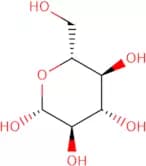

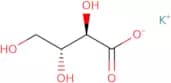

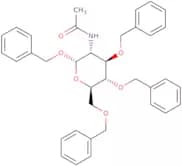
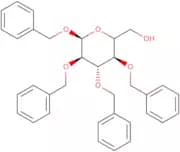
![a-D-[UL-13C6]Glucose-1-phosphate dipotassium salt hydrate](/_next/image/?url=https%3A%2Fstatic.cymitquimica.com%2Fproducts%2F3D%2Fthumb-webp%2FMG64091.webp&w=3840&q=75)
![(1S) -1- [(2S, 3R) - 3- Hydroxy- 1- ((4-methoxyphenyl)methyl) - 2- azetidinyl] -1, 2- ethanediol](/_next/image/?url=https%3A%2Fstatic.cymitquimica.com%2Fproducts%2F3D%2Fthumb-webp%2FMM163533.webp&w=3840&q=75)
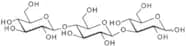

![5-Azido-5-deoxy-2,3-O-isopropylidene-2-C-([trifluormethanesulfonyloxy]methyl)- D-ribono-1.4-lactone](/_next/image/?url=https%3A%2Fstatic.cymitquimica.com%2Fproducts%2F3D%2Fthumb-webp%2FMA163999.webp&w=3840&q=75)


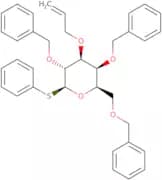
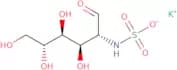
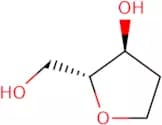

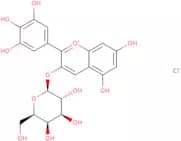

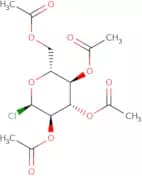
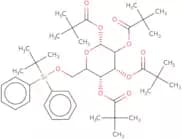
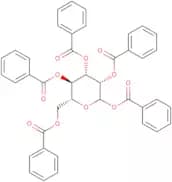
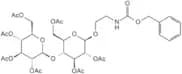
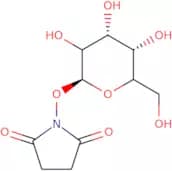
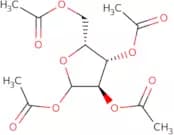
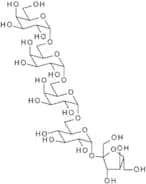
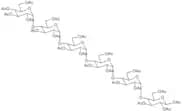


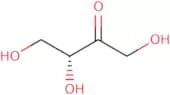
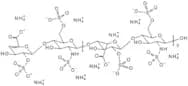

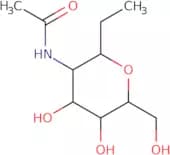

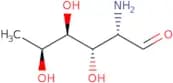
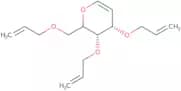

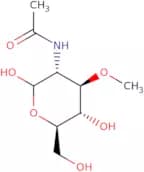
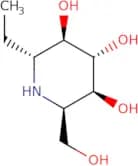


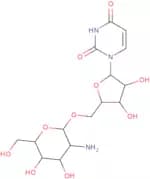
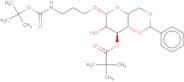
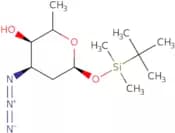
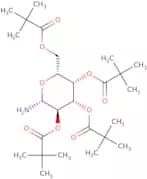
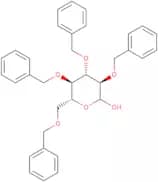
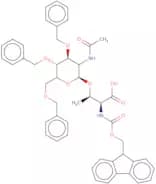


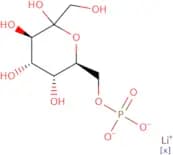


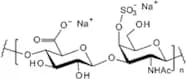
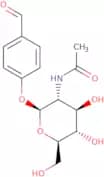
![[2S- (2a, 3a, 4b, 5b, 6a) ]-2- (Hydroxymethyl) - 6- methyl- 3, 4, 5- piperidinetriol](/_next/image/?url=https%3A%2Fstatic.cymitquimica.com%2Fproducts%2F3D%2Fthumb-webp%2FMH163934.webp&w=3840&q=75)

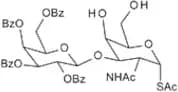
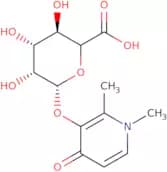
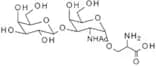
![(1S) -1- [(2R, 3R,4S) -4-Hydroxymethyl-3- hydroxy- 1- azetidinyl] -1, 2- ethanediol hydrochloride](/_next/image/?url=https%3A%2Fstatic.cymitquimica.com%2Fproducts%2F3D%2Fthumb-webp%2FMH163376.webp&w=3840&q=75)


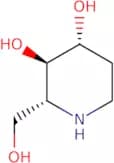
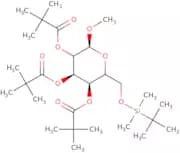
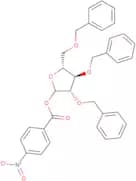
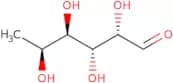
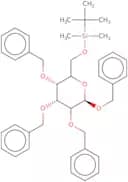
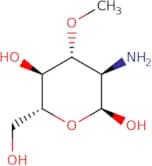

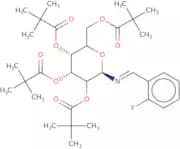
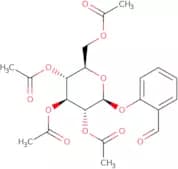

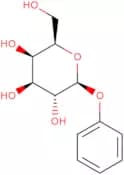


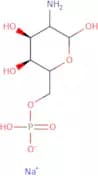
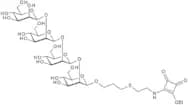
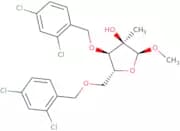


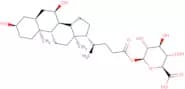
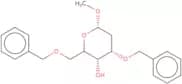
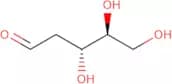
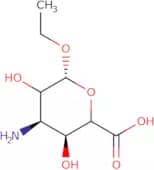

![(1S) -1- [(2S, 3R) - 3- Hydroxy- 1- azetidinyl] -1, 2- ethanediol hydrochloride](/_next/image/?url=https%3A%2Fstatic.cymitquimica.com%2Fproducts%2F3D%2Fthumb-webp%2FMH163414.webp&w=3840&q=75)
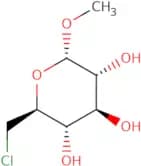
![N- [[(2R, 3R, 4S) - 4- [(Acetyloxy) methyl] - 3- (phenylmethoxy) - 1- (phenylmethyl) - 2- azetidin…](/_next/image/?url=https%3A%2Fstatic.cymitquimica.com%2Fproducts%2F3D%2Fthumb-webp%2FMA163471.webp&w=3840&q=75)
![N- [(3S, 4R, 5S, 6R) - 4, 5- Dihydroxy- 6- (hydroxymethyl) - 3- piperidinyl] -acetamide](/_next/image/?url=https%3A%2Fstatic.cymitquimica.com%2Fproducts%2F3D%2Fthumb-webp%2FMD163935.webp&w=3840&q=75)
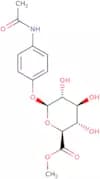
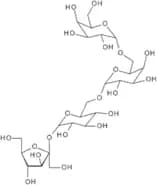

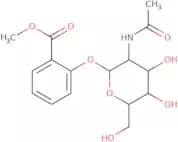


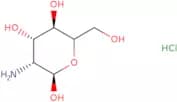



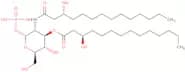
![Methyl 2, 3- anhydro- 4, 6- O- [(R) - benzylidene] -a- D- allopyranoside](/_next/image/?url=https%3A%2Fstatic.cymitquimica.com%2Fproducts%2F3D%2Fthumb-webp%2FMM163569.webp&w=3840&q=75)
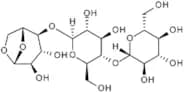


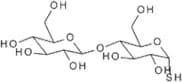
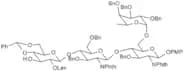

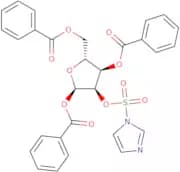

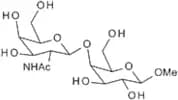
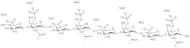
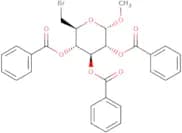
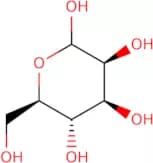
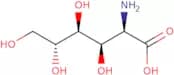


![(1S) -1- [(2S, 3R) - 3- Hydroxy- 1- (phenylmethyl) - 2- azetidinyl] -1, 2- ethanediol](/_next/image/?url=https%3A%2Fstatic.cymitquimica.com%2Fproducts%2F3D%2Fthumb-webp%2FMH163545.webp&w=3840&q=75)

![[2R- (2a, 3a, 4b, 5a) ] -3,4,5-Trihydroxy-2- piperidinecarboxylic acid methyl ester](/_next/image/?url=https%3A%2Fstatic.cymitquimica.com%2Fproducts%2F3D%2Fthumb-webp%2FMT163497.webp&w=3840&q=75)

![6- Deoxy- 3, 5- O- [(R) - benzylidene] - L- mannonic acid g- lactone](/_next/image/?url=https%3A%2Fstatic.cymitquimica.com%2Fproducts%2F3D%2Fthumb-webp%2FMD163972.webp&w=3840&q=75)
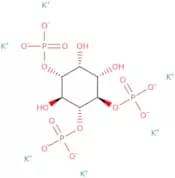
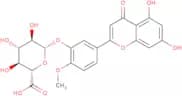
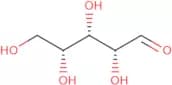
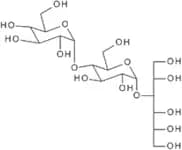
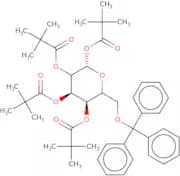
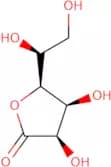
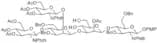
![(5S, 8S, 9S) -8- [(4S) - 2, 2-Dimethyl- 1, 3- dioxolan- 4- yl] - 9- hydroxy- 2, 2- dimethyl- 1, 3,…](/_next/image/?url=https%3A%2Fstatic.cymitquimica.com%2Fproducts%2F3D%2Fthumb-webp%2FMD170667.webp&w=3840&q=75)