Glycoscience
Subcategorías de "Glycoscience"
- Aminoazúcares(108 productos)
- Anticuerpos relacionados con azúcares(282 productos)
- Glicolípidos(46 productos)
- Glicosaminoglicanos (GAGs)(55 productos)
- Glucósidos(419 productos)
- Monosacáridos(6.616 productos)
- Oligosacáridos(3.718 productos)
- Polisacáridos(502 productos)
Se han encontrado 11010 productos de "Glycoscience"
N-Azidoacetylglucosamine
CAS:Click reagent for metabolic labeling of GlcNAcFórmula:C8H14N4O6Pureza:Min. 95%Forma y color:PowderPeso molecular:262.22 g/molValiolamine
CAS:Inhibitor of alpha-glucosidaseFórmula:C7H15NO5Pureza:Min. 95%Forma y color:White PowderPeso molecular:193.2 g/molLactodifucotetraose
CAS:Human milk oligosaccharide; attenuates inflammatory cytokine releaseFórmula:C24H42O19Pureza:Min. 90%Forma y color:White PowderPeso molecular:634.58 g/molHuman milk neutral di- to -tetrasaccharides
This mixture contains some of the lower oligosaccharides found in human milk. There are small amounts of lactose but the bulk of the mixture are tri- and tetrasaccharides. 3-Fucosyllactose, 3'-Sialyllactose, 6'-Sialyllactose, Lacto-N-tetraose, Sialyllacto-N-tetraose b, Sialyllacto-N-tetraose b and Blood Group A tetrasaccharide type V are the major components that have been found in the mixture by chromatography but there may be other minor components not mentioned here.Pureza:Min. 95%Methyl 3-O-Benzyl-N-butyl-2,4-dideoxy-2,4-imino-a-L-ribopyranoside
Methyl 3-O-Benzyl-N-butyl-2,4-dideoxy-2,4-imino-a-L-ribopyranoside is a high purity compound that is custom synthesized to order. It has been fluorinated and modified with methyl groups. Methyl 3-O-Benzyl-N-butyl can be used in glycosylation and click chemistry reactions. This product is a complex carbohydrate that can be used in the synthesis of oligosaccharides and saccharides.
Pureza:Min. 95%Phenyl 2-acetamido-3,4,6-tri-O-acetyl-2-deoxy-β-D-glucopyranoside
CAS:Phenyl 2-acetamido-3,4,6-tri-O-acetyl-2-deoxy-b-D-glucopyranoside is a custom synthesis of the sugar phenyl 2-acetamido-3,4,6-tri-O-acetyl--2 deoxy--b D glucopyranoside. It is a modification of the monosaccharide and glycosylation. This synthetic compound has a CAS number of 1308921 9 and is used as an intermediate in the production of saccharides. Phenyl 2 acetamido 3,4,6 tri O acetyl 2 deoxy b D glucopyranoside is also classified as an oligosaccharide or complex carbohydrate.Fórmula:C20H25NO9Pureza:Min. 95%Forma y color:White solid.Peso molecular:423.41 g/molEthyl 2,3,4,6-tetra-O-benzyl-β-D-thiogalactopyranoside
CAS:Synthetic building blockFórmula:C36H40O5SPureza:Min. 95%Forma y color:White PowderPeso molecular:584.77 g/molBenzyl 2-acetamido-2-deoxy-4-O-(b-D-galactopyranosyl)-b-D-glucopyranoside
CAS:Benzyl 2-acetamido-2-deoxy-4-O-(b-D-galactopyranosyl)-b-D-glucopyranoside is an oligosaccharide that is synthesized from D-(+)-galactose, D-(+)-glucose and benzyl alcohol. This product can be used for the modification of saccharides and has been shown to have a high purity. It has been fluorinated at the alpha position and glycosylated with acetamidobenzoyl group. The molecular weight of this product is 378.12 g/mol. CAS No.: 53167-38-7Fórmula:C21H31NO11Pureza:Min. 95%Forma y color:White PowderPeso molecular:473.47 g/mol1,6-Anhydro-2-deoxy-2-iodo-β-D-glucopyranose
CAS:1,6-Anhydro-2-deoxy-2-iodo-b-D-glucopyranose is a sugar that has been used in the synthesis of a number of organic compounds. It is an intermolecular hydrogen bond donor, and it forms hydrogen bonds with other molecules. The molecular structure of 1,6-Anhydro-2-deoxy-2-iodo-b-D-glucopyranose consists of a six carbon chain with three hydroxyl groups and two ether groups.Fórmula:C6H9IO4Pureza:Min. 95%Forma y color:Off-White To Tan SolidPeso molecular:272.04 g/mol(2S, 3S, 4R) -2- [(1R) - 1, 2-Dihydroxyethyl] -3, 4- pyrrolidinediol
CAS:(2S, 3S, 4R) -2- [(1R) - 1, 2-Dihydroxyethyl] -3, 4- pyrrolidinediol is a benzyl-containing compound that is used as a glycoside hydrolase inhibitor. It has been shown to be an effective treatment for inflammatory bowel disease. This drug binds to the active site of glycosidases and blocks the hydrolysis of c-glycosides in the intestine. (2S, 3S, 4R) -2- [(1R) - 1, 2-Dihydroxyethyl] -3, 4- pyrrolidinediol also inhibits chloride channels and has been shown to have antiinflammatory properties.Fórmula:C6H13NO4Pureza:Min. 95%Peso molecular:163.17 g/molD-Sedoheptulose-7-phosphate barium salt-2,3,4,5,6,7-13C6
D-Sedoheptulose-7-phosphate barium salt-2,3,4,5,6,7-13C6 is a high purity synthetic sugar. It is a custom synthesis that has been modified with fluorination and glycosylation. This product can be used in the production of complex carbohydrates such as oligosaccharides and monosaccharides.Pureza:Min. 95%SBE-beta-CD
CAS:β-cyclodextrin sulfobutyl ether (SBE-beta-CD) is an excipient compound incorporating a chemically modified cyclodextrin with a structure that optimizes the solubility and stability of active pharmaceuticals and their properties. It is a highly water-soluble anionic cyclodextrin derivative. SBE-beta-CD can easily form non-covalent inclusion complexes with drug molecules and therefore reduce drug toxicity and haemolysis as well as control drug release rate. The complexing properties of beta- dex sulfobutyl ether also make it suitable for masking unpleasant odors and tastes of pharmaceutical products. It is used as an excipient in injection, oral, nasal, and eye medication.Fórmula:C70H119Na7O56S7Pureza:Min. 98%Forma y color:White PowderPeso molecular:2,242.05 g/mol(1R) -1- [(2R, 3S,4S) -4-Hydroxymethyl-3- hydroxy- 1- azetidinyl] -1, 2- ethanediol
1-Azetidinecarboxylic acid, 3-[(2R,3S,4S)-4-hydroxymethyl-3- hydroxy-1-azetidinyl]-, (1R) -1- [(2R, 3S,4S) -4-hydroxymethyl-3- hydroxy-1-azetidinyl] -1, 2-ethanediol is a complex carbohydrate that belongs to the group of polysaccharides. It has been modified by methylation and glycosylation. This product has high purity and is fluorinated for solubility.Pureza:Min. 95%Methyl 2,3,4-tri-O-methyl-β-D-xylopyranoside
CAS:Fully protected xylopyranosideFórmula:C9H18O5Pureza:Min. 95%Forma y color:PowderPeso molecular:206.24 g/mol1,3,5-Tri-O-benzoyl-2-deoxy-2-bromo-alpha-L-arabinofuranose
1,3,5-Tri-O-benzoyl-2-deoxy-2-bromo-alpha-L-arabinofuranose is a complex monosaccharide that can be used as a building block in the synthesis of various compounds. It is a derivative of the sugar arabinose, with the addition of benzoyl and bromo groups at specific positions. The compound has potential applications in the fields of organic chemistry and medicinal chemistry and is available for research.Fórmula:C26H21BrO7Pureza:Min. 95%Peso molecular:524.04 g/molMethyl 2-amino-2-deoxy-β-D-glucopyranoside hydrochloride
CAS:Methyl 2-amino-2-deoxy-β-D-glucopyranoside hydrochloride is a synthetic compound that is a sugar derivative. The methyl group in this molecule can be used for the synthesis of saccharides, oligosaccharides, and other complex carbohydrates. This product has a CAS number of 3867-93-4. It is soluble in water and has a purity of at least 98%.Fórmula:C7H16ClNO5Pureza:Min. 95%Forma y color:White PowderPeso molecular:229.66 g/mol2,3,4,6-Tetra-O-benzyl-D-glucono-1,5-lactone
CAS:Intermediate in the synthesis of tofogliflozin
Fórmula:C34H34O6Pureza:Min. 95%Forma y color:PowderPeso molecular:538.63 g/molN-Methyl-D-glucamine HCl
CAS:N-Methyl-D-glucamine HCl is a salt of N-methylglucamine and hydrochloric acid. It is used as a buffer to maintain the pH of solutions at a desired level. N-Methyl-D-glucamine HCl has an inhibition constant (Ki) of 0.5 mM for glutamate, which can be used to measure the concentration of glutamate in tissue samples or reaction mixtures. This compound also inhibits locomotor activity, and its effect on blood pressure may be due to its ability to inhibit amines. The Ki for chloride is approximately 2 mM, and it can be used to measure the concentration of chloride in solution.Fórmula:C7H17NO5·HClForma y color:PowderPeso molecular:231.67 g/mola,a-D-Trehalose dihydrate
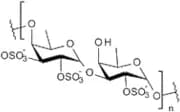
CAS:Trehalose is a naturally occurring disaccharide found in many organisms. Its role in nature is as versatile as its applications in the laboratory. Trehalose is synthesised by cells in response to stress and helps retaining the cellular integrity under tough conditions. An important function of trehalose is to stabilise protein structures and to prevent proteins from their degradation. Researchers use trehalose for instance as a carbon source in selective microbiological media, as desiccation protectant and for cryoprotection.Fórmula:C12H22O11·2H2OPureza:(%) Min. 98%Forma y color:White PowderPeso molecular:378.33 g/molk-Carraoctaitol tetrasulfate tetrasodium salt
k-carrageenan derived octasaccharide alcohol tetrasulfate+(3-6 anhydrogalactose)Fórmula:C48H72O49S4Na4Pureza:Min. 95%Peso molecular:1,653.28 g/mol4-O-β-D-Galactosylsucrose
CAS:Similar to Raffinose but with the galactose residue attached 1,4 to the glucoseFórmula:C18H32O16Pureza:Min. 95 Area-%Forma y color:White PowderPeso molecular:504.44 g/mol4-Methoxyphenyl 4-O-{4-O-[[2-O-Ac-3-O-[2,4-di-O-(3,4,6-tri-O-Ac-2-PhthN-β-D-Glc)-3,6-di-O-Bn-α-D-Man]-4,6-O-benzylidene-β-D-Man]]-3, 6-di-O-Bn-2-PhthN-β-D-Glc}-3-O-Bn-6-O-(tri-O-Bn-α-L-Fuc)-2-PhthN-β-D-Glc
4-Methoxyphenyl 4-O-{4-O-[[2-O-Ac-3-O-[2,4-di-O-(3,4,6-tri-O-Ac-2-PhthNbDGlc)-3,6--Di--O--Bn--aDMan]-4,6--O--Benzylidene--bDMan]]} -3, 6--Di--Obn2PhthNbDGlc} -2 PhthNbDGlc is a sugar that has been modified by methylation. It also contains saccharide and polysaccharides. This product is CAS No. 899891–14–8 and can be purchased through custom synthesis. The purity of this product is high and the modification is fluorination.
Fórmula:C158H156N4O47Pureza:Min. 95%Peso molecular:2,862.93 g/mol2,3,4,5,6-Penta-O-acetyl-D-galactononitrile
CAS:2,3,4,5,6-Penta-O-acetyl-D-galactononitrile is a synthetic chemical compound that can be used in glycosylation reactions. It has been synthesized by the click modification of 2,3,4,5-tetra-O-acetyl-D-galactose with pentaerythritol tri(nitrile) followed by fluorination. The saccharide was then converted to the methyl ester and acetylated using acetic anhydride. This product is highly pure and can be custom synthesized according to your needs. 2,3,4,5,6-Penta-O-acetyl-D-galactononitrile has a molecular weight of 434.2 g/mol and its CAS number is 35439-42-0.Fórmula:C16H21NO10Pureza:Min. 95%Peso molecular:387.34 g/molL-Arabinose
CAS:The aldopentose L-arabinose (Ara) is, after xylose, the second most abundant pentose in nature. It is found in plant cell walls as a component of polysaccharides, including: hemicelluloses, pectin, arabinogalactan-protein complexes and in exudate plant gums, such as: Gum Arabic (Fehér, 2018). L-arabinose is an important component of the mycobacterial cell wall and is involved in the synthesis of arabinogalactan and lipoarabinomannan, which suggests that it can modulate cell wall permeability and drug resistance. Mycobacterium smegmatis is a useful tool for research into Mycobacteria due to it being a "fast grower" and non-pathogenic (Zhou, 2019).Fórmula:C5H10O5Pureza:Min. 99 Area-%Peso molecular:150.13 g/molRef: 3D-A-8240
1kgA consultar25gA consultar250gA consultar500gA consultar2500gA consultar-Unit-kgkgA consultar1,2:3,4-Di-O-isopropylidene-6-deoxy-6-C-(2-pyridyl)-D-galactopyranose
This product is a high purity, custom synthesis, sugar. It is Click modification, fluorination, glycosylation and synthetic. This product has CAS No. and Oligosaccharide, Monosaccharide, saccharide and Carbohydrate. This product also has complex carbohydrate.Fórmula:C17H23NO5Pureza:Min. 95%Peso molecular:321.34 g/mol2-Azido-2-deoxy-3,5-O-benzylidene-L-xylono-1,4-lactone
2-Azido-2-deoxy-3,5-O-benzylidene-L-xylono-1,4-lactone is a sugar compound that can be custom synthesized. It has been shown to be a methylation product of 2,3,4,6-tetraacetylgalactose and is an oligosaccharide with a saccharide chain that includes glucose and xylose. The chemical formula for this compound is C11H13NO7. This compound has a CAS Number of 73028-81-2 and can be purchased from various vendors at high purity levels. 2Azido2deoxy3,5ObenzylideneLxylono1,4lactone is used as a reagent in the synthesis of complex carbohydrates. It can also be used to modify monosaccharides and sugar compounds with fluorination or modification reactions.Pureza:Min. 95%2,3:4,5-Di-O-isopropylidene-D-gulonic acid methyl ester
2,3:4,5-Di-O-isopropylidene-D-gulonic acid methyl ester is a custom synthesis that has been modified with fluorination and methylation. It is a monosaccharide, which is synthesized by the click modification of an oligosaccharide. The CAS number for this compound is 7791-54-2. This chemical can be used to produce polysaccharides and complex carbohydrates.Pureza:Min. 95%2-Acetamido-4-O-[2-acetamido-4-O-(β-D-glucopyranosyl)-3,6-di-O-(α-D-mannopyranosyl)-2-deoxy-β-D-glucopyranosyl]-2-deoxy-β-D-thiogluc opyranoside
2-Acetamido-4-O-[2-acetamido-4-O-(b-D-glucopyranosyl)-3,6-di-O-(a-D-mannopyranosyl)-2,6-di-O-(a,b,c,d)-D mannopyranosyl]-2,6-di-O-(a,b,c,d)-D mannopyranosyl]-2 deoxy -b D thioglucopyranose is a carbohydrate that belongs to the class of saccharides. This compound is modified with fluorination and methylation and can be custom synthesized. It has high purity and can be glycosylated or click modified.Fórmula:C34H58N2O25SPureza:Min. 95%Forma y color:SolidPeso molecular:926.89 g/mol2,6-Anhydro-D-glycero-D-gluo-heptonic acid amide
2,6-Anhydro-D-glycero-D-gluo-heptonic acid amide is a synthetic glycoside that is used as an intermediate in the synthesis of oligosaccharides and polysaccharides. The compound is a fluorinated sugar with a methoxy group at the 2 position. This modification provides for increased stability to oxidation reactions and improved solubility in organic solvents. The compound can be modified to include other functional groups, such as methyl or click modifications. 2,6-Anhydro-D-glycero-D-gluo-heptonic acid amide has CAS number 8881–41–8 and can be purchased from various chemical suppliers.Pureza:Min. 95%1,3,5-Tri-O-benzoyl-2-deoxy-2-fluoro-α-L-arabinofuranose
CAS:Intermediate in synthesis of clevudineFórmula:C26H21FO7Pureza:Min. 98 Area-%Forma y color:PowderPeso molecular:464.44 g/mol2,6-di-n-pentyl-γ-cyclodextrin
2,6-di-n-pentyl-gamma-cyclodextrin is a glycosylation reagent that is used in the synthesis of oligosaccharides and polysaccharides. It has been used to synthesize an anti-inflammatory agent for the treatment of inflammatory bowel disease. This compound can be modified by Click chemistry, which allows for the attachment of different molecules to its surface. 2,6-di-n-pentyl-gamma-cyclodextrin is also a fluorinated compound with CAS number 689069-46-2.Fórmula:C128H240O40Pureza:Min. 95%Peso molecular:2,419.25 g/molAllyl 6-O-benzyl 2-deoxy-3-O-((R)-1'-ethoxycarbonylethyl)-2-(2,2,2-trichloroethoxycarbonylamino)-a-D-glucopyranoside
Allyl 6-O-benzyl 2-deoxy-3-O-(R)-1'-ethoxycarbonylethyl)-2-(2,2,2-trichloroethoxycarbonylamino)-a-D-glucopyranoside is a synthetic carbohydrate that can be custom synthesized. It is a saccharide, an oligosaccharide, and a sugar. This product has been fluorinated and methylated. The CAS number for Allyl 6-O-benzyl 2-deoxy-3-O-(R)-1'-ethoxycarbonylethyl)-2-(2,2,2-trichloroethoxycarbonylamino)-a-D-glucopyranoside is 589791.
Pureza:Min. 95%2,6-di-O-n-pentyl-3-O-acetyl-γ-cyclodextrin
This gamma-cyclodextrin (γ-CD) derivative is a modified cyclic oligosaccharide composed of eight glucose units, featuring a larger cavity size than α- and β-cyclodextrins. This structural characteristic allows γ-CDs to form inclusion complexes with a wider range of guest molecules, making it particularly versatile in various industries. In the food sector, it is used as a carrier and stabilizer for flavors, fat-soluble vitamins, and polyunsaturated fatty acids, protecting volatile compounds from evaporation. In pharmaceuticals, it enhances the solubility and bioavailability of poorly water-soluble drugs and, thanks to its larger ring size, allows for the encapsulation of larger molecules or even entire drug molecules. γ-CDs and derivatives are also used for environmental remediation and, in analytical chemistry, for the extraction and concentration of target substances.Fórmula:C144H256O48Pureza:Min. 95%Peso molecular:2,755.54 g/mol1-Deoxy-D-tagatose
CAS:1-Deoxy-D-tagatose (1Dt) is a competitive inhibitor of glycolysis, which blocks the conversion of glucose to pyruvate. 1Dt has been shown to inhibit the growth of strain CAEN on media containing l-arabinose and d-xylose as carbon sources. 1Dt also inhibits the activity of dehydrogenase enzymes in C. elegans, leading to inhibition of mitochondrial respiration and impaired locomotion. It has been shown that 1Dt can be used as a substrate for bioproduction, with hydrazone as an intermediate product. Larger molecules are produced after hydrolysis and decarboxylation of 1Dt. The most common products are tagatose, l-fucitol, and l-arabinose. 1Dt has been shown to have anti-inflammatory properties in animal models by inhibiting the production of reactive oxygen species that are generated during inflammationFórmula:C6H12O5Pureza:Min. 95%Peso molecular:164.16 g/molBenzyl 4,6-O-benzylidene-2-deoxy-2-phthalimido-b-D-glucopyranoside
CAS:Benzyl 4,6-O-benzylidene-2-deoxy-2-phthalimido-b-D-glucopyranoside is a modified glycosylated deoxyhexose. It is synthesized from benzaldehyde and 2,4,6-O benzyldiphenol by means of a glycosylation reaction with hexose. This product has been fluorinated to give it the desired properties. Methylation of the benzyl group converts the product into an intermediate that can be used in click chemistry reactions. Monosaccharides are then added to produce oligosaccharides. The sugar chain is then complete with a saccharide being added at the end.Fórmula:C28H25NO7Pureza:Min. 95%Forma y color:White PowderPeso molecular:487.51 g/molArabinoxylan
CAS:Arabinoxylans consist of α-L-arabinofuranose residues attached as branch-points to β-(1,4)-linked D-xylopyranose main chains. These may be 2- or 3-substituted or 2- and 3- di-substituted. The arabinose residues may also be linked to other groups attached such as glucuronic acid residues, ferulic acid cross links and acetyl groups. Arabinoxylans generally consist of between 1500 - 5000 residues.
Pureza:Min. 95%Forma y color:PowderEthyl 2-acetamido-3,4,6-tri-O-acetyl-2-deoxy-b-D-thioglucopyranoside
CAS:Ethyl 2-acetamido-3,4,6-tri-O-acetyl-2-deoxy-b-D-thioglucopyranoside is a modified carbohydrate that has been synthesized by the click modification of an acetylated triose. This chemical was synthesized by reacting ethyl 2-(2'-deoxy-(1->4)-beta--D--glucopyranoside) with trimethylsilylacetamide and copper(I) chloride in dry tetrahydrofuran. This product has high purity and is used as a research tool for glycobiology.
Fórmula:C16H25NO8SPureza:Min. 95%Forma y color:White PowderPeso molecular:391.44 g/mol4-Isothiocyanatophenyl-a-D-mannopyranoside
CAS:4-Isothiocyanatophenyl-a-D-mannopyranoside is a synthetic molecule that is used for the modification of saccharides and polysaccharides. It is used in glycosylation reactions to introduce an alpha-N-acetylgalactosamine residue with a methyl group at position 6 of the pyranose ring to produce N,O-linked glycans. This product can be custom synthesized to meet specific customer requirements. It has high purity, excellent solubility in water, and does not contain any toxic impurities.Fórmula:C13H15NO6SPureza:Min. 95 Area-%Forma y color:Off-White PowderPeso molecular:313.33 g/mol1,5:2,3-Dianhydro-4,6-O-benzylidene-D-mannitol
CAS:1,5:2,3-Dianhydro-4,6-O-benzylidene-D-mannitol is a modification of an oligosaccharide that has been synthesized by the glycosylation of D-mannitol. The methylation and fluorination reactions have also been performed on this sugar. This product is high purity and is in the form of a white powder.Fórmula:C13H14O4Pureza:Min. 95%Forma y color:PowderPeso molecular:234.25 g/molGlucotropaeolin potassium
CAS:Glucotropaeolin potassium is a dietary compound that is found in plants. It contains the flavonoids progoitrin, glucosinolates, and isothiocyanates. Glucotropaeolin potassium can be extracted from plant tissue using a stable isotope to increase the quantity of extract. This extract can then be analyzed by high-performance liquid chromatography (HPLC) and colorimetric methods for its content of glucoraphanin and gluconapin. The profile of this extract can also be determined using silver ions.Fórmula:C14H18NO9S2·KPureza:Min. 98 Area-%Forma y color:PowderPeso molecular:447.52 g/molIsosorbide dinitrate - 60% lactose and 40% Isosorbide dinitrate
CAS:Isosorbide dinitrate is used to treat chronic bronchitis and congestive heart failure. It dilates blood vessels, allowing more oxygen-rich blood to reach the heart. Isosorbide dinitrate is also used to relieve chest pain (angina) and reduce complications after a heart attack. Isosorbide dinitrate is a prodrug that is converted in vivo to its active form, isosorbide mononitrate, by the enzyme nitric oxide synthase in response to hypoxia. In addition, it has been shown that this drug reduces levels of low-density lipoprotein cholesterol (LDL-C) and may be useful for the treatment of high cholesterol.
The mechanism of action for reducing LDL-C levels is not known but may be due to increased clearance of LDL-C from plasma or decreased production of very low density lipoproteins (VLDL). This medication does not affect triglycerides or high density lipFórmula:C6H8N2O8Pureza:Min. 95%Forma y color:White PowderPeso molecular:236.14 g/molN-Acetyl-D-glucosamine
CAS:N-acetyl D-glucosamine (GlcNAc) is an aldohexose (2-acetamido-2-deoxyglucose) in which the hydroxyl group at position 2 is replaced by NHAc (Collins, 2006). N-acetyl D-glucosamine forms the exoskeletons of molluscs and insects as the building block of the polysaccharide chitin (Rudrapatnam, 2003). N-acetyl D-glucosamine is a key component of N- and O-linked glycans, present in glycolipids and the glycosaminoglycan hyaluronic acid (Fallacara, 2018). A recent study has suggested that N-acetyl D-glucosamine may have therapeutic potential for COVID-19 as it affects the spike protein-ACE2 receptor interaction during the infection with SARS-CoV-2 virus (Baysal, 2021).Fórmula:C8H15NO6Pureza:Min. 98 Area-%Forma y color:PowderPeso molecular:221.21 g/mol6-Amino-6-deoxy-b-cyclodextrin hydrochloride
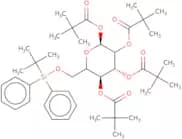
CAS:This beta-cyclodextrin (β-CD) derivative is a functionalized cyclic oligosaccharide composed of seven glucose units, characterized by a hydrophilic exterior and a lipophilic cavity (bigger than α-CD and smaller than γ-CDs), which allows it to encapsulate various guest molecules. This structural feature facilitates its use in multiple applications, including pharmaceuticals, food enhancement, and cosmetics. In the pharmaceutical industry, it enhances the solubility and stability of poorly water-soluble drugs, improving their bioavailability and efficacy while also masking unpleasant tastes. The food sector utilizes it as a stabilizer for flavors, colors, and nutrients, extending shelf life by protecting sensitive ingredients from degradation. In cosmetics, it serves as a complexing agent for fragrances and active components, ensuring their stability and controlled release. Its use expands to many other fields, including nanotechnology for drug delivery systems, environmental remediation for extracting organic pollutants, textiles for slow-release fragrances, and analytical chemistry for chiral separation.Fórmula:C42H77N7O28·7HClPureza:Min. 95%Forma y color:White Slightly Yellow PowderPeso molecular:1,383.32 g/mol1,2,3,4-Tetra-O-pivaloyl-6-O-(tert-butyldimethylsilyl)-b-D-glucopyranose
1,2,3,4-Tetra-O-pivaloyl-6-O-(tert-butyldimethylsilyl)-b-D-glucopyranose is a high purity oligosaccharide that can be custom synthesized to your specifications. This modification is an Oligosaccharide and Carbohydrate which is a complex carbohydrate. It has CAS No. and Monosaccharide as well as Methylation and Glycosylation. It is also a Sugar and Fluorination with saccharides.
Fórmula:C32H58O10SiPureza:Min. 95%Peso molecular:630.9 g/mol1-O-Acetyl-2,3,4,6-tetra-O-benzyl-b-D-galactopyranose
CAS:Synthetic building block
Fórmula:C36H38O7Pureza:Min. 98 Area-%Forma y color:White PowderPeso molecular:582.68 g/mol1,4-b-D-Mannotetraose
CAS:Isolated from ivory-nut mannan, Picea glauca and Pinus strobus glucomannansFórmula:C24H42O21Pureza:Min. 95 Area-%Forma y color:White PowderPeso molecular:666.58 g/mol2,5-Anhydro- 3- deoxy-D- ribo- hexonic acid
2,5-Anhydro-3-deoxy-D-ribohexonic acid is a fluorinated monosaccharide. It is synthesized by the modification of 2,5-anhydro-3-deoxyglucose with N-(2'-fluoroethyl)trimethoxysilane (FETS). This synthetic compound can be used as a glycosylation or polysaccharide building block in the synthesis of complex carbohydrates. The FETS modification allows for the introduction of various functional groups on C1 and C2 while maintaining the high purity.
Pureza:Min. 95%Methyl N-benzyl-4,6-dideoxy-4,6-imino-2,3-O-isopropylidene-b-D-talopyranoside
Methyl N-benzyl-4,6-dideoxy-4,6-imino-2,3-O-isopropylidene-b-D-talopyranoside is a fluorinated monosaccharide with a custom synthesis. It is a synthetic oligosaccharide that has undergone glycosylation and polysaccharide modification. This compound has been modified by methylation, click chemistry, and sugar formation. It is available in high purity with a CAS number of 29059-07-1.
Pureza:Min. 95%Methyl 4,6-O-benzylidene-2,3-di-O-pivaloyl-a-D-mannopyranoside
Methyl 4,6-O-benzylidene-2,3-di-O-pivaloyl-a-D-mannopyranoside is a synthetic carbohydrate. It is a methylated saccharide that has been modified with a click modification and an Oligosaccharide. This product is also fluorinated and complexed with other sugars.Fórmula:C24H34O8Pureza:Min. 95%Peso molecular:450.53 g/mol2,3,4,6-Tetra-O-acetyl-5-thio-D-galactopyranosyl trichloroacetimidate
2,3,4,6-Tetra-O-acetyl-5-thio-D-galactopyranosyl trichloroacetimidate is a carbohydrate that is modified with acetylation at the 2' and 3' positions of the 5'-hydroxyl group of the sugar. This modification can be used for oligosaccharides, complex carbohydrates, and synthetic carbohydrates. The CAS number for this product is 4862-90-8.Fórmula:C16H20Cl3NO9SPureza:Min. 95%Forma y color:PowderPeso molecular:508.76 g/mol(1R) -1- [(2S, 3R,4R) -4-(Acetylamino)methyl-N-butyl-3- hydroxy- 1- azetidinyl] -1, 2- ethanediol
(1R) -1- [(2S, 3R,4R) -4-(Acetylamino)methyl-N-butyl-3- hydroxy- 1- azetidinyl] -1, 2- ethanediol is a Glycosylation that is synthesized by the Click modification of a polysaccharide. It is custom synthesis with high purity and CAS No.Pureza:Min. 95%Methyl 4,6-O-(4-methoxybenzylidene)-2,3-di-O-pivaloyl-a-D-galactopyranoside
Methyl 4,6-O-(4-methoxybenzylidene)-2,3-di-O-pivaloyl-a-D-galactopyranoside is a custom synthesis of a sugar that is Click modified with fluorine and glycosylated. Methyl 4,6-O-(4-methoxybenzylidene)-2,3-di-O-pivaloyl-a-D-galactopyranoside is an oligosaccharide that has saccharides and monosaccharides. This complex carbohydrate has been synthesized by methylation and modification. Methyl 4,6-O-(4-methoxybenzylidene)-2,3--di--pivaloyl--a--D--galactopyranoside belongs to the CAS No. of 689717–97–1.Fórmula:C25H36O9Pureza:Min. 95%Peso molecular:480.56 g/mol6-Deoxy-D-gulono(L-mannono)-1.4-lactone
6-Deoxy-D-gulono(L-mannono)-1.4-lactone is a custom synthesis of an oligosaccharide. It is a polysaccharide that is glycosylated with a sugar or carbohydrate. This molecule can be modified in the following ways: fluorination, methylation, and click modification. The CAS number for this compound is 73226-08-2.Pureza:Min. 95%Hyaluronate fluorescein - Molecular Weight - 500kDa
Hyaluronate fluorescein is a complex carbohydrate with the molecular weight of 500kDa. It is a Glycosylation, Methylation, Click modification, Polysaccharide, Fluorination, saccharide and Modification product. The CAS No. for this product is not available. This product can be Custom synthesized to order for high purity.Pureza:Min. 95%Forma y color:Powder1,4-Dideoxy-1,4-imino-L-altritol
The compound 1,4-dideoxy-1,4-imino-L-altritol is a synthetic carbohydrate that is made of a monosaccharide and an oligosaccharide. The monosaccharide is a simple sugar with the chemical formula C5H10O5. The oligosaccharide has the chemical formula C2n+1(C3H3O3)n. The monosaccharide has four carbons and one oxygen molecule. The oligosaccharide also has five carbon atoms, but it also has three oxygen molecules. The two sugars are linked by a glycosidic linkage.
The compound was created to be used in the synthesis of complex carbohydrates. It can be modified to have fluorine atoms added to it, methyl groups added to it, or both. It can also be modified to make it into an ester or an amide. It is soluble in water and alcoholPureza:Min. 95%L-Daunosamine hydrochloride
CAS:L-Daunosamine hydrochloride is a fluorinated sugar that is synthesized in the laboratory. It has been used for the modification of polysaccharides and other saccharides. L-Daunosamine hydrochloride is a monosaccharide that can be found in several complex carbohydrates. The CAS number for this chemical is 19196-51-1. This chemical has a high purity level, which makes it valuable for use as a synthetic material.Fórmula:C6H14NClO3Pureza:Min. 95 Area-%Forma y color:PowderPeso molecular:183.63 g/mol4-Methoxyphenyl 2-deoxy-3-benzyl-4,6-O-(4-methoxybenzylidene)-2-phthalimido-β-D-glucopyranoside
4-Methoxyphenyl 2-deoxy-3-benzyl-4,6-O-(4-methoxybenzylidene)-2-phthalimido-b-D-glucopyranoside is a custom synthesis that has been modified with fluorination and carbamoylation. This product is an oligosaccharide that belongs to the group of polysaccharides. It is a complex carbohydrate that has been synthesized from monosaccharides and sugar. 4MPBGP is soluble in water and has high purity levels. *The following content was automatically generated by eCommerce software:Fórmula:C36H33NO9Pureza:Min. 95%Peso molecular:623.65 g/molβ-D-Xylopyranosyl azide
CAS:b-D-Xylopyranosyl azide is a device that records multimedia. It has been found that b-D-Xylopyranosyl azide can record audio, video, and data recordings by automated means. The renaming of multimedia files is also possible with b-D-Xylopyranosyl azide.Fórmula:C5H9N3O4Pureza:Min. 95%Forma y color:White PowderPeso molecular:175.14 g/molCiclopirox-D11 D-glucuronide
CAS:Producto controladoCiclopirox-D11 D-glucuronide is a custom synthesis that has been modified by fluorination, methylation, and click modification. It is a monosaccharide that has been synthesized from glucose and contains a glycosylation site. This compound is also an oligosaccharide with saccharide subunits. It has been shown to be effective against fungi such as Trichophyton rubrum, Microsporum canis, and Epidermophyton floccosum. Ciclopirox-D11 D-glucuronide binds to the fungal cell wall by covalent bonding to the chitin in the fungal cell wall. This compound also inhibits the growth of bacteria such as Staphylococcus aureus and Clostridium perfringens by inhibiting protein synthesis due to its ability to bind to ribosomes.Fórmula:C18H14NO8D11Pureza:Min. 95%Peso molecular:394.47 g/mol1,3,4,6-Tetra-O-acetyl-2-deoxy-2-trichloroacetamido-b-D-glucopyranose
CAS:1,3,4,6-Tetra-O-acetyl-2-deoxy-2-trichloroacetamido-b-D-glucopyranose is a synthetic polysaccharide. It is a monosaccharide that has been custom synthesized and modified with methylation and fluorination. The chemical structure of this product is an oligosaccharide composed of six glucose units linked by acetal bonds. 1,3,4,6-Tetra-O-acetyl-2-deoxy-2-trichloroacetamido b D glucopyranose is available for sale as a research chemical in the US and Canada.
1,3,4,6 Tetra O Acetyl 2 Deoxy 2 Trichloroacetamido b D Glucopyranose (1)Fórmula:C16H20Cl3NO10Pureza:Min. 95%Forma y color:White To Off-White SolidPeso molecular:492.69 g/molThermopsoside
CAS:Thermopsoside is an organic acid that has been isolated from the plant species Vitex agnus-castus. Thermopsoside has shown antibacterial activity against a variety of bacteria and fungi, including Escherichia coli, Staphylococcus aureus, and Candida albicans. It is thought to act by inhibiting the synthesis of fatty acids and vitexin in the bacterial cell membrane or by binding to the bacterial ribosome. Thermopsoside also shows anti-inflammatory effects on skin cells and is used in some cosmetic products as an ingredient in skin-conditioning lotions. Thermopside inhibits prostaglandin production by blocking cyclooxygenase (COX) enzymes.Fórmula:C22H22O11Pureza:Min. 98 Area-%Forma y color:PowderPeso molecular:462.4 g/molN-Acetylneuraminic acid
CAS:N-Acetylneuraminic acid (NANA or Neu5Ac), as the most common sialic acid, is a nine-carbon monosaccharide whose amino group is acetylated (Collins, 2006). Sialic acid is found across the animal kingdom and some prokaryotes. Sialic acid occurs as a component of oligosaccharides (N- and O-linked glycoproteins, glycolipids, human milk, blood groups), bacterial polysaccharides and glycoconjugates. Sialic acid is also found in free form in body fluids (Schauer, 1997).Fórmula:C11H19NO9Pureza:Min. 98 Area-%Forma y color:White PowderPeso molecular:309.27 g/mol6-Aminohexyl 2-deoxy-5-O-DMT-a-D-riboside
6-Aminohexyl 2-deoxy-5-O-DMT-a-D-riboside is a glycosylation agent that can be used in synthetic approaches that require the incorporation of oligosaccharides. This product is also useful for fluoroalkylation reactions and methylations involving saccharides. It can be used to synthesize complex carbohydrates, such as polysaccharides or saccharide complexes, with high purity and CAS number. 6-Aminohexyl 2-deoxy-5-O-DMT-a-D-riboside has been modified using Click chemistry for click modification of proteins and peptides.Fórmula:C32H41N06Pureza:Min. 95%Peso molecular:509.71 g/molPhenyl 4,6-O-benzylidene-2-deoxy-2-phthalimido-b-D-thioglucopyranoside
CAS:Phenyl 4,6-O-benzylidene-2-deoxy-2-phthalimido-b-D-thioglucopyranoside is a custom synthesis sugar that has been modified with fluorination, glycosylation, and carbamoylation. It is an oligosaccharide that contains a saccharide at the reducing end of the molecule. The CAS number for this compound is 79528-51-1.Fórmula:C27H23NO6SPureza:Min. 95%Forma y color:White PowderPeso molecular:489.54 g/mol1,2,3,4-Tetra-O-acetyl-6-O-tosyl-b-D-glucopyranose
CAS:The tetra-acetyl-6-tosyl-b-D-glucopyranose is a modification of the natural 1,2,3,4-tetra-O-acetyl-6-O-tosyl--D glucopyranose. It is synthesized by reacting the 1,2,3,4 tetra acetyl b glucopyranose with tosyl chloride and anhydrous pyridine in dry dichloromethane. The product is purified by column chromatography on silica gel using a solvent system consisting of ethyl acetate and methanol. The yield of this reaction is about 60%. The molecular weight of this compound is 876.7 g/mol and its melting point is 253°C. The CAS No. for this compound is 661910-9 and its IUPAC name is (1R*, 2S*, 4R*)-1,2,Fórmula:C21H26O12SPureza:Min. 95%Forma y color:White PowderPeso molecular:502.49 g/mol1,2,4,6-Tetra-O-acetyl-3-O-benzyl-D-glucopyranose
CAS:This is a Custom Synthesis of a 1,2,4,6-Tetra-O-acetyl-3-O-benzyl-D-glucopyranose. The desired product is an Oligosaccharide with a complex carbohydrate structure. It has been Fluorinated and Methylated in order to create the desired product. Modification and Click Modification have also been performed on this molecule.Fórmula:C21H26O10Pureza:Min. 95%Forma y color:PowderPeso molecular:438.43 g/mol1,3,4,6-Tetra-O-acetyl-2-azido-2-deoxy-β-D-glucopyranose
CAS:1,3,4,6-Tetra-O-acetyl-2-azido-2-deoxy-b-D-glucopyranose is a monosaccharide that has been shown to be a potential biomarker for protein synthesis. It has been used in the diagnosis of dissections and potential models in vitro. 1,3,4,6-Tetra-O-acetyl-2-azido-2-deoxy--b -D--glucopyranose has also been used as a model system for the study of protein transport and whole genome sequencing. It is an experimental tool for studying protein synthesis and cell nuclei in vitro.Fórmula:C14H19N3O9Pureza:Min. 95%Forma y color:PowderPeso molecular:373.32 g/mol3-Deoxy-3-fluoro-1,2-O-isopropylidene-a-D-xylofuranose
3-Deoxy-3-fluoro-1,2-O-isopropylidene-a-D-xylofuranose is a custom synthesis that has been modified by substitution of the hydroxyl group with fluorine. It is an oligosaccharide with a glycosylation site at C3. This product has been synthesized by a click modification reaction, which is followed by methylation to produce the desired product. 3-Deoxy-3-fluoro-1,2-O-isopropylidene-a-D-xylofuranose is soluble in water and has high purity.Pureza:Min. 95%(1R) -1- [(2R, 3S) - 3- Hydroxy- 1- (phenylmethyl) - 2- azetidinyl] -1, 2- ethanediol
CAS:(1R) -1- [(2R, 3S) - 3- hydroxy- 1- (phenylmethyl) - 2- azetidinyl] -1, 2- ethanediol is a glycoconjugate that is synthesized by the conjugation of a saccharide and an azetidinone. It is modified with fluorine and methyl groups to produce a versatile molecule for use in various fields such as glycosylation, complex carbohydrate, Methylation, Click modification, Polysaccharide, Fluorination, saccharide, Modification and sugar. The compound has CAS No. 1338054-16-2 and molecular formula C14H18FNO4. This product can be custom synthesized to meet customers' needs.Fórmula:C12H17NO3Pureza:Min. 95%Peso molecular:223.27 g/molD-Glucoheptonic acid-1,4-lactone
CAS:D-Glucoheptonic acid-1,4-lactone is a chiral compound that can be used as an enantiomer of the natural sugar glucose. The human liver has been shown to metabolize this compound into proton and an analog of glucofuranose. This means that D-Glucoheptonic acid-1,4-lactone is able to be broken down by glycosidases. D-Glucoheptonic acid-1,4-lactone also inhibits α-L-rhamnosidase and other enzymes responsible for the breakdown of carbohydrates. This inhibition may lead to increased blood glucose levels in humans. D-Glucoheptonic acid-1,4-lactone has been shown to have inhibitory activities against both bacterial and mammalian enzymes. Hydrogen fluoride (HF) was used as a catalyst in the synthesis of this compound with benzylidene acetal
Fórmula:C7H12O7Pureza:Min. 95%Forma y color:PowderPeso molecular:208.17 g/molCarboxymethyl-dextran sodium salt 10-20% COOH - Average molecular weight 40000
CAS:Drug carrier for cancer therapy & imaging, biocompatible, soluble, biodegradableForma y color:White PowderMonofucosyllacto-N-hexaose III
CAS:Sialylated tetrasaccharide found in human milk, possible health benefits for the neonate by supporting resistance to pathogens, gut maturation, immune function, and cognitive development. Purity typically above 60%. Contains other oligosaccharide fragments. For a typical IC trace see datasheet sectionFórmula:C46H78N2O35Pureza:(By Hpaec) Min. 60%Forma y color:PowderPeso molecular:1,219.12 g/mol4-Methoxyphenyl-3-O-allyl-2,4,6-tri-O-benzyl-β-D-galactopyranoside
CAS:4-Methoxyphenyl-3-O-allyl-2,4,6-tri-O-benzyl-b-D-galactopyranoside is a synthetic monosaccharide that is used for glycosylation reactions. It has been used in the synthesis of oligosaccharides and polysaccharides. This product is available for custom synthesis and can be ordered with a purity of >98% (w/w).Fórmula:C37H40O7Pureza:Min. 95%Forma y color:White to off-white solid.Peso molecular:596.71 g/molLentinan
CAS:The polysaccharide Lentinan is isolated from the mushroom L. edodes (shitake mushroom). The primary structure is a β-(1–3)-glucose backbone with two (1–6)-β-glucose branches for each five glucose resiodues. Lentinan is clinically used for cancer treatment both in China and Japan. According to the clinical studies published in and outside of China, lentinan-based drugs are used for the treatment of various cancers, including lung, gastric, colorectal and other cancers. In addition, lentinan-based drugs are also used for treating HIV, hepatitis and malignant pleural effusion.
Forma y color:Brown Powderb-Cyclodextrin sulfobutyl ether sodium salt
CAS:Beta-cyclodextrin sulfobutyl ether is an excipient compound incorporating a chemically modified cyclodextrin with a structure that optimizes the solubility and stability of active pharmaceuticals and their properties. It is a highly water-soluble anionic cyclodextrin derivative. It can easily form non-covalent inclusion complexes with drug molecules and therefore reduce drug toxicity and haemolysis as well as control drug release rate. Its complexing properties also make it suitable for masking unpleasant odors and tastes of pharmaceutical products. It is used as an excipient in injection, oral, nasal, and eye medication.Fórmula:C70H119Na7O56S7Pureza:95 To 105%Forma y color:White PowderPeso molecular:2,242.05 g/mol1-Epi-adenophorine
1-Epi-adenophorine is a synthetic molecule that can inhibit the activity of enzymes. It is an epoxide that forms from the 1,2-epoxidation of cinnamic acid and has been shown to have many effects on various enzymes, including inhibiting enzyme activities. This drug has been used in the synthesis of miglustat, a macrocyclic molecule that inhibits a number of enzymes involved in protein folding and cell proliferation. 1-Epi-adenophorine is also effective as a cancer therapeutic agent by inhibiting glycosidases and cellular glycosylation.
Pureza:Min. 95%N-Acetylneuraminic acid methyl ester
CAS:Biologically relevant in neurotransmission and carbohydrate-protein recognitionFórmula:C12H21NO9Pureza:Min. 97 Area-%Forma y color:White PowderPeso molecular:323.3 g/mol(2E) -4- [(3aS, 4R, 5aR) -5-Hydroxy-( 2, 2- dimethyltetrahydro- 4H- 1, 3- dioxolo)[3, 4- c] piperidin- 2- yl] -2- butenoic acid meth yl ester
2-Butenoic acid methylester is a carbohydrate compound with a molecular formula of C4H6O4 and a molecular weight of 136.09. It has the chemical name of (2E) -4- [(3aS, 4R, 5aR) -5-hydroxy-( 2, 2-dimethyltetrahydro- 4H- 1, 3- dioxolo)[3, 4- c] piperidin- 2- yl] -2- butenoic acid meth yl ester. This product is an oligosaccharide that can be custom synthesized to meet your needs. This product is also known as an Oligosaccharide or sugar and can be fluorinated to produce a complex carbohydrate. The CAS number for this product is 72695-10-8. This product is available in high purity and has been methylated and glycosylated.Pureza:Min. 95%Succinyl-β-cyclodextrin
CAS:This beta-cyclodextrin (β-CD) derivative is a functionalized cyclic oligosaccharide composed of seven glucose units, characterized by a hydrophilic exterior and a lipophilic cavity (bigger than α-CD and smaller than γ-CDs), which allows it to encapsulate various guest molecules. This structural feature facilitates its use in multiple applications, including pharmaceuticals, food enhancement, and cosmetics. In the pharmaceutical industry, it enhances the solubility and stability of poorly water-soluble drugs, improving their bioavailability and efficacy while also masking unpleasant tastes. The food sector utilizes it as a stabilizer for flavors, colors, and nutrients, extending shelf life by protecting sensitive ingredients from degradation. In cosmetics, it serves as a complexing agent for fragrances and active components, ensuring their stability and controlled release. Its use expands to many other fields, including nanotechnology for drug delivery systems, environmental remediation for extracting organic pollutants, textiles for slow-release fragrances, and analytical chemistry for chiral separation.Fórmula:C71H100O55Pureza:Min. 95%Forma y color:White PowderPeso molecular:1,833.52 g/mol1,2,3,5-Tetra-O-benzoyl-2-C-methyl-b-D-ribofuranose
CAS:Building block for the synthesis of 2'-C-methyl substituted nucleosidesFórmula:C34H28O9Pureza:Min. 95%Forma y color:White Off-White PowderPeso molecular:580.58 g/mol2-Acetamido-2-deoxy-D-glucono-1,5-lactone
CAS:2-Acetamido-2-deoxy-D-glucono-1,5-lactone is a diagnostic agent that inhibits the activities of enzymes such as protein synthesis and cell division. It can be used to identify viral infections in animals, plants and marine microorganisms. 2-Acetamido-2-deoxy-D-glucono-1,5-lactone has been shown to inhibit the biochemical activity of enzymes in cells grown in culture. 2AADG is also a diagnostic agent that can be used to detect tumors in subcutaneous tissues due to its ability to inhibit the production of proteins essential for cell division.Fórmula:C8H13NO6Pureza:Min. 95%Forma y color:PowderPeso molecular:219.19 g/molMaltodextrin - dextrose equivalent 18-28
CAS:Ex starch-partial hydrolysis,food ingredient, moderatly sweet, easily digested
Forma y color:White PowderMonofucosyl (1-3)-iso-lacto-N-octaose
CAS:Monofucosyl (1-3)-iso-lacto-N-octaose is an HMO oligosaccharide.Fórmula:C60H101N3O45Pureza:Min. 95%Forma y color:PowderPeso molecular:1,584.44 g/molMethyl-b-cyclodextrin - 3 to 9 degree of substitution
CAS:This beta-cyclodextrin (β-CD) derivative is a functionalized cyclic oligosaccharide composed of seven glucose units, characterized by a hydrophilic exterior and a lipophilic cavity (bigger than α-CD and smaller than γ-CDs), which allows it to encapsulate various guest molecules. This structural feature facilitates its use in multiple applications, including pharmaceuticals, food enhancement, and cosmetics. In the pharmaceutical industry, it enhances the solubility and stability of poorly water-soluble drugs, improving their bioavailability and efficacy while also masking unpleasant tastes. The food sector utilizes it as a stabilizer for flavors, colors, and nutrients, extending shelf life by protecting sensitive ingredients from degradation. In cosmetics, it serves as a complexing agent for fragrances and active components, ensuring their stability and controlled release. Its use expands to many other fields, including nanotechnology for drug delivery systems, environmental remediation for extracting organic pollutants, textiles for slow-release fragrances, and analytical chemistry for chiral separation.Fórmula:C56H98O35Forma y color:White PowderPeso molecular:1331.362,3:5,6-Di-O-isopropylidene-D-talose
2,3:5,6-Di-O-isopropylidene-D-talose is a custom synthesis of methylated oligosaccharides. It is a complex carbohydrate that contains both a monosaccharide and a polysaccharide. 2,3:5,6-Di-O-isopropylidene-D-talose is a modification of the sugar D(+)-talose (a pentasaccharide), which has been fluorinated to make it more stable. This product has high purity, and can be used in many different applications such as click chemistry, oligosaccharide synthesis, or fluorination reactions.
2,3:5,6-Di-O-isopropylidene-D-talose is an Oligosaccharide that is a Polysaccharide. It can be used as an inhibitor for DNA polymerase α and β enzymes in PCR reactionsFórmula:C10H16O6Pureza:Min. 95%Peso molecular:232.23 g/mol6-Deoxy-D-altritol
CAS:6-Deoxy-D-altritol is a structural analysis of a polysaccharide carbohydrate that is found in the cell walls of asteroides. It has been shown to contain mannose, d-arabinose, and d-glucose residues. 6-Deoxy-D-altritol also contains galactosyl and phosphate groups. The backbone of 6-Deoxy-D-altritol is made up of phosphodiester bonds with a d-galactose skeleton. This molecule can be used for the identification and characterization of bacteria species such as Mycobacterium tuberculosis and Mycobacterium avium complex.Fórmula:C6H14O5Pureza:Min. 95%Peso molecular:166.17 g/molBlood Group H type II trisaccharide, spacer-biotin conjugate
CAS:Blood group H type II trisaccharide is a carbohydrate that is modified with a spacer-biotin conjugate. It can be used in the synthesis of oligosaccharides and saccharides. This product has been fluorinated, has high purity, and is custom synthesized to order. The product also has methylation, glycosylation, and click modification.Fórmula:C39H67N5O18SPureza:Min. 95%Forma y color:PowderPeso molecular:926.04 g/molMethyl 3,4:5,6-di-O-isopropylidene-D-gluconate
CAS:Methyl 3,4:5,6-di-O-isopropylidene-D-gluconate is a modification of the oligosaccharide, carbohydrate. It is a complex carbohydrate that has been custom synthesized and is available in high purity. This product can be used as a monosaccharide or as a methylated glycosylated saccharide. Methyl 3,4:5,6-di-O-isopropylidene-D-gluconate can be found under CAS No. 114743-85-0 and has the molecular formula C12H22O11.Fórmula:C13H22O7Pureza:Min. 98 Area-%Forma y color:Colorless PowderPeso molecular:290.31 g/mol2-Acetamido-3,4,6-tri-O-acetyl-2-deoxy-β-D-glucopyranosyl-Fmoc serine
CAS:2-Acetamido-3,4,6-tri-O-acetyl-2-deoxy-β-D-glucopyranosyl Fmoc serine is a modified sugar that is synthesized by the glycosylation of 2,3,4,6-tetra‑O‑acetyl‑2‑deoxy‑α‑D‑glucopyranose with an amino acid. It is used in peptide synthesis and as a building block for other oligosaccharides and saccharides. This compound has been shown to be useful in the production of complex carbohydrates.Fórmula:C32H36N2O13Pureza:Min. 95 Area-%Forma y color:White To Off-White SolidPeso molecular:656.63 g/mol3'-Sialyl Lewis X, sodium salt
CAS:Sialyl Lewis X (SLeX) is a carbohydrate antigen, related to cell adhesion and it has been shown that inhibition of SLeX synthesis leads to decreased adhesion of trophoblast cells to endometrial epithelial cells (Collins, 2006). Sialyl Lewis X is displayed on the terminus of glycolipids that are present on the surface of white blood cells and it has been shown that SLeX has an important role in inflamation processes. The inital adhesion of white blood cells to a site of injury is mediated by E-selectins which are specific for SLeX. Cell-cell recognition between leukocytes and endothelial cells in blood is believed to occur in part through interactions between lectins and oligosaccharide ligands. SLeX is frequently expressed in human cancer cells and primary tumors. It has been demonstrated that SLeX was involved in the adhesion of tumor cells to vascular endothelium. The potential role of SLeX in the tumor metastatic process has been supported by several clinical studies (Liang, 2016).Fórmula:C31H51N2NaO23Pureza:Min. 95%Forma y color:White PowderPeso molecular:842.73 g/mol4-Aminophenyl β-D-glucuronide
CAS:4-Aminophenyl b-D-glucuronide sodium is a glycosylation reagent used in the synthesis of complex carbohydrates, polysaccharides and oligosaccharides.
Fórmula:C12H15NO7Pureza:Min. 95%Peso molecular:285.25 g/mol2-Azido-2-deoxy-3,5-O-benzylidene-D-xylono-1,4-lactone
2-Azido-2-deoxy-3,5-O-benzylidene-D-xylono-1,4-lactone is a synthetic sugar that is used in the synthesis of glycosylation, methylation and click modification reactions. It has been shown to be a potential precursor for polysaccharides and fluorinated saccharides. This product can be custom synthesized and is available at high purity.
Pureza:Min. 95%2,3,4,6-Tetra-O-benzyl-D-mannopyranosyl fluoride
CAS:2,3,4,6-Tetra-O-benzyl-D-mannopyranosyl fluoride is a glycosylamine that has been synthesized from l-threonine. The chemical structure of this compound can be classified as a pyranose sugar with an O-methylated benzyl group at the C2 position. This sugar is synthesized by reductive cleavage of the methyl ether and subsequent reaction with sodium borohydride. The conformational analysis of the molecule was performed using molecular mechanics calculations and quantum mechanical simulations. In addition, electron paramagnetic resonance (EPR) experiments were conducted to determine the chemical shift in the 1H NMR spectrum and to identify the acceptor or donor in the molecule. Trichloroacetimidates are used as monomers for this type of synthesis because they provide good yields and can be easily prepared by reacting chloroacetic acid with chloral hydrate.Fórmula:C34H35FO5Pureza:Min. 95%Forma y color:Yellow PowderPeso molecular:542.64 g/molLactose - anhydrous
CAS:Anhydrous lactose is an excipient, filler, diluent, and bulking agent in a wide variety of pharmaceutical tablets, capsules, powders and other preparations. It also has applications as a nutrient and multi-functional ingredient in infant formulae, geriatric, dietetic and health foods and may be used as an ingredient in culture media.
Fórmula:C12H22O11Pureza:Min. 98 Area-%Forma y color:PowderPeso molecular:342.3 g/molIsomaltol
CAS:Isomaltol is a sugar alcohol that is used as a food additive. It is a white, crystalline powder that is soluble in water and has an intense sweet taste. Isomaltol is produced by hydrogenating the reducing ends of sucrose to form maltose, which then undergoes hydrolysis to form maltitol. Isomaltol can be used as a replacement for sugar in foods and drinks. Isomaltol has been shown to inhibit tyrosinase activity, which may be beneficial for skin care products. It also has antimicrobial properties due to its ability to react with aluminium ions.Fórmula:C6H6O3Pureza:Min. 95%Peso molecular:126.11 g/mol2-Chloro-2-Deoxy-1,3,5-tri-O-benzoyl-D-ribofuranose
2-Chloro-2-deoxy-1,3,5-tri-O-benzoyl-D-ribofuranose is a custom synthesis of an oligosaccharide. It is a complex carbohydrate with a CAS number. The molecular weight of this saccharide is 837.38 g/mol and it has a molecular formula of C9H11F4O5. This product is modified by methylation and glycosylation. The purity level is high and the product contains no impurities. The fluorination process on 2C2DBR has been done to increase the stability of the molecule at higher temperatures and to make it more soluble in polar solvents such as water or alcohols. This product can be used in click chemistry reactions to modify other molecules or can be used as a substrate for glycosylation reactions where glucose will be added to the sugar part of the molecule in order to form an OligosacPureza:Min. 95%2,3,4,6-Tetra-O-acetyl-α-D-glucopyranosyl fluoride
CAS:2,3,4,6-Tetra-O-acetyl-a-D-glucopyranosyl fluoride is a halide with the chemical formula of F. It has an axial conformation and is a crystalline solid at room temperature. 2,3,4,6-Tetra-O-acetyl-a-D-glucopyranosyl fluoride reacts with water to form hydrofluoric acid (HF). This compound is an important reagent in carbohydrate analysis because its presence or absence can be used to distinguish between the two anomers of maltose: α-(1→2) and β-(1→4). It also reacts with sodium chloride to give the chloride salt sodium tetrafluoroborate. The molecule has three substituents: a hydroxymethyl group (-OH), a glycosidic oxygen atom (O), and a glucosyl group (-CHO). Watanabe's numbering system forFórmula:C14H19FO9Pureza:Min. 95%Forma y color:PowderPeso molecular:350.29 g/mol2,6-Dimethyl-beta-cyclodextrin
CAS:This beta-cyclodextrin (β-CD) derivative is a functionalized cyclic oligosaccharide composed of seven glucose units, characterized by a hydrophilic exterior and a lipophilic cavity (bigger than α-CD and smaller than γ-CDs), which allows it to encapsulate various guest molecules. This structural feature facilitates its use in multiple applications, including pharmaceuticals, food enhancement, and cosmetics. In the pharmaceutical industry, it enhances the solubility and stability of poorly water-soluble drugs, improving their bioavailability and efficacy while also masking unpleasant tastes. The food sector utilizes it as a stabilizer for flavors, colors, and nutrients, extending shelf life by protecting sensitive ingredients from degradation. In cosmetics, it serves as a complexing agent for fragrances and active components, ensuring their stability and controlled release. Its use expands to many other fields, including nanotechnology for drug delivery systems, environmental remediation for extracting organic pollutants, textiles for slow-release fragrances, and analytical chemistry for chiral separation.Fórmula:C56H98O35Pureza:Min. 98%Forma y color:White PowderPeso molecular:1,331.36 g/molAllyl α-D-mannopyranoside
CAS:Allyl α-D-mannopyranoside (AAM) is a custom synthesis that can be used in the modification of oligosaccharides and polysaccharides. It is also a monosaccharide with a methylation and glycosylation pattern that can be used for Click modification. AAM has been fluorinated to provide high purity and is synthesized from allyl alcohol, acetone, and hydrochloric acid.Fórmula:C9H16O6Pureza:Min. 95%Forma y color:White PowderPeso molecular:220.22 g/molLacto-N-difucohexaose I
CAS:Fucosyloligosaccharide present in human milk and colostrumFórmula:C38H65NO29Pureza:Min. 95 Area-%Forma y color:White PowderPeso molecular:999.91 g/molCellulase inhibitor PG 7145185
Inhibitor that targets cellulase enzymes engaged in the degradation of cellulose.
Fórmula:C13H21O11F3Pureza:Min. 95%Forma y color:White/Off-White SolidPeso molecular:410.29 g/mol(2R, 3S, 4S, 5R) -3-Hydroxy- 5- [(methylamino) carbonyl] - 4- (phenylmethoxy) - 2- [(phenylmethoxy) methyl] -1- pyrrolidinecarboxyli c acid 1, 1- dimethylethyl ester
CAS:(2R, 3S, 4S, 5R) -3-Hydroxy- 5- [(methylamino) carbonyl] - 4- (phenylmethoxy) - 2- [(phenylmethoxy) methyl] -1- pyrrolidinecarboxylic acid 1, 1-dimethylethyl ester is a synthetic modification of the sugar maltose. It is a highly pure and custom synthesis that is fluorinated and methylated. It has been modified with glycosylation and click chemistry.Fórmula:C26H34N2O6Pureza:Min. 95%Peso molecular:470.56 g/molInulin - from Jerusalem artichoke
CAS:Inulin is a prebiotic dietary fibre with a mildly sweet taste that promotes digestive health by supporting growth of healthy and balanced microbiota. In diagnostics, inulin is used for determining the glomerular filtration rate in functional kidney testing. Chemically, inulin is a chain of fructose molecules terminated at the reducing end with glucose. Thus, inulin is a fructan consisting of linear chains of β-(2,1) linked fructose residues, terminated at the reducing end by an α-D-(1,2)-glucopyranoside moiety. It has a degree of polymerization typically between 2 and 60 (5). The β-(2,1) bond in inulin resists digestion in the gastrointestinal tract and is therefore responsible for its lower caloric value and beneficial effects on colon microbiota. A more functional form of inulin is produced by removing all fractions with chain lengths lower than 10.Pureza:Min. 95%Forma y color:White PowderEthyl β-D-glucuronide
CAS:Ethyl β-D-glucuronide (EBG) is a metabolite of ethanol that is formed by the conjugation of glucuronic acid to ethanol in the liver. EBG has been shown to be a potential biomarker for alcohol consumption, as it can be detected in urine and blood. The presence of this molecule has also been associated with an increased risk of developing type 2 diabetes mellitus, cardiovascular disease, and cancer. EBG may also have pharmacological effects as it has been shown to inhibit lipid oxidation and increase insulin sensitivity. This molecule can be extracted from human serum using solid phase microextractionFórmula:C8H14O7Pureza:Min. 98 Area-%Forma y color:Slightly Brown PowderPeso molecular:222.19 g/molD-Erythrulose - Aqueous solution
CAS:D-Erythrulose is a sugar that can be synthesized from the chemical structures of glycolaldehyde and carbonyl group. It can also be produced by hydrolysis of erythritol, which is found in plant cell walls. D-Erythrulose has been used as an alternative to glucose for fermentation processes because it does not inhibit the growth of most bacteria. D-Erythrulose has been shown to increase ATP levels in Escherichia coli K-12 cells and to affect the activities of enzymes involved in glycolysis, such as glyceraldehyde 3-phosphate dehydrogenase, phosphoglycerate kinase, and enolase. The metabolic pathways that produce D-erythrulose are found in many organisms, including Corynebacterium glutamicum, Brucella melitensis, and Brucella suis.Fórmula:C4H8O4Pureza:Min. 95%Forma y color:Colorless PowderPeso molecular:120.1 g/mol3-O-(2-Acetamido-2-deoxy-b-D-glucopyranosyl)-D-mannopyranose
CAS:3-O-(2-Acetamido-2-deoxy-b-D-glucopyranosyl)-D-mannopyranose is a disaccharide that is part of the glycosaminoglycan family. It has an antigenic epitope that is recognized by antibodies, which are found in patients with rheumatoid arthritis and other autoimmune diseases. 3-O-(2-Acetamido-2-deoxy-b-D-glucopyranosyl)-D-mannopyranose is also known as glucosamine.Fórmula:C14H25NO11Pureza:Min. 95 Area-%Forma y color:PowderPeso molecular:383.35 g/molFleetamine
Fleetamine is a piperidine compound that has been shown to be an inhibitor of the enzyme glycosylation. Inhibitors of glycosylation are useful for treating diseases such as diabetes and Alzheimer's disease. It is thought that Fleetamine may inhibit human glycosylating enzymes, such as glucosyl transferase, which catalyzes the addition of a glucose molecule to a protein. This inhibition prevents the formation of oligosaccharides and glycoconjugates, which are necessary for proper functioning of cells.
Pureza:Min. 95%D-Arabitol
CAS:Substrate for arabitol dehydrogenase enzymeFórmula:C5H12O5Pureza:Min. 98 Area-%Forma y color:White Off-White PowderPeso molecular:152.15 g/molD-Glucose-6-phosphate - 1M, in H2O
CAS:Glucose 6-phosphatase substrateFórmula:C6H13O9PPureza:Min. 95%Forma y color:Colorless Clear LiquidPeso molecular:260.14 g/mol1-O-tert-Butyldimethylsilyl-5-O-DMT-2-O-methyl-D-ribose 3-CE-phosphoramidite
1-O-tert-Butyldimethylsilyl-5-O-DMT-2-O-methyl-D-ribose 3-CE phosphoramidite is a methylated saccharide which can be used in the synthesis of polysaccharides. This product is custom synthesized and has high purity, with a CAS number of 138876-62-1. It is also fluorinated, and can be used for complex carbohydrate synthesis.Fórmula:C42H61N2O8PSiPureza:Min. 95%Peso molecular:781 g/mol3-O-Allyl-1,2-O-isopropylidene-α-D-galactofuranose
CAS:3-O-Allyl-1,2-O-isopropylidene-α-D-galactofuranose is a synthetic glycoside that can be custom synthesized. It is a fluorinated monosaccharide that reacts with an allyl group to form an allyl glycoside. This modification increases the solubility of the molecule and can make it soluble in organic solvents. 3-O-Allyl-1,2-O-isopropylidene α D galactofuranose is used to modify saccharides or complex carbohydrates for use in research.Fórmula:C12H20O6Pureza:Min. 95%Forma y color:Clear LiquidPeso molecular:260.28 g/mol2-Acetamido-2-deoxy-a-D-thiogalactopyranose
Please enquire for more information about 2-Acetamido-2-deoxy-a-D-thiogalactopyranose including the price, delivery time and more detailed product information at the technical inquiry form on this page
Fórmula:C8H15NO5SPureza:Min. 95%Forma y color:PowderPeso molecular:237.27 g/molEmodin 8-O-b-D-glucopyranoside
CAS:Emodin is a natural product that can be extracted from the rhizome of Curcuma aromatica, a chinese herb. It has been shown to have neuroprotective effects in animal studies and has been used as an adjuvant in the treatment of cervical cancer. Emodin also inhibits the replication of human immunodeficiency virus type 1 (HIV-1) and herpes simplex virus type 1 (HSV-1). Emodin is also active against microbial infection, including bacterial infections, such as those caused by Staphylococcus aureus, and viral infections, such as influenza A virus. The main mechanism of action of emodin is its inhibition of DNA synthesis by binding to viral dna or bacterial rna polymerase. Emodin has also been found to inhibit protein synthesis by binding to ribosomes. This drug binds to urea nitrogen molecules in bacteria and disrupts their growth by inhibiting protein synthesis.
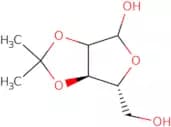
Fórmula:C21H20O10Pureza:Min. 95%Forma y color:PowderPeso molecular:432.38 g/mol1,5-Di-O-acetyl-2,3-O-isopropylidene-D-ribofuranose
CAS:1,5-Di-O-acetyl-2,3-O-isopropylidene-D-ribofuranose is a sugar that can be modified for various purposes. It is a synthetic sugar with a CAS number of 141979-56-8. The compound has fluoroquinolone resistance and is used in the synthesis of oligosaccharides and polysaccharides. This product can be custom synthesized. It has high purity and a modification of methylation or monosaccharide click modification. It also has complex carbohydrate properties.Fórmula:C12H18O7Pureza:(%) Min. 95%Forma y color:PowderPeso molecular:274.27 g/molN-Acetylneuraminic acid sodium salt
CAS:N-Acetylneuraminic acid sodium salt is present in various natural sources, including glycoproteins and glycolipids found in animal tissues. As a sialic acid, N-Acetylneuraminic acid sodium salt plays a critical role in cellular recognition processes due to its involvement in the terminal position of glycan chains. This position allows it to participate in cellular communication, influencing processes like cell adhesion and pathogen interactions.The compound is extensively utilized in the fields of biochemistry and molecular biology, primarily for studies concerning cell surface glycoconjugates. Its ability to modulate interactions at the cell surface makes it invaluable for research into mechanisms of infection, immunity, and cell signaling. Additionally, N-Acetylneuraminic acid sodium salt finds applications in pharmaceutical research, particularly in the development of antiviral drugs where modulation of sialic acid interactions is key. The compound’s biochemical properties enable scientists to explore and elucidate complex biological phenomena, contributing to advances in therapeutic strategies and molecular pathology.
Fórmula:C11H18NO9NaPureza:Min. 95%Peso molecular:331.25 g/mol2,3,5-Tri-O-benzyl-L-ribonic acid-1,4-lactone
2,3,5-Tri-O-benzyl-L-ribonic acid-1,4-lactone (2,3,5-TRBA) is a fluorinated monosaccharide that is synthesized from D-ribose and hexafluoroisopropanol. It is also an oligosaccharide that can be custom synthesized for the synthesis of complex carbohydrates. 2,3,5-TRBA can be modified with methylation or glycosylation to yield a range of desired products. The CAS number for this compound is 103514-06-1. This compound has a purity of >98%.Fórmula:C26H26O5Pureza:Min. 95%Forma y color:PowderPeso molecular:418.48 g/mol2,3-O-Isopropylidene-D-glyceraldehyde - 50% solution in DCM
CAS:2,3-O-Isopropylidene-D-glyceraldehyde is an acetal protected glyceraldehyde building block for use in organic chemistry. The aldehyde group of 2,3-O-Isopropylidene-D-glyceraldehyde is left unprotected which allows for a range of reactions to be performed. These include aldol condensations, olefinations, Grignard reactions and imine formation, including reductive amination.Fórmula:C6H10O3Pureza:Min. 95%Forma y color:Colorless Clear LiquidPeso molecular:130.14 g/mol3,4-Di-O-acetyl-L-fucal
CAS:3,4-Di-O-acetyl-L-fucal is a phosphate derivative that is synthetically derived from ethyl diazoacetate. It has cytotoxic properties and is readily activated by phosphorylation to form the active form. 3,4-Di-O-acetyl-L-fucal has been shown to be effective against leukemia cells in vitro and may be useful as an adjuvant treatment for lymphocytic leukemia. 3,4-Di-O-acetyl-L-fucal also inhibits the growth of staphylococci in vitro, but it is not active against other bacteria such as Escherichia coli or Pseudomonas aeruginosa. The enantiomer of 3,4 Di O acetyl - L - fucal is inactive because it cannot be phosphorylated.Fórmula:C10H14O5Pureza:Min. 95%Forma y color:White PowderPeso molecular:214.22 g/mol1-O-Acetyl-2,3,5-tri-O-benzyl-D-ribofuranose
CAS:Apogossypol is a polyunsaturated fatty acid that has been shown to have anticancer and anti-inflammatory properties. Studies have shown that apogossypol inhibits the production of proinflammatory cytokines and nitric oxide, which are compounds that can cause inflammation. Apogossypol also has been shown to inhibit apoptosis in cancer cells, which is a programmed cell death process. Apogossypol may be useful as an anticancer agent due to its ability to induce apoptosis and inhibit inflammation in cancer cells.Fórmula:C28H30O6Pureza:Min. 95%Forma y color:Clear LiquidPeso molecular:462.53 g/mol4,6-O-Benzylidene-D-galactose
CAS:4,6-O-Benzylidene-D-galactose is an anomer of D-galactose. It is a lectin that has been shown to inhibit the binding of amyloid beta to the cerebroside in the brain tissue. This activity may be due to its ability to form an amide bond with galactose, which is present in amyloid beta. 4,6-O-Benzylidene-D-galactose also has a coronary heart disease prevention effect and can help reduce cholesterol levels. Furthermore, it has been found to have anti-cancer properties and can help prevent the growth of cancerous cells by inhibiting protein synthesis. In addition, 4,6-O-Benzylidene-D-galactose can be used as a cationic surfactant or detergent composition for cleaning or treating surfaces.
Fórmula:C13H16O6Pureza:Min. 95%Forma y color:White To Off-White SolidPeso molecular:268.26 g/molDextran 750 - MW: 500,000 to 1,000,000
CAS:Dextran is a polysaccharide that is used as an antimicrobial agent and as a volume expander in the treatment of bowel disease, myocardial infarct, and other diseases. Dextran sulfate is a linear polymer with a molecular weight of 500,000 to 1,000,000. It has minimal toxicity and does not interfere with iron homeostasis or cause fluid overload. Dextran sulfate can be used for the treatment of bowel disease because it has been shown to have anti-inflammatory effects in experimental models. The mechanism by which dextran sulfate inhibits inflammation is unknown, but may involve its ability to bind to macrophages and neutrophils in the gut wall. Dextran sulfate also binds to bacteria and prevents their growth. This binding may prevent bacterial penetration into epithelial cells or block bacterial attachment to cell surfaces. The efficacy of dextran sulfate against pathogenic mechanisms such as inflammation has been demonstrated in experimental models.
Pureza:Min. 95%Forma y color:White PowderHexahydro- 1, 2, 8- trihydroxy- [1S- (1a, 2a, 8a, 8ab) ]-5(1H) -indolizinone
CAS:Hexahydro-1,2,8-trihydroxy-[1S-(1a,2a,8a,8ab)]-5(1H)-indolizinone is a custom synthesis of a complex carbohydrate. It is an Oligosaccharide and Polysaccharide. The saccharide Methylation and Glycosylation are the Modification of this molecule. This product has CAS No. 96625-36-4 and Click modification is Carbohydrate sugar. This product is highly pure with Fluorination SyntheticFórmula:C8H13NO4Pureza:Min. 95%Peso molecular:187.19 g/mol2-Acetamido-2-deoxy-5-thio-D-glucose
CAS:2-Acetamido-2-deoxy-5-thio-D-glucose is a custom synthesis product. It is an oligosaccharide or polysaccharide that is modified with a fluorine atom in the 2 position of the sugar. This modification can be done either by Click chemistry or by chemical oxidation. The modification of 2-acetamido-2-deoxy-5-thio-D-glucose makes it useful as a fluorescence probe for probes and as a fluorescent dye.
Fórmula:C8H15NO5SPureza:Min. 95%Peso molecular:237.27 g/mol3,6-Anhydro-D-galactose
CAS:3,6-Anhydro-D-galactose is a monosaccharide of D-galactose where the 3 and 6 positions are cyclised in an ether link. 3,6-Anhydro-D-galactose is found naturally occurring in Rhodophyta (Red Algae) and is a constituent of the sulphated polysaccharide PLS, which has shown anti-inflammation activity and anti-nociceptive effects. In addition, sulphated polysaccharide is capable of inhibiting the in vitro replication of Herpes simplex virus type 1 (HSV-1) and HIV-1. We also offer this product in 10% aqueous solution (MA07897).Fórmula:C6H10O5Pureza:Min. 95%Forma y color:White PowderPeso molecular:162.14 g/mol1-Deoxy-D-psicose
1-deoxy-D-psicose is a deoxy sugar that can be used as a reagent for the conversion of 1-deoxy-d-fructose to d-psicose. It is useful in the synthesis of rhamnose, which is a precursor to pharmaceuticals and agrochemicals. 1-Deoxy-D-psicose can be used in the synthesis of l-rhamnose from d-psicose or vice versa. This process of converting one epimer to another isomerization is very efficient, with an 88% yield.
Pureza:Min. 95%Benzyl 2-acetamido-2-deoxy-4,6-O-isopropylidene-b-D-glucopyranoside
CAS:Benzyl 2-acetamido-2-deoxy-4,6-O-isopropylidene-b-D-glucopyranoside is a surfactant that is used in the measurement of polymers. It is soluble in water and has a low concentration. This surfactant can be used as a copolymer with terephthalate to form polyurethane foam. Benzyl 2-acetamido-2-deoxy-4,6-O-isopropylidene b -D -glucopyranoside also has high concentrations for sedimentation and sulfonate properties.Fórmula:C18H25NO6Pureza:Min. 95%Forma y color:PowderPeso molecular:351.39 g/molGalactostatin bisulfite
CAS:Inhibitor of β-galactosidase
Fórmula:C6H13NO7SPureza:Min. 95%Forma y color:PowderPeso molecular:243.24 g/mol2-O-Hydroxyethyl-D-glucose
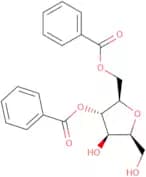
CAS:2-O-Hydroxyethyl-D-glucose is a synthesised compound that has been glycosidically linked to the glucoside. This compound is an intramolecular glucoside with a bicyclic structure. It can be used in the synthesis of other compounds, such as 3-o-hydroxypropyl-D-glucose, which has been shown to have anti-inflammatory effects.Fórmula:C8H16O7Pureza:Min. 95%Forma y color:PowderPeso molecular:224.21 g/mol2,5-Anhydro-4,6-di-O-benzoyl-D-glucitol
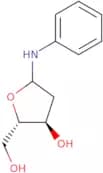
CAS:2,5-Anhydro-4,6-di-O-benzoyl-D-glucitol is a nucleoside analog that has been shown to inhibit the growth of Mycobacterium tuberculosis and other bacterial strains. It inhibits DNA synthesis by binding to the thymine moiety in the helix, which blocks access of thymine to the enzyme DNA polymerase. 2,5-Anhydro-4,6-di-O-benzoyl-D-glucitol also inhibits RNA synthesis by binding to the ribose moiety in nucleotides and blocking access of ribose to enzymes involved in the process. This compound is used as an immunosuppressant for organ transplantation in humans.Fórmula:C20H20O7Pureza:Min. 95%Peso molecular:372.38 g/mol2-Deoxy-L-ribose-anilide
CAS:2-Deoxy-L-ribose-anilide is a chemical compound that has been patented for its use in the detection of magnetic fields. The patent claims that this compound can be used as an intermediate in the preparation of other compounds. 2DRA has different transition temperatures, depending on whether it is in the solid or liquid state. When 2DRA is heated, it changes from a colorless liquid to a yellow crystal at around 100°C and then becomes a white solid at around 150°C. The magnetic properties of 2DRA arise from its ability to form strong bonds with other molecules, which are broken by external magnetic fields.Fórmula:C11H15NO3Pureza:Min. 98 Area-%Forma y color:PowderPeso molecular:209.12 g/mol4-Methoxyphenyl 4-O-(2,4,6-tri-O-acetyl-3-O-allyl-β-D-galactopyranosyl)-3-O-allyl-β-D-glucopyranoside
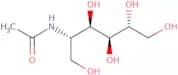
4-Methoxyphenyl 4-O-(2,4,6-tri-O-acetyl-3-O-allyl-b-D-galactopyranosyl)-3-O-allyl-b-Dglucopyranoside is a synthetic sugar with a molecular weight of 532. This product can be used in the synthesis of oligosaccharides and monosaccharides. It is also used as an intermediate in glycosylation reactions. This product has not been assigned a CAS number yet.Fórmula:C31H42O15Pureza:Min. 95%Peso molecular:654.66 g/molN-Acetyl-D-glucosaminitol
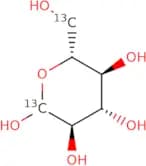
CAS:N-Acetyl-D-glucosaminitol is a fatty acid that is found in blood group antigens. It has been shown to be a potent inhibitor of human liver serine proteases, with an IC50 of 10 μM and a Ki value of 1.6 μM. N-Acetyl-D-glucosaminitol also inhibits the terminal steps in glycolysis and can be used as a substrate for glycosidases. It is capable of forming oligosaccharides with terminal residues and can be analyzed using titration calorimetry. The molecular weight of N-acetyl-D-glucosaminitol is calculated to be 398 Da by nmr spectroscopy. Structural analysis shows that this compound contains monoclonal antibodies and sugar residues, which are important for its function.Fórmula:C8H17NO6Pureza:Min. 95%Forma y color:White PowderPeso molecular:223.22 g/molD-Glucose-1,6-13C2
CAS:D-Glucose is a sugar that is used in the production of polysaccharides and glycosylations. It can be modified with fluorination, saccharide methylation, or glycosylation. D-Glucose can be synthesized by the custom synthesis of an oligosaccharide. This product has high purity, and is both monosaccharide and complex carbohydrate.Fórmula:C2C4H12O6Pureza:Min. 95%Forma y color:White PowderPeso molecular:182.14 g/molFucoidan - Laminaria japonica
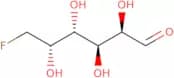
CAS:A fucan sulphate found in brown marine algae (Phaeophyta-typically Fucus serratus, Ascophyllum nodosum, Laminaria japonica (illustrated) and Macrocystis pyrifyra) and has been shown to have anticoagulant activity. The main constituents are α-1,4 and α-1,2 linked L-fucose sulphates although galactose also occurs and there are many variations of the basic structure found in different species of Phaeophyta. The image was kindly provided by Prof Mike Guiry from Cork who runs ‘The Seaweed Site’.Pureza:Min. 95%Forma y color:Off-White Slightly Brown Powder6-Deoxy-6-fluoro-D-galactose
CAS:6-Deoxy-6-fluoro-D-galactose is a fluorinated sugar that has been shown to inhibit the uptake of glucose by human liver cells. This sugar binds to the enzyme activity and inhibits its activity. 6-Deoxy-6-fluoro-D-galactose was found to be metabolized in a dose dependent manner, with higher doses leading to increased uptake of fluorescein and decreased uptake of glucose. 6FDG is also metabolized by chemical reactions, such as oxidation or hydration, which leads to a decrease in its inhibitory effect on glucose uptake. 6FDG has been shown to bind to sequences that are involved in sugar transport and cell culture studies have shown that this sugar can induce inhibition of cell growth at high concentrations.Fórmula:C6H11FO5Pureza:Min. 95%Forma y color:PowderPeso molecular:182.15 g/molN-Acetyl-D-galactosamine-3,6-di-O-sulphate sodium salt
A sulfated GalNAc analogueFórmula:C8H13NO12S2·2NaPureza:Min. 95%Forma y color:White to off-white solid.Peso molecular:425.3 g/molDermatan sulphate decasaccharide ammonium salt
Dermatan sulphate decasaccharide ammonium salt is a synthetic, high purity, complex carbohydrate. The CAS number for this product is 543-58-2. Dermatan sulfate decasaccharide ammonium salt is a complex carbohydrate that has been modified with a fluorine atom at the C1 position of the glucose monosaccharide and an acetyl group at the C4 position of the glucuronic acid monosaccharide. Click chemistry was used to introduce these modifications on the sugar molecule and it has been found to be stable in both acidic and alkaline conditions. This product can be customized for your specific needs, including fluorination, methylation, or glycosylation at any position.Pureza:Min. 95%2-C-Methyl- D- xylonic acid g- lactone
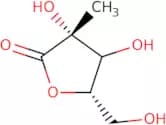
2-C-Methyl- D- xylonic acid g- lactone is a monosaccharide that can be used in the synthesis of oligosaccharides and complex carbohydrates. This compound is a fluorinated carbohydrate, which has been modified to include a methyl group at the C2 position. The chemical name for this compound is 2-C-Methyl-D-xylonic acid g-lactone and it has CAS No. 4983-92-1. This compound can be synthesized as a custom order and its purity exceeds 99%. Its synthesis can involve glycosylation or methylation, depending on the desired product.
Pureza:Min. 95%2,3-O-Isopropylidene-D-lyxofuranose
CAS:2,3-O-Isopropylidene-D-lyxofuranose is a synthetic disaccharide that is used as an antiinflammatory agent. It has been shown to inhibit the production of e-selectin, a protein that mediates inflammation by binding to cells in the vicinity of the site of injury. This compound has also been shown to inhibit diacetate formation from oxocarbenium ions and glycosidic linkage formation. 2,3-O-Isopropylidene-D-lyxofuranose may be synthesized via a Wittig reaction with phytosphingosine or wittig reaction with acetone.Fórmula:C8H14O5Pureza:Min. 98 Area-%Forma y color:White PowderPeso molecular:190.19 g/molAcetyl-β-cyclodextrin
CAS:This beta-cyclodextrin (β-CD) derivative is a functionalized cyclic oligosaccharide composed of seven glucose units, characterized by a hydrophilic exterior and a lipophilic cavity (bigger than α-CD and smaller than γ-CDs), which allows it to encapsulate various guest molecules. This structural feature facilitates its use in multiple applications, including pharmaceuticals, food enhancement, and cosmetics. In the pharmaceutical industry, it enhances the solubility and stability of poorly water-soluble drugs, improving their bioavailability and efficacy while also masking unpleasant tastes. The food sector utilizes it as a stabilizer for flavors, colors, and nutrients, extending shelf life by protecting sensitive ingredients from degradation. In cosmetics, it serves as a complexing agent for fragrances and active components, ensuring their stability and controlled release. Its use expands to many other fields, including nanotechnology for drug delivery systems, environmental remediation for extracting organic pollutants, textiles for slow-release fragrances, and analytical chemistry for chiral separation.Fórmula:C42Hn)O35·(C2H3O)nPureza:Min. 98 Area-%Forma y color:PowderPeso molecular:1,387.21 g/molDermatan sulphate hexasaccharide ammonium salt
Dermatan sulphate hexasaccharide ammonium salt is a complex carbohydrate modified with an oligosaccharide. Dermatan sulfate hexasaccharide ammonium salt is a synthetic, high purity chemical produced by custom synthesis. This compound has CAS No. 849-27-6. It is a monosaccharide that can be methylated and glycosylated to form polysaccharides of different lengths and configurations. Dermatan sulfate hexasaccharide ammonium salt is a sugar that can be fluorinated or saccharified to produce compounds of varying molecular weights and properties.Pureza:Approx. 88%Forma y color:Powder2-Acetamido-1,3,4,6-tetra-O-acetyl-2-deoxy-b-D-mannopyranose
CAS:2-Acetamido-1,3,4,6-tetra-O-acetyl-2-deoxy-b-D-mannopyranose is a synthetic carbohydrate. It is a modified form of the natural sugar mannose that has been fluorinated. This modification gives 2-Acetamido-1,3,4,6-tetra-O-acetyl-2-deoxy--b--D--mannopyranose an increased resistance to degradation by enzymes. The CAS number for this compound is 6730–10–5.Fórmula:C16H23NO10Pureza:Min. 95%Forma y color:White Off-White PowderPeso molecular:389.35 g/mol2,3,4,6-Tetra-O-pivaloyl-a-D-glucopyranosyl bromide
CAS:Intermediate in the synthesis of dapagliflozinFórmula:C26H43BrO9Pureza:Min. 95%Forma y color:PowderPeso molecular:579.52 g/mol3-Azido-3-deoxy-1,2:5,6-di-O-isopropylidene-α-D-galactofuranose
CAS:3-Azido-3-deoxy-1,2:5,6-di-O-isopropylidene-a-D-galactofuranose is a synthetic sugar that can be used as a monosaccharide or oligosaccharide. It is a complex carbohydrate that can be modified with methylation, fluorination, and click chemistry. 3-Azido-3-deoxy-1,2:5,6-di-O-isopropylidene-a-D galactofuranose is an important compound in carbohydrate chemistry due to its ability to undergo glycosylation reactions. The chemical properties of 3ADGFP are comparable to those of other monosaccharides and carbohydrates.Fórmula:C12H19N3O5Pureza:Min. 95%Forma y color:Solidifying oil.Peso molecular:285.3 g/molD-Glucarate monopotassium
CAS:D-Glucarate monopotassium is a pharmaceutical preparation that is used to inhibit the growth of bacteria. It inhibits the proliferation of cells by inhibiting fatty acid synthesis, which leads to decreased levels of cholesterol, and reduces the uptake of glucose. D-Glucarate monopotassium is also an oxidizing agent that converts uridine into uric acid and has been shown to have inhibitory properties against human cancer cells. D-Glucarate monopotassium can be used as an antioxidant for the prevention or treatment of chronic diseases such as atherosclerosis, diabetes, and cancer. This compound acts as an inhibitor for trypsin treatment on carbohydrates, preventing hydrolysis by this enzyme.
Fórmula:C6H9O8·KPureza:Min. 95%Forma y color:PowderPeso molecular:248.23 g/mol2-Deoxy-L-fucose
CAS:2-Deoxy-L-fucose is a sugar that is found in the human body. It has been shown to have anti-tumour properties and can be used as a chemotherapeutic agent in the treatment of solid tumours. 2DFL binds to the receptor for fucose, which is expressed in many types of cancer cells. It also inhibits DNA synthesis by stabilizing a complex between the sugar and dna template, inhibiting the binding of monoclonal antibodies to cancer cells, and preventing glycosidic bond formation on cancer cells. 2DFL has also been shown to inhibit microbial biotransformation and cell culture.
Fórmula:C6H12O4Pureza:Min. 95%Forma y color:PowderPeso molecular:148.16 g/molChitosan oligomer (Dp 12-20)
Chitosan oligomer (Dp 12-20) is a modification of chitin, a polysaccharide. It can be synthesized by treating chitin with sodium hydroxide in an alkaline environment. Chitosan oligomer (Dp 12-20) has a high degree of saccharide modification and exhibits a variety of functions, including complex carbohydrate, custom synthesis, synthetic, high purity, CAS No., and monosaccharide methylation. This compound has been shown to inhibit the growth of bacteria such as Staphylococcus aureus and Clostridium perfringens.Fórmula:(C6H11NO4)nForma y color:Beige PowderGlycyl-sialyllacto-N-tetraose c
Glycyl-sialyllacto-N-tetraose c is a custom synthesis of the carbohydrate polysaccharide glycyl-sialyllacto-N-tetraose. It is a complex carbohydrate that has been modified for use in biochemical research. Glycyl-sialyllacto-N-tetraose c contains four sugars, including erythrose and threose, and has been fluorinated at the C5 position. The modification of this carbohydrate was achieved through a click reaction. This product has been purified to be greater than 95% pure and is ready for use as an organic solvent or chemical reagent in laboratory experiments.
Fórmula:C39H66N4O29Pureza:Min. 95%Peso molecular:1,054.95 g/mol3,5-Di-O-benzoyl-2-deoxy-2,2-difluoro-D-ribonic acid-1,4-lactone
CAS:3,5-Di-O-benzoyl-2-deoxy-2,2-difluoro-D-ribonic acid-1,4-lactone (3DBR) is a nucleoside that has been shown to have antiaging properties. It has been found to be an effective scavenger of peroxyl radicals and reactive oxygen species (ROS). 3DBR also inhibits the formation of aluminum oxide and styrene by catalyzing the salt formation reaction. This compound also has anti-tumour activity and can be used as a chemotherapeutic agent for the treatment of cancer. It is heat resistant and can be combined with gemcitabine hydrochloride in chemotherapy.Fórmula:C19H14F2O6Pureza:Min. 95%Forma y color:White PowderPeso molecular:376.31 g/molD-Galactose - anhydrous
CAS:Galactose (Gal) is the C4 epimer of glucose with one hydroxyl group axial which by Hudsons rules makes it slightly less stable than glucose (Hudson, 1948). However, galactose is very common in plants and animals, and occurs in many polysaccharides, such as, galactomannans (e.g. Guar, Locust Bean Gum), Carrageenans , Agar (L-Galactose), Hemicellulose, Gum Arabic [link] and galactans (e.g. from Lupin) (Whistler, 1993). Galactose is one of the key mammalian monosaccharides (glucose, galactose, mannose, fucose, N-acetyl glucosamine, N-acetyl galactosamine and sialic acid) and it occurs in blood, milk, gangliosides, N- and O-linked glycans (Gabius, 2009). Like glucose, galactose exhibits mutarotation (Acree, 1968) and is optically active (dextrorotary) with L-galactose as its enantiomer (levorotary).Fórmula:C6H12O6Pureza:Min. 98 Area-%Forma y color:White PowderPeso molecular:180.16 g/mol2,3,4-Tri-O-acetyl-D-ribononitrile
CAS:2,3,4-Tri-O-acetyl-D-ribononitrile is a modification of the sugar ribose. It is used as a building block for oligosaccharides and polysaccharides. This chemical can be custom synthesized by modifying the sugar ribose with acetyl groups on the 2, 3 and 4 positions. The acetyl group on the 2 position can be removed through methylation to give tri-O-methyl-D-ribononitrile.Fórmula:C11H15NO7Pureza:Min. 95%Peso molecular:273.24 g/molBenzyl D-glucuronate
CAS:Used for the synthesis of 1β-O-acyl glucuronidesFórmula:C13H16O7Pureza:Min. 95%Forma y color:White PowderPeso molecular:284.26 g/molPerseitol
CAS:Perseitol is a nutrient solution that contains fatty acids and is used in tissue culture to supplement the growth of cells. It can be used as a substitute for animal serum, which is usually derived from bovine or porcine sources. Perseitol provides all essential components required for cell growth, including amino acids, vitamins, minerals, and lipids. Perseitol is also used in vitro assay systems to determine the redox potential of substances. This solution has been shown to have anti-inflammatory properties due to its ability to inhibit prostaglandin synthesis.Fórmula:C7H16O7Pureza:Min. 95%Forma y color:White Off-White PowderPeso molecular:212.2 g/mol5-Deoxy-5-dimethylamino-1,2-O-isopropylidene-a-D-xylofuranose
CAS:5-Deoxy-5-dimethylamino-1,2-O-isopropylidene-a-D-xylofuranose is a fluorinated monosaccharide that is used as a synthetic building block for the synthesis of oligosaccharides and polysaccharides. It is used in glycosylation reactions to introduce fluoride at the anomeric carbon. 5-Deoxy-5-dimethylamino-1,2-O-isopropylidene is also used in click modification reactions to modify methyl groups. The CAS number for 5DDAIWF is 14514743. 9. This product has high purity with a purity of greater than 99%.Fórmula:C10H19NO4Pureza:Min. 95%Forma y color:Colourless to pale yellow oil.Peso molecular:217.27 g/mol3'-Sialyl-3-fucosyllactose
CAS:Sialyl-3-fucosyllactose is a monosaccharide that is a component of the sialyl-Lewisx oligosaccharide. The il-2 receptor binds to this oligosaccharide, which is involved in energy efficiency. 3'-Sialyl-3-fucosyllactose has been linked to cancer resistance and gene product production. It has also been found to be an important dietary nutrient for animals and humans. 3'-Sialyl-3-fucosyllactose plays an important role in the growth of cells, especially those that have been damaged or are undergoing apoptosis. It also has neurotrophic effects, which are beneficial for the development of neurons and brain function. Body mass index (BMI) is also known to be related to 3'-sialyl-3-fucosyllactose levels in plasma.Fórmula:C29H49NO23Pureza:(%) Min. 90%Forma y color:White Off-White PowderPeso molecular:779.71 g/molSucrose octasulfate triethylammonium salt
CAS:This compound is generally known as sucralfate and is a medication for the treatment of active duodenal ulcers. It is also used for the treatment of gastroesophageal reflux disease (GERD) and stress ulcers. Sucralfate is a sucrose sulfate-aluminium complex that binds to the ulcer, creating a physical barrier that protects the gastrointestinal tract from stomach acid and prevents the degradation of mucus. It also promotes bicarbonate production and acts like an acid buffer with cytoprotective properties.Fórmula:C12H22O35S8•(C6H15N)xPureza:Min. 95%Forma y color:White Off-White PowderPeso molecular:982.81 g/mol3,4-O-Isopropylidene-L-arabinose
CAS:3,4-O-Isopropylidene-L-arabinose (3,4-OIRA) is an isopropylidene derivative of L-arabinose. 3,4-OIRA has been shown to be a substrate for glycosylation reactions with various other sugars. It can also undergo methylation reactions and has been modified by fluorination. 3,4-OIRA is a food additive that belongs to the category of complex carbohydrates.
Fórmula:C8H14O5Pureza:Min. 98 Area-%Forma y color:PowderPeso molecular:190.19 g/molN-Thioglycolyl-D-galactosamine
CAS:D-Galactosamine is a glycosaminoglycan (GAG) that is found in the mammalian cell. N-Thioglycolyl-D-galactosamine is a synthetic analog of D-galactosamine that was developed to study the biosynthesis of GAGs and glycoconjugates in cells. This molecule can be activated by hematopoietic cells, which leads to an increase in o-glycosylation and galnac synthesis.Fórmula:C8H15NO6SPureza:Min. 95%Peso molecular:253.27 g/molMethyl 2-acetamido-2-deoxy-β-D-galactopyranoside
CAS:Methyl 2-acetamido-2-deoxy-β-D-galactopyranoside is an acetamido derivative of the sugar galactose. It is a white powder that is soluble in water and sparingly soluble in methanol. Methyl 2-acetamido-2-deoxy-β-D-galactopyranoside is used as a substituent for the synthesis of other compounds.Fórmula:C9H17NO6Pureza:Min. 95%Forma y color:White PowderPeso molecular:235.24 g/mol1,5-a-L-Arabinobiose
CAS:1,5-a-L-Arabinobiose is a sugar that is found in mammalian tissue and has been shown to have enzyme activities. It can be prepared by high performance liquid chromatography and titration calorimetry. 1,5-a-L-Arabinobiose has hydrogen bonding interactions with its neighbouring molecules and surface methodology. It also has structural analysis with hydrogen bonds and phenolic acids. 1,5-a-L-Arabinobiose is used as a probiotic bacteria growth factor in microalgal cultures.Fórmula:C10H18O9Pureza:Min. 95 Area-%Forma y color:PowderPeso molecular:282.24 g/mol2-C-Methyl-L-ribono-1,4-lactone
CAS:2-C-Methyl-L-ribono-1,4-lactone is a crystallized carbohydrate that contains the enantiomers L and D. It is a chiral molecule with two asymmetric carbon atoms. The L form has a higher yield than the D form and can be synthesized from l-arabinose, dimethylamine, and isomerisation. This compound is also present in ketoses such as d-xylose and 1-deoxy-d-ribulose. 2CMLR1L4L acts as an inhibitor of the enzyme d-galactose dehydrogenase, which catalyzes the conversion of d-galactose to d-glucose. Cyanide can bind to this compound to form cyanohydrin adducts, which are toxic to cells.Fórmula:C5H10O5Pureza:Min. 95%Peso molecular:150.13 g/mol1,4-Anhydro-D-glucitol
CAS:1,4-Anhydro-D-glucitol is a compound that belongs to the group of monosaccharides and has biological properties. It has also been used in the production of acetate extracts from fetal bovine erythrocytes. The ester linkages are formed between 1,4-anhydro-D-glucitol and sodium salt by reaction with acetic anhydride. The reaction mechanism has been studied in detail, and it was found that hydroxyl groups on the molecule react with sodium ions to form an ester linkage. This compound is toxicologically safe at high doses, but can become toxic at lower doses due to its acid formation potential.
Fórmula:C6H12O5Pureza:Min. 97.0 Area-%Peso molecular:164.16 g/molRef: 3D-W-202151
5gA consultar10gA consultar25gA consultar50gA consultar2500mgA consultar-Unit-ggA consultar2-Acetamido-4,6-O-benzylidene-2-deoxy-D-galactopyranose
CAS:2-Acetamido-4,6-O-benzylidene-2-deoxy-D-galactopyranose is a fluorescent dye that binds to the hydroxyl group of nucleic acids. It can be used for microscopy of cells and bacteria in culture. This dye is also used for the measurement of cavitation activity. The dye is added at a concentration of 0.1% to the cell culture media. After 24 hours, it can then be observed with a microscope under UV light. 2-Acetamido-4,6-O-benzylidene-2-deoxy-D-galactopyranose has been shown to have lysis effects on cells such as agarose gels and mammalian cells, leading to cell death by apoptosis or necrosis. It's also used as an indicator in gel electrophoresis experiments because it can bind to DNA and RNA molecules, which makesFórmula:C15H19NO6Pureza:Min. 95%Forma y color:White PowderPeso molecular:309.31 g/mol2,3-Dimethyl-6-amino-6-deoxy-γ-cyclodextrin
This gamma-cyclodextrin (γ-CD) derivative is a modified cyclic oligosaccharide composed of eight glucose units, featuring a larger cavity size than α- and β-cyclodextrins. This structural characteristic allows γ-CDs to form inclusion complexes with a wider range of guest molecules, making it particularly versatile in various industries. In the food sector, it is used as a carrier and stabilizer for flavors, fat-soluble vitamins, and polyunsaturated fatty acids, protecting volatile compounds from evaporation. In pharmaceuticals, it enhances the solubility and bioavailability of poorly water-soluble drugs and, thanks to its larger ring size, allows for the encapsulation of larger molecules or even entire drug molecules. γ-CDs and derivatives are also used for environmental remediation and, in analytical chemistry, for the extraction and concentration of target substances.Fórmula:C64H120N8O32Pureza:Min. 95%Peso molecular:1,513.67 g/molL-Glucose
CAS:L-glucose is a monosaccharide that is an important source of energy for the human body. The glucose molecule consists of 6 carbon atoms, 12 hydrogen atoms and 6 oxygen atoms. Glucose enters cells with the help of insulin and ATP-sensitive potassium channels. It has been shown that L-glucose can inhibit viral replication in vitro, such as HIV and herpes simplex virus type 1 (HSV-1). L-Glucose may be used to treat squamous carcinoma by reducing the redox potential in cancer cells. L-Glucose inhibits the growth of c. glabrata by inhibiting transcription activators and enzymes involved in glycolysis. L-Glucose also has hypoglycemic effects on humans by reducing cortisol concentrations in human serum.Fórmula:C6H12O6Pureza:Min. 98 Area-%Forma y color:White Clear LiquidPeso molecular:180.16 g/molEugenol-β-D-glucuronide
CAS:Eugenol-glucuronide is an indirubin analog that has been found to have potent anticancer properties. It acts as a kinase inhibitor, blocking the activity of proteins that are involved in cancer cell growth and proliferation. Eugenol-glucuronide induces apoptosis, a process by which damaged or abnormal cells are eliminated from the body. It has been shown to be effective against human and Chinese hamster ovary tumor cells in vitro. This medicinal compound is excreted in urine and has potential for use in cancer treatment as an inhibitor of tumor growth.Fórmula:C16H20O8Pureza:Min. 95%Peso molecular:340.32 g/molGlycyl-asialo, galactosylated biantennary
Glycyl-asialo, galactosylated biantennary is a high purity custom synthesis of sugar. Glycyl-asialo, galactosylated biantennary is custom synthesized by the click modification of glycosylation and fluorination with methylation and modification. The CAS number for glycyl-asialo, galactosylated biantennary is **********.Fórmula:C64H108N6O46Pureza:Min. 95%Peso molecular:1,697.56 g/molSalicylic acid 2-O-β-D-glucoside
CAS:Predominant glycosylated metabolite of Salicylic AcidFórmula:C13H16O8Pureza:Min. 95%Forma y color:PowderPeso molecular:300.26 g/molUDP-3-O-(R-3-hydroxymyristoyl)-GlcNAc disodium
Substrate for UDP-3-O-acyl-N-acetylglucosamine deacetylase (LpxC)
Fórmula:C31H53N3O19P2•Na2Pureza:Min. 95%Forma y color:White PowderPeso molecular:879.67 g/molGDP-D-mannose diammonium salt
GDP-D-mannose diammonium salt is a custom synthesis. It has been modified with fluorination, methylation, and monosaccharide substitution. The structure of this compound consists of a glucose molecule bonded to a D-mannose molecule by an oxygen linkage at the 1-position. This product has been synthetically modified to include a click modification and oligosaccharides. GDP-D-mannose diammonium salt is used for the production of polysaccharides as well as glycosylation reactions.
Fórmula:C16H23N5O16P2·N2H8Pureza:Min. 95%Peso molecular:639.4 g/mol1,5:2,3-Dianhydro-4,6-O-benzylidene-D-allitol
CAS:For synthesis of D-Altritol nucleosidesFórmula:C13H14O4Pureza:Min. 95%Forma y color:PowderPeso molecular:234.25 g/mol6-Methyldiosgenin Acetate
CAS:6-Methyldiosgenin acetate is a saponin that is found in the plant Balanites aegyptiaca. It has been shown to have anti-inflammatory and anti-tumor effects, as well as antioxidant properties. 6-Methyldiosgenin acetate also has been shown to stimulate the production of nitric oxide (NO) in endothelial cells, which may contribute to its anti-inflammatory effects. The chemical structure of 6-methyldiosgenin acetate is similar to that of furostanol and spirostanol, which are both saponins found in plants that can be used for the treatment of cancer. In addition, sapogenols are known to have a variety of therapeutic activities including antidiabetic, antiviral and anticancer activity.Fórmula:C30H46O4Pureza:Min. 95%Peso molecular:470.68 g/molPregnanediol 3α-O-β-D-glucuronide
CAS:Pregnanediol 3α-O-β-D-glucuronide is a glucuronide metabolite of progesterone, which is a key steroid hormone in the reproductive system. This compound is derived from the metabolic conversion of progesterone, primarily within the liver, where it undergoes glucuronidation. This process involves the addition of glucuronic acid, mediated by the enzyme UDP-glucuronosyltransferase, enhancing the compound’s solubility for renal excretion.
Fórmula:C27H44O8Pureza:Min. 95%Forma y color:PowderPeso molecular:496.63 g/mol2,3,5-Tri-O-benzyl-D-ribofuranose
CAS:2,3,5-Tri-O-benzyl-D-ribofuranose is a carbohydrate that can be synthesized through an efficient method. It is a glycoside with an oxotitanium (oxo) group. The synthesis of this compound requires magnesium as the activating agent and o-glycosylation. The glycoconjugates of this compound are found in organisms such as fungi, yeast, and bacteria. In addition to its carbohydrate function, 2,3,5-Tri-O-benzyl-D-ribofuranose has been shown to have antimicrobial properties. This sugar has also been shown to have antiviral properties due to its ability to inhibit the enzyme ribonucleotide reductase (RNR).Fórmula:C26H28O5Pureza:Min. 95%Forma y color:White PowderPeso molecular:420.5 g/mol6-Bromo-6-deoxy-D-glucose
CAS:6-Bromo-6-deoxy-D-glucose is a sugar that is used to study the function of glucose transporters in cellular membranes. This compound has been shown to be a substrate for glucose transporters, where it binds in a nucleophilic manner. 6-Bromo-6-deoxy-D-glucose has been used as an inhibitor of glucose transport and as an x-ray crystal structure model for studying the binding mechanism of glucose transporters. 6-Bromo-6-deoxy-D-glucose has also been used to study the reaction system between glucose and sodium hydrogen carbonate, which is important for understanding how cells regulate blood sugar levels.Fórmula:C6H11BrO5Pureza:Min. 95%Forma y color:White PowderPeso molecular:243.05 g/mol4-Bromophenyl 2-acetamido-3,4,6-tri-O-acetyl-2-deoxy-β-D-glucopyranoside
CAS:4-Bromophenyl 2-acetamido-3,4,6-tri-O-acetyl-2-deoxy-b-D-glucopyranoside is a custom synthesis product. It has been modified with fluorination, methylation and click modification. This product is an oligosaccharide which can be used for saccharide or polysaccharide synthesis. The purity of this product is high and it has been synthesized from a monosaccharide.Fórmula:C20H24BrNO9Pureza:Min. 95%Peso molecular:502.31 g/mol2,6-Dimethyl-a-cyclodextrin >70%
CAS:Alpha-cyclodextrin (α-CD) derivative with a hydrophilic exterior and lipophilic cavity (smaller than β-CDs and γ-CDs) to allocate certain guest molecules. This structural characteristic enables applications in molecular encapsulation, solubility enhancement, and stabilization across multiple industries. In pharmaceuticals, it serves as a drug delivery vehicle, enhancing the bioavailability and stability of active ingredients. The food industry utilizes it as a stabilizer for flavors, colors, and nutrients, as well as a functional ingredient for its effects on lipid metabolism. In cosmetics, it acts as a complex agent for fragrances and active components. Its applications extend to analytical chemistry for chiral separation and to materials science for developing smart materials and nanosystems.Fórmula:C48H84O30Pureza:Min. 95%Forma y color:PowderPeso molecular:1,141.16 g/molD-myo-Inositol-1,3,5-triphosphate sodium salt
D-myo-Inositol-1,3,5-triphosphate sodium salt is a Glycosylation, complex carbohydrate. It can be Methylated, Click modified, Polysaccharide, Fluorinated and Saccharide. D-myo-Inositol-1,3,5-triphosphate sodium salt can be Modified by Modification and Sugar. D-myo-Inositol-1,3,5-triphosphate sodium salt is Synthetic. It has CAS No. and Monosaccharide Custom synthesis. D-myo-Inositol-1,3,5-triphosphate sodium salt is High purity.Fórmula:C6H12O15P3·xNaPureza:Min. 95%Peso molecular:417.07 g/mol4-O-(2,3,4,6-Tetra-O-acetyl-b-D-glucopyranosyl)-1,2,3,6-tetra-O-acetyl-b-D-thioglucopyranose
CAS:4-O-(2,3,4,6-Tetra-O-acetyl-b-D-glucopyranosyl)-1,2,3,6-tetra-O-acetyl-b-D-thioglucopyranose is a glycosylated saccharide that belongs to the group of complex carbohydrates. The glycosylation of 4-O-(2,3,4,6,-Tetra-O-acetyl b -D -glucopyranosyl)-1,2,3,6,-tetra -O -acetyl b -D -thioglucopyranose is achieved by the enzymatic reaction of an acetate donor and an acceptor molecule in the presence of glucose 1 phosphate (G1P) and UDP sugar pyrophosphorylase. It has been modified by methylation with dimethyl sulphate in the presence ofFórmula:C28H38O18SPureza:Min. 95%Peso molecular:694.66 g/molValidamine acetate
CAS:Inhibitor of beta-glucosidaseFórmula:C17H25NO9Pureza:Min. 95%Peso molecular:387.38 g/molPeptidoglycan - from Staphylococcus aureus
CAS:The sugar component consists of alternating residues of β-(1,4) linked N-acetylglucosamine and N-acetylmuramic acid. A peptide chain of three to five amino acids is attached to the N-acetylmuramic acid. The peptide chain can be cross-linked to the peptide chain of another strand forming the 3D mesh-like layer.Forma y color:PowderD-Xylose
CAS:Xylose (Xyl) is an aldopentose also known as wood sugar (Collins, 2006). The main sources of xylose are hemicelluloses found in hardwood and perennial plants, such as, grasses, cereals, and herbs (Petzold-Welcke, 2014) and some algae. Xylose is used in the production of xylitol, a low calory sugar substitute. Xylose is used in glycosaminoglycan (GAG) biosynthesis, which is initiated by peptide O-xylosyltransferases, which transfer xylose onto selected serine residues in the core proteins. The first enzyme in the pathway, peptide O-xylosyltransferase, catalyzes the transfer of xylose from uridine diphosphate (UDP)-α-D-xylose onto serine and thus determines the site(s) of GAG attachment on the core protein (Briggs, 2018).Fórmula:C5H10O5Pureza:Min. 99.0 Area-%Peso molecular:150.13 g/molβ-Lactopyranosyl phenylisothiocyanate
CAS:b-Lactopyranosyl phenylisothiocyanate is a synthetic carbohydrate that has been modified with fluorine, methylation, glycosylation, and click chemistry. It is used in the synthesis of saccharides and oligosaccharides. This compound can also be used to modify saccharides or oligosaccharides with fluorine, methylation, glycosylations, or click chemistry.Fórmula:C19H25NO11SPureza:Min. 95%Forma y color:SolidPeso molecular:475.47 g/mol1-O-Methyl-α-D-mannopyranoside
CAS:Methyl alpha-D-mannopyranoside is a methylated sugar used as an inhibitor of lectin-conjugate binding. It is commonly used in protein purification for eluting glycoproteins and other glycoconjugates from affinity chromatography columns of agarose lectin. In addition, Methyl alpha-D-mannopyranoside can be used in the mannosylation of lipid nanoparticles (LNPs) for vaccine or drug delivery which targets Antigen Presenting Cells (APCs) through mannose receptors. Methyl alpha-D-mannopyranoside is also known as Methyl alpha-D-mannoside or alpha-Methyl-D-mannoside.Fórmula:C7H14O6Pureza:Min. 99.0 Area-%Peso molecular:194.18 g/molRef: 3D-M-4150
1kgA consultar100gA consultar250gA consultar500gA consultar2500gA consultar-Unit-kgkgA consultar2-Deoxy-D-ribose
CAS:High purity grade. Used in synthetic organic chemistry and natural product synthesis. Induces apoptosis by inhibiting the synthesis and increasing the efflux of glutathione. It is used for synthesis of optically active dipyrrolyl alkanols from pyrroles on the surface of montmorillonite KSF clay.Due to its integral role in the formation of DNA, 2-Deoxy-D-ribose is critical in studies of genetic expression, DNA repair mechanisms, and the synthesis of nucleotides. Researchers utilize it extensively in molecular biology and biochemistry to understand cell replication and gene function, and it serves as a standard in research pertaining to oxidative stress, where its degradation may indicate the presence of reactive oxygen species. Additionally, it is involved in the development of various pharmacological agents, particularly those targeting cancer and viral infections, where the synthesis and function of DNA are pivotal aspects of pathogenesis and treatment response.Fórmula:C5H10O4Pureza:Min. 99.0 Area-%Peso molecular:134.13 g/molGD1b-ganglioside sodium
CAS:GD1b (shown as sodium salt) is one of the major gangliosides in neuronal and glial membranes. It has a core tetrasaccharide structure (Galβ1,3GalNAcβ1,4Galβ1,4Glc) with itâs two sialic acids linked α2,3/α2,8 to the inner galactose residue and ceramide linked β to position 1 on the reducing terminal glucose residue (Ledeen, 2009). GD1b acts as a receptor for BK virus as well as for heat-labile LTII-a toxin, produced by enteropathogenicâ¯E. coli. GD1b ganglioside also interacts with tetanus neurotoxin (TeNT) and is crucial for its entry into cells (Kolter, 2012).Pureza:Min. 95%Forma y color:PowderHexa-guluronic acid sodium
CAS:Hexa-guluronic acid sodium salt (1,4-linked α-L-sodium guluronohexaose) is one of a number of oligosaccharides obtained from alginate which is a polysaccharide in brown seaweeds containing: blocks of repeating mannuronic acid sequences (M-M-M-M etc), repeating guluronic acid sequences (G-G-G-G etc), and alternating M-G-M-G sequences. This oligosaccharide can be released by acid hydrolysis (Shimokawa, 1996) and a number of biological activities have been discussed in a recent review (Xing, 2020).
Fórmula:C36H44O37Na6Pureza:Min. 95%Forma y color:White PowderPeso molecular:1,206.65 g/mol(2S, 3S, 4S) -3-Benzyloxy- 4- (hydroxymethyl) - 1- (phenylmethyl) -2- azetidinecarboxylic acid
2-Amino-3,4-dihydroxybenzoic acid is an organic compound. It is a white solid that is soluble in water and polar organic solvents. 2-Amino-3,4-dihydroxybenzoic acid is used as an anti-inflammatory agent and for the treatment of arthritis.
Pureza:Min. 95%Methyl 2,3,4-tri-O-benzyl-b-D-glucopyranoside
CAS:Methyl 2,3,4-tri-O-benzyl-β-D-glucopyranoside is a modified sugar. It can be used in the synthesis of oligosaccharides and polysaccharides. This product is stable to organic solvents and has high purity. Methyl 2,3,4-tri-O-benzyl-β-D-glucopyranoside can be fluorinated by reacting with hydrogen fluoride gas to produce methyl 2,3,4-[tri(trifluoromethyl)oxy]benzyl β D glucopyranoside. The product is also available in the form of click modification (a type of chemical modification). Methyl 2,3,4-tri-O-benzyl-β D glucopyranoside is a custom synthesis that is CAS No. 435680 3.
Fórmula:C28H32O6Pureza:Min. 95%Peso molecular:464.55 g/mol1,2,3,4-Tetra-O-benzoyl-6-O-tert-butyldiphenylsilyl-b-D-galactopyranose
CAS:1,2,3,4-Tetra-O-benzoyl-6-O-tert-butyldiphenylsilyl-b-D-galactopyranose is a modified oligosaccharide that is synthesized and offered at high purity. The chemical name of this compound is 1,2,3,4 tetra O benzoyl 6 O tert butyldiphenylsilyl b D galactopyranose. This compound is fluorinated at the 2 position of the sugar molecule with a silyl group on the 3 position. It has CAS number 1222709-87 6.Fórmula:C40H42O10SiPureza:Min. 95%Peso molecular:710.86 g/mol2-O-(a-D-Galactopyranosyl)-b-D-fucopyranosyl propylamine
CAS:2-O-(a-D-Galactopyranosyl)-b-D-fucopyranosyl propylamine is a glycosylated synthetic compound with a molecular weight of 726.2. It is an excellent substrate for the glycosylation of proteins and nucleic acids, as well as an excellent candidate for Click modification, fluorination, saccharide modification and custom synthesis. 2-O-(a-D-Galactopyranosyl)-b-D-fucopyranosyl propylamine is a high purity product available in bulk quantities.Fórmula:C15H29NO10Pureza:Min. 95%Peso molecular:383.39 g/mol2-Amino-1,6-anhydro-2-deoxy-β-D-glucopyranose
CAS:Please enquire for more information about 2-Amino-1,6-anhydro-2-deoxy-β-D-glucopyranose including the price, delivery time and more detailed product information at the technical inquiry form on this pageFórmula:C6H11NO4Pureza:Min. 95%Peso molecular:161.16 g/mol1,2,3,4-Tetra-O-acetyl-6-O-trityl-a-D-mannopyranose
CAS:Tetra-O-acetyl-6-O-trityl-a-D-mannopyranose is a synthetic glycoside that is used as an intermediate in the synthesis of oligosaccharides. It has been modified with a fluorine atom at C1 to form 1,2,3,4-tetra-O-acetyl 6-(trifluoromethyl)-a-D mannopyranoside. This modification can be done through a click reaction. Tetra-O acetyl 6-(trifluoromethyl)-a D mannopyranoside is soluble in water and has a melting point of about 210°C.Fórmula:C33H34O10Pureza:Min. 95%Forma y color:White PowderPeso molecular:590.62 g/mol1,2,3,4-Tetra-O-pivaloyl-6-O-(tert-butyldiphenylsilyl)-b-D-galactopyranose
CAS:1,2,3,4-Tetra-O-pivaloyl-6-O-(tert-butyldiphenylsilyl)-b-D-galactopyranose is a high purity custom synthesis of a sugar. It is a fluorinated tetra saccharide with an unusual 1,2,3,4 linkage that has been modified with methyl groups at the 2 and 6 positions. The modification of this compound with silylation has made it resistant to enzymatic degradation. This compound has shown anti-inflammatory activities in animal models and can be used as an adjuvant therapy for inflammatory bowel disease.Fórmula:C42H62O10SiPureza:Min. 95%Peso molecular:755.04 g/molChitobiose dihydrochloride
CAS:Chitobiose 2HCl is a synthetic sugar that has been modified using Click chemistry. It is a fluorescent sugar that can be used as an indicator for protein-sugar interactions. Chitobiose 2HCl is soluble in water and has a molecular weight of 258.078 g/mol.Fórmula:C12H24N2O9•(HCl)2Pureza:Min. 95%Peso molecular:413.25 g/mol5,6-O-Isopropylidene-L-gulonic acid-1,4-lactone
CAS:5,6-O-Isopropylidene-L-gulonic acid-1,4-lactone is a synthetic monosaccharide with the molecular formula C8H14O5. It has a CAS number of 94697-68-4 and is available for custom synthesis. The chemical structure of 5,6-O-Isopropylidene-L-gulonic acid-1,4-lactone consists of a methyl group attached to the hydroxyl at position 1 and a fluoro group attached to the hydroxyl at position 4. 5,6--O--Isopropylidene--L--gulonic acid--1,4--lactone is not naturally occurring and is made by modification of glycosides. This compound can be used in click chemistry or complex carbohydrate reactions.
Fórmula:C9H14O6Pureza:Min. 99 Area-%Forma y color:White PowderPeso molecular:218.2 g/molLacto-N-neohexaose
CAS:Neutral hexasasaccharide naturally present in human breast milkFórmula:C40H68N2O31Pureza:Min. 90 Area-%Forma y color:White PowderPeso molecular:1,072.96 g/molIsopropyl-beta-D-thioglucuronic acid, sodium salt
CAS:Isopropyl-β-D-thioglucuronic acid is a β-D-glucuronidase inducer. It enhances the sensitivity of β-glucuronidase assays in E. coli.
Fórmula:C9H15NaO6SPureza:Min. 98 Area-%Peso molecular:274.27 g/molD-Fructose 1,6-diphosphate, dicalcium salt
CAS:D-Fructose 1,6-diphosphate is an ion-exchange resin that has been used for the isolation of calcium. It is also a calcium salt that is soluble in ethanol and water. This compound can be isolated from seaweed and it has been used as a filler in food. D-Fructose 1,6-diphosphate is often used to precipitate calcium ions from solutions with high pH values and it has been shown to be a potent inhibitor of DNA synthesis.Fórmula:C6H10Ca2O12P2Peso molecular:416.25 g/molRef: 3D-F-7370
1kgA consultar5kgA consultar250gA consultar500gA consultar2500gA consultar-Unit-ggA consultarβ-D-Galactose pentaacetate plant origin (ex peach gum)
CAS:1,2,3,4,6-Penta-O-acetyl-b-D-galactopyranose, also known as beta-D-galactose pentaacetate, has high chemical stability and long shelf life. This protected form of galactose is a key building block of any chemical synthesis of galactose-containing oligosaccharides or glycoconjugates. In the presence of Lewis acids it can be used as a glycosyl donor to make simple glycosides. In order to perform more complex galactosylations it can be converted into more reactive donors, such as glycosyl halides or thioglycosides.Fórmula:C16H22O11Peso molecular:390.35 g/molRef: 3D-G-1782
1kgA consultar5kgA consultar10kgA consultar500gA consultar2500gA consultar-Unit-kgkgA consultar


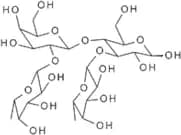
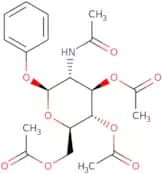
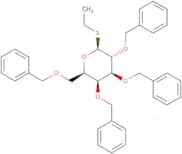
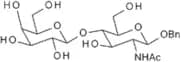
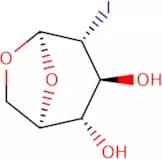
![(2S, 3S, 4R) -2- [(1R) - 1, 2-Dihydroxyethyl] -3, 4- pyrrolidinediol](/_next/image/?url=https%3A%2Fstatic.cymitquimica.com%2Fproducts%2F3D%2Fthumb-webp%2FMD163930.webp&w=3840&q=75)
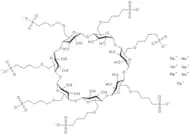
![(1R) -1- [(2R, 3S,4S) -4-Hydroxymethyl-3- hydroxy- 1- azetidinyl] -1, 2- ethanediol](/_next/image/?url=https%3A%2Fstatic.cymitquimica.com%2Fproducts%2F3D%2Fthumb-webp%2FMH163381.webp&w=3840&q=75)

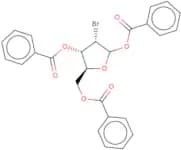

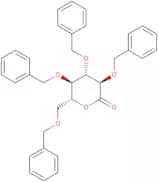

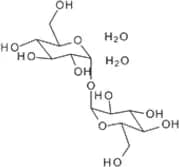
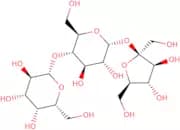
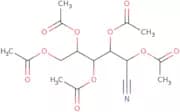


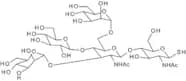

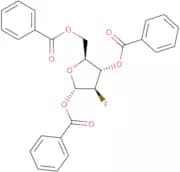



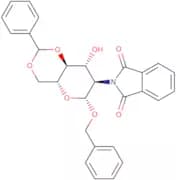
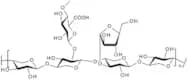
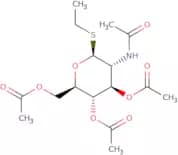
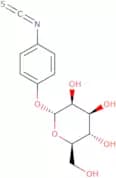
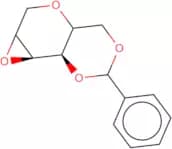

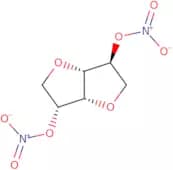
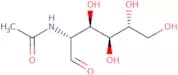
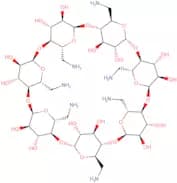
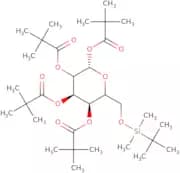


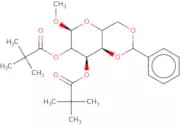
![(1R) -1- [(2S, 3R,4R) -4-(Acetylamino)methyl-N-butyl-3- hydroxy- 1- azetidinyl] -1, 2- ethanediol](/_next/image/?url=https%3A%2Fstatic.cymitquimica.com%2Fproducts%2F3D%2Fthumb-webp%2FMA163407.webp&w=3840&q=75)


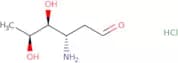
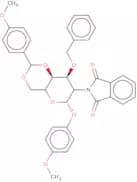
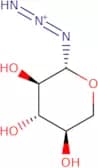

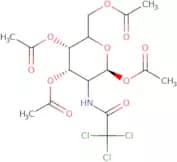
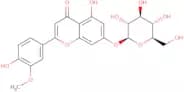
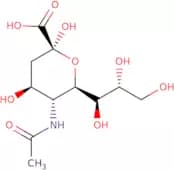
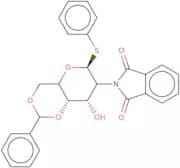
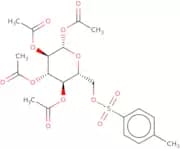

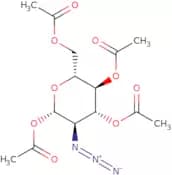

![(1R) -1- [(2R, 3S) - 3- Hydroxy- 1- (phenylmethyl) - 2- azetidinyl] -1, 2- ethanediol](/_next/image/?url=https%3A%2Fstatic.cymitquimica.com%2Fproducts%2F3D%2Fthumb-webp%2FMH163551.webp&w=3840&q=75)


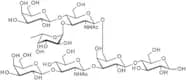
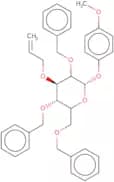
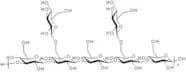
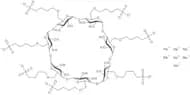
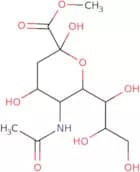
![(2E) -4- [(3aS, 4R, 5aR) -5-Hydroxy-( 2, 2- dimethyltetrahydro- 4H- 1, 3- dioxolo)[3, 4- c] piperi…](/_next/image/?url=https%3A%2Fstatic.cymitquimica.com%2Fproducts%2F3D%2Fthumb-webp%2FMH168767.webp&w=3840&q=75)
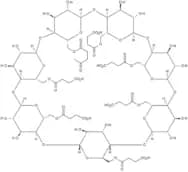
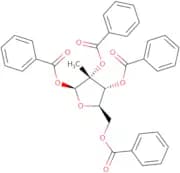
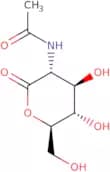


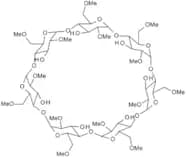
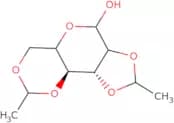
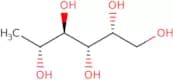

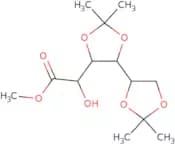
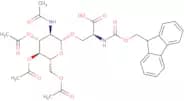
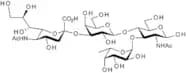

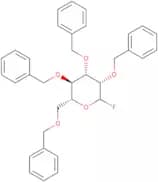
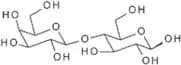
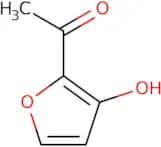

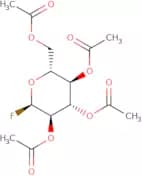


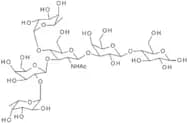

![(2R, 3S, 4S, 5R) -3-Hydroxy- 5- [(methylamino) carbonyl] - 4- (phenylmethoxy) - 2- [(phenylmethoxy…](/_next/image/?url=https%3A%2Fstatic.cymitquimica.com%2Fproducts%2F3D%2Fthumb-webp%2FMH163363.webp&w=3840&q=75)

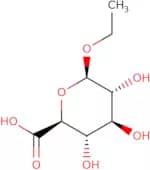

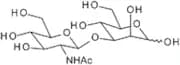
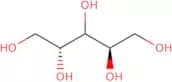


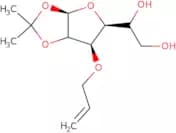
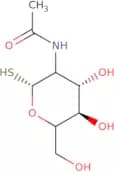
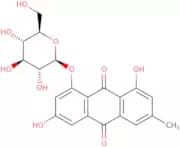
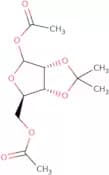
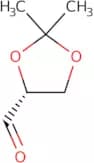
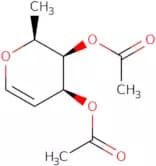
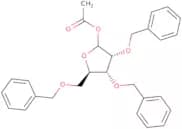
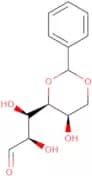
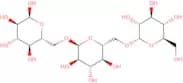
![Hexahydro- 1, 2, 8- trihydroxy- [1S- (1a, 2a, 8a, 8ab) ]-5(1H) -indolizinone](/_next/image/?url=https%3A%2Fstatic.cymitquimica.com%2Fproducts%2F3D%2Fthumb-webp%2FMH163920.webp&w=3840&q=75)