Glycoscience
La glicociencia es el estudio de los carbohidratos y sus derivados, así como de las interacciones y funciones biológicas en las que participan. Este campo de investigación es crucial para comprender una amplia variedad de procesos biológicos, incluyendo el reconocimiento celular, la señalización, la respuesta inmune y el desarrollo de enfermedades. La glicociencia tiene aplicaciones importantes en la biotecnología, la medicina, y el desarrollo de nuevos fármacos y terapias. En CymitQuimica, ofrecemos una amplia selección de productos de alta calidad y pureza para la investigación en glicociencia. Nuestro catálogo incluye monosacáridos, oligosacáridos, polisacáridos, glicoconjugados, y reactivos específicos, diseñados para apoyar a los investigadores en sus estudios sobre la estructura, función y aplicaciones de los carbohidratos en sistemas biológicos. Estos recursos están destinados a facilitar descubrimientos científicos y aplicaciones prácticas en diversas áreas de la biociencia y la medicina.
Subcategorías de "Glycoscience"
- Aminoazúcares(108 productos)
- Anticuerpos relacionados con azúcares(282 productos)
- Glicolípidos(46 productos)
- Glicosaminoglicanos (GAGs)(55 productos)
- Glucósidos(419 productos)
- Monosacáridos(6.624 productos)
- Oligosacáridos(3.682 productos)
- Polisacáridos(503 productos)
Se han encontrado 11046 productos de "Glycoscience"
Ordenar por
Pureza (%)
0
100
|
0
|
50
|
90
|
95
|
100
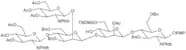
4-Methoxyphenyl 4-O-{2-O-acetyl-3-O-[2,4-di-O-(3,4,6-tri-O-acetyl-2-deoxy-2-phthalimido-β-D-glucopyranosyl)-3,6-di-O-benzyl-β-D-mann opyranosyl]-6-O-tert-butyldimethylsilyl-β-D-mannopyranosyl}-3,6-di-O-benzyl-2-deoxy-2-phthalimido-β-D-glucopyranoside
<p>4-Methoxyphenyl 4-O-{2-O-acetyl-3-O-[2,4-di-O-(3,4,6-tri-O-acetyl-2,6 glycoside)-bDglucopyranosyl]-3,6 di -Obenzyl - bDmannopyranosyl} - 3,6 di -Obenzyl 2 deoxy 2 phthalimido bDglucopyranoside is a synthetic compound that belongs to the group of oligosaccharides. It is a modification of a monosaccharide with methylation and fluorination. The synthesis of this compound includes the use of Click chemistry for glycosylation. The CAS number is 766913–30–8.</p>Fórmula:C109H119N3O37SiPureza:Min. 95%Peso molecular:2,091.19 g/molGanglioside GM1
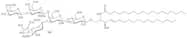
CAS:Ganglioside GM1 has a core tetrasaccharide structure (Galβ1,3GalNAcβ1,4Galβ1,4Glc) with sialic acid linked α2,3 to the inner galactose residue, ceramide linked β to position 1 on the reducing terminal glucose residue (Ledeen, 2009), and is abundant in all mammalian brains, where it covers 10%-20% of the total ganglioside mixture. Ganglioside GM1 is found in epithelial membranes and is a key element for the detection of bacterial toxicity and viral infection. It is the intestinal receptor for cholera toxin, the B-subunits of heat-labile toxin (LTB) from E.coli, for rotavirus, and simian virus 40. GM1 functions as a neurotrophic and neuroprotective compound and has been used therapeutically for diabetic and peripheral neuropathies. It also has the ability to bind amyloid-β proteins and is involved in Alzheimer’s pathogenesis (Chiricozzi, 2020).Fórmula:C73H131N3O31·xNaPureza:Min. 95 Area-%Forma y color:White PowderPeso molecular:1,546.82 g/molAllyl D-glucuronate
CAS:<p>Used for the synthesis of 1β-O-acyl glucuronides</p>Fórmula:C9H14O7Pureza:Min. 95 Area-%Forma y color:White PowderPeso molecular:234.2 g/mol1-O-Methyl-β-D-xylopyranoside
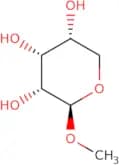
CAS:<p>1-O-Methyl-beta-D-xylopyranoside is a glycoside that consists of a glucose molecule linked to the hydroxyl group of p-hydroxybenzoic acid through an alpha glycosidic bond. It is found in many plants, such as in the leaves of the common bay tree (Laurus nobilis) and in the bark of the cinnamon tree (Cinnamomum verum). 1-O-Methyl-beta-D-xylopyranoside is used as a sweetener and flavoring agent. It is also used in some pharmaceutical drugs, including antiulcer agents and antidiarrheal agents. This compound has been shown to have an effective dose of 5 mg/kg when given orally to humans.</p>Fórmula:C6H12O5Pureza:Min. 98.0 Area-%Peso molecular:164.16 g/mol3,4-Di-O-acetyl-L-rhamnal
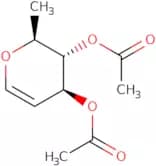
CAS:<p>DNA-binding agent</p>Fórmula:C10H14O5Forma y color:Clear LiquidPeso molecular:214.22 g/molDeoxygalactonojirimycin acetonide
<p>Deoxygalactonojirimycin acetonide is a custom-synthesized, complex carbohydrate that belongs to the group of Oligosaccharides. It is a modified saccharide with methylation and glycosylation. Deoxygalactonojirimycin acetonide is an active ingredient that has been synthesized for use in cancer research. This compound is a high-purity, fluorinated sugar with Click modification that can be used to study the structure-activity relationships of carbohydrate-based drugs.</p>Pureza:Min. 95%(2R, 3R, 4R) -3- Benzyloxy- 1- benzyl-4- (hydroxymethyl) - 3-methyl-2- azetidinecarboxylic acid methyl ester
<p>(2R, 3R, 4R) -3-Benzyloxy-1-benzyl-4-(hydroxymethyl)-3-methyl-2-azetidinecarboxylic acid methyl ester is a synthetic sugar that is used for the modification of saccharides and oligosaccharides. It also has been shown to be an effective fluorinating agent for carbohydrates.</p>Pureza:Min. 95%1,3,6-Tri-O-galloylglucose
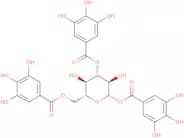
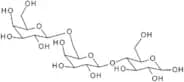
CAS:1,3,6-Tri-O-galloylglucose is an extract of the fruit of Terminalia catappa and Terminalia citrina. It has been shown to have antimicrobial activity against a variety of bacteria and fungi. The antimicrobial activity may be due to its ability to chelate metal ions or inhibit their activities. Punicalagin also has tannin content, which may contribute to its antimicrobial properties.Fórmula:C27H24O18Pureza:Min. 95%Forma y color:PowderPeso molecular:636.47 g/molLacto-N-neotetraose
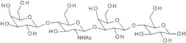
CAS:<p>Lacto-N-neotetraose (LNnT) is a neutral and abundant human milk oligosaccharide (HMO), composed of four sugar molecules. It supports the infant's gut microbiota development and provides protection against infectious diseases. LNnT like many other HMOs offers great interest for the studies of baby milk formula.</p>Fórmula:C26H45NO21Pureza:Min. 95%Forma y color:White PowderPeso molecular:707.63 g/mol2,3-Di-O-benzoyl-a-cyclodextrin
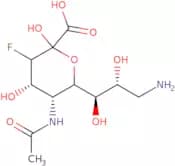
CAS:<p>Alpha-cyclodextrin (α-CD) derivative with a hydrophilic exterior and lipophilic cavity (smaller than β-CDs and γ-CDs) to allocate certain guest molecules. This structural characteristic enables applications in molecular encapsulation, solubility enhancement, and stabilization across multiple industries. In pharmaceuticals, it serves as a drug delivery vehicle, enhancing the bioavailability and stability of active ingredients. The food industry utilizes it as a stabilizer for flavors, colors, and nutrients, as well as a functional ingredient for its effects on lipid metabolism. In cosmetics, it acts as a complex agent for fragrances and active components. Its applications extend to analytical chemistry for chiral separation and to materials science for developing smart materials and nanosystems.</p>Fórmula:C120H108O42Pureza:Min. 95%Peso molecular:2,222.12 g/mol5-Acetamido-9-amino-3,5,9-trideoxy-3-fluoro-D-erythro-L-manno-2-nonulosonic acid
5-Acetamido-9-amino-3,5,9-trideoxy-3-fluoro-D-erythro-L-manno-2-nonulosonic acid is a synthetic compound that is modified with saccharides and fluorine. This chemical is used in the synthesis of glycosylations and oligosaccharides. It has a CAS number of 65911-04-6.Fórmula:C11H19FN2O8Pureza:Min. 95%Forma y color:White PowderPeso molecular:326.28 g/molCalcium-D-galactonate hydrate
CAS:<p>Calcium-D-galactonate hydrate is a reagent that is used in organic synthesis as a complex compound. It can also be used as an intermediate for the synthesis of calcium-D-galactonate, which is a useful scaffold for the construction of bioactive molecules. Calcium-D-galactonate hydrate has been shown to have many uses in the pharmaceutical and fine chemical industries. This compound is also an important reactant in research, due to its versatility and usefulness in organic synthesis.</p>Fórmula:C12H22CaO14·5H2OPureza:Min. 98%Forma y color:White PowderPeso molecular:520.45 g/mol6'-Galactosyllactose
CAS:<p>Galactosyllactose attenuated NF-κB inflammatory signaling in human intestinal epithelial cells and in human immature intestine. Thus, galactosyllactoses are strong anti-inflammatory agents in human colostrum and early milk, contributing to innate immune modulation. The potential clinical utility of galactosyllactose warrants investigation.</p>Fórmula:C18H32O16Pureza:Min. 95 Area-%Forma y color:White PowderPeso molecular:504.43 g/molMurNAc-6-phosphate-GlcNAc
<p>MurNAc-6-phosphate-GlcNAc is a complex carbohydrate that is composed of a glycosylation, methylation, and fluorination. It is an important component in polysaccharides and oligosaccharides. This compound has been modified with Click chemistry to form a reactive site for incorporation of a variety of molecules such as fluorophores, biotin, or other small molecules. This compound can be synthesized using custom synthesis methods and has CAS number 106579-01-4. MurNAc-6-phosphate-GlcNAc is available in high purity and can be custom synthesized to specific needs.</p>Pureza:Min. 95%Propargyl a-D-glucopyranoside
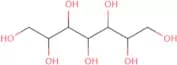
CAS:<p>Propargyl a-D-glucopyranoside is a high purity custom synthesis sugar. It is synthesized by Click modification, fluorination, and glycosylation followed by methylation. Propargyl a-D-glucopyranoside can be used for the modification of oligosaccharides and monosaccharides to produce complex carbohydrates.</p>Fórmula:C9H14O6Pureza:Min. 95%Forma y color:PowderPeso molecular:218.2 g/molmeso-D-glycero-D-gulo-heptitol
CAS:Meso-D-glycero-D-gulo-heptitol is an enzyme inhibitor that is used in food composition. It has a redox potential of +0.5 V and can be used to inhibit the growth of metal hydroxides through chelation. This compound was found to have skin cell protective effects, as well as an ability to inhibit protein synthesis. Meso-D-glycero-D-gulo-heptitol is also a natural compound with physiological function, such as the prevention of dmannnoheptulose from being converted into D-mannitol. The hydrochloric acid or alcohol residue on this compound does not cause any adverse effects on human cells because it does not affect their redox potentials.Fórmula:C7H16O7Pureza:Min. 95%Peso molecular:212.2 g/mol4-Aminophenyl b-D-glucopyranoside
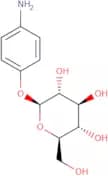
CAS:<p>4-Aminophenyl b-D-glucopyranoside is a membrane transport inhibitor that prevents the uptake of glucose by inhibiting the enzyme hexose transporter. It is used in biological treatment and has been shown to be effective against glutamicum. 4-Aminophenyl b-D-glucopyranoside can also be used in assays to identify bacteria based on their surface antigens. This compound was isolated from corynebacterium glutamicum and its metabolic pathway has been elucidated. 4-Aminophenyl b-D-glucopyranoside has also been shown to inhibit enzymatic activity, which may be due to inhibition of the enzyme dihydroorotate dehydrogenase.</p>Fórmula:C12H17NO6Pureza:Min. 95%Forma y color:White PowderPeso molecular:271.27 g/molCellobiitol
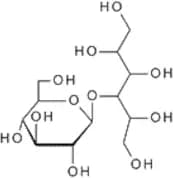
CAS:<p>Cellobiitol is produced by the borohydride reduction of cellobiose. Few publications discuss the chemistry of cellobiitol but applications in the food and pharmaceutical industries have been published.</p>Fórmula:C12H24O11Pureza:Min. 95%Forma y color:PowderPeso molecular:344.31 g/mol4-Methylphenyl 2,3,4-tri-O-benzyl-β-L-thiofucopyranoside
<p>4-Methylphenyl 2,3,4-tri-O-benzyl-b-L-thiofucopyranoside is a custom synthesis of an oligosaccharide. It is a complex carbohydrate with CAS No. that belongs to the class of saccharide and sugar. Polysaccharides are made up of several monosaccharides linked together by glycosidic bonds, which are formed by the action of enzymes called glycosyltransferases or glycosidases. Glycosylation is the process in which a sugar molecule (usually glucose) is added to another molecule by means of a glycosidic bond. Carbohydrates are one type of macromolecule and they are important sources of energy in living things. They also play important roles in cell walls and as structural components in plants and animals. The chemical modification carried out on this compound is methylation, which refers to the addition of one or more methyl</p>Fórmula:C34H36O4SPureza:Min. 95%Peso molecular:540.71 g/molGlycyl-chitobiose
<p>Glycyl-chitobiose is an oligosaccharide that can be synthesized from glycerol and chitobiose. This product is often used as a building block for the synthesis of complex carbohydrate molecules. The purity of Glycyl-chitobiose is greater than 98% and it has been modified with fluorine, methyl, and click chemistry. The CAS number for this product is 627-14-1.</p>Fórmula:C18H32N4O11Pureza:Min. 95%Peso molecular:480.47 g/mol2,3,4,6-Tetra-O-acetyl-a-D-galactopyranosyl fluoride
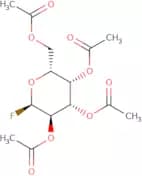
CAS:2,3,4,6-Tetra-O-acetyl-a-D-galactopyranosyl fluoride is a custom synthesis of Monosaccharide, Oligosaccharide and Polysaccharides. The product can be modified by Fluorination, Methylation and Click modification. It has CAS No. 4163-44-4. It is used as a Modification in saccharides and Carbohydrates.Fórmula:C14H19O9FPureza:Min. 95%Forma y color:PowderPeso molecular:350.29 g/molD-Mannose - F (from birch)
CAS:Abundant and critical component of natural glycans and glycoproteinsFórmula:C6H12O6Pureza:Min. 98 Area-%Forma y color:White PowderPeso molecular:180.16 g/molL-Ribose
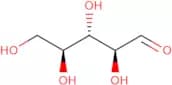
CAS:<p>Constituent of RNA; important resource for RNA- and DNA-related syntheses</p>Fórmula:C5H10O5Pureza:Min. 98 Area-%Forma y color:White PowderPeso molecular:150.13 g/molEthyl 2,3-O-isopropylidene-a-L-thiorhamnopyranoside
CAS:Ethyl 2,3-O-isopropylidene-a-L-thiorhamnopyranoside (Ip) is a glycosylation inhibitor that inhibits the formation of an alpha-(1,2)-link between glucose and mannose in the glycosylation of the pentasaccharide. The maximum tolerated dosages of Ip have been determined in HL-60 cells. Trichloroacetimidate is used as a substitute for Ip in these experiments because it can be dissolved in water and has a high therapeutic index. Convergent synthesis of Ip was achieved by reacting pentasaccharides with trichloroacetimidate to produce pentasaccharides with substituted mannose residues at position two and three.Fórmula:C11H20O4SPureza:Min. 95%Peso molecular:248.34 g/mol1,2,4,6-Tetra-O-acetyl-3-deoxy-D-galactose
1,2,4,6-Tetra-O-acetyl-3-deoxy-D-galactose (1,2,4,6TDA) is a custom synthesis that is a complex carbohydrate. It has been modified with methylation and glycosylation. 1,2,4,6TDA is an oligosaccharide with a molecular weight of 498.06 Da and a CAS number of 90193-74-8. This product is high purity and can be fluorinated. This product can also be synthesized using the click modification reaction.Fórmula:C14H20O9Pureza:Min. 95%Peso molecular:332.3 g/mol2-Amino- 2- deoxy- 3, 4, 6- tri- O- methyl-D- glucose
CAS:2-Amino-2-deoxy-3,4,6-tri-O-methyl-D-glucose is a carbohydrate that has been synthesized by the modification of an existing sugar. This product can be used as a building block in the synthesis of oligosaccharides, which are sugar chains composed of 2 to 10 sugar molecules. The fluorination reaction occurs at the primary hydroxyl group and yields a more stable molecule. This product can be custom synthesized to meet your needs. It is also available in high purity and with a high degree of methylation and glycosylation.Fórmula:C9H19NO5Pureza:Min. 95%Peso molecular:221.25 g/mol2, 3:5,6-Bis-O-(1-ethylpropylidene)-D-glycero-L-talo-heptonic acid γ-lactone
<p>2,3:5,6-Bis-O-(1-ethylpropylidene)-D-glycero-L-taloheptonic acid gamma-lactone (TAL) is a glycosylated saccharide that is synthesized by the click reaction of a terminal alkyne group with an azide group. TAL has been shown to have anti-inflammatory effects on mice. This compound also exhibits potent inhibition of bacterial growth and can be used as an alternative to penicillin.</p>Pureza:Min. 95%1,2,6-Tri-O-acetyl-3,4-di-O-benzyl-α-D-mannopyranose
CAS:<p>1,2,6-Tri-O-acetyl-3,4-di-O-benzyl-a-D-mannopyranose is a synthetic sugar that has been modified with three acetates and benzyl groups. It is used in the synthesis of glycosides and oligosaccharides. 1,2,6-Tri-O-acetyl-3,4-di-O-benzyl-a-D-mannopyranose is also an important building block for the synthesis of complex carbohydrates.</p>Fórmula:C26H30O9Pureza:Min. 95%Peso molecular:486.51 g/mol6-O-(b-D-Mannopyranosyl)-D-mannose
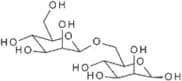
CAS:<p>Isolated from the products of the acid reversion of D-mannose</p>Fórmula:C12H22O11Pureza:Min. 98 Area-%Forma y color:PowderPeso molecular:342.3 g/mol2,3,4,6-Tetra-O-acetyl-β-D-glucopyranosyl-Fmoc serine
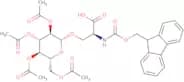
CAS:<p>2,3,4,6-Tetra-O-acetyl-b-D-glucopyranosyl-Fmoc serine is a protein that belongs to the group of bifunctional glycosides. It is used in recombinant virus production as a component of the viral coat protein (VP). 2,3,4,6-Tetra-O-acetyl-b-D-glucopyranosyl-Fmoc serine binds to tyrosine kinase receptors and inhibits their activity. This inhibition prevents cell adhesion and migration and can cause tumor regression in some cancers. 2,3,4,6-Tetra-O-acetyl-b-D--glucopyranosyl--Fmoc serine also has antiviral activity due to its ability to inhibit the replication of viruses containing RNA genomes.</p>Fórmula:C32H35NO14Pureza:Min. 95%Forma y color:SolidPeso molecular:657.63 g/molN-Ethyldeoxynojirimycin hydrochloride
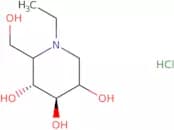
CAS:N-Ethyldeoxynojirimycin hydrochloride is a mutant of the natural compound, deoxynojirimycin. The chemical structure of this compound is similar to that of the natural product and its molecular weight is 547.7 g/mol. N-Ethyldeoxynojirimycin hydrochloride has been shown to interact with the bacterial chaperone GroEL and enhance the activity of this protein. Further study has shown that this agent binds to GroEL in a manner that allows it to bind directly to ATPase domains I and II, leading to an increase in ATPase activity.Fórmula:C8H17NO4·HClPureza:(%) Min. 95%Forma y color:White Off-White PowderPeso molecular:227.69 g/mol(2R,3S,4R)-4-C-((2R,3S)-N-Benzyl-3-tert.butylsilyloxy-2-azetidinyl)-3-O-tert.butyldimethylsilyl-2,3,4-trihydroxybutanoic acid
(2R,3S,4R)-4-C-((2R,3S)-N-Benzyl-3-tert.butylsilyloxy-2-azetidinyl)-3-O-tert.butyldimethylsilyl-2,3,4-trihydroxybutanoic acid is a methylated and fluorinated oligosaccharide with a high purity. It is a complex carbohydrate that can be modified to include saccharides and monosaccharides. This product is synthesized using Click chemistry and has been shown to have antiallergic activities.Pureza:Min. 95%Ethyl 6-azido-6-deoxy-a-D-thiomannopyranoside
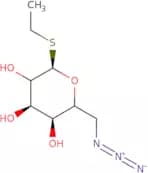
Ethyl 6-azido-6-deoxy-a-D-thiomannopyranoside is a custom synthesis of a complex carbohydrate that is used in the modification of saccharides and glycosylations. It can be modified with methylation, fluorination, or click chemistry to create new derivatives. The chemical name for this product is Ethyl 6-azido-6-deoxymannopyranoside. This product has CAS Number 141459-18-4 and molecular weight of 308.86 g/mol. It is available in high purity with 98% yield.Fórmula:C8H15N3O4SPureza:Min. 95%Peso molecular:249.29 g/molLewis B tetrasaccharide
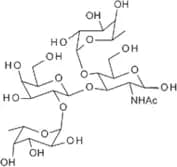
CAS:<p>Lewis B tetrasaccharide (LBT) is a glycosylated oligosaccharide that is found in the outer membrane of human pathogens, such as Helicobacter pylori. LBT has been shown to inhibit the growth of cancer cells and may be used as a potential therapeutic agent for cancer treatment. It has also been shown to have structural features similar to those found in inflammatory bowel disease patients, suggesting that it may play a role in regulating bowel inflammation. LBT is recognized by monoclonal antibodies and can be used to detect H. pylori in biological samples. Lewis B tetrasaccharide binds with methyl glycosides on human erythrocytes, which inhibits the polymerase chain reaction (PCR). This inhibition leads to reduced DNA synthesis and a decrease in bacterial replication, making it an effective antimicrobial agent.</p>Fórmula:C26H45NO19Pureza:Min. 90%Forma y color:White PowderPeso molecular:675.63 g/mol2-Deoxy-D-xylose
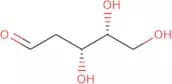
CAS:<p>2-Deoxy-D-xylose is a sugar that is metabolized by bacteria in the absence of oxygen. It has been shown to be highly chemotactic, inducing the migration of cells from the surrounding tissue into the area where it is present. 2-Deoxy-D-xylose has also been shown to inhibit the growth of cancer cells and induce apoptosis in vitro. 2-Deoxy-D-xylose binds to mitochondria and inhibits cytochrome oxidase, which may contribute to its anti-cancer activity. 2-Deoxy-D-xylose has also been shown to have angiogenic effects by stimulating endothelial cell proliferation and migration.</p>Fórmula:C5H10O4Pureza:Min. 98 Area-%Forma y color:White PowderPeso molecular:134.13 g/molMethyl 2,3-O-isopropylidene-β-D-ribofuranoside
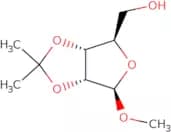
CAS:Methyl 2,3-O-isopropylidene-β-D-ribofuranoside is a heterocycle that is classified as a furanose. It reacts with reactive compounds such as nitro groups to form nitrofurans. This compound also has carcinogenic properties and has been shown to be an animal carcinogen. Methyl 2,3-O-isopropylidene-β-D-ribofuranoside is also capable of forming conformationally constrained derivatives in which the carbonyl group adopts an α,α'-diaxial orientation with the adjacent nitrogen atom and can be used for synthesis of phenalenes.Fórmula:C9H16O5Pureza:Min. 95%Forma y color:Colorless Clear LiquidPeso molecular:204.22 g/molTriclosan-beta-D-glucopyranoside
<p>Triclosan-beta-D-glucopyranoside is a synthetic sugar that can be used as a building block for the preparation of complex carbohydrates. Triclosan-beta-D-glucopyranoside is not known to have any commercial applications.</p>Fórmula:C18H17Cl3O7Pureza:Min. 95%Forma y color:PowderPeso molecular:451.68 g/mol2,3:4,5-Di-O-Isopropylidene-D-idonic acid methyl ester
<p>2,3:4,5-Di-O-Isopropylidene-D-idonic acid methyl ester is a synthetic chemical that is used in the modification of carbohydrates. It has been used in the synthesis of oligosaccharides and polysaccharides. The compound has also been used to synthesize saccharides and to fluorinate complex carbohydrates. 2,3:4,5-Di-O-Isopropylidene-D-idonic acid methyl ester is an expensive chemical because it is only available through custom synthesis. It can be used for the modification of monosaccharides or sugars.</p>Pureza:Min. 95%D-Glucuronamide
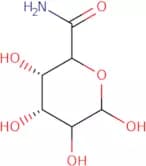
CAS:<p>D-Glucuronamide is a kinetic model system for the glycosylation reaction, which is an important step in the biosynthesis of complex oligosaccharides and polysaccharides. It has been shown to be an amide analog that can be acetylated with acetic anhydride in a reaction mechanism that involves nucleophilic attack by the amino group of D-glucuronamide on the electrophilic carbonyl carbon of acetic anhydride. The second-order rate constants for this reaction were determined to be 2.3×10 M-1s-1 at pH 7 and 25°C. NMR spectra showed that the product was not a simple amide but rather a glycopolymer with a distribution of different sugar residues, including D-glucose, D-galactose, and D-mannose.</p>Fórmula:C6H11NO6Pureza:Min. 95%Forma y color:PowderPeso molecular:193.15 g/molIsopropyl 2,5-anhydro-6-O-methanesulfonyl-D-gulonate
Isopropyl 2,5-anhydro-6-O-methanesulfonyl-D-gulonate is a compound that can be used as a monosaccharide and is also a synthetic sugar. It is an Oligosaccharide, which is a type of sugar that consists of more than two saccharide units. This compound has been synthesized by the process of glycosylation and has been modified to include fluorination. Click modification, methylation, and monosaccharide are all modifications that have been done to this sugar. Isopropyl 2,5-anhydro-6-O-methanesulfonyl-D-gulonate is also known by its CAS number: 106585-36-1.Pureza:Min. 95%3-Deoxy-1,2-O-isopropylidene-b-L-threopentofuranose
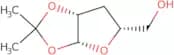
CAS:3-Deoxy-1,2-O-isopropylidene-b-L-threopentofuranose is a carbohydrate that is a synthetic sugar. It has been modified with fluorination and methylation reactions. 3DIOBTP also has glycosylation and click modifications. This product is made to order and can be custom synthesized to meet the needs of your application. The purity of this product is high, making it useful for applications such as enzyme assays or other biochemical experiments.Pureza:Min. 95%4-Methylphenyl 2,3,4-tri-O-benzyl-b-D-thioglucuronide benzyl ester
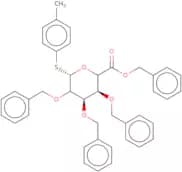
CAS:<p>4-Methylphenyl 2,3,4-tri-O-benzyl-b-D-thioglucuronide benzyl ester is a carbohydrate that is synthesized from the monosaccharide 4-methylphenol and bromoacetaldehyde. It is a custom synthesis that can be modified with fluorination or methylation. The purity of this product is high and it has been synthesized using a click modification.</p>Fórmula:C41H40O6SPureza:Min. 95%Peso molecular:660.82 g/mol5'-O-(2-Amino-2-deoxy-D-glucopyranosyl) cytidine
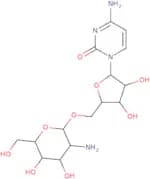
CAS:<p>5'-O-(2-Amino-2-deoxy-D-glucopyranosyl) cytidine is a synthetic carbohydrate, which can be modified in a variety of ways to create custom glycoproteins. This product can be used for glycosylation and polysaccharide synthesis. It has been fluorinated with trifluoromethanesulfonic acid to allow for click modifications, methylated, or sugar modified. The purity of this product is high and the CAS number is 631842-23-4.</p>Fórmula:C15H24N4O9Pureza:Min. 95%Peso molecular:404.37 g/molDapagliflozin propanediol monohydrate
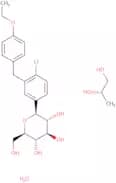
CAS:Dapagliflozin is an oral antidiabetic drug that acts by inhibiting the SGLT2 enzyme. The SGLT2 enzyme is responsible for reabsorbing glucose from the kidney, so by inhibiting this enzyme, glucose will be excreted in the urine and blood glucose levels will decrease. Dapagliflozin also has a low bioavailability in vivo, which can be improved by administration with food. This drug has been shown to have a longer elimination half-life than canagliflozin and empagliflozin. Dapagliflozin has been shown to have a higher potency than metformin hydrochloride in vitro.Fórmula:C24H35ClO9Pureza:(Hplc) Min. 99.0%Forma y color:PowderPeso molecular:502.98 g/mol(2S,3R)-3,4-Bis-benzoyloxy-4-azidomethyl-pyrrolidin-2-one
<p>(2S,3R)-3,4-Bis-benzoyloxy-4-azidomethyl-pyrrolidin-2-one is a custom synthesis product. It is a fluorinated pyrrolidinone that has been modified with an azide group. This product can be used as an intermediate in the synthesis of glycoconjugates and saccharides. It can also be used to modify other molecules such as proteins, polymers, and oligosaccharides.<br>(2S,3R)-3,4-Bis-benzoyloxy-4-azidomethyl-pyrrolidin-2-one is a white solid that is insoluble in water. This compound has a molecular weight of 216.26 g/mol and a molecular formula of C11H14N6O5. The CAS number for this compound is 538113–92–1.</p>Pureza:Min. 95%Sucrose heptasulfate potassium
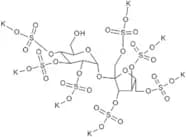
CAS:Used to treat duodenal ulcers, GERD, stress ulcers; acid buffer; cytoprotectiveFórmula:C12H15K7O32S7Pureza:Min 80%Forma y color:White PowderPeso molecular:1,169.38 g/molUDP-2-deoxy-2-fluoro-D-galactose
CAS:<p>UDP-2-deoxy-2-fluoro-D-galactose is a methylated and fluorinated saccharide that is used in click chemistry. It is a synthetic compound that can be custom synthesized to create polysaccharides or oligosaccharides. This product has high purity and can be modified with glycosylation, methylation, and other modifications.</p>Fórmula:C15H23FN2O16P2Pureza:Min. 98 Area-%Forma y color:PowderPeso molecular:568.29 g/molDiethylgalactarate
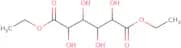
CAS:<p>Diethylgalactarate is a polymer that is solid at room temperature. It has a yield value of 10%. Diethylgalactarate is soluble in organic solvents, but insoluble in water. This polymer has been shown to have good thermal stability and microstructure when used as a monomer with other polymers. Diethylgalactarate has also been shown to have high permeability, which makes it an ideal candidate for use in drug delivery systems.</p>Fórmula:C10H18O8Pureza:Min. 95%Peso molecular:266.25 g/molHyaluronic acid sodium - Average MW 1.8 - 2.5 million Da
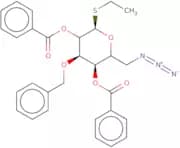
CAS:Gycosaminoglycan in many organs; joint lubricant and shock absorberFórmula:(C14H20NO11Na)nPureza:Min. 95%Forma y color:PowderEthyl 6-azido-2,4-di-O-benzoyl-3-O-benzyl-6-deoxy-a-D-thiomannopyranoside
Ethyl 6-azido-2,4-di-O-benzoyl-3-O-benzyl-6-deoxy-a-D-thiomannopyranoside is a custom synthesis of a highly purified compound that has been modified to include fluorination. It is an oligosaccharide with a complex carbohydrate structure and high purity. The modification includes Click chemistry and the monosaccharides are sugar, which may be useful for pharmaceutical or biomedical applications.Fórmula:C29H29N3O6SPureza:Min. 95%Peso molecular:547.62 g/mol