Glycoscience
Subcategorías de "Glycoscience"
- Aminoazúcares(108 productos)
- Anticuerpos relacionados con azúcares(283 productos)
- Glicolípidos(46 productos)
- Glicosaminoglicanos (GAGs)(55 productos)
- Glucósidos(419 productos)
- Monosacáridos(6.617 productos)
- Oligosacáridos(3.715 productos)
- Polisacáridos(505 productos)
Se han encontrado 11023 productos de "Glycoscience"
Fructosyl-lysine
CAS:Fructosyl-lysine is a substituted lysine that is formed through the glycation of proteins by sugars. It can be detected by fluorescence spectrometry and has been shown to inhibit the activity of receptor tyrosine kinases, which are involved in physiological functions such as cell growth and differentiation. Fructosyl-lysine also inhibits collagen synthesis and reduces the amount of glucose in human serum. This compound may be used as a model system to study glycation reactions with lysine, fatty acids, and other amino acids. The concentration of fructosyl-lysine found in human serum is at physiological levels and may not have any effect on antibody response.Fórmula:C12H24N2O7Pureza:Min. 95%Forma y color:PowderPeso molecular:308.33 g/molLactose-6'-phosphate
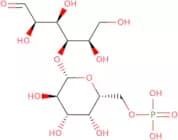
CAS:Lactose-6'-phosphate is a sugar phosphateFórmula:C12H23O14PPureza:Min. 95%Peso molecular:422.28 g/mol(2-Carboxyethyl)-a-cyclodextrin
Alpha-cyclodextrin (α-CD) derivative with a hydrophilic exterior and lipophilic cavity (smaller than β-CDs and γ-CDs) to allocate certain guest molecules. This structural characteristic enables applications in molecular encapsulation, solubility enhancement, and stabilization across multiple industries. In pharmaceuticals, it serves as a drug delivery vehicle, enhancing the bioavailability and stability of active ingredients. The food industry utilizes it as a stabilizer for flavors, colors, and nutrients, as well as a functional ingredient for its effects on lipid metabolism. In cosmetics, it acts as a complex agent for fragrances and active components. Its applications extend to analytical chemistry for chiral separation and to materials science for developing smart materials and nanosystems.Fórmula:C45H72O39Pureza:Min. 95%Peso molecular:1,237.03 g/molOctyl a-D-glucopyranoside
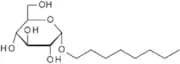
CAS:The enzyme alcohol dehydrogenase, which is located in the cytosol of cells, catalyzes the conversion of ethanol to acetaldehyde. In this reaction, a hydrogen ion (H+) is abstracted from ethanol and two electrons (e-) are added to the molecule. The addition of these electrons results in the formation of a hydrogen bond between the alcohol and an electron-donating species such as water or octyl glucopyranoside. Octyl glucopyranoside is a detergent that has been used as a substrate for measuring rates of alcohol dehydrogenase. This detergent also has been shown to be effective at removing glycol ethers from biological samples.
The biochemical research on octyl glucopyranoside includes its use as an equilibrative nucleoside and its effect on bowel disease.Fórmula:C14H28O6Pureza:Min. 95%Forma y color:White PowderPeso molecular:292.37 g/molLaricitrin-3,7,5'-tri-O-glucoside
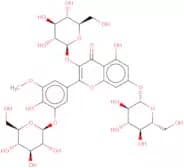
CAS:Laricitrin-3,7,5'-tri-O-glucoside is a fine chemical that can be used as a versatile building block. It is an intermediate in the synthesis of many complex compounds and useful scaffolds. Laricitrin-3,7,5'-tri-O-glucoside has been shown to react with other chemicals in order to form new compounds. This compound also has potential applications in research as a reaction component or speciality chemical. Laricitrin-3,7,5'-tri-O-glucoside has high purity and quality and is available at a reasonable price.
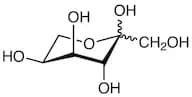
Fórmula:C34H42O23Pureza:Min. 95%Peso molecular:818.68 g/molL-(+)-Fructose
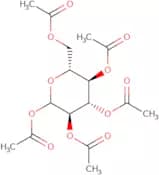
CAS:Fórmula:C6H12O6Pureza:>95.0%(HPLC)Forma y color:White to Almost white powder to crystalPeso molecular:180.161,2,3,4,6-Penta-O-acetyl-D-glucopyranose
CAS:Benzoate is a carboxylic acid that is found in many fruits and vegetables. Benzoate can be metabolized by the body to form hydrogen chloride, which may cause irritation of the mucous membranes of the respiratory tract. This chemical has been shown to have cytotoxic activity against human cancer cells in vitro. Benzoate also has an anti-inflammatory effect on insulin resistance and can be used as a topical treatment for psoriasis. The mechanism by which benzoate exerts its anticancer activity is not fully understood, but it may involve the production of reactive oxygen species or induction of apoptosis.
Fórmula:C16H22O11Pureza:Min. 95%Forma y color:White PowderPeso molecular:390.34 g/molEthyl 2,3,4,6-tetra-O-benzoyl-b-D-thiogalactopyranoside
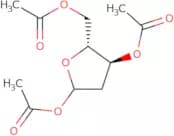
CAS:Ethyl 2,3,4,6-tetra-O-benzoyl-b-D-thiogalactopyranoside is a glycosylation reagent that is synthesized by reacting ethyl 2,3,4,6-tetra-O-benzoyl-b-D-thioglucopyranoside with sodium borohydride in ethanol. The product can be used to modify complex carbohydrates such as oligosaccharides and polysaccharides. Ethyl 2,3,4,6-tetra-O-benzoyl-b-D--thiogalactopyranoside has a CAS number of 138661–53–7.Fórmula:C36H32O9SPureza:Min. 95%Peso molecular:640.70 g/mol1,3,5-Tri-O-acetyl-2-deoxy-D-ribose
CAS:Building block for DNA-related organic synthesisFórmula:C11H16O7Pureza:Min. 95%Forma y color:Yellow PowderPeso molecular:260.24 g/mol6-Aminomethyl-6-deoxy-a-cyclodextrin
Alpha-cyclodextrin (α-CD) derivative with a hydrophilic exterior and lipophilic cavity (smaller than β-CDs and γ-CDs) to allocate certain guest molecules. This structural characteristic enables applications in molecular encapsulation, solubility enhancement, and stabilization across multiple industries. In pharmaceuticals, it serves as a drug delivery vehicle, enhancing the bioavailability and stability of active ingredients. The food industry utilizes it as a stabilizer for flavors, colors, and nutrients, as well as a functional ingredient for its effects on lipid metabolism. In cosmetics, it acts as a complex agent for fragrances and active components. Its applications extend to analytical chemistry for chiral separation and to materials science for developing smart materials and nanosystems.Fórmula:C42H78N6O24Pureza:Min. 95%Peso molecular:1,051.09 g/molLividamine
CAS:Lividamine is a protein synthesis inhibitor that has biphasic responses in animal studies. Lividamine inhibits the enzyme catalysis of aminoglycosides, which are used for the treatment of bacterial infections. It also blocks the biosynthesis of polypeptides, which are essential for cell growth and division. Lividamine binds to the hydroxyl group or carboxylate group on an amino acid, cleaving it from the peptide chain and stopping protein synthesis. Lividamine has been shown to be effective against bacteria in vitro assays. Further research is required to determine its clinical properties.Fórmula:C12H25N3O6Pureza:Min. 95%Peso molecular:307.34 g/molLactosylceramide
CAS:Asialylated glycosphingolipid and precursor for ganglioside biosynthesis. The compound is a major glycosphingolipid in human neutrophils and is involved in the regulation of superoxides as well as nitric oxide. Moreover, lactosylceramide accumulates in atherosclerotic plaques and is also found elevated in familial hypercholesterolemia and polycystic kidney disease. Animal studies revealed that lactosylceramide induces hypertrophy in cardiomyocytes via signal transduction pathway that is oxygen-sensitive.
Fórmula:C53H101NO13Pureza:Min. 90 Area-%Forma y color:White Yellow PowderPeso molecular:960.37 g/mol2,3-Di-O-allyl-b-cyclodextrin
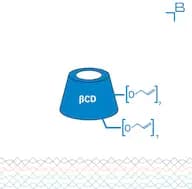
This beta-cyclodextrin (β-CD) derivative is a functionalized cyclic oligosaccharide composed of seven glucose units, characterized by a hydrophilic exterior and a lipophilic cavity (bigger than α-CD and smaller than γ-CDs), which allows it to encapsulate various guest molecules. This structural feature facilitates its use in multiple applications, including pharmaceuticals, food enhancement, and cosmetics. In the pharmaceutical industry, it enhances the solubility and stability of poorly water-soluble drugs, improving their bioavailability and efficacy while also masking unpleasant tastes. The food sector utilizes it as a stabilizer for flavors, colors, and nutrients, extending shelf life by protecting sensitive ingredients from degradation. In cosmetics, it serves as a complexing agent for fragrances and active components, ensuring their stability and controlled release. Its use expands to many other fields, including nanotechnology for drug delivery systems, environmental remediation for extracting organic pollutants, textiles for slow-release fragrances, and analytical chemistry for chiral separation.Fórmula:C84H126O35Pureza:Min. 95%Peso molecular:1,695.88 g/molN-Nonyldeoxygalactonojirimycin
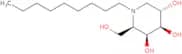
CAS:N-Nonyldeoxygalactonojirimycin (NDGJ) is a novel antiviral agent that inhibits the activity of viral enzymes, such as polymerase chain reaction and reverse transcriptase. NDGJ has been shown to inhibit the replication of hepatitis viruses in primary cells and human macrophages. The drug also inhibits the replication of human pathogens, such as HIV-1, herpes simplex virus type 1, and cytomegalovirus in cell culture. NDGJ has an effect on hydrophobic amino acids in protein synthesis by binding to them and preventing their attachment to the ribosomal surface. This leads to cell lysis through a process called osmotic shock.
Fórmula:C15H31NO4Pureza:Min. 95 Area-%Forma y color:White Off-White PowderPeso molecular:289.41 g/molMaltodextrin - dextrose equivalent 4.0-7.0
CAS:Ex starch-partial hydrolysis,food ingredient, moderatly sweet, easily digestedPureza:Min. 95%Forma y color:White Powder1,2,3,4-Tetra-O-acetyl-5-alkynyl-L-fucose
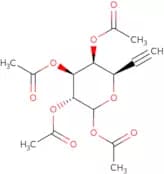
CAS:1,2,3,4-Tetra-O-acetyl-5-alkynyl-L-fucose is a per-O-acetylated version of 5-alkynyl-L-fucose, an inhibitor of the cellular fucosylation pathway. 1,2,3,4-Tetra-O-acetyl-5-alkynyl-L-fucose can pass through the eukaryotic cell membrane somewhat better than 5-alkynyl-L-fucose can itself, is deacetylated by cellular esterases and interferes with the biosynthesis of the fucosyl-donor and fucosyltransferase substrate GDP-Fuc, thus reducing fucosylation levels during glycoprotein biosynthesis (Dekkers, 2016).
Fórmula:C15H18O9Pureza:Min. 95%Forma y color:Colorless Clear LiquidPeso molecular:342.3 g/molD-Maltitol
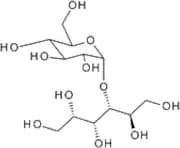
CAS:Bulk sweetener; viscosity/bodying agent; humectant; cryoprotectantFórmula:C12H24O11Pureza:Min. 95%Forma y color:White PowderPeso molecular:344.31 g/molHexakis-(6-azido-6-deoxy)-a-cyclodextrin
Alpha-cyclodextrin (α-CD) derivative with a hydrophilic exterior and lipophilic cavity (smaller than β-CDs and γ-CDs) to allocate certain guest molecules. This structural characteristic enables applications in molecular encapsulation, solubility enhancement, and stabilization across multiple industries. In pharmaceuticals, it serves as a drug delivery vehicle, enhancing the bioavailability and stability of active ingredients. The food industry utilizes it as a stabilizer for flavors, colors, and nutrients, as well as a functional ingredient for its effects on lipid metabolism. In cosmetics, it acts as a complex agent for fragrances and active components. Its applications extend to analytical chemistry for chiral separation and to materials science for developing smart materials and nanosystems.Fórmula:C36H54N18O24Pureza:Min. 95%Forma y color:PowderPeso molecular:1,122.92 g/mol2,3-Dimethyl-β-cyclodextrin
CAS:This beta-cyclodextrin (β-CD) derivative is a functionalized cyclic oligosaccharide composed of seven glucose units, characterized by a hydrophilic exterior and a lipophilic cavity (bigger than α-CD and smaller than γ-CDs), which allows it to encapsulate various guest molecules. This structural feature facilitates its use in multiple applications, including pharmaceuticals, food enhancement, and cosmetics. In the pharmaceutical industry, it enhances the solubility and stability of poorly water-soluble drugs, improving their bioavailability and efficacy while also masking unpleasant tastes. The food sector utilizes it as a stabilizer for flavors, colors, and nutrients, extending shelf life by protecting sensitive ingredients from degradation. In cosmetics, it serves as a complexing agent for fragrances and active components, ensuring their stability and controlled release. Its use expands to many other fields, including nanotechnology for drug delivery systems, environmental remediation for extracting organic pollutants, textiles for slow-release fragrances, and analytical chemistry for chiral separation.Fórmula:C56H98O35Pureza:Min. 95%Forma y color:PowderPeso molecular:1,331.36 g/molEthyl a-D-glucopyranoside
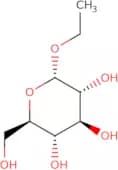
CAS:Ethyl a-D-glucopyranoside is an organic acid that has been extracted from the seeds of the plant Reticulata. It contains a mixture of fatty acids and compounds that are collectively known as retinoids. Ethyl a-D-glucopyranoside inhibits beta-glucosidase, aminotransferase activity, and intestinal glucosidases and has been shown to have antioxidant properties. This product may be used for the treatment of musculoskeletal disorders, such as osteoarthritis, which is characterized by degeneration and inflammation of joints. Ethyl a-D-glucopyranoside may also be used as an agent to help prevent skin aging caused by exposure to ultraviolet (UV) radiation and other factors.Fórmula:C8H16O6Pureza:Min. 95%Forma y color:White PowderPeso molecular:208.21 g/molDextran sulfate sodium - MW 5,000-8,000
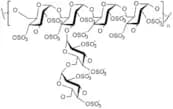
CAS:Dextran sulphate is a dextran derivative whose ulcer (colitis) -causing properties were first reported in hamsters and extrapolated a few years later to mice and rats. The exact mechanisms through which dextran sulphate induces intestinal inflammation are unclear but may be the result of direct damage of the monolayer of epithelial cells in the colon, leading to the crossing of intestinal contents (for e.g. commensal bacteria and their products) into underlying tissue and therefore induction of inflammation. The dextran sulphate sodium induced ulceration model in laboratory animals has some advantages, when compared to other animal models of colitis, due to its simplicity and similarities to human inflammatory bowel disease.Fórmula:(C6H7Na3O14S3)nPureza:Min. 95%Forma y color:PowderNepetin-7-glucoside
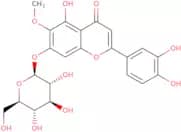
CAS:Nepetin-7-glucoside is a compound found in plants that has been shown to have anti-inflammatory and antiviral properties. Nepetin-7-glucoside inhibits the activity of enzymes such as phospholipase A2, cyclooxygenase, and lipoxygenase. It also reduces the production of inflammatory mediators such as prostaglandins and leukotrienes. Nepetin-7-glucoside may be helpful in the treatment of autoimmune diseases and other inflammatory disorders. This compound also has antiviral effects by inhibiting the replication of herpes simplex virus type 1 (HSV1) in a cell culture system. Nepetin-7-glucoside also has been shown to inhibit the expression of genes related to inflammation and other inflammatory diseases, such as rheumatoid arthritis, colitis ulcerosa, psoriasis, and Crohn's disease.Fórmula:C22H22O12Pureza:Min. 95%Forma y color:PowderPeso molecular:478.4 g/molL-Gulurono-6,3-lactone
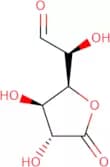
CAS:L-Gulurono-6,3-lactone is a methylated carbohydrate that can be modified with a variety of functional groups. It is used in the synthesis of saccharides and oligosaccharides. L-Gulurono-6,3-lactone has been shown to bind to a variety of proteins, including amyloid beta protein and human serum albumin. This compound is synthesized by reacting L-glucose with 2 equivalents of anhydrous hydrogen fluoride in acetic acid at room temperature. It is also fluorinated by reacting it with sodium borohydride and hydrogen fluoride in methanol at -78°C.Fórmula:C6H8O6Pureza:Min. 95%Forma y color:PowderPeso molecular:176.12 g/mol2-Acetamido-2-deoxy-D-talopyranose
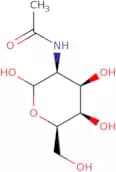
CAS:2-Acetamido-2-deoxy-D-talopyranose is a noncompetitive inhibitor of the enzyme glycosidase. It has been shown to inhibit the enzymatic cleavage of glycoconjugates, such as glycoproteins and glycolipids, as well as antigen binding. 2-Acetamido-2-deoxy-D-talopyranose binds to the receptor binding domain on the surface of cancer cells and inhibits the growth of these cells in vitro. This compound also has potent inhibitory activity against influenza virus and is used in the synthesis of glycans for use in vaccines. 2-Acetamido-2-deoxy-D-talopyranose can be produced through acid hydrolysis or enzymatic methods.Fórmula:C8H15NO6Pureza:Min. 95%Forma y color:PowderPeso molecular:221.2 g/molNeu5Acα(2-6)Galβ(1-3)GlcNAc-β-pNP
Fórmula:C31H45N3O21Pureza:>97.0%(HPLC)Forma y color:White to Light yellow to Green powder to crystalPeso molecular:795.70GD1b-Ganglioside ammonium
CAS:GD1b ganglioside (shown as ammonium salt) is one of the major gangliosides in neuronal and glial membranes. It has a core tetrasaccharide structure (Galβ1,3GalNAcβ1,4Galβ1,4Glc) with its two sialic acids linked α2,3/α2,8 to the inner galactose residue, and ceramide linked β to position 1 on the reducing terminal glucose residue (Ledeen, 2009). GD1b ganglioside acts as a receptor for BK virus, as well as for heat-labile LTII-a toxin, produced by enteropathogenicâ¯E. coli. GD1b ganglioside also interacts with tetanus neurotoxin (TeNT) and is crucial for its entry into cells (Kolter, 2012). The functional significance of ammonia in the brain is not yet fully understood: see (Modi 1994).
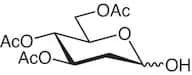
Pureza:Min. 95%3,4,6-Tri-O-acetyl-2-deoxy-D-glucopyranose
CAS:Fórmula:C12H18O8Pureza:>98.0%(GC)Forma y color:White to Almost white powder to crystalPeso molecular:290.27Benzyl 2-azido-3,6-di-O-benzyl-2-deoxy-β-D-glucopyranoside
CAS:Please enquire for more information about Benzyl 2-azido-3,6-di-O-benzyl-2-deoxy-β-D-glucopyranoside including the price, delivery time and more detailed product information at the technical inquiry form on this page
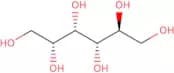
Fórmula:C27H29N3O5Peso molecular:475.54 g/molL-Sorbitol
CAS:L-Sorbitol is a polyhydric alcohol that is found in various natural products, such as fruits and vegetables. It has been shown to inhibit the growth of strains of Stenotrophomonas maltophilia, which is an opportunistic pathogen of human and animal cells. L-Sorbitol can be used to treat bacterial infections by inhibiting the synthesis of DNA, RNA, and proteins. This compound has also been shown to prevent dehydration in bacteria by acting as an osmotic agent. The effect of L-sorbitol on the growth of bacteria depends on the pH of the environment in which it is dissolved. The optimum pH for this compound is 7.5Fórmula:C6H14O6Pureza:Min. 95%Forma y color:PowderPeso molecular:182.17 g/molFerrous gluconate dihydrate
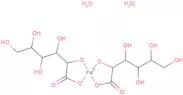
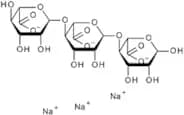
CAS:Ferrous gluconate dihydrate is a fine chemical that has many applications in research and development. It is a versatile building block that can be used as a starting material for the synthesis of complex compounds, such as drugs, pesticides, and perfumes. Ferrous gluconate dihydrate can also be used as a reaction component to produce speciality chemicals, such as benzyl alcohols. In addition to its usefulness in research, ferrous gluconate dihydrate is an important reagent for the production of high-quality pharmaceuticals.Fórmula:C12H22FeO14·2H2OPureza:Min. 95%Forma y color:PowderPeso molecular:482.17 g/molTri-guluronic acid sodium salt
CAS:Tri-guluronic acid sodium salt (1,4-linked α-L-sodium guluronotriose) is one of a number of oligosaccharides obtained from alginate which is a polysaccharide in brown seaweeds containing: blocks of repeating mannuronic acid sequences (M-M-M-M etc), repeating guluronic acid sequences (G-G-G-G etc), and alternating M-G-M-G sequences. This oligosaccharide can be released by acid hydrolysis (Shimokawa, 1996) and a number of biological activities have been discussed in a recent review (Xing, 2020).
Fórmula:C18H23O19Na3Pureza:Min. 98 Area-%Forma y color:White PowderPeso molecular:612.33 g/molOroxylin A 7-O-glucuronide
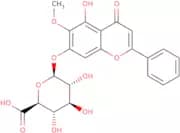
CAS:Oroxylin A 7-O-glucuronide (OA7G) is a natural compound that exhibits anti-angiogenic and anti-inflammatory effects. OA7G binds to p-hydroxybenzoic acid and inhibits the activity of glycosidases, which are enzymes that hydrolyze glycosides. OA7G has been shown to have therapeutic potential in several models of inflammatory bowel disease. In vivo studies show that OA7G may be a useful agent for the treatment of bowel disease by inhibiting angiogenesis, which is the formation of new blood vessels from pre-existing ones. Molecular docking analysis showed binding affinity between OA7G and the enzyme dextran sulfate glucuronyltransferase, suggesting a possible mechanism for its anti-inflammatory effects.Fórmula:C22H20O11Pureza:Min. 95%Forma y color:Yellow PowderPeso molecular:460.39 g/molHydroxypropyl cellulose - Average MW 150,000
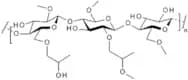
CAS:In water, hydroxypropyl cellulose forms liquid crystals with many mesophases depending on concentration. These mesophases include isotropic, anisotropic, nematic and cholesteric, the latter resulting in many colors such as violet, green and red. Pharmaceutical applications include treatments for medical conditions such as dry eye syndrome (keratoconjunctivitis sicca), recurrent corneal erosions, decreased corneal sensitivity, exposure and neuroparalytic keratitis. It is also used as a binder in tablets. Hydroxypropylcellulose is also used as a thickener, a binder and emulsion stabiliser in foods with E number E463. HPC is used as a support matrix for DNA separations by capillary and microchip electrophoresis.
6-O-a-D-Glucosyl-a-cyclodextrin
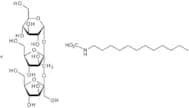
CAS:Alpha-cyclodextrin (α-CD) derivative with a hydrophilic exterior and lipophilic cavity (smaller than β-CDs and γ-CDs) to allocate certain guest molecules. This structural characteristic enables applications in molecular encapsulation, solubility enhancement, and stabilization across multiple industries. In pharmaceuticals, it serves as a drug delivery vehicle, enhancing the bioavailability and stability of active ingredients. The food industry utilizes it as a stabilizer for flavors, colors, and nutrients, as well as a functional ingredient for its effects on lipid metabolism. In cosmetics, it acts as a complex agent for fragrances and active components. Its applications extend to analytical chemistry for chiral separation and to materials science for developing smart materials and nanosystems.Fórmula:C42H70O35Pureza:Min. 95%Peso molecular:1,134.98 g/molInulin lauryl carbamate - 25% in glycerol
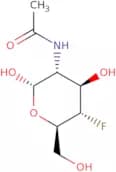
CAS:Emulsifier used in the cosmetic industryForma y color:Powder2-Acetamido-2,4-dideoxy-4-fluoro-α-D-glucopyranose
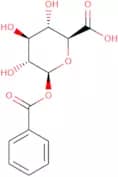
CAS:2-Acetamido-2,4-dideoxy-4-fluoro-a-D-glucopyranose is a synthetic, fluorinated carbohydrate. It is a monosaccharide that is made by the substitution of an acetamido group with a fluoro group at C2 and C4 of the glucose molecule. This product has been synthesized using Click chemistry to modify the 2’ position and methylation at C5. The target use for this product is as a sugar in order to glycosylate or polysaccharide. This compound has been shown to have high purity and can be custom synthesized, depending on the needs of the customer.Fórmula:C8H14FNO5Pureza:Min. 95 Area-%Forma y color:PowderPeso molecular:223.2 g/molBenzoic acid-acyl-b-D-glucuronide
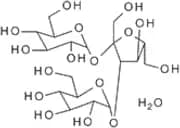
CAS:Benzoic acid-acyl-b-D-glucuronide is a β-glucuronide linker that is cleaved by β-glucuronidase enzymes. This allows controlled release of the payload to the targeted cells.Fórmula:C13H14O8Pureza:Min. 95%Peso molecular:298.25 g/molD-Melezitose, monohydrate
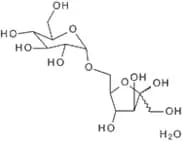
CAS:Melezitose is a non-reducing trisaccharide that is produced by many plant sap-consuming insects, such as aphids (e.g. Cinara pilicornis). Melezitose is a component of honeydew which acts as an attractant for ants and also as food for bees. Partial hydrolysis of melizitose releases glucose and turanose, an isomer of sucrose.Fórmula:C18H34O17Pureza:Min. 98 Area-%Forma y color:White PowderPeso molecular:522.45 g/molIsomaltulose
CAS:Occurs by epimerisation of maltose and transglucosylationFórmula:C12H22O11Pureza:Min. 95%Forma y color:White PowderPeso molecular:342.3 g/mol1,4-Anhydro-D-mannitol
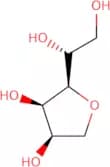
CAS:1,4-Anhydro-D-mannitol is a sugar alcohol that belongs to the group of alditols. It is a tautomer of galactitol, which is found in fetal bovine serum. The dehydrated form of this compound has been shown to have an inhibitory effect on tyrosinase activity. 1,4-Anhydro-D-mannitol may be used as an intermediate in the production of polymers or as a cosmeceutical agent due to its high water solubility and low toxicity.
Fórmula:C6H12O5Pureza:Min. 95%Forma y color:PowderPeso molecular:164.16 g/molα-D-Galacturonic Acid Hydrate
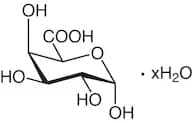
CAS:Fórmula:C6H10O7·xH2OPureza:>95.0%(T)Forma y color:White to Light yellow to Light orange powder to crystalPeso molecular:194.14 (as Anhydrous)Neu5Ac[1Me,4789Ac]α(2-6)Gal[24Bz,3Bn]-β-MP
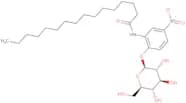
CAS:Fórmula:C54H59NO21Pureza:>95.0%(HPLC)Forma y color:White to Almost white powder to crystalPeso molecular:1,058.052’-(N-Hexadecanoylamino)-4’-nitrophenyl-β-D-glucopyranoside
CAS:2’-(N-Hexadecanoylamino)-4’-nitrophenyl-b-D-glucopyranoside is a synthetic substrate that is used in diagnostic procedures to identify the presence of lysosomal enzymes. The reaction product, resorufin, is a fluorogenic substrate that reacts with the enzyme hexanoyl coenzyme A reductase and can be detected by spectrophotometry. This experimentally insensitive compound has been used to measure the activity of hexanoyl coenzyme A reductase in skin fibroblasts from patients with ichthyosis vulgaris. Resorufin fluorescence is proportional to the amount of hexanoyl coenzyme A reductase present in cells.Fórmula:C28H46N2O9Pureza:Min. 95%Forma y color:PowderPeso molecular:554.67 g/molL-Sorbose-1-phosphate potassium salt
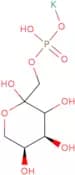
CAS:L-Sorbose-1-phosphate potassium salt is a sugar phosphateFórmula:C6H12KO9PPureza:Min. 95%Peso molecular:298.23 g/molUDP-N-acetyl-D-mannosamine
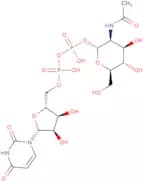
CAS:UDP-N-acetyl-D-mannosamine is a precursor of the sugar nucleotide UDP-N-acetylglucosamine. It is synthesized in the cytoplasm by the enzyme UDP-N-acetylglucosamine 2-epimerase, which converts UDP-N-acetylglucosamine to UDP-N-acetylmannosamine. This enzyme also catalyzes the conversion of UDP-N-[3′,5′]-diacetamido mannosamine to UDP-[3′,5′]-diacetamido glucuronic acid. The enzyme has been found in Streptococcus spp., including Streptococcus pneumoniae and Streptococcus pyogenes serogroup A (group A streptococci). It has also been detected in other bacteria, including Neisseria meningitidis and Staphylococcus aureus.Fórmula:C17H27N3O17P2Pureza:Min. 95%Peso molecular:607.35 g/molMonoammonium Glycyrrhizinate
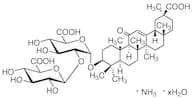
CAS:Fórmula:C42H65NO16Pureza:>75.0%(HPLC)Forma y color:White to Light yellow powder to crystalPeso molecular:839.97Monofucosyl-para-lacto-N-hexaose IV
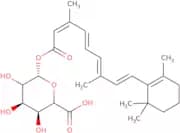
CAS:Monofucosyl-para-lacto-N-hexaose IV is a trisaccharide that belongs to the group of blood group antigens. It is found in human milk and can be used as an indicator for infant nutrition. Monofucosyl-para-lacto-N-hexaose IV is found in the cells of streptococcus, lactobacillus, and clostridium. It has been shown to be a potential biomarker for inflammatory bowel disease (IBD). This molecule has been used as an antigen in immunological assays. The sequences of monofucosyl-para-lacto-N-hexaose IV have been determined using chromatograms and profiles.Fórmula:C46H78N2O35Pureza:Min. 95%Forma y color:PowderPeso molecular:1,219.11 g/mol13-cis-Retinoyl b-D-glucuronide
CAS:Producto controlado13-cis-Retinoyl b-D-glucuronide is a synthetic compound that can be modified to create a wide range of potential products. 13-cis-Retinoyl b-D-glucuronide is an oligosaccharide with a carbohydrate that may be glycosylated or polysaccharided. It has been custom synthesized and fluorinated, methylated, and monosaccharided. This product is extremely pure and can be used for many applications in the biomedical field.
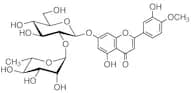
Fórmula:C26H36O8Pureza:Min. 95%Peso molecular:476.56 g/molNeodiosmin
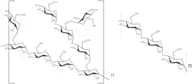
CAS:Fórmula:C28H32O15Pureza:>95.0%(HPLC)Forma y color:Light yellow to Yellow to Orange powder to crystalinePeso molecular:608.55Starch from potato
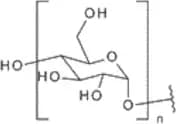
CAS:Starch is an energy storing polysaccharide produced by higher plants and some algae. Pure starch is a white, tasteless and odorless powder that is insoluble in cold water or alcohol. It consists of two types of polysaccharide: the linear and helical amylose (α-1,4-linked glucose) and the branched amylopectin (α-1,4 and α-1,6-linked glucose). Depending on the plant, starch generally contains 20 to 25% amylose and 75 to 80% amylopectin by weight.Forma y color:White Powder








![Neu5Ac[1Me,4789Ac]α(2-6)Gal[24Bz,3Bn]-β-MP](/_next/image/?url=https%3A%2Fstatic.cymitquimica.com%2Fproducts%2F3B%2Fthumb-webp%2FM1761.webp&w=3840&q=75)