Glycoscience
La glicociencia es el estudio de los carbohidratos y sus derivados, así como de las interacciones y funciones biológicas en las que participan. Este campo de investigación es crucial para comprender una amplia variedad de procesos biológicos, incluyendo el reconocimiento celular, la señalización, la respuesta inmune y el desarrollo de enfermedades. La glicociencia tiene aplicaciones importantes en la biotecnología, la medicina, y el desarrollo de nuevos fármacos y terapias. En CymitQuimica, ofrecemos una amplia selección de productos de alta calidad y pureza para la investigación en glicociencia. Nuestro catálogo incluye monosacáridos, oligosacáridos, polisacáridos, glicoconjugados, y reactivos específicos, diseñados para apoyar a los investigadores en sus estudios sobre la estructura, función y aplicaciones de los carbohidratos en sistemas biológicos. Estos recursos están destinados a facilitar descubrimientos científicos y aplicaciones prácticas en diversas áreas de la biociencia y la medicina.
Subcategorías de "Glycoscience"
- Aminoazúcares(108 productos)
- Anticuerpos relacionados con azúcares(282 productos)
- Glicolípidos(46 productos)
- Glicosaminoglicanos (GAGs)(55 productos)
- Glucósidos(419 productos)
- Monosacáridos(6.624 productos)
- Oligosacáridos(3.682 productos)
- Polisacáridos(503 productos)
Se han encontrado 11046 productos de "Glycoscience"
Ordenar por
Pureza (%)
0
100
|
0
|
50
|
90
|
95
|
100
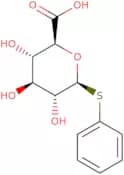
Phenyl b-D-thioglucuronide
CAS:<p>Phenyl b-D-thioglucuronide is a synthetic molecule that has been used in studies of the carotid, abdominal and symmetric techniques. It can be used to study water absorption and squamous cell growth. Phenyl b-D-thioglucuronide has been used as a crosslinking agent for optical imaging techniques, such as fluorescence microscopy and confocal microscopy. The basic protein form of phenyl b-D-thioglucuronide is found in the human brain and spinal cord. There have been reports that phenyl b-D-thioglucuronide causes death and teratomas in mice when injected into the sigmoid colon or teratoma. Phenyl b-D-thioglucuronide also causes neuroinflammation, which may be due to its ability to induce matrix metalloproteinase production.</p>Fórmula:C12H14O6SPureza:(%) Min. 95%Peso molecular:286.3 g/molTrehalose-6,6'-dibehenate
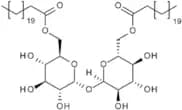
CAS:<p>Trehalose-6,6'-dibehenate (TDB) is a novel synthetic lipid that has been shown to have beneficial effects in the treatment of inflammatory bowel disease. This compound may act as an anti-inflammatory agent by inhibiting toll-like receptor 4 (TLR4)-mediated signaling and TLR4-dependent production of proinflammatory cytokines. TDB also inhibits HIV infection by interfering with CD4+ T cell function and decreasing the number of CD4+ cells in the gut. In addition, TDB has been shown to be effective against lps-induced inflammatory response in cell culture.</p>Fórmula:C56H106O13Pureza:One SpotForma y color:PowderPeso molecular:987.43 g/mol2-Acetamido-2-deoxy-D-glucono-1,5-lactone
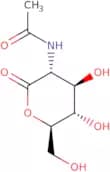
CAS:2-Acetamido-2-deoxy-D-glucono-1,5-lactone is a diagnostic agent that inhibits the activities of enzymes such as protein synthesis and cell division. It can be used to identify viral infections in animals, plants and marine microorganisms. 2-Acetamido-2-deoxy-D-glucono-1,5-lactone has been shown to inhibit the biochemical activity of enzymes in cells grown in culture. 2AADG is also a diagnostic agent that can be used to detect tumors in subcutaneous tissues due to its ability to inhibit the production of proteins essential for cell division.Fórmula:C8H13NO6Pureza:Min. 95%Forma y color:PowderPeso molecular:219.19 g/mol5-Azido-5-deoxy-2,3-O-isopropylidene-D-ribono-1.4-lactone
5-Azido-5-deoxy-2,3-O-isopropylidene-D-ribono-1.4-lactone is a synthetic glycosylate with a fluorinated sugar. It is custom synthesized to order and can be modified with methylation, monosaccharide, or polysaccharide modifications. The CAS number of 5-Azido-5-deoxy-2,3 -O -isopropylidene -D -ribono -1.4 -lactone is 84762–27–6.Pureza:Min. 95%2,3,5-Tri-O-acetyl-L-arabinofuranosyl fluoride
2,3,5-Tri-O-acetyl-L-arabinofuranosyl fluoride is a monosaccharide sugar that has been fluorinated. It is a custom synthesis of methylation and click modification. The CAS number for this product is 565-64-8. This product has been modified to make it more resistant to degradation by enzymes such as alpha amylase and beta amylase. It is also used for polysaccharide synthesis and saccharides with higher purity than other products on the market. This product is synthesized from natural sources, making it high in purity and suitable for use in food production.END>Fórmula:C11H15FO7Pureza:Min. 95%Forma y color:Colourless To Yellow LiquidPeso molecular:278.23 g/molMaltodextrin - dextrose equivalent 18-28
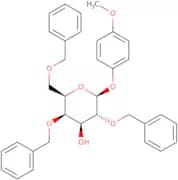
CAS:<p>Ex starch-partial hydrolysis,food ingredient, moderatly sweet, easily digested</p>Forma y color:White Powder4-Methoxyphenyl 2,4,6-tri-O-benzyl-b-D-galactopyranoside
CAS:4-Methoxyphenyl 2,4,6-tri-O-benzyl-b-D-galactopyranoside is a custom synthesis that belongs to the group of complex carbohydrates. It is an Oligosaccharide with CAS No. 247027-79-8 and Polysaccharide. 4MPG has been modified by Methylation, Glycosylation, Carbohydrate, Click modification, sugar, High purity, Fluorination and Synthetic methods. This product is available in high purity and can be used for research purposes.Fórmula:C34H36O7Pureza:Min. 97 Area-%Forma y color:PowderPeso molecular:556.65 g/mol4-Aminophenyl 2-O-(a-D-mannopyranosyl)-a-D-mannopyranoside
4-Aminophenyl 2-O-(a-D-mannopyranosyl)-a-D-mannopyranoside is a fluorinated mannoside that is modified with methyl and glycosyl groups. It is used as a fluorescent probe for the detection of saccharides in organic solvents. The molecular weight of this compound is 687.Pureza:Min. 95%2,5-Di-O-acetyl-3-C-methyl-D-lyxono-1,4-lactone
<p>2,5-Di-O-acetyl-3-C-methyl-D-lyxono-1,4-lactone is a hydrogen bonded lactone. The crystal structure of the compound has been determined by X-ray crystallography and found to be a hydrogen bonded dimer with two molecules of water located between the two monomers. This compound is also known as 3,6,9,12,15,18,21 hexaoxahexacontane 1,4-lactone or DAL.</p>Fórmula:C10H14O7Pureza:Min. 95%Peso molecular:246.21 g/molMonofucosyl (1-3)-iso-lacto-N-octaose
CAS:Monofucosyl (1-3)-iso-lacto-N-octaose is an HMO oligosaccharide.Fórmula:C60H101N3O45Pureza:Min. 95%Forma y color:PowderPeso molecular:1,584.44 g/mol5-O-(a-D-[6,6'-2H2]Glucopyranosyl)-D-fructopyranose
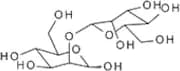
Producto controlado<p>5-O-(a-D-[6,6'-2H2]Glucopyranosyl)-D-fructopyranose is a custom synthesis carbohydrate that is an oligosaccharide. It is a saccharide with a general formula of C6H10O5. One of its modifications is methylation. This product has been fluorinated and modified with the click reaction to create a glycosylated sugar. 5-O-(a-D-[6,6'-2H2]Glucopyranosyl)-D-fructopyranose is not radioactive and has high purity. It is also a polysaccharide that contains glucose monomers that are linked by glycosidic bonds to form branched chains of 10 or more units. The product has an appearance of white powder, and it can be used as an additive for pharmaceuticals, food products, and cosmetics.</p>Fórmula:C12H20O11D2Pureza:Min. 95%Peso molecular:344.31 g/molL-Mannonic acid-1,4-lactone
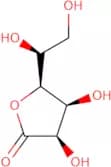
CAS:<p>L-Mannonic acid-1,4-lactone is an acidic compound that has kinetic properties. It is used in the assays of chloride ions and neutral pH. L-Mannonic acid-1,4-lactone also has conjugates with hydrolytic activity and can be used as a synthetic intermediate for other organic compounds. L-Mannonic acid-1,4-lactone can be found in group P2 of the periodic table because it contains a hydroxyl group and an organic group with a methyl ethyl side chain. L-Mannonic acid-1,4-lactone hydrolyzes at high temperatures and may exhibit synergistic effects when combined with other agents. This product is also used to incubate cells such as k562 cells.</p>Fórmula:C6H10O6Pureza:Min. 95%Forma y color:PowderPeso molecular:178.14 g/molMethyl-b-cyclodextrin - 3 to 9 degree of substitution
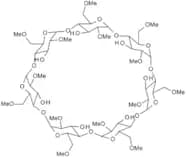
CAS:This beta-cyclodextrin (β-CD) derivative is a functionalized cyclic oligosaccharide composed of seven glucose units, characterized by a hydrophilic exterior and a lipophilic cavity (bigger than α-CD and smaller than γ-CDs), which allows it to encapsulate various guest molecules. This structural feature facilitates its use in multiple applications, including pharmaceuticals, food enhancement, and cosmetics. In the pharmaceutical industry, it enhances the solubility and stability of poorly water-soluble drugs, improving their bioavailability and efficacy while also masking unpleasant tastes. The food sector utilizes it as a stabilizer for flavors, colors, and nutrients, extending shelf life by protecting sensitive ingredients from degradation. In cosmetics, it serves as a complexing agent for fragrances and active components, ensuring their stability and controlled release. Its use expands to many other fields, including nanotechnology for drug delivery systems, environmental remediation for extracting organic pollutants, textiles for slow-release fragrances, and analytical chemistry for chiral separation.Fórmula:C56H98O35Forma y color:White PowderPeso molecular:1331.362-Acetamido-3,4,6-tri-O-acetyl-2-deoxy-D-galactopyranose
CAS:<p>2-Acetamido-3,4,6-tri-O-acetyl-2-deoxy-D-galactopyranose is a sugar that is used in the synthesis of glycosides and other carbohydrate derivatives. It can be modified with various groups to produce new compounds. This product is an important raw material for the synthesis of saccharides and oligosaccharides with specific properties.</p>Fórmula:C14H21NO9Pureza:Min. 95%Forma y color:PowderPeso molecular:347.32 g/mol2,3-O-Isopropylidene-1,4-di-C-methyl-L-erythrofuranose
2,3-O-Isopropylidene-1,4-di-C-methyl-L-erythrofuranose is a fluorinated monosaccharide. It is synthesized by the reaction of 2,3-O-isopropylidene L-erythroascorbic acid with sodium difluoromethanesulfinate in toluene under refluxing conditions. It can be used as an intermediate for the preparation of oligosaccharides and polysaccharides. This product has been shown to be resistant to degradation by enzymes such as glycosidases and esterases. It also has a high purity level and can be used for custom synthesis projects.Pureza:Min. 95%Heparin derived dp12 Saccharide ammonium salt
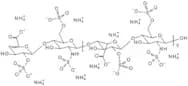
<p>Heparin is a carbohydrate that is derived from the mucopolysaccharide heparin. It is a complex carbohydrate that consists of a chain of alternating N-acetylglucosamine and glucuronic acid. Heparin is used as an anticoagulant to prevent blood clotting, which may occur due to injury or during surgery. Heparin's use in medicine has been limited by its low solubility and rapid clearance from the body. Recently, it has been modified with a fluorine atom on the sugar ring, which increases their solubility and bioavailability. Click chemistry can be used to attach other molecules to the saccharide ammonium salt in order to modify the properties of heparin. This modification can be done with methyl groups or glycosyl groups, and it can also be done with other sugars such as galactose or glucose.</p>Pureza:Min. 95%Forma y color:PowderPeso molecular:~3550 (Average)2,3:5,6-Di-O-isopropylidene-D-talose
<p>2,3:5,6-Di-O-isopropylidene-D-talose is a custom synthesis of methylated oligosaccharides. It is a complex carbohydrate that contains both a monosaccharide and a polysaccharide. 2,3:5,6-Di-O-isopropylidene-D-talose is a modification of the sugar D(+)-talose (a pentasaccharide), which has been fluorinated to make it more stable. This product has high purity, and can be used in many different applications such as click chemistry, oligosaccharide synthesis, or fluorination reactions.<br>2,3:5,6-Di-O-isopropylidene-D-talose is an Oligosaccharide that is a Polysaccharide. It can be used as an inhibitor for DNA polymerase α and β enzymes in PCR reactions</p>Fórmula:C10H16O6Pureza:Min. 95%Peso molecular:232.23 g/mol4-Methoxyphenyl 3,4-di-O-benzyl-α-D-mannopyranoside
4-Methoxyphenyl 3,4-di-O-benzyl-a-D-mannopyranoside is a glycosylated, complex carbohydrate with a methylated and fluorinated saccharide. This product is available for custom synthesis and can be ordered in high purity.Pureza:Min. 95%5-(Dimethylamino)naphthalene-1-sulfonamidooctyl-O-(a-D-galactopyranosyl)-1,4-(b-D-galactopyranosyl)-1,4-b-D-glucopyranose
The compound is an oligosaccharide with a complex carbohydrate. The product is custom synthesized and has been modified by fluorination. It is a high purity, synthetic monosaccharide sugar that is methylated.Pureza:Min. 95%Methyl 2-O-(a-D-mannopyranosyl)-b-D-mannopyranoside
Methyl 2-O-(a-D-mannopyranosyl)-b-D-mannopyranoside is a glycosylation product of mannose and glucose. It is an intermediate in the synthesis of the complex carbohydrate, methylated mannan. This compound is also an intermediate in the synthesis of saccharides with a fluorinated sugar moiety. Methyl 2-O-(a-D-mannopyranosyl)-b-D-mannopyranoside can be custom synthesized to meet your needs.Fórmula:C13H24O11Pureza:Min. 95%Peso molecular:356.32 g/mol6-Deoxy-D-altritol
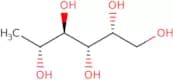
CAS:6-Deoxy-D-altritol is a structural analysis of a polysaccharide carbohydrate that is found in the cell walls of asteroides. It has been shown to contain mannose, d-arabinose, and d-glucose residues. 6-Deoxy-D-altritol also contains galactosyl and phosphate groups. The backbone of 6-Deoxy-D-altritol is made up of phosphodiester bonds with a d-galactose skeleton. This molecule can be used for the identification and characterization of bacteria species such as Mycobacterium tuberculosis and Mycobacterium avium complex.Fórmula:C6H14O5Pureza:Min. 95%Peso molecular:166.17 g/molBlood Group H type II trisaccharide, spacer-biotin conjugate
CAS:Blood group H type II trisaccharide is a carbohydrate that is modified with a spacer-biotin conjugate. It can be used in the synthesis of oligosaccharides and saccharides. This product has been fluorinated, has high purity, and is custom synthesized to order. The product also has methylation, glycosylation, and click modification.Fórmula:C39H67N5O18SPureza:Min. 95%Forma y color:PowderPeso molecular:926.04 g/molHeparin sodium salt
CAS:Heparin is a glycosaminoglycan which occurs in many mammalian tissues and has important anticoagulant and thrombolytic properties. The chemical structure is composed mainly of two disaccharide repeating units A and B. A is L-iduronic acid 2-suplhate linked α-(1,4) to 2-deoxy-2-sulfamido-D-galactose 6-sulphate while B is D-glucuronic acid β-(1,4) linked to 2-deoxy-2-sulfamido-D-glucose 6-sulphate.Forma y color:White PowderMethyl 3,4:5,6-di-O-isopropylidene-D-gluconate
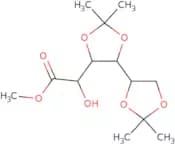
CAS:<p>Methyl 3,4:5,6-di-O-isopropylidene-D-gluconate is a modification of the oligosaccharide, carbohydrate. It is a complex carbohydrate that has been custom synthesized and is available in high purity. This product can be used as a monosaccharide or as a methylated glycosylated saccharide. Methyl 3,4:5,6-di-O-isopropylidene-D-gluconate can be found under CAS No. 114743-85-0 and has the molecular formula C12H22O11.</p>Fórmula:C13H22O7Pureza:Min. 98 Area-%Forma y color:Colorless PowderPeso molecular:290.31 g/mol1,2,3,4,6-Penta-O-trimethylsilyl-a-D-galactopyranose
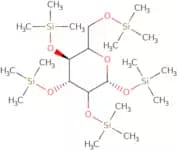
CAS:1,2,3,4,6-Penta-O-trimethylsilyl-a-D-galactopyranose is a modification of the sugar galactose. It is a complex carbohydrate and an oligosaccharide that has been custom synthesized. The molecular weight of 1,2,3,4,6-Penta-O-trimethylsilyl-a-D-galactopyranose is 592.77 g/mol. The purity of this compound is >99%. This compound has been fluorinated and saccharide methylated.Fórmula:C21H52O6Si5Pureza:Min. 95%Peso molecular:541.07 g/mol2-O-a-D-Glucopyranosyl-D-galactopyranose
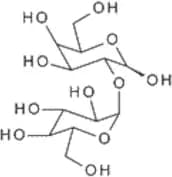
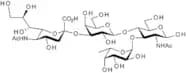
CAS:<p>2-O-a-D-Glucopyranosyl-D-galactopyranose is a synthetic monosaccharide that can be used as a glycosylate building block in the synthesis of oligosaccharides. It has been fluorinated, methylated, and click modified. This high purity material is available for custom synthesis. 2-O-a-D-Glucopyranosyl-D-galactopyranose is also known by its CAS number 7368-73-2.</p>Fórmula:C12H22O11Pureza:Min. 95%Forma y color:White PowderPeso molecular:342.3 g/mol1-O-Aminohexyl 3'-sialyllactose sodium
<p>Key synthetic precursor for the synthesis of lacto-oligosaccharides</p>Fórmula:C29H52N2O19•NaPureza:Min. 95 Area-%Forma y color:PowderPeso molecular:755.71 g/mol2-Acetamido-3,4,6-tri-O-acetyl-2-deoxy-β-D-glucopyranosyl-Fmoc serine
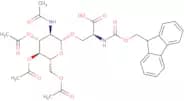
CAS:2-Acetamido-3,4,6-tri-O-acetyl-2-deoxy-β-D-glucopyranosyl Fmoc serine is a modified sugar that is synthesized by the glycosylation of 2,3,4,6-tetra‑O‑acetyl‑2‑deoxy‑α‑D‑glucopyranose with an amino acid. It is used in peptide synthesis and as a building block for other oligosaccharides and saccharides. This compound has been shown to be useful in the production of complex carbohydrates.Fórmula:C32H36N2O13Pureza:Min. 95 Area-%Forma y color:White To Off-White SolidPeso molecular:656.63 g/mol3'-Sialyl Lewis X, sodium salt
CAS:<p>Sialyl Lewis X (SLeX) is a carbohydrate antigen, related to cell adhesion and it has been shown that inhibition of SLeX synthesis leads to decreased adhesion of trophoblast cells to endometrial epithelial cells (Collins, 2006). Sialyl Lewis X is displayed on the terminus of glycolipids that are present on the surface of white blood cells and it has been shown that SLeX has an important role in inflamation processes. The inital adhesion of white blood cells to a site of injury is mediated by E-selectins which are specific for SLeX. Cell-cell recognition between leukocytes and endothelial cells in blood is believed to occur in part through interactions between lectins and oligosaccharide ligands. SLeX is frequently expressed in human cancer cells and primary tumors. It has been demonstrated that SLeX was involved in the adhesion of tumor cells to vascular endothelium. The potential role of SLeX in the tumor metastatic process has been supported by several clinical studies (Liang, 2016).</p>Fórmula:C31H51N2NaO23Pureza:Min. 95%Forma y color:White PowderPeso molecular:842.73 g/mol4-Aminophenyl β-D-glucuronide
CAS:<p>4-Aminophenyl b-D-glucuronide sodium is a glycosylation reagent used in the synthesis of complex carbohydrates, polysaccharides and oligosaccharides.</p>Fórmula:C12H15NO7Pureza:Min. 95%Peso molecular:285.25 g/mol2-Azido-2-deoxy-3,5-O-benzylidene-D-xylono-1,4-lactone
<p>2-Azido-2-deoxy-3,5-O-benzylidene-D-xylono-1,4-lactone is a synthetic sugar that is used in the synthesis of glycosylation, methylation and click modification reactions. It has been shown to be a potential precursor for polysaccharides and fluorinated saccharides. This product can be custom synthesized and is available at high purity.</p>Pureza:Min. 95%Sucrose 6'-monophosphate dipotassium
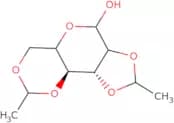
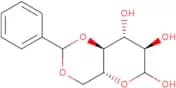
CAS:Sucrose 6'-monophosphate dipotassium salt is a high purity, custom synthesis sugar. Click modification and fluorination of sucrose with potassium fluoride yields an oligosaccharide. Glycosylation and methylation of the saccharide with sodium methoxide yields a monosaccharide. Carbohydrates are defined as polyhydroxy aldehydes or ketones that contain either aldoses or ketoses. Complex carbohydrates are sugars that consist of two or more simple sugars linked together. Sucrose has six carbon atoms, 12 hydrogen atoms, six oxygen atoms, and two sulfur atoms in its molecular structure. The molecular formula for sucrose is C12H22O11S2K2O4P. The CAS number for sucrose is 36064-19-4. Molecular weight: 342.3 g/molFórmula:C12H23O14P•K2Pureza:Min. 95%Forma y color:PowderPeso molecular:500.47 g/mol4,6-O-Benzylidene-D-glucose
CAS:<p>4,6-O-Benzylidene-D-glucose is a potent inhibitor of the enzyme dibutyltin oxide, which is involved in the synthesis of energy. It has been shown to have clinical activity in rat cardiomyocytes and has been tested in clinical studies. 4,6-O-Benzylidene-D-glucose inhibits enzymes by forming hydrogen bonds with their substrates. This compound also interacts with hydrochloric acid to form a stable complex that prevents it from interacting with other molecules. 4,6-O-Benzylidene-D-glucose is rapidly broken down into glucose and benzaldehyde when it reacts with carbonyl groups or amines. The asymmetric synthesis of this compound can be achieved using an intramolecular hydrogen transfer reaction. <br>4,6-O-Benzylidene glucose is derived from D-mannose derivatives and contains a hydroxyl group on the central carbon</p>Fórmula:C13H16O6Pureza:Min. 98 Area-%Forma y color:White PowderPeso molecular:268.26 g/molβ-D-Glucose-1-phosphate disodium
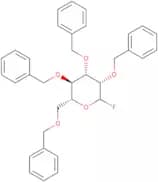
CAS:<p>b-D-Glucose-1-phosphate disodium salt is a white crystalline powder that is soluble in water, ethanol, and acetone. It is a monosaccharide with the molecular formula C6H12O6P2Na2. It has a molecular weight of 348.08 g/mol.</p>Fórmula:C6H13O9P•Na2Pureza:Min. 95%Forma y color:PowderPeso molecular:306.12 g/mol2,3,4,6-Tetra-O-benzyl-D-mannopyranosyl fluoride
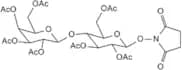
CAS:2,3,4,6-Tetra-O-benzyl-D-mannopyranosyl fluoride is a glycosylamine that has been synthesized from l-threonine. The chemical structure of this compound can be classified as a pyranose sugar with an O-methylated benzyl group at the C2 position. This sugar is synthesized by reductive cleavage of the methyl ether and subsequent reaction with sodium borohydride. The conformational analysis of the molecule was performed using molecular mechanics calculations and quantum mechanical simulations. In addition, electron paramagnetic resonance (EPR) experiments were conducted to determine the chemical shift in the 1H NMR spectrum and to identify the acceptor or donor in the molecule. Trichloroacetimidates are used as monomers for this type of synthesis because they provide good yields and can be easily prepared by reacting chloroacetic acid with chloral hydrate.Fórmula:C34H35FO5Pureza:Min. 95%Forma y color:Yellow PowderPeso molecular:542.64 g/molO-(2,2',3,3',4',6,6'-Hepta-O-acetyl-b-D-lactosyl)-N-hydroxysuccinimide
O-(2,2',3,3',4',6,6'-Hepta-O-acetyl-b-D-lactosyl)-N-hydroxysuccinimide is a modified oligosaccharide that is synthesized by the reaction of an acetylated succinimide with a glycosylase. This product is used as a chemical intermediate in the production of saccharides and polysaccharides. It can be used for fluorination reactions to produce fluorinated saccharides.Fórmula:C30H39NO20Pureza:Min. 95%Peso molecular:733.64 g/mola-D-Maltose octaacetate
CAS:Starch breakdown product; sweetening agent; fermentable intermediate in brewingFórmula:C28H38O19Pureza:Min. 95%Peso molecular:678.59 g/molLactose - anhydrous
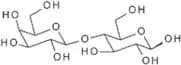
CAS:<p>Anhydrous lactose is an excipient, filler, diluent, and bulking agent in a wide variety of pharmaceutical tablets, capsules, powders and other preparations. It also has applications as a nutrient and multi-functional ingredient in infant formulae, geriatric, dietetic and health foods and may be used as an ingredient in culture media.</p>Fórmula:C12H22O11Pureza:Min. 98 Area-%Forma y color:PowderPeso molecular:342.3 g/mola-Lactose monohydrate
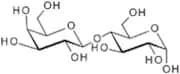
CAS:<p>An α-anomer, obtained by crystallization at low temperature, can be dehydrated to stable form above 130°C or an unstable (hygroscopic) form at lower temperatures. An example of the applications for α-Lactose monohydrate is in dry powder inhalers. These are devices that deliver medication to the lung in the form of a dry powder generating an aerosol directly from the drug powder or mixture, using an excipient such as lactose monohydrate.</p>Fórmula:C12H22O11·H2OPureza:(%) Min. 95%Forma y color:PowderPeso molecular:360.31 g/mol6-Amino-6-deoxy-a-cyclodextrin hydrochloride
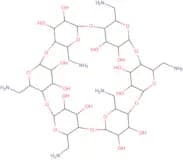
CAS:Alpha-cyclodextrin (α-CD) derivative with a hydrophilic exterior and lipophilic cavity (smaller than β-CDs and γ-CDs) to allocate certain guest molecules. This structural characteristic enables applications in molecular encapsulation, solubility enhancement, and stabilization across multiple industries. In pharmaceuticals, it serves as a drug delivery vehicle, enhancing the bioavailability and stability of active ingredients. The food industry utilizes it as a stabilizer for flavors, colors, and nutrients, as well as a functional ingredient for its effects on lipid metabolism. In cosmetics, it acts as a complex agent for fragrances and active components. Its applications extend to analytical chemistry for chiral separation and to materials science for developing smart materials and nanosystems.Fórmula:C36H66N6O24·6HClPureza:(%) Min. 95%Forma y color:PowderPeso molecular:1,185.7 g/molIsomaltol
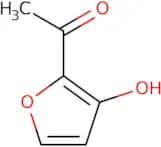
CAS:Isomaltol is a sugar alcohol that is used as a food additive. It is a white, crystalline powder that is soluble in water and has an intense sweet taste. Isomaltol is produced by hydrogenating the reducing ends of sucrose to form maltose, which then undergoes hydrolysis to form maltitol. Isomaltol can be used as a replacement for sugar in foods and drinks. Isomaltol has been shown to inhibit tyrosinase activity, which may be beneficial for skin care products. It also has antimicrobial properties due to its ability to react with aluminium ions.Fórmula:C6H6O3Pureza:Min. 95%Peso molecular:126.11 g/mol2-O-(b-D-Mannopyranosyl)-D-mannopyranose
CAS:β-(1→2)-Oligomannoside constituents of the Candida albicans cell wall have been shown to possess immunostimulatory properties, as evidenced by induction of cytokine production, including tumor necrosis factor (TNF) production, in humans and mice. In particular, oligosaccharide fractions, isolated and fractionated from the C. albicans cell wall, have been shown to induce TNF production in mouse macrophages. Therefore, biological studies employing well-defined synthetic β-(1→2)-linked oligomannoside compounds are of interest for verifying and studying in detail the proposed immunostimulatory properties of such constructs.Fórmula:C12H22O11Pureza:Min. 90 Area-%Forma y color:PowderPeso molecular:342.3 g/molLacto-N-triose I
CAS:<p>Lacto-N-triose I is a carbohydrate antigen that is used as an acceptor in the synthesis of trisaccharides. Lacto-N-triose I has been shown to have acidic hydrolysis and gel permeation chromatography. It can be used for the synthesis of oligosaccharides, which are important for glycosylation reactions. Lacto-N-triose I also has a glycosylation reaction that can be activated by desulfurization.</p>Fórmula:C20H35NO16Pureza:Min. 95%Peso molecular:545.49 g/mol1,3,5-O-Methylidyne-myo-inositol
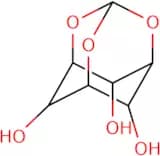
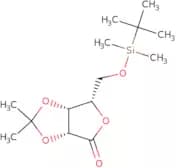
CAS:1,3,5-O-Methylidyne-myo-inositol is a cyclic sugar alcohol, which is naturally derived from various plant sources, including certain fruits and grains. As a stereoisomer of inositol, it represents a specific structural form that contributes to its unique properties and potential biological activities. The compound operates through modulating cellular signaling pathways, particularly those related to phosphoinositide metabolism, influencing intracellular calcium levels, and affecting lipid signaling cascades.This compound is primarily explored for its potential role in neurological health and its capacity to influence insulin signaling pathways. It has been investigated for applications in managing conditions such as polycystic ovary syndrome (PCOS), mood disorders, and neurodegenerative diseases. Due to its intricate involvement in cellular signaling networks, 1,3,5-O-Methylidyne-myo-inositol holds promise in furthering understanding of complex biological processes and for therapeutic development in metabolic and neurological disorders. Research continues to explore its efficacy and mechanisms of action to better establish its role in health and disease.Fórmula:C7H10O6Pureza:Min. 95%Forma y color:PowderPeso molecular:190.15 g/mol5-O-tert-Butyldimethylsilyl-2,3-O-isopropylidene-L-lyxono-1,4-lactone
CAS:<p>5-O-tert-Butyldimethylsilyl-2,3-O-isopropylidene-L-lyxono-1,4-lactone is an oligosaccharide that is used as a building block for the synthesis of complex carbohydrates. It can be customized to suit your needs. 5-O-tert-Butyldimethylsilyl-2,3-O-isopropylidene-L-lyxono-1,4--lactone has been modified with fluorine atom and methyl group to form a glycosylation product. It is available in CAS No. 1044813 -00 -4 and can be synthesized in purity of > 95%.</p>Fórmula:C13H24O5SiPureza:Min. 95%Peso molecular:288.42 g/mol2-Acetamido-2-deoxy-β-D-glucopyranosyl amine
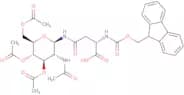
CAS:2-Acetamido-2-deoxy-beta-D-glucopyranosyl amine (A2DG) is a diagnostic marker for juvenile idiopathic polyarteritis nodosa. This molecule is an intermediate in the synthesis of the carbohydrate, heparin. The A2DG assay measures concentrations of this metabolite in plasma samples and can be used to diagnose vasculitis and other inflammatory diseases. Novartis has developed a metabolite profiling technique that uses mass spectrometry to identify molecules present in cell culture or plasma samples. This technique has been used to measure levels of A2DG metabolites in patients with vasculitis, including juvenile idiopathic polyarteritis nodosa.Fórmula:C8H16N2O5Pureza:Min. 95.0 Area-%Peso molecular:220.22 g/mol2-Acetamido-3,4,6-tri-O-acetyl-2-deoxy-β-D-glucopyranosyl-Fmoc-asparagine
CAS:2-Acetamido-3,4,6-tri-O-acetyl-2-deoxy-β-D-glucopyranosyl-Fmoc-asparagine is a synthetic oligosaccharide that has been modified with a fluorine atom at the 6 position. The acetamido group has been methylated and the sugar moiety is attached to an Fmoc group. The molecular weight of this compound is 1,000. It can be used for the synthesis of saccharides and polysaccharides by click chemistry or as a monosaccharide in carbohydrate research. 2AATGFFmocAsp can also be used for modification purposes with different reagents such as hydrazine, NIS, and TEMPO.Fórmula:C33H37N3O13Pureza:Min. 95 Area-%Forma y color:PowderPeso molecular:683.66 g/mol2-C-Methyl-3,5-O-(di-tert.butylsilylidene)-D-xylono-1.4-lactone
2-C-Methyl-3,5-O-(di-tert.butylsilylidene)-D-xylono-1.4-lactone is a synthetic, fluorinated oligosaccharide that is custom synthesized with high purity and a CAS Number. It has been modified with a click chemistry reaction to create an Oligosaccharide sugar. This complex carbohydrate can be used in the synthesis of glycosylation reactions, methylation reactions and monosaccharide reactions.Pureza:Min. 95%2-Chloro-2-Deoxy-1,3,5-tri-O-benzoyl-D-ribofuranose
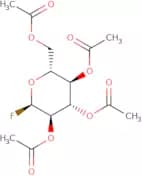
2-Chloro-2-deoxy-1,3,5-tri-O-benzoyl-D-ribofuranose is a custom synthesis of an oligosaccharide. It is a complex carbohydrate with a CAS number. The molecular weight of this saccharide is 837.38 g/mol and it has a molecular formula of C9H11F4O5. This product is modified by methylation and glycosylation. The purity level is high and the product contains no impurities. The fluorination process on 2C2DBR has been done to increase the stability of the molecule at higher temperatures and to make it more soluble in polar solvents such as water or alcohols. This product can be used in click chemistry reactions to modify other molecules or can be used as a substrate for glycosylation reactions where glucose will be added to the sugar part of the molecule in order to form an OligosacPureza:Min. 95%2,3,4,6-Tetra-O-acetyl-α-D-glucopyranosyl fluoride
CAS:2,3,4,6-Tetra-O-acetyl-a-D-glucopyranosyl fluoride is a halide with the chemical formula of F. It has an axial conformation and is a crystalline solid at room temperature. 2,3,4,6-Tetra-O-acetyl-a-D-glucopyranosyl fluoride reacts with water to form hydrofluoric acid (HF). This compound is an important reagent in carbohydrate analysis because its presence or absence can be used to distinguish between the two anomers of maltose: α-(1→2) and β-(1→4). It also reacts with sodium chloride to give the chloride salt sodium tetrafluoroborate. The molecule has three substituents: a hydroxymethyl group (-OH), a glycosidic oxygen atom (O), and a glucosyl group (-CHO). Watanabe's numbering system forFórmula:C14H19FO9Pureza:Min. 95%Forma y color:PowderPeso molecular:350.29 g/mol




![5-O-(a-D-[6,6'-2H2]Glucopyranosyl)-D-fructopyranose](/_next/image/?url=https%3A%2Fstatic.cymitquimica.com%2Fproducts%2F3D%2Fthumb-webp%2FOG11201.webp&w=3840&q=75)