Glycoscience
Subcategorías de "Glycoscience"
- Aminoazúcares(108 productos)
- Anticuerpos relacionados con azúcares(282 productos)
- Glicolípidos(46 productos)
- Glicosaminoglicanos (GAGs)(55 productos)
- Glucósidos(419 productos)
- Monosacáridos(6.616 productos)
- Oligosacáridos(3.718 productos)
- Polisacáridos(502 productos)
Se han encontrado 11010 productos de "Glycoscience"
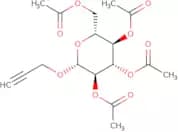
2-Propynyl-2,3,4,6-tetra-O-acetyl-b-D-glucopyranoside
CAS:2-Propynyl-2,3,4,6-tetra-O-acetyl-b-D-glucopyranoside is a carbohydrate. It is an oligosaccharide that contains a glucose molecule with four acetyl groups at the 2 position. This type of modification can be used to create high purity compounds for research purposes. 2-Propynyl-2,3,4,6-tetra-O-acetyl-b-D-glucopyranoside also has methylation and glycosylation sites available for custom synthesis.Fórmula:C17H22O10Pureza:Min. 95%Forma y color:White PowderPeso molecular:386.35 g/molMethyl 2,3,4-tri-O-acetyl-6-O-tert-butyldiphenylsilyl-a-D-galactopyranoside
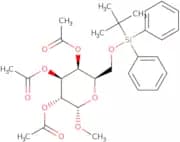
CAS:Methyl 2,3,4-tri-O-acetyl-6-O-tert-butyldiphenylsilyl a-D-galactopyranoside is an oligosaccharide that has been modified with methylation, glycosylation and fluorination. It is an important compound in carbohydrate chemistry. The oligosaccharide is synthesized by the condensation of 3 molecules of galactose with 1 molecule of mannose to form a disaccharide. This product is manufactured by custom synthesis and has been purified to high purity.Fórmula:C29H38O9SiPureza:Min. 95%Peso molecular:558.71 g/molAllyl 2-acetamido-2-deoxy-?-D-glucopyranoside
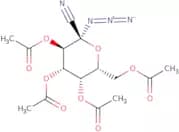
CAS:Allyl 2-acetamido-2-deoxy-a-D-glucopyranoside is a synthetic oligosaccharide that has the ability to bind to the O antigen of bacterial cells. It is used in vaccines as an adjuvant and has been shown to increase antibody production and provide protection against Shigella, a bacterial infection. This compound also shows chemoenzymatic activity, which allows for regiospecifically catalytic conversion of glycosides. Allyl 2-acetamido-2-deoxy-a-D-glucopyranoside binds to specific microbial enzymes that contain an acceptor site, with its catalytic function being activated by these enzymes.Fórmula:C11H19NO6Pureza:Min. 95%Forma y color:PowderPeso molecular:261.27 g/mol2,3,4,6-Tetra-O-acetyl-1-azido-1-deoxy-α-D-galactopyranosyl cyanide
CAS:A solar thermal collector is a device that absorbs the sun's heat, or thermal energy, and converts it to useful heat energy. It consists of a dark-colored surface (usually metal) that absorbs sunlight and transfers the heat by radiation to a fluid such as water or oil, which then carries the heat away for use. The efficiency of this type of collector depends on the quantity of sunlight that reaches it, the temperature difference between the hot fluid and ambient air, and its design. A typical solar thermal collector has an efficiency of about 10%.Fórmula:C15H18N4O9Pureza:Min. 95%Forma y color:White/Off-White SolidPeso molecular:398.32 g/mol5,7-Dichloro-8-hydroxyquinoline b-D-glucuronide
CAS:Chromogenic substrate targeting beta-glucuronidaseFórmula:C15H13Cl2NO7Pureza:Min. 98 Area-%Forma y color:Yellow PowderPeso molecular:390.17 g/mol4-Toluoyl 2,3-di-O-benzoyl-4,6-O-benzylidene-b-D-thioglucopyranoside
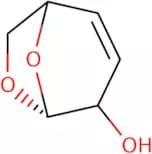
4-Toluoyl 2,3-di-O-benzoyl-4,6-O-benzylidene-b-D-thioglucopyranoside is a custom synthesis of an oligosaccharide. It is available as a white solid and has a molecular formula of C14H14F6O8S2 and a molecular weight of 458.35. This compound is soluble in water and can be stored at room temperature.Pureza:Min. 95%1,6-Anhydro-3,4-dideoxy-b-D-erythro-hex-3-enopyranose
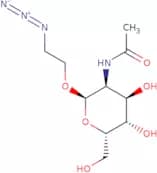
CAS:1,6-Anhydro-3,4-dideoxy-b-D-erythro-hex-3-enopyranose is a custom synthesis of a glycoconjugate that contains a sugar. It is a synthetic saccharide with an oligosaccharide and monosaccharides. The structure of this compound has been modified to include fluorination, methylation, and click chemistry. This product has high purity and can be used for glycosylation reactions in the laboratory.Fórmula:C6H8O3Pureza:Min. 95%Peso molecular:128.13 g/mol2-Azidoethyl 2-acetamido-2-deoxy-b-D-glucopyranoside
CAS:2-Azidoethyl 2-acetamido-2-deoxy-b-D-glucopyranoside is a toxic compound that inhibits protein synthesis by binding to the enzyme glucokinase. It has been shown to inhibit the release of fatty acids in hepatocytes and to inhibit triglyceride lipase activity in cell culture. This chemical also has a damaged sequence, which is a factor that may lead to toxicity. 2-Azidoethyl 2-acetamido-2-deoxy-b-D-glucopyranoside also has been shown to have physiological activities, such as inhibition of cardiac cells and symptoms such as inflammation. These effects are thought to be mediated by its ability to bind with DNA and RNA, altering their function.Fórmula:C10H18N4O6Pureza:Min. 95%Forma y color:White PowderPeso molecular:290.27 g/mol1,2:3,4-Di-O-isopropylidene-a-D-galacturonide methyl ester
CAS:1,2:3,4-Di-O-isopropylidene-a-D-galacturonide methyl ester is a synthetic monosaccharide that is used in the synthesis of oligosaccharides and polysaccharides. This product has been synthesized by fluorination of galacturonic acid and methylation of the resulting alcohol with methanol. The desired product can be obtained through glycosylation using a variety of sugars or click modification using an azide building block. This product has been shown to have high purity, which is determined by HPLC analysis.Fórmula:C13H20O7Pureza:Min. 95%Peso molecular:288.29 g/mol(2R, 3R, 4R) -3-Benzyloxy- 1- benzyl-4- (hydroxymethyl) - 2- azetidinecarboxylic acid methyl ester
(2R, 3R, 4R) -3-Benzyloxy- 1- benzyl-4-(hydroxymethyl)- 2-azetidinecarboxylic acid methyl ester is an oligosaccharide. It is a modification of the Oligosaccharide which is a carbohydrate with multiple saccharides. This means that it contains two or more types of sugar monomers. The primary type of sugar in this compound is the Monosaccharide, which are single units of sugar that are joined together to form a sugar polymer. The other type of sugar in this compound is the Polysaccharide, which is made up of many different monomers. Carbohydrates are an important source of energy for living organisms and they can be found in many different forms such as sugars and starches. This compound has been modified by Methylation (addition of a methyl group), Glycosylation (addition of glycosidicPureza:Min. 95%Phosphoric acid mono-((2R,3R,4S,5R)-2,3,4,5,6,7-hexahydroxy-heptyl) ester barium salt
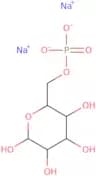
Phosphoric acid mono-((2R,3R,4S,5R)-2,3,4,5,6,7-hexahydroxy-heptyl) ester barium salt is a Glycosylation product. It is a complex carbohydrate with the molecular formula C6H14O6P. The glycosylation of this compound can be accomplished by methylation or by Click modification. This product also has an Oligosaccharide content and Polysaccharide properties. The CAS Number for this compound is 595-25-1.Fórmula:C7H15O10PBaPureza:Min. 95%Peso molecular:427.49 g/molD-Mannose-6-phosphate disodium salt hydrate
CAS:D-Mannose-6-phosphate disodium salt hydrate (DMDSP) is an endogenous pentose phosphate metabolite that is found in the human body. DMDSP is generated from the metabolism of mannose and glucose and functions as a regulator of metabolic intermediates. It has also been shown to inhibit bacterial growth and function as a competitive inhibitor of bacterial DNA gyrase, an enzyme that maintains the integrity of bacterial DNA. Genetic polymorphism in the DMDP gene may be associated with changes in response to DMDSP. The reductive amination reaction can be used to synthesize this compound from L-aspartic acid, malic enzyme, and nicotinamide adenine dinucleotide phosphate.Fórmula:C6H11O9PNa2·H2OPureza:Min. 95 Area-%Forma y color:White PowderPeso molecular:322.11 g/molN-Benzyl-3,5-dideoxy-3,5-imino-1,2-O-isopropylidene-L-lyxofuranose
N-Benzyl-3,5-dideoxy-3,5-imino-1,2-O-isopropylidene-L-lyxofuranose is a compound that belongs to the group of complex carbohydrates. It is a monosaccharide with a molecular weight of 538.32 g/mol and a CAS number of 1607741-34-8. This product has been custom synthesized for research purposes. The purity level is high and it can be used in glycosylation reactions.Pureza:Min. 95%(1R) -1- [(2S, 3R) - 3- Hydroxy- 1- butyl - 2- azetidinyl] -1, 2- ethanediol
(1R) -1- [(2S, 3R) - 3- Hydroxy- 1- butyl - 2- azetidinyl] -1, 2- ethanediol is a glycosylase that catalyzes the hydrolysis of terminal sialic acid residues from oligosaccharides and monosaccharides. It is used in the synthesis of complex carbohydrates. This glycosylase has been shown to be highly specific for terminal sialic acids and can also be used to produce oligosaccharides with desired linkages between the sugars. The enzyme is most active at low pH and high temperatures.
Pureza:Min. 95%a-D-Glucoheptonic acid magnesium salt
CAS:a-D-Glucoheptonic acid magnesium salt is a carbohydrate that belongs to the group of saccharides. It can be used as an anti-inflammatory agent, and has been shown to inhibit the production of nitric oxide in macrophages. It also has antiviral properties. This product is available for custom synthesis, with high purity and high purity.Fórmula:C13H23O8MgPureza:Min. 95%Forma y color:PowderPeso molecular:331.62 g/mol1,3,4,6-Tetra-O-benzoyl-α-D-fructofuranose
CAS:1,3,4,6-Tetra-O-benzoyl-a-D-fructofuranose is a fluorinated monosaccharide. It is an artificial sugar that has been modified with a benzoyl group at the 1 position and a tetra-O-benzoyl group at the 3 position. This compound has been synthesized using a custom synthesis. The compound is soluble in water and ethanol and can be used as a glycosylation or polysaccharide modification reagent. Click chemistry reactions have been performed on this compound to introduce methyl groups to the 4 and 6 positions of the sugar ring. The purity of this product is >99%.
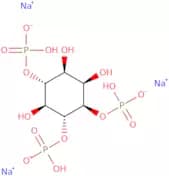
Fórmula:C34H28O10Pureza:Min. 95%Forma y color:White To Off-White SolidPeso molecular:596.58 g/molD-myo-Inositol 1,4,6-triphosphate sodium salt
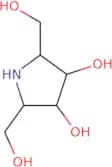
CAS:D-myo-Inositol 1,4,6-triphosphate sodium salt (DMIPS) is an alkaline polymer. It is a high capacity, rechargeable electrode material that can be used in electrochemical cells. DMIPS has been shown to have the highest energy density and power density of any known polymer and can operate at low temperatures. This material has been shown to be effective in polymer electrolyte membrane fuel cells, as well as being used as a separator in lithium ion batteries.Fórmula:C6H12O15P3·xNaPureza:Min. 95%Peso molecular:417.07 g/mol(2R, 3S, 4R, 5S) -3,4-Dihydroxy-2, 5- pyrrolidinedimethano l
CAS:(2R, 3S, 4R, 5S) -3,4-Dihydroxy-2,5-pyrrolidinedimethanol is a methylated form of levoglucosan. It is a synthetic compound that can be produced by the modification of glucose or by the fluorination of glycerol. This white crystalline solid can be used in various applications such as the synthesis of oligosaccharides and polysaccharides or as a sugar for use in high purity experiments. This product is available for custom synthesis and has been shown to have an excellent quality.Pureza:Min. 95%(2S, 3S, 4S) -2- (Hydroxymethyl) - 1- methyl- 3, 4- pyrrolidinediol
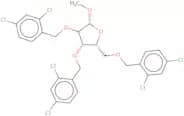
CAS:Ketoconazole is an anti-infective agent that is used in the treatment of fungal and yeast infections. It has been shown to inhibit the transcriptional activation of many genes, including those encoding for α subunit of RNA polymerase and sequences involved in drug metabolism. Ketoconazole also inhibits the formation of benzimidazole compounds in bacteria, which are used by some bacteria to protect themselves against other antibiotics. The biological function of ketoconazole is not yet fully understood, but it has been shown to have a negative effect on pancreatic function in CD-1 mice.Pureza:Min. 95%Methyl 2,3,5-tri-O-(2,4-dichlorobenzyl)-b-D-ribofuranoside
CAS:Methyl 2,3,5-tri-O-(2,4-dichlorobenzyl)-b-D-ribofuranoside is a glycosylation agent that is used as a monosaccharide or oligosaccharide modification. It can be utilized in the synthesis of saccharides and polysaccharides. Methyl 2,3,5-tri-O-(2,4-dichlorobenzyl)-b-D-ribofuranoside is a custom synthesis product with high purity and CAS No. 163759-40-8.Fórmula:C27H24Cl6O5Pureza:Min. 95%Peso molecular:641.21 g/mol(2R, 3R, 3aS, 9aR) -3- (Benzoyloxy) - 2- [(benzoyloxy) methyl] - 2, 3, 3a, 9a- tetrahydro- 3a- methyl-6H- Furo[2', 3':4, 5] oxazolo[ 3, 2- a] pyrimidin- 6- one
(2R, 3R, 3aS, 9aR) -3- (Benzoyloxy) - 2- [(benzoyloxy) methyl] - 2, 3, 3a, 9a- tetrahydro- 3a- methyl-6H- Furo[2', 3':4, 5] oxazolo[3,2- a]pyrimidin- 6- one is a custom synthesis of Methylation. It is only available in the form of a white solid and has a purity of 99.9%. It is soluble in methanol and ethanol.
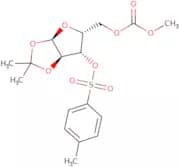
Pureza:Min. 95%5-O-Carbomethoxy-1,2-O-isopropylidene-3-O-p-toluenesulfonyl-α-D-xylofuranose
CAS:5-O-Carbomethoxy-1,2-O-isopropylidene-3-O-p-toluenesulfonyl-a-D-xylofuranose is a synthetic chemical that is used in antiperspirant and deodorant products. It works by inhibiting the activity of the eccrine glands and causing a temporary blockage of sweat release. This chemical also decreases the production of bacteria on the skin surface, which can cause bad odors. 5OCMPTOSF is a combination product that includes both an antiperspirant and a deodorant.br> br> Antiperspirants are substances applied to the skin to prevent sweating. They work by blocking sweat from reaching the skin's surface or by masking body odor with their own fragrance. Antiperspirants are most effective when applied to dry skin and can be combined with other cosmetics such as moisturizers or sunscreensFórmula:C17H22O9SPureza:Min. 95%Peso molecular:402.42 g/molTri-b-GalNAcAc3-amine TFA
CAS:Tri-b-GalNAc-amine formate salt is an ASGPR-targeted ligand for therapeutics and diagnostics. With three terminal beta-GalNAc (N-acetylgalactosamine) sugars in a trivalent configuration, its high-affinity permits binding to the asialoglycoprotein receptor (ASGPR) on hepatocytes. Notably, the presence of a protonated primary amine group allows for chemoselective bioconjugation with various functional moieties via established amide bond formation techniques. Its salt form (TFA salt) enhances the water solubility of the molecule, facilitating its use in aqueous reaction buffers commonly employed in bioconjugation protocols. This combination of specific ASGPR targeting and a readily available conjugation site makes tri-b-GalNAc-amine TFA a valuable tool for developing customized and targeted drug-GalNAc conjugates, siRNA delivery vehicles, or ASGPR-specific probes. The use of TFA as a counterion ensures efficient deprotonation of the amine during conjugation, potentially improving reaction efficiency.
Fórmula:C79H128N10O36C2HF3O2Pureza:Min. 95 Area-%Peso molecular:1,907.93 g/molTri-b-GalNAcAc3-NHCbz
CAS:This peracetylated tri-b-GalNAcAc3-NHCbz, a triantennary N-acetylgalactosamine (GalNAc) ligand with protected functionalities, serves as a valuable building block for ASGPR-targeted therapies. Its three branches or arms, each ending in a GalNAc sugar, ensure strong binding to hepatocyte ASGPR. However, the key feature lies in its protective groups: acetylated sugars allow for controlled removal to expose reactive sites for conjugation, while the Cbz-protected amine provides stability and can be selectively cleaved to introduce a reactive amine group for further biomolecule attachment, ultimately enabling researchers to tailor Tri-b-GalNAcAc3-NHCbz into customized conjugates for specific therapeutic applications.Fórmula:C87H134N10O38Pureza:Min. 97 Area-%Peso molecular:1,928.04 g/molD-Galacturonic acid monohydrate
CAS:Please enquire for more information about D-Galacturonic acid monohydrate including the price, delivery time and more detailed product information at the technical inquiry form on this page
Fórmula:C6H12O8Peso molecular:212.16 g/molRef: 3D-G-2280
5gA consultar10gA consultar25gA consultar50gA consultar100gA consultar-Unit-kgkgA consultarα-D-Cellobiose octaacetate
CAS:Fully acetylated cellohexoses, part of a polymer homologous series of oligosaccharides isolated from cellulose by acetolysis followed by chromatography.
Fórmula:C28H38O19Pureza:Min. 98 Area-%Peso molecular:678.60 g/molLauryl maltose neopentyl glycol
CAS:Amphiphilic detergentFórmula:C47H88O22Pureza:Min. 97 Area-%Forma y color:White Off-White PowderPeso molecular:1,005.19 g/molN-(3,4,6-Triacetyl-N-azidoacetylmannosamine)-cis-2-ethyl-3-formylacrylamideglycoside
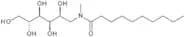
CAS:Please enquire for more information about N-(3,4,6-Triacetyl-N-azidoacetylmannosamine)-cis-2-ethyl-3-formylacrylamideglycoside including the price, delivery time and more detailed product information at the technical inquiry form on this pageFórmula:C20H27N5O10Pureza:Min. 95%Peso molecular:497.45 g/molN-Decanoyl-N-methylglucamine
CAS:N-Decanoyl-N-methylglucamine is a fatty acid that is used as a cationic surfactant in detergents and cleaning products. It has been shown to have conformational properties that can be influenced by the acyl chain length. N-Decanoyl-N-methylglucamine has also been shown to bind to antibodies and other proteins, which may lead to antibody response or changes in their conformation. N-Decanoyl-N-methylglucamine binds to receptors on cells, triggering cell lysis and monoclonal antibody production. The optimum pH for this chemical is between 5 and 6, and it has been shown to undergo titration calorimetry at temperatures greater than 100°C.Fórmula:C17H35NO6Pureza:Min. 95%Forma y color:White PowderPeso molecular:349.47 g/mol2-((4,4,5,5,5-Pentafluoropentyl)oxy)octyl b-D-maltopyranoside
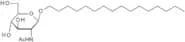
2-((4,4,5,5,5-Pentafluoropentyl)oxy)octyl ?-D-maltopyranoside is a fluorinated surfactant that can be used as a substitute for traditional detergents in holding membranes proteins in the soluble fraction and improve their stability.Fórmula:C25H43F5O12Pureza:Min. 95%Forma y color:SolidPeso molecular:630.59 g/molHexadecyl 2-acetamido-2-deoxy-b-D-glucopyranoside
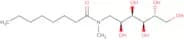
CAS:Hexadecyl 2-acetamido-2-deoxy-b-D-glucopyranoside is a monosaccharide that is mediated by the enzyme 2,3-bisphosphoglycerate (2,3BPG) synthase. It is a key intermediate in the synthesis of glycerol 3 phosphate, which is a precursor for glycerol and phosphoglycerides in plants. Hexadecyl 2-acetamido-2-deoxy-b-D-glucopyranoside can be found in chloroplasts and leaves. This compound is also used as a spacer in liposomes, as well as to clone DNA sequences.Fórmula:C24H47NO6Pureza:Min. 95%Peso molecular:445.63 g/molN-Methyl-N-octanoylglucamine
CAS:N-Methyl-N-octanoylglucamine is a chemical compound that inhibits the activity of the enzyme diacylglycerol lipase, which breaks down the lipid diacylglycerol. This leads to an accumulation of diacylglycerols in the cellular membrane and increased permeability of the cell, which results in physiological effects such as increased release of neurotransmitters. N-Methyl-N-octanoylglucamine has been shown to bind to peptides and inhibit their proteolytic degradation by peptidases. It also has been shown to have an effect on monoclonal antibodies with a high affinity for fatty acids. This compound is used for sample preparation prior to analysis by MALDI mass spectrometry.Fórmula:C15H31NO6Pureza:Min. 95 Area-%Forma y color:White PowderPeso molecular:321.41 g/molDecyl α-D-maltopyranoside
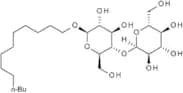
CAS:Decyl a-D-maltopyranoside is a low molecular weight alcohol that is used in the synthesis of glycoproteins. It has been shown to bind to the peptides and proteins of the cell membranes, which may be due to its hydrophobic character. Decyl a-D-maltopyranoside is also capable of coordinating with the membrane, which may be due to its high affinity for lipids. Decyl a-D-maltopyranoside can be used as an electrode material because it is more stable than other materials.Fórmula:C22H42O11Pureza:Min. 95%Forma y color:White/Off-White SolidPeso molecular:482.56 g/molDodecyl α-D-maltopyranoside
CAS:Dodecyl a-D-maltopyranoside is a solubilized fat that has an optimum pH of 11. It is soluble in chloroform, ethanol, and water. The molecular weight of dodecyl a-D-maltopyranoside is 587.87 g/mol. Dodecyl a-D-maltopyranoside can be used as an absorption marker for lipids in the human liver, wheat germ, and chloroplasts. Dodecyl a-D-maltopyranoside contains two monomers and four subunits. Dodecyl a-D-maltopyranoside can be used to measure the density of lipids in the cell membrane by nmr spectra.Fórmula:C24H46O11Pureza:Min. 95%Forma y color:PowderPeso molecular:510.62 g/molTridecyl β-D-maltopyranoside
CAS:Tridecyl b-D-maltopyranoside is a high purity, custom synthesis sugar that can be fluorinated, glycosylated, methylated, and modified. It has CAS No. 93911-12-7 and can be used as an oligosaccharide or monosaccharide in the synthesis of complex carbohydrates. Tridecyl b-D-maltopyranoside is also used in click modifications.
Fórmula:C25H48O11Pureza:Min. 95%Forma y color:PowderPeso molecular:524.64 g/mol6-O-Desmethyl donepezil glucuronide sodium (Mixture of Diastereomers)
CAS:Please enquire for more information about 6-O-Desmethyl donepezil glucuronide sodium (Mixture of Diastereomers) including the price, delivery time and more detailed product information at the technical inquiry form on this pageFórmula:C29H35NO9•NaPureza:Min. 95%Peso molecular:540.59 g/molN,N-Dimethyldodecylamine N-oxide
CAS:N,N-Dimethyldodecylamine N-oxide, also known as lauryldimethylamine oxide (LDAO), is an amine oxide nonionic surfactant with a C12 alkyl chain used widely in cosmetics, washing, cleaning and personal care products. LDAO has antimicrobial properties and is effective against common bacteria such as S. aureus and E. coli.
Fórmula:C14H31NOPureza:Min. 98%Forma y color:White Off-White PowderPeso molecular:229.4 g/molDecyl maltose neopentyl glycol
CAS:Decyl maltose neopentyl glycol is a model system for studying the interaction of light with carotenoids. The decyl maltose neopentyl glycol molecule has been shown to react with light to produce reactive molecules, such as singlet oxygen and superoxide, which are responsible for tissue damage caused by exposure to sunlight. Decyl maltose neopentyl glycol is also a non-heme iron compound that can be used in x-ray crystal structures to study protein-ligase interactions. Decyl maltose neopentyl glycol is synthesized from fatty acids, which are present in the membrane of cells and play an important role in their interactions with proteins. Decyl maltose neopentyl glycol is used as a model system for plant physiology and sample preparation and has been shown to inhibit protein synthesis in vitro.Fórmula:C43H80O22Pureza:Min. 95 Area-%Forma y color:PowderPeso molecular:949.08 g/molOctyl D-glucuronide methyl ester
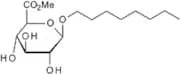
CAS:Octyl D-glucuronide methyl ester is a modification of the oligosaccharide octyl glucuronide. Octyl D-glucuronide methyl ester is a white to off-white solid with a molecular weight of 787. It has been synthesized using a custom synthesis, and is available in high purity and with high purity. The CAS number for this compound is 1423035-40-8.Fórmula:C15H28O7Pureza:Min. 95%Forma y color:White PowderPeso molecular:320.39 g/molDecyl b-D-thiomaltopyranoside
CAS:Decyl b-D-thiomaltopyranoside is a glycosylation product of the monosaccharide, maltose. It is a complex carbohydrate that consists of two glucose molecules linked by alpha (1-4) glycosidic bonds. Decyl b-D-thiomaltopyranoside has been modified with methyl groups and fluorine atoms. This product is CAS No. 148565-56-4, and it can be custom synthesized to meet your specifications. The purity of this product ranges from 98% to 99%.
Fórmula:C22H42O10SPureza:Min. 95%Forma y color:White To Off-White SolidPeso molecular:498.63 g/molDodecyl β-D-cellobioside
CAS:Dodecyl b-D-cellobioside is a surfactant that has been shown to form lamellar phases at low temperatures and high concentrations. It is primarily used as a stabilizer for emulsions, such as in ice cream, where it prevents the separation of fats and water. Dodecyl b-D-cellobioside is also known to be involved in the formation of bilayers, which are made up of one layer of hydrophobic molecules and one layer of hydrophilic molecules. This surfactant can exist as two conformations: a lyotropic phase with short chains (lamellar) or a synthetic phase with long chains (spreading). The lamellar phase is more stable than the synthetic phase because it has more contact with water. The lyotropic phase would be useful in an environment where water is scarce, like in outer space.Fórmula:C24H46O11Pureza:Min. 98 Area-%Forma y color:PowderPeso molecular:510.62 g/mol2-((4,4,5,5,5-Pentafluoropentyl)oxy)dodecanyl b-D-maltopyranoside
2-((4,4,5,5,5-Pentafluoropentyl)oxy)dodecanyl ?-D-maltopyranoside is a fluorinated form of Dodecyl ?-D-maltopyranoside (DDM). Fluorinated detergents are extremely bulky and hydrophobic. These types of detergents are not necessarily suitable for membrane protein extraction, but can stabilize proteins during the purification stages and during crystallization.Fórmula:C29F5H52O12Pureza:Min. 95%Forma y color:SolidPeso molecular:687.71 g/molNonanoyl-D-glucopyranoside
CAS:Nonanoyl-D-glucopyranoside is a custom-synthesized carbohydrate that functions as a glycosylation and fluorination agent. Nonanoyl-D-glucopyranoside can be used to modify oligosaccharides, carbohydrates, or polysaccharides. This product has CAS No. 191039-78-8, is synthesized with high purity, and is available in both monosaccharide and disaccharide forms.Fórmula:C15H28O7Pureza:Min. 95%Peso molecular:320.38 g/molNonyl β-D-glucopyranoside
CAS:Nonyl β-D-glucopyranoside is an alkylglycoside non-ionic mild detergent used for cell lysis and membrane protein isolation. As it is uncharged it is unlikely to cause protein denaturation or refolding issues, allowing for the isolation of intact macromolecular complexes without affecting protein-protein interactions. Nonyl β-D-glucopyranoside is useful for the solubilization and crystallization of many biological membrane proteins and isolation of membrane-bound proteins. It has also been used for enantiomeric separation by capillary electrophoresis. Nonyl β-D-glucopyranoside is also known as B-Nonylglucoside or Nonyl D-glucoside and has an aggregation number of 133. It is dialyzable from membrane protein preparations and has a Critical Micelle Concentration (CMC) of 6.5mM.
Fórmula:C15H30O6Pureza:Min. 95%Forma y color:PowderPeso molecular:306.4 g/molDodecanoyl D-sucrose
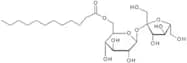
CAS:Non-ionic detergent for solubilising membrane proteins; surfactantFórmula:C24H44O12Pureza:Min. 95%Forma y color:White PowderPeso molecular:524.6 g/molDL-Glyceraldehyde 3-phosphate - 45-55 mg/mL aqueous solution
CAS:Glyceraldehyde 3-phosphate (G3P) is an intermediate in the glycolytic pathway. It is also a component of polysaccharides and glycosaminoglycans. G3P is synthesized from glucose by the enzyme triose phosphate isomerase. The synthesis of G3P can be achieved by a number of methods, including methylation, fluorination, and click chemistry. This product contains 45-55 mg/mL of Glyceraldehyde 3-phosphate in water solution at pH 7.0 and at a temperature range of 2-8°C.Fórmula:C3H7O6PPureza:Min. 95 Area-%Peso molecular:170.06 g/molPhenylethyl b-D-thiogalactopyranoside
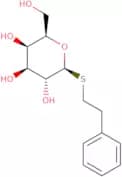
CAS:?-galactosidase inhibitorFórmula:C14H20O5SForma y color:PowderPeso molecular:300.37 g/mol6-Methyl-2-pyridyl 2-acetamido-2-deoxy-b-D-thioglucopyranoside
CAS:The 6-Methyl-2-pyridyl 2-acetamido-2-deoxy-b-D-thioglucopyranoside is a chloride salt that has been used in the laboratory to develop an analytical method for the determination of glucose in urine samples. The bioavailability of 6MP is low and it is excreted by renal filtration, so this compound has been used as a marker for renal transplantation. Glomerular filtration rate (GFR) is reduced in diabetic patients, leading to a decrease in the amount of 6MP excreted. This drug can be administered orally or intravenously and has shown efficacy at low dose levels. Low doses have also been associated with decreased detection sensitivity due to its low level of excretion, which makes it an ideal candidate for use as a biomarker for chronic kidney disease. A chronic kidney disease animal model was used to study the effects on GFR and creatinine clearance ratesPureza:Min. 95%Forma y color:White PowderPeso molecular:328.39 g/molHexyl b-D-maltopyranoside
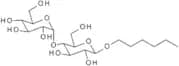
CAS:Hexyl b-D-maltopyranoside is a biopharmaceutical that is used in drug development. It is used as a ligand for the μ-opioid receptor, which is a class of opioid receptors that are activated by morphine and endogenous peptides such as endorphins, dynorphins, and enkephalins. This ligand can be immobilized on a surface for use in immunoassays or other methods of detection. Hexyl b-D-maltopyranoside has been shown to have pharmacological effects in animal studies, although it has not yet been approved for clinical use in humans.
Fórmula:C18H34O11Pureza:Min. 95%Forma y color:White PowderPeso molecular:426.46 g/molOctyl b-D-glucopyranoside
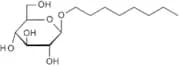
CAS:Octyl beta-D-glucopyranoside (OG), also known as octyl glucoside or caprylyl glucoside, is an alkylglycoside non-ionic detergent that is one of the most commonly used reagents in membrane protein isolation. As it is uncharged, OG is unlikely to cause protein denaturation or refolding issues, allowing for the isolation of intact macromolecular complexes without affecting protein-protein interactions. It forms small, uniformed micelles and has an aggregation number of between 27-100. It is readily dialyzable from membrane protein preparations due to its high Critical Micelle Concentration (CMC) of 18-20 mM. Octyl beta-D-glucopyranoside has similar uses and properties to that of another frequently used surfactant, Octyl beta-D-thioglucopyranoside.Fórmula:C14H28O6Pureza:Min. 98 Area-%Forma y color:White PowderPeso molecular:292.37 g/mol








![(1R) -1- [(2S, 3R) - 3- Hydroxy- 1- butyl - 2- azetidinyl] -1, 2- ethanediol](/_next/image/?url=https%3A%2Fstatic.cymitquimica.com%2Fproducts%2F3D%2Fthumb-webp%2FMH163534.webp&w=3840&q=75)



![(2R, 3R, 3aS, 9aR) -3- (Benzoyloxy) - 2- [(benzoyloxy) methyl] - 2, 3, 3a, 9a- tetrahydro- 3a- met…](/_next/image/?url=https%3A%2Fstatic.cymitquimica.com%2Fproducts%2F3D%2Fthumb-webp%2FMB170592.webp&w=3840&q=75)