Antimicrobianos
Los antimicrobianos son agentes que destruyen o inhiben el crecimiento de microorganismos, incluyendo bacterias, virus, hongos y parásitos. Estos compuestos son esenciales en la prevención y tratamiento de infecciones, desempeñando un papel crucial en la medicina, la agricultura y la industria alimentaria. En CymitQuimica, ofrecemos una extensa gama de antimicrobianos de alta calidad y pureza, adecuados para diversas aplicaciones científicas e industriales. Nuestro catálogo incluye antibióticos, antifúngicos, antivirales y desinfectantes, todos diseñados para satisfacer las necesidades de investigación y desarrollo, así como para aplicaciones clínicas y de producción. Con nuestros productos, los profesionales pueden garantizar la eficacia y seguridad en el control de infecciones y en la protección de la salud pública.
Subcategorías de "Antimicrobianos"
- Antibióticos(4.130 productos)
- Antifúngicos(909 productos)
- Antiparasitarios(703 productos)
- Antivirales(766 productos)
Se han encontrado 2424 productos de "Antimicrobianos"
Ordenar por
Pureza (%)
0
100
|
0
|
50
|
90
|
95
|
100
Fomidacillin
CAS:Please enquire for more information about Fomidacillin including the price, delivery time and more detailed product information at the technical inquiry form on this pageFórmula:C24H28N6O10SPureza:Min. 95%Peso molecular:592.60 g/molMtbHU-IN-1
CAS:<p>MtbHU-IN-1 is a small-molecule inhibitor designed specifically for targeting the HU protein in Mycobacterium tuberculosis. This compound is derived through rational drug design and computational modeling efforts, exploiting the vulnerabilities of the bacterial DNA-binding proteins. Its mode of action involves binding to the HU protein, inhibiting its function, which is crucial for DNA structuring and stability within the bacterial cell. By disrupting HU protein function, MtbHU-IN-1 impairs bacterial chromosomal architecture, leading to an inability to replicate and ultimately cell death.</p>Fórmula:C44H36N4O12S2Pureza:Min. 95%Peso molecular:876.9 g/molPicloxidina
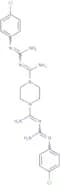
CAS:<p>Picloxidina is a chlorhexidine-based antiseptic, which is a synthetic compound with broad-spectrum antimicrobial activity. Its mode of action involves disrupting microbial cell membranes, leading to leakage of cellular contents and subsequent cell death. Picloxidina has been utilized extensively in ophthalmology due to its effectiveness in controlling ocular infections.</p>Fórmula:C20H24Cl2N10Pureza:Min. 95%Peso molecular:475.4 g/molAvermectin a1a
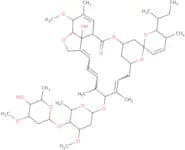
CAS:<p>Avermectin A1a is a macrocyclic lactone used primarily as an anthelmintic and insecticide. It is derived from the fermentation of the soil bacterium *Streptomyces avermitilis*. The compound works through a neurotoxic mode of action, binding to glutamate-gated chloride channels in nerve and muscle cells of invertebrates, leading to paralysis and subsequent death of the parasites. This mechanism is highly specific, primarily affecting nematodes and arthropods.</p>Fórmula:C49H74O14Pureza:90%Peso molecular:887.1 g/molKanamycin A Related Compound 1
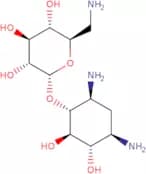
CAS:Kanamycin A Related Compound 1 is an analytical reference standard, which is derived from aminoglycoside antibiotics. Its source stems from the chemical structures related to the aminoglycoside class, primarily used to ensure precise identification and quantification of kanamycin residues or impurities in pharmaceutical formulations. The mode of action of Kanamycin A Related Compound 1 involves serving as a comparator or reference point in chromatographic and spectroscopic methods, facilitating accurate analysis by providing a consistent baseline for research laboratories.Fórmula:C12H25N3O7Pureza:Min. 95%Peso molecular:323.34 g/molBPH715
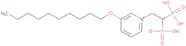
CAS:<p>Please enquire for more information about BPH715 including the price, delivery time and more detailed product information at the technical inquiry form on this page</p>Fórmula:C17H31NO7P2Pureza:Min. 95%Peso molecular:423.4 g/mol3-(2-(2,4-Dichlorophenyl)-2-hydroxyethyl)-3,4-imidazolidinedione
CAS:<p>3-(2-(2,4-Dichlorophenyl)-2-hydroxyethyl)-3,4-imidazolidinedione is a synthetic compound, which is a derivative of imidazolidinedione. It is primarily characterized as an antifungal agent with broad-spectrum activity against various fungal species. Its mode of action involves disrupting the synthesis of ergosterol, an essential component of fungal cell membranes. This disruption leads to increased membrane permeability and ultimately, cell death. The efficacy of this compound is attributed to its ability to inhibit the growth of pathogens by targeting critical pathways necessary for fungal survival.</p>Fórmula:C11H12Cl2N2O3Pureza:Min. 95%Peso molecular:291.13 g/molSarecycline
CAS:<p>Sarecycline is a tetracycline-class antibiotic, which is derived from naturally occurring tetracycline antibiotics. Its mode of action involves inhibition of bacterial protein synthesis by binding to the 30S ribosomal subunit, thereby preventing the addition of amino acids to nascent peptide chains. This specific mechanism disrupts bacterial growth, making Sarecycline effective against certain strains of bacteria implicated in dermatological conditions.</p>Fórmula:C24H29N3O8Pureza:Min. 95 Area-%Peso molecular:487.5 g/molOfloxacin d3 hydrochloride
CAS:Ofloxacin d3 hydrochloride is a deuterated form of the quinolone antibiotic, which is a synthetic derivative designed for research purposes. It is sourced from the fluorinated carboxyquinolone class, where deuterium atoms replace certain hydrogen atoms to study metabolic pathways involving ofloxacin with minimal isotopic interference. Ofloxacin d3 inhibits bacterial DNA gyrase and topoisomerase IV, enzymes crucial for DNA replication, transcription, and repair. By stabilizing the transient cleavable complex with DNA, it prevents the ligation of DNA strands, leading to bacterial cell death. This compound is utilized primarily in laboratory settings for studying the pharmacokinetics and biodistribution of quinolones, as well as for elucidating resistance mechanisms in bacterial strains. Its stable isotopic composition makes it ideal for advanced analytical techniques such as mass spectrometry. Through these investigations, insights into drug metabolism, efficacy, and resistance can be gleaned, contributing to the broader understanding of quinolone antibiotic activity.Fórmula:C18H21ClFN3O4Pureza:Min. 95%Peso molecular:400.8 g/molViolacein
CAS:<p>Violacein is a model system for studying the effects of hydroxyl groups on cell lysis. It is a fatty acid that contains nitrogen atoms and has antimicrobial properties. Violacein has been shown to cause the loss of mitochondrial membrane potential in HL-60 cells, which may be due to its ability to act as a multidrug efflux pump inhibitor. Violacein also exhibits antimicrobial activity against several bacterial strains, including MRSA and methicillin-sensitive Staphylococcus aureus (MSSA). In addition, violacein has been shown to induce cell lysis in vitro via the degradation of proteins and lipids in the cytoplasm.</p>Fórmula:C20H13N3O3Pureza:Min. 95%Forma y color:PowderPeso molecular:343.3 g/molN-Nitroso-N-phenylbenzylamine
CAS:N-Nitroso-N-phenylbenzylamine is a nitroso compound, which is synthesized through a chemical reaction involving nitrosation. It arises typically from the interaction of secondary amines and nitrosating agents. This compound functions as a potential mutagen due to its ability to form reactive intermediates that can interact with DNA. These intermediates can lead to modifications in the DNA structure, potentially causing mutations.Fórmula:C13H12N2OPureza:Min. 95%Peso molecular:212.25 g/molHexazinone metabolite C
CAS:Hexazinone Metabolite C is a chemical compound that serves as a marker for the metabolic degradation of hexazinone, a systemic herbicide. This metabolite is derived from the biological and chemical transformation processes that hexazinone undergoes when applied to plants and soil environments.Fórmula:C11H18N4O3Pureza:Min. 95%Peso molecular:254.29 g/molAspartocin D
CAS:Aspartocin D is a peptide antibiotic, which is derived from microbial fermentation of certain actinomycetes. Its mode of action involves disrupting the integrity of fungal cell membranes, leading to increased permeability and eventual cell death. Aspartocin D is specifically effective against a range of fungal pathogens, making it a useful tool in the study and potential treatment of fungal infections.Fórmula:C57H89N13O20Pureza:Min. 95%Peso molecular:1,276.40 g/molLysostaphin, from staphylococcus staphylolyticus
CAS:<p>Lysostaphin, from Staphylococcus staphylolyticus is a zinc metalloenzyme with action on bacterial cell walls by cleaving polyglycine cross-links and is used for treating staphylococcal infections and in research applications.</p>Pureza:Min. 95%Forma y color:PowderCEF3
CAS:<p>CEF3 is a cephalosporin-based antibacterial agent, which is derived from the fermentation of Streptomyces species. This compound functions by inhibiting bacterial cell wall synthesis, specifically targeting the transpeptidase enzyme involved in the cross-linking of peptidoglycan layers. The disruption of this process results in weakened bacterial cell walls, leading to cell lysis and death, particularly affecting Gram-positive and some Gram-negative bacteria.</p>Fórmula:C42H74N10O12Pureza:Min. 95%Peso molecular:911.1 g/molTetracycline hydrochloride, Antibiotic for Culture Media Use Only
CAS:<p>Tetracycline hydrochloride is a broad-spectrum antibiotic and is an electron transfer agent. It has been shown to be effective against bacterial infections in humans and has been used in cultures for the prevention of bacterial contamination. As an electron transfer agent, it is used in electron microscopy to study the surface of biological cells. Tetracycline hydrochloride enters bacterial cells by diffusion and interacts with the cytoplasmic membrane, where it induces a redox reaction that leads to cell death. The efficacy of tetracycline hydrochloride in treating candida albicans (yeast) was studied using in-vitro activity and showed that carboxymethyl chitosan nanoparticles were able to enhance the treatment efficiency.</p>Fórmula:C22H25ClN2O8Pureza:Min. 88.0 Area-%Peso molecular:480.90 g/molRef: 3D-T-1961
1kgA consultar5kgA consultar10kgA consultar25kgA consultar2500gA consultar-Unit-kgkgA consultarMorinamide hydrochloride
CAS:<p>Morinamide hydrochloride is a synthetic antitubercular agent, which is derived from chemical synthesis processes. Its mode of action involves disrupting the synthesis of mycolic acids in the cell walls of Mycobacterium tuberculosis, thereby inhibiting bacterial growth and proliferation. The compound serves primarily as an antimicrobial agent targeting tuberculosis infections. In a laboratory setting, Morinamide hydrochloride is utilized in the study of bacterial resistance mechanisms and the development of novel therapeutic agents. Its specific action on mycolic acid synthesis makes it a valuable tool for researchers aiming to elucidate the pathways involved in mycobacterial cell wall construction and to develop more targeted chemotherapeutic interventions. Due to its crucial role, understanding the mechanisms and efficacy of Morinamide hydrochloride can greatly benefit scientific efforts in combating tuberculosis, especially in light of increasing drug resistance.</p>Fórmula:C10H15ClN4O2Pureza:Min. 95%Peso molecular:258.7 g/molClothianidin-urea
CAS:Clothianidin-urea is an insecticide, which is synthesized from chemical sources and belongs to the neonicotinoid class of compounds. Its mode of action involves binding to nicotinic acetylcholine receptors in the central nervous system of insects, disrupting normal nerve function and leading to paralysis and eventual death. This mode of action is selective to insects, offering a degree of safety to non-target species including humans and animals.Fórmula:C6H8ClN3OSPureza:Min. 95%Peso molecular:205.67 g/molCloxacillin benzathine
CAS:Cloxacillin benzathine is a beta-lactam antibiotic, which is synthesized from Penicillium fungi-derived penicillins. It acts by inhibiting bacterial cell wall synthesis. The mechanism involves the irreversible inhibition of penicillin-binding proteins (PBPs). This disruption in the bacterial cell wall structure ultimately leads to cell lysis and death.Fórmula:C54H56Cl2N8O10S2Pureza:Min. 95 Area-%Forma y color:White PowderPeso molecular:1,112.11 g/mol4-Epitetracycline ammonium
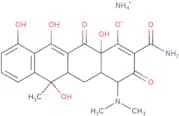
CAS:4-Epitetracycline ammonium is a tetracycline analog, which is a derivative of the well-known antibiotic tetracycline. This compound is synthesized from naturally occurring tetracycline through chemical modification, involving the alteration of the hydroxyl group at the C-4 position. As a result, 4-Epitetracycline ammonium retains the fundamental characteristics of its parent compound.Fórmula:C22H27N3O8Pureza:Min. 95%Peso molecular:461.5 g/molAmustaline dihydrochloride
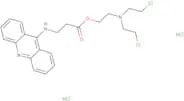
CAS:Amustaline dihydrochloride is a chemical compound known for its alkylating properties, which is synthetically derived through chemical synthesis methods. The mode of action of Amustaline dihydrochloride involves the formation of covalent bonds with nucleophilic entities in DNA, leading to cross-linking and subsequent disruption of DNA function. This results in the inhibition of cellular replication, ultimately inducing apoptosis or programmed cell death in rapidly dividing cells.Fórmula:C22H27Cl4N3O2Pureza:Min. 95%Peso molecular:507.3 g/molSulbenicillin
CAS:<p>Sulbenicillin is a semi-synthetic penicillin antibiotic, which is derived from 6-aminopenicillanic acid, a natural precursor in the biosynthesis of penicillins. With its beta-lactam structure, Sulbenicillin disrupts bacterial cell wall synthesis by inhibiting penicillin-binding proteins, which are essential enzymes in the cross-linking of peptidoglycan layers. This disruption compromises the structural integrity of the bacterial cell wall, resulting in cell lysis and death, particularly in Gram-negative bacteria.</p>Fórmula:C16H18N2O7S2Pureza:Min. 95%Peso molecular:414.46 g/mol(-)-Actinonin
CAS:<p>Antibiotic peptide; inhibitor of aminopeptidase M and leucine aminopeptidase</p>Fórmula:C19H35N3O5Pureza:Min. 95%Peso molecular:385.5 g/molBacitracin B3
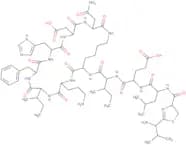
CAS:Bacitracin B3 is an antibacterial agent, which is derived from the bacterium Bacillus subtilis. Its mode of action involves the inhibition of bacterial cell wall synthesis. This is achieved by interfering with the dephosphorylation of bactoprenol, an essential carrier molecule in the transport of peptidoglycan precursors across the cytoplasmic membrane. The disruption of this process leads to a weakened cell wall, ultimately resulting in bacterial cell lysis and death.Fórmula:C65H101N17O16SPureza:Min. 95%Peso molecular:1,408.7 g/molBaumycin C2
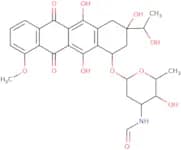
CAS:<p>Baumycin C2 is an anthracycline antibiotic, which is a type of chemotherapy agent used in cancer treatment. This compound is derived from the bacterium Streptomyces, known for producing specific metabolites that interfere with cellular processes. The mode of action of Baumycin C2 involves intercalating into DNA, thereby disrupting the enzyme topoisomerase II. This interference prevents proper DNA replication and transcription, ultimately leading to apoptosis in rapidly dividing cancer cells. The uses and applications of Baumycin C2 predominantly relate to its efficacy against various types of cancers, including leukemias, lymphomas, and solid tumors such as breast cancer. By targeting DNA replication, Baumycin C2 plays a crucial role in reducing tumor growth and proliferation, representing a significant tool in oncological pharmacotherapy. Researchers continue to explore its potential in combination therapies to enhance its effectiveness and mitigate resistance.</p>Fórmula:C28H31NO11Pureza:Min. 95%Peso molecular:557.5 g/molPeramivir
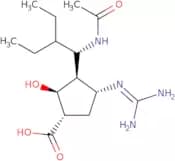
CAS:<p>Selective and potent inhibitor of sialidases (neuraminidases) in influenza A and B viruses. The compound binds tightly to the viral neuraminidase active site in late stages of viral life-cycle. It inhibits shedding sialic acids from host cell surface glycans, which interact with viral hemagglutinin, and consequently prevents release of new viral particles from the host cell surface.</p>Fórmula:C15H28N4O4Pureza:Min. 95%Forma y color:PowderPeso molecular:328.41 g/mol6'-N-Cbz-kanamycin A
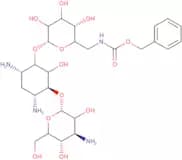
CAS:<p>6'-N-Cbz-kanamycin A is a semi-synthetic aminoglycoside antibiotic derivative, specifically a Cbz (carbobenzyloxy) protected form of kanamycin A. It is derived from the natural product kanamycin, which is an antibiotic obtained from the bacterium *Streptomyces kanamyceticus*. The modification involves the introduction of a protective Cbz group at the 6' position, which can improve solubility, stability, or enable further chemical modifications.</p>Fórmula:C26H42N4O13Pureza:Min. 95%Peso molecular:618.63 g/molBleomycin acid
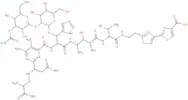
CAS:Bleomycin acid is a chemotherapeutic agent, which is a derivative of antibiotics isolated from the bacterium *Streptomyces verticillus*. This bioactive compound exhibits its mode of action primarily through binding to DNA and inducing strand breaks. The interaction of bleomycin acid with DNA leads to the formation of free radicals, which subsequently result in single and double-strand breaks. These actions disrupt the DNA synthesis and repair processes, ultimately inhibiting cancer cell proliferation.Fórmula:C50H72N16O22S2Pureza:Min. 95%Peso molecular:1,313.3 g/molDequalinium chloride
CAS:<p>Dequalinium chloride is a novel, broad spectrum antimicrobial agent with a mechanism of action that inhibits the mitochondria-dependent respiratory chain. Studies have shown that it inhibits the growth of resistant microorganisms in cell-based experiments and in bacterial infections. Dequalinium chloride also has cytopathic effects on thp-1 cells, which are specific for Mycobacterium tuberculosis. In addition to inhibiting mitochondria-dependent respiration, this compound also increases acetylcholine receptor sensitivity in A549 lung cancer cells. Dequalinium chloride is a quaternary ammonium cation and has been shown to be effective against clinical isolates and inhibitory concentrations of a variety of virus species, including human rhinovirus (HRV) and Coxsackie virus type B4 (CoxB4).</p>Fórmula:C30H40Cl2N4Pureza:Min. 95.0 Area-%Peso molecular:527.57 g/molRef: 3D-W-105841
5gA consultar10gA consultar25gA consultar50gA consultar100gA consultar-Unit-ggA consultarAzoxystrobin-d4
CAS:<p>Azoxystrobin-d4 is a deuterated fungicide, which is a synthetic chemical compound designed for use in research, particularly within the field of agrochemical studies. It is a derivative of azoxystrobin, a well-known strobilurin fungicide, and is produced through isotope labeling, where hydrogen atoms are replaced with deuterium. This isotopic substitution does not alter the chemical activity of the compound but assists in analytical studies, such as mass spectrometry, by enabling precise tracking and quantification.</p>Fórmula:C22H17N3O5Pureza:Min. 95%Peso molecular:407.4 g/molSisunatovir
CAS:<p>Sisunatovir is an antiviral agent, which is a small-molecule compound with specificity designed to inhibit the fusion process of the respiratory syncytial virus (RSV). This small-molecule inhibitor is synthetically derived, with its action targeting the F (fusion) protein of the virus. The mechanism of action involves preventing the viral fusion with host cell membranes, thereby blocking entry and subsequent replication within the host cells.</p>Fórmula:C23H22F4N4OPureza:Min. 95%Peso molecular:446.4 g/molBA-53038B
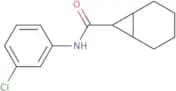
CAS:<p>BA-53038B is a microbial-based insecticide, which is derived from a naturally occurring bacterium. It functions through a specific mode of action involving the disruption of the digestive processes in target insect larvae. Once ingested by the larvae, the bacterial spores produce endotoxins that bind to receptors in the gut of susceptible insect species, causing cell lysis and eventual death. This product is highly selective, targeting specific insect pests while minimizing harm to non-target organisms and beneficial insects.</p>Fórmula:C14H16ClNOPureza:Min. 95%Peso molecular:249.73 g/molDimoxystrobin-5-benzoic acid
CAS:<p>Dimoxystrobin-5-benzoic acid is a chemical fungicide, which is a synthetic compound derived from the strobilurin class of fungicides. It functions by inhibiting mitochondrial respiration in fungi, specifically blocking the electron transfer at the Qo site of the cytochrome bc1 complex. This mode of action disrupts energy production in fungal cells, thereby curbing their growth and proliferation.</p>Fórmula:C19H20N2O5Pureza:Min. 95%Peso molecular:356.4 g/molPiericidin A
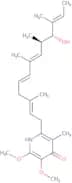
CAS:<p>Piericidin A is a microbial metabolite, specifically a type of polyketide, which is derived from the bacterium of the genus Streptomyces. This compound acts as an electron transport chain inhibitor by specifically binding to the ubiquinone binding site of complex I (NADH:ubiquinone oxidoreductase) in mitochondria. This mode of action results in the disruption of ATP production through oxidative phosphorylation.</p>Fórmula:C25H37NO4Pureza:Min. 95%Peso molecular:415.57 g/molTridehydro pirlimycin
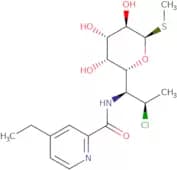
CAS:<p>Tridehydro pirlimycin is an antibiotic compound, which is a synthetic derivative with origins in the lincosamide family. It is characterized by its ability to inhibit bacterial protein synthesis by binding to the 50S ribosomal subunit, leading to a bacteriostatic effect. The compound is primarily developed for its use in veterinary medicine, particularly in the treatment and management of bacterial infections in animals.</p>Fórmula:C17H25ClN2O5SPureza:Min. 95%Peso molecular:404.91 g/molNeosartoricin B
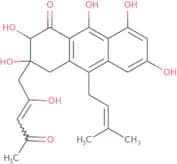
CAS:Neosartoricin B is a promising antibiotic compound, which is derived from fungal sources, specifically the genus *Neosartorya*. Its unique mode of action involves disrupting the cell wall synthesis of target fungal organisms, making it highly effective against a range of pathogenic fungi. This compound works by interfering with the biosynthesis of essential components required for cell wall integrity, ultimately leading to cell lysis and death of the fungal cells.Fórmula:C24H26O8Pureza:Min. 95%Peso molecular:442.5 g/molTigemonam
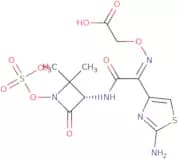
CAS:<p>Tigemonam is a synthetic beta-lactam antibiotic, which is derived from chemical synthesis processes. This compound operates by inhibiting bacterial cell wall synthesis, specifically targeting the penicillin-binding proteins (PBPs). The disruption of the cell wall synthesis ultimately leads to cell lysis and death of the bacteria, making it effective primarily against gram-negative bacterial infections.</p>Fórmula:C12H15N5O9S2Pureza:Min. 95%Peso molecular:437.41 g/molHCV-IN-31
CAS:HCV-IN-31 is a chemical inhibitor specifically designed for hepatitis C virus (HCV) research, which is synthesized through advanced organic chemistry techniques. It acts by interfering with the viral replication machinery, effectively reducing the replication rate of the virus in host cells. The inhibition mechanism primarily targets nonstructural proteins crucial for HCV RNA replication, thereby offering a potent blockade to viral proliferation.Fórmula:C12H17FN6O3Pureza:Min. 95%Peso molecular:312.3 g/molML406
CAS:<p>ML406 is a synthetic small molecule compound, which is a chemically-engineered agent with a precise mode of action targeting specific biological pathways. It is synthesized through controlled laboratory processes to achieve high purity and specificity. The compound functions by modulating target proteins or receptors, thereby influencing cellular pathways of interest. Due to its high specificity, ML406 is utilized primarily within a research context to elucidate complex biological mechanisms and validate the roles of potential therapeutic targets.</p>Fórmula:C20H20N2O4Pureza:Min. 95%Peso molecular:352.4 g/molKanamycin sulfate
CAS:<p>Kanamycin sulfate is an aminoglycoside antibiotic, derived from the bacterium *Streptomyces kanamyceticus*. Its mode of action involves binding to the 30S subunit of the bacterial ribosome, thereby inhibiting protein synthesis and ultimately leading to bacterial cell death. This mechanism is particularly effective against gram-negative bacteria and certain gram-positive bacteria.</p>Fórmula:C18H40N4O16SPureza:Min. 95%Peso molecular:600.6 g/mol21-Norrapamycin
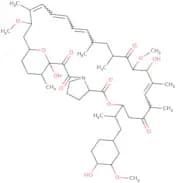
CAS:<p>21-Norrapamycin is a macrocyclic lactone antibiotic, which is derived from the bacterium Streptomyces hygroscopicus. Its chemical structure is closely related to that of rapamycin, a well-known immunosuppressant. The mode of action of 21-Norrapamycin involves the inhibition of the mechanistic target of rapamycin (mTOR) signaling pathway. By binding to the FK506-binding protein 12 (FKBP12), it forms a complex that then inhibits mTOR, a crucial regulator of cell growth, proliferation, and survival.</p>Fórmula:C50H77NO13Pureza:Min. 95%Peso molecular:900.1 g/molLoracarbef monohydrate
CAS:<p>Loracarbef monohydrate is a synthetic antibiotic, which is derived from carbacephem compounds with a mode of action that involves inhibiting bacterial cell wall synthesis. This is achieved by binding to penicillin-binding proteins, thereby blocking the cross-linking of peptidoglycan chains which are crucial for bacterial cell wall structural integrity.</p>Fórmula:C16H16ClN3O4·H2OPureza:Min. 95%Peso molecular:367.78 g/molSulfadiazine
CAS:<p>Sulfadiazine is a sulfonamide antibiotic with action on bacterial folate synthesis inhibition and is used for treating toxoplasmosis and urinary tract infections.</p>Fórmula:C10H10N4O2SPureza:Min. 95%Forma y color:PowderPeso molecular:250.28 g/molNifursemizone
CAS:<p>Nifursemizone is an antimicrobial agent, which is a synthetic nitrofuran derivative. It is engineered from chemical precursors through targeted synthetic processes designed to maximize its antibacterial properties. The mode of action of Nifursemizone involves the inhibition of bacterial enzymes and interference with nucleic acid synthesis. This action disrupts essential bacterial functions, leading to the inhibition of bacterial growth and eventual cell death.</p>Fórmula:C8H10N4O4Pureza:Min. 95%Peso molecular:226.19 g/molVirginiamycin - Complex of M1+S1
CAS:<p>Virginiamycin - Complex of M1+S1 is an antibiotic compound, which is derived from the actinobacterium Streptomyces virginiae. It functions through the inhibition of bacterial protein synthesis by binding to the 50S ribosomal subunit, thereby obstructing peptide bond formation and impeding microbial growth. The complex is composed of two major components: Virginiamycin M1 and Virginiamycin S1, which synergistically enhance antimicrobial efficacy.</p>Fórmula:C71H84N10O17Pureza:Min. 95%Peso molecular:1,349.48 g/molClindamycin B hydrochloride
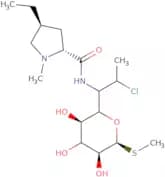
CAS:<p>Clindamycin B hydrochloride is a semi-synthetic antibiotic, which is derived from the parent compound, lincomycin, obtained from the bacterium *Streptomyces lincolnensis*. It exerts its antibacterial effects by binding to the 50S subunit of the bacterial ribosome, inhibiting protein synthesis by preventing peptide bond formation, which is essential for bacterial growth and survival.</p>Fórmula:C17H31ClN2O5S•HClPureza:Min. 95%Forma y color:White To Off-White SolidPeso molecular:447.42 g/molContezolid
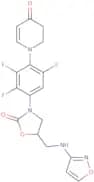
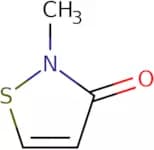
CAS:Contezolid is an oxazolidinone antibiotic, which is a class of synthetic compounds primarily derived through chemical synthesis. It functions by inhibiting bacterial protein synthesis, specifically by binding to the 50S subunit of the bacterial ribosome. This action prevents the formation of the initiation complex, thereby hindering the growth and replication of bacteria.Fórmula:C18H15F3N4O4Pureza:Min. 95%Peso molecular:408.3 g/mol2-Methyl-4-isothiazolin-3-one
CAS:Producto controlado2-Methyl-4-isothiazolin-3-one or MIT is a powerful antimicrobial and antifungal agent which is widely used in personal care products. It is also used in industrial applications as a preservative and antifouling agent.Fórmula:C4H5NOSPureza:Min. 96%Forma y color:Yellow PowderPeso molecular:115.15 g/molTigecycline hydrate
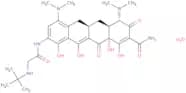
CAS:<p>Inhibitor of protein synthesis; glycylcycline class</p>Fórmula:C29H39N5O8Pureza:Min. 95%Peso molecular:585.65 g/mol4-(4,5-Dihydroxy-3-methoxy-6-methyloxan-2-yl)oxy-2,5,7-trihydroxy-3-methoxy-2-methyl-3,4-dihydrotetracene-1,6,11-trione
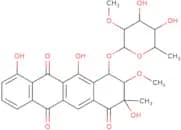
CAS:<p>4-(4,5-Dihydroxy-3-methoxy-6-methyloxan-2-yl)oxy-2,5,7-trihydroxy-3-methoxy-2-methyl-3,4-dihydrotetracene-1,6,11-trione is an anthraquinone derivative, which is a specialized organic compound. This compound is typically derived from complex synthetic processes involving multi-step organic reactions starting from anthraquinone precursors. Its mode of action primarily involves the disruption of microbial cell walls and the inhibition of essential enzymatic pathways that are critical for microbial replication and survival.</p>Fórmula:C27H28O12Pureza:Min. 95%Peso molecular:544.5 g/mol