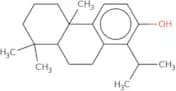
Terpenoides
Subcategorías de "Terpenoides"
- Diterpenos (C₂₀)(671 productos)
- Hemiterpenos (C₅)(21 productos)
- Monoterpenos (C₁₀)(709 productos)
- Sesquiterpenos (C₂₅)(452 productos)
- Tetraterpenos (C₄₀)(63 productos)
- Triterpenos (C₃₀)(1.128 productos)
Se han encontrado 1423 productos de "Terpenoides"
Curcumol
CAS:Curcumol is a bioactive compound, which is a sesquiterpenoid alcohol primarily extracted from the rhizome of the plant Curcuma wenyujin, a member of the Zingiberaceae family. The source plant is native to parts of Asia and has been traditionally used in herbal medicine. The mode of action of Curcumol involves modulation of multiple biochemical pathways, including anti-inflammatory and antioxidant pathways. It has been observed to influence cellular signaling cascades that regulate apoptosis, cell proliferation, and angiogenesis, making it a compound of interest in oncology research.
Fórmula:C15H24O2Pureza:Min. 95%Forma y color:PowderPeso molecular:236.35 g/molDiosbulbin B
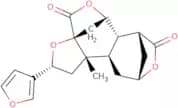
CAS:Diosbulbin B is a naturally occurring sesquiterpene lactone, which is derived primarily from the plant Dioscorea bulbifera, commonly known as "air potato" or "bitter yam." As a bioactive compound, Diosbulbin B demonstrates a mode of action that involves the induction of cytotoxicity in malignant cells, primarily through the disruption of microtubule dynamics, leading to cell cycle arrest and apoptosis.Fórmula:C19H20O6Pureza:Min. 98 Area-%Forma y color:PowderPeso molecular:344.36 g/molCycloastragenol
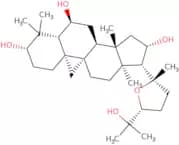
CAS:Triterpenoid saponin with many suggested pharmacological propertiesFórmula:C30H50O5Pureza:Min. 98 Area-%Forma y color:White PowderPeso molecular:490.72 g/molCimigenoside
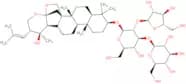
CAS:Cimigenoside is a naturally occurring triterpene saponin, which is a phytochemical compound extracted primarily from the roots of the Cimicifuga species, such as Cimicifuga racemosa, commonly known as black cohosh. The source of this compound is rooted in traditional medicinal practices, where these plants have been used for their therapeutic benefits.Fórmula:C35H56O9Pureza:Min. 95%Forma y color:Off-White PowderPeso molecular:620.81 g/molPeduncloside II
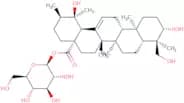
CAS:Peduncloside II is a rare glucoside, a type of chemical compound, that is naturally derived from specific plant sources. The source of Peduncloside II is primarily the traditional medicinal plant, which has been utilized in various indigenous pharmacopeias, particularly in certain regions of Asia. It is isolated from plant tissues where it functions as a secondary metabolite.
Fórmula:C36H58O10Pureza:Min. 95%Forma y color:PowderPeso molecular:650.84 g/molSterebin A - Stevia rebaudiana
CAS:Sterebin A is a natural sweetener, which is derived from the plant Stevia rebaudiana, a species native to South America. The primary source of Sterebin A is the leaves of this plant, which contain glycosides such as stevioside and rebaudioside. These glycosides interact with taste receptors on the tongue, providing a sweetness that is significantly more intense than sucrose, without the caloric content. The biochemical mechanism involves the binding of these compounds to specific receptor sites, simulating the perception of sweetness in humans.Fórmula:C18H30O4Pureza:90%MinForma y color:PowderPeso molecular:310.43 g/molUrsolic acid - 90%
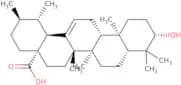
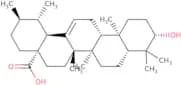
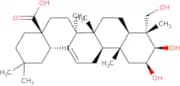
CAS:Producto controladoUrsolic acid - 90% is a natural compound classified as a pentacyclic triterpenoid, which is derived predominantly from the waxy coating of apples, as well as other fruits and herbs such as rosemary and thyme. This highly concentrated form ensures a purity level suited for scientific research and application.Fórmula:C30H48O3Forma y color:White Off-White PowderPeso molecular:456.7 g/molα-Hederin
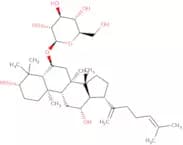
CAS:Antispasmodic, moliscicidic, anthelmithic and inhibitor of cell proliferationFórmula:C41H66O12Pureza:Min. 98 Area-%Forma y color:White PowderPeso molecular:750.96 g/molGinsenoside F11
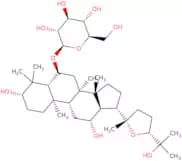
CAS:Ginsenoside F11 is a saponin compound, which is a bioactive component derived from Panax quinquefolius, commonly known as American ginseng. This compound is extracted from the roots of the plant, where it naturally occurs as part of its complex phytochemical profile. Ginsenoside F11 acts through multiple biochemical pathways, primarily by modulating neurotransmitter systems and exhibiting antioxidant properties. It influences cellular mechanisms by interacting with specific receptors and enzymes, thereby affecting signal transduction processes.
Pureza:Min. 95%Erythrodiol
CAS:Producto controladoErythrodiol is a pentacyclic triterpenoid alcohol, which is primarily derived from the hydrolysis of oleanolic acid, found predominantly in the leaves and fruits of the olive tree, Olea europaea. As a bioactive compound, it plays a significant role in various biological processes due to its potent antioxidant, anti-inflammatory, and cardioprotective properties.Fórmula:C30H50O2Pureza:Min. 97 Area-%Forma y color:PowderPeso molecular:442.72 g/molManool
CAS:Manool is a diterpene compound, which is derived from natural plant sources, predominantly from the essential oils of certain coniferous trees. It exhibits a unique cyclic structure and is classified within the group of labdane diterpenes. Manool is extracted through steam distillation of the plant material followed by purification processes to isolate its active form.Fórmula:C20H34OPureza:Min. 90 Area-%Forma y color:Yellow PowderPeso molecular:290.48 g/molGinsenoside Rc
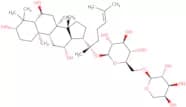
CAS:Ginsenoside Rc is a bioactive compound, which is a triterpenoid saponin derived from the root of the Panax ginseng plant. It possesses a unique mode of action through its interaction with cell membrane receptors, influencing various signaling pathways. Among its many effects, Ginsenoside Rc modulates immune response, exhibits antioxidant properties, and can regulate glucose metabolism and cardiovascular function.
Fórmula:C53H90O22Pureza:Min. 98 Area-%Forma y color:White Off-White PowderPeso molecular:1,079.3 g/molDigoxin
CAS:Digoxin and its derivatives are the most widely used as cardiac glycosides. Digoxin is isolated from the foxglove plant, Digitalis lanata, and has pharmacokinetic properties that are intermediate between digitoxin and the short acting strophanthus glycosides. Digoxin is regarded as the drug of choice for the treatment of congestive heart failure as its main assets are the rapid onset of action, good absorption ratio and the medium half-life which makes toxic reactions easier to manage (Albrecht, 1999).Fórmula:C41H64O14Pureza:Min. 95%Forma y color:PowderPeso molecular:780.94 g/molUrsolic acid - 98%
CAS:Producto controladoUrsolic acid - 98% is a naturally occurring triterpenoid compound, which is sourced primarily from the waxy coating of fruits, such as apples, as well as from several medicinal herbs like rosemary and holy basil. This compound is known to possess a variety of biological activities due to its molecular structure.Fórmula:C30H48O3Forma y color:White Off-White PowderPeso molecular:456.7 g/molGentiopicroside
CAS:Gentiopicroside is a bitter iridoid glycoside, which is predominantly sourced from plants of the Gentianaceae family, such as Gentiana lutea. It acts as a natural compound with several biological activities emanating from its unique chemical structure. The mode of action of gentiopicroside involves modulating various enzymatic pathways and exhibiting antioxidant properties due to its ability to scavenge free radicals and reduce oxidative stress.Fórmula:C16H20O9Pureza:Min. 95%Forma y color:PowderPeso molecular:356.33 g/molAsiaticoside A
CAS:Pentacyclic triterpene; anti-inflammatory, anti-oxidant & anti-ageingFórmula:C48H78O20Pureza:Min. 95%Forma y color:White PowderPeso molecular:975.12 g/mol(+/-)-Geosmin
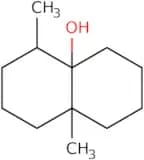
CAS:Geosmin is an "earth" smelling aromatic compound that is produced by soil bacteria. Together with other substances, geosmin is a key constituent of petrichor, the pleasant scent released into the air following rainfall, after impact of water droplets with soil.Fórmula:C12H22OPureza:Min. 95%Forma y color:Clear LiquidPeso molecular:182.3 g/molGinkgolide M
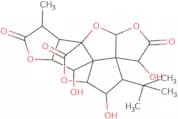
CAS:Ginkgolide M is a diterpenoid trilactone, which is a natural compound derived from the leaves of the Ginkgo biloba tree. Ginkgo biloba is an ancient plant species known for its resilient nature and traditional medicinal use. The mode of action of Ginkgolide M involves antagonism of platelet-activating factor (PAF) receptors. By this mechanism, it influences various biological processes such as platelet aggregation and inflammation, which are critical pathways in numerous physiological and pathological states.
Fórmula:C20H24O10Pureza:Min. 95%Peso molecular:424.4 g/molDehydrocostus lactone
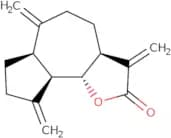
CAS:Dehydrocostus lactone is a sesquiterpene lactone, which is a natural compound extracted from plants, notably from the roots of Saussurea lappa, a plant known for its therapeutic properties. This compound exerts its mode of action primarily through the inhibition of key inflammatory pathways, including the NF-κB pathway. By interfering with these pathways, dehydrocostus lactone can modulate the expression of pro-inflammatory cytokines, thereby exhibiting anti-inflammatory effects.Fórmula:C15H18O2Pureza:Min. 95%Peso molecular:230.3 g/molBayogenin
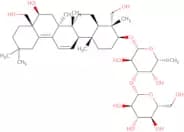
CAS:Producto controladoBayogenin is a steroidal sapogenin, which is a bioactive compound originating from plant sources such as certain species of the Dioscorea genus (wild yams). It is primarily extracted through processes that involve saponin hydrolysis to yield the sapogenin itself. Bayogenin, like other sapogenins, serves as a precursor in the synthesis of steroidal compounds. Its mode of action involves serving as a substrate in organic synthesis, where it facilitates the production of various steroidal drugs and hormones.Fórmula:C30H48O5Pureza:Min. 98 Area-%Forma y color:PowderPeso molecular:488.7 g/molGinsenoside Rg1
CAS:Ginsenoside Rg1 is a bioactive compound, which is primarily derived from the roots of Panax ginseng, a traditional medicinal herb. It belongs to the family of ginsenosides, which are glycosylated triterpenoid saponins known for their diverse pharmacological activities. The mechanism of action of Ginsenoside Rg1 involves modulation of various cellular signaling pathways, including the regulation of reactive oxygen species, apoptosis, and inflammation. It also exhibits neuroprotective effects by promoting neuronal growth and differentiation.Fórmula:C42H72O14Pureza:Min. 95%Forma y color:White PowderPeso molecular:801.03 g/mol(R)-(-)-Carvone
CAS:Applications (R)-(-)-Carvone, is an antinociceptive monoterpene found as the main active constituent of essential oils obtained from plants of the genus Mentha. It is a novel agonist of TRPV1 channels. It can also be used as a chiral starting material.
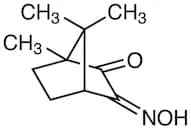
References Goncalves, J.C., et al.: Cytometry part A., 83(2), 212 (2013); Liebigs ann., Chem., 403 (1993);Fórmula:C10H14OForma y color:ColourlessPeso molecular:150.22anti-(1R)-(+)-Camphorquinone 3-Oxime
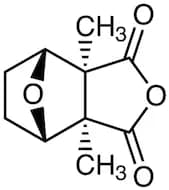
CAS:Fórmula:C10H15NO2Pureza:>95.0%(GC)(N)Forma y color:White to Orange to Green powder to crystalPeso molecular:181.24Cantharidin
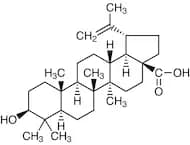
CAS:Fórmula:C10H12O4Pureza:>98.0%(GC)Forma y color:White to Almost white powder to crystalPeso molecular:196.20Betulinic Acid
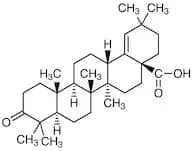
CAS:Fórmula:C30H48O3Pureza:>97.0%(GC)(T)Forma y color:White to Light yellow to Light orange powder to crystalPeso molecular:456.71Moronic Acid
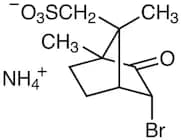
CAS:Fórmula:C30H46O3Pureza:>96.0%(HPLC)Forma y color:White to Almost white powder to crystalPeso molecular:454.70(-)-3-Bromocamphor-8-sulfonic Acid Ammonium Salt
CAS:Fórmula:C10H18BrNO4SPureza:>97.0%(T)Forma y color:White to Light yellow to Light orange powder to crystalPeso molecular:328.221-(1,5-Dimethyl-5-hexen-1-yl)-4-methyl-1,4-cyclohexadiene
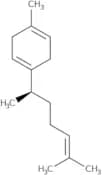
CAS:1-(1,5-Dimethyl-5-hexen-1-yl)-4-methyl-1,4-cyclohexadiene is a sesquiterpene compound, which is biosynthetically derived from plant sources. These compounds are typically synthesized through the mevalonate pathway in plants and have a wide range of functionalities due to their diverse structural framework. The mode of action of this compound is often linked to its interaction with cellular receptors, membrane permeability, and its ability to interfere with various biochemical pathways. Terpene compounds like this one can have bioactive properties, influencing processes such as inflammation, oxidative stress, or microbial growth.Fórmula:C15H24Pureza:Min. 95%Forma y color:Colorless PowderPeso molecular:204.35 g/molLycopene
CAS:Fórmula:C40H56Pureza:>85.0%(qNMR)Forma y color:Red to Dark red powder to crystalPeso molecular:536.89Linalool - synthetic grade
CAS:Linalool - synthetic grade is a versatile terpene alcohol, which is synthetically produced from petrochemicals. Its mode of action involves interacting with olfactory receptors, which contributes to its characteristic floral aroma. Additionally, linalool is involved in various biochemical transformations, often acting as an intermediate in chemical reactions due to its reactive functional groups.
Fórmula:C10H18OPureza:Min. 95%Forma y color:Colorless Clear LiquidPeso molecular:154.25 g/molAbsinthin
CAS:Absinthin is a sesquiterpene lactone, which is a naturally occurring chemical compound derived from the Artemisia absinthium plant, commonly known as wormwood. It is primarily extracted from the aerial parts of this perennial herb. Absinthin's mode of action involves its interaction with cell membrane components and enzyme systems, potentially influencing various biochemical pathways. Its structure allows it to engage in specific binding interactions that can impact cellular processes.Fórmula:C30H40O6Pureza:Min. 95 Area-%Forma y color:PowderPeso molecular:496.64 g/molIpsenol
CAS:Pheromone of Ips bark beetlesFórmula:C10H18OPureza:Min. 95 Area-%Forma y color:Colorless Clear LiquidPeso molecular:154.25 g/molVerbenalin
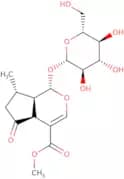
CAS:Verbenalin is an iridoid glycoside, which is a naturally occurring compound sourced from the plant genus Verbena, notably from Verbena officinalis. It is characterized by its cyclic monoterpene structure linked to a sugar moiety. This compound is known for its biological activity, primarily influencing the nervous system.Fórmula:C17H24O10Pureza:Min. 95%Peso molecular:388.37 g/molGinsenoside Rk2
CAS:Ginsenoside Rk2 is a bioactive compound, specifically a saponin, which is extracted from the root of Panax ginseng, a plant traditionally used in Asian medicine. The mode of action of Ginsenoside Rk2 involves modulating various cellular pathways, including influencing gene expression and enzyme activity, which contribute to its diverse physiological effects. It has been studied for its potential to impact cell signaling mechanisms, including those involved in inflammation, oxidative stress, and apoptosis.Fórmula:C36H60O7Pureza:Min. 95%Forma y color:PowderPeso molecular:604.86 g/molMonoammonium Glycyrrhizinate
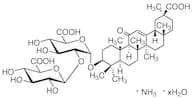
CAS:Fórmula:C42H65NO16Pureza:>75.0%(HPLC)Forma y color:White to Light yellow powder to crystalPeso molecular:839.97Chrysanthellin A
CAS:Chrysanthellin A is a sesquiterpene lactone, which is a type of natural bioactive compound. It is isolated from Chrysanthellum americanum, a flowering plant belonging to the Asteraceae family. The mode of action of Chrysanthellin A involves modulating inflammatory pathways and potentially inhibiting certain enzymes involved in metabolic processes.Fórmula:C58H94O25Pureza:Min. 95%Forma y color:PowderPeso molecular:1,191.35 g/mol(+)-Menthyl Acetate
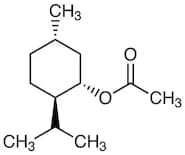
CAS:Fórmula:C12H22O2Pureza:>98.0%(GC)Forma y color:Colorless to Almost colorless clear liquidPeso molecular:198.31Ginsenoside Rb1 - 94%
CAS:Ginsenoside Rb1 - 94% is a bioactive compound, which is a major ginsenoside found in Panax ginseng, a plant species with a long history of medicinal use. It is extracted through meticulous processes to ensure high purity, focusing on the retention of its bioactive properties.Fórmula:C54H92O23Pureza:Min. 95%Forma y color:PowderPeso molecular:1,109.29 g/molMelanin, from Sepia officinalis
CAS:Melanin is a natural pigment, which is derived from Sepia officinalis, commonly known as the common cuttlefish. This pigment is a complex biopolymer sourced from the ink sac of the cuttlefish, a cephalopod that produces ink as a defense mechanism. The mode of action of melanin involves its unique ability to absorb a broad range of the electromagnetic spectrum, providing effective protection against ultraviolet radiation. Additionally, it exhibits remarkable antioxidant properties due to its free radical scavenging abilities.Fórmula:C18H10N2O4Peso molecular:318.28 g/molGinsenoside Rd
CAS:Fórmula:C48H82O18Pureza:>98.0%(HPLC)Forma y color:White to Almost white powder to crystalPeso molecular:947.173-Acetyl-beta-boswellic acid
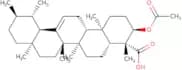
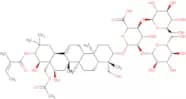
CAS:3-Acetyl-beta-boswellic acid is a pentacyclic triterpenoid compound, which is derived from the resin of the Boswellia serrata tree. It exhibits significant biological activity, mainly due to its anti-inflammatory properties. The mode of action primarily involves the inhibition of 5-lipoxygenase, an enzyme crucial in the biosynthesis of leukotrienes, which are mediators in inflammatory and allergic responses. Additionally, it has been shown to modulate various signaling pathways and transcription factors involved in inflammation.
Fórmula:C32H50O4Pureza:Min. 95%Peso molecular:498.74 g/molCannabigerovarinic acid
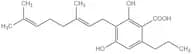
CAS:Carboxylic acid with phenol functionFórmula:C20H28O4Pureza:≥ 90.0 % (HPLC)Forma y color:PowderPeso molecular:332.43Α-onocerin
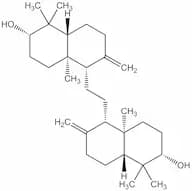
CAS:Cyclic alcoholFórmula:C30H50O2Pureza:≥ 95.0 % (HPLC)Forma y color:CrystalsPeso molecular:442.73Benzoylpaeoniflorin
CAS:Producto controladoApplications Benzoylpaeoniflorin is a derivative of Paeoniflorin (P133830), a monoterpene glycoside with potential anti-inflammatory activity. Paeoniflorin inhibits monocyte phagocytosis, or the TNF-α and PGE-2 production of monocytes.
References Zhu, X. et al.: Nat. Prod. Res., 28, 301(2014); Di, W. et al.: Int. Immunopharmacol.,, 14, 172 (2012);Fórmula:C30H32O12Forma y color:Off-WhitePeso molecular:584.57Isoalloalantolactone - Inula helenium (elecampane)
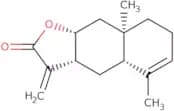
CAS:Isoalloalantolactone is a sesquiterpene lactone, which is a type of naturally occurring organic compound. It is derived from the roots of Inula helenium, commonly known as elecampane. This plant source is known for its historical use in traditional medicine, often utilized for its purported health benefits.
Fórmula:C15H20O2Pureza:Min. 95%Peso molecular:232.32 g/molLucidenic acid P
CAS:Lucidenic acid P is a triterpenoid compound, which is a bioactive metabolite isolated from Ganoderma lucidum, a medicinal mushroom known for its diverse pharmacological properties. It is primarily sourced from the fruiting bodies of this fungus, where it is present as part of a complex mixture of triterpenoids.
Fórmula:C29H42O8Pureza:Min. 95%Peso molecular:518.64 g/molSabinene hydrate
CAS:Sabinene hydrate is a bicyclic monoterpene alcohol, which is a naturally occurring compound found in essential oils of various plants, especially in species such as Juniperus and Myristica. This compound is derived from the oxidation of sabinene, a terpene prevalent in numerous aromatic plants.Fórmula:C10H18OPureza:Min. 95%Peso molecular:154.25 g/molXylopic acid
CAS:Xylopic acid is a bioactive compound, which is a diterpenoid isolated from the plant species Xylopia aethiopica. This compound is derived primarily from the fruits of the plant, often referred to as the African pepper or grains of Selim. Xylopic acid exhibits its mode of action by interacting with various biological pathways, including anti-inflammatory and antimicrobial processes, as well as modulating specific cellular receptors and enzymatic activities.Fórmula:C22H32O4Pureza:Min. 95%Peso molecular:360.49 g/molBetulonicacid
CAS:Betulonic acid is a naturally occurring triterpenoid compound, which is sourced from the bark of certain species of birch trees, mainly Betula species. It exhibits anti-inflammatory and anti-cancer properties, primarily through the modulation of various signaling pathways involved in inflammation and apoptosis. Betulonic acid acts by inhibiting key enzymes and transcription factors, such as cyclooxygenase and NF-κB, thereby reducing the production of pro-inflammatory mediators and promoting cell death in cancerous cells.Fórmula:C30H46O3Pureza:Min. 95%Peso molecular:454.68 g/mol(+)-Cembrene
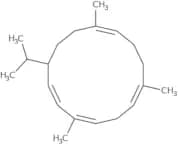
CAS:(+)-Cembrene is a diterpene hydrocarbon, which is a naturally occurring compound primarily found in marine organisms such as soft corals. This compound is characterized by its complex cyclic structure, which is a hallmark of many terpenoids known for diverse biological activities. The source of (+)-Cembrene is often the soft coral species, where it functions as a part of the organism's chemical defense system, deterring predators and inhibiting microbial growth.
Fórmula:C20H32Pureza:Min. 95%Forma y color:White PowderPeso molecular:272.47 g/molEuglobal Ia1
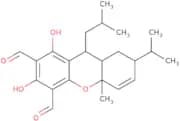
CAS:Euglobal IA1 is a topical anesthetic cream designed to provide localized numbness. It is developed using synthesized active compounds that interact with nerve endings. The mode of action involves the reversible blockage of sodium ion channels in neuronal membranes, which inhibits nerve impulse transmission and results in temporary loss of sensation in the applied area.Fórmula:C23H30O5Pureza:Min. 95%Forma y color:PowderPeso molecular:386.48 g/molJasminoside N
CAS:Jasminoside N is a natural compound, specifically a glycoside, which is derived from certain plant species, particularly in the genus *Jasminum*. As a natural metabolite found in these species, it exhibits an interesting profile in pharmacological research. The mode of action of Jasminoside N primarily involves its interaction with specific cellular pathways, often influencing anti-inflammatory and antioxidant responses. Its ability to modulate these pathways makes it a subject of interest in the study of plant-based therapeutic agents.Fórmula:C22H38O11Pureza:Min. 95%Peso molecular:478.53 g/molSaikosaponin B1
CAS:Saikosaponin B1 is a triterpenoid saponin, which is primarily derived from the roots of Bupleurum species, particularly Bupleurum falcatum. This bioactive compound exhibits a plethora of pharmacological activities through various modes of action, including modulation of immune responses and inhibition of inflammatory pathways. It interacts with cellular components to influence signal transduction mechanisms that are crucial in the pathophysiology of various diseases.Pureza:Min. 95%Pseudoginsenoside RT5
CAS:Pseudoginsenoside RT5 is a saponin, which is a type of glycoside found in certain plants, particularly in the Panax ginseng species. It is extracted from the root of this traditional medicinal plant, which is well-known for its therapeutic properties. The mode of action of Pseudoginsenoside RT5 involves modulating various cellular pathways, including the inhibition of certain enzymes and receptors involved in disease processes such as inflammation and cell proliferation. This compound is also implicated in antioxidant activities, which further contribute to its potential therapeutic effects.Pureza:Min. 95%Pseudolaric acid B-O-beta-D-glucopyranoside
CAS:Pseudolaric acid B-O-beta-D-glucopyranoside is a secondary metabolite, which is a bioactive compound sourced from the bark of the Pseudolarix amabilis, a coniferous tree native to China. It exhibits its mode of action primarily through the disruption of fungal cell integrity and inhibition of fungal growth by interfering with the synthesis of key structural components in the cell wall. This action makes it a potent antifungal agent with secondary antibacterial properties.Pureza:Min. 95%Daucol
CAS:Please enquire for more information about Daucol including the price, delivery time and more detailed product information at the technical inquiry form on this page
Fórmula:C15H26O2Pureza:Min. 95%Forma y color:PowderPeso molecular:238.37 g/molValerenic acid - Valeriana officinalis (common valerian)
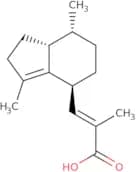
CAS:Valerenic acid is a bioactive compound, which is a sesquiterpenoid product of Valeriana officinalis, commonly known as valerian. This perennial flowering plant is native to Europe and parts of Asia and has been employed in traditional medicine for centuries. Valerenic acid is primarily extracted from the root, which is known for its distinctive aroma and therapeutic properties.Fórmula:C15H22O2Pureza:Min. 98 Area-%Forma y color:PowderPeso molecular:234.33 g/molLanatoside B
CAS:Lanatoside B is a cardiac glycoside, which is a type of compound obtained from the leaves of the Digitalis lanata plant, commonly known as woolly foxglove. This compound belongs to a class of organic substances known for their potent effects on the heart's contractile capability. The primary mode of action of Lanatoside B involves inhibiting the sodium-potassium ATPase enzyme in cardiac tissues. This inhibition leads to an increase in intracellular sodium concentration, which subsequently boosts calcium ions available for myocardial contraction via the sodium-calcium exchange mechanism.
Fórmula:C49H76O20Pureza:Min. 95%Peso molecular:985.12 g/molcis-Nerolidol
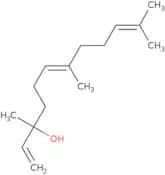
CAS:Essential oil; used as flavouring agent and as a scentFórmula:C15H26OPureza:Min. 95%Peso molecular:222.37 g/mol(+)-Sativene
CAS:(+)-Sativene is a sesquiterpene compound, which is a type of naturally occurring hydrocarbon. It is derived from various plant sources, including certain species of the Cannabis genus and other aromatic plants. As a member of the terpenoid family, (+)-Sativene is characterized by its distinctive hydrocarbon structure, contributing to its presence in essential oils and its role in natural plant fragrances.Fórmula:C10H9ClN2Pureza:Min. 95%Peso molecular:192.64 g/molDaucene
CAS:Daucene is a sesquiterpene lactone, which is isolated from plant sources, particularly from certain species of the Apiaceae family. It functions through modulating cellular pathways, primarily by inhibiting the NF-κB signaling pathway and inducing apoptosis in cancerous cells. This biochemical mode of action demonstrates Daucene's potential in disrupting cancer cell proliferation and promoting cell cycle arrest.Fórmula:C15H24Pureza:Min. 95%Peso molecular:204.35 g/mol8(17)13-Labdadien-15-ol - Pinus halepensis (Aleppo pine)
CAS:8(17)13-Labdadien-15-ol is a sesquiterpene alcohol, which is a bioactive compound originating from the oleoresin of Pinus halepensis, commonly known as the Aleppo pine. This compound is naturally produced in the pine’s resin and plays a critical role in the plant's defense mechanisms against pathogens and herbivores. Its mode of action involves disrupting the cell membranes of these invaders, ultimately impeding their growth and survival.Fórmula:C15H24O3Pureza:Min. 95%Peso molecular:252.35 g/molBritannin
CAS:Britannin is a sesquiterpene lactone, which is a type of organic compound found in certain plants. It is primarily derived from species within the Asteraceae family, known for its rich concentration of bioactive constituents. The mode of action of Britannin involves the inhibition of key signaling pathways and enzymes responsible for inflammatory responses and microbial growth. This unique mechanism disrupts the processes necessary for these biological functions, thereby exerting its therapeutic effects.Fórmula:C19H26O7Pureza:Min. 95%Peso molecular:366.41 g/molEscin IA
CAS:Escin IA is a potent anti-inflammatory agent, which is a natural compound extracted from the seeds of the horse chestnut tree (Aesculus hippocastanum). This triterpenoid saponin operates by enhancing blood circulation and reducing capillary permeability through the stabilization of endothelial barriers. Additionally, it exhibits anti-edematous and venotonic activities by modifying vascular wall integrity and decreasing inflammatory mediators. Escin IA is widely utilized in biomedical research for its therapeutic potential in the management of chronic venous insufficiency, edema, and associated conditions. Its unique mechanism of action provides an intriguing area of study for scientists exploring vascular health, anti-inflammatory strategies, and natural therapeutic compounds. The ongoing research continues to validate its efficacy and explore broader applications in vascular and inflammatory disorders.Pureza:Min. 95%Ginsenoside Rk3
CAS:Ginsenoside Rk3 is a bioactive compound, classified as a saponin, which is derived from the root of the Panax ginseng plant. This specific ginsenoside is produced through the steaming and processing of ginseng, which alters its chemical structure, resulting in various pharmacological properties. Ginsenoside Rk3 acts primarily by modulating signaling pathways and interacting with cellular receptors, leading to diverse biological activities.Fórmula:C36H60O8Pureza:Min. 95%Forma y color:PowderPeso molecular:620.86 g/molGypenoside L
CAS:Gypenoside L is a saponin compound, which is a secondary metabolite derived from the plant Gynostemma pentaphyllum. This herbaceous plant, commonly known as Jiaogulan, is native to South China and other parts of Asia, where it has been traditionally used in herbal medicine. The mode of action of Gypenoside L involves modulating various biochemical pathways, potentially influencing cellular signaling and metabolic processes. It is known for its role in activating AMP-activated protein kinase (AMPK) pathways, enhancing cellular energy homeostasis, and exhibiting antioxidant properties.Fórmula:C42H72O14Pureza:Min. 95%Peso molecular:801.01 g/molIsoescin IB
CAS:Isoescin IB is a saponin compound derived from the seeds of Aesculus hippocastanum, commonly known as horse chestnut. It belongs to a class of natural products known for their potential therapeutic properties. The source of Isoescin IB, the horse chestnut tree, is widely studied for its bioactive compounds that have been used in traditional medicine.Pureza:Min. 95%8(17)14-Labdadien-13-ol - Picea sitchensis (sitka spruce)
CAS:8(17)14-Labdadien-13-ol is a labdane diterpenoid, a specific type of terpenoid compound. It is derived from the Sitka spruce, scientifically known as Picea sitchensis. This compound is notable for its antifungal properties, making it a focal point in studies examining natural plant defense mechanisms. The mode of action involves the inhibition of fungal growth by disrupting fungal cell membranes or interfering with essential fungal enzyme systems, although the precise mechanisms may vary with different fungal targets.Fórmula:C20H34OPureza:Min. 95%Peso molecular:290.48 g/molVerbenone
CAS:Verbenone is a semiochemical product, which is a terpene compound sourced from the fragrant essential oils of certain plants, such as members of the Verbena genus. It acts as an anti-aggregation pheromone that disrupts the behavior of specific insect species. By mimicking natural signals in the environment, Verbenone inhibits the congregation and settling of pests like bark beetles.
Fórmula:C10H14OPureza:Min. 95%Peso molecular:150.22 g/molMethyl lucidenate D2
CAS:Methyl lucidenate D2 is a triterpenoid compound, which is a derivative isolated from the fruiting bodies of Ganoderma lucidum, a widely studied medicinal mushroom. This compound exhibits activity primarily through its ability to modulate various signaling pathways implicated in cancer cell proliferation and survival. Specifically, it has been observed to interfere with tumor growth by inducing apoptosis and cell cycle arrest in several cancer cell lines.Pureza:Min. 95%Polygodial
CAS:Isolated from leaves of some peppers; potent and selective activator of TRPA1
Fórmula:C15H22O2Pureza:Min. 97 Area-%Forma y color:White Off-White PowderPeso molecular:234.33 g/molCycloartanol
CAS:Cycloartanol is a triterpenoid alcohol, which is primarily derived from plant sources, particularly from the cell membranes of various plant species. As a phytosterol, it plays a critical role in the stabilization of cell membranes and serves as a precursor in the biosynthesis of more complex steroidal compounds. The mode of action of cycloartanol involves its integration into lipid bilayers, contributing to membrane fluidity and integrity, and potentially interacting with various biochemical pathways within the plant systems.Fórmula:C30H52OPureza:Min. 95%Forma y color:PowderPeso molecular:428.7 g/molProsaikogenin H
CAS:Prosaikogenin H is a naturally occurring compound, classified as a saponin, which is derived from specific plant sources, particularly within the family Araliaceae. It is obtained through extraction and purification processes from plants known for their bioactive compounds. The mode of action of prosaikogenin H involves interacting with cellular pathways to modulate biological responses, including anti-inflammatory and antioxidant effects. These interactions are facilitated by its structural properties that enable it to engage with cell membranes and influence signaling cascades.Fórmula:C36H58O8Pureza:Min. 95%Peso molecular:618.84 g/molOleuroside
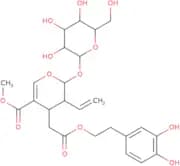
CAS:Oleuroside is a bioactive compound classified as a secoiridoid, which is derived from the leaves of the olive tree (Olea europaea). The source of oleuroside, the olive leaf, is rich in polyphenolic compounds, among which oleuropein is prominent and hydrolyzes to form oleuroside. The mode of action of oleuroside is primarily based on its antioxidant properties. It scavenges free radicals, thereby mitigating oxidative stress and protecting cells from damage. This mechanism is crucial in modulating inflammatory pathways, contributing to its potential therapeutic effects.Fórmula:C25H32O13Pureza:Min. 95%Peso molecular:540.51 g/mol(-)-trans-Pinocarveol
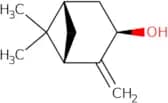
CAS:(-)-trans-Pinocarveol is a bicyclic monoterpene alcohol, which occurs naturally in a variety of essential oils, typically extracted from coniferous trees and some aromatic plants. As a chiral compound, it features a unique molecular configuration, often isolated from the Pinaceae family or synthesized via dihydroxylation of pinene derivatives.
Fórmula:C10H16OPureza:Min. 95%Peso molecular:152.23 g/molLanatoside A
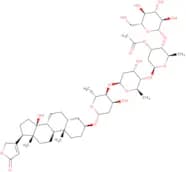
CAS:Lanatoside A is a cardiac glycoside found in the plant "Lantana camara" and other plants of the family Verbenaceae. Lanatoside A is structurally characterized by an oxygenated hydroxyl group at C-3, which is present in the natural compound secoisolariciresinol. It has been shown to have inhibitory effects on enzymes involved in congestive heart failure such as myosin light chain kinase and serine/threonine protein kinase. Lanatoside A also has been shown to have immunomodulatory properties and may be beneficial for autoimmune diseases such as rheumatoid arthritis. The enzyme activities are inhibited by lanatosides at low pH values (pH 5-6) but not at high pH values (pH 7-8).
Pureza:Min. 95%Geniposide
CAS:Geniposide is a natural iridoid glycoside, which is found in the fruit of Gardenia jasminoides Ellis, a plant commonly used in traditional Chinese medicine. As a prominent secondary metabolite, geniposide plays a critical role in various biological pathways. It undergoes enzymatic hydrolysis to genipin, which is believed to be the active component responsible for many of its biological effects.Fórmula:C17H24O10Pureza:Min. 95.0 Area-%Peso molecular:388.37 g/molRef: 3D-Q-100317
-Unit-ggA consultar1kgA consultar50gA consultar100gA consultar250gA consultar500gA consultarNerolidol (cis/trans)
CAS:Nerolidol (cis/trans) is a naturally occurring sesquiterpene alcohol, which is typically sourced from essential oils of several aromatic plants, including lavender, jasmine, and tea tree. Its chemical structure includes two isomers: cis and trans, which differ in the spatial arrangement of their atoms, influencing their olfactory and biological activities.Fórmula:C15H26OPureza:Min. 95%Forma y color:Clear LiquidPeso molecular:222.37 g/molIncensole acetate
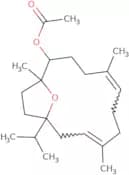
CAS:Incensole acetate is a bioactive diterpene compound, which is a significant constituent of the Boswellia genus, commonly known as frankincense. This compound is primarily derived from the resin of Boswellia species, notably Boswellia sacra. Incensole acetate functions as a psychoactive agent, exhibiting its effects primarily through interactions with ion channels and receptors in the brain, modulating neuroinflammation and possibly influencing synaptic transmission.Fórmula:C22H36O3Pureza:Min. 95%Peso molecular:348.52 g/molEdunol
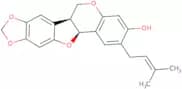
CAS:Edunol is a synthetic compound primarily utilized in neurochemical research. It is derived through complex organic synthesis processes, enabling the precise manipulation of molecular structures to target specific pathways in neural systems. Edunol operates by interacting with neurotransmitter receptors, modulating the activity of neural circuits, and providing insights into neuronal communication and neuromodulation.Fórmula:C21H20O5Pureza:Min. 95%Peso molecular:352.38 g/molCymarin
CAS:Cymarin is a cardiac glycoside, which is a class of organic compounds commonly derived from certain plant species, notably within the family Apocynaceae. It is extracted primarily from the plant *Apocynum cannabinum* and related species. Cymarin functions by inhibiting the sodium-potassium ATPase pump on cellular membranes. This inhibition leads to an increase in intracellular sodium levels, which in turn affects calcium exchange and enhances cardiac muscle contraction. This mode of action makes it a potent inotropic agent.Fórmula:C30H44O9Pureza:Min. 95%Peso molecular:548.66 g/molLucidumol A
CAS:Lucidumol A is a triterpenoid compound, which is isolated from the medicinal mushroom *Ganoderma lucidum*. This compound is notable for its ability to modulate multiple biological pathways, primarily through its anti-inflammatory and antioxidant properties. By inhibiting pro-inflammatory cytokines and reactive oxygen species, Lucidumol A exerts protective effects at the cellular level, reducing oxidative stress and modulating immune responses.Lucidumol A has piqued the interest of researchers due to its potential therapeutic applications. It is studied for its role in alleviating conditions associated with chronic inflammation and oxidative stress, which are common in various degenerative diseases. The compound’s ability to modulate immune function and prevent cellular damage positions it as a candidate for further investigation in both clinical and preclinical settings. Its natural origin and bioactivity provide a promising avenue for developing novel therapeutic agents derived from traditional medicine sources, emphasizing the intersection of natural products and modern pharmacology.Fórmula:C30H48O4Pureza:Min. 95%Peso molecular:472.70 g/molNeosartoricin
CAS:Please enquire for more information about Neosartoricin including the price, delivery time and more detailed product information at the technical inquiry form on this pageFórmula:C26H28O9Pureza:Min. 95%Peso molecular:484.5 g/molCedrodorin - Cedrela tonduzii
CAS:Cedrodorin is a natural insecticidal compound extracted from the wood of Cedrela tonduzii, a species native to Central America. This compound functions by disrupting the feeding behavior of herbivorous insects, effectively reducing their ability to cause damage to plants. Cedrodorin’s mode of action involves interference with the neural pathways that regulate feeding, leading to reduced ingestion and eventual starvation of the pests.Fórmula:C27H34O9Pureza:Min. 95%Peso molecular:502.55 g/molPseudolaric acid A beta-D-glucoside
CAS:Pseudolaric acid A beta-D-glucoside is a bioactive compound, which is a natural product derived from Pseudolarix amabilis, a species of tree native to certain regions of China. It belongs to the diterpenoid family, known for their diverse structural features and significant biological activities. This compound exhibits its mode of action primarily through interactions with cellular pathways, modulating specific enzymatic activities and receptor responses, which can lead to varying effects at the cellular and molecular levels.
Pureza:Min. 95%gamma-Terpinene
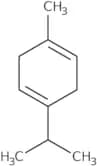
CAS:gamma-Terpinene is a monocyclic monoterpene hydrocarbon, which is a constituent of various essential oils derived from numerous plant sources, notably from species such as tea tree (Melaleuca alternifolia), cumin (Cuminum cyminum), and other aromatic herbs. It acts primarily through its antioxidant activity, effectively scavenging free radicals, and contributes to the overall aroma profile of essential oils.Fórmula:C10H16Pureza:Min. 95%Forma y color:Colorless Clear LiquidPeso molecular:136.23 g/molDarutoside
CAS:Darutoside is a bioactive compound, which is a sesquiterpene lactone glycoside sourced primarily from the Siegesbeckia orientalis plant. It functions through a mechanism that enhances extracellular matrix components, particularly promoting the synthesis of collagen and elastin fibers. This action helps in reinforcing the skin's structural integrity and improving its reparative processes.Fórmula:C26H44O8Pureza:Min. 95%Peso molecular:484.62 g/molDesmethylfrutescin - Argyranthemum frutescens (Marguerite)
CAS:Desmethylfrutescin is a bioactive compound, which is a secondary metabolite isolated from the plant Argyranthemum frutescens, commonly known as Marguerite. This compound is derived from the chemical constituents of the plant, which has long been studied for its various biological activities.Fórmula:C14H12O3Pureza:Min. 95%Peso molecular:228.24 g/molPyrocurzerenone
CAS:Please enquire for more information about Pyrocurzerenone including the price, delivery time and more detailed product information at the technical inquiry form on this pageFórmula:C15H16OPureza:Min. 95%Peso molecular:212.29 g/molEupalinolide k
CAS:Eupalinolide K is a sesquiterpene lactone, which is a type of naturally occurring compound. This compound is sourced primarily from Eupatorium lindleyanum, a plant known for its medicinal properties and commonly found in certain regions of Asia. Eupalinolide K functions by inhibiting specific pathways within the inflammatory response at the molecular level. This action is believed to involve modulation of NF-κB signaling, a critical regulator of immune and inflammatory responses.Pureza:Min. 95%20(R)Ginsenoside Rh1
CAS:20(R)-Ginsenoside Rh1 is a bioactive compound, which is a secondary metabolite extracted from Panax ginseng, a medicinal plant widely utilized in traditional medicine. This ginsenoside functions by modulating various cellular pathways, interacting with nuclear receptors and signal transduction molecules, thus influencing immune responses, anti-inflammatory activities, and neuroprotective mechanisms.
Pureza:Min. 95%Fraxinellone
CAS:Fraxinellone is a naturally occurring sesquiterpenoid lactone, which is derived from the plant species Dictamnus dasycarpus, commonly known as the burning bush. It exhibits its mode of action through the disruption of calcium ion channels, leading to neurotoxic effects in target organisms. This interaction with calcium channel pathways is crucial for its bioactivity, influencing both insecticidal and potential therapeutic effects.Pureza:Min. 95%Pseudolaric Acid C
CAS:Pseudolaric Acid C is a naturally occurring diterpenoid, which is extracted from the plant Pseudolarix amabilis, commonly known as the golden larch. It is characterized by its unique structural properties, contributing to its biological activity. The primary mode of action of Pseudolaric Acid C involves disrupting the integrity of fungal cell membranes, thereby inhibiting fungal growth and viability. This compound has been shown to have significant antifungal properties, making it a subject of interest in the development of antifungal agents.Pureza:Min. 95%Dehydroandrographolide succinate
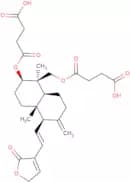
CAS:Dehydroandrographolide succinate is a pharmacological agent derived from the diterpenoid lactone, andrographolide, which is found in the plant *Andrographis paniculata*. This compound exhibits its mode of action primarily by modulating inflammatory pathways, including inhibition of nuclear factor kappa-light-chain-enhancer of activated B cells (NF-κB) and the reduction of pro-inflammatory cytokines. These actions contribute to its anti-inflammatory and immunomodulatory properties.
Fórmula:C28H36O10Pureza:Min. 95%Peso molecular:532.58 g/mol(-)-trans-Myrtanol
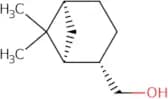
CAS:(-)-trans-Myrtanol is a type of monoterpenoid, classified as a terpene alcohol. It is primarily derived from essential oils found in various plants, including those in the coniferous and Lauraceae families. Myrtanol is a chiral compound, and its stereochemistry is vital for its biological activities.
Fórmula:C10H18OPureza:Min. 95%Forma y color:Colorless Clear LiquidPeso molecular:154.25 g/molGinsenoside F3
CAS:Ginsenoside F3 is a bioactive compound, specifically a saponin, which is extracted from the roots of Panax ginseng, a perennial plant widely studied for its medicinal properties. This compound is of significant interest in the field of pharmacology due to its multifaceted mode of action at the cellular level. Ginsenoside F3 is known to modulate various signaling pathways, including those involved in immune response, apoptosis, and anti-inflammatory processes. Its ability to interact with cellular receptors and enzymes makes it a potent candidate for therapeutic applications.Fórmula:C41H70O13Pureza:Min. 95%Peso molecular:770.99 g/molGibberellic acid methyl ester
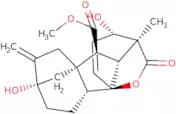
CAS:Gibberellic acid methyl ester is a specialized plant growth regulator, which is synthetically derived from the naturally occurring gibberellins found in plants. These gibberellins are vital phytohormones that regulate various aspects of growth and development in higher plants. Gibberellic acid methyl ester functions by mimicking these natural gibberellins, interacting with plant cellular processes to stimulate and enhance growth. Its mode of action involves promoting cell elongation, division, and differentiation, thereby accelerating plant growth and influencing the lifecycle.Fórmula:C20H24O6Pureza:Min. 95%Peso molecular:360.4 g/mol8,11,13-Totaratrien-13-ol - Thuja plicata (western red cedar)
CAS:8,11,13-Totaratrien-13-ol is a sesquiterpene alcohol, which is a bioactive compound derived from the heartwood of Thuja plicata, commonly known as western red cedar. This source is renowned for its complex mixture of organic compounds, which contribute to the wood's natural resistance to decay and pests.Fórmula:C20H30OPureza:Min. 95%Peso molecular:286.45 g/mol