Nucleótidos
Subcategorías de "Nucleótidos"
Se han encontrado 2638 productos de "Nucleótidos"
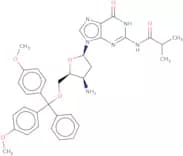
3'-Amino-2',3'-dideoxy-5'-O-DMT-N2-isobutyrylguanosine
a specifically designed building block for introducing a 3'-amino group into oligonucleotides. The dideoxy sugar ensures the amino group is the primary functionality at the 3' end, while the DMT and isobutyryl protecting groups ensure controlled reactivity during oligonucleotide synthesis and subsequent modification steps.Fórmula:C35H38N6O6Pureza:Min. 95%Peso molecular:638.71 g/molN6-Methyladenosine-5'-monophosphate sodium
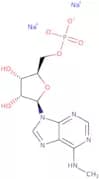
CAS:N6-Methyladenosine-5'-monophosphate sodium is a synthetic nucleoside that has antiviral and anticancer activity. It is an activator of DNA polymerase α, which is involved in the synthesis of DNA. N6-Methyladenosine-5'-monophosphate sodium has been shown to inhibit the replication of human immunodeficiency virus type 1 (HIV-1) in cultured cells and to induce apoptosis in cancer cells. This drug also inhibits the growth of certain bacteria, such as methicillin-resistant Staphylococcus aureus (MRSA) or Mycobacterium tuberculosis. N6-Methyladenosine-5'-monophosphate sodium may be used for the treatment of HIV/AIDS or cancer.Fórmula:C11H16N5O7P·2NaPureza:Min. 98 Area-%Forma y color:White PowderPeso molecular:407.23 g/mol2'-Deoxy-6-O-methyl-guanosine
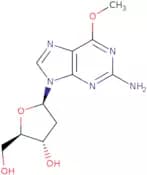
CAS:2'-Deoxy-6-O-methyl-guanosine is a methylated nucleoside that has been shown to inhibit protein synthesis in cancer cells. It does so by inhibiting the synthesis of DNA, which is required for the production of proteins. This compound also inhibits monoclonal antibody production, which may be due to its ability to methylate DNA and prevent dna duplexes from being repaired. 2'-Deoxy-6-O-methyl-guanosine is used as a probe in the detection of human proteins by fluorescence spectroscopy. The sensitivity of this probe has been shown to be greater than 10 ng/mL, making it ideal for use in clinical settings where small quantities of proteins are present.
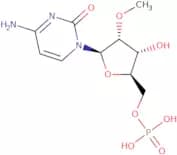
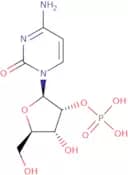
Fórmula:C11H15N5O4Pureza:Min. 95%Forma y color:PowderPeso molecular:281.27 g/mol2'-O-Methylcytidine-5'-monophosphate triethylammonium salt
CAS:2'-O-Methylcytidine-5'-monophosphate triethylammonium salt is a synthetic nucleoside that has been shown to be a substrate for DNA polymerase and an inhibitor of RNA synthesis. It has been used in the laboratory as a primer and as a biochemical tool to study viruses. 2'-O-Methylcytidine-5'-monophosphate triethylammonium salt is active against murine leukemia virus, but not against ciliated protozoan parasites such as Tetrahymena pyriformis. This compound has also been shown to inhibit the enzyme form of HIV reverse transcriptase and to be cytotoxic at high concentrations.Fórmula:C10H16N3O8P•C6H15NPureza:Min. 95%Forma y color:PowderPeso molecular:438.41 g/mol3'-O-Acetyl-2'-deoxycytidine
CAS:3'-O-acetyl-2'-deoxycytidine is an activator that can be used in the synthesis of deoxyribonucleosides and nucleosides. It is a novel, modified, and high purity chemical entity that has shown anticancer and antiviral properties. 3'-O-acetyl-2'-deoxycytidine is a monophosphate nucleotide, which can be used in the synthesis of various pharmaceuticals. This product has been synthesized using high quality reagents in order to provide the best possible product for research purposes.Fórmula:C11H15N3O5Pureza:Min. 95%Forma y color:White PowderPeso molecular:269.25 g/mol2'-Amino-2'-deoxyuridine
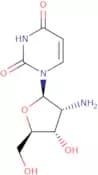
CAS:2'-Amino-2'-deoxyuridine is a modified nucleoside based on uridine. The 2'-hydroxyl group on the sugar is replaced by an amino group. This compound can be used for research purposes
Fórmula:C9H13N3O5Pureza:Min. 98 Area-%Forma y color:PowderPeso molecular:243.22 g/mol5'-Deoxyadenosine
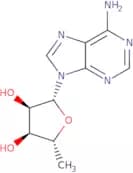
CAS:5'-Deoxyadenosine is a nucleoside that is produced by the enzymatic reaction of glycolaldehyde and ATP. It is found in both DNA and RNA, where it plays an important role in the catalytic subunit of ribonucleotide reductase. 5'-Deoxyadenosine has been shown to be involved in hydrogen bonding with other molecules, such as ethanolamine. It also has a kinetic effect on the enzyme activity of ribonucleotide reductase by forming intramolecular hydrogen bonds with other adenine nucleotides. The analogs of 5'-deoxyadenosine have been shown to inhibit viral replication in cell culture studies using typhimurium virus.Fórmula:C10H13N5O3Pureza:Min. 95%Forma y color:PowderPeso molecular:251.25 g/mol2'-Deoxyguanosine-5'-monophosphate disodium salt
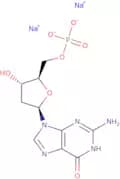
CAS:2'-Deoxyguanosine-5'-monophosphate disodium salt is an inorganic compound that has a furanose ring. It is used as a monofunctional building block for the synthesis of nucleotide derivatives. The conformations of 2'-deoxyguanosine-5'-monophosphate disodium salt are experimentally determined by x-ray data, which shows that the molecule adopts a twisted conformation with two possible orientations: one where the 2'OH group is oriented toward the phosphate group, and another where it is oriented away from it. The nature of these conformers can be confirmed by analyzing their x-ray diffraction patterns.Fórmula:C10H12N5Na2O7PPureza:Min. 98 Area-%Forma y color:White PowderPeso molecular:391.19 g/molUridine 5'-triphosphate disodium
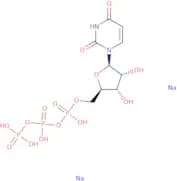
CAS:Uridine 5'-triphosphate disodium salt is a supramolecular complex that binds to gold nanoparticles. The binding of uridine 5'-triphosphate disodium salt to gold nanoparticles can be used for the detection of metal ions through the photometric method. Uridine 5'-triphosphate disodium salt has been shown to inhibit the glutathione-dependent reduction of vitamin B12, which is a key step in methionine synthesis and folate metabolism. This inhibition may lead to a decrease in protein synthesis, ATP production, and cell division.Fórmula:C9H15N2O15P3•Na2Pureza:Min. 95%Forma y color:PowderPeso molecular:530.12 g/mol2'-Deoxycytidine-5'-monophosphate disodium
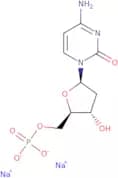
CAS:2'-Deoxycytidine-5'-monophosphate disodium (2DdCMP) is a competitive inhibitor of receptor protein tyrosine kinases. It has been shown to inhibit the growth of various human cancer cell lines in vitro and to reduce tumor size in mice bearing transplanted human tumor xenografts. 2DdCMP inhibits the proliferation of cancer cells by interfering with the expression of growth factors that are involved in mitogenesis. This drug also inhibits the growth of new blood vessels, which is essential for tumor formation and progression. 2DdCMP binds to an allosteric site on receptor molecules, thereby blocking the binding site of other proteins such as growth factors and kinases that may be involved in tumorigenesis.Fórmula:C9H12N3O7PNa2Pureza:Min. 95%Forma y color:White PowderPeso molecular:351.16 g/mol1-(5'-O-Benzoyl-2'-deoxy-2'-fluoro-beta-L-arabinofuranosyl)thymine
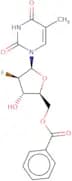
CAS:1-(5'-O-Benzoyl-2'-deoxy-2'-fluoro-β-L-arabinofuranosyl)thymine is a modified nucleoside analog with structural modifications that enhance its biological properties, stability, and pharmaceutical potential. The compound features thymine (5-methyluracil) as the nucleobase, a pyrimidine derivative. The sugar component is 2'-deoxy-2'-fluoro-β-L-arabinofuranose, which includes the L-arabinose configuration, a departure from the natural D-ribose or D-deoxyribose configuration typically found in DNA and RNA, influencing how the molecule is recognized by biological systems. The 2'-fluoro substitution at the sugar position improves the compound's stability and resistance to enzymatic degradation, while also potentially enhancing its antiviral activity. A 5'-O-benzoyl group serves as a protecting group, safeguarding the 5'-hydroxyl group during synthesis.Fórmula:C17H17FN2O6Pureza:Min. 95%Peso molecular:364.33 g/mol2',3'-Dideoxyuridine-5'-triphosphate lithium - 100mM aqueous solution
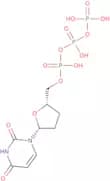
CAS:2',3'-Dideoxyuridine-5'-triphosphate can be used with uracil DNA glycosylase to minimize PCR carryover contamination and enables the kinetics of deoxyuridine 5′-triphosphate nucleotidohydrolases to be investiagated.Fórmula:C9H15N2O13P3•LixPureza:Min. 95%Forma y color:Clear LiquidPeso molecular:452.14 g/mol6-Thio-9-(β-D-arabinofuranosyl)purine
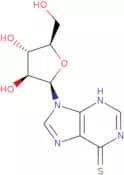
CAS:6-Thio-9-(b-D-arabinofuranosyl)purine is a purine analog that inhibits the enzyme uridine phosphorylase, which is involved in the metabolism of uridine. It has been shown to inhibit the growth of L1210 cells and also to be effective against subcutaneous tumors in mice. 6-Thio-9-(b-D-arabinofuranosyl)purine is active against schistosomiasis in mice, with an LD50 of 1 mg/kg. This drug has also been shown to have potential antitumor activity and was able to inhibit the growth of human lymphocytes and leukocytes.Fórmula:C10H12N4O4SPureza:Min. 95%Forma y color:PowderPeso molecular:284.29 g/mol9-(b-D-Arabinofuranosyl)guanine - Bio-X ™
CAS:9-(b-D-Arabinofuranosyl) guanine is a purine nucleoside in which guanine is attached to arabinofuranose via a beta-N(9)-glycosidic bond. 9-(b-D-Arabinofuranosyl) guanine binds to the phosphate groups in DNA and inhibits the synthesis of DNA causing cell death. It also has antineoplastic properties.Fórmula:C10H13N5O5Pureza:Min. 95%Forma y color:PowderPeso molecular:283.24 g/molInosine 5'-diphosphate trisodium
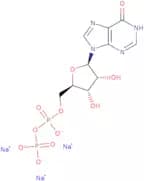
CAS:Inosine 5'-diphosphate trisodium salt is an antiviral compound that is used to inhibit the replication of many viruses, including herpes, influenza, and HIV. It has been shown to be effective against cancer cells in vitro. Inosine 5'-diphosphate trisodium salt is a modified nucleotide that is used as a phosphoramidite for DNA synthesis. This compound can also be used as an activator for deoxyribonucleoside triphosphates. It has been shown to have anticancer activity in vivo and in vitro and also inhibits viral DNA synthesis by preventing the formation of ribonucleotide triphosphates from ribonucleotides. The molecular weight of this compound is 390.4 g/mol and its CAS number is 81012-88-6.Fórmula:C10H11N4O11P2•Na3Pureza:Min. 95%Forma y color:PowderPeso molecular:494.13 g/mol2'-Azido-2'-deoxyuridine
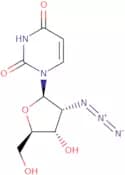
CAS:2'-Azido-2'-deoxyuridine is a synthetic nucleoside analog of uridine in which the 2'-hydroxyl group on the ribose sugar is replaced with an azido group (–N₃), and the base is unmodified uracil. This modification alters the sugar's conformation and chemical reactivity, enabling the use of this analog in bioorthogonal labeling strategies, particularly through azide-alkyne "click" chemistry. Its incorporation into nucleic acids can influence polymerase recognition and chain elongation, making it a useful probe in studies of RNA synthesis, structure, and function.Fórmula:C9H11N5O5Pureza:Min. 98 Area-%Forma y color:White Off-White PowderPeso molecular:269.21 g/molAcetyl hypoxanthine
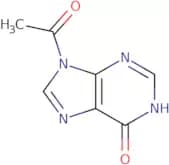
CAS:Acetyl hypoxanthine is an inorganic compound that has a cyclophosphate group. It can be synthesized from the reaction of acetic acid and 6-chloropurine, which is activated with trifluoroacetic acid and irradiated with ultraviolet light. Acetyl hypoxanthine can then be synthesized by ammonolysis of chloroacetone using ammonia or by chlorinating acetylene with chlorine. The advantages of this compound are its high yield and low cost.Fórmula:C7H6N4O2Pureza:Min. 95 Area-%Forma y color:PowderPeso molecular:178.15 g/molCladribine
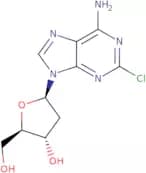
CAS:Deoxyadenosine analog resistant to adenosine deaminase
Fórmula:C10H12ClN5O3Pureza:Min. 97 Area-%Forma y color:PowderPeso molecular:285.69 g/molGemcitabine base
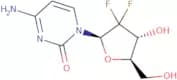
CAS:Gemcitabine is a prodrug that is converted to 5-fluorouracil (5FU) in the body. It has been shown to inhibit the growth of bladder and pancreatic cancer cells by interfering with the synthesis of DNA. Gemcitabine inhibits DNA replication by binding to the epidermal growth factor receptor, which leads to cell death. Gemcitabine also acts as a competitive inhibitor of deoxycytidine kinase, which prevents the formation of deoxycytidine monophosphate from deoxyuridine monophosphate, preventing DNA replication. In addition, gemcitabine can activate apoptosis in some tumor cells by increasing levels of intracellular free calcium, which leads to activation of enzymes such as phospholipases and proteases that degrade proteins, lipids, and nucleic acids.Fórmula:C9H11F2N3O4Pureza:Min. 98 Area-%Forma y color:White PowderPeso molecular:263.2 g/mol2’-Deoxy-2’-fluorouridine 5’-monophosphate triethyl ammonium
2’-Deoxy-2’-fluorouridine 5’-monophosphate triethyl ammonium is a fluorinated nucleotide analog used in biochemical and medicinal researchFórmula:C9H12FN2O8P•C6H15NPureza:Min. 95%Forma y color:PowderPeso molecular:427.36 g/molDihydrozeatin riboside
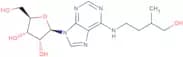
CAS:Dihydrozeatin riboside is a cytokinin, a group of plant hormones that regulate various aspects of plant growth and development. It is found in the form of an ester, dihydrozeatin riboside, which is produced by the action of trifluoroacetic acid on zeatin. The natural function of this hormone is to stimulate cell division in plants, but it has also been shown to have antibacterial effects against bacterial strains such as Bacillus subtilis and Escherichia coli. Dihydrozeatin riboside inhibits bacterial growth by binding to DNA-dependent RNA polymerase, thereby preventing transcription and replication. The high frequency of human activity has been shown using a patch-clamp technique on human erythrocytes. This active form is metabolized through a number of metabolic transformations, including hydrolysis by esterases or glucuronidases, oxidation by cytochrome P450 enzymes, reductionFórmula:C15H23N5O5Pureza:Min. 95%Forma y color:PowderPeso molecular:353.37 g/molN4-Benzoylcytidine
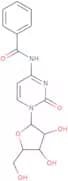
CAS:N4-Benzoylcytidine is a nucleoside that is used as part of the synthesis of the antiviral drug acyclovir. It is synthesized by reacting uridine with benzoyl chloride in a solid-phase synthesis. N4-Benzoylcytidine has shown to inhibit the growth of virus type-1 and other viruses, including those that cause herpes simplex and varicella zoster. This nucleoside also inhibits epidermal growth factor (EGF) and is a hybridization probe for human immunodeficiency virus (HIV). The benzoate group on this compound reacts with hydroxyl groups on proteins, which may be why it has been shown to stimulate epidermal growth in mammalian cells.Fórmula:C16H17N3O6Pureza:Min. 98 Area-%Forma y color:White PowderPeso molecular:347.32 g/mol5'-Ethylcarboxamidoadenosine
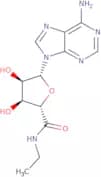
CAS:5'-Ethylcarboxamidoadenosine (5-ECA) is an adenosine receptor antagonist that is used as a radioligand to study the binding of adenosine and other nucleotides to their receptors. 5-ECA binds to the A3 receptor, which is a member of the G protein-coupled receptor family. This compound also inhibits platelet aggregation and has been shown to have anti-inflammatory effects in mice with colon cancer. 5-ECA was found to inhibit tumor growth in a mouse model system by suppressing IL-2 production and reducing levels of PGE2, an effect that may be due to inhibition of cyclase activity. 5-ECA can be used in vitro for studies on pluripotent cells because it does not affect their ability to differentiate.Fórmula:C12H16N6O4Pureza:Min. 95%Forma y color:White PowderPeso molecular:308.29 g/mol5-Iodo-2'-O-methyluridine
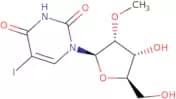
CAS:5-Iodo-2'-O-methyluridine is a novel antiviral drug that inhibits replication of DNA and RNA viruses. It is chemically synthesized from 2' deoxyuridine monophosphate, which is modified to create the 5-iodo derivative. The modification at the 5th position of the uracil ring prevents the incorporation of methylation into DNA and RNA, which can lead to cancerous growths. This compound has been shown to be an excellent activator for DNA synthesis in vitro. It has also been shown to have anticancer properties in vitro and in vivo.Fórmula:C10H13IN2O6Pureza:Min. 95%Forma y color:PowderPeso molecular:384.12 g/molAcetyl coenzyme A trilithium
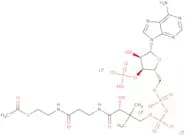
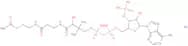
CAS:Acetyl coenzyme A trilithium salt (ACAT) is a prodrug that is metabolized in vivo to the active form, acetyl coenzyme A. Acetyl coenzyme A has been shown to inhibit the growth of human carcinoma cells and some typhimurium strains. It binds to cytochrome P450, which is involved in the oxidation of acetate and other organic substrates. ACAT has also been shown to be effective against squamous cell carcinoma by inhibiting the production of reactive oxygen species (ROS) in these cells. The anticancer activity of ACAT may be due to its ability to inhibit the conversion of amines into heterocyclic amines, which are known carcinogens.Fórmula:C23H35Li3N7O17P3SPureza:Min. 95%Forma y color:White PowderPeso molecular:827.37 g/mol5'-Deoxy-5'-(methylthio)adenosine
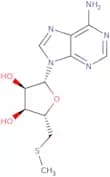
CAS:5'-Deoxy-5'-(methylthio)adenosine is a nucleoside that has been shown to inhibit the growth of bowel cancer cells. 5'-Deoxy-5'-(methylthio)adenosine blocks the synthesis of DNA and RNA by inhibiting the action of enzymes involved in DNA metabolism. It also inhibits methionine synthase and phosphorylase, which are involved in protein synthesis. This compound has been shown to be effective in treating cancer tissues due to its ability to inhibit polymerase chain reactions and prevent the formation of cancerous cells.Fórmula:C11H15N5O3SPureza:(Hplc-Ms) Min. 98 Area-%Forma y color:White PowderPeso molecular:297.34 g/mol2-Iodoadenosine
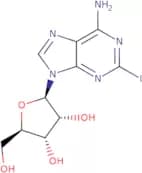
CAS:2-Iodoadenosine is a chemical compound that is produced from the oxidation of uridine. It is used in the synthesis of peptides, which are important for biological processes like signal transduction and cell growth. 2-Iodoadenosine can be made by coupling other molecules to an adenosine molecule. This process involves a cross-coupling reaction with palladium catalysts or hydroxylation reactions with sodium borohydride. The resulting product has been shown to have anticancer and anti-microbial activities against protozoan parasites and cyclic peptide structures.Fórmula:C10H12IN5O4Pureza:Min. 97 Area-%Forma y color:PowderPeso molecular:393.14 g/mol3'-Amino-3'-deoxycytidine
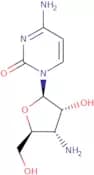
CAS:It is an antiviral agent that inhibits the replication of RNA viruses by acting as a chain terminator during RNA synthesis. It is also a valuable research tool for studying viral replication mechanisms and is being explored for potential anticancer properties.Fórmula:C9H14N4O4Pureza:Min. 95%Forma y color:PowderPeso molecular:242.23 g/mol3'-O-Acetylthymidine
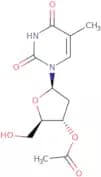
CAS:3'-O-Acetylthymidine is a dinucleoside analogue of thymidine. It has been used as a model for human immunodeficiency virus (HIV) and has been shown to be resistant to HIV infection in vitro. 3'-O-Acetylthymidine inhibits the synthesis of protein by binding to the ribosomal RNA of the host cell, preventing the formation of an aminoacyl-tRNA synthetase complex with tRNA. This prevents the incorporation of amino acids into proteins, leading to inhibition of protein synthesis and cell death. 3'-O-Acetylthymidine also inhibits HIV replication by competing with deoxycytidine triphosphate for incorporation into DNA, preventing the synthesis of viral DNA. 3'-O-Acetylthymidine is hydrolyzed by esterases or glucuronidases, oxidized by cytochrome P450 enzymes, reduced by glutathione reductaseFórmula:C12H16N2O6Pureza:Min. 98 Area-%Forma y color:White PowderPeso molecular:284.27 g/molN4-Methyl-2'-O-methyl-cytidine
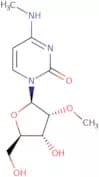
CAS:N4-Methyl-2'-O-methyl-cytidine is a nucleoside analog that is used as an antibiotic. The ribosomal RNA in prokaryotes has been found to be sensitive to this drug, which inhibits protein synthesis by reversibly binding to the 50S subunit of the ribosome and inhibiting translocation. N4-Methyl-2'-O-methyl-cytidine also binds to the ribonucleoprotein in eukaryotic cells, blocking translation of mRNA into proteins. N4-Methyl-2'-O-methyl-cytidine is effective against Gram positive bacteria, such as Staphylococcus aureus and Clostridium perfringens, while being inactive against Gram negative bacteria. This drug has a molecular weight of 197 and can be broken down into low molecular weight fragments or high molecular weight fragments.Fórmula:C11H17N3O5Pureza:Min. 95%Forma y color:White PowderPeso molecular:271.27 g/mol3'-Azido-3'-deoxycytidine
CAS:3'-Azido-3'-deoxycytidine is a nucleoside analogue that is used in research. It is an analog of cytosine, with an azido group at the 3' position. 3'-Azido-3'-deoxycytidine has been shown to be effective against HIV-1 and HIV-2, although it has not been approved for use in humans. Research into the effects of this drug has demonstrated that it inhibits both DNA and RNA synthesis by interacting with nucleic acid polymerases. This leads to cell death by inhibiting the production of proteins vital for cell division.Fórmula:C9H12N6O4Pureza:Min. 95%Peso molecular:268.23 g/mol6-Azauridine-5'-monophosphate
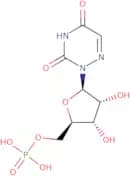
CAS:6-Azauridine-5'-monophosphate (6-AU) is a compound that is synthesized by the enzyme Azoarcus sp. 6-AU synthetase and is a precursor to azauridine, an intermediate in the biosynthesis of purines. It has been shown to inhibit bacterial growth in tissue culture and depression in mice. The kinetic data were obtained using a titration calorimetry assay at 25 degrees Celsius using subtilis. This drug also has convulsant effects on animals and can cause orotic aciduria when administered orally in high doses. 6-AU has been shown to be effective against cancer cells as well as infectious diseases such as tuberculosis and malaria.
Fórmula:C8H12N3O9PPureza:Min. 95%Forma y color:PowderPeso molecular:325.17 g/molUridine
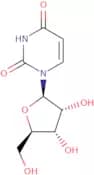
CAS:Glycosylated pyrimidine analog; RNA componentFórmula:C9H12N2O6Pureza:Min. 98 Area-%Forma y color:White PowderPeso molecular:244.2 g/mol3'-O-(t-Butyldimethylsilyl)-2'-O-(2-methoxyethyl)-5-methyluridine
CAS:3'-O-(t-Butyldimethylsilyl)-2'-O-(2-methoxyethyl)-5-methyluridine is a novel, modified monophosphate nucleoside that can be activated to the corresponding diphosphate by adenosine kinase. The antiviral activity of 3'-O-(t-Butyldimethylsilyl)-2'-O-(2-methoxyethyl)-5-methyluridine has been demonstrated in vitro and in vivo against various viruses including HIV. In addition, this nucleoside phosphoramidite is used for synthesizing DNA and RNA. This product is CAS No. 1221967-92-5, Phosphoramidites, High purity and has a high quality.Fórmula:C19H34N2O7SiPureza:Min. 95%Forma y color:PowderPeso molecular:430.57 g/molTenofovir disoproxil
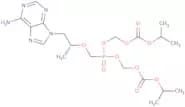
CAS:Anti-viral; reverse transcriptase inhibitor
Fórmula:C19H30N5O10PPureza:Min. 95%Forma y color:White PowderPeso molecular:519.44 g/molN6-Benzoyl-2'-deoxy-5'-O-DMT-2'-fluoroadenosine
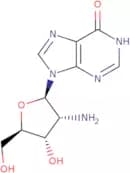
CAS:N6-Benzoyl-2'-deoxy-5'-O-DMT-2'-fluoroadenosine is a sulfur containing compound that is an antibiotic. It has been shown to inhibit the growth of bacteria by binding to their ribosomes, which prevents protein synthesis and cell division. N6-Benzoyl-2'-deoxy-5'-O-DMT-2'-fluoroadenosine also inhibits chemotaxis in roseobacters, which is the movement of cells or organisms in response to certain factors. This antibiotic may be useful for preventing symbiosis between marine bacteria and other organisms, as it inhibits the motility of these bacteria and their cycling. N6-Benzoyl-2'-deoxy-5'-O-DMT-2'-fluoroadenosine also has a genetic determinant that regulates enteric bacteria and clades of ocean bacteria.Fórmula:C38H34FN5O6Pureza:Min. 95%Forma y color:White PowderPeso molecular:675.72 g/mol2'-Amino-2'-deoxyinosine
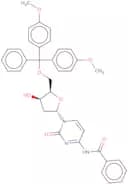
CAS:2'-Amino-2'-deoxyinosine is a modified nucleoside, based on inosine. This compound has a 2'-amino substitution instead of a 2'-hydroxyl group, which has the potential to make the nucleoside more resistant to enzymatic degradation and enhance or alter base-pairing properties.Fórmula:C10H13N5O4Pureza:Min. 95%Forma y color:PowderPeso molecular:267.24 g/molN4-Benzoyl-2'-deoxy-5'-O-DMT-a-cytidine
CAS:N4-Benzoyl-2'-deoxy-5'-O-DMT-a-cytidine is a modified nucleoside that is synthesized by the reaction of the 2'-deoxyribonucleoside with 4-benzoylchloroformate and dimethoxytrityl. It has antiviral activity against a variety of DNA viruses, including herpes simplex virus type 1 (HSV), herpes simplex virus type 2 (HSV), varicella zoster virus, human cytomegalovirus, Epstein Barr virus, and human immunodeficiency virus. N4-Benzoyl-2'-deoxy-5'-O-DMT-a-cytidine also has anticancer properties and may be used for the treatment of melanoma. This compound shows good results in animal models and clinical trials.Fórmula:C37H35N3O7Pureza:Min. 95%Forma y color:PowderPeso molecular:633.71 g/molCytidine 3'(2’)-monophosphate
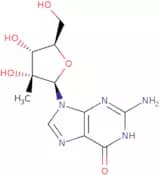
CAS:Cytidine 3’(2’)-monophosphate (CMP) is a biochemical substance that is found in the nucleic acids of cells. It is an equilibrative nucleoside and a precursor to the biosynthesis of uridine and cytidine. CMP is also an intermediate in the synthesis of the coenzyme tetrahydrofolate, which has been shown to inhibit the growth of antibiotic-resistant strains such as Escherichia coli, Pseudomonas aeruginosa, Klebsiella pneumoniae, Staphylococcus aureus, and Enterobacter cloacae. Cytidine 3’(2’)-monophosphate can be converted into cytidine by phosphorylation with ATP or by methylation with S-adenosylmethionine. Cytidine 3’(2’)-monophosphate has been shown to have polymerase chain reaction activityFórmula:C9H14N3O8PPureza:Min. 95%Forma y color:White PowderPeso molecular:323.2 g/mol2'-C-Methylguanosine
CAS:2'-C-Methylguanosine is a synthetic nucleoside analog of guanosine, modified at the 2'-carbon of the ribose sugar with a methyl group. This modification changes the molecule's biological behavior, making it potential useful in antiviral research and biochemical studies, especially those involving RNA synthesis.Fórmula:C11H15N5O5Pureza:Min. 95%Forma y color:PowderPeso molecular:297.27 g/mol5'-O-Benzoyl-2'-deoxy-N2-isobutyrylguanosine
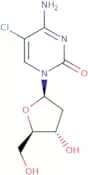
CAS:5'-O-Benzoyl-2'-deoxy-N2-isobutyrylguanosine is a novel nucleoside that is synthesized by the modification of 5'-O-benzoyl-2'-deoxyguanosine with 2',3' -diisobutyrylaminopropylidene. It has shown anticancer, antiviral, and antiretroviral properties in vitro. In addition, this compound has been shown to inhibit the growth of human leukemia cells in vivo in a dose dependent manner. The structure of 5'-O-benzoyl-2'-deoxy-N2-isobutyrylguanosine is similar to that of the natural nucleosides adenosine and guanosine.Fórmula:C21H23N5O6Pureza:Min. 97 Area-%Forma y color:Off-White PowderPeso molecular:441.45 g/mol5-Chloro-2'-deoxycytidine
CAS:5-Chloro-2'-deoxycytidine (5-Cl-dC) is a nucleoside analog that inhibits DNA synthesis by blocking the action of thymidylate synthase. It can be used in animal models to study bowel diseases, such as ulcerative colitis and Crohn's disease. 5-Cl-dC has been shown to be effective in treating the effects of radiation and chemical toxicity in HL60 cells, a type of human leukemia cell line. 5-Cl-dC has also been shown to enhance the cytotoxicity of eosinophil peroxidase, which is an enzyme that may be involved in the pathogenesis of asthma. This drug is currently being evaluated for its safety and efficacy in clinical trials involving patients with myelodysplastic syndrome or acute myeloid leukemia who are at risk for developing leukemia.
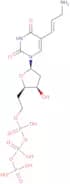
Fórmula:C9H12CIN3O4Pureza:Min. 95%Forma y color:PowderPeso molecular:261.67 g/mol5-Aminoallyl 2'-deoxyuridine 5'-triphosphate lithium salt - 100mM aqueous solution
CAS:5-Aminoallyl 2'-deoxyuridine 5'-triphosphate lithium salt - 100mM aqueous solution is a novel nucleoside analog with antiviral and anticancer activity. It has been shown to inhibit the replication of HIV-1 in human peripheral blood mononuclear cells and to inhibit tumor growth in mice. This drug also inhibits DNA synthesis, which may be due to its ability to inhibit ribonucleotide reductase and deoxynucleotide reductase, enzymes that are necessary for DNA synthesis.Fórmula:C12H20N3O14P3·xLiPureza:Min. 95%Forma y color:Colorless PowderPeso molecular:523.22 g/molN4-Acetyl-2'-deoxy-5-methylcytidine
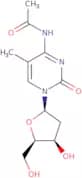
N4-Acetyl-2'-deoxy-5-methylcytidine is a novel nucleoside analog of cytidine. It has been shown to be an activator of the immune system, and has antiviral and anticancer properties. This synthetic nucleoside is phosphorylated by kinases in cells to form N4-acetyl-2'-deoxy-5'-methyluridine monophosphate. The phosphate group can be removed by phosphatases in cells to yield N4-acetyl-2'-deoxycytidine, which is a precursor for DNA synthesis.
Fórmula:C12H17N3O5Pureza:Min. 95%Forma y color:PowderPeso molecular:283.28 g/mol5-Aminouridine hydrochloride
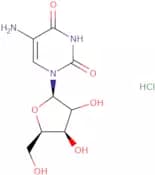
CAS:5-Aminouridine hydrochloride is a novel nucleoside that is an inhibitor of RNA polymerase. It has been shown to be active against cancer cells, and is also effective in the treatment of viral infections such as HIV and hepatitis B. 5-Aminouridine hydrochloride is synthesized by reacting uracil with ammonia and hydrogen chloride. The product can be used as a building block for monophosphate or diphosphate analogs, which are important components in the synthesis of DNA and RNA. This product is available at high purity with low impurity levels.Fórmula:C9H14ClN3O6Pureza:(%) Min. 95%Forma y color:PowderPeso molecular:295.68 g/mol2'-O-tert-Butyldimethylsilyl-5'-O-DMT-1-methylguanosine 3'-CE phosphoramidite
CAS:2'-O-tert-Butyldimethylsilyl-5'-O-DMT-1-methylguanosine 3'-CE phosphoramidite is a synthetic, antiviral monophosphate nucleoside. It is an activator that increases the activity of other nucleosides and can be used in DNA synthesis by incorporation into DNA molecules. 2'-O-tert-Butyldimethylsilyl-5'-O-DMT-1-methylguanosine 3'-CE phosphoramidite has been shown to be effective against Hepatitis C virus, Human Immunodeficiency Virus 1 (HIV), and Herpes Simplex Virus 1.Fórmula:C47H64N7O8PSiPureza:Min. 95%Forma y color:PowderPeso molecular:914.11 g/mol5'-Amino-5'-deoxyguanosine
CAS:5'-Amino-5'-deoxyguanosine (5-ADG) is an intermediate in the de novo synthesis of guanine nucleotides. It can be synthesized from 5-aminoimidazole ribonucleotide and guanosine monophosphate (GMP). 5-ADG is a substrate for the enzyme GTP cyclohydrolase, which converts it to GMP. This intermediate can also be formed by the action of phosphoryl chloride on 5-aminoimidazole ribonucleotide. The reaction of 5-ADG with malonic acid leads to the formation of inosinic acid, which has been postulated to be a precursor of purines. This conversion is catalyzed by adenylosuccinate synthetase and the enzyme adenylosuccinase.Fórmula:C10H14N6O4Pureza:Min. 95 Area-%Forma y color:PowderPeso molecular:282.26 g/molN6,2'-O-Dibutyryladenosine-3',5'-cyclic monophosphate sodium
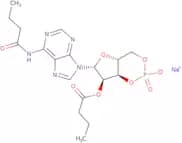
CAS:N6,2'-O-Dibutyryladenosine-3',5'-cyclic monophosphate sodium (DB-cAMP) is a cyclic nucleoside that has been shown to promote dopaminergic neuron differentiation. It is commonly used in research studies involving the differentiation of induced pluripotent stem cell (iPSC)-derived neurons. This compound acts by activating intracellular signaling pathways that are involved in neuronal development and function. Its ability to enhance dopaminergic neuron differentiation makes it a valuable tool for researchers studying neurodegenerative diseases and exploring potential treatments.Fórmula:C18H23N5O8PNaPureza:Min. 95 Area-%Forma y color:Off-White PowderPeso molecular:491.38 g/mol2'-Deoxy-5'-O-DMT-2'-fluoro-N2-isobutyrylguanosine
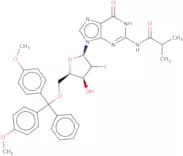
CAS:2'-Deoxy-5'-O-DMT-2'-fluoro-N2-isobutyrylguanosine is a synthetic nucleoside. It is an activator for DNA synthesis and has anticancer, antiviral and antifungal properties. This product can be used as a reagent in the synthesis of DNA or RNA. This compound also has high purity and high quality.Fórmula:C35H36FN5O7Pureza:Min. 95%Forma y color:Off-White PowderPeso molecular:657.7 g/molZidovudine
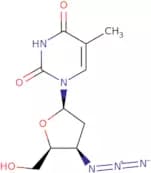
CAS:Inhibitor of reverse transcriptaseFórmula:C10H13N5O4Pureza:Min. 95%Forma y color:Off-White PowderPeso molecular:267.24 g/mol8-Aminoadenosine
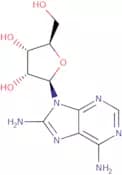
CAS:8-Aminoadenosine can be used to study the mitochondrial membrane potential, a critical cellular function in which ATP levels are maintained by oxidative phosphorylation. 8-Aminoadenosine is one of the few drugs that have been shown to increase ATP levels in cells. It does this by increasing the permeability of mitochondria membranes and the rate of electron transport from complex I to complex II. The reaction mechanism is thought to involve an intramolecular hydrogen transfer from NADH to 8-aminoadenosine, forming an unstable intermediate that undergoes a conformational change that enables it to react with oxygen. 8-Aminoadenosine has been shown as an effective treatment for certain autoimmune diseases and resistant breast cancer. It also has anti-inflammatory effects, as well as receptor activity against HIV infection and Toll-like receptors.Fórmula:C10H14N6O4Pureza:Min. 95%Forma y color:PowderPeso molecular:282.26 g/molL-Thymidine
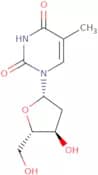
CAS:L-Thymidine is an antiviral drug that is used in the treatment of chronic hepatitis. It has been shown to be active against a range of viruses, including HIV, HSV, and HBV. L-Thymidine can also be used to treat patients with cancer as an anti-cancer agent. L-Thymidine is a prodrug that is converted into thymidine triphosphate (TTP), which inhibits viral DNA polymerase by competitive inhibition. The antiviral activity of L-Thymidine may be due to its ability to inhibit the synthesis of viral proteins required for viral replication by interfering with the protein production process or by inhibiting the formation of dsDNA during reverse transcription.Fórmula:C10H14N2O5Pureza:Min. 95%Forma y color:PowderPeso molecular:242.23 g/mol9-(b-D-Arabinofuranosyl)isoguanine
CAS:9-(b-D-Arabinofuranosyl)isoguanine is a modified nucleoside that has antiviral activity. It is synthesized by substituting the 2'-hydroxyl group of deoxyribose with an arabinofuranose, which can be phosphorylated to form 9-(b-D-arabinofuranosyl)isoguanine 5'-monophosphate. This novel antiviral agent inhibits the synthesis of viral DNA and RNA, and is effective against a wide range of viruses in vitro. The drug was shown to have anticancer activities in animal models and has been patented for use as a chemotherapeutic agent against leukemia, lymphoma, and other cancers.Fórmula:C10H13N5O5Pureza:Min. 95%Forma y color:White PowderPeso molecular:283.25 g/mol8-(Allyloxy)guanosine
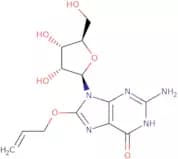
CAS:8-(Allyloxy)guanosine is a nucleoside analog. It is an antiviral and anticancer drug that inhibits DNA synthesis by inhibiting the enzyme DNA polymerase. 8-AOG also inhibits the expression of genes involved in inflammatory responses, such as lipoxygenase, cyclooxygenase 2, and 5-lipoxygenase. This compound has been shown to be effective against herpes simplex virus types 1 and 2, cytomegalovirus, Epstein-Barr virus, adenovirus type 3, and human immunodeficiency virus type 1 (HIV-1). 8-(Allyloxy)guanosine can be used to inhibit the tumor growth of human cancer cells in vitro. 8-(Allyloxy)guanosine has been shown to have a low toxicity to healthy cells in vitro and when administered in vivo.Fórmula:C13H17N5O6Pureza:Min. 95%Forma y color:PowderPeso molecular:339.3 g/mol2'-Deoxy-2'-fluorocytidine-5'-triphosphate tetralithium
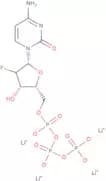
CAS:2'-Deoxy-2'-fluorocytidine-5'-triphosphate tetralithium is a modified nucleoside analog where the base is cytosine, the sugar is deoxyribose with a fluoro modification at the 2' position, and the molecule is phosphorylated at the 5' position with a triphosphate group.Fórmula:C9H11FLi4N3O13P3Pureza:Min. 95%Forma y color:White Off-White PowderPeso molecular:508.88 g/mol1-(2'-Deoxy-2'-fluoro-β-D-arabinofuranosyl)uracil
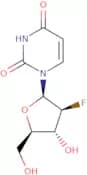
CAS:Antineoplastic prodrugFórmula:C9H11FN2O5Pureza:Min. 95%Forma y color:PowderPeso molecular:246.2 g/mol3'-O-Benzoyl-2'-deoxy-N2-isobutyrylguanosine
CAS:3'-O-Benzoyl-2'-deoxy-N2-isobutyrylguanosine is a new antiviral nucleoside, which has been synthesized by reacting benzoyl chloride with 2'-deoxy-N2-isobutyrylguanosine monophosphate. It is also a novel DNA and RNA phosphoramidite monomer that can be used for the synthesis of oligonucleotides and oligoribonucleotides. 3'-O-Benzoyl-2'-deoxy-N2-isobutyrylguanosine is an activator of HIV reverse transcriptase, which leads to inhibition of viral replication.Fórmula:C21H23N5O6Pureza:Min. 95%Forma y color:White PowderPeso molecular:441.44 g/molAdenosine-2'-monophosphate
CAS:Adenosine-2'-monophosphate is a nucleotide that contains two adenine bases. It is an important precursor in the synthesis of ATP, which is the main source of energy for cells. Adenosine-2'-monophosphate has been shown to inhibit phosphatase and lysine residues, as well as GSH-Px activities in kidney cells, leading to increased glomerular filtration rate. It also activates microglia cells and induces oxidative injury in rat brain tissue. The kinetic data for this molecule suggests that it binds to the enzyme ternary complex formation with a neutral pH optimum.
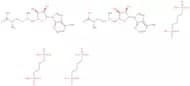
Fórmula:C10H14N5O7PPureza:Min. 95%Forma y color:PowderPeso molecular:347.22 g/molS-Adenosylmethione-1,4-butanedisulfonate
CAS:S-adenosylmethionine is a compound that is naturally produced in the body and has been shown to be involved in many biochemical reactions. It can be found as a supplement at health food stores, but also is available as a prescription for the treatment of certain liver diseases such as hepatitis. S-adenosylmethionine may have some drug transporter function and can affect the metabolism of other drugs.Fórmula:C42H74N12O28S8Pureza:Min. 95 Area-%Forma y color:White PowderPeso molecular:1,451.63 g/mol2'-Azido-2'-deoxycytidine
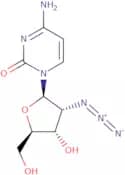
CAS:2'-Azido-2'-deoxycytidine is a nucleoside analog derived from cytidine, in which the 2'-hydroxyl group of the ribose is replaced by an azido group (–N₃), while the cytosine base and remaining sugar structure are preserved. This substitution imparts the molecule with bioorthogonal reactivity, enabling its use in chemical biology applications such as nucleic acid labeling via azide-alkyne "click" chemistry. The azido group also sterically and electronically alters sugar conformation and enzymatic recognition, which can affect its incorporation into DNA or RNA by polymerases. Consequently, 2'-azido-2'-deoxycytidine is a useful research tool.
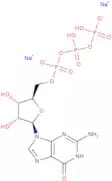
Fórmula:C9H12N6O4Pureza:Min. 95 Area-%Forma y color:Slightly Yellow PowderPeso molecular:268.2 g/molGuanosine 5'-triphosphate disodium salt
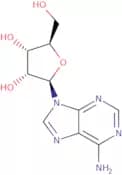
CAS:Guanosine 5'-triphosphate disodium salt is a nucleotide that is involved in energy metabolism and intracellular Ca2+ levels. It also has been shown to be an important regulator of guanine nucleotide-binding, enzyme activities, and receptor activity. This compound is a substrate for the polymerase chain reaction, which can be used to amplify DNA sequences. Guanosine 5'-triphosphate disodium salt has been shown to inhibit the growth of bacterial cells by binding to the antibiotic thiostrepton. The inhibition of bacterial growth is due to the prevention of antibiotic binding to bacterial ribosomes.Fórmula:C10H14N5O14P3Na2Pureza:Min. 85 Area-%Forma y color:White Off-White PowderPeso molecular:567.14 g/molAdenosine - Endotoxin level below 100 EU/g
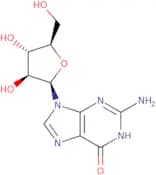
CAS:Adenosine is a nucleoside that interacts with adenosine receptors in the central nervous system. It is found in most body tissues and fluids, including blood, cerebrospinal fluid, and synovial fluid. Adenosine has been shown to inhibit uptake of glucose and other substances in the brain. The uptake of adenosine by neurons is inhibited by solute transport inhibitors such as nevirapine, which prevents the accumulation of toxic levels of adenosine during excitotoxic injury. Adenosine also has thermodynamic properties that promote its removal from solution by binding to water molecules and forming crystals or precipitates. This property may be useful in the treatment of cerebral edema following traumatic brain injury.Fórmula:C10H13N5O4Pureza:Min. 99.0 Area-%Forma y color:White PowderPeso molecular:267.24 g/molAcetyl coenzyme A sodium salt
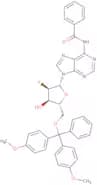
CAS:Acetyl-coenzyme A is an important intermediate in the metabolism of carbohydrates, fats, and proteins. It is a cytosolic molecule that is synthesized from Acetyl-CoA and ATP. The Michaelis–Menten kinetics describe the relationship between the concentration of acetyl-coenzyme A and the rate of its consumption. Acetyl co-enzyme A is found in many different tissues, including plants, animals, and humans. It has an important role in regulating cellular growth and differentiation by activating various enzymes involved in metabolic pathways. Acetyl CoA can be acetylated to form acetyl CoA carboxylic acid (ACC) which then turns into malonyl CoA through a series of reactions. Malonyl CoA then enters the Krebs cycle as a key intermediate for generating energy from fatty acids.Fórmula:C23H38N7O17P3S·xNaPureza:Min. 95%Forma y color:PowderPeso molecular:809.57 g/molN6-Benzoyl-2'-deoxy-2'-fluoroadenosine
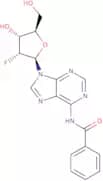
CAS:N6-Benzoyl-2'-deoxy-2'-fluoroadenosine is an oligonucleotide that can be used to modulate the expression of survivin. It inhibits the expression of this protein by binding to its mRNA and preventing translation. N6-Benzoyl-2'-deoxy-2'-fluoroadenosine has shown potential for use in cancer treatment due to its ability to inhibit tumor growth and metastasis. It may also be used in the treatment of autoimmune diseases, such as rheumatoid arthritis, where it can inhibit the production of inflammatory cytokines.
Fórmula:C17H16FN5O4Pureza:Min. 95%Forma y color:White PowderPeso molecular:373.34 g/mol5-Acetoxymethyl-2'-deoxyuridine
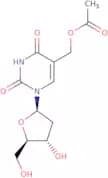
CAS:5-Acetoxymethyl-2'-deoxyuridine (5-AOMUdR) is a nucleoside analog that inhibits the synthesis of DNA. It is phosphorylated to 5-acetoxymethyl uridine monophosphate, which inhibits DNA polymerase by competitive inhibition. This compound has been shown to induce apoptosis in vitro and inhibit HIV replication in cells. 5-AOMUdR has also been shown to be an effective anti-viral agent against influenza A virus.Fórmula:C12H16N2O7Pureza:Min. 95%Forma y color:PowderPeso molecular:300.26 g/mol3'-O-Acetyl-2'-deoxyadenosine
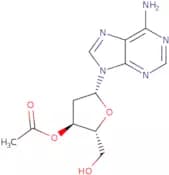
CAS:Please enquire for more information about 3'-O-Acetyl-2'-deoxyadenosine including the price, delivery time and more detailed product information at the technical inquiry form on this pageFórmula:C12H15N5O4Pureza:Min. 95%Forma y color:White PowderPeso molecular:293.29 g/molCytidine 2',3'-cyclic monophosphate monosodium
CAS:Cytidine 2',3'-cyclic monophosphate monosodium salt is a nucleotide that is used in the synthesis of DNA and RNA. It has antiviral and anticancer properties. Cytidine 2',3'-cyclic monophosphate monosodium salt is a high purity, high quality nucleotide with strong activator properties. It is also an excellent substrate for DNA polymerases, which may be due to its ability to bind to the phosphate groups on the enzyme's active site. This product can be used as a phosphoramidite during DNA synthesis or as an antiviral agent that inhibits viral replication by inhibiting the formation of viral DNA.Fórmula:C9H11N3O7P•NaPureza:Min. 95%Forma y color:PowderPeso molecular:327.16 g/molN4-Acetyl-2'-deoxy-5'-O-DMT-cytidine
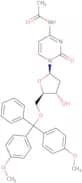
CAS:N4-Acetyl-2'-deoxy-5'-O-DMT-cytidine is a potent and selective inhibitor of the receptor tyrosine kinases Cck-A, which is overexpressed in certain tumour cells. N4-Acetyl-2'-deoxy-5'-O-DMT-cytidine blocks the activation of Cck-A by endothelin, thereby inhibiting the proliferation of tumour cells. This compound also has affinity for other protein kinases including receptor tyrosine kinase (RTK)s, which may be due to its tautomeric equilibrium.Fórmula:C32H33N3O7Pureza:Min. 95%Forma y color:White PowderPeso molecular:571.62 g/molN6-Benzoyl-2'-deoxy-5'-O-DMT-adenosine
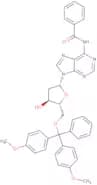
CAS:N6-Benzoyl-2'-deoxy-5'-O-DMT-adenosine is a versatile nucleoside building block.
Fórmula:C38H35N5O6Pureza:Min. 98 Area-%Forma y color:White PowderPeso molecular:657.72 g/molAbacavir sulfate
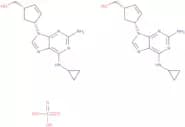
CAS:Anti-viral; reverse transcriptase inhibitor
Fórmula:C14H18N6OH2SO4Pureza:Min. 98 Area-%Forma y color:PowderPeso molecular:670.75 g/molN4-Acetyl-5'-O-DMT-2'-O-methylcytidine
CAS:N4-Acetyl-5'-O-DMT-2'-O-methylcytidine is a cytidine analogue that has been synthesized to be used as an enzyme-linked probe. It is labelled with biotin and can be detected by binding to an antibody which has been labelled with a fluorescent tag. Cytidine analogues are synthesized on a solid phase and then cleaved from the support material. The spacer arm is added to the 5' end of the nucleotide and the 3'-OH group is modified with 2'-O-methyl groups. N4-Acetyl-5'-O-DMT-2'-O-methylcytidine has been shown to be sensitive in techniques such as solid phase synthesis, nucleic acid research, and immunoassays.Fórmula:C33H35N3O8Pureza:Min. 95%Forma y color:Off-White PowderPeso molecular:601.65 g/mol5-Aminoimidazole-4-carboxamide-1-b-D-ribofuranose
CAS:Acadesine is a purine nucleoside analogue that inhibits the synthesis of ATP in cells. Acadesine blocks phosphorylation of adenosine monophosphate (AMP) to adenosine triphosphate (ATP) by inhibiting the activity of kinase-3, an enzyme involved in the production of ATP. Acadesine also inhibits the release of ATP from muscle cells into the blood stream and preferentially targets kidney cells, thereby reducing renal injury. Acadesine has been shown to be effective at reducing proteinuria and improving renal function in rats with acute kidney injury. Acadesine also has anti-inflammatory properties due to its ability to inhibit proteins that are involved in inflammation.Fórmula:C9H14N4O5Pureza:Min. 98 Area-%Forma y color:PowderPeso molecular:258.23 g/mol2'-Deoxy-5-fluorouridine
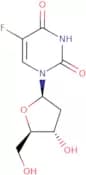
CAS:2'-Deoxy-5-fluorouridine is a nucleoside analog that inhibits the enzyme ribonucleotide reductase, which is involved in the synthesis of DNA. It has been shown to inhibit the growth of cancer cells and induce apoptosis in vivo. 2'-Deoxy-5-fluorouridine has also been shown to inhibit tumor growth in animal models by inhibiting the production of reactive oxygen species and upregulating tumor suppressor genes, such as p53. This drug also has inhibitory effects on enzymes that are involved in cell proliferation, such as protein kinase C and tyrosine kinases. 2'-Deoxy-5-fluorouridine is metabolized by water vapor, so it must be administered with a humidifier or nebulizer. 2'-Deoxy-5-fluorouridine may cause side effects such as nausea, vomiting, and diarrhea.Fórmula:C9H11FN2O5Pureza:Min. 98 Area-%Forma y color:White Off-White PowderPeso molecular:246.2 g/mol5-Methylcytidine-5'-triphosphate sodium salt - 100mM aqueous solution
CAS:5-Methylcytidine-5'-triphosphate sodium salt is a nucleoside diphosphate that is used as an activator in the synthesis of DNA. It is also used as a building block in the synthesis of anticancer agents, such as 5-methylcytosine monophosphate and phosphoramidites. The chemical name for this product is 5-methylcytidine-5'-triphosphate sodium salt and its CAS number is 327174-86-7. This product is available for purchase at Sigma Aldrich with a purity of 99%.Fórmula:C10H18N3O14P3·xNaPureza:Min. 95%Forma y color:PowderPeso molecular:497.18 g/molAdenosine 5'-diphosphate monosodium salt
CAS:Used for energy storage and in nucleic acid metabolismFórmula:C10H14N5NaO10P2Pureza:Min. 98 Area-%Forma y color:White Off-White PowderPeso molecular:449.18 g/molAbacavir
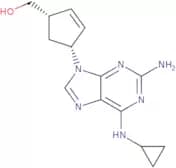
CAS:Abacavir is a carbocyclic 2'-deoxyguanosine nucleoside reverse transcriptase (RT) inhibitor with anti-retroviral activity against HIV. Good oral bioavailability, high aqueous solubility and good cerebrospinal fluid penetrance. Synergistic with other nucleoside RT inhibitors such as AZT.Fórmula:C14H18N6OPureza:Min. 98 Area-%Forma y color:White PowderPeso molecular:286.33 g/mol2-Amino-2'-deoxyadenosine
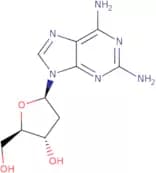
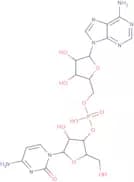
CAS:2-Amino-2'-deoxyadenosine is a modified nucleoside, closely related to adenosine in which the 2'-hydroxyl group is replaced by an amino group. This compound has potential research applicationsFórmula:C10H14N6O3Pureza:Min. 98 Area-%Forma y color:White PowderPeso molecular:266.26 g/molAdenylyl-3'-5'-cytidine
CAS:Adenylyl-3'-5'-cytidine (3'-5'-CYT) is a postulated naturally occurring dinucleoside that has been shown to be involved in many metabolic processes. It has been found to interact with serum albumin, which may be related to the molecule's ability to bind with the ligand and form a complex. 3'-5'CYT can be synthesized from cytidine using an enzyme called adenosine deaminase. This process is known as deamination. The product of this reaction can either be uracil or thymine, depending on the enzyme used. 3'-5'CYT is also a component of recombinant human polypeptides that have been shown to have anti-cancer properties.Fórmula:C19H25N8O11PPureza:Min. 95%Forma y color:PowderPeso molecular:572.42 g/molRibavirin 5'-triphosphate tetrasodium salt - 10mM aqueous solution
CAS:Ribavirin triphosphate is the biologically active metabolite of antiviral nucleoside analog ribavirin. In cells, the prodrug ribavirin gets triphosphorylated and in it inhibits viral RNA polymerases, interfering with the synthesis of newly formed RNA.Fórmula:C8H15N4O14P3·Na4Pureza:Min. 95 Area-%Forma y color:PowderPeso molecular:576.1 g/molp-Coumaryl-coenzyme A
CAS:Please enquire for more information about p-Coumaryl-coenzyme A including the price, delivery time and more detailed product information at the technical inquiry form on this page
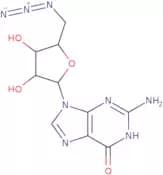
Fórmula:C30H42N7O18P3SPureza:Min. 95%Forma y color:PowderPeso molecular:913.68 g/mol5'-Azido-5'-deoxyguanosine
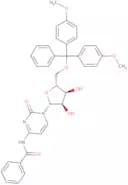
CAS:5'-Azido-5'-deoxyguanosine is an analog of guanosine that can be synthesized in a solid-phase reaction. It can also be enzymatically generated from 5'-azido-5'-deoxyadenosine. This molecule is reactive and has been shown to be an effective inhibitor of DNA synthesis in vivo assays. The use of 5'-azido-5'-deoxyguanosine has been explored as a potential treatment for leishmaniasis, a disease caused by the protozoan parasite Leishmania donovani.Fórmula:C10H12N8O4Pureza:Min. 95 Area-%Forma y color:PowderPeso molecular:308.25 g/molN4-Benzoyl-5'-O-DMT-cytidine
CAS:N4-Benzoyl-5'-O-DMT-cytidine is a novel modified nucleoside that can be phosphorylated by T4 kinase to form 5'-O-DMT-N4-benzoyl cytidine, which is an antiviral agent. This active compound is also an activator of DNA polymerases and has anticancer properties. N4-Benzoyl-5'-O-DMT cytidine has been shown to inhibit the replication of HIV in human cells and inhibit tumor growth in animal models. It has been synthesized with high quality and high purity, and has been assigned CAS No. 81246-76-6.Fórmula:C37H35N3O8Pureza:Min. 95 Area-%Forma y color:White PowderPeso molecular:649.69 g/molAlloxan hydrate
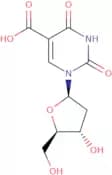
CAS:A pyrimidine derivative, widely used for the induction of diabetes in experimental animals. It preferentially accumulates in pancreatic β cells in Langerhans islets via glucose transporter GLUT2. In the presence of intracellular thiols such as glutathione, it gets involved in a cyclic redox reaction with its reduction product, dialuric acid. This triggers the production of toxic levels of reactive oxygen species (ROS) and directs the cells in necrosis. Alloxan also inhibits glucokinase, which regulates glucose-induced insulin secretion.Fórmula:C4H2N2O4•xH2OPureza:Min. 95%Peso molecular:142.07 g/mol5-Carboxy-2'-deoxyuridine
CAS:5-Carboxy-2'-deoxyuridine is a nucleoside analogue that inhibits herpes simplex virus type 1 (HSV-1) and 2 (HSV-2) replication. It is used to treat genital herpes infections caused by HSV-1 or HSV-2. 5-Carboxy-2'-deoxyuridine has been shown to inhibit the growth of human cancer cells in culture, and is currently being investigated as a potential anticancer drug. This drug binds with high affinity to the viral DNA polymerase, forming a covalent bond with the uracil base in the viral DNA chain. This prevents further elongation of the chain, inhibiting viral replication. 5-Carboxy-2'-deoxyuridine also inhibits cellular protein synthesis and cell division, which may be due to its ability to bind with aldehyde groups on surfactant proteins.END>Fórmula:C10H12N2O7Pureza:Min. 95%Forma y color:PowderPeso molecular:272.21 g/molAdenosine-5'-O-(1-thiotriphosphate) lithium salt - 100 mM aqueous solution
CAS:Adenosine-5'-O-(1-thiotriphosphate) lithium salt is an inhibitor of the guanine nucleotide-binding protein that is reversibly inhibited by adenosine triphosphate. It has been shown to inhibit HIV infection by binding to the Ryanodine receptor and blocking the release of calcium ions from intracellular stores. This prevents the activation of caspases, which are enzymes that cause cell lysis. Adenosine-5'-O-(1-thiotriphosphate) lithium salt also blocks transcription and polymerase chain reactions, and may inhibit the growth of cancer cells by inhibiting epidermal growth factor receptors on the cell surface.Fórmula:C10H12Li4N5O12P3SPureza:Min. 95%Forma y color:PowderPeso molecular:546.98 g/molN6-Benzyl-2-deoxyadenosine
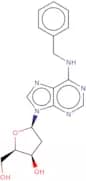
N6-Benzyl-2-deoxyadenosine is a modified nucleotide that can be incorporated into DNA during replication. The compound has antiviral properties and can act as an activator for the transcription of genes involved in the immune response. It is synthesized by coupling two phosphate groups to adenosine monophosphate, which is then modified with a benzyl group. This modification prevents N6-benzyl-2-deoxyadenosine from being phosphorylated and degraded to adenosine monophosphate, resulting in a stable molecule that can be incorporated into DNA.Fórmula:C17H19N5O3Pureza:Min. 95%Forma y color:PowderPeso molecular:341.36 g/mol9-(2'-Deoxy-2'-fluoro-β-D-arabinofuranosyl)adenine
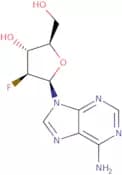
CAS:9-(2'-Deoxy-2'-fluoro-b-D-arabinofuranosyl)adenine (9dFdA) is a potent inhibitor of the enzyme s-adenosylhomocysteine hydrolase, which is involved in the synthesis of adenosine. 9dFdA inhibits the growth of Trichomonas vaginalis and has shown good activity against other pathogens, such as Staphylococcus aureus and Mycobacterium tuberculosis. It also has been shown to have potent inhibitory activity against adenosine deaminase, which prevents an immune response by preventing cells from producing the amino acid adenosine. This compound also inhibits uridine phosphorylase, which is involved in nucleotide biosynthesis.Fórmula:C10H12FN5O3Pureza:Min. 95%Forma y color:PowderPeso molecular:269.24 g/mol3'-Amino-2',3'-dideoxycytidine
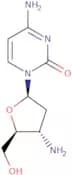
CAS:3'-Amino-2',3'-dideoxycytidine's lack of a 3'-hydroxyl group makes it a chain terminator for DNA polymerase, a key application in Sanger sequencing. Additionally, the 3'-amino group serves as a functional handle for modifying the 3' end of oligonucleotides with various labels or conjugates, expanding their utility in research and diagnostics.Fórmula:C9H14N4O3Pureza:Min. 95%Forma y color:Off-White PowderPeso molecular:226.23 g/mol2'-Deoxyadenosine-5'-diphosphate sodium salt
CAS:2'-Deoxyadenosine-5'-diphosphate sodium salt is a nucleotide that is involved in the synthesis of DNA. It is a structural analog of adenosine-5'-diphosphate and can be used as an experimental tool to study metabolic disorders. 2'-Deoxyadenosine-5'-diphosphate sodium salt binds to p2y receptors and blocks their activation, which inhibits cellular energy metabolism. This compound is structurally similar to adenosine-5'-triphosphate, but has been shown to inhibit the expansion of cells when heated, unlike adenosine-5'-triphosphate. 2'-Deoxyadenosine-5'-diphosphate sodium salt also inhibits cell proliferation in cancer cells and may have potential as a therapeutic agent for bowel disease.Fórmula:C10H12N5O9P2·xNaPureza:Min. 95 Area-%Forma y color:PowderPeso molecular:408.18 g/molN4-Acetyl-2'-O-methylcytidine
CAS:N4-Acetyl-2'-O-methylcytidine is a chemical compound that is an analog of cytidine. It has been shown to have the ability to stabilize RNA molecules at high temperatures and has been used in the study of epigenetics and thermophilic organisms. N4-Acetyl-2'-O-methylcytidine is also known as AEMC. This compound can be used for reversed phase high performance liquid chromatography, which separates compounds based on their size and shape. Furiosus is a strain of bacteria that contains this chemical compound in its genome. Furiosus was found to contain this compound in its DNA by using posttranscriptional modification techniques such as high performance liquid chromatography (HPLC) and proton nuclear magnetic resonance (NMR).
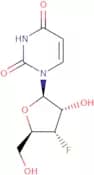
Fórmula:C12H17N3O6Pureza:Min. 95%Forma y color:White Off-White PowderPeso molecular:299.29 g/mol3'-Fluoro-3'-deoxyuridine
CAS:3'-Fluoro-3'-deoxyuridine is a nucleoside analog that inhibits DNA synthesis and has been used to treat hepatitis.Fórmula:C9H11FN2O5Pureza:Min. 95%Forma y color:PowderPeso molecular:246.19 g/molAdenosine 3',5'-diphosphate disodium salt
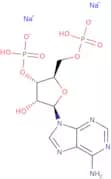
CAS:Adenosine 3',5'-diphosphate disodium salt is a nucleotide that is found in all cells and is involved in the regulation of many physiological processes, including energy metabolism and blood flow. It has inhibitory effects on platelets and calcium ion channels. Adenosine 3',5'-diphosphate disodium salt also inhibits the synthesis of prostaglandins by blocking the conversion of arachidonic acid to prostaglandin H2, which leads to an anti-inflammatory effect. Adenosine 3',5'-diphosphate disodium salt has been shown to be effective in treating primary pulmonary hypertension and bowel disease. The reaction solution can be used for polymerase chain reactions, multivariate logistic regression, or other applications.Fórmula:C10H15N5O10P2·2NaPureza:Min. 96 Area-%Forma y color:White Beige PowderPeso molecular:473.18 g/mol2'-Deoxy-2'-fluorocytidine
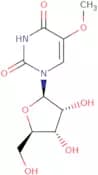
CAS:2'-Deoxy-2'-fluorocytidine is a nucleoside analog with the potential as an Crimean-Congo hemorrhagic fever virus antiviralFórmula:C9H12FN3O4Pureza:Min. 98 Area-%Forma y color:White Off-White PowderPeso molecular:245.21 g/mol5-Methoxyuridine
CAS:5-Methoxyuridine is a nucleoside that is structurally related to uridine. It is an intermediate in the biosynthesis of pyrimidines and is also used as a precursor for other compounds. 5-Methoxyuridine has been shown to inhibit protein synthesis by binding to purine receptors and inhibiting the function of protein kinases. The x-ray crystal structures of 5-methoxyuridine bound to two different p2y receptors have been determined. The analytical chemistry of 5-methoxyuridine is based on UV absorption measurements, which are able to identify hydrogen bonds between the base and the sugar moiety. This drug has been investigated for its potential use in cancer therapy due to its ability to inhibit RNA synthesis, which can lead to cell death by incomplete replication or transcription. 5-Methoxyuridine inhibits messenger RNA (mRNA) production in bacteria by interfering with sequence recognition and binding sites within the ribosome and preventingFórmula:C10H14N2O7Pureza:Min. 98 Area-%Forma y color:PowderPeso molecular:274.23 g/mol2'-Chloro-2'-deoxyuridine
CAS:2'-Chloro-2'-deoxyuridine is a thymidine analog for research applicationsFórmula:C9H11ClN2O5Pureza:Min. 95%Forma y color:PowderPeso molecular:262.65 g/mol2-Amino-2'-deoxy-2'-fluoroadenosine
CAS:2-Amino-2'-deoxy-2'-fluoroadenosine is a modified nucleoside. Fluorination modifications can make molecules have increased resistance to enzymatic degradation, which has useful applications in drug development. The extra amino group could also enhance binding properties or alter biological activity.Fórmula:C10H13FN6O3Pureza:Min. 95%Forma y color:PowderPeso molecular:284.25 g/mol3-N-Boc-5'-O-DMT-3'-O-nosylthymidine
CAS:3-N-Boc-5'-O-DMT-3'-O-nosylthymidine is an anticancer nucleoside that is used as a building block for the synthesis of other anticancer compounds. It can be synthesized by the reaction between 3,4,5′-trimethoxybenzoyl chloride and thymidine in the presence of DMAP and DIPEA. This compound has shown antiviral and anti-inflammatory activities. 3-N-Boc-5'-O-DMT-3'-O-nosylthymidine can also be used as a precursor to synthesize novel nucleosides with different properties. This product is soluble in water, ethanol, acetone, chloroform, benzene, ether or methanol.
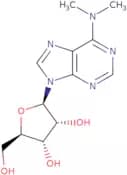
Fórmula:C42H43N3O13SPureza:(¹H-Nmr) Min. 95 Area-%Forma y color:PowderPeso molecular:829.87 g/mol6-Dimethylamino-9-(b-D-ribofuranosyl)purine
CAS:6-Dimethylamino-9-(b-D-ribofuranosyl)purine (6-DMAP) is an analog of adenine that has been shown to have anticancer activity in human serum and tissue culture. 6-DMAP can inhibit the synthesis of ATP, leading to cell death by significantly inhibiting cellular processes such as glycolysis and DNA replication. 6-DMAP also has a significant cytotoxicity on various types of cancer cells and plant tissues. The mechanism of action for the anticancer activity of 6-DMAP is not yet known, but it may be due to its ability to interfere with purine metabolism or its ability to form covalent bonds with DNA.
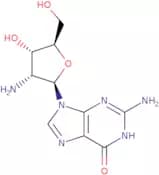
Fórmula:C12H17N5O4Pureza:Min. 98 Area-%Forma y color:White PowderPeso molecular:295.3 g/mol2'-Amino-2'-deoxyguanosine
CAS:2'-Amino-2'-deoxyguanosine is a modified nucleoside, based on guanosine. The 2'-hydroxyl has been replaced by an amino group, which can form different hydrogen bonds compared to a hydroxyl or just a hydrogen, altering the way the sugar interacts in a DNA or RNA strand.Fórmula:C10H14N6O4Pureza:Min. 98 Area-%Forma y color:White PowderPeso molecular:282.26 g/molTenofovir
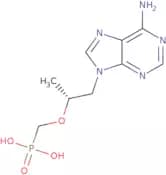
CAS:Tenofovir is an acyclic nucleoside phosphonate that exhibits anti-viral properties through its inhibition of reverse transcriptases. In particular, Tenofovir is a potent inhibitor of Human Immunodeficiency Virus (HIV) and chronic Hepatitis B Virus (HBV) reverse transcriptases, thus preventing the replication of genetic viral material. This property is beneficial in virus research areas and developing antiviral treatments. Once inside the body tenofovir is metabolized into its active form, tenofovir diphosphate, by the lysosomal protease cathepsin A, nucleotide kinases and adenylate kinases. An oral prodrug, used in the treatment of HIV, is tenofovir alafenamide (TAF) hemifumerate and this has improved stability, greater antiviral activity and reduces the risk of side effects such as loss of kidney function. Furthermore, TAF is easily metabolized into tenofovir in the lymphocytes allowing increased drug accumulation in HIV cells.Fórmula:C9H14N5O4PPureza:Min. 95%Forma y color:White Clear LiquidPeso molecular:287.21 g/mol