Nucleósidos
Se han encontrado 3569 productos de "Nucleósidos"
N2-Isobutyryl-3',5'-O-(1,1,3,3-tetraisopropyl-1,3-disiloxanediyl)guanosine
CAS:N2-Isobutyryl-3',5'-O-(1,1,3,3-tetraisopropyl-1,3-disiloxane-diyl)guanosine is a nucleoside that is activated by phosphorylation. It has been shown to be an inhibitor of cancer cell growth and proliferation in vitro. This compound was also found to inhibit the expression of two oncogenes (c-MYC and c-Ki67) and induce the expression of the tumor suppressor gene p53. This nucleoside is synthesized from 2'-deoxyadenosine monophosphate (2'-DAMP) with a modified DNA synthesis protocol.Fórmula:C26H45N5O7Si2Pureza:Min. 95 Area-%Forma y color:White Off-White PowderPeso molecular:595.84 g/molN2-Isobutyryl-2'-O-methylguanosine
CAS:N2-Isobutyryl-2'-O-methylguanosine (IBOG) is a modified nucleoside that can be used as an activator for DNA synthesis. IBOG is a high purity, high quality chemical with CAS No. 63264-29-9 and has antiviral and anticancer properties.Fórmula:C15H21N5O6Pureza:Min. 95%Forma y color:White To Yellow SolidPeso molecular:367.36 g/molN4-Benzoyl-2'-C-methylcytidine
N4-Benzoyl-2'-C-methylcytidine is a nucleoside that is used in the synthesis of DNA and RNA. This drug has been shown to have antiviral and anticancer properties. It inhibits the activity of DNA polymerase, reverse transcriptase, and ribonuclease H. It also has an activator effect on phosphoramidite synthesis, increasing the yield of oligodeoxynucleotides by up to 20%. N4-Benzoyl-2'-C-methylcytidine is a novel nucleoside that belongs to the group of deoxyribonucleosides with a diphosphate linkage.Pureza:Min. 95%2'-Deoxy-5'-O-DMT-inosine 3'-CE phosphoramidite
CAS:2'-Deoxy-5'-O-DMT-inosine 3'-CE phosphoramidite is a novel, modified nucleoside monophosphate. It is an activator of antiviral and anticancer activities. It is synthesized by the condensation of 5-bromo-2'-deoxyuridine with 2-chloroethyl chloroformate followed by reaction with ethylenediaminetetraacetic acid (EDTA) and sodium cyanoborohydride in aqueous solution. The product was purified by silica gel column chromatography.Fórmula:C40H47N6O7PPureza:Min. 98 Area-%Forma y color:White PowderPeso molecular:754.83 g/mol2'-Deoxy-5'-O-DMT-N6-phenoxyacetyladenosine 3'-CE phosphoramidite
CAS:Amidite designed to withstand prolonged exposure to strongly alkaline conditions during heating with ammonium hydroxide solution.Fórmula:C48H54N7O8PPureza:Min. 95%Forma y color:PowderPeso molecular:887.98 g/molb-Nicotinamide mononucleotide
CAS:b-Nicotinamide mononucleotide, or NMN, is a precursor to nicotinamide adenine dinucleotide (NAD+), a coenzyme found in all living cells that is essential for various metabolic processes. NAD+ is involved in critical functions such as DNA repair, gene expression, and cellular stress responses.Fórmula:C11H15N2O8PPureza:Min. 95 Area-%Forma y color:PowderPeso molecular:334.22 g/mol2-Methoxycarbonyl adenosine
CAS:2-Methoxycarbonyl adenosine is a modified nucleoside and nucleotide. It is an antiviral agent that has been shown to be effective against herpes simplex virus type 1 (HSV-1) and varicella zoster virus (VZV). 2-Methoxycarbonyl adenosine also has anticancer activity, which may be due to its ability to inhibit DNA synthesis. This agent can also be used as a phosphoramidite for the synthesis of oligonucleotides and as a monophosphate for the synthesis of ribonucleosides. 2-Methoxycarbonyl adenosine is also available in high purity and high quality with CAS No. 70255-70-8.Pureza:Min. 95%2'-Deoxy-2'-fluoroguanosine
CAS:2'-Deoxy-2'-fluoroguanosine is a modified nucleoside analog where the base is guanine, the sugar is deoxyribose, and a fluoro group is attached to the 2' position of the sugar ring. This modification potnetially enhances the stability and nuclease resistance of the nucleoside, making it a useful tool in molecular biology and drug development.
Fórmula:C10H12FN5O4Pureza:Min. 98 Area-%Forma y color:White PowderPeso molecular:285.23 g/mol3'-O-Allyladenosine
CAS:3'-O-Allyladenosine is an antiviral agent that inhibits the replication of DNA and RNA viruses. It has been shown to have anticancer properties, and is a novel nucleoside analog with potential as an antitumor agent. 3'-O-Allyladenosine is a modified nucleoside analog that can be synthesized with high purity and quality. This compound has shown antiviral activity against influenza virus and herpes simplex virus type 1. In addition, 3'-O-Allyladenosine has been found to inhibit tumor growth in mice without any significant side effects.
Fórmula:C13H17N5O4Pureza:Min. 95%Forma y color:PowderPeso molecular:307.31 g/molCoenzyme A sodium salt hydrate
CAS:Coenzyme A is a biochemical that is required for the synthesis of fat molecules. It also plays an important role in the activation of fatty acids, as well as in the production of collagen and growth factor-β1. Coenzyme A sodium salt hydrate (CAS) is a cofactor that participates in various metabolic processes, including process optimization and conjugation reactions. It has been shown to increase the transcription of insulin-sensitive genes, which may be due to its ability to inhibit the activity of nonsteroidal anti-inflammatory drugs. This product can be used in transfection experiments and fluorescence assays for cervical cancer or insulin sensitivity.Fórmula:C21H36N7O16P3SNaPureza:Min. 95%Forma y color:PowderPeso molecular:790.53 g/mol2’,3’-Bis-O-tert-butyldimethylsilyl-5’-O-DMT-uridine
CAS:2’,3’-Bis-O-tert-butyldimethylsilyl-5’-O-DMT-uridine is a high purity, novel nucleoside that has antiviral properties. It is a phosphoramidite monophosphate that is synthesized by reacting 5’-O-DMT uridine with bis(2,2,2-trichloroethyl)dimethylsilane and 2,6,8,-trioxabicyclo[3.3.1]nonane in the presence of triethylamine. This product can be used as an activator for DNA synthesis or to synthesize deoxyribonucleosides.Pureza:Min. 95%N6-Benzoyl-3'-O-methyladenosine
CAS:N6-Benzoyl-3'-O-methyladenosine is a novel modified nucleoside that has antiviral activity. It has been shown to possess high purity and high quality, and can be used as an activator for DNA synthesis. N6-Benzoyl-3'-O-methyladenosine is synthesized from 3'-O-methyladenosine with the use of phosphoramidites, ribonucleosides, or monophosphate nucleotides. The compound is CAS No. 85090-30-8 and is soluble in water.Fórmula:C18H19N5O5Pureza:Min. 96 Area-%Forma y color:Off-White PowderPeso molecular:385.37 g/mol1-Methylpseudouridine
CAS:1-Methylpseudouridine is a substitute for uridine in modified mRNA. This substitution has shown to increase transfection by reducing immuogenicity. The 1-methylpseudouridine substituted mRNA increases protein expression due to low immune stimulation as it evades detection by the edosomal Toll-like receptor (TLR3).Fórmula:C10H14N2O6Pureza:Min. 98.0 Area-%Peso molecular:258.23 g/molRef: 3D-M-4320
-Unit-ggA consultar1gA consultar5gA consultar250mgA consultar500mgA consultar2500mgA consultar2’-Deoxy-N6-isopentenyladenosine
CAS:2’-Deoxy-N6-isopentenyladenosine (2’-DIA) is a monophosphate nucleoside that has antiviral properties. It activates DNA polymerase and inhibits tumor proliferation by inhibiting the synthesis of RNA and DNA. 2’-DIA is an analog of adenosine, which is used in the anticancer drug gemcitabine. 2’-DIA is synthesized through the condensation of 6-(2'-deoxyisopentenyl)adenosine with diphosphate. This compound also functions as a ribonucleotide, meaning it can be incorporated into RNA chains to form new proteins.Pureza:Min. 95%Adenosine 3',5'-diphosphate disodium salt
CAS:Adenosine 3',5'-diphosphate disodium salt is a nucleotide that is found in all cells and is involved in the regulation of many physiological processes, including energy metabolism and blood flow. It has inhibitory effects on platelets and calcium ion channels. Adenosine 3',5'-diphosphate disodium salt also inhibits the synthesis of prostaglandins by blocking the conversion of arachidonic acid to prostaglandin H2, which leads to an anti-inflammatory effect. Adenosine 3',5'-diphosphate disodium salt has been shown to be effective in treating primary pulmonary hypertension and bowel disease. The reaction solution can be used for polymerase chain reactions, multivariate logistic regression, or other applications.Fórmula:C10H15N5O10P2·2NaPureza:Min. 96 Area-%Forma y color:White Beige PowderPeso molecular:473.18 g/molN4-Acetyl-2'-O-tert-butyldimethylsilyl-5'-O-DMT-5-methylcytidine 3'-CE phosphoramidite
N4-Acetyl-2'-O-tert-butyldimethylsilyl-5'-O-DMT-5-methylcytidine 3'-CE phosphoramidite is a novel monophosphate nucleotide that can be used for the synthesis of DNA and RNA. It has antiviral, anticancer, and activating properties. N4-Acetyl-2'-O-tert-butyldimethylsilyl-5'-O-DMT-5-methylcytidine 3'-CE phosphoramidite is synthesized by modifying cytosine with an acetyl group at the 4th position in the ribose ring, a tertiary butyldimethylsilyl group at the 2nd position on the 5' carbon atom, and a DMT group at the 5' position on the 5' carbon atom. The CAS number for this compound is 868312050.Pureza:Min. 95%2’-O-Acetyl-3,5-bis-O-(2,4-dichlorobenzyl)adenosine
CAS:2’-O-Acetyl-3,5-bis-O-(2,4-dichlorobenzyl)adenosine (OAAD) is a novel nucleoside that has been modified to be phosphorylated by the enzyme ribonucleotide kinase. It is an antiviral and anticancer agent that affects the synthesis of DNA. OAAD inhibits viral replication in vitro and in vivo by inhibiting DNA synthesis.Fórmula:C26H23Cl4N5O5Pureza:Min. 95%Peso molecular:627.3 g/mol5-Bromo-2'-deoxy-2'-fluorouridine
CAS:5-Bromo-2'-deoxy-2'-fluorouridine is a phosphoramidite that can be used as an anticancer, antiviral, and antimalarial agent. It is modified form of nucleosides with a high purity and quality. It has been shown to have antiviral activity against HIV type 1 and influenza A virus in vitro. 5-Bromo-2'-deoxy-2'-fluorouridine is a novel synthetic nucleoside that binds to the ribonucleotide reductase enzyme and inhibits its activity, which prevents the production of RNA. This drug also has anticancer properties due to its ability to inhibit DNA synthesis by binding to DNA polymerase and blocking the incorporation of deoxythymidylate into DNA. It also has been shown to cause cancer cell death by inhibiting protein synthesis.Pureza:Min. 95%3-Methyl-2-nitropyridine
CAS:3-Methyl-2-nitropyridine is a high yield byproduct of formamide, which can be activated to form an intermediate for the synthesis of nucleosides. The kinetics and labeling of this intermediate were studied using a transfer experiment. 3-Methyl-2-nitropyridine is acidic, with a pKa value of 3.6, and is reactive towards nucleophiles. It is also catalytic, yielding methyl groups and dioxane as products when heated at temperatures between 180°C and 220°C. In addition, it undergoes nucleophilic substitutions at methoxy groups.
Fórmula:C6H6N2O2Pureza:Min. 95%Forma y color:PowderPeso molecular:138.12 g/mol3-beta-D-Ribofuranosyl-1H-pyrimido[5,4-b][1,4]benzoxazin-2(3H)-one
CAS:3-beta-D-Ribofuranosyl-1H-pyrimido[5,4-b][1,4]benzoxazin-2(3H)-one is a phosphoramidite that can be used for the synthesis of DNA. It has antiviral activity and has been shown to inhibit the growth of cancer cells. 3-beta-D-Ribofuranosyl-1H-pyrimido[5,4-b][1,4]benzoxazin-2(3H)-one is a novel nucleoside that is modified with a fluoroquinolone moiety. This modification inhibits viral replication by interfering with viral DNA polymerase. The novel nucleoside has also been shown to have anticancer activity in vitro and in vivo.Fórmula:C15H15N3O6Pureza:Min. 95%Forma y color:PowderPeso molecular:333 g/mol5'-O-DMT-2'-O-methyl-N6-phenoxyacetyladenosine 3'-CE phosphoramidite
5'-O-DMT-2'-O-methyl-N6-phenoxyacetyladenosine 3'-CE phosphoramidite is a monophosphate, which is a phosphate group that is attached to the 5' carbon on the ribose ring of RNA. This monophosphate has been modified with a 2'-O-methyl group at the 6 position of the adenosine moiety. It has also been modified with a phenoxyacetyl group at the 2 position of the adenosine moiety. The phosphoramidite backbone is an ester bond between phosphorus and nitrogen atoms, and it can be used to make DNA or RNA in vitro. This compound has anticancer properties and antiviral activities against HIV, HSV, and HBV. 5'-O-DMT-2'-O-methyl-N6-phenoxyacetyladenosine 3'-CE phosphoramidite has novel properties that have notFórmula:C49H56N7O9PPureza:Min. 95%Forma y color:White PowderPeso molecular:918.01 g/mol3'-Deoxy-3'-iodothymidine
CAS:3'-Deoxy-3'-iodothymidine is a nucleoside that is found in DNA. It has a constant of -1.5 and can be protonated to form the anion. The molecule has a reactive radical anion, which is stabilized by electron delocalization with the aromatic rings. 3'-Deoxy-3'-iodothymidine has been studied for use as a medicine for cancer treatment, but it also has applications in biology and chemistry. This compound can be used in conductometry and electron spectroscopy, as well as other chemical experiments that require ionic compounds or radiation.
Fórmula:C10H13IN2O4Pureza:Min. 95%Forma y color:PowderPeso molecular:352.13 g/mol2'-O-tert-Butyldimethylsilyl-N2-isobutyryl-5'-O-MMT-guanosine 3'-CE phosphoramidite
2'-O-tert-Butyldimethylsilyl-N2-isobutyryl-5'-O-MMT-guanosine 3'-CE phosphoramidite is a novel modified ribonucleoside that has been synthesized to mimic the natural nucleotide. It has been shown to activate DNA synthesis, inhibit cancer cell division and proliferation, and inhibit viral replication. 2'-O-tert-Butyldimethylsilyl-N2-isobutyryl-5'-O-MMTguanosine 3'-CE phosphoramidite is a monophosphate nucleotide with an anticancer activity. It has also showed antiviral effects against HIV and Hepatitis B virus. This novel modified ribonucleoside is highly pure and can be used for the synthesis of high quality DNA, RNA, or phosphoramidites.Fórmula:C49H66N7O8PSiPureza:Min. 95%Peso molecular:940.17 g/mol3'-Deoxy-N-dimethylformamidine- 5'-O-DMT-guanosine-2'-O-succinoyl-long chain alkylamino-CPG
3'-Deoxy-N-dimethylformamidine-5'-O-DMT-guanosine-2'-O-succinoyl-long chain alkylamino-CPG is an anticancer, antiviral, and modified nucleoside. It is a novel monophosphate nucleoside that can be used in the synthesis of DNA or RNA. 3'-Deoxy-N-dimethylformamidine is a synthetic phosphoramidite that is activated with triethylamine and reacts with 5'--DMT--guanosine to yield a novel nucleoside. The compound has high purity and high quality.Pureza:Min. 95%4’,5’-Didehydro-2’,5’-dideoxyuridine
CAS:4’,5’-Didehydro-2’,5’-dideoxyuridine (ddU) is a monophosphate of deoxyribonucleosides. It is an antiviral drug that was originally synthesized in the 1960s to combat viral infections. It has been used as a potential anticancer agent and as an activator for complex DNA synthesis. ddU has also been used in synthesis of phosphoramidites for DNA and RNA analogues.Pureza:Min. 95%2'-O-(2-Methoxyethyl)guanosine
CAS:2'-O-(2-Methoxyethyl)guanosine is a guanosine derivative isolated from the reaction of 2-aminoadenosine with methylsulfonyl chloride. This compound has been shown to react with aromatic hydrocarbons to form a reagent that is useful for the alkylation of nucleophilic groups in organic synthesis.Fórmula:C13H19N5O6Pureza:Min. 95%Forma y color:PowderPeso molecular:341.32 g/mol2,2'-Anhydrouridine
CAS:The nucleophilic opening of 2,2'-Anhydrouridine represents a novel synthetic approach for elaborating the ring of nucleosides. For example, compounds such as 2-amino-, 2-fluoro- and 2-phenylseleno-2-deoxyuridines are prepared from the nucleophilic opening of 2,2'-Anhydrouridine.Â2,2'-Anhydrouridine inhibits uridine phosphorylase, a key enzyme targeted by some antitumor drugs.
Fórmula:C9H10N2O5Pureza:Min. 98 Area-%Forma y color:White Off-White PowderPeso molecular:226.19 g/mol2-Chloro-N6-cyclopentyladenosine hemihydrate
CAS:2-Chloro-N6-cyclopentyladenosine hemihydrate is a synthetic adenosine analog with potential research applicationsFórmula:C15H20ClN5O4H2OPureza:Min. 98 Area-%Forma y color:PowderPeso molecular:378.81 g/mol5-Chloro-2-iodopyrimidine
CAS:5-Chloro-2-iodopyrimidine is an organic molecule that belongs to the class of trifluoromethylated molecules. It was discovered by a team of chemists in 2006 and has been used as a reagent for the efficient trifluoromethylation of organic molecules. 5-Chloro-2-iodopyrimidine can be catalyzed with copper, which is responsible for its unique reactivity. The synthesis of this molecule has been shown to be efficient in organic chemistry. END>Fórmula:C4H2ClIN2Pureza:Min. 95%Forma y color:PowderPeso molecular:240.43 g/molN3-Methylcytidine
CAS:N3-Methylcytidine is a synthetic analog of uridine. It is used for the treatment of syncytial virus infection, which is a group of diseases caused by viruses that have an RNA genome and replicate by forming syncytia—large groups of infected cells. N3-Methylcytidine inhibits the synthesis of proteins in cells and inhibits the growth of bacteria. This drug has been shown to inhibit actin polymerization and prevents cell spreading. N3-Methylcytidine also binds to RNA polymerase II and blocks its interaction with DNA, inhibiting protein synthesis at the ribosome level. N3-Methylcytidine is metabolized in vivo into methylated cytidine, which can be detected in urine samples using chemical biology methods or fluorescence resonance energy transfer (FRET) analysis. Synonyms: N3-methyluridine; 3-methyluridineFórmula:C10H15N3O5Pureza:Min. 95%Forma y color:White PowderPeso molecular:257.24 g/mol2'-Deoxy-5'-O-DMT-N4-isobutyryl-5-methylcytidine
CAS:The chemical compound 2'-deoxy-5'-O-dimethyltryptophan 4-isobutyryl-5-methylcytidine is an antiviral and anticancer agent. It is a nucleoside analog that inhibits the synthesis of DNA, RNA, and proteins by inhibiting the activity of various enzymes in the cell. This agent also acts as an activator that binds to DNA, preventing transcription of genes. The modified nucleotide has been used in research to study the effects on cancer cells and HIV cells.Pureza:Min. 95%5'-O-[Bis(4-methoxyphenyl)(phenyl)methyl]-2'-deoxy-N-isobutyrylguanosine
CAS:5'-O-[Bis(4-methoxyphenyl)(phenyl)methyl]-2'-deoxy-N-isobutyrylguanosine is a synthetic nucleoside that is used as a building block in the synthesis of oligonucleotides. This chemical has an electronegativity value of 1.7, which means that it is more electronegative than guanine (1.0). It also has a conjugated system and is stable under a range of conditions. 5'-O-[Bis(4-methoxyphenyl)(phenyl)methyl]-2'-deoxy-N-isobutyrylguanosine reacts with tetrazole in the presence of phosphoramidite, yielding the corresponding 5'-O-(4,4'-dimethoxytrityl)-2'-deoxy-N-isobutyrylguanosine, which can then be used toFórmula:C35H37N5O7Pureza:Min. 98 Area-%Forma y color:White PowderPeso molecular:639.71 g/molN3-Cyanoethyl-5’-O-DMT-2’-O-methyluridine
N3-Cyanoethyl-5’-O-DMT-2’-O-methyluridine is a nucleoside that is synthesized from 5'-O-DMT-2’-O-methyluridine. It has antiviral and anticancer properties, as well as an inhibitory effect on DNA synthesis. N3-Cyanoethyl-5’-O-DMT-2’-O methyluridine is a novel nucleoside with DMT and methylated uracil at the 3' position of the sugar moiety. Synthesis may be achieved by using phosphoramidites or modified nucleosides such as N3-(cyanoethyl)-5'-0-(dimethoxytrityl)thymidine. This product meets high purity standards, with a CAS number of 68719–77–8.Pureza:Min. 95%3’-deoxy-3’-fluorotoyocamycin
CAS:3’-deoxy-3’-fluorotoyocamycin is a nucleoside, ribonucleoside and antiviral agent. It inhibits the replication of DNA viruses by inhibiting the viral enzyme RNA polymerase. This drug also has anticancer activity and can be used to treat leukemia and other cancers. 3’-deoxy-3’-fluorotoyocamycin can be used as a monophosphate or diphosphate activator for phosphoramidites in the synthesis of modified DNA. It is also a novel drug that has been modified to contain an additional phosphate group at position 3' on the sugar moiety. The CAS number for this compound is 847649-44-9.Pureza:Min. 95%5'-O-DMT-2'-O-methyl-N6-phenoxyacetyladenosine
CAS:5'-O-DMT-2'-O-methyl-N6-phenoxyacetyladenosine is a novel synthetic nucleoside with antiviral and anticancer activities. It is a phosphoramidite that can be used to synthesize oligonucleotides of any sequence. It is a nucleoside analogue that has been shown to inhibit the activity of DNA gyrase and topoisomerase IV, which are enzymes that maintain the integrity of bacterial DNA. 5'-O-DMT-2'-O-methyl-N6-phenoxyacetyladenosine is also an activator of viral transcription and replication. 5'-O-DMT-2'-O-methyl-N6-phenoxyacetyladenosine has been shown to be active against methicillin resistant Staphylococcus aureus (MRSA) and Clostridium perfringens, although it is not active against acid fast bacteria suchFórmula:C40H39N5O8Pureza:Min. 95 Area-%Forma y color:PowderPeso molecular:717.77 g/mol3'-Deoxy-3'-fluoro-isocytidine
3'-Deoxy-3'-fluoro-isocytidine is a nucleoside that belongs to the class of Deoxyribonucleosides. It is a novel nucleoside that has antiviral and anticancer properties. 3'-Deoxy-3'-fluoro-isocytidine inhibits viral replication by inhibiting the action of DNA polymerase. It also inhibits cancer cell proliferation through inhibition of DNA synthesis and protein synthesis, as well as induction of apoptosis. 3'-Deoxy-3'-fluoro-isocytidine is phosphorylated by ribonucleotide reductase in the erythrocyte to yield its active form, deoxycytidine monophosphate (dCMP).Pureza:Min. 95%2'-Deoxy-5'-O-DMT-cytidine
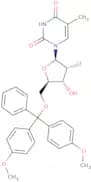
CAS:2'-Deoxy-5'-O-DMT-cytidine is an organic compound. It is a synthetic, combinational and amine nitrogen containing heterocyclic compound that is used in organic synthesis. This chemical is also used as a building block for the synthesis of heterocyclic compounds with other functional groups such as thionyl, formulae, chlorides and hydrogen atoms.Fórmula:C30H31N3O6Pureza:Min. 95 Area-%Forma y color:White PowderPeso molecular:529.58 g/molAcetyl coenzyme A sodium salt
CAS:Acetyl-coenzyme A is an important intermediate in the metabolism of carbohydrates, fats, and proteins. It is a cytosolic molecule that is synthesized from Acetyl-CoA and ATP. The Michaelis–Menten kinetics describe the relationship between the concentration of acetyl-coenzyme A and the rate of its consumption. Acetyl co-enzyme A is found in many different tissues, including plants, animals, and humans. It has an important role in regulating cellular growth and differentiation by activating various enzymes involved in metabolic pathways. Acetyl CoA can be acetylated to form acetyl CoA carboxylic acid (ACC) which then turns into malonyl CoA through a series of reactions. Malonyl CoA then enters the Krebs cycle as a key intermediate for generating energy from fatty acids.Fórmula:C23H38N7O17P3S·xNaPureza:Min. 95%Forma y color:PowderPeso molecular:809.57 g/mol3'-O-Methyl-5-methylcytidine
CAS:3'-O-Methyl-5-methylcytidine is a nucleoside with antiviral and anticancer properties. It has been shown to be an activator of RNA polymerase, the enzyme that catalyzes the transcription of DNA into RNA. 3'-O-Methyl-5-methylcytidine binds to the active site of RNA polymerase and is able to stimulate transcription in vitro. This drug has also been shown to have high purity and high quality.Fórmula:C11H17N3O5Pureza:Min. 95%Forma y color:PowderPeso molecular:271.27 g/mol5-Fluorocytosine
CAS:Flucytosine is an antifungal agent that inhibits the synthesis of DNA by preventing the conversion of deoxyuridine monophosphate to uracil monophosphate. It is used as an antiretroviral therapy in combination with other drugs, such as zidovudine and dideoxyinosine, to treat HIV infections. Flucytosine has been shown to have a strong antitumor response in a model system involving mice with sarcoma 180. This drug can cause serious side effects, including drug interactions and resistance mutations in microorganisms. These side effects are often observed in patients undergoing cancer chemotherapy or immunosuppressive therapy.Fórmula:C4H4FN3OPureza:Min. 95%Forma y color:White PowderPeso molecular:129.09 g/mol4-Amino-6-hydroxypyrazolo(3,4-D)pyrimidine
CAS:4-Amino-6-hydroxypyrazolo(3,4-D)pyrimidine is an anti-inflammatory drug that is used to treat bowel disease. It is also used as a polymer conjugate to treat cancer, and in the prevention of transplant rejection. 4-Amino-6-hydroxypyrazolo(3,4-D)pyrimidine has been shown to have antioxidant properties and may be effective in preventing inflammatory diseases such as inflammatory bowel disease. It has also been shown to act as an antihypertensive agent by inhibiting angiotensin I converting enzyme (ACE).Fórmula:C5H5N5OPureza:Min. 95%Peso molecular:151.13 g/molN6-Benzyl-2-deoxyadenosine
N6-Benzyl-2-deoxyadenosine is a modified nucleotide that can be incorporated into DNA during replication. The compound has antiviral properties and can act as an activator for the transcription of genes involved in the immune response. It is synthesized by coupling two phosphate groups to adenosine monophosphate, which is then modified with a benzyl group. This modification prevents N6-benzyl-2-deoxyadenosine from being phosphorylated and degraded to adenosine monophosphate, resulting in a stable molecule that can be incorporated into DNA.Fórmula:C17H19N5O3Pureza:Min. 95%Forma y color:PowderPeso molecular:341.36 g/mol4-Demethylwyosine
CAS:4-Demethylwyosine is a metabolite found in the bacterium Pyrococcus furiosus. It is an intermediate in the biosynthesis of 2-amino-3,5-dimethyoxybenzoic acid. 4-Demethylwyosine has been shown to inhibit cancer cell proliferation by inhibiting the synthesis of lysine residues and base formation. This inhibition may be due to its methyl transferase activity, which leads to decreased levels of methionine, or it may be due to its ability to act as a carboxylate group donor. 4-Demethylwyosine has also been shown to bind with DNA and RNA, regulating posttranscriptional processes such as protein translation and transcription.Fórmula:C13H15N5O5Pureza:Min. 80 Area-%Forma y color:PowderPeso molecular:321.29 g/mol9-(b-D-Arabinofuranosyl)-8-chloroadenine
CAS:9-(b-D-arabinofuranosyl)-8-chloroadenine is a deoxyribonucleoside that is structurally related to adenosine. It has antiviral properties and has been shown to be active against herpes virus, influenza A virus, and cytomegalovirus. 9-(b-D-Arabinofuranosyl)-8-chloroadenine is an activator of cellular DNA polymerase δ and has been shown to inhibit the replication of HIV in human T lymphocytes. 9-(b-D-Arabinofuranosyl)-8-chloroadenine also inhibits the proliferation of tumor cells and is being investigated as a potential chemotherapeutic agent for cancer treatment.
Pureza:Min. 95%2'-O-(2-Methoxyethyl)-5-methylcytidine 5'-monophosphate
2'-O-(2-Methoxyethyl)-5-methylcytidine 5'-monophosphate is a novel nucleoside analog that is phosphorylated to its active form, 5'-O-(4,4'-dimethoxytrityl)-2'-O-(2-methoxyethyl)-5-methylcytidine monophosphate, which has antiviral and anticancer properties. It can be used as an activator for oligonucleotide synthesis and DNA synthesis. This product is available in high purity (>98%) and high quality. CAS No.: 181297-76-7Pureza:Min. 95%Adenosine 2',3'-cyclic monophosphate sodium
CAS:Adenosine 2',3'-cyclic monophosphate sodium (AMP-Na) is a chemical compound that is found in Streptomyces coelicolor. It has been shown to have an active role in the biotechnology industry for research and development. AMP-Na inhibits the synthesis of carbohydrates by binding to enzymes such as adenosyl-l-methionine peroxidase, which is involved in the metabolism of carbohydrates. Adenosine 2',3'-cyclic monophosphate sodium also has a long half-life, which makes it useful for therapeutic purposes.Fórmula:C10H11N5NaO6PPureza:Min. 95%Forma y color:PowderPeso molecular:351.19 g/mol3’-b-C-Methyladenosine
CAS:3’-b-C-Methyladenosine is a novel antiviral and anticancer agent that is synthetically derived from deoxyribonucleosides. 3’-b-C-Methyladenosine has been shown to have antiviral activity against HIV, influenza, herpes simplex virus type 1 and type 2, and vaccinia virus. It also has anticancer activity against leukemia cells. 3’-b-C-Methyladenosine can be used as a phosphoramidite in the synthesis of oligonucleotides. It may be useful as an activator for nucleophilic substitution reactions with phosphorus halides.Pureza:Min. 95%5-b-D-Glucopyranosyl-5-thio-thymine
5-b-D-Glucopyranosyl-5-thio-thymine is a novel, synthetic nucleoside that has antiviral activity. It is deoxyribonucleosides and ribonucleosides, which are the building blocks of DNA and RNA respectively. 5-b-D-Glucopyranosyl-5-thio-thymine can be used as an activator for phosphoramidites, which are used in the synthesis of DNA and RNA. This modified nucleotide also has anti cancer properties as it inhibits the growth of tumor cells.Pureza:Min. 95%6-Dimethylamino-9-(b-D-ribofuranosyl)purine
CAS:6-Dimethylamino-9-(b-D-ribofuranosyl)purine (6-DMAP) is an analog of adenine that has been shown to have anticancer activity in human serum and tissue culture. 6-DMAP can inhibit the synthesis of ATP, leading to cell death by significantly inhibiting cellular processes such as glycolysis and DNA replication. 6-DMAP also has a significant cytotoxicity on various types of cancer cells and plant tissues. The mechanism of action for the anticancer activity of 6-DMAP is not yet known, but it may be due to its ability to interfere with purine metabolism or its ability to form covalent bonds with DNA.
Fórmula:C12H17N5O4Pureza:Min. 98 Area-%Forma y color:White PowderPeso molecular:295.3 g/mol5-Iodo-2’-C-methylcytidine
CAS:5-Iodo-2’-C-methylcytidine is a synthetic nucleoside that is an activator of DNA polymerases. It has been shown to be an anticancer agent and antiviral agent, with potential applications in the treatment of HIV and HBV infections. 5-Iodo-2’-C-methylcytidine is a novel monophosphate nucleoside that has been modified to improve its stability. This product is sold as a high purity, high quality, NMR grade material that can be used in research or in the manufacture of pharmaceuticals.Fórmula:C10H14IN3O5Pureza:Min. 95%Peso molecular:383.14 g/molN4-Benzoyl-5'-O-benzoyl-2'-O-tert-butyldimethylsilylcytidine 3'-CE phosphoramidite
N4-Benzoyl-5'-O-benzoyl-2'-O-tert-butyldimethylsilylcytidine 3'-CE phosphoramidite is a novel nucleoside that has been modified by the addition of a benzoyl group to the 5' position of the ribonucleotide moiety. N4-Benzoyl-5'-O-benzoyl-2'-O-tert-butyldimethylsilylcytidine 3'-CE phosphoramidite is an anticancer and antiviral agent that inhibits viral replication by competitive inhibition of DNA polymerase. N4-Benzoyl-5'-O-benzoyl -2'-O -tert -butyldimethylsilylcytidine 3'-CE phosphoramidite is active against HIV, herpes virus, and cytomegalovirus. This compound also inhibits the synthesisFórmula:C38H52N5O8PSiPureza:Min. 95%Peso molecular:765.93 g/mol5-(Azidomethyl)-2’-deoxyuridine
CAS:5-azidomethyl-2-deoxyuridine (AmdU) is a nucleoside that contains an azide group. The structure of the nucleoside is similar to thymidine, and it is incorporated into nascent DNA by cellular polymerases, similarly to EdU (NE08701). Unlike EdU that needs to be further modified with azides in the presence of copper catalyst, AmdU can also react in the absence of copper catalyst using spAAC Click Chemistry with strained cycloalkynes, such as cyclooctynes. This enables detection of nascent DNA in benign, copper free conditions.
Fórmula:C10H13N5O5Pureza:Min. 95%Forma y color:PowderPeso molecular:283.24 g/mol8-Bromoguanosine 3',5'-cyclic monophosphate sodium salt
CAS:Activator of cGMP-dependent protein kinasesFórmula:C10H10BrN5NaO7PPureza:Min. 95%Forma y color:PowderPeso molecular:446.08 g/mol7-[3,5-Bis-O-[(-2,4-dichlorophenyl)methyl]-2-C-methyl-b-D-ribofuranosyl]-4-chloro-5-iodo-7H-pyrrolo[2,3-d]pyrimidine
CAS:7-[3,5-Bis-O-[(-2,4-dichlorophenyl)methyl]-2-C-methyl-b-D-ribofuranosyl]-4-chloro-5-iodo-7H-pyrrolo[2,3-d]pyrimidine is a synthetic nucleoside that inhibits viral DNA synthesis by interfering with the viral enzyme polymerase. It has been shown to be active against HIV and HSV and may have potential therapeutic use in antiviral therapy. 7-[3,5-Bis-O-[(-2,4-dichlorophenyl)methyl]-2-C--methyl--b--D--ribofuranosyl]-4--chloro--5--iodo--7H--pyrrolo[2,3--d]pyrimidine has been synthesized for the first time by a novel process involving deoxyribonucleosides and phosphorPureza:Min. 95%BBQ-650-DT CEP
CAS:BBQ-650-DT CEP is an antiviral compound that is a phosphoramidite derivative of cytidine. BBQ-650-DT CEP has been shown to inhibit the replication of human immunodeficiency virus type 1 (HIV-1) and other retroviruses in vitro, and to inhibit tumor cell proliferation in vivo. BBQ-650-DT CEP also inhibits the synthesis of RNA and DNA, which may have anticancer properties. This compound has been shown to be active against leukemia cells, lymphoma cells, and various breast cancer cell lines. It has also been shown to induce apoptosis in leukemia cells.Fórmula:C76H89N12O15PPureza:Min. 95%Peso molecular:1,441.6 g/molS-Adenosyl-L-methionine disulfate tosylate
CAS:S-Adenosyl-L-methionine disulfate tosylate (SAMe) is a dietary supplement that is used to treat depression and liver disease. It is also a metabolite of the amino acid methionine, which is formed by the enzyme S-adenosylmethionine synthase. SAMe has been shown to inhibit the activation of caspase 3, which causes apoptosis in cells, and may be useful for treating cancer and other diseases. The chromatographic method used to separate SAMe from other compounds relies on its evaporative properties, due to its high water solubility.Fórmula:C22H34N6O16S4Pureza:Min. 95 Area-%Forma y color:White PowderPeso molecular:766.8 g/mol1-[(5E)-3-O-[(Bis-diisopropylamino)(2-cyanoethoxy) phosphino]-5,6-dideoxy-6-(diethoxyphosphinyl)-2-O-methyl-β-D- ribo-hex-5-enofu ranosyl]uracil
5-Deoxy-2'-O-methylcytidine is a phosphoramidite nucleoside that has antiviral, anticancer, and antifungal properties. It is used as an activator in the synthesis of oligonucleotides and as a reagent for the synthesis of other nucleotide analogues. 5-Deoxy-2'-O-methylcytidine has been shown to have a novel mechanism of action, which targets DNA polymerase alpha and inhibits replication. This drug also has antiangiogenic activity, which may be due to its ability to inhibit the production of VEGF.Pureza:Min. 95%3’-Deoxy-3’-fluoro-6-thioinosine
CAS:Please enquire for more information about 3’-Deoxy-3’-fluoro-6-thioinosine including the price, delivery time and more detailed product information at the technical inquiry form on this page
Pureza:Min. 95%2'-O-tert-Butyldimethylsilyl-5'-O-DMT-inosine 3'-CE phosphoramidite
CAS:2'-O-tert-Butyldimethylsilyl-5'-O-DMT-inosine 3'-CE phosphoramidite is a modified ribonucleoside with antiviral and anticancer properties. Its DNA synthesis inhibitory activity has been shown in vitro. It is capable of inhibiting the growth of cells infected with influenza A virus, herpes simplex virus type 2, and human lymphocytic leukemia cells. This compound can also be used to produce synthetic oligonucleotides for research purposes. SELECTIVE: The following description should only be used for products that are specifically designed for one gender or age group:Fórmula:C46H61N6O8PSiPureza:Min. 96 Area-%Forma y color:PowderPeso molecular:885.07 g/mol3'-O-[(Propan-2-ylidene)amino]-thymidine 5'-triphosphate
CAS:3'-O-[(Propan-2-ylidene)amino]-thymidine 5'-triphosphate is an antiviral and anticancer agent that is used for the synthesis of DNA and RNA. It is a novel nucleoside analog that has been modified to be activated by phosphoramidite chemistry. 3'-O-[(Propan-2-ylidene)amino]-thymidine 5'-triphosphate is synthesized from 2,6-diisopropylaniline, methyl 3-(aminomethyl)-1H-pyrrole-2,4-dicarboxylate, and propylamine in cyclohexane at reflux.Fórmula:C13H22N3O14P3Pureza:Min. 95%Peso molecular:537.25 g/mol2'-Deoxy-N6-DMF-5'-O-MMT-adenosine 3'-CE phosphoramidite
CAS:2'-Deoxy-N6-DMF-5'-O-MMT-adenosine 3'-CE phosphoramidite is a high purity, diphosphate nucleotide analog. It is an anticancer drug that inhibits DNA synthesis and can be used to treat cancer. The 2'-deoxy-N6-DMF moiety has been shown to inhibit the activity of DNA polymerase and other enzymes involved in DNA replication. This compound also has a novel mechanism of action that is not present in any other known anticancer drugs. CAS No. 195375-66-7.br>br>2'-Deoxy-N6-DMF 5'-O-MMT adenosine 3'-cephosphoramidite is often used as a building block for oligonucleotide synthesis because it is resistant to the removal of phosphate groups by alkaline phosphatases. The lack of phosphate groups makes this compound more stable than standard nucleotidesFórmula:C42H51N8O5PPureza:Min. 95%Peso molecular:778.9 g/molN-Boc-5'-chloro-5'-deoxy-2,3-O-isopropylideneadenosine
N-Boc-5'-chloro-5'-deoxy-2,3-O-isopropylideneadenosine is a novel nucleoside phosphoramidite. It is synthesized by the reaction of 5'-chloro-5'-deoxyadenosine with 2,3-O-isopropylideneadenosine in the presence of tetrazole and triethylammonium tetrafluoroborate. This compound has been shown to be an activator against the ribonucleotide reductase enzyme, which is involved in the synthesis of DNA. N-Boc-5'-chloro-5'-deoxyadenosine also has antiviral activity against human cytomegalovirus and influenza A virus.Pureza:Min. 95%5-Iodouridine
CAS:5-Iodouridine is a pyrimidine nucleoside that is found in the human body. It is used as a starting material for the synthesis of 5-iodo-2'-deoxyuridine, which has been shown to have biological properties. 5-Iodouridine binds to the dna template and prevents radiation from altering it's conformation. This binding has been shown to be specific for ultraviolet (UV) radiation, with little absorption at visible wavelengths. The biological effects of 5-iodouridine are dependent on its acidic pH and hydrogen bonding ability. In vitro assays have demonstrated that this compound can inhibit prostate cancer cells from proliferating and may be useful in treating cervical cancer.Fórmula:C9H11IN2O6Pureza:Min. 95%Forma y color:White PowderPeso molecular:370.1 g/mol2',3'-Dideoxyinosine
CAS:2',3'-Dideoxyinosine is a purine analog that can suppress human immunodeficiency virus (HIV) replication after intracellular metabolic conversionFórmula:C10H12N4O3Pureza:Min. 95 Area-%Forma y color:White Off-White PowderPeso molecular:236.23 g/molN6-Benzoyl-2'-O-tert-butyldimethylsilyl-5'-O-trityladenosine 3'-CE phosphoramidite
N6-Benzoyl-2'-O-tert-butyldimethylsilyl-5'-O-trityladenosine 3'-CE phosphoramidite is a novel modified nucleoside. It is an antiviral and anticancer agent that has been shown to inhibit the replication of DNA in vitro. It also inhibits the synthesis of RNA and protein, which may contribute to its anti-cancer properties. N6-Benzoyl-2'-O-tert-butyldimethylsilyl-5'-O-trityladenosine 3'-CE phosphoramidite is synthesized from 2,6,8 trichloroquinoline and 2,3,4 trimethoxybenzaldehyde via a novel process with high purity.Fórmula:C51H62N7O6PSiPureza:Min. 95%Peso molecular:928.17 g/mol1-(b-D-Xylofuranosyl)-2-thiouracil
CAS:1-(b-D-Xylofuranosyl)-2-thiouracil is a synthetic nucleoside that inhibits viral and cancer cell growth. It is an analog of the natural nucleoside thymidine, with an extra oxygen atom at position 2. The molecule forms a monophosphate, which is converted to a diphosphate by phosphoramidate synthase. This diphosphate is then incorporated into DNA, where it inhibits the activity of DNA polymerase and deoxyribonucleases, leading to inhibition of DNA synthesis. 1-(b-D-Xylofuranosyl)-2-thiouracil also has antiviral properties as it can inhibit viral replication by blocking the incorporation of nucleotides into the growing DNA strand.Fórmula:C9H12N2O5SPureza:Min. 95%Peso molecular:260.27 g/mol8-Hydroxyadenosine
CAS:8-Hydroxyadenosine (8-OHdG) is a purine nucleoside that is formed as a result of oxidative DNA damage. It is not an essential metabolite because it can be synthesized de novo. 8-OHdG has been shown to have potent anti-tumor activity in vitro and in vivo, which may be due to its ability to inhibit DNA replication. The biological effects of 8-OHdG are attributed to its ability to form hydrogen bonds with guanine residues in the double helix, and electrochemical detectors have been developed for its detection.Fórmula:C10H13N5O5Pureza:Min. 98 Area-%Forma y color:PowderPeso molecular:283.25 g/molN6-Benzyladenosine 5'-monophosphate sodium salt monohydrate
CAS:N6-Benzyladenosine 5'-monophosphate sodium salt is a nucleoside that is not identified. It has been shown to be metabolized by adenosine deaminase and may have antitumor activity. N6-Benzyladenosine 5'-monophosphate sodium salt is also a radioactively labeled adenine analog that has been used in the study of metabolic pathways.
Fórmula:C17H18N5Na2O7P·H2OPureza:Min. 97 Area-%Forma y color:PowderPeso molecular:499.32 g/mol3'-O-Methylguanosine 5'-triphosphate lithium
CAS:3'-O-Methylguanosine 5'-triphosphate lithium is a nucleotide that has been synthesized and characterized. It is a biochemical regulatory molecule that is involved in the synthesis of DNA, RNA, and proteins. 3'-O-Methylguanosine 5'-triphosphate lithium binds to the guanine nucleotide binding protein G, which acts as an allosteric activator of the enzyme ribonucleotide reductase. The reconstituted enzyme system containing 3'-O-methylguanosine 5'-triphosphate lithium has demonstrated a high level of fidelity in the replication of dna templates.
Fórmula:C11H18N5O14P3•Li4Pureza:Min. 95%Forma y color:PowderPeso molecular:564.97 g/mol5'-O-p-Anisoyl-N4-benzoyl-3'-fluoro-2',3'-dideoxycytidine
5'-O-p-Anisoyl-N4-benzoyl-3'-fluoro-2',3'-dideoxycytidine is a deoxyribonucleoside that has antiviral, anticancer, and novel properties. It has a CAS No. of 49811-91-7 and a molecular weight of 290.5 g/mol. The chemical formula for 5'-0-p-anisoyl-N4-benzoyl-3'-fluoro-2',3'-dideoxycytidine is C12H14FN2O9. It is synthesized by reacting 2,6-(1H,1'H)-benzoxazinones with 3' -deoxycytidines in the presence of phosphoric acid and anhydrous zinc chloride in methanol at room temperature to form the 5'-0 p anisoyl derivative, which is then reacted withFórmula:C24H22FN3O6Pureza:Min. 95%Peso molecular:467.45 g/molL-Cytidine
CAS:L-Cytidine is a nucleoside that is found in the body, and is also used as a drug. It is a precursor to other nucleosides, such as cytidine triphosphate, which is involved in DNA synthesis and repair. L-Cytidine has been shown to be effective against HIV infection by inhibiting the activity of the enzyme ns3 protease. This inhibition prevents viral proteins from being released from cells and infecting other cells. L-Cytidine has also been shown to be an inhibitor of creatine kinase and glycosidation, two enzymes that are necessary for cell metabolism. L-Cytidine has also been shown to be reactive with halides, which may lead to unwanted side effects.
Fórmula:C9H13N3O5Pureza:Min. 95%Forma y color:PowderPeso molecular:243.22 g/molN4-Benzoyl-2’,3’-di-O-tert-butyldimethylsilyl-5’-O-DMT-N4-methylcytidine
N4-Benzoyl-2’,3’-di-O-tert-butyldimethylsilyl-5’-O-DMT-N4-methylcytidine is a modified nucleoside that is used as an antiviral agent. It inhibits the activity of reverse transcriptase, which is an enzyme that catalyzes the conversion of RNA into DNA. This nucleoside inhibits viral replication and prevents the production of new viruses in cells infected by HIV. N4-Benzoyl-2’,3’-di-O -tert -butyldimethylsilyl -5’ -O -DMT -N4 methylcytidine also inhibits DNA synthesis by inhibiting the activity of DNA polymerases. This drug has been shown to be effective against cancer cells and may have anticancer properties.Pureza:Min. 95%6-Amino-1-(2'-deoxy-b-D-ribofuranosyl)-4-hydrazino-1H-pyrazolo[3,4-d]pyrimidine
6-Amino-1-(2'-deoxy-b-D-ribofuranosyl)-4-hydrazino-1H-pyrazolo[3,4-d]pyrimidine (6ADRP) is a synthetic nucleoside that is used as an activator of ribonucleosides and diphosphates in DNA synthesis. 6ADRP has antiviral activity against HIV and herpes simplex virus type 1. It binds to the viral DNA polymerase and prevents the addition of nucleotides to the growing DNA strand. 6ADRP is phosphorylated by T7 kinase to form the active metabolite, 6-amino-1-(2'-deoxy-[alpha]-D-ribofuranosyl)-5'-triphosphate (6ATP), which inhibits viral replication by preventing the formation of RNA primers.Pureza:Min. 95%4’,5’-Didehydro-2’-O-(2-methoxyethyl)-5-methyluridine
CAS:4’,5’-Didehydro-2’-O-(2-methoxyethyl)-5-methyluridine (DdeO) is a novel phosphoramidite that is synthesized from 2’,3’-dideoxycytidine. It is used in DNA synthesis and as an antiviral and anticancer agent. DdeO has shown to be a potent activator of the p53 tumor suppressor gene and inhibits the proliferation of human cancer cells by inhibiting the activity of DNA polymerase alpha. DdeO also inhibits viral replication by interfering with viral DNA synthesis.Pureza:Min. 95%2-Chloro-6-O-methylinosine
CAS:2-Chloro-6-O-methylinosine is a modified nucleoside analog. Its structure is based on inosine and at position 2 a chlorine atom replaces the hydrogen. At position 6, the keto oxygen (normally part of the purine ring) is O-methylated, forming a methoxy group (-OCH₃)Fórmula:C11H13ClN4O5Pureza:Min. 95%Forma y color:PowderPeso molecular:316.7 g/mol8-Bromoinosine
CAS:8-Bromoinosine is a potent chemical probe that can be used to study the molecular mechanism of cGMP-dependent protein kinase (PKG). 8-Bromoinosine reacts with the acceptor site in PKG, which is located at the base of the active site cleft. Electrons from hydrogen bond donor sites on 8-bromoadenosine are transferred to chloride ion and the resulting 8-bromoinosine chloride complex is an effective inhibitor of PKG. It has been shown that stereoselectivity plays a role in this reaction mechanism.
Fórmula:C10H11BrN4O5Pureza:Min. 95%Forma y color:PowderPeso molecular:347.13 g/mol2'-Deoxy-2'-fluoroadenosine
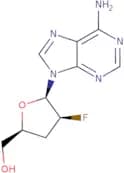
CAS:2’-Deoxy-2’-fluoro nucleosides and nucleotides have been shown to demonstrate anti-viral activity against influenza, SARS and HIV. More specifically the phosphonate of 2'-Deoxy-2'-fluoroadenosine has been evaluated as an inhibitor of Hepacivirus C (HCV).Fórmula:C10H12FN5O3Pureza:Min. 95%Forma y color:White PowderPeso molecular:269.24 g/mol6-Chloro-7-deaza-9-(b-D-ribofuranosyl)purine
CAS:6-Chloro-7-deaza-9-(b-D-ribofuranosyl)purine is a novel nucleoside that has been shown to be an efficient activator of the transcription factor NFκB in vitro. 6-Chloro-7-deaza-9-(b-D-ribofuranosyl)purine is synthesized by phosphoramidite chemistry and purified by HPLC. It has been demonstrated to inhibit the replication of human immunodeficiency virus (HIV) in a dose dependent manner, which may be due to its ability to inhibit the synthesis of viral DNA and RNA. This product is highly pure and can be used for many purposes, including as a synthetic building block for DNA or as an antiviral drug.Fórmula:C11H12ClN3O4Pureza:Min. 95%Forma y color:White PowderPeso molecular:285.69 g/mol5'-O-p-Anisoyl-3'-azido-2',3'-dideoxyuridine
5'-O-p-Anisoyl-3'-azido-2',3'-dideoxyuridine is a compound that inhibits DNA synthesis and viral replication. It is an antiviral agent that inhibits the activation of virus by blocking the incorporation of deoxyribonucleotide triphosphates into viral DNA chains. This compound also has anticancer activity, which may be due to its ability to inhibit RNA synthesis in tumor cells.Fórmula:C17H17N5O6Pureza:Min. 95%Peso molecular:387.35 g/mol3'-Azido-2',3'-dideoxy-5'-O-p-toluoyluridine
3'-Azido-2',3'-dideoxy-5'-O-p-toluoyluridine is a novel, activator ribonucleotide that has been shown to inhibit the proliferation of cancer cells and human immunodeficiency virus (HIV) with high potency. This compound is a nucleoside analog that is synthesized from diphosphate, phosphoramidites, and modified nucleosides. 3'-Azido-2',3'-dideoxy-5'-O-p-toluoyluridine has been shown to inhibit the growth of tumor cells in vitro and in vivo by arresting cell cycle progression at G1 phase. The mechanism of action for this drug is not fully understood; however, it may be related to its ability to induce apoptosis.Fórmula:C17H17N5O5Pureza:Min. 95%Peso molecular:371.35 g/mol5-Carbamoylmethyluridine
CAS:5-Carbamoylmethyluridine is a nucleoside that is structurally related to uridine. It is synthesized from uridine by methyl esterification with carbamic acid and methoxycarbonyl chloride. 5-Carbamoylmethyluridine interacts with actin filaments and has been shown to alter the expression of messenger RNA in eukaryotes. 5-Carbamoylmethyluridine also acts as a competitive inhibitor of the formation of a ternary complex, which includes ATP, GTP, and UTP, at the level of ribonucleotide reductase. This inhibition leads to decreased synthesis of messenger RNA in cells.Fórmula:C11H15N3O7Pureza:Min. 95 Area-%Forma y color:White PowderPeso molecular:301.25 g/mol5-Hydroxymethylcytidine
CAS:5-Hydroxymethylcytidine is a nucleoside that has been shown to inhibit the activity of RNA polymerase by forming hydrogen bonds with the enzyme. It is used in vitro to study the role of messenger RNA in regulating gene expression, and also as a probe for transcriptase activity. 5-Hydroxymethylcytidine has also been shown to have a biological function in solid tumours and may be an analytical method for detecting cancer.Fórmula:C10H15N3O6Pureza:Min. 95 Area-%Forma y color:White PowderPeso molecular:273.24 g/mol5'-O-DMT-2'-O-triisopropylsilyloxymethyl-N2-methylguanosine 3'-CE phosphoramidite
5'-O-DMT-2'-O-triisopropylsilyloxymethyl-N2-methylguanosine 3'-CE phosphoramidite is a novel monophosphate nucleotide analog of guanosine, which has been modified to include an additional methyl group on the 2' position. It exhibits antiviral activity and is a potent activator of RNA polymerase II, with a Km of ∼0.05 μM. 5'-O-DMT-2'-O-triisopropylsilyloxymethyl-N2-methylguanosine 3'-CE phosphoramidite is used in the synthesis of ribonucleosides and deoxyribonucleosides for DNA and RNA experiments. The compound has also been shown to be active against some cancers, such as leukemia, breast cancer, prostate cancer, and colon cancer. 5'-O-DMT-2'-O-Fórmula:C51H72N7O9PSiPureza:Min. 95%Peso molecular:986.22 g/mol5’-O-Acetyl-5-acetyloxymethyluridine
CAS:5’-O-Acetyl-5-acetyloxymethyluridine is an activated nucleoside that is a phosphoramidite. It can be used in the synthesis of oligonucleotides and has antiviral, anticancer, and antiretroviral activities. This product is a novel compound that can be used to synthesize high quality deoxyribonucleosides and diphosphate ribonucleosides. 5’-O-Acetyl-5-acetyloxymethyluridine is an activator for DNA polymerases and RNA polymerases with a high degree of purity.Fórmula:C14H18N2O9Pureza:Min. 95%Peso molecular:358.3 g/mol3'-O-Acetyl-5'-O-DMT-5-iodo-2'-O-methyuridine
CAS:3'-O-Acetyl-5'-O-DMT-5-iodo-2'-O-methyuridine is a novel nucleoside analog with antiviral and anticancer activities. It is an activator that binds to the ribonucleotide reductase enzyme, which is essential for the production of RNA and DNA. This compound has been shown to inhibit the growth of several cancer cells in vitro.Pureza:Min. 95%Cytarabine hydrochloride
CAS:Anti-viral; anti-neoplasticFórmula:C9H13N3O5·HClPureza:Min. 98 Area-%Forma y color:White PowderPeso molecular:279.68 g/mol5'-O-p-Anisoyl-2'-deoxyuridine 3'-CE phosphoramidite
5'-O-p-Anisoyl-2'-deoxyuridine 3'-CE phosphoramidite is an anticancer nucleoside analog that inhibits viral replication. It is a modified nucleoside with a 5' anisoyl group and a 2' deoxyuridine moiety. This compound is synthesized by reacting the 5'-O-p-anisoyl-2'-deoxyuridine 3'-cyclohexylphosphate with phosphorus oxychloride to form the 5'-O-p-anisoyl-2'-deoxyuridine 3'-cyanoethyl phosphoramidite, which can be used for the synthesis of DNA or RNA. The phosphoramidite can also be used as an activator in polymerase chain reactions (PCR).Fórmula:C26H35N4O8PPureza:Min. 95%Peso molecular:562.55 g/molN4-Acetyl-5'-O-DMT-2'-O-methylcytidine
CAS:N4-Acetyl-5'-O-DMT-2'-O-methylcytidine is a cytidine analogue that has been synthesized to be used as an enzyme-linked probe. It is labelled with biotin and can be detected by binding to an antibody which has been labelled with a fluorescent tag. Cytidine analogues are synthesized on a solid phase and then cleaved from the support material. The spacer arm is added to the 5' end of the nucleotide and the 3'-OH group is modified with 2'-O-methyl groups. N4-Acetyl-5'-O-DMT-2'-O-methylcytidine has been shown to be sensitive in techniques such as solid phase synthesis, nucleic acid research, and immunoassays.Fórmula:C33H35N3O8Pureza:Min. 95%Forma y color:Off-White PowderPeso molecular:601.65 g/mol2'-Deoxy-5'-O-pixyluridine
2'-Deoxy-5'-O-pixyluridine (2DPU) is a novel, synthetic nucleoside that is an active ingredient in antiviral and anticancer drugs. 2DPU has been shown to inhibit the replication of human immunodeficiency virus type 1 (HIV-1) by inhibiting the viral enzyme HIV reverse transcriptase. The phosphoramidite form of 2DPU is used as a building block for DNA synthesis and for the synthesis of other nucleosides. The monophosphate form of 2DPU is used in the synthesis of antiviral drugs, including acyclovir, zidovudine, and ribavirin.Fórmula:C28H24N2O6Pureza:Min. 95%Peso molecular:484.51 g/mol3',5'-Di-O-(tert-butyldimethylsilyl)-2'-deoxyguanosine
CAS:3',5'-Di-O-(tert-butyldimethylsilyl)-2'-deoxyguanosine is a synthetic nucleoside with antiviral properties. It is a monophosphate that can be used to activate other nucleosides. This product has been shown to inhibit human immunodeficiency virus (HIV) reverse transcriptase in vitro and in vivo, as well as the replication of other viruses such as herpes simplex virus (HSV).Fórmula:C22H41N5O4Si2Pureza:Min. 95%Forma y color:PowderPeso molecular:495.76 g/mol5'-O-tert-Butyldimethylsilyl-2,2'-anhydrouridine
5'-O-tert-Butyldimethylsilyl-2,2'-anhydrouridine is a modified nucleoside that has been used as an anticancer agent and antiviral and antifungal agent. It has been shown to inhibit the growth of tumor cells in animal models by inhibiting DNA synthesis and repair. 5'-O-tert-Butyldimethylsilyl-2,2'-anhydrouridine is also able to bind to RNA with high affinity, making it a potential candidate for use as an antiviral agent against HIV. This compound does not occur naturally in cells and can be synthesized from other nucleosides.Fórmula:C15H24N2O5SiPureza:Min. 95%Peso molecular:340.45 g/mol3’-Deoxy-5-fluoro-3’-methyluridine
CAS:3’-Deoxy-5-fluoro-3’-methyluridine is a nucleoside that has antiviral and anticancer properties. It is synthesized from 5-fluorouracil, which is a prodrug that is activated by 3’-deoxy-5-fluoro-3’-methyl uridine to produce 5′,6′ difluorodeoxyadenosine. This compound can be used in the treatment of hepatitis B virus and hepatitis C virus infections. 3’-Deoxy-5-fluoro-3’ methyluridine has also been shown to inhibit the growth of cancer cells in vitro.Pureza:Min. 95%1-(2'-O-4-C-Methylene-b-D-ribofuranosyl)adenine
CAS:1-(2'-O-4-C-Methylene-b-D-ribofuranosyl)adenine is an important compound in the field of nucleoside chemistry and has potential applications in researchFórmula:C11H13N5O4Pureza:Min. 95%Forma y color:White PowderPeso molecular:279.25 g/mol2'-Deoxy-5-formylcytidine
CAS:2'-Deoxy-5-formylcytidine is a nucleoside analog that is used as a chemotherapeutic agent. It is cytotoxic to cells by binding to DNA and preventing the synthesis of DNA, RNA, and protein. The drug has been shown to induce cellular senescence in human fibroblasts, which can be reversed by the addition of deuterium. 2'-Deoxy-5-formylcytidine also inhibits the production of reactive oxygen species (ROS) by inducing the expression of antioxidant enzymes such as superoxide dismutase 2 and glutathione peroxidase 1. The oxidation products are misincorporated into DNA strands, leading to intramolecular hydrogen bonds with cytosine bases. These modifications lead to denaturation of DNA and inhibition of transcription and replication. 2'-Deoxy-5-formylcytidine also interacts with oligodeoxynucleotides, which leads to misincFórmula:C10H13N3O5Pureza:Min. 97 Area-%Forma y color:White PowderPeso molecular:255.23 g/mol7-Deaza-2'-deoxyxanthosine
CAS:7-Deaza-2'-deoxyxanthosine is an oligodeoxynucleotide that is a substrate for the enzyme dUTPase. The allyl group on 7-deaza-2'-deoxyxanthosine is used to attach it to the 3' end of DNA, where it acts as a competitive inhibitor of RNA synthesis. The ethyl group at the end of the molecule is used to attach it to the 5' end of DNA, where it inhibits transcription and replication by binding with RNA polymerase. 7-Deaza-2'-deoxyxanthosine has been shown to be effective in preventing stenosis following coronary bypass surgery, as well as in treating heart disease by reducing levels of xanthosine.
Fórmula:C11H13N3O5Pureza:Min. 95%Forma y color:Beige PowderPeso molecular:267.24 g/mol5’(R)-C-Methyl-5-fluorouridine
5’(R)-C-Methyl-5-fluorouridine is a nucleoside that has been shown to activate both ribonucleosides and deoxyribonucleosides. 5’(R)-C-Methyl-5-fluorouridine is a novel nucleotide with the potential to be used in anticancer therapy. It can be used as a building block for DNA synthesis, as well as being able to act as an anticancer drug by inhibiting the growth of cancer cells. This product is made from high quality raw materials and has a purity of at least 98%. It is available in powder form.Pureza:Min. 95%2-Methylthioadenosine
CAS:2-Methylthioadenosine is a purine nucleoside which induces necrotic cell death. It is the first of its kind to be shown to have activity against squamous carcinoma cells, and is activated by nucleoside phosphorylase in order to produce its cytotoxic form. 2-Methylthioadenosine also inhibits the transcription-polymerase chain reaction and increases oxidative injury. This drug has been shown to have receptor activity in brain cells, as well as chemotactic activity for gland cells. 2-Methylthioadenosine has been used as a model organism for polymerase chain reactions, and has been shown to inhibit p2y receptors in the human colon cancer cell line HT29.
Fórmula:C11H15N5O4SPureza:Min. 95%Forma y color:White Off-White PowderPeso molecular:313.34 g/molN4-Acetyl-2'-deoxy-5'-O-DMT-5-methylcytidine 3'-CE phosphoramidite
CAS:N4-Acetyl-2'-deoxy-5'-O-DMT-5-methylcytidine 3'-CE phosphoramidite is a novel nucleoside and deoxyribonucleoside that has been synthesized by the chemical modification of cytidine. It is an anticancer drug and antiviral agent, which has been shown to activate DNA polymerase, inhibit RNA synthesis and have antiviral activities against HIV, HSV, CMV, and VZV. N4-Acetyl-2'-deoxy-5'-O-DMT-5-methylcytidine 3'-CE phosphoramidite has high purity with low impurities (0.1% DMSO), making it a valuable nucleoside for use in synthesis of ribonucleotide analogues.Fórmula:C42H52N5O8PPureza:Min. 97 Area-%Forma y color:White Off-White PowderPeso molecular:785.86 g/mol1-(2'-Deoxy-2'-fluoro-b-D-arabinofuranosyl)-5-ethyluracil
CAS:1-(2'-Deoxy-2'-fluoro-b-D-arabinofuranosyl)-5-ethyluracil is a nucleoside analog with modifications to alter its biological activity. It contains a β-D-arabinofuranose sugar instead of the standard β-D-deoxyribose in natural nucleosides and the fluorine (F) at the 2'-position increases resistance to enzymatic degradation and alters its biological activity. The 5-ethyl modification on the uracil ring enhances its interaction with viral polymerases.Fórmula:C11H15FN2O5Pureza:Min. 95%Forma y color:White PowderPeso molecular:274.25 g/mol2-Chloro-N,N-dimethyl-2’C-methyladenosine
CAS:2-Chloro-N,N-dimethyl-2’C-methyladenosine is a synthetic nucleoside that inhibits viral DNA synthesis. It is a modified deoxyribonucleoside that contains a chloro group at the 2’ position of the sugar ring and a methyl group at the 3’ position. This drug has antiviral activity against herpes simplex virus type 1 (HSV-1) and herpes simplex virus type 2 (HSV-2), respiratory syncytial virus (RSV), and influenza A virus. It also displays anticancer activity in vitro. This drug inhibits cancer cell growth by interfering with DNA replication and triggering apoptosis through inhibition of protein kinase C and activation of caspases.Pureza:Min. 95%6-Azacytidine
CAS:6-Azacytidine is a molecule that contains a hydroxyl group and a glycosidic bond. It has been shown to inhibit the growth of mollicutes, which are non-cellular bacteria. 6-Azacytidine has also been shown to be toxic in animal tissue culture studies. The drug can be eliminated through the urine or bile after being metabolized by the liver. 6-Azacytidine is not active against human cells in cell culture, but it does show some toxicity against human liver cells.Fórmula:C8H12N4O5Pureza:Min. 95%Forma y color:PowderPeso molecular:244.2 g/mol1-(2'-Deoxy-2'-fluoro-a-L-arabinofuranosyl)-thymine
CAS:1-(2'-Deoxy-2'-fluoro-α-L-arabinofuranosyl)-thymine (commonly abbreviated as L-FMAU) is a nucleoside analog. It contains an α-L-arabinofuranose sugar instead of the natural β-D-deoxyribose found in DNA. A fluorine (F) substitution at the 2'-position enhances stability and resistance to enzymatic degradation. The thymine nucleobase allows it to mimic natural thymidine, potentially incorporating into DNA synthesis pathways. It can be research for its potential antiviral activity.Fórmula:C10H13FN2O5Pureza:Min. 95%Forma y color:White PowderPeso molecular:260.22 g/mol1-(2'-Deoxy-3',5'-di-O-toluoyl-b-D-ribofuranosyl)-4-amino-1,2-dihydro-2-oxo-1,3,5-triazine
CAS:1-(2'-Deoxy-3',5'-di-O-toluoyl-b-D-ribofuranosyl)-4-amino-1,2-dihydro-2-oxo-1,3,5-triazine is a nucleoside derivative that features a modified pyrimidinone (triazine) base attached to a protected deoxyribose sugar. This molecule can be used in research.Fórmula:C24H24N4O6Pureza:Min. 95%Forma y color:White To Off-White SolidPeso molecular:464.48 g/mol6-Amino-3-iodo-4-methoxy-1-(b-D-ribofuranosyl)-1H-pyrazolo[3,4-d]pyrimidine
CAS:6-Amino-3-iodo-4-methoxy-1-(beta-D-ribofuranosyl)-1H-pyrazolo[3,4-d]pyrimidine is a synthetic nucleoside that has antiviral activity. It is an activator of DNA polymerase and can be used to synthesize DNA and RNA. 6AIOMP binds to the ribonucleotide reductases in cells and inhibits their activity. This prevents the conversion of ribonucleotides into deoxyribonucleotides, which are essential for DNA synthesis.Pureza:Min. 95%5’-O-DMT-2’-b-C-methyladenosine
5’-O-DMT-2’-b-C-methyladenosine is a modified nucleoside with antiviral and anticancer activity. It is an activator of DNA synthesis, and can be used as a precursor for phosphoramidites for the synthesis of oligonucleotides. The 5’-O-DMT group in this compound may be replaced with other activating groups to synthesize different modified nucleosides.
Pureza:Min. 95%3'-Amino-5'-O-tert-butyldimethylsilyl-3'-deoxythymidine
CAS:3'-Amino-5'-O-tert-butyldimethylsilyl-3'-deoxythymidine is a novel synthetic nucleoside that has been shown to have anticancer and antiviral activities. The compound is an activator of the immune system, which may be due to its ability to stimulate the production of interferon and other cytokines. 3'-Amino-5'-O-tert-butyldimethylsilyl-3'-deoxythymidine can also inhibit viral DNA polymerases. This nucleoside has been shown to inhibit the growth of leukemia cells in culture by inhibiting ribonucleotide reductase activity.Fórmula:C16H29N3O5SiPureza:Min. 95%Peso molecular:371.51 g/mol3’-deoxy-3’-fluorosangivamycin
CAS:3’-deoxy-3’-fluorosangivamycin is a modified deoxyribonucleoside with antiviral and anticancer properties. It is an activator of DNA polymerase. 3’-deoxy-3’-fluorosangivamycin has been shown to inhibit the replication of human immunodeficiency virus type 1 (HIV-1) in the calf thymus DNA system. This drug is also effective against other viruses, such as herpes simplex virus type 2 (HSV-2), cytomegalovirus (CMV), and influenza A virus. 3′-deoxy-3′-fluorosangivamycin binds to viral DNA and inhibits nucleotide incorporation, leading to inhibition of viral RNA synthesis and protein synthesis.Pureza:Min. 95%2'-Deoxynucleoside-5'-triphosphate mixture
2'-Deoxynucleoside-5'-triphosphate mixture are a group of phosphorylated compounds that are used in the synthesis of DNA. They are used as antiviral and anticancer agents, as well as activators for certain enzymes. They are also used to synthesize deoxyribonucleotides. The 2'-deoxynucleoside-5'-triphosphate mixture is purified and modified to produce high purity products for research purposes. These compounds have novel properties, making them suitable for creating new drugs with improved efficacy and reduced side effects.
Pureza:Min. 95%5'-Carboxy-2-chloro-2'-3'-O-isopropylideneadenosine
CAS:5'-Carboxy-2-chloro-2'-3'-O-isopropylideneadenosine is a monophosphate nucleoside that inhibits viral replication by inhibiting the synthesis of both DNA and RNA. This compound is used to treat cancers such as leukemia, lymphoma, and multiple myeloma. It also has antiviral properties that are active against herpes simplex virus (HSV) and human cytomegalovirus (CMV). 5'-Carboxy-2-chloro-2'-3'-O-isopropylideneadenosine is a modified nucleoside with a phosphoramidite group on the 2' position of the ribose sugar.Fórmula:C13H14ClN5O5Pureza:Min. 95%Forma y color:Off-White PowderPeso molecular:355.74 g/molPseudothymidine
CAS:Pseudothymidine is the nucleobase analog of thymidine. It is a synthetic substance that has been used in the polymerase chain reactions (PCRs) to form DNA molecules. Pseudothymidine is not naturally found in cells and can be used as a substitute for thymidine during PCR to make more copies of DNA sequences. It has been shown that pseudothymidine can be incorporated into DNA without disrupting the polymerase chain reaction. The thermal denaturation of pseudothymidine is 10 °C lower than that of thymidine, allowing it to be used at higher temperatures with less risk of degradation.Fórmula:C10H14N2O5Pureza:Min. 95%Forma y color:PowderPeso molecular:242.23 g/mol2,3'-Anhydrouridine 5'-CE phosphoramidite
2,3'-Anhydrouridine 5'-CE phosphoramidite is a novel modified phosphoramidite that can be used in the synthesis of ribonucleosides and DNA. It has antiviral activity, and is being studied as an anticancer drug. 2,3'-Anhydrouridine 5'-CE phosphoramidite has been shown to inhibit the replication of HIV-1 and herpes simplex virus type 1 (HSV-1). The nucleoside analogs are being studied for their potential use in chemotherapy.Fórmula:C18H27N4O6PPureza:Min. 95%Peso molecular:426.41 g/mol3'-O-Aminoacetoxy-2'-deoxycytidine
Please enquire for more information about 3'-O-Aminoacetoxy-2'-deoxycytidine including the price, delivery time and more detailed product information at the technical inquiry form on this pageFórmula:C12H18N4O4Pureza:Min. 98 Area-%Forma y color:PowderPeso molecular:282.30 g/mol5'-Amino-5'-deoxythymidine
CAS:5'-Amino-5'-deoxythymidine is a nucleoside that is structurally related to thymidine. It has been shown to be a substrate for fatty acid synthase, which is a key enzyme in the synthesis of membrane lipids. 5'-Amino-5'-deoxythymidine has been shown to induce tumorigenesis in mouse bladder carcinoma cells. This compound also does not form stable complexes with DNA duplexes and can inhibit uptake of thymidylate into cells by competitive inhibition. 5'-Amino-5'-deoxythymidine binds to the cell surface and acts as an antibody response modifier.Fórmula:C10H15N3O4Pureza:Min. 98 Area-%Forma y color:White Off-White PowderPeso molecular:241.24 g/mol3’-β-Azido-2’,3’-dideoxy-5-fluorouridine
CAS:Please enquire for more information about 3’-beta-Azido-2’,3’-dideoxy-5-fluorouridine including the price, delivery time and more detailed product information at the technical inquiry form on this page
Pureza:Min. 95%2-Methoxy-9-(b-D-ribofuranosyl)purine
CAS:2-Methoxy-9-(b-D-ribofuranosyl)purine (2MeO) is a nucleoside that is structurally similar to adenosine. It has antiviral and anticancer activities, as well as the ability to activate phosphoramidites. The 2MeO molecule consists of a modified 9-mer ribofuranose phosphate, which can be synthesized from 2-deoxyribofuranose phosphate by selective oxidation. 2MeO has been shown to inhibit the growth of tumor cells in vitro and in vivo, and also inhibits the replication of DNA and RNA viruses. This drug is considered novel because it does not exist naturally in any organism.Pureza:Min. 95%2,3'-Anhydro-5'-O-tert-butyldimethylsilyl-N4-benzoyl-2'-deoxycytidine
CAS:2,3'-Anhydro-5'-O-tert-butyldimethylsilyl-N4-benzoyl-2'-deoxycytidine is an antiviral agent that is a synthetic nucleoside analogue. It acts as an activator of monophosphate and as a DNA phosphoramidite. 2,3'-Anhydro-5'-O-tert-butyldimethylsilyl-N4-benzoyl-2'-deoxycytidine has been shown to inhibit the growth of cancer cells and is being studied for its anticancer activity. This drug also inhibits ribonucleotide reductase, which prevents the conversion of ribonucleotides to deoxyribonucleotides, thereby inhibiting DNA synthesis.Fórmula:C22H31N3O4SiPureza:Min. 95%Peso molecular:429.6 g/molN3-Methyl-2'-O-methyluridine
CAS:2'-O-methyluridine is an antiviral nucleoside that is used as a phosphoramidite in the synthesis of oligonucleotides. It has been shown to inhibit viral replication, and has been found to be effective in treating HIV-1 by inhibiting reverse transcriptase. N3-Methyl-2'-O-methyluridine also inhibits DNA synthesis and cell proliferation, and may be useful for the treatment of cancer. This modified nucleoside has been synthesized from uracil and contains a methyl group at the 3' position. The methyl group prevents 2'-O-methyluridine from being activated by cellular thymidylate synthase, which normally converts deoxyribonucleotides into ribonucleotides. This novel nucleotide has not yet been used in clinical trials but it may provide an alternative to other drugs used for cancer treatments.
Fórmula:C11H16N2O6Pureza:Min. 95 Area-%Forma y color:White Off-White PowderPeso molecular:272.25 g/molN4-Benzoyl-2'-deoxy-2'-fluorocytidine 3'-CE phosphoramidite
N4-Benzoyl-2'-deoxy-2'-fluorocytidine 3'-CE phosphoramidite is a novel DNA phosphoramidite monomer that has been modified to include an N4-benzoyl group at the 2'-position of the sugar. It is synthesized from 4,5-diaminopyrimidine, 1,3-bis(2-chloroethyl)carbodiimide hydrochloride (EDC), and 4-(N,N-dimethylamino)benzoic acid. The benzoyl group allows for the incorporation of this monomer into DNA in place of deoxycytidine. This product is designed to be used in oligonucleotide synthesis as an activator.Fórmula:C46H51FN5O8PPureza:Min. 95%Peso molecular:851.9 g/mol3'-O-Aminoacetoxythymidine
Amino functionalised thymidineFórmula:C13H21N4O4Pureza:Min. 98 Area-%Forma y color:PowderPeso molecular:297.33 g/mol3'-O-Aminoacetoxy-2'-deoxyguanosine
Please enquire for more information about 3'-O-Aminoacetoxy-2'-deoxyguanosine including the price, delivery time and more detailed product information at the technical inquiry form on this page
Fórmula:C13H17N6O4Pureza:Min. 98 Area-%Forma y color:PowderPeso molecular:321.32 g/molL-Adenosine 5'-monophosphate disodium
CAS:L-Adenosine 5'-monophosphate disodium is a high quality, novel, modified phosphoramidite used for the synthesis of deoxyribonucleosides and nucleosides. It is also used as an antiviral agent and has anti-cancer properties. L-Adenosine 5'-monophosphate disodium is an activator of ribonucleoside activities and inhibits viral replication by inhibiting the enzyme RNA polymerase. It has been shown to be effective against HIV, herpes simplex virus (HSV), cytomegalovirus (CMV), Epstein-Barr virus (EBV), influenza A virus, and influenza B virus.Fórmula:C10H12N5Na2O7PPureza:Min. 98 Area-%Forma y color:PowderPeso molecular:391.18 g/mol3’-b-C-Methylcytidine
CAS:3’-b-C-Methylcytidine is a nucleoside analog that inhibits the viral enzyme reverse transcriptase and is used as an antiviral agent. 3’-b-C-Methylcytidine binds to DNA and prevents RNA synthesis, which is essential for viral replication. It has been shown to inhibit the growth of cultured cells from human breast cancer and melanoma, suggesting that it also has anticancer activity. 3’-b-C-Methylcytidine can be synthesized in high purity and at high yield using phosphoramidites. This nucleoside analog may be useful in clinical applications due to its ability to activate transcription, which may lead to novel therapeutic strategies.Pureza:Min. 95%5'-Azido-2',5'-dideoxy-2'-fluorouridine
CAS:5'-Azido-2',5'-dideoxy-2'-fluorouridine is a novel nucleoside that is a phosphoramidite. It is an antiviral agent that has been shown to inhibit the synthesis of RNA in cells. This drug also inhibits the growth of cancer cells and can be used for the treatment of leukemia, lymphoma, and myeloma. 5'-Azido-2',5'-dideoxy-2'-fluorouridine has been shown to bind to DNA through its azide group and form a stable covalent bond with the N7 position of guanine. This bond prevents the incorporation of adenosine triphosphate (ATP) into DNA, which prevents DNA transcription and replication.Fórmula:C9H10FN5O4Pureza:Min. 95%Peso molecular:271.21 g/mol2-Chloro-2',3'-O-isopropylideneadenosine
CAS:2-Chloro-2',3'-O-isopropylideneadenosine is a novel, anti-cancer drug that inhibits the synthesis of DNA. It is a phosphoramidite monophosphate with a molecular weight of 288.08 g/mol and an empirical formula C6H12ClNO5PS. The chemical name for this compound is 2-chloro-N-(2,3-diisopropyl)adenine diphosphate. This product has not yet been approved by the FDA for use in humans or animals.Fórmula:C13H16ClN5O4Pureza:Min. 95%Forma y color:PowderPeso molecular:341.75 g/molClofarabine
CAS:Clofarabine is FDA-approved for treating relapsed or refractory acute lymphoblastic leukaemia (ALL) in children after at least two other types of treatment have failedFórmula:C10H11ClFN5O3Pureza:Min. 98 Area-%Forma y color:White Off-White PowderPeso molecular:303.68 g/mol3'-Deoxy-2'-O-methyladenosine
CAS:3'-Deoxy-2'-O-methyladenosine is a nucleoside that has antiviral and anticancer activity. It is a novel chemical compound with a unique structure, which makes it highly reactive. 3'-Deoxy-2'-O-methyladenosine induces DNA synthesis and cell proliferation in cancer cells. It also inhibits the production of viral DNA and RNA in infected cells by inhibiting the enzyme ribonucleotide reductase, which converts ribonucleotides to deoxyribonucleotides. 3'-Deoxy-2'-O-methyladenosine can be used as an antiviral agent against herpes simplex virus type 1 (HSV1), herpes simplex virus type 2 (HSV2) and human cytomegalovirus (CMV).
Fórmula:C11H15N5O3Pureza:Min. 95%Forma y color:Off-White PowderPeso molecular:265.27 g/mol5-(2-Amino-2-oxoethyl)-2-thiouridine
CAS:5-(2-Amino-2-oxoethyl)-2-thiouridine is a modified deoxyribonucleoside that is used as a phosphoramidite to synthesize oligonucleotides. 5-(2-Amino-2-oxoethyl)-2-thiouridine inhibits the synthesis of viral DNA and RNA, and its antiviral activity has been shown in vitro. It also may have anticancer activity due to its ability to inhibit DNA synthesis and cell proliferation. This compound has high quality, high purity, and novel properties.Fórmula:C11H15N3O6SPureza:Min. 95%Forma y color:PowderPeso molecular:317.32 g/mol2'-O-(2-Methoxyethyl)uridine
CAS:2'-O-(2-Methoxyethyl)uridine is a nucleoside analog that inhibits the synthesis of DNA, RNA and protein. It can be used as an antimetabolite to treat cancer and prevents tumor growth by interfering with cell division. 2'-O-(2-Methoxyethyl)uridine is often used in combination with other chemotherapeutic drugs. This drug is not active against bacteria and does not inhibit the growth of bacteria. The major disadvantage of this drug is its lack of efficacy against tumors, which may be due to the lack of penetration through the cell membrane or damage to DNA caused by radiation, abiotic factors, or malfunctioning enzymes. 2'-O-(2-Methoxyethyl)uridine has been shown to cause damage to cells by altering their metabolism and affecting the function of their mitochondria. Damage can cause cells to die through apoptosis or necrosis.Fórmula:C12H18N2O7Pureza:Min. 95 Area-%Forma y color:PowderPeso molecular:302.28 g/molCoenzyme A trilithium salt
CAS:Coenzyme A trilithium salt is a synthetic cofactor that is used in the synthesis of long-chain fatty acids. It is membrane permeable and has minimal toxicity, making it an attractive candidate for treating hepatic steatosis. Coenzyme A trilithium salt also activates human mitochondrial beta-oxidation by increasing the availability of substrate and enhancing the expression of genes involved in beta-oxidation. This molecule has been shown to be effective in improving the symptoms of X-linked adrenoleukodystrophy (X-ALD) by stimulating creatine kinase activity and suppressing lysosomal accumulation of long chain fatty acids.
Fórmula:C21H33Li3N7O16P3SPureza:Min. 80%Forma y color:White Off-White PowderPeso molecular:785.33 g/mol5-b-D-Ribofuranosyl-2(1H)-pyridinone
CAS:5-b-D-Ribofuranosyl-2(1H)-pyridinone is a phosphoramidite that is used in the synthesis of DNA. It is also an antiviral and anticancer agent. 5-b-D-Ribofuranosyl-2(1H)-pyridinone may be modified to include deoxyribonucleosides or ribonucleosides, which are important for DNA synthesis. 5-b-D-Ribofuranosyl-2(1H)-pyridinone is a novel chemical compound with a high purity and quality. 5 b D Ribofuranosyl 2 1 H Pyridinone CAS No 188871 50 3 Activator monophosphate High purity High quality DNA Synthetic Deoxyribonucleosides Novel Modified Ribonuclesides NucleosidesPureza:Min. 95%2’-O-Acetyl-8-bromo-7-cyano-7-deaza-3’-deoxy-3’-fluoro-5’-O-toluoyladenosine
2'-O-Acetyl-8-bromo-7-cyano-7-deaza-3'-deoxy-3'-fluoro-5'-O-[toluoyl]adenosine (ABT) is a modified nucleoside that has anticancer and antiviral properties. ABT is a monophosphate nucleotide with an acetyl group at the 2' position of the ribose and a toluoyl group on the 7 position of the adenine moiety. In vitro, ABT inhibits tumor proliferation in breast cancer cells and suppresses viral replication in herpes simplex virus type 1 (HSV1) infected cells. ABT also has potential as a novel therapeutic agent for treating cancers and other diseases caused by HSV1 infection.Pureza:Min. 95%3'-O-Methyladenosine
CAS:3'-O-Methyladenosine (3'OMeA) is a monomethylated adenosine that belongs to the group of nucleosides. It has been found to inhibit the activity of adenosine receptors, which are important for the regulation of blood pressure and central nervous system function. 3'OMeA also inhibits virus replication in human lymphocytes. 3'OMeA is synthesized by reaction with methylamine and purification by column chromatography. The molecule is a potential therapeutic target for HIV/AIDS, as it can be used as a specific agonist in order to block viral entry into cells.
Fórmula:C11H15N5O4Pureza:Min. 95%Forma y color:White PowderPeso molecular:281.27 g/mol3’,5’-Di-O-acetyl-2’-azido-2’-deoxyuridine
CAS:Please enquire for more information about 3’,5’-Di-O-acetyl-2’-azido-2’-deoxyuridine including the price, delivery time and more detailed product information at the technical inquiry form on this pagePureza:Min. 95%N6-Benzoyl-2'-C-methyladenosine
N6-Benzoyl-2'-C-methyladenosine is synthetic and has antiviral properties. It is a nucleoside that belongs to the group of modified nucleosides. This compound can be used as an activator for DNA synthesis and as a novel monophosphate, diphosphate, or triphosphate. N6-Benzoyl-2'-C-methyladenosine is also available in high purity, with CAS No., and at a competitive price.Pureza:Min. 95%2'-O-Methyladenosine-5'-triphosphate sodium salt - 100mM aqueous solution
CAS:2'-O-Methyladenosine-5'-triphosphate sodium salt is a novel nucleoside phosphoramidite. It is an activator and it can be used in the synthesis of DNA and RNA. The compound has antiviral properties and has been shown to inhibit DNA replication, protein synthesis, and RNA transcription. The compound also inhibits the growth of cancer cells by inducing apoptosis.Fórmula:C11H18N5O13P3·xNaPureza:Min. 95%Forma y color:PowderPeso molecular:521.21 g/mol1-(4’-Azido-3’,5’-di-O-benzoyl-2’-deoxy-2’-fluoro-b-D-arabinofuranosyl)uracil
CAS:1-(4’-Azido-3’,5’-di-O-benzoyl-2’-deoxy-2’-fluoro-b-D-arabinofuranosyl)uracil is a synthetic antiviral agent that inhibits the activity of DNA and RNA polymerases. It also has anticancer properties. The compound is an analogue of 2'-deoxycytidine monophosphate (dCMP). This compound binds to the phosphate group of nucleoside triphosphates and prevents their incorporation into DNA or RNA. 1-(4’-Azido-3’,5’-di-O-benzoyl-2’-deoxy) -2′ fluoro -b D arabinofuranosyl) uracil has been shown to inhibit the growth of cancer cells in vitro.Pureza:Min. 95%2'-Deoxyisocytidine
CAS:2'-deoxyisocytidine is a nucleoside that is used in biochemical research. It can be synthesized by two methods: solid-phase synthesis and depyrimidination. 2'-deoxyisocytidine has been shown to be more efficient than other fluorescent nucleosides when used with the excimer laser technique. The stability of this compound has also been shown to be greater than other fluorescein-based compounds, which makes it an appropriate substitute when using phosphoramidite chemistry.Fórmula:C9H13N3O4Pureza:Min. 95%Forma y color:PowderPeso molecular:227.22 g/mol3'-O-Aminoacetoxy-2'-deoxyadenosine
amino functionalised nucleosideFórmula:C13H22N6O3Pureza:Min. 98 Area-%Forma y color:PowderPeso molecular:310.36 g/molN6-Benzoyl-7-deaza-2'-deoxy-7-iodoadenosine
CAS:N6-Benzoyl-7-deaza-2'-deoxy-7-iodoadenosine is an antiviral compound that inhibits the synthesis of DNA and RNA. It is a synthetic, modified nucleoside with antiviral properties. The compound has been shown to be active against both animal and human tumor cells, as well as being effective in the treatment of viral infections.N6-Benzoyl-7-deaza-2'-deoxy-7-iodoadenosine is water soluble and biologically stable.Pureza:Min. 95%Zebularine 3'-CE phosphoramidite
CAS:Zebularine 3'CE phosphoramidite is a novel, high quality activator for modified DNA monophosphate. It is used as an anticancer drug and antiviral agent. Zebularine 3'CE phosphoramidite is a synthetic, diphosphate with high purity and high reactivity. It has been shown to activate deoxyribonucleosides to ribonucleosides in DNA synthesis, as well as being able to inhibit viral RNA synthesis by inhibiting viral polymerase.Fórmula:C45H61N4O8PSiPureza:Min. 95%Forma y color:Off-white solid.Peso molecular:845.04 g/mol3'-O-Benzoyl-2'-deoxyuridine
CAS:3'-O-Benzoyl-2'-deoxyuridine is a synthetic nucleoside that is used in the synthesis of DNA and RNA. 3'-O-Benzoyl-2'-deoxyuridine is also an antiviral agent that has shown efficacy against HIV, HSV, and influenza virus. 3'-O-Benzoyl-2'-deoxyuridine is a phosphoramidite monophosphate that can be used as a building block for DNA or RNA synthesis. It is also a diphosphate that can be used to synthesize modified nucleosides. This product has novel properties and high purity, making it suitable for research purposes.Fórmula:C16H16N2O6Pureza:Min. 95%Forma y color:PowderPeso molecular:332.31 g/mol2,4,6-Trichloro-5-methylpyrimidine
CAS:2,4,6-Trichloro-5-methylpyrimidine is a nucleoside for use in research applicationsFórmula:C5H3Cl3N2Pureza:Min. 95%Forma y color:PowderPeso molecular:197.45 g/mol5-Fluorocytidine
CAS:5-Fluorocytidine (5FC) is an antiviral drug that inhibits the synthesis of DNA. 5FC is a prodrug that is converted to cytosine in vivo, and then incorporated into viral DNA by polymerase chain reactions. The incorporation of 5FC into viral DNA prevents replication and transcription, which can lead to the death of cells infected with HIV. In addition, 5FC has been shown to be effective in treating chronic viral hepatitis and bowel diseases such as Crohn's disease. It also has potential use as a drug target for cancer treatments. 5FC has been shown to inhibit transcription activators in murine hepatoma cells and inhibit the growth of tumors in transfection experiments using human colon cancer cells. This antiviral agent has also been shown to have antimicrobial activity against Gram-positive bacteria, including Clostridium difficile, Staphylococcus aureus, Streptococcus pyogenes and Enterococcus faecFórmula:C9H12FN3O5Pureza:Min. 99 Area-%Forma y color:White PowderPeso molecular:261.21 g/molN4-Benzoyl-3'-deoxycytidine
CAS:N4-Benzoyl-3'-deoxycytidine is a novel antiviral agent that has shown activity against DNA and RNA viruses. It is an activator of DNA polymerase, which is essential for replication of viral nucleic acids. The compound is a modified nucleoside with a benzoyl group at the 4' position of the ribose moiety. It also has phosphoramidite, monophosphate, and diphosphate analogues. N4-Benzoyl-3'-deoxycytidine binds to the enzyme DNA polymerase, thereby inhibiting its ability to synthesize deoxyribonucleotides from ribonucleotides. This results in inhibition of viral DNA synthesis and subsequent inhibition of viral replication.Fórmula:C16H17N3O5Pureza:Min. 95%Forma y color:White To Off-White SolidPeso molecular:331.32 g/mol2'-Deoxy-7-deazaisoguanosine triphosphate
CAS:2'-Deoxy-7-deazaisoguanosine triphosphate is a nucleotide analogue that is used as an antiviral agent in the treatment of HIV. It has potent activity against HIV and other retroviruses, including SIV, FIV, and HTLV-1. 2'-Deoxy-7-deazaisoguanosine triphosphate has been shown to act as an activator of DNA polymerase by enhancing the incorporation of deoxynucleotide triphosphates into DNA. It also inhibits the synthesis of viral DNA by inhibiting the activity of reverse transcriptase enzymes. 2'-Deoxy-7-deazaisoguanosine triphosphate can be synthesized from diphosphates and phosphoramidites through a modified phosphoramidite approach that allows for high quality and purity with high yield.Fórmula:C11H17N4O13P3Pureza:Min. 95%Peso molecular:506.19 g/mol5-Methoxycarbonylmethyluridine
CAS:5-Methoxycarbonylmethyluridine is a nucleoside that is a precursor in the synthesis of other nucleotides. It has been shown to have potential as a biomarker for various diseases, such as metabolic disorders and hepatic steatosis. 5-Methoxycarbonylmethyluridine also inhibits the activity of methyltransferases, which are enzymes that catalyze the transfer of methyl groups from S-adenosylmethionine to substrates. It is also used as a model system for polymerase chain reaction in cancer research, because it has been shown to inhibit DNA replication by blocking the incorporation of uracil into DNA. 5-Methoxycarbonylmethyluridine has been found at high levels in fetal bovine serum and eukaryotic cells, but not in prokaryotes or cancerous tissues.Fórmula:C12H16N2O8Pureza:Min. 95%Forma y color:PowderPeso molecular:316.26 g/mol9-(2'-Deoxy- 2'- fluoro- a- D- arabinofuranosyl) -9H- purin- 6- amine
CAS:9-(2'-Deoxy- 2'- fluoro- a- D- arabinofuranosyl) -9H- purin- 6- amine is an antiviral and anticancer agent. It can be used as a monophosphate or as a phosphoramidite for the synthesis of DNA, RNA, and modified nucleosides. The chemical name is 9-(2'-deoxy-2'-fluoro-a-D-arabinofuranosyl)-9H-purin-6-amine. It has the CAS number 20187-82-0. This drug was synthesized in 1976 by Koehler and colleagues at Bayer. The molecular weight is 268.46 g/mol, with a melting point of 190°C, boiling point of 320°C and density of 1.408 g/mL at 20°C. It is soluble in water, methanol, ethanol, chloroform and acetic acidFórmula:C10H12FN5O3Pureza:Min. 95%Forma y color:SolidPeso molecular:269.23 g/mol2'-Azido-2'-deoxy-5'-O-DMT-uridine
CAS:2'-Azido-2'-deoxy-5'-O-DMT-uridine is a nucleoside that has been modified with an azido group at the 2' position. The azido group is used to modify DNA and RNA nucleosides, which are monophosphate, ribonucleosides, and deoxyribonucleosides. This drug may be used as an activator of DNA synthesis or as a antiviral agent. It has been shown to inhibit HIV replication in vitro.Pureza:Min. 95%5'-Azido-5'-deoxyuridine
CAS:5'-Azido-5'-deoxyuridine is a synthetic nucleobase that is used in the synthesis of oligodeoxynucleotides. It has been shown to have an inhibitory effect on tumor cells, which may be due to its ability to interact with guanosine diphosphate (GDP) and prevent the formation of GTP. 5'-Azido-5'-deoxyuridine has also been shown to have an inhibitory effect on Mycobacterium tuberculosis and Mycobacterium avium complex, but does not affect other bacteria. 5'-Azido-5'-deoxyuridine interacts with RNA by binding to the phosphate group and inhibiting the synthesis of proteins and DNA.Pureza:Min. 95%2'-Deoxy-5-methyl-isocytidine triphosphate
2'-Deoxy-5-methyl-isocytidine triphosphate (2'-DMI-dTP) is a novel nucleoside that is synthesized by phosphoramidite chemistry. 2'-DMI-dTP has antiviral and anticancer activities, and can be used for the treatment of hepatitis B virus (HBV) and human papillomavirus (HPV). It has shown protective effects in animal models of HBV infection. 2'-DMI-dTP inhibits HBV replication by inhibiting DNA synthesis. In addition, it decreases levels of reactive oxygen species in cells treated with HBV. 2'-DMI-dTP also inhibits HPV replication through inhibition of DNA synthesis, which may lead to cancer prevention or treatment. 2'-DMI-dTP may be a useful drug candidate for the treatment of other viral infections such as influenza A virus and HIV type 1.Pureza:Min. 95%Inosine 5'-diphosphate disodium salt
CAS:Inosine-5'-diphosphate disodium salt (IDPS) is a nitro compound that is used in the synthesis of antibacterial drugs. It is also used in the production of polymers and as a precursor to other organic compounds. IDPS has been shown to have antibacterial activity against halogeno bacteria, such as buprestidae, and many Gram-positive bacteria, including encapsulated strains. IDPS has been shown to be effective against both damaged cells and healthy cells in culture. The mechanism of action may involve inhibition of protein synthesis by blocking the ribosomes or by interfering with DNA replication. This drug also inhibits growth rate of japonica rice and heterocycles.Fórmula:C10H12N4Na2O11P2Pureza:Min. 90.0 Area-%Forma y color:White PowderPeso molecular:472.15 g/mol5-Aminoimidazole-4-carboxamide-1-b-D-ribofuranose
CAS:Acadesine is a purine nucleoside analogue that inhibits the synthesis of ATP in cells. Acadesine blocks phosphorylation of adenosine monophosphate (AMP) to adenosine triphosphate (ATP) by inhibiting the activity of kinase-3, an enzyme involved in the production of ATP. Acadesine also inhibits the release of ATP from muscle cells into the blood stream and preferentially targets kidney cells, thereby reducing renal injury. Acadesine has been shown to be effective at reducing proteinuria and improving renal function in rats with acute kidney injury. Acadesine also has anti-inflammatory properties due to its ability to inhibit proteins that are involved in inflammation.Fórmula:C9H14N4O5Pureza:Min. 98 Area-%Forma y color:PowderPeso molecular:258.23 g/mol2'-O-tert-Butyldimethylsilyl-5'-O-DMT-N2-isobutyrylguanosine 3'-CE phosphoramidite
CAS:The 2'-O-tert-Butyldimethylsilyl-5'-O-DMT-N2-isobutyrylguanosine 3'-CE phosphoramidite is an oligomer with a modified nucleoside. The modification of the nucleoside has been shown to be more efficient than other modifications, such as fluorine or bromine substitutions. This product is used in the synthesis of DNA and RNA oligomers. The coupling efficiency is high and can be used for ligand binding studies.Fórmula:C50H68N7O9PSiPureza:Min. 98 Area-%Forma y color:White PowderPeso molecular:970.18 g/mol3'-O-Aminothymidine
CAS:3'-O-Aminothymidine is an isomer of thymidine, a nucleoside that is found in DNA and RNA. It has a neutral charge and belongs to the category of nucleosides. 3'-O-Aminothymidine is synthesized by the coupling of an amino group with a hydroxyl group. This reaction is efficient and can be used to produce dimers. 3'-O-Aminothymidine can also be used as a precursor for other nucleotides or as a synthetic intermediate in other chemical reactions.Fórmula:C10H15N3O5Pureza:Min. 95%Forma y color:PowderPeso molecular:257.24 g/molN6-Benzoyl-5'-O-DMT-adenosine
CAS:N6-Benzoyl-5'-O-DMT-adenosine is a synthetic nucleoside with antiviral activity. It is an activator of viral DNA polymerase and inhibits viral replication by inhibiting DNA synthesis in the host cell. N6-Benzoyl-5'-O-DMT-adenosine has shown anticancer activity in tumor cells, which may be due to its ability to inhibit ribonucleotide reductase and diphosphate kinase.
Fórmula:C38H35N5O7Pureza:Min. 95%Forma y color:White PowderPeso molecular:673.73 g/molAdenosine 3',5'-bisphosphate triethylammonium salt - 10mM aqueous solution
CAS:Adenosine 3',5'-bisphosphate triethylammonium salt is a metabolite of adenosine and an ester of triethylamine. The conjugate acid has been isolated from mouse urine. It is a metabolite of adenosine in the liver and is hydrolyzed to adenosine monophosphate and bisphosphate. Adenosine 3',5'-bisphosphate triethylammonium salt is used to study the metabolism of adenosine in mice. It has also been shown that this metabolite can inhibit the growth of E. coli (a bacterium) and mouse erythrocyte mitochondria by blocking ATP synthesis at the level of substrate-level phosphorylation.Fórmula:C10H15N5O10P2•(C6H15N)xPureza:Min. 95%Peso molecular:427.2 g/mol2'-O-Acetyl-3'-azido-5'-O-(4-methylbenzoyl)-3'-deoxyuridine
CAS:2'-O-Acetyl-3'-azido-5'-O-(4-methylbenzoyl)-3'-deoxyuridine (2'AAZ) is a modified nucleoside that has antiviral and anticancer activities. This compound blocks the synthesis of DNA, RNA, and proteins. 2'AAZ inhibits cell proliferation by interfering with the replication of DNA and by inhibiting protein synthesis. It has been shown to inhibit the growth of cancer cells in vitro and in vivo. The IC50 values for 2'AAZ are 5 μM for herpes simplex virus type 1 (HSV1) infection in Vero cells, 4 μM for HSV2 infection in Vero cells, 3 μM for influenza A virus (H1N1) infection in MDCK cells, and 0.5 μM for human immunodeficiency virus type 1 (HIV-1) infection in CEM-SS cells.Pureza:Min. 95%3'-Azido-N6-benzoyl-2',3'-dideoxyadenosine
CAS:3'-Azido-N6-benzoyl-2',3'-dideoxyadenosine is an antiviral drug that inhibits the synthesis of viral DNA and RNA. This antiviral drug is a novel synthetic nucleoside analogue that is phosphorylated to form monophosphate, which inhibits the synthesis of RNA. 3'-Azido-N6-benzoyl-2',3'-dideoxyadenosine has been shown to be effective against cancer cells by inhibiting ribonucleotide reductase and DNA synthesis. 3'-Azido-N6-benzoyl-2',3'-dideoxyadenosine also inhibits DNA synthesis by blocking the enzymes DNA polymerase and deoxyribonucleoside kinase.Fórmula:C17H16N8O3Pureza:Min. 95%Forma y color:PowderPeso molecular:380.36 g/mol8-Benzyloxy-2'-deoxyguanosine
CAS:8-Benzyloxy-2'-deoxyguanosine is a dinucleoside that is synthesised from uracil and hydrogenated 8-hydroxyquinoline. The synthesis of 8-benzyloxy-2'-deoxyguanosine was achieved by cyclic photocyclization of 2,4,6-trichlorobenzaldehyde with 2,4,6-trimethoxyphenylacetone in the presence of sodium nitrite. This compound has been used for the quantification of DNA damage caused by irradiation or sodium chloride. 8-Benzyloxy-2'-deoxyguanosine has also been shown to inhibit the polymerase chain reaction (PCR) amplification of oligodeoxynucleotides.Fórmula:C17H19N5O5Pureza:Min. 95%Forma y color:Off-White To Brown SolidPeso molecular:373.36 g/mol2'-Deoxy-5'-O-DMT-2'-fluorouridine
CAS:2'-Deoxy-5'-O-DMT-2'-fluorouridine is a medicament that belongs to the group of antineoplastic agents and is used in cancer treatment. It inhibits the synthesis of DNA by inhibiting the enzyme thymidylate synthetase, which is required for the formation of thymine nucleotides. This drug has been shown to be effective against some cancer cells in vitro and in vivo, but not all. 2'-Deoxy-5'-O-DMT-2'-fluorouridine can also inhibit terminal growth phases and induce programmed cell death. Solid phase synthesis has been used to synthesize this molecule as a phosphoramidite.Fórmula:C30H29FN2O7Pureza:Min. 98 Area-%Forma y color:White PowderPeso molecular:548.57 g/molGuanosine-5'-[(b,γ)-imido]triphosphate sodium salt
CAS:Guanosine-5'-[(b,gamma)-imido]triphosphate sodium salt is a novel antiviral agent that has been shown to inhibit the replication of human adenovirus type 5 (AdV-5) and herpes simplex virus type 1 (HSV-1). It is phosphorylated by adenylate kinase to guanosine diphosphate. Guanosine-5'-[(b,gamma)-imido]triphosphate sodium salt is an activator for DNA polymerase alpha and DNA topoisomerase I. It also inhibits the proliferation of tumor cells in culture.Fórmula:C10H17N6O13P3·xNaPureza:Min. 95%Forma y color:White PowderPeso molecular:522.2 g/mol2'-Deoxyadenosine-5'-monophosphate disodium salt
CAS:2'-Deoxyadenosine-5'-monophosphate disodium salt (DAP) is a white crystalline powder. It is soluble in water and insoluble in ethanol. DAP can be neutralised by aqueous solutions of hydroxide, such as sodium hydroxide or ammonium hydroxide. DAP is also reactive with aluminium oxide, which can be used for drying the compound to form anhydrous particles. DAP reacts with chloride ions to form 2',3'-diacetylpyridine-5'-diphosphate dibasic chloride, which has been shown to inhibit bacterial growth and act as an antibacterial agent. Autoclaving may be required for preparation of this drug due to its sensitivity to heat energy.Fórmula:C10H12N5Na2O6PPureza:Min. 99 Area-%Forma y color:White PowderPeso molecular:375.19 g/molCyclopentenyl cytosine
CAS:Cyclopentenyl cytosine is a cytotoxic drug that inhibits the synthesis of DNA, RNA, and proteins. It is a nucleoside analogue that inhibits the enzyme activity of ribonucleotide reductase. Cyclopentenyl cytosine has significant cytotoxicity against hl-60 cells, as well as squamous carcinoma and MDA-MB-231 breast cancer cells. It also has significant activity against cyclopentenyl, dextran sulfate, and mitochondrial functions in vivo in human cells. Cyclopentenyl cytosine binds to the response element on the DNA strand, preventing transcription of genes for protein synthesis and cell division.
Fórmula:C10H13N3O4Pureza:Min. 95%Forma y color:PowderPeso molecular:239.23 g/molAdenosine 5'-phosphosulfate sodium salt, 10 mM in water
CAS:Adenosine 5′-phosphosulfate sodium salt has been used quantify pyrophosphate and in enzyme-linked bioluminescence assay for adenosine triphosphate (ATP).Product provided as 10 mM solution in water.Fórmula:C10H14N5O10PSPureza:Min. 90.0 Area-%Peso molecular:427.28 g/mol5'-O-Benzyl-D3-thymidine 3'-CE phosphoramidite
Producto controlado5'-O-Benzyl-D3-thymidine 3'-CE phosphoramidite is a novel 5'-O-benzyl modified nucleoside. It has antiviral, anticancer and monophosphate properties. It is also an activator of the diphosphate moiety and has been used in DNA synthesis and in the preparation of oligonucleotides. This compound has been shown to be an efficient inhibitor of HIV reverse transcriptase and human T cell leukemia virus type 1 (HTLV-1) replication. 5'-O-Benzyl-D3-thymidine 3'-CE phosphoramidite is an analogue of thymidine 3'-CMP that has been synthesized with a benzyl group on the 5' position.Fórmula:C26H34N4O6PD3Pureza:Min. 95%Peso molecular:535.6 g/mol4’,5’-Didehydro-2’-O-(2-methoxyethyl)uridine
CAS:4’,5’-Didehydro-2’-O-(2-methoxyethyl)uridine (4,5DDMU) is a novel nucleoside analog that is phosphorylated to 4,5-didehydro-2'-O-(2-methoxyethyl)uridine 5'-triphosphate. This nucleoside has been shown to inhibit the proliferation of human cancer cells in vitro and in vivo. 4,5DDMU inhibits viral replication by generating diphosphate derivatives of the viral DNA polymerase enzyme that are unable to synthesize DNA. 4,5DDMU also inhibits HIV replication by inhibiting reverse transcriptase activity in the virus.End>Pureza:Min. 95%2'-O-tert-Butyldimethylsilyl-5'-O-DMT-1-methylguanosine 3'-CE phosphoramidite
CAS:2'-O-tert-Butyldimethylsilyl-5'-O-DMT-1-methylguanosine 3'-CE phosphoramidite is a synthetic, antiviral monophosphate nucleoside. It is an activator that increases the activity of other nucleosides and can be used in DNA synthesis by incorporation into DNA molecules. 2'-O-tert-Butyldimethylsilyl-5'-O-DMT-1-methylguanosine 3'-CE phosphoramidite has been shown to be effective against Hepatitis C virus, Human Immunodeficiency Virus 1 (HIV), and Herpes Simplex Virus 1.Fórmula:C47H64N7O8PSiPureza:Min. 95%Forma y color:PowderPeso molecular:914.11 g/mol2,6-Dichloro-9-(β-D-ribofuranosyl)purine
CAS:2,6-Dichloro-9-(β-D-ribofuranosyl)purine is a nucleoside analog composed of a modified purine base and a ribose sugar. It has possible applications as an intermediate in nucleoside chemistry, particularly for the synthesis of functionalized purine nucleosides used in biological and pharmaceutical research.Fórmula:C10H10Cl2N4O4Pureza:Min. 95%Forma y color:PowderPeso molecular:321.12 g/mol5-Aza-N6-benzoyl-5'-O-DMT-2'-deoxycytidine 3'-CE phosphoramidite
CAS:5-Aza-N6-benzoyl-5'-O-DMT-2'-deoxycytidine 3'-CE phosphoramidite is a monophosphate, Synthetic, DNA Activator, Anticancer, Modified, Novel, Nucleosides. It has the CAS No. 929904-98-3 and is High purity.Fórmula:C46H53N6O9PPureza:Min. 95%Peso molecular:864.92 g/mol1-Methylpseudouridine
CAS:1-Methylpseudouridine is a substitute for uridine in modified mRNA. This substitution has shown to increase transfection by reducing immuogenicity. The 1-methylpseudouridine substituted mRNA increases protein expression due to low immune stimulation as it evades detection by the edosomal Toll-like receptor (TLR3).Fórmula:C10H14N2O6Pureza:Min. 95 Area-%Forma y color:PowderPeso molecular:258.23 g/mol1-(2,3-Dideoxy-2-fluoropentofuranosyl)cytosine
CAS:1-(2,3-Dideoxy-2-fluoropentofuranosyl)cytosine is a cytosine analog that is structurally similar to the antiviral drug tenofovir. It has been shown to be active against human serum and logarithmic growth phase cells, as well as cancer cell lines. 1-(2,3-Dideoxy-2-fluoropentofuranosyl)cytosine inhibits HIV infection in vitro by binding to the viral reverse transcriptase enzyme, blocking its activity and preventing DNA synthesis. This drug also inhibits the replication of human immunodeficiency virus type 1 (HIV-1) and other retroviruses in cell culture.Fórmula:C9H12FN3O3Pureza:Min. 95%Peso molecular:229.21 g/molEdU
CAS:2'-Deoxy-5-ethynyluridine (5-EdU) is a modified thymidine analogue containing a terminal alkyne group, which is used for nucleotide labelling. 5-Edu is easily taken up by cells and incorporated by metabolic activation during DNA synthesis. By adding an azide conjugated to a fluorophore or a biotin moiety, a click reaction occurs from the labelled nucleotide linked by a triazole group. 5-Edu are employed in cell proliferation assays, to study DNA and RNA localisation, structure and dynamics, in the synthesis of aptamers with the click-SELEX method, and in other applications such as the preparation of oligonucleotide microarrays and nanoelectronic devices.Fórmula:C11H12N2O5Pureza:Min. 98 Area-%Forma y color:PowderPeso molecular:252.23 g/mol9-(b-D-Arabinofuranosyl)isoguanine
CAS:9-(b-D-Arabinofuranosyl)isoguanine is a modified nucleoside that has antiviral activity. It is synthesized by substituting the 2'-hydroxyl group of deoxyribose with an arabinofuranose, which can be phosphorylated to form 9-(b-D-arabinofuranosyl)isoguanine 5'-monophosphate. This novel antiviral agent inhibits the synthesis of viral DNA and RNA, and is effective against a wide range of viruses in vitro. The drug was shown to have anticancer activities in animal models and has been patented for use as a chemotherapeutic agent against leukemia, lymphoma, and other cancers.Fórmula:C10H13N5O5Pureza:Min. 95%Forma y color:White PowderPeso molecular:283.25 g/mol9-(2'-Deoxy-2'-fluoro-b-D-ribofuranosyl)-isoguanine
9-(2'-Deoxy-2'-fluoro-b-D-ribofuranosyl)-isoguanine is an oligonucleotide with a fluorinated nucleobase that is used to stabilize DNA duplexes. It is synthesized from 5'-deoxy-5'-fluorocytidine, which is a phosphoramidite, and 2',3',5'-triacetylpyrimidine, which is a substituent. The deprotection of the fluorinated oligonucleotide can be achieved by treatment with sodium hydroxide in ethanol or hydrochloric acid in acetic acid. 9-(2'-Deoxy-2'-fluoro-b-D-ribofuranosyl)-isoguanine has been shown to be stable and antiparallel when incorporated into double stranded DNA molecules.Fórmula:C10H12FN5O4Pureza:Min. 95%Forma y color:White PowderPeso molecular:285.24 g/molAdenosine 5'-monophosphate disodium salt
CAS:Adenosine 5'-monophosphate disodium salt (AMP-Na2) is a chemical compound that has been used in the study of metabolic disorders. It belongs to the class of ethylene diamines and has been shown to increase the glomerular filtration rate. Ammonium adenosine 5'-monophosphate disodium salt has also been shown to increase the activity of glutamate decarboxylase, which converts glutamate into GABA, an inhibitory neurotransmitter. The neutral pH optimum for AMP-Na2 is 6.5-7.5, which may be due to its lysine residues. AMP-Na2 has a carbonyl group that can be oxidized by reactive oxygen species and cause oxidative injury to cells in vivo and in vitro. This damage was found mainly in microglia cells, which are responsible for removing dead or damaged neurons from the central nervous system (CNS). AMP-Na2 also activates adFórmula:C10H12N5Na2O7PPureza:Min. 98 Area-%Forma y color:PowderPeso molecular:391.19 g/mol5-Methyl-2-thiouridine
CAS:5-Methyl-2-thiouridine is a nucleotide that is found in the type strain of Escherichia coli. It has been shown to be an effective inhibitor of protein synthesis, with optimum concentration at 0.1 mM. 5-Methyl-2-thiouridine binds to the ribosome and inhibits its activity. 5-Methyl-2-thiouridine also interacts with human mitochondrial RNA and alters its structure, leading to an antibody response that protects against infection by the bacteria in question. This nucleotide has also been shown to inhibit bacterial growth in wastewater treatment plants. The chemical structures of 5-methyluridine are similar to those of uridine except for a methyl group on the second carbon atom (5 position). The presence of this methyl group confers increased water permeability and decreased kinetic energy on the molecule, which can be detected using nuclear magnetic resonance spectroscopy.
Fórmula:C10H14N2O5SPureza:Min. 95%Forma y color:White PowderPeso molecular:274.29 g/mol9-(2',3',5'-Tri-O-benzoyl-b-D-ribofuranosyl)-2-chloropurine
CAS:9-(2',3',5'-Tri-O-benzoyl-b-D-ribofuranosyl)-2-chloropurine is a modified nucleoside with anticancer activity. It has been shown to be an effective activator of DNA, RNA, and protein synthesis in vitro. This drug has also been shown to have antiviral properties against herpes simplex virus type 1 (HSV1) and influenza A virus. 9-(2',3',5'-Tri-O-benzoyl-b-D-ribofuranosyl)-2-chloropurine is an analog of the natural purine metabolite hypoxanthine that can be synthesized in high purity.Pureza:Min. 95%5'-O-DMT-N2-DMF-guanosine
CAS:5'-O-DMT-N2-DMF-guanosine is a novel nucleoside that has been modified with an acetyl group on the 5'-hydroxyl group. This nucleoside has antiviral, anticancer and deoxyribonucleoside properties. It also activates diphosphate synthesis and inhibits protein synthesis. The drug is synthesized in high purity and quality, making it an excellent activator for phosphoramidites.Fórmula:C34H36N6O7Pureza:(%) Min. 85%Peso molecular:640.69 g/mol5'-O-(4,4'-Dimethoxytrityl)adenosine
CAS:5'-O-(4,4'-Dimethoxytrityl)adenosine is a phosphoramidite that can be used as an activator for the synthesis of DNA. It is also used in the preparation of modified nucleosides and has anticancer activity. 5'-O-(4,4'-Dimethoxytrityl)adenosine is a modified ribonucleoside with high quality and high purity. This product has been shown to have antiviral activity against HIV-1.
Fórmula:C31H31N5O6Pureza:Min. 95 Area-%Forma y color:White Off-White PowderPeso molecular:569.61 g/mol5-Methylcytidine
CAS:5-Methylcytidine is a nucleoside that is found in DNA and RNA. It is used in structural biology to probe the structure of DNA. 5-Methylcytidine binds to the enzyme methyl transferase, which catalyzes the transfer of a methyl group from S-adenosylmethionine to produce 5-methyluridine. This reaction occurs in long-term toxicity studies using primary cells, such as lymphocytes and fibroblasts. 5-Methylcytidine has been shown to inhibit tumour growth in mice by binding to nuclear dna polymerase and blocking transcription. The binding site for this drug on the polymerase is located at the same site as that for nucleoside analogues like azidothymidine (AZT) and zidovudine (AZT).
Fórmula:C10H15N3O5Pureza:Min. 95%Forma y color:White PowderPeso molecular:257.24 g/mol2'-Deoxy-5-hydroxyuridine
CAS:2'-Deoxy-5-hydroxyuridine is a hydrated form of uracil that is used in the synthesis of nucleic acids. It is also a substrate for DNA polymerases and has been shown to inhibit the replication of herpes simplex virus. 2'-Deoxy-5-hydroxyuridine has been shown to have biological properties, such as inhibition of radiation-induced transformation, inhibition of cancer cell growth, and antiviral activity. The mechanism by which 2'-deoxy-5-hydroxyuridine inhibits the replication of herpes simplex virus is unclear but may be due to its ability to inhibit cellular metabolism.Fórmula:C9H12N2O6Pureza:Min. 95 Area-%Forma y color:White PowderPeso molecular:244.21 g/mol2'-Deoxy-5'-O-DMT-N2-isopropylguanosine
CAS:2'-Deoxy-5'-O-DMT-N2-isopropylguanosine is a nucleoside that is used as an activator for phosphoramidites in the synthesis of DNA. It is also an antiviral agent that inhibits the synthesis of RNA by inhibiting the enzyme RNA polymerase II. 2'-Deoxy-5'-O-DMT-N2-isopropylguanosine has been shown to have anticancer activity and can be used as a substitute for other nucleosides in the treatment of leukemia, lymphoma, and breast cancer. 2'-Deoxy-5'-O-DMT-N2-isopropylguanosine is synthesized from DMT and N2-(2-isopropyl)guanine.Fórmula:C34H37N5O6Pureza:Min. 95%Peso molecular:611.7 g/mol6-O-Methyl-2'-deoxyinosine
CAS:6-O-Methyl-2'-deoxyinosine is a modified nucleoside that inhibits the synthesis of DNA and RNA. It is also an anticancer agent, inhibiting the growth of tumor cells by arresting the cell cycle at the G1 phase. 6-O-Methyl-2'-deoxyinosine is a phosphoramidite for use in solid phase synthesis of oligodeoxynucleotides (ODN). This product has high purity, good quality, novel structures and excellent stability.
6-O-Methyl-2'-deoxyinosine can be used to inhibit viral replication by preventing viral DNA from being replicated into double stranded DNA. The antiviral activity of 6-O-methyl 2'-deoxyinosine against HIV has been demonstrated in vitro and in vivo using monophosphate forms.Pureza:Min. 95%2'-Deoxy-N2-isobutyryl-5'-O-MMT-guanosine 3'-CE phosphoramidite
2'-Deoxy-N2-isobutyryl-5'-O-MMT-guanosine 3'-CE phosphoramidite is a modified nucleoside analogue with anticancer activity. It is synthesized by reacting 2'-deoxy-N2-isobutyryl-5'-O-methylguanosine with diethyl chlorophosphate in the presence of tetrazole. This novel compound has been shown to have antiviral and antitumor activities as well as high affinity for DNA and RNA.Fórmula:C43H52N7O7PPureza:Min. 95%Peso molecular:809.91 g/mol2’-Deoxy-2’-fluoroadenosine 5’-monophosphate triethyl ammonium salt
2’-Deoxy-2’-fluoroadenosine 5’-monophosphate triethyl ammonium salt is a nucleoside phosphoramidite that acts as an antiviral agent. It is used to treat influenza and herpes simplex virus infections. 2’-Deoxy-2’-fluoroadenosine 5’-monophosphate triethyl ammonium salt also inhibits the growth of cancer cells, but has not been shown to be effective against bacterial or fungal infections.Pureza:Min. 95%N6-Benzoyl-5'-O-benzoyl-2'-deoxyadenosine
CAS:N6-Benzoyl-5'-O-benzoyl-2'-deoxyadenosine is an antiviral and anticancer compound. It has been shown to be active against a number of viruses, including human immunodeficiency virus type 1 (HIV-1), herpes simplex virus type 1, and influenza A virus. It also inhibits DNA polymerase α and β by competitive inhibition, preventing the incorporation of ribonucleotides into DNA. This compound may be used for the treatment of AIDS or as a cytostatic agent for the treatment of leukemia or lymphoma.Fórmula:C24H21N5O5Pureza:Min. 95%Peso molecular:459.47 g/molInosine 5'-triphosphate disodium
CAS:Inosine 5'-triphosphate disodium salt is a phosphoramidite that can be used as an activator for DNA synthesis. It also has antiviral and anticancer properties. Inosine 5'-triphosphate disodium salt is used in the synthesis of deoxyribonucleosides and other nucleotides.Fórmula:C10H13N4O14P3•Na2Pureza:Min. 95%Forma y color:PowderPeso molecular:552.13 g/molN4-Benzoyl-5'-O-DMT-2'-O-methylcytidine
CAS:N4-Benzoyl-5'-O-DMT-2'-O-methylcytidine is an antiviral agent that inhibits the replication of a number of DNA viruses, including herpes simplex virus type 1 and type 2. It is a monophosphate inhibitor that binds to the ribonucleotide reductase enzyme, preventing formation of deoxyribonucleotides. N4-Benzoyl-5'-O-DMT-2'-O-methylcytidine is also used as an anticancer agent. This drug has been shown to inhibit the growth of human leukemia cell cultures and can be used for treatment of leukemia in combination with other drugs. The novel properties of this compound make it useful for research purposes and it has been synthesized in high quality at low cost.Fórmula:C38H37N3O8Pureza:Min. 95%Forma y color:PowderPeso molecular:663.72 g/mol5'-O-Acetyl-2',3'-dideoxy-3'-fluoro-a-uridine
CAS:5'-O-Acetyl-2',3'-dideoxy-3'-fluoro-a-uridine is a novel nucleoside analogue that is an activator of the innate immune system. It is used for the treatment of cancer and viral infections. 5'-O-Acetyl-2',3'-dideoxy-3'-fluoro-a-uridine has been shown to have anticancer activity against pancreatic, lung, breast, prostate, colon, and leukemia cells in vitro. This drug also inhibits influenza virus A/WSN/33 replication in cell culture by blocking the RNA polymerase complex at the initiation stage. 5'-O-Acetyl-2',3'-dideoxy-3'-fluoro-a-uridine has also been shown to be active against herpes simplex virus type 1 (HSV1) and human immunodeficiency virus type 1 (HIV1).Pureza:Min. 95%5'-O-p-Anisoyl-3'-fluoro-2',3'-dideoxyuridine
5'-O-p-Anisoyl-3'-fluoro-2',3'-dideoxyuridine (5-FAU) is a deoxynucleoside that is synthesized by the phosphoramidite method, and it has been used as an antiviral agent. 5-FAU is a novel nucleoside analog with anticancer activity. It inhibits replication of herpes simplex virus type 1 and 2, varicella zoster virus, and Epstein Barr virus in cell culture. 5-FAU also inhibits HIV replication in vitro and in animal models. The antiviral activity of 5-FAU is due to its inhibition of viral DNA polymerase, which prevents the synthesis of viral DNA from viral RNA templates.Fórmula:C17H17FN2O6Pureza:Min. 95%Peso molecular:364.33 g/mol2'-C-Methyluridine
CAS:2'-C-Methyluridine is a synthetic nucleoside analog derived from uridine, modified with a methyl group at the 2'-carbon of the ribose sugar. This small chemical change has important implications for RNA biology, antiviral drug development, and biochemical research, especially in targeting RNA viruses.Fórmula:C10H14N2O6Pureza:Min. 95%Forma y color:PowderPeso molecular:258.23 g/molN6-Isobutyryl-2'-O-methyladenosine
N6-Isobutyryl-2'-O-methyladenosine is a nucleoside that has antiviral, anticancer, and anti-inflammatory properties. It is an analog of adenosine that is used in the synthesis of DNA and RNA. It is modified by the incorporation of an iso-butyl group at the 2' position on the ribose ring. N6-Isobutyryl-2'-O-methyladenosine was first synthesized in 1962 and has been extensively studied due to its novel properties. The phosphoramidites are activated with tetrazole or triazole, which are both strong activators. This nucleoside can be synthesized in high purity (>98%) through a modification of the conventional phosphorylation process.Fórmula:C15H21N5O5Pureza:Min. 95%Peso molecular:351.36 g/mol2-Amino-2'-deoxyadenosine
CAS:2-Amino-2'-deoxyadenosine is a modified nucleoside, closely related to adenosine in which the 2'-hydroxyl group is replaced by an amino group. This compound has potential research applicationsFórmula:C10H14N6O3Pureza:Min. 98 Area-%Forma y color:White PowderPeso molecular:266.26 g/mol(R)-5',P'-Ester with thiodiphosphoric acid ((HO)2P(O)OP(S)(OH)2) adenosine
CAS:(R)-5',P'-Ester with thiodiphosphoric acid ((HO)2P(O)OP(S)(OH)2) adenosine is a nucleoside monophosphate. It has been shown to be an activator of the enzyme adenylate cyclase, which converts ATP into cyclic AMP, a second messenger in cell signaling. (R)-5',P'-Ester with thiodiphosphoric acid ((HO)2P(O)OP(S)(OH)2) adenosine does not have anticancer properties and does not inhibit the production of ribonucleotides or deoxyribonucleotides. This compound is synthesized using novel methods and is of high purity and quality.Fórmula:C10H12N5Na3O9P2SPureza:Min. 95%Peso molecular:509.21 g/mol[1,2-13C2, 2-15N]-Glycinamide ribonucleotide
Glycinamide ribonucleotide (GAR) is a nucleoside that is structurally similar to the natural nucleosides cytidine and adenosine. GAR has antiviral activity against HIV and HSV-1, and it inhibits the growth of cancer cells in culture. GAR has been shown to have novel anticancer properties, which may be due to its ability to inhibit DNA synthesis through a diphosphate or monophosphate mechanism. GAR can also be used as a precursor for the synthesis of other nucleosides.Pureza:Min. 95%2'-Deoxy-5'-O-DMT-2'-fluoro-5-methyluridine
CAS:This is a nucleoside analog that has antiviral properties. It is a monophosphate derivative of 2'-deoxy-5'-O-DMT-2'-fluoro-5-methyluridine and has been shown to be an activator of RNA polymerase II transcription in vitro. This compound is also a novel, high quality, high purity reagent for the synthesis of phosphoramidites. 2'-Deoxy-5'-O-DMT-2'-fluoro-5-methyluridine is CAS No. 133324-02-4 and can be used as a diphosphate or DNA nucleoside analog with antiviral properties. 2'-Deoxy-5'-O-DMT-2'-fluoro-5-methyluridine is synthesized by reacting 5' deoxyribose phosphate with the corresponding 2',3' or 4' fluoro amidite in the presence of a base. The ribonucleFórmula:C31H31FN2O7Pureza:Min. 95%Forma y color:White PowderPeso molecular:562.59 g/mol9-Deazaguanosine
CAS:9-Deazaguanosine is a naturally occurring purine, which has been shown to inhibit the binding of adenosine deaminase enzyme. This enzyme is responsible for the conversion of adenosine to inosine, and plays a role in the replication of viruses. 9-Deazaguanosine has also been shown to have an inhibitory effect on trichomonas vaginalis, benzyl groups, and anomers. The hydroxyl group on 9-Deazaguanosine interacts with mammalian cells which may be related to its inhibitory effect on leishmania and hepatitis.
Fórmula:C11H14N4O5Pureza:Min. 95%Forma y color:PowderPeso molecular:282.25 g/mol6-Amino-9-(2',3'-dideoxy-2'-fluoro-β-D-arabinofuranosyl)purine
CAS:6-Amino-9-(2',3'-dideoxy-2'-fluoro-β-D-arabinofuranosyl)purine is a nucleoside analog that is used to treat HIV. It is a prodrug that undergoes phosphorylation by host cell kinases to form its active form, 2'-deoxycytidine monophosphate (2'DCPM). This drug has been shown to inhibit the replication of HIV in vitro and in vivo. 6-Amino-9-(2',3'-dideoxy-2'-fluoro-β-D-arabinofuranosyl)purine has antiviral potency against both group M and N HIV isolates. It also enhances polymerase chain reaction amplification of HIV DNA and can be used in tissue culture experiments to study the effects of drugs on the virus. Clinical trials have shown that 6-amino 9-(2',3'-dideoxy-2Fórmula:C10H12FN5O2Pureza:Min. 95%Forma y color:White PowderPeso molecular:253.24 g/mol2’,3’-Bis-O-tert-butyldimethylsilyluridine
CAS:2’,3’-Bis-O-tert-butyldimethylsilyluridine is a modified nucleoside that is used as an antiviral and anticancer agent. It inhibits the RNA polymerase of human immunodeficiency virus (HIV) and prevents the synthesis of viral DNA. It also inhibits tumor growth by inhibiting the enzyme ribonucleotide reductase. 2’,3’-Bis-O-tert-butyldimethylsilyluridine is synthesized by reacting 2′,3′-dideoxyribonucleosides with tertiary butyl dimethylchlorosilane in aqueous media.Pureza:Min. 95%Adenine
CAS:Adenine is a nucleobase found in DNA and RNA. It is an essential component of the human body and is used in the production of phosphoramidites, which are chemical compounds that can be converted into phosphodiester bonds. Adenine has been shown to have anticancer properties, and it may function as a novel activator for other anticancer drugs. Adenine is also used as a monophosphate in some cases. The purity of this compound exceeds 99% and the molecular weight ranges from 162 to 166.5 Daltons.
Fórmula:C5H5N5Pureza:Min. 98.0 Area-%Peso molecular:135.13 g/mol
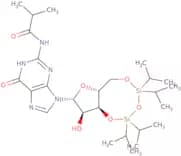

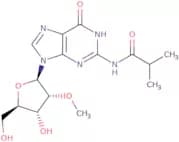

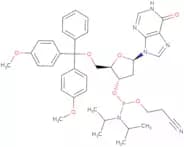
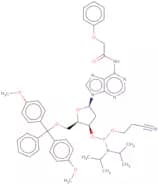
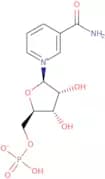
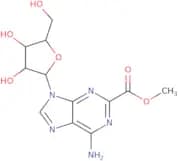
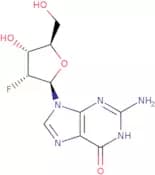
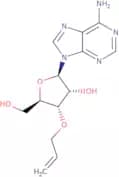


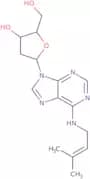
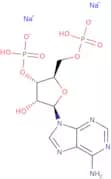

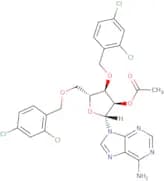
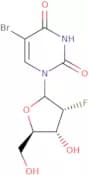
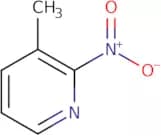
![3-beta-D-Ribofuranosyl-1H-pyrimido[5,4-b][1,4]benzoxazin-2(3H)-one](/_next/image/?url=https%3A%2Fstatic.cymitquimica.com%2Fproducts%2F3D%2Fthumb-webp%2FNR180574.webp&w=3840&q=75)
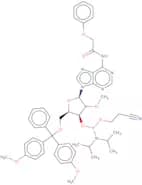
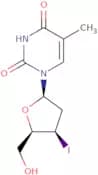
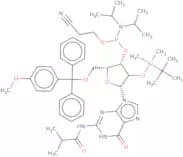

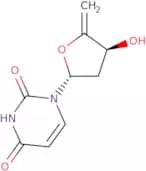

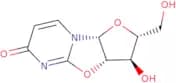
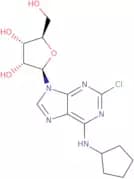
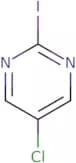
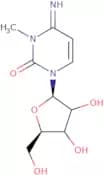
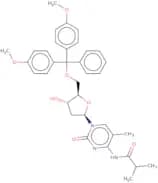
![5'-O-[Bis(4-methoxyphenyl)(phenyl)methyl]-2'-deoxy-N-isobutyrylguanosine](/_next/image/?url=https%3A%2Fstatic.cymitquimica.com%2Fproducts%2F3D%2Fthumb-webp%2FND02998.webp&w=3840&q=75)

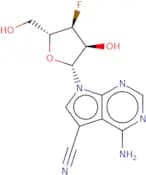


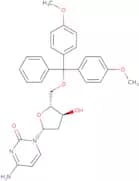
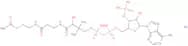
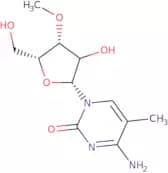
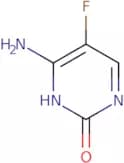
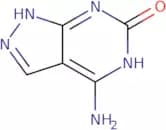
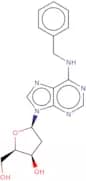
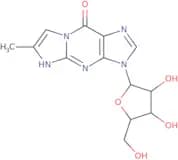


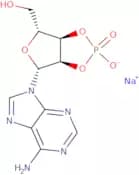
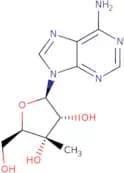

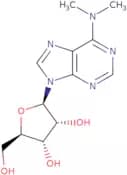


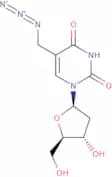

![7-[3,5-Bis-O-[(-2,4-dichlorophenyl)methyl]-2-C-methyl-b-D-ribofuranosyl]-4-chloro-5-iodo-7H-pyrrol…](/_next/image/?url=https%3A%2Fstatic.cymitquimica.com%2Fproducts%2F3D%2Fthumb-webp%2FNB14088.webp&w=3840&q=75)
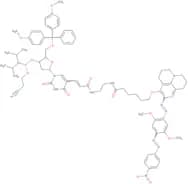
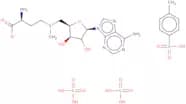
![1-[(5E)-3-O-[(Bis-diisopropylamino)(2-cyanoethoxy) phosphino]-5,6-dideoxy-6-(diethoxyphosphinyl)-2…](/_next/image/?url=https%3A%2Fstatic.cymitquimica.com%2Fproducts%2F3D%2Fthumb-webp%2FNB162929.webp&w=3840&q=75)

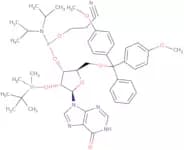
![3'-O-[(Propan-2-ylidene)amino]-thymidine 5'-triphosphate](/_next/image/?url=https%3A%2Fstatic.cymitquimica.com%2Fproducts%2F3D%2Fthumb-webp%2FNP145591.webp&w=3840&q=75)


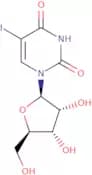
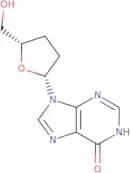
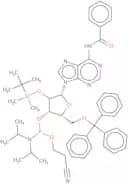

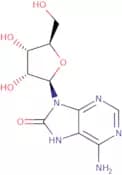
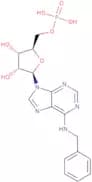
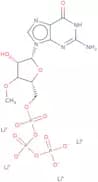

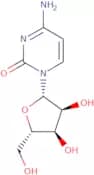

![6-Amino-1-(2'-deoxy-b-D-ribofuranosyl)-4-hydrazino-1H-pyrazolo[3,4-d]pyrimidine](/_next/image/?url=https%3A%2Fstatic.cymitquimica.com%2Fproducts%2F3D%2Fthumb-webp%2FNA162940.webp&w=3840&q=75)

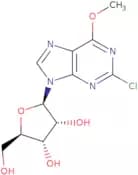
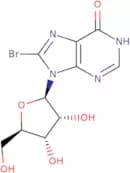
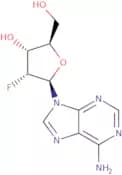

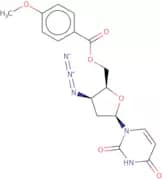
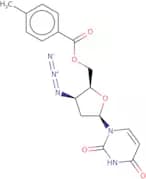
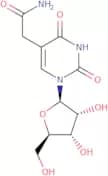
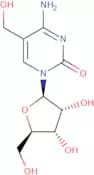
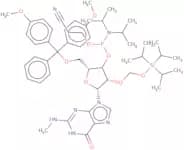

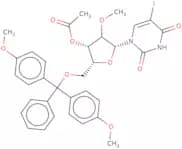
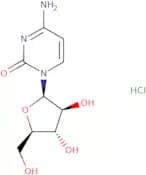
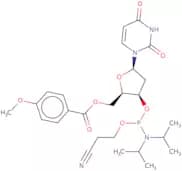

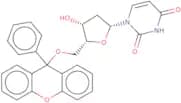

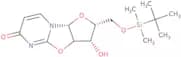

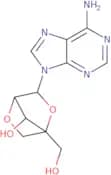
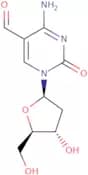
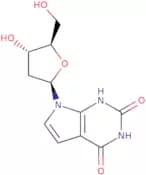




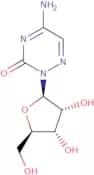
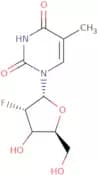
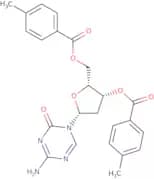
![6-Amino-3-iodo-4-methoxy-1-(b-D-ribofuranosyl)-1H-pyrazolo[3,4-d]pyrimidine](/_next/image/?url=https%3A%2Fstatic.cymitquimica.com%2Fproducts%2F3D%2Fthumb-webp%2FNA162944.webp&w=3840&q=75)

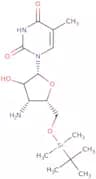



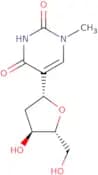


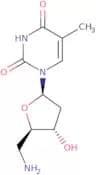

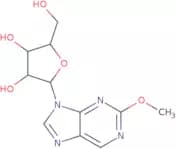
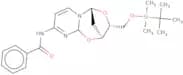



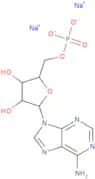

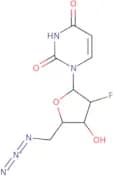
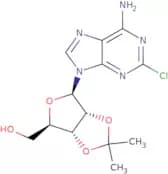

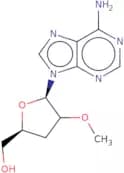

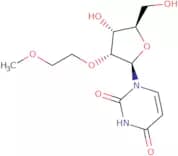
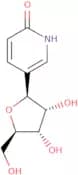


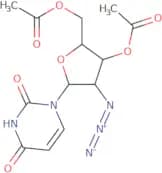

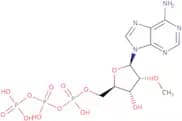




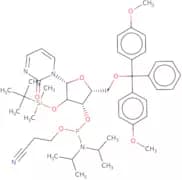
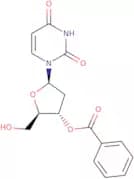
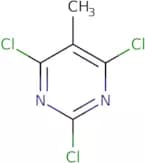
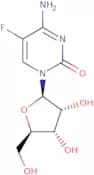
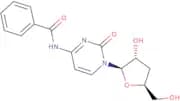


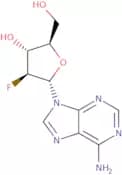

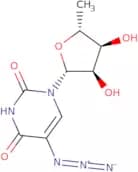

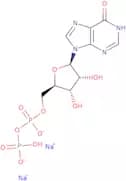

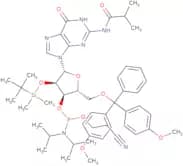
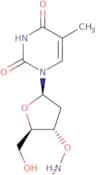
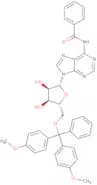
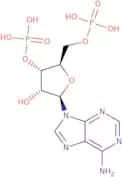

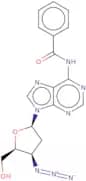
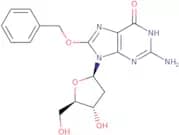
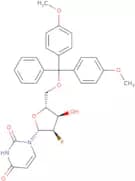
![Guanosine-5'-[(b,γ)-imido]triphosphate sodium salt](/_next/image/?url=https%3A%2Fstatic.cymitquimica.com%2Fproducts%2F3D%2Fthumb-webp%2FNG35450.webp&w=3840&q=75)
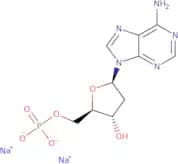
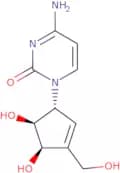

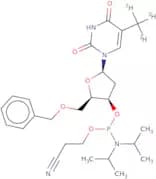

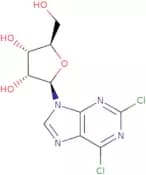
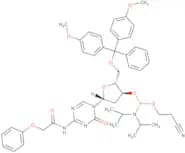
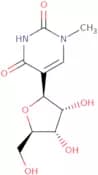
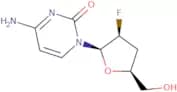
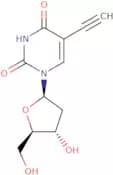
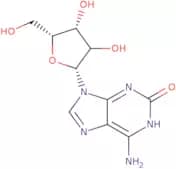

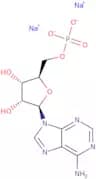
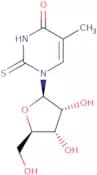

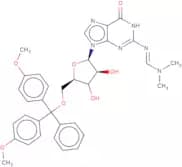
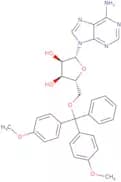
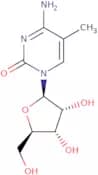
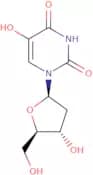
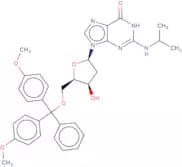
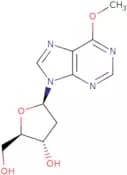
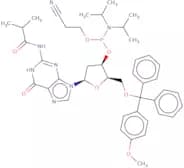

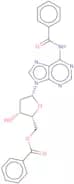
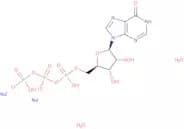
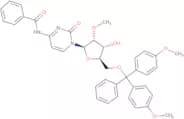
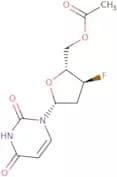

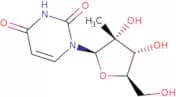
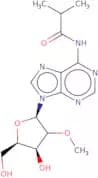
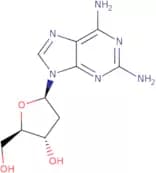

![[1,2-13C2, 2-15N]-Glycinamide ribonucleotide](/_next/image/?url=https%3A%2Fstatic.cymitquimica.com%2Fproducts%2F3D%2Fthumb-webp%2FNG170881.webp&w=3840&q=75)