Toxinas
Se han encontrado 134 productos para "Toxinas".
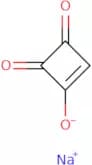
Moniliformin
CAS:Moniliformin is a mycotoxin, which is produced by certain Fusarium species, primarily Fusarium moniliforme and Fusarium proliferatum. This compound is a secondary metabolite, with a unique chemical structure characterized by a low-molecular-weight organic acid, having a cyclobutane ring. Moniliformin's mode of action involves the inhibition of key enzymes in cellular respiration, such as pyruvate dehydrogenase, which disrupts carbohydrate metabolism and affects energy production in cells. The toxin predominantly impacts cardiac muscle cells, leading to cardiotoxic effects, which may cause severe health issues in animals.
Pureza:Min. 95%T2Tetraol
CAS:T2Tetraol is a sesquiterpene derivative, which is a natural antifungal compound originating from wood-decay fungi. This compound is particularly isolated from species that predominantly break down lignin and cellulose in decaying wood. The mode of action of T2Tetraol involves the disruption of fungal cell membranes, subsequently inhibiting essential biological processes within the fungal cells and leading to cell death.Pureza:Min. 95%Altertoxin l
CAS:Altertoxin I is a mycotoxin, which is a type of toxic secondary metabolite produced by mold. It is synthesized by certain species of the *Alternaria* genus, commonly found in agricultural environments. This toxin belongs to the perylenequinone class of chemical compounds and is characterized by its potent toxicological effects on both plant and animal cells.
Pureza:Min. 95%Aflatoxicol
CAS:Aflatoxicol is a derivative of aflatoxin, which is a type of mycotoxin. It is derived from the biochemical transformation of aflatoxins, predominantly by metabolic reduction, often sourced from specific fungi such as *Aspergillus flavus* and *Aspergillus parasiticus*. The mode of action of aflatoxicol involves its interaction with cellular macromolecules, causing disruption and potentially leading to toxic effects, similar to its parent compound. It is known to cause DNA adduct formation, ultimately interfering with genetic integrity.
Pureza:Min. 95%Citreoviridin
CAS:Citreoviridin is a mycotoxin, which is derived from specific strains of the mold genera Penicillium and Aspergillus. This compound is classified as a yellow crystalline toxin and is known for its potent biological activity, particularly its role as an inhibitor of ATP synthase. Citreoviridin functions by interfering with ATP synthesis, a critical process in cellular energy metabolism. It binds to the F0 component of ATP synthase, disrupting proton translocation and thus inhibiting ATP production. This mode of action makes Citreoviridin a subject of interest in biochemical and physiological studies concerning energy metabolism and mitochondrial function.Pureza:Min. 95%Hirudin from leeches
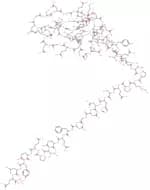
CAS:Hirudin is a potent anticoagulant protein, which is a naturally occurring compound sourced from the salivary glands of medicinal leeches, specifically *Hirudo medicinalis*. It functions by directly inhibiting thrombin, a key enzyme in the blood coagulation process, thereby preventing fibrin formation and subsequent clot development. Hirudin achieves its effects by binding to both the active site and the exosite of thrombin, effectively neutralizing its coagulative activity.
Fórmula:C287H440N80O110S6Pureza:Min. 95%Peso molecular:6 g/molVerruculogen
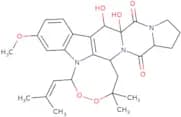
CAS:Verruculogen is a mycotoxin, which is derived from certain species of fungi, primarily those in the genera Aspergillus and Penicillium. It is synthesized by these fungi during their secondary metabolic processes. As a chemical compound, verruculogen acts by inhibiting calcium channels in nerve cells, disrupts neurotransmitter release, and affects neuronal activity. This mode of action is crucial in understanding its role in toxicology and pharmacology.Pureza:Min. 95%Gliotoxin
CAS:Gliotoxin is a bioactive mycotoxin and antibiotic compound, which is primarily derived from various species of Aspergillus and Penicillium fungi. This epipolythiodioxopiperazine (ETP) toxin possesses a unique disulfide bridge that plays a pivotal role in its biological activity. Gliotoxin exerts its effects through the induction of oxidative stress by generating reactive oxygen species (ROS) and disrupting cellular redox balance. Additionally, it can inhibit the activation of crucial transcription factors like NF-κB, thereby modulating immune responses.Fórmula:C13H14N2O4S2Pureza:Min. 95%Peso molecular:326.0395Roquefortine C
CAS:Roquefortine C is a mycotoxin, which is a secondary metabolite produced by certain fungal species. It primarily originates from Penicillium fungi, notably within the species used in the production of blue cheeses like Roquefort. As a neurotoxic compound, Roquefortine C functions by inhibiting certain neurotransmitter receptors and ion channels, potentially interfering with normal neuronal communication.
Pureza:Min. 95%Helvolic acid
CAS:Helvolic acid is a fungal metabolite, which is derived from various species of the Aspergillus and Penicillium genera. It functions as an antifungal antibiotic, disrupting the cell membranes of target fungal cells. This action is primarily attributed to its ability to interfere with sterol synthesis—key components of fungal cell membranes—leading to compromised membrane integrity and subsequent cell death.Pureza:Min. 95%Fumonisin B1
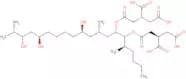
CAS:Inhibitor of ceramide synthaseFórmula:C34H59NO15Pureza:Min. 95%Forma y color:PowderPeso molecular:721.83 g/molEnniatin A1
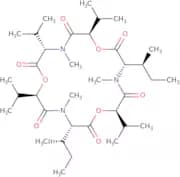
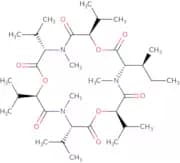
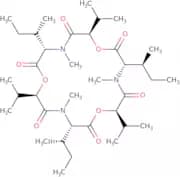
CAS:Enniatin A1 is a cyclic hexadepsipeptide, which is a secondary metabolite produced by various Fusarium species. This compound is primarily derived from Fusarium fungi and exhibits notable bioactivity due to its ionophoric properties. The mode of action involves its ability to disrupt ion gradients across cellular membranes. Enniatin A1 functions by forming complexes with cations, particularly alkali and alkaline earth metal ions, facilitating their transport across lipid membranes and ultimately perturbing cellular homeostasis.
Pureza:Min. 95%Enniatin B1
CAS:Enniatin B1 is a cyclic depsipeptide, which is a type of mycotoxin produced by certain species of Fusarium fungi. It is characterized by its unique structural composition that includes alternating N-methylamino and hydroxy acid residues, forming a cyclic hexadepsipeptide. The source of Enniatin B1 primarily encompasses various Fusarium species, known for their ubiquitous presence in agricultural environments and propensity to contaminate cereal crops.
Pureza:Min. 95%Enniatin A
CAS:Enniatin A is a cyclic depsipeptide, which is a secondary metabolite produced by certain Fusarium fungi. It functions as an ionophore, facilitating the transport of ions across cellular membranes. This activity stems from its ability to form complexes with metallic cations, disrupting ion gradients and membrane potential. As a result, Enniatin A can affect various cellular processes, including signal transduction and energy metabolism.Pureza:Min. 95%