Carbohidratos y glucoconjugados
Los carbohidratos son compuestos orgánicos formados por carbono, hidrógeno y oxígeno, y su estructura básica está constituida por monosacáridos. Estos se pueden unir para formar disacáridos, oligosacáridos o polisacáridos, dependiendo de la cantidad de unidades monoméricas. Los carbohidratos tienen un papel fundamental en el almacenamiento de energía, la estructura celular y la comunicación celular. Sus derivados se utilizan en productos farmacéuticos, como edulcorantes y excipientes.
En CymitQuimica disponemos de una amplia variedad de carbohidratos y sus derivados para investigación y aplicaciones industriales.
Se han encontrado 5013 productos de "Carbohidratos y glucoconjugados"
Ordenar por
Pureza (%)
0
100
|
0
|
50
|
90
|
95
|
100
Hyaluronate biotin - Molecular Weight - 500kDa
<p>Hyaluronate biotin is a high purity and complex carbohydrate. It is synthesized by methylation, saccharide, polysaccharide, and glycosylation of natural hyaluronic acid. Hyaluronate biotin is a modified form of hyaluronic acid that contains an additional biotin molecule per every 500 kDa of molecular weight. This modification can be used in the development of new drugs or as a supplement to improve joint health.</p>Pureza:Min. 95%GNA2 N-Glycan
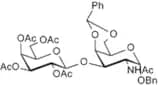
<p>GNA2 N-glycan is a custom-synthesized modified oligosaccharide that is a complex carbohydrate. It is a high purity, methylated and glycosylated polysaccharide sugar with fluorination. GNA2 N-glycan has CAS No. 1295-70-1 and is monosaccharide. It has a molecular weight of 266.</p>Pureza:Min. 95%Benzyl 2-acetamido-2-deoxy-4,6-O-benzylidene-3-O-(2,3,4,6-tetra-O-acetyl-b-D-galactopyranosyl)-a-D-galactopyranoside
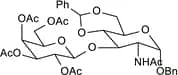
CAS:<p>Benzyl 2-acetamido-2-deoxy-4,6-O-benzylidene-3-O-(2,3,4,6-tetra-O-acetyl-b-D-galactopyranosyl)-a-D galactopyranoside is a complex carbohydrate with a CAS number of 8632784. It is an oligosaccharide that is modified with methylation and glycosylation. This molecule has a molecular weight of 907.19 and the purity level is high at 99%. This product can be used for fluoroquinolone resistance research or as an intermediate for other chemical modifications.</p>Fórmula:C36H43NO15Pureza:Min. 95%Peso molecular:729.72 g/molMan-1 N-Glycan
CAS:<p>Man-1 N-glycan is a synthetic oligosaccharide with a sugar chain that is terminated by an alpha-D-mannose. It is synthesized using the Click reaction and modified with fluorine. This product can be used in glycosylation, or the addition of sugar chains to proteins or lipids. Man-1 N-Glycan has high purity and can be custom synthesized to order.</p>Fórmula:C22H38N2O16Pureza:Min. 95%Forma y color:White to off-white solid.Peso molecular:586.54 g/molCarbomethoxyethylthioethyl 2-acetamido-2-deoxy-4-O-(b-D-galactopyranosyl)-b-D-glucopyranoside
CAS:<p>Carbomethoxyethylthioethyl 2-acetamido-2-deoxy-4-O-(b-D-galactopyranosyl)-b-D-glucopyranoside is a glycosylide that is custom synthesized for a high purity, complex carbohydrate. It is modified with methylation and fluorination. Click modification can be done on this product to provide a more stable molecule. Carbomethoxyethylthioethyl 2-acetamido-2-deoxy-4-O-(b-D-galactopyranosyl)-b-D -glucopyranoside has CAS No. 87019-31 -6 and can be used in the synthesis of other compounds.</p>Fórmula:C20H35NO13SPureza:Min. 95%Peso molecular:529.56 g/molGQ1b-Ganglioside ammonium
CAS:<p>GQ1b ganglioside (ammonium salt) has a core tetrasaccharide structure (Galβ1,3GalNAcβ1,4Galβ1,4Glc) with two sialic acids (NeuAc) linked α2,3/α2,8 to the inner galactose residue, two sialic acids (NeuAc) linked α2,3/α2,8 to the terminal galactose residue, and ceramide linked β to position 1 on the reducing terminal glucose residue (Ledeen, 2009). Anti-GQ1b ganglioside antibody is associated with Miller Fisher syndrome and is also found in patients with related conditions that may share the same pathogenic mechanism, such as, Bickerstaff brainstem encephalitis. Thus, the measurement of anti-GQ1b antibody in suspected cases of Miller Fisher syndrome is a useful diagnostic marker (Paparounas, 2004). It has been found that GQ1b ganglioside contributes to synaptic transmissions and synapse formation. Low concentrations of GQ1b ganglioside, evoked dopamine (DA) release from laboratory tissues (Chen, 2018).</p>Fórmula:C106H182N6O56·xNH4Pureza:Min. 95%Cellotrionic acid
CAS:<p>Cellotrionic acid is a biochemical that is found in the cell walls of bacteria. It is also known as Cellotriose, which is a type of sugar molecule. Cellotriose is composed of three molecules of glucose and it has reactive hydroxy groups. Hydroxy groups are reactive because they can form hydrogen bonds with other molecules. Cellotrionic acid has been shown to have a redox potential, which means that it can either accept or donate electrons. The crystalline structure of cellotrionic acid is similar to that of glucose and can be represented by the formula C6H8O6. Cellotrionic acid has been shown to have aerobic properties, meaning it requires oxygen for metabolism. One example of an aerobic process where cellotrionic acid participates in is the transfer of electrons during the oxidation-reduction reactions in photosynthesis. This biochemical also participates in glycolysis, which occurs during cellular respiration when sugars are broken down into smaller fragments</p>Fórmula:C18H32O17Pureza:Min. 95%Peso molecular:520.44 g/molGlobotriaosylceramide
CAS:<p>Globotriaosylceramide (Gb3) is a glycolipid that has been shown to be an activator of the protein growth factor-β1. It is involved in the regulation of tumor cell proliferation and may have potential as a biomarker for cancer. Gb3 is also a drug transporter and it has been shown to have long-term efficacy in the treatment of sarcoidosis. Gb3 has been found in high concentrations in patients with HIV infection, suggesting that it may play a role in HIV replication. Studies have also shown that Gb3 may be involved in cardiac pathology and its structural analysis can help in understanding its function. Symptoms or conditions associated with elevated levels of globotriaosylceramide include: <br>• Carcinoma<br>• Cardiac disease<br>• Infectious diseases<br>• HIV infection</p>Fórmula:C53H99NO18Pureza:Min. 95%Peso molecular:1,038.35 g/molLacto-N-difucohexaose I-BSA
<p>Lacto-N-difucohexaose I-BSA is a high purity, custom synthesis sugar that is fluorinated, glycosylated, and methylated. It has been modified to be an oligosaccharide or monosaccharide with saccharides. Lacto-N-difucohexaose I-BSA is a complex carbohydrate that is made up of several different sugars. This product can be used for many purposes such as Click modification and Fluorination.</p>Pureza:Min. 95%Forma y color:PowderGM1a-Oligosaccharide
<p>GM1a pentasaccharide (ammonium salt) has a core tetrasaccharide structure (Galβ1,3GalNAcβ1,4Galβ1,4Glc) with a single sialic acid residue linked α2,3 to the inner galactose residue (Ledeen, 2009). GM1a pentasaccharide is the carbohydrate moiety in GM1a ganglioside which interacts and modulates tyrosine kinases, such as, neural tropomyosin receptor kinase A (TrkA), by inducing the release of neurotrophins from fibroblast cells and the epidermal growth factor receptor (EGFR) (Higuero, 2009). Oligosaccharide domain of monosialylated glycosphingolipid GM1 of a-series that specifically interacts with cholera toxin B subunit (CBT) fromâ¯V. cholerae, heat-labile toxin B subunit (LTB) fromâ¯E. coliâ¯and alpha toxin fromâ¯C. perfrigens. This ganglioside is abundant in nervous system as well as in other peripheral tissues (Chiricozzi, 2020).</p>Fórmula:C37H61N2O29NaPureza:Min. 95%Forma y color:PowderPeso molecular:1,020.87 g/molMethyl 3-O-(2-acetamido-2-deoxy-b-D-galactopyranosyl)-b-D-galactopyranoside
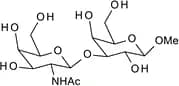
CAS:<p>Methyl 3-O-(2-acetamido-2-deoxy-b-D-galactopyranosyl)-b-D-galactopyranoside is a modified sugar that can be used for synthesis of saccharides, oligosaccharides, and polysaccharides. This product has been custom synthesized to be a high purity compound with CAS No. 130234-66-1. It has been fluorinated and is available in the glycosylation form.</p>Fórmula:C15H27NO11Pureza:Min. 95%Peso molecular:397.36 g/mol6'-Sialyllactose-APD-HSA
<p>6'-Sialyllactose-APD-HSA is a complex carbohydrate that belongs to the group of oligosaccharides. It has a CAS number of 102600-80-4 and it is a polysaccharide. This compound is modified with methylation, glycosylation, and click modification. It is also fluorinated and synthesized.</p>Pureza:Min. 95%Galb1-3Galb1-4GlcNAcb1-3Galb1-4Glc
CAS:<p>Galb1-3Galb1-4GlcNAcb1-3Galb1-4Glc is a complex carbohydrate that is synthesized from Galb1-4GlcNAcb1-3Galb1-4Glc and 3,6-anhydro-L-galactose. It has been modified with fluorination to prevent degradation. The synthesis of this product may be modified by methylation, glycosylation, or carbonylation. Galb1-3Galb1-4GlcNAcb1-3Galb1-4Glc has CAS No. 443660-52-4 and a purity of 96%. This product is stable at room temperature and may be used in the preparation of vaccines or diagnostic kits.</p>Fórmula:C32H55NO26Pureza:Min. 95%Peso molecular:869.77 g/molGlobotriose-GEL
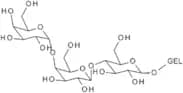
<p>Immobilised on Fractogel with glycosylamine formation of the monosaccharide</p>Pureza:Min. 95%Forma y color:White LiquidLipid A (Salmonella) triethylammonium
<p>Lipid A is a complex carbohydrate that is found in the outer membrane of Gram-negative bacteria. The lipid A molecule consists of a long chain of fatty acids linked to a phosphate group, with sugar and phosphate groups attached. Lipid A is important for the virulence of many Gram-negative bacteria, including Salmonella. Fluorination, monosaccharide, oligosaccharide and polysaccharide modifications are used to modify lipid A to increase its immunogenicity as an adjuvant or vaccine component. Click modification and methylation are also used to alter lipid A structure. This product has been custom synthesized in our lab using high purity ingredients.</p>Fórmula:C110H208N2O26P2Pureza:Min. 95%Peso molecular:2,036.77 g/mol1,2,3,4-Tetra-O-acetyl-6-O-(2,3,4,6-tetra-O-acetyl-a-D-mannopyranosyl)-D-mannopyrannose
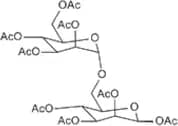
CAS:<p>1,2,3,4-Tetra-O-acetyl-6-O-(2,3,4,6-tetra-O-acetyl-aD-mannopyranosyl)-D-mannopyrannose is a tetrasaccharide that can be synthesized by modifying the sugar moiety of 1,2,3,4-tetra-O-[(2,3,4)-triacetyl]-6-[(1R)-1-(2,3,4,-triacetyl)glycoloyl]aD mannopyranose. This modified sugar moiety is then reacted with methyl fluoride to produce 1. It has been shown to inhibit the growth of bacteria and fungi.</p>Fórmula:C28H38O19Pureza:Min. 95%Peso molecular:678.59 g/mol4,6-Di-O-(3,4,6-tri-O-acetyl-2-deoxy-2-phthalimido b-D-glucopyranosyl)-1,3-6-tri-O-benzyl-a-D-mannopyranoside
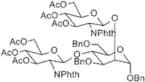
CAS:<p>4,6-Di-O-(3,4,6-tri-O-acetyl-2-deoxy-2-phthalimido b-D-glucopyranosyl)-1,3-6-tri-O-benzyl a -D -mannopyranoside is a carbohydrate that has been modified with fluorine. It is an oligosaccharide composed of three monosaccharides linked by glycosidic bonds. The modification of the carbohydrate with fluorine was achieved through a click chemistry reaction between the 4’ and 6’ position of the glucose moiety. This product is used in custom synthesis and high purity applications.</p>Fórmula:C67H68N2O24Pureza:Min. 95%Peso molecular:1,285.26 g/mol1,2,3-Tri-O-benzyl-4-O-(2,3,4,6-tetra-O-benzyl-a-D-galactopyranosyl)-b-D-galactopyranoside
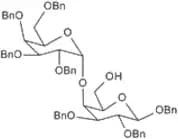
<p>1,2,3-Tri-O-benzyl-4-O-(2,3,4,6-tetra-O-benzyl-a-D-galactopyranosyl)-b-D-galactopyranoside is an oligosaccharide with a galactosamine residue at the nonreducing end. It is a triacylglycerol that has been methylated and fluorinated. This product can be used as a sugar for synthesis of complex carbohydrates or for modification of monosaccharides. The high purity of this product makes it suitable for use in pharmaceuticals and other applications requiring high purity.</p>Fórmula:C61H64O11Pureza:Min. 95%Peso molecular:973.15 g/molGuaifenesin EP Impurity B
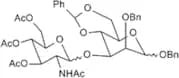
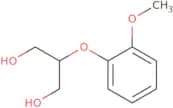
CAS:<p>Guaifenesin (GP) is a phenylpropanoid that is used as an expectorant and cough suppressant. Guaifenesin EP Impurity B is a by-product of the synthesis of guaifenesin, which can be removed by preparative chromatography. It has been shown to catalyze reactions with acidic substrates and has the ability to form magnesium complexes. The reaction mechanism for guaifenesin EP Impurity B is not well understood, but it has been shown that hydrotalcite and magnesium oxide can remove GP from solution. This impurity also reacts with zirconium to form zirconium oxide, which can be removed by techniques such as mesoporous silica gel chromatography.</p>Fórmula:C10H14O4Pureza:Min. 95%Peso molecular:198.22 g/molBenzyl 2-acetamido-3-O-(2,3,4,6-tetra-O-acetyl-b-D-galactopyranosyl)-4,6-O-benzylidene-2-deoxy-a-D-glucopyranoside
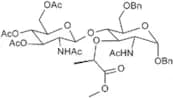
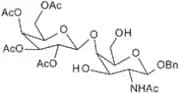
<p>3-O-Benzyl-2,6-dideoxy-a-D-galactopyranosyl b benzylidene 4,6-O-(2,3,4,6-tetraacetyl)-a D glucopyranoside is a complex carbohydrate with a molecular weight of 1.097 grams per mole. It has been synthesized by the modification of the sugar unit with methylation and glycosylation to yield 3-O-(2,3,4,6 tetraacetyl)-b benzylidene 4,6 O-(2,3,4 6 tetra acetyl) a D glucopyranoside. The carbohydrate is then modified with fluorination to yield 3-O-(2 3 4 6 tetraacetyl)-b benzylidene 4 6 O-(2 3 4 6 tetra acetyl) a D glucopyranoside. This product is offered at high purity and custom synthesis</p>Fórmula:C36H43NO15Pureza:Min. 95%Peso molecular:729.72 g/mol[1-13C]Maltose monohydrate
<p>13C labeled maltose is a useful analytical standard for Carbon NMR spectroscopy</p>Fórmula:CC11H22O11·H2OPureza:Min. 95%Peso molecular:361.3 g/molDi[3-deoxy-D-manno-octulosonyl]-lipid A sodium salt - 0.5mg/ml aqueous solution
CAS:<p>Essential component of lipopolysaccharide in most Gram-negative bacteria and the minimal structural component to sustain bacterial viability. It serves as the active component of lipopolysaccharide to stimulate potent host immune responses through the complex of Toll-like-receptor 4 and myeloid differentiation protein 2.</p>Fórmula:C110H198N2Na4O39P2Pureza:Min. 95%Forma y color:PowderPeso molecular:2,326.65 g/mol4-O-b-(2,3,4,6-Tetra-O-acetyl-D-galactopyranosyl)-1,6-anhydro-2,3-O-isopropylidene-b-D-mannopyranose
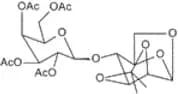
CAS:<p>4-O-b-(2,3,4,6-Tetra-O-acetyl-D-galactopyranosyl)-1,6-anhydro-2,3-O-isopropylidene-b-D-mannopyranose is a custom synthesis of a monosaccharide. This monosaccharide is synthesized by the fluorination and methylation of 4,6 anhydro b D mannose followed by the click modification of the hydroxyl groups. The chemical name for this monosaccharide is 1,6 anhydro 2,3 O isopropylidene b D mannopyranose. It has a molecular weight of 390. The CAS number for this monosaccharide is 5346 69 0. 4,6 anhydro b D mannose is found in polysaccharides such as glycosaminoglycans</p>Fórmula:C23H32O14Pureza:Min. 95%Peso molecular:532.49 g/molO-(Methyl b-d-glucopyranosyluronate)-(1,3)-2-amino-2-deoxy-D-galactopyranose HCl
<p>O-(Methyl b-d-glucopyranosyluronate)-(1,3)-2-amino-2-deoxy-D-galactopyranose HCl is a synthetic monosaccharide with a molecular weight of 338.18 g/mol. It has very high purity and can be custom synthesized to suit customer needs. This product is used in glycosylation reactions and as a sugar donor in click chemistry reactions.</p>Pureza:Min. 95%2,3,2',3',4',6'-Hexa-O-acetyl-1,6-anhydro-b-D-maltose
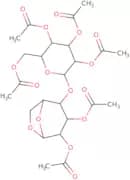
CAS:<p>2,3,2',3',4',6'-Hexa-O-acetyl-1,6-anhydro-b-D-maltose (HAP) is a custom synthesis that can be modified with fluorination, methylation, and monosaccharide. HAP is a synthetic oligosaccharide that is glycosylated and has a saccharide and sugar. HAP has the CAS No. 28868-67-9. This product can be used as an additive in food production or as a pharmaceutical agent.</p>Fórmula:C24H32O16Pureza:Min. 95%Peso molecular:576.5 g/molHyaluronic acid hexasaccharide
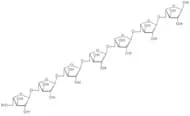
CAS:<p>Hyaluronic acid is a polysaccharide containing repeating disaccharide units of β-1,3-N-acetyl glucosamine and β-1, 4-glucuronicâ¯acid. A series of unsaturated oligosaccharides (oligouronic acids) are released from hyaluronic acid by the action of hyaluronidase on umbilical cord (Weissman, 1954). This hexasaccharide and other enzymatically produced polymer homologs have been of value in the study of hyaluronic acid metabolism in healthy and diseased tissues (Hascall, 2019).</p>Fórmula:C42H65N3O34Pureza:Min. 95%Forma y color:White Off-White PowderPeso molecular:1,155.97 g/mol6-O-(a-D-Maltotriosyl)-D-glucopyranose tetradecaacetate
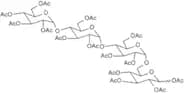
<p>6-O-(a-D-Maltotriosyl)-D-glucopyranose tetradecaacetate is a carbohydrate that belongs to the class of saccharides. It is synthesized from D-glucose by glycosylation and methylation. 6-O-(a-D-Maltotriosyl)-D-glucopyranose tetradecaacetate is a complex carbohydrate with a high purity and custom synthesis. It can be used in click chemistry, due to its reactive group on the C6 position.</p>Fórmula:C52H70O35Pureza:Min. 95%Peso molecular:1,255.09 g/molBlood Group A tetrasaccharide type II
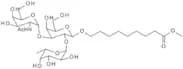
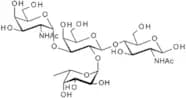
CAS:<p>A antigen tetrasaccharide Type I I, possible use in antiviral development</p>Fórmula:C28H48N2O20Pureza:Min. 95%Forma y color:PowderPeso molecular:732.68 g/mol8-Methoxycarbonyloctyl-6-O-(a-L-fucopyranosyl)-N,N'-diacetyl-chitobioside
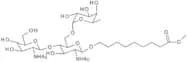
CAS:<p>8-Methoxycarbonyloctyl-6-O-(a-L-fucopyranosyl)-N,N'-diacetylchitobioside is a synthetic carbohydrate that has been fluorinated at the 8 position and acetylated at the 6 position. It is a custom synthesis that can be modified with methylation and other modifications. This compound is used in biochemical research as well as for medical purposes. It has a CAS number of 106445-35-6, and has been shown to have glycosylation, oligosaccharide, sugar, methylation, monosaccharide, polysaccharide, saccharide click modification properties.</p>Fórmula:C32H56N2O17Pureza:Min. 95%Peso molecular:740.79 g/mol4-O-b-D-Galactosyl maltose
CAS:<p>4-O-b-D-Galactosyl maltose is a Glycosylation, Oligosaccharide, sugar, Synthetic, CAS No. 143444-32-0 that is custom synthesized and fluorinated. It is a complex carbohydrate with high purity and modification. The 4-O-b-D-Galactosyl maltose has the following properties: Methylation, Monosaccharide, Polysaccharide, saccharide, Click modification.</p>Fórmula:C18H32O16Pureza:Min. 95%Peso molecular:504.44 g/molHyaluronate biotin - Molecular Weight - 20kDa
<p>Hyaluronate biotin is a high purity, complex carbohydrate that has been modified with methylation and glycosylation. It has a molecular weight of 20kDa and is supplied as a powder. It is a white to off-white solid that can be dissolved in water or buffer solutions. This product can be used as an excipient in the manufacture of biologics such as vaccines, antibodies, enzymes, or other therapeutic proteins.</p>Pureza:Min. 95%3'-Sialyl Lewis x-HSA
<p>3'-Sialyl Lewis x-HSA is a custom synthesis of a high purity, complex carbohydrate that has been modified to include fluorination. This product is synthesized from a monosaccharide and an oligosaccharide. It has been shown to have anti-inflammatory properties and is useful in the treatment of type II diabetes.</p>Pureza:Min. 95%Forma y color:PowderBlood Group B pentasaccharide type I
CAS:<p>Gala1-3(Fuca1-2)Galb1-3GlcNAcb1-3Gal (B antigen pentasaccharide Type I)</p>Fórmula:C32H55NO25Pureza:Min. 95%Forma y color:PowderPeso molecular:853.77 g/molMonosialyl, monofucosyllacto-N-hexaose I
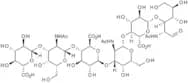
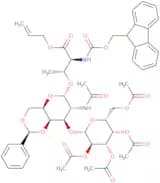
<p>Monosialyl, monofucosyllacto-N-hexaose I is a high purity sugar that has been custom synthesized for Click modification. The glycosylation reaction of this sugar was performed with methylated bovine erythrocyte as the glycosylase donor. The product will be delivered in the form of white powder and is available at CAS No. 71607-56-1.</p>Fórmula:C57H95N3O43Pureza:Min. 95%Forma y color:PowderPeso molecular:1,510.36 g/molO-[2-Acetamido-4,6-O-benzylidene-2-deoxy-3-O-(2,3,4,6-tetra-O-acetyl-b-D-galactopyranosyl)-a-D-galactopyranosyl]-N-Fmoc-L-threonine allyl ester
CAS:<p>O-[2-Acetamido-4,6-O-benzylidene-2-deoxy-3-O-(2,3,4,6-tetra-O-acetyl-b-D-galactopyranosyl)-a-D-galactopyranosyl]-N -Fmoc--L--threonine allyl ester is a carbohydrate that can be custom synthesized. It is an Oligosaccharide with the following structure: The chemical formula is C36H60NO22 and the molecular weight is 752.8 g/mol. It has a CAS number of 384346–85–4 and it's Chemical Abstract Service (CAS) name is O-[2-(acetamido)-4,6-[O-(2,3,4,6 tetra‑O‑acetyl‑β‑D‑galactopyranosyl)‑α‑</p>Fórmula:C51H58N2O19Pureza:Min. 95%Peso molecular:1,003.01 g/molDifucosyl-para-lacto-N-hexaose-APD-HSA
<p>Difucosyl-para-lacto-N-hexaose-APD-HSA is a complex carbohydrate that is a custom synthesis. It has been modified by the addition of difucosyl groups to the para position of lactose and by the attachment of an APD moiety to the N-acetyl group of hexitol. The molecular weight is approximately 1,000 Da. This product is used in glycosylation reactions, such as polysaccharide synthesis, and in fluorination reactions. Difucosyl-para-lacto-N-hexaose-APD-HSA can be found under CAS No. 366511-00-7 and is soluble in water and DMSO.</p>Forma y color:PowderSucrose - USP
CAS:<p>Consumed in large amounts around the world as a food ingredient. Other applications of sucrose include its use in surfactants (esters), polyurethanes (polyols), plastics (alkyds) to produce dextrans (Leuconostoc mesenteroides fermentation) and ethanol (Saccharomyces cerevisiae fermentation).</p>Fórmula:C12H22O11Pureza:Min. 95%Forma y color:White/Off-White SolidPeso molecular:342.3 g/mol3'-Sialyllactosyl azide
<p>3'-Sialyllactosyl azide is a complex carbohydrate that is modified with fluorination, saccharide modification, and methylation. 3'-Sialyllactosyl azide is synthesized from a monosaccharide by glycosylation, methylation, click modification, or polysaccharides. The CAS number for this compound is 814-07-1. This product can be custom synthesized to meet the customer's needs.</p>Pureza:Min. 95%G-NGA2 N-Glycan
CAS:<p>G-NGA2 N-glycan is a custom synthesis and modification of the carbohydrate. This product contains a fluorination, methylation, and monosaccharide. The average molecular weight is 1257. G-NGA2 N-Glycan is a saccharide that is synthesized from glucose by glycosyltransferase. It can be modified with a click reaction to form an oligosaccharide or polysaccharide. G-NGA2 N-Glycan has been assigned the CAS number 103584-68-5 and molecular weight of 1257 Da.</p>Fórmula:C56H94N4O41Pureza:Min. 95%Peso molecular:1,479.35 g/mola-D-Galactopyranosyl-(1-1)-a-D-galactopyranoside
CAS:<p>a-D-Galactopyranosyl-(1-1)-a-D-galactopyranoside is a complex carbohydrate that belongs to the saccharides. It is an oligosaccharide that contains both a monosaccharide and a disaccharide. This compound is synthesized from sugar, which is obtained from sucrose. The sugar molecule has been modified with fluorination, methylation, glycosylation, and click chemistry. This product has high purity and can be custom synthesized for any specific requirements.</p>Fórmula:C12H22O11Pureza:Min. 95%Peso molecular:342.3 g/molAgarodiitol
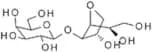
<p>Disaccharide alcohol from agarobiose by reduction with Na borohydride</p>Fórmula:C12H22O10Pureza:Min. 95%Peso molecular:326.3 g/mol4-Glucopyranosylmannose
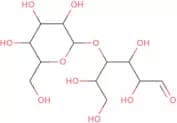
CAS:<p>4-Glucopyranosylmannose is a disaccharide compound, which is a synthetic carbohydrate derived from the enzymatic or chemical glycosylation processes. It consists of glucose and mannose units linked through a glycosidic bond. The compound is sourced through advanced synthetic methodologies involving specific glycosyltransferases or chemical catalysts that facilitate the precise attachment of these sugar moieties.</p>Fórmula:C12H22O11Pureza:Min. 95%Peso molecular:342.3 g/mol1,4-β-D-Glucosyl-D-mannobiose
CAS:<p>1,4-β-D-Glucosyl-D-mannobiose is a specialized carbohydrate substrate, which is derived from complex polysaccharides typically found in plant cell walls. It acts as a substrate for endo-1,4-β-mannanase, an enzyme that cleaves specific glycosidic bonds within mannans. This substrate facilitates the investigation of enzymatic activity by allowing the measurement of endo-1,4-β-mannanase efficiency and specificity under controlled conditions.In biochemical enzyme assays, 1,4-β-D-Glucosyl-D-mannobiose serves as a critical component for quantifying mannanase activity. It enables researchers to study the enzyme's role in various biological processes, including polysaccharide degradation. Additionally, this product is invaluable in in vitro diagnostic analyses where precise enzyme activity assessment is crucial for understanding pathological states or the functionality of industrial enzyme preparations. Its applications extend to biotechnology research, where it aids in the formulation of enzyme-based solutions and optimization of enzymatic reactions in diverse biological and industrial contexts.</p>Fórmula:C18H32O16Pureza:Min. 95%Peso molecular:504.4 g/molAgar
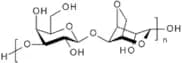
CAS:<p>The major gel forming component in agar, agarose, consists of a linear chain of sequences of 1,3 linked β-D-galactopyranosyl units and 1,4 linkages to 3,6-anhydro-α-L-galactopyranosyl units. Gelation is done via the formation of double helices (Arnott, 1974). Agar's properties are similar to gelatin as it is primarily used as a plating gel for microbial cultures (Lahaye, 1991). However, agar is a good substitute for animal-based gelatin in vegetarian foods and is easy to use in food gels in a similar way to the carrageenans. Common food applications of agar include: puddings, custards, and soft candies. Agar improves the texture of processed cheese and frozen desserts, and is also added to baked goods to inhibit staling. A creative food application uses agar-based gel cubes that are infused with fruit extract or wine to make a vegetable-based aspic (Armisén, 2009).<br>Agar contains two polysaccharides Agarobiose and Agaropectin. Both Gelidium latifolium and Gelidium amansii are sources of both Agar and Agarose. The images were kindly provided by Prof Mike Guiry from Cork who runs ‘The Seaweed Site’.<br>Agaropectin<br>Agaropectin is a sulphated non-gelling galactan comprising about 30% of Agar. Half ester sulphate is present in varying amounts plus D-glucuronic acid and small amounts of pyruvic acid. As with Agarose the main chain has alternating residues of D-galactose and L-galactose heavily modified with acidic side-groups which are usually sulfate, glucuronate, and pyruvate. Pyruvic acid is possibly attached in an acetal form to the D-galactose residues of the agarobiose skeleton. No formal structure of Agaropectin appears to have been published.<br>Agarose<br>Agarose is a linear gelling polysaccharide of (1-3) linked β-D-galactopyranose residues linked to 3,6-anhydro-α-L-galactopyranose via 1-4 bonds. Agar contains about 60% Agarose.</p>Pureza:Min. 95%Forma y color:PowderNGA3F N-Glycan
CAS:<p>NGA3F N-Glycan is a custom synthesis product that has been fluorinated, methylated, and modified with a click modification. It is a monosaccharide that can be found in the form of polysaccharides or glycosylations. This product is made of saccharides, which are carbohydrates that have been modified with glycosylation or polysaccharide modifications. NGA3F N-Glycan can be used in a variety of applications such as pharmaceuticals, food additives, and cosmetics.</p>Fórmula:C64H107N5O45Pureza:Min. 95%Peso molecular:1,666.54 g/molMan-3-F N-Glycan
CAS:<p>Man-3-F N-Glycan is a custom synthesis of an oligosaccharide. It is a polysaccharide that is modified with methylation, glycosylation and click modification. Man-3-F N-Glycan is a high purity product that has been fluorinated for use in synthetic biology.</p>Fórmula:C40H68N2O30Pureza:Min. 95%Peso molecular:1,056.96 g/molA3 N-Glycan
CAS:<p>A3 N-Glycan is a glycosylation profile marker that is specific for the cancer cells. It discriminates between healthy and cancerous cells, which has been shown by analyzing the A3 N-glycan profiles in human plasma samples. The A3 N-glycan marker is detected using high performance liquid chromatography (HPL) analysis. This assay can be used to diagnose cancer and monitor its progression.</p>Fórmula:C109H178N8O80Pureza:Min. 95%Forma y color:PowderPeso molecular:2,880.59 g/molSucrose 1,6,6'-tricarboxylic acid trimethyl ester
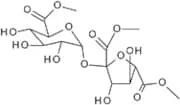
CAS:<p>Sucrose 1,6,6'-tricarboxylic acid trimethyl ester is a carbohydrate that has been fluorinated and methylated. It is a synthetic sugar that can be custom synthesized by our chemists to meet your specifications. This product is very pure and has a high degree of purity. It can be used as an oligosaccharide or as a monosaccharide in glycosylation or methylation reactions. Sucrose 1,6,6'-tricarboxylic acid trimethyl ester is also known as sucrose 3-fluoro-3-methylbutyrate, CAS No. 289711-92-8, or C12H18O7F3.</p>Fórmula:C15H22O14Pureza:Min. 95%Peso molecular:426.33 g/molGala1-3Galb1-4(6-deoxyGlcNAc)-HSA
<p>Gala1-3Galb1-4(6-deoxyGlcNAc)-HSA is a custom synthesis of a complex carbohydrate. It is an oligosaccharide with CAS No. and Polysaccharide that has been modified by Methylation, Glycosylation, and Click modification. Carbohydrate is one of the most important macronutrients for human health, as it provides energy and cell building blocks. Sugar (e.g., glucose) is the simplest form of carbohydrate, while saccharide refers to chains of sugar molecules. Gala1-3Galb1-4(6-deoxyGlcNAc)-HSA has been fluorinated and synthesized with high purity in order to be used as a drug delivery system. This drug can be used to treat various diseases such as diabetes mellitus type I or II, cancer, or HIV/AIDS.</p>Pureza:Min. 95%Di-a-D-galactosyl-mannopentaose
<p>Di-a-D-galactosyl-mannopentaose is a mannopentaose derivative that has been modified with a methyl group at the C2 position and fluorinated at the C6 position. This compound can be used as an intermediate in the production of oligosaccharides and polysaccharides, which are complex carbohydrates that contain many sugar molecules. The product is of high purity, with no detectable impurities. It was synthesized using a custom synthesis approach, which allows for modification of the chemical structure to produce desired properties. This product is stable when stored at room temperature and does not require refrigeration. It does not contain any organic solvents or volatile compounds and is free from endotoxins or heavy metals.</p>Pureza:Min. 95%Peso molecular:1,153 g/molGangliotriose
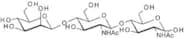
CAS:<p>Gangliotriose is the core trisaccharide structure in gangliosides, such as, GD2 (GalNAcβ1,4Galβ1,4Glc) (Ledeen, 2009). GD2 ganglioside is expressed at a low concentration in the central nervous system, nerves, skin melanocytes and stem cells in healthy adults. On the other hand, GD2 ganglioside is overexpressed in a number of tumors including: neuroblastoma, melanoma, small cell lung carcinoma and brain tumors. Recently, GD2 ganglioside has been found in low concentrations on breast cancer stem cells (CSC) that posess: self-renewal properties (division without disrupting the undifferentiated state), and tumor-initiating capabilities. It has been suggested that GD2 ganglioside may be developed as an effective target antigen for CSC immunotherapy (Fleurence, 2017).</p>Fórmula:C20H35NO16Pureza:90%MinForma y color:PowderPeso molecular:545.49 g/mol4-O-[3-O-(2-Acetamido-2-deoxy-a-D-galactopyranosyl)-b-D-galactopyranosyl]-D-glucose
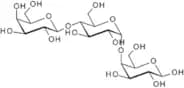
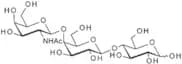
CAS:<p>4-O-[3-O-(2-Acetamido-2-deoxy-a-D-galactopyranosyl)-b-D-galactopyranosyl]-D-glucose is a saccharide that is modified with a methyl group at the C4 position. It can be used for the synthesis of other saccharides, oligosaccharides and polysaccharides. The molecular weight of this compound is 564.47 g/mol and its chemical formula is C44H62O30Glu. This product has CAS No. 96623-71-1 and can be purchased from custom synthesis companies with high purity and good quality.</p>Fórmula:C20H35NO16Pureza:Min. 95%Forma y color:PowderPeso molecular:545.5 g/molMemantine N-cellobioside
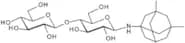
CAS:<p>Reductive amination of memantine with disaccharide.</p>Fórmula:C24H41NO10Pureza:Min. 95%Peso molecular:503.58 g/molGalα(1-3) N-Glycan
CAS:<p>Galα(1-3) N-glycan is a glycoconjugate that is an oligosaccharide with a galactose residue at the nonreducing end of the glycan. It has been synthesized using Click chemistry to introduce fluorination and methylation. Galα(1-3) N-glycan is an important model for studying the biological function of glycosylations in humans. It has also been shown to have anti-inflammatory properties, which may be due to its ability to inhibit prostaglandin synthesis. This product is custom synthesis, high purity, and CAS No. 115973-45-0.</p>Fórmula:C74H124N4O56Pureza:Min. 95%Peso molecular:1,965.78 g/molAcarbose tridecaacetate
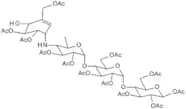
CAS:<p>Acarbose tridecaacetate is a bacterial extract that has been shown to inhibit the growth of various strains of bacteria. This extract was extracted from the fields and contains aluminum oxide impurities. Acarbose tridecaacetate has shown efficacy in seed culture and actinomyces, which are two types of bacteria. The sequence of this extract has been determined using aluminum oxide. Acarbose tridecaacetate is soluble in a variety of solvents, including organic solvents and solvents. It can be purified by chromatography to remove any bulk drug or organic solvent that may be present.</p>Fórmula:C51H69NO31Pureza:Min. 95%Forma y color:White PowderPeso molecular:1,192.08 g/molHexasaccharide dp6
<p>Hexasaccharide dp6 is a synthetic hexasaccharide that mimics heparin. It binds to the antithrombin III and pentasaccharide in human plasma, which are proteins that inhibit blood clotting. Hexasaccharide dp6 also has affinity for peptides from HIV-1 and anti-HIV activity. Hexasaccharide dp6 can be used to prevent coagulation or as an antithrombotic agent.</p>Fórmula:C36H93N15O57S9Pureza:Min. 95%Peso molecular:1,936.78 g/mol(S)-3-((S)-5-Oxopyrrolidine-2-carbonyl)thiazolidine-4-carboxylic acid
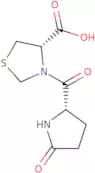
CAS:<p>(S)-3-((S)-5-Oxopyrrolidine-2-carbonyl)thiazolidine-4-carboxylic acid is a synthetic compound that is used as an impurity standard for HPLC. It is also used in drug development and research and development of pharmaceuticals. This product was made through custom synthesis and is not natural.</p>Fórmula:C9H12N2O4SPureza:Min. 95%Peso molecular:244.27 g/molNeu5Acα(2-6)Galβ(1-4)GlcNAc-β-ethylamine
CAS:<p>Neu5Acα(2-6)Galβ(1-4)GlcNAc-β-ethylamine is a glycosylation agent that is used to modify complex carbohydrates, such as polysaccharides and oligosaccharides. This product is a custom synthesis, which may be modified according to customer specifications. These modifications include methylation, click modification, fluorination, and saccharide modification. The desired purity of this product can be determined by the level of fluorescence in the solution.</p>Fórmula:C27H47N3O19•NaPureza:Min. 95%Peso molecular:740.66 g/molMaltotetradecaose
CAS:<p>1,4-glucotetradecaose derived from starch by hydrolysis and chromatography</p>Fórmula:C84H142O71Pureza:Min. 95%Peso molecular:2,287.98 g/molEpi-N-Acetyl-lactosamine
CAS:<p>Epi-N-Acetyl-lactosamine is a glycosylation agent that is used to modify proteins, carbohydrates, and other biomolecules. It is also used in the synthesis of oligosaccharides and polysaccharides. This product has been custom synthesized to meet your specifications and has been purified to high purity.</p>Fórmula:C14H25NO11Pureza:Min. 95%Peso molecular:383.35 g/molBlood Group A type I linear trisaccharide
CAS:<p>GalNAca1-3Galb1-3GlcNAc</p>Fórmula:C22H38N2O16Pureza:Min. 95%Peso molecular:586.54 g/molMethyl-O-b-D-glucopyranosyl-(1-3)-S-b-D-glucopyranosyl-(1-4)-O-4-thio-b-D-glucopyranosyl-(1-4)-b-D-glucopyranoside
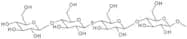
CAS:<p>Methyl-O-b-D-glucopyranosyl-(1-3)-S-b-D-glucopyranosyl-(1-4)-O-4-thio-b-D-glucopyranosyl-(1,4)-b-D-[2] glucopyranoside is a synthetic saccharide with a single modification of 4'-fluoro substitution on the O6 position. This modification provides an increased stability to acid hydrolysis. Methylation and saccharide synthesis is performed in our lab and custom modifications are available upon request.</p>Fórmula:C25H44O20SPureza:Min. 95%Peso molecular:696.67 g/molBlood Group H type I trisaccharide, spacer-biotin conjugate
<p>This is a custom-synthesized oligosaccharide that was modified to include a spacer and biotin. It has been synthesized by methylation and click modification, which are chemical reactions that produce monomeric units with high purity. The oligosaccharide was then fluorinated to give it a desired property. The oligosaccharide is composed of three sugar units: glucose, galactose, and mannose. This product is intended for use in research purposes only.</p>Pureza:Min. 95%Hyaluronate rhodamine - Molecular Weight - 2500kDa
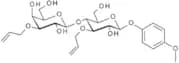
<p>Hyaluronate rhodamine is a modified, fluorinated, methylated, and monosaccharide-containing polysaccharide. It is synthesized by the addition of a click modification to an oligosaccharide. The saccharide is used in glycosylation reactions to produce complex carbohydrates. Hyaluronate rhodamine has a molecular weight of 2500kDa.</p>Pureza:Min. 95%4-Methoxyphenyl 4-O-(3-O-allyl-b-D-galactopyranosyl)-3-O-allyl-b-D-glucopyranoside
<p>4-Methoxyphenyl 4-O-(3-O-allyl-b-D-galactopyranosyl)-3-O-allyl-b-D-glucopyranoside is a custom synthesis product that is used as a synthetic intermediate in the modification of complex carbohydrates. This product is a fluorinated sugar, with a high purity and high quality. It has been modified to include methyl groups at specific positions on the sugar molecule. The CAS number for this product is 8721401.</p>Fórmula:C25H36O12Pureza:Min. 95%Peso molecular:528.55 g/molBlood Group A trisaccharide-(CH2)8COOMe derivative
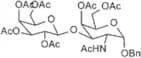
CAS:<p>Blood group antigen derivative with spacer arm</p>Fórmula:C30H53NO17Pureza:Min. 95%Peso molecular:699.74 g/molBenzyl 2-acetamido-4,6-di-O-acetyl-3-O-(2,3,4,6-tetra-O-acetyl-b-D-galactosyl)-2-deoxy-a-D-galactopyranoside
CAS:<p>This product is a custom synthesis. It is an acetamido-galactoside with a benzyl 2-acetamido-4,6-di-O-acetyl-3-O-(2,3,4,6-tetra-O-acetyl)-b-D-galactopyranoside moiety. This compound has been modified with fluorination and methylation. The molecular weight of this compound is 328.27 g/mol and the CAS number is 3809-10-7.</p>Fórmula:C33H43NO17Pureza:Min. 95%Peso molecular:725.69 g/molN-Allyloxycarbonyl-b-lactosamine
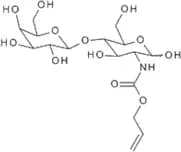
CAS:<p>The linker N-Allyloxycarbonyl-b-lactosamine (NALB) is a bifunctional molecule that can be used to form triplexes with DNA. The NALB has been shown to inhibit the growth of gram-negative bacteria such as Escherichia coli and Haemophilus influenzae by binding to the bacterial cell wall and disrupting its permeability. The linker is synthesized by solid phase synthesis. This process involves the stepwise addition of building blocks in a sequence that is predetermined. The residues are usually protected with protecting groups, which are then removed at the end of the synthesis process.</p>Fórmula:C16H27NO12Pureza:Min. 95%Peso molecular:425.38 g/molMethyl 2-acetamido-3-O-(2,3,4,6-tetra-O-acetyl-b-D-galactopyranosyl)-4,6-O-benzylidene-2-deoxy-b-D-glucopyranoside
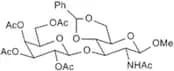
CAS:<p>Methyl 2-acetamido-3-O-(2,3,4,6-tetra-O-acetyl-b-D-galactopyranosyl)-4,6-O-benzylidene-2deoxyb-Dglucopyranoside is a sugar that is used in the preparation of various drugs. It has a pyranose ring and a pyranose form. The IR spectrum displays three distinct peaks at 1730 cm−1, 1590 cm−1 and 1410 cm−1. The axial orientation of the carbon atoms can be determined by looking at the absorption spectra. There are six carbons in the molecule with two axial orientations. The methyl group has an axial orientation and the acetamido group has an equatorial orientation. This compound is not soluble in water but dissolves well in methanol or ethanol. Methyl 2-acetamido 3 O</p>Fórmula:C30H39NO15Pureza:Min. 95%Peso molecular:653.64 g/mol3-O-(2-Acetamido-3,4,6-tri-O-acetyl-2-deoxy-D-glucopyranosyl)-1,2-di-O-benzyl-4,6-O-benzylidene-D-mannopyranoside
<p>3-O-(2-Acetamido-3,4,6-tri-O-acetyl-2-deoxy-D-glucopyranosyl)-1,2-di-O-benzyl-4,6-O-benzylidene--D--mannopyranoside is an oligosaccharide that has a high purity and custom synthesis. This compound is synthesized by Click modification of the sugar with fluorination. The glycosylation and methylation reactions are then carried out to obtain the final product. 3--0-(2--Acetamido--3,4,6--tri--O--acetyl--2--deoxy---D----glucopyranosyl)--1,2--di--O-----benzyl----4,6---O------benzylidene----D--------mannopyranoside is used in the synthesis of oligosaccharides for</p>Fórmula:C41H47NO14Pureza:Min. 95%Peso molecular:777.83 g/molDimeric Lewis X hexasaccharide-APE-HSA
<p>Dimeric Lewis X hexasaccharide-APE-HSA is a carbohydrate molecule that is a modification of a saccharide. It is an oligosaccharide sugar with a CAS number. The monosaccharide sugar in this molecule has been synthetically modified and fluorinated to yield the desired product. This complex carbohydrate has been custom synthesized for high purity and has undergone methylation and glycosylation reactions to achieve the desired modification. The final result of these modifications is a dimeric Lewis X hexasaccharide-APE-HSA, which will be used as an immunogen.</p>Pureza:Min. 95%Hexa-O-acetylmaltal
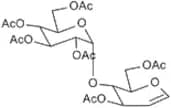
CAS:<p>Hexa-O-acetylmaltal is a non-reducing sugar that belongs to the class of anhydrous, monohydrate configurations. It is a synthetic substrate that is used in the synthesis of pyridine analogues. Hexa-O-acetylmaltal can be crystallized in chloroform and activated with heat or acid. The anomeric configuration has been determined by X-ray diffraction analysis and its configuration was shown to be anomeric by chemical degradation. Hexa-O-acetylmaltal can also form heptaacetate, which is a disaccharide.</p>Fórmula:C24H32O15Pureza:Min. 95%Forma y color:Off-White PowderPeso molecular:560.5 g/molNGA4 N-Glycan
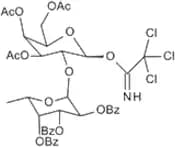
CAS:<p>NGA4 N-glycan is a monosaccharide that is methylated and glycosylated to form an oligosaccharide. It has a molecular weight of 1205 g/mol. This product can be used in the production of glycoconjugates, which are used in the treatment of cancer and inflammatory diseases.</p>Fórmula:C66H110N6O46Pureza:Min. 95%Forma y color:PowderPeso molecular:1,723.59 g/mol3,4,6-Tri-O-acetyl-2-O-(2,3,4-tri-O-benzoyl-a-L-fucopyranosyl)-D-galactopyranosyl trichloroacetimidate
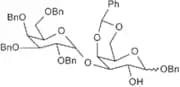
<p>3,4,6-Tri-O-acetyl-2-O-(2,3,4-tri-O-benzoyl-a-L-fucopyranosyl)-D-galactopyranosyl trichloroacetimidate is a sugar. It is a complex carbohydrate that is a polysaccharide made up of three monosaccharides: D-, L-, and erythro-. This molecule has been fluorinated at the C3 position. The CAS number for this compound is 123787−06−1. 3,4,6-Tri-O-acetyl-2-O-(2,3,4-tri-O--benzoyl--a--L--fucopyranosyl)-D--galactopyranosyl trichloroacetimidate is custom synthesized and has high purity.</p>Fórmula:C41H40Cl3NO16Pureza:Min. 95%Peso molecular:909.11 g/molBenzyl 3-O-(2,3,4,6-tetra-O-benzyl-a-D-galactopyranosyl)-4,6-O-benzylidene-D-galactopyranose
CAS:<p>Benzyl 3-O-(2,3,4,6-tetra-O-benzyl-a-D-galactopyranosyl)-4,6-O-benzylidene-D-galactopyranose is an oligosaccharide with a complex carbohydrate structure. It is a synthetic sugar that has been modified by fluorination and monosaccharide modifications. The product has a CAS No. of 155835-96-4 and can be custom synthesized to meet specific requirements. It is available in high purity and can be used in glycosylation reactions or click chemistry modifications.</p>Fórmula:C54H56O11Pureza:Min. 95%Peso molecular:881.04 g/molMelibiulose
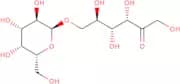
CAS:<p>Melibiulose is a dietary supplement that has been shown to help maintain the health of the human immune system. It has also been shown to stimulate prostate cancer cells. Melibiose, the sugar molecule found in melibiulose, has been found to be processed by toll-like receptor 2 and 4, which are proteins found on the surface of immune cells. The glycan structure of melibiose may be responsible for its conditioning effects as it binds to proteases and surfactants, preventing them from binding to other molecules. This ternary complex prevents glycosylation reactions and reduces viscosity in detergent compositions.</p>Fórmula:C12H22O11Pureza:Min. 95%Peso molecular:342.3 g/molA1 N-Glycan
CAS:<p>A1 N-glycan is a custom synthesis, complex carbohydrate that is an oligosaccharide and polysaccharide. It is modified with saccharides, methylation, glycosylation, and fluorination. A1 N-Glycan has high purity and is custom synthesized to order.</p>Fórmula:C73H121N5O54Pureza:Min. 95%Forma y color:PowderPeso molecular:1,932.74 g/molBlood Group B trisaccharide-b-allyl glycoside
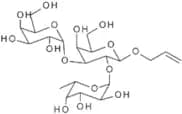
<p>Useful glycosylation donor</p>Fórmula:C21H36O15Pureza:Min. 95%Peso molecular:528.5 g/molEthyl 2,3,6-tri-O-acetyl-4-O-(2,3,4,6-tetra-O-acetyl-b-D-galactopyranosyl)-D-thioglucopyranoside
CAS:<p>Ethyl 2,3,6-tri-O-acetyl-4-O-(2,3,4,6-tetra-O-acetyl-b-D-galactopyranosyl)-D-thioglucopyranoside is a synthetic carbohydrate with a glycosylation and methylation modification. This compound is an oligosaccharide sugar that contains a complex carbohydrate backbone. It has CAS No. 434762 and was custom synthesized for high purity. The molecular weight of this compound is 605.14 g/mol and the purity is >99%.</p>Fórmula:C28H40O17SPureza:Min. 95%Forma y color:PowderPeso molecular:680.19862Hyaluronate fluorescein - Molecular Weight - 1500kDa
<p>Hyaluronate fluorescein is a synthetic, high purity complex carbohydrate with a molecular weight of 1500kDa. It is a modification of the naturally occurring polysaccharide hyaluronan. It is composed of repeating units of the monosaccharide D-glucuronic acid and the disaccharide N-acetyl-D-glucosamine. Hyaluronate fluorescein is synthesized by methylation and glycosylation of D-glucuronic acid, followed by fluorination to produce the fluorinated saccharide hexafluoro-D-glucuronic acid, which reacts with N-acetyl-D-glucosamine in an amidation reaction. The product can then be modified to produce hyaluronate fluorescein.</p>Pureza:Min. 95%1,3,4,6-Tetra-O-acetyl-2-(2,3,4-tri-O-benzyl-a-L-fucopyranosyl)-a-D-galactopyranose
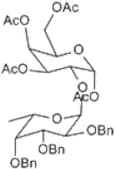
CAS:<p>1,3,4,6-Tetra-O-acetyl-2-(2,3,4-tri-O-benzyl-a-L-fucopyranosyl)-a-D-galactopyranose is a methylated saccharide that has been synthesized to be used in the synthesis of complex carbohydrates. It is also called Tetra O Acetyl D Galactopyranoside. The chemical name of this product is 1,3,4,6 Tetra O Acetyl 2-(2,3,4 Tri O Benzyl A L Fucopyranosyl) A D Galactopyranose Methyl Ester. This product is also known as 6Fluoro 3 Indoxyl Beta D Galactopyranoside. This product can be custom synthesized to order and it can be modified based on customer specifications.</p>Fórmula:C41H48O14Pureza:Min. 95%Peso molecular:764.81 g/mol1,5-a-L-Arabinoheptaose
CAS:<p>1,5-a-L-Arabinoheptaose is a sugar that is found in the cell walls of bacteria. The chemical modification of this sugar has been studied extensively. The modification of this sugar with methyl groups and click chemistry has been shown to alter its properties, such as binding affinity and solubility. This modified sugar can be used for glycosylation reactions or custom synthesis. 1,5-a-L-Arabinoheptaose is also available in high purity and with a custom synthesis.</p>Fórmula:C35H58O29Pureza:Min. 95%Forma y color:PowderPeso molecular:942.82 g/molTrehalose 6,6'-dimycolate
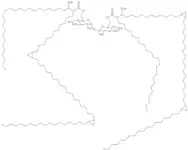
CAS:<p>Trehalose 6,6'-dimycolate (T6DM) is a trehalose analog with lipophilic side chain. T6DM causes apoptosis by blocking the toll-like receptor 4 (TLR4) and TLR2 pathways. T6DM has also been shown to reduce the inflammatory response caused by lipopolysaccharides (LPS), which are bacterial cell wall components. T6DM is a promising agent for the treatment of infectious diseases such as tuberculosis and other bacterial infections that cause inflammation.Isolated from microbial source: mycobacterium bovis</p>Forma y color:White PowderPeso molecular:2642.48Gala1-3Galb1-4GlcNAcb1-3Galb1-4Glc
CAS:<p>Methylated glycans are carbohydrate-based molecules that are modified by the addition of a methyl group. These modifications can be used for many purposes, including as probes for enzymatic reactions and to block or enhance specific cell surface receptors. The modification is often done with a click chemistry reaction, which is a fast and efficient method that can also be used to modify other compounds such as proteins. Methylation of glycans is often done in the lab using methylamine gas, but it can also be accomplished through more complex methods like click chemistry or fluorination. Glycosylation is the process of adding sugars to other molecules and is one way to produce methylated glycans. Galactosamine (GalN) is an example of a monosaccharide that can be methylated and glycosylated, producing galactose-N-methyltransferase (Gal1MT) and Gal1M3GnT1. This product has been synthesized in</p>Fórmula:C32H55NO26Pureza:Min. 95%Peso molecular:869.77 g/molSucrose monopalmitate
CAS:<p>Sucrose monopalmitate is a fatty acid that is used as a surfactant and emulsifier. It has been shown to have surface-active properties in vitro, which may be due to its ability to interact with the surface of cells. Sucrose monopalmitate is used in diagnostic agents such as active analogues, which are compounds that bind specifically to an analyte or target molecule. These compounds can then be detected by other methods such as radioactive labelling or enzyme-linked immunosorbent assay (ELISA). This product also has been shown to be useful in detergent compositions, including nanoemulsions and solid dispersions.</p>Fórmula:C28H52O12Pureza:Min. 95%Peso molecular:580.71 g/molMethyl (4S)-b-cellobiosyl-4-thio-b-cellobioside
CAS:<p>Methyl (4S)-b-cellobiosyl-4-thio-b-cellobioside is a custom synthesis, modification and fluorination of methyl 4-thioacetate with b-D-cellobiosyl 4-thioacetate. This complex carbohydrate has been shown to have antiviral activity against herpes simplex virus type 1 (HSV1), and can be used as a monotherapy or in combination therapy for HSV1 infections. It inhibits the viral process by inhibiting the viral DNA polymerase and preventing DNA replication. Methyl (4S)-b-cellobiosyl-4-thio-b-cellobioside also inhibits the enzyme glycosyltransferase that is required for HSV1 replication.<br>Methyl (4S)-b - cellobiosyl - 4 - thio - b - cellobioside is a sugar that can be modified with click chemistry to produce different derivatives such as phosph</p>Fórmula:C25H44O20SPureza:Min. 95%Peso molecular:696.67 g/molGD2-Oligosaccharide-b-(N-acetyl-propargyl)
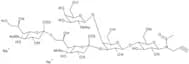
<p>The core trisaccharide of the ganglioside GD2,protected with a propargyl glycoside group, is the most prominent alkynyl glycoside used in oligosaccharide synthesis (Das, 2016). The structure (sodium salt) comprises (GalNAcβ1,4Galβ1,4Glc) of its two sialic acids linked α2,3/α2,8 to the central galactose residue (Ledeen, 2009). GD2 ganglioside is expressed at a low concentration in the central nervous system, nerves, skin melanocytes and stem cells in healthy adults. On the other hand, GD2 ganglioside is overexpressed in a number of tumors including neuroblastoma, melanoma, small cell lung carcinoma and brain tumors. Recently, GD2 ganglioside has been found in low concentrations on breast cancer stem cells (CSC) that possess: self-renewal properties (division without disrupting the undifferentiated state) and tumor-initiating capabilities. It has been suggested that GD2 ganglioside may be developed as an effective target antigen for CSC immunotherapy (Fleurence, 2017).</p>Fórmula:C47H72N4O32Na2Pureza:Min. 95%Peso molecular:1,251.06 g/molSialyl-Lex-hexa-APD-HSA
<p>Sialyl-Lex-hexa-APD-HSA is a high purity synthetic glycosylation that is custom synthesized. It has been modified with fluorination, methylation, and click modification. Sialyl-Lex-hexa-APD-HSA can be used in the synthesis of complex carbohydrates and is available in CAS Number: 75869-57-3.</p>Pureza:Min. 95%Varenicline N-oxide
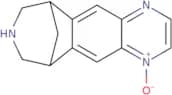
CAS:<p>Varenicline N-oxide is a synthetic drug product. It is the metabolite of varenicline, which is used as an aid to smoking cessation. Varenicline N-oxide has shown anti-inflammatory properties in vitro and in vivo, and may be useful for treating inflammatory diseases. Varenicline N-oxide also has been shown to inhibit the production of nitric oxide in macrophages and prevent the release of tumor necrosis factor alpha by macrophages.</p>Fórmula:C13H13N3OPureza:Min. 95%Peso molecular:227.26 g/molFA2G1 N-Glycan
CAS:<p>FA2G1 N-glycan is a custom synthesis that can be modified with fluorination, methylation and click modification. It is a monosaccharide that belongs to the group of saccharides and polysaccharides. Carbohydrates are complex carbohydrates. This glycoprotein is synthesized by the addition of a sugar to an amino acid.</p>Fórmula:C62H104N4O45Pureza:Min. 95%Forma y color:Solid.Peso molecular:1,625.49 g/mol4-O-(2-O-Methyl-b-D-galactopyranosyl)-D-glucopyranose
CAS:<p>4-O-(2-O-Methyl-b-D-galactopyranosyl)-D-glucopyranose is a disaccharide. The lacto-n-biose unit is a nonreducing sugar that contains an alpha, beta unsaturated 1,6 glycosidic bond and a lactose molecule. 4-O-(2-O-Methyl-b-D-galactopyranosyl)-D-glucopyranose has been found to stimulate the synthesis of galectin in vitro, which may be due to its ability to bind to lectins. This disaccharide can also cause denaturation at high temperatures.</p>Fórmula:C13H24O11Pureza:Min. 95%Peso molecular:356.32 g/mol4-O-(2-Acetamido-2-deoxy-3,4,6-tri-O-acetyl-b-D-glucopyranosyl)-1,6-di-O-benzyl-2-deoxy-a-D-muramic acid methyl ester
<p>4-O-(2-Acetamido-2-deoxy-3,4,6-tri-O-acetyl-b-D-glucopyranosyl)-1,6-di-O-benzyl-2-deoxy--aDmuramic acid methyl ester is a synthetic carbohydrate. It is a modification of an oligosaccharide and can be used as a starting material in the synthesis of complex carbohydrates. 4ODBGMEM is synthesized by acetylation of 1,6 di O benzyl 2 deoxy a D muramic acid methyl ester with acetic anhydride and triethylamine. The compound has been shown to be effective in fluoroquinolone resistance and methicillin resistance.</p>Fórmula:C40H52N2O16Pureza:Min. 95%Peso molecular:816.84 g/mol3'-Sialyllactose-APD-HSA
<p>3'-Sialyllactose-APD-HSA is a complex carbohydrate with Oligosaccharide and Polysaccharide. It is a modification of saccharides, which are composed of monosaccharides or simple sugars. 3'-Sialyllactose-APD-HSA is a synthetic compound that has been modified by the addition of fluorine atoms to the sugar molecule. This modification prevents the sugar from being broken down by enzymes in the body and ensures that it remains intact until it reaches its target site. 3'-Sialyllactose-APD-HSA is used as a drug delivery system for cancer drugs, such as doxorubicin and paclitaxel.</p>Pureza:Min. 95%GD2-Oligosaccharide-desthiobiotin
<p>Desthiobiotin is a modified form of biotin that binds less tightly to biomolecules like proteins and carbohydrates than it does biotin, while still providing excellent specificity in affinity purification methods (Hirsch, 2002). The structure of GD2-oligosaccharide-desthiobiotin (sodium salt) comprises (GalNAcβ1,4Galβ1,4Glc) of its two sialic acids linked α2,3/α2,8 to the central galactose residue (Ledeen, 2009). The desthiobiotin is attached β to position 1 of the reducing glucose moiety. GD2 ganglioside is expressed at a low concentration in the central nervous system, nerves, skin melanocytes and stem cells in healthy adults. On the other hand, GD2 ganglioside is overexpressed in a number of tumors including: neuroblastoma, melanoma, small cell lung carcinoma and brain tumors. Recently, GD2 ganglioside has been found in low concentration on breast cancer stem cells (CSC) that possess: self-renewal properties (division without disrupting the undifferentiated state) and tumor-initiating capabilities. It has been suggested that GD2 ganglioside may be developed as an effective target antigen for CSC immunotherapy (Fleurence, 2017).</p>Fórmula:C65H106N10O37·2NaPureza:Min. 95%Forma y color:PowderPeso molecular:1,665.56 g/molMethyl 2-acetamido-4-O-(2-acetamido-3,4,6-tri-O-acetyl-2-deoxy-b-D-glucopyranosyl)-2-deoxy-b-D-glucopyranoside
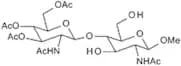
CAS:<p>Methyl 2-acetamido-4-O-(2-acetamido-3,4,6-tri-O-acetyl-2-deoxy-b-D-glucopyranosyl)-2-deoxy-b-D-glucopyranoside is a custom synthesis that is fluorinated and methylated to create an acetal. The monosaccharide is a custom synthesis that has been modified with click chemistry. This oligosaccharide is found in glycosylation reactions and can be used for the synthesis of polysaccharides. Methyl 2 acetamido 4 O-(2 acetamido 3,4,6 tri O acetyl 2 deoxy b D glucopyranosyl) 2 deoxy b D glucopyranoside has CAS Number 97242 82 5.</p>Fórmula:C23H36N2O14Pureza:Min. 95%Peso molecular:564.54 g/molBenzyl 2-acetamido-4-O-(2,3,4,6-tetra-O-acetyl-b-D-galactopyranosyl)-2-deoxy-b-D-galactopyranoside
<p>Benzyl 2-acetamido-4-O-(2,3,4,6-tetra-O-acetyl-b-D-galactopyranosyl)-2-deoxy-b-D-galactopyranoside is a synthetic glycoside that has been modified with fluorination. It is an oligosaccharide sugar that has been synthesized from the monosaccharide galactose and the disaccharide maltose. The chemical formula for this compound is C14H22FNO6. This product can be used in custom synthesis or as a research reagent.</p>Fórmula:C29H39NO15Pureza:Min. 95%Peso molecular:641.62 g/molLacto-N-fucopentaose II-BSA
<p>Lacto-N-fucopentaose II-BSA is a glycosylation agent that is derived from the natural substrate N-acetylgalactosamine. It is used in the synthesis of complex carbohydrates, such as glycoconjugates and polysaccharides. Lacto-N-fucopentaose II-BSA can be modified with methyl groups or fluorine atoms to generate derivatives, which are useful for studying glycosylation reactions. The CAS number for this product is 46645-96-8. This product is synthesized using custom methods and has been purified to high purity levels.</p>Pureza:Min. 95%Carboxymethyl-dextran sodium salt 10-20% COOH - Average molecular weight 70000
CAS:<p>Drug carrier for cancer therapy & imaging, biocompatible, soluble, biodegradable</p>Pureza:Min. 95%Forma y color:White Powder





![[1-13C]Maltose monohydrate](/_next/image/?url=https%3A%2Fstatic.cymitquimica.com%2Fproducts%2F3D%2Fthumb-webp%2FOM76731.webp&w=3840&q=75)
![Di[3-deoxy-D-manno-octulosonyl]-lipid A sodium salt - 0.5mg/ml aqueous solution](/_next/image/?url=https%3A%2Fstatic.cymitquimica.com%2Fproducts%2F3D%2Fthumb-webp%2FOD29173.webp&w=3840&q=75)


![4-O-[3-O-(2-Acetamido-2-deoxy-a-D-galactopyranosyl)-b-D-galactopyranosyl]-D-glucose](/_next/image/?url=https%3A%2Fstatic.cymitquimica.com%2Fproducts%2F3D%2Fthumb-webp%2FOA10409.webp&w=3840&q=75)