


Derivados de Quinazolina y Quinolina
Las quinazolinas y quinolinas son compuestos heterocíclicos nitrogenados con estructuras aromáticas que desempeñan un papel clave en la síntesis de fármacos con actividad anticancerígena, antimicrobiana y antiinflamatoria. Sus derivados presentan modificaciones estructurales que optimizan su biodisponibilidad y selectividad, lo que permite el desarrollo de nuevos principios activos para diversas aplicaciones terapéuticas. Estos compuestos se utilizan en la fabricación de APIs destinados al tratamiento de cáncer, infecciones, enfermedades neurodegenerativas y cardiovasculares. Además, los derivados de quinazolina y quinolina son esenciales en la investigación de inhibidores enzimáticos y en el diseño de moléculas bioactivas innovadoras. En CymitQuimica disponemos de derivados de quinazolina y quinolina de alta pureza para aplicaciones en síntesis química, desarrollo farmacéutico y biotecnología.
Se han encontrado 65624 productos de "Derivados de Quinazolina y Quinolina"
Ordenar por
Pureza (%)
0
100
|
0
|
50
|
90
|
95
|
100
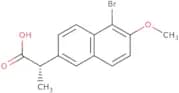
Naproxen Impurity C
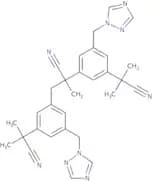
CAS:<p>Naproxen Impurity C is an analytical impurity that is found in Naproxen. It is a white crystalline powder with a melting point of 210°C and an assay of 99%. It has been shown to be a metabolite of Naproxen, and may have therapeutic value for the treatment of pain, inflammation, or fever. The purity of this product has been verified by HPLC analysis.</p>Fórmula:C14H13BrO3Pureza:Min. 95%Peso molecular:309.16 g/molAnastrozole dimer impurity
CAS:<p>Anastrozole is an aromatase inhibitor that has been used in the treatment of breast cancer. It binds competitively to the heme moiety of aromatase, blocking its access to substrate and thereby inhibiting estrogen production. Anastrozole dimer impurity is an analytical impurity found in drug products that is not a natural component of the API (active pharmaceutical ingredient). CAS No. 1216898-82-6 refers to this impurity standard as well as other synthetic analogues. This impurity is a custom synthesis with no pharmacopoeia standards for purity. The HPLC standard for this product is high purity (99%).</p>Fórmula:C30H31N9Pureza:Min. 95%Peso molecular:517.63 g/mol4-Methyl-3-[[4-(3-pyridinyl)-2-pyrimidinyl]amino]benzamide
CAS:<p>4-Methyl-3-[4-(3-pyridinyl)-2-pyrimidinyl]amino]benzamide is a synthetic compound that has been used as an impurity standard to determine the purity of drugs. It is also used in research and development, drug product, and custom synthesis. 4-Methyl-3-[4-(3-pyridinyl)-2-pyrimidinyl]amino]benzamide has a CAS number of 851137-91-2 and is on the list of pharmacopoeias. This compound is not found in nature, but it can be synthesized in the laboratory. Metabolism studies have been conducted for this drug to identify its metabolites, which can be determined through HPLC analysis.</p>Fórmula:C17H15N5OPureza:Min. 95%Peso molecular:305.33 g/mol4-[1,5-Bis-(2-methylsulfamoylethyl)-1H-indol-3-yl]-1-methylpyridinium chloride
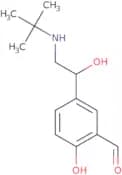
CAS:<p>Please enquire for more information about 4-[1,5-Bis-(2-methylsulfamoylethyl)-1H-indol-3-yl]-1-methylpyridinium chloride including the price, delivery time and more detailed product information at the technical inquiry form on this page</p>Fórmula:C20H27N4O4S2•ClPureza:Min. 95%Peso molecular:487.04 g/molSalbutamol Impurity D
CAS:<p>Salbutamol Impurity D is a chiral, metal chelator impurity of the drug substance Salbutamol. It is a prodrug that is hydrolyzed to its active form, salbutamol sulfate, in vivo. Salbutamol Impurity D binds to chloride ions and has been shown to be an interferent for many analytical methods. The reversed-phase chromatography retention time for Salbutamol Impurity D is about 10 minutes shorter than for Salbutamol sulfate.</p>Fórmula:C13H19NO3Pureza:Min. 95%Peso molecular:237.29 g/mol[1,1'-Biphenyl]-2'-(2H-tetrazol-5-yl)-4-carboxylic acid, [1,1'-biphenyl]-(2'-(2H-tetrazol-5-yl)-4-yl)methyl ester
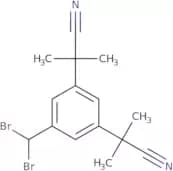
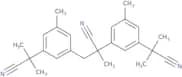
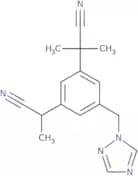
CAS:<p>Biphenyl-2'-(2H-tetrazol-5-yl)-4-carboxylic acid, [1,1'-biphenyl]-(2'-(2H-tetrazol-5-yl)-4-yl)methyl ester is a research and development impurity standard. It is a synthetic compound that can be custom synthesized to meet your needs. The product is available in high purity and pharmacopoeia grade. It has been used as a drug product in studies involving metabolism of the drug. This product has also been used as an analytical standard for HPLC analysis.</p>Fórmula:C28H20N8O2Pureza:Min. 95%Peso molecular:500.51 g/mola,a,a',a'-Tetramethyl-5-(dibromomethyl)-1,3-benzenediacetonitrile
CAS:<p>Tetramethyl-1,3-benzenediacetonitrile is a synthetic chemical that is used as an impurity in the synthesis of pharmaceuticals. It can be found in drug products and is used as an analytical standard for HPLC analysis. Tetramethyl-1,3-benzenediacetonitrile can also be found in natural sources such as plants and fungi. The metabolite has been studied for its metabolism and pharmacological properties. Tetramethyl-1,3-benzenediacetonitrile is not regulated by any pharmacopoeia standards.</p>Fórmula:C15H16Br2N2Pureza:Min. 95%Peso molecular:384.11 g/molAlverine EP Impurity C
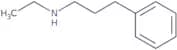
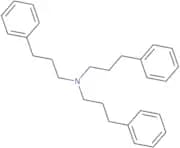
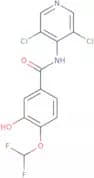
CAS:<p>Alverine EP Impurity C is a by-product of the synthesis of alverine, which is an ammonium salt. The process involves the use of high yield, high purity triflic acid, and organic solvents. The reaction system is typically carried out in a solvent such as toluene or dichloromethane. The organic solvent is then removed by filtration and the desired product can be obtained by crystallization or recrystallization. Alverine EP Impurity C has been shown to have insecticidal properties when applied externally, due to its interaction with insect stereoisomers. It also has anticancer activity and may be used in cancer therapy treatments that involve decompressing tumours and increasing blood supply to the area. Alverine EP Impurity C also has a citric acid binding property that makes it insoluble in water.</p>Fórmula:C11H17NPureza:Min. 95%Peso molecular:163.26 g/molRoflumilast Impurity B
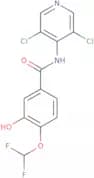
CAS:<p>Roflumilast Impurity B is an oxidative reagent that can be used for the preparation of a variety of organic compounds. It is a white solid that is soluble in organic solvents. Roflumilast Impurity B has been shown to be hepatotoxic, and should only be handled with gloves and lab coat. This material should not come in contact with skin or eyes. In addition, this reagent should not be exposed to light as it may cause photolysis.</p>Fórmula:C13H8Cl2F2N2O3Pureza:Min. 95%Peso molecular:349.12 g/molSitagliptin hydroxy amide impurity
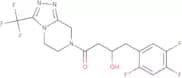
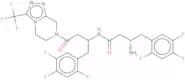
CAS:<p>Sitagliptin is an oral dipeptidyl peptidase-4 inhibitor that is used to treat type 2 diabetes. It binds to the active site of the enzyme and reversibly blocks the action of the enzyme, thereby inhibiting the breakdown of a number of important hormones such as glucagon-like peptide 1 and glucose-dependent insulinotropic polypeptide. Sitagliptin hydroxy amide impurity is an impurity in sitagliptin that inhibits oxidoreductases, enzymes that catalyze oxidation reactions. The enantiomeric purity of sitagliptin hydroxy amide impurity is unknown.</p>Fórmula:C16H14F6N4O2Pureza:Min. 95%Peso molecular:408.3 g/molNaproxen EP Impurity D
CAS:<p>Naproxen EP Impurity D is a research and development impurity standard that is used for pharmacopoeia drug product, synthetic, high purity, and analytical purposes. Naproxen EP Impurity D is a metabolite of naproxen and has been shown to be an active form of the drug in animal studies. The CAS number for Naproxen EP Impurity D is 116883-62-6.</p>Fórmula:C14H13IO3Pureza:Min. 95%Peso molecular:356.16 g/mol4-Desmethyl-3-methyl celecoxib
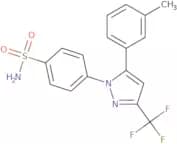
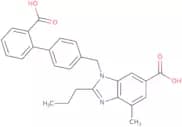
CAS:<p>This compound is a drug product that is used as an analytical standard for the identification of impurities. This compound is also a Metabolism studies, Natural, API impurity, Custom synthesis, Impurity standard, Synthetic and Drug development research chemical. The CAS number for this compound is 170570-01-1 and it has HPLC standards with high purity. This compound is also a Synthetic and Pharmacopoeia Research Chemical with a niche market.</p>Fórmula:C17H14F3N3O2SPureza:Min. 95%Peso molecular:381.37 g/mol6-Des(1-methyl-2-benzimidazolyl)-6-carboxy telmisartan
CAS:<p>Telmisartan is a drug that belongs to the class of angiotensin II receptor antagonists and is used in the treatment of hypertension. Telmisartan can be quantitatively analyzed with high sensitivity by liquid chromatography. Impurities in telmisartan can be analyzed qualitatively and quantitatively by liquid chromatography, which requires a shorter time than GC analysis.</p>Fórmula:C26H24N2O4Pureza:Min. 95%Peso molecular:428.48 g/mol4-Dibenzo[b,f][1,4]thiazepin-11-yl-1-piperazineethanol hydrochloride
CAS:<p>4-Dibenzo[b,f][1,4]thiazepin-11-yl-1-piperazineethanol hydrochloride is a drug product that is custom synthesized for research and development purposes. It has been shown to be an active metabolite of diazepam with a half life of 3 hours and low toxicity. 4-Dibenzo[b,f][1,4]thiazepin-11-yl-1-piperazineethanol hydrochloride is used as an analytical standard in the pharmaceutical industry. This compound has been studied in metabolism studies and pharmacopoeia. It has also been shown to have antiinflammatory properties.</p>Fórmula:C19H23Cl2N3OSPureza:Min. 95%Forma y color:Off-white solid.Peso molecular:412.38 g/mol4-Hydoxymethyl-5-methylimidazol
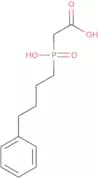
CAS:<p>4-Hydroxymethyl-5-methylimidazol (HMMI) is a corrosion inhibitor that is used in the production of nanomaterials. It has been shown to be an effective treatment for wastewater containing hydrochloric acid and organic solvents. The reaction between HMMI and the acids in wastewater forms a complex that prevents the corrosion of metal surfaces. HMMI can be synthesized by reacting aesculus with formaldehyde in an organic solvent, such as acetone or chloroform, at room temperature. HMMI has also been shown to have antiviral potency and is used in skin care products, such as lotions and shampoos, due to its ability to penetrate the skin barrier. Magnetic resonance spectroscopy (MRS) was used to study the effect of HMMI on skin cells, while electrochemical methods were used to investigate how it inhibits viral activity.</p>Fórmula:C5H8N2OPureza:Min. 95%Peso molecular:112.13 g/mol4-Phenybutyl 2-carboxyethylphosphinic acid
CAS:<p>4-Phenybutyl 2-carboxyethylphosphinic acid is used as an analytical standard and has been shown to be a metabolite of other drugs. It is also used as an impurity standard for HPLC, and provides a niche for drug product development.</p>Fórmula:C12H17O4PPureza:Min. 95%Peso molecular:256.23 g/molN-(Aminosulphonyl)-2-[[[2-[(Aminoiminomethyl)amino]-4-thiazolyl]methylsulphinyl]propanimidamide
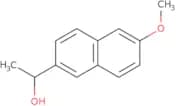
CAS:<p>N-(Aminosulphonyl)-2-[[[2-[(aminoiminomethyl)amino]-4-thiazolyl]methylsulphinyl]propanimidamide (NTSX) is an analytical standard and a metabolite of the drug product N-(aminosulphonyl)-2-[[[2-[(aminothiazolyl)methyl]sulfinyl]propanimidamide (NTST). The CAS number is 109467-06-3. NTSX is a white to off-white crystalline powder that is soluble in water and has a molecular weight of 296.37. It has been shown to be active against ampicillin resistant strains of Staphylococcus aureus, but not against methicillin resistant strains. NTSX can be synthesized from the drug NTST or obtained as an impurity from the synthesis of NTST.</p>Fórmula:C8H15N7O3S3·C4H4O4Pureza:Min. 95%Peso molecular:469.52 g/mol(1RS)-1-(6-Methoxy-2-naphthyl)ethanol
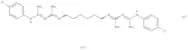
CAS:<p>(1RS)-1-(6-Methoxy-2-naphthyl)ethanol is a multiphase test drug that exhibits reactive properties. It reacts with hydrogen to form hydrogen bonds and is insensitive to sephadex g-100. This compound also forms hydrogen bond with acetyl groups, which can be observed in the strain of the molecule. (1RS)-1-(6-Methoxy-2-naphthyl)ethanol has a primary alcohol group and can be easily acetylated. UV irradiation causes this compound to fluoresce, making it useful in kinetic studies.</p>Fórmula:C13H14O2Pureza:Min. 95%Peso molecular:202.25 g/molChlorhexidine dihydrochloride impurity B
CAS:<p>Chlorhexidine dihydrochloride impurity B is an impurity found in chlorhexidine dihydrochloride, a drug that is used as an antiseptic and disinfectant. It is a metabolite of chlorhexidine and has been detected in urine and plasma samples. This impurity has no known pharmacological activity. The purity of this compound is not less than 99%.</p>Fórmula:C16H28Cl3N9OPureza:Min. 95%Forma y color:White PowderPeso molecular:468.81 g/molDi-destriazole anastrozole dimer impurity
CAS:<p>Di-destriazole anastrozole dimer impurity is a synthetic impurity that is created during the synthesis of anastrozole. It has been studied as a possible metabolite of the drug, but its role in metabolism is not well understood. Di-destriazole anastrozole dimer impurity is soluble in water and methanol and has a melting point of between 1°C to 2°C. The purity of this compound is typically at least 99% with a specific gravity of 1.043 g/mL.</p>Fórmula:C26H29N3Pureza:Min. 95%Peso molecular:383.53 g/mol4'-[(1,4'-Dimethyl-2'-propyl[2,6'-bi-1H-benzimidazol]-1'-yl)methyl][1,1'-biphenyl]-2-carboxamide
CAS:<p>Imatinib is a drug substance that belongs to the class of imidazole and phenylpiperidine derivatives. It is used in the treatment of leukemia and other cancers. Imatinib has been shown to inhibit tumor cell proliferation by inhibiting protein synthesis via inhibition of ribosomal activity, leading to cell death. Imatinib also inhibits the activation of PPARγ, an important transcription factor involved in lipid metabolism. The presence of impurities may affect the therapeutic efficacy or safety of this drug, so it is important to know what impurities are present in order to avoid unexpected side effects.</p>Fórmula:C33H31N5OPureza:Min. 95%Peso molecular:513.63 g/mol(2S,4S)-4-Cyclohexyl-1-(1,3 dioxopentyl)-L-proline
CAS:Producto controlado<p>(4S)-4-Cyclohexyl-1-(1,3 dioxopentyl)-L-proline is a synthetic, non-natural amino acid. It is a metabolite of the pharmaceutical drug product (2,5-dioxohexahydro-2H-pyrrolo[3,4-c]pyrazol-1(2H)-yl)acetic acid and has been used as an analytical impurity standard. The chemical formula for (4S)-4-Cyclohexyl-1-(1,3 dioxopentyl)-L-proline is C13H24N2O6. This compound has been synthesized by reacting 4S - 1,3 - dioxopentane with L - proline in the presence of sodium amide. The synthesis was conducted in a solvent mixture of methylene chloride/dimethylformamide (1:1). The molecular</p>Fórmula:C16H25NO4Pureza:Min. 95%Peso molecular:295.37 g/molChlorhexidine diacetate EP Impurity O
CAS:<p>Chlorhexidine diacetate EP Impurity O is an analytical reference material that is used as a pharmaceutical impurity. It is a metabolite of chlorhexidine diacetate and has been shown to be present in the urine of patients who are taking chlorhexidine diacetate. Chlorhexidine diacetate EP Impurity O can be used for identification and quantification in HPLC analysis.</p>Fórmula:C22H30Cl2N10Pureza:Min. 95%Peso molecular:505.45 g/molDesdifluoromethoxy hydroxy pantoprazole
CAS:<p>Desdifluoromethoxy hydroxy pantoprazole is a synthetic compound that is used as an impurity standard for the drug product Pantoprazole. It has a purity of ≥98% and is stable under ambient conditions. Desdifluoromethoxy hydroxy pantoprazole is not active on its own, but it is a metabolite of pantoprazole. It can be used to study the metabolism of pantoprazole.</p>Fórmula:C15H15N3O4SPureza:Min. 95%Peso molecular:333.36 g/molSolifenacin Impurity D
CAS:<p>Solifenacin Impurity D is a synthetic impurity of solifenacin. Solifenacin is an anti-cholinergic drug used to treat overactive bladder and urinary incontinence. The purity of this product is 99%. It is soluble in methanol, ethanol, chloroform, and acetone. Solifenacin Impurity D can be used as a reference material for analytical purposes or as an impurity standard in the development of new drugs.</p>Fórmula:C31H28N2OPureza:Min. 96 Area-%Forma y color:White PowderPeso molecular:444.57 g/molRisperidone N-oxide
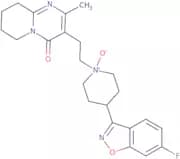
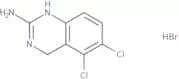
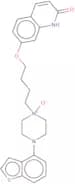
CAS:<p>Risperidone N-oxide is a prodrug of risperidone. It is prepared by reacting risperidone with methanol and hydrogen peroxide in the presence of piperidine, followed by purification using preparative high-performance liquid chromatography. Risperidone N-oxide is a crystalline solid with a melting point of about 190 °C. Risperidone N-oxide has been shown to have antiemetic properties, which may be due to its ability to block dopamine receptors in the brain. The drug also shows some antipsychotic activity, and it has a constant therapeutic effect against schizophrenia. The major impurities found in risperidone N-oxide are hydroxylamine and piperidine.</p>Fórmula:C23H27FN4O3Pureza:Min. 95%Peso molecular:426.48 g/mol2-Amino-5,6-dichloro-3,4-dihydroquinazoline hydrobromide
CAS:<p>2-Amino-5,6-dichloro-3,4-dihydroquinazoline hydrobromide is a metabolite of the drug product 2-[2-(2,4-dichlorophenyl)-2-(1H-1,2,4-triazol-1-ylmethyl)ethylamino]benzeneacetic acid. It has been shown to inhibit protein synthesis in vitro and in vivo.</p>Fórmula:C8H8BrCl2N3Pureza:Min. 95%Peso molecular:296.98 g/molEnalaprilat benzyl ester
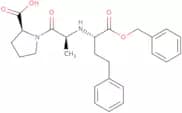
CAS:<p>Enalaprilat benzyl ester is a drug product that is custom synthesized according to the customer's specifications. It is a white or off-white crystalline powder and has a purity of 99%. Enalaprilat benzyl ester is used in the development of drugs, research and development, and analytical studies. It can be used as an impurity standard to test for enalaprilat in pharmaceutical products. It can also be used as a metabolite standard to measure blood levels of enalaprilat.</p>Fórmula:C25H30N2O5Pureza:Min. 95%Peso molecular:438.52 g/molN-Formyl Saxagliptin
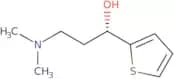
<p>N-Formyl Saxagliptin is an analytical standard for HPLC. It is used as a drug development and API impurity in the pharmaceutical industry. It was synthesized by reacting formaldehyde with the amino acid L-glutamic acid, followed by purification to remove any other contaminants. The CAS number for this chemical is 57847-82-0.</p>Pureza:Min. 95%(S)-3-(Dimethylamino)-1-(2-thienyl)propan-1-ol
CAS:<p>(S)-3-(Dimethylamino)-1-(2-thienyl)propan-1-ol is a polymerase chain reaction (PCR) reagent that is used as a building block for the synthesis of five membered ring lactams and dihedral polymers. This compound is synthesized by chemoenzymatic coupling of propanamine with trifluoroacetic acid in the presence of methyl groups, followed by catalytic hydrogenation to yield the desired product. The asymmetric synthesis of this compound was achieved through chiral resolution using NMR spectroscopy.</p>Fórmula:C9H15NOSPureza:Min. 95%Peso molecular:185.29 g/mol3,4-Dihydro naratriptan
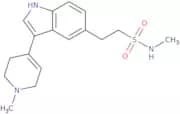
CAS:<p>3,4-Dihydro naratriptan is a medicinal compound that is used as an anti-migraine drug. It is a hydrogenated form of the parent molecule naratriptan and has been shown to have a reaction time of about 30 minutes when catalyzed by palladium. The impurity, 3,4-dihydro naratriptan sulfonamide, has been found to be less potent than the target compound and can be eliminated from the synthesis by using catalytic hydrogenation. 3,4-Dihydro naratriptan sulfonamide can also be reduced by catalytic hydrogenation to yield 3,4-dihydro naratriptan.</p>Fórmula:C17H23N3O2SPureza:Min. 95%Peso molecular:333.45 g/molN-(4-Amino-6,7-dimethoxyquinazol-2-yl)-N-methylpropylenediamine formamide hydrochloride
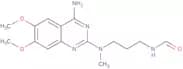
CAS:<p>N-(4-Amino-6,7-dimethoxyquinazol-2-yl)-N-methylpropylenediamine formamide hydrochloride is an impurity in the synthesis of N-(4-amino-6,7-dimethoxyquinazol-2-yl)-N'-methylpropylenediamine formamide hydrochloride. It is a white solid that can be used as an analytical reference standard for HPLC. It has been detected in the urine of people taking this drug and can be used to identify the presence of this drug in urine samples.</p>Fórmula:C14H17N5O2·HClPureza:Min. 95%Peso molecular:323.78 g/mol3-(Methylamino)-5,6-dihydro-2H-1,4-thiazin-2-one oxime hydrochloride
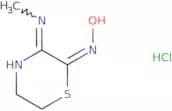
CAS:<p>3-(Methylamino)-5,6-dihydro-2H-1,4-thiazin-2-one oxime hydrochloride is an analytical reagent used for HPLC analysis of the impurities in pharmaceutical products. It is a white crystalline solid with a melting point of 235°C. 3-(Methylamino)-5,6-dihydro-2H-1,4-thiazin-2-one oxime hydrochloride is used as a reference standard and has been assigned CAS No. 112233-23-5 by the Chemical Abstracts Service (CAS). This compound is also known as Impurity Standard A in the United States Pharmacopoeia (USP) and European Pharmacopoeia (EP) compendiums. 3-(Methylamino)-5,6-dihydro-2H-1,4-thiazin-2-one oxime</p>Fórmula:C5H9N3OS•HClPureza:Min. 95%Forma y color:PowderPeso molecular:195.67 g/molAripiprazole EP Impurity E
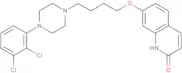
CAS:<p>Aripiprazole EP Impurity E is a potential impurity of aripiprazole, which is an antipsychotic drug. It has been detected as a major impurity in the drug. Aripiprazole EP Impurity E has been found to be present in human plasma and it is thought that this impurity may have pharmacological effects on humans similar to those of aripiprazole. The detection of this impurity has been achieved using LC-MS/MS methods. This method can be used for wastewater treatment due to the matrix effect of nitrogen atoms. Aripiprazole EP Impurity E may have significant implications in the diagnosis, prevention, and treatment of obesity and other metabolic disorders.</p>Fórmula:C23H25Cl2N3O2Pureza:Min. 95%Peso molecular:446.37 g/molrac-Des(isopropylamino) acebutolol diol
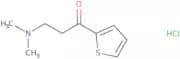
CAS:<p>rac-Des(isopropylamino) acebutolol diol is a synthetic drug substance that is used for research and development purposes. It has a purity of 99% or greater, does not contain any impurities, and is manufactured using the latest technology. The rac-Des(isopropylamino) acebutolol diol is a pharmaceutical grade product with high purity and quality standards that have been verified by HPLC analysis. This compound is an analytical standard that can be used to calibrate mass spectrometry instruments. Rac-Des(isopropylamino) acebutolol diol is also metabolized into the natural metabolite noracebutanol by cytochrome P450 enzymes in humans.</p>Fórmula:C15H21NO5Pureza:Min. 95%Peso molecular:295.33 g/mol3-(Dimethylamino)-1-(2-thienyl)propanone hydrochloride
CAS:<p>3-(Dimethylamino)-1-(2-thienyl)propanone hydrochloride is a sulfoxide that is used as a solvent. It has been used in the synthesis of benzylsulfoxides and solvents for the manufacture of pharmaceuticals. 3-(Dimethylamino)-1-(2-thienyl)propanone hydrochloride is also a potent compound, which is structurally similar to benzene but with an additional methyl group. 3-(Dimethylamino)-1-(2-thienyl)propanone hydrochloride has been used in the synthesis of melphalan and elemental analysis. The chloride group on its structure makes it soluble in water and organic solvents such as acetonitrile. 3-(Dimethylamino)-1-(2-thienyl)propanone hydrochloride can be synthesized by reacting nitric acid with 2-aminothiophenol and dimethylanil</p>Fórmula:C9H14ClNOSPureza:Min. 95%Peso molecular:219.73 g/molBalsalazide 3-isomer
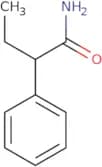
CAS:<p>Balsalazide 3-isomer (BZ3) is a diacid that is used as an anti-hypertensive drug. BZ3 has been shown to be a prodrug of balsalazide, which is converted in vivo to the active form by hydrolysis of the ester linkage. The prodrug approach was designed to provide an orally available agent for use in patients with colitis and ulcerative colitis. The synthetic process begins with the reaction of salicylic acid and bisoprolol to form the ester product, which then undergoes a second reaction with acetyl chloride to form the acyl chloride intermediate. This intermediate reacts with balsalazide and yields BZ3 when heated to high temperatures. BZ3 contains no impurities because it is synthesized from pure starting materials, whereas commercially available balsalazide may contain impurities such as salicylic acid or colitis.</p>Fórmula:C17H15N3O6Pureza:Min. 95%Peso molecular:357.32 g/mol2-Phenylbutyramide
CAS:<p>2-Phenylbutyramide is a drug that acts as a potent, nonselective agonist at adenosine A3 receptors. It has been shown to have therapeutic potential for the treatment of bowel disease and cardiac diseases. 2-Phenylbutyramide binds to the adenosine A3 receptor and triggers an increase in intracellular calcium levels, which leads to smooth muscle relaxation in the gut. This drug also has been found to be effective against autoimmune diseases and organometallic toxicity. It is not active against bacterial infections such as hepatitis or inflammatory bowel disease.</p>Fórmula:C10H13NOPureza:Min. 95%Peso molecular:163.22 g/molN2-Methyl alfuzosin
CAS:<p>N2-Methyl alfuzosin is an impurity of Alfuzosin, a drug used to treat benign prostatic hyperplasia. It can be used as an HPLC standard for the detection and quantification of Alfuzosin in pharmaceutical products. N2-Methyl alfuzosin is a metabolite of Alfuzosin that is formed by cytochrome P450 3A4. It has been shown to have anti-inflammatory effects, which may be due to its inhibition of prostaglandin synthesis.</p>Fórmula:C19H27N5O4Pureza:Min. 95%Peso molecular:389.45 g/molN-Hydroxy riluzole O-b-D-glucuronide
CAS:<p>N-Hydroxy riluzole O-b-D-glucuronide is an analytical standard and drug development metabolite. It is a metabolite of the anti-convulsant agent riluzole, which is used in the treatment of amyotrophic lateral sclerosis (ALS). Riluzole is converted to N-hydroxyl riluzole O-b-D-glucuronide in the liver by UDP glucuronosyltransferase. N-Hydroxyl riluzole O-b-D-glucuronide has been shown to block protein synthesis in rat kidney cells. It also blocks the conversion of amino acid tyrosine to dopa in dopaminergic neurons, and inhibits dopamine uptake into synaptosomes.</p>Fórmula:C14H13F3N2O8SPureza:Min. 95%Peso molecular:426.32 g/molAmido methyl meloxicam
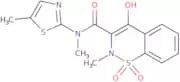
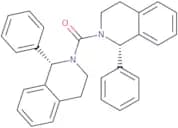
CAS:<p>Amido methyl meloxicam is a synthetic nonsteroidal anti-inflammatory drug. It is used to relieve inflammation and pain. Amido methyl meloxicam is chemically similar to the naturally occurring substance, meclofenamic acid, but it does not have the same side effects.<br>Amido methyl meloxicam is metabolized in the liver by CYP3A4/5 and then excreted by the kidneys.</p>Fórmula:C15H15N3O4S2Pureza:Min. 95%Peso molecular:365.43 g/mol(R)-1-Phenyl-1,2,3,4-tetrahydroisoquinoline
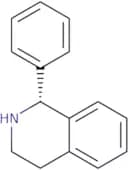
CAS:<p>(R)-1-Phenyl-1,2,3,4-tetrahydroisoquinoline is a chiral molecule with four stereocenters. It is synthesized by the reaction of sulfamic acid and cyclohexene in the presence of p-toluenesulfonic acid. The product formed is then dehydrogenated to produce (R)-1-phenyl-1,2,3,4-tetrahydroisoquinoline. This compound is soluble in organic solvents such as benzene and ethane and can be used as an acceptor for chiral stationary phases.</p>Fórmula:C15H15NPureza:Min. 95%Forma y color:PowderPeso molecular:209.29 g/mol1-[4-(4-Amino-6,7-dimethoxy-2-quinazolinyl)-1-piperazinyl]-2-hydroxy-1-pentanone
CAS:<p>1-[4-(4-Amino-6,7-dimethoxy-2-quinazolinyl)-1-piperazinyl]-2-hydroxy-1-pentanone (DMPP) is an analog of the antiarrhythmic drugs flecainide and propafenone. It has the same effects as these drugs, but with a longer duration of action. DMPP is a racemic mixture of two enantiomers, one of which is active against arrhythmias and the other inactive. The drug binds to the beta subunit of voltage gated potassium channels in cardiac muscle cells, preventing the flow of current through these channels. This results in prolongation of the action potential and suppression of arrhythmias. DMPP also inhibits cellulase activity and may be used as an agent for treatment of bacterial infections caused by methicillin resistant Staphylococcus aureus (MRSA).</p>Fórmula:C19H27N5O4Pureza:Min. 95%Peso molecular:389.45 g/molN-[(3-Trifluoromethyl)phenyl)propyl] cinacalcet HCl
CAS:<p>N-[(3-Trifluoromethyl)phenyl)propyl] cinacalcet HCl is an analytical standard that is used as a HPLC impurity standard and an impurity in the synthesis of pharmaceutical drugs. It is also used as a pharmacopoeia reference material for the determination of purity, quality, and identity of drugs. This compound has been assigned a CAS number of 1271930-15-4 (free base). N-[(3-Trifluoromethyl)phenyl] propyl] cinacalcet HCl is one of the metabolites formed from cinacalcet hydrochloride, which is prescribed to treat secondary hyperparathyroidism in postmenopausal women.</p>Fórmula:C32H31F6N·HClPureza:Min. 95%Peso molecular:580.05 g/molSitagliptin Hydrazine Diamide impurity
CAS:<p>Sitagliptin Hydrazine Diamide impurity is an analytical reference material that has been manufactured in accordance with the requirements of the United States Pharmacopeia (USP) and the European Pharmacopoeia (EP). The material is a white to off-white crystalline powder. It has a purity of 99.9% with a specific gravity of 1.06 g/cm3 and a melting point of 176-177°C. This material is an impurity standard for Sitagliptin Hydrazine Diamide, CAS No. 2072867-07-1, which is used as an anti-diabetic drug product in niche markets.</p>Fórmula:C26H23F9N6O2Pureza:Min. 95%Peso molecular:622.49 g/molMontelukast Bis-sulfide(mixture of diastereomers)
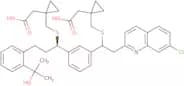
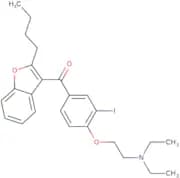
CAS:<p>Montelukast Bis-sulfide is a drug product that is custom synthesized with high purity. It has been studied for its metabolism, analytical properties, and natural sources. The metabolite of montelukast bis-sulfide has been extensively researched for pharmacopoeia as well as for drug development. Montelukast bis-sulfide is a synthetic compound that is not found in nature, but it has niche applications in research and development. CAS No.: 1242260-05-4</p>Fórmula:C41H46ClNO5S2Pureza:Min. 95%Peso molecular:732.39 g/molDe(diethylaminoethyl-5-iodo) Amiodarone
CAS:<p>Amiodarone is a drug that belongs to the group of annular compounds. It has been used in the treatment of cardiac arrhythmias, such as atrial fibrillation (AF) and ventricular tachycardia (VT). Amiodarone has been shown to have a high affinity for specific genes, including those involved in the regulation of the heart. This drug is also used in animals, such as dogs and rats. Amiodarone has been shown to have toxic effects on cardiac tissue and other organs, which may be due to its ability to inhibit the metabolism of thyroid hormones by deiodination. Amiodarone also inhibits synthesis of protein by binding to DNA, inhibiting transcription and translation.</p>Fórmula:C19H17IO3Pureza:Min. 95%Forma y color:PowderPeso molecular:420.24 g/molN-(3-hydroxytricyclo[3.3.1.1]dec-1-yl)glycyl-L-prolinamide
CAS:<p>N-(3-hydroxytricyclo[3.3.1.1]dec-1-yl)glycyl-L-prolinamide is a metabolite that is formed when the drug product, ticagrelor, undergoes metabolism in the liver. Ticagrelor is a prodrug that requires conversion to its active form, which is N-(3-hydroxytricyclo[3.3.1.1]dec-1-yl)glycyl-L-prolinamide, before it can be used as a platelet inhibitor and antiplatelet agent for the prevention of thrombotic events such as heart attack and stroke. It has been shown to have an excellent stability profile and high purity when produced by HPLC or synthesized using the latest methodology under GMP conditions.</p>Pureza:Min. 95%Brexpiprazole impurity 3
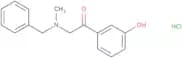
CAS:<p>Brexpiprazole impurity 3 is a drug product that has been custom synthesized for research purposes. The purity of this product is high and it has been analyzed using analytical methods. This product can be used to study the metabolism of brexpiprazole, which is an atypical antipsychotic medication. Brexpiprazole impurity 3 also has pharmacopoeia standards, which can be used to develop new drugs or as a quality control standard in research and development.</p>Fórmula:C25H27N3O3SPureza:Min. 95%Peso molecular:449.57 g/molrac-Norphenylephrine hydrochloride
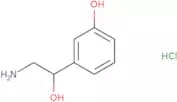
CAS:Producto controlado<p>Racemic norphenylephrine hydrochloride is a sympathomimetic amine. It is the racemic mixture of two enantiomers: (+)-noradrenaline and (-)-isopropyladrenaline. Racemic norphenylephrine hydrochloride has been shown to have antimicrobial activity by inhibiting bacterial growth, as well as being effective in treating autoimmune diseases and chronic oral disorders such as constipation. Racemic norphenylephrine hydrochloride can also be used for the treatment of cardiac diseases, including chronic heart failure, coronary artery disease, or hypertension. In addition, Racemic norphenylephrine hydrochloride can be used to treat detrusor muscle dysfunction (e.g., urinary incontinence).</p>Fórmula:C8H12ClNO2Pureza:Min. 95%Peso molecular:189.64 g/mol1,1-Bis-(methylthio)-2-nitroethene
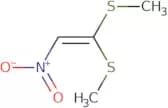
CAS:<p>1,1-Bis-(methylthio)-2-nitroethene is a versatile molecule that can be used as an imine. It is synthesized by reacting trifluoromethanesulfonic acid with the amine in the presence of a base. The imine product has been shown to bind to amines and is therefore a potential drug candidate for prostate cancer cells. 1,1-Bis-(methylthio)-2-nitroethene reacts with triflic acid to produce an intramolecular hydrogen bond, leading to its efficient synthesis. The resulting compound then undergoes reactions that are characterized by nmr spectra and profiles. This functional group is inhibitory against prostate cancer cell lines at high concentrations, although it has no effect on other cell lines.</p>Fórmula:C4H7NO2S2Pureza:Min. 95%Peso molecular:165.24 g/molAlverine EP Impurity E
CAS:<p>Alverine EP Impurity E is a nitrogen containing compound with the molecular formula C9H10N. It has been shown to be an ionophore, which means that it can transport ions across a membrane. Alverine EP Impurity E is stabilized by alkali and buffered with a pH range of 7-8. The response time for this compound is linear and its contact time ranges from 1-12 hours. This impurity has a phenyl group and a ph range of 6-7. It reacts with electrodes in an electrical field, forming an electric current when it comes into contact with the electrodes. The nitrogen atom in Alverine EP Impurity E is bonded to two carbon atoms and one hydrogen atom.</p>Fórmula:C27H33NPureza:Min. 95%Peso molecular:371.56 g/molN2-Methyl alfuzosin hydrochloride (1:x)
CAS:<p>Alfuzosin is a drug used to treat the signs and symptoms of benign prostatic hyperplasia (BPH). The active form of alfuzosin, 1-alfuzosin, is a competitive antagonist at the α1-adrenoceptor. Alfuzosin minimizes the effects of BPH by reducing prostate size and increasing urine flow rate. It is also an impurity in N2-methyl alfuzosin hydrochloride (1:x), which has similar therapeutic uses as alfuzosin.</p>Pureza:Min. 95%Bupropion (R)-Isomer
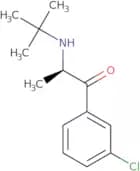
CAS:Producto controlado<p>Bupropion is a racemic mixture of two enantiomers. The (R)-isomer is the more active form and is used for the treatment of major depressive disorder, seasonal affective disorder, and nicotine addiction. Bupropion has been shown to inhibit monoamine oxidase type A in humans and other mammals. This inhibition may be responsible for its antidepressant effects. The drug also has an effect on the liver, which can lead to serious side effects such as seizures or death if not monitored carefully. Bupropion has a high affinity for α1-acid glycoprotein, which plays a role in drug interactions with other drugs that are metabolized by this protein.</p>Fórmula:C13H18ClNOPureza:Min. 95%Peso molecular:239.74 g/mol2-O-[4-[[(2-Carboxyethyl)amino]carbonyl]phenyl] balsalazide
CAS:<p>2-O-[4-[[(2-Carboxyethyl)amino]carbonyl]phenyl] balsalazide is a drug product that has been custom synthesized and purified to high purity. It is an analytical standard for metabolism studies. This compound is metabolized through a number of metabolic transformations, including hydrolysis by esterases or glucuronidases, oxidation by cytochrome P450 enzymes, reduction by glutathione reductase, or conjugation with glucuronic acid. 2-O-[4-[[(2-Carboxyethyl)amino]carbonyl]phenyl] balsalazide is also used as a pharmacopoeia impurity standard and as a research and development HPLC standard.</p>Fórmula:C27H24N4O9Pureza:Min. 95%Peso molecular:548.5 g/molSolifenacin impurity C
CAS:<p>Solifenacin impurity C is an impurity that is found in the drug product Solifenacin. It has been shown to be a natural metabolite and has been detected in human urine. Solifenacin impurity C is used as an analytical standard for HPLC analyses of solifenacin, and can also be used as a reference material for pharmacopoeia. The purity of this compound is 99%.</p>Fórmula:C31H28N2OPureza:Min. 95 Area-%Forma y color:White PowderPeso molecular:444.57 g/mol2’-[(1E)-2-[4-[[(2-Carboxyethyl)amino]carbonyl]phenyl]diazenyl] balsalazide
CAS:<p>2’-[(1E)-2-[4-[[(2-Carboxyethyl)amino]carbonyl]phenyl]diazenyl] balsalazide is a chemical substance that has been used as an analytical standard and as a research and development (R&D) tool. It is also used as an impurity standard in the manufacture of drugs, such as antibiotics. 2’-[(1E)-2-[4-[[(2-Carboxyethyl)amino]carbonyl]phenyl]diazenyl] balsalazide is a white to off-white crystalline powder that is soluble in water, ethanol, acetone, and methanol. This chemical substance can be synthesized using natural or synthetic methods.</p>Fórmula:C27H24N6O9Pureza:Min. 95%Peso molecular:576.51 g/mol3-[2-[4-(5-Fluoro-1,2-benzisoxazol-3-yl)-1-piperidinyl]ethyl]-6,7,8,9-tetrahydro-2-methyl-4H-pyrido[1,2-a]pyrimidin-4-one
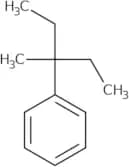
CAS:<p>3-[2-[4-(5-Fluoro-1,2-benzisoxazol-3-yl)-1-piperidinyl]ethyl]-6,7,8,9-tetrahydro-2-methyl-4H-pyrido[1,2-a]pyrimidin-4-one is a drug product that can be used as an analytical reference standard. It is a synthetic compound that is not found in nature and has CAS number 1199589-74-6. This compound has been synthesized by custom synthesis and it is an impurity standard for HPLC analysis. 3-[2-[4-(5-Fluoro-1,2-benzisoxazol-3 -yl)-1 -piperidinyl]ethyl]-6,7,8,9 -tetrahydro - 2 methyl - 4H - pyrido[1,2 -a]p</p>Fórmula:C23H27FN4O2Pureza:Min. 95%Peso molecular:410.48 g/mol(1-Ethyl-1-methylpropyl)benzene
CAS:<p>(1-Ethyl-1-methylpropyl)benzene is an impurity of some drugs. It is a metabolite of the drug, and can be found in urine or blood samples as a result of its excretion from the body. (1-Ethyl-1-methylpropyl)benzene is used as an analytical standard for HPLC analysis. This chemical is not on the USP list of impurities, but it is listed on the pharmacopoeia. The CAS number for (1-Ethyl-1-methylpropyl)benzene is 1985-97-3.</p>Fórmula:C12H18Pureza:Min. 95%Peso molecular:162.27 g/molLabetalol EP Impurity C
CAS:<p>Labetalol EP Impurity C is a synthetic impurity standard that is used to calibrate HPLC columns and for the quantification of labetalol in drug products. Labetalol EP Impurity C is a metabolite of labetalol and has been shown to have similar pharmacological properties. Labetalol EP Impurity C is synthesized by ester hydrolysis. The purity of this compound exceeds 99%.</p>Fórmula:C16H18N2O3Pureza:Min. 95%Peso molecular:286.33 g/molAlfuzosin hydrochloride EP Impurity F hydrochloride
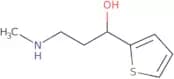
CAS:<p>Alfuzosin EP Impurity F hydrochloride is a drug product that is used as an analytical standard for Alfuzosin hydrochloride. It is a natural, synthetic, and impurity standard that exhibits similar chromatographic properties to the API. The CAS number of this impurity is 19216-68-3. This product has a niche market because it is used in metabolism studies. It also exhibits high purity and pharmacopoeia grade quality.</p>Fórmula:C12H16N4O2•HClPureza:Min. 95%Peso molecular:284.74 g/mol3-(Methylamino)-1-(2-thienyl)propan-1-ol
CAS:<p>3-(Methylamino)-1-(2-thienyl)propan-1-ol is a lipase inhibitor that belongs to the group of 1-fluoronaphthalene. It is an efficient method for the demethylation of 1-fluoronaphthalene, which is used in the synthesis of many pharmaceuticals. The synthesis of this compound was achieved through a kinetic study and confirmed by x-ray crystallography. This compound has been shown to be an analytical method for the determination of impurities in other drugs. 3-(Methylamino)-1-(2-thienyl)propan-1-ol can also be used as a drug substance for other pharmaceuticals and has been shown to inhibit the transfer of chiral centers mediated by enzymes and substrates.</p>Fórmula:C8H13NOSPureza:Min. 95%Peso molecular:171.26 g/mol(3R,5R)-Pitavastatin Calcium Salt
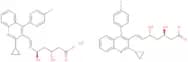
CAS:<p>(3R,5R)-Pitavastatin Calcium Salt is a drug product that is used in the development of pharmaceuticals. It is a synthetic compound with an impurity standard and a metabolite impurity. The CAS number for this product is 254452-96-5. (3R,5R)-Pitavastatin Calcium Salt has been shown to be metabolized by CYP2C9 and CYP2C8 enzymes, which may result in a decrease in potency or activity. This product also has been shown to have anti-inflammatory properties and inhibit the production of inflammatory mediators such as prostaglandins and leukotrienes. (3R,5R)-Pitavastatin Calcium Salt was prepared by solid phase synthesis using a fluorous biphasic approach.</p>Fórmula:C25H24FNO4CaPureza:Min. 95%Forma y color:White/Off-White SolidPeso molecular:441.5 g/molα-Desmethyl anastrozole
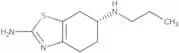
CAS:<p>Alpha-Desmethyl anastrozole is a synthetic chemical that has been used as an impurity standard for the drug product, Anastrozole (Arimidex). This compound is metabolized in humans and is a metabolite of Arimidex. Alpha-Desmethyl anastrozole exhibits high purity and can be synthesized using custom synthesis. The CAS number for this compound is 1215780-15-6.</p>Fórmula:C16H17N5Pureza:Min. 95%Peso molecular:279.34 g/mol(R)-Pramipexole 2HCl
CAS:Producto controlado<p>Dopamine (D2 and D3) receptor agonist; has anti-parkinsonian effects</p>Fórmula:C10H19Cl2N3SPureza:Min. 95%Peso molecular:283.06767Salbutamol EP Impurity F
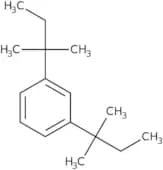
CAS:<p>Salbutamol EP Impurity F is a drug impurity that is an analytical standard and pharmacopoeia reference material. It is used in the manufacture of pharmaceuticals to ensure that the product meets quality standards. Salbutamol EP Impurity F has been shown to be a metabolite of salbutamol, which is produced as a result of oxidative metabolism by cytochrome P450 enzymes such as CYP3A4. The compound has also been observed in human urine and plasma.</p>Fórmula:C26H40N2O5Pureza:Min. 95%Peso molecular:460.61 g/mol1,3-bis(1,1-Dimethylpropyl) benzene
CAS:<p>1,3-bis(1,1-Dimethylpropyl) benzene is a synthetic compound that is used in drug product formulation. It is also used as an analytical standard for the determination of 1,3-bis(1,1-dimethylethyl)benzene in drug products and as a natural impurity in API preparations. This compound is metabolized to 1,3-dibromobenzene and 1,2-dibromoethane during its metabolic process. The chemical properties of this compound are similar to those of other alkylbenzenes and it has been shown to have pharmacological effects such as analgesic and antiinflammatory activities.</p>Fórmula:C16H26Pureza:Min. 95%Peso molecular:218.38 g/molLosartan azide
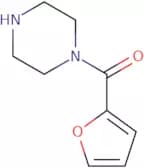
CAS:<p>Please enquire for more information about Losartan azide including the price, delivery time and more detailed product information at the technical inquiry form on this page</p>Fórmula:C22H22ClN9Pureza:Min. 95%Peso molecular:447.93 g/mol1-(2-Furoyl)piperazine
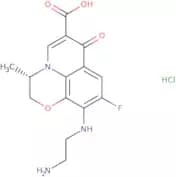
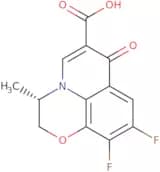
CAS:<p>1-(2-Furoyl)piperazine is a potent inhibitor of tyrosinase, an enzyme involved in the production of melanin. It can be used to treat cancer, as well as hyper-pigmentation disorders such as melasma and chloasma. 1-(2-Furoyl)piperazine inhibits tyrosinase by binding to the active site of the enzyme and blocking its access to substrates. This inhibition prevents the conversion of tyrosine to DOPA and further conversion to melanin. 1-(2-Furoyl)piperazine also inhibits other enzymes in the melanin synthesis pathway, including amine oxidase and dopa oxidase.</p>Fórmula:C9H12N2O2Pureza:Min. 95%Forma y color:PowderPeso molecular:180.2 g/molLevofloxacin diamine impurity
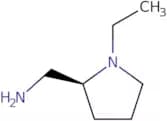
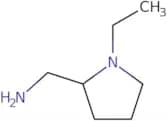
CAS:<p>Levofloxacin is a synthetic fluoroquinolone antibiotic. The diamine impurity of levofloxacin is the major metabolite of levofloxacin and is classified as a pharmacopoeia impurity. Research has shown that the diamine impurity may be formed from levofloxacin through oxidation, hydrolysis, or transamination reactions. Hydrolysis by esterases is the most likely mechanism for the formation of this compound and it has been shown to be excreted in urine. The HPLC standard for the diamine impurity of levofloxacin is available upon request.</p>Pureza:Min. 95%(S)-(-)-2-Aminomethyl-1-ethylpyrrolidine
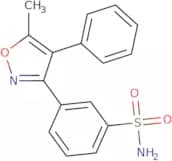
CAS:<p>(S)-(-)-2-Aminomethyl-1-ethylpyrrolidine is a compound that belongs to the class of cyclohexane ring. It has been shown to possess potent anti-infective activity against bacteria and fungi, but not against viruses. It is an inorganic compound that can be synthesized by the chlorination of (S)-(-)-2-aminoethanol. This method is efficient and does not require any organic solvents or catalysts. The binding of inhibitors to the enzyme can be studied by using this molecule as a model system. This molecule also has application as a coating for metal surfaces, which can inhibit corrosion.</p>Fórmula:C7H16N2Pureza:Min. 95%Peso molecular:128.22 g/molValdecoxib 3'-sulfonamide
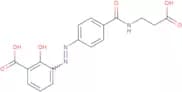
CAS:<p>Valdecoxib 3'-sulfonamide is a synthetic, non-naturally occurring drug product that has been custom synthesized for the purposes of research and development. It is not a natural API nor is it an impurity standard. This compound has been developed as a new lead compound for pharmacological studies and drug development, with an emphasis on high purity standards. The CAS number for this compound is 1373038-56-2.</p>Fórmula:C16H14N2O3SPureza:Min. 95%Peso molecular:314.36 g/mol3-[(1E)-2-[4-[[(2-Carboxyethyl)amino]carbonyl]phenyl]diazenyl] balsalazide
CAS:<p>3-[(1E)-2-[4-[[(2-Carboxyethyl)amino]carbonyl]phenyl]diazenyl] balsalazide is a white to off-white solid that is soluble in water and acidic solutions. It has an impurity level of less than 0.5%. The melting point of 3-[(1E)-2-[4-[[(2-Carboxyethyl)amino]carbonyl]phenyl]diazenyl] balsalazide is approximately 195°C. This compound has been shown to have antibiotic activity against a variety of bacteria, including methicillin resistant Staphylococcus aureus (MRSA).</p>Fórmula:C27H24N6O9Pureza:Min. 95%Peso molecular:576.51 g/molrac-Benzyl phenylephrone hydrochloride
CAS:Producto controlado<p>Rac-Benzyl phenylephrone hydrochloride is a synthetic compound that is not found in nature. It can be used as an analytical standard or a pharmacopoeia impurity standard. Rac-Benzyl phenylephrone hydrochloride has been shown to inhibit the activity of CYP3A4, an enzyme which metabolizes many drugs. As a result, it may be useful for drug development and research and could have applications in niche markets such as natural products.</p>Fórmula:C16H18ClNO2Pureza:Min. 95%Peso molecular:291.77 g/mol[6-Hydroxy-2-(4-hydroxyphenyl)-benzo[b]thien-7-yl][4-[2-(1-piperidinyl)ethoxy]phenyl]methanone
CAS:<p>6-Hydroxy-2-(4-hydroxyphenyl)-benzo[b]thien-7-yl][4-[2-(1-piperidinyl)ethoxy]phenyl]methanone is a synthetic impurity standard that is used as a reference material in the analytical, natural and drug development, and metabolite studies. 6-Hydroxy-2-(4-hydroxyphenyl)-benzo[b]thien-7-yl][4-[2-(1-piperidinyl)ethoxy]phenyl]methanone has a molecular weight of 390.27 and chemical formula C26H28N2O3S. It is also referred to by its CAS number 1391054-73-1.6</p>Fórmula:C28H27NO4SPureza:Min. 95%Peso molecular:473.58 g/molRoflumilast Impurity E
CAS:<p>Roflumilast Impurity E is a reagent that is used to monitor the pharmacokinetic properties of roflumilast. Roflumilast Impurity E is an acidic component of roflumilast that may be synthesized from acetone and acid hydrolysis. It has been shown to be hepatotoxic, but it does not have any adverse effects on the liver when taken with other drugs such as erythromycin and phenytoin. This substance also has a spectrum of action that includes pulmonary disease, which makes it useful for treating bronchitis and asthma.</p>Fórmula:C13H8Cl2F2N2O3Pureza:Min. 95%Peso molecular:349.12 g/mol(aR)-a-Methyl-N-[3-[4-(trifluoromethyl)phenyl]propyl]-1-naphthalenemethanamine
CAS:<p>(aR)-a-Methyl-N-[3-[4-(trifluoromethyl)phenyl]propyl]-1-naphthalenemethanamine is a synthetic drug product that is used in research and development. It has been shown to have an analytical purity of 99.8%.</p>Fórmula:C22H22F3NPureza:Min. 95%Peso molecular:357.41 g/molLevofloxacin carboxylic acid
CAS:<p>Levofloxacin is a synthetic molecule with an asymmetric carbon atom in its heterocycle. It is synthesized by reacting chloroform with 2-fluoro-5-nitrobenzaldehyde, which reacts further with sodium hydroxide and hydrochloric acid to form the levofloxacin carboxylic acid. Impurities can be found in the reaction product due to chlorine atoms that are formed during the synthesis. The amount of impurities present in the final product can be determined using a titration method or through HPLC analysis. Levofloxacin has been shown to be effective against methicillin-resistant Staphylococcus aureus (MRSA) and Clostridium perfringens, although is not active against acid-fast bacteria such as Mycobacterium tuberculosis or Mycobacterium avium complex.</p>Fórmula:C13H9F2NO4Pureza:Min. 95%Forma y color:PowderPeso molecular:281.21 g/molCaptopril EP Impurity N
CAS:<p>Captopril EP Impurity N is a synthetic impurity found in Captopril EP, which is used as a drug product for the treatment of hypertension. The impurity standard for Captopril EP Impurity N is available on request.</p>Fórmula:C8H14O4S2Pureza:Min. 95%Peso molecular:238.33 g/mol[4-(4-Amino-6,7-dimethoxy-2-quinazolinyl)-1-piperazinyl][(5S)-tetrahydro-5-methyl-2-furanyl]-methanone
CAS:<p>Furegrelate is an analytical reference standard for the hydroxylation of 4-(4-amino-6,7-dimethoxy-2-quinazolinyl)-1-piperazinyl[(5S)-tetrahydro-5-methyl-2-furanyl]-methanone. Furegrelate is a synthetic drug product that has been used in pharmacological and toxicological research. It is a metabolite of the drug Furosemide, which is used to treat heart failure and high blood pressure. Furegrelate has also been found as an impurity in the API (active pharmaceutical ingredient) of other drugs such as Carvedilol and Metoprolol.</p>Fórmula:C20H27N5O4Pureza:Min. 95%Peso molecular:401.46 g/mol3-[2-[4-(6-Fluoro-1,2-benzisoxazol-3-yl)-1-piperidinyl]ethyl]-7,8-dihydro-2-methyl-4H-pyrido[1,2-a]pyrimidine-4,9(6H)-dione
CAS:<p>3-[2-[4-(6-Fluoro-1,2-benzisoxazol-3-yl)-1-piperidinyl]ethyl]-7,8-dihydro-2-methyl-4H-pyrido[1,2-a]pyrimidine-4,9(6H)-dione is a research and development impurity standard. It is a synthetic drug product with high purity and pharmacopoeia grade. 3-[2-[4-(6-Fluoro-1,2-benzisoxazol-3-yl)-1 piperidinyl]ethyl]-7,8 dihydro 2 methyl 4 H pyrido [ 1 , 2 - a ] pyrimidine 4 9 ( 6 H ) dione has CAS No. 118951665 1 and is an analytical standard for HPLC analysis. 3-[2-[4-(6 Fluoro 1 , 2 benzisox</p>Fórmula:C23H25FN4O3Pureza:Min. 95%Peso molecular:424.47 g/mol2-(Aminomethyl)-1-ethylpyrrolidine
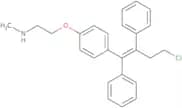
CAS:<p>2-(Aminomethyl)-1-ethylpyrrolidine is a pharmaceutical preparation that has been used in the analytical method for determining impurities in pharmaceuticals. It has also been used as an intermediate for pharmaceutical dosage preparations and as a reagent for chromatographic analysis of various substances. 2-(Aminomethyl)-1-ethylpyrrolidine is produced by acylation of pyrrole with ethyl chloride, followed by hydrolysis with sodium carbonate and hydrochloric acid. The substance can be separated into its two components using chromatography, which is based on the difference in their polarity. 2-(Aminomethyl)-1-ethylpyrrolidine is a dopamine receptor antagonist that blocks uptake of dopamine into cells by inhibiting the dopamine transporter (DAT). This leads to increased levels of extracellular dopamine and subsequent activation of postsynaptic D2 receptors.</p>Fórmula:C7H16N2Pureza:Min. 95%Forma y color:Clear LiquidPeso molecular:128.22 g/molN-Desmethyltoremifene
CAS:<p>N-Desmethyltoremifene is an anti-estrogen that has been shown to have genotoxic effects. It inhibits DNA synthesis and protein synthesis in human breast cancer cells. N-Desmethyltoremifene is a potent inducer of CYP3A4, which metabolizes many drugs. This drug also binds to α1-acid glycoprotein, which can lead to reduced plasma concentrations and pharmacokinetics. N-Desmethyltoremifene has been shown to inhibit the growth of renal cell carcinoma in animals, but not normal tissue, at high doses.</p>Fórmula:C25H26ClNOPureza:Min. 95%Peso molecular:391.93 g/molLosartan imidazo[1,5-b]isoquinoline impurity
CAS:<p>Losartan is a drug product that belongs to the class of losartan impurity. It is an impurity standard for research and development, as well as a custom synthesis. Losartan is also used in the synthesis of other drugs, such as losartan potassium, which is classified as a niche compound. Losartan impurity has been shown to be metabolized by several enzymes including CYP2C9 and CYP3A4. The metabolite identified from this study was N-desmethyl losartan.</p>Fórmula:C22H21ClN6Pureza:Min. 95%Peso molecular:404.9 g/mol(3S,4S,3’S)-Ezetimibe
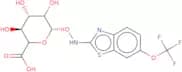
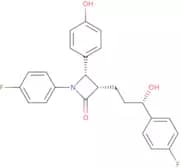
CAS:<p>Please enquire for more information about (3S,4S,3’S)-Ezetimibe including the price, delivery time and more detailed product information at the technical inquiry form on this page</p>Fórmula:C24H21F2NO3Pureza:Min. 95%Peso molecular:409.43 g/molN-Hydroxy-6-(trifluoromethoxy)-2-benzothiazolamine
CAS:<p>N-Hydroxy-6-(trifluoromethoxy)-2-benzothiazolamine (NHTB) is a drug that has been shown to have clinical use as an anticonvulsant. NHTB is a metabolite of diazepam, which is used to treat seizures and anxiety. It binds to the GABA receptor and increases the duration of time that the chloride channel remains open, leading to inhibition of neural activity and in turn seizure control. NHTB has been found to be more potent than diazepam and has also been shown to bind to other receptors, such as dopamine receptors.</p>Fórmula:C8H5F3N2O2SPureza:Min. 95%Peso molecular:250.2 g/mol2-Methoxy-5-sulfamoylbenzoic acid
CAS:<p>2-Methoxy-5-sulfamoylbenzoic acid (2MSBA) is a reactive compound that reacts with the proton of vancomycin to form a dianion. This reaction is reversible and can be catalyzed by chloride ions. 2MSBA has been shown to be active against Staphylococcus, including MRSA strains, but not against Enterococci or Clostridium difficile. 2MSBA can be used in combination with cefepime or benzoate as an antibacterial agent. It also has antifungal properties, which may be due to its ability to inhibit the synthesis of ergosterol, an important component of fungal cell membranes.<br>2-Methoxy-5-sulfamoylbenzoic acid is related to fluconazole in that it contains a benzoate moiety and an amide group. These structural features confer antibacterial and antif</p>Fórmula:C8H9NO5SPureza:Min. 95%Peso molecular:231.23 g/molDeiodo amiodarone
CAS:<p>Deiodo amiodarone is a noncompetitive inhibitor that binds to the active site of the enzyme and blocks the binding of substrate, thereby inhibiting the synthesis of catecholamines. Deiodo amiodarone has been shown to inhibit the oxidation of benzofuran derivatives in rat liver microsomes, human liver tissue samples, and chromatographic conditions. The inhibition constant for deiodo amiodarone was determined by liquid chromatography with a homogenizing technique.</p>Fórmula:C25H30INO3Pureza:Min. 95%Peso molecular:519.42 g/mola,a'-[[[2-(3,4-Dimethoxyphenyl)ethyl]imino]di-3,1-propanediyl]bis[3,4-dimethoxy-α-(1-methylethyl)-benzeneacetonitrile
CAS:<p>2,3,4-Trimethoxybenzaldehyde is an organic compound that is used as a chemical intermediate in the synthesis of pharmaceuticals. It is also used as a reagent in the chemical industry and as a flavoring agent. 2,3,4-Trimethoxybenzaldehyde has been shown to be metabolized by human liver microsomes to yield metabolites that are not well characterized. The impurities found in this drug product are 2-methoxy-5-methylphenol and 2,6-dimethoxyphenol.</p>Fórmula:C42H57N3O6Pureza:Min. 95%Peso molecular:699.92 g/mol3-[2-[4-(2,4-Difluorobenzoyl)piperidin-1-yl]ethyl]-2-methyl-6,7,8,9-tetrahydro-pyrido[1,2-a]pyrimidin-4-one
CAS:<p>Roflumilast is a drug used to treat chronic obstructive pulmonary disease. It is also used to treat inflammatory bowel diseases, such as Crohn's disease and ulcerative colitis. Roflumilast inhibits the enzyme cytochrome P450 in the liver, which is responsible for metabolizing certain drugs and other substances. This inhibition reduces the metabolism of these substances, leading to increased levels of these substances in the body. This can lead to side effects such as nausea, vomiting, dizziness, headache, and itching. Roflumilast also has an anti-inflammatory effect on the intestines by regulating the production of inflammatory cytokines and inhibiting the activity of pro-inflammatory enzymes.</p>Fórmula:C23H27F2N3O2Pureza:Min. 95%Peso molecular:415.48 g/molMirtazapine N-oxide
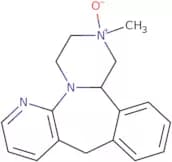
CAS:<p>Mirtazapine N-oxide is an antidepressant agent that is metabolized to mirtazapine. Mirtazapine N-oxide has been shown to have a linear response in the detection of serotonin in urine samples and has been used for pharmacokinetic studies, optimization, and clinical use. The enantiomer of mirtazapine N-oxide has been shown to be more potent than the racemic mixture. The drug is excreted unchanged into the urine with a half-life of 2 hours. Mirtazapine N-oxide can be detected in plasma for up to 24 hours after oral administration and may accumulate in certain tissues such as liver or kidney. This drug has also been shown to cause death in mice at very high doses.</p>Fórmula:C17H19N3OPureza:Min. 95%Peso molecular:281.35 g/mol(3-endo)-9-methyl-9-azabicyclo[3.3.1]nonan-3-amine
CAS:<p>Granisetron is a drug that belongs to the group of serotonin receptor antagonists. It is used as an antiemetic, mainly in the prevention and treatment of nausea and vomiting caused by cancer chemotherapy and surgery. This drug has been shown to be effective in controlling nausea and vomiting, even when given after chemotherapy or surgical procedures. Granisetron hydrochloride was synthesized in 1988 by chemists at Hoffmann-La Roche. The synthesis was patented in 1990. Potential impurities are not listed on the USP or EP pharmacopeia, but these impurities have been detected during synthesis.</p>Fórmula:C9H18N2Pureza:Min. 95%Peso molecular:154.25 g/molDasatinib impurity
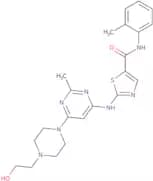
CAS:<p>Dasatinib is a cancer drug that is used to treat patients with chronic myeloid leukemia and Philadelphia chromosome-positive acute lymphoblastic leukemia. It inhibits the activity of tyrosine kinases, in particular Bcr-Abl and Src. Dasatinib is a structural analog of imatinib, which has been shown to be effective against chronic myeloid leukemia by inhibiting the activity of Bcr-Abl. Dasatinib impurity is an unwanted substance found in dasatinib. It can be synthesized from formic acid, chloride and chlorine using a series of industrial processes. The salt form of dasatinib impurity is acidic and synthetic.</p>Fórmula:C22H27N7O2SPureza:Min. 95%Peso molecular:453.56 g/molDutasteride EP impurity E
CAS:<p>Please enquire for more information about Dutasteride EP impurity E including the price, delivery time and more detailed product information at the technical inquiry form on this page</p>Fórmula:C27H30F6N2O2Pureza:Min. 95%Peso molecular:528.54 g/molTopiramate impurity C
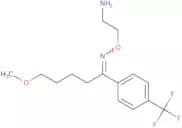
CAS:<p>Topiramate impurity C is an analytical reference standard, which is primarily sourced from the chemical synthesis of topiramate-related compounds. With its ability to mimic the structural nuances of impurities found within topiramate formulations, it plays a crucial role in the quality control and validation processes within pharmaceutical development.Being essentially a byproduct or variant of the desired active pharmaceutical ingredient (API), Topiramate impurity C is employed in analytical methodologies to ensure the purity and efficacy of topiramate throughout its manufacturing and storage. Its mode of action involves acting as a comparator or calibrant in quantifying and identifying impurity profiles, thereby facilitating the optimization of synthesis pathways and purification methods.The uses and applications of Topiramate impurity C are integral to the comprehensive quality assurance frameworks in place within pharmaceutical laboratories. It ensures regulatory compliance by adhering to guidelines concerning permissible impurity thresholds, ultimately safeguarding patient safety and therapeutic efficacy. Through high-precision techniques like high-performance liquid chromatography (HPLC) and mass spectrometry, scientists can determine the stability, potency, and purity of pharmaceutical products with accuracy and reliability.</p>Fórmula:C12H19ClO8SPureza:Min. 95%Peso molecular:358.79 g/mol(Z)-Fluvoxamine - EP
CAS:Producto controlado<p>(Z)-Fluvoxamine-EP is a drug product that is used as an analytical standard. It is a synthetic metabolite of fluvoxamine, which is a drug used for the treatment of depression. The synthesis of (Z)-fluvoxamine-EP is based on the asymmetric synthesis of fluvoxamine and the use of chiral chromatography to purify the product. This synthetic process allows for the production of high-purity (Z)-fluvoxamine-EP with a purity greater than 99%.</p>Fórmula:C15H21F3N2O2Pureza:Min. 95%Peso molecular:318.33 g/molTadalafil spiro-urethane impurity (EP impurity F)
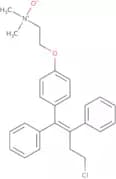
CAS:<p>Please enquire for more information about Tadalafil spiro-urethane impurity (EP impurity F) including the price, delivery time and more detailed product information at the technical inquiry form on this page</p>Fórmula:C22H19N3O6Pureza:Min. 95%Peso molecular:421.4 g/molToremifene-N-oxide
CAS:<p>Toremifene-N-oxide is a drug that has been shown to have genotoxic effects in human liver cells in an incubated system. Toremifene-N-oxide is the active form of toremifene, which is a selective estrogen receptor modulator (SERM). Toremifene-N-oxide is metabolized by peroxidases and can react with reactive oxygen species (ROS) to produce DNA damage. It also binds to DNA at the site of supercoiled DNA, leading to changes in the molecule's structure. Toremifene-N-oxide has been shown to have an optimum pH of 7.4 and ionization mass of 367. This drug binds to lactoperoxidase found in human liver cells and produces reactive molecules that cause oxidative DNA damage.</p>Fórmula:C26H28ClNO2Pureza:Min. 95%Peso molecular:421.96 g/molEthosuximide impurity A
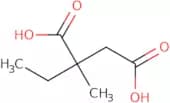
CAS:<p>Ethosuximide impurity A is a fluorinated compound that inhibits the enzyme acetylcholinesterase. It has been shown to inhibit the catalytic mechanism of acetylcholinesterase, which leads to its inhibitory effect on the enzyme. The compound does not have any structural similarity to the other known inhibitors of this enzyme. Ethosuximide impurity A has been shown to be an antimutagen and anticarcinogen in vitro, with a postulated mechanism of action that involves inhibition of a water molecule from binding to the active site.</p>Fórmula:C7H12O4Pureza:Min. 95%Peso molecular:160.17 g/mol1-[[3-Methyl-4-(2,2,2-trifluoroethoxy)-2-pyridinyl]methyl]-2-[[[3-methyl-4-(2,2,2-trifluoroethoxy)-2-pyridinyl]methyl]sulfinyl]-1H-b enzimidazole
CAS:<p>1-[[3-Methyl-4-(2,2,2-trifluoroethoxy)-2-pyridinyl]methyl]-2-[[[3-methyl-4-(2,2,2-trifluoroethoxy)-2-pyridinyl]methyl]sulfinyl]-1H-b enzimidazole is an impurity of a drug product. It is a metabolite that has been shown to be present in human plasma and urine. This compound is synthetically produced and is not found in nature. It has been shown to have niche applications in both analytical chemistry and pharmacopoeia.</p>Fórmula:C25H22F6N4O3SPureza:Min. 95%Peso molecular:572.52 g/mol

![4-Methyl-3-[[4-(3-pyridinyl)-2-pyrimidinyl]amino]benzamide](/_next/image/?url=https%3A%2Fstatic.cymitquimica.com%2Fproducts%2F3D%2Fthumb-webp%2FIM182951.webp&w=3840&q=75)
![4-[1,5-Bis-(2-methylsulfamoylethyl)-1H-indol-3-yl]-1-methylpyridinium chloride](/_next/image/?url=https%3A%2Fstatic.cymitquimica.com%2Fproducts%2F3D%2Fthumb-webp%2FIB183365.webp&w=3840&q=75)
![[1,1'-Biphenyl]-2'-(2H-tetrazol-5-yl)-4-carboxylic acid, [1,1'-biphenyl]-(2'-(2H-tetrazol-5-yl)-4-…](/_next/image/?url=https%3A%2Fstatic.cymitquimica.com%2Fproducts%2F3D%2Fthumb-webp%2FIB18639.webp&w=3840&q=75)

![4-Dibenzo[b,f][1,4]thiazepin-11-yl-1-piperazineethanol hydrochloride](/_next/image/?url=https%3A%2Fstatic.cymitquimica.com%2Fproducts%2F3D%2Fthumb-webp%2FID27364.webp&w=3840&q=75)

![N-(Aminosulphonyl)-2-[[[2-[(Aminoiminomethyl)amino]-4-thiazolyl]methylsulphinyl]propanimidamide](/_next/image/?url=https%3A%2Fstatic.cymitquimica.com%2Fproducts%2F3D%2Fthumb-webp%2FIA58086.webp&w=3840&q=75)
![4'-[(1,4'-Dimethyl-2'-propyl[2,6'-bi-1H-benzimidazol]-1'-yl)methyl][1,1'-biphenyl]-2-carboxamide](/_next/image/?url=https%3A%2Fstatic.cymitquimica.com%2Fproducts%2F3D%2Fthumb-webp%2FID28022.webp&w=3840&q=75)
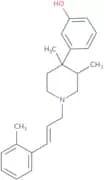


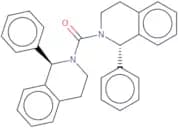


![1-[4-(4-Amino-6,7-dimethoxy-2-quinazolinyl)-1-piperazinyl]-2-hydroxy-1-pentanone](/_next/image/?url=https%3A%2Fstatic.cymitquimica.com%2Fproducts%2F3D%2Fthumb-webp%2FIA63849.webp&w=3840&q=75)
![N-[(3-Trifluoromethyl)phenyl)propyl] cinacalcet HCl](/_next/image/?url=https%3A%2Fstatic.cymitquimica.com%2Fproducts%2F3D%2Fthumb-webp%2FIT106469.webp&w=3840&q=75)

![N-(3-hydroxytricyclo[3.3.1.1]dec-1-yl)glycyl-L-prolinamide](/_next/image/?url=https%3A%2Fstatic.cymitquimica.com%2Fproducts%2F3D%2Fthumb-webp%2FIN176051.webp&w=3840&q=75)

![2-O-[4-[[(2-Carboxyethyl)amino]carbonyl]phenyl] balsalazide](/_next/image/?url=https%3A%2Fstatic.cymitquimica.com%2Fproducts%2F3D%2Fthumb-webp%2FIC167038.webp&w=3840&q=75)
![2’-[(1E)-2-[4-[[(2-Carboxyethyl)amino]carbonyl]phenyl]diazenyl] balsalazide](/_next/image/?url=https%3A%2Fstatic.cymitquimica.com%2Fproducts%2F3D%2Fthumb-webp%2FIC157151.webp&w=3840&q=75)
![3-[2-[4-(5-Fluoro-1,2-benzisoxazol-3-yl)-1-piperidinyl]ethyl]-6,7,8,9-tetrahydro-2-methyl-4H-pyrid…](/_next/image/?url=https%3A%2Fstatic.cymitquimica.com%2Fproducts%2F3D%2Fthumb-webp%2FIF23360.webp&w=3840&q=75)




![3-[(1E)-2-[4-[[(2-Carboxyethyl)amino]carbonyl]phenyl]diazenyl] balsalazide](/_next/image/?url=https%3A%2Fstatic.cymitquimica.com%2Fproducts%2F3D%2Fthumb-webp%2FIC19769.webp&w=3840&q=75)
![[6-Hydroxy-2-(4-hydroxyphenyl)-benzo[b]thien-7-yl][4-[2-(1-piperidinyl)ethoxy]phenyl]methanone](/_next/image/?url=https%3A%2Fstatic.cymitquimica.com%2Fproducts%2F3D%2Fthumb-webp%2FIH45348.webp&w=3840&q=75)
![(aR)-a-Methyl-N-[3-[4-(trifluoromethyl)phenyl]propyl]-1-naphthalenemethanamine](/_next/image/?url=https%3A%2Fstatic.cymitquimica.com%2Fproducts%2F3D%2Fthumb-webp%2FIM101358.webp&w=3840&q=75)

![[4-(4-Amino-6,7-dimethoxy-2-quinazolinyl)-1-piperazinyl][(5S)-tetrahydro-5-methyl-2-furanyl]-metha…](/_next/image/?url=https%3A%2Fstatic.cymitquimica.com%2Fproducts%2F3D%2Fthumb-webp%2FIA63848.webp&w=3840&q=75)
![3-[2-[4-(6-Fluoro-1,2-benzisoxazol-3-yl)-1-piperidinyl]ethyl]-7,8-dihydro-2-methyl-4H-pyrido[1,2-a…](/_next/image/?url=https%3A%2Fstatic.cymitquimica.com%2Fproducts%2F3D%2Fthumb-webp%2FIF24786.webp&w=3840&q=75)
![Losartan imidazo[1,5-b]isoquinoline impurity](/_next/image/?url=https%3A%2Fstatic.cymitquimica.com%2Fproducts%2F3D%2Fthumb-webp%2FIL24943.webp&w=3840&q=75)


![a,a'-[[[2-(3,4-Dimethoxyphenyl)ethyl]imino]di-3,1-propanediyl]bis[3,4-dimethoxy-α-(1-methylethyl)-…](/_next/image/?url=https%3A%2Fstatic.cymitquimica.com%2Fproducts%2F3D%2Fthumb-webp%2FID145565.webp&w=3840&q=75)
![3-[2-[4-(2,4-Difluorobenzoyl)piperidin-1-yl]ethyl]-2-methyl-6,7,8,9-tetrahydro-pyrido[1,2-a]pyrimi…](/_next/image/?url=https%3A%2Fstatic.cymitquimica.com%2Fproducts%2F3D%2Fthumb-webp%2FID21865.webp&w=3840&q=75)
![(3-endo)-9-methyl-9-azabicyclo[3.3.1]nonan-3-amine](/_next/image/?url=https%3A%2Fstatic.cymitquimica.com%2Fproducts%2F3D%2Fthumb-webp%2FIE22671.webp&w=3840&q=75)



![1-[[3-Methyl-4-(2,2,2-trifluoroethoxy)-2-pyridinyl]methyl]-2-[[[3-methyl-4-(2,2,2-trifluoroethoxy)…](/_next/image/?url=https%3A%2Fstatic.cymitquimica.com%2Fproducts%2F3D%2Fthumb-webp%2FIM25689.webp&w=3840&q=75)